

A Deeper Look at Six Pillars of the Style.
Fortified wines, often overlooked or misinterpreted, carry centuries of craftsmanship, trade, and innovation. This article examines the six mainstream fortified and oxidative wines—Sherry, Port, Madeira, Marsala, Vermouth, and Rancio—exploring their histories, production methods, and cultural significance.

Sherry
Spain’s Gift to the World
Sherry, from Spain’s Andalusian region of Jerez, evolved from a local wine into a global phenomenon. The production process, under the watchful eye of a complex solera system, integrates new and old wines, lending Sherry its distinct, oxidative character. Sherry is traditionally classified into seven main styles: Fino, Manzanilla, Amontillado, Oloroso, Palo Cortado, Cream, and Pedro Ximénez, each unique in flavor and aging methods.
The Phoenicians first brought vines to Jerez around 1100 BC, and the wine became famous under the Moors, who fermented the grapes and distilled the resulting wines. Sherry’s popularity peaked in the 16th century when British sailors returned from the Battle of Cádiz with barrels, introducing it to English nobility. The lore of Sherry includes the belief that some soleras contain remnants from centuries past, connecting each bottle to a vibrant history of winemaking.
SOMM&SOMM Related Article: Demystifying Wine: Sherry
Port
Portugal’s Legacy of Power and Complexity

Port, originating in Portugal’s Douro Valley, became popular in England during the 1700s when English merchants, avoiding French wine, fortified their imports from Portugal. The production process involves adding aguardente (grape spirit) to halt fermentation and preserve natural sugars, creating a rich, full-bodied wine. Port comes in several styles, including Ruby, Tawny, Vintage, Late Bottled Vintage (LBV), and White Port, each with unique aging techniques.
Port’s narrative includes the discovery of a legendary “blackstrap” port by English traders, who, having mistakenly over-fortified a shipment, found it sweeter and more robust. This unplanned discovery set the stage for Port’s sweet, fortified profile, which pairs seamlessly with blue cheeses and rich desserts.
SOMM&SOMM Related Article: The History, Tradition, and Elegance of Port Wine
Madeira
An Island’s Fortuitous Wine
Madeira’s story is one of survival and adaptability. Hailing from the island of Madeira, this wine was initially transported to tropical climates aboard ships, where the high temperatures “cooked” the wine. Instead of spoiling, it developed rich, complex flavors that fascinated European merchants. Modern Madeira winemaking replicates this process with the estufagem method, heating the wine to impart a caramelized complexity.
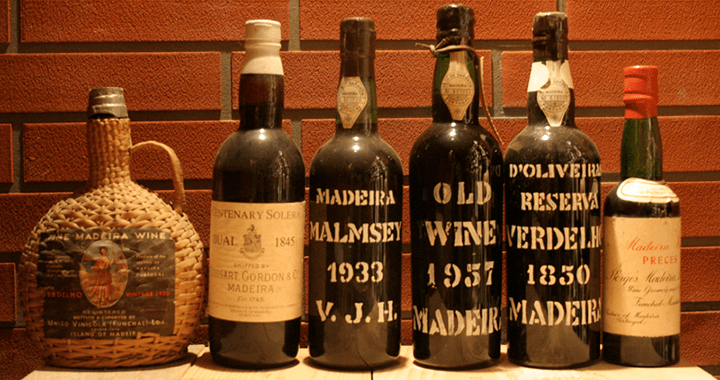
Madeira styles range from Sercial (dry) to Malvasia (sweet), with Bual and Verdelho falling in between. The island’s volcanic soils and distinctive grape varieties create wines with flavors of dried fruits, caramel, and smoky nuts. Madeira’s resilience is legendary; it remains one of the few wines capable of enduring centuries of aging, with bottles from the 18th century still drinkable today.
Marsala
Sicily’s Sweet and Dry Treasure
Marsala, named after the coastal town of Marsala in Sicily, gained international fame in the late 1700s when English merchant John Woodhouse fortified the local wine, preserving it for long voyages. Marsala production typically involves adding grape spirit to a wine blend and aging it in wooden casks. Marsala is classified into dry, semi-sweet, and sweet styles and further divided by aging categories such as Fine, Superiore, Vergine, and Riserva.
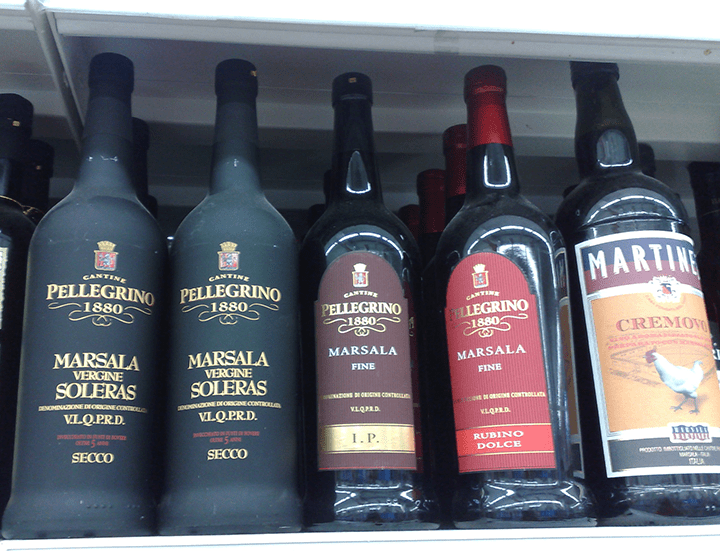
Marsala’s fame rose in the 19th century when it became a culinary staple, particularly in dishes like Chicken Marsala. Though overshadowed by its kitchen counterpart, fine Marsala wines offer complex notes of dried apricot, vanilla, and baking spices and can be enjoyed on their own as dessert wines.
Vermouth
Europe’s Aromatic Aperitif
Vermouth, first created in 1786 by Antonio Benedetto Carpano in Turin, Italy, is an aromatized, fortified wine infused with botanicals like herbs, roots, and spices. Originally medicinal, vermouth evolved into a fashionable aperitif. The wine base is fortified with grape spirit and flavored with a unique blend of botanicals, which differ by brand and region. Sweet (red) and dry (white) are the primary styles, with modern variations including extra dry, amber, and rose.
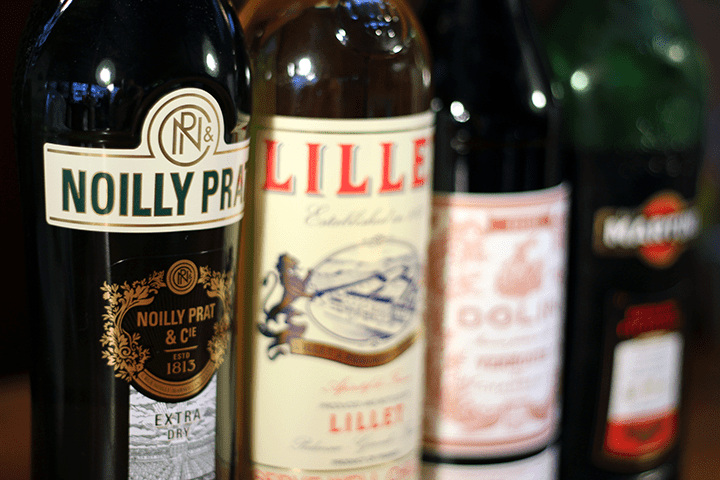
Vermouth has become integral to cocktails such as the Martini and Manhattan, but it’s also enjoyed neat, served with a citrus twist. Its versatility is its charm, as it complements flavors across a range of dishes, from appetizers to rich desserts.
SOMM&SOMM Related Article: Trendy Cocktails: The Manhattan
Rancio Sec
Catalonia’s Hidden Gem
Rancio Sec, hailing from Catalonia and France’s Roussillon region, is an ancient, oxidative-style non-fortified wine aged in barrels exposed to sunlight, creating intense, nutty flavors. Rancio wines gain their distinct profile from long aging and exposure to air, often with traditional winemaking methods, including aging in open vats or glass demijohns.

Aged between 5 and 100 years, Rancio Sec is not for the faint-hearted; it boasts concentrated flavors of roasted nuts, dark chocolate, and leather. The wine’s robust, rustic character pairs well with charcuterie and strong cheeses, and its rarity makes it a prized addition to any wine cellar.
Here’s to the fortified and oxidative—those brave, enduring wines that weather time and hold their ground. In their layers of complexity and whispers of faraway lands, they remind us that beauty often lies in patience, character, and the willingness to age with grace. Raise a glass to the unsung alchemists of the wine world, whose depth and warmth bring history to the table with every sip!
Gregory Dean, SOMM&SOMM
Each of these fortified and oxidative wines carries the essence of its place, heritage, and historical journey. Rediscovering fortified wines reveals a world where winemaking and alchemy meet, offering layers of flavor that speak to their unique origins and cultural stories. Whether you’re savoring a glass of Sherry with tapas or exploring the bold, oxidative notes of Rancio Sec, fortified wines are a journey through history, tradition, and flavor awaiting deeper exploration. Cheers 🍷
Cover photo by Christina Snyder, CC BY 2.0, via Wikimedia Commons


Leave a reply to Wines for Late Autumn and Early Winter – SOMM&SOMM Cancel reply