Tag: travel

  • Chasing Fireflies and Firewater

    Chasing Fireflies and Firewater

    Summer Reflections on Spirits, Simplicity, and the Magic Beyond the Porch Light.

    There is something about a Southern summer evening that refuses to be rushed.

    Perhaps it is the heat finally surrendering after a long day. Perhaps it is the chorus of cicadas rising from the trees or the familiar creak of a porch swing settling into rhythm. Whatever the reason, summer evenings seem to operate on their own timetable, encouraging us to slow down and appreciate moments that might otherwise pass unnoticed.

    As a child, I measured those evenings not by the clock but by the appearance of fireflies (a.k.a. lightnin’ bugs).

    silhouette of children playing together during sunset
    Photo by Hurrah suhail on Pexels.com

    Their tiny flashes signaled the beginning of a different part of the day. Dinner had ended. The chores were finished. The sun had slipped below the horizon, leaving behind streaks of orange and purple. The world seemed to exhale, and for a brief window before darkness fully arrived, the ordinary became something almost magical.

    Years later, I have come to realize that many of my favorite beverages occupy a similar space.

    Wine, whiskey, and cocktails often receive attention for their complexity. Enthusiasts debate tasting notes, production methods, and aging regimens with near-religious fervor. There is certainly value in understanding these details. Knowledge deepens appreciation, and every bottle has a story worth telling.

    Yet the bottles we remember most are rarely those that impressed us with technical perfection.

    Instead, they become intertwined with a particular evening, a particular meal, or a particular conversation.

    men doing high five while drinking
    Photo by Gustavo Fring on Pexels.com

    Ask someone about the best bourbon they ever tasted, and chances are they will describe the people they were with before they describe the whiskey itself.

    The same is true for wine. A modest bottle shared among friends often leaves a deeper impression than a prestigious vintage consumed in isolation. The experience becomes inseparable from the beverage, and the memory acquires a richness that no tasting note can fully capture.

    Summer may be the season that illustrates this truth most clearly.

    There is an understandable tendency to focus on what belongs in the glass. Retail displays fill with rosé, crisp white wines, canned cocktails, and recipes for refreshing summer drinks. Entire marketing campaigns are built around seasonal consumption.

    What receives less attention is the setting.

    glasses of wine on a wooden railing
    Photo by cottonbro studio on Pexels.com

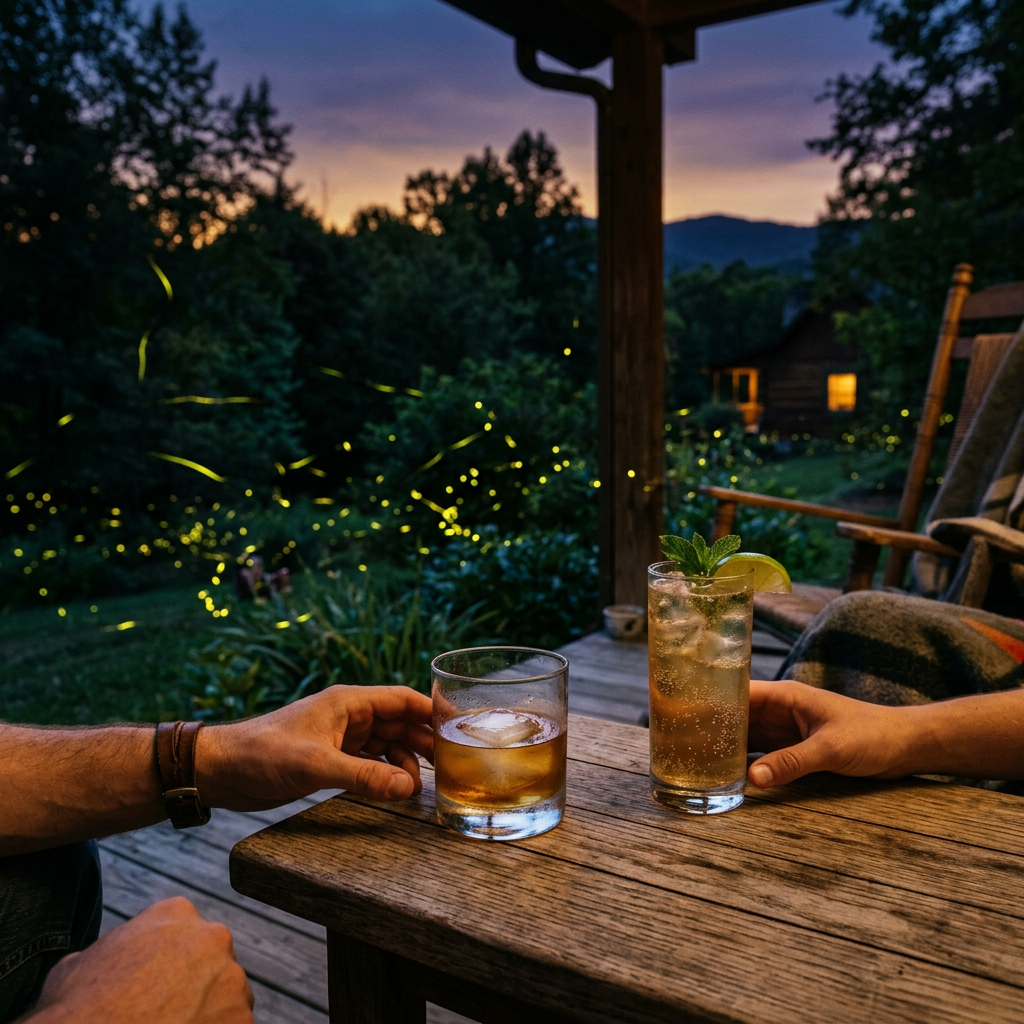
    A chilled Sauvignon Blanc enjoyed indoors under fluorescent lighting is not quite the same wine when served on a shaded patio overlooking a garden. A whiskey highball becomes something different when accompanied by the scent of charcoal drifting from a nearby grill. Even a simple gin and tonic seems elevated when enjoyed beneath a sky slowly filling with stars.

    The beverage matters, of course. But context matters more than we often admit.

    Perhaps that explains the enduring appeal of some of the simplest drinks ever created.

    The whiskey highball remains one of the world’s great summer cocktails not because it is complicated but because it isn’t. Whiskey, ice, and sparkling water combine to create something refreshing without demanding attention. It complements the moment rather than competing with it.

    corked wine decanter ice bucket and cocktail glasses with fruits on a table
    Photo by 𝙊𝙎𝙑𝘼𝙇𝘿𝙊 𝙍𝙊𝙈𝙄𝙏𝙊 on Pexels.com

    The same can be said for sangria, porch punches, and countless family recipes that have survived for generations. Their purpose has never been to showcase the skill of the bartender. Their purpose is to bring people together.

    Hospitality has always been more important than mixology.

    The older I get, the more I appreciate that distinction.

    We live in a time when experiences are frequently documented before they are fully enjoyed. Every exceptional meal is photographed. Every rare bottle is shared online. Every gathering seems to arrive with an unspoken expectation that it should be memorable.

    Ironically, the moments we cherish most are often the ones that occurred without any such intention.

    A spontaneous conversation that lasted longer than expected.

    A bottle opened for no particular reason.

    An evening that offered nothing extraordinary beyond good company and the luxury of being fully present.

    Those are the moments that linger.

    Those are the moments that return years later when a familiar aroma rises from a glass.

    Those are the moments that remind us why we gather around tables in the first place.

    enchanting fireflies in a serene forest setting
    Photo by marclyc li on Pexels.com

    As July settles into its hottest days and summer begins its gradual march toward autumn, I find myself thinking once again about those fireflies. Their season is remarkably brief. Blink, and you can miss it. Yet perhaps that brevity is precisely what makes their appearance so special.

    The finest summer evenings share that quality. They cannot be preserved, replicated, or stored away for later enjoyment. They exist only in the moment, asking nothing more of us than our attention.

    So open a bottle you enjoy. Invite a friend. Sit outside if the weather permits. Listen to the sounds of the season and watch the last traces of daylight fade from the sky.

    If a few fireflies happen to appear beyond the porch light, consider it a reminder that some of life’s greatest pleasures have always been wonderfully uncomplicated.

    The drink may help mark the occasion.

    The evening itself is what you’ll remember.

    Cheers 🥃

    A Personal Note

    While writing this article, I found myself thinking about summer evenings from my childhood in Tennessee. Long before I knew anything about wine, bourbon, or hospitality, I was fortunate enough to witness one of nature’s most remarkable spectacles—the synchronous fireflies of the Smoky Mountains.

    As darkness settled over the mountains, thousands of tiny lights would begin flashing in unison, illuminating entire hillsides before disappearing back into the night. At the time, I assumed every child experienced such magic. Only later did I learn that people travel from around the world to witness what I had taken for granted.

    Perhaps that is why summer evenings still hold a special place in my heart. Whether it’s a glass of bourbon shared on a porch, a bottle of wine enjoyed among friends, or simply watching the first fireflies emerge at dusk, I’m reminded that life’s most memorable moments are rarely the most elaborate. More often, they’re the ones that ask us to slow down, pay attention, and appreciate the wonder that has been there all along.

    — Gregory Dean, SOMM&SOMM

  • Where Merlot Becomes Magic

    Where Merlot Becomes Magic

    Wines That Whisper Instead of Shout.

    There are certain wines that command respect the moment they are poured. Then there are wines that quietly pull you into the glass, unfolding slowly over the course of an evening until you suddenly realize the bottle is empty and nobody at the table wants the conversation to end. That is the magic of Saint-Émilion.

    Nestled on Bordeaux’s famed Right Bank, Saint-Émilion has long existed in the shadow of some of the Left Bank’s louder, more aggressively structured Cabernet-driven wines. Yet for many wine lovers — particularly those drawn to elegance, texture, and layered complexity — Saint-Émilion offers something even more captivating. These are wines that do not need to shout. They seduce.

    And few grapes are more seductive here than Merlot.

    For Tammy, that has always been part of the appeal. There is something about the Merlot of Saint-Émilion that feels complete — rich without becoming heavy, polished without losing soul, luxurious without trying too hard. The wines possess a softness that invites you in, but underneath that velvety fruit lies structure, minerality, and depth that keep every sip interesting.

    That balance is what makes the region so extraordinary.

    scenic view of saint emilion france village
    Photo by Josef Kali on Pexels.com

    A Village Built on Wine and History

    Wine has flowed through Saint-Émilion for nearly 2,000 years. The Romans first planted vines in these limestone-rich hillsides, recognizing the potential of the region long before Bordeaux became synonymous with fine wine. The village itself, named after an 8th-century monk called Émilion, still feels wonderfully frozen in time.

    Medieval stone buildings rise above underground catacombs and ancient caves carved deep beneath the town. Narrow cobblestone streets wind past wine shops, churches, and cellar doors that have stood for centuries. Walking through Saint-Émilion feels less like visiting a wine region and more like stepping into a beautifully preserved secret.

    Of course, the real secret lies beneath the vineyards.

    close up shot of grapes
    Photo by Nico Becker on Pexels.com

    Why Merlot Thrives Here

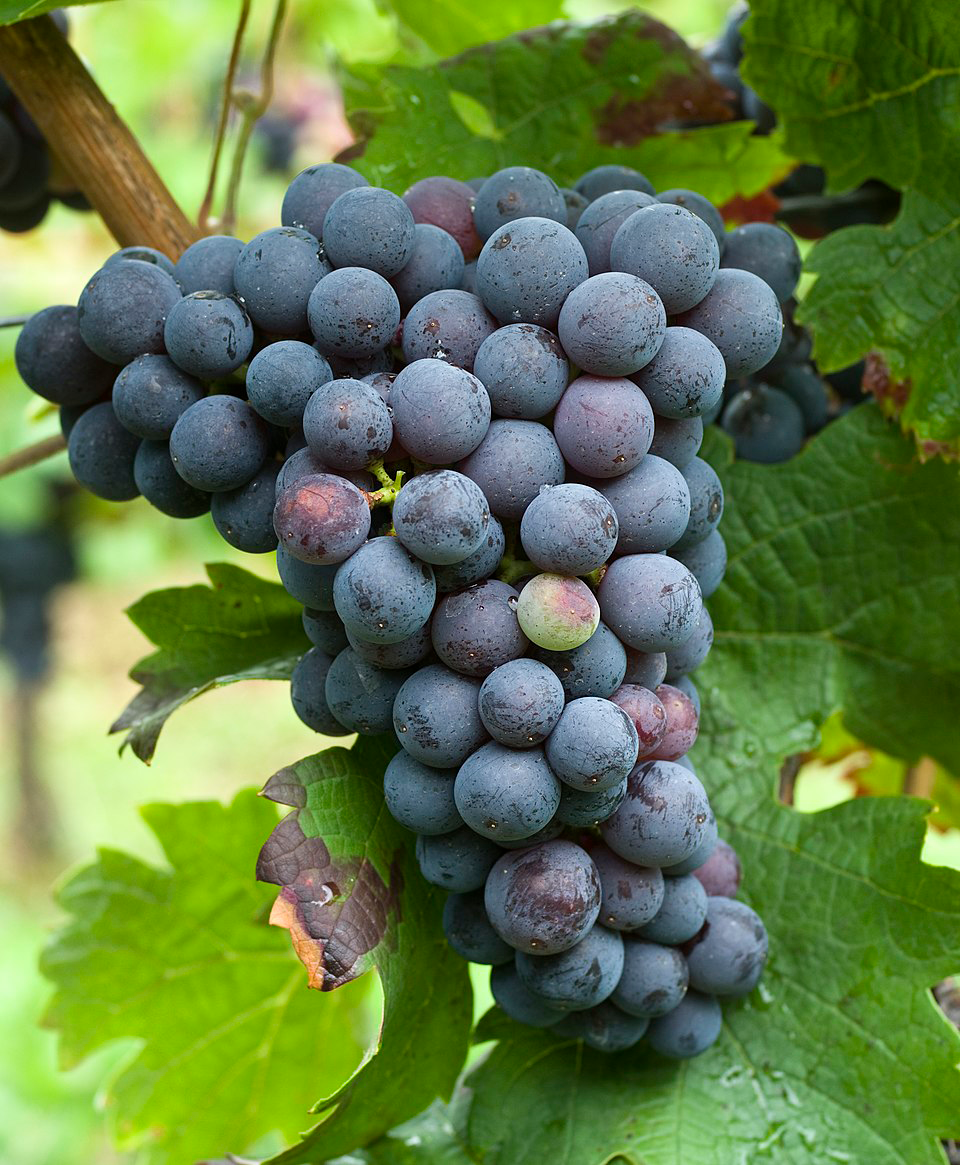
    Unlike the gravel-heavy soils of Bordeaux’s Left Bank, Saint-Émilion sits atop a patchwork of limestone, clay, chalk, and sand — soils perfectly suited for Merlot. Cabernet Franc also thrives here, contributing freshness, floral aromatics, spice, and backbone to many of the blends. Together, they create wines that combine generosity with tension, opulence with restraint.

    A great Saint-Émilion often delivers aromas of black cherry, ripe plum, violets, cedar, tobacco leaf, truffle, cocoa, and crushed stone. In youth, the wines can feel lush and welcoming. With age, they evolve into something deeply savory and hauntingly complex. The finest examples manage to feel simultaneously powerful and graceful — a rare achievement in the world of red wine.

    This is precisely why so many Merlot lovers become devoted to the region. Saint-Émilion reveals what Merlot can truly become when grown in the right place and handled with patience and care.

    close up of a man holding a glass of wine
    Photo by Philippe WEICKMANN on Pexels.com

    Saint-Émilion vs. Pomerol

    This is where comparisons to nearby Pomerol become fascinating.

    Though separated by only a few miles, the two appellations express Merlot in very different ways. Pomerol tends to produce wines of extraordinary plushness and velvety texture — softer around the edges, often broader and more opulent from the start. Saint-Émilion, meanwhile, usually carries more freshness and mineral energy, thanks largely to its limestone plateau and greater use of Cabernet Franc.

    If Pomerol is silk, Saint-Émilion is silk wrapped around stone.

    Gregory Dean, SOMM&SOMM

    Both regions produce extraordinary wines, but Saint-Émilion often appeals to those who enjoy a little more structure and complexity beneath the fruit. The wines evolve beautifully in the glass, revealing layer after layer over the course of a meal.

    Frederik Vandaele, CC BY 2.0, via Wikimedia Commons

    The Shadow of Pétrus

    No discussion of Right Bank Bordeaux can avoid the gravitational pull of Pétrus, perhaps the world’s most famous Merlot-dominant wine. Produced from Pomerol’s prized blue clay soils, Pétrus has achieved near-mythical status for its concentration, texture, and longevity. Collectors chase it. Auctions celebrate it. Bank accounts fear it.

    And deservedly so.

    Yet one of the great joys of Saint-Émilion is discovering just how profound these wines can be without requiring the purchase of a small yacht. Many of the region’s best producers deliver astonishing depth, elegance, and cellar-worthy complexity at far more approachable prices. For passionate wine lovers, that makes Saint-Émilion one of Bordeaux’s most rewarding explorations.

    Bordeaux With a Little Drama

    The region itself also carries a bit more personality than Bordeaux’s often rigid reputation suggests. Saint-Émilion’s classification system is famously revised every several years, unlike the fixed 1855 classifications of the Left Bank. Promotions, demotions, lawsuits, and controversy inevitably follow, giving the region a touch of drama beneath its polished exterior.

    For a place built on fermented grape juice, it occasionally behaves like a French aristocratic soap opera.

    Thankfully, the wines remain timeless.

    Related article: Understanding French Wine Laws

    The Wines Truly Come Alive at the Table

    At the table, Saint-Émilion shines brightest. These are reds built for long dinners and lingering conversations. Their balance of acidity, fruit, and tannin makes them remarkably versatile with food — roasted lamb, duck breast, mushroom risotto, braised short ribs, aged cheeses, and earthy autumn dishes all seem to come alive beside a well-aged bottle.

    More importantly, they invite people to slow down.

    That may ultimately be Saint-Émilion’s greatest strength. In a wine world often obsessed with scores, rarity, and spectacle, these wines still feel deeply connected to pleasure, place, and experience. They reward patience. They evolve in the glass. They encourage storytelling.

    And for those who love Merlot at its most expressive (I’m looking at you), few places in the world capture that magic more beautifully than Saint-Émilion 🍷

    Cover Photo by Andrew Patrick Photo on Pexels.com

  • Decoding the Truth Behind 10, 20, 30 & 40 Year Tawny Ports

    Decoding the Truth Behind 10, 20, 30 & 40 Year Tawny Ports

    In the world of fortified wines, few categories are as quietly revered—and as frequently misunderstood—as Tawny Port.

    Among collectors and sommeliers, Tawny occupies a fascinating space. Those who know it tend to adore it. Those who don’t often dismiss it as simply “old sweet Port.” And hovering over the entire category are those deceptively simple age statements: 10, 20, 30, and 40 Years.

    They look straightforward.
    They sound definitive.

    Yet they are neither.

    Which leads to the question I hear more than almost any other when discussing Port in tastings or seminars:

    Is there really that much difference between a 10-, 20-, 30-, and 40-Year Tawny… or is it mostly marketing?

    The short answer is yes, the differences are real.

    The longer—and far more interesting—answer is that the greatest leap in character does not occur early in the aging spectrum. It occurs late. Specifically, between 30 and 40 years, where Tawny Port undergoes something closer to transformation than gradual development.

    To understand why, we need to begin with a small but crucial clarification.

    Calém wine cellars – Cornelius from Berlin, Germany, CC BY-SA 2.0, via Wikimedia Commons

    What the Age Statement Actually Means

    When a bottle reads “20 Year Tawny”, it does not mean the wine inside is twenty years old.

    Instead, Tawny Port age designations represent a blending style, not a literal age.

    Producers blend multiple barrels of wine of different ages in order to create a final wine whose aromatic profile, structure, and overall impression resemble what a wine of that age should taste like.

    Think of the age statement less like a birth certificate and more like a time capsule.

    The style must meet sensory benchmarks approved by the Instituto dos Vinhos do Douro e do Porto (IVDP), the regulatory authority that oversees Port production.

    The blender’s task is not merely technical—it is interpretive. They must create a wine that feels like a 10-year Tawny, or a 30-year Tawny, even if the actual components span several decades.

    Related SOMM&SOMM article: The Organoleptic Process

    Understanding this distinction is essential, because it shifts our focus away from the number on the bottle and toward the true driver of Tawny Port’s evolution:

    time in wood.

    Sandeman Cellar – Hans Birger Nilsen, CC BY-SA 2.0, via Wikimedia Commons

    Time, Oxygen, and the Alchemy of the Barrel

    Unlike Vintage Port, which spends most of its life aging slowly in bottle, Tawny Port lives almost entirely in barrel.

    And barrel aging introduces three powerful forces that shape the wine over decades.

    Oxidation

    Wood is porous. Over time, small amounts of oxygen enter the barrel, slowly transforming the wine’s fruit character. Fresh berries begin to evolve into dried fruits, nuts, caramel, and spice.

    Evaporation

    Known romantically as the angel’s share, a portion of the wine slowly evaporates through the wood.

    As the years pass, the volume decreases while flavor compounds become more concentrated.

    Integration

    Acids, sugars, tannins, and aromatics gradually knit together. What once felt separate becomes seamless.

    These processes do not progress evenly over time. Early changes are dramatic and fruit-driven. Later changes affect the structure and perception of the wine itself.

    Which is why the differences between age categories are not linear.

    They unfold in stages.

    10-Year Tawny: The Invitation

    For many drinkers, the 10-Year Tawny is their first encounter with oxidative Port.

    At this stage, the wine still carries a strong memory of its youthful fruit.

    Expect aromas of dried cherry, fig, toasted almond, and orange peel, with a palate that remains lively and moderately sweet. The texture is smooth, but the wine still feels fruit-driven rather than fully evolved.

    This category serves as a bridge between Ruby-style Ports and the more oxidative Tawny world.

    It tends to resonate particularly well with drinkers who appreciate freshness and approachability—people who enjoy balanced dessert wines but may not yet be ready for deeply oxidative complexity.

    When moving from 10 to 20 years, the shift is noticeable, but still evolutionary rather than revolutionary.

    The wine becomes more polished. More composed.
    But the language of the wine remains familiar.

    20-Year Tawny: The Sweet Spot

    Many Port lovers eventually settle on 20-Year Tawny as their personal favorite—and it’s easy to understand why.

    This is where Tawny Port finds equilibrium.

    The fruit steps gracefully into the background, allowing aromas like hazelnut, caramel, dried apricot, and baking spiceto take center stage. The palate becomes more harmonious, sweetness feels less pronounced, and the texture develops a silkier, more confident character.

    At this stage, Tawny begins to attract drinkers outside traditional dessert wine circles.

    Fans of aged spirits such as Cognac or well-matured Scotch whisky often connect with the nutty complexity and long finish of a 20-Year Tawny.

    The jump from 20 to 30 years, however, is quieter than many people expect.

    Instead of a dramatic shift in flavor, the wine simply becomes more refined.

    Freshness gives way to depth.

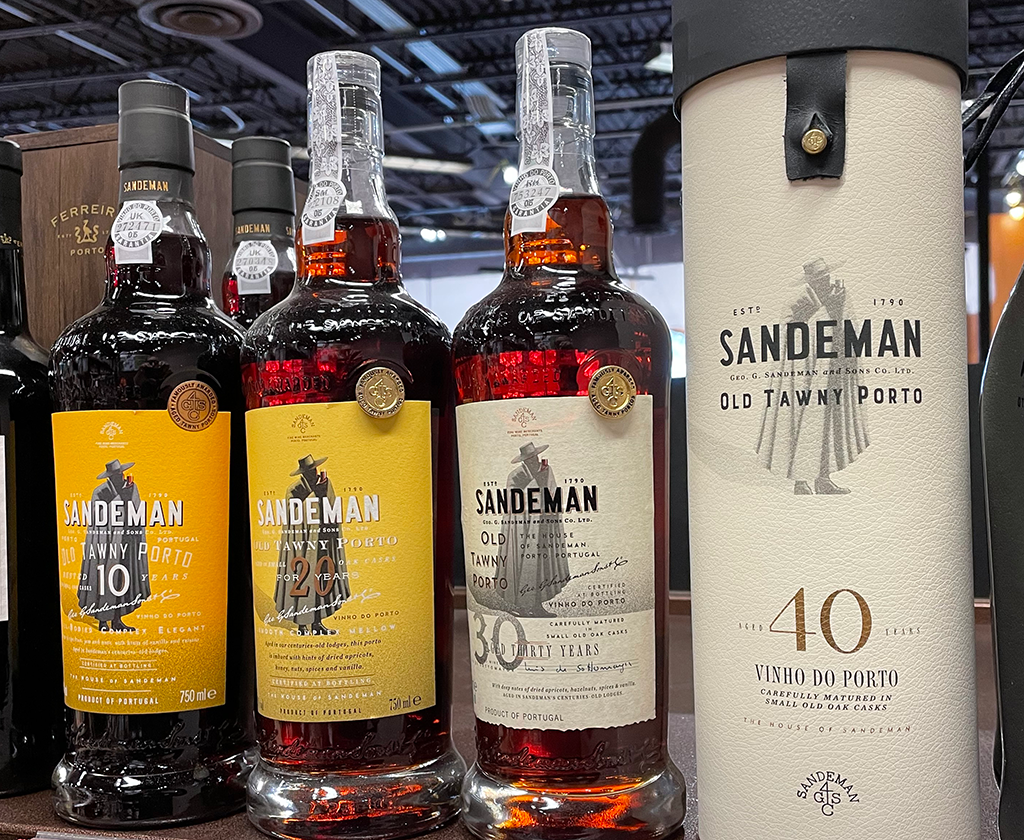
    Sandeman 30yr Tawny Port

    30-Year Tawny: The Contemplative Stage

    A 30-Year Tawny is a wine that invites reflection.

    By this point, fruit has largely receded into memory. What emerges instead is a tapestry of tertiary aromas—walnut oil, dried citrus peel, molasses, antique wood, and sometimes even the evocative scent of old library books.

    The palate often leans drier than younger Tawny expressions, though the sugar remains. What has changed is the balance: acidity now plays a more prominent role.

    Texturally, the wine can feel both viscous and lifted, a paradox that experienced tasters find endlessly compelling.

    This is the stage where Tawny Port begins to transcend its reputation as merely a dessert wine. It becomes something contemplative—something that invites slow appreciation rather than casual sipping.

    Yet despite all this development, the leap from 30 to 40 years is still ahead.

    And that is where Tawny Port reveals its most profound transformation.

    40-Year Tawny: Where Time Becomes the Flavor

    A 40-Year Tawny does not simply taste like an older version of a 30-Year Tawny.

    It tastes like an entirely different category of wine.

    At this age, evaporation has removed a significant portion of the original liquid from the barrel. What remains is extraordinarily concentrated.

    Yet paradoxically, the wine often feels lighter.

    The sweetness fades into the background while acidity becomes the structural backbone. Aromas move beyond recognizable foods toward something more abstract: mahogany, citrus oils, iodine, antique furniture, and burnt sugar.

    The finish stretches seemingly without end.

    In these wines, you are no longer tasting fruit transformed by oxidation.

    You are tasting time distilled.

    The wine sheds weight and gains clarity. Flavor gives way to sensation. The experience becomes less about identifying notes and more about interpreting the wine’s evolving texture and length.

    This is why the gap between 30 and 40 years feels so dramatic.

    Not because the wine becomes louder—but because it becomes more precise.

    Why the Largest Leap Occurs Late

    If we look at the progression of Tawny Port aging, a pattern emerges.

    Between 10 and 20 years, fruit begins evolving toward nuts and caramel, while sweetness integrates more smoothly.

    Between 20 and 30 years, refinement takes over. The wine deepens structurally and texturally.

    But between 30 and 40 years, the transformation becomes structural rather than merely aromatic.

    Sweetness becomes an accent rather than the centerpiece.
    Acidity becomes the dominant structural element.
    And aromas move beyond food references into something more atmospheric.

    At this stage, the wine has crossed a threshold where oxidation, evaporation, and concentration have reshaped its very identity.

    This isn’t marketing hype.

    It’s chemistry—and a little bit of physics.

    Sandeman Port – Alex Ristea from Vancouver, Canada, CC BY-SA 2.0, via Wikimedia Commons

    Is a 40-Year Tawny Worth the Price?

    The honest answer depends less on the wine than on the drinker.

    If you love sweetness and richness, 20-Year Tawny will likely provide the most pleasure.

    If you enjoy layered complexity and evolving textures, 30-Year Tawny may feel like the ideal balance.

    But if you are drawn to nuance, tension, and extraordinary length—if you enjoy wines that whisper rather than shout—then a 40-Year Tawny can be worth every penny.

    These wines are not impressive in a flashy way.

    They are impressive in a quiet, contemplative way.

    And quiet luxury is not for everyone.

    Tawny Port Is Ultimately About Awareness

    One of the most fascinating things about Tawny Port is that it changes not only the wine—but the drinker.

    A 10-Year Tawny welcomes you into the category.

    A 20-Year Tawny charms you with balance.

    A 30-Year Tawny challenges you to pay attention.

    And a 40-Year Tawny has the power to change the way you think about aged wine entirely.

    Not because it is louder.

    But because it is older, wiser, and more patient.

    And that patience—decades of quiet transformation in wood—is the real story behind every glass.

    Cheers. 🍷

  • Bourbon: Fire, Corn, and the American Barrel

    Bourbon: Fire, Corn, and the American Barrel

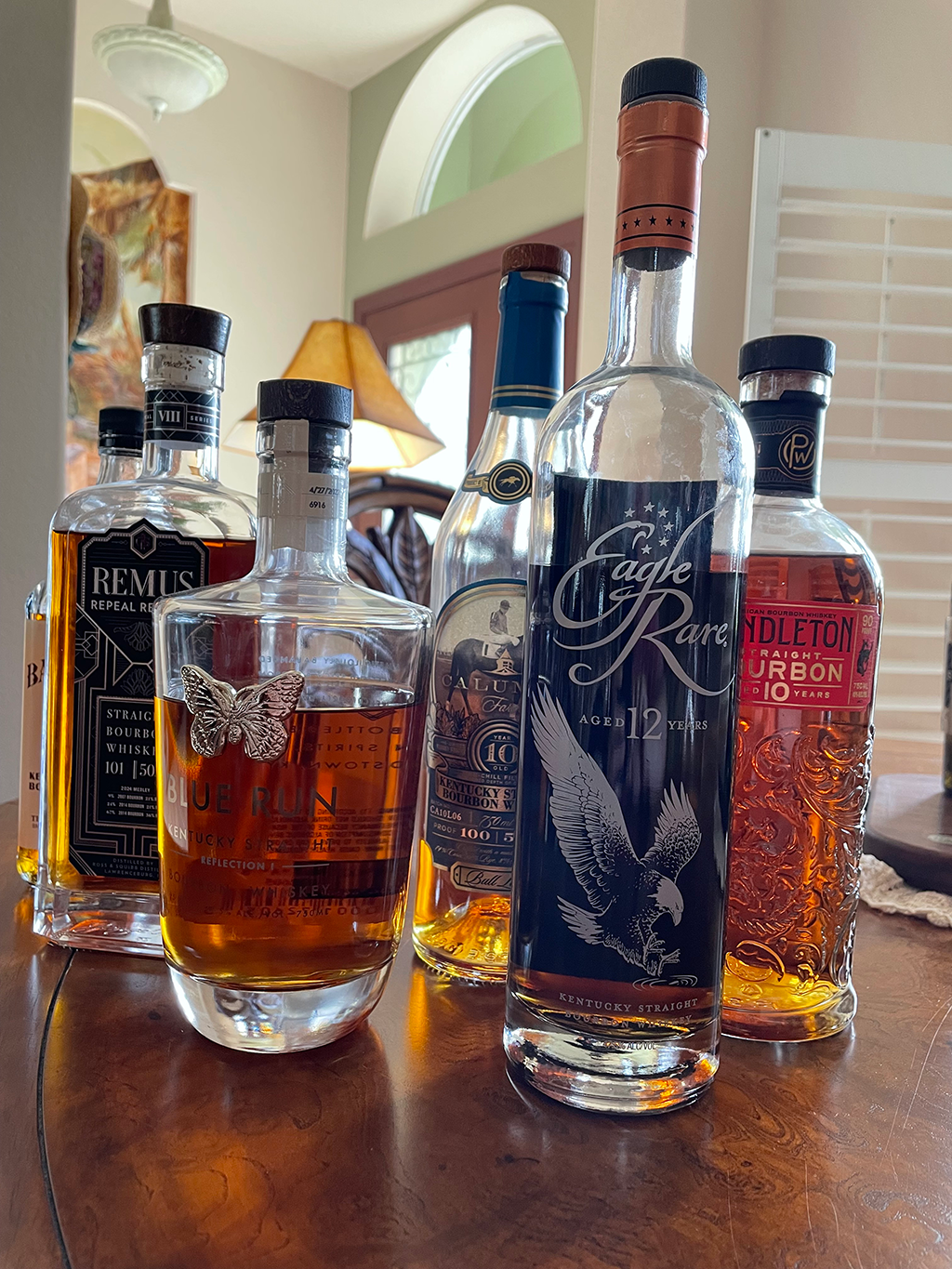
    There are spirits that whisper of old monasteries and windswept Scottish coasts. Bourbon does not whisper. It crackles.

    It begins in a cornfield under a Midwestern sun. It moves through copper stills and into a brand-new oak barrel that has quite literally been set on fire. It rests through humid summers and brittle winters, expanding and contracting with the rhythm of the seasons until wood and spirit can no longer be separated in conversation.

    Bourbon is not simply America’s native spirit. It is America’s study in transformation.

    And like wine, it deserves more than a quick pour and a passing note of “caramel and vanilla.”

    Let’s sit with it.

    Photo by cottonbro studio on Pexels.com

    Law as Flavor

    Bourbon’s regulations are not bureaucratic fine print — they are its recipe for identity.

    To carry the name, it must be made in the United States and composed of at least 51% corn. It cannot be distilled above 160 proof. It must enter the barrel at no more than 125 proof. And it must mature in brand-new, charred oak containers. No coloring. No flavoring. Nothing added but water to reduce proof.

    Those new barrels are not incidental. They are the defining choice.

    When oak is charred, the interior blackens and cracks, caramelizing wood sugars and forming a charcoal layer that filters and transforms the spirit. Beneath that char lies a layer of toasted wood where lignin and hemicellulose break down into vanillin, baking spice, caramel, and subtle smoke.

    Every barrel begins as a blank slate. Every batch begins again.

    Unlike Scotch, which often relies on used casks, bourbon’s relationship with oak is intense and immediate — a first dance with no rehearsal.

    Photo by Lina Kivaka on Pexels.com

    The Beginning of Personality

    Before the barrel, before the fire, there is grain.

    Corn must dominate. It gives bourbon its softness and sweetness — honeyed, rounded, generous. That creamy entry on the palate? Corn.

    Then comes the secondary grain, which shapes structure.

    Photo by Chris F on Pexels.com

    When rye is used, spice emerges. Black pepper, cinnamon bark, clove — a liveliness that lifts the sweetness and sharpens the finish. These bourbons feel energetic and structured, often brilliant in cocktails.

    Photo by Roman Biernacki on Pexels.com

    When wheat replaces rye, the texture shifts. The edges soften. Think fresh bread, light toffee, vanilla custard. Wheated bourbons feel plush, almost pastry-like, often charming in their approachability.

    A small portion of malted barley usually rounds out the mash bill, assisting fermentation and quietly adding nutty undertones.

    A few percentage points one way or another can change the entire posture of the spirit. Just as a winemaker adjusts Cabernet and Merlot, the distiller balances grain to sculpt personality.

    Woodford Reserve Distillery – Ken Thomas, Public domain, via Wikimedia Commons

    The Invisible Hand

    Kentucky’s weather is not gentle.

    Summers are hot and humid; winters are sharp and cold. Inside rickhouses — those towering wooden warehouses — barrels breathe with txhe seasons. In heat, the spirit expands deep into the wood. In cold, it retreats. Each cycle extracts more flavor, more color, more texture.

    This push and pull is bourbon’s quiet alchemy.

    Evaporation — the “angel’s share” — slowly reduces volume while concentrating flavor. Barrels on higher floors age faster in the heat; lower floors mature more slowly. Master distillers taste through these warehouses like sommeliers walking vineyard rows, selecting barrels for balance and character.

    Time does not simply pass in bourbon. It works.

    At six to eight years, balance often emerges — caramel woven into oak, sweetness anchored by structure. At ten to twelve, depth can become profound: dark toffee, tobacco leaf, polished wood. Beyond that, the line between complexity and over-oaking becomes razor thin.

    Older is not always better. Integrated is better.

    Photo by Ray Suarez on Pexels.com

    Structure in Liquid Form

    Proof is frequently misunderstood as machismo. In truth, it is architecture.

    Lower-proof bourbons feel gentle and accessible. Around 100 proof — historically the “Bottled-in-Bond” standard — the spirit gains tension and clarity. Barrel-proof expressions, often north of 120 proof, deliver intensity, viscosity, and remarkable aromatic lift.

    Higher proof carries more volatile compounds. Add a few drops of water and something magical happens: fruit emerges, florals bloom, hidden sweetness surfaces. The alcohol no longer dominates; it frames.

    It is the equivalent of decanting a young Barolo — not dilution, but revelation.

    Innovation with Restraint

    For generations, bourbon’s identity was simple: new oak and time. But modern producers have begun exploring secondary maturation in barrels that once held other wines or spirits.

    A bourbon finished in port barrels may develop notes of blackberry compote and dark chocolate. Sherry casks can introduce dried fig, toasted walnut, and oxidative depth. Madeira might lend caramelized citrus brightness. Brazilian Amburana wood barrels release waves of cinnamon, clove, and exotic spice.

    When finishing is heavy-handed, it masks. When it is thoughtful, it layers.

    The base spirit must be strong enough to carry the additional influence. When successful, finishing feels like seasoning in a refined kitchen — not an attempt to hide flaws, but to elevate nuance.

    Photo by Riccardo Nora on Pexels.com

    Bourbon at the Table

    As sommeliers, we cannot help ourselves. Bourbon is not merely a nightcap. It belongs at the table.

    Its sweetness and oak make it a natural partner for smoke and caramelization.

    Imagine slow-smoked brisket, the bark echoing charred oak. Picture pork ribs glazed in molasses barbecue sauce, the sauce mirroring bourbon’s caramel tones. A ribeye with a hard sear finds harmony in higher-proof expressions that cut through fat.

    Cheese pairings reveal contrast and echo. Aged cheddar reflects bourbon’s nutty depth. Smoked gouda amplifies its sweetness. Blue cheese offers tension against sweeter styles.

    And dessert? Pecan pie is almost inevitable. Bread pudding with caramel sauce feels ordained. Dark chocolate above 70% cacao creates a bittersweet conversation with oak tannin.

    For something less obvious, consider roasted duck with cherry reduction, or even maple-glazed salmon. Bourbon’s corn sweetness loves subtle sweetness on the plate.

    The guiding principle is simple: mirror caramelization, contrast sweetness, respect texture.

    Bourbon in Motion

    Though contemplative neat, bourbon thrives in structure.

    An Old Fashioned remains the gold standard — two ounces of bourbon, a whisper of sugar, aromatic bitters, and expressed orange peel. It is restraint in liquid form.

    The Manhattan introduces vermouth’s herbal sweetness and creates a dialogue between grain and fortified wine. Served chilled and silken in a coupe, it is timeless.

    The Whiskey Sour, properly made with fresh lemon and egg white, balances sweetness, acidity, and texture — bright yet anchored.

    And the Mint Julep, crushed ice shimmering against polished silver, turns bourbon into summer itself.

    Bourbon does not disappear in cocktails. It defines them.

    Icons of the Category

    While countless producers contribute to bourbon’s evolving narrative, several distilleries have shaped its modern identity:

    • Buffalo Trace Distillery
    • Maker’s Mark
    • Woodford Reserve
    • Wild Turkey
    • Four Roses
    • Heaven Hill

    Each interprets grain ratio, yeast, barrel selection, and proof through its own lens — proving that even within strict legal definition, stylistic diversity thrives.

    The Invitation

    Bourbon is often consumed quickly. It should not be.

    Pour it neat. Let it rest for a few minutes. Observe the legs in the glass. Inhale gently — caramel, vanilla, perhaps orange peel, perhaps toasted almond. Take a small sip and let it coat the palate. Notice texture before flavor. Then add a few drops of water and watch it evolve.

    Bourbon rewards patience. It rewards attention.

    It is corn made contemplative.
    Fire made graceful.
    Time made tangible.

    And when approached not as a trophy, but as a conversation, bourbon reveals itself as one of the most expressive spirits in the world.

    Not loud.
    Not flashy.
    Just deeply, confidently American — and endlessly worth exploring.

    Cheers 🥃

  • Learning to Speak Italian (Wine)

    Learning to Speak Italian (Wine)

    A guide to Italy’s lesser‑known grapes—pronunciation encouraged, confusion forgiven.

    Italy is not a single wine language. It is a chorus of dialects, whispered in mountain valleys, shouted from sun‑baked coasts, and stubbornly preserved by families who never bothered to translate for outsiders. To learn Italian wine is not to memorize a list—it is to learn how words change when they cross a hill, how the same grape answers to multiple names, and how geography shapes accent, structure, and soul.

    Photo by Fabrizio Velez on Pexels.com

    This is your language lesson. We are not starting with ciao (Sangiovese) or grazie (Nebbiolo). Instead, we’re learning the phrases that make you sound fluent—the lesser‑known varietals that do make it outside of Italy if you know how (and where) to look.

    Think of this as conversational Italian for wine lovers.

    Photo by Andrea Mosti on Pexels.com

    Italian Is a Regional Language

    Before vocabulary, a rule: Italy does not speak one Italian wine dialect. Grapes change names as they cross borders. Sometimes they change personality. Sometimes they pretend to be something else entirely.

    So when you see multiple names in parentheses, don’t panic. That’s not confusion—it’s fluency.

    Photo by Toni Canaj on Pexels.com

    False Friends & Familiar Strangers

    Turbiana (a.k.a. Trebbiano di Lugana)

    Pronunciation: tur‑BEE‑ah‑nah

    Let’s clear the fog immediately.

    Turbiana is not the watery Trebbiano you’re thinking of. Grown around Lake Garda in Lugana DOC, this grape produces wines with texture, salinity, and surprising age‑worthiness.

    How it speaks: lemon oil, almond skin, white flowers, wet stone

    Why it matters: It teaches an essential Italian lesson—same family, different personality.

    Where to find it: Lugana DOC bottlings from Ca’ dei Frati, Zenato, Ottella

    Sangiovese Grosso (Brunello’s Real Name)

    Pronunciation: san‑joe‑VAY‑zeh GROSS‑oh

    Not lesser‑known, but deeply misunderstood.

    Sangiovese Grosso is not a different grape—it’s a biotype, thicker‑skinned and slower‑ripening than Chianti’s Sangiovese. Italians care about this distinction. You should too.

    How it speaks: sour cherry, dried rose, tea leaf, savory earth

    Why it matters: Italian wine often hinges on clones, not varietals.

    Where to find it: Brunello di Montalcino (widely exported)

    Photo by Leon Kohle on Pexels.com

    Northern Accents (Alpine & Adriatic)

    Schiava (a.k.a. Vernatsch)

    Pronunciation: SKYA‑vah

    This is the grape everyone underestimates.

    From Alto Adige, Schiava produces pale‑colored reds with fragrance over power. Chill it slightly and it becomes irresistible.

    How it speaks: strawberry, alpine herbs, almond, fresh mountain air

    Why it matters: It breaks the myth that Italian reds must be heavy.

    Where to find it: Alto Adige DOC imports (Elena Walch, Cantina Tramin)

    Lagrein

    Pronunciation: lah‑GRAIN

    If Schiava whispers, Lagrein growls.

    Also from Alto Adige, Lagrein is deeply colored, muscular, and structured—yet retains alpine freshness.

    How it speaks: blackberry, cocoa, iron, violets

    Why it matters: Italy does bold without abandoning balance.

    Where to find it: Alto Adige Lagrein Rosso or Riserva

    Refosco dal Peduncolo Rosso

    Pronunciation: reh‑FOSS‑koh dal peh‑DOON‑koh ROSS‑oh

    Yes, the full name matters.

    This Friulian grape is dark, wild, and feral in the best way—high acidity, grippy tannin, and savory depth.

    How it speaks: sour cherry, forest floor, black olive, iron

    Why it matters: Friuli is not just Pinot Grigio country.

    Where to find it: Friuli‑Venezia Giulia specialists

    Central Italy’s Secret Vocabulary

    Ciliegiolo

    Pronunciation: chee‑leh‑JYO‑loh

    Long thought to be a clone of Sangiovese (it isn’t), Ciliegiolo is softer, rounder, and more openly fruited.

    How it speaks: ripe cherry, red plum, spice, soft herbs

    Why it matters: Tuscany has more voices than Chianti.

    Where to find it: Tuscany IGT bottlings

    Pecorino (Yes, Like the Cheese)

    Pronunciation: peh‑koh‑REE‑noh

    No sheep involved—just mountain acidity and structure.

    From Abruzzo and Marche, Pecorino delivers aromatic intensity with surprising weight.

    How it speaks: citrus zest, sage, stone fruit, salinity

    Why it matters: Italian whites can age.

    Where to find it: Abruzzo & Marche imports (Valentini if you’re lucky)

    Photo by Elijah Cobb on Pexels.com

    Southern Dialects (Sun, Salt & Structure)

    Nero d’Avola

    Pronunciation: NEH‑roh DAH‑voh‑lah

    Often simplified as “Sicilian Shiraz,” Nero d’Avola deserves better.

    How it speaks: black cherry, licorice, dried herbs, warm earth

    Why it matters: Sicily balances heat with restraint.

    Where to find it: Widely exported—look for single‑vineyard expressions

    Frappato

    Pronunciation: frah‑PAH‑toh

    If Nero d’Avola is Sicily’s bass line, Frappato is its melody.

    Light‑bodied, floral, and joyful—especially in Cerasuolo di Vittoria blends.

    How it speaks: raspberry, rose petal, pink peppercorn

    Why it matters: Southern Italy isn’t all power.

    Where to find it: Sicily DOC and Cerasuolo di Vittoria (Sicily’s only DOCG)

    Aglianico

    Pronunciation: ah‑LYAH‑nee‑koh

    Often called the “Barolo of the South,” though it doesn’t need the comparison.

    How it speaks: black fruit, smoke, leather, volcanic minerality

    Why it matters: Structure is not exclusive to the north.

    Where to find it: Taurasi DOCG, Aglianico del Vulture

    Photo by Andrea Mosti on Pexels.com

    Fluency Comes From Curiosity

    Learning to speak Italian wine is not about perfection—it’s about participation. Pronounce boldly. Ask questions. Follow the parentheses.

    Italy rewards effort.

    Because once you stop asking “Why is this so confusing?” and start saying “Ah… this is just another dialect,” you’re no longer translating.

    You’re conversing.

    Salute 🍷

    Cover Photo by Andrea Mosti on Pexels.com

  • The Noble Grapes of Alsace

    The Noble Grapes of Alsace

    A Sommelier’s Love Letter to Strasbourg.

    There are places you visit, and then there are places that live inside you forever. For Tammy and me, Alsace falls firmly into the latter category. Years ago, we wandered the cobblestone streets of Strasbourg, where half-timbered houses leaned like old friends, flower boxes spilled with color, and cathedral bells echoed against the Vosges mountains. We thought we were traveling for pleasure… and wine—and oh, the wine delivered—but what we found was culture, tradition, and flavors so intertwined they seemed inseparable.

    Strasbourg, France (October 2019)

    Alsace is a region where wine is not just agriculture—it’s identity. And at the center of this identity are the four noble grapes: Riesling, Gewürztraminer, Pinot Gris, and Muscat. These are not just grape varieties; they are storytellers of the land, each whispering its tale in a glass.

    Photo by Nikola Tomau0161iu0107 on Pexels.com

    Riesling – The King of Alsace

    If Alsace has a crown jewel, it’s Riesling. Unlike its German cousins, Alsatian Riesling is bone-dry, linear, and precise. Think citrus zest, green apple, crushed stone, and a thrilling minerality that seems carved straight from the Vosges slopes.

    Pairing tip: Riesling is your ultimate table diplomat. It shines alongside choucroute garnie (that glorious plate of sauerkraut, sausage, and pork), cutting through richness with refreshing acidity. It also plays beautifully with oysters, grilled fish, or even Thai cuisine if you’re in the mood to experiment.

    Gewürztraminer – The Drama Queen

    If Riesling is the king, Gewürztraminer is the diva of the court. Intensely aromatic and flamboyant, it bursts with rose petals, lychee, ginger, and exotic spice. Tammy once described it as “the perfume counter of the vineyard,” and I can’t think of a better metaphor.

    Pairing tip: Bold wines need bold partners. Try it with Munster cheese, the pungent, washed-rind treasure of Alsace. The match is unforgettable—wine and cheese meeting on equal footing, neither backing down. It’s also superb with spicy Indian curries, Moroccan tagines, or richly spiced duck.

    Try our Perfect Pairing: Gewürztraminer w/Sweet and Sour Chicken

    Pinot Gris – The Quiet Poet

    Many only know Pinot Grigio in its lighter Italian form, but Alsatian Pinot Gris is an entirely different soul—textured, smoky, and lush, with flavors of ripe pear, honey, almond, and sometimes even a whisper of truffle. It has a weight and gravitas that sneaks up on you, like a quiet poet at the edge of the party who suddenly steals the show.

    Pairing tip: This is the wine you want with foie gras, roast duck, or mushroom risotto. Its richness and depth embrace earthy, savory flavors like a long, warm evening by the fire.

    Muscat – The Trickster

    Dry Muscat from Alsace is a delightful surprise. Bursting with fresh grape, floral, and herbal notes, it tastes almost as if you’re biting into a cluster straight off the vine. Unlike Muscats from elsewhere, it’s playful but not sweet—a charming apéritif and a sommelier’s secret weapon.

    Pairing tip: Asparagus, the bane of wine pairings, finds its match in Alsace Muscat. The grape’s freshness and delicate aromatics tame the vegetal bite, making it one of the few wines I confidently pour with spring asparagus dishes.

    Related SOMM&SOMM Article: Demystifying Wine + Food for Real-Life Moments

    Why the Laws Matter in Alsace

    One of the reasons Alsace stands out in France is its unique wine laws. Unlike Burgundy or Bordeaux, where wines are labeled by village or château, Alsace bottles proudly state the grape variety—a refreshing rarity in France. If the label reads Alsace Riesling, you know it’s 100% Riesling.

    The hierarchy builds from there:

    • Alsace AOC: The broad regional designation, covering the majority of wines.
    • Alsace Grand Cru AOC: Reserved for 51 specific vineyards with stricter rules on yields, ripeness, and only noble grapes (with Zotzenberg’s historic exception allowing Sylvaner). The vineyard name is prominently displayed.
    • Vendange Tardive (VT): Late-harvest wines, rich and concentrated, often with honeyed sweetness.
    • Sélection de Grains Nobles (SGN): Botrytized dessert wines of incredible intensity, produced only in the best vintages.

    These classifications don’t just regulate—they protect the integrity of the region’s wines, ensuring that when you pour a glass of Alsace, you’re tasting a true expression of place.

    Related SOMM&SOMM Article: Understanding French Wine Laws

    Still enjoying Alsatian wines while reflecting on our time there

    Producers to Seek Out

    If you want to experience the noble grapes at their best, here are some producers that never fail to impress:

    • Trimbach – Benchmark dry Rieslings (look for Clos Ste. Hune if you want to experience one of the greatest Rieslings in the world). Their Pinot Gris and Gewürztraminer are equally classic.
    • Zind-Humbrecht – Known for intensely aromatic, powerful wines, often with a touch more ripeness and residual sugar. Their Grand Cru bottlings are legendary.
    • Domaine Weinbach – Elegant, precise wines with a poetic touch, particularly Riesling Schlossberg Grand Cru and Gewürztraminer Furstentum.
    • Hugel & Fils – Historic family estate, producing approachable yet serious wines. Their “Grossi Laüe” line highlights Alsace’s grandeur.
    • Albert Mann – A modern, biodynamic producer that balances tradition with innovation. Try their Grand Cru Rieslings and Pinot Gris.
    • Marcel Deiss – Famous for field blends (complantation) that showcase terroir rather than varietal—unique, complex wines outside the norm of Alsace labeling.

    Why Alsace Stays With Us

    When Tammy and I reminisce about Alsace, it’s not just the glasses we lifted but the way each grape embodied a piece of the region itself. Riesling was the sharpness of Strasbourg’s cathedral spire. Gewürztraminer the riot of color in every flower box. Pinot Gris the soft, golden glow of dusk on the Rhine. Muscat the laughter spilling from a tavern where beer and wine happily share the same table.

    Every time we open a bottle of Alsace, it feels like a postcard arriving from Strasbourg. And trust me, these postcards never fade. So here’s to Alsace—where Riesling sharpened our senses, Gewürztraminer stole the spotlight, Pinot Gris wrapped us in quiet warmth, and Muscat made us laugh out loud. To Strasbourg, to cobblestones and cathedral bells, and to every glass that brings us back there again—santé 🥂

    SOMM&SOMM Takeaway: The noble grapes of Alsace aren’t just wines—they’re laws, landscapes, and culture in liquid form. To drink Alsace is to taste a region where identity and glass are inseparable.

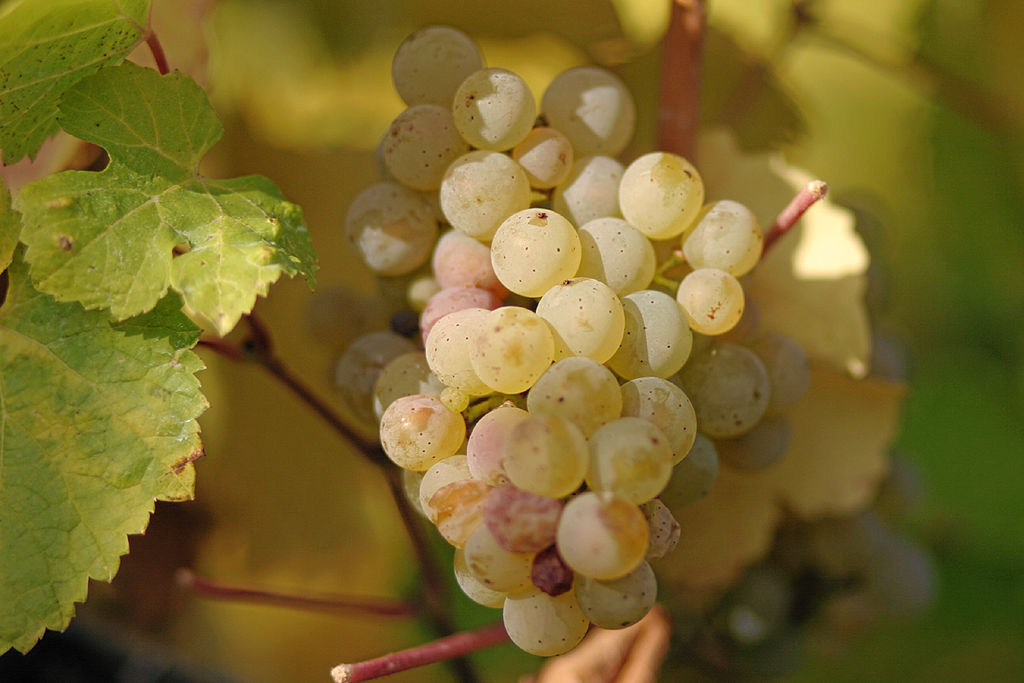
    Information on cover photo: Riesling Grapes and Leaves – No machine-readable author provided. T.o.m.~commonswiki assumed (based on copyright claims)., CC BY-SA 3.0, via Wikimedia Commons

  • Prost! A Sommelier’s Take on Oktoberfest

    Prost! A Sommelier’s Take on Oktoberfest

    Every fall, as the leaves start to turn and the evenings grow cooler, the world’s attention turns to Munich, Germany. Beer steins are hoisted high, brass bands play traditional Bavarian tunes, and hearty dishes like pretzels, sausages, and roasted chicken take center stage. But Oktoberfest is far more than a giant beer party—it’s a cultural celebration steeped in history, tradition, and a touch of lore. Let’s raise a virtual stein together and explore what makes Oktoberfest the most famous beer festival on the planet.

    Das Kronprinzenpaar Ludwig und Therese von Bayern vor Aschaffenburg (1818) – F. T. Berg, Public domain, via Wikimedia Commons

    A Royal Wedding That Started It All

    Oktoberfest traces its roots back to October 12, 1810, when Crown Prince Ludwig of Bavaria (later King Ludwig I) married Princess Therese of Saxony-Hildburghausen. The citizens of Munich were invited to join in the festivities, which took place on the fields in front of the city gates. To honor the bride, the fields were named Theresienwiese (“Theresa’s Meadow”), a name still used today.

    Theresienwiese (“Theresa’s Meadow”) – Martinus KE, CC BY-SA 4.0, via Wikimedia Commons

    The five-day celebration concluded with horse races, food, music, and, naturally, beer. The event was such a success that Munich decided to repeat it the following year, and so the tradition was born. Over time, agricultural fairs, parades, carnival rides, and of course, the brewing of special beers, transformed Oktoberfest into the global phenomenon we know today.

    Why Does Oktoberfest Start in September?

    Here’s a quirky twist: Oktoberfest doesn’t actually take place in October anymore—at least, not mostly. The festival now traditionally begins in late September and runs through the first Sunday in October. This change was made in the late 19th century to take advantage of warmer weather and longer days.

    For 2025, Oktoberfest in Munich runs from September 20 to October 5. That’s over two weeks of music, merriment, and malty magic.

    Hacker-Pschorr Oktoberfest Girl by Markburger83Derivative work: Lauro Sirgado (talk · contribs), CC BY-SA 3.0, via Wikimedia Commons

    The Beers of Oktoberfest

    Not just any beer earns the right to be poured in Munich’s festival tents. By decree, only beer brewed within Munich’s city limits by the “Big Six” breweries is allowed:

    These breweries craft a special style known as Märzen, the traditional Oktoberfest beer.

    Märzen: The Original Oktoberfestbier

    The term Märzen comes from the month of March (März in German). Historically, this was the last month brewers could make beer before the summer heat spoiled fermentation. Märzens were brewed stronger, maltier, and slightly higher in alcohol, allowing them to age well through the summer. By September, these well-aged beers were ready to be enjoyed at harvest festivals—perfect timing for Oktoberfest.

    Flavor-wise, Märzens showcase:

    • Amber to deep copper color
    • Rich, toasty malt character with notes of bread crust and caramel
    • Moderate bitterness, allowing the malt to shine
    • Clean lager finish, making them dangerously drinkable

    Festbier: Today’s Lighter Style

    Interestingly, while Märzen is the traditional Oktoberfestbier, the Munich tents now mostly serve a lighter, golden style called Festbier. This style was introduced in the 1970s to better suit modern tastes. Festbiers are slightly less malty, more drinkable, and usually clock in at 5.8–6.3% ABV. Think of them as a middle ground between a Märzen and a Helles lager.

    The Traditions and Lore

    Oktoberfest is as much about pageantry and culture as it is about beer. Some highlights include:

    • The Tapping of the First Keg: The festival officially begins when the Mayor of Munich taps the first keg in the Schottenhamel tent, declaring “O’zapft is!” (“It’s tapped!”).
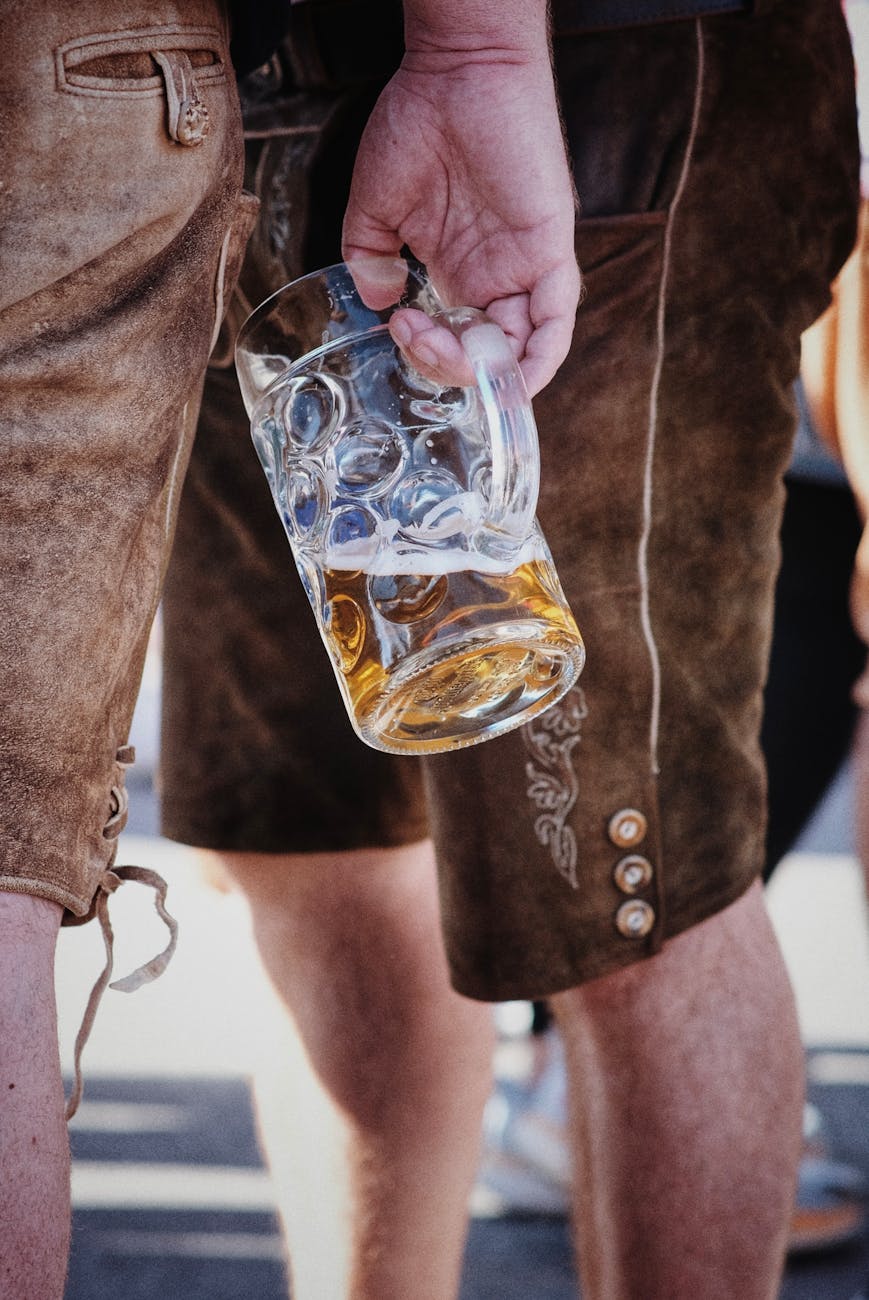
    • Traditional Attire: Bavarians don their finest Lederhosen (for men) and Dirndls (for women). These aren’t costumes, but cultural attire with deep roots in Bavarian heritage.
    • Music and Dancing: Oompah bands, folk music, and even pop songs keep the tents lively. Everyone knows the cheer “Ein Prosit der Gemütlichkeit”—a toast to cheer and good times.
    • Food Pairings: Roasted chicken (Hendl), giant pretzels (Brezn), sausages (Würstl), and pork knuckles (Schweinshaxe) fuel the fun, perfectly complementing the malty richness of the beers.
    Photo by Brett Sayles on Pexels.com

    Oktoberfest Around the World

    While Munich’s festival remains the heart of it all, Oktoberfest celebrations have spread globally. From Cincinnati, Ohio (home to one of the largest Oktoberfests outside Germany) to Brazil, Japan, and Australia, millions gather annually to celebrate Bavarian culture with beer, music, and food.

    For wine lovers, don’t worry—there’s even a tent in Munich called the Weinzelt (Wine Tent), where Franconian wines and sparkling wines are served alongside beer. Proof that even at the world’s most famous beer festival, there’s a little space for grapes.

    Photo by tom davis on Pexels.com

    Beer & Food Pairings for Oktoberfest

    At its heart, Oktoberfest is as much about what’s on the plate as what’s in the stein. Just like wine, different beer styles bring out unique flavors in food. Here are some classic (and a few creative) pairings to elevate your celebration:

    Märzen (Traditional Oktoberfestbier)

    • Flavor Profile: Malty, toasty, with caramel notes and a smooth finish.
    • Pairs Best With:
      • Roast Chicken (Hendl) – The crisp skin and juicy meat echo the beer’s caramelized malts.
      • Würstl (Sausages) – Pork sausages with mustard highlight Märzen’s subtle sweetness.
      • Cheese: Mild Alpine cheeses like Emmental or Butterkäse.

    Festbier (Modern Oktoberfest Style)

    • Flavor Profile: Lighter golden lager, crisp, slightly hoppy, highly drinkable.
    • Pairs Best With:
      • Pretzels with Obatzda (cheese spread) – The salt and creaminess balance the beer’s light body.
      • Grilled Bratwurst – The clean finish refreshes the palate between bites.
      • Seafood Options – Try with grilled shrimp or smoked trout for a lighter twist.

    Weissbier (Wheat Beer)

    • Flavor Profile: Fruity, yeasty, with banana and clove notes.
    • Pairs Best With:
      • Weißwurst (White Sausage with Parsley & Veal) – A Munich breakfast tradition with sweet mustard.
      • Roast Pork with Apples – Compliments the fruity notes in the beer.
      • Apple Strudel – A dessert pairing that sings with the wheat beer’s spice.

    Dunkel (Dark Lager)

    • Flavor Profile: Rich, nutty, with chocolate and bread crust tones.
    • Pairs Best With:
      • Schweinshaxe (Pork Knuckle) – The roasted, fatty meat finds harmony in Dunkel’s malt depth.
      • Mushroom Dishes – Earthy flavors pair beautifully with darker lagers.
      • Dark Chocolate – A sweet ending with roasted malt resonance.

    Rauchbier (Smoked Beer, from Bamberg)

    • Flavor Profile: Distinct smoky aroma, reminiscent of campfire and smoked meats.
    • Pairs Best With:
      • Smoked Sausages & Ham – Bold, rustic flavors play perfectly together.
      • Grilled Vegetables – The smoke enhances charred flavors.
      • Blue Cheese – The sharp tang softens the beer’s intensity.
    Photo by Michael Obstoj on Pexels.com

    Prost to Tradition!

    Oktoberfest is more than a beer festival—it’s a story of community, heritage, and celebration. From its royal origins to today’s global gatherings, it bridges centuries of Bavarian tradition with modern festivity. Whether you’re sipping an amber Märzen, a golden Festbier, or raising a stein at your local Oktoberfest celebration, you’re joining a tradition over 200 years in the making.

    As sommeliers, we spend our days chasing vintages, swirling glasses, and savoring terroir. But during Oktoberfest, we willingly trade corks for kegs and crystal for steins. Because whether it’s grape or grain, the truth is the same: it’s not what’s in the glass, but who’s at the table. So here’s to friends, flavor, and the joy of raising a glass together—Prost!” 🍻

    Gregory and Tammy Dean, SOMM&SOMM

    So this fall, dust off the Lederhosen, lace up the Dirndl, grab a pretzel, and raise a hearty “Prost!” 🍻

    Cover photo by Michael Obstoj on Pexels.com

  • Varietal Spotlight: Cabernet Franc

    Varietal Spotlight: Cabernet Franc

    The Unsung Hero of the Vineyard.

    When Cabernet Sauvignon and Merlot take the spotlight, it’s easy to forget the quiet genius standing in the wings: Cabernet Franc. Without this noble grape, the wine world would look very different. It’s the parent of both Cabernet Sauvignon and Merlot, yet it remains one of the most underrated varietals on the shelf.

    Cabernet Franc is the sommelier’s secret weapon—perfumed, versatile, food-friendly, and surprisingly age-worthy. Let’s explore its origins, where it shines, and why it belongs in your glass.

    Photo by Andrew Patrick Photo on Pexels.com

    Origins & History

    Cabernet Franc first appeared in 17th-century France. Cardinal Richelieu is said to have brought cuttings to the Loire Valley, where monks tended it carefully in Bourgueil and Chinon. The grape was affectionately called “Breton”, named after Abbot Breton, one of its earliest champions.

    Modern DNA profiling unlocked its true importance: Cabernet Franc is the parent of Cabernet Sauvignon (crossed with Sauvignon Blanc) and Merlot (crossed with Magdeleine Noire des Charentes). Without it, Bordeaux as we know it would not exist.

    Where Cabernet Franc Shines

    Loire Valley, France – The Spiritual Home

    Agne27, CC BY-SA 3.0, via Wikimedia Commons

    Pairing Tip: Loire Cab Franc is perfection with roast chicken, duck breast, or chèvre (goat cheese).

    Bordeaux, France – The Architect of Blends

    In the Right Bank (Pomerol & St-Émilion), Cabernet Franc adds aromatics and finesse to Merlot-driven blends.

    • Iconic Example: Château Cheval Blanc (St-Émilion), often 60% Cabernet Franc.
    • Flavor Profile: Black cherry, cedar, crushed gravel.
    • Best With: Lamb, venison, or a rich beef bourguignon.

    Italy – Rustic Charm Meets Power

    • Friuli-Venezia Giulia: Savory, herbal, and earthy.
    • Tuscany (Bolgheri): Super Tuscan producers use Cab Franc for power and polish.

    Must-Try Bottles:

    Food Match: Wild boar ragù, porcini risotto, or bistecca alla Fiorentina.

    New World – A Rising Star

    • United States: Napa, Sonoma, Washington, and New York’s Finger Lakes deliver everything from ripe berry-driven Cab Franc to Loire-inspired elegance.
    • Argentina (Uco Valley): Bold and mineral, with vibrant fruit. Try El Enemigo Cabernet Franc.
    • South Africa (Stellenbosch): Spice-driven, earthy examples from producers like Warwick Estate.
    Photo by ROMAN ODINTSOV on Pexels.com

    In the Glass: Tasting Profile

    • Aromas: Violet, graphite, raspberry, redcurrant, pencil shavings, pepper, and sometimes a signature green bell pepper note.
    • Palate: Medium body, moderate tannins, fresh acidity, with a spectrum from juicy red fruit to earthy spice.
    • Aging Potential: Excellent. With time, Cab Franc evolves into flavors of truffle, leather, and tobacco.

    Food Pairing Ideas

    Cabernet Franc’s elegance and acidity make it one of the most food-friendly red wines.

    •  Duck breast with cherry gastrique → Loire Cab Franc
    •  Goat cheese & charcuterie → Chinon
    •  Mushroom & lentil ragù → Saumur-Champigny
    •  Herb-marinated lamb chops → St-Émilion
    •  Stuffed peppers or mushroom stroganoff → Friuli Cab Franc

    Recipes to Try with Cabernet Franc

    Duck Breast with Cherry-Red Wine Sauce

    Pair With: Chinon or St-Émilion

    Ingredients (serves 2):

    • 2 duck breasts, skin scored
    • 1 cup pitted cherries
    • ½ cup Cabernet Franc
    • 1 tbsp balsamic vinegar
    • 1 tbsp butter
    • Salt & pepper
    1. Season duck, sear skin-side down until crisp (8 min). Flip, cook 3–4 more minutes. Rest.
    2. Deglaze pan with Cab Franc, add cherries & balsamic, reduce to syrup.
    3. Whisk in butter, slice duck, serve with sauce.

    Mushroom & Lentil Ragù (Vegetarian Comfort)

    Pair With: Saumur-Champigny or Friuli Cabernet Franc

    Ingredients (serves 4):

    • 1 cup green lentils, cooked
    • 2 tbsp olive oil
    • 1 onion, diced
    • 3 cloves garlic, minced
    • 1 lb mushrooms (mixed), chopped
    • 1 tsp thyme
    • 1 cup vegetable stock
    • ½ cup Cabernet Franc
    • Salt, pepper, parsley

    Method:

    1. Sauté onion & garlic in olive oil until golden. Add mushrooms & thyme, cook until browned.
    2. Deglaze with Cab Franc, reduce. Add lentils & stock, simmer until thick.
    3. Serve over creamy polenta or pasta.

    Fun Facts & Lore

    • Cabernet Franc is sometimes called “the poet’s grape” in the Loire.
    • Without Cab Franc, we wouldn’t have Cabernet Sauvignon, Merlot, or Carmenère.
    • Sommeliers often call it their desert island red—it pairs with nearly everything.
    • Cabernet Franc tends to ripen earlier than Cabernet Sauvignon, making it valuable in cooler climates.

    Final Pour

    Cabernet Franc may never command the fame of Cabernet Sauvignon, but it brings an elegance, fragrance, and food-friendliness all its own. Whether you’re sipping a Loire Valley Chinon (my favorite), a Tuscan Paleo Rosso, or an Argentine El Enemigo, you’re drinking history—and the soul of Bordeaux itself.

    Next time you’re browsing bottles, reach for the unsung hero. Your palate (and dinner table) will thank you. Cheers 🍷

    Cover photo by Ursula Brühl, Julius Kühn-Institut (JKI), Federal Research Centre for Cultivated Plants, Institute for Grapevine Breeding Geilweilerhof – 76833 Siebeldingen, GERMANY, CC BY-SA 4.0, via Wikimedia Commons

  • How One Hotel Restaurant Made Our 44th Anniversary Unforgettable

    How One Hotel Restaurant Made Our 44th Anniversary Unforgettable

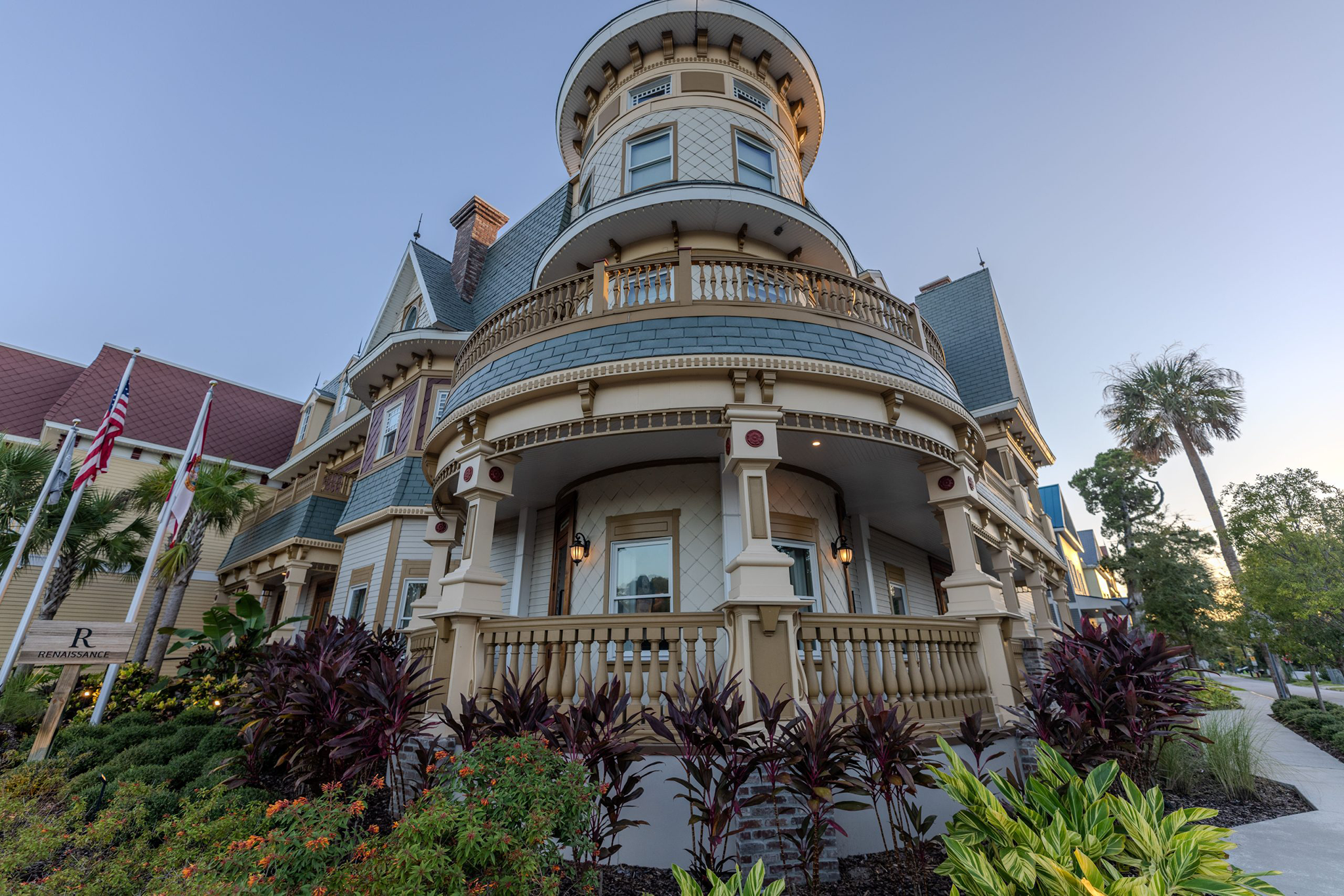
    Tammy and I travel for food and drink the way others chase sunsets — with an agenda, a notebook, and an appetite for the unexpected. On a three-day jaunt to St. Augustine to celebrate our 44th wedding anniversary we found plenty to love, but one evening at Castillo Craft Bar + Kitchen quietly rearranged the star chart: this was not simply a nice hotel meal. It was a masterclass in what service, craft cocktails, and properly thought-out cooking can do when they cooperate.

    The Prosecco Welcome — and a Thoughtful Surprise

    Earlier that afternoon, we discovered a chilled bottle of Prosecco waiting in our room’s refrigerator — a quiet gesture from the team that set the tone before we even stepped into the restaurant. When we did arrive (an hour ahead of our reservation), we were greeted with a fresh glass of Prosecco, introduced to the staff, and seated by the window.

    Then came the moment that sealed Castillo’s reputation in our minds: shortly after we were seated, a lively family of 13 or 14 adults and children was placed nearby. The children, understandably, vied for attention while the adults settled into animated conversation. Within minutes, the restaurant manager, Daniel, intervened with effortless class. He moved us to a private dining room with a single table for twelve — effectively giving us the most private, romantic setting in the house. It was an astute and gracious move, and one we will never forget.

    Cocktails with Gravitas

    We decided to begin with classics: Tammy ordered an Aviation, I a Paper Plane. Both were mixed with respect for tradition. The Aviation balanced lemon’s tart brightness with the nutty-cherry note of maraschino and a whisper of crème de violette — floral but never perfumey. The Paper Plane, a test of proportion, was taut and bittersweet, bourbon’s warmth underpinning Aperol’s orange bitterness and amaro’s herbal pull. Two classics rendered with conviction.

    Quick Sidebar… you know we love craft cocktails! Our books are now available on Amazon

    Amazon: SIPS & STORIES: Twists on the Classics

    Amazon: SIPS & STORIES: Botanical Wonders

    Starters with Intention

    • Spanish Onion Soup (Castillo’s twist): Dry sherry lifted the base of caramelized onions, Manchego added a salty sheep’s-milk edge, and Gruyère brought nutty depth. The bread held texture rather than sinking into soggy oblivion. Purposeful, not gimmicky.
    • Pan-Seared Scallops: Golden exterior, luminous center — textbook scallops. Grapefruit and Brussels slaw delivered acid and bitterness; toasted walnuts brought texture and a subtle caramelized edge; parsnip purée offered a sweet earthiness. A dish of balance and contrast.

    The Mains — Precision and Poise

    We ordered separately and shared:

    • Dry-Aged Duck Breast — with confit, potato purée, seared tomato and mushrooms, and a cherry-coffee demi-glace. The duck was properly seared and the fat rendered cleanly. The demi-glace married classic cherry with a clever roasted coffee bitterness that harmonized with the mushrooms. A modern, inventive take that never felt like a stunt.
    • 6-oz Filet Mignon — with potato purée, root vegetables, charred mushrooms, and a blackberry-port demi. Filet is mild by nature; the demi provided fruit depth without over-reduction. Charred mushrooms contributed savory grounding.

    The Wine Choice

    We chose a Burgundy Pinot Noir. Its red cherry and earthy underbrush notes paired seamlessly with the duck’s cherry-coffee sauce, while its acidity and gentle tannins refreshed each bite of filet and demi. A Cabernet would have bullied the plates; Pinot offered conversation instead of domination.

    Sweet Farewell and Spirited Encore

    Dessert arrived in the form of raspberry-filled chocolate truffles — tartness wrapped in richness, a refined way to close. But the evening wasn’t over. Daniel and his team drew us into conversation about mixology, inviting us to sample cocktails destined for the next menu. To be trusted with in-progress creations, to taste and talk shop with equal enthusiasm, was the rarest gift of all: inclusion.

    A Recommendation from a Picky Pair

    Castillo Craft Bar + Kitchen may technically be a hotel restaurant, but that label undersells it. Here, cocktails are crafted with reverence, dishes are built on contrasts and precision, and service is the invisible framework that allows it all to shine. The thoughtful surprise of Prosecco, Angelica’s professional warmth, Daniel’s extraordinary attentiveness in relocating us to a private space, and the invitation to taste what’s to come all combined to turn our 44th anniversary into a celebration of craft and care.

    For those who care about detail, timing, and the artistry behind both food and drink, Castillo Craft Bar + Kitchen is not just a place to dine — it’s a destination to remember. Cheers 🥂

    Note on images: We were so engaged with the staff and enamored by the experience that we didn’t stop to take photos during our anniversary dinner. Fortunately, the images featured throughout this article are sourced from Castillo Craft Bar + Kitchen’s website, which offers up-to-date visuals that accurately reflect the atmosphere, cuisine, and presentation we enjoyed.

  • Beyond Bordeaux

    Beyond Bordeaux

    Emerging Regions and Grapes to Know.

    Bordeaux, Napa, Tuscany—we love them, we know them, we celebrate them. But what if I told you that some of the most exhilarating wines today are coming from volcanic islands, foggy valleys, or vineyards nestled between deserts and ocean? And what if I told you that grapes you’ve barely heard of are producing wines that rival—and in some cases outperform—the greats?

    Welcome to the vinous underworld of Assyrtiko, Chenin Blanc, and a global constellation of rising stars. This isn’t wine snobbery. This is wine discovery. This is beyond Bordeaux.

    Photo by gravity cut on Pexels.com

    Assyrtiko – Greece’s Salty, Sun-Kissed Secret

    Origin: Santorini, Greece
    Style: Bone-dry, citrus-driven white with volcanic minerality and thrilling acidity

    How to Pronounce Assyrtiko (Without Spitting Your Spanakopita):
    It’s Ah-SEER-tee-koh, not “A-sir-tick-oh,” “Ass-er-what-now,” or “A-sushi-taco” (yes, we’ve heard it all).

    Just remember:
    It’s crisp, not cryptic.
    Greek to you? Not anymore!

    Say it right and the bottle just might pour itself. 😄

    The Story

    Born on the sun-drenched, wind-scoured island of Santorini, Assyrtiko is a survivor. These ancient vines, many over 70 years old and ungrafted due to phylloxera-free volcanic soil, are trained in a unique “kouloura” (basket) shape to protect the grapes from fierce Aegean winds.

    In the Glass

    Imagine squeezing a lemon over a pile of wet rocks while standing on a Mediterranean cliffside 😂. That’s Assyrtiko. It’s bracing. Salty. Electric. A wine that doesn’t ask for your opinion—it commands your attention.

    Flavors: Lemon peel, flint, saline, white peach
    Pairings: Grilled octopus (I’m looking at you, Dima), oysters, feta-stuffed peppers, lemon chicken, or sushi with a citrus ponzu

    Where Else to Find It

    • Drama & Macedonia (Northern Greece): Rounder, fruitier expressions
    • Australia (Clare Valley, McLaren Vale): New World spice and texture
    • California (Paso Robles, Lodi): Experimental vineyards are testing the grape’s heat tolerance

    SOMM&SOMM Tip: Want to impress at your next seafood dinner? Bring an Assyrtiko. It’s the Chablis-lover’s Greek cousin.

    Agne27, CC BY-SA 3.0, via Wikimedia Commons

    Chenin Blanc – The Shape-Shifter from the Loire (and Beyond)

    Origin: Loire Valley, France
    Style: Anything from bone-dry to unctuously sweet to méthode traditionnelle sparkling

    The Story

    Once dismissed as a workhorse white in bulk wine, Chenin Blanc is having a renaissance. It’s the ultimate chameleon—able to take on almost any style and terroir. In the Loire, it’s noble and restrained. In South Africa, it’s exuberant and tropical. In California, it’s quietly staking its claim as the “next big thing.”

    In the Glass

    Chenin Blanc offers an orchestra of orchard fruit, flowers, acidity, and a waxy texture that makes sommeliers swoon. Dry or sweet, still or sparkling, there’s a Chenin for every mood.

    Flavors: Green apple, quince, lanolin, honeysuckle, citrus zest
    Pairings: Thai curry, pork chops with apples, roast duck, spicy ramen, goat cheese, or peach cobbler (for off-dry versions)

    Dean Family Recipe 😉

    Where It Shines

    • Loire Valley (Vouvray, Savennières): Regal and layered
    • South Africa (Stellenbosch, Swartland): Zesty, tropical, and textural
    • California (Clarksburg, Mendocino): Bright with honeysuckle and stone fruit
    • India (Nasik Valley): Light-bodied and floral, perfect with spicy dishes

    SOMM&SOMM Tip: Always check the label for sweetness level. A dry Savennières and a demi-sec Vouvray are two very different animals—but equally delicious in their own way.

    Beyond the Grapes – Global Terroirs You Need to Know

    Let’s go even further beyond the usual suspects. Here are four emerging wine regions—and their must-try grapes—that should be on every wine lover’s radar:

    Valle de Guadalupe, Mexico

    Signature Grapes: Nebbiolo, Tempranillo, Chenin Blanc
    Style: Bold reds and zesty whites with desert-meets-ocean personality
    Why It Matters: Baja California’s Valle de Guadalupe is like Napa in the 1970s—experimental, passionate, and still defining itself. Hot days, cool nights, and ocean breezes create a perfect storm of ripeness and elegance.

    Try: Monte Xanic Chenin Colombard blend – refreshing, floral, and great with fish tacos.

    Tokaj, Hungary (but Not Just for Sweet Wines!)

    Signature Grapes: Furmint, Hárslevelű
    Style: Bone-dry, mineral whites that can age for decades
    Why It Matters: While famous for its dessert wines, Tokaj is finally getting recognition for its dry styles—Furmint especially, which offers Riesling-like acidity with the texture of white Burgundy.

    Try: Dry Furmint with roast chicken or miso-glazed cod.

    Uruguay

    Signature Grapes: Tannat, Albariño
    Style: Structured reds, salty whites
    Why It Matters: This small South American country is quietly producing elegant Tannat (yes, the beastly grape from Madiran) with softer tannins, plus gorgeous coastal Albariño that rivals Galicia’s best.

    Try: Garzón Albariño with ceviche or grilled shrimp.

    England

    Signature Grapes: Chardonnay, Pinot Noir (Sparkling Wine)
    Style: Traditional method sparkling with high acidity and chalky minerality
    Why It Matters: English sparkling wine is no longer a joke—it’s a juggernaut. With chalk soils like Champagne and a warming climate, producers in Sussex and Kent are now winning international blind tastings.

    Photo by Petra Ryan on Pexels.com

    Try: Nyetimber or Gusbourne Brut with fish and chips (seriously).

    Why You Should Drink Beyond Bordeaux

    We’re not saying give up your Bordeaux blends, your Brunellos, or your Barolos. We’re saying your palate deserves a passport. There’s never been a better time to explore terroirs that aren’t bound by tradition. These regions and grapes—Assyrtiko, Chenin Blanc, Furmint, Tannat, Albariño, and beyond—are writing a new chapter in the world of wine. One where the map is still being drawn.

    Photo by cottonbro studio on Pexels.com

    So next time you shop or dine, go off the grid. Ask for something weird. Order something unpronounceable. And raise a glass to the next great classic.

    Cheers to the future of wine 🍷

    Gregory and Tammy Dean are sommeliers, wine educators, and co-creators of the SIPS & STORIES book series. When they’re not exploring emerging wine regions or debating whether Assyrtiko is better than Chablis (spoiler: sometimes it is), they’re helping wine lovers drink better, bolder, and beyond the expected.

    Cover photo by ongchinonn, CC0, via Wikimedia Commons