Tag: food

  • Smoke, Fire & Wine

    Smoke, Fire & Wine

    Why the Grill Changes Everything About Wine Pairing.

    The moment food meets fire, it begins to change. Sugars caramelize. Proteins brown. Smoke settles into every surface. Flavors become deeper, richer, and more complex. A wine that seemed perfectly suited to the raw ingredients may suddenly feel out of place, while another comes alive in ways that are impossible to predict without understanding what the fire has created.

    fire burning in stove
    Photo by Darya Grey_Owl on Pexels.com

    Fire Is an Ingredient

    When discussing food and wine pairing, we often focus on the ingredients themselves.

    Beef pairs with Cabernet Sauvignon.

    Fish pairs with Chardonnay.

    Chicken pairs with Pinot Noir.

    These guidelines provide a useful starting point, but they overlook one of the most influential ingredients in the entire meal.

    Fire.

    Whether food is cooked over hardwood, charcoal, propane, or an open flame, heat fundamentally changes its chemistry. The transformation extends well beyond texture. Smoke introduces new aromas. Caramelization develops sweetness. Browning creates layers of savory complexity that never existed in the raw ingredients.

    The grill does not simply cook food.

    It creates new flavors.

    Those flavors deserve wines capable of meeting them.

    Smoke Speaks Loudly

    Smoke is among the most expressive flavors in cooking.

    It can be delicate, as with cedar-planked salmon, or deeply assertive, as in slow-smoked brisket. It may suggest toasted herbs, charred citrus, roasted nuts, or warm spices depending on the fuel, cooking method, and ingredients.

    Because smoke lingers on the palate, it has a profound influence on wine.

    Highly oaked wines often compete with smoky foods rather than complement them, creating an impression of excessive wood or bitterness. Wines with vibrant fruit, balanced acidity, and restrained oak generally allow the smoky character of the food to remain the focal point while providing freshness between each bite.

    The objective is not to match smoke with more smoke.

    It is to bring balance to the experience.

    juicy steaks sizzling on a smoky grill
    Photo by Mohamed Olwy on Pexels.com

    Char Is Not Burnt

    One of the greatest misunderstandings in outdoor cooking is confusing char with burning.

    A beautifully grilled steak develops a dark crust through the Maillard reaction, a series of chemical changes that occur when amino acids and natural sugars are exposed to high heat. This reaction creates hundreds of new flavor compounds responsible for aromas that resemble toasted bread, roasted coffee, caramel, nuts, and browned butter.

    Burning, by contrast, produces bitterness that can overwhelm both food and wine.

    Understanding this distinction explains why a properly grilled ribeye welcomes a structured Cabernet Sauvignon or Syrah, while an overcooked steak can make even the finest bottle seem harsh.

    Great grilling is not about cooking longer.

    It is about cooking with intention.

    piece of meat on a fork
    Photo by Augustinus Martinus Noppé on Pexels.com

    Acidity Becomes More Important Outdoors

    Summer entertaining often includes rich marinades, barbecue sauces, herb butters, and foods that spend hours over glowing coals.

    These preparations increase richness while smoke adds another layer of intensity.

    Acidity becomes essential.

    A vibrant wine refreshes the palate after each bite, allowing the next mouthful to remain as satisfying as the first. Without sufficient acidity, both food and wine can begin to feel heavy as the meal progresses.

    This explains why wines such as Barbera, Rioja Crianza, dry Riesling, Albariño, and many rosés perform so well alongside grilled cuisine. Their freshness provides contrast without sacrificing flavor.

    Balance, rather than power, becomes the defining characteristic.

    grilled shrimps
    Photo by Julia Filirovska on Pexels.com

    Pairing Beyond Red Meat

    The grill has expanded far beyond burgers and steaks.

    Seafood, vegetables, fruit, and even cheese develop remarkable character over live fire, often creating opportunities for pairings that surprise experienced wine drinkers.

    Grilled shrimp brushed with olive oil and lemon finds a natural companion in Albariño, whose citrus and mineral qualities mirror the freshness of the dish while standing comfortably beside the subtle smokiness of the grill.

    Cedar-planked salmon develops richness that often elevates Pinot Noir above many white wines. The wine’s bright acidity and restrained tannins complement the fish without overwhelming its delicate texture.

    grilled vegetables plate bell pepper zucchini onion
    Photo by Valeria Boltneva on Pexels.com

    Grilled vegetables deserve equal attention. Bell peppers, zucchini, asparagus, eggplant, and mushrooms all become sweeter through caramelization, inviting wines with moderate body and lively fruit. A chilled Beaujolais, dry rosé, or Vermentino often proves every bit as successful as more traditional choices.

    The grill rewards curiosity.

    Some of its finest pairings are found beyond the steakhouse.

    When Sauce Changes the Wine

    Many people assume the protein determines the pairing.

    More often than not, the sauce has the final word.

    A grilled pork chop served with an herb butter calls for a different wine than the same chop coated in a sweet barbecue glaze. Smoky tomato sauces favor wines with bright acidity, while mustard-based sauces often benefit from wines that offer generous fruit without excessive tannin. Spicy preparations invite wines with moderate alcohol and expressive aromatics rather than overwhelming structure.

    The grill may provide the foundation.

    The sauce often completes the conversation.

    Don’t Forget the Chill

    Outdoor temperatures influence wine just as surely as they influence food.

    A full-bodied red served at typical indoor room temperature may become noticeably warmer after only a few minutes on a sunny patio. As temperature rises, alcohol becomes more pronounced and freshness begins to fade.

    The solution is surprisingly simple.

    Many red wines improve when served slightly cooler than tradition suggests, especially during the summer months. Fifteen to twenty minutes in the refrigerator before serving allows Pinot Noir, Grenache, Gamay, and even lighter expressions of Syrah to retain their balance throughout the meal.

    Likewise, white wines need not emerge from an ice bath at near-freezing temperatures. Excessive chilling suppresses aroma, leaving beautifully expressive wines tasting muted and one-dimensional.

    Wine should refresh.

    It should also speak.

    friends standing around a barbecue grill
    Photo by Kampus Production on Pexels.com

    Fire Brings People Together

    Perhaps the greatest similarity between grilling and wine has little to do with flavor.

    Both encourage people to gather.

    Few culinary traditions are as communal as cooking over live fire. Someone tends the grill while others prepare the table. Conversations drift between recipes, stories, and memories. Glasses are topped off without ceremony, and the evening gradually extends beyond the meal itself.

    The fire becomes more than a source of heat.

    It becomes the center of the gathering.

    Wine has always played a similar role. At its best, it draws people closer, slows the pace of the evening, and reminds us that hospitality has never been measured by complexity or expense.

    It is measured by generosity.

    More Than a Meal

    There is a reason food cooked over fire has captivated humanity for thousands of years.

    Fire transforms.

    It changes ingredients into something richer than they were before. Smoke adds depth. Heat develops sweetness. Time rewards patience.

    Wine undergoes its own transformation, beginning in the vineyard and continuing through fermentation, aging, and finally the moment it is shared.

    Perhaps that is why the partnership feels so natural.

    One is shaped by the land.

    The other by the flame.

    Together, they remind us that some of life’s greatest pleasures are created not by rushing the process, but by allowing time, craftsmanship, and a little smoke to work their quiet magic.

    glass of wine and cut meat steak served with potatoes and vegetable salad
    Photo by ArtHouse Studio on Pexels.com

    From the SOMM&SOMM Table

    The next time you light the grill, think beyond the main ingredient. Consider what the fire is adding to the meal and choose a wine that complements those new flavors rather than competing with them. The finest pairing is rarely about matching beef with Cabernet or fish with Chardonnay.

    It is about understanding what the flame has created 🍷

    Cover photo by Antonius Ferret on Pexels.com

  • The Fourth Wine of Summer

    The Fourth Wine of Summer

    The Wine We Know and the Wine We Understand.

    Some wines enter our lives through study. Others arrive through experience. Occasionally, if we are lucky, they arrive twice.

    For years, Tavel lived comfortably in the first category for me.

    As a sommelier student and throughout various wine courses and certifications, I learned the facts well enough. I knew that Tavel was one of France’s historic rosé appellations tucked into the Southern Rhône. I knew that its vineyards sat just west of Avignon and that its proximity to the papal court had earned it the nickname The Wine of Popes. Most intriguingly, I knew that generations of growers referred to it as The Fourth Wine.

    White wine.

    Red wine.

    Rosé.

    And then Tavel.

    Photo by Véronique PAGNIER, CC BY-SA 3.0, via Wikimedia Commons

    It was a wonderful phrase, and one that stayed with me long after the examinations were complete. I understood what the textbooks were telling me. I understood why the region mattered historically. I understood the rules, the grapes, and the geography.

    What I had not yet done was understand the wine itself.

    When the Textbooks Finally Made Sense

    That changed recently during a tasting with a wine representative.

    There was no grand lesson attached to the bottle. No discussion of papal history. No stories of medieval vineyards basking beneath the Provençal sun. For him, it was simply another wine in the portfolio and another bottle to pour as we worked our way through the lineup.

    Then came the first sip.

    Suddenly, years of study became experience.

    The textbooks made sense.

    Photo by jean-louis Zimmermann, CC BY 2.0, via Wikimedia Commons

    The color was the first clue. This was no pale, fleeting rosé designed to disappear into a sunny afternoon beside the pool. The wine arrived in shades of ruby grapefruit and watermelon with a depth that immediately demanded attention.

    Then came the texture.

    This was the part the study guides had struggled to convey.

    There was weight here. Structure. Presence. The wine carried itself with confidence while retaining the freshness and energy that make rosé such a natural companion for warm weather. It possessed some of the refreshment of white wine and some of the culinary versatility of red wine while refusing to fully become either one.

    For the first time, I understood why the growers of Tavel had spent centuries insisting that their wines belonged in a category all their own.

    The Fourth Wine was not a romantic expression.

    It was an honest description.

    The Fourth Wine

    The history of Tavel stretches back much further than most drinkers realize.

    The Romans cultivated vineyards here. Kings favored its wines. Writers praised them. Yet somehow Tavel has remained quietly in the background while other regions captured the spotlight and the headlines.

    Perhaps that is part of its charm.

    The wines of Tavel have never seemed particularly interested in trends.

    Unlike many rosé-producing regions, Tavel dedicates itself entirely to rosé. There are no red wines carrying the appellation’s name and no whites sharing the stage. The village has spent generations refining a single expression and doing so with remarkable confidence.

    Photo by levork (Julian Fong), CC BY-SA 2.0, via Wikimedia Commons

    Grenache typically forms the backbone of the blend, supported by Syrah, Cinsault, Mourvèdre, and several other Rhône varieties. Depending on the producer, aromas may move through wild strawberry, raspberry, blood orange, dried herbs, lavender, and occasionally a touch of white pepper or stone.

    The Mediterranean seems to find its way into the glass.

    What separates Tavel, however, is not simply flavor.

    It is presence.

    This is rosé with shoulders.

    palais des papes at sunset in avignon france
    Photo by Bingqian Li on Pexels.com

    The Wine of Popes

    History only makes the story better.

    A short distance away sits Avignon, where the papacy established residence during much of the fourteenth century. For nearly seventy years, the center of the Catholic world shifted from Rome to southern France, and the vineyards surrounding the city found themselves supplying wine to one of the most influential courts in Europe.

    The wines of Tavel quickly found favor at the papal table.

    One can understand why.

    These were not delicate rosés intended solely for aperitif service. They possessed the structure to accompany roasted meats, game, herbs, and the rich cuisine of medieval France. They were substantial wines built for the table and for conversation.

    The title Wine of Popes followed naturally.

    One suspects there were worse endorsements available in fourteenth-century Europe.

    delicious charcuterie board with cheese and fruits
    Photo by Patti M on Pexels.com

    Built for the Summer Table

    What surprised me most, however, was not the history or even the profile of the wine.

    It was the versatility.

    delicious grilled chicken with green peppers
    Photo by kandhi bharata on Pexels.com

    Tavel may be one of the most naturally food-friendly wines I have encountered in recent years. The structure that once appealed to the papal courts of Avignon remains every bit as relevant today. Seafood, roasted poultry, grilled pork, Mediterranean vegetables, charcuterie, herb-driven cuisine, and even lighter preparations of lamb all seem perfectly comfortable in its company.

    That breadth is unusual.

    Many summer wines excel in very specific situations. Tavel feels less restrictive. It occupies a fascinating middle ground, carrying enough freshness for warm weather while offering enough substance to engage with a remarkably wide range of foods.

    It refreshes without disappearing beneath food.

    It offers character without heaviness.

    It feels substantial without ever becoming serious business.

    A Place in the Rotation

    Perhaps that explains why I have found myself recommending it repeatedly this summer.

    More accurately, it explains why I recently decided that it deserves a place in the regular summer rotation.

    As sommeliers and wine students, we encounter remarkable wines every year. Some impress us. Some educate us. Some earn our admiration from a distance.

    Only a handful quietly begin making plans of their own.

    Tavel has become one of those wines for me.

    Not because it is elusive.

    Not because it carries centuries of history.

    Not because popes once enjoyed it.

    Those details certainly add to its charm.

    It earned its place because it performs the difficult balancing act that so many summer wines attempt and so few achieve. It brings refreshment to the season while retaining the structure and personality that make wine interesting in the first place.

    Most importantly, it leaves me wanting to share the discovery.

    Curiously, I have not yet done so.

    The bottles I have opened so far have been educational encounters rather than communal ones. Friends and family have yet to be introduced to this small corner of the Southern Rhône and its centuries-old argument for becoming wine’s fourth category.

    That moment will come.

    Some wines invite admiration.

    Others invite conversation.

    Tavel feels very much like the latter.

    For now, it remains a recent curiosity and an unexpected favorite, quietly earning its place among the bottles most likely to find their way into the refrigerator as Florida settles into the long warmth of late summer.

    Not a new discovery.

    A new understanding.

    Sometimes that is even better 🍷

    Cover photo by Véronique PAGNIER, CC BY-SA 3.0, via Wikimedia Commons

  • Rainy-Day Wines

    Rainy-Day Wines

    Bottles for Thunder, Porch Swings, and the Sound of Falling Rain.

    There are wines for celebrations.
    There are wines for holidays.
    There are wines for impressing people who pronounce Pouilly-Fuissé with suspicious confidence 😉

    And then… there are rainy-day wines.

    These are different creatures entirely.

    Rainy-day wines are not always expensive. They are not always rare. They are not always “important” wines according to critics armed with scorecards and vocabulary words stolen from forestry textbooks. No, rainy-day wines are emotional wines. Comfort wines. Story wines. They are bottles that somehow taste better while rain taps against the windows and the world outside slows to a softer rhythm.

    water droplets on a glass surface
    Photo by Zeeshaan Shabbir on Pexels.com

    Rain changes the atmosphere. It changes aromas. It changes cravings. Suddenly the idea of oysters and razor-sharp Muscadet feels less appealing than a simmering stew and a Syrah that tastes like smoke and black pepper. The weather turns inward, and our palates tend to follow.

    Rainy days invite contemplation, nostalgia, soup recipes that take six hours, jazz records, old movies, oversized sweaters, and perhaps one more glass than originally intended.

    Scientifically speaking, weather can influence our perception of taste and aroma. Cool temperatures and damp air often make us crave richer textures, warming spices, earthy flavors, and wines with emotional gravity. Spiritually speaking? Rain simply makes us want something delicious while we stare dramatically out a window pretending we are in a movie.

    Both explanations are valid.

    green leaf with water droplets
    Photo by Magda Ehlers on Pexels.com

    The Great Categories of Rainy-Day Wines

    Not all rainy days are created equal. A Florida thunderstorm has very different wine requirements than a cold Appalachian drizzle or a foggy Pacific Northwest afternoon. Choosing correctly matters.

    This is not the time for rigid rules. This is the time for instinct.

    The Fireplace Reds

    These are the wines that feel like wool blankets and old leather chairs.

    Syrah/Shiraz

    Perhaps the king of rainy-day reds.

    Northern Rhône Syrah from Rhône Valley often carries aromas of black pepper, smoked meat, violets, olives, and wet stone — essentially the exact aromatic profile of a storm rolling over the mountains.

    Australian Shiraz, meanwhile, tends to become broader, richer, darker, and more decadent. Less philosopher in a turtleneck. More outlaw with a cigar.

    Pair it with:

    • Beef stew
    • Braised short ribs
    • Smoked brisket
    • Mushroom bourguignon
    • Sharp cheddar by the fireplace

    Rainy-Day Recipe: Storm Cellar Beef Stew

    Brown beef chuck in bacon fat. Add onions, carrots, celery, garlic, tomato paste, rosemary, thyme, stock, and a heroic pour of Syrah 😉 Simmer for hours until the house smells like every good decision you have ever made.

    Serve with crusty bread and absolutely no regrets.

    glass of wine
    Photo by Andrew Patrick Photo on Pexels.com

    Pinot Noir for Quiet Rain

    Some rainy days are not storms. Some are whispers.

    Those softer gray afternoons call for Pinot Noir.

    Few grapes capture mood quite like Pinot Noir. From Burgundy to Willamette Valley, Pinot often delivers earth, forest floor, cherry, tea leaves, mushroom, and damp autumn leaves. In other words: the wine equivalent of listening to vinyl records while pretending you understand poetry.

    Pair it with:

    • Roast chicken
    • Mushroom risotto
    • Duck confit
    • Truffle fries
    • Rain against a tin roof

    Lore Corner

    Monks in Burgundy spent centuries obsessing over Pinot Noir, believing tiny changes in soil produced profound differences in wine. Considering how moody Pinot can be, it remains one of history’s longest-running and most delicious emotional relationships.

    raindrops on glass window
    Photo by Esra Afşar on Pexels.com

    The White Wines for Watching Rain on the Porch

    Rain does not always mean heavy reds.

    Warm-weather rainstorms practically beg for aromatic whites.

    Riesling

    The ultimate rainy-day wildcard.

    German Riesling from the Mosel can be electric with acidity yet comforting with notes of peach, lime blossom, slate, petrol, and honey. Riesling dances beautifully between refreshment and comfort.

    Pair it with:

    • Thai curry
    • Fried chicken
    • Pork schnitzel
    • Spicy ramen
    • Leftover takeout consumed directly from the container while watching lightning

    Rainy-Day Trick

    Slightly sweeter Rieslings become magical during storms because sweetness softens spicy foods while high acidity keeps everything lively and bright.

    This is why Riesling is secretly one of the greatest comfort wines on Earth.

    Wines for Thunderstorms and Dangerous Ideas

    Now we move into the serious weather.

    The thunder shakes the windows. The dog is hiding. You suddenly feel compelled to make chili from scratch and text your college friends philosophical observations at midnight.

    This is Zinfandel territory.

    Zinfandel

    Big, jammy, spicy, chaotic, glorious Zinfandel.

    Especially from Sonoma County or Paso Robles.

    Zinfandel tastes like blackberry preserves, cracked pepper, smoke, cinnamon, and questionable decisions made around campfires.

    Pair it with:

    • Chili
    • Barbecue ribs
    • Burgers
    • Sausage pizza
    • Blues music played slightly too loud

    Fortified Wines for Long Storms

    If the rain settles in for an all-day event, fortified wines begin calling your name like old sea captains from the fog.

    Port

    Ruby Port with dark chocolate during a thunderstorm may actually improve your outlook on humanity.

    Sherry

    Especially Amontillado or Oloroso.

    Nutty, savory, oxidative Sherries somehow feel ancient and comforting during wet weather. There is a reason sailors, writers, and questionable literary characters drank them obsessively.

    Edgar Allan Poe even built an entire murder story around Amontillado. That is commitment to atmosphere.

    Pair it with:

    • Salted nuts
    • Blue cheese
    • Dark chocolate
    • Spanish tapas
    • Reading books you swear you will finish this time

    Rainy-Day Cocktail Intermission

    Sometimes the weather asks for wine.
    Sometimes it asks for fortified wine disguised as a cocktail.

    The Stormwatcher

    A rainy-day cocktail for people who own at least one jazz playlist.

    • 2 oz bourbon
    • 1 oz tawny Port
    • 2 dashes Angostura bitters
    • Orange peel
    • Tiny pinch of cinnamon

    Stir over ice. Serve in a rocks glass while staring thoughtfully into middle distance.

    Pair it with:

    • Bread pudding
    • Pecans
    • Cigars
    • Existential conversations

    Sparkling Wine in the Rain? Absolutely.

    Here is where many people get it wrong.

    People assume sparkling wine belongs only to celebrations and yacht parties. Nonsense.

    Rain and sparkling wine can be deeply romantic companions.

    The sound of rain combined with the sound of a cork leaving the bottle is one of civilization’s great acoustic achievements.

    Champagne

    Especially richer Blanc de Noirs or vintage styles.

    Crémant

    A criminally underrated rainy-day value.

    Pair it with:

    • Fried chicken
    • Popcorn
    • Potato chips
    • Triple cream cheese
    • Tempura

    The contrast between stormy weather and lively bubbles creates pure sensory joy.

    The Ultimate Rainy-Day Wine Pairing: Memory

    If we are being honest, the best rainy-day wine pairing is not food at all.

    It is memory.

    A bottle tied to an anniversary.
    A glass shared during grief.
    A porch conversation with old friends.
    The smell of rain drifting through open windows while someone cooks nearby.

    Wine has always been less about liquid and more about moments. Rain simply amplifies them.

    Perhaps that is why rainy-day wines feel so personal. The weather strips away performance. Nobody drinks impressively during a thunderstorm. We drink honestly.

    And honestly? Those are usually the best bottles of all.

    So the next time the sky darkens and the rain begins to fall, skip the predictable. Pull something soulful from the rack. Open the Syrah. Chill the Riesling. Pour the Port.

    Listen to the rain.

    And let the wine do what it has always done best: slow the world down for a little while 🍷

    Cover Photo by Saul Pina on Pexels.com

  • Why Perfect Wine Pairings Shouldn’t Be So Rare

    Why Perfect Wine Pairings Shouldn’t Be So Rare

    There’s a particular look people give when you recommend something unexpected.

    It’s subtle. Polite. A small pause before they respond. Maybe a nod that says, “I trust you… but I’m not entirely convinced.”

    Suggesting a structured Cabernet with a reverse-seared steak rarely gets that reaction—that pairing feels safe, almost pre-approved. But recommend a Spätlese Riesling with Korean BBQ, and suddenly you’ve introduced uncertainty into the room.

    And yet, more often than not, those are the pairings people come back to talk about.

    Not because they were surprising—but because they worked better than expected.

    That’s the quiet truth about wine pairing: the best combinations aren’t built on rules. They’re built on understanding.

    Related article: Why Cabernet Sauvignon Pairs Perfectly with Steak

    Photo by Jep Gambardella on Pexels.com

    What We Think Pairing Is (And What It Actually Is)

    Most formal wine education—whether through programs like Wine & Spirit Education Trust, Court of Master Sommeliers, or Society of Wine Educators—teaches pairing through structure. And for good reason. Structure is predictable. Teachable. Repeatable.

    But somewhere along the way, structure gets flattened into rules.

    Red with meat. White with fish. Sweet with dessert.

    Clean. Memorable. And just incomplete enough to get people into trouble.

    Because pairing isn’t about categories—it’s about components.

    A dish isn’t “meat.” It’s salt, fat, acid, heat, sweetness, and texture. A wine isn’t “red” or “white.” It’s acidity, tannin, alcohol, and flavor intensity.

    When those elements interact thoughtfully, something interesting happens: both the food and the wine become more expressive than they were on their own.

    a person holding a wine glass
    Photo by cottonbro studio on Pexels.com

    The First Truth: Intensity Is Everything

    Before anything else, there’s a simple but non-negotiable principle: balance the weight of what’s on the plate with what’s in the glass.

    A delicate dish can’t carry a powerful wine. It disappears.
    A bold dish will steamroll something too subtle. It dominates.

    This is why certain pairings feel effortless. Not because they follow tradition, but because they occupy the same space in terms of presence.

    It’s less like matching colors and more like matching volume.

    Acidity: The Invisible Hand

    If there’s a single element that quietly does the most work in pairing, it’s acidity.

    It behaves like a squeeze of citrus over food—lifting flavors, cutting through richness, resetting the palate. Without it, heavy dishes feel heavier. With it, they feel composed.

    This is where unexpected pairings often find their footing.

    Take that off-dry Riesling with Korean BBQ. On paper, it looks like a mismatch. In practice, it’s almost surgical. The acidity slices through the richness, the touch of sweetness softens the heat, and the aromatics weave through the spice rather than fighting it.

    It’s not unconventional—it’s just not obvious.

    Tannin: Friend or Foe

    Tannin has a reputation for being a mark of “serious” wine, but in pairing, it’s more conditional than that.

    When it meets fat and protein, it softens, rounds out, and becomes almost luxurious. This is why a well-marbled steak can transform a firm, structured red into something seamless.

    But remove that fat—lean cuts, lighter dishes—and tannin loses its anchor. What once felt structured now feels drying, even aggressive.

    The wine didn’t change. The context did.

    Sweetness: The Misunderstood Advantage

    There’s a quiet bias against sweetness in wine, especially at the table. Many assume it belongs at the end of the meal, if at all.

    That assumption leaves one of the most effective pairing tools underused.

    A touch of residual sugar can calm spice, balance salt, and soften bitterness in ways dry wines simply can’t. It doesn’t make the pairing “sweet”—it makes it stable.

    This is why certain cuisines—especially those built on heat, fermentation, or layered seasoning—come alive with wines that carry just a hint of sweetness.

    Not enough to dominate. Just enough to mediate.

    Complement and Contrast: Not Opposites, But Partners

    Pairing is often framed as a choice between complementing flavors or contrasting them. In reality, the most compelling pairings tend to do both.

    A rich, buttery dish alongside a similarly textured wine creates harmony—it feels seamless, almost continuous.

    But introduce contrast—acidity against fat, sweetness against spice—and suddenly there’s movement. Energy. The palate wakes up.

    The real artistry lies in knowing when to mirror and when to counterbalance—and more importantly, how to let both exist in the same pairing.

    Photo by Taha Samet Arslan on Pexels.com

    The Myth That Won’t Go Away

    “Red wine with red meat, white wine with fish.”

    It persists because it’s easy to remember. Not because it’s consistently correct.

    A fatty piece of fish can handle a light red beautifully. A lean cut of beef might struggle with a heavily tannic wine. The preparation, the sauce, the seasoning—all of it matters more than the color of the protein.

    In fact, the protein itself is often the least interesting part of the equation.

    The sauce—the acidity, the sweetness, the fat, the spice—that’s where the real pairing decisions are made.

    Why Great Pairings Feel So Rare

    It’s not that they’re difficult. It’s that they require intention.

    Most people either follow rules too closely or abandon them entirely. The sweet spot is somewhere in between—understanding the “why” well enough to bend the “what.”

    That’s when pairings stop being predictable and start being memorable.

    If you’re looking to surprise your guests—or just yourself—start here

    Brilliant Pairings Hiding Just Outside Your Comfort Zone

    DishWineReasoning
    Korean BBQSpätlese RieslingSweetness tames heat, acidity cuts fat, aromatics mirror spice
    Fried ChickenDry RoséCrisp acidity slices through fat; subtle fruit keeps it lively
    Grilled SalmonPinot NoirLight tannin + richness create balance; earthiness complements char
    Spicy Thai CurryOff-Dry Chenin BlancResidual sugar softens spice; acidity lifts coconut richness
    Salty Snacks / Fried AppsFino or Manzanilla SherryBriny, bone-dry profile amplifies savory flavors and refreshes palate
    Pizza (Tomato-Based)GamayBright acidity matches tomato; low tannin avoids clash
    Roasted Veggies / Herb-Forward DishesCabernet FrancHerbal notes in wine echo green, savory flavors in dish
    PopcornSparkling WineHigh acid + bubbles cleanse salt and fat instantly
    Washed-Rind CheeseGewürztraminerAromatic intensity balances pungency; slight sweetness softens funk
    Dark Chocolate (Bittersweet)SyrahPepper, smoke, and dark fruit align with chocolate’s bitterness

    A Final Thought, Somewhere Between Instinct and Experience

    The goal isn’t to impress anyone at the table. It’s to create a moment—brief, almost unnoticed at first—when everything aligns.

    Conversation pauses. Someone takes another bite, then another sip. There’s a shift, subtle but unmistakable.

    Not surprise. Not novelty.

    Just the quiet realization that something works.

    And once you understand the mechanics behind that moment, it stops being rare.

    It becomes something you can create—deliberately, confidently, and with just enough mischief to keep things interesting.

    It’s your wine… pair it well 🍷

    Cover photo by Rachel Claire on Pexels.com

  • Vermouth: The Wine That Refused to Be Forgotten

    Vermouth: The Wine That Refused to Be Forgotten

    There is a quiet tragedy that plays out at bars and dinner tables across the world. A bottle—often dusty, sometimes oxidized, frequently misunderstood—sits relegated to the role of a supporting actor. It is summoned only when a Martini or Manhattan demands it, then promptly returned to obscurity. Vermouth, in the modern imagination, is a modifier. A whisper. A necessity, perhaps—but rarely the star.

    And yet, this view is not only incomplete—it is historically backward.

    To understand vermouth, one must begin by asking a deceptively simple question: what is it, really? The answer, as with many of the world’s great wines and spirits, resists confinement. Vermouth is, first and foremost, wine. But it is also an aperitif. It is aromatized, fortified, infused, preserved, and ritualized. It is a bridge between the vineyard and the apothecary, between nourishment and medicine, between pleasure and purpose.

    Photo by Marcelo Verfe on Pexels.com

    The Ancient Roots

    Long before vermouth bore its modern name, the concept behind it was already thriving. The Greeks and Romans, ever pragmatic in their pleasures, infused wine with herbs, spices, and botanicals. The most famous of these early practitioners, Hippocrates, created a medicinal wine infused with wormwood and other botanicals—often cited as one of vermouth’s earliest ancestors.

    Wormwood is key here. The very word vermouth derives from the German Wermut, meaning wormwood. This bitter, aromatic plant was prized not for its flavor alone, but for its perceived digestive and medicinal properties. In a time when clean water was not guaranteed and medicine was rudimentary, wine fortified with herbs was both safer and more beneficial than drinking plain water.

    This dual identity—pleasure and function—has never left vermouth.

    The Birth of Modern Vermouth

    While ancient herbal wines set the stage, vermouth as we know it emerged in the late 18th century in the Kingdom of Sardinia, specifically in Turin, Italy. Here, Antonio Benedetto Carpano is often credited with codifying vermouth into a recognizable style around 1786.

    Carpano’s creation was transformative. By combining fortified wine with a carefully curated blend of botanicals—wormwood, cinchona bark, citrus peel, spices—he created something balanced, complex, and shelf-stable. It was not merely medicinal. It was delicious.

    Turin embraced it immediately. Vermouth became a fashionable aperitif, enjoyed before meals to stimulate the appetite. Cafés and salons buzzed with conversation over glasses of this aromatic wine, served chilled or over ice. It was social, intellectual, and indulgent—an early example of what we might now call drinking culture.

    Meanwhile, across the Alps, the French began developing their own interpretations, often drier, paler, and more restrained. Thus, two broad stylistic families emerged: the richer, sweeter Italian vermouths (rosso) and the leaner, drier French styles.

    The Great Misunderstanding

    So how did vermouth fall from center stage to cocktail footnote?

    The answer lies in the rise of classic cocktails during the late 19th and early 20th centuries. Drinks like the Martini and the Manhattan elevated vermouth into global consciousness—but paradoxically reduced its identity. It became an ingredient rather than a destination.

    Over time, two unfortunate habits took hold. First, vermouth was treated as non-perishable, left open and unrefrigerated for months, even years. Second, drinkers began requesting “less and less” vermouth in their cocktails—until, in some cases, it was reduced to a mere rinse of the glass.

    Imagine doing this to a fine wine—leaving it open, allowing it to oxidize, then using it sparingly and dismissively. The tragedy becomes clear.

    Vermouth is wine. It deserves the same respect.

    Photo by K on Pexels.com

    What Vermouth Actually Is

    At its core, vermouth is a fortified and aromatized wine. A base wine—often neutral in character—is fortified with a distilled spirit, then infused with a proprietary blend of botanicals. These may include herbs, roots, spices, flowers, and citrus peels.

    Each producer guards their recipe closely. Some vermouths contain dozens of botanicals, each contributing a subtle thread to the final tapestry. Bitterness from wormwood, warmth from baking spices, brightness from citrus, earthiness from roots—these elements must harmonize rather than compete.

    Sugar levels vary, giving us styles ranging from dry (secco) to sweet (rosso), with many variations in between, including blanc and rosé expressions.

    But perhaps the most important point is this: vermouth is alive. Once opened, it evolves. It oxidizes. It changes. It must be stored properly—refrigerated, sealed, and enjoyed within weeks, not months.

    Photo by cottonbro studio on Pexels.com
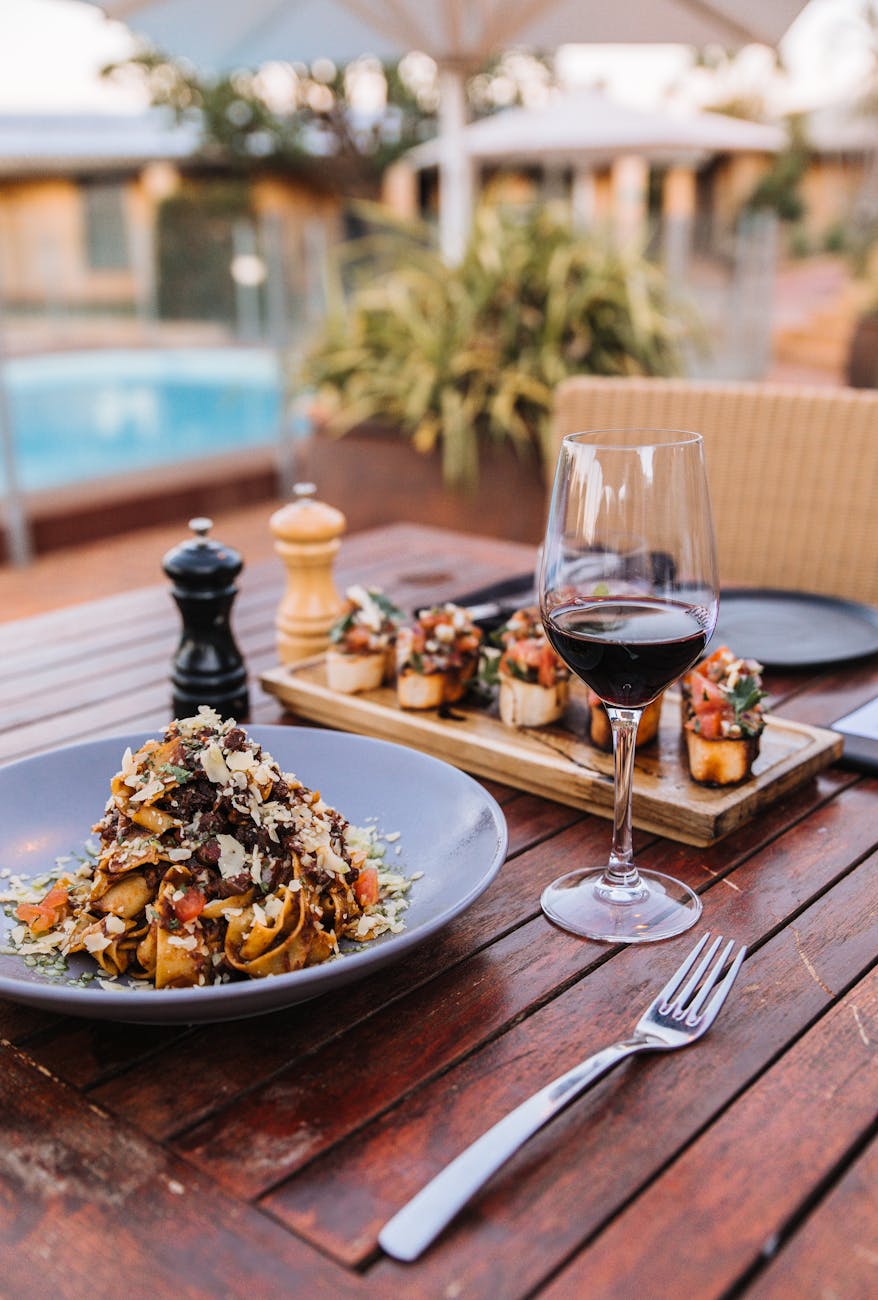
    Drinking Vermouth as It Was Intended

    To rediscover vermouth is to liberate it from the cocktail glass.

    In Spain, particularly in Catalonia, there exists a cherished tradition known simply as la hora del vermut—the vermouth hour. It is a ritual, typically observed before lunch, where friends and family gather to enjoy vermouth over ice, often with a slice of orange or lemon and perhaps an olive.

    This is not hurried drinking. It is conversational, reflective, communal.

    Try this yourself. Pour a quality sweet vermouth over ice. Add a twist of orange peel. Notice how the citrus oils awaken the aromatics already present in the wine. Take a sip. The bitterness primes the palate, the sweetness rounds the edges, the botanicals linger like a memory you can’t quite place.

    Dry vermouth, too, deserves its moment. Serve it well chilled, perhaps with a lemon twist or even a splash of soda water. It becomes something entirely different—crisp, refreshing, almost saline in its elegance.

    Food pairing with vermouth is not only possible—it is delightful. Consider olives, marcona almonds, anchovies, cured meats, or lightly fried seafood. The bitterness and herbal complexity of vermouth cut through fat and salt with remarkable precision.

    A vermouth list deserves the same reverence as a wine list—curated with intention, grounded in style, and built to invite exploration rather than overwhelm. What follows is not just a set of recommendations, but a guided tour through the modern world of vermouth—producers who honor tradition, challenge convention, and most importantly, craft wines worthy of being poured on their own.

    The SOMM&SOMM Vermouth Table

    There is a certain romance in beginning where it all started. In the shadow of the Alps, in the cafés of Turin, vermouth found its voice—and a few houses still echo that original harmony beautifully.

    Start with Carpano Antica Formula, the spiritual descendant of the original 18th-century recipe. This is not a subtle vermouth. It is rich, layered, almost indulgent—dried fruits, vanilla, baking spices, and a bitter backbone that reminds you this is still an aperitif. Serve it simply: over a large cube, with an expressed orange peel. It drinks like a contemplative afterthought to a long meal, yet works just as well as the beginning of one.

    In contrast, Cocchi Vermouth di Torino offers something a bit more lifted and floral. There’s a brightness here—citrus peel, alpine herbs, a whisper of cocoa—that makes it incredibly versatile at the table. If Antica Formula is velvet, Cocchi is silk.

    Then there is Punt e Mes, a name that translates loosely to “point and a half”—a point of sweetness and a half-point of bitterness. It leans into contrast, making it one of the most food-friendly vermouths you’ll encounter. With olives, anchovies, or anything briny, it sings.

    The French Perspective: Precision and Restraint

    Cross into France, and vermouth becomes something else entirely—leaner, sharper, more mineral-driven.

    Dolin Dry Vermouth from Chambéry is a masterclass in restraint. Alpine herbs, white flowers, and a clean, almost saline finish make this one of the most elegant aperitifs you can pour. Served chilled with a lemon twist, it feels closer to a mountain breeze than a fortified wine.

    For something equally refined but slightly more textured, Noilly Prat Original Dry offers a deeper oxidative note—subtle nuttiness layered over its herbal core. It’s a vermouth that invites slow sipping and quiet attention.

    Spain’s Vermouth Renaissance

    If Italy gave vermouth its identity and France refined it, Spain gave it back its soul.

    The tradition of la hora del vermut has sparked a renaissance, particularly in Catalonia, where producers are crafting vermouths meant unapologetically for sipping.

    Yzaguirre Rojo Reserva is a standout—aged, complex, and deeply aromatic. There’s a warmth here, a sense of sun and spice, that pairs beautifully with tapas. Think roasted nuts, cured meats, and anything kissed by smoke.

    Meanwhile, Lustau Vermut Rojo brings a fascinating twist by incorporating sherry into the base. The result is layered and oxidative, with dried fruit, citrus peel, and a subtle salinity that lingers on the palate. It feels both ancient and modern at once.

    The New World Movement: Innovation Meets Tradition

    Across the Atlantic, a new generation of producers is redefining what vermouth can be—often with a stronger sense of terroir and a willingness to experiment.

    Vya Sweet Vermouth from California is bold and expressive, with a pronounced spice profile and a richness that makes it almost dessert-adjacent. It’s a vermouth that doesn’t whisper—it declares.

    On the other end of the spectrum, Imbue Petal & Thorn feels distinctly modern—lighter, more floral, and slightly less sweet. It’s an excellent gateway for those who think they don’t like vermouth.

    And then there is Lo-Fi Aperitifs Dry Vermouth, which leans into freshness and approachability. It’s bright, citrus-driven, and perfect for warm afternoons when something refreshing—but still complex—is called for.

    How to Build Your Own Vermouth Ritual

    A proper vermouth experience does not require a bar cart full of tools—only a bit of intention.

    Keep your vermouth chilled. Treat it like the wine it is. Choose the right glass—something that allows aromatics to gather and unfold. Add ice if you wish, but make it thoughtful: a single large cube, not a dilution bath.

    Citrus is your ally. An orange peel with sweet vermouth, a lemon twist with dry. An olive, if you must—but let it complement, not dominate.

    And above all, give vermouth your attention. Taste it the way you would a fine wine. Notice how it evolves in the glass. How the bitterness sharpens your appetite. How the botanicals reveal themselves slowly, one note at a time.

    Fact, Fiction, and the Romanticism of Vermouth

    Like many storied beverages, vermouth exists at the intersection of fact and folklore. Tales of secret recipes passed down through generations are often true—though sometimes embellished. Claims of medicinal benefits are rooted in history, though perhaps overstated by modern standards.

    What remains undeniable is vermouth’s cultural significance. It is a drink of cafés and conversation, of pre-dinner rituals and unhurried afternoons. It is both humble and sophisticated, accessible yet endlessly complex.

    Photo by cottonbro studio on Pexels.com

    Reclaiming Vermouth

    If there is a single idea worth carrying forward, it is this: vermouth is not merely an ingredient. It is a category of wine that stands on its own merits.

    Treat it as you would any fine wine. Store it properly. Serve it thoughtfully. Taste it attentively.

    And perhaps most importantly, give it the time and space to be enjoyed without apology or qualification.

    Because vermouth does not need a cocktail to justify its existence.

    It never did 🍷

    Cover photo by Kenneth C. Zirkel, CC BY-SA 4.0, via Wikimedia Commons

  • The Season of the Spritz

    The Season of the Spritz

    There is something unmistakable about April light. It stretches a little longer across the table, lingers just enough on the rim of a glass to catch the sparkle, and invites us—quietly but persistently—back outdoors. It is not yet summer’s bold declaration, nor winter’s final whisper. It is a transition. A becoming.

    And there is no better companion to this moment than the spritz.

    To call the spritz a “cocktail” feels almost too narrow. It is, more accurately, a ritual of restraint and expression. A balance of bitterness and brightness, of bubbles and botanicals, where nothing dominates and everything contributes. It is the kind of drink that encourages conversation rather than interrupting it, the kind that turns a casual afternoon into something just a touch more intentional.

    Photo by Augustin Mazaud on Pexels.com

    From Necessity to Nuance

    The spritz, like many of the world’s most enduring pleasures, began not as indulgence, but as practicality. In the 19th century, when soldiers of the Austro-Hungarian Empire occupied parts of northern Italy, they found the local wines—particularly those of the Veneto—too intense for their tastes. Their solution was simple: ask for a spritz, a splash of water to soften the wine.

    There was nothing glamorous about it. No garnish. No ceremony. Just dilution.

    But Italy has a way of transforming the ordinary into the extraordinary.

    Over time, still water gave way to sparkling. Local bitters—bright, herbal, and often vividly colored—found their way into the glass. And eventually, Prosecco joined the composition, bringing lift, elegance, and a celebratory note that elevated the drink from functional to fashionable. What began as a soldier’s compromise became, quite beautifully, a cultural signature.

    The Modern Expression

    Today’s spritz is less about watering something down and more about building something up. It is a study in composition, where each ingredient plays a deliberate role. The sparkling wine provides structure and effervescence. The liqueur—whether bitter, floral, or herbal—introduces personality. Soda adds lightness. And the garnish, often overlooked, becomes the aromatic bridge between the drink and the drinker.

    Photo by Anna McDonald on Pexels.com

    The most recognizable expression, of course, is the Aperol Spritz. Its signature hue—somewhere between a Venetian sunset and a ripe blood orange—has become synonymous with the category itself. It is approachable, gently bitter, slightly sweet, and endlessly drinkable. It does not challenge; it invites.

    And yet, just beside it sits the Hugo Spritz, quieter but no less captivating. Where Aperol leans into citrus and bitterness, Hugo drifts into florals—elderflower, mint, lime—like a garden just beginning to bloom. It is the kind of drink that doesn’t announce itself, but once noticed, becomes difficult to forget.

    Together, they represent two ends of a spectrum: bold and delicate, bitter and aromatic. Between them lies an entire world waiting to be explored.

    The Aperol Spritz

    The most recognizable of them all—sunset in a glass. Bright orange, gently bitter, lightly sweet, and endlessly drinkable.

    Classic Build:

    • 3 oz Prosecco
    • 2 oz Aperol
    • 1 oz soda water
    • Orange slice

    It’s the gateway spritz—the one that invites curiosity without intimidation.

    The Hugo Spritz

    If Aperol is sunset, Hugo is spring morning. Elderflower liqueur, mint, lime—this is the garden in bloom.

    Classic Build:

    • 3 oz Prosecco
    • 1.5 oz elderflower liqueur
    • Soda water
    • Fresh mint, lime wheel

    Elegant, aromatic, and quietly enchanting.

    Where Curiosity Begins

    If the Aperol Spritz is the introduction, the true joy of the spritz lies in what comes next.

    There is a particular delight in watching someone take their first sip of a Cynar Spritz. There is often a pause—just a moment—where expectation meets reality. Artichoke, after all, is not an ingredient most associate with cocktails. And yet, in the hands of an amaro like Cynar, it becomes something earthy, bittersweet, and unexpectedly compelling. It is a spritz that sparks conversation, not just because of its flavor, but because of its audacity.

    This is where the philosophy of Sips & Stories comes to life. The classics are not endpoints; they are starting points. A foundation upon which to build, to riff, to reinterpret.

    Photo by Nasim Didar on Pexels.com

    A splash of limoncello can turn a spritz into a sunlit stroll along the Amalfi Coast. A touch of dry vermouth can introduce structure and subtle herbal complexity. Fresh basil, thyme, or even rosemary can transform aroma into memory. The spritz, perhaps more than any other cocktail, invites personalization without pretension.

    The Experience in the Glass

    Part of what makes the spritz so captivating is its visual and aromatic presence. This is not a drink meant to be confined. It belongs in a generous glass—ideally a large wine bowl—where ice can settle comfortably and aromatics can rise freely. The shape matters. It allows the botanicals to bloom, the citrus oils to express, and the bubbles to carry those scents upward with each sip.

    There is also a quiet elegance in how a spritz is built. No shaking. No aggressive stirring. Just a gentle layering—sparkling wine first, then liqueur, then a lift of soda. A soft stir, almost a whisper, and the drink is complete. It is a process that mirrors the drink itself: unhurried, balanced, and intentional.

    Photo by Irving Joaquin Gutierrez on Pexels.com

    At the Table

    The spritz finds its natural home at the table, particularly in the company of foods that echo its lightness or contrast its bitterness. There is a reason it thrives in the Italian aperitivo tradition. Salty bites—prosciutto, olives, lightly dressed seafood—play beautifully against its refreshing lift. Creamy textures, like burrata or ricotta, soften its edges. Citrus and herbs create harmony, reinforcing the very notes that define the drink.

    Imagine, for a moment, a simple crostini—grilled bread topped with whipped ricotta, a touch of lemon zest, a drizzle of honey, and a scattering of fresh thyme. Paired with a floral, elderflower-driven spritz, the experience becomes something more than food and drink. It becomes a conversation between them.

    Lemon Ricotta Crostini with Honey & Thyme

    • Fresh ricotta
    • Lemon zest
    • Honey
    • Fresh thyme
    • Grilled baguette slices

    Whip ricotta with lemon zest until airy. Spread over warm crostini, drizzle with honey, and finish with thyme.

    Pair with a Hugo Spritz or Limoncello Spritz—where citrus and florals echo the dish.

    A Story in Every Glass

    In Venice, there is an unspoken understanding that a spritz is never just a spritz. It is a reflection of the moment, the mood, and the person holding the glass. Ratios shift. Garnishes change. Preferences evolve. No two are ever exactly alike.

    There is even a quiet bit of lore among locals—that the way one builds their spritz reveals something deeper. A heavier pour of bitter suggests boldness. A lighter, more floral touch hints at subtlety. Whether or not this is true is almost beside the point. What matters is the idea that the drink is expressive.

    And perhaps that is why the spritz feels so perfectly suited to April. It exists in that same space of transition and possibility. Not fully one thing, not yet another. Open to interpretation.

    The Invitation

    As we continue to explore the world through Sips & Stories, the spritz stands as a reminder that the best experiences are rarely about strict adherence to tradition. They are about understanding the foundation—and then having the confidence to step beyond it.

    So this season, let the classics guide you, but not define you. Reach for something unfamiliar. Add an herb you’ve never used. Swap a liqueur. Change the balance. Tell your own story in the glass.

    Because the true beauty of the spritz is not in how it began, but in how it continues to evolve—one pour, one evening, one conversation at a time.

    And in April, under that soft, lingering light, there may be no better story to tell 🥂

    The April Awakening Spritz

    A SOMM&SOMM original—crafted for that first evening you dine outdoors.

    • 3 oz Prosecco
    • 1 oz St-Germain (elderflower liqueur)
    • 0.5 oz Lillet Blanc
    • Soda water
    • Grapefruit twist
    • Fresh basil leaf

    Construct in a large wine glass over ice. Garnish with intention.

    Tasting Note:
    Floral, gently bitter, with a citrus backbone and herbal lift—like spring itself, finding its voice.

    Cover Photo by ginPhotos on Pexels.com

  • Spring Uncorked

    Spring Uncorked

    A Sommelier’s Guide to the Season of Renewal.

    Spring does not arrive all at once—it lingers, hesitates, and then, almost without warning, transforms everything around us. The same can be said for the wines we reach for. One moment, we are still clinging to the comfort of winter—structured reds, slow braises, and fireside pours—and the next, we find ourselves craving brightness, freshness, and lift.

    At SOMM&SOMM, we don’t view spring as a single season, but rather as a graceful evolution. It is a journey of the palate, one that mirrors nature itself. Understanding this progression allows us to make more intentional choices—pairing not just wine with food, but wine with time, temperature, and emotion.

    Let’s walk through the season as it was meant to be experienced—one glass at a time.

    Photo by Alena Koval on Pexels.com

    The Thaw: Where Winter Lets Go

    Early spring still carries the weight of winter. There’s a chill in the air, and comfort remains a quiet necessity. But something subtle begins to shift. The palate, like the landscape, starts to awaken.

    This is where we begin to move away from the dense and the heavy—not abruptly, but thoughtfully. Wines in this stage should retain enough structure to complement heartier dishes, yet offer a lift of acidity and freshness that signals change.

    Photo by Andrew Patrick Photo on Pexels.com

    A beautifully balanced Pinot Noir becomes the perfect companion here. Its earthy undertones still resonate with winter’s flavors—mushrooms, roasted meats, herbs—while its natural acidity brings a sense of brightness. Likewise, a lightly oaked Chardonnay offers a similar bridge, holding onto its roundness while introducing notes of citrus and orchard fruit.

    Imagine a roast chicken emerging from the oven, its skin golden and crisp, perfumed with lemon, garlic, and fresh thyme. It is a dish that belongs equally to two seasons. Paired with a Pinot Noir, the wine mirrors the savory depth while refreshing the palate with each sip. A Chardonnay, on the other hand, leans into the dish’s richness, its subtle oak and creamy texture harmonizing with the roasted flavors while the citrus notes echo the lemon.

    This is the quiet conversation between seasons—the moment where winter loosens its grip, and spring begins to whisper.

    SOMM&SOMM Recommended Wines – The Thaw

    • Willamette Valley Pinot Noir
    • Sonoma Coast Pinot Noir
    • Bourgogne Blanc (lightly oaked Chardonnay)
    • Dry German Riesling (Kabinett or Trocken)
    • Cru Beaujolais (Gamay)
    Photo by Erik Karits on Pexels.com

    The Bloom: When Freshness Takes Center Stage

    By mid-spring, the transformation is undeniable. Markets begin to fill with vibrant greens, herbs, and the first delicate vegetables of the season. The air feels lighter, and so too should the wines.

    This is where acidity becomes the star.

    Sauvignon Blanc, in all its expressive glory, feels almost tailor-made for this moment. Whether from the Loire Valley or New Zealand, its bright citrus, herbal notes, and energetic structure align seamlessly with the flavors of the season. Grüner Veltliner offers a slightly more textured experience, with its signature white pepper note adding intrigue to fresh, green dishes.

    A spring pea and mint risotto captures this phase perfectly. Creamy and comforting, yet undeniably fresh, it reflects the balance we seek in both food and wine. The sweetness of the peas, the aromatic lift of mint, and the richness of the risotto create a dynamic canvas.

    Photo by Pixabay on Pexels.com

    With Sauvignon Blanc, the pairing becomes electric. The wine’s acidity cuts through the creaminess while its herbal character mirrors the mint and peas, creating a seamless connection. Grüner Veltliner takes a slightly different approach, adding a layer of spice that elevates the dish in unexpected ways.

    This is the season of contrast—where richness meets brightness, and where wine begins to dance rather than simply accompany.

    A simple salad of goat cheese, citrus, and fresh greens tells a similar story. Here, wine is no longer just a complement—it becomes an essential ingredient in the experience, heightening the vibrancy of every bite.

    SOMM&SOMM Recommended Wines – The Bloom

    • Loire Valley Sauvignon Blanc (Sancerre, Pouilly-Fumé)
    • New Zealand Sauvignon Blanc
    • Grüner Veltliner (Austria)
    • Albariño (Rías Baixas)
    • Dry Rosé (early releases)
    Photo by Rino Adamo on Pexels.com

    The Radiance: Spring in Full Expression

    As late spring settles in, the days grow longer and warmer. Meals move outdoors, and the mood shifts from introspective to celebratory. This is where spring begins to flirt with summer, and the wines reflect that sense of ease and joy.

    Rosé takes center stage here—not as a trend, but as a philosophy. Dry, crisp, and endlessly versatile, it captures the essence of the season in a single glass. Alongside it, wines like Albariño and Vermentino bring a coastal freshness, their natural salinity and citrus-driven profiles making them ideal companions for lighter fare.

    Grilled shrimp with garlic and lemon is a dish that feels almost inevitable in this stage of spring. It is simple, vibrant, and deeply satisfying. Paired with Albariño, the experience becomes transportive—the wine’s subtle salinity echoing the ocean, its acidity enhancing the brightness of the lemon and the sweetness of the shrimp.

    Photo by Maria Orlova on Pexels.com

    Rosé offers a different expression, introducing a gentle fruitiness that plays beautifully against the char from the grill. It’s a pairing that doesn’t demand attention—it invites it.

    Even something as unassuming as a strawberry and burrata salad becomes extraordinary in this context. The sweetness of the fruit, the creaminess of the cheese, and the aromatic lift of fresh basil create a harmony that feels effortless. Add a glass of sparkling wine, and the entire experience is elevated. The bubbles cleanse the palate, amplify the flavors, and bring a sense of celebration to even the simplest of dishes.

    SOMM&SOMM Recommended Wines – The Radiance

    • Provence Rosé
    • Tavel Rosé (for a fuller style)
    • Albariño (Spain)
    • Vermentino (Italy, Sardinia)
    • Brut Sparkling Wine (Champagne, Cava, or domestic)

    The Seasonal Mindset

    What makes spring so compelling is not just the food or the wine—it’s the transition itself. It reminds us that enjoyment is not static. Our preferences shift, our surroundings influence us, and our connection to what’s in the glass evolves.

    The true art of seasonal pairing lies in awareness. It’s in recognizing when to let go of the bold and embrace the bright. It’s in understanding that a wine’s role is not fixed, but fluid—just like the season it accompanies.

    Photo by Pixabay on Pexels.com

    Spring teaches us patience. It teaches us to savor the in-between moments—the gentle shift from one expression to another. And in doing so, it invites us to experience wine not just as a beverage, but as a reflection of time, place, and feeling.

    So as the season unfolds, let your palate follow. Start where you are, move with intention, and most importantly—enjoy the journey.

    Because the best pairing this spring isn’t just what’s on your plate or in your glass.

    It’s the moment you choose to savor it 🍷

    Lemon Herb Grilled Chicken with Spring Vegetables

    Perfect Pairing: Sauvignon Blanc (Loire Valley)

    Ingredients

    • 2 boneless chicken breasts
    • Olive oil
    • Zest and juice of 1 lemon
    • 2 cloves garlic, minced
    • Fresh thyme, parsley, and basil (chopped)
    • Salt and pepper
    • Asparagus, snap peas, and baby carrots

    Preparation

    Marinate the chicken in olive oil, lemon juice, garlic, and herbs for at least 30 minutes. Grill over medium heat until cooked through, allowing a slight char to develop.

    Toss the vegetables in olive oil, salt, and pepper, then grill or roast until just tender—still vibrant, still alive.

    Finish with a touch of lemon zest and fresh herbs.

    Cover Photo by Elina Fairytale on Pexels.com

  • Bourbon: Fire, Corn, and the American Barrel

    Bourbon: Fire, Corn, and the American Barrel

    There are spirits that whisper of old monasteries and windswept Scottish coasts. Bourbon does not whisper. It crackles.

    It begins in a cornfield under a Midwestern sun. It moves through copper stills and into a brand-new oak barrel that has quite literally been set on fire. It rests through humid summers and brittle winters, expanding and contracting with the rhythm of the seasons until wood and spirit can no longer be separated in conversation.

    Bourbon is not simply America’s native spirit. It is America’s study in transformation.

    And like wine, it deserves more than a quick pour and a passing note of “caramel and vanilla.”

    Let’s sit with it.

    Photo by cottonbro studio on Pexels.com

    Law as Flavor

    Bourbon’s regulations are not bureaucratic fine print — they are its recipe for identity.

    To carry the name, it must be made in the United States and composed of at least 51% corn. It cannot be distilled above 160 proof. It must enter the barrel at no more than 125 proof. And it must mature in brand-new, charred oak containers. No coloring. No flavoring. Nothing added but water to reduce proof.

    Those new barrels are not incidental. They are the defining choice.

    When oak is charred, the interior blackens and cracks, caramelizing wood sugars and forming a charcoal layer that filters and transforms the spirit. Beneath that char lies a layer of toasted wood where lignin and hemicellulose break down into vanillin, baking spice, caramel, and subtle smoke.

    Every barrel begins as a blank slate. Every batch begins again.

    Unlike Scotch, which often relies on used casks, bourbon’s relationship with oak is intense and immediate — a first dance with no rehearsal.

    Photo by Lina Kivaka on Pexels.com

    The Beginning of Personality

    Before the barrel, before the fire, there is grain.

    Corn must dominate. It gives bourbon its softness and sweetness — honeyed, rounded, generous. That creamy entry on the palate? Corn.

    Then comes the secondary grain, which shapes structure.

    Photo by Chris F on Pexels.com

    When rye is used, spice emerges. Black pepper, cinnamon bark, clove — a liveliness that lifts the sweetness and sharpens the finish. These bourbons feel energetic and structured, often brilliant in cocktails.

    Photo by Roman Biernacki on Pexels.com

    When wheat replaces rye, the texture shifts. The edges soften. Think fresh bread, light toffee, vanilla custard. Wheated bourbons feel plush, almost pastry-like, often charming in their approachability.

    A small portion of malted barley usually rounds out the mash bill, assisting fermentation and quietly adding nutty undertones.

    A few percentage points one way or another can change the entire posture of the spirit. Just as a winemaker adjusts Cabernet and Merlot, the distiller balances grain to sculpt personality.

    Woodford Reserve Distillery – Ken Thomas, Public domain, via Wikimedia Commons

    The Invisible Hand

    Kentucky’s weather is not gentle.

    Summers are hot and humid; winters are sharp and cold. Inside rickhouses — those towering wooden warehouses — barrels breathe with txhe seasons. In heat, the spirit expands deep into the wood. In cold, it retreats. Each cycle extracts more flavor, more color, more texture.

    This push and pull is bourbon’s quiet alchemy.

    Evaporation — the “angel’s share” — slowly reduces volume while concentrating flavor. Barrels on higher floors age faster in the heat; lower floors mature more slowly. Master distillers taste through these warehouses like sommeliers walking vineyard rows, selecting barrels for balance and character.

    Time does not simply pass in bourbon. It works.

    At six to eight years, balance often emerges — caramel woven into oak, sweetness anchored by structure. At ten to twelve, depth can become profound: dark toffee, tobacco leaf, polished wood. Beyond that, the line between complexity and over-oaking becomes razor thin.

    Older is not always better. Integrated is better.

    Photo by Ray Suarez on Pexels.com

    Structure in Liquid Form

    Proof is frequently misunderstood as machismo. In truth, it is architecture.

    Lower-proof bourbons feel gentle and accessible. Around 100 proof — historically the “Bottled-in-Bond” standard — the spirit gains tension and clarity. Barrel-proof expressions, often north of 120 proof, deliver intensity, viscosity, and remarkable aromatic lift.

    Higher proof carries more volatile compounds. Add a few drops of water and something magical happens: fruit emerges, florals bloom, hidden sweetness surfaces. The alcohol no longer dominates; it frames.

    It is the equivalent of decanting a young Barolo — not dilution, but revelation.

    Innovation with Restraint

    For generations, bourbon’s identity was simple: new oak and time. But modern producers have begun exploring secondary maturation in barrels that once held other wines or spirits.

    A bourbon finished in port barrels may develop notes of blackberry compote and dark chocolate. Sherry casks can introduce dried fig, toasted walnut, and oxidative depth. Madeira might lend caramelized citrus brightness. Brazilian Amburana wood barrels release waves of cinnamon, clove, and exotic spice.

    When finishing is heavy-handed, it masks. When it is thoughtful, it layers.

    The base spirit must be strong enough to carry the additional influence. When successful, finishing feels like seasoning in a refined kitchen — not an attempt to hide flaws, but to elevate nuance.

    Photo by Riccardo Nora on Pexels.com

    Bourbon at the Table

    As sommeliers, we cannot help ourselves. Bourbon is not merely a nightcap. It belongs at the table.

    Its sweetness and oak make it a natural partner for smoke and caramelization.

    Imagine slow-smoked brisket, the bark echoing charred oak. Picture pork ribs glazed in molasses barbecue sauce, the sauce mirroring bourbon’s caramel tones. A ribeye with a hard sear finds harmony in higher-proof expressions that cut through fat.

    Cheese pairings reveal contrast and echo. Aged cheddar reflects bourbon’s nutty depth. Smoked gouda amplifies its sweetness. Blue cheese offers tension against sweeter styles.

    And dessert? Pecan pie is almost inevitable. Bread pudding with caramel sauce feels ordained. Dark chocolate above 70% cacao creates a bittersweet conversation with oak tannin.

    For something less obvious, consider roasted duck with cherry reduction, or even maple-glazed salmon. Bourbon’s corn sweetness loves subtle sweetness on the plate.

    The guiding principle is simple: mirror caramelization, contrast sweetness, respect texture.

    Bourbon in Motion

    Though contemplative neat, bourbon thrives in structure.

    An Old Fashioned remains the gold standard — two ounces of bourbon, a whisper of sugar, aromatic bitters, and expressed orange peel. It is restraint in liquid form.

    The Manhattan introduces vermouth’s herbal sweetness and creates a dialogue between grain and fortified wine. Served chilled and silken in a coupe, it is timeless.

    The Whiskey Sour, properly made with fresh lemon and egg white, balances sweetness, acidity, and texture — bright yet anchored.

    And the Mint Julep, crushed ice shimmering against polished silver, turns bourbon into summer itself.

    Bourbon does not disappear in cocktails. It defines them.

    Icons of the Category

    While countless producers contribute to bourbon’s evolving narrative, several distilleries have shaped its modern identity:

    • Buffalo Trace Distillery
    • Maker’s Mark
    • Woodford Reserve
    • Wild Turkey
    • Four Roses
    • Heaven Hill

    Each interprets grain ratio, yeast, barrel selection, and proof through its own lens — proving that even within strict legal definition, stylistic diversity thrives.

    The Invitation

    Bourbon is often consumed quickly. It should not be.

    Pour it neat. Let it rest for a few minutes. Observe the legs in the glass. Inhale gently — caramel, vanilla, perhaps orange peel, perhaps toasted almond. Take a small sip and let it coat the palate. Notice texture before flavor. Then add a few drops of water and watch it evolve.

    Bourbon rewards patience. It rewards attention.

    It is corn made contemplative.
    Fire made graceful.
    Time made tangible.

    And when approached not as a trophy, but as a conversation, bourbon reveals itself as one of the most expressive spirits in the world.

    Not loud.
    Not flashy.
    Just deeply, confidently American — and endlessly worth exploring.

    Cheers 🥃

  • The Space Between the Seasons

    The Space Between the Seasons

    What to Drink in Late Winter, When Spring is Still a Promise.

    Late February is a quiet moment.

    The holidays are behind us. Valentine’s Day has packed up its chocolate and expectations. Winter is still very much present, but something has shifted. The light lingers. The cold feels less aggressive. You open the window for a minute, not because it’s warm, but because you want to remember what warm feels like.

    This is not the season for showstoppers. It’s a time for balance. For wines and cocktails that know how to sit comfortably between comfort and freshness, warmth and lift. The space between the seasons rewards subtlety.

    Photo by Polina Tankilevitch on Pexels.com

    Wines That Feel at Home Right Now

    Some bottles just make sense in late winter. They still work with roasted dishes and cool evenings, but they don’t feel like they’re clinging to the season on the way out.

    A good Chenin Blanc from the Loire is a perfect place to start. Dry styles from Vouvray, Savennieres, or Montlouis carry bright acidity and minerality, but there’s often a quiet honeyed depth underneath. It feels refreshing without being sharp, textured without being heavy. Pour it with roasted chicken finished with lemon and thyme, pork with apples, or a wedge of soft, slightly funky cheese, and it feels exactly right for this moment.

    Northern Rhône Syrah is another late-winter staple. Not the plush, fruit-driven versions you find in warmer climates, but the peppery, savory expressions from places like Crozes-Hermitage or Saint-Joseph. These wines lean into olive, smoke, and black pepper, giving you structure and warmth without weight. They are especially good with roasted mushrooms, duck breast, or pork seasoned with herbs rather than spice.

    Rioja also shines this time of year, particularly Crianza or Reserva. There’s something comforting about a wine that has already done a bit of waiting. The fruit feels settled, the oak is integrated, and everything moves a little slower in the glass. Rioja pairs beautifully with sausages, paprika-spiced dishes, or a tray of roasted root vegetables pulled straight from the oven (Tammy’s favorite).

    And then there’s dry Riesling. Late winter is when Riesling reminds you how versatile it really is. High acid keeps things lively, but there’s enough texture to stand up to richer dishes. German Trocken styles, Alsace bottlings, or dry examples from Washington or the Finger Lakes work effortlessly with pork, roasted carrots with cumin, or dishes that bring ginger and citrus into the mix.

    Related SOMM&SOMM Article: The Noble Grapes of Alsace

    If winter wines had a sweet spot, this would be it. Nothing too heavy. Nothing too lean. Just bottles that know how to meet you where you are.

    Photo by cottonbro studio on Pexels.com

    Cocktails for Evenings That Still Get Dark Early

    Cocktails in late February should feel like a gentle exhale. Warming, yes, but not overwhelming. Structured, but open enough to hint at what’s ahead.

    An Armagnac highball is a perfect example. Armagnac tends to be a little more rustic and expressive than Cognac, and when stretched with soda and citrus, it becomes surprisingly elegant. It keeps its warmth, but gains lift and freshness.

    Armagnac Citrus Highball

    • 2 oz Armagnac
    • 4 to 5 oz chilled soda water
    • Lemon or orange peel

    Build over ice in a tall glass, stir gently, and finish with expressed citrus peel.

    A rosemary Old Fashioned still nods to winter, but the herbal note starts pulling the drink forward. It’s familiar, but greener, softer, and less about sweetness.

    Rosemary Old Fashioned

    • 2 oz bourbon or rye
    • 0.25 oz rosemary simple syrup (recipe below)
    • 2 dashes aromatic bitters

    Stir with ice, strain over a large cube, and garnish with a rosemary sprig.

    Rosemary Simple Syrup (Keep This One Around)

    Fresh rosemary brings a soft piney note that feels right at home in late winter. To make the syrup, combine equal parts sugar and water in a small saucepan, add a few sprigs of fresh rosemary, and bring it just to a gentle simmer. Turn off the heat, let it steep until fragrant, then strain and cool.

    It keeps in the refrigerator for about two weeks and works just as well in a whiskey sour, a gin cocktail, or even stirred into hot tea on a cold night.

    For nights when you want something lighter altogether, a sherry and tonic is hard to beat. Dry Fino or Manzanilla sherry brings salinity and brightness, tonic adds lift, and the whole drink feels refreshingly grown-up without demanding commitment.

    Sherry and Tonic

    • 3 oz dry sherry
    • 3 oz tonic water
    • Lemon twist or green olive

    Build over ice and stir gently.

    This is the kind of drink you reach for when winter fatigue sets in, but you are not quite ready to let go of structure.

    Photo by AnimGraph Lab on Pexels.com

    Food That Knows the Season Is Changing

    Late winter cooking doesn’t abandon comfort, it just lightens its grip.

    Roasted vegetables finished with citrus. Braised dishes brightened with herbs. Creamy sauces traded for olive oil and stock. These small shifts make meals feel fresher without losing their grounding.

    Think roasted cauliflower with lemon and tahini, herb-marinated chicken thighs, lentils dressed with good olive oil and vinegar, or charred greens with garlic and anchovy. These dishes live happily alongside the wines and cocktails that define this in-between moment.

    Photo by Breakingpic on Pexels.com

    The Final Pour

    Late February doesn’t need a reason to drink well.

    It’s a season without a headline, and that’s exactly the point. Winter is still here. Spring is close enough to feel. The best pours right now don’t rush either one.

    Open something thoughtful. Pour something balanced. Let the season unfold at its own pace 🍷

    Cover Photo by Nothing Ahead on Pexels.com

  • Love, Legends, and a Proper Glass of Wine

    Love, Legends, and a Proper Glass of Wine

    Valentine’s Day has somehow become a collision of romance, chocolate, prix-fixe menus, and mild panic. But long before heart-shaped boxes and awkward reservations at 7:15 pm, this holiday had a much stranger and more interesting backstory.

    A Brief and Slightly Unhinged History of Valentine’s Day

    The origins of Valentine’s Day are tangled, like a box of old love letters tied with questionable ribbon.

    Some trace it back to Lupercalia, an ancient Roman fertility festival involving feasting, matchmaking lotteries, and rituals best left in history books. Later, the Church attempted to clean things up by honoring St. Valentine, or possibly several Valentines, because history couldn’t settle on just one.

    The most romantic legend? Valentine secretly married couples against the wishes of Emperor Claudius II, who believed single men made better soldiers. When Valentine was imprisoned, he allegedly sent a note signed, “From your Valentine.” That line stuck. The beheadings, thankfully, did not.

    Photo by Lisa from Pexels on Pexels.com

    By the Middle Ages, Valentine’s Day was associated with courtly love, handwritten poetry, and exchanging small tokens of affection. Somewhere along the way, wine became involved, which may be the most important evolution of all.

    Wine Pairings for Love in All Its Forms

    Valentine’s Day wine should be romantic without trying too hard. No one wants a wine that feels like it’s wearing too much cologne.

    Photo by Anna Galimova on Pexels.com

    Oysters and Sparkling Wine

    Classic for a reason. Oysters have long been considered an aphrodisiac, likely because they pair so beautifully with sparkling wine.

    In the glass: Champagne, Crémant, or a Brut sparkling wine
    Why it sings: Bright acidity, saline minerality, and bubbles that keep things lively

    If oysters feel intimidating, shrimp cocktail or scallop crudo works just as well. Romance should never feel like homework.

    Steak, Mushroom Risotto, or Truffle Pasta

    This is where Valentine’s dinners usually land, and honestly, it’s a good place to be.

    What to drink: Pinot Noir, Nebbiolo, or a softer style of Syrah
    Why it’s magic: These wines balance earthiness and elegance without overpowering the dish or the moment

    Cabernet Sauvignon can work, but only if it’s not trying to dominate the conversation.

    Chocolate and Berries

    Chocolate is a trap for wine if you choose poorly. Dry reds rarely survive it.

    Reach for: Ruby Port, Brachetto d’Acqui, Banyuls, or a lightly sweet Lambrusco
    Why it fits: Sweetness meets sweetness, fruit stays vibrant, and no one feels betrayed

    If you insist on dark chocolate, fortified wines are your safest love language.

    The Cozy Night In

    Sometimes Valentine’s Day is pajamas, takeout, and not leaving the couch.

    Pour this: Off-dry Riesling, Beaujolais, or a chillable red
    Why it makes sense: Low pressure, high comfort, and endlessly food-friendly

    This is the wine equivalent of saying, “I like you exactly as you are.”

    A Valentine’s Day Cocktail: Love Letters at Dusk

    This cocktail is floral, lightly bitter, gently sweet, and just complex enough to feel intentional without being overwrought.

    Love Letters at Dusk

    1.5 oz gin
    0.75 oz Aperol
    0.5 oz elderflower liqueur
    0.75 oz fresh lemon juice
    2 dashes rose water
    Sparkling wine to top

    Add gin, Aperol, elderflower liqueur, lemon juice, and rose water to a shaker with ice. Shake briefly. Strain into a chilled coupe or wine glass. Top with sparkling wine.

    Garnish with a lemon twist or an edible flower if you’re feeling poetic.

    Tasting note: The gin brings structure, Aperol adds a gentle bitterness, elderflower softens the edges, and the bubbles keep things playful. It’s romantic without being cloying, much like a good relationship.

    Photo by Anna Tarazevich on Pexels.com

    Final Thoughts on Love, Wine, and Not Overthinking It

    Valentine’s Day doesn’t need to be perfect. It just needs to be thoughtful. A good bottle of wine, a shared meal, and a moment of genuine connection will always outshine fixed menus and forced romance.

    Whether you’re celebrating decades together, a brand-new spark, or simply your love of good food and drink, raise a glass to love in all its forms.

    Because at the end of the day, wine has always been about bringing people closer. And if that isn’t romantic, nothing is. 🍷❤️

    Cover Photo by Katerina Holmes on Pexels.com