Category: Tasting Insights

  • Smoke, Fire & Wine

    Smoke, Fire & Wine

    Why the Grill Changes Everything About Wine Pairing.

    The moment food meets fire, it begins to change. Sugars caramelize. Proteins brown. Smoke settles into every surface. Flavors become deeper, richer, and more complex. A wine that seemed perfectly suited to the raw ingredients may suddenly feel out of place, while another comes alive in ways that are impossible to predict without understanding what the fire has created.

    fire burning in stove
    Photo by Darya Grey_Owl on Pexels.com

    Fire Is an Ingredient

    When discussing food and wine pairing, we often focus on the ingredients themselves.

    Beef pairs with Cabernet Sauvignon.

    Fish pairs with Chardonnay.

    Chicken pairs with Pinot Noir.

    These guidelines provide a useful starting point, but they overlook one of the most influential ingredients in the entire meal.

    Fire.

    Whether food is cooked over hardwood, charcoal, propane, or an open flame, heat fundamentally changes its chemistry. The transformation extends well beyond texture. Smoke introduces new aromas. Caramelization develops sweetness. Browning creates layers of savory complexity that never existed in the raw ingredients.

    The grill does not simply cook food.

    It creates new flavors.

    Those flavors deserve wines capable of meeting them.

    Smoke Speaks Loudly

    Smoke is among the most expressive flavors in cooking.

    It can be delicate, as with cedar-planked salmon, or deeply assertive, as in slow-smoked brisket. It may suggest toasted herbs, charred citrus, roasted nuts, or warm spices depending on the fuel, cooking method, and ingredients.

    Because smoke lingers on the palate, it has a profound influence on wine.

    Highly oaked wines often compete with smoky foods rather than complement them, creating an impression of excessive wood or bitterness. Wines with vibrant fruit, balanced acidity, and restrained oak generally allow the smoky character of the food to remain the focal point while providing freshness between each bite.

    The objective is not to match smoke with more smoke.

    It is to bring balance to the experience.

    juicy steaks sizzling on a smoky grill
    Photo by Mohamed Olwy on Pexels.com

    Char Is Not Burnt

    One of the greatest misunderstandings in outdoor cooking is confusing char with burning.

    A beautifully grilled steak develops a dark crust through the Maillard reaction, a series of chemical changes that occur when amino acids and natural sugars are exposed to high heat. This reaction creates hundreds of new flavor compounds responsible for aromas that resemble toasted bread, roasted coffee, caramel, nuts, and browned butter.

    Burning, by contrast, produces bitterness that can overwhelm both food and wine.

    Understanding this distinction explains why a properly grilled ribeye welcomes a structured Cabernet Sauvignon or Syrah, while an overcooked steak can make even the finest bottle seem harsh.

    Great grilling is not about cooking longer.

    It is about cooking with intention.

    piece of meat on a fork
    Photo by Augustinus Martinus Noppé on Pexels.com

    Acidity Becomes More Important Outdoors

    Summer entertaining often includes rich marinades, barbecue sauces, herb butters, and foods that spend hours over glowing coals.

    These preparations increase richness while smoke adds another layer of intensity.

    Acidity becomes essential.

    A vibrant wine refreshes the palate after each bite, allowing the next mouthful to remain as satisfying as the first. Without sufficient acidity, both food and wine can begin to feel heavy as the meal progresses.

    This explains why wines such as Barbera, Rioja Crianza, dry Riesling, Albariño, and many rosés perform so well alongside grilled cuisine. Their freshness provides contrast without sacrificing flavor.

    Balance, rather than power, becomes the defining characteristic.

    grilled shrimps
    Photo by Julia Filirovska on Pexels.com

    Pairing Beyond Red Meat

    The grill has expanded far beyond burgers and steaks.

    Seafood, vegetables, fruit, and even cheese develop remarkable character over live fire, often creating opportunities for pairings that surprise experienced wine drinkers.

    Grilled shrimp brushed with olive oil and lemon finds a natural companion in Albariño, whose citrus and mineral qualities mirror the freshness of the dish while standing comfortably beside the subtle smokiness of the grill.

    Cedar-planked salmon develops richness that often elevates Pinot Noir above many white wines. The wine’s bright acidity and restrained tannins complement the fish without overwhelming its delicate texture.

    grilled vegetables plate bell pepper zucchini onion
    Photo by Valeria Boltneva on Pexels.com

    Grilled vegetables deserve equal attention. Bell peppers, zucchini, asparagus, eggplant, and mushrooms all become sweeter through caramelization, inviting wines with moderate body and lively fruit. A chilled Beaujolais, dry rosé, or Vermentino often proves every bit as successful as more traditional choices.

    The grill rewards curiosity.

    Some of its finest pairings are found beyond the steakhouse.

    When Sauce Changes the Wine

    Many people assume the protein determines the pairing.

    More often than not, the sauce has the final word.

    A grilled pork chop served with an herb butter calls for a different wine than the same chop coated in a sweet barbecue glaze. Smoky tomato sauces favor wines with bright acidity, while mustard-based sauces often benefit from wines that offer generous fruit without excessive tannin. Spicy preparations invite wines with moderate alcohol and expressive aromatics rather than overwhelming structure.

    The grill may provide the foundation.

    The sauce often completes the conversation.

    Don’t Forget the Chill

    Outdoor temperatures influence wine just as surely as they influence food.

    A full-bodied red served at typical indoor room temperature may become noticeably warmer after only a few minutes on a sunny patio. As temperature rises, alcohol becomes more pronounced and freshness begins to fade.

    The solution is surprisingly simple.

    Many red wines improve when served slightly cooler than tradition suggests, especially during the summer months. Fifteen to twenty minutes in the refrigerator before serving allows Pinot Noir, Grenache, Gamay, and even lighter expressions of Syrah to retain their balance throughout the meal.

    Likewise, white wines need not emerge from an ice bath at near-freezing temperatures. Excessive chilling suppresses aroma, leaving beautifully expressive wines tasting muted and one-dimensional.

    Wine should refresh.

    It should also speak.

    friends standing around a barbecue grill
    Photo by Kampus Production on Pexels.com

    Fire Brings People Together

    Perhaps the greatest similarity between grilling and wine has little to do with flavor.

    Both encourage people to gather.

    Few culinary traditions are as communal as cooking over live fire. Someone tends the grill while others prepare the table. Conversations drift between recipes, stories, and memories. Glasses are topped off without ceremony, and the evening gradually extends beyond the meal itself.

    The fire becomes more than a source of heat.

    It becomes the center of the gathering.

    Wine has always played a similar role. At its best, it draws people closer, slows the pace of the evening, and reminds us that hospitality has never been measured by complexity or expense.

    It is measured by generosity.

    More Than a Meal

    There is a reason food cooked over fire has captivated humanity for thousands of years.

    Fire transforms.

    It changes ingredients into something richer than they were before. Smoke adds depth. Heat develops sweetness. Time rewards patience.

    Wine undergoes its own transformation, beginning in the vineyard and continuing through fermentation, aging, and finally the moment it is shared.

    Perhaps that is why the partnership feels so natural.

    One is shaped by the land.

    The other by the flame.

    Together, they remind us that some of life’s greatest pleasures are created not by rushing the process, but by allowing time, craftsmanship, and a little smoke to work their quiet magic.

    glass of wine and cut meat steak served with potatoes and vegetable salad
    Photo by ArtHouse Studio on Pexels.com

    From the SOMM&SOMM Table

    The next time you light the grill, think beyond the main ingredient. Consider what the fire is adding to the meal and choose a wine that complements those new flavors rather than competing with them. The finest pairing is rarely about matching beef with Cabernet or fish with Chardonnay.

    It is about understanding what the flame has created 🍷

    Cover photo by Antonius Ferret on Pexels.com

  • The Fourth Wine of Summer

    The Fourth Wine of Summer

    The Wine We Know and the Wine We Understand.

    Some wines enter our lives through study. Others arrive through experience. Occasionally, if we are lucky, they arrive twice.

    For years, Tavel lived comfortably in the first category for me.

    As a sommelier student and throughout various wine courses and certifications, I learned the facts well enough. I knew that Tavel was one of France’s historic rosé appellations tucked into the Southern Rhône. I knew that its vineyards sat just west of Avignon and that its proximity to the papal court had earned it the nickname The Wine of Popes. Most intriguingly, I knew that generations of growers referred to it as The Fourth Wine.

    White wine.

    Red wine.

    Rosé.

    And then Tavel.

    Photo by Véronique PAGNIER, CC BY-SA 3.0, via Wikimedia Commons

    It was a wonderful phrase, and one that stayed with me long after the examinations were complete. I understood what the textbooks were telling me. I understood why the region mattered historically. I understood the rules, the grapes, and the geography.

    What I had not yet done was understand the wine itself.

    When the Textbooks Finally Made Sense

    That changed recently during a tasting with a wine representative.

    There was no grand lesson attached to the bottle. No discussion of papal history. No stories of medieval vineyards basking beneath the Provençal sun. For him, it was simply another wine in the portfolio and another bottle to pour as we worked our way through the lineup.

    Then came the first sip.

    Suddenly, years of study became experience.

    The textbooks made sense.

    Photo by jean-louis Zimmermann, CC BY 2.0, via Wikimedia Commons

    The color was the first clue. This was no pale, fleeting rosé designed to disappear into a sunny afternoon beside the pool. The wine arrived in shades of ruby grapefruit and watermelon with a depth that immediately demanded attention.

    Then came the texture.

    This was the part the study guides had struggled to convey.

    There was weight here. Structure. Presence. The wine carried itself with confidence while retaining the freshness and energy that make rosé such a natural companion for warm weather. It possessed some of the refreshment of white wine and some of the culinary versatility of red wine while refusing to fully become either one.

    For the first time, I understood why the growers of Tavel had spent centuries insisting that their wines belonged in a category all their own.

    The Fourth Wine was not a romantic expression.

    It was an honest description.

    The Fourth Wine

    The history of Tavel stretches back much further than most drinkers realize.

    The Romans cultivated vineyards here. Kings favored its wines. Writers praised them. Yet somehow Tavel has remained quietly in the background while other regions captured the spotlight and the headlines.

    Perhaps that is part of its charm.

    The wines of Tavel have never seemed particularly interested in trends.

    Unlike many rosé-producing regions, Tavel dedicates itself entirely to rosé. There are no red wines carrying the appellation’s name and no whites sharing the stage. The village has spent generations refining a single expression and doing so with remarkable confidence.

    Photo by levork (Julian Fong), CC BY-SA 2.0, via Wikimedia Commons

    Grenache typically forms the backbone of the blend, supported by Syrah, Cinsault, Mourvèdre, and several other Rhône varieties. Depending on the producer, aromas may move through wild strawberry, raspberry, blood orange, dried herbs, lavender, and occasionally a touch of white pepper or stone.

    The Mediterranean seems to find its way into the glass.

    What separates Tavel, however, is not simply flavor.

    It is presence.

    This is rosé with shoulders.

    palais des papes at sunset in avignon france
    Photo by Bingqian Li on Pexels.com

    The Wine of Popes

    History only makes the story better.

    A short distance away sits Avignon, where the papacy established residence during much of the fourteenth century. For nearly seventy years, the center of the Catholic world shifted from Rome to southern France, and the vineyards surrounding the city found themselves supplying wine to one of the most influential courts in Europe.

    The wines of Tavel quickly found favor at the papal table.

    One can understand why.

    These were not delicate rosés intended solely for aperitif service. They possessed the structure to accompany roasted meats, game, herbs, and the rich cuisine of medieval France. They were substantial wines built for the table and for conversation.

    The title Wine of Popes followed naturally.

    One suspects there were worse endorsements available in fourteenth-century Europe.

    delicious charcuterie board with cheese and fruits
    Photo by Patti M on Pexels.com

    Built for the Summer Table

    What surprised me most, however, was not the history or even the profile of the wine.

    It was the versatility.

    delicious grilled chicken with green peppers
    Photo by kandhi bharata on Pexels.com

    Tavel may be one of the most naturally food-friendly wines I have encountered in recent years. The structure that once appealed to the papal courts of Avignon remains every bit as relevant today. Seafood, roasted poultry, grilled pork, Mediterranean vegetables, charcuterie, herb-driven cuisine, and even lighter preparations of lamb all seem perfectly comfortable in its company.

    That breadth is unusual.

    Many summer wines excel in very specific situations. Tavel feels less restrictive. It occupies a fascinating middle ground, carrying enough freshness for warm weather while offering enough substance to engage with a remarkably wide range of foods.

    It refreshes without disappearing beneath food.

    It offers character without heaviness.

    It feels substantial without ever becoming serious business.

    A Place in the Rotation

    Perhaps that explains why I have found myself recommending it repeatedly this summer.

    More accurately, it explains why I recently decided that it deserves a place in the regular summer rotation.

    As sommeliers and wine students, we encounter remarkable wines every year. Some impress us. Some educate us. Some earn our admiration from a distance.

    Only a handful quietly begin making plans of their own.

    Tavel has become one of those wines for me.

    Not because it is elusive.

    Not because it carries centuries of history.

    Not because popes once enjoyed it.

    Those details certainly add to its charm.

    It earned its place because it performs the difficult balancing act that so many summer wines attempt and so few achieve. It brings refreshment to the season while retaining the structure and personality that make wine interesting in the first place.

    Most importantly, it leaves me wanting to share the discovery.

    Curiously, I have not yet done so.

    The bottles I have opened so far have been educational encounters rather than communal ones. Friends and family have yet to be introduced to this small corner of the Southern Rhône and its centuries-old argument for becoming wine’s fourth category.

    That moment will come.

    Some wines invite admiration.

    Others invite conversation.

    Tavel feels very much like the latter.

    For now, it remains a recent curiosity and an unexpected favorite, quietly earning its place among the bottles most likely to find their way into the refrigerator as Florida settles into the long warmth of late summer.

    Not a new discovery.

    A new understanding.

    Sometimes that is even better 🍷

    Cover photo by Véronique PAGNIER, CC BY-SA 3.0, via Wikimedia Commons

  • Chasing Fireflies and Firewater

    Chasing Fireflies and Firewater

    Summer Reflections on Spirits, Simplicity, and the Magic Beyond the Porch Light.

    There is something about a Southern summer evening that refuses to be rushed.

    Perhaps it is the heat finally surrendering after a long day. Perhaps it is the chorus of cicadas rising from the trees or the familiar creak of a porch swing settling into rhythm. Whatever the reason, summer evenings seem to operate on their own timetable, encouraging us to slow down and appreciate moments that might otherwise pass unnoticed.

    As a child, I measured those evenings not by the clock but by the appearance of fireflies (a.k.a. lightnin’ bugs).

    silhouette of children playing together during sunset
    Photo by Hurrah suhail on Pexels.com

    Their tiny flashes signaled the beginning of a different part of the day. Dinner had ended. The chores were finished. The sun had slipped below the horizon, leaving behind streaks of orange and purple. The world seemed to exhale, and for a brief window before darkness fully arrived, the ordinary became something almost magical.

    Years later, I have come to realize that many of my favorite beverages occupy a similar space.

    Wine, whiskey, and cocktails often receive attention for their complexity. Enthusiasts debate tasting notes, production methods, and aging regimens with near-religious fervor. There is certainly value in understanding these details. Knowledge deepens appreciation, and every bottle has a story worth telling.

    Yet the bottles we remember most are rarely those that impressed us with technical perfection.

    Instead, they become intertwined with a particular evening, a particular meal, or a particular conversation.

    men doing high five while drinking
    Photo by Gustavo Fring on Pexels.com

    Ask someone about the best bourbon they ever tasted, and chances are they will describe the people they were with before they describe the whiskey itself.

    The same is true for wine. A modest bottle shared among friends often leaves a deeper impression than a prestigious vintage consumed in isolation. The experience becomes inseparable from the beverage, and the memory acquires a richness that no tasting note can fully capture.

    Summer may be the season that illustrates this truth most clearly.

    There is an understandable tendency to focus on what belongs in the glass. Retail displays fill with rosé, crisp white wines, canned cocktails, and recipes for refreshing summer drinks. Entire marketing campaigns are built around seasonal consumption.

    What receives less attention is the setting.

    glasses of wine on a wooden railing
    Photo by cottonbro studio on Pexels.com

    A chilled Sauvignon Blanc enjoyed indoors under fluorescent lighting is not quite the same wine when served on a shaded patio overlooking a garden. A whiskey highball becomes something different when accompanied by the scent of charcoal drifting from a nearby grill. Even a simple gin and tonic seems elevated when enjoyed beneath a sky slowly filling with stars.

    The beverage matters, of course. But context matters more than we often admit.

    Perhaps that explains the enduring appeal of some of the simplest drinks ever created.

    The whiskey highball remains one of the world’s great summer cocktails not because it is complicated but because it isn’t. Whiskey, ice, and sparkling water combine to create something refreshing without demanding attention. It complements the moment rather than competing with it.

    corked wine decanter ice bucket and cocktail glasses with fruits on a table
    Photo by 𝙊𝙎𝙑𝘼𝙇𝘿𝙊 𝙍𝙊𝙈𝙄𝙏𝙊 on Pexels.com

    The same can be said for sangria, porch punches, and countless family recipes that have survived for generations. Their purpose has never been to showcase the skill of the bartender. Their purpose is to bring people together.

    Hospitality has always been more important than mixology.

    The older I get, the more I appreciate that distinction.

    We live in a time when experiences are frequently documented before they are fully enjoyed. Every exceptional meal is photographed. Every rare bottle is shared online. Every gathering seems to arrive with an unspoken expectation that it should be memorable.

    Ironically, the moments we cherish most are often the ones that occurred without any such intention.

    A spontaneous conversation that lasted longer than expected.

    A bottle opened for no particular reason.

    An evening that offered nothing extraordinary beyond good company and the luxury of being fully present.

    Those are the moments that linger.

    Those are the moments that return years later when a familiar aroma rises from a glass.

    Those are the moments that remind us why we gather around tables in the first place.

    enchanting fireflies in a serene forest setting
    Photo by marclyc li on Pexels.com

    As July settles into its hottest days and summer begins its gradual march toward autumn, I find myself thinking once again about those fireflies. Their season is remarkably brief. Blink, and you can miss it. Yet perhaps that brevity is precisely what makes their appearance so special.

    The finest summer evenings share that quality. They cannot be preserved, replicated, or stored away for later enjoyment. They exist only in the moment, asking nothing more of us than our attention.

    So open a bottle you enjoy. Invite a friend. Sit outside if the weather permits. Listen to the sounds of the season and watch the last traces of daylight fade from the sky.

    If a few fireflies happen to appear beyond the porch light, consider it a reminder that some of life’s greatest pleasures have always been wonderfully uncomplicated.

    The drink may help mark the occasion.

    The evening itself is what you’ll remember.

    Cheers 🥃

    A Personal Note

    While writing this article, I found myself thinking about summer evenings from my childhood in Tennessee. Long before I knew anything about wine, bourbon, or hospitality, I was fortunate enough to witness one of nature’s most remarkable spectacles—the synchronous fireflies of the Smoky Mountains.

    As darkness settled over the mountains, thousands of tiny lights would begin flashing in unison, illuminating entire hillsides before disappearing back into the night. At the time, I assumed every child experienced such magic. Only later did I learn that people travel from around the world to witness what I had taken for granted.

    Perhaps that is why summer evenings still hold a special place in my heart. Whether it’s a glass of bourbon shared on a porch, a bottle of wine enjoyed among friends, or simply watching the first fireflies emerge at dusk, I’m reminded that life’s most memorable moments are rarely the most elaborate. More often, they’re the ones that ask us to slow down, pay attention, and appreciate the wonder that has been there all along.

    — Gregory Dean, SOMM&SOMM

  • Summer in a Glass

    Summer in a Glass

    Pairing Wine with the Moments That Matter.

    Summer officially arrives today.

    For some, that means vacations.

    For others, it means beach trips, family cookouts, pool parties, fishing excursions, and evenings spent chasing the last rays of sunlight across the backyard.

    For Floridians, it means stepping outside and immediately wondering if the sun has somehow moved closer to Earth 😉

    Whatever summer means to you, it arrives with a change in rhythm.

    Life slows down.

    Schedules become a little less rigid.

    Weekends become a little more sacred.

    And perhaps most importantly, the opportunities to gather with friends and family become more frequent.

    people toasting wine glasses at the beach
    Photo by Kampus Production on Pexels.com

    As wine professionals, we spend a great deal of time discussing food pairings. We talk about acidity, tannins, body, sweetness, texture, and balance. We debate whether a particular wine is better suited to grilled fish or roasted chicken, creamy sauces or citrus-driven dishes.

    Those conversations matter.

    But sometimes I think we overlook something equally important.

    Wine should pair with moments.

    The best wine for a summer afternoon isn’t necessarily determined by what’s on the plate. It may be determined by where you are sitting, what you’re doing, who you’re sharing it with, and how you hope to feel.

    A wine enjoyed while floating lazily in a swimming pool serves a different purpose than one shared around a charcoal grill. The bottle opened during a sunset gathering on the porch should create a different experience than one accompanying a seafood feast overlooking the water.

    The wine becomes part of the memory.

    And summer is full of memories waiting to happen.

    relaxing summer day on striped pool float
    Photo by Tomi Saputra on Pexels.com

    The Pool Float: Mastering the Art of Doing Nothing

    Few summer activities are as universally appreciated as floating in a pool.

    There is something wonderfully unproductive about it.

    No deadlines.

    No obligations.

    No projects.

    Just sunshine, cool water, and the occasional reminder that someone forgot to reapply sunscreen.

    Poolside wines should share that same carefree attitude.

    Heavy reds and high-alcohol wines often feel exhausting in the heat. Summer relaxation calls for wines that refresh rather than challenge.

    This is where Portugal’s Vinho Verde shines.

    Produced in the lush, green vineyards of northwestern Portugal, Vinho Verde is often light-bodied, citrus-driven, and occasionally carries a slight natural spritz. Flavors of lime, green apple, lemon zest, and fresh herbs create a profile that feels almost purpose-built for hot afternoons.

    Its lower alcohol content is one of its greatest strengths. While many wines demand your full attention, Vinho Verde simply asks you to enjoy yourself.

    A chilled bottle beside the pool has a remarkable ability to make an ordinary afternoon feel like a vacation.

    beach umbrella on the shore
    Photo by Fran Bertucci on Pexels.com

    The Beach Chair: Salt Air and Sunshine

    The beach creates one of the most fascinating wine environments imaginable.

    Salt hangs in the air.

    The breeze carries hints of the ocean.

    The sunlight reflects endlessly off the water.

    Everything feels brighter.

    Even flavor perception changes.

    Many sommeliers and chefs have long observed that coastal environments seem to heighten our appreciation for acidity and minerality. Whether scientific fact or sensory illusion, there is little debate that certain wines simply feel more at home near the ocean.

    Few examples illustrate this better than Albariño.

    Grown primarily in Spain’s Galicia region along the Atlantic coast, Albariño offers aromas of citrus blossom, white peach, lime, and fresh melon. Beneath the fruit lies a subtle saline quality that often reminds drinkers of sea spray and ocean breezes.

    Pair it with shrimp, oysters, fish tacos, or simply a comfortable chair facing the water.

    Some wines taste like places.

    Albariño tastes like summer at the beach.

    a group of friends clinking glasses
    Photo by Kampus Production on Pexels.com

    The Backyard Grill: Where Everybody Becomes an Expert

    Every cookout has one.

    The self-appointed grill master.

    You know the person.

    The individual who transforms lighting charcoal into a ceremonial event and speaks confidently about airflow, smoke management, heat zones, and grilling philosophy as if preparing for a doctoral dissertation.

    Summer would not be the same without them.

    Fortunately, barbecue gives us one of wine’s greatest pairing opportunities.

    Smoke changes everything.

    The caramelization created by grilling introduces sweetness, complexity, spice, and depth. Suddenly, wines that may feel overpowering indoors become perfectly balanced outdoors.

    This is where Zinfandel earns its reputation as one of America’s great barbecue wines.

    Rich flavors of blackberry, raspberry preserves, baking spice, black pepper, and dark fruit stand comfortably alongside ribs, brisket, burgers, and grilled sausages. The wine possesses enough personality to stand up to bold flavors without overwhelming the food.

    Like the grill master himself, Zinfandel is not shy.

    Unlike the grill master, however, it rarely tells the same story twice.

    The Family Cookout: Controlled Chaos and Lasting Memories

    Family gatherings follow remarkably predictable patterns.

    Someone arrives early.

    Someone arrives late.

    A child inevitably runs through the house covered in something sticky.

    An uncle tells the same story he told last year.

    Everyone listens anyway.

    These gatherings often feature an extraordinary variety of foods. Burgers share table space with pasta salads, baked beans, fresh fruit, potato chips, grilled vegetables, and family recipes that have somehow survived four generations without written instructions.

    The challenge is finding a wine capable of navigating all of it.

    Enter rosé.

    For years, rosé suffered from misconceptions that it was either too sweet, too simple, or somehow less serious than other wines. Today’s rosés have firmly disproven those myths.

    Whether crafted from Grenache, Syrah, Mourvèdre, Sangiovese, Pinot Noir, or countless other varieties, dry rosé delivers one of the most versatile drinking experiences in the wine world.

    It refreshes like a white wine while carrying enough structure to complement grilled foods.

    Most importantly, it encourages conversation.

    And conversation may be the most important pairing at any family gathering.

    two glasses of white wine
    Photo by Tugay Kocatürk on Pexels.com

    Sunset on the Porch: Summer’s Daily Finale

    There is a magical moment that occurs on summer evenings.

    The heat begins to fade.

    The sky softens.

    Conversations slow.

    Nobody feels particularly rushed.

    The day gradually releases its grip.

    This is not a moment for powerful wines.

    It is a moment for elegant wines.

    A well-made Chardonnay from Sonoma Coast, Santa Barbara, Oregon, or Chablis possesses a remarkable ability to mirror the transition from day to evening. Balanced acidity, restrained fruit, subtle texture, and measured complexity invite reflection rather than analysis.

    The same can be said for Chenin Blanc, white Burgundy, and carefully crafted Viognier.

    These wines do not demand attention.

    They reward it.

    seafood meal on plate with white wine on side
    Photo by Sarda Bamberg on Pexels.com

    The Seafood Feast: Summer’s Greatest Culinary Celebration

    Every season has its signature meals.

    Summer belongs to seafood.

    Whether it is a backyard shrimp boil, fresh oysters, grilled fish, lobster tails, or a mountain of crab legs spread across a newspaper-covered table, seafood seems to bring people together in a way few foods can.

    One of my favorite summer companions for these occasions remains Torrontés.

    Argentina may be known worldwide for Malbec, but Torrontés deserves equal recognition among white wine lovers. Intensely aromatic notes of jasmine, orange blossom, honeysuckle, citrus, and tropical fruit leap from the glass.

    The surprise comes on the palate.

    Despite its floral perfume, quality Torrontés is often crisp, dry, and refreshing.

    The contrast creates a wine that feels sophisticated without becoming complicated.

    Like summer itself, it manages to be both vibrant and effortless.

    close up shot of a person pouring wine on a glass
    Photo by KoolShooters on Pexels.com

    The Evening Wind-Down: Celebrating the Ordinary

    Not every bottle needs an occasion.

    In fact, some of the best bottles are opened for no reason at all.

    A quiet evening.

    A comfortable chair.

    A few friends.

    A gentle breeze.

    Perhaps this is why sparkling wine remains one of the most misunderstood categories in the world.

    Many people save bubbles for celebrations.

    The French have long understood a better approach.

    Open them more often.

    Champagne, Crémant, Cava, Prosecco, and traditional-method sparkling wines have an extraordinary ability to elevate ordinary moments. The bubbles create energy. The acidity refreshes. The experience feels special, even when nothing particularly special is happening.

    Especially when nothing particularly special is happening.

    people toasting wine
    Photo by Kampus Production on Pexels.com

    Pairing Wine with Life

    As sommeliers, we often teach people how to pair wine with food.

    That skill remains important.

    But perhaps the greater lesson is learning how to pair wine with life itself.

    The right bottle can enhance a sunset.

    It can elevate a conversation.

    It can transform a cookout into a memory and a family gathering into a tradition.

    Summer offers countless opportunities to slow down and appreciate those moments.

    Choose wines that belong in them.

    Because the best summer wine is not necessarily the most expensive bottle, the rarest vintage, or the highest score.

    It is the one that feels perfectly at home in the moment you’re living.

    And those moments, like summer itself, never last quite long enough 🍷

    Summer in a Glass

    Tammy Dean
    Poet and Sommelier, SOMM&SOMM

    Golden bubbles rising to the top,
    Add some juice and watch them pop.
    It is summertime at last,
    Liquid sunshine in my glass.

    Family and friends gathering by the pool,
    Time to cool off with a botanical mule.
    Rub the rosemary, slap the mint;
    Drink it slow, take the hint.

    Gin and tonic is so nice,
    In a tall glass with lots of ice.
    Squeeze some lime, add a straw—
    So simple to make, never a flaw.

    Afternoon clouds are a-coming, my Lordy,
    Looking a little dark and stormy.
    Grab the rum and the ginger beer;
    The thunder is getting closer, my dear.

    The rain is over, the sun is bright,
    The wine is cold, crisp, and light.
    A hint of citrus fills the air;
    Sit back, relax without a care.

    Another summer day is done,
    But, oh, we had so much fun.
    Tomorrow we have to mow the grass,
    But then back to summer in a glass.

    Cover Photo by ClickerHappy on Pexels.com

  • Why Perfect Wine Pairings Shouldn’t Be So Rare

    Why Perfect Wine Pairings Shouldn’t Be So Rare

    There’s a particular look people give when you recommend something unexpected.

    It’s subtle. Polite. A small pause before they respond. Maybe a nod that says, “I trust you… but I’m not entirely convinced.”

    Suggesting a structured Cabernet with a reverse-seared steak rarely gets that reaction—that pairing feels safe, almost pre-approved. But recommend a Spätlese Riesling with Korean BBQ, and suddenly you’ve introduced uncertainty into the room.

    And yet, more often than not, those are the pairings people come back to talk about.

    Not because they were surprising—but because they worked better than expected.

    That’s the quiet truth about wine pairing: the best combinations aren’t built on rules. They’re built on understanding.

    Related article: Why Cabernet Sauvignon Pairs Perfectly with Steak

    Photo by Jep Gambardella on Pexels.com

    What We Think Pairing Is (And What It Actually Is)

    Most formal wine education—whether through programs like Wine & Spirit Education Trust, Court of Master Sommeliers, or Society of Wine Educators—teaches pairing through structure. And for good reason. Structure is predictable. Teachable. Repeatable.

    But somewhere along the way, structure gets flattened into rules.

    Red with meat. White with fish. Sweet with dessert.

    Clean. Memorable. And just incomplete enough to get people into trouble.

    Because pairing isn’t about categories—it’s about components.

    A dish isn’t “meat.” It’s salt, fat, acid, heat, sweetness, and texture. A wine isn’t “red” or “white.” It’s acidity, tannin, alcohol, and flavor intensity.

    When those elements interact thoughtfully, something interesting happens: both the food and the wine become more expressive than they were on their own.

    a person holding a wine glass
    Photo by cottonbro studio on Pexels.com

    The First Truth: Intensity Is Everything

    Before anything else, there’s a simple but non-negotiable principle: balance the weight of what’s on the plate with what’s in the glass.

    A delicate dish can’t carry a powerful wine. It disappears.
    A bold dish will steamroll something too subtle. It dominates.

    This is why certain pairings feel effortless. Not because they follow tradition, but because they occupy the same space in terms of presence.

    It’s less like matching colors and more like matching volume.

    Acidity: The Invisible Hand

    If there’s a single element that quietly does the most work in pairing, it’s acidity.

    It behaves like a squeeze of citrus over food—lifting flavors, cutting through richness, resetting the palate. Without it, heavy dishes feel heavier. With it, they feel composed.

    This is where unexpected pairings often find their footing.

    Take that off-dry Riesling with Korean BBQ. On paper, it looks like a mismatch. In practice, it’s almost surgical. The acidity slices through the richness, the touch of sweetness softens the heat, and the aromatics weave through the spice rather than fighting it.

    It’s not unconventional—it’s just not obvious.

    Tannin: Friend or Foe

    Tannin has a reputation for being a mark of “serious” wine, but in pairing, it’s more conditional than that.

    When it meets fat and protein, it softens, rounds out, and becomes almost luxurious. This is why a well-marbled steak can transform a firm, structured red into something seamless.

    But remove that fat—lean cuts, lighter dishes—and tannin loses its anchor. What once felt structured now feels drying, even aggressive.

    The wine didn’t change. The context did.

    Sweetness: The Misunderstood Advantage

    There’s a quiet bias against sweetness in wine, especially at the table. Many assume it belongs at the end of the meal, if at all.

    That assumption leaves one of the most effective pairing tools underused.

    A touch of residual sugar can calm spice, balance salt, and soften bitterness in ways dry wines simply can’t. It doesn’t make the pairing “sweet”—it makes it stable.

    This is why certain cuisines—especially those built on heat, fermentation, or layered seasoning—come alive with wines that carry just a hint of sweetness.

    Not enough to dominate. Just enough to mediate.

    Complement and Contrast: Not Opposites, But Partners

    Pairing is often framed as a choice between complementing flavors or contrasting them. In reality, the most compelling pairings tend to do both.

    A rich, buttery dish alongside a similarly textured wine creates harmony—it feels seamless, almost continuous.

    But introduce contrast—acidity against fat, sweetness against spice—and suddenly there’s movement. Energy. The palate wakes up.

    The real artistry lies in knowing when to mirror and when to counterbalance—and more importantly, how to let both exist in the same pairing.

    Photo by Taha Samet Arslan on Pexels.com

    The Myth That Won’t Go Away

    “Red wine with red meat, white wine with fish.”

    It persists because it’s easy to remember. Not because it’s consistently correct.

    A fatty piece of fish can handle a light red beautifully. A lean cut of beef might struggle with a heavily tannic wine. The preparation, the sauce, the seasoning—all of it matters more than the color of the protein.

    In fact, the protein itself is often the least interesting part of the equation.

    The sauce—the acidity, the sweetness, the fat, the spice—that’s where the real pairing decisions are made.

    Why Great Pairings Feel So Rare

    It’s not that they’re difficult. It’s that they require intention.

    Most people either follow rules too closely or abandon them entirely. The sweet spot is somewhere in between—understanding the “why” well enough to bend the “what.”

    That’s when pairings stop being predictable and start being memorable.

    If you’re looking to surprise your guests—or just yourself—start here

    Brilliant Pairings Hiding Just Outside Your Comfort Zone

    DishWineReasoning
    Korean BBQSpätlese RieslingSweetness tames heat, acidity cuts fat, aromatics mirror spice
    Fried ChickenDry RoséCrisp acidity slices through fat; subtle fruit keeps it lively
    Grilled SalmonPinot NoirLight tannin + richness create balance; earthiness complements char
    Spicy Thai CurryOff-Dry Chenin BlancResidual sugar softens spice; acidity lifts coconut richness
    Salty Snacks / Fried AppsFino or Manzanilla SherryBriny, bone-dry profile amplifies savory flavors and refreshes palate
    Pizza (Tomato-Based)GamayBright acidity matches tomato; low tannin avoids clash
    Roasted Veggies / Herb-Forward DishesCabernet FrancHerbal notes in wine echo green, savory flavors in dish
    PopcornSparkling WineHigh acid + bubbles cleanse salt and fat instantly
    Washed-Rind CheeseGewürztraminerAromatic intensity balances pungency; slight sweetness softens funk
    Dark Chocolate (Bittersweet)SyrahPepper, smoke, and dark fruit align with chocolate’s bitterness

    A Final Thought, Somewhere Between Instinct and Experience

    The goal isn’t to impress anyone at the table. It’s to create a moment—brief, almost unnoticed at first—when everything aligns.

    Conversation pauses. Someone takes another bite, then another sip. There’s a shift, subtle but unmistakable.

    Not surprise. Not novelty.

    Just the quiet realization that something works.

    And once you understand the mechanics behind that moment, it stops being rare.

    It becomes something you can create—deliberately, confidently, and with just enough mischief to keep things interesting.

    It’s your wine… pair it well 🍷

    Cover photo by Rachel Claire on Pexels.com

  • Find Your Spirit Animal (It Might Be in Your Glass)

    Find Your Spirit Animal (It Might Be in Your Glass)

    We’ve all heard it before—someone confidently declaring their spirit animal is a wolf, an eagle, or, for reasons never fully explained, an octopus. But let’s be honest: animals are only half the story. If you really want to understand a person—their instincts, contradictions, late-night impulses, and questionable decisions—you don’t look to the forest.

    You look to the bar.

    Because everyone has a spirit animal… and more often than not, it comes bottled, distilled, aged, and occasionally overpoured.

    This is your guide to finding yours.

    Photo by Kathrine Birch on Pexels.com

    The Bourbon: The Quiet Architect of Warmth

    You are dependable, but never dull. There’s structure to you—layers built over time. You don’t rush conversations; you let them unfold like a slow Kentucky sunset. People trust you, perhaps more than they realize, because you offer comfort without demanding attention.

    Bourbon doesn’t scream for validation. It doesn’t need to. It’s rooted—corn-fed, oak-aged, and unapologetically American.

    Your flaw? You romanticize the past just a bit too much. Nostalgia is your favorite seasoning.

    Spirit Animal Verdict: You are the person everyone gravitates toward when the night turns reflective.

    Photo by Ieva Astrauskaitu0117 on Pexels.com

    The Gin: The Botanical Enigma

    You are complexity disguised as clarity. On the surface, you seem crisp, direct—even refreshing. But beneath that lies a garden of contradictions: herbal, floral, citrusy, sometimes downright strange.

    You thrive in social settings, but only if they’re interesting. Small talk is your natural enemy. You’d rather debate philosophy or discuss why vermouth is wildly underappreciated.

    Your flaw? You can be polarizing. Not everyone “gets” you—and frankly, you’re fine with that.

    Spirit Animal Verdict: You are the conversation people remember, even if they can’t quite explain why.

    Photo by Guillermo Meza on Pexels.com

    The Tequila: The Storyteller with a Wild Edge

    You are energy. You are presence. You are the person who turns a quiet evening into something memorable—sometimes legendary, sometimes regrettable.

    But here’s the thing most people miss: real tequila has depth. Earth, spice, history, craftsmanship. And so do you. Beneath the laughter and spontaneity lies someone deeply connected to tradition and experience.

    Your flaw? You occasionally confuse intensity with authenticity.

    Spirit Animal Verdict: You are both the life of the party and the reason the party gets talked about for years.

    Photo by Andrew Patrick Photo on Pexels.com

    The Scotch: The Philosopher of Time

    You are introspective, deliberate, and perhaps a little intimidating at first glance. You don’t rush decisions, and you certainly don’t rush relationships.

    Like Scotch, you carry a sense of place—whether it’s the smoky austerity of Islay or the soft elegance of Speyside. You believe environment shapes identity, and you wear your influences with pride.

    Your flaw? You can come across as inaccessible. Not everyone knows how to approach you, and you rarely make it easy.

    Spirit Animal Verdict: You are best appreciated slowly, by those willing to pay attention.

    Photo by Yan Krukau on Pexels.com

    The Vodka: The Adaptable Chameleon

    You are versatility incarnate. You fit in anywhere—dive bar, rooftop lounge, family gathering—and somehow manage to belong in all of them.

    People underestimate you. They assume neutrality means lack of character. But neutrality is a skill. You amplify others. You make things work.

    Your flaw? You sometimes lose yourself in the process of fitting in.

    Spirit Animal Verdict: You are the glue holding the entire evening together, even if no one notices.

    Photo by Nano Erdozain on Pexels.com

    The Rum: The Escapist Romantic

    You dream in warm tones—sunsets, sea air, and stories that may or may not be true. You’re drawn to freedom, adventure, and the idea that life should feel like a journey, not a checklist.

    Rum is history in a glass—colonial trade, rebellion, sugarcane, and survival. You carry that same duality: lighthearted on the surface, but with depth if anyone cares to look.

    Your flaw? You sometimes chase the idea of escape more than the reality of it.

    Spirit Animal Verdict: You are the one who convinces everyone else to take the trip… and somehow makes it unforgettable.

    Photo by Los Muertos Crew on Pexels.com

    The Mezcal: The Beautiful Contrarian

    You don’t just walk your own path—you question why paths exist at all. You are drawn to authenticity, even when it’s inconvenient or misunderstood.

    Mezcal is smoke, earth, and tradition. It’s not designed for mass appeal, and neither are you. You prefer depth over popularity, intention over trend.

    Your flaw? You can be a little too committed to being different.

    Spirit Animal Verdict: You are the person who introduces others to something they didn’t know they needed.

    Photo by gu00fcrkan midyat on Pexels.com

    The Aquavit: The Cultured Minimalist

    You are subtle, thoughtful, and quietly fascinating. You appreciate nuance—the way dill and caraway whisper rather than shout, the way tradition shapes flavor without overwhelming it.

    Aquavit drinkers don’t follow trends; they rediscover them centuries later.

    Your flaw? You may be underappreciated simply because you don’t demand attention.

    Spirit Animal Verdict: You are the hidden gem in any room—the one people wish they had noticed sooner.

    Photo by Mihaela Claudia Puscas on Pexels.com

    The Amaro: The Bittersweet Realist

    You understand that life isn’t just sweet—it’s layered with bitterness, complexity, and contradiction. And you wouldn’t have it any other way.

    Amaro is medicinal, herbal, and deeply personal. No two are quite the same. Like you, it defies easy categorization.

    Your flaw? You sometimes lean too heavily into the melancholic.

    Spirit Animal Verdict: You are the person who finds beauty in imperfection—and teaches others to do the same.

    Photo by Eva Bronzini on Pexels.com
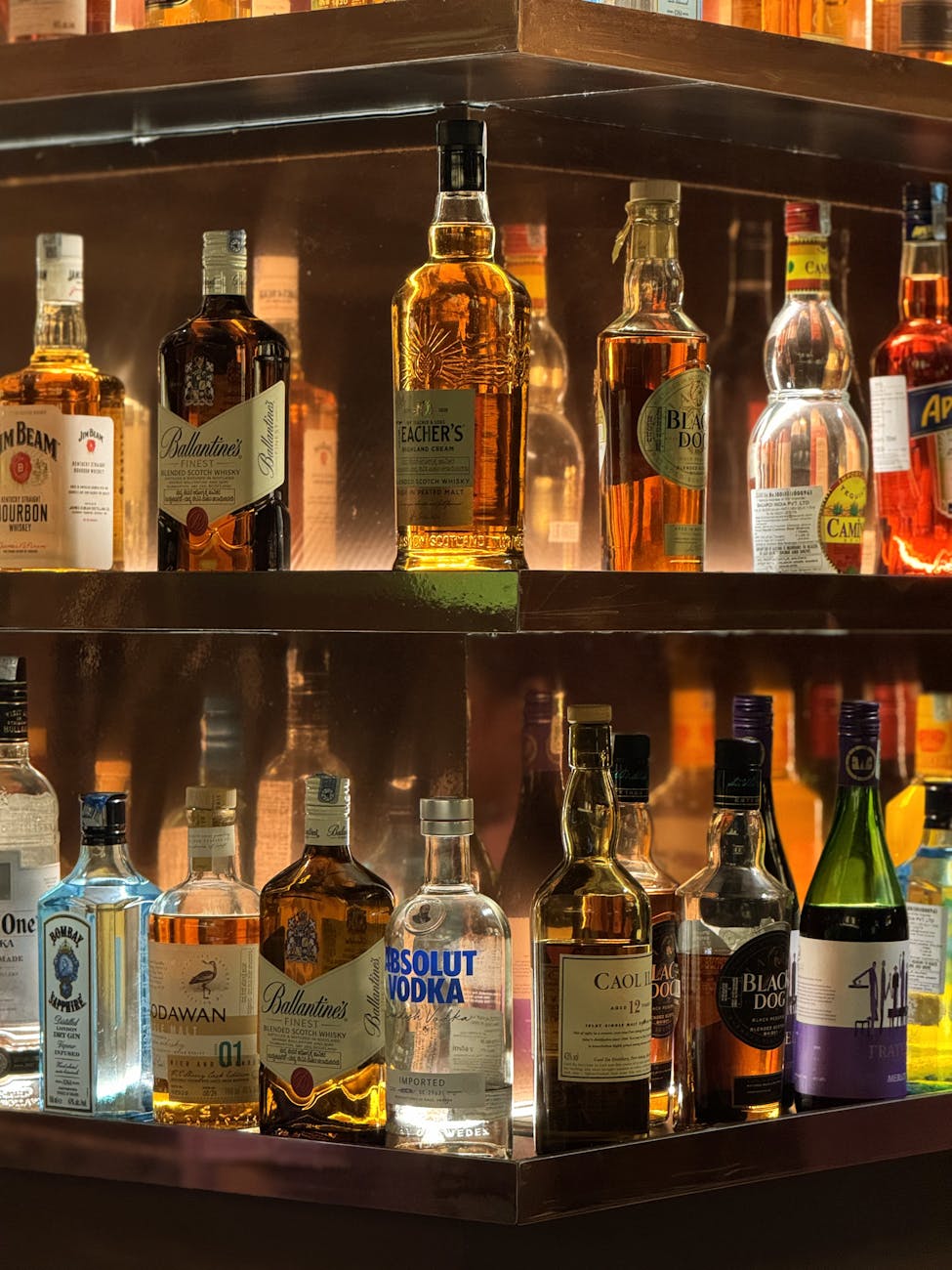
    The Brandy: The Refined Story Keeper

    You value history, craftsmanship, and the art of slowing down. You are elegant without being pretentious, thoughtful without being distant.

    Brandy carries time within it—fruit transformed, aged, softened. You believe in evolution, in becoming rather than simply being.

    Your flaw? You can get stuck preserving moments instead of living new ones.

    Spirit Animal Verdict: You are the memory everyone holds onto long after the night ends.

    Photo by cottonbro studio on Pexels.com

    So… What’s Your Spirit Animal?

    Here’s the truth: most of us aren’t just one.

    We’re bourbon on a quiet night, tequila at a celebration, amaro when life gets complicated, and maybe—just maybe—aquavit when we finally learn to appreciate the subtle things.

    The real beauty of spirits isn’t just what they are. It’s what they reveal.

    So the next time you pour a glass, don’t just ask what you’re drinking.

    Ask what it says about you.

    And if you’re lucky… you might just discover your spirit animal was there all along. Cheers 🥃

    Cover Photo by Mehul on Pexels.com

  • Love, Legends, and a Proper Glass of Wine

    Love, Legends, and a Proper Glass of Wine

    Valentine’s Day has somehow become a collision of romance, chocolate, prix-fixe menus, and mild panic. But long before heart-shaped boxes and awkward reservations at 7:15 pm, this holiday had a much stranger and more interesting backstory.

    A Brief and Slightly Unhinged History of Valentine’s Day

    The origins of Valentine’s Day are tangled, like a box of old love letters tied with questionable ribbon.

    Some trace it back to Lupercalia, an ancient Roman fertility festival involving feasting, matchmaking lotteries, and rituals best left in history books. Later, the Church attempted to clean things up by honoring St. Valentine, or possibly several Valentines, because history couldn’t settle on just one.

    The most romantic legend? Valentine secretly married couples against the wishes of Emperor Claudius II, who believed single men made better soldiers. When Valentine was imprisoned, he allegedly sent a note signed, “From your Valentine.” That line stuck. The beheadings, thankfully, did not.

    Photo by Lisa from Pexels on Pexels.com

    By the Middle Ages, Valentine’s Day was associated with courtly love, handwritten poetry, and exchanging small tokens of affection. Somewhere along the way, wine became involved, which may be the most important evolution of all.

    Wine Pairings for Love in All Its Forms

    Valentine’s Day wine should be romantic without trying too hard. No one wants a wine that feels like it’s wearing too much cologne.

    Photo by Anna Galimova on Pexels.com

    Oysters and Sparkling Wine

    Classic for a reason. Oysters have long been considered an aphrodisiac, likely because they pair so beautifully with sparkling wine.

    In the glass: Champagne, Crémant, or a Brut sparkling wine
    Why it sings: Bright acidity, saline minerality, and bubbles that keep things lively

    If oysters feel intimidating, shrimp cocktail or scallop crudo works just as well. Romance should never feel like homework.

    Steak, Mushroom Risotto, or Truffle Pasta

    This is where Valentine’s dinners usually land, and honestly, it’s a good place to be.

    What to drink: Pinot Noir, Nebbiolo, or a softer style of Syrah
    Why it’s magic: These wines balance earthiness and elegance without overpowering the dish or the moment

    Cabernet Sauvignon can work, but only if it’s not trying to dominate the conversation.

    Chocolate and Berries

    Chocolate is a trap for wine if you choose poorly. Dry reds rarely survive it.

    Reach for: Ruby Port, Brachetto d’Acqui, Banyuls, or a lightly sweet Lambrusco
    Why it fits: Sweetness meets sweetness, fruit stays vibrant, and no one feels betrayed

    If you insist on dark chocolate, fortified wines are your safest love language.

    The Cozy Night In

    Sometimes Valentine’s Day is pajamas, takeout, and not leaving the couch.

    Pour this: Off-dry Riesling, Beaujolais, or a chillable red
    Why it makes sense: Low pressure, high comfort, and endlessly food-friendly

    This is the wine equivalent of saying, “I like you exactly as you are.”

    A Valentine’s Day Cocktail: Love Letters at Dusk

    This cocktail is floral, lightly bitter, gently sweet, and just complex enough to feel intentional without being overwrought.

    Love Letters at Dusk

    1.5 oz gin
    0.75 oz Aperol
    0.5 oz elderflower liqueur
    0.75 oz fresh lemon juice
    2 dashes rose water
    Sparkling wine to top

    Add gin, Aperol, elderflower liqueur, lemon juice, and rose water to a shaker with ice. Shake briefly. Strain into a chilled coupe or wine glass. Top with sparkling wine.

    Garnish with a lemon twist or an edible flower if you’re feeling poetic.

    Tasting note: The gin brings structure, Aperol adds a gentle bitterness, elderflower softens the edges, and the bubbles keep things playful. It’s romantic without being cloying, much like a good relationship.

    Photo by Anna Tarazevich on Pexels.com

    Final Thoughts on Love, Wine, and Not Overthinking It

    Valentine’s Day doesn’t need to be perfect. It just needs to be thoughtful. A good bottle of wine, a shared meal, and a moment of genuine connection will always outshine fixed menus and forced romance.

    Whether you’re celebrating decades together, a brand-new spark, or simply your love of good food and drink, raise a glass to love in all its forms.

    Because at the end of the day, wine has always been about bringing people closer. And if that isn’t romantic, nothing is. 🍷❤️

    Cover Photo by Katerina Holmes on Pexels.com

  • Tokaji: Hungary’s Golden Secret

    Tokaji: Hungary’s Golden Secret

    …and why you should stop being afraid of it 😉

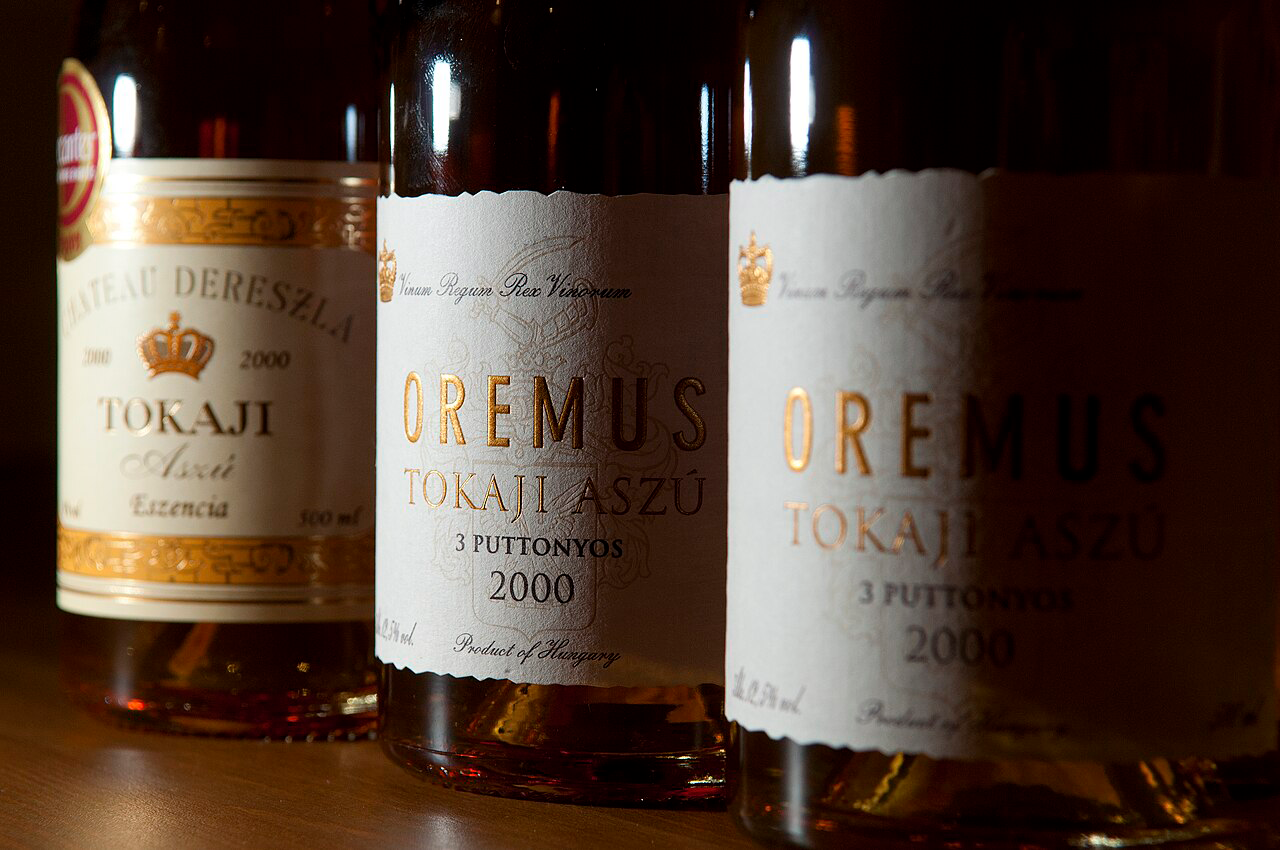
    Tokaji is one of the world’s most misunderstood wines—and frankly, one of its most rewarding. Tiny bottles, unfamiliar words, strange numbers, and labels that look like they were designed by a medieval scribe… no wonder most people reach for Sauternes instead. Safer. Familiar. French.

    But Tokaji is older, deeper, more versatile, and—dare I say—more soulful.

    If you’re a wine lover with even a passing interest in history, sweetness balanced by acid, or hidden gems that reward curiosity, Tokaji isn’t intimidating at all. It’s an invitation.

    Related SOMM&SOMM article: Wine Styles: Late Harvest Wines

    A Little History & Lore (Because Tokaji Has Plenty)

    Tokaji comes from northeastern Hungary, in the Tokaj-Hegyalja region, near the borders of Slovakia and Ukraine. This is not a “new discovery” wine. Tokaji Aszú was being made centuries before Sauternes—with documented production as early as the mid-1600s.

    In fact:

    • Tokaj was the first classified wine region in the world (1737)—nearly 120 years before Bordeaux.
    • Louis XIV famously called Tokaji “Vinum Regum, Rex Vinorum”The Wine of Kings, the King of Wines.
    • It was a favorite at royal courts across Europe, from the Habsburgs to the Russian Tsars.

    And yes, there’s lore: monks, misty autumn mornings, noble rot creeping slowly across vineyards as the Bodrog and Tisza rivers create the perfect fog-and-sun rhythm. Tokaji didn’t stumble into greatness—it was engineered by nature and refined by time.

    The Grapes Behind the Magic

    Tokaji is not a single-varietal wine in spirit, even if one grape dominates.

    Furmint (the star)

    • High acid (crucial for balance)
    • Neutral to apple-pear-citrus when dry
    • Transforms beautifully with botrytis
    • Think: green apple, quince, citrus peel, honeycomb, wet stone

    Hárslevelű

    • Softer acidity
    • Floral, herbal, linden blossom notes
    • Adds perfume and roundness

    Supporting Cast (used in smaller amounts)

    • Sárgamuskotály (Yellow Muscat) – aromatics and spice
    • Zéta – botrytis-prone, boosts sweetness
    • Kövérszőlő – richness and texture

    Furmint provides the spine. Everything else adds flesh, fragrance, and intrigue.

    Tokaji Aszú – Beemwej, CC BY-SA 3.0, via Wikimedia Commons

    Tokaji Styles: More Than Just Sweet Wine

    Here’s where Tokaji really starts to surprise people.

    1. Tokaji Aszú (The Icon)

    Made from individually harvested botrytized berries (aszú berries), traditionally added to a base wine.

    Sweetness used to be measured in Puttonyos (the number of baskets of aszú berries added):

    • 3–6 Puttonyos (historically)
    • Today, most producers focus on 5 or 6 Puttonyos-level richness or simply label sweetness in grams

    Flavor profile:

    • Apricot jam
    • Orange marmalade
    • Honey
    • Ginger
    • Saffron
    • Toasted nuts
    • Laser-bright acidity holding it all together

    This is where Tokaji earns its crown.

    Tokaji Eszencia: Emdee, CC BY-SA 3.0, via Wikimedia Commons

    2. Tokaji Eszencia (Liquid Myth)

    Not really wine in the traditional sense.

    • Free-run juice from aszú berries
    • Ferments extremely slowly
    • Often 1–3% alcohol
    • Astronomical sugar
    • Tiny production

    Think:

    • Nectar
    • Honeyed citrus oil
    • Dried tropical fruit
    • Eternal finish

    This is something you sip by the teaspoon and contemplate your life choices.

    3. Szamorodni (The Insider’s Favorite)

    Made from whole bunches—some botrytized, some not.

    Two styles:

    • Édes (Sweet) – oxidative, nutty, honeyed
    • Száraz (Dry) – sherry-like, savory, saline, almond-driven

    If you love Jura, aged Fino Sherry, or oxidative whites… dry Szamorodni will blow your mind.

    4. Late Harvest Tokaji

    • Made from overripe grapes
    • Often labeled Késői Szüret
    • Lusher and more approachable
    • Excellent gateway Tokaji

    5. Dry Tokaji (Dry Furmint)

    Yes—Tokaji can be bone dry.

    • Crisp
    • Mineral
    • Apple, pear, citrus, volcanic stone
    • Think Chablis meets Grüner meets something unmistakably Hungarian

    These wines are phenomenal with food and criminally underrated.

    Decoding the Label (Without Panicking)

    Here’s your Tokaji cheat sheet:

    • Aszú – made from botrytized berries
    • Puttonyos – traditional sweetness level (less common today)
    • Édes – sweet
    • Száraz – dry
    • Szamorodni – whole-cluster style
    • Eszencia – ultra-concentrated nectar
    • Furmint / Hárslevelű – grape varieties
    • Dűlő – vineyard (single-site quality cue)

    If you can read a German Riesling label, you can conquer Tokaji.

    Pairings (This Is Where Tokaji Shines)

    Tokaji is not just a dessert wine. That’s the biggest misconception of all.

    Classic Pairings

    • Foie gras (legendary for a reason)
    • Blue cheese (Roquefort, Stilton, Gorgonzola)
    • Apricot tart
    • Almond pastries

    Unexpected & Brilliant

    • Spicy Thai or Szechuan dishes
    • Indian curries with ginger and turmeric
    • Moroccan tagines
    • Roast pork with stone fruit
    • Duck with orange or cherry glaze

    Dry Tokaji Pairings

    • Roast chicken
    • Pork schnitzel
    • Mushroom dishes
    • Alpine cheeses
    • Seafood with beurre blanc

    Szamorodni Pairings

    • Aged cheeses
    • Salted nuts
    • Mushroom risotto
    • Anything umami-forward

    Eszencia Pairing

    • Silence
    • A quiet room
    • One small spoon
    • Awe
    Bottles of Tokaji – takato marui, CC BY-SA 2.0, via Wikimedia Commons

    Why Tokaji Matters

    Tokaji isn’t just a wine—it’s a bridge between:

    • Sweet and savory
    • History and modernity
    • Intellectual curiosity and pure pleasure

    It rewards patience, but it doesn’t demand pretension. And for sommeliers and wine lovers with a passion for the obscure, Tokaji is the kind of bottle that reminds us why we fell in love with wine in the first place.

    So next time you’re tempted to grab the Sauternes because it feels easier…

    Don’t.

    Reach for Tokaji.
    Your palate will thank you—and your wine stories will be better for it. 🍷

    Cover Photo: Michal Osmenda, CC BY-SA 2.0, via Wikimedia Commons

  • Finding the Sweet Spot

    Finding the Sweet Spot

    When to Hold Wine–and When to Open It.

    There’s a romantic notion in the wine world that older is always better. Cellars lined with dusty bottles, handwritten tags dangling from necks, and the quiet confidence that someday—someday—each bottle will reach a transcendent peak.

    Sometimes that’s true.

    Often, it’s not.

    As serious oenophiles, we spend far less time preaching patience and far more time chasing something subtler and more rewarding: a wine’s sweet spot—that fleeting, glorious window when a wine tastes exactly as it should. Balanced. Expressive. Alive.

    Understanding when to hold and when to open is one of the most misunderstood aspects of wine enjoyment. Let’s uncork the myths, mistakes, and realities of aging wine—and have a little fun along the way.

    Photo by Ayberk Mirza on Pexels.com

    What Does “Aging Wine” Really Mean?

    Aging wine isn’t about hoarding bottles for decades just to prove restraint. It’s about chemical evolution.

    Over time, wine changes as:

    • Tannins polymerize, becoming smoother and silkier
    • Primary fruit flavors (fresh fruit) give way to secondary (oak, spice) and tertiary notes (leather, mushroom, earth, dried fruit)
    • Acidity integrates, creating harmony rather than sharpness

    But here’s the critical truth:

    Every wine has a sweet spot—open it before and it’s still forming, open it after and the magic has already passed.

    And that peak is not universal.

    Photo by cottonbro studio on Pexels.com

    The Winemaker’s Intent

    Many people assume that aging a wine is about achieving the winemaker’s intended tasting experience.

    Sometimes that intent includes aging potential.
    Sometimes it does not.

    Most wines on the market today—especially under $30—are crafted to be approachable upon release. The winemaker expects you to drink them within a few years, not babysit them through your next mortgage cycle.

    Winemakers design wines based on:

    • Grape variety
    • Structure (tannin, acid, alcohol)
    • Region and climate
    • Oak usage
    • Market expectations

    A Napa Cabernet and a Beaujolais Nouveau may both be red wines—but they are built for entirely different lifespans.

    Photo by Cup of Couple on Pexels.com

    The Sweet Spot (Our Favorite Moment)

    The sweet spot is when:

    • Fruit is still present, but not dominant
    • Tannins are resolved, not stripped
    • Acidity lifts the wine instead of biting
    • Complexity feels layered, not muddled

    Miss it on either side and you lose something.

    Too young:

    • Harsh tannins
    • Disjointed flavors
    • Oak overpowering fruit

    Too old:

    • Faded fruit
    • Flat acidity
    • Oxidation and bitterness

    The tragedy? Many wines are opened after their sweet spot—not before.

    Photo by Jana Ohajdova on Pexels.com

    The Biggest Myth We Hear Every Day: “All Wine Gets Better with Age”

    Let’s put a cork in this right now:

    The vast majority of wine does NOT improve with age.

    Estimates vary, but roughly 90% of wine produced globally is meant to be consumed within 1–3 years of release.

    That includes:

    • Most Sauvignon Blanc
    • Pinot Grigio
    • Prosecco
    • Rosé
    • Everyday Chardonnay
    • Entry-level reds

    Aging these wines doesn’t make them better.
    It makes them older.

    And old is not a tasting note.

    Photo by Hobi Photography on Pexels.com

    Wines That Do Benefit from Aging (When Stored Properly—and Thoughtfully)

    Certain wines are structurally built to evolve:

    Reds with Aging Potential

    • Cabernet Sauvignon
    • Nebbiolo (Barolo, Barbaresco)
    • Syrah/Shiraz (especially Rhône)
    • Tempranillo (Rioja, Ribera del Duero)
    • Sangiovese (Brunello di Montalcino)

    Whites That Can Age Beautifully

    • Riesling (especially German and Alsatian)
    • Chenin Blanc (Loire)
    • High-quality Chardonnay (Burgundy, select New World)
    • White Rhône blends

    Fortified & Sweet Wines

    • Vintage Port
    • Madeira
    • Sauternes
    • Tokaji

    Even then, aging is not guaranteed. Structure matters more than reputation.

    When Aging Goes Too Far

    Every wine eventually declines.

    Signs you’ve missed the sweet spot:

    • Muted aromas
    • Brownish color in whites
    • Brick-orange edges in reds (not always bad—but telling)
    • Sourness without freshness
    • Bitter or hollow finishes

    This doesn’t mean the wine is “bad.”

    It means it’s past its moment.

    Wine is alive—just like us. And just like us, it doesn’t peak forever.

    Photo by u041du0430u0442u0430u043bu044cu044f u041cu0430u0440u043au0438u043du0430 on Pexels.com

    Storage Mistakes We See All the Time (That Kill Wine Dreams)

    1. Overestimating Home Storage

    A kitchen rack is décor—not a cellar.

    Wine hates:

    • Heat
    • Light
    • Temperature swings

    That “I’ll just keep it in the closet” plan? Risky at best.

    2. Saving Wine for the Wrong Occasion

    “I’ll open this someday.”

    Someday becomes never.

    Wine is meant to be shared—not inherited.

    3. Confusing Price with Aging Ability

    An expensive wine can still be meant for early drinking.

    Structure—not price tag—determines longevity.

    4. Blind Faith in Vintage Charts

    Vintage charts are guidelines, not gospel.

    Bottle variation, storage conditions, and personal taste all matter.

    Is Finding the Sweet Spot an Exact Science? (Of Course Not.)

    Absolutely not.

    It’s a blend of:

    • Knowledge
    • Experience
    • Storage conditions
    • Personal preference
    • A little luck

    Two identical bottles stored differently can taste worlds apart.

    That uncertainty isn’t a flaw—it’s part of wine’s magic.

    Photo by Pavel Danilyuk on Pexels.com

    Drink with Curiosity, Not Fear

    We don’t chase perfection—we chase connection.

    We open wines young to understand their promise.
    We open them aged to appreciate their journey.

    And sometimes we open them simply because the moment feels right.

    The true sweet spot isn’t just in the bottle.

    It’s at the table.

    So if you’re ever wondering whether to hold or open, remember:

    Wine enjoyed slightly early is a lesson.
    Wine opened too late is a regret.

    Choose the lesson.

    Pop the cork.

    Cheers 🍷

    Cover Photo by Hunt on Photos Studio on Pexels.com

  • Sips of the Season: Christmas Songs & Wines That Share Their Soul

    Sips of the Season: Christmas Songs & Wines That Share Their Soul

    Because some memories need both lyrics and a glass.

    We’ve survived Black Friday. We’ve outsmarted Cyber Monday. The wrapping paper is still in the closet—but the spirit? The spirit has arrived.

    It’s time to dust off the classic Christmas records (or fine—open the streaming app), lower the lights, and pour something worthy of the season. Somewhere between the sip and the song… a truth emerges:

    Every classic Christmas song tastes like a different wine.
    Each holds a memory.
    Each deserves the right pour.

    So this year—don’t just listen. Pair.

    Photo by Street Donkey on Pexels.com

    🎵 “White Christmas” – Bing Crosby

    Wine Pairing: Chablis (Burgundy, France – Unoaked Chardonnay)

    The Vibe in the Glass

    Crisp. Elegant. Pure as freshly fallen snow. This wine doesn’t perform—it remembers. Like the song, it carries nostalgia with quiet grace.

    Set the Scene

    Dim lighting. A white candle. A slow sip in hand. The kind of evening where you begin to remember things you didn’t realize you forgot.

    Pair With:

    Photo by Frans van Heerden on Pexels.com

    🎵 “The Christmas Song (Chestnuts Roasting)” – Nat King Cole

    Wine Pairing: Aged Tawny Port

    The Story in the Sip

    This is the sound of slowing down. Toasted nuts, caramel warmth, soft edges—everything about this wine feels like turning the final page of a good year.

    Press Play, Close Your Eyes

    Fireplace optional. Reflection required. Let one memory find you tonight.

    Pair With:

    • Roasted chestnuts
    • Pecan pie or walnut tart
    • Blue cheese & fig jam
    • A journal and a pen 😉
    Photo by lil artsy on Pexels.com

    🎵 “All I Want for Christmas Is You” – Mariah Carey

    Wine Pairing: Prosecco Rosé (Veneto, Italy)

    This Pour Hits the Same Notes

    Fun. Flirty. Impossible to ignore. It’s the holiday anthem that arrives every year whether we ask for it or not—and secretly, we’re glad it does.

    Let the Moment Unfold

    Best with friends. Best with laughter. Volume high. Guilt low.

    Pair With:

    • Goat cheese & cranberry crostini
    • Spicy shrimp cocktail
    • Prosciutto-wrapped melon
    • The holiday playlist on shuffle 😉
    Photo by Alena Yanovich on Pexels.com

    🎵 “Silent Night” – Traditional

    Wine Pairing: German Riesling (Kabinett or Spätlese)

    Memory in a Bottle

    Soft sweetness. Reverent acidity. A hush in every sip. This wine isn’t just flavor—it’s peace, poured slowly.

    Sip Slowly Here

    Tree lights only. Maybe snowfall outside. This glass belongs to the quiet hour.

    Pair With:

    • Honey-baked ham
    • Baked brie
    • Apple tart
    • Instrumental carols (Yes, please)
    Photo by Syed Qaarif Andrabi on Pexels.com

    🎵 “Rockin’ Around the Christmas Tree” – Brenda Lee

    Wine Pairing: Beaujolais Nouveau

    Where This Wine Takes You

    Straight to the party. Bright fruit, lively acidity, and a touch of mischief—just like the song.

    Pour This When…

    The first guest arrives. The dancing begins. Or the kitchen becomes the dance floor.

    Pair With:

    Photo by Burak The Weekender on Pexels.com

    🎵 “Have Yourself a Merry Little Christmas” – Judy Garland

    Wine Pairing: Burgundy Pinot Noir

    The Story in the Sip

    Soft melancholy wrapped in warmth. Cherry, earth, and memory. A wine that listens while you speak.

    Your Christmas Slow-Motion Moment

    A blanket. A quiet room. A moment to admit this year meant something.

    Pair With:

    Photo by Karola G on Pexels.com

    🎵 “Feliz Navidad” – José Feliciano

    Wine Pairing: Albariño (Rías Baixas, Spain)

    The Vibe in the Glass

    Sunshine in December. Citrus, zest, laughter. It reminds us: not all Christmases are white—and joy comes in many languages.

    Press Play, Close Your Eyes

    Best enjoyed while cooking with people you love. Kitchen dancing encouraged.

    Pair With:

    Photo by Guilman on Pexels.com

    🎵 “O Holy Night” – Classic Choral or Celine Dion

    Wine Pairing: Vintage Blanc de Blancs Champagne

    Memory in a Bottle

    This wine awakens stillness. Fine bubbles, sacred silence, and a swell of emotion. A spiritual pour for a spiritual song.

    Set the Scene

    Stand. Face the tree. Let the final note linger.

    Pair With:

    Photo by Anna Shvets on Pexels.com

    🎵 “Jingle Bell Rock” – Bobby Helms

    Wine Pairing: California Zinfandel

    This Pour Hits the Same Notes

    Bold. Spicy. A little wild. This wine walks into the kitchen like it owns the place—and we love it for that.

    Let the Moment Unfold

    Turn the lights up. Turn the music louder. Cook with flair.

    Pair With:

    • BBQ wings
    • Black pepper steak
    • Bold cheddar
    • Cinnamon-spiced anything (Woo hoo)

    To the songs we grew up with,
    to the wines that help us remember,
    and to the quiet moments in between—
    cheers to Christmas in every sip. 🎄🍷

    Gregory Dean, SOMM&SOMM
    Photo by cottonbro studio on Pexels.com

    The Encore

    One final pairing—
    No lyrics.
    No melody.
    Just the sound of the season…
    and the last sip in your glass.

    That’s when the season really begins. Cheers 🍷

    If You Enjoyed This Pairing of Music & Wine…

    Pour another glass and explore how the senses connect across other art forms. These featured articles invite you to listen, read, and see wine in new ways:

    • Sipping the Notes — a jazz-inspired journey where saxophones, bass lines, and swing rhythms find their match in the glass.
    • An Intricate Dance Between Poetry & Wine — a lyrical exploration of how verses and varietals intertwine, revealing emotion through structure.
    • The Artistry of Wine — paint strokes, palettes, and regional expressions come together—an ode to the canvas found within a vineyard.

    Each article honors the same belief:
    Wine doesn’t just pair with food.
    It pairs with moments, movements, music, and meaning.

    Let your senses wander. Something memorable might be waiting in the next glass. 🍷🎷📜🖼️

    Cover Photo by Jill Wellington on Pexels.com