Category: Sommelier Studies

  • The New Rules of Drinking

    The New Rules of Drinking

    Why wine isn’t disappearing—we’re simply changing the way we drink it.

    For generations, wine came with a fairly well-established set of rules. Red wine belonged with meat, white wine with fish, Champagne with celebrations, and cocktails were generally reserved for the beginning of the evening. There were rules about glassware, serving temperature, food pairings, vintages and even the proper way to talk about what was in your glass.

    Some of those rules were useful. Others were little more than tradition dressed up as law.

    toast with glasses of cold drinks
    Photo by Ngân Dương on Pexels.com

    Today, consumers are quietly rewriting the rulebook.

    That doesn’t necessarily mean people are abandoning wine or spirits. In many cases, they’re becoming more selective about how, when and why they drink. They’re exploring smaller formats, wine cocktails, ready-to-drink beverages and no- and low-alcohol alternatives while continuing to seek out premium wines and spirits for the occasions that matter to them. The result is not so much the decline of drinking as the personalization of it.

    From my perspective as a sommelier—and from years spent working in marketing and understanding why consumers make the choices they do—that distinction is particularly interesting.

    Because the beverage industry has traditionally organized itself around categories.

    Consumers increasingly organize themselves around occasions.

    wine barrels display in adelaide market
    Photo by Anh Thu Le on Pexels.com

    The End of “You’re Supposed to Like This”

    Wine has always had an interesting relationship with authority. Scores, medals, famous producers, prestigious regions and celebrated vintages all help us understand quality and provenance. They give consumers a vocabulary for navigating an enormous and sometimes intimidating world.

    But somewhere along the way, information occasionally became intimidation.

    A person can be made to feel that they don’t understand wine simply because they don’t enjoy Cabernet Sauvignon, don’t know the difference between Barolo and Barbaresco, or would rather have a $20 bottle than a $200 one.

    That’s changing.

    Today’s wine consumer is increasingly comfortable asking a much simpler question: Do I like it?

    That doesn’t make expertise irrelevant. Quite the opposite. A good sommelier can help someone discover why they enjoy something, introduce them to a grape or region they have never encountered, or suggest a bottle that will make a particular meal better. Knowledge should open doors, not put up barriers.

    Wine is more enjoyable when curiosity replaces intimidation.

    a man holding a wineglass
    Photo by Pavel Danilyuk on Pexels.com

    Wine Doesn’t Have to Be Serious All the Time

    Wine can be serious. Some wines deserve contemplation, discussion and perhaps a little reverence. A great Burgundy, Barolo or vintage Champagne can provide an extraordinary sensory experience and tell us something about its place of origin, its producer and its history.

    But wine can also simply be fun.

    That may be one reason wine cocktails are attracting renewed attention. Wine already brings acidity, fruit, aromatics and texture to a drink, so adding citrus, botanicals, bitters, vermouth, soda or fresh fruit isn’t really an assault on wine culture. It’s another way of experiencing it.

    The same applies to wines that don’t fit neatly into traditional categories. Pét-nat, orange wine, chilled reds and unconventional blends have found enthusiastic audiences precisely because they offer something different.

    The interesting part isn’t whether these styles conform to traditional wine culture.

    It’s that people are discovering them without particularly caring whether they do.

    close up of woman holding wine bottles
    Photo by Nikolai Lapshin on Pexels.com

    Smaller Bottles, Different Habits

    The 750ml bottle has been the standard for so long that we rarely stop to consider what it assumes: that you want approximately five glasses of the same wine and that you intend to drink them within a reasonable period of time.

    That’s not necessarily how people live anymore.

    Smaller bottles, cans, single-serve formats and other alternatives give consumers the ability to match the amount of wine to the occasion. A half bottle can make sense for two people having dinner. A single serve can be perfect for someone cooking at home. A smaller format can also make it easier to experiment with a wine without committing to an entire bottle.

    From a marketing perspective, this is an obvious opportunity. Reducing the commitment makes it easier for a consumer to try something unfamiliar.

    From a wine perspective, it simply gives us more reasons to open something interesting.

    Moderation Is Becoming Part of the Experience

    Perhaps the most significant change is the growing space between drinking and not drinking.

    The conversation around alcohol is becoming less binary. Someone might enjoy a glass of Champagne at dinner and choose a non-alcoholic cocktail the following evening. They might explore a lower-alcohol wine at lunch and order a full-bodied red with dinner. They may simply decide that some occasions call for alcohol and others don’t.

    That doesn’t necessarily diminish the drinking experience. It can actually make the occasion more intentional.

    The no- and low-alcohol category is particularly interesting because consumers are increasingly asking the same questions of these beverages that they ask of wine and spirits: Does it taste good? Does it have complexity? Does it work with food? Is it worth drinking even when alcohol isn’t part of the equation?

    That is a much higher bar than simply creating an alternative for someone who doesn’t want alcohol.

    And it is probably a healthy one for the industry.

    vibrant cocktail display on elegant bar counter
    Photo by Szymon Shields on Pexels.com

    The Occasion Is the New Category

    This may be the biggest lesson for anyone trying to understand today’s beverage consumer.

    People don’t necessarily decide what to drink based on a permanent preference for one category. They decide based on what they’re doing.

    A bottle of wine for an anniversary dinner is different from a bottle opened while grilling on a Saturday afternoon. A cocktail before dinner serves a different purpose than a glass of wine with the meal. A sparkling wine at brunch occupies an entirely different space from the Cabernet someone has been saving for a special steak.

    The person making all of those choices can be the same person.

    That’s why traditional demographic thinking doesn’t always explain beverage behavior very well. The same consumer can be adventurous one night, traditional the next and alcohol-free the night after that.

    The occasion changes.

    So does the glass.

    vineyard harvest in douro valley portugal
    Photo by Pedro Rebelo Pereira on Pexels.com

    Tradition Still Matters

    None of this means that the old rules are irrelevant.

    Understanding tradition is part of understanding wine. Knowing why Champagne is made the way it is, why certain grapes thrive in particular regions or why serving temperature changes the perception of a wine gives us a deeper appreciation for what’s in the glass.

    But tradition should be a starting point rather than a restriction.

    If you want to put ice in your rosé on a hot afternoon, go ahead. If you prefer your red wine slightly chilled, there’s no sommelier emergency hotline you need to call. If a particular wine tastes better to you in a tumbler than a Burgundy glass, that’s useful information about your experience of the wine.

    The rules are there to help us understand the beverage.

    They aren’t there to prevent us from enjoying it.

    a bottle and a glass of red wine on a terrace with the view of a city in the background
    Photo by Andrea Mosti on Pexels.com

    The Story Is Becoming More Important Than the Status

    Wine has long been marketed through prestige. Famous names, famous vineyards, high scores and celebrated vintages have enormous influence, and rightly so when they represent genuine quality.

    But consumers are increasingly interested in the story behind the bottle as well.

    Who made it? Where did it come from? Why is this grape grown there? What makes this producer different? What does the wine taste like, and what might I want to eat with it?

    Those questions create a different kind of value.

    A relatively inexpensive bottle with a great story can become the wine everyone remembers from a dinner. Meanwhile, an expensive bottle selected solely because someone told you it was important can occasionally become little more than an expensive bottle.

    Wine has always been remarkably good at creating conversation.

    Perhaps we’re simply becoming more interested in what the conversation is about.

    people seated around a table and drinking beer
    Photo by ELEVATE on Pexels.com

    So, Are We Drinking Less?

    That’s probably the wrong question.

    A more interesting question is whether we’re becoming more intentional about drinking.

    The evidence suggests that the beverage landscape is becoming more diverse rather than simply smaller. Wine cocktails, smaller formats, ready-to-drink products and no- and low-alcohol beverages are expanding the ways consumers can participate, while traditional wine and spirits remain important for consumers who value them. The industry is responding not by replacing the old world, but by adding more choices to it.

    And that may ultimately be the most important change.

    For a long time, beverage marketing tried to tell consumers what a particular product meant. This was a wine for sophisticated people. This was a spirit for adventurous people. This was the bottle you bought for a celebration.

    Today, consumers seem increasingly willing to decide that meaning for themselves.

    That’s a significant shift.

    Wine was never really just about alcohol. At its best, it is about place, food, people, conversation, celebration and memory. The bottle is simply how those things arrive at the table.

    So perhaps the new rules aren’t really about drinking more or drinking less. They’re about having more freedom to decide what belongs in your glass, and when.

    Know the traditions. Understand the reasons behind them. Learn enough to appreciate the difference between convention and quality.

    Then make your own choice.

    After all, the best wine rule may be the one that has always mattered most:

    Drink what you enjoy, with the people you enjoy, in the moments worth remembering 🍷

    Cover Photo by John Lines on Pexels.com
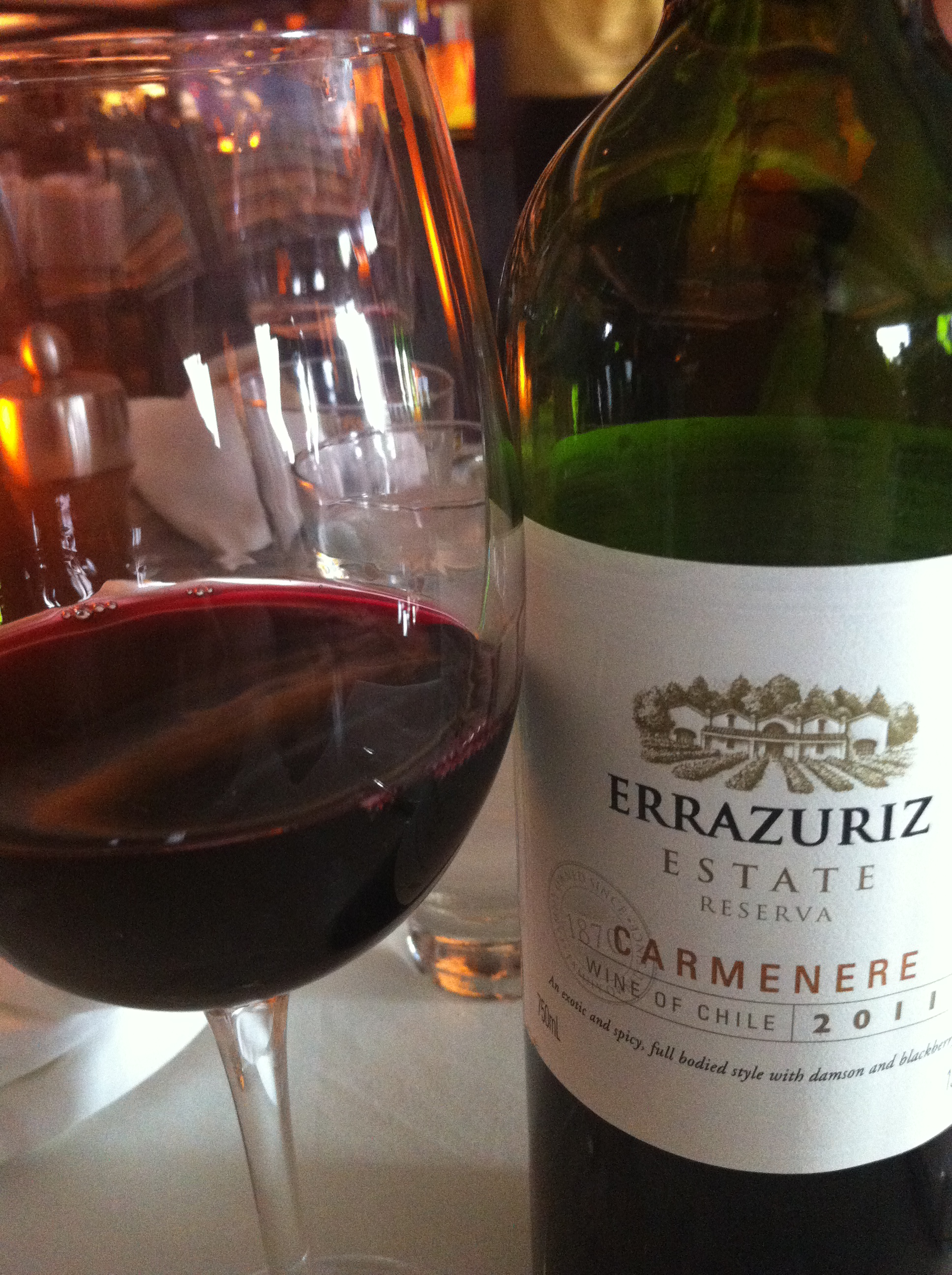
  • Varietal Spotlight: Carménère

    Varietal Spotlight: Carménère

    The Grape Bordeaux Lost.

    Few grapes have a better story than Carménère. Once an important variety in Bordeaux, it nearly disappeared following the phylloxera epidemic of the nineteenth century. For more than a century, the wine world assumed Carménère was gone.

    It wasn’t. It had simply been hiding in plain sight.

    In the 1800s, European grapevines were brought to Chile, including vines believed to be Merlot. Among them were Carménère vines that had been misidentified. Chilean growers continued cultivating them for generations without realizing what they had.

    The mystery was finally solved in 1994, when French ampelographer Jean-Michel Boursiquot recognized that some of Chile’s “Merlot” was actually Carménère. DNA testing subsequently confirmed the discovery.

    What might have been an embarrassing case of mistaken identity became one of the great stories of modern wine. Chile had unknowingly preserved a grape that had virtually disappeared from its native Bordeaux.

    Today, Carménère is one of Chile’s signature varieties—and a wine that deserves far more attention.

    cluster of ripe grapes on a vine
    Photo by Gina Meyers on Pexels.com

    A Grape With Personality

    Carménère belongs to the Cabernet family and shares some characteristics with both Cabernet Sauvignon and Cabernet Franc. Like those varieties, it can exhibit a distinctive herbal character, but its generally softer tannins and generous fruit give it a personality all its own.

    A ripe Carménère typically shows blackberry, black cherry, plum and raspberry, accompanied by notes of paprika, black pepper, herbs, cocoa and sometimes tobacco. Oak-aged examples can add vanilla, cedar and baking spice.

    The characteristic that often causes the most confusion is its green-pepper note.

    Carménère naturally contains methoxypyrazines, aromatic compounds that can produce aromas reminiscent of green bell pepper and fresh herbs. When the grapes are harvested too early, these characteristics can become harsh and vegetal. When the fruit is properly ripened, however, they can become one of the wine’s greatest attractions, suggesting roasted pepper, paprika and savory herbs rather than raw green vegetation.

    That distinction is important. Herbaceous doesn’t necessarily mean underripe.

    In a well-made Carménère, the savory character provides a fascinating counterpoint to ripe fruit and gives the wine an identity that is difficult to confuse with anything else.

    Gaboedds, CC BY-SA 4.0, via Wikimedia Commons

    More Than One Style

    Carménère is sometimes treated as though it has a single personality, but its style varies considerably with vineyard site and winemaking.

    Fresh, fruit-driven examples tend to be medium-bodied, with cherry, raspberry and plum supported by soft tannins and refreshing acidity. These are excellent everyday wines and particularly approachable for someone discovering the variety for the first time.

    More concentrated examples show darker fruit alongside pepper, herbs, cocoa and spice. Premium bottlings may receive extended oak aging, developing greater structure and flavors of tobacco, chocolate, cedar and baking spice.

    There is also a more restrained side to Carménère emerging from cooler or higher-elevation vineyards. These wines can emphasize acidity, red fruit and herbal complexity rather than richness and power, demonstrating that the variety is capable of elegance as well as concentration.

    a person holding a wine glass with red wine
    Photo by Ron Lach on Pexels.com

    Chile’s Signature Red

    Chile remains the essential place to explore Carménère.

    Colchagua Valley is its modern stronghold and contains the country’s largest concentration of plantings. Warm days, a long growing season and cooling influences from the Pacific and Andes allow Carménère to develop the ripeness it needs while retaining freshness. Within Colchagua, Apalta is particularly noted for producing concentrated, age-worthy examples.

    Cachapoal Valley is another important source, producing wines that can balance ripe fruit with Carménère’s characteristic herbal and savory notes. The grape is also planted in Maipo Valley, where it can take on a somewhat darker, more structured profile.

    The differences between these regions are worth exploring. Carménère is not simply a “Chilean wine” with one predictable flavor profile. Like all serious varieties, it reflects its vineyard.

    close up shot of delicious empanadas on wooden chopping board
    Photo by Daniel Torobekov on Pexels.com

    Carménère at the Table

    One of Carménère’s greatest strengths is its versatility with food. Its moderate tannins, acidity and savory character make it considerably more flexible than many full-bodied reds.

    Start with the grill. Steak, skirt steak, lamb chops, pork tenderloin and sausages all work beautifully, particularly when herbs, garlic or smoky seasonings are involved.

    Chimichurri is an especially natural match. The parsley, oregano, garlic and herbs echo Carménère’s own savory character, while the wine’s acidity refreshes the palate.

    It also works wonderfully with roasted pork, duck, turkey, mushrooms, eggplant, lentils and roasted peppers. And if you want to experience the grape in its cultural home, try it with Chilean dishes such as empanadas, pastel de choclo or a traditional asado.

    For a vegetarian pairing, grilled portobello mushrooms or roasted vegetables with herbs can be surprisingly good.

    Serving Carménère

    Carménère is best served a little cooler than many people serve red wine—around 60–65°F (16–18°C). If the bottle has been sitting at typical room temperature, 20–25 minutes in the refrigerator can make a noticeable difference.

    Use a medium-to-large red wine glass, particularly for fuller-bodied examples. Young, straightforward Carménère generally needs little or no decanting, while a concentrated, oak-aged bottle can benefit from 30–60 minutes of air.

    Older bottles require more care. Rather than automatically decanting a mature Carménère for hours, taste it first and let the wine tell you what it needs.

    The best examples can age gracefully, developing tobacco, leather, cedar, dried herbs and earthy complexity as the fruit evolves.

    The SOMM&SOMM Take

    Carménère is much more than a historical curiosity or an inexpensive alternative to Cabernet Sauvignon. Its story may begin with a case of mistaken identity, but its future is firmly its own.

    If you’ve never explored the variety, start with a well-made bottle from Colchagua or Cachapoal. Serve it slightly cool, give it a little time in the glass and pair it with something from the grill—or simply a dish built around roasted vegetables and fresh herbs.

    Look for ripe dark fruit first, followed by pepper, spice and that distinctive herbal character.

    When Carménère is at its best, the green note doesn’t dominate. It adds complexity.

    And perhaps that’s the most fitting way to think about this remarkable grape. Bordeaux may have lost Carménère, but Chile gave it a second life—and, in the process, created a wine that has finally become comfortable in its own identity 🍷

    Cover photo by Agne27, CC BY-SA 3.0, via Wikimedia Commons

  • The Spirit That Started With Wine

    The Spirit That Started With Wine

    There is a good chance you already know more about brandy than you realize.

    If you know wine, you understand its starting point. Brandy begins with fermented grapes, just as wine does. The difference is what happens next: instead of remaining wine, it is distilled, concentrated, and often aged in oak until something entirely new emerges.

    For a sommelier, that makes brandy particularly fascinating. It is one of the few spirits that allows you to follow a familiar ingredient from the vineyard into an entirely different world of flavor.

    And while Cognac may be the most famous expression, it is only the beginning.

    hennessy bottle on wooden table
    Photo by ConfinedRiley on Pexels.com

    So, What Exactly Is Brandy?

    At its simplest, brandy is a spirit produced by distilling fermented fruit. When the fruit is grapes, it is grape brandy.

    The process begins much like winemaking. Grapes are harvested, pressed, and fermented into wine. That wine is then distilled, separating and concentrating alcohol and aromatic compounds. What comes out of the still is a clear, intensely concentrated spirit called eau-de-vie (oh-duh-VEE).

    That spirit may be bottled young and clear, or it can spend years—even decades—in oak.

    This is where brandy develops its extraordinary range of character. Fresh fruit and floral notes can evolve into dried fruit, vanilla, spice, nuts, leather, tobacco, and the complex, savory character sometimes described as rancio.

    The barrel doesn’t simply give brandy its color. It becomes part of the spirit’s identity.

    And time does the rest.

    close up of a bottle of alcohol
    Photo by Duchess Iphie on Pexels.com

    Brandy With a Place Behind It

    Cognac is not simply a premium brandy. It is a protected geographical designation, much like Champagne or Burgundy.

    To be called Cognac, a spirit must come from the defined Cognac region of France and follow detailed rules governing grapes, vineyards, fermentation, distillation, aging, and labeling.

    Cognac is traditionally made primarily from Ugni Blanc grapes and distilled twice in copper pot stills. The resulting eau-de-vie is then aged in oak before it can become Cognac.

    The region is divided into six crus, including Grande Champagne, Petite Champagne, Borderies, Fins Bois, Bons Bois, and Bois Ordinaires. Those geographical distinctions can influence the character and aging potential of the spirit.

    For wine drinkers, this should sound familiar.

    Place matters.

    So does time.

    Understanding the Cognac Label

    The letters on a Cognac bottle are not simply marketing terms. They indicate the minimum age of the youngest eau-de-vie in the blend.

    • VS — Very Special: minimum two years old
    • VSOP — Very Superior Old Pale: minimum four years
    • Napoleon: minimum six years
    • XO — Extra Old: minimum ten years
    • XXO — Extra Extra Old: minimum fourteen years

    An important distinction: a 20-year-old eau-de-vie can be blended into an XO, but the designation is determined by the youngest component.

    That is one reason an XO Cognac can contain considerably older spirits.

    The Napoleon Brandy Myth: Legend vs. Truth

    The Myth: Napoleon Bonaparte was famously fond of Cognac and supposedly carried it with him during his military campaigns. According to the romantic version of the story, producers eventually honored him by naming an especially fine, aged brandy “Napoleon.”

    The Lore: The association isn’t entirely invented. Napoleon’s name became closely connected with Cognac in the 19th century, and stories of his appreciation for the spirit helped turn his name into a powerful marketing symbol for premium brandy.

    The Truth: The Napoleon designation is not a tribute that Napoleon himself created or an indication that Napoleon drank that particular Cognac. It is a legally defined Cognac age designation. Today, a Cognac labeled Napoleon must contain eau-de-vie aged for at least six years, based on the age of the youngest spirit in the blend.

    So when you see Napoleon on a Cognac label, think age category—not imperial endorsement.

    The emperor may have inspired the legend. The regulations determine what’s in the bottle.

    pile of brown wooden barrels
    Photo by Arthur Brognoli on Pexels.com

    Cognac’s Less Famous, More Rustic Sibling

    If Cognac is the polished ambassador of French brandy, Armagnac is the fascinating character you discover once you venture off the beaten path.

    Produced in Gascony, Armagnac is France’s oldest brandy-producing region. Its traditional distillation method is notably different from Cognac. Most Armagnac is distilled continuously through a distinctive column still rather than being double distilled in a pot still.

    The result can be remarkably expressive: ripe fruit, flowers, spice, earth, and a richer, more rustic character than many Cognacs.

    Armagnac also gives wine lovers another reason to pay attention. Vintage bottlings are relatively common, allowing you to explore the character of a particular harvest year rather than simply a house blend.

    There is even Blanche Armagnac, a clear, unaged expression that allows the fruit and distillation character to take center stage.

    If Cognac is the obvious place to begin, Armagnac is where curiosity starts to pay dividends.

    Brandy Isn’t Whiskey With a French Accent

    The familiar comparison between brandy and other aged spirits can be useful, but only if we start with what actually makes them different.

    SpiritPrimary raw materialWhat is distilled?
    Grape BrandyGrapesFermented grape wine
    WhiskeyGrainFermented grain mash
    RumSugarcaneFermented cane juice or molasses
    TequilaAgaveFermented cooked agave
    Brandy de JerezGrapesGrape wine

    The distinction is the raw material and the production tradition.

    A whiskey expresses grain.

    Rum expresses sugarcane.

    Tequila expresses agave.

    Grape brandy begins with wine.

    That is also why grappa and pisco should not simply be lumped into the same category. They are members of the broader family of grape-derived spirits, but their production methods and legal definitions are different.

    Grappa is distilled from grape pomace—the skins, seeds, and other solid material left after winemaking—rather than from wine itself.

    Pisco, produced under distinct regulations in Peru and Chile, is made from grapes but follows its own regional traditions and rules.

    They may share a family resemblance, but they tell very different stories.

    Why Isn’t Brandy Wine?

    This seems obvious until you think about it.

    Wine is produced through fermentation.

    Brandy is produced through distillation.

    The moment that fermented wine goes into the still, its character is concentrated and transformed. Alcohol and volatile compounds are separated from water and other components, creating a spirit with a completely different structure.

    That is why brandy isn’t simply “strong wine.”

    It is wine’s raw material transformed into something else.

    And that transformation is precisely what makes it fascinating.

    close up shot of alcoholic drink in a snifter glass
    Photo by Eva Bronzini on Pexels.com

    What Do You Look for in the Glass?

    One of the best ways to experience brandy is to approach it as you would a great wine.

    Pour a modest amount into a tulip-shaped glass rather than a large balloon. Look at the color, but don’t use it as a shortcut for age. Smell it before tasting, initially from a little distance so the alcohol doesn’t overwhelm the aromas.

    Then look for layers.

    Young brandy may show fresh grape, pear, peach, apricot, flowers, and citrus.

    Older examples can reveal dried fruit, vanilla, baking spice, roasted nuts, cocoa, tobacco, leather, and rancio.

    Take a small sip and allow it to move across the palate. Notice the texture, balance, warmth, length, and how the flavors change after swallowing.

    Then wait.

    A great brandy can evolve considerably in the glass.

    You can even add a few drops of water. Taste it first, then experiment. A small amount of dilution can sometimes reveal aromas hidden behind the spirit’s alcohol.

    There are no prizes for drinking it quickly.

    clear drinking glass on a coaster
    Photo by Vivita Malite on Pexels.com

    Neat Isn’t the Only Way to Enjoy It

    This is another misconception worth abandoning.

    A mature XO Cognac may deserve your full attention in a glass, but a younger VS or VSOP can be superb in a cocktail. A Sidecar or Vieux Carré is not a misuse of Cognac; those cocktails are part of its history and demonstrate how beautifully the spirit can work with other ingredients.

    Armagnac can be wonderful alongside food, particularly richer dishes, duck, game, mushrooms, and aged cheeses.

    And a clear Blanche Armagnac or young Pisco offers an entirely different experience for someone expecting every grape spirit to arrive amber and oak-aged.

    The right question isn’t whether there is one correct way to drink brandy.

    It is what does this particular brandy want to become?

    close up of liquor on glasses
    Photo by MARIANNE RIXHON on Pexels.com

    Start Exploring

    If you have never really experienced brandy, don’t begin by chasing the oldest or most expensive bottle on the shelf.

    Taste your way through the category.

    Start with a VS or VSOP Cognac to experience the fruit and the influence of oak. Move to an XO and see what additional years contribute. Then pour an Armagnac and notice how different the same basic idea can become.

    From there, explore grappa, Pisco, and other regional grape spirits.

    The differences are part of the fun.

    Because brandy isn’t simply an after-dinner drink, a brown spirit, or an alternative to whiskey.

    It is a second life for wine—one created through distillation, shaped by oak, and transformed by time.

    And once you taste a truly beautiful aged brandy, that dusty bottle sitting on the back of the liquor shelf may never look quite so ordinary again 🍇

    Cover Photo by Andrew Patrick Photo on Pexels.com

  • The 75-85-95 Rule

    The 75-85-95 Rule

    How Much Wine is Actually in Your Wine?

    There is a moment every wine lover eventually experiences.

    You pick up a bottle of California Cabernet Sauvignon. The label says Napa Valley. The wine looks serious. The price looks even more serious. You assume you know what is in the bottle.

    Mostly Cabernet Sauvignon. From Napa Valley.

    And you would be right.

    Mostly.

    Welcome to the wonderfully precise—and occasionally maddening—world of wine labeling laws.

    toast of wine glasses
    Photo by Vanessa Sezini on Pexels.com

    The good news is that American wine-labeling regulations are not designed to deceive consumers. They are designed to establish a legal threshold for what a winery can call a wine. The slightly less comforting news is that those thresholds leave room for other grapes, other places, and other vintages to join the party.

    For wine drinkers who care about what is actually in the glass, three numbers are worth remembering:

    75%. 85%. 95%.

    They are not arbitrary numbers. They are legal thresholds under U.S. wine-labeling regulations, and understanding them makes reading a wine label considerably more interesting.

    green plants on the field
    Photo by Phasha 360 on Pexels.com

    The 75% Rule: “Cabernet Sauvignon” Doesn’t Necessarily Mean 100% Cabernet

    Wait…, What?

    Let’s start with the number that causes the most confusion.

    Under federal regulations, a California wine—or any American wine—may generally identify a single grape variety on the label if at least 75% of the wine is derived from that grape. The qualifying portion must also come from the stated appellation of origin.

    So a bottle labeled:

    Cabernet Sauvignon

    could legally contain:

    And the label can still legally call the wine Cabernet Sauvignon.

    Nothing nefarious happened. No sommelier needs to call the wine police.

    The remaining 25% simply does not have to be disclosed as part of the mandatory varietal designation.

    That distinction matters.

    The law establishes what a winery may call the wine, not necessarily everything that went into the tank.

    There are two exceptions to the normal 75% threshold: wines made from qualifying Vitis labrusca varieties, and wines made from varieties that TTB determines to be too strongly flavored for the 75% minimum, may use the varietal name at 51% or more. In those cases, the label must state ‘contains not less than 51% [variety].’

    For most of the familiar noble varieties, however, 75% is the number to remember.

    welcome billboard in napa valley in california in usa
    Photo by Mich Perez on Pexels.com

    The 85% Rule: Welcome to the AVA

    Now we get to the geography.

    If a wine carries an American Viticultural Area—an AVA—on the label, at least 85% of the wine must be derived from grapes grown within that AVA.

    That means a wine labeled:

    Napa Valley Cabernet Sauvignon

    is subject to two separate thresholds:

    Cabernet Sauvignon: at least 75%
    Napa Valley grapes: at least 85%

    Those numbers address different questions.

    The first tells us how much of the wine must be Cabernet Sauvignon.

    The second tells us how much of the wine must come from Napa Valley.

    And that creates an interesting little mathematical wine puzzle.

    Imagine a Napa Valley Cabernet labeled under the federal minimums. The wine could contain 75% Cabernet Sauvignon, while 85% of the total wine comes from Napa Valley.

    The regulations do not require the entire 85% Napa component to be Cabernet Sauvignon.

    In other words, the label tells you something important—but not everything.

    This is one reason experienced wine professionals pay attention to the combination of varietal designation and appellation, rather than treating either one as a complete ingredient list.

    And there is another wrinkle: the 85% AVA requirement concerns where the grapes were grown, not that every grape in the bottle came from the named AVA. Up to 15% can come from outside the AVA while the wine retains the AVA designation, provided the other requirements are met.

    That sounds like a loophole.

    Legally, it isn’t.

    It is the rule.

    a vineyard in the valley
    Photo by Karol Czinege on Pexels.com

    And Then There Is 95%

    The 95% figure gets particularly interesting.

    If a wine uses the name of a specific vineyard, orchard, farm, or ranch having geographical or viticultural significance, federal regulations generally require at least 95% of the wine to have been produced from primary winemaking material grown on that named property.

    So our three numbers now look something like this:

    What the label tells youMinimum requirement
    Single grape variety75%
    Named AVA85%
    Named vineyard/property95%

    There is another important 95% rule that wine lovers should know: when a wine carries a vintage date and a viticultural-area appellation, at least 95% of the wine must come from grapes harvested in that labeled year. If the wine uses a non-viticultural-area appellation, the vintage threshold is generally 85%.

    So if you see:

    2023 Napa Valley Cabernet Sauvignon

    you are looking at three different legal concepts:

    • At least 75% Cabernet Sauvignon.
    • At least 85% from Napa Valley.
    • At least 95% from the 2023 harvest.

    The label is telling you quite a lot.

    But it still isn’t giving you the recipe.

    So Could a “Cabernet Sauvignon” Contain Merlot?

    Absolutely.

    And this is where the rules become useful rather than alarming.

    California Cabernet has a long history of blending with other Bordeaux varieties. Merlot, Cabernet Franc, Petit Verdot and Malbec can all contribute structure, aroma, color, texture or balance.

    A winery could produce a wine that is 80% Cabernet Sauvignon and 20% Merlot and label it simply Cabernet Sauvignon.

    That is perfectly legal.

    But if the winery chooses to put Cabernet Sauvignon and Merlot on the label as the varietal designation, the rules change dramatically.

    When two or more grape varieties are named as the wine’s varietal designation, 100% of the grapes must be from the listed varieties, and the percentage of each must be stated on the label, subject to a ±2% tolerance.

    So:

    Cabernet Sauvignon

    could contain undisclosed other varieties.

    But:

    Cabernet Sauvignon 80%
    Merlot 20%

    accounts for the entire blend.

    That is a very useful distinction when reading a label.

    Is This Just an American Thing?

    No.

    Wine-producing countries around the world have developed their own systems for dealing with varietal and geographic labeling, and several use thresholds that look remarkably familiar.

    The details, however, can be quite different.

    European Union: Another 85% Threshold

    Under EU rules, when a single wine grape variety is named on a wine label, generally at least 85% of the product must be made from that variety. When two or more grape varieties are named, 100% of the wine must be made from those varieties, and they must appear in descending order of proportion.

    That means the European approach can actually provide a little more varietal specificity than the U.S. federal minimum.

    But there is an important caveat.

    European wines are also governed by protected designations of origin, protected geographical indications, national regulations and individual appellation rules. A Barolo, for example, is not simply subject to a generic European “85% rule.” The rules of its specific appellation matter.

    In Europe, geography can be every bit as important as grape variety.

    Sometimes more important.

    bottle and a glass of red wine
    Photo by Brett Jordan on Pexels.com

    Australia: Another Familiar Number

    Australia also uses an 85% threshold for single-variety labeling. Under Australian wine regulations, a wine made from two or more varieties can be described as a single variety when at least 850 mL/L—85%—comes from that variety. If multiple varieties are named, they must be listed in descending order, and the named varieties collectively must account for at least 85% of the wine. Each named variety must also be present in greater proportion than any variety that is not named.

    That last requirement is particularly interesting.

    Imagine:

    Cabernet Sauvignon 70%
    Merlot 20%
    Petit Verdot 10%

    Australia’s labeling rules allow the named varieties to account for the required 85%, but the naming order matters and an omitted variety cannot exceed a named variety.

    Again, the law is trying to strike a balance between practical winemaking and consumer information.

    New Zealand: 85%, With an Interesting Twist

    New Zealand also applies an 85% rule to variety, vintage and area-of-origin claims.

    But New Zealand’s guidance makes the consumer-protection intent especially clear: if a wine makes a claim about varieties, the named varieties must collectively represent at least 85%, must be listed in descending order, and a producer cannot name two varieties while leaving out another variety that represents a greater percentage than one of the named varieties.

    So a hypothetical wine containing:

    75% Cabernet Sauvignon
    15% Pinotage
    10% Merlot

    could not simply be presented as “Cabernet Sauvignon Merlot,” because Pinotage is present at a higher percentage than Merlot.

    That is a fascinating contrast with the U.S. system.

    Different countries are solving the same problem in different ways:

    How much information does a consumer reasonably expect from a varietal name?

    a person holding a glass of wine
    Photo by Nadin Sh on Pexels.com

    The Important Word Is “Minimum”

    This is where wine enthusiasts can get themselves into trouble.

    The legal threshold is a minimum, not an average and certainly not a target.

    A Napa Valley Cabernet Sauvignon might be:

    • 100% Cabernet Sauvignon
    • 95% Cabernet Sauvignon
    • 85% Cabernet Sauvignon
    • 75% Cabernet Sauvignon

    All could potentially carry the same basic varietal designation.

    And the wine could taste dramatically different.

    The law doesn’t tell us whether the winemaker chose to blend 5% Merlot because it improved the wine, because it corrected a difficult vintage, because it was traditional, or because the winemaker simply liked the result.

    Those are winemaking decisions.

    The label law merely establishes what can be printed on the bottle.

    That is why “legal” and “transparent” are not necessarily synonyms.

    A winery can comply completely with the law while still leaving the curious drinker wanting more information.

    person typing
    Photo by Donatello Trisolino on Pexels.com

    How Can You Find Out What Is Actually in the Bottle?

    This is where things get fun.

    You don’t need to become a wine detective with a trench coat and a magnifying glass.

    You just need to know where to look.

    1. Start With the Winery

    The winery’s website is usually your best first stop.

    Look for:

    • Technical sheets
    • Vintage notes
    • Wine specifications
    • Composition
    • Blend percentages
    • Vineyard sources
    • Appellation information
    • Winemaker notes

    Many producers voluntarily disclose much more than the law requires.

    And if you are particularly interested in a wine, send the winery an email.

    Ask a simple question:

    “Could you tell me the varietal composition of the current vintage?”

    You might be surprised how often someone will answer.

    2. Look Beyond the Front Label

    The back label can contain valuable clues.

    Some producers voluntarily list the blend. Others mention vineyard sources, individual blocks, cooperage, harvest dates or production details.

    And remember: if multiple varieties appear as the formal varietal designation, the percentages must be disclosed.

    But a marketing description of grapes on a back label can be treated differently from the formal varietal designation. TTB has specifically addressed circumstances in which wineries may voluntarily list varieties as additional information, provided the information is truthful and not misleading.

    So don’t assume every grape name printed somewhere on a bottle carries exactly the same legal meaning.

    3. Scan the QR Code

    Increasingly, wineries are putting detailed information behind QR codes.

    Sometimes that takes you to marketing material.

    Sometimes it takes you to a remarkably detailed technical sheet.

    When it does, look for the blend composition, not merely the tasting notes.

    “Expressive aromas of blackberry, violet and graphite” tells you what the wine tastes like.

    “Cabernet Sauvignon 82%, Merlot 10%, Petit Verdot 8%” tells you what it is.

    Those are two very different kinds of information.

    4. Ask Your Sommelier or Wine Merchant

    This is perhaps the easiest method.

    a man holding a wineglass
    Photo by Pavel Danilyuk on Pexels.com

    A good sommelier, wine educator or knowledgeable retailer will often have access to distributor sheets, winery technical information or importer documentation that never makes it onto the bottle.

    And if they don’t know?

    A good answer is:

    “I don’t know, but I’ll find out.”

    That’s better wine service than inventing an answer.

    5. Search the TTB Public COLA Registry

    Here is the slightly nerdier—and wonderfully useful—option.

    The U.S. Alcohol and Tobacco Tax and Trade Bureau maintains a Public COLA Registry, where consumers can search approved wine labels. The database contains approved, expired, surrendered and revoked Certificates of Label Approval, and label images are generally available for approvals dating back to 1999. No registration is required.

    The registry can sometimes reveal label information that isn’t immediately obvious from the bottle sitting in front of you.

    There is an important limitation, however: the public COLA system does not provide the winery’s complete formula.TTB itself notes that formula information is not available publicly through the registry.

    So the COLA Registry can help answer:

    “What did the government approve this label to say?”

    It cannot necessarily answer:

    “Exactly how many gallons of Merlot went into this tank?”

    For that, you still need the winery.

    A Sommelier’s Trick: Read the Label as a Set of Questions

    Instead of looking at a wine label and asking, “What is this?”

    Try asking:

    What is the grape?

    If one grape is named, remember the 75% U.S. threshold.

    Where is it from?

    If an AVA is named, remember 85%.

    Is a specific vineyard named?

    Think 95%.

    What vintage is it?

    With an AVA on a U.S. wine, think 95% from that harvest year.

    Are multiple varieties listed?

    In the United States, if they are being used as the formal varietal designation, they must account for 100% of the blend and the percentages must be shown.

    Then ask the most important question:

    What isn’t the label telling me?

    That is where wine gets interesting.

    colorful wine bottles displayed on wooden rack
    Photo by Daniel Maurício Bertoli on Pexels.com

    The Label Is a Map, Not a Recipe

    Wine labels were never designed to be complete ingredient panels.

    They are a combination of legal requirements, geographic identity, marketing, tradition and storytelling.

    The law gives us useful guardrails. It tells us that a Napa Valley wine cannot contain 50% grapes from somewhere else and still casually call itself Napa Valley. It tells us that a bottle labeled Cabernet Sauvignon must contain a substantial majority of Cabernet Sauvignon. It tells us that a named vineyard has an even higher threshold.

    But those numbers also remind us that a bottle labeled Cabernet Sauvignon does not necessarily mean 100% Cabernet Sauvignon.

    And that is not necessarily a bad thing.

    Blending is one of the great tools of the winemaker.

    A few percent of Petit Verdot can deepen a Cabernet’s color and structure. Merlot can soften the edges. Cabernet Franc can add aromatic lift. A touch of another grape can turn a good wine into a great one.

    The real issue isn’t that blending exists.

    It’s whether we understand what the label actually promises.

    So the next time you pick up a California Cabernet, don’t squint suspiciously at the bottle as though it has something to hide.

    Give it a little credit.

    The label is telling you the truth.

    It just may not be telling you the whole story.

    And in wine, as in life, that is often where the fun begins 🍷

    The Fine Print: Our Sources

    Wine-labeling laws are anything but casual, so we went straight to the source. The varietal, appellation, vintage, and 51% labeling thresholds discussed in this article are based on regulations and guidance published by the U.S. Alcohol and Tobacco Tax and Trade Bureau (TTB).

    Primary Sources

    SOMM&SOMM Note: Wine laws evolve, and individual appellations may impose requirements more restrictive than federal minimums. The regulations cited above reflect the federal framework applicable to American wine labeling. When in doubt about what is actually in the bottle, ask the producer. The label may tell you what the law requires. The winemaker can tell you the rest of the story.

    Cover Photo by Elijah Cobb on Pexels.com

  • What’s in the Mash?

    What’s in the Mash?

    Understanding Bourbon’s Recipe, Its Sour Side, and What Actually Ends Up in Your Glass.

    Spend enough time around bourbon and you will eventually hear the language: high rye, wheated, mash bill, sour mash, sweet mash, backset.

    For experienced whiskey drinkers, these terms are familiar. For everyone else, they can sound like a secret vocabulary designed to make a simple glass of bourbon seem more complicated than it is.

    The truth is more interesting.

    These terms describe different stages of bourbon production, and understanding the distinction can help explain why two bourbons made from the same basic ingredients can taste remarkably different.

    Start with the mash bill.

    Then, consider what happens to it.

    buckwheat groats meal in a military cooking pot
    Photo by Mikhail Nilov on Pexels.com

    The Mash Bill Is the Recipe

    Every bourbon begins with a grain recipe.

    By law, bourbon must be made from a fermented mash containing at least 51% corn. The remaining grains can include rye, wheat, malted barley, or other permitted cereal grains. Those proportions are what distillers refer to as the mash bill.

    Think of it as bourbon’s recipe.

    Corn provides much of bourbon’s familiar sweetness and roundness. Rye can contribute spice, structure, and a more assertive character. Wheat tends to produce a softer, sweeter impression, while malted barley plays an important role in converting starches into fermentable sugars.

    The proportions matter.

    A bourbon made with a significant amount of rye may seem peppery, herbal, or more energetic. A wheated bourbon can feel softer, creamier, and more confectionary. A bourbon with a relatively traditional grain balance may occupy a comfortable middle ground.

    But there is an important caveat.

    The mash bill does not determine the entire flavor of a bourbon.

    It is the beginning of the conversation.

    Fermentation, yeast, distillation, barrel selection, barrel entry proof, maturation, warehouse conditions, climate, aging time, and blending can all influence what eventually arrives in the bottle.

    The recipe matters.

    So does everything that happens after the recipe is mixed.

    pile of roasted corn kernels in kahramanmaras
    Photo by Ömer Furkan Yakar on Pexels.com

    Corn Is Only the Beginning

    Because bourbon requires a minimum of 51% corn, it is tempting to think of the remaining grains as supporting characters.

    They are not.

    The so-called flavoring grains can have an enormous influence on how a bourbon presents itself.

    Rye is often associated with spice and intensity. Think baking spices, black pepper, mint, and a certain dryness or lift on the palate.

    Wheat generally moves in another direction. It can create an impression of softness and sweetness, with flavors that may remind the drinker of caramel, vanilla, pastry, or ripe fruit.

    Malted barley contributes enzymes needed during the production process and can also influence the character of the finished spirit.

    None of these descriptions should be treated as a tasting formula.

    A high-rye bourbon does not have to taste spicy. A wheated bourbon is not automatically sweet. The grain bill creates possibilities; production and maturation determine how many of those possibilities ultimately make it into the glass.

    That distinction is worth remembering.

    Ingredients influence character. They don’t dictate it.

    a man during tequila production process
    Photo by Israel Torres on Pexels.com

    Then There Is Sour Mash

    This is where bourbon terminology can become confusing.

    Sour mash sounds as though it should describe flavor.

    It doesn’t.

    In the bourbon world, sour mash refers to a production technique in which a portion of the acidic liquid left over from a previous distillation is added to a new mash. This liquid is commonly called backset or stillage.

    The purpose is not to make sour bourbon.

    The technique helps distillers control the acidity of the fermentation environment, creating conditions that are more consistent from one batch to the next.

    And consistency matters.

    Fermentation is a living process. Yeast converts sugars into alcohol and produces a wide range of compounds along the way. Those compounds can contribute significantly to the eventual aroma and flavor of whiskey.

    By using backset, distillers can help establish a more predictable environment for that fermentation.

    So when you see or hear sour mash, think process—not flavor.

    jack daniel s bottle
    Photo by Foodie Factor on Pexels.com

    The Word “Sour” Is Doing a Lot of Misleading Work

    There is a persistent misconception that sour mash bourbon should taste sour.

    It shouldn’t.

    The term describes what happens during production, not what you should expect on your palate.

    In fact, sour mash is better understood as a method of maintaining consistency.

    It is somewhat like using a portion of an established culture when beginning a new fermentation. The analogy is not exact, but it helps illustrate the underlying idea: the previous batch contributes something to the conditions of the next one.

    The goal is not necessarily to make every batch identical.

    The goal is to give the distiller greater control over the variables.

    And bourbon has plenty of variables already.

    Little-known fact: Woodford Reserve Distillers Select is, in fact, produced from sour mash.

    What About Sweet Mash?

    If sour mash uses backset, sweet mash takes the opposite approach.

    A sweet mash is made with fresh ingredients without incorporating the acidic backset from a previous distillation.

    That may sound like a minor technical distinction.

    It isn’t.

    Without backset, the distiller has a different fermentation environment to manage. The resulting fermentation can behave differently, potentially creating a different collection of flavor compounds before the liquid ever reaches the still.

    Sweet mash production is less common in American whiskey than sour mash production, but it has attracted considerable interest among whiskey enthusiasts and distillers.

    For the curious drinker, it offers an intriguing reminder:

    The character of whiskey begins long before the barrel.

    Mash Bill and Sour Mash Are Not Opposites

    This may be the most important point in the entire conversation.

    Mash bill and sour mash describe two different things.

    One is the grain recipe.

    The other is a fermentation practice.

    A bourbon can have a high-rye mash bill and be produced using sour mash.

    A bourbon can have a wheated mash bill and be produced using sour mash.

    The two concepts can coexist because they answer different questions.

    Mash bill asks: What grains are we using?

    Sour mash asks: How are we managing the fermentation environment?

    Once that distinction becomes clear, bourbon labels and distillery conversations become considerably easier to understand.

    brown wooden barrels on wooden rack
    Photo by Rachel Claire on Pexels.com

    The Barrel Still Gets the Last Word

    Even after the mash has been fermented and distilled, the story is far from finished.

    New, charred oak is one of bourbon’s defining characteristics, and maturation can dramatically reshape the spirit.

    Time extracts compounds from the wood. The whiskey moves into and out of the barrel as temperatures change. Oxidation and evaporation gradually alter the liquid. The interaction between spirit and oak can produce familiar bourbon notes of vanilla, caramel, toasted sugar, coconut, spice, dried fruit, and sometimes darker flavors reminiscent of tobacco or leather.

    This is why knowing a bourbon’s mash bill can be useful without being predictive.

    You might know that a bourbon contains a significant percentage of rye. You still don’t know exactly what it will taste like.

    You might know that it is wheated. You still don’t know how the distillery’s fermentation, distillation, maturation, and blending decisions will express that wheat.

    The mash gives us clues.

    The barrel gives us more.

    close up of whiskey in crystal glasses
    Photo by Konstantin Mishchenko on Pexels.com

    So What Should You Look For in the Glass?

    The next time you pour a bourbon, consider working backward.

    Don’t simply ask whether you like it.

    Ask why you like it.

    Is the sweetness broad and corn-driven, or does it feel more like vanilla and caramel from oak maturation?

    Does the whiskey have a peppery or herbal lift that might reflect its rye component?

    Does it feel particularly soft and rounded?

    Is the finish spicy, sweet, dry, tannic, fruity, or surprisingly savory?

    Then look at the production information.

    If the mash bill is available, see whether it helps explain what you experienced.

    If the bottle or distillery discusses sour mash, remember what that term actually means. It is not a tasting descriptor. It is part of the process that helped create the spirit in your glass.

    And if the bourbon doesn’t taste the way the mash bill would lead you to expect?

    That’s not a contradiction.

    That’s whiskey.

    The Recipe Is Only the Beginning

    Wine drinkers are accustomed to thinking about varieties, vineyards, soils, fermentation, oak, and vintage as pieces of a much larger story.

    Bourbon deserves the same curiosity.

    The mash bill tells us what the distiller started with. Sour mash tells us something about how the fermentation was managed. Distillation determines what ultimately becomes spirit. The barrel then spends years transforming that spirit into whiskey.

    Each stage leaves an impression.

    That is why two bourbons can share the same legal definition yet possess completely different personalities.

    The next time someone tells you that a bourbon is “high rye” or “sour mash,” you’ll know that those words aren’t competing descriptions.

    One tells you about the recipe.

    The other tells you about the process.

    And somewhere between the two—and everything that follows—is the bourbon you’re actually drinking.

    The most interesting spirits aren’t necessarily the ones with the longest stories.

    They’re the ones that make you want to understand the story.

    So the next time you lift a glass of bourbon, look beyond the label. Consider the grains, the fermentation, the still, the barrel, and the time.

    Then take a sip.

    The recipe started the conversation. The whiskey gets the final word 🥃

    Cover Photo by Andrew Patrick Photo on Pexels.com

  • The Calm Before the Crush

    The Calm Before the Crush

    Why August May Be the Most Important Month in the Vineyard.

    Long before the first grape is harvested, before the fermenters come alive and before a vintage receives its first score, there is a season of remarkable stillness. For those who know where to look, it is also the season when the story of the wine is quietly being written.

    A Vineyard Holding Its Breath

    Visit a vineyard in early August and you may wonder why harvest is spoken of with such anticipation.

    There are no tractors weaving between the rows. No crews filling bins with fruit. The cellar remains quiet, and the vines appear content beneath another warm summer afternoon. To the casual observer, little seems to be happening.

    Yet this is one of the busiest times of the year.

    Not with movement, but with attention.

    Every sunrise brings subtle changes to the fruit. Sugar continues to accumulate as the vine transforms sunlight into energy. Acidity begins its gradual decline. Aromatic compounds emerge almost imperceptibly, while tannins slowly mature within the skins and seeds. None of these changes announce themselves in dramatic fashion, yet together they determine whether the coming vintage will be merely good or truly memorable.

    August is often described as the calm before the crush, but calm should never be mistaken for inactivity. It is a month defined by patience, observation, and countless small decisions that rarely receive the recognition they deserve.

    colorful bunch of grapes in sunlight
    Photo by MEHMET KAYNAR on Pexels.com

    When the Vineyard Changes Color

    Weeks before harvest, vineyards undergo one of their most beautiful transformations.

    Known as veraison, this stage marks the beginning of ripening. Red varieties gradually exchange bright green berries for shades of crimson, violet, and deep blue, while white grapes soften into translucent hues of gold and amber.

    The change is visually striking, but what occurs beneath the skin is even more remarkable.

    Photosynthesis fuels the steady accumulation of sugar while organic acids begin to recede. The seeds, once soft and green, mature and darken. Tannins lose their aggressive bitterness, preparing to contribute texture rather than astringency. At the same time, the compounds responsible for aroma and flavor begin expressing the character we later recognize in the finished wine.

    The vineyard is no longer focused on growing fruit.

    It is refining it.

    Photo by User:Kandschwar, CC BY-SA 2.0 DE, via Wikimedia Commons

    Beyond the Brix

    One of the most common misconceptions about harvest is that it begins when grapes become sweet enough.

    Sweetness certainly matters. Winemakers routinely measure sugar using degrees Brix to estimate potential alcohol after fermentation, and those measurements provide valuable guidance throughout the season. Yet experienced growers know that chemistry alone rarely determines the harvest date.

    A vineyard can produce fruit with ideal sugar levels while the tannins remain coarse or the flavors surprisingly undeveloped. Another block may show exceptional aromatic complexity while still retaining acidity that promises greater balance with another week on the vine.

    For that reason, August is filled with quiet routines that have changed remarkably little over generations. Growers walk the rows carrying notebooks instead of baskets, tasting berries from different sections of the vineyard, comparing sun-exposed clusters with those shaded beneath the canopy, breaking open seeds, feeling the texture of the skins, and noting how each vine responds to its own small piece of the landscape.

    Laboratory analyses provide certainty about numbers.

    Walking the vineyard provides confidence in the decision.

    The finest wines require both.

    Decisions That Cannot Be Automated

    Modern viticulture has embraced extraordinary technology. Satellites reveal differences in vine vigor across entire estates. Drones detect water stress long before it becomes visible from the ground. Weather stations monitor temperature, humidity, and disease pressure almost continuously, while laboratory instruments measure sugar, acidity, and pH with remarkable precision.

    These tools have transformed vineyard management, yet they have not replaced experience.

    man holding grapes in garden
    Photo by BOOM 💥 Photography on Pexels.com

    A veteran grower notices how one corner of a vineyard consistently ripens a few days later because cool evening air settles across the slope. Another recognizes that a particular block responds differently after a dry winter than it does following abundant spring rainfall. Years of observation create a familiarity that cannot be downloaded into software or captured on a satellite image.

    The decisions made during August often reflect this combination of science and intuition. Should irrigation continue for another few days to support the vine, or should mild water stress encourage greater concentration in the fruit? Would opening the canopy improve airflow and reduce disease pressure, or would exposing the clusters to intense afternoon sun do more harm than good? Is the forecasted rain significant enough to justify harvesting earlier than planned, or does the vineyard still have time to develop greater complexity?

    Every vintage asks these questions differently.

    The answers are never found in a single measurement.

    vibrant grapes on vine in georgian vineyard
    Photo by Mariam Sharia on Pexels.com

    Nature Always Has the Final Word

    No agricultural product reflects the growing season quite like wine.

    A warm summer followed by cool nights may preserve brilliant acidity while allowing flavors to develop slowly. A prolonged heatwave can accelerate ripening, compressing decisions that growers expected to make over several weeks into only a few days. Unexpected rain near harvest may swell the berries and dilute concentration, while drought can produce smaller fruit with remarkable intensity.

    Even neighboring vineyards planted with the same grape variety may tell different stories. A slight difference in elevation, a change in soil composition, or a prevailing afternoon breeze can influence how the fruit matures from one property to the next.

    This is why wine is identified not only by producer or grape variety, but by vintage.

    Each year becomes a permanent record of the season that created it.

    The Discipline of Patience

    Perhaps the greatest challenge in August is resisting the temptation to mistake readiness for ripeness.

    As sugar rises, the fruit begins to look complete. The clusters are beautifully colored, the berries taste increasingly sweet, and harvest feels tantalizingly close. Yet flavor often continues evolving after appearance suggests otherwise.

    Phenolic ripeness—the maturity of tannins, skins, and seeds—develops at its own pace. The subtle floral notes that distinguish one vineyard from another, the spice that adds complexity to Syrah, or the layered black fruit that defines exceptional Cabernet Sauvignon may all depend upon days that seem insignificant on a calendar.

    Those days are rarely insignificant.

    Choosing to wait requires confidence, because patience carries its own risks. Birds become increasingly interested in the fruit. Storm systems grow more unpredictable. Heat can intensify unexpectedly, and disease pressure may rise almost overnight.

    Harvest is not a search for perfection.

    It is the art of recognizing the moment when balance has been achieved and accepting that nature will not wait forever.

    photo of a vineyard at sunset
    Photo by Chris F on Pexels.com

    A Living Vineyard

    Stand quietly in a vineyard during August and it is easy to believe that little is changing. The rows appear still beneath the afternoon sun, broken only by the movement of leaves in a gentle breeze.

    The reality is far more dynamic.

    Within every vine, water continues its journey from root to leaf. Photosynthesis quietly powers the development of each cluster. Beneath the soil, an astonishing community of microorganisms interacts with the roots, influencing nutrient availability and the overall health of the vineyard. Native yeasts settle naturally on the grape skins, becoming part of the invisible ecosystem that has accompanied winemaking for centuries.

    A vineyard is not simply a collection of grapevines.

    It is a living environment whose countless relationships ultimately shape the character of the wine.

    Understanding that complexity is one of the reasons great growers spend so much time walking their vineyards rather than merely managing them.

    close up of hand cutting grapes with pruners
    Photo by Corentin HENRY on Pexels.com

    The Vintage Begins Here

    Months from now, harvest photographs will fill social media. Fermentation will command attention inside the cellar. Barrels will quietly transform young wine into something more refined, and eventually a bottle will find its way onto someone’s table.

    By then, August will have been largely forgotten.

    Yet every swirl in the glass will carry the memory of these quiet weeks. It will reflect mornings spent tasting berries before the heat of the day. It will reveal the patience to wait when waiting felt uncertain and the wisdom to act when the vineyard had finally spoken.

    The harvest may be the most visible chapter in the life of a wine, but it is rarely the chapter that determines its character.

    That story begins earlier, during a season when little appears to be happening at all.

    It begins in the calm before the crush.

    From the SOMM&SOMM Table

    The next time you pour a glass of wine, pause for a moment before taking the first sip. Consider the vineyard weeks before harvest, when the fruit hung quietly beneath the summer sun and every important decision remained a conversation between the grower, the land, and the season.

    The bottle in your hand is not simply the product of harvest.

    It is the result of patience 🍷

    Cover photo by M. Rohana on Pexels.com

  • The Fourth Wine of Summer

    The Fourth Wine of Summer

    The Wine We Know and the Wine We Understand.

    Some wines enter our lives through study. Others arrive through experience. Occasionally, if we are lucky, they arrive twice.

    For years, Tavel lived comfortably in the first category for me.

    As a sommelier student and throughout various wine courses and certifications, I learned the facts well enough. I knew that Tavel was one of France’s historic rosé appellations tucked into the Southern Rhône. I knew that its vineyards sat just west of Avignon and that its proximity to the papal court had earned it the nickname The Wine of Popes. Most intriguingly, I knew that generations of growers referred to it as The Fourth Wine.

    White wine.

    Red wine.

    Rosé.

    And then Tavel.

    Photo by Véronique PAGNIER, CC BY-SA 3.0, via Wikimedia Commons

    It was a wonderful phrase, and one that stayed with me long after the examinations were complete. I understood what the textbooks were telling me. I understood why the region mattered historically. I understood the rules, the grapes, and the geography.

    What I had not yet done was understand the wine itself.

    When the Textbooks Finally Made Sense

    That changed recently during a tasting with a wine representative.

    There was no grand lesson attached to the bottle. No discussion of papal history. No stories of medieval vineyards basking beneath the Provençal sun. For him, it was simply another wine in the portfolio and another bottle to pour as we worked our way through the lineup.

    Then came the first sip.

    Suddenly, years of study became experience.

    The textbooks made sense.

    Photo by jean-louis Zimmermann, CC BY 2.0, via Wikimedia Commons

    The color was the first clue. This was no pale, fleeting rosé designed to disappear into a sunny afternoon beside the pool. The wine arrived in shades of ruby grapefruit and watermelon with a depth that immediately demanded attention.

    Then came the texture.

    This was the part the study guides had struggled to convey.

    There was weight here. Structure. Presence. The wine carried itself with confidence while retaining the freshness and energy that make rosé such a natural companion for warm weather. It possessed some of the refreshment of white wine and some of the culinary versatility of red wine while refusing to fully become either one.

    For the first time, I understood why the growers of Tavel had spent centuries insisting that their wines belonged in a category all their own.

    The Fourth Wine was not a romantic expression.

    It was an honest description.

    The Fourth Wine

    The history of Tavel stretches back much further than most drinkers realize.

    The Romans cultivated vineyards here. Kings favored its wines. Writers praised them. Yet somehow Tavel has remained quietly in the background while other regions captured the spotlight and the headlines.

    Perhaps that is part of its charm.

    The wines of Tavel have never seemed particularly interested in trends.

    Unlike many rosé-producing regions, Tavel dedicates itself entirely to rosé. There are no red wines carrying the appellation’s name and no whites sharing the stage. The village has spent generations refining a single expression and doing so with remarkable confidence.

    Photo by levork (Julian Fong), CC BY-SA 2.0, via Wikimedia Commons

    Grenache typically forms the backbone of the blend, supported by Syrah, Cinsault, Mourvèdre, and several other Rhône varieties. Depending on the producer, aromas may move through wild strawberry, raspberry, blood orange, dried herbs, lavender, and occasionally a touch of white pepper or stone.

    The Mediterranean seems to find its way into the glass.

    What separates Tavel, however, is not simply flavor.

    It is presence.

    This is rosé with shoulders.

    palais des papes at sunset in avignon france
    Photo by Bingqian Li on Pexels.com

    The Wine of Popes

    History only makes the story better.

    A short distance away sits Avignon, where the papacy established residence during much of the fourteenth century. For nearly seventy years, the center of the Catholic world shifted from Rome to southern France, and the vineyards surrounding the city found themselves supplying wine to one of the most influential courts in Europe.

    The wines of Tavel quickly found favor at the papal table.

    One can understand why.

    These were not delicate rosés intended solely for aperitif service. They possessed the structure to accompany roasted meats, game, herbs, and the rich cuisine of medieval France. They were substantial wines built for the table and for conversation.

    The title Wine of Popes followed naturally.

    One suspects there were worse endorsements available in fourteenth-century Europe.

    delicious charcuterie board with cheese and fruits
    Photo by Patti M on Pexels.com

    Built for the Summer Table

    What surprised me most, however, was not the history or even the profile of the wine.

    It was the versatility.

    delicious grilled chicken with green peppers
    Photo by kandhi bharata on Pexels.com

    Tavel may be one of the most naturally food-friendly wines I have encountered in recent years. The structure that once appealed to the papal courts of Avignon remains every bit as relevant today. Seafood, roasted poultry, grilled pork, Mediterranean vegetables, charcuterie, herb-driven cuisine, and even lighter preparations of lamb all seem perfectly comfortable in its company.

    That breadth is unusual.

    Many summer wines excel in very specific situations. Tavel feels less restrictive. It occupies a fascinating middle ground, carrying enough freshness for warm weather while offering enough substance to engage with a remarkably wide range of foods.

    It refreshes without disappearing beneath food.

    It offers character without heaviness.

    It feels substantial without ever becoming serious business.

    A Place in the Rotation

    Perhaps that explains why I have found myself recommending it repeatedly this summer.

    More accurately, it explains why I recently decided that it deserves a place in the regular summer rotation.

    As sommeliers and wine students, we encounter remarkable wines every year. Some impress us. Some educate us. Some earn our admiration from a distance.

    Only a handful quietly begin making plans of their own.

    Tavel has become one of those wines for me.

    Not because it is elusive.

    Not because it carries centuries of history.

    Not because popes once enjoyed it.

    Those details certainly add to its charm.

    It earned its place because it performs the difficult balancing act that so many summer wines attempt and so few achieve. It brings refreshment to the season while retaining the structure and personality that make wine interesting in the first place.

    Most importantly, it leaves me wanting to share the discovery.

    Curiously, I have not yet done so.

    The bottles I have opened so far have been educational encounters rather than communal ones. Friends and family have yet to be introduced to this small corner of the Southern Rhône and its centuries-old argument for becoming wine’s fourth category.

    That moment will come.

    Some wines invite admiration.

    Others invite conversation.

    Tavel feels very much like the latter.

    For now, it remains a recent curiosity and an unexpected favorite, quietly earning its place among the bottles most likely to find their way into the refrigerator as Florida settles into the long warmth of late summer.

    Not a new discovery.

    A new understanding.

    Sometimes that is even better 🍷

    Cover photo by Véronique PAGNIER, CC BY-SA 3.0, via Wikimedia Commons

  • Summer in a Glass

    Summer in a Glass

    Pairing Wine with the Moments That Matter.

    Summer officially arrives today.

    For some, that means vacations.

    For others, it means beach trips, family cookouts, pool parties, fishing excursions, and evenings spent chasing the last rays of sunlight across the backyard.

    For Floridians, it means stepping outside and immediately wondering if the sun has somehow moved closer to Earth 😉

    Whatever summer means to you, it arrives with a change in rhythm.

    Life slows down.

    Schedules become a little less rigid.

    Weekends become a little more sacred.

    And perhaps most importantly, the opportunities to gather with friends and family become more frequent.

    people toasting wine glasses at the beach
    Photo by Kampus Production on Pexels.com

    As wine professionals, we spend a great deal of time discussing food pairings. We talk about acidity, tannins, body, sweetness, texture, and balance. We debate whether a particular wine is better suited to grilled fish or roasted chicken, creamy sauces or citrus-driven dishes.

    Those conversations matter.

    But sometimes I think we overlook something equally important.

    Wine should pair with moments.

    The best wine for a summer afternoon isn’t necessarily determined by what’s on the plate. It may be determined by where you are sitting, what you’re doing, who you’re sharing it with, and how you hope to feel.

    A wine enjoyed while floating lazily in a swimming pool serves a different purpose than one shared around a charcoal grill. The bottle opened during a sunset gathering on the porch should create a different experience than one accompanying a seafood feast overlooking the water.

    The wine becomes part of the memory.

    And summer is full of memories waiting to happen.

    relaxing summer day on striped pool float
    Photo by Tomi Saputra on Pexels.com

    The Pool Float: Mastering the Art of Doing Nothing

    Few summer activities are as universally appreciated as floating in a pool.

    There is something wonderfully unproductive about it.

    No deadlines.

    No obligations.

    No projects.

    Just sunshine, cool water, and the occasional reminder that someone forgot to reapply sunscreen.

    Poolside wines should share that same carefree attitude.

    Heavy reds and high-alcohol wines often feel exhausting in the heat. Summer relaxation calls for wines that refresh rather than challenge.

    This is where Portugal’s Vinho Verde shines.

    Produced in the lush, green vineyards of northwestern Portugal, Vinho Verde is often light-bodied, citrus-driven, and occasionally carries a slight natural spritz. Flavors of lime, green apple, lemon zest, and fresh herbs create a profile that feels almost purpose-built for hot afternoons.

    Its lower alcohol content is one of its greatest strengths. While many wines demand your full attention, Vinho Verde simply asks you to enjoy yourself.

    A chilled bottle beside the pool has a remarkable ability to make an ordinary afternoon feel like a vacation.

    beach umbrella on the shore
    Photo by Fran Bertucci on Pexels.com

    The Beach Chair: Salt Air and Sunshine

    The beach creates one of the most fascinating wine environments imaginable.

    Salt hangs in the air.

    The breeze carries hints of the ocean.

    The sunlight reflects endlessly off the water.

    Everything feels brighter.

    Even flavor perception changes.

    Many sommeliers and chefs have long observed that coastal environments seem to heighten our appreciation for acidity and minerality. Whether scientific fact or sensory illusion, there is little debate that certain wines simply feel more at home near the ocean.

    Few examples illustrate this better than Albariño.

    Grown primarily in Spain’s Galicia region along the Atlantic coast, Albariño offers aromas of citrus blossom, white peach, lime, and fresh melon. Beneath the fruit lies a subtle saline quality that often reminds drinkers of sea spray and ocean breezes.

    Pair it with shrimp, oysters, fish tacos, or simply a comfortable chair facing the water.

    Some wines taste like places.

    Albariño tastes like summer at the beach.

    a group of friends clinking glasses
    Photo by Kampus Production on Pexels.com

    The Backyard Grill: Where Everybody Becomes an Expert

    Every cookout has one.

    The self-appointed grill master.

    You know the person.

    The individual who transforms lighting charcoal into a ceremonial event and speaks confidently about airflow, smoke management, heat zones, and grilling philosophy as if preparing for a doctoral dissertation.

    Summer would not be the same without them.

    Fortunately, barbecue gives us one of wine’s greatest pairing opportunities.

    Smoke changes everything.

    The caramelization created by grilling introduces sweetness, complexity, spice, and depth. Suddenly, wines that may feel overpowering indoors become perfectly balanced outdoors.

    This is where Zinfandel earns its reputation as one of America’s great barbecue wines.

    Rich flavors of blackberry, raspberry preserves, baking spice, black pepper, and dark fruit stand comfortably alongside ribs, brisket, burgers, and grilled sausages. The wine possesses enough personality to stand up to bold flavors without overwhelming the food.

    Like the grill master himself, Zinfandel is not shy.

    Unlike the grill master, however, it rarely tells the same story twice.

    The Family Cookout: Controlled Chaos and Lasting Memories

    Family gatherings follow remarkably predictable patterns.

    Someone arrives early.

    Someone arrives late.

    A child inevitably runs through the house covered in something sticky.

    An uncle tells the same story he told last year.

    Everyone listens anyway.

    These gatherings often feature an extraordinary variety of foods. Burgers share table space with pasta salads, baked beans, fresh fruit, potato chips, grilled vegetables, and family recipes that have somehow survived four generations without written instructions.

    The challenge is finding a wine capable of navigating all of it.

    Enter rosé.

    For years, rosé suffered from misconceptions that it was either too sweet, too simple, or somehow less serious than other wines. Today’s rosés have firmly disproven those myths.

    Whether crafted from Grenache, Syrah, Mourvèdre, Sangiovese, Pinot Noir, or countless other varieties, dry rosé delivers one of the most versatile drinking experiences in the wine world.

    It refreshes like a white wine while carrying enough structure to complement grilled foods.

    Most importantly, it encourages conversation.

    And conversation may be the most important pairing at any family gathering.

    two glasses of white wine
    Photo by Tugay Kocatürk on Pexels.com

    Sunset on the Porch: Summer’s Daily Finale

    There is a magical moment that occurs on summer evenings.

    The heat begins to fade.

    The sky softens.

    Conversations slow.

    Nobody feels particularly rushed.

    The day gradually releases its grip.

    This is not a moment for powerful wines.

    It is a moment for elegant wines.

    A well-made Chardonnay from Sonoma Coast, Santa Barbara, Oregon, or Chablis possesses a remarkable ability to mirror the transition from day to evening. Balanced acidity, restrained fruit, subtle texture, and measured complexity invite reflection rather than analysis.

    The same can be said for Chenin Blanc, white Burgundy, and carefully crafted Viognier.

    These wines do not demand attention.

    They reward it.

    seafood meal on plate with white wine on side
    Photo by Sarda Bamberg on Pexels.com

    The Seafood Feast: Summer’s Greatest Culinary Celebration

    Every season has its signature meals.

    Summer belongs to seafood.

    Whether it is a backyard shrimp boil, fresh oysters, grilled fish, lobster tails, or a mountain of crab legs spread across a newspaper-covered table, seafood seems to bring people together in a way few foods can.

    One of my favorite summer companions for these occasions remains Torrontés.

    Argentina may be known worldwide for Malbec, but Torrontés deserves equal recognition among white wine lovers. Intensely aromatic notes of jasmine, orange blossom, honeysuckle, citrus, and tropical fruit leap from the glass.

    The surprise comes on the palate.

    Despite its floral perfume, quality Torrontés is often crisp, dry, and refreshing.

    The contrast creates a wine that feels sophisticated without becoming complicated.

    Like summer itself, it manages to be both vibrant and effortless.

    close up shot of a person pouring wine on a glass
    Photo by KoolShooters on Pexels.com

    The Evening Wind-Down: Celebrating the Ordinary

    Not every bottle needs an occasion.

    In fact, some of the best bottles are opened for no reason at all.

    A quiet evening.

    A comfortable chair.

    A few friends.

    A gentle breeze.

    Perhaps this is why sparkling wine remains one of the most misunderstood categories in the world.

    Many people save bubbles for celebrations.

    The French have long understood a better approach.

    Open them more often.

    Champagne, Crémant, Cava, Prosecco, and traditional-method sparkling wines have an extraordinary ability to elevate ordinary moments. The bubbles create energy. The acidity refreshes. The experience feels special, even when nothing particularly special is happening.

    Especially when nothing particularly special is happening.

    people toasting wine
    Photo by Kampus Production on Pexels.com

    Pairing Wine with Life

    As sommeliers, we often teach people how to pair wine with food.

    That skill remains important.

    But perhaps the greater lesson is learning how to pair wine with life itself.

    The right bottle can enhance a sunset.

    It can elevate a conversation.

    It can transform a cookout into a memory and a family gathering into a tradition.

    Summer offers countless opportunities to slow down and appreciate those moments.

    Choose wines that belong in them.

    Because the best summer wine is not necessarily the most expensive bottle, the rarest vintage, or the highest score.

    It is the one that feels perfectly at home in the moment you’re living.

    And those moments, like summer itself, never last quite long enough 🍷

    Summer in a Glass

    Tammy Dean
    Poet and Sommelier, SOMM&SOMM

    Golden bubbles rising to the top,
    Add some juice and watch them pop.
    It is summertime at last,
    Liquid sunshine in my glass.

    Family and friends gathering by the pool,
    Time to cool off with a botanical mule.
    Rub the rosemary, slap the mint;
    Drink it slow, take the hint.

    Gin and tonic is so nice,
    In a tall glass with lots of ice.
    Squeeze some lime, add a straw—
    So simple to make, never a flaw.

    Afternoon clouds are a-coming, my Lordy,
    Looking a little dark and stormy.
    Grab the rum and the ginger beer;
    The thunder is getting closer, my dear.

    The rain is over, the sun is bright,
    The wine is cold, crisp, and light.
    A hint of citrus fills the air;
    Sit back, relax without a care.

    Another summer day is done,
    But, oh, we had so much fun.
    Tomorrow we have to mow the grass,
    But then back to summer in a glass.

    Cover Photo by ClickerHappy on Pexels.com

  • Varietal Spotlight: Torrontés

    Varietal Spotlight: Torrontés

    Argentina’s Perfumed Secret and the White Wine of Early Summer.

    When most wine lovers think of Argentina, the mind immediately drifts toward towering Andes vineyards, sizzling parrilladas, and plush, dark-fruited Malbec. For decades, Malbec has served as Argentina’s global ambassador — bold, seductive, and unmistakably linked to the country’s modern wine identity. Yet quietly flourishing in the shadow of Malbec is a white grape that may capture Argentina’s soul even more intimately: Torrontés.

    If Malbec is Argentina’s velvet smoking jacket, Torrontés is its linen summer suit.

    Gregory Dean, SOMM&SOMM

    Bright, aromatic, floral, and refreshingly expressive, Torrontés delivers one of the wine world’s most captivating sensory contradictions. It smells lavishly sweet — bursting with jasmine, orange blossom, lychee, honeysuckle, and ripe stone fruit — yet on the palate it often finishes crisp, dry, and electric. That tension between exuberant aromatics and refreshing structure is precisely what makes Torrontés such an irresistible warm-weather wine.

    For sommeliers, Torrontés occupies a fascinating niche. It offers many of the floral signatures associated with Gewürztraminer or Muscat, yet often carries the acidity and freshness of Albariño or Sauvignon Blanc. It is simultaneously exotic and accessible, luxurious yet refreshing. It is a wine capable of elevating everything from ceviche to Thai curry while remaining one of the most underappreciated values in the wine world.

    And perhaps most importantly, it tells the story of Argentina itself.

    Photo by Jnurin Justin Nurin, CC BY-SA 3.0, via Wikimedia Commons

    A Grape Born in the New World

    Unlike Malbec — which famously journeyed from southwest France to Argentina in the 19th century — Torrontés is not simply a transplanted European variety. Modern DNA analysis has revealed something far more intriguing.

    Torrontés is essentially Argentina’s own grape.

    Ampelographers now believe Torrontés resulted from a natural crossing between the ancient Spanish grape Mission (known locally as Criolla Chica) and Muscat of Alexandria. This crossing likely occurred after Spanish colonists brought vines to South America during the 16th century.

    That genealogy explains Torrontés beautifully:

    • From Muscat of Alexandria comes the intensely aromatic floral perfume.
    • From Criolla Chica comes adaptability, acidity retention, and resilience in high-altitude climates.

    The result is a grape uniquely suited to Argentina’s dramatic terroirs.

    Even more fascinating, there are actually three recognized Torrontés varieties in Argentina:

    Torrontés Riojano

    The finest and most celebrated expression. Despite the name, it is not connected to Spain’s Rioja region. This is the Torrontés most sommeliers reference when discussing premium Argentine white wines.

    Expect:

    • Jasmine and rose petals
    • White peach
    • Meyer lemon
    • Lychee
    • Orange blossom
    • Crisp acidity
    • Slight phenolic bitterness on the finish

    Torrontés Sanjuanino

    Typically softer and broader with less aromatic intensity. Often grown in San Juan where warmer conditions produce rounder wines.

    Expect:

    • Riper tropical fruit
    • Lower acidity
    • Softer floral character
    • More approachable commercial styles

    Torrontés Mendocino

    The rarest and least commercially important. Usually less aromatic and more neutral, though pockets of old vines still exist.

    These distinctions matter because Torrontés is highly sensitive to altitude, sunlight, and harvest timing. Tiny changes in site selection can radically alter the wine’s aromatic profile and balance.

    Photo by aaeptein, CC BY 2.0, via Wikimedia Commons

    The Key to Great Torrontés

    To understand elite Torrontés, one must understand altitude.

    Many of Argentina’s greatest Torrontés vineyards sit between 5,000 and 8,000 feet above sea level, particularly in Salta’s Calchaquí Valleys. These are some of the highest vineyards on Earth.

    The conditions are extreme:

    • Intense UV radiation
    • Massive diurnal temperature swings
    • Dry desert air
    • Rocky, mineral-rich soils
    • Minimal rainfall

    Those dramatic shifts between scorching daytime temperatures and frigid nights allow grapes to achieve full aromatic ripeness while preserving acidity. The result is wines of remarkable aromatic intensity without becoming flabby or overly alcoholic.

    This is why Torrontés from Salta often possesses such startling purity and lift. The wines practically leap from the glass.

    For sommeliers, Salta Torrontés can become a blind tasting trap. The nose may suggest an off-dry Alsatian Gewürztraminer or even Muscat, yet the palate snaps dry with vibrant acidity and mineral tension.

    That disconnect is part of the magic.

    Related SOMM&SOMM Article: The Noble Grapes of Alsace

    Photo by Yozh, CC BY-SA 4.0, via Wikimedia Commons

    The Aromatic Illusion

    Torrontés teaches one of wine’s greatest sensory lessons: aroma does not equal sweetness.

    Because the grape is so explosively aromatic, inexperienced drinkers often assume the wine contains residual sugar. Yet many premium examples are fermented bone dry.

    The brain encounters aromas associated with sweetness:

    • Honeysuckle
    • Orange blossom
    • Peach nectar
    • Lychee
    • Rosewater

    Then suddenly the palate reveals:

    • Citrus zest
    • Salinity
    • Bitter grapefruit pith
    • Dry mineral structure

    This contrast creates incredible food versatility because the wine can complement spicy cuisine without the heaviness associated with sweeter wines.

    A well-made Torrontés should never feel cloying. The best examples dance.

    Regional Expressions of Torrontés

    Salta: The Grand Cru Expression

    Salta produces Argentina’s most profound Torrontés wines, particularly from Cafayate.

    These wines tend to be:

    • Intensely aromatic
    • High acid
    • Mineral-driven
    • Structured
    • Age-worthy

    Descriptors often include:

    • White flowers
    • Crushed rocks
    • Lemon oil
    • Green herbs
    • Peach skin
    • Lime blossom

    Some premium examples develop fascinating petrol and dried chamomile notes with age, reminiscent of mature Riesling.

    Pairing possibilities become almost endless:

    • Peruvian ceviche
    • Yuzu crudo
    • Thai basil chicken
    • Vietnamese lemongrass shrimp
    • Green curry
    • Moroccan preserved lemon dishes
    • Sushi with citrus kosho

    A sommelier might confidently pair Salta Torrontés with dishes traditionally reserved for Riesling or Grüner Veltliner.

    Mendoza: Softer and More Commercial

    Mendoza’s Torrontés tends to be broader and fruit-forward due to warmer conditions and different vineyard elevations.

    Expect:

    • Pear
    • Melon
    • Tropical fruit
    • Softer acidity
    • Rounder texture

    These wines are often approachable young and ideal for casual summer drinking.

    Perfect pairings include:

    • Grilled shrimp tacos
    • Summer salads
    • Goat cheese
    • Peach burrata
    • Chicken piccata
    • Light seafood pasta

    San Juan: Sun-Kissed and Exotic

    San Juan’s warmer climate can push Torrontés into more exotic territory.

    Here the wines often show:

    • Mango
    • Pineapple
    • Orange oil
    • Honeyed floral notes
    • Fuller body

    These expressions work beautifully alongside:

    • Caribbean cuisine
    • Jerk chicken
    • Coconut curries
    • Spicy pork dishes
    • Tamarind-glazed seafood
    seafood meal on plate with white wine on side
    Photo by Sarda Bamberg on Pexels.com

    Winemaking Styles and Modern Interpretations

    For years, Torrontés suffered from simplistic production methods that emphasized perfume at the expense of balance. Overcropping and late harvesting created wines that felt blowsy, bitter, and overly perfumed.

    Modern Argentine producers have dramatically refined the category.

    Today’s top producers focus on:

    • Earlier harvesting
    • Controlled temperatures
    • Lees aging
    • Concrete fermentation
    • Minimal oxidation
    • Precision viticulture

    The results are extraordinary.

    Stainless Steel Torrontés

    The most common style.

    Bright, fresh, and aromatic with:

    • Citrus blossom
    • Green melon
    • Lime zest
    • White peach

    Perfect for immediate consumption and ideal for summer service programs.

    Lees-Aged Torrontés

    Some producers experiment with sur lie aging to add texture and complexity.

    These wines develop:

    • Creamier mid-palates
    • Almond notes
    • Chamomile
    • Beeswax
    • Saline depth

    These more serious examples can stand beside richer seafood preparations like lobster with saffron beurre blanc or roasted halibut.

    Skin-Contact Torrontés

    Orange wine producers have discovered Torrontés is exceptionally compelling with extended maceration.

    Its naturally aromatic skins produce wines with:

    • Tea tannins
    • Bitter orange
    • Dried flowers
    • Apricot skin
    • Savory spice

    These wines become ideal for adventurous pairings:

    The Sommelier’s Secret Weapon

    One reason sommeliers adore Torrontés is its ability to solve difficult pairing situations.

    Spicy dishes often destroy many wines:

    • High alcohol amplifies heat.
    • Heavy oak clashes with aromatics.
    • Massive tannins become metallic.

    Torrontés succeeds because it combines:

    • Moderate alcohol
    • Intense aromatics
    • Bright acidity
    • Low tannin
    • Dry finish

    It behaves almost like a bridge between aromatic whites and acid-driven whites.

    Exceptional pairings include:

    And perhaps unexpectedly, Torrontés can shine with brunch.

    Imagine:

    This is early summer wine at its finest.

    Cover photo by nomad_sw18, CC BY 2.0, via Wikimedia Commons

    Myths, Lore, and Fascinating Tidbits

    Torrontés has accumulated its fair share of misconceptions and romantic myths over the centuries.

    One enduring legend claims the grape was secretly cultivated by Jesuit missionaries high in the Andes because its intoxicating floral aroma symbolized “the perfume of paradise.” While historically unverified, the story persists throughout parts of northern Argentina.

    Another common myth is that Torrontés is genetically related to Spain’s Torrontés grapes from Galicia. In reality, they are entirely different varieties sharing only a name.

    There is also a persistent belief among tourists visiting Argentina that Torrontés must be sweet because of its nose. Many first-time drinkers experience genuine surprise after the first sip.

    Sommeliers often exploit this beautifully during tastings:
    “Smell this wine and guess whether it’s sweet or dry.”

    The reveal almost always sparks conversation.

    And while Malbec dominates exports, many Argentine winemakers privately consider Torrontés their true signature grape because no other country expresses it with the same authenticity or consistency.

    Serving and Cellaring

    Torrontés is generally best enjoyed young when its aromatics are vibrant and lifted. Most bottles perform beautifully within 2–4 years of vintage.

    However, elite high-altitude examples from Salta can age surprisingly well for 5–8 years, gaining:

    • Honeycomb notes
    • Dried herbs
    • Chamomile
    • Petrol nuances
    • Nutty complexity

    Serve slightly warmer than basic Sauvignon Blanc:

    • Around 48–52°F

    Too cold and the aromatics become muted.

    Related SOMM&SOMM Article: Wine Service: Proper Serving Temperatures

    Glassware matters as well. Aromatic white wine stems or even smaller Burgundy bowls allow Torrontés to fully express its explosive nose.

    Why Torrontés Matters

    In a wine world increasingly dominated by international sameness, Torrontés feels gloriously distinct.

    It does not chase Chardonnay richness.
    It does not mimic Sauvignon Blanc sharpness.
    It does not imitate Pinot Grigio neutrality.

    Instead, it proudly embraces its own identity:
    perfumed, vibrant, refreshing, and unmistakably Argentine.

    For wine educators, Torrontés offers a masterclass in aromatic deception and terroir expression.
    For sommeliers, it becomes a versatile pairing weapon.
    For casual drinkers, it offers immediate pleasure and tremendous value.
    For warm evenings and early summer gatherings, it may be one of the most joyful wines imaginable.

    Malbec may remain Argentina’s king.

    But Torrontés?
    Torrontés is its poetry in bloom.

    Cover photo by Jameson Fink, CC BY 2.0, via Wikimedia Commons

  • Vodka: Crystal Clear, Deeply Complex

    Vodka: Crystal Clear, Deeply Complex

    From Frozen Traditions and Rustic Rye Fields to Iconic Cocktails, Cultural Rituals, and the Spirit That Quietly Conquered the World.

    Vodka has an image problem.

    For some drinkers, vodka is little more than “neutral alcohol” — a spirit chosen specifically because it doesn’t taste like much. It is the default mixer at crowded parties, the backbone of countless cocktails, and the spirit people order when they “don’t really like liquor.”

    Yet that reputation ignores thousands of years of history, culture, craftsmanship, and tradition.

    Because vodka, at its best, is not bland at all.

    It is one of the oldest and most culturally important spirits in the world. It has fueled royal courts, inspired political revolutions, anchored family traditions, comforted fishermen through brutal winters, and helped define the social fabric of entire nations. In many cultures, vodka is not simply alcohol. It is hospitality. Ceremony. Celebration. Storytelling.

    And like wine, whiskey, or tequila, vodka can absolutely express place, ingredient, texture, and craftsmanship — if you know what to look for.

    The irony is that vodka became so globally successful that many people stopped paying attention to it.

    That is a shame.

    Because beneath the icy clarity lies one of the most fascinating spirits on Earth.

    vodka glasses in hands
    Photo by wan fat on Pexels.com

    A Spirit Born Everywhere

    Vodka’s origins are famously disputed, particularly between Poland and Russia, both of which passionately claim to be vodka’s birthplace. Historical references to distilled grain spirits appear throughout Eastern Europe as early as the Middle Ages, though those early versions would be almost unrecognizable compared to many modern vodkas.

    They were not ultra-filtered, endlessly distilled luxury spirits in glowing bottles.

    They were rustic.

    Peppery. Earthy. Grain-driven. Sometimes oily. Often fiery.

    The word “vodka” itself derives from the Slavic word voda, meaning “water,” or more affectionately, “little water.” It sounds harmless enough until one realizes entire governments once depended heavily on vodka taxation to survive.

    And honestly, humans discovering distillation was almost inevitable. Nearly every culture with access to starch or sugar eventually created some form of clear distilled spirit. Rye, wheat, potatoes, corn, grapes, rice, honey, sugar beets — if it could ferment, somebody somewhere eventually decided to distill it.

    That flexibility remains one of vodka’s defining traits.

    Unlike tequila, which must come from blue agave, or bourbon, which must contain mostly corn, vodka can emerge from almost anything. This adaptability helped vodka spread globally, but it also created one of the spirit’s greatest myths:

    “All vodka tastes the same.”

    Spend five minutes with a serious vodka producer and you will quickly discover how wrong that statement really is.

    alcohol in a glass
    Photo by Valeria Klys on Pexels.com

    The Different Styles of Vodka

    Vodka may not shout like peaty Scotch or funky rum, but it absolutely has personality. The differences are often more about texture, weight, spice, minerality, and finish than explosive flavor.

    Traditional rye vodka, particularly from Poland, tends to be dry, peppery, and subtly bready. It often carries a spicy warmth that pairs beautifully with smoked fish, cured meats, and mustard-heavy dishes. Many vodka purists consider rye the classic expression of the spirit.

    Potato vodka is entirely different. Richer and creamier, it often has a luxurious texture that surprises whiskey drinkers encountering it for the first time. There is weight to it — a subtle earthy density that makes it wonderfully satisfying in colder weather.

    Wheat vodka became enormously popular because of its softer profile. Smooth, slightly sweet, and approachable, wheat vodkas helped shape the modern cocktail boom, especially in the United States and France.

    Corn vodka, particularly common in North America, often leans clean and gentle, while grape-based vodkas can carry delicate floral and silky characteristics that feel almost elegant enough to confuse blind tasters.

    Vodka speaks quietly compared to whiskey.

    But it still speaks.

    The Great Vodka Marketing Machine

    Modern vodka branding spent decades convincing consumers that the “best” vodka was the one with the least flavor.

    Five times distilled.
    Ten times filtered.
    Diamond filtered.
    Glacier water.
    Oxygen infused.

    At some point, vodka labels began sounding less like spirits and more like luxury appliance advertisements.

    Of course, filtration and precision matter. Poorly made vodka can be harsh, bitter, and unpleasant. But many traditional distillers believe modern vodka became too neutral. Excessive filtration strips away not only impurities, but also texture and character.

    Historically, vodka was never meant to taste like absolutely nothing.

    A good rye vodka should still whisper rye.
    A potato vodka should still feel substantial.
    Otherwise, what exactly is left besides alcohol?

    This divide between “neutral purity” and “expressive craftsmanship” remains one of the most fascinating conversations in modern spirits.

    person pouring water on clear drinking glass
    Photo by cottonbro studio on Pexels.com

    When Vodka Isn’t Really Vodka

    Vodka’s cousins around the world reveal just how broad the category can become.

    In Japan, shochu is often distilled from rice, barley, or sweet potatoes, but unlike vodka, it is typically distilled to lower proof specifically to preserve flavor and aroma.

    In South Korea, soju occupies a fascinating middle ground — softer, slightly sweeter, and lower in alcohol, making it dangerously easy to drink.

    Scandinavian aquavit begins with a vodka-like base before embracing herbs and spices like dill and caraway, while Balkan rakia proudly leans into fruit character and rustic tradition.

    All of these spirits share vodka’s basic DNA.

    But they also reveal something important:

    Neutrality was never historically the goal.

    Character was.

    traditional russian cuisine on restaurant table
    Photo by Van Mailian on Pexels.com

    The Proper Way to Drink Vodka

    Forget neon shots and whipped cream-flavored gimmicks for a moment.

    Traditional vodka service is one of the great culinary experiences in the spirits world.

    In Eastern Europe, vodka is rarely consumed alone. It arrives ice cold — often straight from the freezer — alongside smoked fish, pickled vegetables, dark rye bread, sausages, mushrooms, caviar, or salty cheeses. The food, known broadly in some regions as zakuski, is essential to the experience.

    A sip of icy rye vodka followed by smoked salmon and mustard is revelatory. The vodka cuts through richness while amplifying texture and spice. Pickles brighten the palate. Dark bread grounds everything with earthy depth.

    The rhythm becomes almost ceremonial:

    Toast. Sip. Eat. Laugh. Repeat 😉

    That communal element is central to vodka culture. In many traditions, refusing a toast can even be considered rude. Vodka is meant to gather people together around the table.

    And yes — vodka absolutely belongs in the freezer.

    The cold thickens the texture, softens alcohol harshness, and creates a velvety mouthfeel that makes quality vodka feel almost luxurious. Good vodka from the freezer becomes silky and elegant.

    Cheap vodka simply becomes cold.

    classic martini with olives in elegant bar setting
    Photo by Eddie O. on Pexels.com

    Vodka’s Greatest Cocktails

    Vodka conquered the cocktail world because it is endlessly adaptable. It can support, soften, brighten, or disappear entirely depending on the drink.

    And sometimes that versatility creates magic.

    The Vodka Martini

    The Vodka Martini helped define postwar cocktail culture. Cleaner and softer than gin, it appealed to drinkers seeking sophistication without aggressive botanicals.

    Classic Vodka Martini Recipe

    • 2½ oz vodka
    • ½ oz dry vermouth
    • Lemon twist or olives

    Stir with ice until brutally cold, then strain into a chilled martini glass.

    Simple drinks leave nowhere to hide. Use quality vodka.

    The Moscow Mule

    Ironically, one of vodka’s most famous cocktails became popular largely because of brilliant marketing involving copper mugs in the 1940s.

    Thankfully, the drink is genuinely excellent.

    Moscow Mule Recipe

    • 2 oz vodka
    • ½ oz fresh lime juice
    • Ginger beer

    Build over ice in a copper mug or Collins glass.

    Bright, spicy, refreshing, and endlessly drinkable.

    a dark cocktail in a glass
    Photo by Mark von Arb on Pexels.com

    The Espresso Martini

    Created by legendary bartender Dick Bradsell in the 1980s, the Espresso Martini remains one of the defining modern cocktails.

    Espresso Martini Recipe

    • 2 oz vodka
    • 1 oz fresh espresso
    • ¾ oz coffee liqueur
    • ¼ oz simple syrup

    Shake aggressively with ice and strain into a coupe glass.

    The foam on top should look almost like crema on a fine espresso.

    The Forgotten Vodka Classic: The Gypsy Queen

    Before vodka became associated primarily with ultra-clean martinis and sugary nightclub drinks, bartenders often used it in cocktails that allowed subtle herbal and spice notes to shine.

    One of the best forgotten examples is the Gypsy Queen.

    Elegant, aromatic, and surprisingly sophisticated, the cocktail combines vodka with the French herbal liqueur Bénédictine. The result is silky, lightly spiced, and layered with honeyed herbal complexity.

    It feels almost like the bridge between a Martini and an old-world digestif.

    Gypsy Queen Recipe

    • 2 oz vodka
    • 1 oz Bénédictine
    • Dash of bitters

    Stir with ice until thoroughly chilled and strain into a coupe glass.

    Simple on paper, but deeply nuanced in the glass.

    This is the kind of cocktail that reminds people vodka does not always need to disappear into a drink. Sometimes its restraint is precisely what allows other ingredients to shine gracefully without overwhelming the palate.

    The Pairing Nobody Talks About

    Vodka may actually be one of the world’s great food spirits.

    Because it lacks heavy oak, sugar, or aggressive botanicals, vodka interacts beautifully with salty, smoky, acidic, and briny foods. It cleanses the palate without overpowering dishes.

    Some classic pairings include:

    • Smoked salmon with dill
    • Caviar and crème fraîche
    • Pickled mushrooms
    • Potato pancakes
    • Kielbasa and mustard
    • Oysters
    • Herring
    • Sharp cheeses
    • Dark rye bread

    A freezer-cold rye vodka beside smoked fish may convert even dedicated whiskey drinkers.

    Vodka Vault at the Red Square in MGM Grand Las Vegas – May 10, 2015

    Vodka Deserves Better

    Vodka’s greatest strength may also be its greatest curse.

    It is so familiar that many drinkers stopped paying attention to it.

    But vodka is not merely “neutral spirit.” It is agriculture, chemistry, tradition, ritual, and hospitality distilled into crystal clarity. It reflects the cultures that produce it — from the rye fields of Poland to the frozen traditions of Russia, from Scandinavian precision to modern American experimentation.

    At its best, vodka is subtle rather than loud.

    And subtlety is often misunderstood.

    The next time someone insists vodka has no flavor, pour them a proper rye vodka straight from the freezer beside smoked fish, dark bread, sharp mustard, and pickles.

    Then watch their expression after the first sip.

    Preferably after the second toast.

    Cover Photo by Valeria Boltneva on Pexels.com