

The Forgotten Gem: Understanding the Seven Types of Sherry Wine.
Sherry wine, one of the world’s oldest and most storied styles, hails from the Jerez region in southern Spain. Known for its diversity and complex flavor profiles, Sherry has a bit of a reputation problem—often relegated to dusty shelves or seen as “grandma’s wine.” But for those in the know, Sherry offers a wide spectrum of styles, from bone-dry and briny to lusciously sweet, making it a remarkably versatile option for food pairings.

The Seven Styles of Sherry
The beauty of Sherry lies in its remarkable range, produced under strict legal classifications that determine how the wine is aged, blended, and finished. Each type showcases distinct characteristics that can surprise even seasoned wine enthusiasts.
Fino
- Key Notes: Pale straw color, bone dry, light, and fresh.
- Aging: Biological aging under flor.
- Varietals: Palomino.
- Characteristics: Fino is the lightest of the Sherries, with an alcohol content around 15-16%. It develops a unique layer of yeast called flor, which shields the wine from oxygen and gives it a tangy, almond-like flavor with a saline finish.
- Food Pairing: Tapas, olives, almonds, and seafood like shrimp or oysters.
Manzanilla
- Key Notes: Similar to Fino but with a coastal brininess.
- Aging: Biological aging under flor in the coastal town of Sanlúcar de Barrameda.
- Varietals: Palomino.
- Characteristics: While technically a subset of Fino, Manzanilla has a distinct salty tang from the maritime influence, making it a touch lighter and zestier.
- Food Pairing: Anchovies, salted fish, fried seafood, or sushi.
Amontillado
- Key Notes: Nutty, oxidative, and complex.
- Aging: Starts under flor, then moves to oxidative aging.
- Varietals: Palomino.
- Characteristics: Amontillado begins its life as a Fino, aged under flor for a few years, but the yeast eventually dies off, allowing oxygen to interact with the wine. This adds layers of nuttiness, caramel, and dried fruit flavors.
- Food Pairing: Grilled meats, mushrooms, or hard cheeses like aged Manchego.
Palo Cortado
- Key Notes: Mysterious blend of Fino and Amontillado characteristics.
- Aging: Starts under flor, but undergoes early oxidative aging.
- Varietals: Palomino.
- Characteristics: Palo Cortado is the enigma of Sherry, often starting as a Fino or Amontillado but then evolving into something unique. It combines the finesse of Fino with the depth of Amontillado, offering flavors of hazelnuts, orange peel, and toffee.
- Food Pairing: Duck, game birds, or rich stews.
Oloroso
- Key Notes: Bold, rich, and intensely oxidative.
- Aging: Oxidative from the start.
- Varietals: Palomino.
- Characteristics: Oloroso Sherry is aged entirely without flor, allowing for complete exposure to oxygen. It is deeper in color with flavors of roasted nuts, toffee, leather, and dried fruits. With a higher alcohol content (17-20%), it’s one of the bolder Sherry styles.
- Food Pairing: Lamb, aged cheeses, or roasted vegetables.
Pedro Ximénez (PX)
- Key Notes: Lusciously sweet, syrupy, with intense dried fruit flavors.
- Aging: Oxidative aging.
- Varietals: Pedro Ximénez.
- Characteristics: PX Sherry is made from sun-dried Pedro Ximénez grapes, which concentrate the sugars and produce a deeply sweet, raisin-like wine. The wine is rich, with notes of figs, dates, molasses, and chocolate.
- Food Pairing: Blue cheese, rich desserts, or even poured over vanilla ice cream.
Cream Sherry
- Key Notes: Sweet, smooth, often a blend of Oloroso with sweetened PX.
- Aging: Oxidative aging, with blending.
- Varietals: Palomino and Pedro Ximénez.
- Characteristics: Cream Sherry is an approachable, sweetened version of Oloroso, designed to balance sweetness and nuttiness. It’s rich and smooth, often seen as a dessert wine.
- Food Pairing: Chocolate cake, custards, or with fruit tarts.
SOMM&SOMM Recommends: Sherry Tasting Trio with Tasting Video
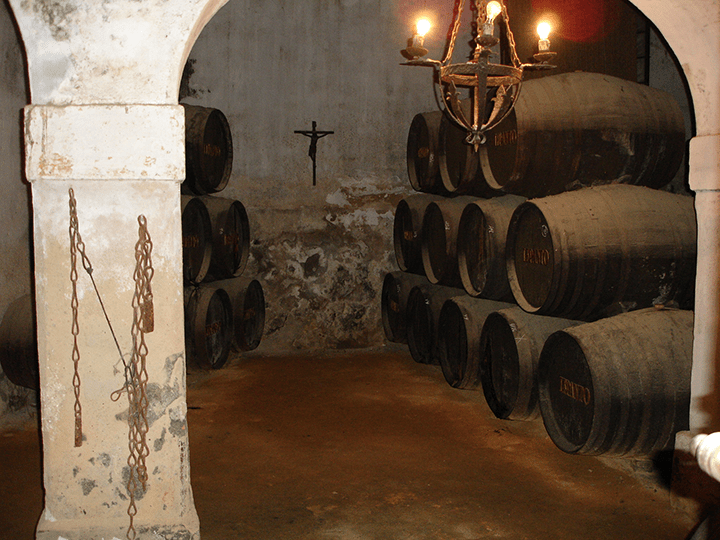
The Solera System: The Art of Aging
What sets Sherry apart from other wines is the Solera system, a fractional blending method that ensures consistency and complexity across vintages. In the Solera system, older wines are systematically blended with younger wines, creating a continuous aging process. Each year, a portion of the oldest wine is drawn off for bottling, while younger wines replenish the barrels, allowing the character of the wine to evolve gradually.
This process creates a remarkable depth in Sherry, where wines are often aged for decades, taking on complex, layered flavors that reflect both the region’s history and the patience of its winemakers.

Flor: A Yeast Like No Other
The role of flor in Sherry production is critical, especially in lighter styles like Fino and Manzanilla. This yeast floats on the surface of the wine, protecting it from oxidation while contributing to the wine’s distinctive flavor profile. The salty, yeasty notes often associated with these styles are direct results of this biological aging. This technique is somewhat similar to the sur lie aging in Champagne, where wine is aged on the dead yeast cells, although sur lie focuses more on enhancing texture and brioche-like flavors.
Sherry’s Image Problem
So why is Sherry often overlooked? Part of the issue lies in its old-fashioned reputation. For years, Sherry has been pigeonholed as an “old person’s drink,” especially with the perception of sweet, cloying Cream Sherries that once dominated the market. But the dry styles, especially Fino, Manzanilla, and Amontillado, have so much more to offer. The complexity, versatility, and food-friendliness of these wines are woefully underappreciated.
There’s also the fact that Sherry doesn’t fit neatly into most wine drinkers’ expectations. It’s not a light, easy-drinking white, nor is it a robust red. It occupies a unique space, which requires a more adventurous palate to fully appreciate.
Sherry in Pairings: Rediscovering a Lost Art
If you want to experiment with Sherry in your next wine pairing, consider going beyond the obvious. Here are some fresh ideas:
- Fino or Manzanilla: These bone-dry, saline wines are fantastic with charcuterie, shellfish, and even sushi. The briny character complements the umami richness of seafood.
- Amontillado: Try it with earthy mushroom dishes or rich pork belly. The nuttiness and depth of flavor create a fascinating interplay with these savory ingredients.
- PX: Dessert wines often steal the show, but PX takes it to another level. Serve it with blue cheese or use it to top off a vanilla ice cream sundae for a memorable finish.
The next time you’re hosting a pairing dinner, don’t shy away from including a Sherry. It’s a conversation starter, and with its range of flavors and styles, you can find a bottle that complements just about any dish. Maybe, just maybe, Sherry will finally earn the spotlight it deserves. Cheers 🍷


Leave a reply to Pair This, Not That: Summer Edition – SOMM&SOMM Cancel reply