Category: Varietal Spotlight

  • Varietal Spotlight: Torrontés

    Varietal Spotlight: Torrontés

    Argentina’s Perfumed Secret and the White Wine of Early Summer.

    When most wine lovers think of Argentina, the mind immediately drifts toward towering Andes vineyards, sizzling parrilladas, and plush, dark-fruited Malbec. For decades, Malbec has served as Argentina’s global ambassador — bold, seductive, and unmistakably linked to the country’s modern wine identity. Yet quietly flourishing in the shadow of Malbec is a white grape that may capture Argentina’s soul even more intimately: Torrontés.

    If Malbec is Argentina’s velvet smoking jacket, Torrontés is its linen summer suit.

    Gregory Dean, SOMM&SOMM

    Bright, aromatic, floral, and refreshingly expressive, Torrontés delivers one of the wine world’s most captivating sensory contradictions. It smells lavishly sweet — bursting with jasmine, orange blossom, lychee, honeysuckle, and ripe stone fruit — yet on the palate it often finishes crisp, dry, and electric. That tension between exuberant aromatics and refreshing structure is precisely what makes Torrontés such an irresistible warm-weather wine.

    For sommeliers, Torrontés occupies a fascinating niche. It offers many of the floral signatures associated with Gewürztraminer or Muscat, yet often carries the acidity and freshness of Albariño or Sauvignon Blanc. It is simultaneously exotic and accessible, luxurious yet refreshing. It is a wine capable of elevating everything from ceviche to Thai curry while remaining one of the most underappreciated values in the wine world.

    And perhaps most importantly, it tells the story of Argentina itself.

    Photo by Jnurin Justin Nurin, CC BY-SA 3.0, via Wikimedia Commons

    A Grape Born in the New World

    Unlike Malbec — which famously journeyed from southwest France to Argentina in the 19th century — Torrontés is not simply a transplanted European variety. Modern DNA analysis has revealed something far more intriguing.

    Torrontés is essentially Argentina’s own grape.

    Ampelographers now believe Torrontés resulted from a natural crossing between the ancient Spanish grape Mission (known locally as Criolla Chica) and Muscat of Alexandria. This crossing likely occurred after Spanish colonists brought vines to South America during the 16th century.

    That genealogy explains Torrontés beautifully:

    • From Muscat of Alexandria comes the intensely aromatic floral perfume.
    • From Criolla Chica comes adaptability, acidity retention, and resilience in high-altitude climates.

    The result is a grape uniquely suited to Argentina’s dramatic terroirs.

    Even more fascinating, there are actually three recognized Torrontés varieties in Argentina:

    Torrontés Riojano

    The finest and most celebrated expression. Despite the name, it is not connected to Spain’s Rioja region. This is the Torrontés most sommeliers reference when discussing premium Argentine white wines.

    Expect:

    • Jasmine and rose petals
    • White peach
    • Meyer lemon
    • Lychee
    • Orange blossom
    • Crisp acidity
    • Slight phenolic bitterness on the finish

    Torrontés Sanjuanino

    Typically softer and broader with less aromatic intensity. Often grown in San Juan where warmer conditions produce rounder wines.

    Expect:

    • Riper tropical fruit
    • Lower acidity
    • Softer floral character
    • More approachable commercial styles

    Torrontés Mendocino

    The rarest and least commercially important. Usually less aromatic and more neutral, though pockets of old vines still exist.

    These distinctions matter because Torrontés is highly sensitive to altitude, sunlight, and harvest timing. Tiny changes in site selection can radically alter the wine’s aromatic profile and balance.

    Photo by aaeptein, CC BY 2.0, via Wikimedia Commons

    The Key to Great Torrontés

    To understand elite Torrontés, one must understand altitude.

    Many of Argentina’s greatest Torrontés vineyards sit between 5,000 and 8,000 feet above sea level, particularly in Salta’s Calchaquí Valleys. These are some of the highest vineyards on Earth.

    The conditions are extreme:

    • Intense UV radiation
    • Massive diurnal temperature swings
    • Dry desert air
    • Rocky, mineral-rich soils
    • Minimal rainfall

    Those dramatic shifts between scorching daytime temperatures and frigid nights allow grapes to achieve full aromatic ripeness while preserving acidity. The result is wines of remarkable aromatic intensity without becoming flabby or overly alcoholic.

    This is why Torrontés from Salta often possesses such startling purity and lift. The wines practically leap from the glass.

    For sommeliers, Salta Torrontés can become a blind tasting trap. The nose may suggest an off-dry Alsatian Gewürztraminer or even Muscat, yet the palate snaps dry with vibrant acidity and mineral tension.

    That disconnect is part of the magic.

    Related SOMM&SOMM Article: The Noble Grapes of Alsace

    Photo by Yozh, CC BY-SA 4.0, via Wikimedia Commons

    The Aromatic Illusion

    Torrontés teaches one of wine’s greatest sensory lessons: aroma does not equal sweetness.

    Because the grape is so explosively aromatic, inexperienced drinkers often assume the wine contains residual sugar. Yet many premium examples are fermented bone dry.

    The brain encounters aromas associated with sweetness:

    • Honeysuckle
    • Orange blossom
    • Peach nectar
    • Lychee
    • Rosewater

    Then suddenly the palate reveals:

    • Citrus zest
    • Salinity
    • Bitter grapefruit pith
    • Dry mineral structure

    This contrast creates incredible food versatility because the wine can complement spicy cuisine without the heaviness associated with sweeter wines.

    A well-made Torrontés should never feel cloying. The best examples dance.

    Regional Expressions of Torrontés

    Salta: The Grand Cru Expression

    Salta produces Argentina’s most profound Torrontés wines, particularly from Cafayate.

    These wines tend to be:

    • Intensely aromatic
    • High acid
    • Mineral-driven
    • Structured
    • Age-worthy

    Descriptors often include:

    • White flowers
    • Crushed rocks
    • Lemon oil
    • Green herbs
    • Peach skin
    • Lime blossom

    Some premium examples develop fascinating petrol and dried chamomile notes with age, reminiscent of mature Riesling.

    Pairing possibilities become almost endless:

    • Peruvian ceviche
    • Yuzu crudo
    • Thai basil chicken
    • Vietnamese lemongrass shrimp
    • Green curry
    • Moroccan preserved lemon dishes
    • Sushi with citrus kosho

    A sommelier might confidently pair Salta Torrontés with dishes traditionally reserved for Riesling or Grüner Veltliner.

    Mendoza: Softer and More Commercial

    Mendoza’s Torrontés tends to be broader and fruit-forward due to warmer conditions and different vineyard elevations.

    Expect:

    • Pear
    • Melon
    • Tropical fruit
    • Softer acidity
    • Rounder texture

    These wines are often approachable young and ideal for casual summer drinking.

    Perfect pairings include:

    • Grilled shrimp tacos
    • Summer salads
    • Goat cheese
    • Peach burrata
    • Chicken piccata
    • Light seafood pasta

    San Juan: Sun-Kissed and Exotic

    San Juan’s warmer climate can push Torrontés into more exotic territory.

    Here the wines often show:

    • Mango
    • Pineapple
    • Orange oil
    • Honeyed floral notes
    • Fuller body

    These expressions work beautifully alongside:

    • Caribbean cuisine
    • Jerk chicken
    • Coconut curries
    • Spicy pork dishes
    • Tamarind-glazed seafood
    seafood meal on plate with white wine on side
    Photo by Sarda Bamberg on Pexels.com

    Winemaking Styles and Modern Interpretations

    For years, Torrontés suffered from simplistic production methods that emphasized perfume at the expense of balance. Overcropping and late harvesting created wines that felt blowsy, bitter, and overly perfumed.

    Modern Argentine producers have dramatically refined the category.

    Today’s top producers focus on:

    • Earlier harvesting
    • Controlled temperatures
    • Lees aging
    • Concrete fermentation
    • Minimal oxidation
    • Precision viticulture

    The results are extraordinary.

    Stainless Steel Torrontés

    The most common style.

    Bright, fresh, and aromatic with:

    • Citrus blossom
    • Green melon
    • Lime zest
    • White peach

    Perfect for immediate consumption and ideal for summer service programs.

    Lees-Aged Torrontés

    Some producers experiment with sur lie aging to add texture and complexity.

    These wines develop:

    • Creamier mid-palates
    • Almond notes
    • Chamomile
    • Beeswax
    • Saline depth

    These more serious examples can stand beside richer seafood preparations like lobster with saffron beurre blanc or roasted halibut.

    Skin-Contact Torrontés

    Orange wine producers have discovered Torrontés is exceptionally compelling with extended maceration.

    Its naturally aromatic skins produce wines with:

    • Tea tannins
    • Bitter orange
    • Dried flowers
    • Apricot skin
    • Savory spice

    These wines become ideal for adventurous pairings:

    The Sommelier’s Secret Weapon

    One reason sommeliers adore Torrontés is its ability to solve difficult pairing situations.

    Spicy dishes often destroy many wines:

    • High alcohol amplifies heat.
    • Heavy oak clashes with aromatics.
    • Massive tannins become metallic.

    Torrontés succeeds because it combines:

    • Moderate alcohol
    • Intense aromatics
    • Bright acidity
    • Low tannin
    • Dry finish

    It behaves almost like a bridge between aromatic whites and acid-driven whites.

    Exceptional pairings include:

    And perhaps unexpectedly, Torrontés can shine with brunch.

    Imagine:

    This is early summer wine at its finest.

    Cover photo by nomad_sw18, CC BY 2.0, via Wikimedia Commons

    Myths, Lore, and Fascinating Tidbits

    Torrontés has accumulated its fair share of misconceptions and romantic myths over the centuries.

    One enduring legend claims the grape was secretly cultivated by Jesuit missionaries high in the Andes because its intoxicating floral aroma symbolized “the perfume of paradise.” While historically unverified, the story persists throughout parts of northern Argentina.

    Another common myth is that Torrontés is genetically related to Spain’s Torrontés grapes from Galicia. In reality, they are entirely different varieties sharing only a name.

    There is also a persistent belief among tourists visiting Argentina that Torrontés must be sweet because of its nose. Many first-time drinkers experience genuine surprise after the first sip.

    Sommeliers often exploit this beautifully during tastings:
    “Smell this wine and guess whether it’s sweet or dry.”

    The reveal almost always sparks conversation.

    And while Malbec dominates exports, many Argentine winemakers privately consider Torrontés their true signature grape because no other country expresses it with the same authenticity or consistency.

    Serving and Cellaring

    Torrontés is generally best enjoyed young when its aromatics are vibrant and lifted. Most bottles perform beautifully within 2–4 years of vintage.

    However, elite high-altitude examples from Salta can age surprisingly well for 5–8 years, gaining:

    • Honeycomb notes
    • Dried herbs
    • Chamomile
    • Petrol nuances
    • Nutty complexity

    Serve slightly warmer than basic Sauvignon Blanc:

    • Around 48–52°F

    Too cold and the aromatics become muted.

    Related SOMM&SOMM Article: Wine Service: Proper Serving Temperatures

    Glassware matters as well. Aromatic white wine stems or even smaller Burgundy bowls allow Torrontés to fully express its explosive nose.

    Why Torrontés Matters

    In a wine world increasingly dominated by international sameness, Torrontés feels gloriously distinct.

    It does not chase Chardonnay richness.
    It does not mimic Sauvignon Blanc sharpness.
    It does not imitate Pinot Grigio neutrality.

    Instead, it proudly embraces its own identity:
    perfumed, vibrant, refreshing, and unmistakably Argentine.

    For wine educators, Torrontés offers a masterclass in aromatic deception and terroir expression.
    For sommeliers, it becomes a versatile pairing weapon.
    For casual drinkers, it offers immediate pleasure and tremendous value.
    For warm evenings and early summer gatherings, it may be one of the most joyful wines imaginable.

    Malbec may remain Argentina’s king.

    But Torrontés?
    Torrontés is its poetry in bloom.

    Cover photo by Jameson Fink, CC BY 2.0, via Wikimedia Commons

  • The Most Floral Wines for Springtime Sipping

    The Most Floral Wines for Springtime Sipping

    The Aromatic Wines That Capture the Spirit of Spring.

    There is a moment in May—usually just after a warm rain—when the world seems impossibly aromatic.

    Jasmine drifts through the evening air. Honeysuckle climbs fences with abandon. Orange blossoms perfume entire streets. Roses unfurl like velvet invitations to linger outdoors just a little longer.

    Wine, at its best, captures this exact sensation.

    a woman drinking water
    Photo by Mikhail Nilov on Pexels.com

    For sommeliers and seasoned tasters alike, the olfactory experience is the gateway to understanding wine. Before acidity dances across the palate or tannins tighten their grip, aroma tells the story first. It announces the grape, the climate, the ripeness, the winemaker’s hand, and often the season itself.

    And no season belongs to floral wines quite like mid/late spring.

    Some wines whisper flowers delicately. Others erupt from the glass like a botanical garden after sunrise. These are not artificial aromas. No one is tossing bouquets into fermentation tanks. The floral qualities in wine come naturally from aromatic compounds—particularly terpenes and esters—found within specific grape varieties.

    For those willing to slow down and truly smell their wine, May becomes more than a month.

    It becomes a tasting note.

    The Nose Knows

    The greatest tragedy in wine is drinking too quickly.

    Too many people sip before they smell. They rush past the most revealing and emotional part of the experience. The olfactory is not simply a prelude to tasting—it is the roadmap. Long before the palate begins identifying acidity, sweetness, tannin, or texture, the nose is already telling the story.

    Floral wines are especially captivating because they awaken memory. The scent of jasmine may remind someone of a grandmother’s garden. Orange blossom may transport another person to spring evenings in Florida (I hear this one a lot). Honeysuckle can evoke childhood adventures along old fences and winding country roads.

    Wine is chemistry, certainly.

    But wine is also emotion.

    And floral wines are among the most emotional wines in the world.

    woman holding a glass of white wine
    Photo by Atlantic Ambience on Pexels.com

    The Queen of Floral Wines

    If floral wines had royalty, Gewürztraminer would sit confidently on the throne wearing rose petals and expensive perfume.

    The grape’s name itself hints at spice and aromatics, and few wines announce themselves with greater intensity. A quality Gewürztraminer smells astonishingly like fresh roses, lychee, orange blossom, and exotic perfume.

    For many drinkers, the first encounter with Gewürztraminer is almost shocking.

    “How can wine smell exactly like roses?”

    Because this grape naturally contains exceptionally high aromatic compounds, particularly terpenes, which are also found in flowers and citrus peels.

    Floral Match

    Flower: Rose Petal
    Wine Equivalent: Gewürztraminer

    The resemblance is uncanny. Not dried roses. Not potpourri.

    Fresh-cut roses after rain.

    SOMM&SOMM Pairing Recommendations

    • Thai curry
    • Moroccan cuisine
    • Ginger-forward dishes
    • Munster cheese
    • Pork with apricot glaze

    The floral aromatics soften spice beautifully, making Gewürztraminer one of the greatest “secret weapon” pairing wines for bold ethnic dishes.

    A Little Backstory

    Gewürztraminer nearly disappeared from many vineyards because it can be temperamental in the vineyard and wildly aromatic in ways that intimidated traditionalists.

    Today, wine lovers embrace it for precisely that reason.

    It refuses to be subtle.

    It enters the room first.

    close up of a vibrant honeysuckle blossom
    Photo by Nadiye Odabaşı on Pexels.com

    Honeysuckle at Sunset

    Viognier is the golden-hour wine of spring.

    Originally from France’s Northern Rhône, particularly Condrieu, Viognier nearly vanished during the mid-20th century before passionate growers revived it from near extinction.

    Today, it is beloved worldwide for its intoxicating aromatics.

    Floral Match

    Flower: Honeysuckle
    Wine Equivalent: Viognier

    Close your eyes while smelling a quality Viognier and the resemblance is immediate:

    • Honeysuckle
    • Orange blossom
    • Apricot blossom
    • White flowers warmed by sunshine

    Unlike the sharper perfume of Gewürztraminer, Viognier feels softer and silkier. The aromatics drift gracefully rather than explode from the glass.

    SOMM&SOMM Pairing Recommendations

    • Roast chicken
    • Lobster with butter
    • Creamy seafood dishes
    • Mild curries
    • Triple cream cheeses

    Its lush texture makes it one of the few highly aromatic wines that also feels velvety and luxurious.

    Sommelier’s Note

    The best Viogniers often smell sweeter than they taste.

    Many are completely dry despite giving the impression of ripe fruit nectar and flower petals.

    That disconnect fascinates seasoned tasters.

    white jasmine flowers against clear blue sky
    Photo by Kimmo Vainio on Pexels.com

    Jasmine in Full Bloom

    Argentina may be famous for Malbec, but Torrontés is arguably its most aromatic treasure.

    This wine smells like jasmine exploding through an open window on a humid spring evening.

    Floral Match

    Flower: Jasmine
    Wine Equivalent: Torrontés

    Torrontés carries stunning aromas of:

    • Jasmine
    • White peach
    • Rose petals
    • Citrus blossom

    Yet surprisingly, it often finishes crisp and dry.

    That contrast makes Torrontés dangerously drinkable in warm weather.

    SOMM&SOMM Pairing Recommendations

    • Ceviche
    • Fish tacos
    • Sushi
    • Fresh herbs
    • Citrus-marinated seafood

    Serve it ice cold on the patio in late May and suddenly life feels remarkably complete.

    close up of citrus blossom with fresh foliage
    Photo by Sakina Fayyaz on Pexels.com

    Orange Blossom and Spring Nectar

    There is a reason orange blossom perfumes, honeysuckle vines, and Muscat wines all feel connected.

    They share aromatic similarities that border on uncanny.

    Muscat grapes produce some of the oldest aromatic wines in history and can smell intensely of:

    • Orange blossom
    • Mandarin peel
    • Jasmine
    • Elderflower
    • Rosewater

    Floral Match

    Flower: Orange Blossom
    Wine Equivalent: Muscat / Moscato

    Styles range dramatically:

    • Moscato d’Asti: lightly sparkling and sweet
    • Dry Muscat: aromatic and crisp
    • Dessert Muscat: rich and honeyed

    SOMM&SOMM Pairing Recommendations

    • Fruit tarts
    • Brunch dishes
    • Blue cheese
    • Fresh berries
    • Almond pastries

    And yes… it pairs beautifully with sitting barefoot outside while listening to spring thunderstorms.

    close up of linden flowers in latvia
    Photo by Evija Ciematniece on Pexels.com

    Linden Blossom and Electric Acidity

    Riesling is often discussed in terms of acidity, minerality, and ageability.

    But its floral side deserves far more attention.

    Floral Match

    Flower: Linden Blossom
    Wine Equivalent: Riesling

    Young Riesling often carries delicate notes of:

    • Honeysuckle
    • Linden flower
    • Jasmine
    • White flowers
    • Citrus blossoms

    Unlike richer floral wines, Riesling feels crystalline and electric.

    SOMM&SOMM Pairing Recommendations

    • Vietnamese cuisine
    • Pork schnitzel
    • Sushi
    • Smoked fish
    • Spicy noodles

    Its acidity cuts through richness while the aromatics elevate herbs and spices beautifully.

    Floral Reds? Absolutely.

    Many wine drinkers mistakenly assume floral aromatics belong only to white wines.

    That is wildly incorrect.

    Some of the world’s greatest red wines smell profoundly floral.

    dried roses kept in a basket
    Photo by Jasmine Pang on Pexels.com

    Dried Rose and Old-World Elegance

    Nebbiolo—the noble grape behind Barolo and Barbaresco—often smells remarkably like dried roses.

    Floral Match

    Flower: Dried Rose
    Wine Equivalent: Nebbiolo

    These are not fresh florist roses.

    They are antique roses pressed between the pages of old books.

    Nebbiolo combines:

    • Rose petals
    • Tar
    • Cherry
    • Earth
    • Herbs

    It is hauntingly beautiful.

    SOMM&SOMM Pairing Recommendations

    • Truffle pasta
    • Braised short ribs
    • Mushroom risotto
    • Aged cheeses

    This is the floral wine for people who think they do not enjoy floral wines.

    vibrant pink peonies in bloom captured outdoors
    Photo by Sóc Năng Động on Pexels.com

    Violet and Peony

    Elegant Pinot Noir often carries soft floral tones reminiscent of violets and peonies.

    Especially from cooler-climate regions like Burgundy, Oregon, and the Sonoma Coast, the floral character is subtle and ethereal.

    Floral Match

    Flower: Violet
    Wine Equivalent: Pinot Noir

    SOMM&SOMM Pairing Recommendations

    • Duck breast
    • Salmon
    • Herb-roasted chicken
    • Mushroom dishes

    Pinot Noir may be the ultimate springtime red wine!

    Gregory Dean, SOMM&SOMM

    Floral Intensity Guide

    Floral NoteClosest Wine MatchIntensity
    AcaciaSauvignon BlancLight
    Linden BlossomRieslingLight-Medium
    VioletPinot NoirMedium
    HoneysuckleViognierMedium-High
    Orange BlossomMuscatHigh
    JasmineTorrontésHigh
    Rose PetalGewürztraminerExtremely High
    Dried RoseNebbioloDeep & Complex
    person holding clear wine glass with red wine
    Photo by Anna Shvets on Pexels.com

    How to Properly Smell Floral Wines

    Floral wines demand patience.

    A few simple sommelier techniques dramatically improve the experience:

    • Use larger-bowled wine glasses
    • Avoid serving wines too cold
    • Swirl gently at first
    • Smell before tasting
    • Return to the glass repeatedly

    Floral aromatics evolve rapidly with oxygen and temperature.

    A Viognier that seems restrained at first may erupt into honeysuckle and apricot twenty minutes later.

    A Riesling may shift from lime blossom to jasmine as it warms.

    The experience is alive.

    The Emotional Side of Floral Wines

    Wine education can sometimes become overly technical.

    Yes, floral aromas originate from chemistry. Terpenes matter. Esters matter. Fermentation temperatures matter.

    But ultimately, floral wines matter because they remind us of living things.

    Gardens.

    Spring evenings.

    Fresh air.

    Blooming vines.

    Open windows.

    Warm rain.

    That emotional bridge transforms wine from beverage into experience.

    And perhaps that is why floral wines feel especially perfect at the end of May.

    Spring is reaching its crescendo.

    The blooms are at their peak.

    Summer waits just around the corner.

    The right wine captures that fleeting moment beautifully.

    Not merely in flavor.

    But in fragrance.

    And fragrance, after all, is memory’s closest companion.

    photograph of a person pouring an alcoholic drink into a glass
    Photo by Elina Fairytale on Pexels.com

    Final Pour

    This Spring, slow down.

    Pour thoughtfully.

    Swirl patiently.

    And before you ever take that first sip… inhale deeply.

    Because somewhere between the jasmine, the roses, the honeysuckle, and the orange blossoms, wine reminds us that spring was never meant to be rushed.

    It was meant to be savored 🍷

    Cover Photo by Rachel Carter on Pexels.com

  • Where Merlot Becomes Magic

    Where Merlot Becomes Magic

    Wines That Whisper Instead of Shout.

    There are certain wines that command respect the moment they are poured. Then there are wines that quietly pull you into the glass, unfolding slowly over the course of an evening until you suddenly realize the bottle is empty and nobody at the table wants the conversation to end. That is the magic of Saint-Émilion.

    Nestled on Bordeaux’s famed Right Bank, Saint-Émilion has long existed in the shadow of some of the Left Bank’s louder, more aggressively structured Cabernet-driven wines. Yet for many wine lovers — particularly those drawn to elegance, texture, and layered complexity — Saint-Émilion offers something even more captivating. These are wines that do not need to shout. They seduce.

    And few grapes are more seductive here than Merlot.

    For Tammy, that has always been part of the appeal. There is something about the Merlot of Saint-Émilion that feels complete — rich without becoming heavy, polished without losing soul, luxurious without trying too hard. The wines possess a softness that invites you in, but underneath that velvety fruit lies structure, minerality, and depth that keep every sip interesting.

    That balance is what makes the region so extraordinary.

    scenic view of saint emilion france village
    Photo by Josef Kali on Pexels.com

    A Village Built on Wine and History

    Wine has flowed through Saint-Émilion for nearly 2,000 years. The Romans first planted vines in these limestone-rich hillsides, recognizing the potential of the region long before Bordeaux became synonymous with fine wine. The village itself, named after an 8th-century monk called Émilion, still feels wonderfully frozen in time.

    Medieval stone buildings rise above underground catacombs and ancient caves carved deep beneath the town. Narrow cobblestone streets wind past wine shops, churches, and cellar doors that have stood for centuries. Walking through Saint-Émilion feels less like visiting a wine region and more like stepping into a beautifully preserved secret.

    Of course, the real secret lies beneath the vineyards.

    close up shot of grapes
    Photo by Nico Becker on Pexels.com

    Why Merlot Thrives Here

    Unlike the gravel-heavy soils of Bordeaux’s Left Bank, Saint-Émilion sits atop a patchwork of limestone, clay, chalk, and sand — soils perfectly suited for Merlot. Cabernet Franc also thrives here, contributing freshness, floral aromatics, spice, and backbone to many of the blends. Together, they create wines that combine generosity with tension, opulence with restraint.

    A great Saint-Émilion often delivers aromas of black cherry, ripe plum, violets, cedar, tobacco leaf, truffle, cocoa, and crushed stone. In youth, the wines can feel lush and welcoming. With age, they evolve into something deeply savory and hauntingly complex. The finest examples manage to feel simultaneously powerful and graceful — a rare achievement in the world of red wine.

    This is precisely why so many Merlot lovers become devoted to the region. Saint-Émilion reveals what Merlot can truly become when grown in the right place and handled with patience and care.

    close up of a man holding a glass of wine
    Photo by Philippe WEICKMANN on Pexels.com

    Saint-Émilion vs. Pomerol

    This is where comparisons to nearby Pomerol become fascinating.

    Though separated by only a few miles, the two appellations express Merlot in very different ways. Pomerol tends to produce wines of extraordinary plushness and velvety texture — softer around the edges, often broader and more opulent from the start. Saint-Émilion, meanwhile, usually carries more freshness and mineral energy, thanks largely to its limestone plateau and greater use of Cabernet Franc.

    If Pomerol is silk, Saint-Émilion is silk wrapped around stone.

    Gregory Dean, SOMM&SOMM

    Both regions produce extraordinary wines, but Saint-Émilion often appeals to those who enjoy a little more structure and complexity beneath the fruit. The wines evolve beautifully in the glass, revealing layer after layer over the course of a meal.

    Frederik Vandaele, CC BY 2.0, via Wikimedia Commons

    The Shadow of Pétrus

    No discussion of Right Bank Bordeaux can avoid the gravitational pull of Pétrus, perhaps the world’s most famous Merlot-dominant wine. Produced from Pomerol’s prized blue clay soils, Pétrus has achieved near-mythical status for its concentration, texture, and longevity. Collectors chase it. Auctions celebrate it. Bank accounts fear it.

    And deservedly so.

    Yet one of the great joys of Saint-Émilion is discovering just how profound these wines can be without requiring the purchase of a small yacht. Many of the region’s best producers deliver astonishing depth, elegance, and cellar-worthy complexity at far more approachable prices. For passionate wine lovers, that makes Saint-Émilion one of Bordeaux’s most rewarding explorations.

    Bordeaux With a Little Drama

    The region itself also carries a bit more personality than Bordeaux’s often rigid reputation suggests. Saint-Émilion’s classification system is famously revised every several years, unlike the fixed 1855 classifications of the Left Bank. Promotions, demotions, lawsuits, and controversy inevitably follow, giving the region a touch of drama beneath its polished exterior.

    For a place built on fermented grape juice, it occasionally behaves like a French aristocratic soap opera.

    Thankfully, the wines remain timeless.

    Related article: Understanding French Wine Laws

    The Wines Truly Come Alive at the Table

    At the table, Saint-Émilion shines brightest. These are reds built for long dinners and lingering conversations. Their balance of acidity, fruit, and tannin makes them remarkably versatile with food — roasted lamb, duck breast, mushroom risotto, braised short ribs, aged cheeses, and earthy autumn dishes all seem to come alive beside a well-aged bottle.

    More importantly, they invite people to slow down.

    That may ultimately be Saint-Émilion’s greatest strength. In a wine world often obsessed with scores, rarity, and spectacle, these wines still feel deeply connected to pleasure, place, and experience. They reward patience. They evolve in the glass. They encourage storytelling.

    And for those who love Merlot at its most expressive (I’m looking at you), few places in the world capture that magic more beautifully than Saint-Émilion 🍷

    Cover Photo by Andrew Patrick Photo on Pexels.com

  • Learning to Speak Italian (Wine)

    Learning to Speak Italian (Wine)

    A guide to Italy’s lesser‑known grapes—pronunciation encouraged, confusion forgiven.

    Italy is not a single wine language. It is a chorus of dialects, whispered in mountain valleys, shouted from sun‑baked coasts, and stubbornly preserved by families who never bothered to translate for outsiders. To learn Italian wine is not to memorize a list—it is to learn how words change when they cross a hill, how the same grape answers to multiple names, and how geography shapes accent, structure, and soul.

    Photo by Fabrizio Velez on Pexels.com

    This is your language lesson. We are not starting with ciao (Sangiovese) or grazie (Nebbiolo). Instead, we’re learning the phrases that make you sound fluent—the lesser‑known varietals that do make it outside of Italy if you know how (and where) to look.

    Think of this as conversational Italian for wine lovers.

    Photo by Andrea Mosti on Pexels.com

    Italian Is a Regional Language

    Before vocabulary, a rule: Italy does not speak one Italian wine dialect. Grapes change names as they cross borders. Sometimes they change personality. Sometimes they pretend to be something else entirely.

    So when you see multiple names in parentheses, don’t panic. That’s not confusion—it’s fluency.

    Photo by Toni Canaj on Pexels.com

    False Friends & Familiar Strangers

    Turbiana (a.k.a. Trebbiano di Lugana)

    Pronunciation: tur‑BEE‑ah‑nah

    Let’s clear the fog immediately.

    Turbiana is not the watery Trebbiano you’re thinking of. Grown around Lake Garda in Lugana DOC, this grape produces wines with texture, salinity, and surprising age‑worthiness.

    How it speaks: lemon oil, almond skin, white flowers, wet stone

    Why it matters: It teaches an essential Italian lesson—same family, different personality.

    Where to find it: Lugana DOC bottlings from Ca’ dei Frati, Zenato, Ottella

    Sangiovese Grosso (Brunello’s Real Name)

    Pronunciation: san‑joe‑VAY‑zeh GROSS‑oh

    Not lesser‑known, but deeply misunderstood.

    Sangiovese Grosso is not a different grape—it’s a biotype, thicker‑skinned and slower‑ripening than Chianti’s Sangiovese. Italians care about this distinction. You should too.

    How it speaks: sour cherry, dried rose, tea leaf, savory earth

    Why it matters: Italian wine often hinges on clones, not varietals.

    Where to find it: Brunello di Montalcino (widely exported)

    Photo by Leon Kohle on Pexels.com

    Northern Accents (Alpine & Adriatic)

    Schiava (a.k.a. Vernatsch)

    Pronunciation: SKYA‑vah

    This is the grape everyone underestimates.

    From Alto Adige, Schiava produces pale‑colored reds with fragrance over power. Chill it slightly and it becomes irresistible.

    How it speaks: strawberry, alpine herbs, almond, fresh mountain air

    Why it matters: It breaks the myth that Italian reds must be heavy.

    Where to find it: Alto Adige DOC imports (Elena Walch, Cantina Tramin)

    Lagrein

    Pronunciation: lah‑GRAIN

    If Schiava whispers, Lagrein growls.

    Also from Alto Adige, Lagrein is deeply colored, muscular, and structured—yet retains alpine freshness.

    How it speaks: blackberry, cocoa, iron, violets

    Why it matters: Italy does bold without abandoning balance.

    Where to find it: Alto Adige Lagrein Rosso or Riserva

    Refosco dal Peduncolo Rosso

    Pronunciation: reh‑FOSS‑koh dal peh‑DOON‑koh ROSS‑oh

    Yes, the full name matters.

    This Friulian grape is dark, wild, and feral in the best way—high acidity, grippy tannin, and savory depth.

    How it speaks: sour cherry, forest floor, black olive, iron

    Why it matters: Friuli is not just Pinot Grigio country.

    Where to find it: Friuli‑Venezia Giulia specialists

    Central Italy’s Secret Vocabulary

    Ciliegiolo

    Pronunciation: chee‑leh‑JYO‑loh

    Long thought to be a clone of Sangiovese (it isn’t), Ciliegiolo is softer, rounder, and more openly fruited.

    How it speaks: ripe cherry, red plum, spice, soft herbs

    Why it matters: Tuscany has more voices than Chianti.

    Where to find it: Tuscany IGT bottlings

    Pecorino (Yes, Like the Cheese)

    Pronunciation: peh‑koh‑REE‑noh

    No sheep involved—just mountain acidity and structure.

    From Abruzzo and Marche, Pecorino delivers aromatic intensity with surprising weight.

    How it speaks: citrus zest, sage, stone fruit, salinity

    Why it matters: Italian whites can age.

    Where to find it: Abruzzo & Marche imports (Valentini if you’re lucky)

    Photo by Elijah Cobb on Pexels.com

    Southern Dialects (Sun, Salt & Structure)

    Nero d’Avola

    Pronunciation: NEH‑roh DAH‑voh‑lah

    Often simplified as “Sicilian Shiraz,” Nero d’Avola deserves better.

    How it speaks: black cherry, licorice, dried herbs, warm earth

    Why it matters: Sicily balances heat with restraint.

    Where to find it: Widely exported—look for single‑vineyard expressions

    Frappato

    Pronunciation: frah‑PAH‑toh

    If Nero d’Avola is Sicily’s bass line, Frappato is its melody.

    Light‑bodied, floral, and joyful—especially in Cerasuolo di Vittoria blends.

    How it speaks: raspberry, rose petal, pink peppercorn

    Why it matters: Southern Italy isn’t all power.

    Where to find it: Sicily DOC and Cerasuolo di Vittoria (Sicily’s only DOCG)

    Aglianico

    Pronunciation: ah‑LYAH‑nee‑koh

    Often called the “Barolo of the South,” though it doesn’t need the comparison.

    How it speaks: black fruit, smoke, leather, volcanic minerality

    Why it matters: Structure is not exclusive to the north.

    Where to find it: Taurasi DOCG, Aglianico del Vulture

    Photo by Andrea Mosti on Pexels.com

    Fluency Comes From Curiosity

    Learning to speak Italian wine is not about perfection—it’s about participation. Pronounce boldly. Ask questions. Follow the parentheses.

    Italy rewards effort.

    Because once you stop asking “Why is this so confusing?” and start saying “Ah… this is just another dialect,” you’re no longer translating.

    You’re conversing.

    Salute 🍷

    Cover Photo by Andrea Mosti on Pexels.com

  • Varietal Spotlight: Cabernet Franc

    Varietal Spotlight: Cabernet Franc

    The Unsung Hero of the Vineyard.

    When Cabernet Sauvignon and Merlot take the spotlight, it’s easy to forget the quiet genius standing in the wings: Cabernet Franc. Without this noble grape, the wine world would look very different. It’s the parent of both Cabernet Sauvignon and Merlot, yet it remains one of the most underrated varietals on the shelf.

    Cabernet Franc is the sommelier’s secret weapon—perfumed, versatile, food-friendly, and surprisingly age-worthy. Let’s explore its origins, where it shines, and why it belongs in your glass.

    Photo by Andrew Patrick Photo on Pexels.com

    Origins & History

    Cabernet Franc first appeared in 17th-century France. Cardinal Richelieu is said to have brought cuttings to the Loire Valley, where monks tended it carefully in Bourgueil and Chinon. The grape was affectionately called “Breton”, named after Abbot Breton, one of its earliest champions.

    Modern DNA profiling unlocked its true importance: Cabernet Franc is the parent of Cabernet Sauvignon (crossed with Sauvignon Blanc) and Merlot (crossed with Magdeleine Noire des Charentes). Without it, Bordeaux as we know it would not exist.

    Where Cabernet Franc Shines

    Loire Valley, France – The Spiritual Home

    Agne27, CC BY-SA 3.0, via Wikimedia Commons

    Pairing Tip: Loire Cab Franc is perfection with roast chicken, duck breast, or chèvre (goat cheese).

    Bordeaux, France – The Architect of Blends

    In the Right Bank (Pomerol & St-Émilion), Cabernet Franc adds aromatics and finesse to Merlot-driven blends.

    • Iconic Example: Château Cheval Blanc (St-Émilion), often 60% Cabernet Franc.
    • Flavor Profile: Black cherry, cedar, crushed gravel.
    • Best With: Lamb, venison, or a rich beef bourguignon.

    Italy – Rustic Charm Meets Power

    • Friuli-Venezia Giulia: Savory, herbal, and earthy.
    • Tuscany (Bolgheri): Super Tuscan producers use Cab Franc for power and polish.

    Must-Try Bottles:

    Food Match: Wild boar ragù, porcini risotto, or bistecca alla Fiorentina.

    New World – A Rising Star

    • United States: Napa, Sonoma, Washington, and New York’s Finger Lakes deliver everything from ripe berry-driven Cab Franc to Loire-inspired elegance.
    • Argentina (Uco Valley): Bold and mineral, with vibrant fruit. Try El Enemigo Cabernet Franc.
    • South Africa (Stellenbosch): Spice-driven, earthy examples from producers like Warwick Estate.
    Photo by ROMAN ODINTSOV on Pexels.com

    In the Glass: Tasting Profile

    • Aromas: Violet, graphite, raspberry, redcurrant, pencil shavings, pepper, and sometimes a signature green bell pepper note.
    • Palate: Medium body, moderate tannins, fresh acidity, with a spectrum from juicy red fruit to earthy spice.
    • Aging Potential: Excellent. With time, Cab Franc evolves into flavors of truffle, leather, and tobacco.

    Food Pairing Ideas

    Cabernet Franc’s elegance and acidity make it one of the most food-friendly red wines.

    •  Duck breast with cherry gastrique → Loire Cab Franc
    •  Goat cheese & charcuterie → Chinon
    •  Mushroom & lentil ragù → Saumur-Champigny
    •  Herb-marinated lamb chops → St-Émilion
    •  Stuffed peppers or mushroom stroganoff → Friuli Cab Franc

    Recipes to Try with Cabernet Franc

    Duck Breast with Cherry-Red Wine Sauce

    Pair With: Chinon or St-Émilion

    Ingredients (serves 2):

    • 2 duck breasts, skin scored
    • 1 cup pitted cherries
    • ½ cup Cabernet Franc
    • 1 tbsp balsamic vinegar
    • 1 tbsp butter
    • Salt & pepper
    1. Season duck, sear skin-side down until crisp (8 min). Flip, cook 3–4 more minutes. Rest.
    2. Deglaze pan with Cab Franc, add cherries & balsamic, reduce to syrup.
    3. Whisk in butter, slice duck, serve with sauce.

    Mushroom & Lentil Ragù (Vegetarian Comfort)

    Pair With: Saumur-Champigny or Friuli Cabernet Franc

    Ingredients (serves 4):

    • 1 cup green lentils, cooked
    • 2 tbsp olive oil
    • 1 onion, diced
    • 3 cloves garlic, minced
    • 1 lb mushrooms (mixed), chopped
    • 1 tsp thyme
    • 1 cup vegetable stock
    • ½ cup Cabernet Franc
    • Salt, pepper, parsley

    Method:

    1. Sauté onion & garlic in olive oil until golden. Add mushrooms & thyme, cook until browned.
    2. Deglaze with Cab Franc, reduce. Add lentils & stock, simmer until thick.
    3. Serve over creamy polenta or pasta.

    Fun Facts & Lore

    • Cabernet Franc is sometimes called “the poet’s grape” in the Loire.
    • Without Cab Franc, we wouldn’t have Cabernet Sauvignon, Merlot, or Carmenère.
    • Sommeliers often call it their desert island red—it pairs with nearly everything.
    • Cabernet Franc tends to ripen earlier than Cabernet Sauvignon, making it valuable in cooler climates.

    Final Pour

    Cabernet Franc may never command the fame of Cabernet Sauvignon, but it brings an elegance, fragrance, and food-friendliness all its own. Whether you’re sipping a Loire Valley Chinon (my favorite), a Tuscan Paleo Rosso, or an Argentine El Enemigo, you’re drinking history—and the soul of Bordeaux itself.

    Next time you’re browsing bottles, reach for the unsung hero. Your palate (and dinner table) will thank you. Cheers 🍷

    Cover photo by Ursula Brühl, Julius Kühn-Institut (JKI), Federal Research Centre for Cultivated Plants, Institute for Grapevine Breeding Geilweilerhof – 76833 Siebeldingen, GERMANY, CC BY-SA 4.0, via Wikimedia Commons

  • Portugal Uncorked

    Portugal Uncorked

    Exploring the Heart and Soul of Portuguese Wines.

    When people hear “Portugal,” their minds often jump to Port—those rich, fortified wines enjoyed by candlelight or at the end of a decadent meal. But to focus solely on Port is to miss the vast and vibrant wine world that Portugal offers. From crisp whites kissed by the Atlantic breeze to sultry reds born from sun-drenched valleys, Portugal is one of Europe’s most exciting, diverse, and underrated wine-producing countries.

    A Glimpse Into Portugal’s Wine Legacy

    Portugal’s winemaking history stretches back over 4,000 years. The Phoenicians, Romans, Moors, and even the Knights Templar played a part in shaping the country’s viticultural heritage. Unlike many European countries that focus heavily on international varietals, Portugal leans proudly into its indigenous grapes—with over 250 native varieties cultivated across a tapestry of microclimates and terroirs.

    The result? Wines that are authentically Portuguese—flavorful, food-friendly, and full of character.

    Key Portuguese Wine Regions & Their Distinctive Wines

    Photo by Olga Shenderova on Pexels.com
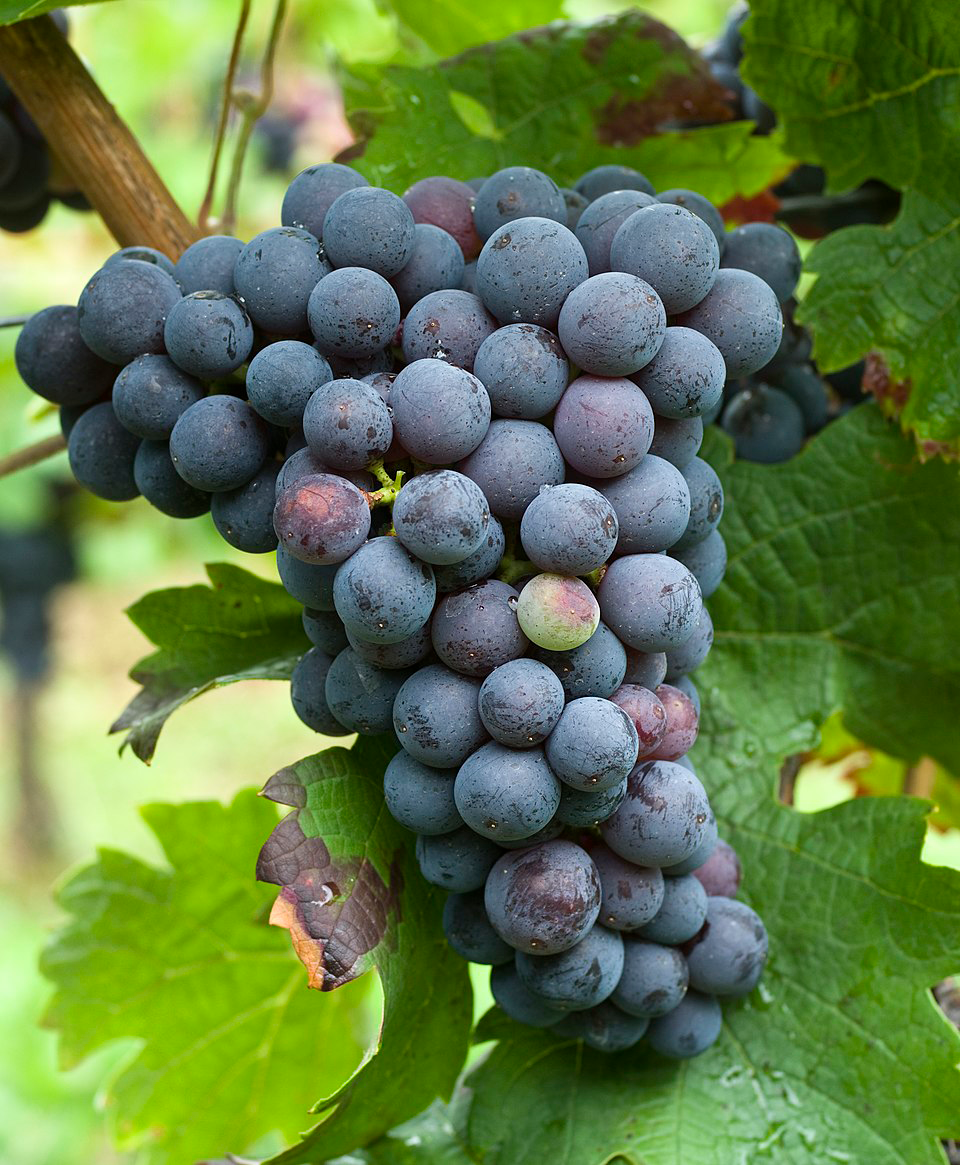
    Vinho Verde (Minho) – Crisp, Zesty, Youthful Whites

    Located in the lush, green northwest, Vinho Verde literally means “green wine,” but the name refers to the wine’s youthfulness rather than its color.

    • Signature Grapes: Alvarinho (Albariño in Spain), Loureiro, Arinto
    • Style: Light-bodied, often slightly effervescent with high acidity
    • Tasting Notes: Lime, green apple, melon, fresh herbs
    • Perfect Pairing: Grilled sardines, shrimp ceviche, Vietnamese spring rolls

    Recipe Pairing: Portuguese Shrimp Rice (Arroz de Marisco)
    A tomato-based seafood rice dish brimming with clams, mussels, and prawns. Vinho Verde cuts through the richness with zippy freshness.

    Douro Valley – Rugged Reds & Legendary Ports

    One of the oldest demarcated wine regions in the world (est. 1756), the Douro is home to breathtaking terraced vineyards carved into steep schist hillsides. Though known for Port, it also produces powerful dry red wines.

    • Signature Grapes: Touriga Nacional, Tinta Roriz (Tempranillo), Touriga Franca
    • Style: Bold, structured reds with dark fruit and floral elegance
    • Tasting Notes: Black cherry, violet, slate, cocoa
    • Perfect Pairing: Lamb stew, grilled ribeye, mushroom risotto
    Photo by Andrew McLeod on Pexels.com

    Recipe Pairing: Portuguese Lamb Stew (Ensopado de Borrego)
    Slow-cooked lamb with garlic, red wine, and bay leaves. A Douro red complements the intensity with grace and power.

    Dão – Elegant, Age-Worthy Reds

    Tucked inland, the Dão region is often dubbed the “Burgundy of Portugal” for its finesse and structure.

    • Signature Grapes: Touriga Nacional, Alfrocheiro, Jaen (Mencía)
    • Style: Earthy, medium- to full-bodied reds with freshness and ageability
    • Tasting Notes: Raspberry, leather, dried herbs, mineral
    • Perfect Pairing: Duck breast, truffle pasta, mushroom-lentil burgers

    Alentejo – Warm, Generous, Sun-Kissed Wines

    Covering nearly a third of the country, Alentejo’s sun-baked plains yield juicy, approachable reds and ripe whites. Often the gateway region for those new to Portuguese wines.

    • Signature Grapes: Antão Vaz, Aragonês (Tempranillo), Trincadeira
    • Style: Plush reds and full-bodied whites
    • Tasting Notes: Baked plum, vanilla, almond, honeysuckle
    • Perfect Pairing: BBQ chicken, pork tenderloin, creamy polenta

    Bairrada – Sparkling Gems and Baga’s Boldness

    Coastal Bairrada is the land of sparkling wines and the quirky red grape Baga, which produces tannic, high-acid reds that age magnificently.

    • Signature Grapes: Baga (red), Maria Gomes, Bical (white)
    • Style: Lean sparkling wines, and tannic, age-worthy reds
    • Tasting Notes: Cranberry, tobacco, tart cherry, wet earth
    • Perfect Pairing: Duck confit, aged Manchego (my favorite), Portuguese suckling pig (Leitão)

    Setúbal Peninsula – Fortified Muscat Magic

    Known for Moscatel de Setúbal, a fortified sweet wine made from Muscat of Alexandria.

    • Tasting Notes: Orange blossom, caramelized fig, spice
    • Pairing Tip: Enjoy with blue cheese, orange tart, or cinnamon custard pastries

    The Undiscovered Whites of Portugal

    Beyond Vinho Verde, Portugal’s white wines are fascinating and food-loving. Look for:

    • Encruzado (Dão): Balanced and age-worthy, similar to white Burgundy.
    • Antão Vaz (Alentejo): Rich, creamy whites with citrus and stone fruit.
    • Arinto (all over): High-acid, lemony whites with aging potential.

    These whites shine with shellfish, creamy cheeses, roast chicken, or herbed pork.

    Photo by Charlotte May on Pexels.com

    Sangria Portuguesa: A Rustic & Robust Red Sangria

    A summer favorite—this recipe puts a Portuguese twist on sangria by using a bold red from the Douro or Alentejo, and infusing it with the flavors of the Iberian countryside.

    Sangria do Douro

    • 1 bottle Douro Red Wine (Touriga Nacional blend)
    • 1/4 cup Aguardente (or brandy)
    • 1/4 cup orange liqueur (like Licor Beirão or Cointreau)
    • 1/4 cup fresh orange juice
    • 2 tablespoons brown sugar
    • 1 cinnamon stick
    • 1 sliced orange
    • 1 sliced apple
    • 1/2 cup sliced red grapes
    • 1/2 cup sparkling water (or tonic) for a refreshing fizz
    • Optional: fresh mint sprigs
    1. In a large pitcher, combine sugar, fruit, cinnamon, and juice. Muddle lightly.
    2. Add red wine, aguardente, and orange liqueur. Stir well.
    3. Chill for 4+ hours or overnight.
    4. Just before serving, add sparkling water and stir gently.
    5. Garnish with mint and serve over ice.

    Pair with:

    • Spicy grilled chorizo
    • Tapas-style cheeses and olives
    • Roast chicken with peri-peri seasoning

    Related Article: Sangria: A Storied Sip Through Time, Terroir, and Tradition

    Portuguese Cheese & Wine: A Match Made in the Douro

    • Queijo da Serra + Dão Red: Creamy, nutty sheep’s milk cheese with earthy reds.
    • Azeitão + Arinto: A rich, buttery cheese offset by citrusy freshness.
    • São Jorge + Alentejo Red: Hard cow’s milk cheese with meaty, bold reds.
    Photo by Maria das Dores on Pexels.com

    Why Portugal Deserves Your Glass

    Portuguese wines offer unmatched value, diversity, and authenticity. They bridge old-world charm with fresh energy, and speak proudly of their roots. Whether you’re sipping a chilled glass of Vinho Verde on the porch or pairing a brooding Douro red with grilled lamb, you’re experiencing centuries of history in a single glass.

    So the next time you’re exploring a wine shop, skip the predictable and say “sim” to Portugal. Saúde! 🍷

    SOMM&SOMM Recommended Wines to Try:

    Cover Photo by Kampus Production on Pexels.com
  • How to Enjoy White Wines After Labor Day

    How to Enjoy White Wines After Labor Day

    There’s an old saying in fashion that you shouldn’t wear white after Labor Day. Somewhere along the line, people got it into their heads that wine followed the same rule. As if a glass of Sauvignon Blanc had to be packed away with the linen pants and straw hats, waiting patiently in the cellar until Memorial Day gave it permission to come back out.

    The truth is far simpler: wine doesn’t read calendars. White wines, in particular, have far too much personality, versatility, and downright charm to be relegated to a single season. If anything, they may be at their most interesting in the cooler months, when the foods on the table get heartier, the evenings stretch longer, and we start looking for comfort in every sip.

    Sidebar: The Origins of the “No White After Labor Day” Rule

    This curious rule wasn’t really about fashion at all. In the late 1800s and early 1900s, America’s old-money elite used it as a sneaky way to separate themselves from the newly wealthy. White clothing was linked to summer vacations and leisure, and the social code dictated that once Labor Day passed, you swapped white linen for darker fabrics. It was less about “style” and more about “status.”

    Fast-forward to today, and nobody cares if you wear white jeans in November—but somehow poor Chardonnay got lumped in with linen suits, as if it too had to go into storage. The good news? Wine never signed that contract.

    Photo by cottonbro studio on Pexels.com

    Whites That Warm the Soul

    The crisp, chilled whites of summer can feel like a plunge into the pool, refreshing but fleeting. After Labor Day, our palates start to crave something more grounding. Enter the fuller-bodied whites—think oaked Chardonnay, Viognier, and white Rhône blends—that carry a little more weight, a little more texture, and just enough richness to match heartier seasonal meals.

    Sommelier’s Note: Temperature Matters

    When the weather cools, let your whites warm up too. Serve that Chardonnay at 50–55°F instead of a frosty 40°F—you’ll notice the texture broadens, the oak shows more finesse, and the wine feels downright cozy.

    Pairing Whites with Fall Flavors

    The real fun of white wines in autumn is discovering how beautifully they play with fall’s pantry: roasted squashes, sage-laced stuffing, buttery mashed potatoes, and slow-braised poultry. While red wines often steal the stage, whites bring a freshness and aromatic lift that can make rich dishes feel balanced instead of heavy.

    Think Gewürztraminer with spiced pumpkin soup, or Riesling with roast pork and apples. A Chenin Blanc’s gentle orchard fruit notes practically beg for roasted root vegetables.

    Sommelier’s Note: Why It Works

    Acidity in white wine is your secret seasoning. Just as a squeeze of lemon brightens roasted chicken, a sip of Riesling or Chenin cuts through richness and lifts the entire dish.

    Related article on wine pairing: Demystifying Wine+Food for Real-Life Moments

    Photo by Pavel Danilyuk on Pexels.com

    White Wines by the Fireside

    Imagine a glass of oaked California Chardonnay or an Alsatian Pinot Gris alongside a crackling fireplace. These wines carry subtle notes of vanilla, baking spice, and roasted nuts—flavors that feel at home in a wool blanket as much as at a dinner table. Unlike summer’s poolside pours, these whites encourage you to linger, sip slowly, and enjoy the warmth of their depth.

    Sommelier’s Note: Glassware Swap

    Don’t be afraid to serve richer whites in a Burgundy bowl (the same glass you’d use for Pinot Noir). The wide bowl lets the wine breathe and amplifies those toasty, autumnal aromatics.

    Holiday Whites Worth Celebrating

    From Thanksgiving to New Year’s Eve, white wines bring an elegance to the table that reds sometimes bulldoze. A white Burgundy can dance with turkey and gravy; a sparkling Chenin or Blanc de Blancs can carry a celebration from appetizers through dessert.

    The beauty of whites during the holidays is their ability to flex—they’re bright enough to cut through decadent dishes, but sophisticated enough to hold court in a room full of reds.

    Sommelier’s Note: A Thanksgiving Trick

    Skip the Cabernet with turkey—it’s too tannic and dries out the bird. Instead, reach for Gewürztraminer, Viognier, or Chenin Blanc. Their aromatics and round texture echo the herbs and savory sides, making them symphonic with the meal.

    Photo by Cup of Couple on Pexels.com

    A Toast Beyond the Calendar

    So here’s the secret every sommelier knows: white wine doesn’t care what month it is, and neither should you. A glass of Chenin Blanc can be as cozy as a knitted sweater when paired with roasted squash. A golden, honeyed Sauternes can feel like a holiday carol in liquid form. And yes, a crisp Sauvignon Blanc can cut through the richness of Thanksgiving turkey just as neatly as it slices through a summer salad.

    If anything, cooler months invite us to lean into whites more deeply—to serve them a little warmer, pair them a little bolder, and let them shine against the hearty, savory dishes of autumn and winter. The next time someone wrinkles their nose at your glass of Riesling in October, just smile and remind them: the old “rules” were made for clothes, not for cellars.

    Raise your glass, lean into the season, and enjoy whites all year long. After all, wine is meant to be shared, savored, and celebrated—not shelved with the summer wardrobe.

    Cheers 🍷

    Sommelier’s Final Note: The best rule in wine is this: drink what you love, when you love it. Pair with heart, pour with joy, and you’ll always be in season.

    You might also like this article: Celebrating Labor Day

  • Beyond Bordeaux

    Beyond Bordeaux

    Emerging Regions and Grapes to Know.

    Bordeaux, Napa, Tuscany—we love them, we know them, we celebrate them. But what if I told you that some of the most exhilarating wines today are coming from volcanic islands, foggy valleys, or vineyards nestled between deserts and ocean? And what if I told you that grapes you’ve barely heard of are producing wines that rival—and in some cases outperform—the greats?

    Welcome to the vinous underworld of Assyrtiko, Chenin Blanc, and a global constellation of rising stars. This isn’t wine snobbery. This is wine discovery. This is beyond Bordeaux.

    Photo by gravity cut on Pexels.com

    Assyrtiko – Greece’s Salty, Sun-Kissed Secret

    Origin: Santorini, Greece
    Style: Bone-dry, citrus-driven white with volcanic minerality and thrilling acidity

    How to Pronounce Assyrtiko (Without Spitting Your Spanakopita):
    It’s Ah-SEER-tee-koh, not “A-sir-tick-oh,” “Ass-er-what-now,” or “A-sushi-taco” (yes, we’ve heard it all).

    Just remember:
    It’s crisp, not cryptic.
    Greek to you? Not anymore!

    Say it right and the bottle just might pour itself. 😄

    The Story

    Born on the sun-drenched, wind-scoured island of Santorini, Assyrtiko is a survivor. These ancient vines, many over 70 years old and ungrafted due to phylloxera-free volcanic soil, are trained in a unique “kouloura” (basket) shape to protect the grapes from fierce Aegean winds.

    In the Glass

    Imagine squeezing a lemon over a pile of wet rocks while standing on a Mediterranean cliffside 😂. That’s Assyrtiko. It’s bracing. Salty. Electric. A wine that doesn’t ask for your opinion—it commands your attention.

    Flavors: Lemon peel, flint, saline, white peach
    Pairings: Grilled octopus (I’m looking at you, Dima), oysters, feta-stuffed peppers, lemon chicken, or sushi with a citrus ponzu

    Where Else to Find It

    • Drama & Macedonia (Northern Greece): Rounder, fruitier expressions
    • Australia (Clare Valley, McLaren Vale): New World spice and texture
    • California (Paso Robles, Lodi): Experimental vineyards are testing the grape’s heat tolerance

    SOMM&SOMM Tip: Want to impress at your next seafood dinner? Bring an Assyrtiko. It’s the Chablis-lover’s Greek cousin.

    Agne27, CC BY-SA 3.0, via Wikimedia Commons

    Chenin Blanc – The Shape-Shifter from the Loire (and Beyond)

    Origin: Loire Valley, France
    Style: Anything from bone-dry to unctuously sweet to méthode traditionnelle sparkling

    The Story

    Once dismissed as a workhorse white in bulk wine, Chenin Blanc is having a renaissance. It’s the ultimate chameleon—able to take on almost any style and terroir. In the Loire, it’s noble and restrained. In South Africa, it’s exuberant and tropical. In California, it’s quietly staking its claim as the “next big thing.”

    In the Glass

    Chenin Blanc offers an orchestra of orchard fruit, flowers, acidity, and a waxy texture that makes sommeliers swoon. Dry or sweet, still or sparkling, there’s a Chenin for every mood.

    Flavors: Green apple, quince, lanolin, honeysuckle, citrus zest
    Pairings: Thai curry, pork chops with apples, roast duck, spicy ramen, goat cheese, or peach cobbler (for off-dry versions)

    Dean Family Recipe 😉

    Where It Shines

    • Loire Valley (Vouvray, Savennières): Regal and layered
    • South Africa (Stellenbosch, Swartland): Zesty, tropical, and textural
    • California (Clarksburg, Mendocino): Bright with honeysuckle and stone fruit
    • India (Nasik Valley): Light-bodied and floral, perfect with spicy dishes

    SOMM&SOMM Tip: Always check the label for sweetness level. A dry Savennières and a demi-sec Vouvray are two very different animals—but equally delicious in their own way.

    Beyond the Grapes – Global Terroirs You Need to Know

    Let’s go even further beyond the usual suspects. Here are four emerging wine regions—and their must-try grapes—that should be on every wine lover’s radar:

    Valle de Guadalupe, Mexico

    Signature Grapes: Nebbiolo, Tempranillo, Chenin Blanc
    Style: Bold reds and zesty whites with desert-meets-ocean personality
    Why It Matters: Baja California’s Valle de Guadalupe is like Napa in the 1970s—experimental, passionate, and still defining itself. Hot days, cool nights, and ocean breezes create a perfect storm of ripeness and elegance.

    Try: Monte Xanic Chenin Colombard blend – refreshing, floral, and great with fish tacos.

    Tokaj, Hungary (but Not Just for Sweet Wines!)

    Signature Grapes: Furmint, Hárslevelű
    Style: Bone-dry, mineral whites that can age for decades
    Why It Matters: While famous for its dessert wines, Tokaj is finally getting recognition for its dry styles—Furmint especially, which offers Riesling-like acidity with the texture of white Burgundy.

    Try: Dry Furmint with roast chicken or miso-glazed cod.

    Uruguay

    Signature Grapes: Tannat, Albariño
    Style: Structured reds, salty whites
    Why It Matters: This small South American country is quietly producing elegant Tannat (yes, the beastly grape from Madiran) with softer tannins, plus gorgeous coastal Albariño that rivals Galicia’s best.

    Try: Garzón Albariño with ceviche or grilled shrimp.

    England

    Signature Grapes: Chardonnay, Pinot Noir (Sparkling Wine)
    Style: Traditional method sparkling with high acidity and chalky minerality
    Why It Matters: English sparkling wine is no longer a joke—it’s a juggernaut. With chalk soils like Champagne and a warming climate, producers in Sussex and Kent are now winning international blind tastings.

    Photo by Petra Ryan on Pexels.com

    Try: Nyetimber or Gusbourne Brut with fish and chips (seriously).

    Why You Should Drink Beyond Bordeaux

    We’re not saying give up your Bordeaux blends, your Brunellos, or your Barolos. We’re saying your palate deserves a passport. There’s never been a better time to explore terroirs that aren’t bound by tradition. These regions and grapes—Assyrtiko, Chenin Blanc, Furmint, Tannat, Albariño, and beyond—are writing a new chapter in the world of wine. One where the map is still being drawn.

    Photo by cottonbro studio on Pexels.com

    So next time you shop or dine, go off the grid. Ask for something weird. Order something unpronounceable. And raise a glass to the next great classic.

    Cheers to the future of wine 🍷

    Gregory and Tammy Dean are sommeliers, wine educators, and co-creators of the SIPS & STORIES book series. When they’re not exploring emerging wine regions or debating whether Assyrtiko is better than Chablis (spoiler: sometimes it is), they’re helping wine lovers drink better, bolder, and beyond the expected.

    Cover photo by ongchinonn, CC0, via Wikimedia Commons

  • Varietal Spotlight: Txakoli

    Varietal Spotlight: Txakoli

    Spain’s Slightly Fizzy, Totally Zesty Coastal Secret.

    Picture this: You’re sitting on a seaside terrace in the Basque Country of northern Spain. A server approaches with a green bottle, lifts it shoulder-high, and pours a stream of white wine into your glass from a foot above. You hear a faint hiss, a subtle fizz, and then—boom—Txakoli (pronounced cha-koh-LEE) hits your palate with a zippy, citrusy splash like a wave crashing over coastal rocks.

    Txakoli isn’t just a wine. It’s a vibe. A ritual. A slightly spritzy, bone-dry, and utterly refreshing local treasure that, somehow, still flies under the radar internationally. But not for long. Because once you’ve tasted its brisk acidity and sea-salty tang, your palate will be hooked for life.

    Origins of Txakoli

    Txakoli hails from Basque Country, a region defined by rugged coastlines, lush green hills, and a fiercely proud culture that speaks its own language (Euskara). The wine has been made here for centuries, often by families for local consumption. For a long time, it was dismissed as rustic peasant wine—never meant to leave the village.

    But that’s changed dramatically. Modern producers have embraced quality winemaking techniques, and Txakoli (or Chacolí, in Spanish) is now one of the most exciting white wines in Europe, perfect for the modern drinker who’s over oaky butter bombs and sweet Rieslings.

    Euskaldunaa, CC BY-SA 4.0, via Wikimedia Commons

    Three Main Denominations of Txakoli

    Getariako Txakolina (DO Getaria):

    The most famous and classic style. Pale, slightly fizzy, green-apple fresh, and made primarily from the Hondarrabi Zuri grape. This is the one you’ve seen being aerated from a height at seaside pintxo bars.

    Bizkaiko Txakolina (DO Biscay):

    More inland. The wines tend to be rounder and more aromatic, with floral and stone fruit notes. Less spritzy but still very fresh.

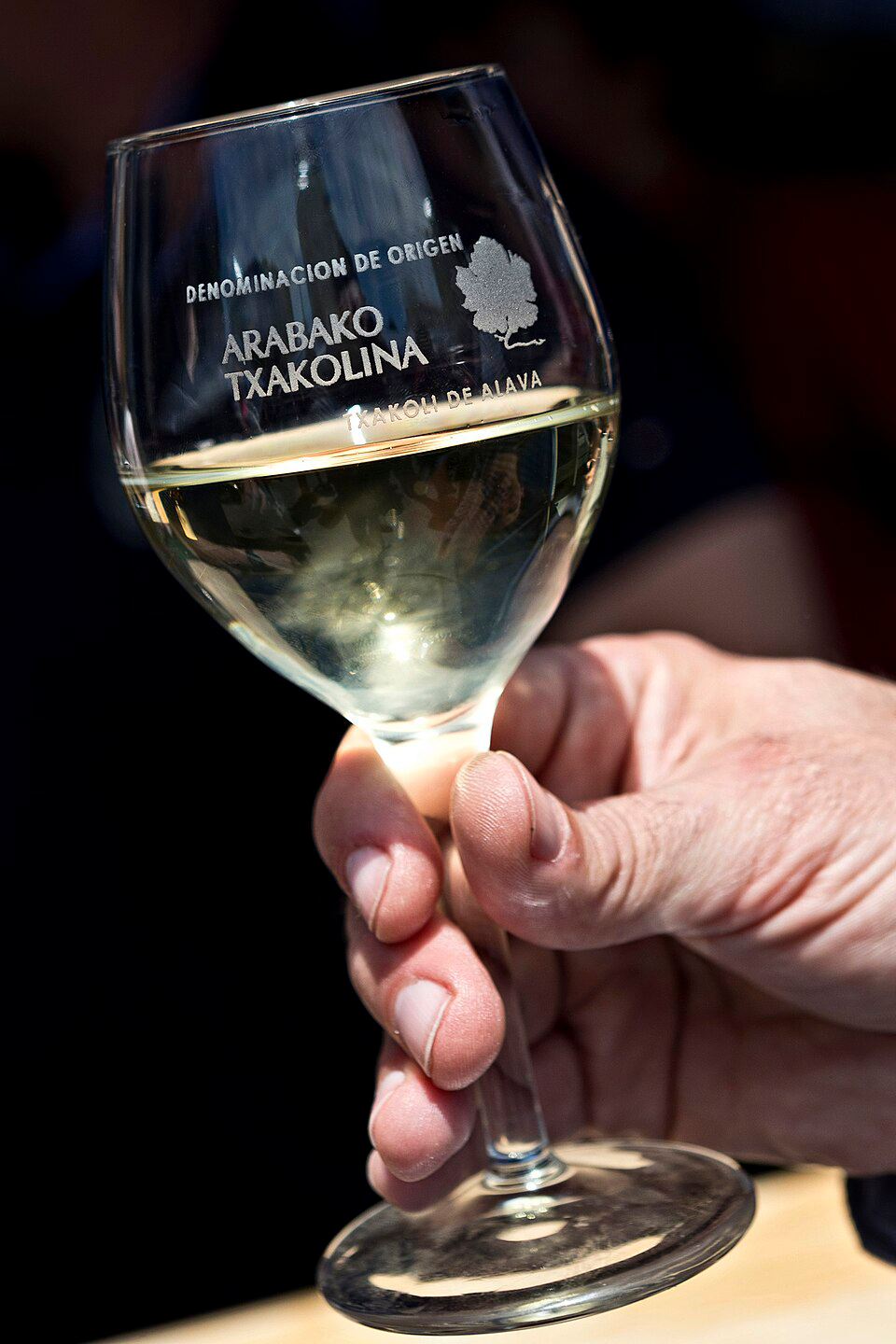
    Arabako Txakolina (DO Álava):

    The smallest and highest elevation region. Here, Txakoli can show more elegance and minerality. Perfect for those who appreciate wines with depth and structure.

    Image by Juan Carlos Latxaga, CC BY-SA 4.0, via Wikimedia Commons

    The Grapes of the Basque Gods

    Txakoli is typically made from indigenous Basque grape varieties:

    • Hondarrabi Zuri (white) – The star of the show. Produces crisp, high-acid whites with notes of lemon peel, green herbs, and sea salt.
    • Hondarrabi Beltza (red) – A rare red variety used in small quantities or for rosado (rosé). Think peppery, tart cherry reds with a coastal vibe.

    Some producers blend small amounts of Gros Manseng or Petit Courbu, but the best examples lean heavily on Hondarrabi Zuri for its unique character.

    Photo by Pavel Danilyuk on Pexels.com

    What to Expect in the Glass

    Txakoli is not your average white. It’s:

    • Pale straw to nearly green in color
    • Slightly effervescent (naturally fizzy—no bubbles added!)
    • Super dry and low in alcohol (usually 10.5–11.5%)
    • Zingy with acidity, citrus zest, and salinity

    Typical tasting notes:

    • Lemon peel, green apple, lime blossom
    • Fresh herbs, fennel, white flowers
    • Wet stone, sea spray, salty air

    Serve well chilled, in a white wine glass or tumbler. If you want to go full Basque, pour from high and don’t overfill the glass. You want that aeration to wake it up and soften the acidity.

    To the sea breeze in a bottle,
    the fizz that makes us giggle,
    and a wine that dances like it’s got tapas in its soul—
    Salud to Txakoli!” 🥂

    Gregory Dean, SOMM&SOMM
    MottaW, CC BY-SA 4.0, via Wikimedia Commons

    Txakoli Is a Match Made for Tapas

    This wine practically begs to be served with Basque bar snacks and fresh seafood. The slight fizz and bright acidity cut through oil, salt, and fat like a lemon-wielding ninja.

    Top Pairings:

    • Anchovies on toast with lemon and olive oil
    • Bacalao croquetas (salt cod fritters)
    • Grilled sardines with garlic and parsley
    • Marinated mussels or clams
    • Jamón Ibérico (yes, Txakoli can tango with cured ham!)
    • Cheese-stuffed piquillo peppers

    Simple Recipes to Sip Alongside

    Basque-Style Anchovy Toast (Gilda-Inspired)

    When we say a dish is “Gilda-inspired,” we’re paying homage to the original pintxo (small snack) from the Basque Country known as la Gilda (pronounced HEEL-dah).

    • 6 good-quality anchovy fillets (in olive oil)
    • 6 green olives (manzanilla or Castelvetrano)
    • 6 small pickled guindilla peppers
    • Crusty bread, sliced and toasted
    • Extra virgin olive oil
    1. Thread an olive, a guindilla, and an anchovy onto a toothpick.
    2. Place on toasted bread, drizzle with olive oil.
    3. Sip your Txakoli and feel like you’re in San Sebastián.

    Quick Grilled Octopus with Lemon & Paprika

    • 1 pre-cooked octopus tentacle (many stores carry this vacuum-packed)
    • 1 tbsp olive oil
    • 1/2 tsp smoked paprika
    • Juice of 1/2 lemon
    • Sea salt
    1. Heat a grill or cast iron pan. Brush the octopus with oil.
    2. Grill 2–3 minutes per side until charred.
    3. Sprinkle with paprika, squeeze lemon over, and add flaky salt.
    4. Serve hot with a glass of chilled Getariako Txakolina.

    Don’t Let Txakoli Stay a Secret

    In the world of white wines, Txakoli is the cool friend who brings the music to the party but doesn’t care if you notice. Light, lively, and a little wild, it embodies everything we love about non-mainstream varietals: history, identity, refreshment, and food-friendliness—all in one bottle.

    It’s time to put down that Pinot Grigio and pick up a bottle of Txakoli. Bonus points if you can pronounce Hondarrabi Zuri after your second glass. Salud 🥂

    Cover Image by Aiaraldea Gaur eta Hemen, CC BY-SA 2.0, via Wikimedia Commons

  • Varietal Spotlight: Assyrtiko

    Varietal Spotlight: Assyrtiko

    Greece’s White-Hot Secret That’s Been Hiding in Plain Sight.

    Ever get the feeling your palate is ready for a vacation? Somewhere bright, breezy, and kissed by sea spray? Let me introduce you to Assyrtiko (ah-SEER-tee-koh)—Greece’s fiercely fresh, gloriously gastronomic white grape that’s like a splash of Aegean sunlight in your glass. It’s been quietly thriving for centuries, but now it’s time to give this under-the-radar varietal the spotlight it deserves.

    Photo by Brett Jordan on Pexels.com

    If you think of Greek wine and your mind races to retsina or sweet dessert wines, get ready to reboot. Assyrtiko is the backbone of some of the most thrilling, mineral-driven white wines in the world—and it’s finally starting to get the global recognition it deserves.

    Born of Ash and Wind

    Assyrtiko is one of the few white grape varieties in the world that thrives in volcanic soil, and its true home—its soul, if you will—is the island of Santorini. A place where vines grow in ashen soil under the wrath of wind, sun, and salt, and yet yield wines of jaw-dropping acidity and structure.

    This grape has been cultivated in Santorini for more than 3,500 years, making it a direct descendant of ancient Greek viticulture. And here’s a mind-blower: thanks to the volcanic, phylloxera-resistant soil, many of the vines are centuries old and own-rooted, producing grapes with intense concentration and character.

    Kouloura Assyrtiko – AkatsukiKuro, CC0, via Wikimedia Commons

    In Santorini, vintners have developed a unique vine-training method called kouloura—basket-shaped wreaths of vines trained low to the ground, like leafy nests that cradle the grapes and protect them from fierce island winds. It’s not just functional; it’s poetic.

    The best wines don’t always come from the most obvious places.

    Gregory Dean, SOMM&SOMM

    Assyrtiko Beyond Santorini

    While Santorini remains the crown jewel of Assyrtiko production, the grape has spread to other parts of Greece—often with great success. Let’s explore a few standout regions:

    • Drama & Kavala (Northern Greece): Here, Assyrtiko displays more citrusy, orchard-fruit notes with balanced minerality and rounder texture.
    • Peloponnese: Often blended with other whites like Moschofilero or Roditis for fresh, floral-driven wines.
    • Attica & Epanomi: Produce fruitier and fuller-bodied Assyrtiko expressions that appeal to lovers of New World Chardonnay or Chenin Blanc.
    • Crete: Offers a juicy, softer version with stone fruit and herbal notes, perfect for everyday drinking.

    The grape has even migrated internationally—plantings exist in Australia (Clare Valley), South Africa, and even the U.S. (California’s Lodi AVA). But nowhere does it scream “home” quite like Santorini.

    Photo by Engin Akyurt on Pexels.com

    Flavor Profile & Styles

    What makes Assyrtiko so distinct is its ability to retain laser-sharp acidity even in searingly hot climates. This makes for whites that are electric yet complex—think of Chablis on a Mediterranean vacation.

    Typical Tasting Notes:

    • Lemon zest, lime, green apple, and underripe peach
    • Crushed seashells, wet stone, volcanic ash
    • Subtle herbal and saline notes (think thyme, sea breeze, and oyster shell)

    Styles of Assyrtiko:

    1. Unoaked, Dry: The purest expression—citrusy, mineral, and crisp. Perfect seafood companion.
    2. Oaked: Aged in acacia or French oak for added texture, body, and spice. Think grilled octopus and aged cheeses.
    3. Nykteri: Traditional Santorini style made from late-harvested grapes, often aged in oak. More alcohol, fuller body—perfect with roasted lamb or mushroom dishes.
    4. Sweet/Vinsanto-style: Made from sun-dried Assyrtiko grapes, aged for years. Honey, figs, dates—a dessert wine that rivals the best of Vin Santo or Sauternes.

    When the Wine Becomes a Greek Chorus

    If wine could speak, Assyrtiko would shout: “Give me salt! Give me lemon! Give me grilled things from the sea!”
    It’s an insanely food-friendly varietal—bright enough to cut through rich dishes, yet structured enough to handle bold flavors.

    Top Pairing Ideas:

    • Grilled octopus with olive oil, lemon & oregano
    • Whole roasted fish with capers and herbs
    • Dolmades (stuffed grape leaves) with avgolemono sauce
    • Lamb souvlaki with tzatziki and grilled pita
    • Feta & watermelon salad (Assyrtiko LOVES briny cheese and citrus fruits)

    Simple Greek Recipes to Pair with Assyrtiko

    Grilled Branzino with Lemon & Herbs

    • 2 whole branzino (cleaned and scaled)
    • 2 lemons (sliced into rounds)
    • 4 sprigs fresh oregano or thyme
    • 2 tbsp olive oil
    • Salt & pepper to taste
    1. Stuff fish cavity with lemon slices and herbs. Drizzle with olive oil and season generously.
    2. Grill over medium-high heat for 5–6 minutes per side until skin is crispy and flesh is opaque.
    3. Serve with lemon wedges and a chilled glass of unoaked Assyrtiko.

    Greek Zucchini Fritters (Kolokithokeftedes)

    • 2 medium zucchinis, grated
    • 1/2 cup crumbled feta
    • 2 tbsp chopped mint
    • 2 green onions, finely sliced
    • 1 egg
    • 1/4 cup flour
    • Salt & pepper
    • Olive oil for frying
    1. Salt grated zucchini and let sit for 10 mins. Squeeze out excess moisture.
    2. Mix with feta, mint, onion, egg, flour, and seasoning.
    3. Form small patties and pan-fry in olive oil until golden on both sides.
    4. Serve with tzatziki and a crisp glass of Santorini Assyrtiko.

    A Wine with a Past and a Future

    Assyrtiko is the wine equivalent of Greek myth—ancient, elemental, and just a little bit heroic. In a world full of over-hyped Sauvignon Blancs and cookie-cutter Chardonnays, this grape offers adventure in a glass. It’s proof that the best wines don’t always come from the most obvious places.

    So next time you want to impress your dinner guests, drop the word “Assyrtiko” into conversation, pour them a glass, and watch their eyebrows lift in pleasant surprise.

    Because once you’ve tasted this sun-soaked stunner, you’ll realize the secret’s too good to keep. Cheers 🍷

    Next in the Varietal Spotlight Series: “Txakoli: Spain’s Slightly Fizzy, Totally Zesty Coastal Secret”
    Stay tuned, and keep sipping off the beaten path.