
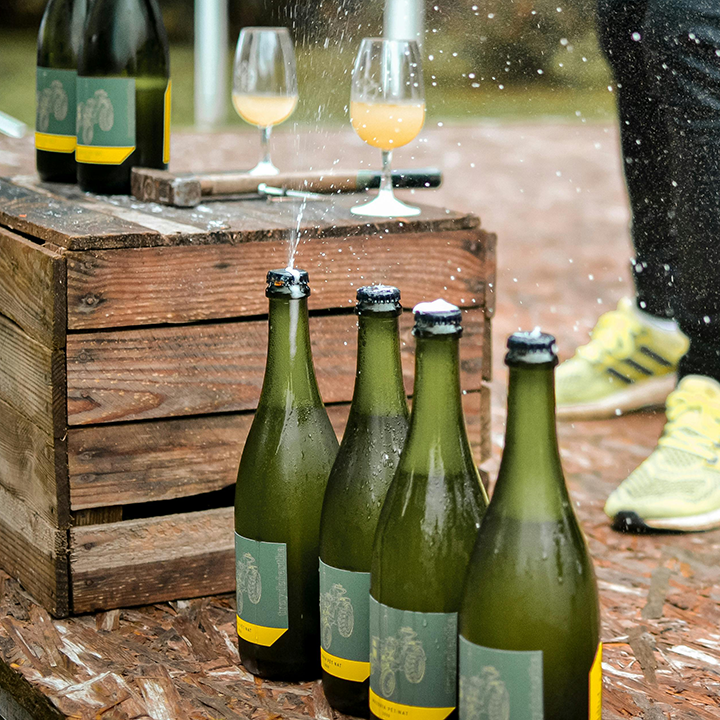
I am speaking, of course, about Pet Nat—the bubbly darling of the natural wine movement. If you’ve been to a trendy wine bar or scrolled through the feeds of wine influencers, you’ve likely encountered these playful, unfiltered bottles of fizz. But what exactly is Pet Nat, and why has it captured the imagination of wine enthusiasts? Let’s dive in to uncover its origins, purpose, myths, tasting notes, and most importantly, how to savor it with the perfect dish.
What Is Pet Nat?
Short for Pétillant Naturel (French for “naturally sparkling”), Pet Nat is the oldest known method of making sparkling wine, predating the Champagne method by centuries. It’s crafted using the méthode ancestrale, where the wine is bottled before fermentation is complete. This creates a gentle fizz as carbon dioxide is trapped during fermentation. Unlike Champagne, Pet Nat is often unfiltered, capped with a crown cap (like a beer bottle), and may carry a sediment that reflects its raw, unpolished nature.

A Brief Origin Story
Pet Nat’s roots trace back to rural France, where farmers embraced this simpler, low-tech approach to sparkling wine. The Loire Valley is often credited as its modern spiritual home, though it’s now produced worldwide. For centuries, this “happy accident” fizz was a rustic treat enjoyed by winemakers themselves. Today, Pet Nat has evolved into a global trend, celebrated for its authenticity and artisanal charm.
Purpose and Personality
At its heart, Pet Nat is about capturing the essence of nature and spontaneity. Winemakers embrace minimal intervention, letting terroir and vintage variation shine. This results in wines that are alive, vibrant, and sometimes a bit unpredictable—an allure for adventurous drinkers.
Myths and Lore
- Myth: Pet Nat is just poorly made sparkling wine.
Truth: While it’s less polished than Champagne, good Pet Nat is thoughtfully crafted and represents the winemaker’s intent to embrace imperfections. - Myth: It’s always funky and cloudy.
Truth: Not all Pet Nats are wild or cloudy. Styles range from clean and crisp to earthy and funky. - Lore: Opening a bottle is like opening a treasure chest—no two are exactly the same. There’s a delightful unpredictability to every pour.
Tasting Notes and Styles
Pet Nat can be made from any grape, so the flavor spectrum is vast. Common characteristics include:
- Color: Clear to hazy, white to deep rosé, and even orange.
- Bubbles: Gentle fizz rather than aggressive effervescence.
- Aroma and Flavor: Expect bright fruit notes—green apple, pear, stone fruit, or berries—with herbal undertones, minerality, or a slight yeasty funk. Each bottle tells its own story.
Here’s to the unexpected—
To the wine that keeps us guessing,
To the gentle fizz that feels like laughter in a glass,
To the imperfections that make life beautifully real.May each sip of this lively, untamed wine remind us to embrace the unpredictable, savor the spontaneous, and celebrate the journey over the destination.
To Pet Nat and the adventures it inspires—
Gregory Dean, SOMM&SOMM
Cheers!
Food Pairings
Pet Nat’s versatility and vibrancy make it a sommelier’s dream for food pairing. Here are some standout matches:
- Light & Citrusy Pet Nats: Pair with oysters, sushi, or ceviche.
- Rosé Pet Nats: Perfect with charcuterie, roasted veggies, or creamy cheeses.
- Funky & Earthy Styles: Excellent with fried chicken, barbecue, or mushroom risotto.
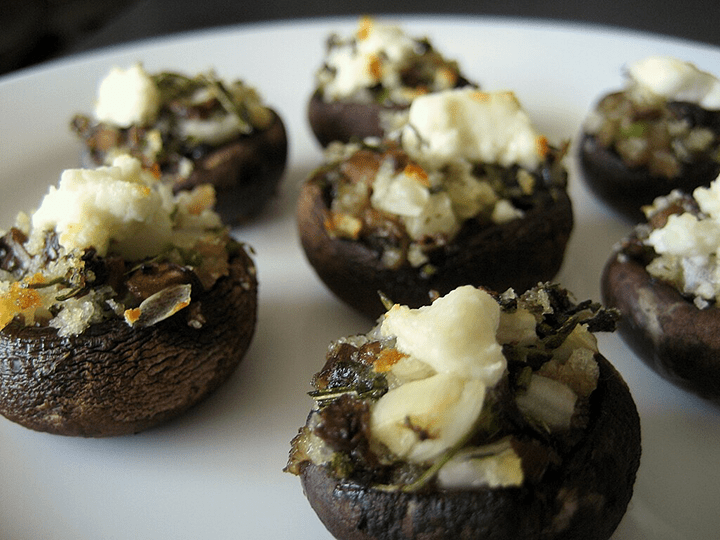
Recommended pairing: Goat Cheese and Herb-Stuffed Mushrooms. The creamy, tangy goat cheese enhances the bright acidity of a citrusy Pet Nat, while the earthy mushrooms echo the wine’s natural, unfiltered character.
Pet Nat isn’t just a fad—it’s a revival of a historic style with a modern twist. Whether it’s here to stay or fades into obscurity remains to be seen, but for now, its charm, authenticity, and sheer fun make it worth exploring. Grab a bottle, pair it with a dish, and let the fizz work its magic! Cheers 🥂
 SOMM&SOMM
We welcome feedback…