Category: Pairings

  • Vodka: Crystal Clear, Deeply Complex

    Vodka: Crystal Clear, Deeply Complex

    From Frozen Traditions and Rustic Rye Fields to Iconic Cocktails, Cultural Rituals, and the Spirit That Quietly Conquered the World.

    Vodka has an image problem.

    For some drinkers, vodka is little more than “neutral alcohol” — a spirit chosen specifically because it doesn’t taste like much. It is the default mixer at crowded parties, the backbone of countless cocktails, and the spirit people order when they “don’t really like liquor.”

    Yet that reputation ignores thousands of years of history, culture, craftsmanship, and tradition.

    Because vodka, at its best, is not bland at all.

    It is one of the oldest and most culturally important spirits in the world. It has fueled royal courts, inspired political revolutions, anchored family traditions, comforted fishermen through brutal winters, and helped define the social fabric of entire nations. In many cultures, vodka is not simply alcohol. It is hospitality. Ceremony. Celebration. Storytelling.

    And like wine, whiskey, or tequila, vodka can absolutely express place, ingredient, texture, and craftsmanship — if you know what to look for.

    The irony is that vodka became so globally successful that many people stopped paying attention to it.

    That is a shame.

    Because beneath the icy clarity lies one of the most fascinating spirits on Earth.

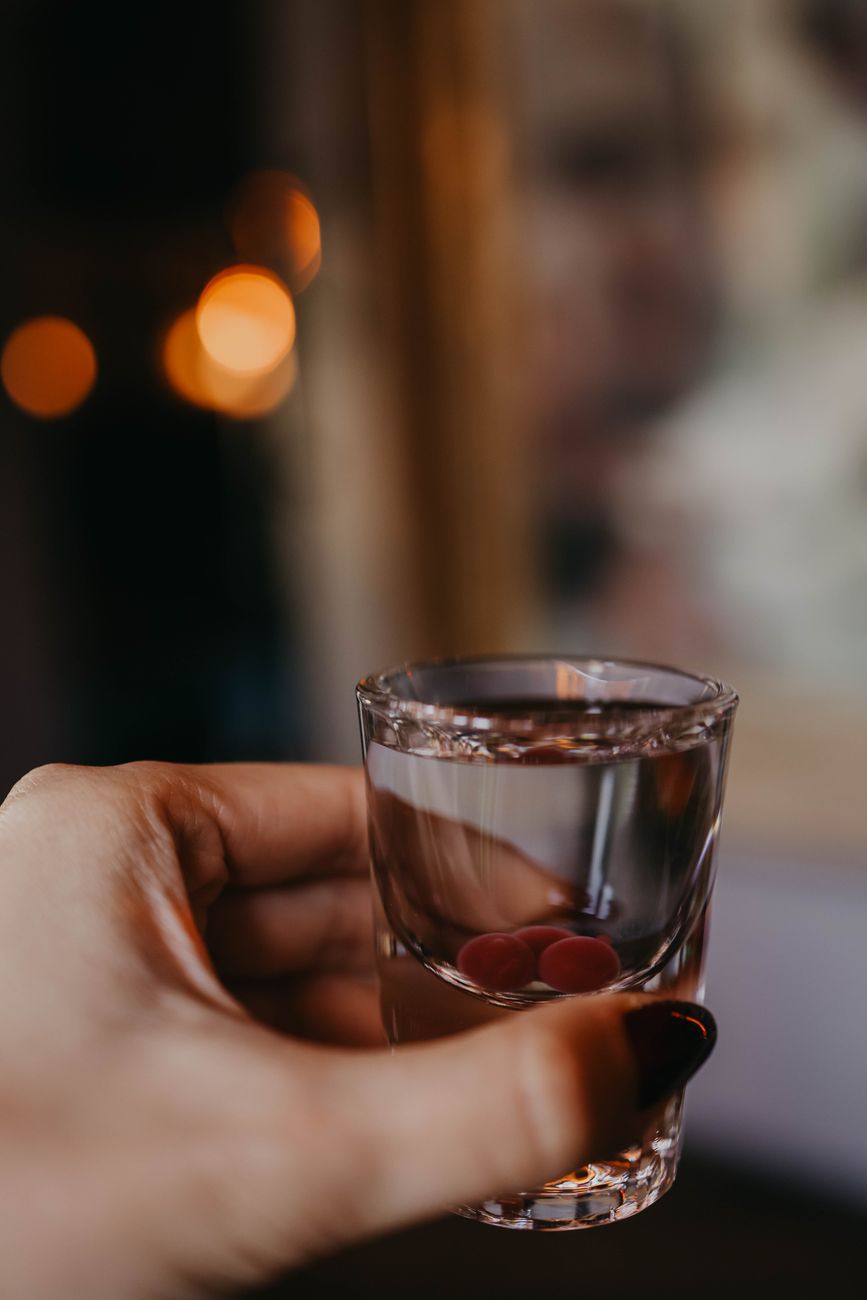
    vodka glasses in hands
    Photo by wan fat on Pexels.com

    A Spirit Born Everywhere

    Vodka’s origins are famously disputed, particularly between Poland and Russia, both of which passionately claim to be vodka’s birthplace. Historical references to distilled grain spirits appear throughout Eastern Europe as early as the Middle Ages, though those early versions would be almost unrecognizable compared to many modern vodkas.

    They were not ultra-filtered, endlessly distilled luxury spirits in glowing bottles.

    They were rustic.

    Peppery. Earthy. Grain-driven. Sometimes oily. Often fiery.

    The word “vodka” itself derives from the Slavic word voda, meaning “water,” or more affectionately, “little water.” It sounds harmless enough until one realizes entire governments once depended heavily on vodka taxation to survive.

    And honestly, humans discovering distillation was almost inevitable. Nearly every culture with access to starch or sugar eventually created some form of clear distilled spirit. Rye, wheat, potatoes, corn, grapes, rice, honey, sugar beets — if it could ferment, somebody somewhere eventually decided to distill it.

    That flexibility remains one of vodka’s defining traits.

    Unlike tequila, which must come from blue agave, or bourbon, which must contain mostly corn, vodka can emerge from almost anything. This adaptability helped vodka spread globally, but it also created one of the spirit’s greatest myths:

    “All vodka tastes the same.”

    Spend five minutes with a serious vodka producer and you will quickly discover how wrong that statement really is.

    alcohol in a glass
    Photo by Valeria Klys on Pexels.com

    The Different Styles of Vodka

    Vodka may not shout like peaty Scotch or funky rum, but it absolutely has personality. The differences are often more about texture, weight, spice, minerality, and finish than explosive flavor.

    Traditional rye vodka, particularly from Poland, tends to be dry, peppery, and subtly bready. It often carries a spicy warmth that pairs beautifully with smoked fish, cured meats, and mustard-heavy dishes. Many vodka purists consider rye the classic expression of the spirit.

    Potato vodka is entirely different. Richer and creamier, it often has a luxurious texture that surprises whiskey drinkers encountering it for the first time. There is weight to it — a subtle earthy density that makes it wonderfully satisfying in colder weather.

    Wheat vodka became enormously popular because of its softer profile. Smooth, slightly sweet, and approachable, wheat vodkas helped shape the modern cocktail boom, especially in the United States and France.

    Corn vodka, particularly common in North America, often leans clean and gentle, while grape-based vodkas can carry delicate floral and silky characteristics that feel almost elegant enough to confuse blind tasters.

    Vodka speaks quietly compared to whiskey.

    But it still speaks.

    The Great Vodka Marketing Machine

    Modern vodka branding spent decades convincing consumers that the “best” vodka was the one with the least flavor.

    Five times distilled.
    Ten times filtered.
    Diamond filtered.
    Glacier water.
    Oxygen infused.

    At some point, vodka labels began sounding less like spirits and more like luxury appliance advertisements.

    Of course, filtration and precision matter. Poorly made vodka can be harsh, bitter, and unpleasant. But many traditional distillers believe modern vodka became too neutral. Excessive filtration strips away not only impurities, but also texture and character.

    Historically, vodka was never meant to taste like absolutely nothing.

    A good rye vodka should still whisper rye.
    A potato vodka should still feel substantial.
    Otherwise, what exactly is left besides alcohol?

    This divide between “neutral purity” and “expressive craftsmanship” remains one of the most fascinating conversations in modern spirits.

    person pouring water on clear drinking glass
    Photo by cottonbro studio on Pexels.com

    When Vodka Isn’t Really Vodka

    Vodka’s cousins around the world reveal just how broad the category can become.

    In Japan, shochu is often distilled from rice, barley, or sweet potatoes, but unlike vodka, it is typically distilled to lower proof specifically to preserve flavor and aroma.

    In South Korea, soju occupies a fascinating middle ground — softer, slightly sweeter, and lower in alcohol, making it dangerously easy to drink.

    Scandinavian aquavit begins with a vodka-like base before embracing herbs and spices like dill and caraway, while Balkan rakia proudly leans into fruit character and rustic tradition.

    All of these spirits share vodka’s basic DNA.

    But they also reveal something important:

    Neutrality was never historically the goal.

    Character was.

    traditional russian cuisine on restaurant table
    Photo by Van Mailian on Pexels.com

    The Proper Way to Drink Vodka

    Forget neon shots and whipped cream-flavored gimmicks for a moment.

    Traditional vodka service is one of the great culinary experiences in the spirits world.

    In Eastern Europe, vodka is rarely consumed alone. It arrives ice cold — often straight from the freezer — alongside smoked fish, pickled vegetables, dark rye bread, sausages, mushrooms, caviar, or salty cheeses. The food, known broadly in some regions as zakuski, is essential to the experience.

    A sip of icy rye vodka followed by smoked salmon and mustard is revelatory. The vodka cuts through richness while amplifying texture and spice. Pickles brighten the palate. Dark bread grounds everything with earthy depth.

    The rhythm becomes almost ceremonial:

    Toast. Sip. Eat. Laugh. Repeat 😉

    That communal element is central to vodka culture. In many traditions, refusing a toast can even be considered rude. Vodka is meant to gather people together around the table.

    And yes — vodka absolutely belongs in the freezer.

    The cold thickens the texture, softens alcohol harshness, and creates a velvety mouthfeel that makes quality vodka feel almost luxurious. Good vodka from the freezer becomes silky and elegant.

    Cheap vodka simply becomes cold.

    classic martini with olives in elegant bar setting
    Photo by Eddie O. on Pexels.com

    Vodka’s Greatest Cocktails

    Vodka conquered the cocktail world because it is endlessly adaptable. It can support, soften, brighten, or disappear entirely depending on the drink.

    And sometimes that versatility creates magic.

    The Vodka Martini

    The Vodka Martini helped define postwar cocktail culture. Cleaner and softer than gin, it appealed to drinkers seeking sophistication without aggressive botanicals.

    Classic Vodka Martini Recipe

    • 2½ oz vodka
    • ½ oz dry vermouth
    • Lemon twist or olives

    Stir with ice until brutally cold, then strain into a chilled martini glass.

    Simple drinks leave nowhere to hide. Use quality vodka.

    The Moscow Mule

    Ironically, one of vodka’s most famous cocktails became popular largely because of brilliant marketing involving copper mugs in the 1940s.

    Thankfully, the drink is genuinely excellent.

    Moscow Mule Recipe

    • 2 oz vodka
    • ½ oz fresh lime juice
    • Ginger beer

    Build over ice in a copper mug or Collins glass.

    Bright, spicy, refreshing, and endlessly drinkable.

    a dark cocktail in a glass
    Photo by Mark von Arb on Pexels.com

    The Espresso Martini

    Created by legendary bartender Dick Bradsell in the 1980s, the Espresso Martini remains one of the defining modern cocktails.

    Espresso Martini Recipe

    • 2 oz vodka
    • 1 oz fresh espresso
    • ¾ oz coffee liqueur
    • ¼ oz simple syrup

    Shake aggressively with ice and strain into a coupe glass.

    The foam on top should look almost like crema on a fine espresso.

    The Forgotten Vodka Classic: The Gypsy Queen

    Before vodka became associated primarily with ultra-clean martinis and sugary nightclub drinks, bartenders often used it in cocktails that allowed subtle herbal and spice notes to shine.

    One of the best forgotten examples is the Gypsy Queen.

    Elegant, aromatic, and surprisingly sophisticated, the cocktail combines vodka with the French herbal liqueur Bénédictine. The result is silky, lightly spiced, and layered with honeyed herbal complexity.

    It feels almost like the bridge between a Martini and an old-world digestif.

    Gypsy Queen Recipe

    • 2 oz vodka
    • 1 oz Bénédictine
    • Dash of bitters

    Stir with ice until thoroughly chilled and strain into a coupe glass.

    Simple on paper, but deeply nuanced in the glass.

    This is the kind of cocktail that reminds people vodka does not always need to disappear into a drink. Sometimes its restraint is precisely what allows other ingredients to shine gracefully without overwhelming the palate.

    The Pairing Nobody Talks About

    Vodka may actually be one of the world’s great food spirits.

    Because it lacks heavy oak, sugar, or aggressive botanicals, vodka interacts beautifully with salty, smoky, acidic, and briny foods. It cleanses the palate without overpowering dishes.

    Some classic pairings include:

    • Smoked salmon with dill
    • Caviar and crème fraîche
    • Pickled mushrooms
    • Potato pancakes
    • Kielbasa and mustard
    • Oysters
    • Herring
    • Sharp cheeses
    • Dark rye bread

    A freezer-cold rye vodka beside smoked fish may convert even dedicated whiskey drinkers.

    Vodka Vault at the Red Square in MGM Grand Las Vegas – May 10, 2015

    Vodka Deserves Better

    Vodka’s greatest strength may also be its greatest curse.

    It is so familiar that many drinkers stopped paying attention to it.

    But vodka is not merely “neutral spirit.” It is agriculture, chemistry, tradition, ritual, and hospitality distilled into crystal clarity. It reflects the cultures that produce it — from the rye fields of Poland to the frozen traditions of Russia, from Scandinavian precision to modern American experimentation.

    At its best, vodka is subtle rather than loud.

    And subtlety is often misunderstood.

    The next time someone insists vodka has no flavor, pour them a proper rye vodka straight from the freezer beside smoked fish, dark bread, sharp mustard, and pickles.

    Then watch their expression after the first sip.

    Preferably after the second toast.

    Cover Photo by Valeria Boltneva on Pexels.com

  • The Most Floral Wines for Springtime Sipping

    The Most Floral Wines for Springtime Sipping

    The Aromatic Wines That Capture the Spirit of Spring.

    There is a moment in May—usually just after a warm rain—when the world seems impossibly aromatic.

    Jasmine drifts through the evening air. Honeysuckle climbs fences with abandon. Orange blossoms perfume entire streets. Roses unfurl like velvet invitations to linger outdoors just a little longer.

    Wine, at its best, captures this exact sensation.

    a woman drinking water
    Photo by Mikhail Nilov on Pexels.com

    For sommeliers and seasoned tasters alike, the olfactory experience is the gateway to understanding wine. Before acidity dances across the palate or tannins tighten their grip, aroma tells the story first. It announces the grape, the climate, the ripeness, the winemaker’s hand, and often the season itself.

    And no season belongs to floral wines quite like mid/late spring.

    Some wines whisper flowers delicately. Others erupt from the glass like a botanical garden after sunrise. These are not artificial aromas. No one is tossing bouquets into fermentation tanks. The floral qualities in wine come naturally from aromatic compounds—particularly terpenes and esters—found within specific grape varieties.

    For those willing to slow down and truly smell their wine, May becomes more than a month.

    It becomes a tasting note.

    The Nose Knows

    The greatest tragedy in wine is drinking too quickly.

    Too many people sip before they smell. They rush past the most revealing and emotional part of the experience. The olfactory is not simply a prelude to tasting—it is the roadmap. Long before the palate begins identifying acidity, sweetness, tannin, or texture, the nose is already telling the story.

    Floral wines are especially captivating because they awaken memory. The scent of jasmine may remind someone of a grandmother’s garden. Orange blossom may transport another person to spring evenings in Florida (I hear this one a lot). Honeysuckle can evoke childhood adventures along old fences and winding country roads.

    Wine is chemistry, certainly.

    But wine is also emotion.

    And floral wines are among the most emotional wines in the world.

    woman holding a glass of white wine
    Photo by Atlantic Ambience on Pexels.com

    The Queen of Floral Wines

    If floral wines had royalty, Gewürztraminer would sit confidently on the throne wearing rose petals and expensive perfume.

    The grape’s name itself hints at spice and aromatics, and few wines announce themselves with greater intensity. A quality Gewürztraminer smells astonishingly like fresh roses, lychee, orange blossom, and exotic perfume.

    For many drinkers, the first encounter with Gewürztraminer is almost shocking.

    “How can wine smell exactly like roses?”

    Because this grape naturally contains exceptionally high aromatic compounds, particularly terpenes, which are also found in flowers and citrus peels.

    Floral Match

    Flower: Rose Petal
    Wine Equivalent: Gewürztraminer

    The resemblance is uncanny. Not dried roses. Not potpourri.

    Fresh-cut roses after rain.

    SOMM&SOMM Pairing Recommendations

    • Thai curry
    • Moroccan cuisine
    • Ginger-forward dishes
    • Munster cheese
    • Pork with apricot glaze

    The floral aromatics soften spice beautifully, making Gewürztraminer one of the greatest “secret weapon” pairing wines for bold ethnic dishes.

    A Little Backstory

    Gewürztraminer nearly disappeared from many vineyards because it can be temperamental in the vineyard and wildly aromatic in ways that intimidated traditionalists.

    Today, wine lovers embrace it for precisely that reason.

    It refuses to be subtle.

    It enters the room first.

    close up of a vibrant honeysuckle blossom
    Photo by Nadiye Odabaşı on Pexels.com

    Honeysuckle at Sunset

    Viognier is the golden-hour wine of spring.

    Originally from France’s Northern Rhône, particularly Condrieu, Viognier nearly vanished during the mid-20th century before passionate growers revived it from near extinction.

    Today, it is beloved worldwide for its intoxicating aromatics.

    Floral Match

    Flower: Honeysuckle
    Wine Equivalent: Viognier

    Close your eyes while smelling a quality Viognier and the resemblance is immediate:

    • Honeysuckle
    • Orange blossom
    • Apricot blossom
    • White flowers warmed by sunshine

    Unlike the sharper perfume of Gewürztraminer, Viognier feels softer and silkier. The aromatics drift gracefully rather than explode from the glass.

    SOMM&SOMM Pairing Recommendations

    • Roast chicken
    • Lobster with butter
    • Creamy seafood dishes
    • Mild curries
    • Triple cream cheeses

    Its lush texture makes it one of the few highly aromatic wines that also feels velvety and luxurious.

    Sommelier’s Note

    The best Viogniers often smell sweeter than they taste.

    Many are completely dry despite giving the impression of ripe fruit nectar and flower petals.

    That disconnect fascinates seasoned tasters.

    white jasmine flowers against clear blue sky
    Photo by Kimmo Vainio on Pexels.com

    Jasmine in Full Bloom

    Argentina may be famous for Malbec, but Torrontés is arguably its most aromatic treasure.

    This wine smells like jasmine exploding through an open window on a humid spring evening.

    Floral Match

    Flower: Jasmine
    Wine Equivalent: Torrontés

    Torrontés carries stunning aromas of:

    • Jasmine
    • White peach
    • Rose petals
    • Citrus blossom

    Yet surprisingly, it often finishes crisp and dry.

    That contrast makes Torrontés dangerously drinkable in warm weather.

    SOMM&SOMM Pairing Recommendations

    • Ceviche
    • Fish tacos
    • Sushi
    • Fresh herbs
    • Citrus-marinated seafood

    Serve it ice cold on the patio in late May and suddenly life feels remarkably complete.

    close up of citrus blossom with fresh foliage
    Photo by Sakina Fayyaz on Pexels.com

    Orange Blossom and Spring Nectar

    There is a reason orange blossom perfumes, honeysuckle vines, and Muscat wines all feel connected.

    They share aromatic similarities that border on uncanny.

    Muscat grapes produce some of the oldest aromatic wines in history and can smell intensely of:

    • Orange blossom
    • Mandarin peel
    • Jasmine
    • Elderflower
    • Rosewater

    Floral Match

    Flower: Orange Blossom
    Wine Equivalent: Muscat / Moscato

    Styles range dramatically:

    • Moscato d’Asti: lightly sparkling and sweet
    • Dry Muscat: aromatic and crisp
    • Dessert Muscat: rich and honeyed

    SOMM&SOMM Pairing Recommendations

    • Fruit tarts
    • Brunch dishes
    • Blue cheese
    • Fresh berries
    • Almond pastries

    And yes… it pairs beautifully with sitting barefoot outside while listening to spring thunderstorms.

    close up of linden flowers in latvia
    Photo by Evija Ciematniece on Pexels.com

    Linden Blossom and Electric Acidity

    Riesling is often discussed in terms of acidity, minerality, and ageability.

    But its floral side deserves far more attention.

    Floral Match

    Flower: Linden Blossom
    Wine Equivalent: Riesling

    Young Riesling often carries delicate notes of:

    • Honeysuckle
    • Linden flower
    • Jasmine
    • White flowers
    • Citrus blossoms

    Unlike richer floral wines, Riesling feels crystalline and electric.

    SOMM&SOMM Pairing Recommendations

    • Vietnamese cuisine
    • Pork schnitzel
    • Sushi
    • Smoked fish
    • Spicy noodles

    Its acidity cuts through richness while the aromatics elevate herbs and spices beautifully.

    Floral Reds? Absolutely.

    Many wine drinkers mistakenly assume floral aromatics belong only to white wines.

    That is wildly incorrect.

    Some of the world’s greatest red wines smell profoundly floral.

    dried roses kept in a basket
    Photo by Jasmine Pang on Pexels.com

    Dried Rose and Old-World Elegance

    Nebbiolo—the noble grape behind Barolo and Barbaresco—often smells remarkably like dried roses.

    Floral Match

    Flower: Dried Rose
    Wine Equivalent: Nebbiolo

    These are not fresh florist roses.

    They are antique roses pressed between the pages of old books.

    Nebbiolo combines:

    • Rose petals
    • Tar
    • Cherry
    • Earth
    • Herbs

    It is hauntingly beautiful.

    SOMM&SOMM Pairing Recommendations

    • Truffle pasta
    • Braised short ribs
    • Mushroom risotto
    • Aged cheeses

    This is the floral wine for people who think they do not enjoy floral wines.

    vibrant pink peonies in bloom captured outdoors
    Photo by Sóc Năng Động on Pexels.com

    Violet and Peony

    Elegant Pinot Noir often carries soft floral tones reminiscent of violets and peonies.

    Especially from cooler-climate regions like Burgundy, Oregon, and the Sonoma Coast, the floral character is subtle and ethereal.

    Floral Match

    Flower: Violet
    Wine Equivalent: Pinot Noir

    SOMM&SOMM Pairing Recommendations

    • Duck breast
    • Salmon
    • Herb-roasted chicken
    • Mushroom dishes

    Pinot Noir may be the ultimate springtime red wine!

    Gregory Dean, SOMM&SOMM

    Floral Intensity Guide

    Floral NoteClosest Wine MatchIntensity
    AcaciaSauvignon BlancLight
    Linden BlossomRieslingLight-Medium
    VioletPinot NoirMedium
    HoneysuckleViognierMedium-High
    Orange BlossomMuscatHigh
    JasmineTorrontésHigh
    Rose PetalGewürztraminerExtremely High
    Dried RoseNebbioloDeep & Complex
    person holding clear wine glass with red wine
    Photo by Anna Shvets on Pexels.com

    How to Properly Smell Floral Wines

    Floral wines demand patience.

    A few simple sommelier techniques dramatically improve the experience:

    • Use larger-bowled wine glasses
    • Avoid serving wines too cold
    • Swirl gently at first
    • Smell before tasting
    • Return to the glass repeatedly

    Floral aromatics evolve rapidly with oxygen and temperature.

    A Viognier that seems restrained at first may erupt into honeysuckle and apricot twenty minutes later.

    A Riesling may shift from lime blossom to jasmine as it warms.

    The experience is alive.

    The Emotional Side of Floral Wines

    Wine education can sometimes become overly technical.

    Yes, floral aromas originate from chemistry. Terpenes matter. Esters matter. Fermentation temperatures matter.

    But ultimately, floral wines matter because they remind us of living things.

    Gardens.

    Spring evenings.

    Fresh air.

    Blooming vines.

    Open windows.

    Warm rain.

    That emotional bridge transforms wine from beverage into experience.

    And perhaps that is why floral wines feel especially perfect at the end of May.

    Spring is reaching its crescendo.

    The blooms are at their peak.

    Summer waits just around the corner.

    The right wine captures that fleeting moment beautifully.

    Not merely in flavor.

    But in fragrance.

    And fragrance, after all, is memory’s closest companion.

    photograph of a person pouring an alcoholic drink into a glass
    Photo by Elina Fairytale on Pexels.com

    Final Pour

    This Spring, slow down.

    Pour thoughtfully.

    Swirl patiently.

    And before you ever take that first sip… inhale deeply.

    Because somewhere between the jasmine, the roses, the honeysuckle, and the orange blossoms, wine reminds us that spring was never meant to be rushed.

    It was meant to be savored 🍷

    Cover Photo by Rachel Carter on Pexels.com

  • Rainy-Day Wines

    Rainy-Day Wines

    Bottles for Thunder, Porch Swings, and the Sound of Falling Rain.

    There are wines for celebrations.
    There are wines for holidays.
    There are wines for impressing people who pronounce Pouilly-Fuissé with suspicious confidence 😉

    And then… there are rainy-day wines.

    These are different creatures entirely.

    Rainy-day wines are not always expensive. They are not always rare. They are not always “important” wines according to critics armed with scorecards and vocabulary words stolen from forestry textbooks. No, rainy-day wines are emotional wines. Comfort wines. Story wines. They are bottles that somehow taste better while rain taps against the windows and the world outside slows to a softer rhythm.

    water droplets on a glass surface
    Photo by Zeeshaan Shabbir on Pexels.com

    Rain changes the atmosphere. It changes aromas. It changes cravings. Suddenly the idea of oysters and razor-sharp Muscadet feels less appealing than a simmering stew and a Syrah that tastes like smoke and black pepper. The weather turns inward, and our palates tend to follow.

    Rainy days invite contemplation, nostalgia, soup recipes that take six hours, jazz records, old movies, oversized sweaters, and perhaps one more glass than originally intended.

    Scientifically speaking, weather can influence our perception of taste and aroma. Cool temperatures and damp air often make us crave richer textures, warming spices, earthy flavors, and wines with emotional gravity. Spiritually speaking? Rain simply makes us want something delicious while we stare dramatically out a window pretending we are in a movie.

    Both explanations are valid.

    green leaf with water droplets
    Photo by Magda Ehlers on Pexels.com

    The Great Categories of Rainy-Day Wines

    Not all rainy days are created equal. A Florida thunderstorm has very different wine requirements than a cold Appalachian drizzle or a foggy Pacific Northwest afternoon. Choosing correctly matters.

    This is not the time for rigid rules. This is the time for instinct.

    The Fireplace Reds

    These are the wines that feel like wool blankets and old leather chairs.

    Syrah/Shiraz

    Perhaps the king of rainy-day reds.

    Northern Rhône Syrah from Rhône Valley often carries aromas of black pepper, smoked meat, violets, olives, and wet stone — essentially the exact aromatic profile of a storm rolling over the mountains.

    Australian Shiraz, meanwhile, tends to become broader, richer, darker, and more decadent. Less philosopher in a turtleneck. More outlaw with a cigar.

    Pair it with:

    • Beef stew
    • Braised short ribs
    • Smoked brisket
    • Mushroom bourguignon
    • Sharp cheddar by the fireplace

    Rainy-Day Recipe: Storm Cellar Beef Stew

    Brown beef chuck in bacon fat. Add onions, carrots, celery, garlic, tomato paste, rosemary, thyme, stock, and a heroic pour of Syrah 😉 Simmer for hours until the house smells like every good decision you have ever made.

    Serve with crusty bread and absolutely no regrets.

    glass of wine
    Photo by Andrew Patrick Photo on Pexels.com

    Pinot Noir for Quiet Rain

    Some rainy days are not storms. Some are whispers.

    Those softer gray afternoons call for Pinot Noir.

    Few grapes capture mood quite like Pinot Noir. From Burgundy to Willamette Valley, Pinot often delivers earth, forest floor, cherry, tea leaves, mushroom, and damp autumn leaves. In other words: the wine equivalent of listening to vinyl records while pretending you understand poetry.

    Pair it with:

    • Roast chicken
    • Mushroom risotto
    • Duck confit
    • Truffle fries
    • Rain against a tin roof

    Lore Corner

    Monks in Burgundy spent centuries obsessing over Pinot Noir, believing tiny changes in soil produced profound differences in wine. Considering how moody Pinot can be, it remains one of history’s longest-running and most delicious emotional relationships.

    raindrops on glass window
    Photo by Esra Afşar on Pexels.com

    The White Wines for Watching Rain on the Porch

    Rain does not always mean heavy reds.

    Warm-weather rainstorms practically beg for aromatic whites.

    Riesling

    The ultimate rainy-day wildcard.

    German Riesling from the Mosel can be electric with acidity yet comforting with notes of peach, lime blossom, slate, petrol, and honey. Riesling dances beautifully between refreshment and comfort.

    Pair it with:

    • Thai curry
    • Fried chicken
    • Pork schnitzel
    • Spicy ramen
    • Leftover takeout consumed directly from the container while watching lightning

    Rainy-Day Trick

    Slightly sweeter Rieslings become magical during storms because sweetness softens spicy foods while high acidity keeps everything lively and bright.

    This is why Riesling is secretly one of the greatest comfort wines on Earth.

    Wines for Thunderstorms and Dangerous Ideas

    Now we move into the serious weather.

    The thunder shakes the windows. The dog is hiding. You suddenly feel compelled to make chili from scratch and text your college friends philosophical observations at midnight.

    This is Zinfandel territory.

    Zinfandel

    Big, jammy, spicy, chaotic, glorious Zinfandel.

    Especially from Sonoma County or Paso Robles.

    Zinfandel tastes like blackberry preserves, cracked pepper, smoke, cinnamon, and questionable decisions made around campfires.

    Pair it with:

    • Chili
    • Barbecue ribs
    • Burgers
    • Sausage pizza
    • Blues music played slightly too loud

    Fortified Wines for Long Storms

    If the rain settles in for an all-day event, fortified wines begin calling your name like old sea captains from the fog.

    Port

    Ruby Port with dark chocolate during a thunderstorm may actually improve your outlook on humanity.

    Sherry

    Especially Amontillado or Oloroso.

    Nutty, savory, oxidative Sherries somehow feel ancient and comforting during wet weather. There is a reason sailors, writers, and questionable literary characters drank them obsessively.

    Edgar Allan Poe even built an entire murder story around Amontillado. That is commitment to atmosphere.

    Pair it with:

    • Salted nuts
    • Blue cheese
    • Dark chocolate
    • Spanish tapas
    • Reading books you swear you will finish this time

    Rainy-Day Cocktail Intermission

    Sometimes the weather asks for wine.
    Sometimes it asks for fortified wine disguised as a cocktail.

    The Stormwatcher

    A rainy-day cocktail for people who own at least one jazz playlist.

    • 2 oz bourbon
    • 1 oz tawny Port
    • 2 dashes Angostura bitters
    • Orange peel
    • Tiny pinch of cinnamon

    Stir over ice. Serve in a rocks glass while staring thoughtfully into middle distance.

    Pair it with:

    • Bread pudding
    • Pecans
    • Cigars
    • Existential conversations

    Sparkling Wine in the Rain? Absolutely.

    Here is where many people get it wrong.

    People assume sparkling wine belongs only to celebrations and yacht parties. Nonsense.

    Rain and sparkling wine can be deeply romantic companions.

    The sound of rain combined with the sound of a cork leaving the bottle is one of civilization’s great acoustic achievements.

    Champagne

    Especially richer Blanc de Noirs or vintage styles.

    Crémant

    A criminally underrated rainy-day value.

    Pair it with:

    • Fried chicken
    • Popcorn
    • Potato chips
    • Triple cream cheese
    • Tempura

    The contrast between stormy weather and lively bubbles creates pure sensory joy.

    The Ultimate Rainy-Day Wine Pairing: Memory

    If we are being honest, the best rainy-day wine pairing is not food at all.

    It is memory.

    A bottle tied to an anniversary.
    A glass shared during grief.
    A porch conversation with old friends.
    The smell of rain drifting through open windows while someone cooks nearby.

    Wine has always been less about liquid and more about moments. Rain simply amplifies them.

    Perhaps that is why rainy-day wines feel so personal. The weather strips away performance. Nobody drinks impressively during a thunderstorm. We drink honestly.

    And honestly? Those are usually the best bottles of all.

    So the next time the sky darkens and the rain begins to fall, skip the predictable. Pull something soulful from the rack. Open the Syrah. Chill the Riesling. Pour the Port.

    Listen to the rain.

    And let the wine do what it has always done best: slow the world down for a little while 🍷

    Cover Photo by Saul Pina on Pexels.com

  • Why Perfect Wine Pairings Shouldn’t Be So Rare

    Why Perfect Wine Pairings Shouldn’t Be So Rare

    There’s a particular look people give when you recommend something unexpected.

    It’s subtle. Polite. A small pause before they respond. Maybe a nod that says, “I trust you… but I’m not entirely convinced.”

    Suggesting a structured Cabernet with a reverse-seared steak rarely gets that reaction—that pairing feels safe, almost pre-approved. But recommend a Spätlese Riesling with Korean BBQ, and suddenly you’ve introduced uncertainty into the room.

    And yet, more often than not, those are the pairings people come back to talk about.

    Not because they were surprising—but because they worked better than expected.

    That’s the quiet truth about wine pairing: the best combinations aren’t built on rules. They’re built on understanding.

    Related article: Why Cabernet Sauvignon Pairs Perfectly with Steak

    Photo by Jep Gambardella on Pexels.com

    What We Think Pairing Is (And What It Actually Is)

    Most formal wine education—whether through programs like Wine & Spirit Education Trust, Court of Master Sommeliers, or Society of Wine Educators—teaches pairing through structure. And for good reason. Structure is predictable. Teachable. Repeatable.

    But somewhere along the way, structure gets flattened into rules.

    Red with meat. White with fish. Sweet with dessert.

    Clean. Memorable. And just incomplete enough to get people into trouble.

    Because pairing isn’t about categories—it’s about components.

    A dish isn’t “meat.” It’s salt, fat, acid, heat, sweetness, and texture. A wine isn’t “red” or “white.” It’s acidity, tannin, alcohol, and flavor intensity.

    When those elements interact thoughtfully, something interesting happens: both the food and the wine become more expressive than they were on their own.

    a person holding a wine glass
    Photo by cottonbro studio on Pexels.com

    The First Truth: Intensity Is Everything

    Before anything else, there’s a simple but non-negotiable principle: balance the weight of what’s on the plate with what’s in the glass.

    A delicate dish can’t carry a powerful wine. It disappears.
    A bold dish will steamroll something too subtle. It dominates.

    This is why certain pairings feel effortless. Not because they follow tradition, but because they occupy the same space in terms of presence.

    It’s less like matching colors and more like matching volume.

    Acidity: The Invisible Hand

    If there’s a single element that quietly does the most work in pairing, it’s acidity.

    It behaves like a squeeze of citrus over food—lifting flavors, cutting through richness, resetting the palate. Without it, heavy dishes feel heavier. With it, they feel composed.

    This is where unexpected pairings often find their footing.

    Take that off-dry Riesling with Korean BBQ. On paper, it looks like a mismatch. In practice, it’s almost surgical. The acidity slices through the richness, the touch of sweetness softens the heat, and the aromatics weave through the spice rather than fighting it.

    It’s not unconventional—it’s just not obvious.

    Tannin: Friend or Foe

    Tannin has a reputation for being a mark of “serious” wine, but in pairing, it’s more conditional than that.

    When it meets fat and protein, it softens, rounds out, and becomes almost luxurious. This is why a well-marbled steak can transform a firm, structured red into something seamless.

    But remove that fat—lean cuts, lighter dishes—and tannin loses its anchor. What once felt structured now feels drying, even aggressive.

    The wine didn’t change. The context did.

    Sweetness: The Misunderstood Advantage

    There’s a quiet bias against sweetness in wine, especially at the table. Many assume it belongs at the end of the meal, if at all.

    That assumption leaves one of the most effective pairing tools underused.

    A touch of residual sugar can calm spice, balance salt, and soften bitterness in ways dry wines simply can’t. It doesn’t make the pairing “sweet”—it makes it stable.

    This is why certain cuisines—especially those built on heat, fermentation, or layered seasoning—come alive with wines that carry just a hint of sweetness.

    Not enough to dominate. Just enough to mediate.

    Complement and Contrast: Not Opposites, But Partners

    Pairing is often framed as a choice between complementing flavors or contrasting them. In reality, the most compelling pairings tend to do both.

    A rich, buttery dish alongside a similarly textured wine creates harmony—it feels seamless, almost continuous.

    But introduce contrast—acidity against fat, sweetness against spice—and suddenly there’s movement. Energy. The palate wakes up.

    The real artistry lies in knowing when to mirror and when to counterbalance—and more importantly, how to let both exist in the same pairing.

    Photo by Taha Samet Arslan on Pexels.com

    The Myth That Won’t Go Away

    “Red wine with red meat, white wine with fish.”

    It persists because it’s easy to remember. Not because it’s consistently correct.

    A fatty piece of fish can handle a light red beautifully. A lean cut of beef might struggle with a heavily tannic wine. The preparation, the sauce, the seasoning—all of it matters more than the color of the protein.

    In fact, the protein itself is often the least interesting part of the equation.

    The sauce—the acidity, the sweetness, the fat, the spice—that’s where the real pairing decisions are made.

    Why Great Pairings Feel So Rare

    It’s not that they’re difficult. It’s that they require intention.

    Most people either follow rules too closely or abandon them entirely. The sweet spot is somewhere in between—understanding the “why” well enough to bend the “what.”

    That’s when pairings stop being predictable and start being memorable.

    If you’re looking to surprise your guests—or just yourself—start here

    Brilliant Pairings Hiding Just Outside Your Comfort Zone

    DishWineReasoning
    Korean BBQSpätlese RieslingSweetness tames heat, acidity cuts fat, aromatics mirror spice
    Fried ChickenDry RoséCrisp acidity slices through fat; subtle fruit keeps it lively
    Grilled SalmonPinot NoirLight tannin + richness create balance; earthiness complements char
    Spicy Thai CurryOff-Dry Chenin BlancResidual sugar softens spice; acidity lifts coconut richness
    Salty Snacks / Fried AppsFino or Manzanilla SherryBriny, bone-dry profile amplifies savory flavors and refreshes palate
    Pizza (Tomato-Based)GamayBright acidity matches tomato; low tannin avoids clash
    Roasted Veggies / Herb-Forward DishesCabernet FrancHerbal notes in wine echo green, savory flavors in dish
    PopcornSparkling WineHigh acid + bubbles cleanse salt and fat instantly
    Washed-Rind CheeseGewürztraminerAromatic intensity balances pungency; slight sweetness softens funk
    Dark Chocolate (Bittersweet)SyrahPepper, smoke, and dark fruit align with chocolate’s bitterness

    A Final Thought, Somewhere Between Instinct and Experience

    The goal isn’t to impress anyone at the table. It’s to create a moment—brief, almost unnoticed at first—when everything aligns.

    Conversation pauses. Someone takes another bite, then another sip. There’s a shift, subtle but unmistakable.

    Not surprise. Not novelty.

    Just the quiet realization that something works.

    And once you understand the mechanics behind that moment, it stops being rare.

    It becomes something you can create—deliberately, confidently, and with just enough mischief to keep things interesting.

    It’s your wine… pair it well 🍷

    Cover photo by Rachel Claire on Pexels.com

  • Spring Uncorked

    Spring Uncorked

    A Sommelier’s Guide to the Season of Renewal.

    Spring does not arrive all at once—it lingers, hesitates, and then, almost without warning, transforms everything around us. The same can be said for the wines we reach for. One moment, we are still clinging to the comfort of winter—structured reds, slow braises, and fireside pours—and the next, we find ourselves craving brightness, freshness, and lift.

    At SOMM&SOMM, we don’t view spring as a single season, but rather as a graceful evolution. It is a journey of the palate, one that mirrors nature itself. Understanding this progression allows us to make more intentional choices—pairing not just wine with food, but wine with time, temperature, and emotion.

    Let’s walk through the season as it was meant to be experienced—one glass at a time.

    Photo by Alena Koval on Pexels.com

    The Thaw: Where Winter Lets Go

    Early spring still carries the weight of winter. There’s a chill in the air, and comfort remains a quiet necessity. But something subtle begins to shift. The palate, like the landscape, starts to awaken.

    This is where we begin to move away from the dense and the heavy—not abruptly, but thoughtfully. Wines in this stage should retain enough structure to complement heartier dishes, yet offer a lift of acidity and freshness that signals change.

    Photo by Andrew Patrick Photo on Pexels.com

    A beautifully balanced Pinot Noir becomes the perfect companion here. Its earthy undertones still resonate with winter’s flavors—mushrooms, roasted meats, herbs—while its natural acidity brings a sense of brightness. Likewise, a lightly oaked Chardonnay offers a similar bridge, holding onto its roundness while introducing notes of citrus and orchard fruit.

    Imagine a roast chicken emerging from the oven, its skin golden and crisp, perfumed with lemon, garlic, and fresh thyme. It is a dish that belongs equally to two seasons. Paired with a Pinot Noir, the wine mirrors the savory depth while refreshing the palate with each sip. A Chardonnay, on the other hand, leans into the dish’s richness, its subtle oak and creamy texture harmonizing with the roasted flavors while the citrus notes echo the lemon.

    This is the quiet conversation between seasons—the moment where winter loosens its grip, and spring begins to whisper.

    SOMM&SOMM Recommended Wines – The Thaw

    • Willamette Valley Pinot Noir
    • Sonoma Coast Pinot Noir
    • Bourgogne Blanc (lightly oaked Chardonnay)
    • Dry German Riesling (Kabinett or Trocken)
    • Cru Beaujolais (Gamay)
    Photo by Erik Karits on Pexels.com

    The Bloom: When Freshness Takes Center Stage

    By mid-spring, the transformation is undeniable. Markets begin to fill with vibrant greens, herbs, and the first delicate vegetables of the season. The air feels lighter, and so too should the wines.

    This is where acidity becomes the star.

    Sauvignon Blanc, in all its expressive glory, feels almost tailor-made for this moment. Whether from the Loire Valley or New Zealand, its bright citrus, herbal notes, and energetic structure align seamlessly with the flavors of the season. Grüner Veltliner offers a slightly more textured experience, with its signature white pepper note adding intrigue to fresh, green dishes.

    A spring pea and mint risotto captures this phase perfectly. Creamy and comforting, yet undeniably fresh, it reflects the balance we seek in both food and wine. The sweetness of the peas, the aromatic lift of mint, and the richness of the risotto create a dynamic canvas.

    Photo by Pixabay on Pexels.com

    With Sauvignon Blanc, the pairing becomes electric. The wine’s acidity cuts through the creaminess while its herbal character mirrors the mint and peas, creating a seamless connection. Grüner Veltliner takes a slightly different approach, adding a layer of spice that elevates the dish in unexpected ways.

    This is the season of contrast—where richness meets brightness, and where wine begins to dance rather than simply accompany.

    A simple salad of goat cheese, citrus, and fresh greens tells a similar story. Here, wine is no longer just a complement—it becomes an essential ingredient in the experience, heightening the vibrancy of every bite.

    SOMM&SOMM Recommended Wines – The Bloom

    • Loire Valley Sauvignon Blanc (Sancerre, Pouilly-Fumé)
    • New Zealand Sauvignon Blanc
    • Grüner Veltliner (Austria)
    • Albariño (Rías Baixas)
    • Dry Rosé (early releases)
    Photo by Rino Adamo on Pexels.com

    The Radiance: Spring in Full Expression

    As late spring settles in, the days grow longer and warmer. Meals move outdoors, and the mood shifts from introspective to celebratory. This is where spring begins to flirt with summer, and the wines reflect that sense of ease and joy.

    Rosé takes center stage here—not as a trend, but as a philosophy. Dry, crisp, and endlessly versatile, it captures the essence of the season in a single glass. Alongside it, wines like Albariño and Vermentino bring a coastal freshness, their natural salinity and citrus-driven profiles making them ideal companions for lighter fare.

    Grilled shrimp with garlic and lemon is a dish that feels almost inevitable in this stage of spring. It is simple, vibrant, and deeply satisfying. Paired with Albariño, the experience becomes transportive—the wine’s subtle salinity echoing the ocean, its acidity enhancing the brightness of the lemon and the sweetness of the shrimp.

    Photo by Maria Orlova on Pexels.com

    Rosé offers a different expression, introducing a gentle fruitiness that plays beautifully against the char from the grill. It’s a pairing that doesn’t demand attention—it invites it.

    Even something as unassuming as a strawberry and burrata salad becomes extraordinary in this context. The sweetness of the fruit, the creaminess of the cheese, and the aromatic lift of fresh basil create a harmony that feels effortless. Add a glass of sparkling wine, and the entire experience is elevated. The bubbles cleanse the palate, amplify the flavors, and bring a sense of celebration to even the simplest of dishes.

    SOMM&SOMM Recommended Wines – The Radiance

    • Provence Rosé
    • Tavel Rosé (for a fuller style)
    • Albariño (Spain)
    • Vermentino (Italy, Sardinia)
    • Brut Sparkling Wine (Champagne, Cava, or domestic)

    The Seasonal Mindset

    What makes spring so compelling is not just the food or the wine—it’s the transition itself. It reminds us that enjoyment is not static. Our preferences shift, our surroundings influence us, and our connection to what’s in the glass evolves.

    The true art of seasonal pairing lies in awareness. It’s in recognizing when to let go of the bold and embrace the bright. It’s in understanding that a wine’s role is not fixed, but fluid—just like the season it accompanies.

    Photo by Pixabay on Pexels.com

    Spring teaches us patience. It teaches us to savor the in-between moments—the gentle shift from one expression to another. And in doing so, it invites us to experience wine not just as a beverage, but as a reflection of time, place, and feeling.

    So as the season unfolds, let your palate follow. Start where you are, move with intention, and most importantly—enjoy the journey.

    Because the best pairing this spring isn’t just what’s on your plate or in your glass.

    It’s the moment you choose to savor it 🍷

    Lemon Herb Grilled Chicken with Spring Vegetables

    Perfect Pairing: Sauvignon Blanc (Loire Valley)

    Ingredients

    • 2 boneless chicken breasts
    • Olive oil
    • Zest and juice of 1 lemon
    • 2 cloves garlic, minced
    • Fresh thyme, parsley, and basil (chopped)
    • Salt and pepper
    • Asparagus, snap peas, and baby carrots

    Preparation

    Marinate the chicken in olive oil, lemon juice, garlic, and herbs for at least 30 minutes. Grill over medium heat until cooked through, allowing a slight char to develop.

    Toss the vegetables in olive oil, salt, and pepper, then grill or roast until just tender—still vibrant, still alive.

    Finish with a touch of lemon zest and fresh herbs.

    Cover Photo by Elina Fairytale on Pexels.com

  • Love, Legends, and a Proper Glass of Wine

    Love, Legends, and a Proper Glass of Wine

    Valentine’s Day has somehow become a collision of romance, chocolate, prix-fixe menus, and mild panic. But long before heart-shaped boxes and awkward reservations at 7:15 pm, this holiday had a much stranger and more interesting backstory.

    A Brief and Slightly Unhinged History of Valentine’s Day

    The origins of Valentine’s Day are tangled, like a box of old love letters tied with questionable ribbon.

    Some trace it back to Lupercalia, an ancient Roman fertility festival involving feasting, matchmaking lotteries, and rituals best left in history books. Later, the Church attempted to clean things up by honoring St. Valentine, or possibly several Valentines, because history couldn’t settle on just one.

    The most romantic legend? Valentine secretly married couples against the wishes of Emperor Claudius II, who believed single men made better soldiers. When Valentine was imprisoned, he allegedly sent a note signed, “From your Valentine.” That line stuck. The beheadings, thankfully, did not.

    Photo by Lisa from Pexels on Pexels.com

    By the Middle Ages, Valentine’s Day was associated with courtly love, handwritten poetry, and exchanging small tokens of affection. Somewhere along the way, wine became involved, which may be the most important evolution of all.

    Wine Pairings for Love in All Its Forms

    Valentine’s Day wine should be romantic without trying too hard. No one wants a wine that feels like it’s wearing too much cologne.

    Photo by Anna Galimova on Pexels.com

    Oysters and Sparkling Wine

    Classic for a reason. Oysters have long been considered an aphrodisiac, likely because they pair so beautifully with sparkling wine.

    In the glass: Champagne, Crémant, or a Brut sparkling wine
    Why it sings: Bright acidity, saline minerality, and bubbles that keep things lively

    If oysters feel intimidating, shrimp cocktail or scallop crudo works just as well. Romance should never feel like homework.

    Steak, Mushroom Risotto, or Truffle Pasta

    This is where Valentine’s dinners usually land, and honestly, it’s a good place to be.

    What to drink: Pinot Noir, Nebbiolo, or a softer style of Syrah
    Why it’s magic: These wines balance earthiness and elegance without overpowering the dish or the moment

    Cabernet Sauvignon can work, but only if it’s not trying to dominate the conversation.

    Chocolate and Berries

    Chocolate is a trap for wine if you choose poorly. Dry reds rarely survive it.

    Reach for: Ruby Port, Brachetto d’Acqui, Banyuls, or a lightly sweet Lambrusco
    Why it fits: Sweetness meets sweetness, fruit stays vibrant, and no one feels betrayed

    If you insist on dark chocolate, fortified wines are your safest love language.

    The Cozy Night In

    Sometimes Valentine’s Day is pajamas, takeout, and not leaving the couch.

    Pour this: Off-dry Riesling, Beaujolais, or a chillable red
    Why it makes sense: Low pressure, high comfort, and endlessly food-friendly

    This is the wine equivalent of saying, “I like you exactly as you are.”

    A Valentine’s Day Cocktail: Love Letters at Dusk

    This cocktail is floral, lightly bitter, gently sweet, and just complex enough to feel intentional without being overwrought.

    Love Letters at Dusk

    1.5 oz gin
    0.75 oz Aperol
    0.5 oz elderflower liqueur
    0.75 oz fresh lemon juice
    2 dashes rose water
    Sparkling wine to top

    Add gin, Aperol, elderflower liqueur, lemon juice, and rose water to a shaker with ice. Shake briefly. Strain into a chilled coupe or wine glass. Top with sparkling wine.

    Garnish with a lemon twist or an edible flower if you’re feeling poetic.

    Tasting note: The gin brings structure, Aperol adds a gentle bitterness, elderflower softens the edges, and the bubbles keep things playful. It’s romantic without being cloying, much like a good relationship.

    Photo by Anna Tarazevich on Pexels.com

    Final Thoughts on Love, Wine, and Not Overthinking It

    Valentine’s Day doesn’t need to be perfect. It just needs to be thoughtful. A good bottle of wine, a shared meal, and a moment of genuine connection will always outshine fixed menus and forced romance.

    Whether you’re celebrating decades together, a brand-new spark, or simply your love of good food and drink, raise a glass to love in all its forms.

    Because at the end of the day, wine has always been about bringing people closer. And if that isn’t romantic, nothing is. 🍷❤️

    Cover Photo by Katerina Holmes on Pexels.com

  • A Fireside Pour

    A Fireside Pour

    Introducing: The Snow Day–A Winter Cocktail for Quiet Nights.

    Winter has always been my favorite season.

    As a kid, it meant snow days. The kind where the world went silent overnight and the rules changed by morning. School canceled. Boots by the door. Gloves that never stayed dry. Snowball fights that ended only when fingers went numb and moms started calling names from porches.

    Everything slowed down, whether you wanted it to or not.

    That quiet stuck with me.

    Photo by u015eeyhmus Kino on Pexels.com

    As adults, winter doesn’t give us snow days anymore, but it still offers permission to pause. The air is crisp. Firepits are finally lit with intention. Conversations get shorter. Silences get longer. And drinks change. Bright, refreshing, patio pours fade away, replaced by something deeper, warmer, and meant to be held instead of hurried.

    Winter is when brown spirits earn their keep.

    Photo by Zeynep Sude Emek on Pexels.com

    Why Brown Spirits Belong to Winter

    Cold air softens alcohol. Literally.

    Lower temperatures reduce volatility, meaning higher-proof spirits feel rounder and less aggressive. Oak-driven flavors like vanilla, caramel, leather, and spice register as comforting rather than heavy. What might feel overpowering in July feels intentional in February.

    There is also psychology at play. Winter drinks are not about refreshment. They are about reflection. You sip slower. You listen more. You stop checking your phone quite so often.

    A good fireside drink doesn’t ask for attention. It keeps you company.

    The Snow Day Cocktail (Inspired by the Boulevardier Cocktail)

    A Fireside Cocktail

    This is a spirit-forward cocktail built for quiet nights, crackling wood, and the kind of calm that only winter delivers. No citrus. No theatrics. Just warmth, depth, and balance.

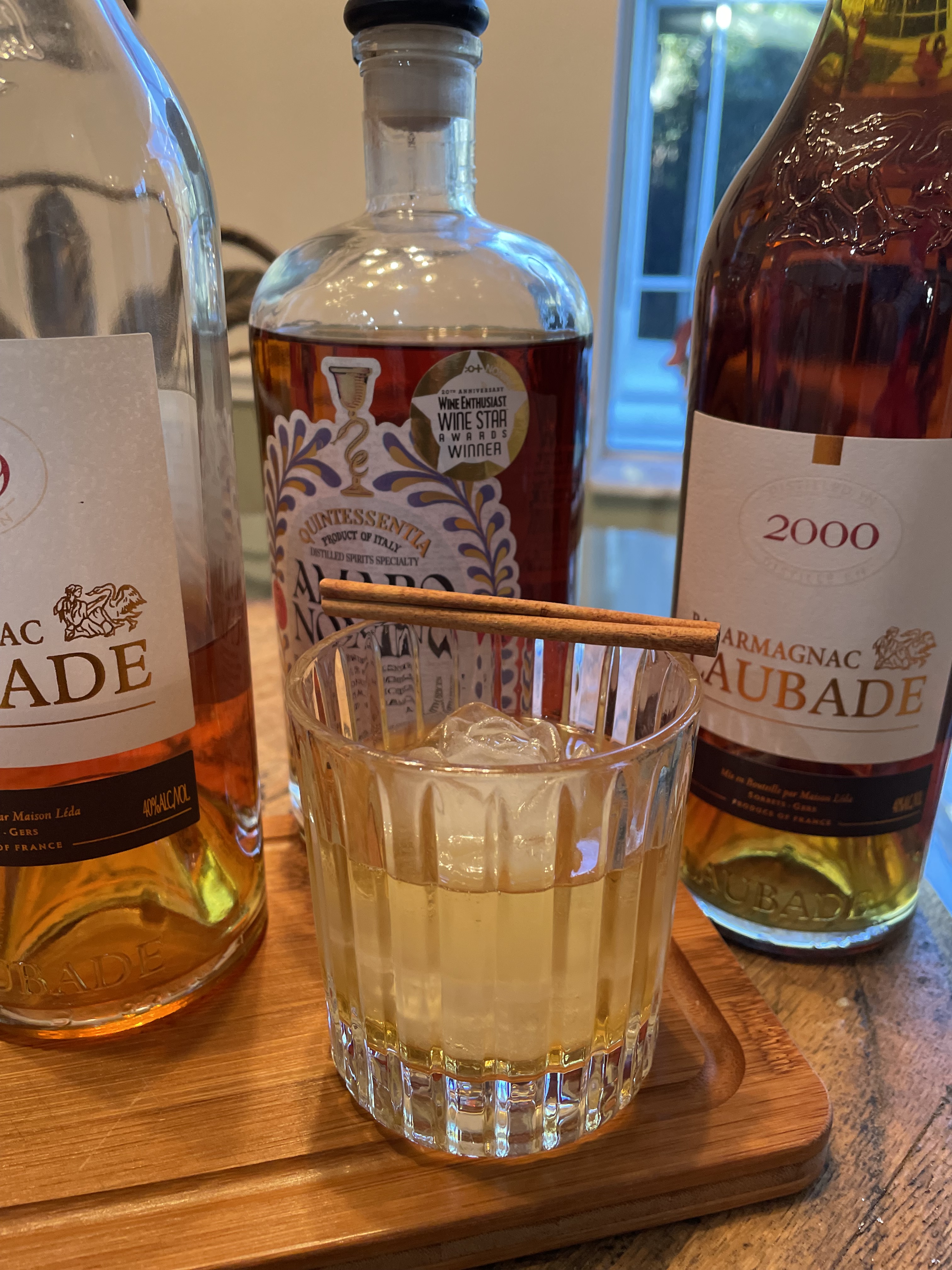
    The Snow Day (Inspired by the Boulevardier cocktail)

    • 1 1/2 oz rye whiskey
    • 3/4 oz Armagnac
    • 1/4 oz amaro (something bittersweet, not aggressively herbal)
    • 1 barspoon demerara syrup (2:1)
    • 2 dashes aromatic bitters

    Stir with ice until well chilled.
    Strain over a single large cube in a double old fashioned glass.

    Express an orange peel over the glass and discard.
    Finish with a lightly toasted cinnamon stick resting across the rim.

    Tasting notes: Rye brings structure and spice, the backbone.
    Armagnac adds warmth, fruit, and a rustic softness that feels like wool instead of silk. Amaro bridges sweetness and bitterness, keeping the drink from drifting into dessert territory. Demerara adds weight without stickiness.

    This is not a cocktail you tweak endlessly. It is meant to be trusted.

    Armagnac Belongs by the Fire

    Armagnac is less polished than Cognac and that is its strength. Fewer large houses, more family estates, and a rustic warmth that feels right in winter. If Cognac wears a tuxedo, Armagnac wears a wool coat.

    Fireside Pairings

    Small bites. Slow snacks. Nothing that steals the spotlight.

    • Smoked almonds with rosemary
    • Dark chocolate with sea salt
    • Aged gouda or alpine-style cheese
    • Charred sausage with coarse mustard
    • Blue cheese drizzled with a touch of honey

    These work because they mirror the drink’s themes: smoke, fat, salt, and depth. Each bite resets the palate without pulling you out of the moment.

    A few vintages of Armagnac

    And, Finally…

    Winter doesn’t need to be loud to be memorable.

    Some of the best moments happen when the world gets quiet. When snow muffles sound. When firelight replaces overhead lighting. When a glass is poured not to celebrate something, but simply to sit with it.

    The fireside pour isn’t about chasing flavors or impressing guests. It is about warmth, patience, and the luxury of nowhere else to be.

    Just like those snow days. 🥃

    Photo by Andris Bergmanis on Pexels.com
  • The 12 Wines of Christmas

    The 12 Wines of Christmas

    A Guide to Sipping Through the Season.

    The air is crisp, the carols are floating through grocery store speakers with unmistakable cheer, and your inner wine geek is itching for a holiday-themed deep dive. And right in the heart of December, there’s no better time to revisit one of the season’s most enduring traditions: The Twelve Days of Christmas.

    But where did this curious list of gifts—from partridges to leaping lords—actually come from? And how did it inspire our very own 12 Wines of Christmas, a tasting journey designed to guide your holiday sips from the first day straight through Epiphany?

    These traditions get mixed up like holiday ribbons, so let’s untangle them.

    Photo by Douglas Mendes on Pexels.com

    Where Did the 12 Days of Christmas Come From?

    Long before it was a catchy (and increasingly absurd) carol, The Twelve Days of Christmas was a meaningful Christian observance marking the timeframe between the birth of Christ (December 25th) and the arrival of the Magi (January 6th).

    These were days of celebration—feasts, merriment, reflection, and in some regions, gift-giving. The number twelve wasn’t random; it symbolized completeness, renewal, and spiritual wholeness. Each day carried its own significance, depending on cultural and religious tradition, and it all culminated with Epiphany, often considered the true finale of the holiday season.

    The song itself?
    It first appeared in print in England in 1780 as part of a children’s memory-and-forfeit game. No music. Just a chant-like verse meant to test how well you could recall the list in order. Over time, composers set it to the tune we know today—building a festive crescendo of gifts that get stranger and more lavish with each passing day.

    Photo by Pavel Danilyuk on Pexels.com

    12 Days of Christmas vs. the Advent Calendar

    Before we pour ahead, let’s clear up a classic Christmas confusion.

    Advent is the period before Christmas—a countdown of preparation, beginning on the fourth Sunday before December 25th. Advent calendars, whether filled with chocolates, toys, skincare samples, or tiny bottles of spirits (a favorite around here), are meant to help you anticipate the big day.

    The 12 Days of Christmas, on the other hand, begin on Christmas Day. It’s not a countdown. It’s a celebration.

    Think of Advent as the slow build-up…
    …and the Twelve Days as the extended after-party.

    Photo by Vladimir Konoplev on Pexels.com

    Introducing the 12 Wines of Christmas

    A Sommelier’s Day-by-Day Guide to Sipping Through the Season

    🎁 Day 1 (Dec 25) – A Partridge in a Pear Tree

    Wine: Vouvray Demi-Sec (Chenin Blanc)
    Why: Orchard fruit, honey, and that holiday-friendly acidity.
    Optional Cocktail: Pear French 75 – gin, lemon, pear liqueur, topped with sparkling Vouvray.

    🎁 Day 2 – Two Turtle Doves

    Wine: Côtes du Rhône Rouge
    Why: A blend built on harmony—two grapes (Grenache + Syrah) leading the dance.
    Optional Cocktail: Winter Kir Royale with crème de cassis and Rhône rosé bubbles.

    🎁 Day 3 – Three French Hens

    Wine: Beaujolais Cru (Morgon or Moulin-à-Vent)
    Why: French, festive, and an ideal pairing for leftover turkey sandwiches.

    🎁 Day 4 – Four Calling Birds

    Wine: Oaked Chardonnay from Sonoma or Burgundy
    Why: A nod to the “calling”—big flavors, toasty oak, buttered brioche vibes.
    Optional Cocktail: Chardonnay Hot Toddy (trust me, it works—gentle heat + spice).

    Chardonnay Hot Toddy

    • 4 oz lightly oaked Chardonnay (Sonoma Coast, Mâconnais, or similar)
    • ½ oz honey syrup (1:1 honey + water)
    • ½ oz fresh lemon juice
    • 1 cinnamon stick
    • 1 clove
    • Thin lemon wheel

    Instructions

    1. Warm the Chardonnay on low heat with the cinnamon stick and clove—do not boil.
    2. Remove from heat and stir in honey syrup and lemon juice.
    3. Pour into a heatproof mug.
    4. Garnish with a lemon wheel and the cinnamon stick.

    Flavor Profile: Gentle spice, soft oak, plush citrus, and comforting warmth.

    🎁 Day 5 – Five Golden Rings

    Wine: Champagne
    Why: Golden bubbles for the most iconic line in the song.
    Optional Cocktail: Gold Rush Royale – bourbon, lemon, honey, topped with brut Champagne.

    Gold Rush Royale

    • 1 oz bourbon
    • ¾ oz fresh lemon juice
    • ¾ oz honey syrup
    • 3 oz brut Champagne (or dry sparkling wine)
    • Lemon twist for garnish

    Instructions

    1. Shake bourbon, lemon juice, and honey syrup with ice.
    2. Strain into a chilled coupe.
    3. Top with Champagne.
    4. Express a lemon twist over the glass and drop it in.

    Flavor Profile: Bright, honeyed, gently herbal, and celebration-ready.

    🎁 Day 6 – Six Geese a-Laying

    Wine: Gewürztraminer
    Why: A playful nod to the aromas—rose, lychee, spice—perfect with rich holiday brunches.

    🎁 Day 7 – Seven Swans a-Swimming

    Wine: Albariño
    Why: Aquatic theme + saline, refreshing acidity = a perfect mid-festivity reset.

    🎁 Day 8 – Eight Maids a-Milking

    Wine: Cream Sherry (Amontillado or Medium)
    Why: Nutty, silky, slightly creamy—holiday perfection.
    Optional Cocktail: Sherry Flip – elegant, old-school, and oh-so-seasonal.

    🎁 Day 9 – Nine Ladies Dancing

    Wine: Lambrusco (Dry)
    Why: Effervescence + vibrant fruit = a wine that practically twirls in your glass.

    🎁 Day 10 – Ten Lords a-Leaping

    Wine: Brunello di Montalcino
    Why: Structured, noble, full of energy—this wine leaps with aristocratic swagger.

    🎁 Day 11 – Eleven Pipers Piping

    Wine: Islay Scotch-Cask Finished Red Wine (or simply: enjoy the Scotch!)
    Why: Smoky, spicy, bold—perfect for the pipers’ dramatic flair.
    Optional Cocktail: Smoked New York Sour – red wine float + peated whisky.

    Smoked New York Sour

    • 2 oz peated Scotch (lightly peated works best)
    • 1 oz fresh lemon juice
    • ¾ oz simple syrup
    • ½ oz dry red wine (Malbec or Syrah works beautifully)
    • Lemon peel

    Instructions

    1. Shake Scotch, lemon juice, and simple syrup with ice.
    2. Strain into a rocks glass over fresh ice.
    3. Gently float the red wine over the back of a spoon.
    4. Garnish with lemon peel.

    Flavor Profile: Smoky, tart, layered, and visually stunning.

    🎁 Day 12 – Twelve Drummers Drumming

    Wine: Port (Vintage or LBV)
    Why: Big, bold, booming flavor—an appropriate finale to the holiday symphony.
    Optional Cocktail: Ruby Port Espresso Martini – a surprisingly spectacular twist.

    Ruby Port Espresso Martini

    • 1 oz Ruby Port
    • 1 oz vodka
    • 1 oz fresh espresso (or cold brew concentrate)
    • ½ oz coffee liqueur
    • Optional: ¼ oz simple syrup for sweetness
    • Coffee beans for garnish

    Instructions

    1. Shake all liquid ingredients vigorously with ice.
    2. Strain into a chilled martini glass.
    3. Garnish with three coffee beans.

    Flavor Profile: Balanced between fruity and roasty, with a velvety richness

    Photo by Nadin Sh on Pexels.com

    A Festive Finale

    As the last notes of the carol fade and the final drops in each glass give way to a new year, the 12 Wines of Christmas remind us that the joy of the season isn’t found in extravagance—it’s found in the small, thoughtful rituals we savor along the way.

    Whether you follow the list sip by sip, swap in your own favorites, or shake up a festive cocktail instead, each day offers a moment to pause, celebrate, and connect.

    Here’s to raising a glass to tradition, to curiosity, and to the simple magic that happens when wine, story, and season all come together.

    May your holidays be bright, your cellar well-stocked, and your spirit joyfully lifted—one delicious day at a time. Cheers 🍷

    Cover Photo by Arjunn. la on Pexels.com

  • A Spirited Christmas Carol

    A Spirited Christmas Carol

    Cocktails of the past, present, and future.

    There is no season so rich with memory, merriment, and hope as December. Dickens knew it well. In fact, he didn’t just write a moral tale—he wrote the greatest cocktail metaphor ever told (though he may not have realized it while scribbling with ink-stained fingers and a stiff glass of gin beside him).

    Marley’s Ghost – John Leech, Public domain, via Wikimedia Commons

    Because like the spirits that visit Ebenezer Scrooge, our holiday cocktail traditions exist in three forms: the drinks we cherishthe drinks we celebrate with now, and the creations that hint at where mixology is headed next.

    Photo by picjumbo.com on Pexels.com

    So, slip into your warmest chair, cue the carolers in your imagination, and raise a glass to the spectral trio that defines the season.

    Mr. Fezziwig’s Ball – John Leech, CC0, via Wikimedia Commons

    The Ghost of Christmas Past — The Classic Spirit

    Before fancy garnishes and smoky showmanship, there were fireside ladles, communal mugs, and spirits strong enough to thaw London’s winter chill. The Ghost of Christmas Past isn’t showy. It favors warmth, depth, and a touch of history, inviting us to sip slowly and remember.

    Photo by George Dolgikh on Pexels.com

    Featured Cocktail: Hot Gin Punch

    A Victorian winter staple, Hot Gin Punch was ladled out at holiday gatherings and revelrous parties much like Fezziwig’s grand affair. Imagine citrus oils mingling with warming spices, dark sugars melting into juniper heat… it’s Dickens in a glass.

    Ingredients

    • London Dry Gin
    • Earl Grey tea
    • Brown sugar
    • Fresh lemon & orange slices
    • Clove, cinnamon, nutmeg
    • Dash of red wine (optional, but historically delightful)

    Method
    Warm all ingredients gently in a pot (never boiling—Scrooge would approve of restraint). Ladle into teacups or punch glasses, garnish with citrus studded with clove.

    Sip Story
    This is the drink that would have warmed Scrooge’s frozen heart long before Jacob Marley’s chains rattled through the door.

    Perfect Pairing: Roasted chestnuts or fig-pudding brownie bites.

    Ghost of Christmas Present – John Leech (1843), Public domain, via Wikimedia Commons

    The Ghost of Christmas Present — The Festive Spirit

    This spirit bursts through the door with food in one hand and a goblet in the other. It laughs loudly. It believes in seconds—of dessert and cocktails. It delights in fresh cranberries, bright citrus, warm spices, and joyful excess. It’s the embodiment of Fezziwig, twirling until ribbons fly.

    Photo by Augustin Mazaud on Pexels.com

    Featured Cocktail: Spiced Cranberry Rum Sour

    A modern crowd-pleaser built for laughter, clinking glasses, and impromptu toasts from your favorite overly emotional uncle.

    Ingredients

    • Dark rum
    • Fresh lemon juice
    • Spiced cranberry syrup (cranberries + clove + orange peel + cinnamon)
    • Egg white (or aquafaba for a lighter, plant-based foam)
    • Orange bitters

    Method
    Shake all ingredients vigorously (the proper holiday shake is an elbow workout). Strain into a coupe and top with a dot or swirl of cranberry syrup.

    Sip Story
    This glass invites singing, dancing, and the sort of cheer that even Bob Cratchit wouldn’t dare water down.

    Perfect Pairing: Cranberry-orange baked brie crostini or candied pecans.

    The Ghost of Christmas Yet-to-Come — The Innovative Spirit

    Minimalist, mysterious, and a little thrilling—this ghost doesn’t reveal much. But its presence hints at the direction of cocktail culture: sustainability, global botanicals, unexpected flavor pairings, and dramatic presentation. Its message? The future is bold and intentional.

    Photo by Nestor Luis on Pexels.com

    Featured Cocktail: Smoked Herbal Aquavit Martini

    Aquavit, a caraway- and dill-driven spirit with centuries of Nordic heritage, is stepping into the modern spotlight. It speaks of a world where gin isn’t the only botanically expressive star in town.

    Ingredients

    • Aquavit
    • Dry vermouth
    • Dash of absinthe
    • Optional: smoked glass or rosemary smoke bubble

    Method
    Stir over ice until chilled and silky. Strain into a chilled martini glass. Add smoke theatrics if you feel like the Ghost is watching.

    Sip Story
    A drink that whispers more than it speaks—inviting curiosity about what cocktails we’ll be sharing a decade from now.

    Perfect Pairing: Sea-salt rye crisps with dill-cucumber cheese spread.

    A Small Pour for Scrooge

    When writing about spirits, we can’t ignore the man who changed his ways. He deserves a dessert cocktail to mark his redemption.

    Scrooge’s Walnut Flip

    Rich, velvety, nutty, and lightly sweet—proving that anyone, even a miser, can soften with enough holiday warmth.

    Key Notes

    • Amontillado sherry
    • Toasted walnut liqueur
    • Cream & egg yolk
    • Nutmeg finish

    A drink that starts stern and ends sweet. Sound familiar?

    Photo by ROMAN ODINTSOV on Pexels.com
    Raise a Glass to the Spirits That Visit Us

    We drink not just to celebrate, but to remember, and to imagine. The holidays deliver all three, wrapped like Scrooge’s journey—from memory, to gratitude, to possibility.

    So this season, sip the past with reverence, drink the present with joy, and toast to the future with curiosity.

    Cheers to the spirits who visit us—and the ones we pour. 🥂

    Inspired by Charles Dickens’ A Christmas Carol (1843). This article offers educational and interpretive commentary on classic literature through the lens of wine and spirits.

  • Trendy Cocktails: Hot Buttered Rum

    Trendy Cocktails: Hot Buttered Rum

    A Fireside Hug in a Mug.

    There’s a very specific moment each December when the cold doesn’t just feel chilly—it feels personal. Your fingertips sting, your breath turns into its own winter cloud, and suddenly every Christmas carol feels like it’s judging you for not wearing thicker socks. And it’s right in that moment—somewhere between “Let It Snow” and “Baby, It’s Cold Outside”—that the universe gently whispers: Hot Buttered Rum.

    Hot Buttered Rum – Jill Robidoux from beantown, CC BY 2.0

    This is the winter cocktail that doesn’t just warm your bones; it warms your feelings. It’s the culinary equivalent of pulling a wool blanket straight from the dryer and wrapping yourself in it like a smug burrito. Rich, spicy, sweet, buttery, and unapologetically cozy, Hot Buttered Rum has been soothing cold souls since the colonial era. But like all great classics—it benefits from a modern sommelier’s polish.

    Let’s stir up a little history, a little lore, a touch of swagger, and a very delicious twist.

    The Story of Hot Buttered Rum

    Hot Buttered Rum sits in the family of early American tavern drinks—alongside flips, nogs, and punches—that were created in a time when central heating wasn’t a thing, snow boots were made of questionable leather, and drinking something warm was a matter of survival, not indulgence.

    The drink’s rise can be traced to the triangular trade of the 1600s and 1700s, when New England ports were flooded with molasses and rum. Colonists quickly learned:

    1. Rum warms you up.
    2. Butter makes everything taste better.
    3. Spices make it feel festive rather than reckless.

    By the early 1800s, Hot Buttered Rum had become a winter staple—especially around Christmas. Lore suggests it was the unofficial beverage for colonial holiday gatherings, the chosen companion for hearthside storytelling, and the inspiration for more than a few questionable caroling decisions.

    Today, it remains a rich, nostalgic winter classic… though often made in massive batches or with pre-made “batter.” But you’re a sommelier-level drinker. You’re not scooping butter from a Tupperware. We’re elevating.

    Classic at Heart, Thoughtful in Execution

    Our version of Hot Buttered Rum doesn’t reinvent the wheel—it simply gives it a smoother ride. The foundation remains exactly as history intended: aged rum, butter, brown sugar, spice, and hot water. The only flourish is a barely perceptible pinch of cardamom, chosen not to modernize the drink, but to clarify it.

    Cardamon – Photo by Kim van Vuuren on Pexels.com

    Cardamom was traded alongside cinnamon and nutmeg during the same colonial spice routes that made Hot Buttered Rum possible in the first place. Its inclusion feels less like a twist and more like a long-overdue handshake with history. Softly citrusy, gently floral, and warming without heat, it brightens the butter and rum rather than competing with them.

    Subtle, intentional, and respectful of tradition.

    Classic Hot Buttered Rum (with a Gentle Spice Twist)

    • 2 oz aged dark rum (Demerara or rich Caribbean style preferred)
    • 1 tsp unsalted butter, softened
    • 1–2 tsp brown sugar (to taste)
    • 1 pinch ground cinnamon
    • 1 pinch freshly grated nutmeg
    • 1 very small pinch ground cardamom (the twist)
    • 4–5 oz hot water
    • Cinnamon stick or grated nutmeg, for garnish

    Instructions

    1. Warm the Mug
      Fill with hot water, swirl, and discard. (Your drink deserves a warm home.)
    2. Build the Base
      Add butter, brown sugar, cinnamon, nutmeg, and cardamom to the mug.
    3. Add the Rum
      Pour in the rum and stir until the butter melts and the sugar dissolves into a silky, fragrant base.
    4. Finish with Heat
      Top with hot water and stir gently to bring everything together.
    5. Garnish & Enjoy
      Finish with a cinnamon stick or a light dusting of nutmeg. Sip slowly.

    A Note on Rum Selection (Why It Matters Here)

    Without fruit liqueurs or additional sweetness, the rum takes center stage—and that’s exactly how this cocktail wants it.

    Look for:

    • Demerara rum for deep molasses, baking spice, and weight
    • Jamaican rum for a touch of funk and complexity
    • Aged Caribbean blends that lean round and rich rather than hot or sharp

    Avoid overly light or spiced rums—this drink already has enough character.

    This isn’t a reinvention of Hot Buttered Rum—it’s a reminder of why the original became a winter classic in the first place.

    Photo by Ioana Motoc on Pexels.com

    Pairings Built for Butter, Spice, and Rum

    With the cocktail firmly rooted in classic flavors, the food pairings follow suit—comforting, nostalgic, and holiday-driven.

    Ideal Pairings

    Gingerbread, molasses cookies, or spice cake
    The cardamom subtly enhances the baking spices without overpowering them.

    Shortbread or butter cookies
    Lean into the richness—sometimes simplicity wins.

    Aged cheddar, Comté, or Gruyère
    Sweet, salty, and nutty flavors play beautifully with the rum and butter.

    Roasted chestnuts or spiced nuts
    Echo the warmth of the drink while keeping things savory.

    Apple crisp or bread pudding
    Classic winter desserts that feel tailor-made for a warm rum cocktail.

    Moments Made for a Hot Buttered Rum

    • When the lights on the Christmas tree finally all work on the first try (or you simply stop caring).
    • After a long day holiday shopping when your feet (or fingers if you are a cybershopper) are waging a silent protest.
    • While wrapping gifts at midnight and pretending the tape isn’t actively hiding from you.
    • During your annual viewing of A Christmas Carol, making you emotionally overinvest in the Cratchit family.
    • On the porch during the rare, magical moment when it actually snows in the South (or Florida’s version: the temperature hits 52°).
    • Around the firepit with friends, where the drink becomes an unspoken agreement to linger a little longer.

    Hot Buttered Rum isn’t a cocktail—it’s a seasonal ritual. A warm, nostalgic reminder that the most wonderful time of the year deserves something richer than eggnog and more comforting than cocoa.

    Photo by u0415u0432u0433u0435u043du0438u0439 u0428u0443u0445u043cu0430u043d on Pexels.com

    So here’s to December nights, wool blankets, glowing trees, and the kind of cocktails that make even the chilliest season feel welcoming. May your rum be bold, your spices fragrant, and your spirits—holiday and otherwise—rise with every sip. Here’s to laughter that crackles like a fireplace, memories stirred gently in a warm mug, and the simple joy of savoring the season one comforting sip at a time.

    Cheers to warmth, wonder, and Hot Buttered Rum.

    Cover Photo by lil artsy on Pexels.com