
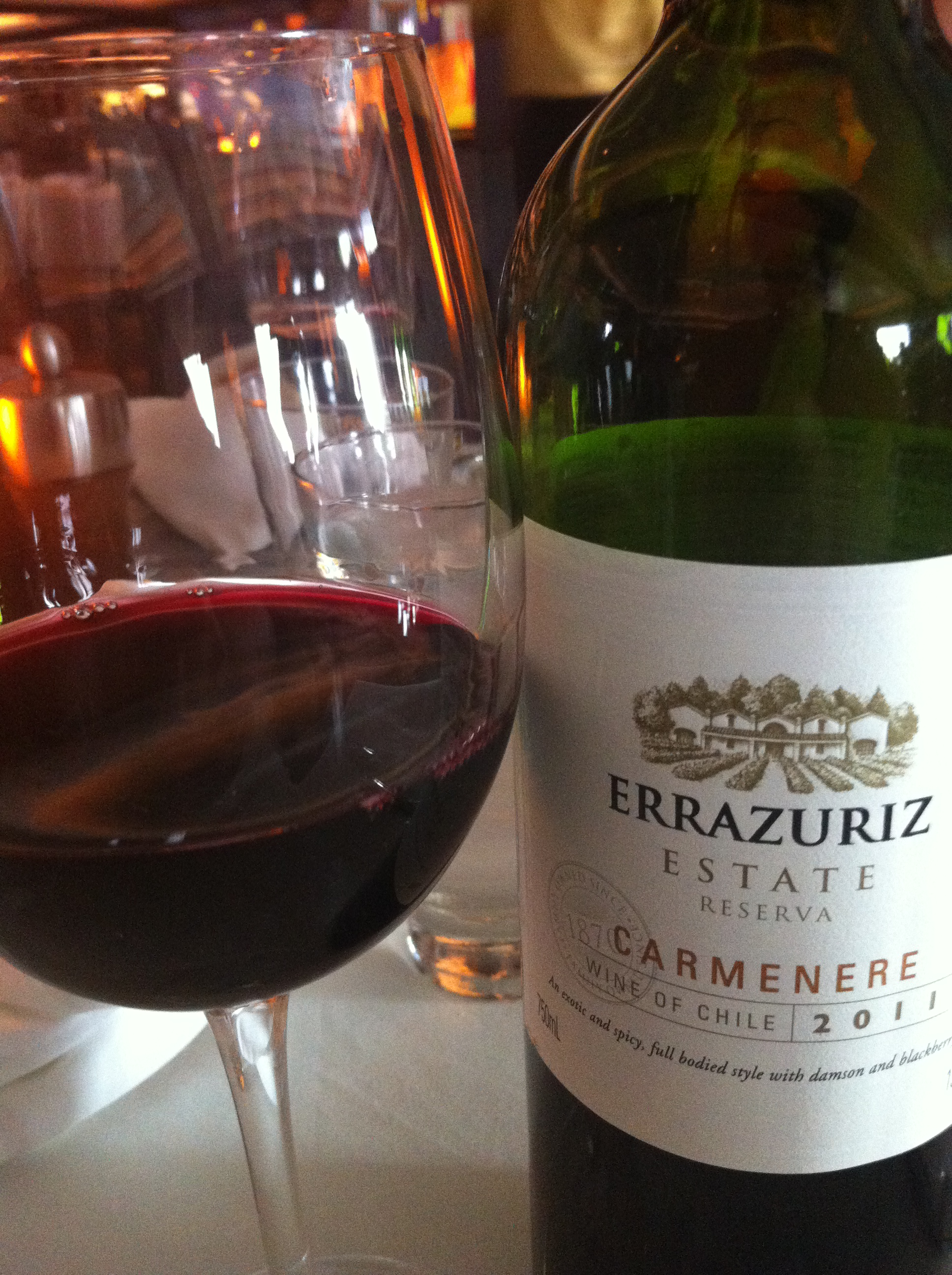
The Grape Bordeaux Lost.
Few grapes have a better story than Carménère. Once an important variety in Bordeaux, it nearly disappeared following the phylloxera epidemic of the nineteenth century. For more than a century, the wine world assumed Carménère was gone.
It wasn’t. It had simply been hiding in plain sight.
In the 1800s, European grapevines were brought to Chile, including vines believed to be Merlot. Among them were Carménère vines that had been misidentified. Chilean growers continued cultivating them for generations without realizing what they had.
The mystery was finally solved in 1994, when French ampelographer Jean-Michel Boursiquot recognized that some of Chile’s “Merlot” was actually Carménère. DNA testing subsequently confirmed the discovery.
What might have been an embarrassing case of mistaken identity became one of the great stories of modern wine. Chile had unknowingly preserved a grape that had virtually disappeared from its native Bordeaux.
Today, Carménère is one of Chile’s signature varieties—and a wine that deserves far more attention.

A Grape With Personality
Carménère belongs to the Cabernet family and shares some characteristics with both Cabernet Sauvignon and Cabernet Franc. Like those varieties, it can exhibit a distinctive herbal character, but its generally softer tannins and generous fruit give it a personality all its own.
A ripe Carménère typically shows blackberry, black cherry, plum and raspberry, accompanied by notes of paprika, black pepper, herbs, cocoa and sometimes tobacco. Oak-aged examples can add vanilla, cedar and baking spice.
The characteristic that often causes the most confusion is its green-pepper note.
Carménère naturally contains methoxypyrazines, aromatic compounds that can produce aromas reminiscent of green bell pepper and fresh herbs. When the grapes are harvested too early, these characteristics can become harsh and vegetal. When the fruit is properly ripened, however, they can become one of the wine’s greatest attractions, suggesting roasted pepper, paprika and savory herbs rather than raw green vegetation.
That distinction is important. Herbaceous doesn’t necessarily mean underripe.
In a well-made Carménère, the savory character provides a fascinating counterpoint to ripe fruit and gives the wine an identity that is difficult to confuse with anything else.

More Than One Style
Carménère is sometimes treated as though it has a single personality, but its style varies considerably with vineyard site and winemaking.
Fresh, fruit-driven examples tend to be medium-bodied, with cherry, raspberry and plum supported by soft tannins and refreshing acidity. These are excellent everyday wines and particularly approachable for someone discovering the variety for the first time.
More concentrated examples show darker fruit alongside pepper, herbs, cocoa and spice. Premium bottlings may receive extended oak aging, developing greater structure and flavors of tobacco, chocolate, cedar and baking spice.
There is also a more restrained side to Carménère emerging from cooler or higher-elevation vineyards. These wines can emphasize acidity, red fruit and herbal complexity rather than richness and power, demonstrating that the variety is capable of elegance as well as concentration.

Chile’s Signature Red
Chile remains the essential place to explore Carménère.
Colchagua Valley is its modern stronghold and contains the country’s largest concentration of plantings. Warm days, a long growing season and cooling influences from the Pacific and Andes allow Carménère to develop the ripeness it needs while retaining freshness. Within Colchagua, Apalta is particularly noted for producing concentrated, age-worthy examples.
Cachapoal Valley is another important source, producing wines that can balance ripe fruit with Carménère’s characteristic herbal and savory notes. The grape is also planted in Maipo Valley, where it can take on a somewhat darker, more structured profile.
The differences between these regions are worth exploring. Carménère is not simply a “Chilean wine” with one predictable flavor profile. Like all serious varieties, it reflects its vineyard.

Carménère at the Table
One of Carménère’s greatest strengths is its versatility with food. Its moderate tannins, acidity and savory character make it considerably more flexible than many full-bodied reds.
Start with the grill. Steak, skirt steak, lamb chops, pork tenderloin and sausages all work beautifully, particularly when herbs, garlic or smoky seasonings are involved.
Chimichurri is an especially natural match. The parsley, oregano, garlic and herbs echo Carménère’s own savory character, while the wine’s acidity refreshes the palate.
It also works wonderfully with roasted pork, duck, turkey, mushrooms, eggplant, lentils and roasted peppers. And if you want to experience the grape in its cultural home, try it with Chilean dishes such as empanadas, pastel de choclo or a traditional asado.
For a vegetarian pairing, grilled portobello mushrooms or roasted vegetables with herbs can be surprisingly good.
Serving Carménère
Carménère is best served a little cooler than many people serve red wine—around 60–65°F (16–18°C). If the bottle has been sitting at typical room temperature, 20–25 minutes in the refrigerator can make a noticeable difference.
Use a medium-to-large red wine glass, particularly for fuller-bodied examples. Young, straightforward Carménère generally needs little or no decanting, while a concentrated, oak-aged bottle can benefit from 30–60 minutes of air.
Older bottles require more care. Rather than automatically decanting a mature Carménère for hours, taste it first and let the wine tell you what it needs.
The best examples can age gracefully, developing tobacco, leather, cedar, dried herbs and earthy complexity as the fruit evolves.
The SOMM&SOMM Take
Carménère is much more than a historical curiosity or an inexpensive alternative to Cabernet Sauvignon. Its story may begin with a case of mistaken identity, but its future is firmly its own.
If you’ve never explored the variety, start with a well-made bottle from Colchagua or Cachapoal. Serve it slightly cool, give it a little time in the glass and pair it with something from the grill—or simply a dish built around roasted vegetables and fresh herbs.
Look for ripe dark fruit first, followed by pepper, spice and that distinctive herbal character.
When Carménère is at its best, the green note doesn’t dominate. It adds complexity.
And perhaps that’s the most fitting way to think about this remarkable grape. Bordeaux may have lost Carménère, but Chile gave it a second life—and, in the process, created a wine that has finally become comfortable in its own identity 🍷
Cover photo by Agne27, CC BY-SA 3.0, via Wikimedia Commons
Leave a Reply