
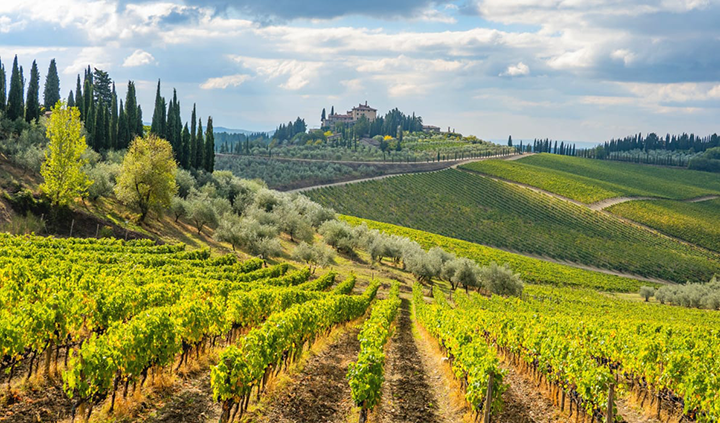
In the rolling hills of Tuscany, amidst the golden vineyards and centuries-old traditions, lies a treasure deeply rooted in history and culture—the enchanting Vin Santo wine. With its rich amber hues and complex flavors, Vin Santo embodies the essence of Italy’s winemaking heritage, weaving together centuries of tradition into each precious drop.
A Journey Through Time: Origins of Vin Santo
The origins of Vin Santo can be traced back to medieval times, where its story intertwines with the religious and cultural tapestry of Italy. Legend has it that Vin Santo, meaning “holy wine” in Italian, was first crafted by monks in the Tuscan hillsides. These devout custodians of viticulture discovered that by allowing grapes to dry on straw mats in warm attics, the sugars concentrated, resulting in a sweet, luscious wine.
The process of making Vin Santo is deeply intertwined with the concept of ‘appassimento,’ a traditional method of drying grapes to concentrate their sugars and flavors. This technique, which originated in ancient Rome, was revived and perfected by Tuscan winemakers, leading to the creation of Vin Santo’s signature style.
The Art of Vinification: Crafting Vin Santo
Vin Santo is primarily crafted from white grape varieties such as Trebbiano and Malvasia, although red grape varieties like Sangiovese are also used in some regions. The grapes are harvested at optimal ripeness before being carefully laid out on straw mats or hung in well-ventilated lofts to dry. This drying process, known as ‘appassimento,’ can last for several months, allowing the grapes to gradually shrivel and concentrate their sugars.
Once sufficiently dried, the grapes are gently pressed, yielding a highly concentrated juice with elevated sugar levels. This luscious must is then transferred to small oak barrels, known as caratelli or ‘little barrels,’ where it undergoes a slow and patient fermentation. Unlike most wines, Vin Santo is left to ferment naturally, relying on ambient yeasts to work their magic over the course of several years.
The aging process is a hallmark of Vin Santo production, with the wine maturing in small barrels for a minimum of three to five years, though some examples age for much longer. During this time, the wine develops its distinctive aromas and flavors, evolving from vibrant fruitiness to complex notes of dried fruits, nuts, honey, and spices.
The Variations of Vin Santo: Tradition and Terroir
While Vin Santo is most commonly associated with Tuscany, its production extends to other regions of Italy, each with its own unique interpretation of this revered wine. In addition to the classic Vin Santo di Chianti, which hails from the heart of Tuscany, other notable variations include Vin Santo del Chianti Classico, Vin Santo di Montepulciano, and Vin Santo di Carmignano.
These variations reflect not only regional differences in grape varieties and winemaking techniques but also the influence of terroir—the unique combination of soil, climate, and geography that shapes each wine’s character. For example, Vin Santo del Chianti Classico is celebrated for its elegance and balance, while Vin Santo di Montepulciano boasts a more robust and structured profile.
The Ritual of Enjoyment: Serving Vin Santo
Vin Santo is more than just a wine; it’s a symbol of conviviality and tradition, often shared during special occasions and festive gatherings. The ritual of serving Vin Santo is as important as the wine itself, with time-honored customs dictating its presentation and enjoyment.

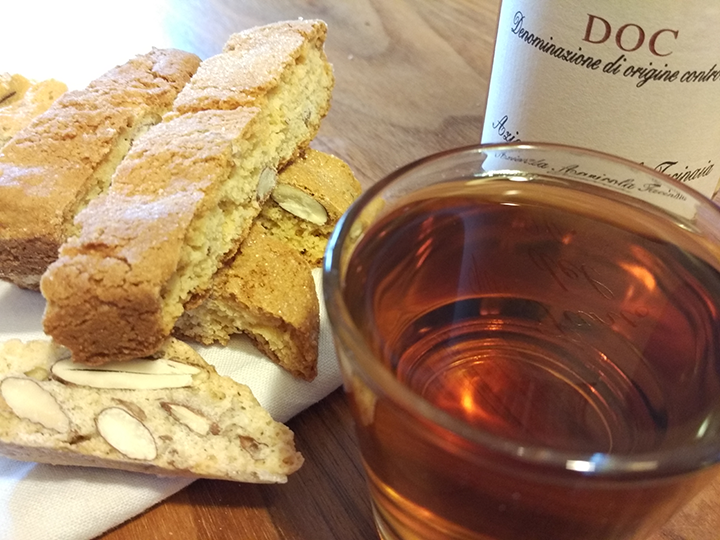
Traditionally served in small, tulip-shaped glasses, Vin Santo is accompanied by biscotti or ‘cantucci,’ almond biscuits specifically designed to complement its sweetness. The ritual of dipping the biscotti into the wine, allowing them to soak up its ambrosial nectar, is a sensory experience that enhances the wine’s flavors and textures.
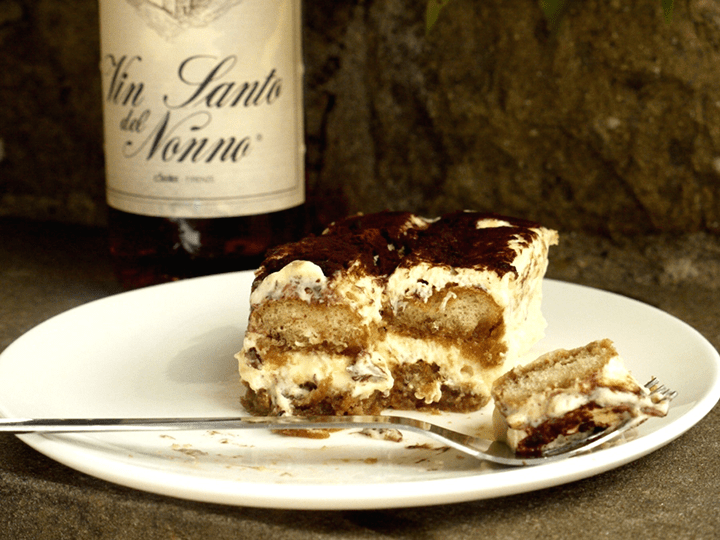
Vin Santo is also a versatile wine that pairs beautifully with a variety of foods, from aged cheeses and foie gras to desserts such as panna cotta and almond cakes. Its natural sweetness and complex aromas make it a delightful accompaniment to both savory and sweet dishes, earning it a place of honor on tables around the world. Vin Santo is the wine traditionally used in tiramisu 🙂
Preserving Tradition: The Future of Vin Santo
In an era of rapidly changing tastes and trends, the tradition of Vin Santo remains a steadfast beacon of Italy’s winemaking heritage. While modern advancements have brought innovations to the production process, the essence of Vin Santo—its connection to the land, its reverence for tradition, and its timeless allure—remains unchanged.
As we raise our glasses to toast the legacy of Vin Santo, we honor not only the craftsmanship of generations past but also the promise of generations to come. In each sip of this sacred elixir, we taste the history, the tradition, and the timeless beauty of Italian winemaking—a legacy that continues to inspire and enchant wine lovers around the world.
Cheers🍷


We welcome feedback…