
The case against knee-jerk wine snobbery.
⚠️ Warning: This article contains an excessive number of analogies, mild soapbox climbing, and an impassioned plea for open-minded wine drinking. Proceed with a sense of humor—and a glass in hand. 🍷
Let’s face it—most wine drinkers have a “never again” varietal. Maybe it was an overly oaked Chardonnay that tasted like suntan lotion and buttered popcorn. Maybe it was a flabby Merlot at your cousin’s wedding or a headache-inducing Pinot Grigio on a humid Tuesday. Whatever the offender, it left a mark—and now, any bottle bearing that grape’s name might as well come with a warning label.
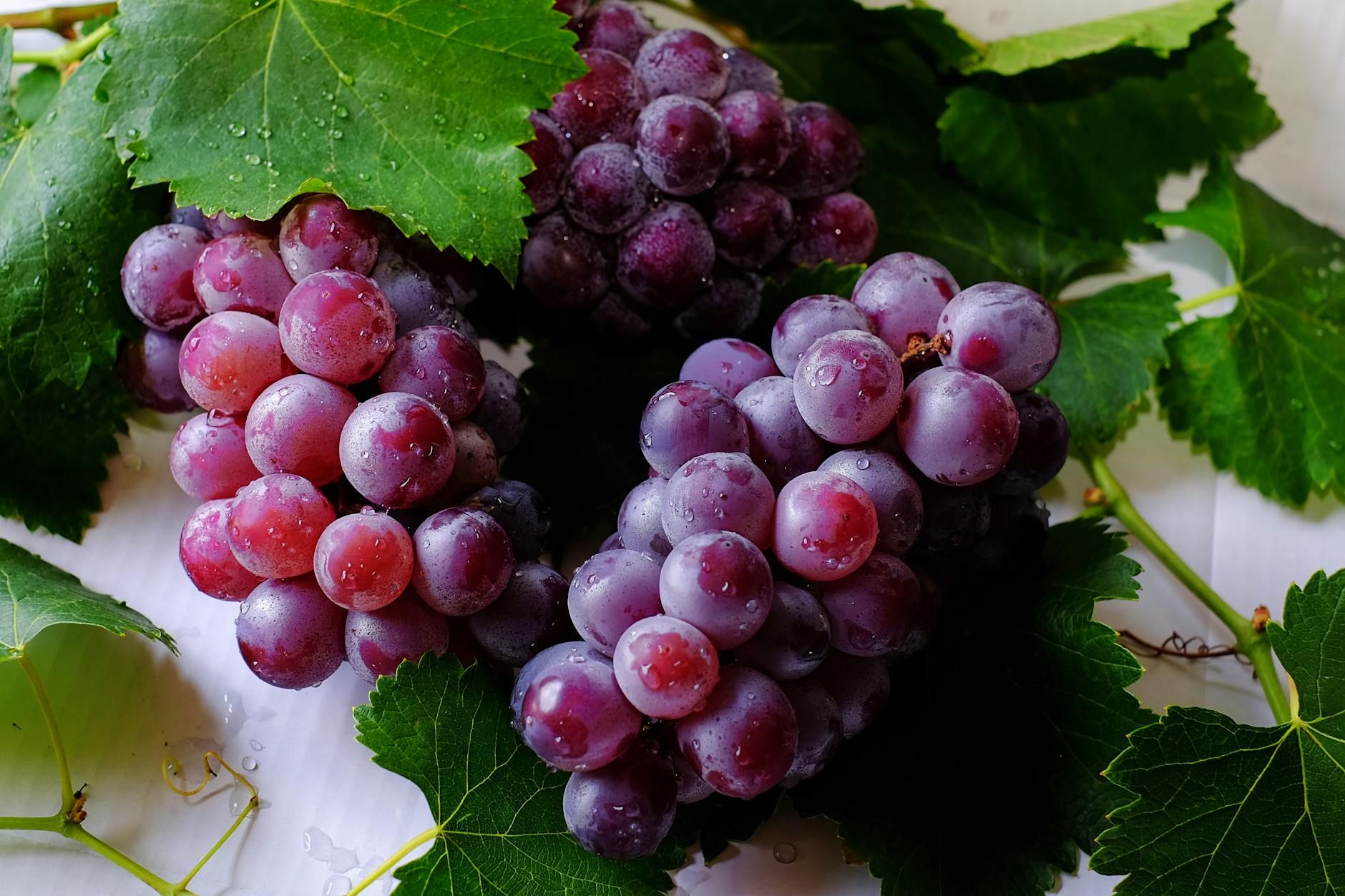
But here’s the truth that every seasoned wine educator, sommelier, and grape grower knows: that snap judgement isn’t about the grape. It’s about the context.
Welcome to the wild, wondrous, and sometimes misunderstood world of wine—where terroir, winemaking style, vintage, and even what you had for lunch can make the difference between “meh” and “magnificent.”

One Grape, Infinite Possibilities
Let’s start with the ultimate example: Chardonnay. No grape has been more misunderstood. Maligned for its over-the-top oak bombs of the ‘90s and early 2000s, this noble white grape has suffered an identity crisis for decades.
But here’s what most people overlook: Chardonnay is a blank canvas. It’s like tofu for winemakers—it takes on the character of where it’s grown and how it’s treated in the cellar. A cool-climate, stainless steel-aged Chablis will taste like citrus, crushed oyster shells, and wet river stones. Meanwhile, a warm-climate, barrel-aged Napa Chardonnay might show ripe pineapple, vanilla, and toasted brioche. Same grape. Vastly different experience.
If you’ve “written off” Chardonnay, chances are you’ve only met one of its many faces. I call this the Chardonnay Effect.
Why Big Wine is Ruining Your Tastebuds
Let’s talk about the elephant in the bottle: mass-produced, additive-heavy wines that are chemically engineered to be “smooth,” consistent, and shelf-stable. These wines are the Big Macs of the wine world. Are they drinkable? Sure. Are they expressive? Rarely. Do they teach your palate anything? Not really.
If you drink only mass-market Cabernets that taste like cherry cola and vanilla extract, your palate can become dulled—conditioned to expect predictability instead of complexity. Worse, it can create quality blindness, where any deviation from the formula is considered “flawed” or “not good.”
*steps onto the soapbox*
Wine is supposed to be alive—a reflection of nature, not a carbon copy.
SOMM&SOMM Related Article: Unveiling the Controversial World of Mega Purple and Grape Concentrates in Wine

Vintage Matters
Here’s a radical idea: wines aren’t meant to taste the same every year. In fact, that’s the point.
Weather changes. Soils evolve. Vines get older. The 2015 and 2020 versions of the same exact vineyard wine will show differences that reflect the time as much as the place. And that’s the soul of wine.
Writing off a grape or producer based on one off-vintage bottle is like never watching a TV show again because of a single slow episode. Maybe the 2018 had too much rain. Maybe the 2022 was too hot. That doesn’t mean the 2016 wasn’t magic.
SOMM&SOMM Related Article: How Modern Winemaking Sacrifices Soul for Consistency
The Winemaker’s Paintbrush
One of the biggest factors in the final wine you taste is the vessel it was made in. A grape like Sauvignon Blanc can range from zippy and citrusy (stainless steel) to round and creamy (neutral oak) to textured and savory (concrete eggs).
Now add in other decisions: Did the winemaker use whole clusters for fermentation? Were the grapes crushed or gently pressed? Did they allow malolactic fermentation, which softens acids and adds buttery notes? Was the wine aged on the lees, stirring in dead yeast cells to create a creamy texture?
SOMM&SOMM Related Article: The Craft of Secondary Notes in Wine
It’s like asking a chef what kind of pan they used, whether they used clarified butter, and whether the sauce was reduced or emulsified. Details matter. I’ll type it louder for the folks in the back… DETAILS MATTER.
First Run Juice vs. Later Pressings
Imagine squeezing an orange. The first drop is bright, pure juice. Keep pressing and you’ll get more liquid—but also bitterness, pith, and pulp.
Wine grapes work the same way. The finest wines often come from free-run juice—the first, gentlest pressings. Later pressings can add structure but sometimes sacrifice finesse. Understanding how a wine was pressed gives insight into its character—and helps explain why a cheap Pinot might feel harsh while a pricier one floats on your palate like silk.
Sometimes, It’s Not the Wine—It’s the Food
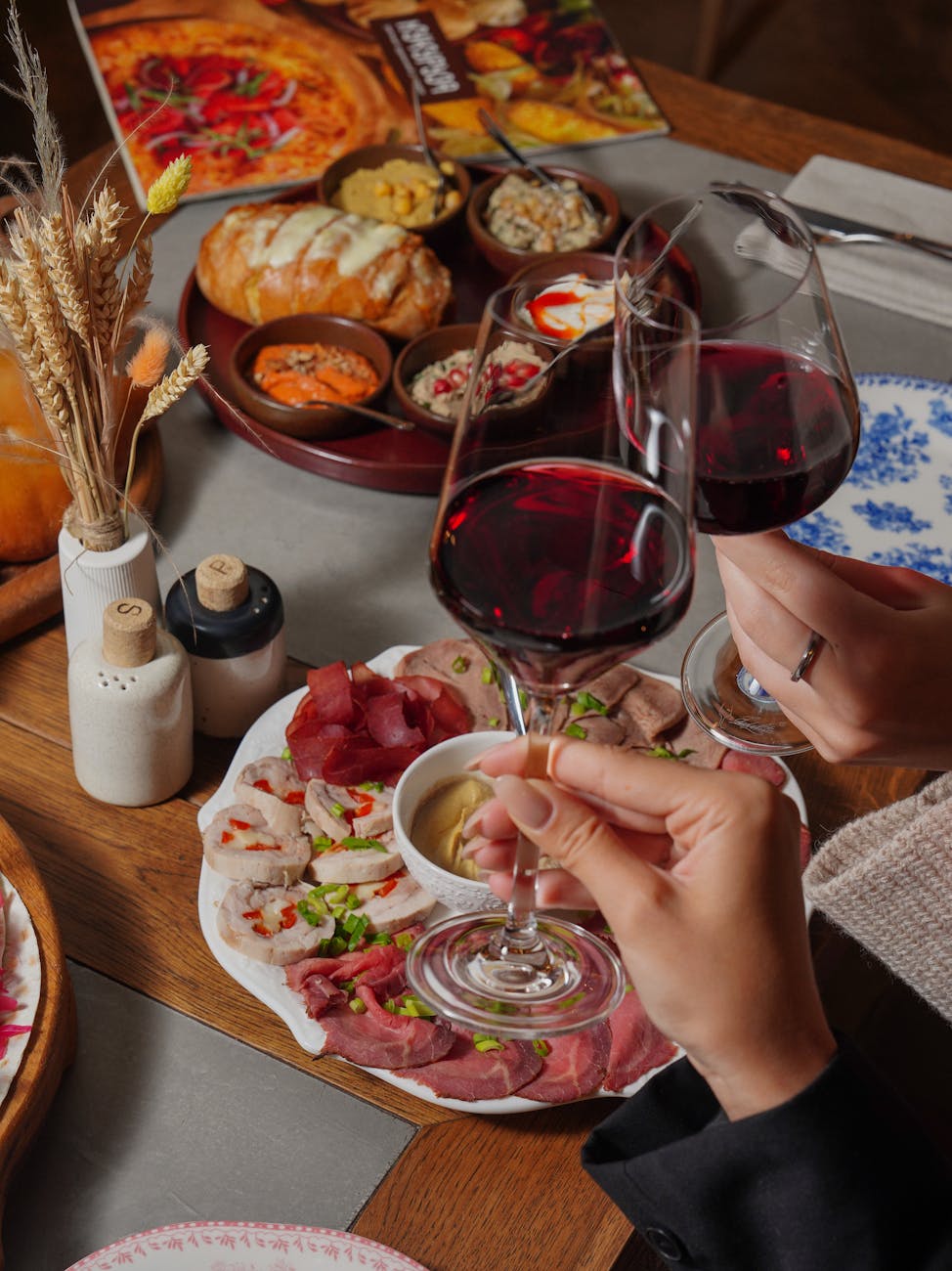
Here’s a scenario: You sip a bold, tannic Cabernet Sauvignon… with a spinach salad and vinaigrette. It tastes metallic and bitter. You blame the wine.
But pair that same Cab with a grilled ribeye or blue cheese burger? Suddenly, the wine becomes luscious and smooth. The food made it better. The vinegar didn’t.
Pairing matters. A lot. And judging a wine solo, without context, is like reviewing a soundtrack without watching the movie.
I’ve watched more good wines get dismissed for not fitting someone’s expectations than bad wines get called out for having no soul. Taste widely, judge slowly, and never trust a wine that tastes the same across vintages, regions, etc..
Gregory Dean, SOMM&SOMM

Open Your Mind, Open Your Mouth
Wine is one of the few beverages in the world that tells a story of place, people, weather, soil, decisions, and time—all in a single glass. Dismissing an entire varietal, style, or region based on one bottle is not just closed-minded—it’s a missed opportunity.
So the next time you find yourself wrinkling your nose at the thought of Zinfandel, Riesling, Syrah, or yes—even Chardonnay—pause and ask:
- Where was it grown?
- Who made it?
- How was it made?
- What year was it from?
- What am I eating with it?
Because that wine might not be bad. It might just be misunderstood.
The Joy Is in the Journey
Wine isn’t about finding “your grape” and sticking with it like a safe Spotify playlist. It’s about exploring, challenging, and surprising yourself. Try wines from unusual regions. Taste the same grape across continents. Ask your local wine shop for something outside your comfort zone.
And above all—don’t write off a varietal just because you had a bad glass.
You wouldn’t stop eating bread because of one stale bagel, would you?
So swirl, sip, and stay curious.
Cheers. 🍷
Cover image credit: © Frank Schulenburg, CC BY-SA 3.0, via Wikimedia Commons
 SOMM&SOMM
We welcome feedback…