
The Art, History, and Enjoyment of the World’s Most Civilized Pre-Dinner Tradition.
Aperitifs—those captivating, appetite-awakening drinks enjoyed before a meal—trace their roots to ancient times, when herbal infusions were used as medicinal tonics. The Latin word aperire, meaning “to open,” perfectly captures the purpose of an aperitif: to stimulate the palate and prepare the stomach for the meal ahead. From the vermouths of Italy to the bitter liqueurs of France, the world of aperitifs is a refined and storied tradition that continues to thrive today.
The earliest known aperitif-style drinks can be traced back to Hippocrates, who concocted a bitter wine infused with wormwood as a digestive aid. This ancient elixir eventually inspired the creation of vermouth in 18th-century Italy. Meanwhile, in France, the 19th century saw the rise of iconic aperitifs such as Lillet and Dubonnet, beloved by aristocrats and artists alike. The European café culture of the Belle Époque further cemented the aperitif as a social ritual, where Parisians sipped bitter, herbal, and citrus-infused concoctions while exchanging ideas and indulging in lively conversation.
The Styles and Characteristics of Aperitifs
Aperitifs generally fall into one of the following categories, each offering distinct flavors and purposes:
Vermouths (Italy & France)
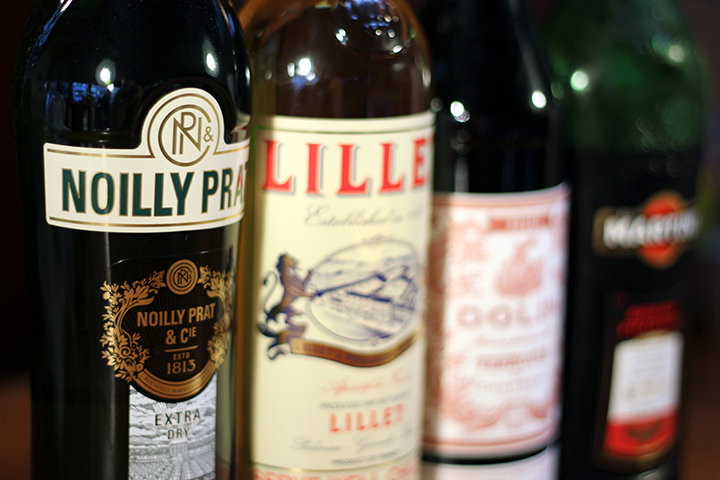
Aromatized and fortified wines infused with botanicals, vermouths can be dry (perfect for a Martini) or sweet (ideal for a Negroni). French vermouths, such as Noilly Prat, tend to be drier and lighter, while Italian vermouths, like Carpano Antica, are richer and sweeter.
Bitter Liqueurs (Amari, Quinquinas, and Gentian-Based Aperitifs)
From Campari’s bold citrus-bitter profile to Suze’s floral gentian root notes, bitter liqueurs balance bitterness with herbal complexity. Dubonnet, famously favored by Queen Elizabeth II, adds a touch of quinine for depth.
Anise-Based Aperitifs (France & Italy)
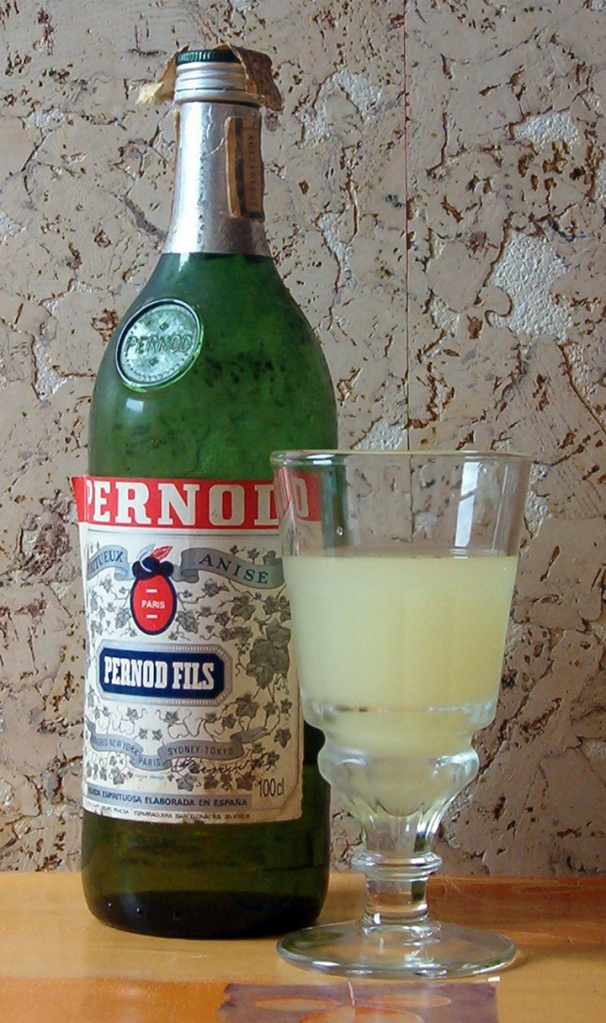
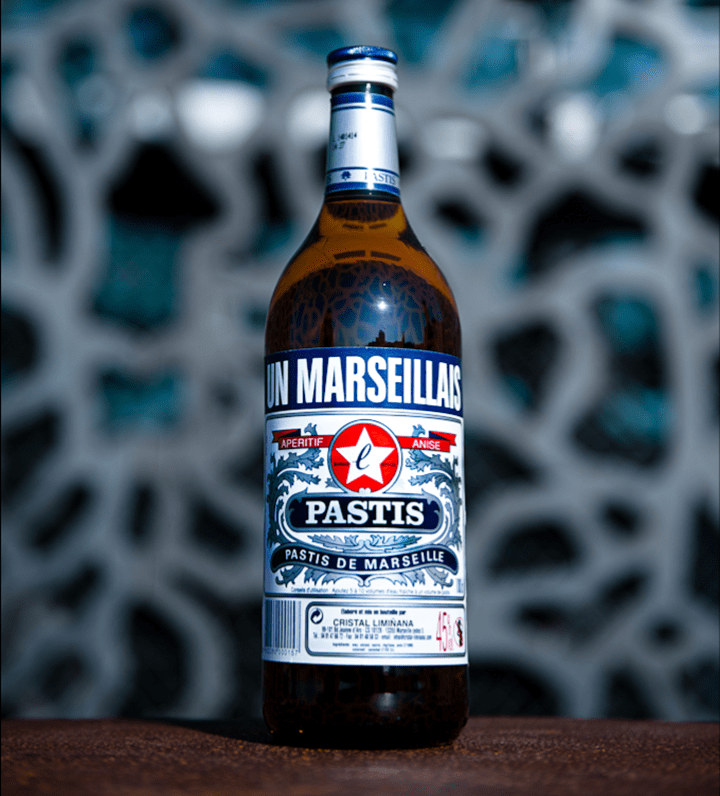
Pastis, Pernod, and Ricard are hallmarks of the French Provençal tradition, while Italy offers Sambuca. These anise-flavored spirits cloud when mixed with water, a transformation called the “louche.”
Wine-Based Aperitifs (Lillet, Byrrh, and Pineau des Charentes)
These softer aperitifs blend fortified wine with botanicals or fruit essence, creating a gentler yet equally intriguing drinking experience. Lillet Blanc, a Bordeaux-based classic, was a favorite of James Bond in Casino Royale.
Serving Aperitifs: Classic & Creative Presentations
The simplest way to enjoy an aperitif is to serve it chilled or over ice with a citrus twist. However, for those looking to expand their experience, here are some unique ways to enjoy aperitifs:
- Vermouth Spritz – A lighter, lower-alcohol alternative to an Aperol Spritz, mixing dry vermouth, tonic, and an orange slice.
- Pastis Provençal – Served with ice-cold water in a 5:1 ratio to highlight its herbal complexity.
- Lillet Rouge & Ginger – A bold yet refreshing mix of Lillet Rouge and ginger beer, garnished with a sprig of rosemary.
Cocktails Using Aperitifs for Colder Months
Aperitifs are not just for summer evenings on a Mediterranean terrace; they can be the perfect foundation for winter-friendly cocktails, offering warmth, spice, and herbal depth. Here are three creative cocktails for the colder months:
The Alpine Glow
A warming, citrus-spiced take on a classic Manhattan.
- 1 oz sweet vermouth (Carpano Antica recommended)
- 1 oz Amaro Montenegro
- 1.5 oz rye whiskey
- 2 dashes orange bitters
- Garnish: Orange twist and star anise
Stir ingredients with ice and strain into a coupe glass. Garnish with an orange twist and a floating star anise.
Suze & Cider Hot Toddy
A gentian-forward twist on a winter classic.
- 1 oz Suze
- 2 oz hot apple cider
- 0.5 oz honey
- 0.5 oz lemon juice
- Garnish: Cinnamon stick
Mix Suze, hot cider, honey, and lemon in a mug. Stir well and garnish with a cinnamon stick.
Dubonnet Royale
A luxurious, bubbly cocktail inspired by the late Queen’s favorite aperitif.
- 1.5 oz Dubonnet Rouge
- 0.5 oz Cointreau
- 3 oz Champagne (or dry sparkling wine)
- Garnish: Orange twist
Build in a flute glass by adding Dubonnet and Cointreau, then top with Champagne. Garnish with an orange twist.
The Enduring Magic of Aperitifs
Whether you sip a bitter Negroni, a delicate Lillet spritz, or a warming vermouth-based cocktail, the aperitif remains a timeless invitation to pause, savor, and anticipate the pleasures of the table. So, in the spirit of the legendary aperitif lovers—from Hemingway to Queen Elizabeth—raise a glass and toast to the rich tradition of pre-dinner drinking. Santé! Cin cin! 🍷
Cover photo credit: Photo by Polina Kovaleva on Pexels.com
 SOMM&SOMM
We welcome feedback…