
Unlocking the 77 DOCGs, 330 DOCs, and the Curious Case of IGT.
When it comes to wine, Italy is both a gift and a glorious puzzle. With 20 distinct regions, more than 2,000 native grape varieties, and a labyrinth of wine laws, it’s no wonder sommeliers get giddy at the mere sight of a hand-drawn Italian wine map. At the center of this puzzle are Italy’s quality classifications: DOCG, DOC, and IGT—three little acronyms that carry centuries of tradition, rebellion, pride, and plenty of good vino.
In this article, we’ll demystify the 77 (or is it 78?) Denominazioni di Origine Controllata e Garantita (DOCG) and 330 Denominazioni di Origine Controllata (DOC) appellations spread across Italy’s 20 wine regions. We’ll explore how the Indicazione Geografica Tipica (IGT) came to be, why it still matters today, and whether these labels are wine laws or wine lore. Spoiler: it’s a bit of both.
The Pyramid of Quality: DOCG vs. DOC vs. IGT
Italy’s wine classification system forms a three-tiered pyramid introduced formally with the 1963 wine law, which was heavily inspired by France’s AOC system but with that uniquely Italian flair (and bureaucracy). Here’s the breakdown:
DOCG – Denominazione di Origine Controllata e Garantita
- Top-tier designation, introduced in 1980
- Wines must meet the strictest regulations: grape type, yield, alcohol, aging, and geography
- Subject to government tasting panels before release
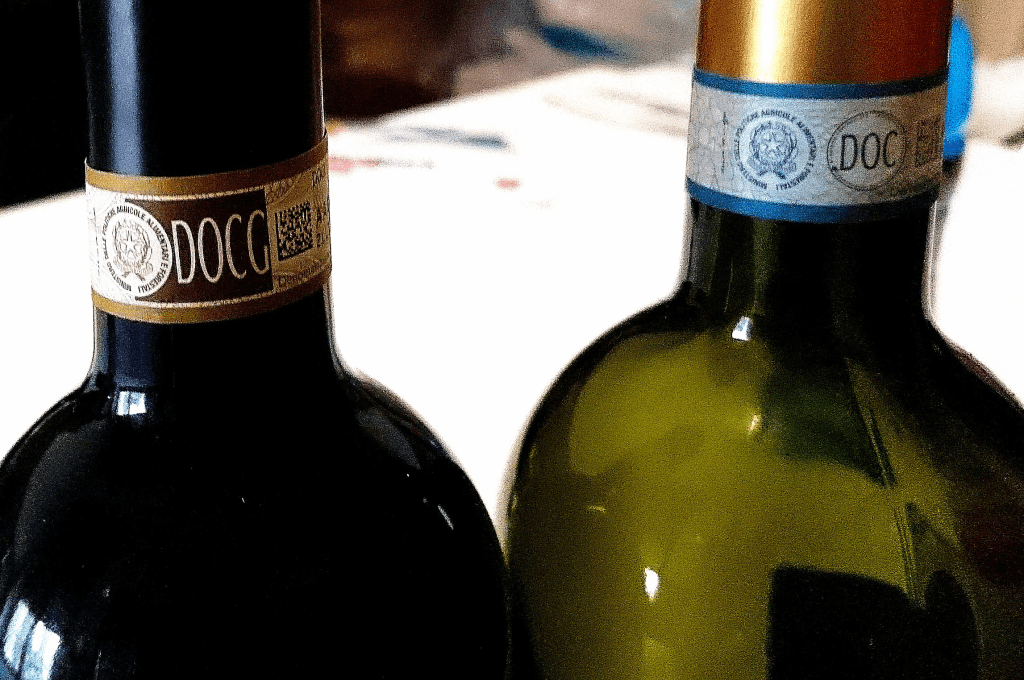
- Guarantee seal on the neck of each bottle
- There are currently 77 DOCGs, though some lists include 78 depending on how you count shared or overlapping appellations (we’re looking at you, Cannellino di Frascati and Frascati Superiore)
Examples:
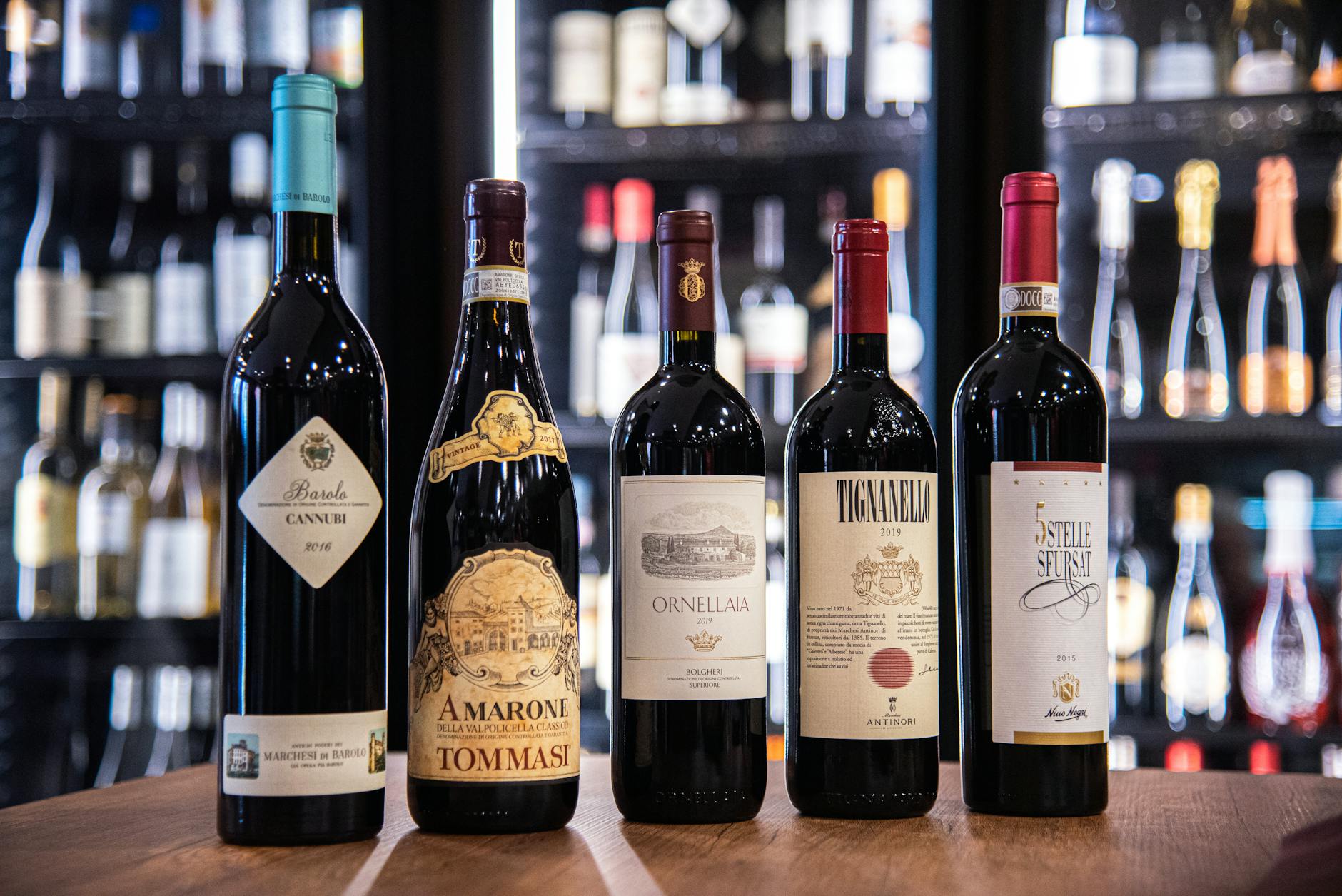
- Barolo DOCG (Piedmont) – 100% Nebbiolo, aged minimum 38 months
- Brunello di Montalcino DOCG (Tuscany) – 100% Sangiovese Grosso, 5 years of aging
- Amarone della Valpolicella DOCG (Veneto) – dried grape process (appassimento), powerful and rich
DOC – Denominazione di Origine Controllata
- Middle-tier, first established in 1966
- Still regulated but slightly more flexible than DOCG
- Also enforces rules on production zones, grapes, yields, and winemaking techniques
- Includes many long-established regions or subregions not yet elevated to DOCG
There are around 330 DOCs, which evolve frequently as regions apply for DOCG status or boundaries are adjusted.
Examples:
- Chianti DOC (Tuscany) – distinct from Chianti Classico DOCG
- Etna DOC (Sicily) – volcanic reds and whites from Nerello Mascalese and Carricante
- Lugana DOC (Lombardy/Veneto) – crisp whites from the Turbiana grape near Lake Garda
IGT – Indicazione Geografica Tipica
- Introduced in 1992 to acknowledge high-quality wines outside the rigid DOC/DOCG systems
- Flexible in grape usage, blending, and winemaking—ideal for experimentation
- Geographic indication is the main requirement
- Originally a reaction to Super Tuscan wines that didn’t fit DOC rules despite exceptional quality
Examples:
- Toscana IGT – the birthplace of Super Tuscans like Sassicaia, Tignanello, and Ornellaia
- Veneto IGT – widely used for innovative blends or single varietals like Merlot and Chardonnay
- Sicilia IGT – often used for international grapes or modern styles of Nero d’Avola
How Did We Get Here? A Sip of History
Italy’s wine laws evolved from a country of regional customs into a unified classification system. In the early 20th century, counterfeit wines and inconsistent quality were widespread, leading to the 1963 law that created DOC and laid the groundwork for DOCG. But even that wasn’t enough.
In the 1970s, innovative winemakers in Tuscany grew frustrated by the limitations of DOC laws. They began producing bold, Bordeaux-style blends with Cabernet and Merlot, aging them in French oak, and labeling them simply as “vino da tavola” (table wine). These “Super Tuscans”—once rebels—outshone many DOC wines and gained international fame.
Italy responded in 1992 by creating the IGT category, legitimizing these high-quality outliers and restoring some order to the chaos.
The 20 Wine Regions – A Brief Look
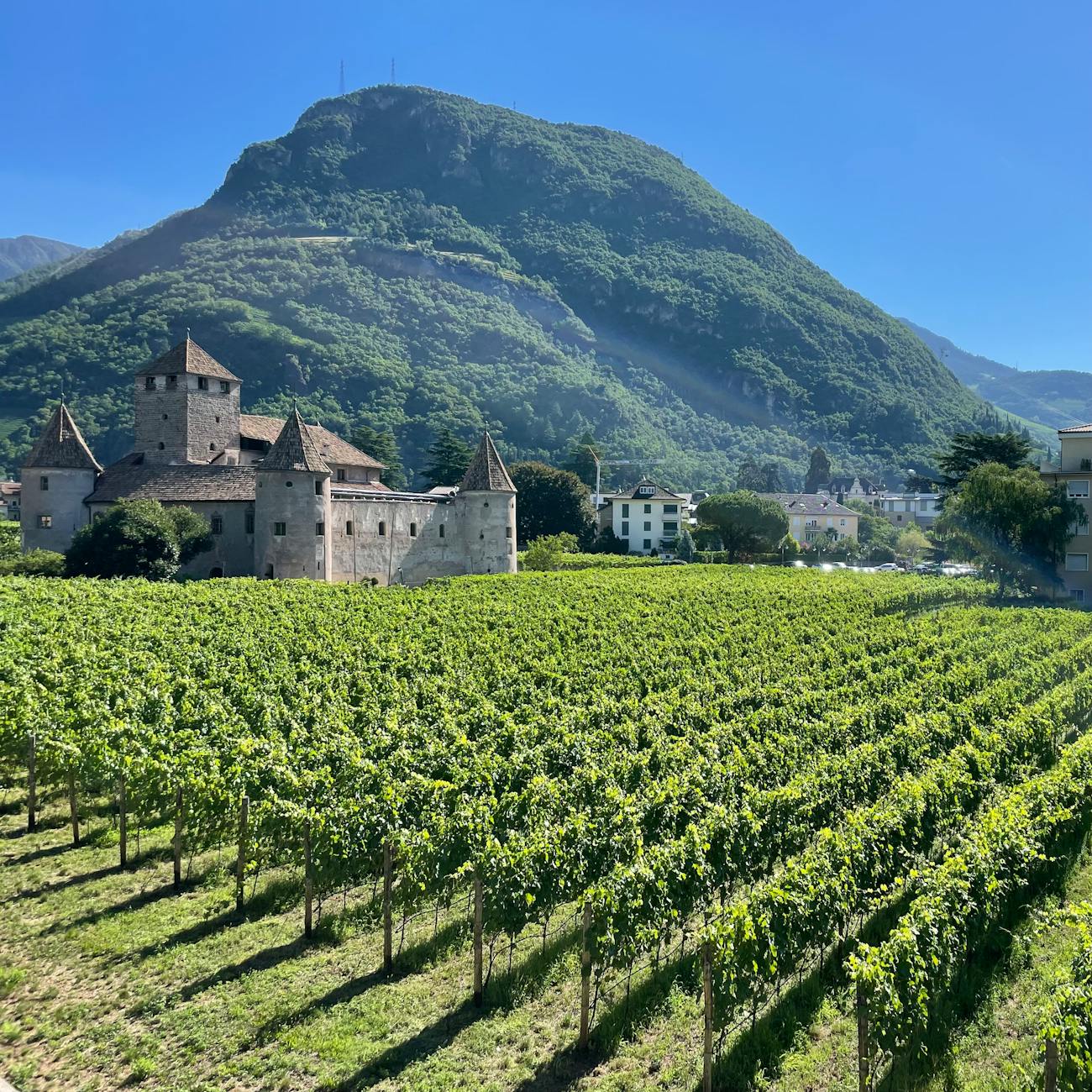
Italy’s wine regions align with its administrative regions. Here are the 20 wine regions of Italy (North to South)
| Region | Famous For |
|---|---|
| Valle d’Aosta | Tiny production, alpine Nebbiolo (called Picotendro), Prié Blanc |
| Piedmont (Piemonte) | Barolo, Barbaresco, Dolcetto, Barbera, Moscato d’Asti |
| Liguria | Vermentino, Pigato, wines from terraced coastal vineyards |
| Lombardy (Lombardia) | Franciacorta (traditional method sparkling), Nebbiolo in Valtellina |
| Trentino-Alto Adige | Elegant whites (Gewürztraminer, Pinot Grigio), Germanic influence |
| Veneto | Amarone, Valpolicella, Soave, Prosecco |
| Friuli-Venezia Giulia | Orange wines, Ribolla Gialla, Sauvignon Blanc, skin-contact whites |
| Emilia-Romagna | Lambrusco, Sangiovese, sparkling reds, food-friendly wines |
| Tuscany (Toscana) | Chianti, Brunello, Vino Nobile, Super Tuscans |
| Umbria | Sagrantino di Montefalco, Grechetto, Orvieto |
| Marche | Verdicchio, Rosso Conero, Montepulciano blends |
| Lazio | Frascati, Cesanese, ancient Roman white wine zones |
| Abruzzo | Montepulciano d’Abruzzo, Trebbiano |
| Molise | Small production, Biferno DOC, Tintilia grape revival |
| Campania | Taurasi, Fiano di Avellino, Greco di Tufo, Falanghina |
| Basilicata | Aglianico del Vulture, high-altitude volcanic reds |
| Puglia (Apulia) | Primitivo, Negroamaro, full-bodied value reds |
| Calabria | Gaglioppo-based Cirò, Greco Bianco |
| Sicily (Sicilia) | Nero d’Avola, Etna wines, Grillo, Cerasuolo di Vittoria DOCG |
| Sardinia (Sardegna) | Vermentino di Gallura DOCG, Cannonau (Grenache) |

Is the Stamp of Quality a Marketing Ploy?
Let’s be honest: a neck label with “DOCG” in shiny gold doesn’t guarantee your world will change with one sip. But it does serve a purpose.
Benefits to Consumers:
- Trust & transparency – You know where the wine is from and what’s inside
- Production standards – DOCG wines are lab-tested and taste-tested
- Cultural value – These labels preserve traditional winemaking and protect local identity
But Don’t Be Fooled…
- Some DOCs and IGTs outperform DOCGs in quality
- DOCG upgrades are sometimes politically driven
- Great wine can come from outside the system
So yes, there’s a marketing angle—but it’s rooted in protecting regional identity, improving quality, and guiding consumers. Like any guide, it’s useful but not absolute.
SOMM&SOMM TIP: How to Use the Pyramid When Buying Wine
- For traditionalists: Start with DOCG, especially Barolo, Brunello, Amarone.
- For adventurers: Explore DOCs in less-known regions like Umbria, Marche, or Molise.
- For rebels & innovators: Dive into IGTs—you’ll find unusual blends, single vineyard gems, and creative winemaking at great value.
- For budget-conscious buyers: DOC wines often strike the best balance between structure, tradition, and price.
Embrace the Chaos with a Glass in Hand
Italy’s wine classifications can seem maddening, but they’re part of the country’s charm. Each DOCG and DOC tells a story—of place, people, and pride. IGT reminds us that some rules are made to be broken. The pyramid isn’t perfect, but it’s a powerful lens through which to explore one of the world’s most diverse wine-producing nations.
So the next time you pick up a bottle of Barolo or a renegade IGT Syrah from Sicily, remember: you’re not just drinking wine—you’re tasting history, rebellion, and a little bit of bureaucracy in a bottle.
Cin cin, amici 🍷
Cover photo by Pava, CC BY-SA 3.0 IT, via Wikimedia Commons


We welcome feedback…