
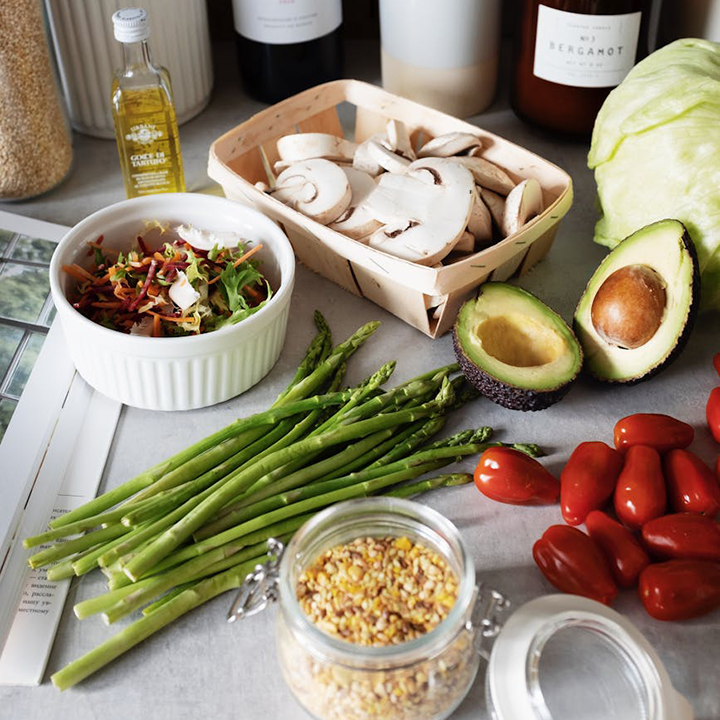
Pairing wine with vegan dishes presents unique challenges, primarily due to the absence of animal-derived ingredients like fat, proteins, and umami-rich components such as cheese or meat, which traditionally enhance the mouthfeel and balance of certain wines. However, with a scientific understanding of flavor chemistry and a sommelier’s intuition, we can create pairings that elevate the vegan dining experience, balancing acidity, tannins, sweetness, and texture in ways that complement plant-based dishes.



Lack of Fat and Proteins
Animal proteins and fats help soften the perception of tannins in wine, creating a smoother mouthfeel. Without these components, high-tannin wines can feel overly astringent when paired with vegan dishes. Therefore, lower-tannin reds or those with softer, more integrated tannins are preferable.
Recommended Wine: Pinot Noir (Vegan-certified)
- Reasoning: Pinot Noir’s lower tannin structure and bright acidity make it a versatile partner for many vegan dishes, especially those with earthy components.
- Dish Pairing: Roasted Beet and Walnut Salad with Balsamic Reduction. The earthiness of beets and walnuts echoes the subtle complexity of the Pinot Noir, while the acidity of the balsamic reduction aligns with the wine’s vibrant structure.
SOMM&SOMM Recommends: 2022 Hahn Founder’s Pinot Noir V22
Umami Deficiency
Animal-based dishes often contain high levels of umami, which balances out tannins and acidity. Vegan dishes, while lower in umami, can still develop it through ingredients like mushrooms, miso, soy sauce, and fermented foods.
Recommended Wine: Chianti Classico (Sangiovese) (Vegan-certified)
- Reasoning: Chianti Classico offers moderate tannins and bright acidity, with notes of cherry and tomato that complement umami-rich plant-based foods. Its savory character matches well with the umami derived from mushrooms or soy-based dishes.
- Dish Pairing: Miso-glazed Grilled Portobello Mushrooms. The umami from the miso and mushrooms harmonizes with the rustic, earthy notes of Sangiovese, while the wine’s acidity cuts through the richness of the glaze.
SOMM&SOMM Recommends: 2021 Querciabella Chianti Classico
Acidity and Freshness
Many vegan dishes are vegetable-forward, emphasizing fresh, raw, or lightly cooked ingredients with high acidity. Wines with balanced acidity are crucial to avoid overwhelming these delicate flavors.
Recommended Wine: Sauvignon Blanc (Vegan-certified)
- Reasoning: Sauvignon Blanc is known for its crisp, zesty acidity, which matches well with the fresh, green flavors often found in vegan dishes. Its herbal notes also complement dishes that feature herbs, citrus, or green vegetables.
- Dish Pairing: Avocado and Citrus Salad with Arugula and Mint. The bright, tangy flavors in this dish are mirrored in the Sauvignon Blanc’s lime and green apple notes, while its acidity contrasts the richness of avocado.
SOMM&SOMM Recommends: 2023 Justin Sauvignon Blanc
Spice and Heat
Many plant-based dishes feature spices, which can be challenging for wine pairings. Spice amplifies the perception of alcohol, so lower-alcohol, fruit-forward wines with a touch of sweetness often work best with spicier vegan dishes.
Recommended Wine: Riesling (Off-dry) (Vegan-certified)
- Reasoning: Off-dry Riesling has just enough sweetness to counterbalance the heat in spicy dishes while offering bright acidity to keep the palate refreshed. Its fruit-forward profile softens the impact of spices.
- Dish Pairing: Spicy Thai Green Curry with Tofu. The slight sweetness and acidity in Riesling tame the curry’s heat while enhancing its complex flavors of lemongrass, coconut, and lime.
SOMM&SOMM Recommends: 2022 Dr. Loosen Erdener Treppchen Riesling Kabinett
Texture and Body
Many vegan dishes, especially those using grains, legumes, or root vegetables, have substantial texture but lack the rich body of animal-based fats. Wines with texture and body are necessary to complement these heartier components without overwhelming them.
Recommended Wine: Chenin Blanc (Sec) (Vegan-certified)
- Reasoning: Chenin Blanc can have a rich, creamy texture while maintaining refreshing acidity. This makes it ideal for pairing with hearty vegan dishes that have substantial texture but are lower in fat.
- Dish Pairing: Butternut Squash Risotto with Sage and Cashew Cream. The creaminess of the dish is enhanced by the wine’s textured body, while its acidity keeps the pairing from feeling overly rich.
SOMM&SOMM Recommends: 2023 Domaine Vigneau Chevreau Vouvray Cuvee Silex Sec
Sweetness and Dessert Pairings
Vegan desserts often use natural sweeteners, and the absence of dairy can make them feel lighter. Pairing vegan desserts with wine requires a delicate balance, ensuring the wine is sweeter than the dish to avoid bitter or sour clashes.
Recommended Wine: Moscato d’Asti (Vegan-certified)
- Reasoning: Moscato d’Asti is a lightly sparkling, sweet wine with low alcohol content, making it ideal for pairing with fruit-based or lightly sweet vegan desserts. Its bright acidity prevents the pairing from feeling cloying.
- Dish Pairing: Almond Milk Panna Cotta with Fresh Berries. The delicate sweetness of Moscato complements the panna cotta, while the wine’s effervescence adds an element of freshness to balance the richness.
SOMM&SOMM Recommends: 2022 Saracco Moscato d’Asti
What Makes Vegan-certified Wine… well, Vegan?
Vegan-certified wine is distinct from conventional wine in its production process, specifically during clarification and fining, where traditional animal-derived agents are avoided. Most wines go through a fining process to remove unwanted particles, proteins, and other compounds that can cloud the wine or affect its flavor. Traditionally, winemakers have used substances like egg whites (albumin), casein (milk protein), gelatin (animal protein), and isinglass (fish bladder) as fining agents. These substances bind to the unwanted particles and help filter them out, but since they are derived from animals, they render the wine unsuitable for vegans.
In vegan-certified wine, plant-based or mineral fining agents are used instead. These include materials like bentonite (a type of clay), activated charcoal, pea protein, and silica gel, which effectively clarify the wine without the use of animal by-products. Some winemakers may even skip the fining process entirely, opting for a natural sedimentation approach that allows particles to settle over time, leading to unfiltered, often more complex wines that still meet vegan standards.
To ensure that a wine is truly vegan, it must be certified by organizations that confirm no animal products were used in any part of the production process. This extends beyond fining to include other elements, such as ensuring animal-derived materials weren’t used in vineyard fertilizers or in the production of additives like colorants. Vegan-certified wines allow consumers to enjoy a high-quality product while staying true to their ethical or dietary choices.

Pairing vegan dishes with wine is a delicate dance of balancing acidity, texture, and flavor, compensating for the absence of animal fats and proteins by focusing on the structure and nuances of both food and wine. By understanding the scientific interactions between these elements, you can create harmonious pairings that elevate both the vegan dish and the wine. Cheers 🍷
Cover photo credit: Photo by ready made on Pexels.com
 SOMM&SOMM
We welcome feedback…