
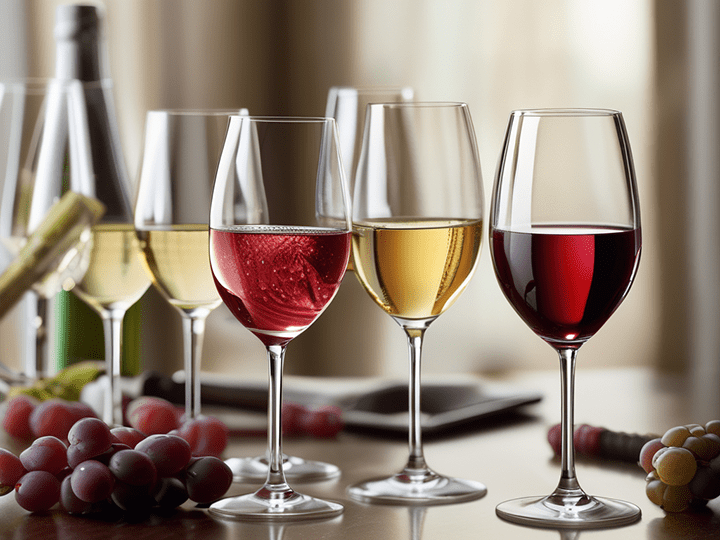
Ah, wine – that magical elixir that transforms ordinary moments into extraordinary experiences. The world of wine is a tapestry woven with flavors, aromas, and textures, and like any masterpiece, it requires the right conditions to truly shine. As we embark on this whimsical journey through the realms of temperature, let us explore the proper storage and serving temperatures for various wine styles, each with its unique personality waiting to be unleashed.
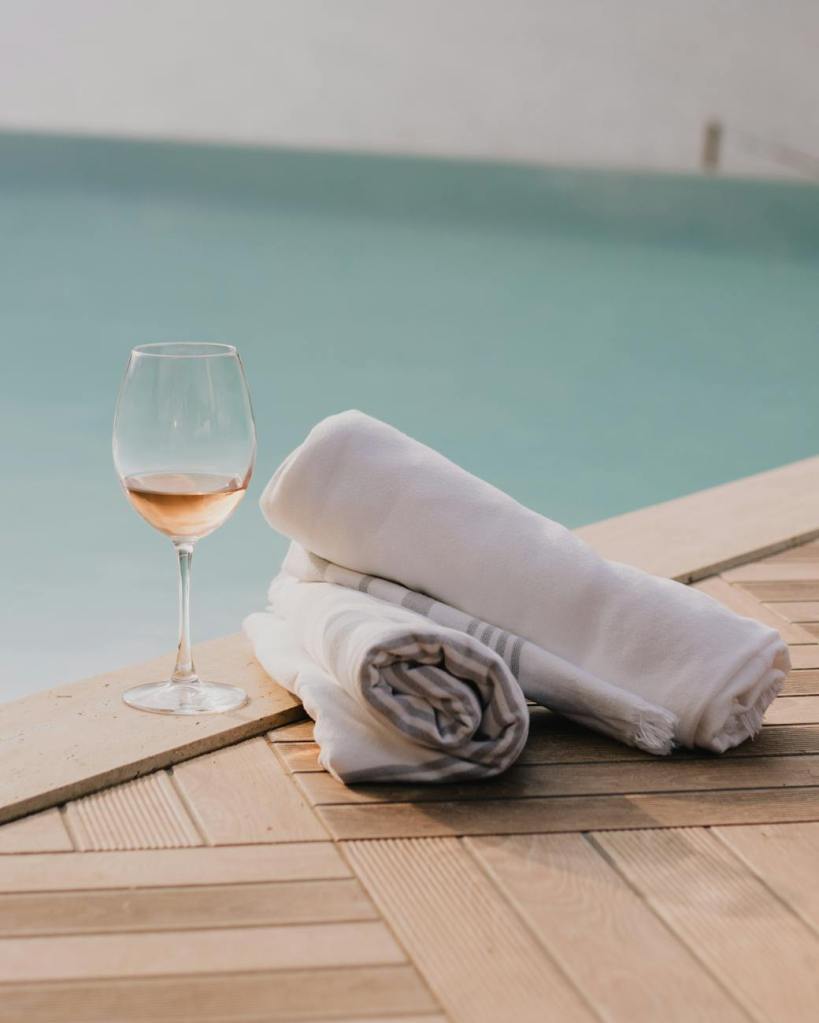
Light White Wines
Picture a crisp Sauvignon Blanc or a zesty Pinot Grigio, dancing on your taste buds like a lively sprite. These light white wines are delicate creatures, and they thrive at temperatures around 45-50°F (7-10°C) when stored. Serve them a bit too warm, and they might lose their sprightly demeanor, becoming flabby and dull. Too cold, and their vivacious character may be masked, leaving you with a muted sip.

Bolder White Wines
Now, let’s enter the realm of bolder white wines, where the majestic oaked Chardonnay reigns supreme. These wines, with their buttery richness, demand a slightly warmer storage temperature of 50-55°F (10-13°C). Serve them too warm, and they might become a butter bomb, overwhelming your senses. Too cold, and the oak and creamy textures might be hibernating, leaving you with a less-than-luxurious experience.

Sparkling Wines
Ah, the effervescence of sparkling wines, those tiny bubbles that tickle your nose with delight. These celebratory libations prefer cooler storage temperatures around 43-50°F (6-10°C). Serve them too warm, and the bubbles may fizzle out prematurely, like a deflated balloon. Too cold, and their vibrant dance might be subdued, robbing you of that effervescent magic.
Dessert Wines
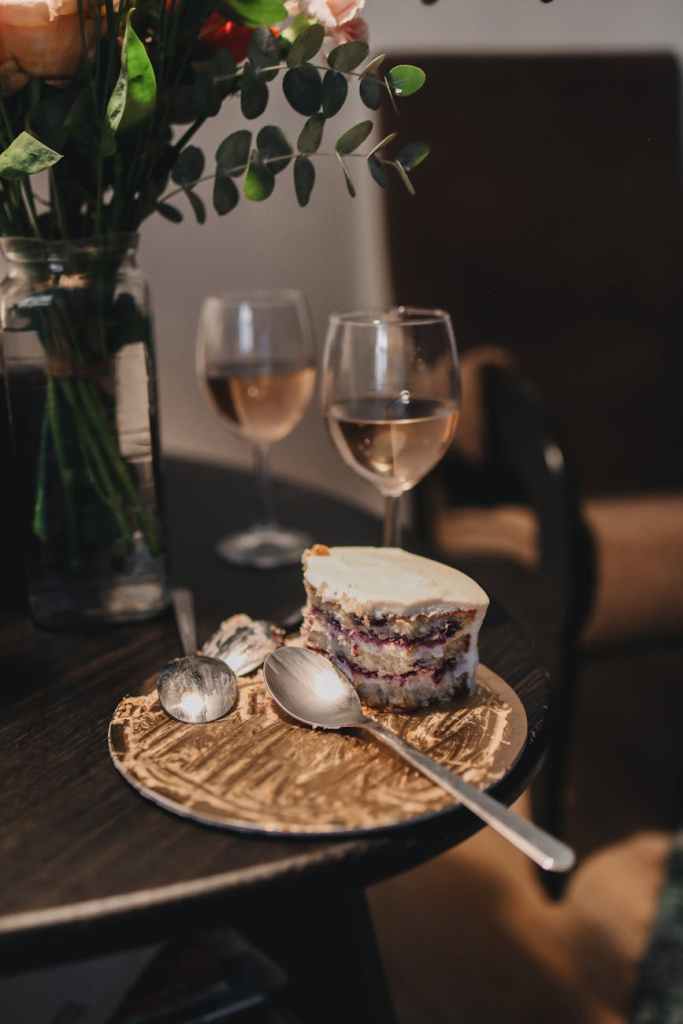
Enter the world of dessert wines, a symphony of sweetness and complexity. Whether it’s a late harvest Riesling, a luscious Port, or a nutty Sherry, these wines thrive in slightly warmer storage conditions, around 55-60°F (13-16°C). Sweet wines–such as Sauternes and Eiswein–should be served well chilled at 43-46°F (6-8°C). Serve them too warm, and the sweetness might become cloying, like a sugar rush overwhelming your palate. Too cold, and their intricate flavors may be muddled, leaving you with a less-than-decadent experience.

Medium Red Wines
Transitioning to the red side of the spectrum, imagine a medium-bodied red wine gracefully waltzing across your taste buds. Pinot Noir and Valpolicella often fall into this category, and they prefer storage temperatures around 55-60°F (13-16°C). Serve them too warm, and their elegance might turn into a clumsy stumble, with the alcohol overpowering the subtleties. Too cold, and their delicate flavors may become shy and reserved.
Full-Bodied Red Wines
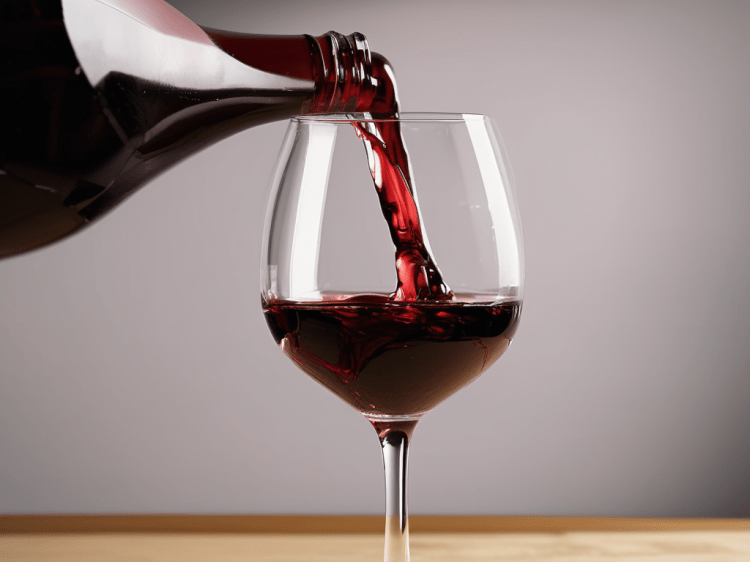
Finally, we arrive at the full-bodied red wines, the powerhouses like Cabernet Sauvignon or Syrah. These robust wines come to life at storage temperatures of 59-64°F (15-18°C). Serve them too warm, and the tannins may dominate, leaving your mouth feeling like a dry desert. Too cold, and their complexity might be cloaked, robbing you of the full symphony of flavors.
In the world of wine, temperature is the conductor, guiding each style to its crescendo of flavors. So, next time you uncork a bottle, take a moment to consider the temperature – the key to unlocking the true essence of your chosen elixir. Cheers to the whimsical journey through the vineyards of temperature, where every sip tells a tale of temperature and taste!
Cheers 🍷


Leave a reply to April Fools’ Wine Myths – SOMM&SOMM Cancel reply