
There is something unmistakable about April light. It stretches a little longer across the table, lingers just enough on the rim of a glass to catch the sparkle, and invites us—quietly but persistently—back outdoors. It is not yet summer’s bold declaration, nor winter’s final whisper. It is a transition. A becoming.
And there is no better companion to this moment than the spritz.
To call the spritz a “cocktail” feels almost too narrow. It is, more accurately, a ritual of restraint and expression. A balance of bitterness and brightness, of bubbles and botanicals, where nothing dominates and everything contributes. It is the kind of drink that encourages conversation rather than interrupting it, the kind that turns a casual afternoon into something just a touch more intentional.
From Necessity to Nuance
The spritz, like many of the world’s most enduring pleasures, began not as indulgence, but as practicality. In the 19th century, when soldiers of the Austro-Hungarian Empire occupied parts of northern Italy, they found the local wines—particularly those of the Veneto—too intense for their tastes. Their solution was simple: ask for a spritz, a splash of water to soften the wine.
There was nothing glamorous about it. No garnish. No ceremony. Just dilution.
But Italy has a way of transforming the ordinary into the extraordinary.
Over time, still water gave way to sparkling. Local bitters—bright, herbal, and often vividly colored—found their way into the glass. And eventually, Prosecco joined the composition, bringing lift, elegance, and a celebratory note that elevated the drink from functional to fashionable. What began as a soldier’s compromise became, quite beautifully, a cultural signature.
The Modern Expression
Today’s spritz is less about watering something down and more about building something up. It is a study in composition, where each ingredient plays a deliberate role. The sparkling wine provides structure and effervescence. The liqueur—whether bitter, floral, or herbal—introduces personality. Soda adds lightness. And the garnish, often overlooked, becomes the aromatic bridge between the drink and the drinker.
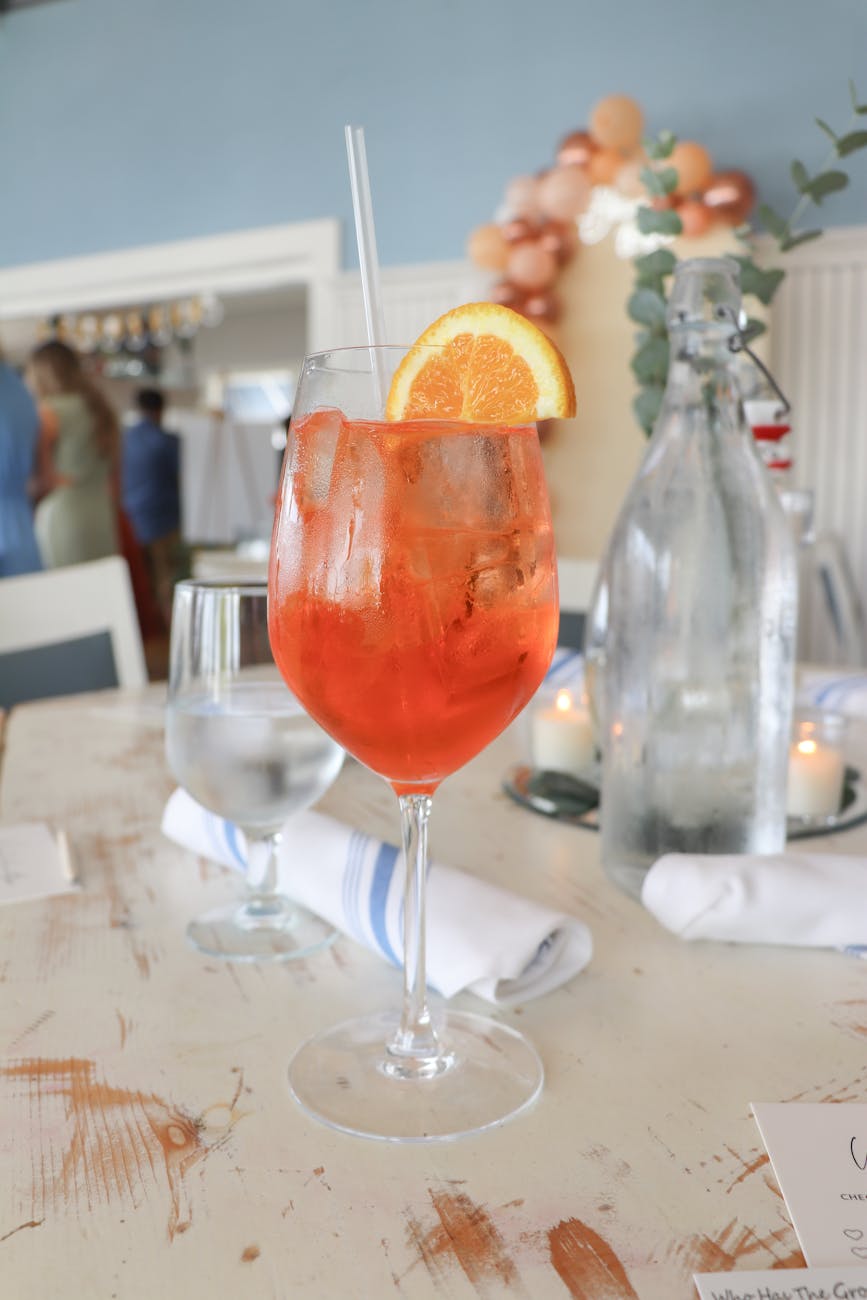
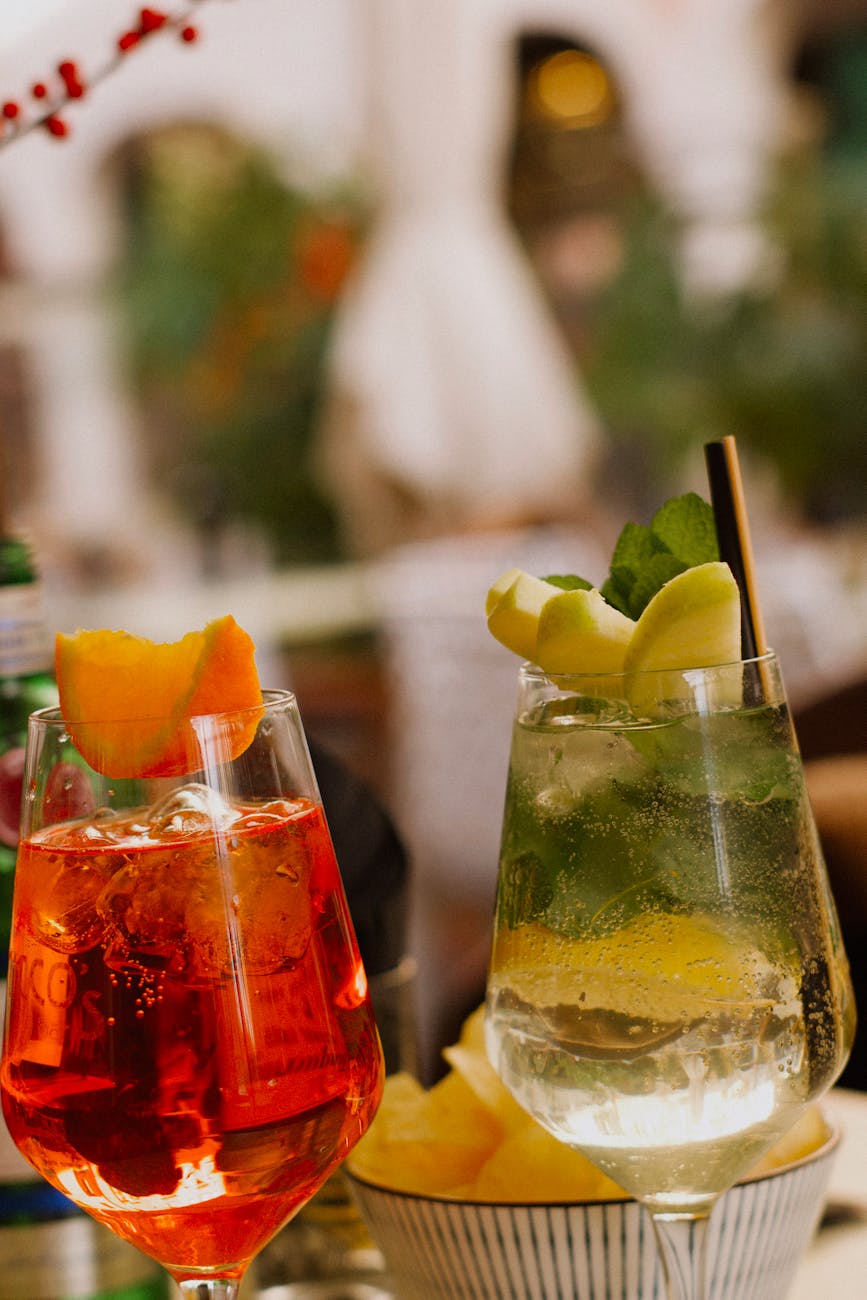
The most recognizable expression, of course, is the Aperol Spritz. Its signature hue—somewhere between a Venetian sunset and a ripe blood orange—has become synonymous with the category itself. It is approachable, gently bitter, slightly sweet, and endlessly drinkable. It does not challenge; it invites.
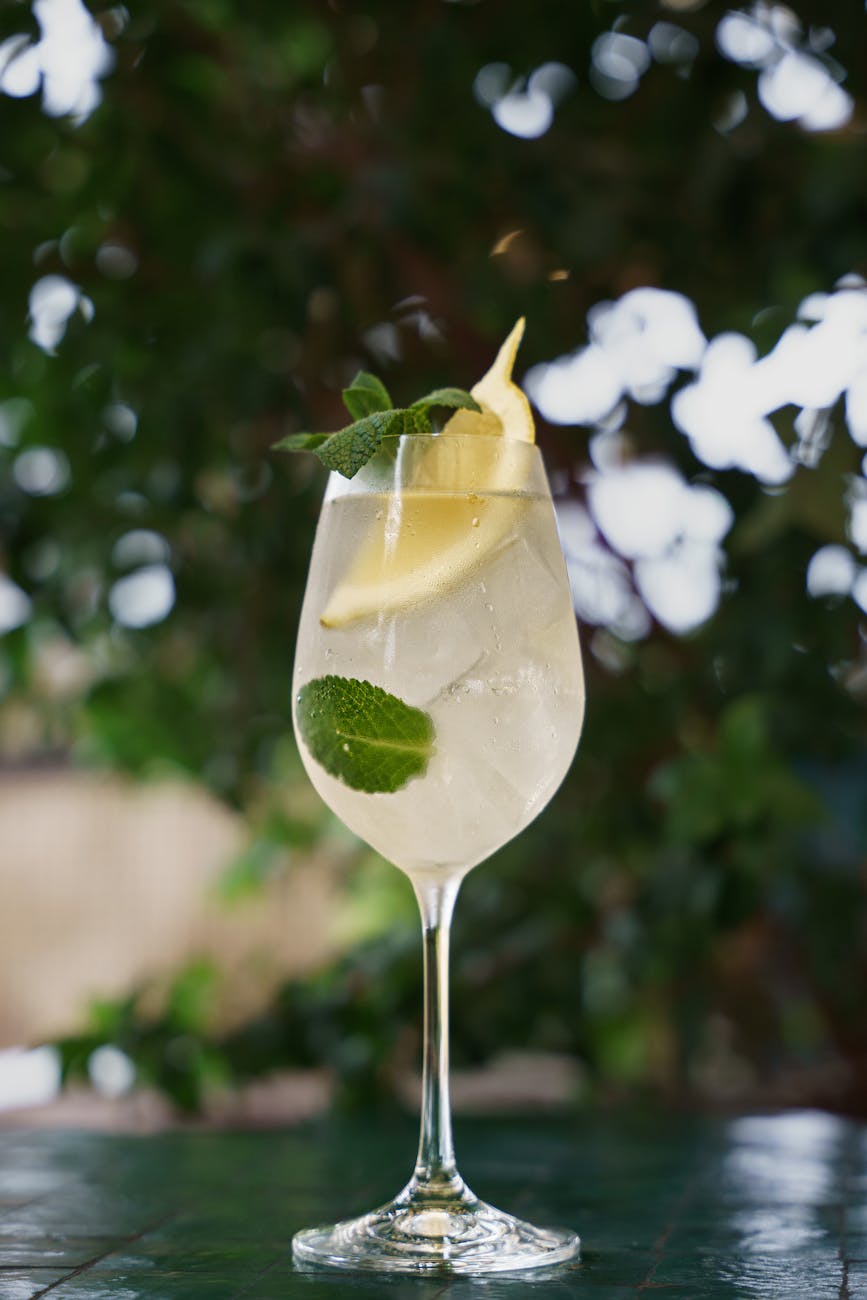
And yet, just beside it sits the Hugo Spritz, quieter but no less captivating. Where Aperol leans into citrus and bitterness, Hugo drifts into florals—elderflower, mint, lime—like a garden just beginning to bloom. It is the kind of drink that doesn’t announce itself, but once noticed, becomes difficult to forget.
Together, they represent two ends of a spectrum: bold and delicate, bitter and aromatic. Between them lies an entire world waiting to be explored.
The Aperol Spritz
The most recognizable of them all—sunset in a glass. Bright orange, gently bitter, lightly sweet, and endlessly drinkable.
Classic Build:
- 3 oz Prosecco
- 2 oz Aperol
- 1 oz soda water
- Orange slice
It’s the gateway spritz—the one that invites curiosity without intimidation.
The Hugo Spritz
If Aperol is sunset, Hugo is spring morning. Elderflower liqueur, mint, lime—this is the garden in bloom.
Classic Build:
- 3 oz Prosecco
- 1.5 oz elderflower liqueur
- Soda water
- Fresh mint, lime wheel
Elegant, aromatic, and quietly enchanting.
Where Curiosity Begins
If the Aperol Spritz is the introduction, the true joy of the spritz lies in what comes next.
There is a particular delight in watching someone take their first sip of a Cynar Spritz. There is often a pause—just a moment—where expectation meets reality. Artichoke, after all, is not an ingredient most associate with cocktails. And yet, in the hands of an amaro like Cynar, it becomes something earthy, bittersweet, and unexpectedly compelling. It is a spritz that sparks conversation, not just because of its flavor, but because of its audacity.

This is where the philosophy of Sips & Stories comes to life. The classics are not endpoints; they are starting points. A foundation upon which to build, to riff, to reinterpret.
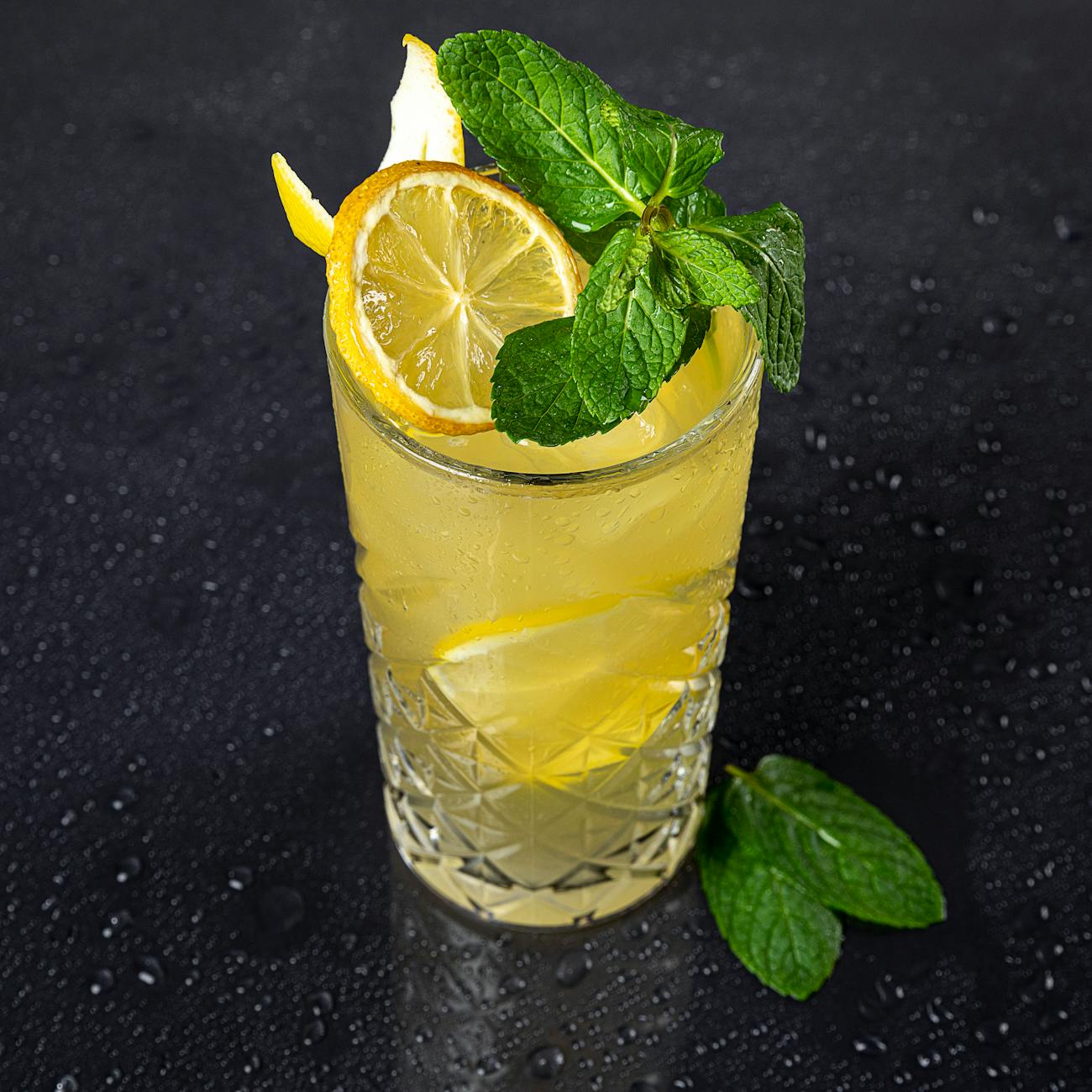
A splash of limoncello can turn a spritz into a sunlit stroll along the Amalfi Coast. A touch of dry vermouth can introduce structure and subtle herbal complexity. Fresh basil, thyme, or even rosemary can transform aroma into memory. The spritz, perhaps more than any other cocktail, invites personalization without pretension.
The Experience in the Glass
Part of what makes the spritz so captivating is its visual and aromatic presence. This is not a drink meant to be confined. It belongs in a generous glass—ideally a large wine bowl—where ice can settle comfortably and aromatics can rise freely. The shape matters. It allows the botanicals to bloom, the citrus oils to express, and the bubbles to carry those scents upward with each sip.
There is also a quiet elegance in how a spritz is built. No shaking. No aggressive stirring. Just a gentle layering—sparkling wine first, then liqueur, then a lift of soda. A soft stir, almost a whisper, and the drink is complete. It is a process that mirrors the drink itself: unhurried, balanced, and intentional.
At the Table
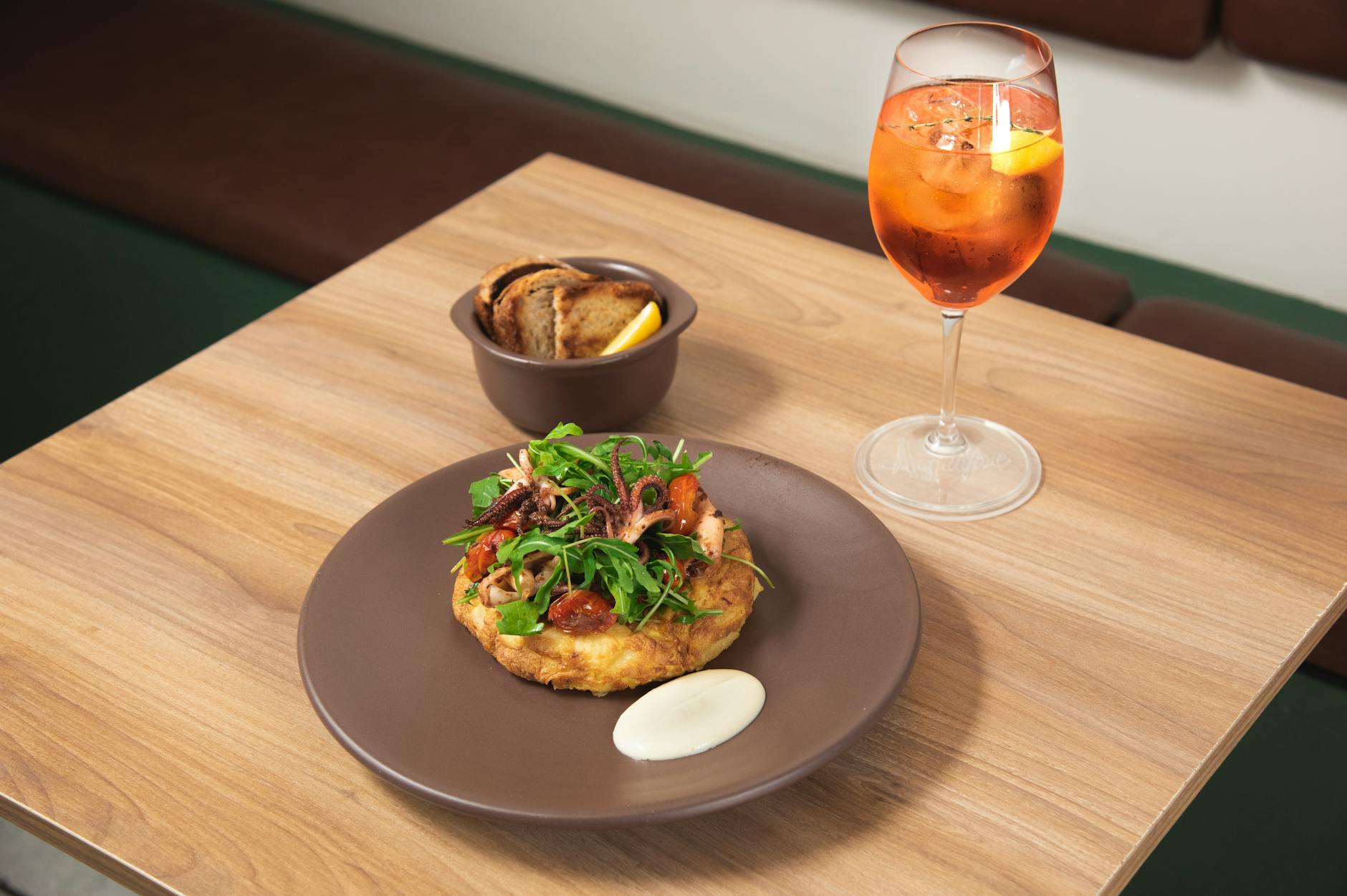
The spritz finds its natural home at the table, particularly in the company of foods that echo its lightness or contrast its bitterness. There is a reason it thrives in the Italian aperitivo tradition. Salty bites—prosciutto, olives, lightly dressed seafood—play beautifully against its refreshing lift. Creamy textures, like burrata or ricotta, soften its edges. Citrus and herbs create harmony, reinforcing the very notes that define the drink.
Imagine, for a moment, a simple crostini—grilled bread topped with whipped ricotta, a touch of lemon zest, a drizzle of honey, and a scattering of fresh thyme. Paired with a floral, elderflower-driven spritz, the experience becomes something more than food and drink. It becomes a conversation between them.
Lemon Ricotta Crostini with Honey & Thyme
- Fresh ricotta
- Lemon zest
- Honey
- Fresh thyme
- Grilled baguette slices
Whip ricotta with lemon zest until airy. Spread over warm crostini, drizzle with honey, and finish with thyme.
Pair with a Hugo Spritz or Limoncello Spritz—where citrus and florals echo the dish.
A Story in Every Glass
In Venice, there is an unspoken understanding that a spritz is never just a spritz. It is a reflection of the moment, the mood, and the person holding the glass. Ratios shift. Garnishes change. Preferences evolve. No two are ever exactly alike.
There is even a quiet bit of lore among locals—that the way one builds their spritz reveals something deeper. A heavier pour of bitter suggests boldness. A lighter, more floral touch hints at subtlety. Whether or not this is true is almost beside the point. What matters is the idea that the drink is expressive.
And perhaps that is why the spritz feels so perfectly suited to April. It exists in that same space of transition and possibility. Not fully one thing, not yet another. Open to interpretation.
The Invitation
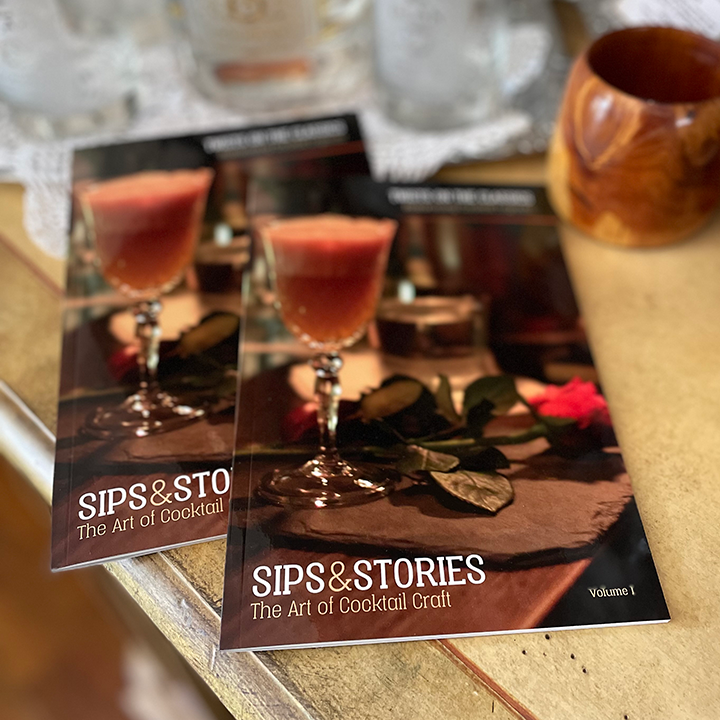
As we continue to explore the world through Sips & Stories, the spritz stands as a reminder that the best experiences are rarely about strict adherence to tradition. They are about understanding the foundation—and then having the confidence to step beyond it.
So this season, let the classics guide you, but not define you. Reach for something unfamiliar. Add an herb you’ve never used. Swap a liqueur. Change the balance. Tell your own story in the glass.
Because the true beauty of the spritz is not in how it began, but in how it continues to evolve—one pour, one evening, one conversation at a time.
And in April, under that soft, lingering light, there may be no better story to tell 🥂
The April Awakening Spritz
A SOMM&SOMM original—crafted for that first evening you dine outdoors.
- 3 oz Prosecco
- 1 oz St-Germain (elderflower liqueur)
- 0.5 oz Lillet Blanc
- Soda water
- Grapefruit twist
- Fresh basil leaf
Construct in a large wine glass over ice. Garnish with intention.
Tasting Note:
Floral, gently bitter, with a citrus backbone and herbal lift—like spring itself, finding its voice.
Cover Photo by ginPhotos on Pexels.com
 SOMM&SOMM
We welcome feedback…