Tag: cocktail

  • The Season of the Spritz

    The Season of the Spritz

    There is something unmistakable about April light. It stretches a little longer across the table, lingers just enough on the rim of a glass to catch the sparkle, and invites us—quietly but persistently—back outdoors. It is not yet summer’s bold declaration, nor winter’s final whisper. It is a transition. A becoming.

    And there is no better companion to this moment than the spritz.

    To call the spritz a “cocktail” feels almost too narrow. It is, more accurately, a ritual of restraint and expression. A balance of bitterness and brightness, of bubbles and botanicals, where nothing dominates and everything contributes. It is the kind of drink that encourages conversation rather than interrupting it, the kind that turns a casual afternoon into something just a touch more intentional.

    Photo by Augustin Mazaud on Pexels.com

    From Necessity to Nuance

    The spritz, like many of the world’s most enduring pleasures, began not as indulgence, but as practicality. In the 19th century, when soldiers of the Austro-Hungarian Empire occupied parts of northern Italy, they found the local wines—particularly those of the Veneto—too intense for their tastes. Their solution was simple: ask for a spritz, a splash of water to soften the wine.

    There was nothing glamorous about it. No garnish. No ceremony. Just dilution.

    But Italy has a way of transforming the ordinary into the extraordinary.

    Over time, still water gave way to sparkling. Local bitters—bright, herbal, and often vividly colored—found their way into the glass. And eventually, Prosecco joined the composition, bringing lift, elegance, and a celebratory note that elevated the drink from functional to fashionable. What began as a soldier’s compromise became, quite beautifully, a cultural signature.

    The Modern Expression

    Today’s spritz is less about watering something down and more about building something up. It is a study in composition, where each ingredient plays a deliberate role. The sparkling wine provides structure and effervescence. The liqueur—whether bitter, floral, or herbal—introduces personality. Soda adds lightness. And the garnish, often overlooked, becomes the aromatic bridge between the drink and the drinker.

    Photo by Anna McDonald on Pexels.com

    The most recognizable expression, of course, is the Aperol Spritz. Its signature hue—somewhere between a Venetian sunset and a ripe blood orange—has become synonymous with the category itself. It is approachable, gently bitter, slightly sweet, and endlessly drinkable. It does not challenge; it invites.

    And yet, just beside it sits the Hugo Spritz, quieter but no less captivating. Where Aperol leans into citrus and bitterness, Hugo drifts into florals—elderflower, mint, lime—like a garden just beginning to bloom. It is the kind of drink that doesn’t announce itself, but once noticed, becomes difficult to forget.

    Together, they represent two ends of a spectrum: bold and delicate, bitter and aromatic. Between them lies an entire world waiting to be explored.

    The Aperol Spritz

    The most recognizable of them all—sunset in a glass. Bright orange, gently bitter, lightly sweet, and endlessly drinkable.

    Classic Build:

    • 3 oz Prosecco
    • 2 oz Aperol
    • 1 oz soda water
    • Orange slice

    It’s the gateway spritz—the one that invites curiosity without intimidation.

    The Hugo Spritz

    If Aperol is sunset, Hugo is spring morning. Elderflower liqueur, mint, lime—this is the garden in bloom.

    Classic Build:

    • 3 oz Prosecco
    • 1.5 oz elderflower liqueur
    • Soda water
    • Fresh mint, lime wheel

    Elegant, aromatic, and quietly enchanting.

    Where Curiosity Begins

    If the Aperol Spritz is the introduction, the true joy of the spritz lies in what comes next.

    There is a particular delight in watching someone take their first sip of a Cynar Spritz. There is often a pause—just a moment—where expectation meets reality. Artichoke, after all, is not an ingredient most associate with cocktails. And yet, in the hands of an amaro like Cynar, it becomes something earthy, bittersweet, and unexpectedly compelling. It is a spritz that sparks conversation, not just because of its flavor, but because of its audacity.

    This is where the philosophy of Sips & Stories comes to life. The classics are not endpoints; they are starting points. A foundation upon which to build, to riff, to reinterpret.

    Photo by Nasim Didar on Pexels.com

    A splash of limoncello can turn a spritz into a sunlit stroll along the Amalfi Coast. A touch of dry vermouth can introduce structure and subtle herbal complexity. Fresh basil, thyme, or even rosemary can transform aroma into memory. The spritz, perhaps more than any other cocktail, invites personalization without pretension.

    The Experience in the Glass

    Part of what makes the spritz so captivating is its visual and aromatic presence. This is not a drink meant to be confined. It belongs in a generous glass—ideally a large wine bowl—where ice can settle comfortably and aromatics can rise freely. The shape matters. It allows the botanicals to bloom, the citrus oils to express, and the bubbles to carry those scents upward with each sip.

    There is also a quiet elegance in how a spritz is built. No shaking. No aggressive stirring. Just a gentle layering—sparkling wine first, then liqueur, then a lift of soda. A soft stir, almost a whisper, and the drink is complete. It is a process that mirrors the drink itself: unhurried, balanced, and intentional.

    Photo by Irving Joaquin Gutierrez on Pexels.com

    At the Table

    The spritz finds its natural home at the table, particularly in the company of foods that echo its lightness or contrast its bitterness. There is a reason it thrives in the Italian aperitivo tradition. Salty bites—prosciutto, olives, lightly dressed seafood—play beautifully against its refreshing lift. Creamy textures, like burrata or ricotta, soften its edges. Citrus and herbs create harmony, reinforcing the very notes that define the drink.

    Imagine, for a moment, a simple crostini—grilled bread topped with whipped ricotta, a touch of lemon zest, a drizzle of honey, and a scattering of fresh thyme. Paired with a floral, elderflower-driven spritz, the experience becomes something more than food and drink. It becomes a conversation between them.

    Lemon Ricotta Crostini with Honey & Thyme

    • Fresh ricotta
    • Lemon zest
    • Honey
    • Fresh thyme
    • Grilled baguette slices

    Whip ricotta with lemon zest until airy. Spread over warm crostini, drizzle with honey, and finish with thyme.

    Pair with a Hugo Spritz or Limoncello Spritz—where citrus and florals echo the dish.

    A Story in Every Glass

    In Venice, there is an unspoken understanding that a spritz is never just a spritz. It is a reflection of the moment, the mood, and the person holding the glass. Ratios shift. Garnishes change. Preferences evolve. No two are ever exactly alike.

    There is even a quiet bit of lore among locals—that the way one builds their spritz reveals something deeper. A heavier pour of bitter suggests boldness. A lighter, more floral touch hints at subtlety. Whether or not this is true is almost beside the point. What matters is the idea that the drink is expressive.

    And perhaps that is why the spritz feels so perfectly suited to April. It exists in that same space of transition and possibility. Not fully one thing, not yet another. Open to interpretation.

    The Invitation

    As we continue to explore the world through Sips & Stories, the spritz stands as a reminder that the best experiences are rarely about strict adherence to tradition. They are about understanding the foundation—and then having the confidence to step beyond it.

    So this season, let the classics guide you, but not define you. Reach for something unfamiliar. Add an herb you’ve never used. Swap a liqueur. Change the balance. Tell your own story in the glass.

    Because the true beauty of the spritz is not in how it began, but in how it continues to evolve—one pour, one evening, one conversation at a time.

    And in April, under that soft, lingering light, there may be no better story to tell 🥂

    The April Awakening Spritz

    A SOMM&SOMM original—crafted for that first evening you dine outdoors.

    • 3 oz Prosecco
    • 1 oz St-Germain (elderflower liqueur)
    • 0.5 oz Lillet Blanc
    • Soda water
    • Grapefruit twist
    • Fresh basil leaf

    Construct in a large wine glass over ice. Garnish with intention.

    Tasting Note:
    Floral, gently bitter, with a citrus backbone and herbal lift—like spring itself, finding its voice.

    Cover Photo by ginPhotos on Pexels.com
  • Equal Parts, Endless Magic

    Equal Parts, Endless Magic

    Celebrating the timeless art of the perfectly balanced cocktail.

    When it comes to the eternal dance between wine and cocktails, wine often takes center stage — with its terroir-driven complexity and built-in pairing charm. But there are moments when a cocktail, not wine, is the star the evening deserves (hard to believe–right?). Especially when it comes to a rare and beautiful class of drinks: the Equal Parts Cocktails.

    Simple to remember. Sophisticated to sip. This family of cocktails has fueled iconic moments from smoky speakeasies to the most refined brunches. And when the right dish meets the right glass? Pure magic.

    Today, we dive deep into the history, lore, recipes, and perfect pairings of the most celebrated equal-part cocktails — plus, we’ll uncover when and why cocktails trump wine at the table.

    Photo by Bianca Jelezniac on Pexels.com

    Why Choose a Cocktail Over Wine?

    Before we jump into shaker tins and coupe glasses, let’s get one thing clear: wine is incredible — but cocktails can offer precision, intensity, and immediate vibrancy that wine sometimes cannot.

    • Complexity in One Sip: Equal-part cocktails are built to showcase bold, diverse flavors in perfect harmony.
    • Palate Awakener: Their vivid acidity, herbal notes, and bittersweet elements “wake up” the palate, making them the perfect aperitif or pairing for bold foods.
    • Timing Matters: Brunches, cocktail hours, sultry late-night soirées — these are moments when a lively cocktail enhances the occasion more than a glass of wine ever could.

    The History of Equal-Part Cocktails

    The equal-parts formula finds its roots in the early 20th century, during the golden age of cocktails. The Prohibition Era (1920-1933) challenged bartenders to create drinks that masked rough spirits with a symphony of harmonious ingredients. The solution? Recipes that used precision balance — often, simply equal measures of four ingredients.

    This style exploded with classic cocktails like the Corpse Reviver No. 2 and later evolved into the Last Word, a legendary pre-Prohibition concoction that made its roaring comeback in the craft cocktail renaissance of the early 2000s.

    Equal parts = artistic freedom + foolproof structure.

    Classic Equal-Part Cocktails You Need to Know

    The Last Word

    History & Lore:
    Born at the Detroit Athletic Club in the 1920s, the Last Word was almost lost to history until Seattle bartender Murray Stenson resurrected it in the early 2000s. Now? It’s a cult classic among bartenders and cocktail nerds alike.

    Recipe:

    • ¾ oz Gin
    • ¾ oz Green Chartreuse
    • ¾ oz Maraschino Liqueur
    • ¾ oz Fresh Lime Juice

    Shake with ice and strain into a chilled coupe. Garnish with a cherry or a lime twist.

    Perfect Time to Serve:
    An adventurous aperitif to kick off dinner parties or to open a late summer garden gathering.

    Perfect Pairing:

    • Prosciutto-Wrapped Melon: Sweetness and salt balance the herbal Chartreuse and tart lime.
    • Goat Cheese Crostini: The creamy tang cuts through the cocktail’s high-toned complexity.
    Photo by Helena Lopes on Pexels.com

    Corpse Reviver No. 2

    History & Lore:
    The “Corpse Revivers” were intended as hangover cures, with the No. 2 being the most famous — a bright, zesty tonic to jolt you back to life. Harry Craddock immortalized it in The Savoy Cocktail Book (1930), with the delightful note: “Four of these taken in swift succession will unrevive the corpse again.”

    Recipe:

    • ¾ oz Gin
    • ¾ oz Cointreau (or another triple sec)
    • ¾ oz Lillet Blanc (or Cocchi Americano)
    • ¾ oz Fresh Lemon Juice
    • Dash of Absinthe (rinse the glass or add a couple drops)

    Shake well with ice, strain into an absinthe-rinsed coupe.

    Perfect Time to Serve:
    At a luxurious brunch (post-celebration) or before a decadent seafood dinner.

    Perfect Pairing:

    • Oysters on the Half Shell: The clean brine meets the cocktail’s citrus brightness beautifully.
    • Lobster Salad: Creamy, lemony shellfish dishes sing alongside this refreshing classic.

    Paper Plane

    History & Lore:
    Created in 2007 by Sam Ross (of Milk & Honey fame), the Paper Plane is a modern equal-parts marvel, riffing on the Last Word with bourbon warmth and bittersweet Amaro Nonino.

    Recipe:

    • ¾ oz Bourbon
    • ¾ oz Amaro Nonino
    • ¾ oz Aperol
    • ¾ oz Fresh Lemon Juice

    Shake with ice, strain into a coupe glass. No garnish needed — the color alone is gorgeous.

    Perfect Time to Serve:
    Fall evenings, cozy cocktail parties, or after a hearty autumn dinner.

    Perfect Pairing:

    • Charcuterie Board: Salty meats, funky cheeses, nuts, and dried fruits make perfect companions.
    • Duck Confit Tacos: Rich, gamey flavors balanced by the Paper Plane’s bittersweet lift.

    Honorable Mentions

    • Boulevardier: Equal parts bourbon, sweet vermouth, and Campari. (Think of it as the Negroni’s American cousin.)
    • Naked & Famous: Equal parts mezcal, yellow Chartreuse, Aperol, and lime juice. Smoky, herbal, and tangy.
    • White Negroni: Equal parts gin, Lillet Blanc, and Suze. Lightly bitter and stunningly elegant (featured in our second book: Sips & Stories: Cocktails of the Garden (2025)).
    Photo by Antoni Shkraba Studio on Pexels.com

    Tips for Serving Equal-Part Cocktails

    Always measure precisely — even 1/8 oz matters when balancing strong flavors.

    Serve in a pre-chilled coupe or Nick & Nora glass to maintain temperature and elegance.

    Small bites are ideal companions — these cocktails pack flavor that needs food with texture and fat to harmonize.

    When Balance is Bliss

    Equal-part cocktails embody the soul of perfect balance — between simplicity and sophistication, between power and poise. They’re a sommelier’s dream when the dish demands brightness, precision, or boldness that wine alone cannot deliver.

    So next time you’re planning a gathering, a date night, or simply need a reason to shake up something extraordinary, remember:
    Equal parts create unequaled moments.

    Cheers, friends!

    Cover Photo by ROMAN ODINTSOV on Pexels.com

  • The Rise of Irish Whiskey Cocktails

    The Rise of Irish Whiskey Cocktails

    Irish whiskey has been experiencing a renaissance, reclaiming its place among the world’s finest spirits. Once the most popular whiskey in the world before the decline of the 20th century, Irish whiskey has made a stunning comeback, thanks to a new generation of distillers reviving traditional methods while embracing modern innovation. This resurgence has sparked a renewed interest in Irish whiskey cocktails, going far beyond the beloved Irish Coffee and introducing a diverse array of sophisticated and creative drinks.

    Photo by The OurWhisky Foundation ud83eudd43 on Pexels.com

    The History and Styles of Irish Whiskey

    Irish whiskey dates back to at least the 12th century, when monks first began distilling a spirit they called uisce beatha, or “water of life.” By the 18th and 19th centuries, Ireland had hundreds of distilleries producing smooth, triple-distilled whiskey, setting it apart from the bolder, often smokier Scotch whisky. However, political and economic struggles, including Prohibition in the U.S. and trade wars with Britain, led to a dramatic decline, leaving only a handful of distilleries operational by the mid-20th century.

    Today, Irish whiskey is thriving again, with a variety of styles that offer versatility in cocktails:

    • Single Malt: Made from 100% malted barley and distilled in pot stills, offering rich and complex flavors.
    • Pot Still: Unique to Ireland, this style combines malted and unmalted barley for a creamy, spicy character.
    • Blended: A mix of different styles, offering balance and approachability.
    • Grain: Typically lighter and used in blends, but increasingly bottled on its own for a delicate, smooth profile.
    • Peated Irish Whiskey: While not as common as in Scotland, some distilleries are experimenting with peat for a smoky twist.

    With this diversity, Irish whiskey is becoming a staple in craft cocktail culture. Let’s explore some of the exciting drinks making waves today.

    Trendy Irish Whiskey Cocktails (Beyond Irish Coffee)

    The Tipperary

    A classic yet underappreciated Irish whiskey cocktail, the Tipperary is a beautifully balanced drink that combines the herbal complexity of Green Chartreuse with the sweetness of vermouth.

    Recipe:

    • 1.5 oz Irish whiskey (try Redbreast 12-Year)
    • 0.75 oz sweet vermouth
    • 0.5 oz Green Chartreuse
    • 2 dashes orange bitters
    • Stir with ice and strain into a chilled coupe glass.
    • Garnish with an orange twist.

    Food Pairing: Serve with a charcuterie board featuring aged cheddar, dried fruits, and dark chocolate.

    The Emerald

    Often called the “Irish Manhattan,” the Emerald swaps rye or bourbon for Irish whiskey, creating a softer, more floral version of the classic cocktail.

    Recipe:

    • 2 oz Irish whiskey (try Powers Gold Label)
    • 1 oz sweet vermouth
    • 2 dashes Angostura bitters
    • Stir with ice and strain into a coupe glass.
    • Garnish with a cherry or orange peel.

    Food Pairing: This cocktail pairs beautifully with beef stew or shepherd’s pie, complementing rich, savory flavors.

    Photo by The OurWhisky Foundation ud83eudd43 on Pexels.com

    Irish Old Fashioned

    A simple yet effective twist on the traditional Old Fashioned, this cocktail brings out the vanilla, honey, and spice notes in Irish whiskey.

    Recipe:

    • 2 oz Irish whiskey (try Jameson Black Barrel or Teeling Small Batch)
    • 0.25 oz simple syrup (or 1 sugar cube)
    • 2 dashes Angostura bitters
    • 1 dash orange bitters
    • Stir with ice and strain over a large ice cube in a rocks glass.
    • Garnish with an orange twist.

    Food Pairing: The rich yet smooth character of this cocktail complements roasted pork, glazed carrots, and nutty desserts like pecan pie.

    The Shamrock Sour

    A creative riff on the Whiskey Sour, this green-hued drink adds herbal complexity with a touch of basil.

    Recipe:

    • 2 oz Irish whiskey (try Bushmills 10-Year Single Malt)
    • 0.75 oz fresh lemon juice
    • 0.5 oz simple syrup
    • 0.5 oz green Chartreuse
    • 1 egg white (optional, for texture)
    • Dry shake (without ice), then shake again with ice and strain into a coupe glass.
    • Garnish with a basil leaf or lemon twist.

    Food Pairing: Serve with light seafood dishes like grilled shrimp or smoked salmon crostini.

    Irish Gold Rush

    A honey-forward cocktail that highlights the smoothness of Irish whiskey while adding a citrusy zing.

    Recipe:

    • 2 oz Irish whiskey (try Tullamore D.E.W.)
    • 0.75 oz honey syrup (equal parts honey and warm water)
    • 0.75 oz fresh lemon juice
    • Shake with ice and strain into a rocks glass over fresh ice.
    • Garnish with a lemon wedge.

    Food Pairing: Perfect with fried chicken, honey-glazed ham, or buttermilk biscuits.

    The Future of Irish Whiskey in Cocktails

    As bartenders and home mixologists continue to explore Irish whiskey, the spirit is finding its way into an ever-expanding repertoire of drinks. From herbal and floral-infused creations to bold, spirit-forward twists on classics, Irish whiskey cocktails are proving that the category is far more than just Irish Coffee. Whether you’re a seasoned whiskey drinker or a newcomer looking for something fresh, these cocktails invite you to explore the rich flavors of Ireland’s finest spirit.

    So, grab your favorite bottle of Irish whiskey, shake (or stir) up something new, and toast to the exciting future of Irish whiskey cocktails. Sláinte!

  • The Art of Island Cocktails

    The Art of Island Cocktails

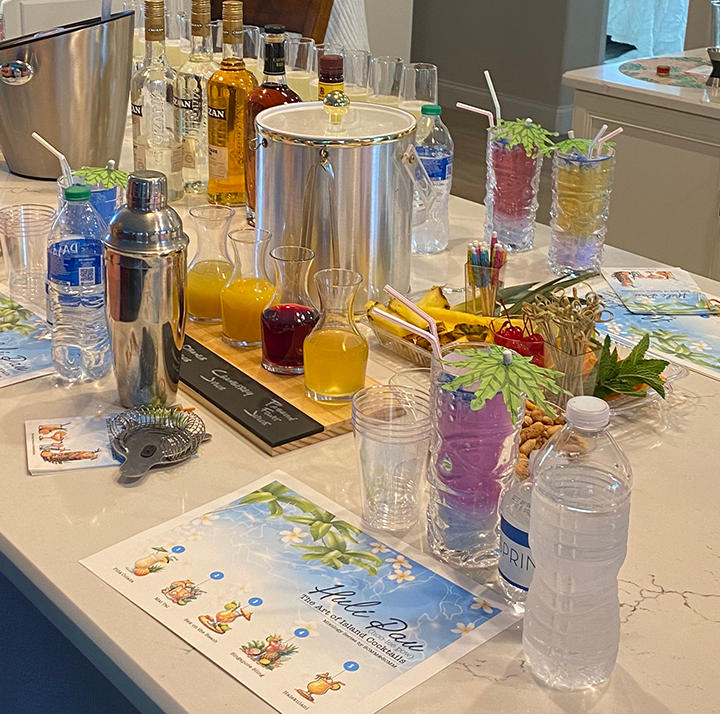
    In the dim glow of flickering imaginary tiki torches and the tantalizing scent of exotic spices wafting through the air, ten adventurous souls gathered for an exclusive evening of island-inspired libations and culinary delights. Hosted in the beautiful home of Bonnie Cooper and narrated by cocktail enthusiasts–Greg and Tammy (e.g. SOMM&SOMM), the stage was set for an unforgettable exploration into the art of Tiki drinks.

    A Plethora of Juices and Garnishes

    The evening kicked off with a tantalizing welcome cocktail, the “Tropical Butterfly.” Drawing inspiration from the classic French 75, this enchanting concoction took a tropical twist with the addition of passion fruit and butterfly pea flower extract. As guests savored the vibrant hues and refreshing flavors, the hosts set the stage for the evening’s festivities, promising a journey through the rich history and diverse flavors of island cocktails.

    Tropical Butterfly Cocktail Recipe
    Ok… Let’s Make Some Cocktails!

    With anticipation building, the guests eagerly embarked on their mixological (yes, I said it) adventure, starting with the quintessential classic: the Piña Colada. Originating from Puerto Rico, this timeless blend of rum, coconut cream, and pineapple juice was elevated with a hint of lime for balance, captivating the palates of all who indulged. As laughter filled the air and glasses clinked in delight, it became evident that this beloved concoction was indeed a crowd favorite.

    Piña Colada Cocktail Recipe

    Next on the menu was the legendary Trader Vic Mai Tai, a true icon of Tiki culture. Guests were offered the opportunity to compare the original recipe with a unique variation crafted exclusively for the event. While both iterations dazzled with their exotic flavors of rum, lime, and almond, the subtle nuances offered a fascinating glimpse into the art of mixology, showcasing the endless possibilities for creativity within the Tiki repertoire.

    Venturing further into the realm of island libations, the evening unfolded with the tantalizing allure of a classic Sex on the Beach cocktail. Paying homage to the playful spirit of 1970s cocktails, this fruity concoction offered a tantalizing blend of vodka, peach schnapps, cranberry, and orange juices—a delightful nod to the era of disco and decadence.

    Sex on the Beach Cocktail

    As the night progressed, guests were transported to the bustling streets of Singapore with the iconic Singapore Sling, a timeless blend of gin, cherry liqueur, and citrus, enlivened with a splash of soda water. This classic cocktail, originating from the renowned Raffles Hotel, captured the essence of colonial-era indulgence, inviting guests to savor each sip with reverence for its storied past.

    Singapore Sling Cocktail

    Rounding out the evening was the rich and robust Halekulani cocktail, a bourbon-based libation infused with the tropical flavors of passion fruit and lime. Named after the famed Hawaiian hotel, this sophisticated elixir offered a fitting finale to a night of sensory exploration and culinary delight.

    Halekulani Cocktail

    Amidst the spirited chatter and laughter of friends, we indulged in a sumptuous array of Polynesian delicacies, from succulent pulled pork with huli huli sauce to savory fried rice and more. Each bite paired seamlessly with the vibrant flavors of the evening’s cocktails, creating a symphony of taste and texture that lingered long after the final toast.

    What a Fun Evening!

    As the night drew to a close, and the last embers of the imaginary tiki torches flickered into darkness, guests departed with memories of an evening filled with laughter, camaraderie, and the intoxicating allure of island escapism. With plans already underway for future events celebrating the art of mixology, it was clear that this enchanting journey through Polynesian cocktails was just the beginning of many more adventures to come.

    Huli pau 🍹

  • Trendy Cocktails: Blooming Elegance

    Trendy Cocktails: Blooming Elegance

    When it comes to timeless cocktails, the martini stands in a league of its own. But what happens when you infuse this iconic drink with the essence of an English garden? Enter the “Blooming Elegance” – a floral riff on the classic martini that promises to transport your taste buds to a fragrant paradise.

    English Garden

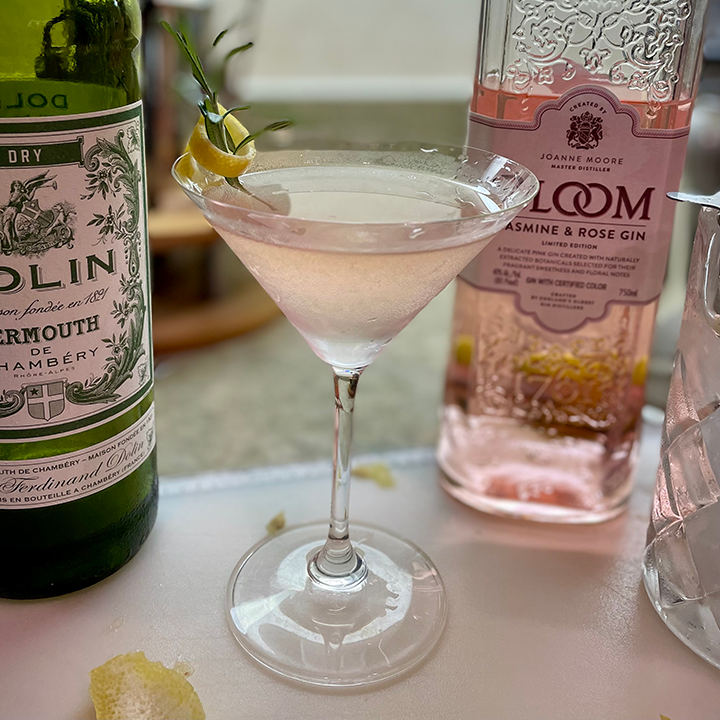
    The “Blooming Elegance” cocktail combines the sophistication of a classic martini with the delicate flavors of an English garden. The star of this show is the Bloom Jasmine & Rose Gin, a botanical masterpiece that infuses the spirit with the enchanting aromas of roses and jasmine. Complemented by a touch of Tito’s Vodka for smoothness, St. Germain Elderflower Liqueur for a subtle sweetness, and Dolin Dry Vermouth for balance, this cocktail is a symphony of floral notes that dance on the palate. A hint of lemon juice brightens the ensemble, creating a refreshing and well-rounded drink.

    Blooming Elegance

    – 2 oz. Bloom Jasmine & Rose Gin

    – 1/2 oz. Tito’s Vodka

    – 1/2 oz. St. Germain Elderflower Liqueur

    – 1/2 oz. Dolin Dry Vermouth

    – 1/8 oz. Lemon Juice

    Stir all ingredients on ice. Strain into a chilled martini glass. Garnish with a twist of lemon peel and a sprig of rosemary. 🍸

    Smoked Salmon Canapés

    Food Pairing Recommendations

    The “Blooming Elegance” cocktail’s floral and aromatic profile makes it an excellent companion to light and fresh dishes. Consider pairing it with a goat cheese and watercress salad, smoked salmon canapés, or even a platter of sushi with delicate fish flavors. The cocktail’s nuanced taste will complement the subtle notes of these dishes, creating a harmonious dining experience.

    A Brief History of the Martini

    The martini, a cocktail that has stood the test of time, has a history as rich and varied as its recipes. Originating in the late 19th century, the martini’s precise origins are somewhat disputed. Some credit bartender Jerry Thomas with its creation, while others trace its roots to the Knickerbocker Hotel in New York City.

    Traditionally made with gin and dry vermouth, the martini’s popularity soared during the Prohibition era, where gin became the spirit of choice due to its ease of production. Over the years, the martini has evolved, with variations incorporating vodka, different vermouths, and a myriad of garnishes.

    The “Blooming Elegance” cocktail not only pays homage to the classic martini but elevates it to new heights with the infusion of floral notes from the English garden. As you sip on this refined concoction, you’re not just enjoying a drink; you’re experiencing a symphony of flavors that transcends time and tradition. Cheers to the evolution of the martini and the endless possibilities that unfold in the world of mixology!