
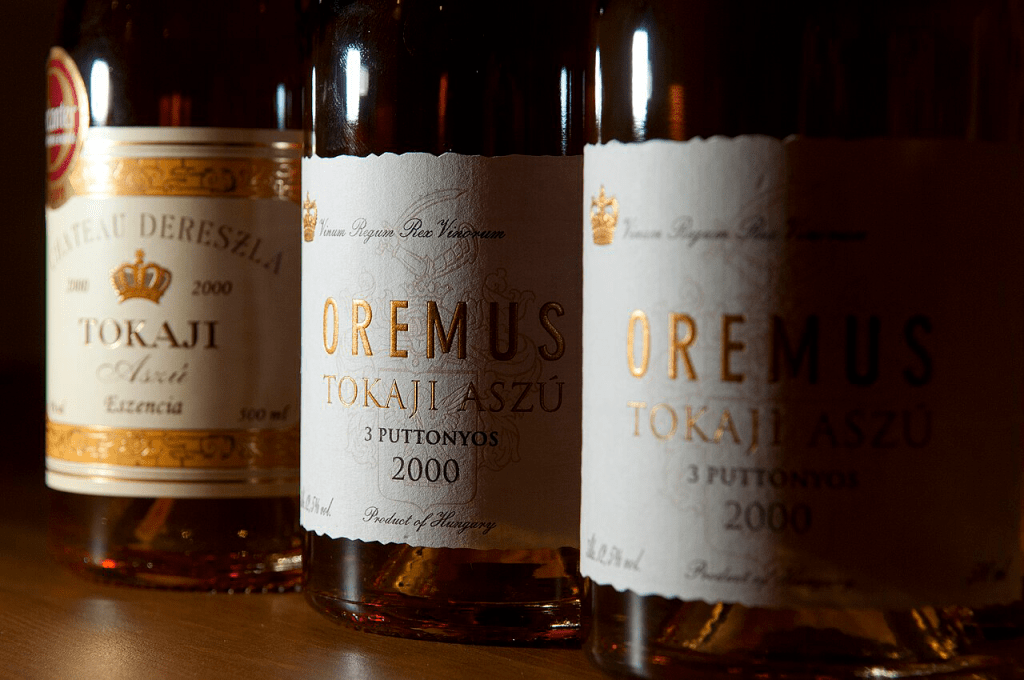
…and why you should stop being afraid of it 😉
Tokaji is one of the world’s most misunderstood wines—and frankly, one of its most rewarding. Tiny bottles, unfamiliar words, strange numbers, and labels that look like they were designed by a medieval scribe… no wonder most people reach for Sauternes instead. Safer. Familiar. French.
But Tokaji is older, deeper, more versatile, and—dare I say—more soulful.
If you’re a wine lover with even a passing interest in history, sweetness balanced by acid, or hidden gems that reward curiosity, Tokaji isn’t intimidating at all. It’s an invitation.
Related SOMM&SOMM article: Wine Styles: Late Harvest Wines
A Little History & Lore (Because Tokaji Has Plenty)
Tokaji comes from northeastern Hungary, in the Tokaj-Hegyalja region, near the borders of Slovakia and Ukraine. This is not a “new discovery” wine. Tokaji Aszú was being made centuries before Sauternes—with documented production as early as the mid-1600s.
In fact:
- Tokaj was the first classified wine region in the world (1737)—nearly 120 years before Bordeaux.
- Louis XIV famously called Tokaji “Vinum Regum, Rex Vinorum”—The Wine of Kings, the King of Wines.
- It was a favorite at royal courts across Europe, from the Habsburgs to the Russian Tsars.
And yes, there’s lore: monks, misty autumn mornings, noble rot creeping slowly across vineyards as the Bodrog and Tisza rivers create the perfect fog-and-sun rhythm. Tokaji didn’t stumble into greatness—it was engineered by nature and refined by time.
The Grapes Behind the Magic
Tokaji is not a single-varietal wine in spirit, even if one grape dominates.
Furmint (the star)
- High acid (crucial for balance)
- Neutral to apple-pear-citrus when dry
- Transforms beautifully with botrytis
- Think: green apple, quince, citrus peel, honeycomb, wet stone
Hárslevelű
- Softer acidity
- Floral, herbal, linden blossom notes
- Adds perfume and roundness
Supporting Cast (used in smaller amounts)
- Sárgamuskotály (Yellow Muscat) – aromatics and spice
- Zéta – botrytis-prone, boosts sweetness
- Kövérszőlő – richness and texture
Furmint provides the spine. Everything else adds flesh, fragrance, and intrigue.
Tokaji Styles: More Than Just Sweet Wine
Here’s where Tokaji really starts to surprise people.
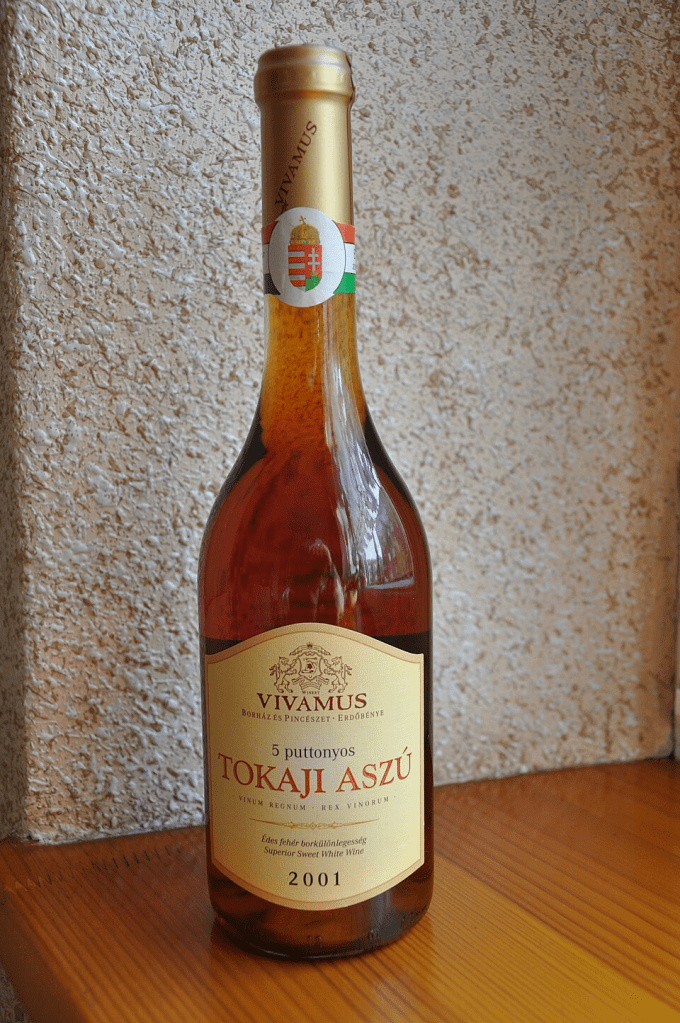
1. Tokaji Aszú (The Icon)
Made from individually harvested botrytized berries (aszú berries), traditionally added to a base wine.
Sweetness used to be measured in Puttonyos (the number of baskets of aszú berries added):
- 3–6 Puttonyos (historically)
- Today, most producers focus on 5 or 6 Puttonyos-level richness or simply label sweetness in grams
Flavor profile:
- Apricot jam
- Orange marmalade
- Honey
- Ginger
- Saffron
- Toasted nuts
- Laser-bright acidity holding it all together
This is where Tokaji earns its crown.
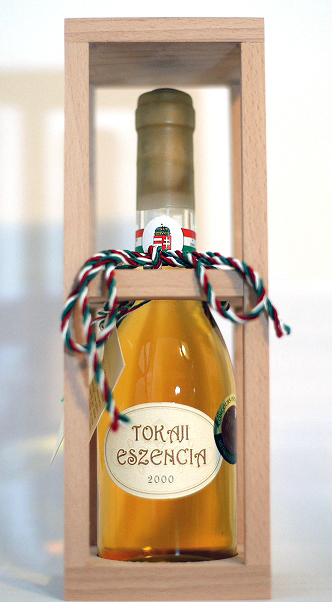
2. Tokaji Eszencia (Liquid Myth)
Not really wine in the traditional sense.
- Free-run juice from aszú berries
- Ferments extremely slowly
- Often 1–3% alcohol
- Astronomical sugar
- Tiny production
Think:
- Nectar
- Honeyed citrus oil
- Dried tropical fruit
- Eternal finish
This is something you sip by the teaspoon and contemplate your life choices.
3. Szamorodni (The Insider’s Favorite)
Made from whole bunches—some botrytized, some not.
Two styles:
- Édes (Sweet) – oxidative, nutty, honeyed
- Száraz (Dry) – sherry-like, savory, saline, almond-driven
If you love Jura, aged Fino Sherry, or oxidative whites… dry Szamorodni will blow your mind.
4. Late Harvest Tokaji
- Made from overripe grapes
- Often labeled Késői Szüret
- Lusher and more approachable
- Excellent gateway Tokaji
5. Dry Tokaji (Dry Furmint)
Yes—Tokaji can be bone dry.
- Crisp
- Mineral
- Apple, pear, citrus, volcanic stone
- Think Chablis meets Grüner meets something unmistakably Hungarian
These wines are phenomenal with food and criminally underrated.
Decoding the Label (Without Panicking)
Here’s your Tokaji cheat sheet:
- Aszú – made from botrytized berries
- Puttonyos – traditional sweetness level (less common today)
- Édes – sweet
- Száraz – dry
- Szamorodni – whole-cluster style
- Eszencia – ultra-concentrated nectar
- Furmint / Hárslevelű – grape varieties
- Dűlő – vineyard (single-site quality cue)
If you can read a German Riesling label, you can conquer Tokaji.
Pairings (This Is Where Tokaji Shines)
Tokaji is not just a dessert wine. That’s the biggest misconception of all.
Classic Pairings
- Foie gras (legendary for a reason)
- Blue cheese (Roquefort, Stilton, Gorgonzola)
- Apricot tart
- Almond pastries
Unexpected & Brilliant
- Spicy Thai or Szechuan dishes
- Indian curries with ginger and turmeric
- Moroccan tagines
- Roast pork with stone fruit
- Duck with orange or cherry glaze
Dry Tokaji Pairings
- Roast chicken
- Pork schnitzel
- Mushroom dishes
- Alpine cheeses
- Seafood with beurre blanc
Szamorodni Pairings
- Aged cheeses
- Salted nuts
- Mushroom risotto
- Anything umami-forward
Eszencia Pairing
- Silence
- A quiet room
- One small spoon
- Awe
Why Tokaji Matters
Tokaji isn’t just a wine—it’s a bridge between:
- Sweet and savory
- History and modernity
- Intellectual curiosity and pure pleasure
It rewards patience, but it doesn’t demand pretension. And for sommeliers and wine lovers with a passion for the obscure, Tokaji is the kind of bottle that reminds us why we fell in love with wine in the first place.
So next time you’re tempted to grab the Sauternes because it feels easier…
Don’t.
Reach for Tokaji.
Your palate will thank you—and your wine stories will be better for it. 🍷
Cover Photo: Michal Osmenda, CC BY-SA 2.0, via Wikimedia Commons

 SOMM&SOMM
We welcome feedback…