When to Hold Wine–and When to Open It.
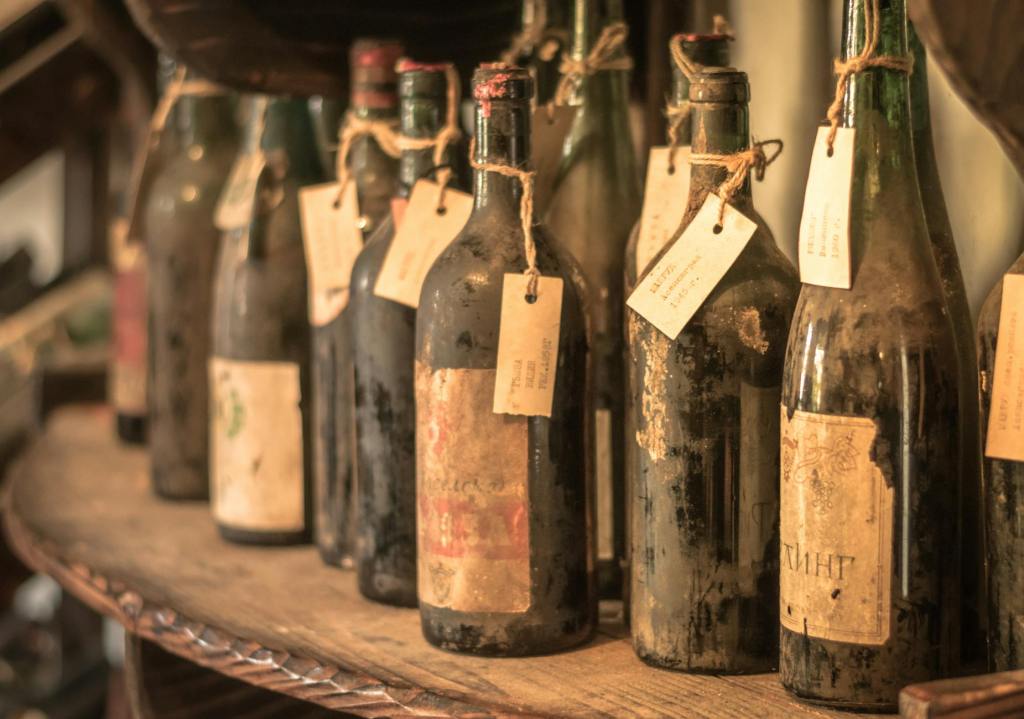
There’s a romantic notion in the wine world that older is always better. Cellars lined with dusty bottles, handwritten tags dangling from necks, and the quiet confidence that someday—someday—each bottle will reach a transcendent peak.
Sometimes that’s true.
Often, it’s not.
As serious oenophiles, we spend far less time preaching patience and far more time chasing something subtler and more rewarding: a wine’s sweet spot—that fleeting, glorious window when a wine tastes exactly as it should. Balanced. Expressive. Alive.
Understanding when to hold and when to open is one of the most misunderstood aspects of wine enjoyment. Let’s uncork the myths, mistakes, and realities of aging wine—and have a little fun along the way.
What Does “Aging Wine” Really Mean?
Aging wine isn’t about hoarding bottles for decades just to prove restraint. It’s about chemical evolution.
Over time, wine changes as:
- Tannins polymerize, becoming smoother and silkier
- Primary fruit flavors (fresh fruit) give way to secondary (oak, spice) and tertiary notes (leather, mushroom, earth, dried fruit)
- Acidity integrates, creating harmony rather than sharpness
But here’s the critical truth:
Every wine has a sweet spot—open it before and it’s still forming, open it after and the magic has already passed.
And that peak is not universal.
The Winemaker’s Intent
Many people assume that aging a wine is about achieving the winemaker’s intended tasting experience.
Sometimes that intent includes aging potential.
Sometimes it does not.
Most wines on the market today—especially under $30—are crafted to be approachable upon release. The winemaker expects you to drink them within a few years, not babysit them through your next mortgage cycle.
Winemakers design wines based on:
- Grape variety
- Structure (tannin, acid, alcohol)
- Region and climate
- Oak usage
- Market expectations
A Napa Cabernet and a Beaujolais Nouveau may both be red wines—but they are built for entirely different lifespans.
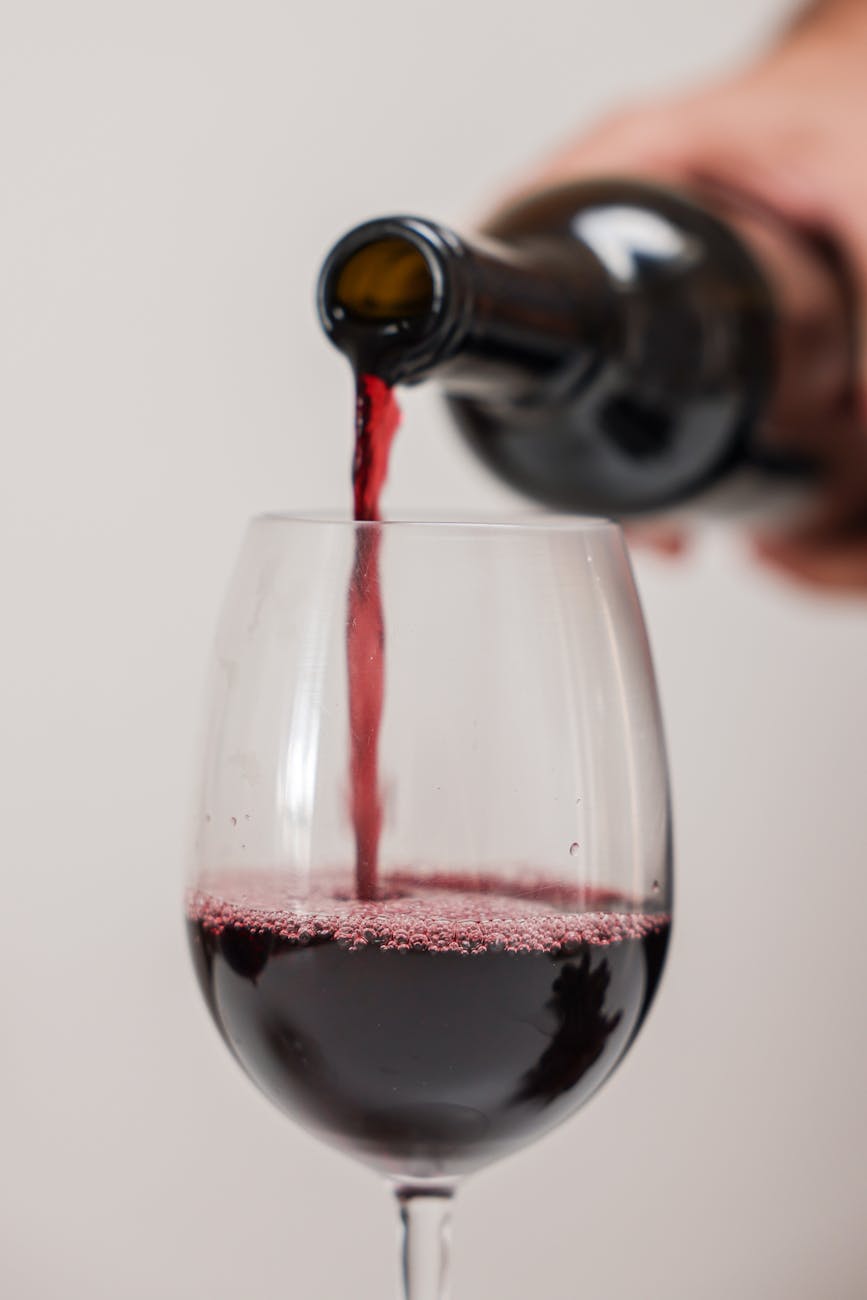
The Sweet Spot (Our Favorite Moment)
The sweet spot is when:
- Fruit is still present, but not dominant
- Tannins are resolved, not stripped
- Acidity lifts the wine instead of biting
- Complexity feels layered, not muddled
Miss it on either side and you lose something.
Too young:
- Harsh tannins
- Disjointed flavors
- Oak overpowering fruit
Too old:
- Faded fruit
- Flat acidity
- Oxidation and bitterness
The tragedy? Many wines are opened after their sweet spot—not before.
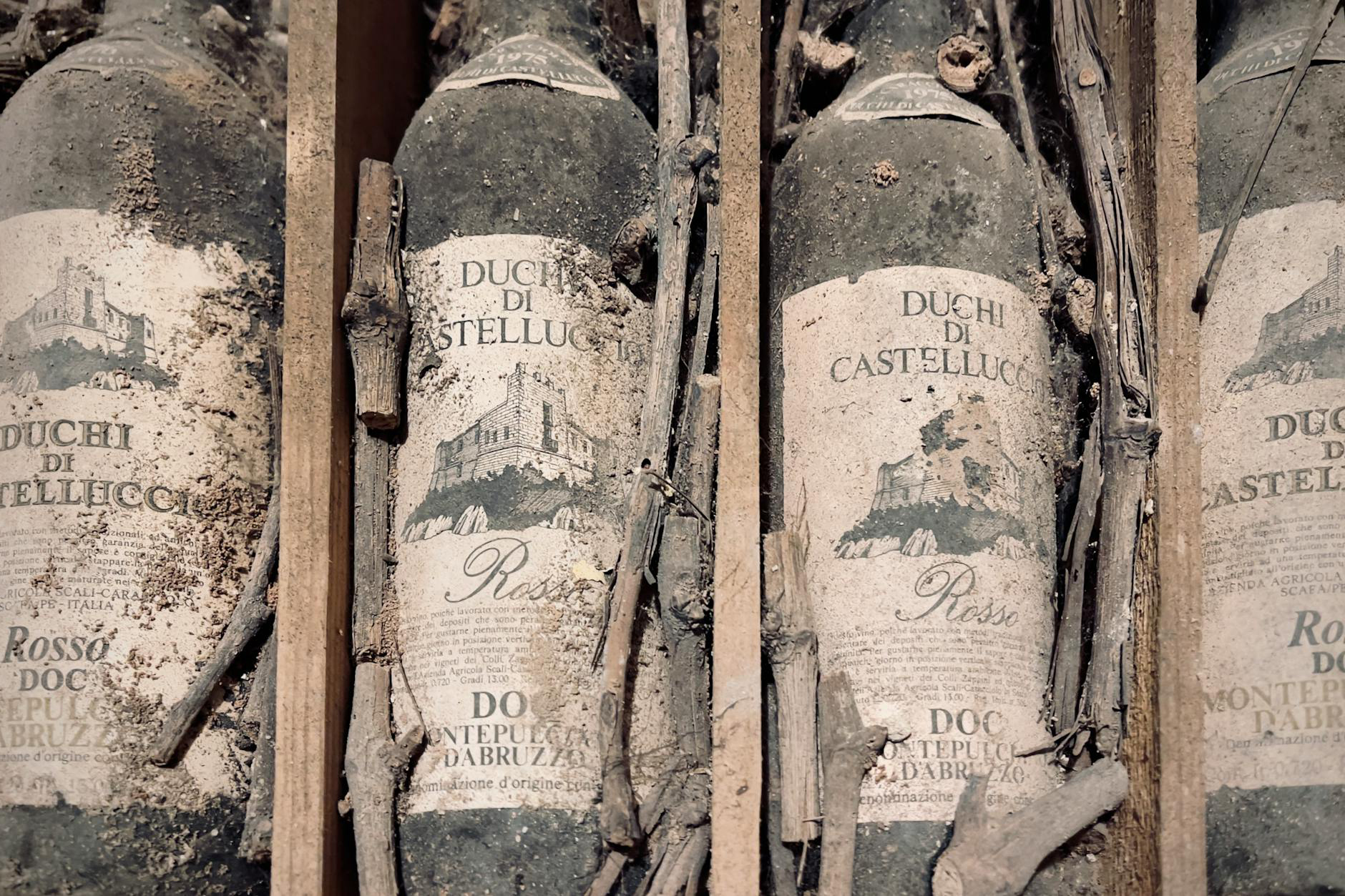
The Biggest Myth We Hear Every Day: “All Wine Gets Better with Age”
Let’s put a cork in this right now:
The vast majority of wine does NOT improve with age.
Estimates vary, but roughly 90% of wine produced globally is meant to be consumed within 1–3 years of release.
That includes:
- Most Sauvignon Blanc
- Pinot Grigio
- Prosecco
- Rosé
- Everyday Chardonnay
- Entry-level reds
Aging these wines doesn’t make them better.
It makes them older.
And old is not a tasting note.
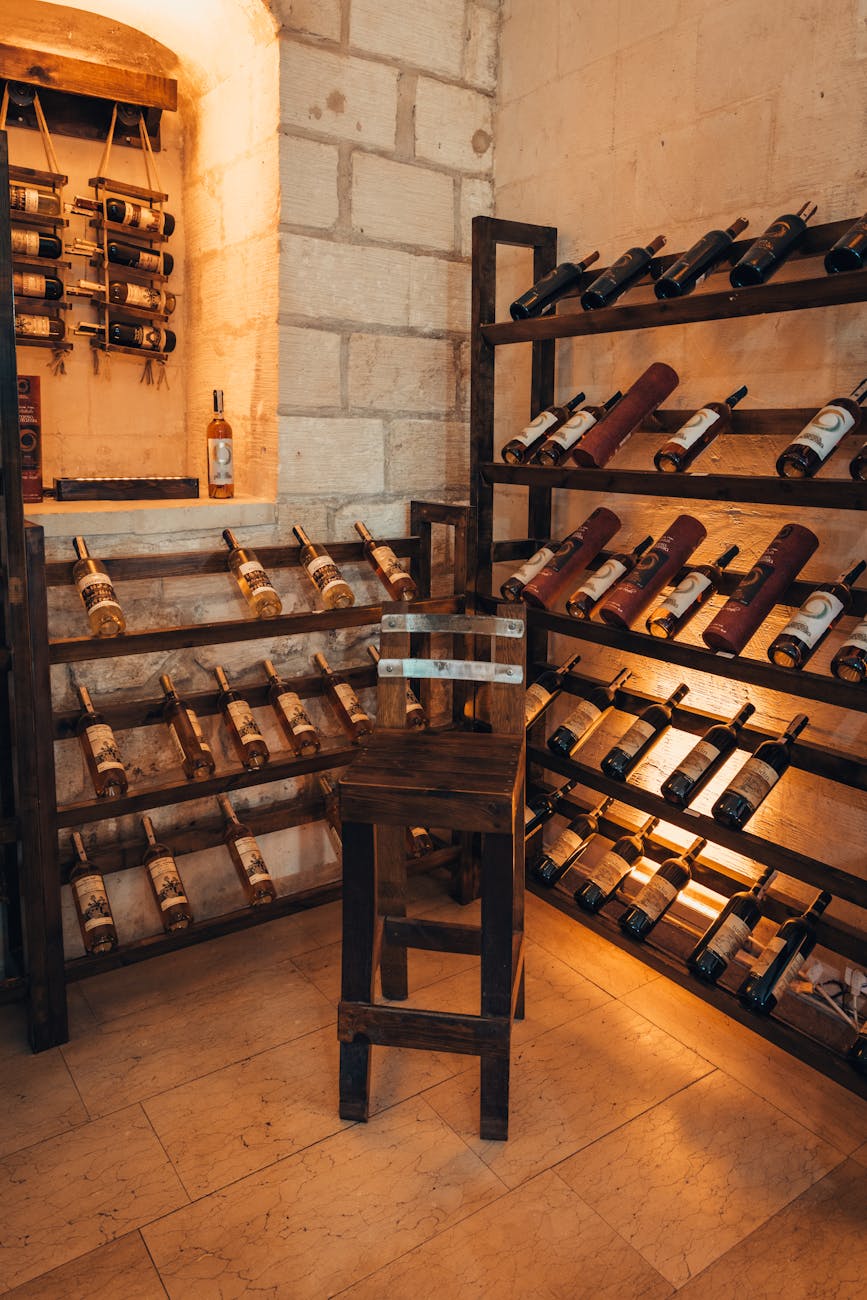
Wines That Do Benefit from Aging (When Stored Properly—and Thoughtfully)
Certain wines are structurally built to evolve:
Reds with Aging Potential
- Cabernet Sauvignon
- Nebbiolo (Barolo, Barbaresco)
- Syrah/Shiraz (especially Rhône)
- Tempranillo (Rioja, Ribera del Duero)
- Sangiovese (Brunello di Montalcino)
Whites That Can Age Beautifully
- Riesling (especially German and Alsatian)
- Chenin Blanc (Loire)
- High-quality Chardonnay (Burgundy, select New World)
- White Rhône blends
Fortified & Sweet Wines
- Vintage Port
- Madeira
- Sauternes
- Tokaji
Even then, aging is not guaranteed. Structure matters more than reputation.
When Aging Goes Too Far
Every wine eventually declines.
Signs you’ve missed the sweet spot:
- Muted aromas
- Brownish color in whites
- Brick-orange edges in reds (not always bad—but telling)
- Sourness without freshness
- Bitter or hollow finishes
This doesn’t mean the wine is “bad.”
It means it’s past its moment.
Wine is alive—just like us. And just like us, it doesn’t peak forever.
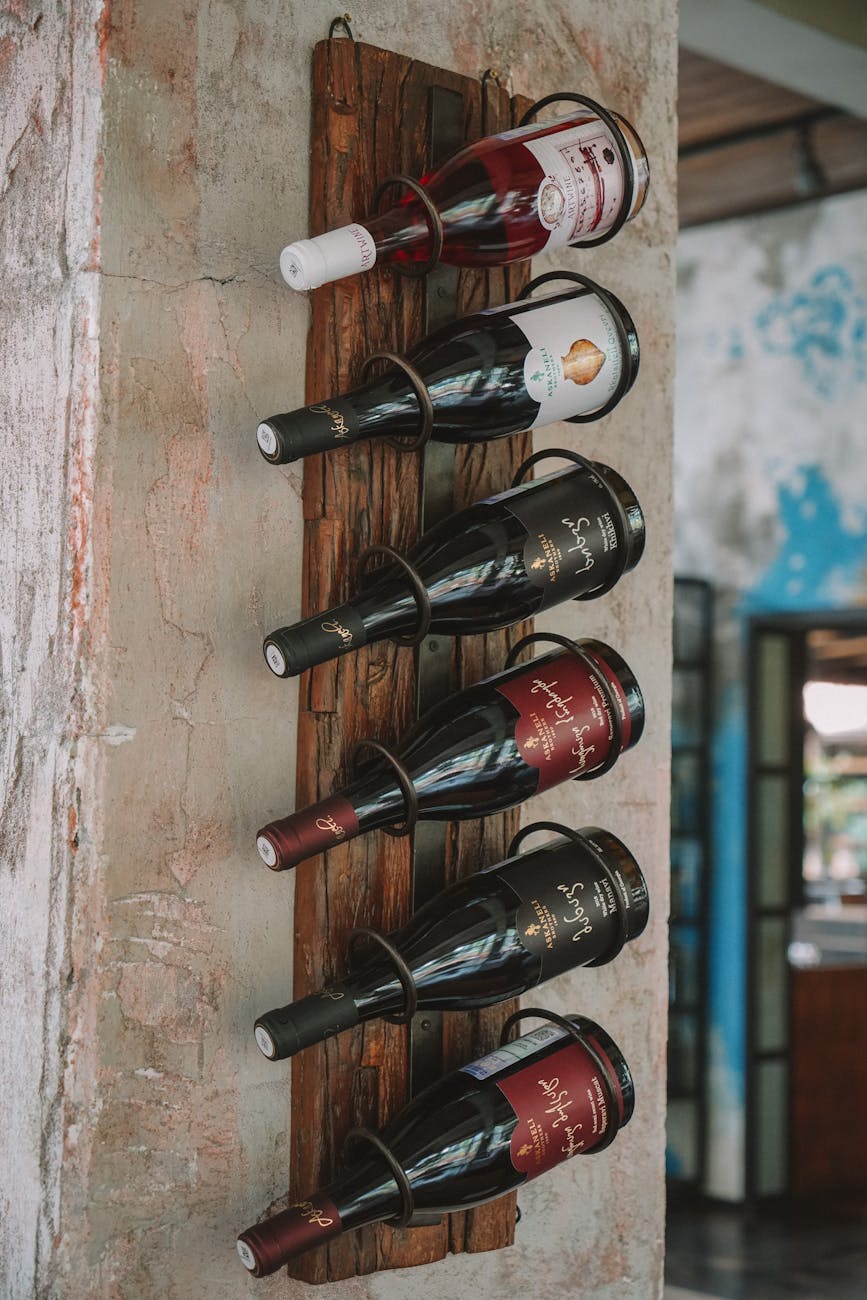
Storage Mistakes We See All the Time (That Kill Wine Dreams)
1. Overestimating Home Storage
A kitchen rack is décor—not a cellar.
Wine hates:
- Heat
- Light
- Temperature swings
That “I’ll just keep it in the closet” plan? Risky at best.
2. Saving Wine for the Wrong Occasion
“I’ll open this someday.”
Someday becomes never.
Wine is meant to be shared—not inherited.
3. Confusing Price with Aging Ability
An expensive wine can still be meant for early drinking.
Structure—not price tag—determines longevity.
4. Blind Faith in Vintage Charts
Vintage charts are guidelines, not gospel.
Bottle variation, storage conditions, and personal taste all matter.
Is Finding the Sweet Spot an Exact Science? (Of Course Not.)
Absolutely not.
It’s a blend of:
- Knowledge
- Experience
- Storage conditions
- Personal preference
- A little luck
Two identical bottles stored differently can taste worlds apart.
That uncertainty isn’t a flaw—it’s part of wine’s magic.
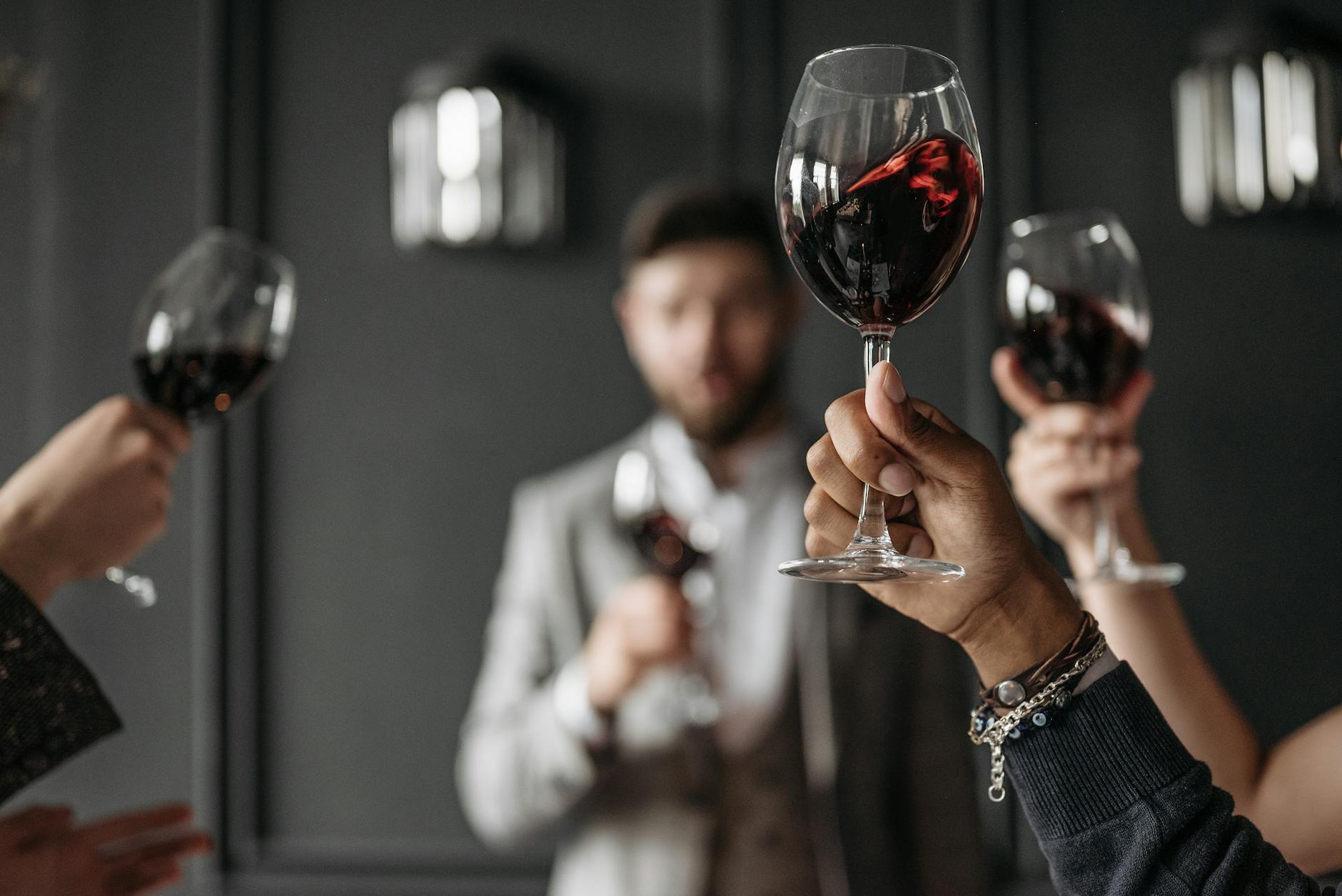
Drink with Curiosity, Not Fear
We don’t chase perfection—we chase connection.
We open wines young to understand their promise.
We open them aged to appreciate their journey.
And sometimes we open them simply because the moment feels right.
The true sweet spot isn’t just in the bottle.
It’s at the table.
So if you’re ever wondering whether to hold or open, remember:
Wine enjoyed slightly early is a lesson.
Wine opened too late is a regret.
Choose the lesson.
Pop the cork.
Cheers 🍷
Cover Photo by Hunt on Photos Studio on Pexels.com

 SOMM&SOMM
We welcome feedback…