A Journey Through Terroir, Tradition, and Quality.
When wine lovers think of France, they often conjure images of majestic châteaux in Bordeaux, fog-shrouded slopes in Burgundy, and sun-soaked fields in Provence. But beneath the romance lies a rigorous—and sometimes perplexing—system of wine laws and classifications that govern everything from grape varieties to bottle shape. These rules are not just bureaucratic red tape; they’re the framework that has helped France maintain a global reputation for excellence.

Whether you’re swirling a silky red from the Rhône or sipping a crisp Muscadet from the Loire, there’s a system behind that wine—one that tells you where it came from, how it was made, and what to expect. Let’s uncork the bottle and pour through the fascinating world of French wine laws, region by region.
From Chaos to Codification
To understand French wine law, we must rewind to the early 20th century. Rampant fraud during and after World War I saw low-quality wines being passed off as prestigious regional bottlings. To combat this, France developed a system to protect both producers and consumers.
In 1935, the government formed the Institut National des Appellations d’Origine (INAO)—now called the INAO (Institut National de l’Origine et de la Qualité). Their job? Define, regulate, and enforce wine quality and authenticity through a new legal structure.
This led to the creation of the Appellation d’Origine Contrôlée (AOC) system—the granddaddy of all French wine classifications.
French Wine Quality Pyramid
Modern French wines are now classified into three primary quality tiers:
- AOC (Appellation d’Origine Contrôlée) – The highest and most tightly regulated tier. Think of this as “terroir-bound” wine.
- IGP (Indication Géographique Protégée) – Looser restrictions, allowing more experimentation while still tied to a broader region.
- Vin de France – Table wine with minimal regulation. The Wild West of French wine.
Each tier has a purpose, and great wine can be found in all three—but AOC wines carry the most prestige, especially from classic regions like Bordeaux, Burgundy, and Champagne.
Bordeaux: Classification by Château, Not Terroir
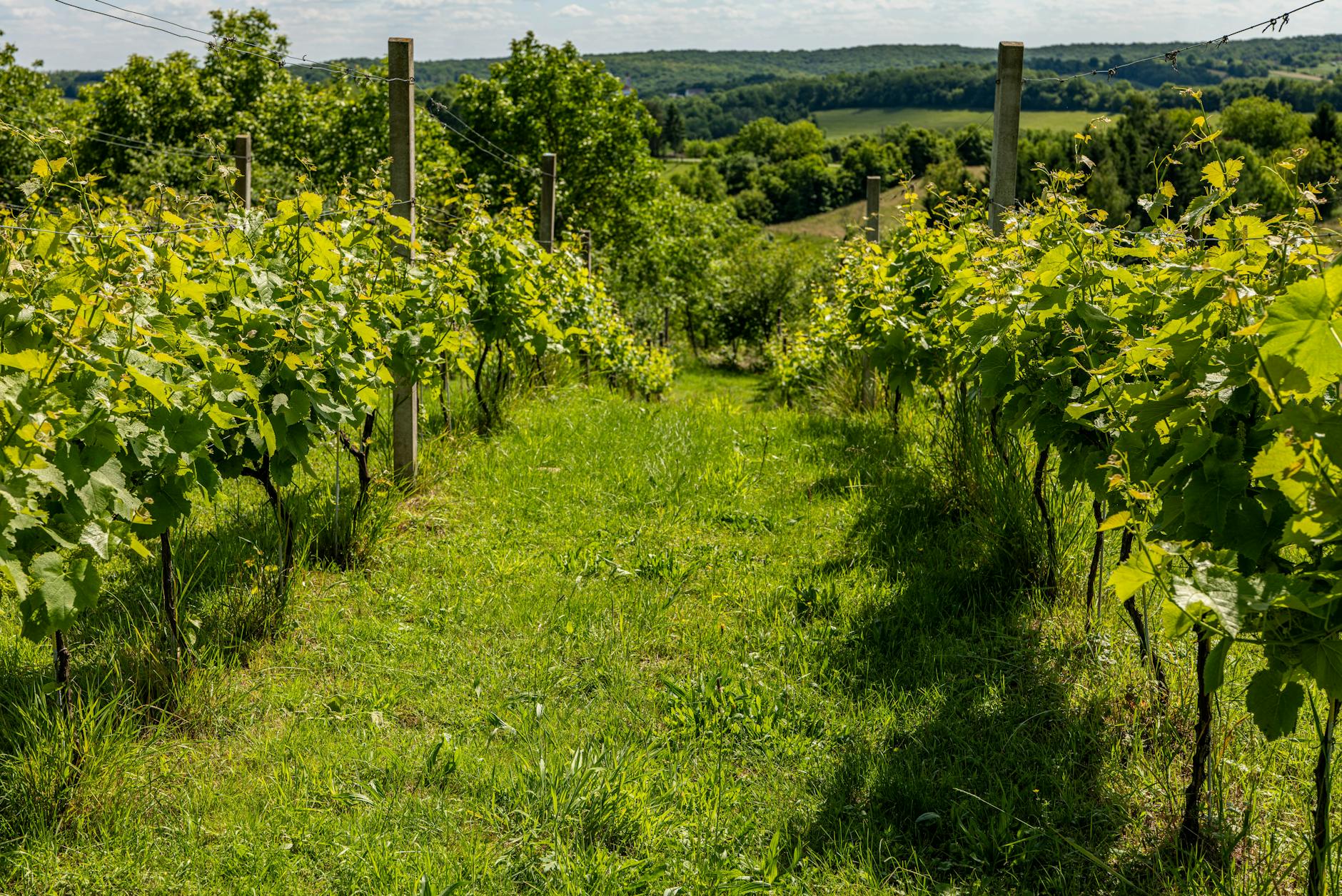
Bordeaux, France’s largest and most commercially dominant wine region, takes a top-down approach to classification. Unlike Burgundy (more on that shortly), Bordeaux wines are historically classified by estate, not by vineyard.
The 1855 Classification (Left Bank)
Created for the Paris Exposition under Napoleon III, this famous classification ranks 61 châteaux in Médoc and one from Graves (Haut-Brion), plus sweet wines from Sauternes and Barsac. These wines were grouped into five “growths” or crus, based on reputation and price at the time.
- Premier Cru (First Growth): Château Lafite Rothschild, Château Latour, Château Margaux, Château Haut-Brion, and later Château Mouton Rothschild (elevated in 1973).
- Second to Fifth Growths: A descending list of estates still highly regarded.
This classification remains mostly unchanged and ignores terroir variation, focusing instead on estate prestige.
Graves and Pomerol
- Graves introduced its own classification in 1959.
- Saint-Émilion has a dynamic classification system, updated roughly every 10 years, most recently in 2022.
- Pomerol, home to the legendary Pétrus, has no official classification—its wines speak for themselves.
Summary:
- Focus: Prestige of the estate (Château).
- Result: Classification may remain unchanged even if the wine quality fluctuates.
A Quick Note on Graves Classification
While Bordeaux’s 1855 Classification famously skipped over much of Graves, this historic region got its own moment in the spotlight in 1959. The Graves Classification includes both red and white wines—a rarity in Bordeaux—and focuses solely on producers in the northern Graves, now largely within the Pessac-Léognan AOC (created in 1987).
Notably, all classified estates in Graves are unranked—there are no first, second, or fifth growths here. The list includes powerhouses like Château Haut-Brion (the only estate in both the 1855 and Graves classifications), Château Pape Clément, and Domaine de Chevalier.
This classification may fly under the radar, but it represents some of Bordeaux’s most age-worthy whites and nuanced reds—making Graves a treasure for savvy wine lovers.
Burgundy: The Gospel of Terroir
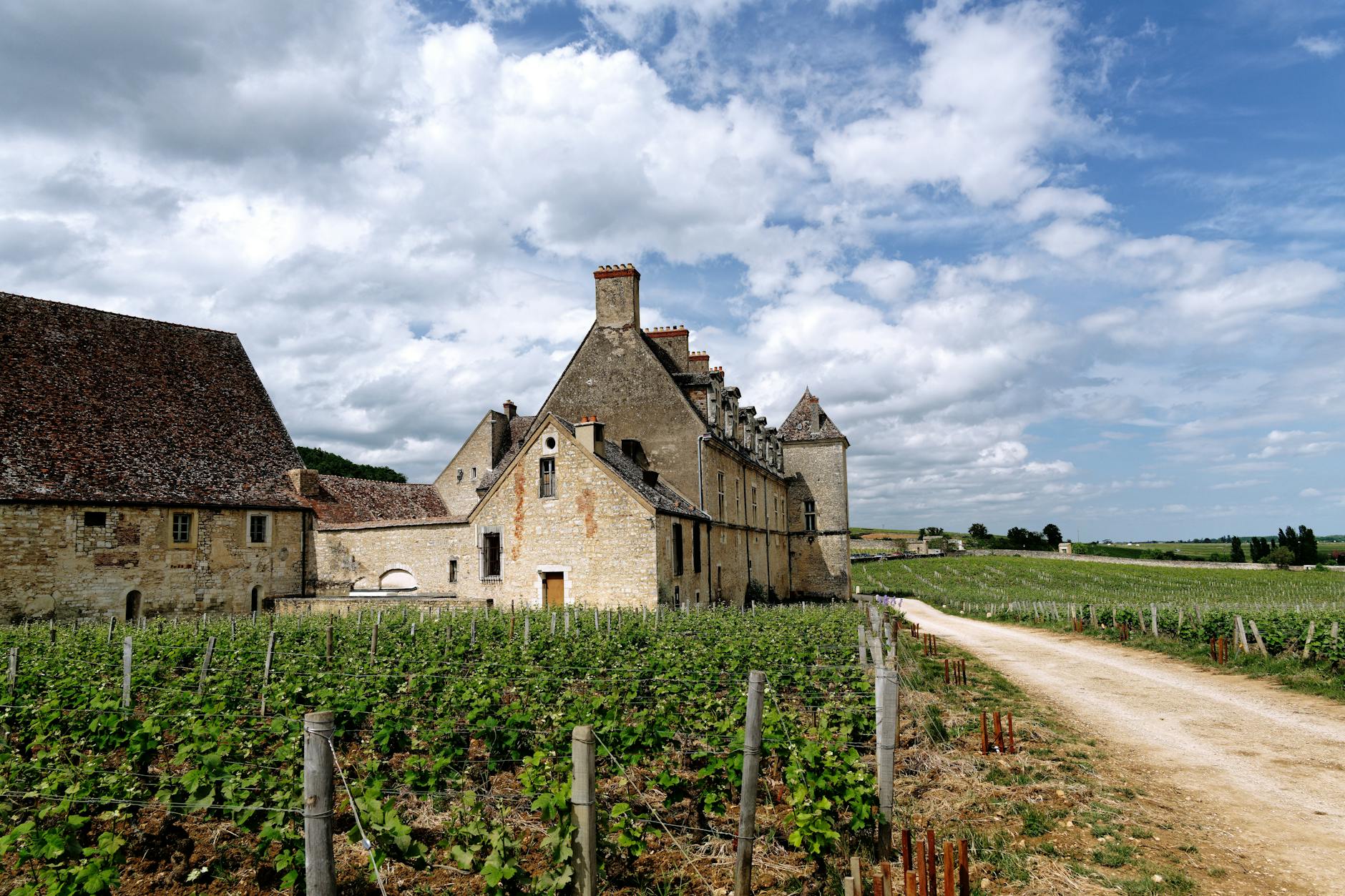
In contrast, Burgundy classifies by vineyard. It’s a bottom-up system, celebrating the land rather than the producer. You’ll often hear that “Burgundy is for lovers of nuance.”
The Four Tiers of Burgundy:
- Grand Cru (1% of production) – The top-tier vineyards, like Romanée-Conti, Montrachet, and Clos de Vougeot.
- Premier Cru (10%) – Excellent vineyards within a village, such as Volnay 1er Cru “Champans”.
- Village Wines (36%) – Wines from a single village, such as Pommard or Meursault.
- Regional Wines (53%) – Broadest classification, e.g., Bourgogne Pinot Noir.
Why This Matters:
A vineyard like Clos Saint-Jacques in Gevrey-Chambertin may produce Premier Cru wines from multiple producers, each with a different style. It’s the plot of land that earns prestige, not the winemaker.
Summary:
- Focus: Terroir and microclimate.
- Result: The vineyard’s position on a slope or soil type can dramatically affect quality and price.

Other Regional Examples: Law and Lore
Champagne: Blends and Brands
Champagne has strict AOC rules: only certain grapes (mainly Chardonnay, Pinot Noir, and Pinot Meunier), méthode traditionnelle fermentation, and long aging on lees. Interestingly, most Champagne is blended across villages and vintages—a stylistic choice that makes it distinct.
- Grand Cru Villages include Aÿ, Ambonnay, and Avize.
- Non-Vintage (NV) Champagne must age a minimum of 15 months; vintage Champagne requires 3 years.
Rhône Valley: A Tale of Two Halves
- Northern Rhône (e.g., Hermitage, Côte-Rôtie): single varietal wines (mostly Syrah), steep slopes, small production.
- Southern Rhône (e.g., Châteauneuf-du-Pape): blends (up to 13 grapes!), more liberal.
Châteauneuf-du-Pape was the first French AOC (1936). The lore? The papacy moved to Avignon in the 14th century, and the popes developed a taste for local wines—hence the name “New Castle of the Pope.”
Loire Valley: Label Labyrinth
Known for its diversity, the Loire boasts appellations like:
- Sancerre (Sauvignon Blanc)
- Vouvray (Chenin Blanc, often sparkling or off-dry)
- Muscadet Sèvre-et-Maine (Melon de Bourgogne) – famous for sur lie aging
Related article: Perfect Pairings: Melon de Bourgogne w/Fettuccini With Clams and Dill
Loire rules often reflect specific winemaking methods (e.g., sur lie) more than rigid hierarchies.
Alsace: AOC Meets Germanic Order
Despite its location in France, Alsace follows a style reminiscent of neighboring Germany:
- Mostly varietal-labeled wines (Riesling, Gewürztraminer, Pinot Gris)
- Only 51 Grand Cru vineyards, defined by soil and slope.
- Vendanges Tardives and Sélection de Grains Nobles refer to late-harvest and botrytized wines.
Alsace is also the only major French region where labels prominently display the grape variety.
AOC vs. IGP: A Matter of Freedom
IGP (formerly Vin de Pays)
These wines fall between strict AOC control and generic Vin de France. Regions like Pays d’Oc allow experimentation:
- Unusual grape combinations (Cabernet + Syrah? Sure.)
- Non-traditional styles
You’ll find creative winemakers here, often producing excellent wines outside traditional rules.
Vin de France: The Rebel Artist
These wines can come from anywhere in France and allow complete freedom in blending and labeling. They can’t show an appellation but may show grape variety and vintage, making them more accessible for casual drinkers. Some top producers use this category intentionally, to avoid AOC constraints.
A Balancing Act of Tradition and Innovation
French wine laws are not a maze meant to confuse, but rather a mosaic of history, geography, and philosophy. While Bordeaux emphasizes brand and estate, Burgundy honors soil and slope. Champagne values consistency, while Rhône and Loire embrace diversity.
In France, a wine’s origin is its identity!
Gregory Dean, SOMM&SOMM
Understanding these laws allows wine lovers to decode the label and appreciate the craft behind every bottle. In France, a wine’s origin is its identity, and these legal systems—however complex—ensure that identity is preserved.
So next time you’re in your local wine shop or exploring a wine list, let the appellation guide you. Behind that AOC or IGP acronym lies a rich story—one that began centuries ago and continues to evolve with every vintage. Santé!
Cover photo: michael clarke stuff, CC BY-SA 2.0, via Wikimedia Commons


We welcome feedback…