
Box Wine – An Honest Sommelier’s Guide.
When it comes to wine, the shape of the container often stirs as much conversation as what’s inside. There’s the stately glass bottle, a symbol of elegance and heritage, the trendy can for quick convenience, and then… there’s the box. For many wine enthusiasts, bag-in-a-box wines are the embodiment of heresy—a shortcut, a compromise, or even a betrayal to the sacred tradition of corks and glass. Yet, the reality is that box wines are becoming a fixture in the market, with roughly 5% of global wine sales being attributed to this format. So, let’s take a deep, aerated breath, set aside the corkscrew for a moment, and uncork the facts, fables, and myths about box wine… beginning with a quick toast!
To our beloved friend and neighbor, the queen of the cardboard vintage, whose love of box wine reminds us all that true wine appreciation isn’t about the bottle, but the joy it brings! Here’s to the convenience, the never-ending pour, and the courage to sip without snobbery. May your glass always be full, your box never run dry, and your taste buds remain blissfully unbothered by tradition. Cheers to drinking what you love and never judging a wine by its packaging!
Greg and Tammy Dean, SOMM&SOMM
The Positives: A Fresh Take on Wine
- Cost-Effective for the Casual Sipper
One undeniable strength of box wine is its affordability. Without the cost of glass bottles, corks, and fancy labels, wineries can save money, and so can you. This makes it easier to buy wine in larger quantities, perfect for casual gatherings, barbecues, or that book club meeting where finishing a three-liter box might not be a challenge but a rite of passage. - Eco-Friendliness & Lower Carbon Footprint
Box wines often come in recyclable materials, and because they’re lighter and more compact than traditional bottles, they’re more eco-friendly. Fewer emissions are involved in transporting them, and the packaging has a smaller carbon footprint overall. Plus, the wine inside is housed in an airtight bag, which collapses as it’s emptied, reducing oxidation and keeping the wine fresher for longer once opened. - Extended Shelf Life Once Opened
Speaking of freshness, box wines hold another hidden gem: they stay fresh for weeks, sometimes up to a month, after opening! This is a win for casual drinkers who don’t want to commit to finishing an entire bottle in a single sitting. Unlike glass bottles, the vacuum-sealed bag inside the box helps to minimize air exposure—one of wine’s worst enemies—extending the life of your favorite everyday sipper.

The Negatives: Box Wine’s Not-So-Secret Flaws
- Taste & Material Concerns
The wine in a box is housed in a bag made from polyolefinic films. These materials are generally food-safe, but they can influence the taste, especially if the wine sits for too long. Some palates notice subtle chemical notes or alterations—like a “plastic tinge”—as the polyolefinic materials slowly interact with the liquid inside. This isn’t a problem for those who finish the box quickly, but it’s something for the discerning drinker to be aware of. - Higher Sugar Content & Sulfites
Box wines, particularly the inexpensive and mass-produced varieties, tend to have a higher sugar content compared to many bottled wines. This not only makes them more appealing to a broader audience (hey, a little sweetness never hurt anyone), but it also necessitates a higher level of sulfites for preservation. Sulfites help prevent unwanted fermentation and spoilage, but some wine lovers find that they can contribute to headaches or allergic reactions. If you’re sensitive to sulfites, consider checking the label carefully or choosing box wines that emphasize lower sulfite levels. - Limited Selection & Quality Concerns
Box wines usually offer less variety when it comes to premium and rare options. While the quality of box wine has improved over the years, with some brands now offering respectable reds, whites, and rosés, don’t expect to find complex Bordeaux, vintage Barolo, or an aged Napa Cabernet in a box. The typical box wine experience is geared towards light, fruity, and easy-drinking wines without the nuance of their bottled counterparts.
Box vs. Bottle vs. Can: A Comparative Sip
- Bottle: The gold standard for collectors and connoisseurs. Glass is inert, meaning it doesn’t interfere with the wine’s taste, and bottles are often the go-to choice for wines meant to age. There’s also something ritualistic about uncorking a bottle, whether you’re popping a Champagne or pulling the cork on a classic Rioja.
- Can: The ultimate in convenience, cans are perfect for picnics, festivals, and when you just need a glass (or two) of wine without opening an entire bottle. The aluminum can slightly affects the wine’s flavor, but most canned wines are designed to be consumed fresh and young, making this negligible.
- Box: The champion of quantity, affordability, and longevity once opened. While lacking in prestige and complexity, it makes up for it in practicality. Box wines are the unsung heroes of low-key barbecues, camping trips, and no-fuss weeknight dinners. The packaging isn’t great for aging or preserving delicate flavors, but it’s a brilliant solution for the “I-just-want-a-glass” wine drinker.
Common Myths About Box Wine: Busting the Baggage
- Myth: All Box Wines Are Low Quality.
Fact: Not true! While the bulk of box wines focus on easy-drinking and affordable styles, some producers are starting to embrace the format with higher-quality offerings. Seek out brands that prioritize winemaking and varietal expression. There’s even been a rise in organic and biodynamic box wines. - Myth: Box Wine Has to Be Finished Immediately.
Fact: Nope! Unlike bottled wine, which can go bad within a few days of opening, box wine’s sealed bag keeps it drinkable for up to four weeks. It’s one of the best formats for those who sip slowly. - Myth: Only Sweet Wines Come in Boxes.
Fact: Though sweet and semi-sweet wines dominate the box wine market, there are plenty of dry options available. Explore beyond the well-known brands, and you may find a decent dry Chardonnay or a snappy Cabernet Sauvignon that rivals some bottled versions.
The Verdict: Unboxing the Truth
So, should you dive into the world of box wine? It depends on what you’re looking for. If you’re a wine lover who enjoys a glass every now and then, or if you’re hosting a larger crowd, box wine is a fantastic, budget-friendly option. For more discerning tastes or special occasions, traditional bottles still reign supreme.
Ultimately, wine is about enjoyment, not about being judged for the vessel it comes in.
Gregory Dean, SOMM&SOMM
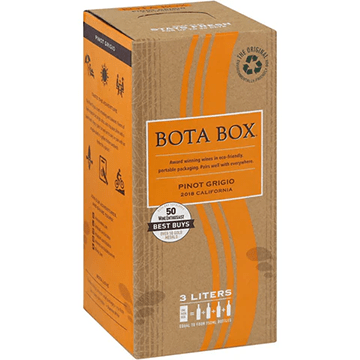
Whether it’s a three-liter bag-in-a-box, a slim aluminum can, or a dusty bottle of aged Bordeaux, what matters most is that you’re sipping something you love, surrounded by people who make the experience worthwhile.
So the next time you catch yourself eyeing a box on the shelf, don’t grimace—embrace the corkless adventure. Who knows? You might just find your next go-to sipper sealed away in cardboard, nestled in a bag, and ready to be tapped at your convenience. Cheers to trying something new and keeping your palate open—just don’t forget to keep your corkscrew handy for the next bottle! Cheers 🍷
References
Thompson-Witrick, K. A., Pitts, E. R., Nemenyi, J. L., & Budner, D. (2021). The Impact Packaging Type Has on the Flavor of Wine. Beverages, 7(2), 36. https://doi.org/10.3390/beverages7020036
 SOMM&SOMM
We welcome feedback…