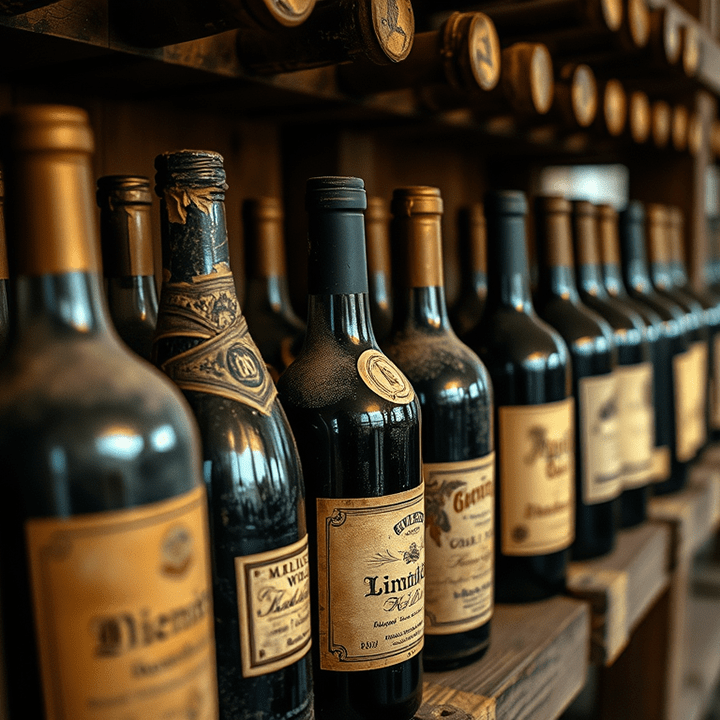
Tertiary notes in wine arise through bottle aging, bringing depth and complexity as a wine matures. These notes offer a glimpse into the evolution of flavors that go beyond the fruit and winemaking, revealing the passage of time.

What Are Tertiary Notes?
Tertiary characteristics develop after the wine has been bottled and allowed to age. This stage is often where the magic happens, as the wine’s primary and secondary notes begin to fade, and more complex, earthy, and savory elements take center stage. Tertiary notes reflect oxidation, maturation, and the slow chemical changes that occur as the wine ages.
Key Influences on Tertiary Notes
Aging Time
- Extended aging allows the fruit to mellow, revealing deeper, more nuanced flavors.
- Red wines, in particular, develop dried fruit, leather, tobacco, or forest floor notes as they mature.
Oxidation
- Over time, exposure to small amounts of oxygen helps develop nutty or savory notes. This is especially true for wines aged under cork.
Bottle Conditions
- The storage environment—temperature, light, humidity—can significantly influence the development of tertiary notes.
Examples of Tertiary Aromas
- Dried Fruit: As the wine ages, fresh fruit aromas evolve into dried fig, raisin, or prune, particularly in red wines like Amarone or aged Port.
- Earthy/Savory: Leather, tobacco, forest floor, truffle, or mushroom are common in well-aged wines like Barolo or Rioja Gran Reserva.
- Nutty/Caramelized: Especially common in oxidative wines like Sherry or Madeira, these notes include walnut, almond, toffee, or caramel.
Identifying Tertiary Notes in Wine
To recognize tertiary notes, time and patience are key:
- Smell for Depth: Aged wines will have a more subdued, nuanced aroma. Instead of fresh fruit, you may detect dried fruit, leather, or tobacco.
- Taste for Mellow Flavors: A well-aged wine will have softer tannins, less pronounced acidity, and flavors that reflect the earth or savory elements.
- Look for Color Change: Red wines develop a brick or garnet hue, while whites darken into golden amber tones, signaling the presence of tertiary characteristics.
As wine ages, it transcends its origins, offering a complex symphony of evolved flavors—where dried fruit, earth, and time-worn elegance come together in harmony, leaving behind the vigor of youth for the wisdom of age.
Gregory Dean, SOMM&SOMM
By understanding the progression from primary to secondary and tertiary notes, wine enthusiasts can fully appreciate the transformative journey a wine takes, unlocking new layers of complexity at each stage. Cheers 🍷
 SOMM&SOMM
We welcome feedback…