
A Deep Dive into Rolled Edge vs. Cut Edge
When it comes to the world of wine, the vessel you choose to enjoy your vintage in can profoundly influence the experience. Whether you’re a seasoned oenophile or a curious beginner, understanding the intricacies of wine glasses can elevate your appreciation of the wine itself. Among the many features of a wine glass, the edge – specifically whether it is rolled or cut – plays a surprisingly pivotal role.
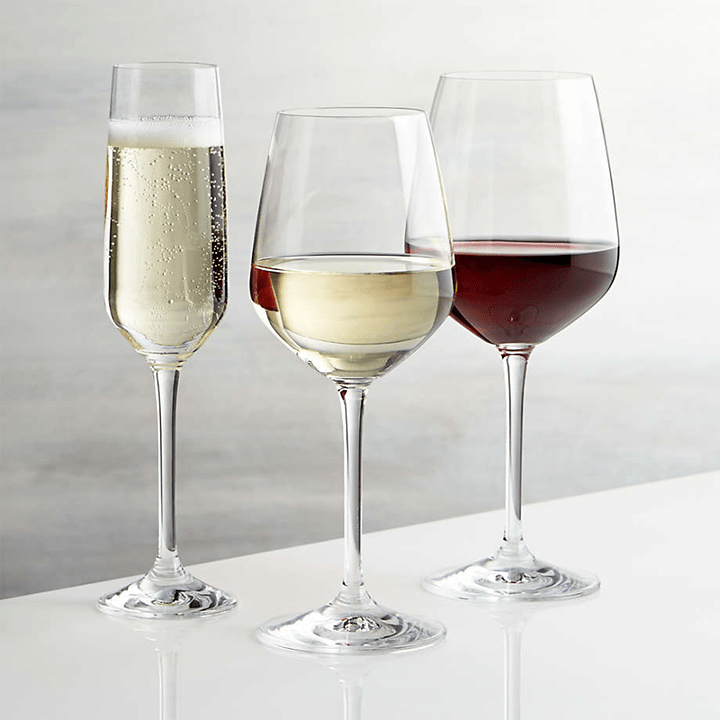
Every detail, down to the very edge, contributes to the symphony of senses that is wine tasting.
Gregory Dean, SOMM&SOMM
Rolled Edge vs. Cut Edge: The Basics
Rolled Edge Wine Glasses
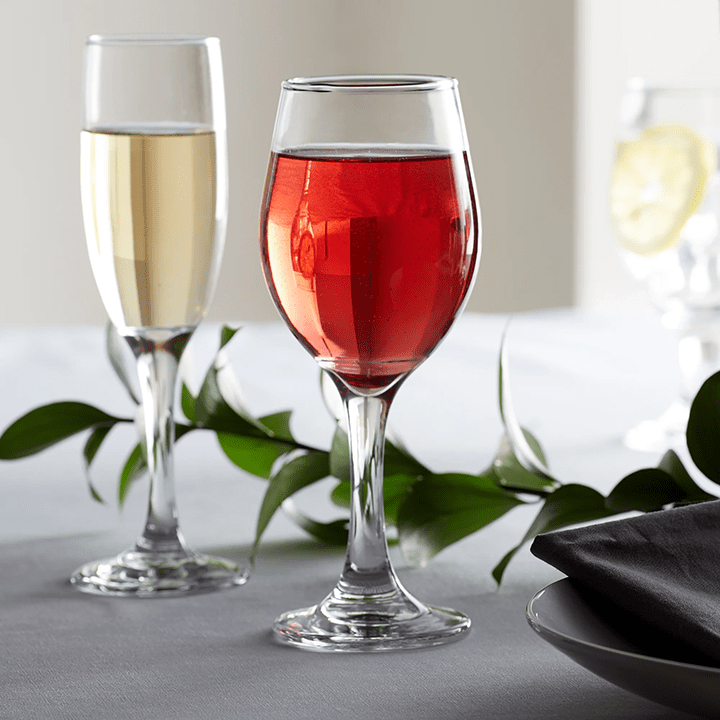
A rolled edge wine glass features a lip that has been thickened by rolling the glass at the rim. This process creates a rounded, smooth edge. Rolled edges are often found in more durable, everyday glassware. They provide a comfortable drinking experience, as the thicker rim can be easier on the lips. However, the thicker edge may somewhat impede the direct flow of wine onto the palate, potentially dulling the sensory experience.
Cut Edge Wine Glasses
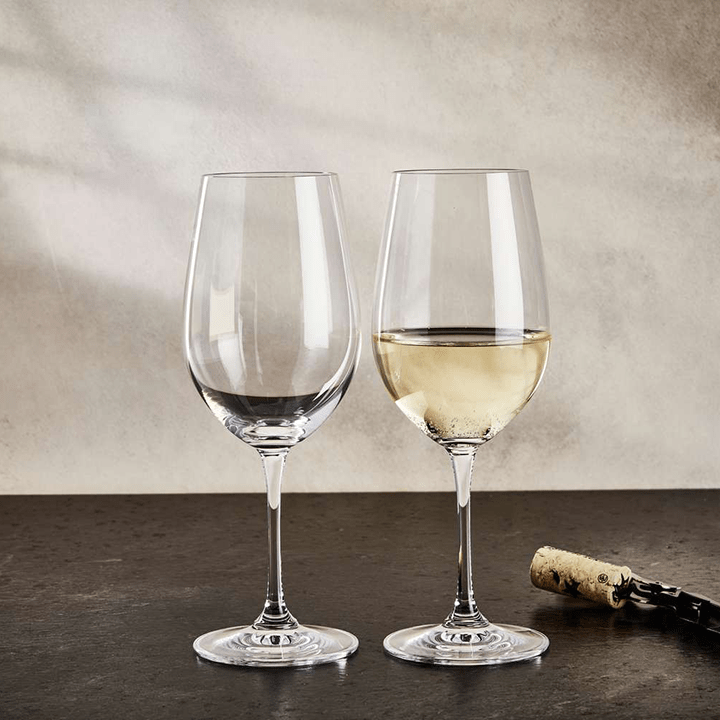
In contrast, a cut edge wine glass boasts a thin, sharp rim achieved by cutting the glass rather than rolling it. This style is prevalent in higher-end, sommelier-approved glassware. The fine edge allows the wine to flow smoothly and directly onto the tongue, enhancing the tasting experience by delivering more precise flavors and aromas.
When to Use Each Type
Rolled Edge Uses
– Casual Settings: Perfect for informal gatherings and outdoor events where durability and ease of use are prioritized over the nuanced tasting experience.
– Everyday Use: Ideal for those who enjoy a glass of wine with dinner and prefer a sturdy, easy-to-clean option.
Cut Edge Uses
– Formal Occasions: Essential for wine tastings, dinners, and events where showcasing the wine’s full profile is the goal.
– Wine Enthusiasts: Perfect for those who are passionate about wine and want to experience every subtle note and aroma.
Glass Making Approaches and Formulas
The material and craftsmanship behind wine glasses significantly influence their performance and the overall tasting experience. Let’s explore the primary materials used in fine glassware:
Quartz Glass
Quartz glass, or fused silica, is known for its exceptional clarity and resistance to thermal shock. It is less common in wine glasses due to its high cost and difficulty in molding. However, its superior clarity makes it a favorite in scientific applications and ultra-premium glassware.
Soda-Lime Glass
This is the most common type of glass, made from a combination of soda (sodium carbonate), lime (calcium oxide), and silica (silicon dioxide). Soda-lime glass is economical and durable, making it suitable for everyday use. However, it is generally less clear and brilliant than other types of glass.
Lead Crystal
Lead crystal, traditionally containing up to 30% lead oxide, is renowned for its brilliance and clarity. The lead content increases the refractive index, giving the glass a beautiful sparkle. Lead crystal is also more malleable when molten, allowing for intricate designs and thin rims. However, concerns about lead leaching have led to a decline in its use for drinkware.
Lead-Free Crystal
Modern advancements have produced lead-free crystal, which substitutes lead oxide with other metal oxides like barium or zinc. This material retains the desirable properties of traditional lead crystal – clarity, brilliance, and durability – without the health concerns. Lead-free crystal is now the standard for high-quality wine glasses.
SOMM&SOMM Recommends: Riedel Vinum Crystal Glasses
The Effect on the Wine-Tasting Experience
The choice of glass material and design profoundly affects the wine-tasting experience:
Clarity: Higher clarity materials, like lead or lead-free crystal, allow for better visual appreciation of the wine’s color and consistency. The ability to see the wine clearly can enhance the overall sensory experience.
Thickness: Thinner rims, typical of cut edge glasses made from crystal, allow for a more delicate delivery of wine to the palate, enhancing the perception of flavors and aromas. Thicker, rolled rims, more common in soda-lime glass, can dull this precision but provide durability and comfort.
Weight: Crystal glasses are typically lighter and more balanced than their soda-lime counterparts, which can enhance the tactile experience of swirling and sipping the wine.
SOMM&SOMM Recommends: Zalto Denk’Art Universal Hand-Blown Crystal Glasses
Science and Subjectivity
Science tells us that the thinner, more precise rim of a cut edge glass improves the direct flow of wine, enhancing the sensory experience by delivering flavors and aromas more effectively. However, the subjective pleasure derived from using a particular glass often depends on personal preference and context.
For some, the ritual of selecting a delicate, beautifully crafted cut edge crystal glass adds to the romance of wine drinking. For others, the comfort and reliability of a sturdy rolled edge glass hold equal charm.

Whether you lean towards the durable practicality of rolled edge glasses or the refined elegance of cut edge crystal, the choice of wine glass can profoundly influence your wine-tasting journey. Understanding the nuances between these types of glassware, as well as the materials and craftsmanship involved, allows you to tailor your wine experience to your preferences and occasions.
So next time you uncork a bottle, consider not just the wine but the glass in which you’ll savor it. After all, every detail, down to the very edge, contributes to the symphony of senses that is wine tasting. Cheers 🍷


We welcome feedback…