
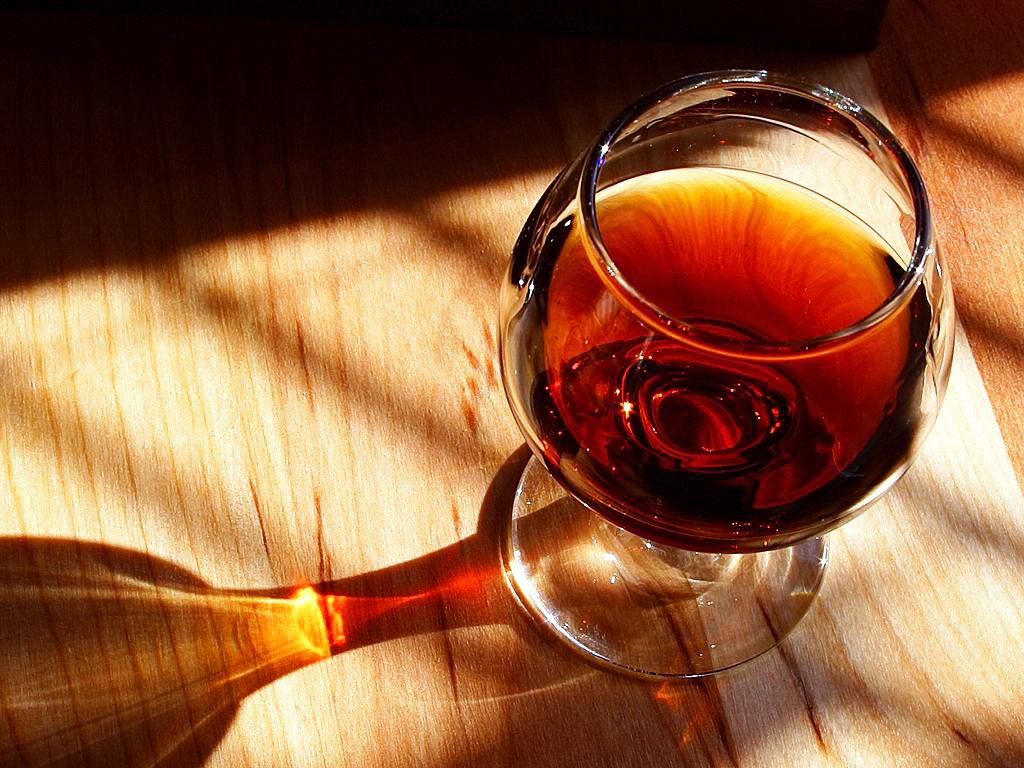
Winter’s Warmest Debate (and How to Drink Them Both Like a Pro).
When winter settles in and the thermostat drops a few degrees lower than comfort would prefer, fortified wines step confidently into the spotlight. They don’t whisper; they glow. And among them, Port is having another well-deserved moment. Again.
But as bottles come off shelves and into glasses, one question reliably resurfaces fireside and at tasting tables alike:
What’s the real difference between Ruby Port and Tawny Port—and how should I be enjoying each?
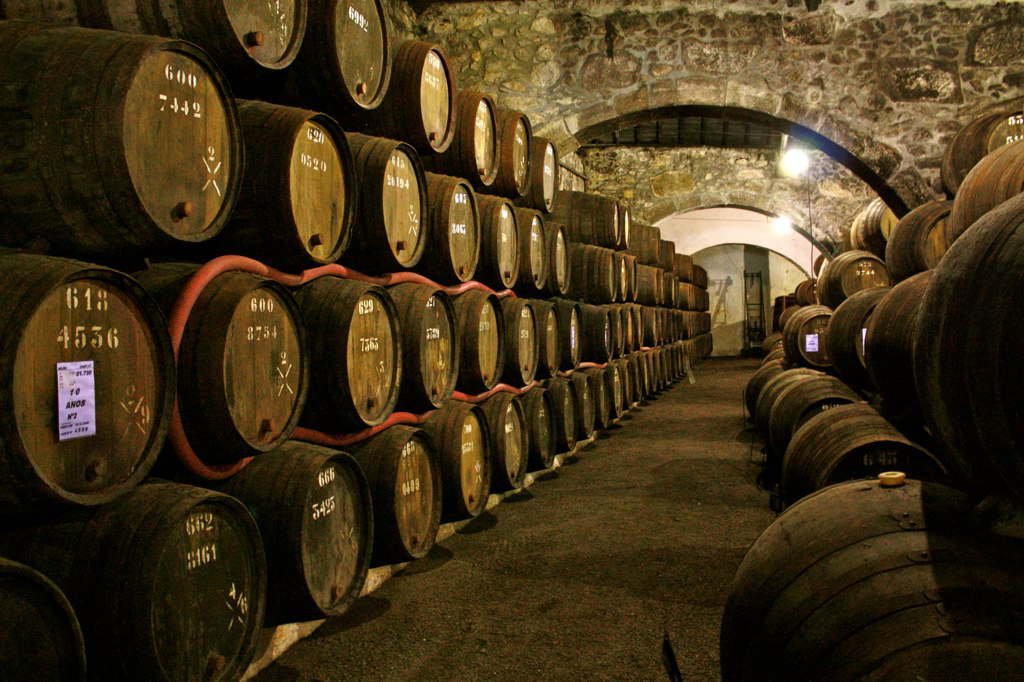
A Shared Origin, Two Very Different Journeys
All true Port comes from Portugal’s Douro Valley and begins life much the same way:
- Indigenous grapes
- Fermentation halted early by the addition of grape spirit (aguardente)
- Residual sugar preserved
- Alcohol boosted to roughly 19–20%
From there, aging choices—not grapes—define Ruby versus Tawny.
Ruby Port: Youth, Power, and Primary Fruit
Think: fireplace crackle, dark berries, and velvet curtains.
Ruby Port is all about freshness and intensity. After fermentation, it’s aged briefly—usually 2–3 years—in large stainless steel tanks or concrete vats. These vessels limit oxygen exposure, preserving the wine’s deep color and fruit-forward personality.
What’s in the glass?
- Color: Deep ruby to purple-black
- Aromas: Blackberry compote, black cherry, cassis, plum
- Palate: Lush, sweet, bold, youthful
- Finish: Rich, direct, fruit-driven
Ruby Port is unapologetically exuberant. It doesn’t want to evolve quietly—it wants to perform.
Best ways to enjoy Ruby Port
- Slightly cool (60–65°F) to balance sweetness
- In a classic Port glass or small wine glass
- As a dessert wine or a decadent after-dinner sipper
Ruby Port pairings (winter-approved)
- Flourless chocolate cake
- Dark chocolate truffles
- Blue cheese (especially Stilton or Gorgonzola)
- Chocolate-dipped dried figs
- Black forest–style desserts
Why it works: Sugar and fruit tame bitterness, while alcohol lifts richness off the palate.
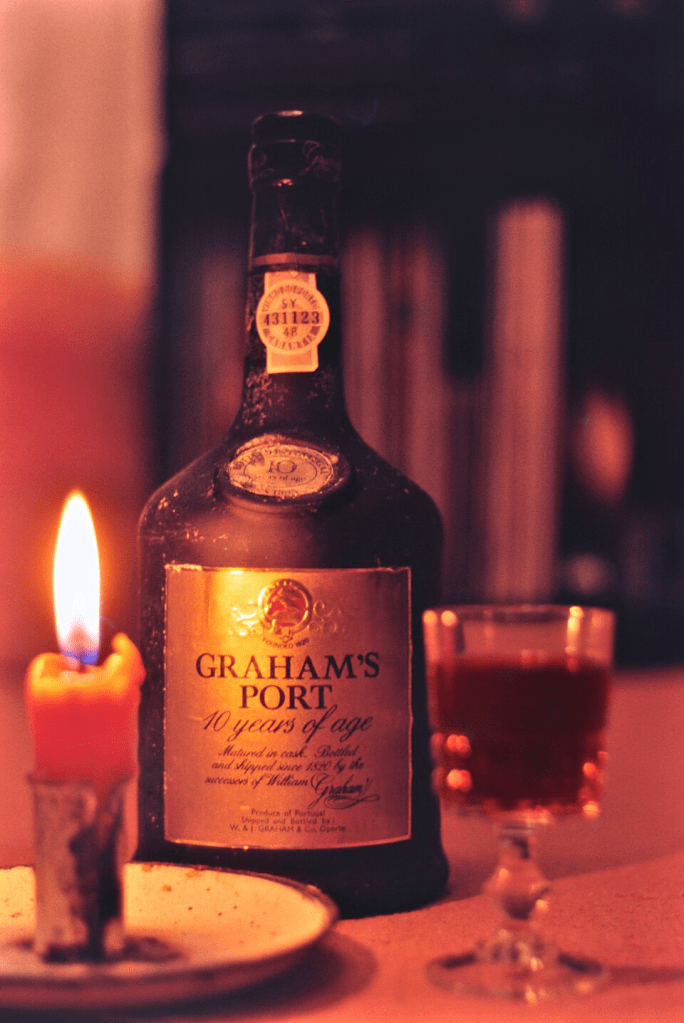
Tawny Port: Time, Oxidation, and Graceful Complexity
Think: leather-bound books, toasted nuts, and candlelight.
Tawny Port takes a slower, more contemplative path. It’s aged in small oak barrels, where gentle oxidation transforms both color and flavor. Over time, ruby hues fade to amber, mahogany, and tawny—hence the name.
You’ll often see age indications: 10, 20, 30, or 40 Year Tawny. These aren’t exact ages, but stylistic averages representing increasing complexity.
Related article: The Organoleptic Process
What’s in the glass?
- Color: Amber, copper, tawny
- Aromas: Toasted almond, hazelnut, caramel, dried fig, orange peel
- Palate: Silky, layered, less sweet-seeming
- Finish: Long, nutty, contemplative
Tawny Port doesn’t shout. It invites you closer.
Best ways to enjoy Tawny Port
- Lightly chilled (55–60°F)—especially higher-aged Tawny
- In smaller pours; complexity rewards patience
- As a standalone meditation wine or paired thoughtfully
Tawny Port pairings (cold-weather classics)
- Pecan pie or walnut tart
- Crème brûlée
- Aged cheeses (Comté, aged Gouda, Manchego)
- Roasted nuts with rosemary
- Apple or pear desserts with caramel
Why it works: Oxidative notes mirror toasted, nutty flavors while acidity keeps sweetness in check.
Ruby vs. Tawny: The Quick Take
| Ruby Port | Tawny Port |
|---|---|
| Fruit-forward | Nutty & oxidative |
| Aged briefly | Barrel-aged for years |
| Bold & youthful | Elegant & complex |
| Chocolate pairings | Nut, caramel & cheese pairings |
| Great in cocktails | Exceptional chilled or neat |
Winter-Worthy Port Cocktails (Yes, Really)
Port is a fortified wine—but don’t underestimate its versatility behind the bar. These cocktails are cozy, refined, and dangerously easy to love.
The Winter Port Old Fashioned (Ruby)
- 2 oz Ruby Port
- ¼ oz bourbon or aged rum
- 1 barspoon maple syrup
- 2 dashes aromatic bitters
Stir with ice, strain over a large cube.
Garnish with an orange peel and brandied cherry.
Ruby Port brings fruit and sweetness; the spirit adds structure without overpowering.
Tawny Port Manhattan (Low-Proof Elegance)
- 2 oz Tawny Port
- 1 oz rye whiskey
- 2 dashes orange bitters
Stir with ice, strain into a coupe.
Garnish with expressed orange peel.
Tawny’s nutty oxidation mimics aged vermouth, making this cocktail plush yet balanced.
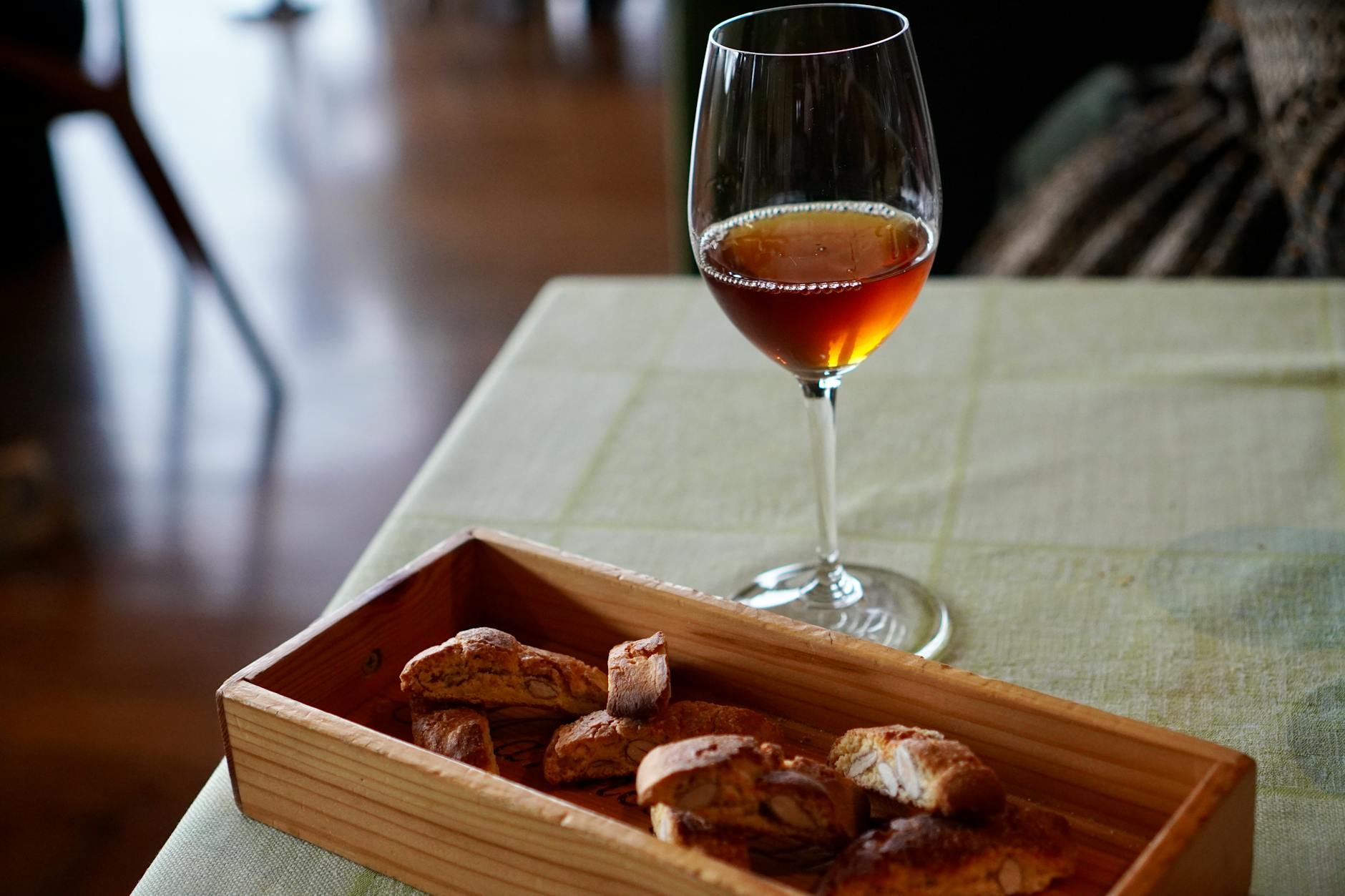
Which Port Should You Choose?
- Choose Ruby Port when you want bold fruit, indulgent desserts, or a cocktail-friendly fortified wine.
- Choose Tawny Port when you crave nuance, quiet warmth, and something that feels like winter slowing down.
Better yet—keep both on hand. Winter is long, evenings are cold, and Port was designed for exactly this moment 😉
To warming what’s inside while the season cools what’s out. May your glass be small, your Port be generous, and winter feel just a little shorter. 🍷
Gregory Dean, SOMM&SOMM
Bonus: The Grapes Behind the Glow
While Port is often discussed by style rather than grape, its soul is unmistakably tied to the rugged hillsides of the Douro and a cast of indigenous varietals that thrive where lesser vines would surrender.
At the heart of most Ports are Touriga Nacional (the star performer, delivering structure, dark fruit, and floral intensity), Touriga Franca (aromatic lift, spice, and elegance), and Tinta Roriz (known in Spain as Tempranillo, adding body and depth).
Supporting roles are played by Tinta Barroca, prized for richness and approachability, and Tinto Cão, a low-yielding but high-quality grape contributing acidity and longevity.
These varietals are often field-blended, harvested together, and fermented as one—a centuries-old practice that prioritizes harmony over varietal spotlighting. The result is a fortified wine where no single grape seeks attention, yet each leaves a fingerprint, creating the layered, warming complexity that makes Port unmistakably itself.
You may also like these articles:
Cover photo credit: Jon Sullivan, Public domain, via Wikimedia Commons


We welcome feedback…