In the world of fortified wines, few categories are as quietly revered—and as frequently misunderstood—as Tawny Port.
Among collectors and sommeliers, Tawny occupies a fascinating space. Those who know it tend to adore it. Those who don’t often dismiss it as simply “old sweet Port.” And hovering over the entire category are those deceptively simple age statements: 10, 20, 30, and 40 Years.
They look straightforward.
They sound definitive.
Yet they are neither.
Which leads to the question I hear more than almost any other when discussing Port in tastings or seminars:
Is there really that much difference between a 10-, 20-, 30-, and 40-Year Tawny… or is it mostly marketing?
The short answer is yes, the differences are real.
The longer—and far more interesting—answer is that the greatest leap in character does not occur early in the aging spectrum. It occurs late. Specifically, between 30 and 40 years, where Tawny Port undergoes something closer to transformation than gradual development.
To understand why, we need to begin with a small but crucial clarification.
What the Age Statement Actually Means
When a bottle reads “20 Year Tawny”, it does not mean the wine inside is twenty years old.
Instead, Tawny Port age designations represent a blending style, not a literal age.
Producers blend multiple barrels of wine of different ages in order to create a final wine whose aromatic profile, structure, and overall impression resemble what a wine of that age should taste like.
Think of the age statement less like a birth certificate and more like a time capsule.
The style must meet sensory benchmarks approved by the Instituto dos Vinhos do Douro e do Porto (IVDP), the regulatory authority that oversees Port production.
The blender’s task is not merely technical—it is interpretive. They must create a wine that feels like a 10-year Tawny, or a 30-year Tawny, even if the actual components span several decades.
Related SOMM&SOMM article: The Organoleptic Process
Understanding this distinction is essential, because it shifts our focus away from the number on the bottle and toward the true driver of Tawny Port’s evolution:
time in wood.
Time, Oxygen, and the Alchemy of the Barrel
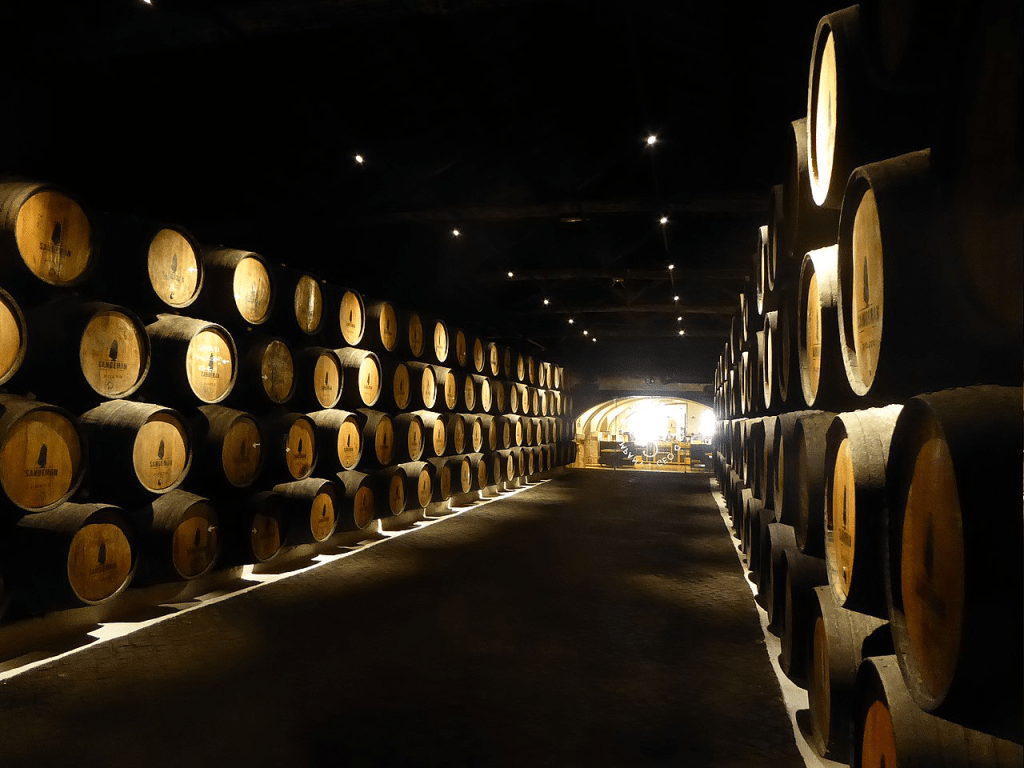
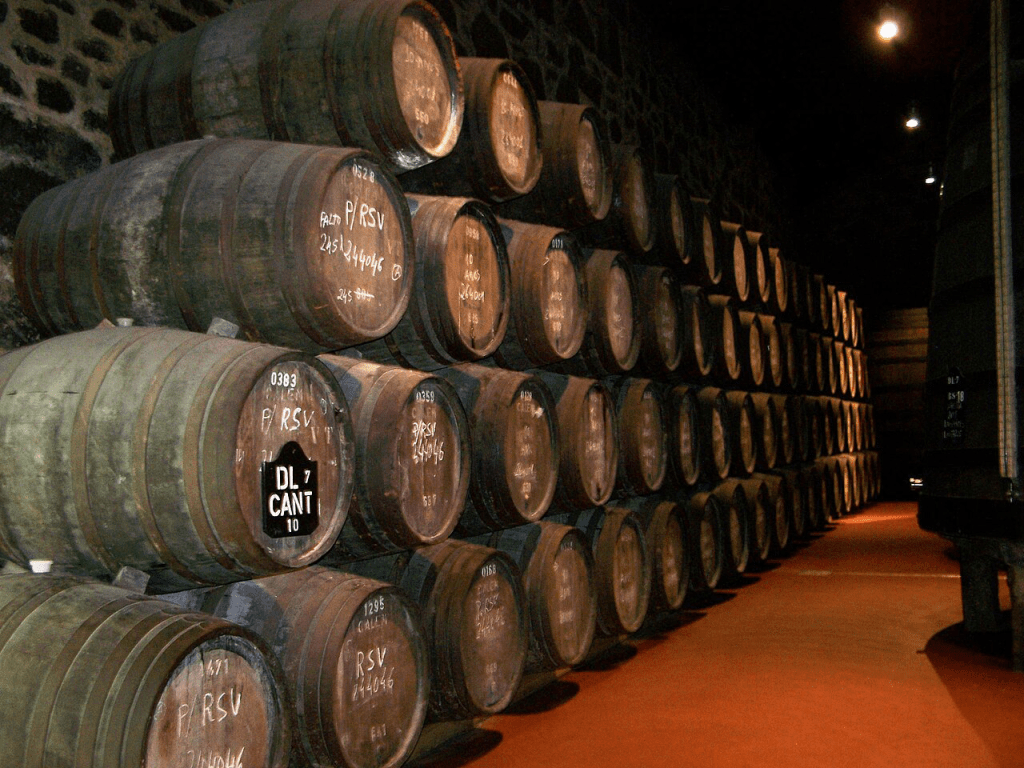
Unlike Vintage Port, which spends most of its life aging slowly in bottle, Tawny Port lives almost entirely in barrel.
And barrel aging introduces three powerful forces that shape the wine over decades.
Oxidation
Wood is porous. Over time, small amounts of oxygen enter the barrel, slowly transforming the wine’s fruit character. Fresh berries begin to evolve into dried fruits, nuts, caramel, and spice.
Evaporation
Known romantically as the angel’s share, a portion of the wine slowly evaporates through the wood.
As the years pass, the volume decreases while flavor compounds become more concentrated.
Integration
Acids, sugars, tannins, and aromatics gradually knit together. What once felt separate becomes seamless.
These processes do not progress evenly over time. Early changes are dramatic and fruit-driven. Later changes affect the structure and perception of the wine itself.
Which is why the differences between age categories are not linear.
They unfold in stages.
10-Year Tawny: The Invitation
For many drinkers, the 10-Year Tawny is their first encounter with oxidative Port.
At this stage, the wine still carries a strong memory of its youthful fruit.
Expect aromas of dried cherry, fig, toasted almond, and orange peel, with a palate that remains lively and moderately sweet. The texture is smooth, but the wine still feels fruit-driven rather than fully evolved.
This category serves as a bridge between Ruby-style Ports and the more oxidative Tawny world.
It tends to resonate particularly well with drinkers who appreciate freshness and approachability—people who enjoy balanced dessert wines but may not yet be ready for deeply oxidative complexity.
When moving from 10 to 20 years, the shift is noticeable, but still evolutionary rather than revolutionary.
The wine becomes more polished. More composed.
But the language of the wine remains familiar.
20-Year Tawny: The Sweet Spot
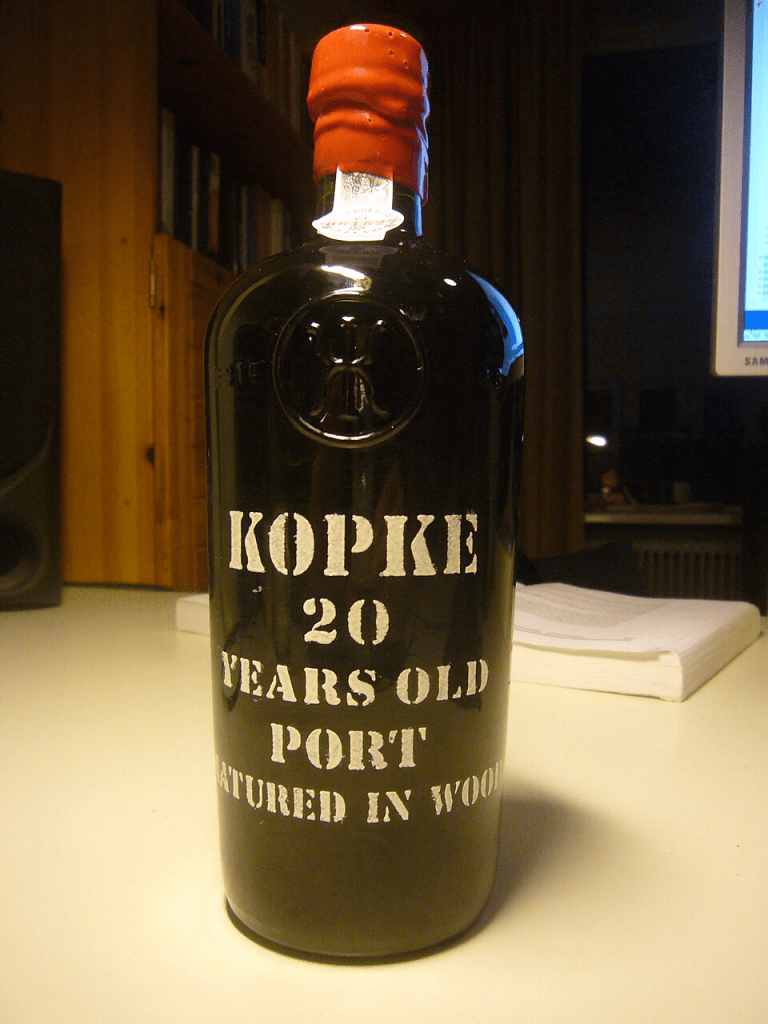
Many Port lovers eventually settle on 20-Year Tawny as their personal favorite—and it’s easy to understand why.
This is where Tawny Port finds equilibrium.
The fruit steps gracefully into the background, allowing aromas like hazelnut, caramel, dried apricot, and baking spiceto take center stage. The palate becomes more harmonious, sweetness feels less pronounced, and the texture develops a silkier, more confident character.
At this stage, Tawny begins to attract drinkers outside traditional dessert wine circles.
Fans of aged spirits such as Cognac or well-matured Scotch whisky often connect with the nutty complexity and long finish of a 20-Year Tawny.
The jump from 20 to 30 years, however, is quieter than many people expect.
Instead of a dramatic shift in flavor, the wine simply becomes more refined.
Freshness gives way to depth.
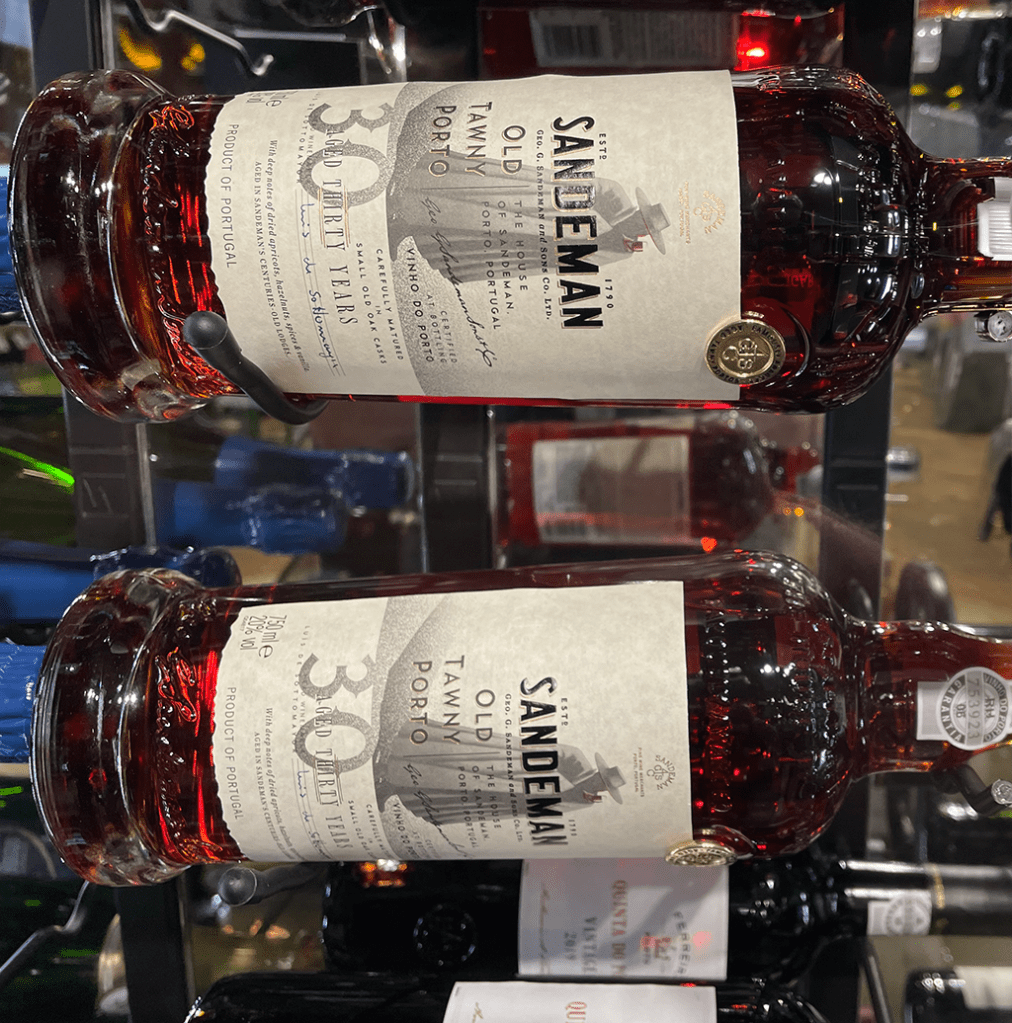
30-Year Tawny: The Contemplative Stage
A 30-Year Tawny is a wine that invites reflection.
By this point, fruit has largely receded into memory. What emerges instead is a tapestry of tertiary aromas—walnut oil, dried citrus peel, molasses, antique wood, and sometimes even the evocative scent of old library books.
The palate often leans drier than younger Tawny expressions, though the sugar remains. What has changed is the balance: acidity now plays a more prominent role.
Texturally, the wine can feel both viscous and lifted, a paradox that experienced tasters find endlessly compelling.
This is the stage where Tawny Port begins to transcend its reputation as merely a dessert wine. It becomes something contemplative—something that invites slow appreciation rather than casual sipping.
Yet despite all this development, the leap from 30 to 40 years is still ahead.
And that is where Tawny Port reveals its most profound transformation.
40-Year Tawny: Where Time Becomes the Flavor
A 40-Year Tawny does not simply taste like an older version of a 30-Year Tawny.
It tastes like an entirely different category of wine.
At this age, evaporation has removed a significant portion of the original liquid from the barrel. What remains is extraordinarily concentrated.
Yet paradoxically, the wine often feels lighter.
The sweetness fades into the background while acidity becomes the structural backbone. Aromas move beyond recognizable foods toward something more abstract: mahogany, citrus oils, iodine, antique furniture, and burnt sugar.
The finish stretches seemingly without end.
In these wines, you are no longer tasting fruit transformed by oxidation.
You are tasting time distilled.
The wine sheds weight and gains clarity. Flavor gives way to sensation. The experience becomes less about identifying notes and more about interpreting the wine’s evolving texture and length.
This is why the gap between 30 and 40 years feels so dramatic.
Not because the wine becomes louder—but because it becomes more precise.
Why the Largest Leap Occurs Late
If we look at the progression of Tawny Port aging, a pattern emerges.
Between 10 and 20 years, fruit begins evolving toward nuts and caramel, while sweetness integrates more smoothly.
Between 20 and 30 years, refinement takes over. The wine deepens structurally and texturally.
But between 30 and 40 years, the transformation becomes structural rather than merely aromatic.
Sweetness becomes an accent rather than the centerpiece.
Acidity becomes the dominant structural element.
And aromas move beyond food references into something more atmospheric.
At this stage, the wine has crossed a threshold where oxidation, evaporation, and concentration have reshaped its very identity.
This isn’t marketing hype.
It’s chemistry—and a little bit of physics.
Is a 40-Year Tawny Worth the Price?
The honest answer depends less on the wine than on the drinker.
If you love sweetness and richness, 20-Year Tawny will likely provide the most pleasure.
If you enjoy layered complexity and evolving textures, 30-Year Tawny may feel like the ideal balance.
But if you are drawn to nuance, tension, and extraordinary length—if you enjoy wines that whisper rather than shout—then a 40-Year Tawny can be worth every penny.
These wines are not impressive in a flashy way.
They are impressive in a quiet, contemplative way.
And quiet luxury is not for everyone.
Tawny Port Is Ultimately About Awareness
One of the most fascinating things about Tawny Port is that it changes not only the wine—but the drinker.
A 10-Year Tawny welcomes you into the category.
A 20-Year Tawny charms you with balance.
A 30-Year Tawny challenges you to pay attention.
And a 40-Year Tawny has the power to change the way you think about aged wine entirely.
Not because it is louder.
But because it is older, wiser, and more patient.
And that patience—decades of quiet transformation in wood—is the real story behind every glass.
Cheers. 🍷
Similar articles on SOMM&SOMM
Cover photo by Hans Birger Nilsen, CC BY-SA 2.0, via Wikimedia Commons
 SOMM&SOMM
We welcome feedback…