

What to Drink in Late Winter, When Spring is Still a Promise.
Late February is a quiet moment.
The holidays are behind us. Valentine’s Day has packed up its chocolate and expectations. Winter is still very much present, but something has shifted. The light lingers. The cold feels less aggressive. You open the window for a minute, not because it’s warm, but because you want to remember what warm feels like.
This is not the season for showstoppers. It’s a time for balance. For wines and cocktails that know how to sit comfortably between comfort and freshness, warmth and lift. The space between the seasons rewards subtlety.
Wines That Feel at Home Right Now
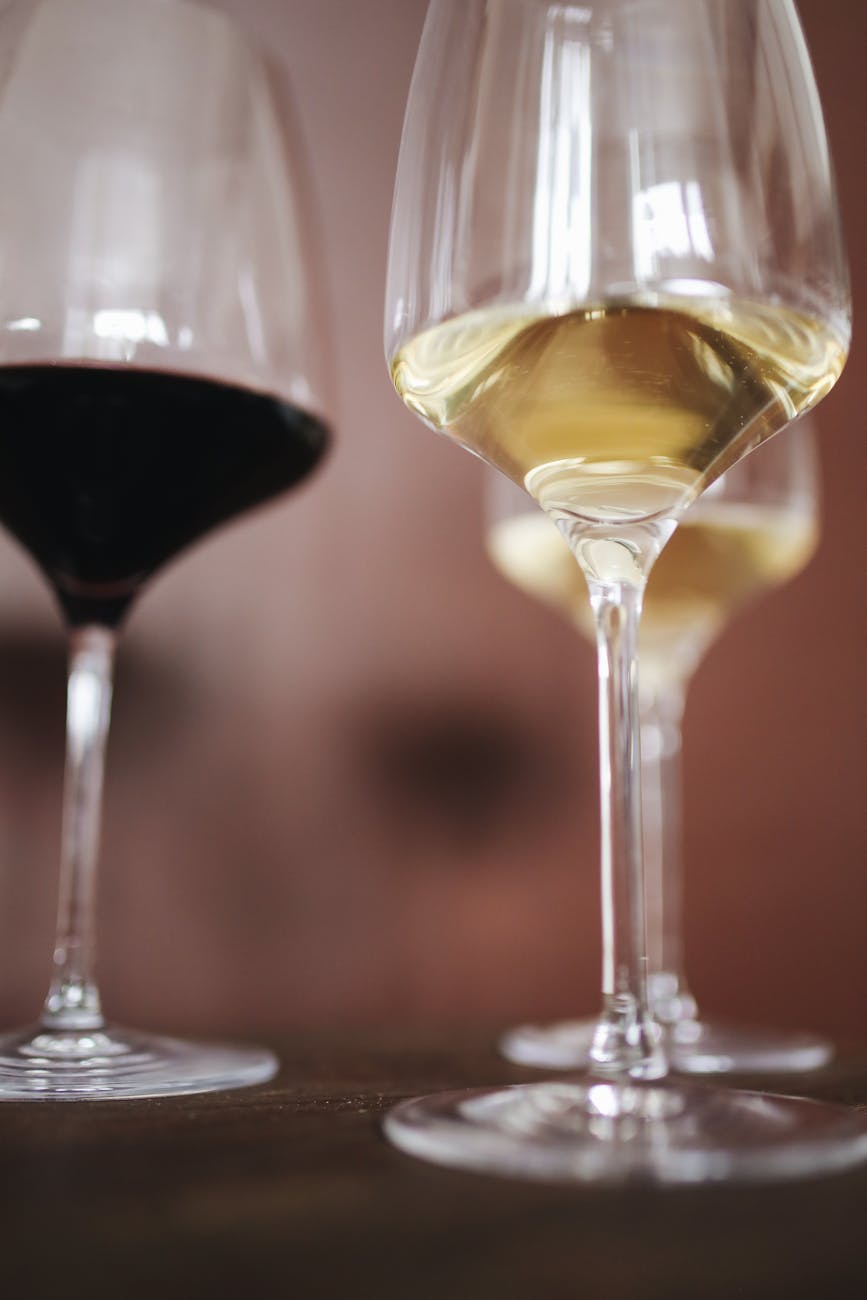
Some bottles just make sense in late winter. They still work with roasted dishes and cool evenings, but they don’t feel like they’re clinging to the season on the way out.
A good Chenin Blanc from the Loire is a perfect place to start. Dry styles from Vouvray, Savennieres, or Montlouis carry bright acidity and minerality, but there’s often a quiet honeyed depth underneath. It feels refreshing without being sharp, textured without being heavy. Pour it with roasted chicken finished with lemon and thyme, pork with apples, or a wedge of soft, slightly funky cheese, and it feels exactly right for this moment.
Northern Rhône Syrah is another late-winter staple. Not the plush, fruit-driven versions you find in warmer climates, but the peppery, savory expressions from places like Crozes-Hermitage or Saint-Joseph. These wines lean into olive, smoke, and black pepper, giving you structure and warmth without weight. They are especially good with roasted mushrooms, duck breast, or pork seasoned with herbs rather than spice.
Rioja also shines this time of year, particularly Crianza or Reserva. There’s something comforting about a wine that has already done a bit of waiting. The fruit feels settled, the oak is integrated, and everything moves a little slower in the glass. Rioja pairs beautifully with sausages, paprika-spiced dishes, or a tray of roasted root vegetables pulled straight from the oven (Tammy’s favorite).
And then there’s dry Riesling. Late winter is when Riesling reminds you how versatile it really is. High acid keeps things lively, but there’s enough texture to stand up to richer dishes. German Trocken styles, Alsace bottlings, or dry examples from Washington or the Finger Lakes work effortlessly with pork, roasted carrots with cumin, or dishes that bring ginger and citrus into the mix.
Related SOMM&SOMM Article: The Noble Grapes of Alsace
If winter wines had a sweet spot, this would be it. Nothing too heavy. Nothing too lean. Just bottles that know how to meet you where you are.

Cocktails for Evenings That Still Get Dark Early
Cocktails in late February should feel like a gentle exhale. Warming, yes, but not overwhelming. Structured, but open enough to hint at what’s ahead.
An Armagnac highball is a perfect example. Armagnac tends to be a little more rustic and expressive than Cognac, and when stretched with soda and citrus, it becomes surprisingly elegant. It keeps its warmth, but gains lift and freshness.
Armagnac Citrus Highball
- 2 oz Armagnac
- 4 to 5 oz chilled soda water
- Lemon or orange peel
Build over ice in a tall glass, stir gently, and finish with expressed citrus peel.
A rosemary Old Fashioned still nods to winter, but the herbal note starts pulling the drink forward. It’s familiar, but greener, softer, and less about sweetness.
Rosemary Old Fashioned
- 2 oz bourbon or rye
- 0.25 oz rosemary simple syrup (recipe below)
- 2 dashes aromatic bitters
Stir with ice, strain over a large cube, and garnish with a rosemary sprig.
Rosemary Simple Syrup (Keep This One Around)
Fresh rosemary brings a soft piney note that feels right at home in late winter. To make the syrup, combine equal parts sugar and water in a small saucepan, add a few sprigs of fresh rosemary, and bring it just to a gentle simmer. Turn off the heat, let it steep until fragrant, then strain and cool.
It keeps in the refrigerator for about two weeks and works just as well in a whiskey sour, a gin cocktail, or even stirred into hot tea on a cold night.
For nights when you want something lighter altogether, a sherry and tonic is hard to beat. Dry Fino or Manzanilla sherry brings salinity and brightness, tonic adds lift, and the whole drink feels refreshingly grown-up without demanding commitment.
Sherry and Tonic
- 3 oz dry sherry
- 3 oz tonic water
- Lemon twist or green olive
Build over ice and stir gently.
This is the kind of drink you reach for when winter fatigue sets in, but you are not quite ready to let go of structure.
Food That Knows the Season Is Changing
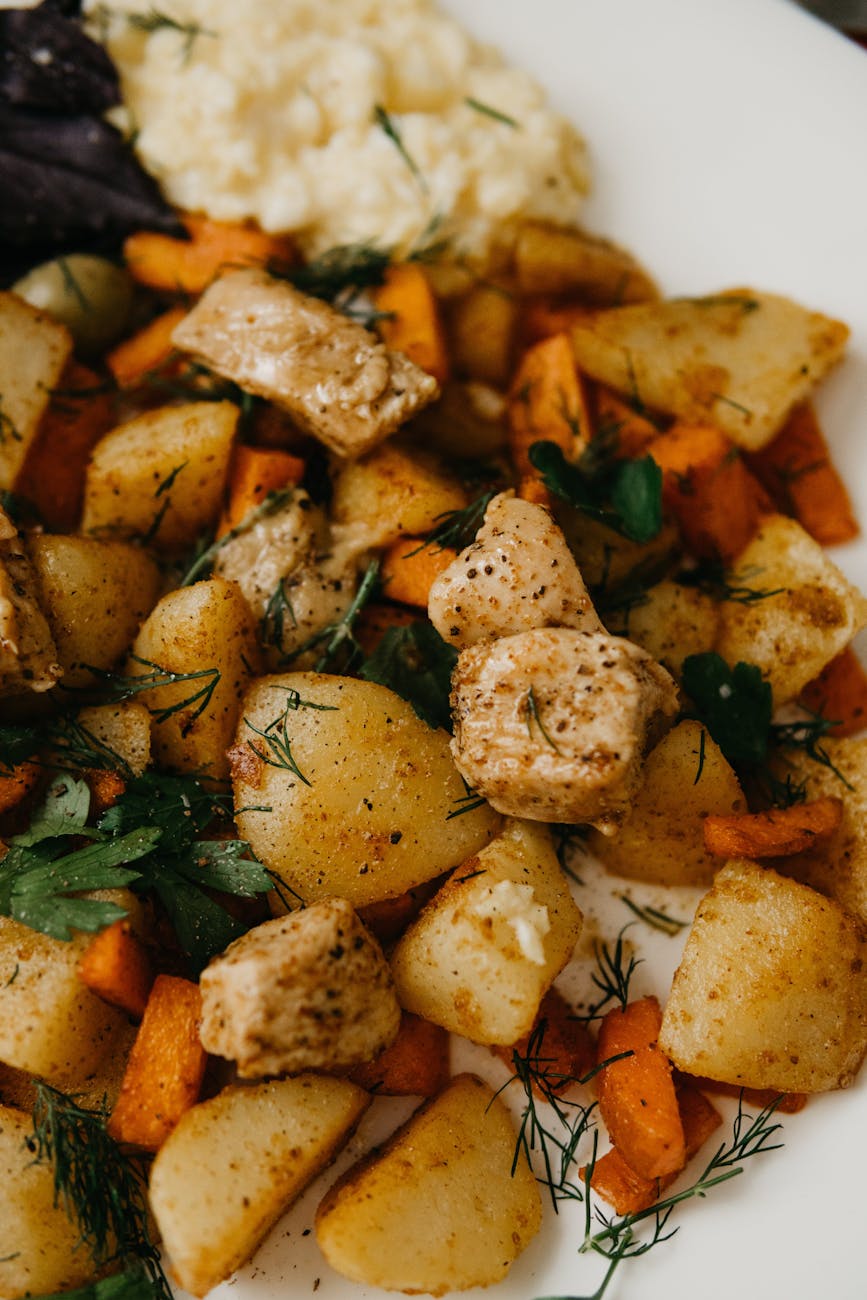
Late winter cooking doesn’t abandon comfort, it just lightens its grip.
Roasted vegetables finished with citrus. Braised dishes brightened with herbs. Creamy sauces traded for olive oil and stock. These small shifts make meals feel fresher without losing their grounding.
Think roasted cauliflower with lemon and tahini, herb-marinated chicken thighs, lentils dressed with good olive oil and vinegar, or charred greens with garlic and anchovy. These dishes live happily alongside the wines and cocktails that define this in-between moment.
The Final Pour
Late February doesn’t need a reason to drink well.
It’s a season without a headline, and that’s exactly the point. Winter is still here. Spring is close enough to feel. The best pours right now don’t rush either one.
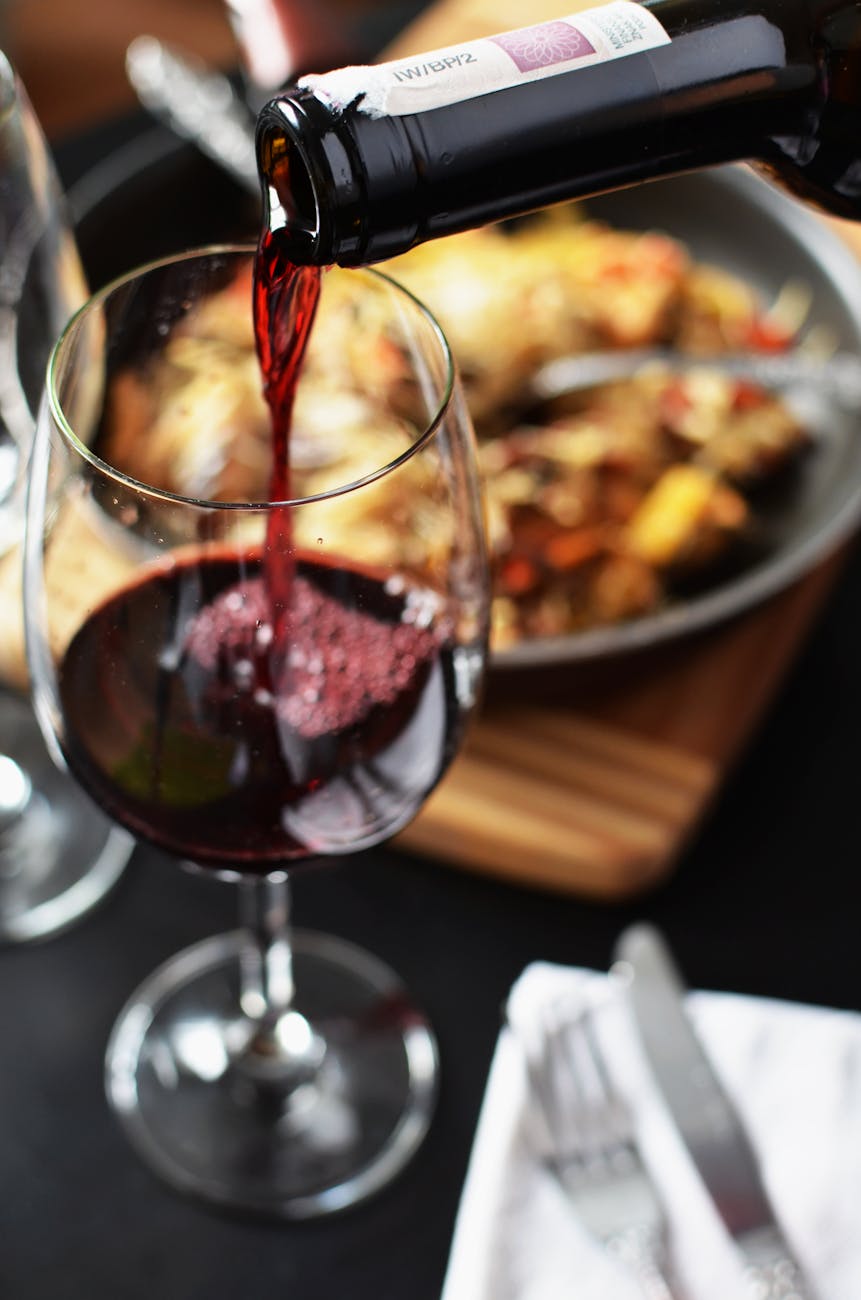
Open something thoughtful. Pour something balanced. Let the season unfold at its own pace 🍷
Cover Photo by Nothing Ahead on Pexels.com

 SOMM&SOMM
We welcome feedback…