After primary notes, the next set of characteristics arises from the winemaking process itself. Secondary notes are influenced by human intervention, transforming the grape’s raw material into something more structured and nuanced. This article explores how fermentation, yeast, and oak barrels contribute to secondary characteristics.
What Are Secondary Notes?
Secondary notes in wine are aromas and flavors that develop during fermentation and aging in barrels or on the lees. While primary notes highlight the grape’s nature, secondary notes focus on the influence of winemaking techniques, adding complexity and texture.
Key Influences on Secondary Notes
Fermentation
- The choice between stainless steel or oak, as well as the use of wild or cultured yeast, profoundly affects the wine’s development.
- Malolactic fermentation, a secondary process where tart malic acid is converted into softer lactic acid, gives wines a creamy or buttery note (commonly found in Chardonnay).
Lees Aging
- Aging wine on the lees (dead yeast cells) enhances richness and adds notes of bread, biscuit, or even nuttiness. This technique is especially notable in Champagne, contributing to its toasty complexity.
Oak Aging
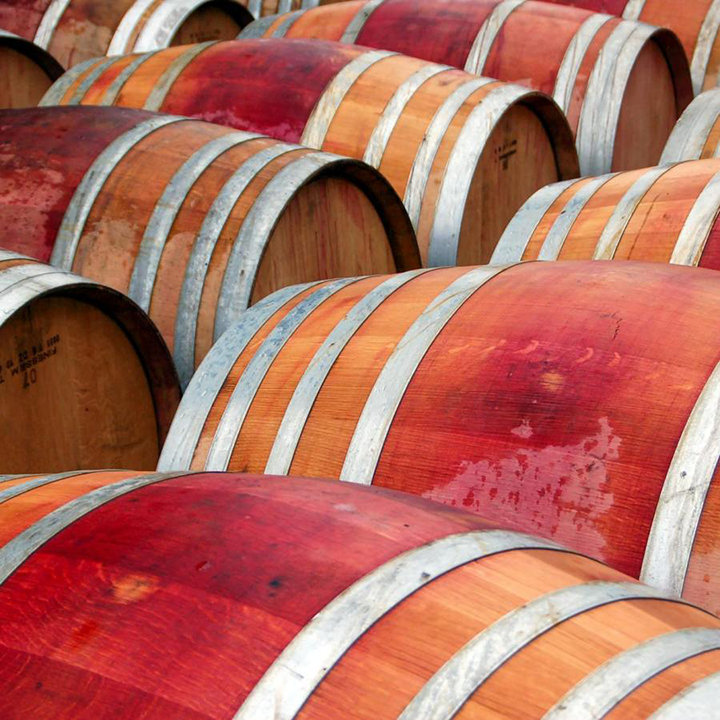
- Oak barrels introduce flavors like vanilla, smoke, toast, or cedar, depending on the type of oak (American vs. French), the level of toasting, and the duration of aging.
- Wines aged in new oak will develop more intense oak-derived notes compared to those aged in older or neutral barrels.
Examples of Secondary Aromas
- Oak-derived: Vanilla, coconut, clove, cinnamon, smoke, or coffee. For example, Rioja often has coconut notes due to American oak aging, while Bordeaux may present more subtle cedar or spice from French oak.
- Fermentation-derived: Butter, cream, or yogurt from malolactic fermentation, and bread dough, brioche, or yeast from extended lees contact.
- Smoky/Spicy: Wines that undergo extended barrel aging or have significant oak influence, such as Cabernet Sauvignon or Syrah, may develop smoky, spicy characteristics.

Identifying Secondary Notes in Wine
To recognize secondary notes, approach the wine with a focus on structure:
- Pay Attention to Texture: Does the wine feel creamy or smooth? This could indicate malolactic fermentation or lees aging.
- Smell for Oak Influence: Oak-aged wines often reveal themselves through warm, spicy, or woody aromas.
- Taste for Added Complexity: Secondary characteristics layer upon the primary fruit, adding depth through vanilla, toast, or buttery elements.
With the introduction of time and technique, the wine begins to reveal its second layer—a crafted interplay of oak, fermentation, and aging that deepens its character and whispers the hand of the winemaker.
Gregory Dean, SOMM&SOMM
Next, we will look at tertiary notes—the final stage of a wine’s evolution, developed over time in the bottle.


Leave a reply to The Essence of Primary Notes in Wine – SOMM&SOMM Cancel reply