Category: Tasting Insights

  • Sip Into Summer

    Sip Into Summer

    A Guide to Refreshing Wines for Late Spring and Early Summer

    As the days grow longer and the sun shines brighter, it’s time to embrace the vibrant flavors of late spring and early summer. With the season bringing forth an abundance of fresh produce and lighter fare, it’s the perfect time to explore a variety of wines that complement the delightful dishes served at events during this time of year. From picnics in the park to backyard barbecues, let’s dive into the world of wines that are perfectly suited for the warmer months ahead.

    Crisp Whites for Sunny Days

    One cannot think of summer without envisioning a chilled glass of refreshing white wine. From crisp Sauvignon Blancs to zesty Pinot Grigios, the options are endless. These wines are characterized by their bright acidity, citrus notes, and refreshing minerality, making them an ideal choice to pair with lighter fare such as salads, seafood, and grilled vegetables. Consider serving a Sauvignon Blanc alongside a fresh Caprese salad or a seafood ceviche for a delightful summer pairing.

    SOMM&SOMM Recommends: 2022 Henri Bourgeois Pouilly Fume La Porte De L’Abbaye

    SOMM&SOMM Recommends: 2021 Armani Pinot Grigio Colle Ara

    Rosé All Day

    Rosé has become synonymous with summer sipping, and for good reason. This versatile wine strikes the perfect balance between the crispness of a white wine and the fruitiness of a red, making it a crowd-pleaser at any summer gathering. Whether it’s a Provence-style Rosé with notes of strawberry and melon or a Spanish Rosado with hints of citrus and stone fruit, there’s a Rosé to suit every palate. Pair it with charcuterie boards, grilled chicken, or even fruity desserts for a refreshing and elegant accompaniment.

    Light Reds for Chilled Evenings

    While red wine might not be the first choice for warm weather, there are plenty of lighter-bodied reds that are well-suited for summer sipping. Look for wines such as Pinot Noir, Gamay, or Grenache, which offer bright fruit flavors, soft tannins, and a refreshing acidity. These wines pair beautifully with grilled salmon, roasted vegetables, or even a classic barbecue spread. Serve them slightly chilled to enhance their refreshing qualities and enjoy the taste of summer in every sip.

    SOMM&SOMM Recommends: 2021 Crossbarn Sonoma Coast Pinot Noir

    SOMM&SOMM Recommends: 2018 Mas De Mancuso Garnacha Single Vineyard

    Summer Sangria

    No summer gathering is complete without a pitcher of refreshing sangria. Whether you prefer the classic red sangria or the lighter white sangria, the options for customization are endless. Start with a base of fruity wine such as Tempranillo for red sangria or Sauvignon Blanc for white sangria. Add your favorite seasonal fruits such as oranges, strawberries, and peaches, along with a splash of citrus juice and a touch of sweetness from sugar or honey. Let it chill for a few hours to allow the flavors to meld together, and serve over ice for a refreshing and festive summer drink.

    SOMM&SOMM Recommends: 2020 Asua Rioja Crianza

    Red Sangria Recipe

    – 1 bottle of Tempranillo or your favorite red wine

    – 1 orange, sliced

    – 1 lemon, sliced

    – 1 lime, sliced

    – 1/4 cup orange juice

    – 2 tablespoons sugar

    – 1/4 cup brandy

    – Club soda, for topping

    – Fresh mint leaves, for garnish

    SOMM&SOMM Recommends: 2022 Angeline Sauvignon Blanc Reserve

    White Sangria Recipe

    – 1 bottle of Sauvignon Blanc or your favorite white wine

    – 1 peach, sliced

    – 1 cup strawberries, sliced

    – 1/4 cup lemon juice

    – 2 tablespoons honey

    – 1/4 cup peach schnapps

    – Club soda, for topping

    – Fresh basil leaves, for garnish

    Grilled Shrimp with Lemon Aioli (The Spruce Eats)

    Pairing the perfect wine with the right snacks can elevate your summer gatherings to a whole new level. Consider serving light and refreshing appetizers such as bruschetta with tomatoes and basil, grilled shrimp skewers with lemon aioli, or a platter of assorted cheeses and fresh fruit. These snacks complement the flavors of summer wines and provide the perfect accompaniment for leisurely outdoor gatherings.

    As the temperatures rise and the days grow longer, it’s time to embrace the flavors of late spring and early summer with a selection of refreshing wines. From crisp whites to fruity rosés and light reds, there’s a wine to suit every palate and occasion. Whether you’re enjoying a picnic in the park or hosting a backyard barbecue, let these wines be the perfect pairing for your summer festivities. Cheers to a season filled with sunshine, good company, and delicious wines 🍷
  • The Artistry of Wine

    The Artistry of Wine

    A Comparative Exploration of Rare Wines and Famous Paintings

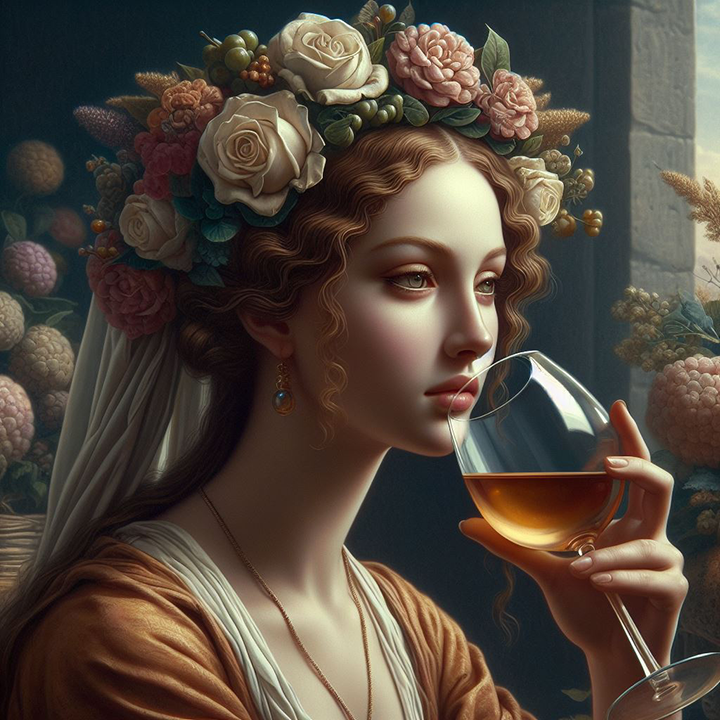
    In the illustrious realm where the finest wines and most celebrated paintings converge, history intertwines with opulence, creating an exquisite tapestry of sensory delight. Let us delve deeper into this captivating parallel, exploring the stories behind both the rarest wines and the most iconic artworks, while shedding light on the misconceptions that often surround them.

    At the pinnacle of vinicultural artistry stands Château Lafite Rothschild, a Bordeaux First Growth whose legacy dates back to the 17th century. The visionary behind this enological masterpiece was none other than Baron James de Rothschild, whose passion for wine (specifically this wine) transformed the estate into a beacon of excellence. Similarly, the enigmatic smile of the “Mona Lisa” finds its roots in the Renaissance genius of Leonardo da Vinci, whose meticulous brushstrokes immortalized this iconic portrait in the annals of art history.

    Wine fact: While Baron James de Rothschild is credited for the well-deserved notoriety of Château Lafite [Rothschild], he didn’t purchase the estate until 13 years after the 1855 Bordeaux Classification.

    Disclosure: This post includes some affiliate links. Should you click an affiliate link and make a purchase, we may receive a small commission at no extra cost to you.

    1971 Château Lafite Rothschild from the cellar of Club 10 member, Brian Toung. Opened in January 2019

    Reflecting on my own experiences… tasting a sip of a 1971 Château Lafite Rothschild is akin to standing before the ‘Mona Lisa’ in person – a moment of profound humility and privilege. It’s as if time stands still, and you find yourself enveloped in the sheer greatness of centuries-old craftsmanship, where each drop of wine or stroke of the brush whispers secrets of the past.

    In those fleeting moments, one feels not only the weight of history but also the immense privilege of bearing witness to such timeless magnificence.

    Gregory Dean, SOMM&SOMM
    Westgarth Wines

    Spotlight: Westgarth Wines is a great source for hard-to-find varietals and vintages. Whether building your wine portfolio or planning a special evening, check out Westgarth Wines Extensive Fine Wine Collection.

    On the other hand, the ethereal elixir of Domaine de la Romanée-Conti traces its origins to the esteemed vineyards of Burgundy, where generations of vignerons have toiled to produce the quintessential Pinot Noir. The guardians of this hallowed terroir, the Leroy and de Villaine families, have upheld a tradition of excellence that rivals the timeless beauty of Vincent van Gogh‘s “Starry Night.” Just as van Gogh’s swirling cosmos mesmerize viewers with their transcendent beauty, so too does the intricate tapestry of flavors in Domaine de la Romanée-Conti transport the imbiber to celestial realms of sensory delight.

    Yet, amidst the rarified air of exclusivity, lies a misconception that often plagues the world of wine: the notion of the wine snob. This caricature, with its airs of superiority and exclusivity, fails to capture the true essence of wine appreciation. In reality, a genuine wine aficionado possesses a deep appreciation for the craftsmanship and artistry that goes into every bottle, much like an art connoisseur admires the brushstrokes of a master painter. Both seek to unravel the mysteries and complexities that lie within their chosen medium, finding joy in the journey of discovery.

    In contrast, the world of more accessible wines parallels the realm of mainstream art, where familiar classics reign supreme. Wines such as Napa Valley Cabernet Sauvignon or Italian Chianti embody widespread appeal and approachability, much like the iconic works of Pablo Picasso or Claude Monet. Just as art aficionados find solace in the timeless beauty of a Van Gogh or a Monet, wine enthusiasts take pleasure in the familiar embrace of a well-crafted Merlot or Sauvignon Blanc.

    SOMM&SOMM Recommends: Napa Valley Silver Oak

    SOMM&SOMM Recommends: Chateau Montelena Cabernet Sauvignon

    In conclusion, whether indulging in the rarefied elixirs of Château Lafite Rothschild or savoring the everyday pleasures of a Napa Valley Cabernet, both wine and art serve as conduits to a world of sensory delight. Through their boundless beauty and infinite complexity, they enrich our lives, inviting us to explore the depths of human creativity and expression. Cheers 🍷

  • The Lore of Aging Wine in Barrels

    The Lore of Aging Wine in Barrels

    Wine, that timeless elixir, has been intertwined with human history for millennia. From ancient amphorae to modern stainless steel tanks, winemaking techniques have evolved, but one tradition remains as steadfast as the vines themselves: aging wine in barrels. This practice is not merely functional but holds a mystical allure, enhancing the flavors, aromas, and textures of wine in ways that transcend mere storage vessels. Let’s dive into the history, craftsmanship, and magic of aging wine in barrels.

    Photo by Yesim G. Ozdemir on Pexels.com

    Historical Roots

    The art of barrel aging dates back to ancient civilizations, where wooden vessels were used to transport and store liquids. The Romans, in particular, recognized the transformative power of wood on wine, using barrels made from oak to age and transport their precious vintages across their vast empire. Over time, this practice spread throughout Europe, becoming synonymous with the finest wines produced in regions such as Bordeaux, Burgundy, and Rioja.

    Barrel aging, the silent maestro of wine evolution, weaves a tapestry of complexity, infusing wines with nuances of oak, whispers of spice, and the symphony of time, crafting bottles of elegance and depth.

    Gregory Dean, SOMM&SOMM

    Types of Wood

    While oak remains the predominant choice for wine barrels, different species and sources of wood impart distinct characteristics to the wine. French oak, known for its subtle flavors of vanilla, spice, and toast, is favored by many winemakers for its elegance and finesse. American oak, on the other hand, tends to impart more pronounced flavors of coconut, dill, and sweet spices, making it a popular choice for bold, fruit-forward wines.

    Other types of wood, such as Hungarian oak, Slovenian oak, and chestnut, offer their own unique profiles, adding layers of complexity to the wines they age. Each wood has its own distinct grain, density, and porosity, influencing how it interacts with the wine and shapes its final character.

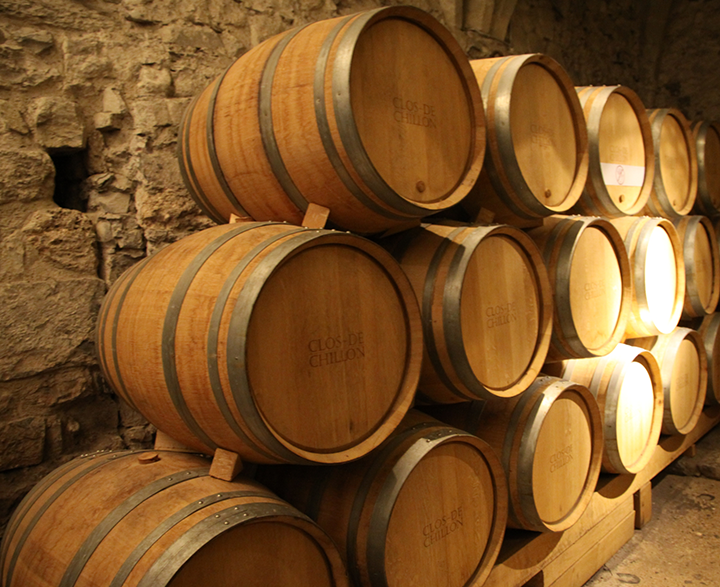
    Various barrel sizes and shapes waiting to be delivered

    Barrel Sizes and Shapes

    Barrels come in a variety of sizes, from the diminutive barrique to the towering foudre. The standard barrique holds approximately 225 liters (59 gallons) of wine and is commonly used in regions like Bordeaux and Burgundy. Larger formats, such as the puncheon and the foudre, are favored for their reduced surface-to-volume ratio, allowing for slower aging and gentler extraction of flavors.

    The shape of the barrel also plays a crucial role in aging wine. Taller, narrower barrels promote more gradual oxidation and evaporation, while shorter, wider barrels encourage faster integration of flavors and textures. Additionally, the toasting level of the barrel—ranging from light to heavy—can be customized to suit the winemaker’s desired style and intensity of oak influence.

    Craftsmanship and Cooperage

    The art of barrel making, or cooperage, is a centuries-old tradition that requires skill, precision, and patience. Cooperages source the finest oak staves, carefully shaping and toasting them to exact specifications. Master coopers employ time-honored techniques, passed down through generations, to construct barrels that are both functional and beautiful.

    Cooperages offer winemakers a range of options, from the type of wood and toast level to the size and shape of the barrel. Customization allows winemakers to tailor their barrels to the specific needs of each wine, ensuring optimal aging and expression of terroir.

    Impact on Wine and Cost

    The impact of barrel aging on wine is profound, influencing its color, aroma, flavor, and texture in myriad ways. Oak imparts flavors of vanilla, spice, toast, and caramel, while also softening tannins and enhancing mouthfeel. Oxygen slowly permeates the barrel, allowing the wine to evolve and develop complexity over time.

    The cost of barrel aging varies depending on factors such as the type of wood, size of the barrel, and quality of craftsmanship. French oak barrels, prized for their elegance and finesse, are among the most expensive, while American oak and other alternatives offer more affordable options. The cost of barrel aging can account for a significant portion of a wine’s production expenses, particularly for premium and ultra-premium wines that require extended aging in oak.

    Famous Burgundian Grand Cru (Pinot Noir)

    Regional and Varietal Characteristics

    Certain countries, regions, and varietals are renowned for the unique characteristics imparted by barrel aging. In Bordeaux, Cabernet Sauvignon and Merlot blends mature in oak barrels, gaining complexity and structure over time. Burgundian Pinot Noir and Chardonnay benefit from aging in French oak, acquiring nuances of spice, toast, and vanilla.

    Spanish Tempranillo finds its soulmate in American oak, with Rioja and Ribera del Duero wines showcasing flavors of coconut, dill, and sweet spices. Italian Sangiovese, aged in large Slavonian oak casks, develops savory notes of leather, tobacco, and earth.

    While barrel aging remains the gold standard for many winemakers, alternative methods offer creative ways to achieve similar results. Stainless steel tanks provide a neutral environment for aging wine, preserving fruit purity and freshness. Concrete eggs and amphorae impart subtle texture and minerality, enhancing the wine’s sense of place.

    Some winemakers utilize oak alternatives, such as chips, staves, or spirals, to infuse wine with oak flavors without the expense or commitment of traditional barrel aging. While these methods can produce compelling results, they often lack the complexity and integration achieved through prolonged aging in oak.

    Barrels, like fine wine, have a finite lifespan, with each one imparting its unique imprint on the wines it ages. The number of times a barrel can be used depends on factors such as the type of wood, thickness of the staves, and care taken during maintenance. French oak barrels, with their tighter grain and slower oxidation rate, can be reused for several vintages before losing their efficacy.

    After a barrel has reached the end of its useful life for aging wine, it may find new purpose as furniture, planters, or even firewood. Some adventurous souls repurpose old barrels as aging vessels for beer, spirits, or vinegar, continuing the cycle of transformation and innovation.

    Here’s to the artistry of barrel aging, where time becomes the master craftsman, transforming grapes into liquid poetry. Cheers to the magic of oak, the alchemy of time, and the enduring allure of beautifully aged wines. Salud!

    Gregory Dean, SOMM&SOMM

    Aging wine in barrels is a time-honored tradition that marries craftsmanship with alchemy, transforming humble grapes into liquid poetry. From the forests of France to the vineyards of Napa Valley, the story of barrel aging is one of passion, innovation, and reverence for the past. As we raise our glasses to toast the fruits of the vine, let us also raise a toast to the humble barrel, the silent guardian of wine’s journey through time and wood. Cheers 🍷

  • Exploring the History and Tradition of Vin Santo Wine

    Exploring the History and Tradition of Vin Santo Wine

    In the rolling hills of Tuscany, amidst the golden vineyards and centuries-old traditions, lies a treasure deeply rooted in history and culture—the enchanting Vin Santo wine. With its rich amber hues and complex flavors, Vin Santo embodies the essence of Italy’s winemaking heritage, weaving together centuries of tradition into each precious drop.

    Beautiful rolling hills of Tuscany

    A Journey Through Time: Origins of Vin Santo

    The origins of Vin Santo can be traced back to medieval times, where its story intertwines with the religious and cultural tapestry of Italy. Legend has it that Vin Santo, meaning “holy wine” in Italian, was first crafted by monks in the Tuscan hillsides. These devout custodians of viticulture discovered that by allowing grapes to dry on straw mats in warm attics, the sugars concentrated, resulting in a sweet, luscious wine.

    The process of making Vin Santo is deeply intertwined with the concept of ‘appassimento,’ a traditional method of drying grapes to concentrate their sugars and flavors. This technique, which originated in ancient Rome, was revived and perfected by Tuscan winemakers, leading to the creation of Vin Santo’s signature style.

    The Art of Vinification: Crafting Vin Santo

    Vin Santo is primarily crafted from white grape varieties such as Trebbiano and Malvasia, although red grape varieties like Sangiovese are also used in some regions. The grapes are harvested at optimal ripeness before being carefully laid out on straw mats or hung in well-ventilated lofts to dry. This drying process, known as ‘appassimento,’ can last for several months, allowing the grapes to gradually shrivel and concentrate their sugars.

    Once sufficiently dried, the grapes are gently pressed, yielding a highly concentrated juice with elevated sugar levels. This luscious must is then transferred to small oak barrels, known as caratelli or ‘little barrels,’ where it undergoes a slow and patient fermentation. Unlike most wines, Vin Santo is left to ferment naturally, relying on ambient yeasts to work their magic over the course of several years.

    The aging process is a hallmark of Vin Santo production, with the wine maturing in small barrels for a minimum of three to five years, though some examples age for much longer. During this time, the wine develops its distinctive aromas and flavors, evolving from vibrant fruitiness to complex notes of dried fruits, nuts, honey, and spices.

    The Variations of Vin Santo: Tradition and Terroir

    While Vin Santo is most commonly associated with Tuscany, its production extends to other regions of Italy, each with its own unique interpretation of this revered wine. In addition to the classic Vin Santo di Chianti, which hails from the heart of Tuscany, other notable variations include Vin Santo del Chianti Classico, Vin Santo di Montepulciano, and Vin Santo di Carmignano.

    These variations reflect not only regional differences in grape varieties and winemaking techniques but also the influence of terroir—the unique combination of soil, climate, and geography that shapes each wine’s character. For example, Vin Santo del Chianti Classico is celebrated for its elegance and balance, while Vin Santo di Montepulciano boasts a more robust and structured profile.

    The Ritual of Enjoyment: Serving Vin Santo

    Vin Santo is more than just a wine; it’s a symbol of conviviality and tradition, often shared during special occasions and festive gatherings. The ritual of serving Vin Santo is as important as the wine itself, with time-honored customs dictating its presentation and enjoyment.

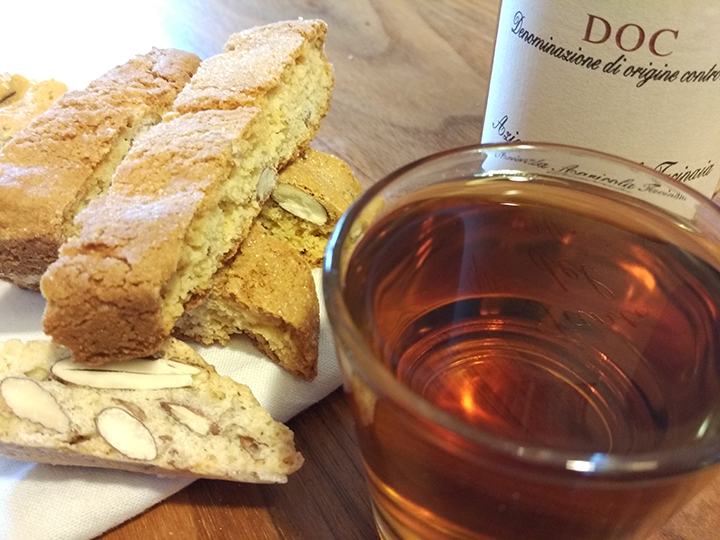
    Vin Santo and Biscotti

    Traditionally served in small, tulip-shaped glasses, Vin Santo is accompanied by biscotti or ‘cantucci,’ almond biscuits specifically designed to complement its sweetness. The ritual of dipping the biscotti into the wine, allowing them to soak up its ambrosial nectar, is a sensory experience that enhances the wine’s flavors and textures.

    Vin Santo is also a versatile wine that pairs beautifully with a variety of foods, from aged cheeses and foie gras to desserts such as panna cotta and almond cakes. Its natural sweetness and complex aromas make it a delightful accompaniment to both savory and sweet dishes, earning it a place of honor on tables around the world. Vin Santo is the wine traditionally used in tiramisu 🙂

    Tiramisu with Vin Santo

    Preserving Tradition: The Future of Vin Santo

    In an era of rapidly changing tastes and trends, the tradition of Vin Santo remains a steadfast beacon of Italy’s winemaking heritage. While modern advancements have brought innovations to the production process, the essence of Vin Santo—its connection to the land, its reverence for tradition, and its timeless allure—remains unchanged.

    As we raise our glasses to toast the legacy of Vin Santo, we honor not only the craftsmanship of generations past but also the promise of generations to come. In each sip of this sacred elixir, we taste the history, the tradition, and the timeless beauty of Italian winemaking—a legacy that continues to inspire and enchant wine lovers around the world.

    Cheers🍷

  • The Hidden Hand of MegaPurple

    The Hidden Hand of MegaPurple

    Lately, I have found myself in conversations about a controversial yet widely used tool known as MegaPurple, along with similar grape concentrates. These additives have sparked debates within the industry, raising questions about their impact on wine quality, authenticity, and consumer trust. As a sommelier dedicated to unraveling the intricacies of wine, it is imperative to delve into this contentious topic, shedding light on its origins, purpose, and implications.

    What is MegaPurple and Grape Concentrate?

    MegaPurple is a proprietary blend of concentrated grape juice derived from red grape varieties, primarily used in winemaking to enhance color, body, and sweetness. Currently produced by Vie-Del Company, this product gained popularity in the early 2000s (originally owned by Constellation Brands) as a cost-effective solution for wineries facing challenges in achieving desired characteristics in their wines.

    Similar grape concentrates, although not as widely recognized as MegaPurple, are utilized by winemakers globally. These concentrates are typically obtained through the process of reducing grape juice, thereby intensifying flavors, sugars, and color compounds.

    Photo by Andrew Patrick Photo on Pexels.com

    Purpose and Usage

    The primary purpose of MegaPurple and grape concentrates lies in their ability to rectify deficiencies in wine, particularly those arising from unfavorable growing conditions, suboptimal grape ripening, or stylistic preferences of winemakers. These additives serve multiple functions:

    Color Enhancement

    MegaPurple and grape concentrates are revered for their capability to intensify the hue of red wines, imparting a deep, rich color that appeals to consumers’ visual senses. This is particularly valuable in regions where grape ripening conditions may not yield optimal pigment development.

    Body and Mouthfeel

    By boosting sugar levels, these additives contribute to a fuller body and enhanced mouthfeel in wines, thereby masking potential thinness or lack of structure.

    Sweetness Adjustment

    Winemakers utilize MegaPurple and grape concentrates to achieve desired levels of sweetness in their wines, catering to varying consumer preferences, from bone dry to lusciously sweet.

    Cost Efficiency

    From an economic standpoint, these additives offer a cost-effective solution for wineries, allowing them to rectify wine deficiencies without resorting to expensive vineyard management practices or additional barrel aging.

    Controversy and Criticism

    Despite their widespread usage, MegaPurple and grape concentrates have garnered significant criticism from various quarters within the wine community:

    Like an overbearing conductor drowning out the subtleties of a symphony, artificial flavors and concentrates in wine obscure the terroir-driven nuances, leaving behind a hollow echo of authenticity

    Gregory Dean – SOMM&SOMM

    Authenticity Concerns – Opponents argue that the use of these additives compromises the authenticity and integrity of wines, blurring the distinction between naturally crafted wines and those manipulated through artificial means.

    Impact on Terroir – Advocates for terroir-driven winemaking express apprehensions about the influence of MegaPurple and grape concentrates on the expression of terroir, fearing that these additives may overshadow the unique characteristics imparted by vineyard site and microclimate.

    Health and Transparency – Consumer advocacy groups have raised concerns regarding the transparency of labeling practices, advocating for clear disclosure of the use of additives such as MegaPurple and grape concentrates to enable informed consumer choices. Moreover, questions about potential health implications associated with these additives have also been raised, prompting further scrutiny.

    Market Perception – The use of MegaPurple and grape concentrates has contributed to debates surrounding market perception and consumer education, highlighting the need for transparency and dialogue within the wine industry.

    Lesser-Known Ingredients and Processes

    In addition to MegaPurple and grape concentrates, several lesser-known ingredients and processes are employed in winemaking, each with its own implications:

    Photo by cottonbro studio on Pexels.com

    Mega-Reduction – This technique involves the reduction of grape juice through heating, concentrating sugars, flavors, and color compounds. While similar to the production of MegaPurple, mega-reduction offers winemakers a customized approach to adjusting wine characteristics.

    Maceration Techniques – Winemakers employ various maceration techniques, such as extended skin contact or cold soaking, to extract color, tannins, and flavor compounds from grape skins. These methods play a crucial role in shaping the sensory profile of wines, contributing to complexity and structure.

    Microbial Additions – Yeast and bacterial cultures are utilized in winemaking to initiate fermentation, impart specific flavor profiles, or promote microbial stability. While commonly accepted, the selection of microbial additives can influence the sensory attributes and aging potential of wines.

    Oak Alternatives – In lieu of traditional oak barrels, winemakers may employ oak alternatives such as chips, staves, or powders to impart oak-derived flavors and aromas to wines. This practice offers flexibility in flavor profile manipulation while mitigating costs and production time.

    Photo by ufuk iseloglu on Pexels.com

    The use of MegaPurple and grape concentrates in winemaking remains a contentious subject, reflecting broader debates surrounding authenticity, transparency, and market perception within the wine industry. As a sommelier committed to advancing wine education and fostering appreciation for the artistry of winemaking, it is imperative to navigate these complexities with discernment and critical inquiry. By fostering dialogue, transparency, and a deeper understanding of winemaking practices, we can empower consumers to make informed choices while preserving the rich diversity and heritage of wines worldwide.

    Cheers🍷

    Cover Photo by Lau Arraigada on Pexels.com

  • Teinturier Grapes: A Deep Dive into Rarity and Richness

    Teinturier Grapes: A Deep Dive into Rarity and Richness

    In the vast and intricate world of wine, there exists a category of grapes that is shrouded in mystery and rarity: the teinturier (pronounced teen-TOUR-ee-er) grapes. These unique varieties stand out among their counterparts due to their distinct characteristic of having red-colored flesh, which sets them apart from the majority of grape varieties whose flesh is typically clear or lightly pigmented. In this exploration, we embark on a journey to uncover the enigmatic nature of teinturier grapes, delving into their origins, unique characteristics, varieties, tasting notes, and the stories that surround them.

    Cover photo credits: Lebowskyclone, CC BY-SA 3.0 https://creativecommons.org/licenses/by-sa/3.0, via Wikimedia Commons

    Origins and Characteristics

    The term “teinturier” is derived from the French word for “dyer,” which aptly describes the intense coloration these grapes impart to wine. Unlike most red grape varieties, where the color comes primarily from the skins during fermentation, teinturier grapes possess deeply pigmented flesh, resulting in wines with exceptionally rich coloration and depth.

    One of the most notable characteristics of teinturier grapes is their rarity. While there are thousands of grape varieties cultivated worldwide, only a small fraction belong to the teinturier category. This rarity adds to their allure and intrigue among wine enthusiasts and connoisseurs.

    Alicante Bouschet (photo: Good Food Revolution)

    Varieties of Teinturier Grapes

    Several grape varieties fall into the category of teinturier grapes, each offering its own unique characteristics and flavor profiles. Some of the most prominent varieties include:

    1. Alicante Bouschet: Among the most well-known teinturier grapes, Alicante Bouschet boasts deep red flesh and intense coloration. Originating in France in the late 19th century, this grape is prized for its robust flavors of dark fruits, such as blackberry and plum, coupled with firm tannins and a full-bodied structure.

    2. Saperavi: Hailing from the country of Georgia, Saperavi is a teinturier grape renowned for its inky color and bold, complex flavors. This variety often exhibits notes of black cherry, black pepper, and hints of smoke, with a velvety texture and a long, lingering finish.

    3. Rubired: Developed in California, Rubired is a teinturier grape widely used in winemaking for its deep color extraction and rich flavor profile. Wines made from Rubired grapes are characterized by their plush texture, ripe berry flavors, and a touch of spice, making them ideal for blending or as standalone varietal wines.

    4. Graciano: While not exclusively a teinturier grape, Graciano is known for its deeply pigmented juice, which contributes to the intense coloration of wines when blended with other grape varieties. Originating in Spain, Graciano imparts wines with vibrant acidity, notes of dark fruits, and a savory, herbal undertone.

    Tasting Notes and Pairings

    Teinturier wines are prized for their deep color, bold flavors, and distinctive characteristics. When tasting wines made from teinturier grapes, one can expect to encounter a spectrum of flavors and aromas, ranging from dark fruits and spices to savory notes and earthy undertones.

    Alicante Bouschet wines often exhibit flavors of ripe blackberry, plum, and dark chocolate, with firm tannins and a robust structure. Pairing these wines with grilled meats, hearty stews, or aged cheeses complements their bold flavors and enhances the overall dining experience.

    Saperavi wines boast a complex profile of black cherry, black pepper, and smoky notes, with a velvety texture and well-integrated tannins. These wines pair beautifully with dishes such as lamb tagine, roasted duck, or mushroom risotto, where their depth of flavor can shine.

    Rubired wines are characterized by their plush texture, ripe berry flavors, and hints of spice, making them versatile for pairing with a variety of cuisines. Whether enjoyed alongside barbecue ribs, spicy chili, or creamy pasta dishes, Rubired wines add a layer of richness and depth to the dining experience.

    Graciano Varietal from Rioja

    Graciano wines offer vibrant acidity, dark fruit flavors, and a savory, herbal character, making them ideal companions for dishes such as grilled steak, paella, or roasted vegetable medleys. The wine’s acidity cuts through rich flavors, while its earthy undertones complement a wide range of ingredients.

    Beyond their exceptional qualities in winemaking, teinturier grapes are also steeped in stories, myths, and quips that add an element of fascination to their narrative. Legend has it that Alicante Bouschet was created by a French viticulturist who sought to develop a grape variety with intense coloration during a time when blending wines was a common practice. Similarly, the origins of Saperavi trace back to ancient Georgia, where it is believed to have been cultivated for over 8,000 years, earning its status as one of the oldest grape varieties in existence.

    As we delve deeper into the world of teinturier grapes, we uncover not only their rare and unique characteristics but also the rich tapestry of history, culture, and tradition that surrounds them. From the sun-drenched vineyards of Spain to the lush landscapes of California, these grapes continue to captivate and inspire winemakers and enthusiasts alike, offering a glimpse into the extraordinary diversity and complexity of the wine world.

    Teinturier grapes stand as a testament to the endless possibilities and wonders of winemaking, showcasing the artistry and ingenuity of those who cultivate and craft them into the exquisite wines that grace our tables and tantalize our palates. As we raise our glasses to toast to these remarkable grapes, let us savor the richness of their flavors, the depth of their colors, and the stories that surround them, celebrating the beauty and complexity of the world of wine. Salute! 🍷

  • Exploring Tuscan Elegance: A Journey through Cantine Guidi’s Wine Portfolio

    Exploring Tuscan Elegance: A Journey through Cantine Guidi’s Wine Portfolio

    In the heart of Tuscany, amidst the rolling hills and historic vineyards, lies a hidden gem known as Cantine Guidi. Under the guidance of their father, Avio Guidi, and led by fourth-generation winemakers Giacomo and Nicola Guidi, this esteemed winery has been crafting exceptional wines that encapsulate the essence of the region for decades. Recently, I had the privilege of attending a special wine tasting event hosted by WineNot? orchestrated by the gracious owners and sommeliers, Mike and Lorale Mullins. This intimate gathering, limited to just 20 individuals, offered an unparalleled opportunity to delve into the world of Cantine Guidi and immerse ourselves in the artistry of winemaking.

    We want to make our wines drink all over the world and that every person drinking them can discover the soul of our family and of Tuscany

    Nicola Guida
    Cantine Guidi Tasting Lineup

    Nicola Guidi began our tasting journey with the Cantine Guidi Vernaccia di San Gimignano D.O.C.G., a crisp and refreshing white wine that immediately captivated the senses. With its delicate floral aromas and vibrant citrus notes, this wine embodies the essence of Tuscan terroir. The limestone-rich soils of San Gimignano impart a distinctive minerality, while the cool climate ensures optimal acidity. Paired with fresh seafood or light pasta dishes, this Vernaccia di San Gimignano is a true delight.

    Next on the lineup was the Cantine Guidi Vernaccia di San Gimignano Riserva D.O.C.G., a step above its predecessor in terms of complexity and depth. Aged to perfection, this wine boasts layers of ripe stone fruit, honeyed undertones, and a subtle hint of almonds. The extended oak aging adds a touch of richness and texture, making it an ideal companion to creamy risottos or poultry dishes.

    San Gimignano is often referred to as Tuscany’s “Medieval Manhattan”

    Transitioning to reds, we savored the Morellino di Scansano D.O.C.G., a wine that showcases the versatility of Sangiovese grapes in the Maremma region. With its medium body and velvety tannins, this Morellino di Scansano offers an array of red berry flavors, accented by hints of herbs and spices. Its vibrant acidity makes it a versatile pairing for a variety of dishes, from grilled meats to hearty stews.

    Moving on to the Cantine Guidi Chianti Classico D.O.C.G., we were treated to a quintessential expression of Tuscan red wine. Crafted from Sangiovese grapes grown in the historic Chianti Classico region, this wine exudes elegance and finesse. Bursting with ripe cherry and plum flavors, complemented by notes of violet and earth, it is a true testament to the terroir of Tuscany. Pair it with classic Italian dishes such as pasta with tomato-based sauces (Greg’s Marinara Sauce) or aged cheeses for an unforgettable dining experience.

    Vin Santo

    The tasting culminated with the Cantine Guidi Chianti Riserva D.O.C.G., a wine of exceptional depth and complexity. Made from carefully selected grapes and aged in oak barrels, this Chianti Riserva offers an enticing bouquet of dark fruit, tobacco, and leather. Its velvety texture and lingering finish make it a perfect match for hearty meat dishes or aged cheeses.

    Last but certainly not least, we indulged in the Vin Santo del Chianti D.O.C., a true Tuscan treasure. This sweet dessert wine, made from sun-dried grapes, captivated our palates with its luscious notes of caramelized nuts, dried fruits, and honey. Sipped slowly, it served as a fitting finale to our tasting journey, leaving a lasting impression of Tuscan hospitality and craftsmanship.

    We strongly believe that we start from the origins and along the way we grow and change based on the needs of our land; in fact, it is sustainability and ethics that motivate the choices we make every day.

    Cantine Guidi 1929

    Throughout the tasting, Nicola Guidi’s passion for winemaking shone through, as he shared insights into his family’s legacy and the unique terroir of each wine. From the sun-drenched vineyards of San Gimignano to the rugged hills of Chianti, every bottle tells a story of tradition, innovation, and dedication to quality.

    WineNot? West – 1108 W Granada Blvd, Ormond Beach, FL 32174

    As we bid farewell to WineNot? and its gracious hosts, Mike and Lorale Mullins, I couldn’t help but reflect on the unforgettable experience we had shared. Through the artistry of Cantine Guidi’s wines, we had embarked on a sensory journey through the timeless landscapes of Tuscany, savoring each moment and leaving with a newfound appreciation for the beauty of Italian winemaking. Saluti 🍷

  • Unveiling Franciacorta: Italy’s Best-Kept Sparkling Wine Secret

    Unveiling Franciacorta: Italy’s Best-Kept Sparkling Wine Secret

    When it comes to sparkling wines, most people think of Champagne from France or Prosecco from Italy. However, there’s a hidden gem in the world of bubbly that deserves your attention—Franciacorta. Hailing from the Lombardy region in northern Italy, Franciacorta is a sparkling wine that combines tradition, elegance, and a touch of Italian charm. As a professional sommelier and wine educator, I’m excited to introduce you to this under-appreciated delight just in time for the holidays and New Year’s celebrations.

    Lombardy Region in Northern Italy

    The Origin of Franciacorta

    Franciacorta is produced in the picturesque hills of the Franciacorta zone, situated between the southern shore of Lake Iseo and the city of Brescia. Unlike many other sparkling wines, Franciacorta is made using the traditional method, similar to Champagne. The region’s unique terroir, characterized by its clay-limestone soil and a mild climate, imparts distinctive characteristics to the grapes used in its production.

    Chardonnay in Franciacorta

    Grapes and Styles

    The principal grape varieties used in Franciacorta are Chardonnay, Pinot Noir, and Pinot Blanc. The region offers a range of styles, including Franciacorta Brut, Franciacorta Extra Brut, Franciacorta Satèn, and Franciacorta Rosé. Each style presents a different facet of the region’s winemaking expertise, from the crisp and refreshing Brut to the velvety smoothness of a Satèn.

    Controlled and guaranteed designation “Franciacorta” Satèn wine shall be obtained from grapes grown in each estate from the following varietals: Chardonnay min. 50%. Pinot bianco grapes can be used to produce the aforesaid wine up to a maximum proportion of 50%.

    Article 2.1 – Production Rulebook of the Controlled and Guaranteed
    “Franciacorta” Designation Wines

    Exceptional Quality

    One of the hallmarks of Franciacorta is its commitment to quality. The wine undergoes a secondary fermentation in the bottle, contributing to its fine and persistent perlage (bubbles) and complex flavor profile. With a minimum aging period of 18 months for non-vintage and 30 months for vintage Franciacorta, these wines boast a level of maturity and depth that rivals some of the best sparkling wines in the world.

    Perfect for Celebrations

    As the holiday season approaches, Franciacorta is an ideal choice for toasts and celebrations. Its versatility makes it suitable for pairing with a variety of dishes, from appetizers to main courses. The crisp acidity and effervescence of Franciacorta cleanse the palate, making it a wonderful accompaniment to rich and savory holiday fare.

    New Year’s Elegance

    When the clock strikes midnight on New Year’s Eve, raise your glass with a sparkling wine that embodies the spirit of celebration. Franciacorta’s fine bubbles and refined taste make it the perfect choice for toasting to new beginnings. Whether you’re hosting a small gathering or attending a grand party, Franciacorta adds a touch of Italian sophistication to the festivities.

    Ladies and Gentlemen, esteemed connoisseurs of life,

    As we stand on the cusp of a brand new year, let us raise our glasses high, filled with the effervescent joy of Franciacorta, a sparkling elixir as bright as the possibilities that await us in the coming days.

    Let us savor this moment, relish the company of those around us, and toast to the beautiful journey that lies ahead. Happy New Year! May it be as splendid and sparkling as this glass of Franciacorta in our hands. Cheers! 🥂✨

    Gregory Dean, SOMM&SOMM

    Discover the Hidden Gem

    2018 Bellavista Franciacorta Teatro La Scala Brut

    While Champagne and Prosecco often take the spotlight, Franciacorta quietly awaits discovery by those seeking something truly exceptional. As a wine educator, I encourage you to explore the world of Franciacorta and experience the magic of this Italian sparkling wine. Whether you’re a seasoned wine enthusiast or a curious newcomer, Franciacorta offers a delightful journey for your taste buds.

    Here are a few of our favorite Franciacorta wines:

    2018 Bellavista Franciacorta Teatro La Scala Brut

    Bellavista Franciacorta Alma Cuvee Brut

    In conclusion, this holiday season and New Year’s, consider elevating your celebrations with Franciacorta. It’s time to unveil the well-kept secret of Italian sparkling wine and savor the craftsmanship, tradition, and elegance that make Franciacorta a hidden gem in the world of bubbly. Cheers to new discoveries and unforgettable moments!

    Reference: Production Rulebook of the Controlled and Guaranteed
    “Franciacorta” Designation Wines

  • Cheers to the Holidays! Festive Wine-inspired Libations

    Cheers to the Holidays! Festive Wine-inspired Libations

    The holiday season is upon us, and what better way to celebrate than with a glass of wine in hand? Whether you’re hosting a festive gathering or cozying up by the fireplace, red, white, and sparkling wines offer a versatile canvas for crafting delightful holiday libations. Let’s explore the characteristics of each type of wine and discover some whimsical holiday toasts to elevate your celebration.

    Red Wine Revelry: Mulled Wine Magic – Photo by George Dolgikh on Pexels.com

    Red Wine

    Red wine, with its robust flavors and warming qualities, is a natural choice for creating cozy holiday drinks. One classic concoction is Mulled Wine, a spiced and heated red wine that fills the air with delightful aromas. To make this festive brew, combine red wine with spices like cinnamon, cloves, and orange peel. Serve it warm in mugs, and garnish with a cinnamon stick for an extra touch of holiday spirit. It’s worth taking a look at this classic Vin Chaud recipe!

    To mulled wine and fireside tales, may warmth fill our hearts as the holiday spirit prevails!

    SOMM&SOMM
    White Wine Wonder: Winter Sangria Surprise – fraicheliving.com/winter-sangria/

    White Wine

    White wine, known for its crisp and refreshing profile, can be transformed into a Winter Sangria that will dazzle your taste buds. Combine white wine with seasonal fruits like pomegranate seeds, cranberries, and sliced apples. Add a splash of brandy and a hint of sparkling water for effervescence. The result is a visually stunning and palate-pleasing libation perfect for holiday gatherings. Julie’s White Christmas Sangria is worth exploring.

    To Winter Sangria, a symphony of flavors that dance on our tongues, may our holiday season be as vibrant and joyful!

    SOMM&SOMM
    Sparkling Splendor: Champagne Cocktails for Celebrations

    Sparkling Wine

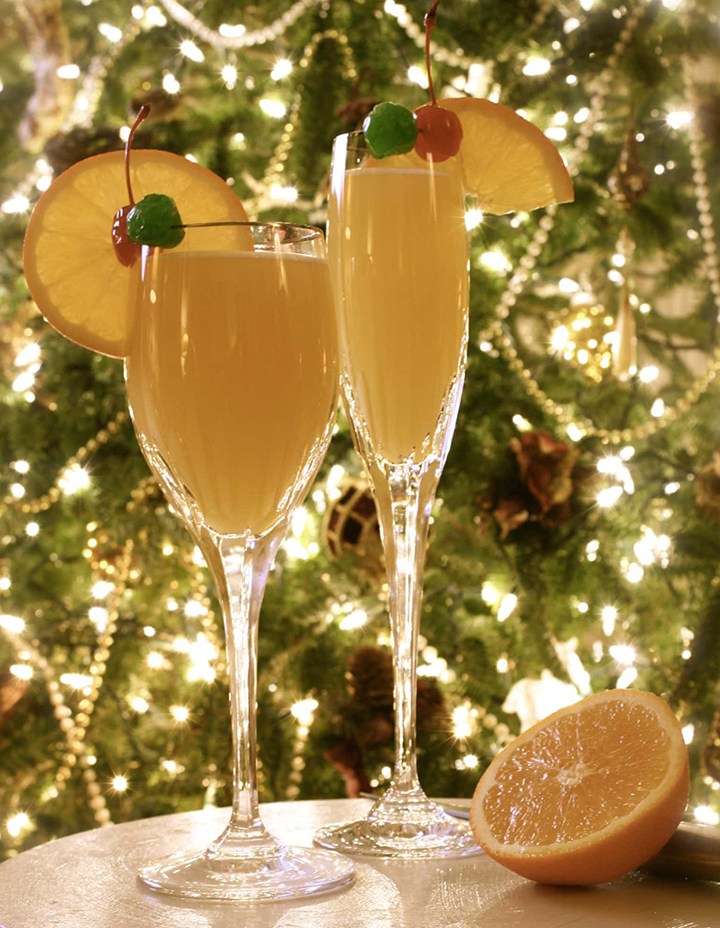
    Sparkling wine, synonymous with celebrations, takes center stage in elegant Champagne cocktails. Create a festive Mimosa by combining sparkling wine with fresh orange juice or opt for a classic Kir Royale by adding a touch of crème de cassis. For a more daring twist, try a Pomegranate Prosecco Punch, featuring sparkling Italian wine mixed with pomegranate juice and a splash of elderflower liqueur.

    To effervescence and efflorescence, may our spirits sparkle as bright as the bubbles in our glasses this holiday season!

    SOMM&SOMM

    Red, white, and sparkling wines provide a delightful canvas for crafting holiday libations that suit every palate. Whether you’re curled up by the fire with a mug of Mulled Wine, clinking glasses filled with Winter Sangria, or toasting with a sparkling Champagne cocktail, these festive drinks add an extra layer of joy to the holiday season. So, raise your glass, savor the flavors, and cheers to the magic of the holidays!

  • Perfect Pairings: Exploring Holiday Traditions and Wine

    Perfect Pairings: Exploring Holiday Traditions and Wine

    As winter descends upon us, the world comes alive with a myriad of cultural celebrations, each boasting its own unique dishes that reflect the rich tapestry of traditions. From Christmas and Hanukkah to Kwanzaa, Las Posadas, Soyal, and Winter Solstice, these holidays showcase the diversity of global festivities. For many, it is a gastronomic journey of the traditional dishes of these celebrations. With our corkscrews at the ready, we’re excited to reveal wine pairings that will add an extra layer of joy to your holiday table.

    Christmas Celebrated December 25 – Photo by Nicole Michalou on Pexels.com

    Christmas

    Christmas is celebrated with a festive spread that varies from country to country. In many Western cultures, roast turkey or ham takes center stage. For a classic pairing, a well-balanced red wine like Merlot or Cabernet Sauvignon complements the richness of the meat. In regions where fish is the star, such as Scandinavia, a crisp and acidic Sauvignon Blanc or Pinot Grigio enhances the delicate flavors.

    For desserts like Christmas pudding or fruitcake, consider a sweet and fortified wine like Port or a late-harvest Zinfandel. SOMM&SOMM recommends opting for a tawny Port with its nutty undertones to harmonize with the spiced complexity of these traditional treats.

    Recommended wines:

    Duckhorn Vineyards Carneros Napa Valley Merlot (Classic)

    Graham’s 20 Year Tawny Port (SOMM&SOMM)

    Hanukkah Celebrated December 10-18 – Photo by cottonbro studio on Pexels.com

    Hanukkah

    Hanukkah, the Festival of Lights, is celebrated with dishes that pay homage to the miracle of oil. Latkes, crispy potato pancakes, and sufganiyot, jelly-filled doughnuts, are holiday staples. A sparkling wine, such as Champagne or Prosecco, provides a lively contrast to the fried delights. The effervescence cuts through the oil, cleansing the palate for the next delicious bite.

    For the main course, whether it’s brisket or roasted chicken, a medium to full-bodied red wine like a Cabernet Sauvignon or a Merlot complements the savory richness of the meat. SOMM&SOMM suggests choosing a wine with soft tannins and a hint of spice to elevate the experience.

    Recommended wines:

    Hagafen Merlot (OU Kosher) (Classic)

    Baron Herzog Alexander Valley Special Reserve Cabernet Sauvignon (OU Kosher)(SOMM&SOMM)

    Kwanzaa Celebrated December 26 – January 1 – Photo by Askar Abayev on Pexels.com

    Kwanzaa

    Kwanzaa, a celebration of African heritage, features a feast known as Karamu. Traditional dishes include jerk chicken, collard greens, and jollof rice. For the bold flavors of jerk chicken, a Zinfandel or a Syrah provides a perfect balance of fruitiness and spice.

    Collard greens pair well with a white wine like a Viognier or a Chardonnay. SOMM&SOMM recommends selecting a wine with good acidity to cut through the richness of the greens. For jollof rice, a versatile red blend or a Sangiovese complements the tomato-based dish, enhancing its depth of flavor.

    Recommended wines:

    Seghesio Sonoma Zinfandel (Classic)

    Chateau Montelena Napa Valley Chardonnay (SOMM&SOMM)

    Las Posadas Celebrated December 16-24 – yummly.com/recipe/Beef-and-Red-Chile-Tamales

    Las Posadas

    In Mexico, the nine-night celebration of Las Posadas features tamales, bacalao (salted cod), and ponche, a warm fruit punch. For tamales, a light and fruity red wine like a Beaujolais or a Tempranillo complements the masa and various fillings. Bacalao calls for a crisp and refreshing white wine such as Albariño or Sauvignon Blanc to cut through the saltiness.

    Ponche Navideño, with its blend of fruits and spices, pairs well with a sweet and aromatic wine like a Gewürztraminer or a Moscato. SOMM&SOMM suggests selecting a wine with a touch of spice to harmonize with the festive flavors of this Mexican holiday punch.

    Recommended wines:

    Valserrano Rioja Gran Reserva (Classic)

    Michele Chiarlo Nivole Moscato d’Asti (SOMM&SOMM)

    Soyal Celebrated December 22

    Soyal

    Soyal, celebrated by the Hopi and other Native American tribes, involves rituals and feasting to welcome the winter solstice. Traditional dishes include blue corn mush, succotash, and roasted meats. Blue corn mush pairs well with a light and earthy white wine like a Chenin Blanc or a Grüner Veltliner.

    Succotash, a medley of beans and corn, harmonizes with a crisp and herbal Sauvignon Blanc or a Vermentino. For roasted meats like venison or bison, a robust red wine such as Malbec or Syrah complements the gamey flavors. SOMM&SOMM recommends choosing a wine with bold tannins and dark fruit notes.

    Recommended wines:

    Hiedler Thal Gruner Veltliner (Classic)

    Catena Alta Malbec (SOMM&SOMM)

    Winter Solstice

    The Winter Solstice, celebrated around the world on December 21, marks the shortest day and longest night of the year. Traditional dishes include hearty stews, root vegetables, and spiced desserts. For stews, a rustic red wine like a Grenache or a Côtes du Rhône enhances the savory and aromatic qualities of the dish.

    Root vegetables pair well with a medium to full-bodied white wine such as a Viognier or a Roussanne. SOMM&SOMM suggests selecting a wine with a touch of oak to complement the earthy flavors. Spiced desserts, like gingerbread or mulled wine poached fruits, call for a sweet and spicy dessert wine such as a late-harvest Gewürztraminer or a Vin Santo.

    Recommended wines:

    Chateau De Nages Heritage Rouge Vieilles Vignes (Classic)

    Truchard Estate Roussanne (SOMM&SOMM)

    Photo by Nicole Michalou on Pexels.com

    This holiday season, let your table be a reflection of the rich and diverse tapestry of global traditions. Whether you’re savoring the flavors of Christmas, Hanukkah, Kwanzaa, Las Posadas, Soyal, or the Winter Solstice, expert wine pairings can elevate your festive feast. With the guidance of a sommelier, each sip will be a celebration of the unique cultural heritage that makes the holiday season a truly global and joyous affair. Cheers to a world of flavors and a season filled with warmth and merriment! 🍷