Category: Tasting Insights

  • Wine and Food Pairing Adventures

    Wine and Food Pairing Adventures

    Unconventional Pairings and Expert Tips.

    When it comes to pairing wine with food, many people stick to traditional rules: red wine with red meat, white wine with fish, and so on. But the world of wine and food pairing is vast and exciting, with endless possibilities for adventurous pairings that can elevate both the wine and the food. In this article, we’ll explore unconventional pairings, delve into the art of contrasting vs. complementing flavors, and provide practical recommendations for different budgets and scenarios where individuals at a single table are enjoying different dishes (always a challenge).

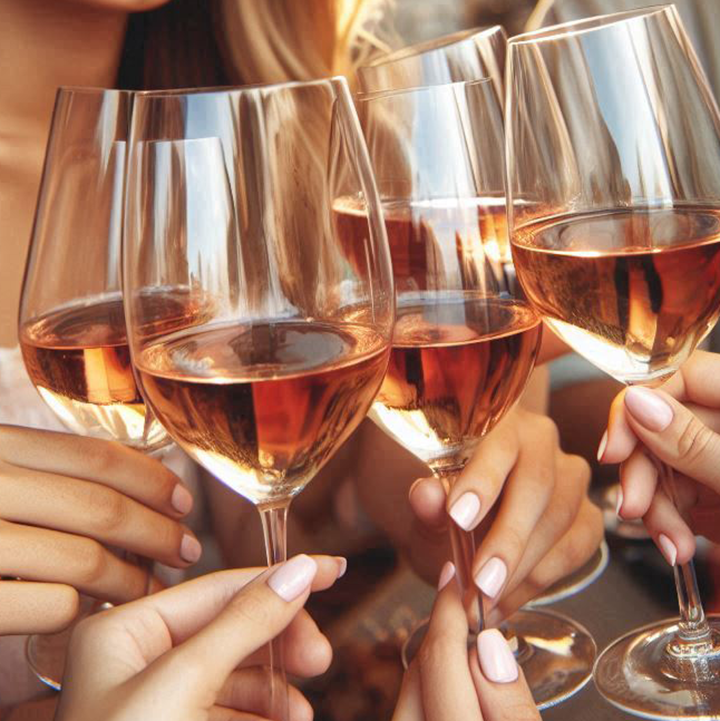
    Photo by fauxels on Pexels.com

    Understanding the Basics

    When pairing wine with food, there are two primary approaches:

    1. Complementing Pairings: This method involves matching the flavors and textures of the wine and the dish to create harmony. For instance, a buttery Chardonnay complements a creamy lobster bisque because the wine’s texture mirrors the richness of the soup.
    2. Contrasting Pairings: This approach brings together opposing flavors to create a delightful balance. A classic example is pairing a crisp, acidic Sauvignon Blanc with a rich goat cheese salad. The acidity of the wine cuts through the creaminess of the cheese, creating a refreshing contrast.

    Both methods have their merits, and the choice between them often depends on the desired dining experience. Complementing pairings offer a sense of unity, while contrasting pairings provide dynamic tension and complexity.

    Unconventional Pairings with Ethnic Cuisines and Comfort Foods

    Let’s explore some unexpected pairings that bring out the best in both the wine and the dish.

    Sushi Class at the 2016 Swan and Dolphin Food & Wine Classic

    Sushi and Sake’s Surprising Substitute: Riesling

    While sake is often the go-to beverage for sushi, a semi-dry Riesling can offer a delightful twist. The wine’s acidity and hint of sweetness balance the umami flavors of fresh fish, soy sauce, and wasabi. A German Riesling with bright citrus notes and a touch of minerality can enhance the delicate flavors of sashimi, while the slight sweetness can tame the heat of wasabi and ginger.

    Budget Tip: Look for a Kabinett or Feinherb Riesling from the Mosel region, which offers excellent quality at a reasonable price.

    SOMM&SOMM Recommends (under $20): Selbach Riesling Tradition Kabinett Feinherb 2019

    Thai Food and Off-Dry Gewürztraminer

    Thai cuisine is known for its complex balance of sweet, sour, salty, and spicy flavors. An off-dry Gewürztraminer with its aromatic profile of lychee, rose petal, and spice can complement the sweetness of coconut milk and counterbalance the spiciness of Thai curries. The slight sweetness in the wine also pairs well with dishes featuring fresh herbs like cilantro and mint.

    Budget Tip: Gewürztraminer from Alsace or even from regions like California or New Zealand can offer good value while maintaining the wine’s signature aromatic profile.

    SOMM&SOMM Recommends (under $20): Willm Reserve Gewürztraminer 2021

    Indian Curries and Sparkling Rosé

    Sparkling wine, particularly a Rosé, is an unexpected yet fantastic match for Indian curries. The bubbles help cleanse the palate, while the wine’s acidity cuts through the richness of the curry sauce. A dry or semi-dry sparkling Rosé can complement both mild dishes, like butter chicken, and spicier ones, like vindaloo. The red fruit notes in the Rosé add a layer of flavor that enhances the spices without overpowering them.

    Budget Tip: Cava from Spain or a Prosecco Rosé from Italy offers a cost-effective alternative to Champagne, bringing bubbles and acidity that work wonders with curry dishes.

    SOMM&SOMM Recommends (under $20): La Marca Prosecco Rose 2023

    Photo by Pablo Macedo on Pexels.com

    Pizza and Lambrusco: A Match Made in Italy

    Pairing wine with pizza is an adventure in itself, given the endless variety of toppings. A slightly sparkling red wine like Lambrusco is a fantastic partner, especially for pizzas with tomato-based sauces. This brings back great memories of date nights from our younger (ok, much younger) days 🙂 The bubbles and acidity cut through the richness of the cheese while complementing the tomato’s acidity. Lambrusco’s slight sweetness and tannins balance salty cured meats like pepperoni or prosciutto, while its fruitiness complements vegetable toppings like mushrooms and olives.

    Budget Tip: Lambrusco from the Emilia-Romagna region is often very affordable and versatile enough for a range of pizzas.

    SOMM&SOMM Recommends (under $20): Venturini Baldini Marchese Manodori Lambrusco

    Burgers and Zinfandel: Elevating Comfort Food

    For those who love a good burger, consider pairing it with a bold Zinfandel. The wine’s juicy, ripe fruit flavors, peppery spice, and medium tannins pair wonderfully with a burger’s charred exterior and savory toppings. The slight sweetness of Zinfandel can complement barbecue sauce, caramelized onions, or even a slice of cheddar cheese.

    Budget Tip: Look for Zinfandel from California’s Lodi region, known for offering great wines at reasonable prices.

    SOMM&SOMM Recommends (under $20): Zinfandelic Lodi Zinfandel 2021

    Pairing Strategies for Diverse Dishes at the Same Table

    When diners at a single table are ordering different dishes, finding a wine that complements all of them can be a challenge. Here are a few strategies:

    Opt for Versatile Wines

    Choose a wine known for its versatility, such as a sparkling wine, rosé, or a medium-bodied white like Chenin Blanc. Sparkling wines’ acidity and bubbles cleanse the palate, making them a good choice for a range of flavors. Rosés, especially those from Provence, offer freshness and a balance of fruit and acidity, which pairs well with various dishes, from seafood to grilled meats. Chenin Blanc, particularly from the Loire Valley, can have a combination of bright acidity, fruit, and minerality that pairs with both lighter fare and richer dishes.

    Focus on Flavor Intensity

    When selecting a wine to suit different dishes, consider the intensity of flavors. If most dishes are light, like salads or seafood, a light-bodied white wine such as Pinot Grigio or Albariño could work. For heartier dishes, a medium-bodied red like Pinot Noir or Grenache could provide enough structure to pair well without overpowering lighter dishes.

    Pinot Grigio (Pinot Gris, Grauburgunder) – Mark Smith, CC BY 2.0, via Wikimedia Commons

    Choose a High-Acidity Wine

    High-acidity wines are food-friendly because they cleanse the palate and refresh the senses between bites. A Sauvignon Blanc from New Zealand, with its herbaceous notes, pairs well with salads, seafood, and even dishes with tomato sauce. For red wine lovers, a Barbera from Italy, with its bright acidity and moderate tannins, pairs well with a range of dishes from pizza to poultry.

    Navigating Varying Budgets

    Not everyone wants or is able to spend a lot on a bottle of wine. Here are a few tips for finding great pairings on a budget:

    • Explore Lesser-Known Regions: Wines from lesser-known regions, such as Portuguese Vinho Verde or Chilean Carménère, offer excellent quality at a fraction of the price of more famous regions.
    • Look for Young Wines: Younger wines are often more affordable than aged wines and offer bright, fresh flavors that can be great for pairing with various dishes.
    • Go for Wine Styles Rather than Specific Labels: Focus on the style of wine rather than the specific label. For example, an unoaked Chardonnay from any region will likely have the crisp acidity needed to pair with lighter dishes.
    Cheers! – Jakob Montrasio from Saarbrücken, Germany, CC BY 2.0 via Wikimedia Commons

    Finding Common Ground in Wine Pairing

    Pairing wine with food should be fun and exploratory, not rigid or intimidating. Whether you choose to complement or contrast flavors, the key is to understand the underlying principles of balance, intensity, and flavor harmony. For mixed tables, versatile and high-acidity wines are your best bet. Always consider the personal preferences of your diners and be willing to experiment. With a little knowledge and creativity, you can turn every meal into a memorable wine and food pairing adventure. Cheers 🍷

    Cover photo credit: Photo by Ziu015fan u00d6zdemir on Pexels.com
  • The Science of Wine Aging

    The Science of Wine Aging

    Wine aging is a complex and fascinating process that transforms the flavors, aromas, and textures of a wine over time. This transformation is influenced by a myriad of factors, including grape variety, tannins, acidity, and storage conditions. Let’s delve into the science behind wine aging, explore the factors that affect this process, and provide some tips on how to properly age wine at home. We’ll also discuss ideal pairings for aged wines and the best way to enjoy wines with pronounced tertiary characteristics.

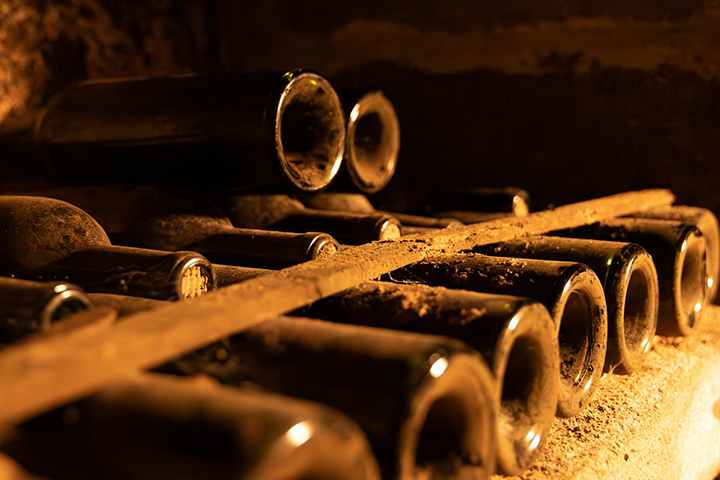
    Photo by Julia Volk on Pexels.com

    Aging wine is both an art and a science, requiring an understanding of the factors that influence a wine’s evolution over time.

    Gregory Dean, SOMM&SOMM

    Factors Affecting Wine Aging

    1. Grape Variety
      The grape variety is fundamental in determining a wine’s aging potential. Varieties like Cabernet Sauvignon, Nebbiolo, and Syrah, which are high in tannins and acidity, are known for their ability to age gracefully. On the other hand, lighter varieties such as Pinot Noir or Gamay typically have a shorter aging window due to their lower tannin and acidity levels.
    2. Tannins
      Tannins are naturally occurring polyphenols found in grape skins, seeds, and stems. They provide structure to a wine and act as a preservative, protecting it from oxidation. Over time, tannins polymerize, becoming longer and softer, which results in a smoother mouthfeel. Wines with high tannin content, such as Bordeaux blends or Barolo, tend to age longer and more gracefully than those with low tannins.
    3. Acidity
      Acidity acts as a backbone in wine, providing freshness and vibrancy. It helps balance out other elements like sugar and tannins. Higher acidity levels can extend a wine’s lifespan by slowing down oxidation. White wines like Riesling or Chenin Blanc, known for their high acidity, can age remarkably well, developing complex tertiary characteristics over decades.
    4. Alcohol Content
      The level of alcohol in wine plays a subtle but important role in aging. Generally, wines with moderate alcohol levels (12-14%) age better than those with very high or very low levels. Alcohol acts as a preservative, but too much can overpower the wine’s other flavors and aromas, while too little might not protect the wine adequately over time.
    5. Residual Sugar
      Sweet wines, such as Sauternes, Port, or Tokaji Aszú, can age for decades due to their high sugar content. Sugar acts as a natural preservative, allowing these wines to develop extraordinary complexity over time.
    6. Storage Conditions
      Proper storage is crucial for aging wine effectively. Temperature, humidity, light, and bottle position all play a role:
    • Temperature: Wine should be stored at a consistent temperature, ideally between 50-59°F (10-15°C). Fluctuations can cause the wine to expand and contract, potentially damaging the cork and allowing oxygen to enter.
    • Humidity: Humidity levels around 70% are ideal for keeping the cork moist and preventing it from drying out and shrinking, which would also allow oxygen ingress.
    • Light: Ultraviolet light can degrade and prematurely age wine, so wines should be stored in a dark environment.
    • Bottle Position: Storing bottles on their sides keeps the wine in contact with the cork, preventing it from drying out and shrinking.

    Tips for Aging Wine at Home

    1. Choose the Right Wines
      Not all wines are meant to age. Opt for wines known for their aging potential, such as Bordeaux, Barolo, Burgundy, Rioja, and certain Chardonnays. Look for high-quality wines with good balance, concentration, and structure.
    2. Invest in Proper Storage
      A wine fridge or cellar is essential if you’re serious about aging wine. These provide a controlled environment where temperature and humidity levels remain constant. Avoid storing wine in kitchen cabinets or near windows, where temperature fluctuations and light exposure can be damaging.
    3. Monitor Closures
      Corks are the traditional choice for aging wines, but they can deteriorate over time. Ensure corks are intact and avoid bottles with synthetic corks or screw caps for long-term aging, as these closures do not allow the same micro-oxygenation process that natural corks do.
    4. Check Regularly
      It’s a good idea to inspect your wine periodically to ensure that the corks are not compromised, the storage conditions are consistent, and the wines are developing as expected.
    5. Know When to Open
      Aging wine is a balance between patience and timing. Some wines peak at 5-10 years, while others may need decades. Research the wine’s aging potential and keep notes on your tasting experiences to decide the best time to open.

    Related Article: Exploring Wine Enclosures: Cork, Screw Cap, and Beyond

    Perfect Pairings for Aged Wines

    Pairing aged wines requires careful consideration to complement their evolved flavor profiles:

    1. Red Bordeaux (Left Bank)
    • Aging Potential: 10-30+ years
    • Tertiary Characteristics: Cedar, leather, tobacco, dried fruit
    • Pairings: Aged cheeses like Comté or Gruyère, roasted lamb with rosemary, wild mushroom risotto, or beef Wellington.
    1. Barolo
    • Aging Potential: 15-40+ years
    • Tertiary Characteristics: Truffle, rose petals, tar, dried cherry
    • Pairings: Braised meats (e.g., osso buco), truffle pasta, game dishes, or aged Parmesan.
    1. Vintage Port
    • Aging Potential: 20-50+ years
    • Tertiary Characteristics: Figs, nuts, chocolate, caramel
    • Pairings: Stilton cheese, dark chocolate desserts, or roasted nuts.

    Related Article: The History, Tradition, and Elegance of Port Wine

    1. White Burgundy (Chardonnay)
    • Aging Potential: 10-20+ years
    • Tertiary Characteristics: Hazelnut, honey, brioche, dried apricot
    • Pairings: Lobster with beurre blanc, roast chicken with herbs, or mushroom dishes.
    1. German Riesling (Trocken or Kabinett)
    • Aging Potential: 15-30+ years
    • Tertiary Characteristics: Petrol, honey, dried citrus peel, lanolin
    • Pairings: Spicy Asian cuisine (like Thai or Szechuan), duck with orange sauce, or rich, creamy cheeses.

    Enjoying Wines with High Tertiary Characteristics

    Wines that have been aged to develop tertiary characteristics—those aromas and flavors that emerge over time, such as earth, mushroom, nuts, and dried fruits—should be approached with care to maximize enjoyment:

    1. Decanting:
      Older wines can have sediment, so decanting is recommended to separate the clear wine from the sediment. However, don’t over-decant; 30 minutes to an hour is often sufficient to let the wine breathe without losing its delicate aromas.
    2. Serve at the Right Temperature:
    • Reds: Serve slightly below room temperature, around 60-65°F (15-18°C).
    • Whites: Serve around 50-55°F (10-13°C).
    • Over-chilling will mute the complex flavors, while too warm can make the wine seem flabby or overly alcoholic.

    Related Article: Wine Service: Proper Serving Temperatures

    1. Use Proper Glassware:
      Use a glass with a wide bowl to allow the wine to open up and direct the wine to the appropriate parts of the palate. Bordeaux glasses are great for reds with high tannins, while Burgundy glasses are better for delicate, aromatic reds.
    2. Savor Slowly:
      Aged wines often have complex layers that unfold over time. Take small sips and allow the wine to linger on your palate, noticing how the flavors evolve from the initial taste to the finish.
    3. Consider the Atmosphere:
      Aged wines are best enjoyed in a calm, contemplative setting where you can fully appreciate their nuances. Avoid overpowering food aromas, loud environments, or distractions that can detract from the tasting experience.

    Related Article: Crafting the Perfect Wine Tasting Experience

    Photo by Maria Orlova on Pexels.com

    Aging wine is both an art and a science, requiring an understanding of the factors that influence a wine’s evolution over time. By carefully selecting wines with aging potential, storing them under optimal conditions, and knowing when and how to enjoy them, you can experience the rich tapestry of flavors and aromas that only time can bring. Remember, the joy of aged wine lies not just in its taste but in the journey it has taken to reach your glass. Cheers to the adventure 🍷

  • Celebrating Labor Day

    Celebrating Labor Day

    A Toast to Tradition and Togetherness.

    Labor Day is more than just a long weekend marking the unofficial end of summer. It’s a time to celebrate the contributions of American workers and enjoy one last hurrah before the autumn leaves begin to fall. Whether you’re planning a barbecue, a beach outing, or a backyard get-together, Labor Day offers the perfect opportunity to gather with friends and family for food, fun, and festivity. And while many of us associate the holiday with beers, burgers, and barbecue, there’s a rich history behind this beloved day, as well as a host of traditions—some typical, some downright bizarre—that make it uniquely American.

    A Brief History of Labor Day

    President Grover Cleveland

    Labor Day dates back to the late 19th century, a time when the American labor movement was gaining momentum. Workers were fighting for fair wages, reasonable hours, and safer working conditions—a struggle that led to strikes, protests, and, unfortunately, some violence. The first Labor Day was celebrated on September 5, 1882, in New York City, organized by the Central Labor Union. It was a day for workers to take a break, march in parades, and enjoy a picnic with their families. The idea caught on quickly, and by 1894, President Grover Cleveland signed a law making Labor Day a national holiday, celebrated on the first Monday in September.

    Traditions Across the Country

    Labor Day traditions vary widely across the country, with some being more typical than others. In many places, it’s all about the barbecue. In the Midwest, you’ll find families grilling up bratwurst and corn on the cob, while in the South, pulled pork and coleslaw reign supreme. On the East Coast, you might encounter a clambake, complete with lobster, mussels, and corn steamed over seaweed. And in the West, it’s not uncommon to see folks firing up the grill for a late-season cookout featuring fresh, local produce and Pacific seafood.

    Burning Man Festival – dvsross, CC BY 2.0 via Wikimedia Commons

    But some traditions are a bit more unusual. In Nevada, the annual “Burning Man” festival, which started as a small gathering on Baker Beach in San Francisco in 1986, has become a massive, week-long event in the Black Rock Desert, drawing tens of thousands of people for an eclectic mix of art, music, and community. Meanwhile, in the small town of Hoisington, Kansas, the Labor Day weekend is marked by a unique tradition: turtle races. Yes, you read that right—locals and visitors alike bring their fastest turtles to compete in a lighthearted competition that has been a town staple for decades.

    Food and Drink: Pairing Suggestions for Labor Day

    No Labor Day celebration is complete without a spread of delicious food and drinks. Here are a few ideas to ensure everyone at your gathering, whether they prefer alcoholic or non-alcoholic options, feels welcome and engaged.

    Appetizers:

    • Guacamole and Chips: Always a crowd-pleaser, and pairs well with a classic margarita or a refreshing limeade.
    • Deviled Eggs: These are versatile and can be spiced up with different flavors. Serve with a crisp Sauvignon Blanc or a sparkling water infused with cucumber and mint.

    SOMM&SOMM Recommends: Grgich Hills Estate Sauvignon Blanc 2021

    Main Course:

    • Grilled Burgers and Hot Dogs: You can’t go wrong with the classics. Pair them with a hoppy IPA or a frothy root beer for those who prefer non-alcoholic options.
    • Pulled Pork Sandwiches: These are perfect for a more Southern-inspired feast. A full-bodied Zinfandel complements the smoky, sweet flavors, while a cold, non-alcoholic apple cider is a great alternative.
    • Grilled Veggie Skewers: For your vegetarian guests, these skewers can be loaded with seasonal vegetables. A light Pinot Grigio pairs beautifully, or try a kombucha for a non-alcoholic pairing that’s equally delightful.

    SOMM&SOMM Recommends: Chateau Montelena Estate Zinfandel 2021

    Side Dishes:

    • Coleslaw: A must-have at any barbecue, the tangy crunch of coleslaw pairs nicely with a crisp Riesling or a ginger beer.
    • Baked Beans: Rich and hearty, these beans are a great match for a robust Syrah or a classic lemonade.

    SOMM&SOMM Recommends: Red Newt Cellars The Knoll Riesling 2018

    Desserts:

    • Peach Cobbler: This end-of-summer dessert is a sweet way to finish the meal. Pair with a dessert wine like Moscato d’Asti or an iced tea infused with fresh peaches.
    • S’mores: Gather around the fire pit and enjoy this nostalgic treat. A glass of port is a perfect match for the rich chocolate and marshmallow, while a hot cocoa is a cozy, non-alcoholic choice.

    Toast to the Holiday

    Here’s to the hands that built this land, the hearts that keep it strong, and the minds that push us forward. On this Labor Day, we celebrate the sweat of our brow, the joy of our gathering, and the bonds that unite us. May our hard work lead to well-earned rest, our challenges to shared success, and our toasts to lasting memories. Cheers to the labor that makes life sweet, and to the moments that make it even sweeter. Happy Labor Day!

    Gregory Dean, SOMM&SOMM

    Whether you’re hosting a backyard barbecue, attending a community parade, or simply enjoying a day off, Labor Day is a time to relax, reflect, and rejoice. It’s a celebration of the hard work that keeps our country running and a chance to gather with loved ones to enjoy the fruits of that labor.

    So, this Labor Day, raise a glass—whether it’s filled with wine, beer, or a sparkling water toast—to the workers who have shaped our nation. And remember, the best pairings aren’t just about food and drink; they’re about the people you share them with. Cheers to a happy, healthy, and harmonious holiday! 🍷

  • Exploring Latitude Parallels

    Exploring Latitude Parallels

    A Journey Through Parallel Wine Regions.

    The magical journey of wine begins in the vineyard, where the marriage of grape varietals and terroir sets the stage for a unique expression of flavor, aroma, and texture. As a professional sommelier and wine educator, I find endless fascination in comparing and contrasting grape varietals from regions around the world that share the same latitude. The 30 to 50 degrees latitude range, often referred to as the “wine belt,” is where the vast majority of the world’s wine-producing grapes are grown. Within this band, diverse climates and terroirs give rise to an extraordinary array of wine styles, even when the same varietal is planted. Let’s explore several mainstream grape varietals, their parallel regions across the globe, and the nuanced differences in the wines they produce.

    The Wine Belt – SOMM&SOMM Illustration

    Pinot Noir: Burgundy vs. Oregon vs. New Zealand

    Latitude Parallel: ~45°N (Burgundy, France; Willamette Valley, Oregon, USA) | ~45°S (Central Otago, New Zealand)

    Burgundy, France:
    The legendary home of Pinot Noir, Burgundy is often considered the benchmark against which all other Pinot Noirs are measured. The cool continental climate, coupled with the region’s limestone-rich soils, gives rise to wines of unparalleled elegance and complexity. Burgundian Pinot Noirs are known for their subtlety—think delicate red fruit aromas of cherry and raspberry, intertwined with earthy undertones of forest floor, mushroom, and a hint of minerality. The palate often reveals a silken texture with fine-grained tannins and a lingering, refined finish. The expression here is one of finesse, with a balance that allows the terroir to shine through.

    SOMM&SOMM Recommends: Domaine Antonin Guyon Aloxe-Corton Les Fournieres Premier Cru 2020

    Willamette Valley, Oregon:
    At a similar latitude but across the Atlantic and a continent, Oregon’s Willamette Valley produces Pinot Noir that is both distinctive and reminiscent of its Burgundian counterparts. The maritime climate, with its cool, wet winters and dry, warm summers, creates ideal conditions for this temperamental grape. Oregon Pinot Noirs tend to showcase more vibrant fruit character—ripe red berries, plum, and even hints of blueberry. There’s often a spicy, herbal quality to the wines, with notes of clove, cinnamon, and sometimes a touch of cola. The texture is plush, with a slightly fuller body than Burgundy, yet still retaining that signature Pinot Noir elegance.

    SOMM&SOMM Spotlight Winery: Adelsheim Vineyard

    Central Otago, New Zealand:
    On the other side of the globe, Central Otago offers a completely different expression of Pinot Noir, despite sharing a similar latitude. The region’s unique combination of intense sunlight, high altitude, and cool climate results in wines that are bolder and more fruit-forward. Central Otago Pinot Noirs burst with dark cherry, blackberry, and plum flavors, often accompanied by a distinctive minerality and a touch of wild herbaceousness. The wines tend to have a more robust structure, with firmer tannins and higher alcohol levels, giving them a richer, more powerful presence on the palate.

    SOMM&SOMM Recommends: Felton Road Cornish Point Pinot Noir 2021

    Chardonnay: Chablis vs. Margaret River vs. Mendoza

    Latitude Parallel: ~47°N (Chablis, France) | ~34°S (Margaret River, Australia) | ~32°S (Mendoza, Argentina)

    Chablis, France:
    In the northernmost part of Burgundy, Chablis is renowned for its steely, mineral-driven Chardonnay. The cool climate and Kimmeridgian limestone soils imbue these wines with a racy acidity and a distinct flinty character. Chablis is the epitome of an unoaked Chardonnay, where the fruit takes a backseat to the sharp, precise expression of terroir. Expect flavors of green apple, lemon zest, and a subtle saline quality that speaks to the marine origins of the soil. The finish is clean, crisp, and refreshingly austere—a true reflection of the Chablisien terroir.

    SOMM&SOMM Recommends: Simonnet-Febvre Chablis Fourchaume Premier Cru 2022

    Margaret River, Australia:
    Traveling southward, the Margaret River region of Western Australia offers a warmer, maritime-influenced take on Chardonnay. Here, the wines are richer and more opulent, often with a judicious use of oak to add complexity. Margaret River Chardonnays are known for their creamy texture, with ripe stone fruit flavors of peach, nectarine, and apricot, layered with notes of cashew, buttered toast, and a hint of vanilla. Despite the warmer climate, the wines maintain a lively acidity that balances the lush fruit, making them both generous and refreshing.

    SOMM&SOMM Recommends: Vasse Felix Chardonnay 2022

    Mendoza, Argentina:
    Further up in the Andes, Mendoza’s high-altitude vineyards produce Chardonnays that are both powerful and nuanced. The intense sunlight at these elevations allows for full ripeness, while the cool nights preserve acidity, creating a dynamic interplay in the wines. Mendoza Chardonnays often exhibit ripe tropical fruit flavors—pineapple, mango, and banana—alongside more traditional citrus and green apple notes. Oak is used to varying degrees, adding layers of spice, smoke, and a creamy texture. The wines have a broad, mouth-filling quality, with a finish that often reveals a touch of minerality from the mountain soils.

    SOMM&SOMM Recommends: El Enemigo Chardonnay 2021

    Syrah/Shiraz: Rhône Valley vs. Barossa Valley vs. Washington State

    Latitude Parallel: ~45°N (Rhône Valley, France) | ~34°S (Barossa Valley, Australia) | ~46°N (Walla Walla, Washington, USA)

    Rhône Valley, France:
    Syrah finds its most classical expression in the northern Rhône, particularly in appellations like Hermitage and Côte-Rôtie. The continental climate, with its hot summers and cold winters, combined with steep, granite-laden slopes, produces wines of immense complexity and longevity. Rhône Syrahs are marked by dark fruit—blackberry, blackcurrant, and plum—complemented by savory notes of black olive, smoked meat, and pepper. The tannins are firm yet well-integrated, providing a sturdy backbone for the wine’s concentrated flavors. As they age, these wines develop additional layers of earth, leather, and truffle, becoming even more profound and intricate.

    SOMM&SOMM Recommends: Guigal Cote Rotie Brune et Blonde 2020

    Barossa Valley, Australia:
    In contrast, Australia’s Barossa Valley offers a warmer, sun-drenched take on Syrah, known locally as Shiraz. The Barossa’s hot climate and ancient, iron-rich soils result in wines that are rich, ripe, and full-bodied. Barossa Shiraz is often characterized by its bold fruit flavors—ripe blackberry, blueberry, and dark cherry—coupled with sweet spice notes of cinnamon, clove, and chocolate. The tannins are plush and velvety, creating a wine that is immediately approachable, yet capable of aging. There’s an inherent warmth and generosity to Barossa Shiraz, making it a favorite for those who enjoy robust, fruit-driven wines.

    SOMM&SOMM Recommends: Yalumba Steeple Vineyard Shiraz 2018

    Walla Walla, Washington, USA:
    Moving back to the northern hemisphere, Washington State’s Walla Walla Valley offers yet another expression of Syrah. The region’s diverse soils and unique climate—marked by hot, dry summers and cool nights—produce wines that are somewhere between the Rhône and Barossa in style. Walla Walla Syrahs often exhibit a mix of dark fruit and savory characteristics, with blackberry, plum, and blueberry flavors sitting alongside notes of black pepper, olive tapenade, and tobacco. The wines tend to have a firm structure, with a balance of acidity and tannin that lends itself to aging. There’s often a touch of minerality and earthiness that adds complexity, reflecting the varied terroir of the region.

    SOMM&SOMM Recommends: K Vintners Powerline Syrah 2019

    Exploring wines from regions that share the same latitude is a journey through the intricacies of terroir, climate, and winemaking philosophy. While latitude plays a significant role in shaping the character of a wine, it is the combination of factors—soil composition, altitude, sunlight, and the winemaker’s touch—that ultimately defines the final product. Each of these regions, despite their shared latitude, offers a unique expression of the same grape varietal, showcasing the endless diversity and richness of the world of wine. Whether it’s the elegance of a Burgundian Pinot Noir, the richness of a Barossa Shiraz, or the crispness of a Chablis, there is always something new to discover in the glass.

  • Sipping the Notes

    Sipping the Notes

    The Harmonious Symphony of Wine and Jazz.

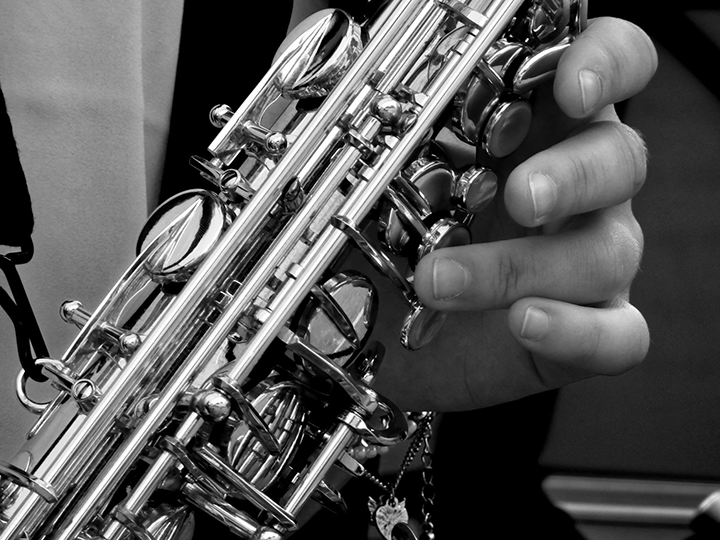
    There’s an undeniable magic in the moment when the smooth sound of a saxophone glides through the air, accompanied by the gentle clink of wine glasses. For those of us who live at the intersection of wine and jazz, each sip and note seem to intertwine, creating a sensory experience that transcends the ordinary. As a professional wine educator and seasoned saxophonist, I find joy in drawing parallels between the world’s finest wines and the legends of jazz who have left an indelible mark on the music world. Let’s take a journey together, comparing and contrasting the greats of both realms, discovering how each wine and musician share an unspoken kinship.

    Miles Davis – Cabernet Sauvignon

    Miles Davis – Tom Palumbo from New York City, USA, CC BY-SA 2.0 via Wikimedia Commons

    The Evolution of Cool

    Just as Miles Davis revolutionized jazz with his ever-evolving sound, the Cabernet Sauvignon has similarly adapted and thrived across different regions and styles. Davis, known for his versatility and innovation, shifted from the cool, minimalist approach of Kind of Blue to the electric fusion of Bitches Brew.” Cabernet Sauvignon, too, shows its chameleon-like nature. In Bordeaux, it’s the epitome of sophistication and balance—think of Davis’s earlier work, which was both complex and accessible. Then there’s the bold, robust Cabernets of Napa Valley, reflecting the artist’s later, more audacious ventures.

    A Sipping Experience:
    Enjoy a glass of Château Margaux, a Bordeaux classic (also my favorite First Growth), while listening to So What.” Its structure and refinement are reminiscent of Davis’s impeccable control and technique. For something with a bit more punch, try a Napa Valley Cabernet like Opus One with Miles Runs the Voodoo Down—a full-bodied wine that captures the intensity and daring spirit of this jazz icon.

    Ella Fitzgerald – Champagne

    The Voice of Elegance

    Ella Fitzgerald
    Courtesy the Fraser MacPherson estate c/o Guy MacPherson, CC BY 2.0 via Wikimedia Commons

    Ella Fitzgerald, the First Lady of Song, embodies the elegance, effervescence, and timeless appeal of Champagne. With her flawless diction, impeccable timing, and playful yet sophisticated approach to scat singing, Ella’s voice is as sparkling as the bubbles in a flute of Champagne. She could take a standard and elevate it to new heights, much like how the finest Champagne turns any occasion into a celebration.

    A Sipping Experience:
    Pour a glass of Dom Pérignon and cue up Summertime from “Porgy and Bess.” The delicate mousse and vibrant acidity of the Champagne perfectly complement Ella’s effortless phrasing and crystalline tone. Each bubble dances on your palate, just as each note she sings floats effortlessly into the air.

    John Coltrane – Syrah

    John Coltrane – Gelderen, Hugo van / Anefo, CC0, via Wikimedia Commons

    The Intensity of Genius

    John Coltrane’s music is a journey—a spiritual quest that dives deep into the human experience. His complex improvisations and the raw emotion in his playing demand a wine that can match that depth and intensity. Enter Syrah, particularly from the Rhône Valley. This grape produces wines with a rich, brooding character, full of dark fruit, pepper, and earthy undertones—just like Coltrane’s A Love Supreme,” which is both profound and introspective.

    A Sipping Experience:
    Sip on a bottle of Hermitage, a Syrah from the Northern Rhône, while listening to Naima.” The wine’s bold flavors and complexity mirror the layers in Coltrane’s playing, offering a meditative and almost transcendent experience. The interplay of tannins and acidity in the wine reflects the tension and release in his solos, making for a pairing that resonates deeply.

    Billie Holiday – Pinot Noir

    Billie Holiday – William P. Gottlieb, Public domain, via Wikimedia Commons

    The Soul of Sorrow

    Billie Holiday’s voice, with its unique timbre and emotional depth, is synonymous with sorrow and beauty. Her ability to convey pain, longing, and love in her songs is akin to the delicate balance found in Pinot Noir. This grape, notoriously difficult to cultivate, produces wines that are elegant, complex, and often haunting. Just as Billie’s voice could break your heart with a single note, a well-crafted Pinot Noir can evoke a wide range of emotions with its layers of flavor and silky texture.

    A Sipping Experience:
    Pour a glass of Burgundy’s Domaine de la Romanée-Conti and listen to Strange Fruit.” The wine’s earthiness and subtlety echo the melancholy and power in Holiday’s performance, each sip bringing you closer to the heart of the music. The way Pinot Noir reveals its character over time parallels how Billie’s voice unveils the depth of her soul.

    Duke Ellington – Bordeaux Blend

    Duke Ellington – Gordon Parks, Farm Security Administration, Public domain, via Wikimedia Commons

    The Master of Sophistication

    Duke Ellington was the epitome of sophistication and class, much like a Bordeaux blend. His compositions, marked by rich harmonies and intricate arrangements, are the jazz equivalent of a finely aged Bordeaux, where multiple grape varieties come together to create something greater than the sum of its parts. Ellington’s music is full of nuance, with layers of melody and rhythm that unfold with each listen—just as a Bordeaux blend reveals new flavors and aromas with every sip.

    A Sipping Experience:
    Pair Château Lafite Rothschild with Take the ‘A’ Train.” The wine’s elegant structure, with its blend of Cabernet Sauvignon, Merlot, and other varietals, reflects the complexity of Ellington’s music. Each glass offers a new discovery, much like how repeated listens to Ellington’s works reveal the genius of his compositions.

    Louis Armstrong – Zinfandel

    Louis Armstrong – Herman Hiller, Public domain, via Wikimedia Commons

    The Joy of Life

    Louis Armstrong, with his infectious smile and gravelly voice, brought joy and warmth to every performance, much like the bold and lively Zinfandel. Known for its exuberant fruit flavors and spicy finish, Zinfandel is a wine that’s full of life, just as Armstrong’s music is. Whether it’s his trumpet playing or his singing, Louis had a way of connecting with audiences, making them feel the joy in every note.

    A Sipping Experience:
    Enjoy a glass of Ridge Vineyards’ Geyserville Zinfandel while listening to What a Wonderful World.” The wine’s juicy red fruit and spice are a perfect match for the warmth and optimism in Armstrong’s voice. Each sip is a celebration of life, much like the song itself.

    Sarah Vaughan – Chardonnay

    Sarah Vaughn – Aurelio Jose Barrera, Los Angeles Times, CC BY 4.0 via Wikimedia Commons

    The Velvet Voice

    Sarah Vaughan’s voice, with its rich, velvety texture and incredible range, is the embodiment of a well-crafted Chardonnay. Whether she was singing a tender ballad or a swinging jazz standard, Vaughan’s voice was always smooth, luxurious, and deeply expressive. Chardonnay, particularly from Burgundy, shares that same versatility and depth, with a creamy mouthfeel and flavors that can range from crisp apple to buttery vanilla.

    A Sipping Experience:
    Pair a glass of Meursault with Misty.” The wine’s full-bodied, buttery texture and complex flavors are a perfect complement to Vaughan’s lush vocal delivery. Each sip and note is a reminder of the sheer beauty and elegance that both Chardonnay and Vaughan bring to the table.

    Charlie Parker – Riesling

    The Brilliant Maverick

    Charlie Parker – pinelife, CC BY 2.0 via Wikimedia Commons

    Charlie Parker, also known as “Bird,” was a brilliant and innovative force in jazz, known for his lightning-fast improvisations and complex chord progressions. Riesling, often misunderstood but highly regarded by connoisseurs, shares that same sense of daring and brilliance. This grape can produce wines that are sweet or dry, but always with a bright acidity and a clarity of flavor that cuts through the richness—much like Parker’s alto sax did in the bebop era.

    A Sipping Experience:
    Sip on a German Riesling from the Mosel, such as Egon Müller Scharzhofberger, while listening to Ornithology.” The wine’s vibrant acidity and minerality mirror Parker’s quicksilver playing, with each sip offering a new burst of flavor, just as each phrase from Parker’s sax brought something new and unexpected.

    Nina Simone – Port

    Nina Simone – Ron Kroon for Anefo Restored by Bammesk, CC0, via Wikimedia Commons

    The Powerhouse of Emotion

    Nina Simone’s voice, deep and powerful, is a force of nature. Her music, often charged with emotion and social commentary, demands a wine that can stand up to that intensity. Port, with its rich sweetness and strong alcohol content, is a wine that’s full of power and depth, much like Simone’s performances. Whether she was singing about love or revolution, Nina’s music hits you with the full force of her emotions, much like a sip of vintage Port.

    A Sipping Experience:
    Pair a glass of Taylor’s Vintage Port with Feeling Good.” The wine’s deep, dark fruit flavors and intense sweetness are a perfect match for Simone’s powerful vocals and the sense of triumph in the song. Each sip lingers on the palate, just as Simone’s voice lingers in the mind long after the song is over.

    In both wine and jazz, there is an art to finding the perfect balance, the right expression, and the connection that resonates deep within us.

    Gregory Dean, SOMM&SOMM
    Evening of Jazz!

    Whether it’s a saxophone solo that brings a tear to your eye or a glass of wine that leaves you speechless, the beauty lies in the experience—one that is as much about what you bring to it as what you take away. So, next time you pour a glass of wine and put on a jazz record, take a moment to savor the connection between these two timeless forms of art. After all, life is best enjoyed when you sip to the rhythm of your own beat. Cheers 🍷

  • The Unifying Power of Wine

    The Unifying Power of Wine

    Finding Common Ground in a Divided World.

    As a wine educator and sommelier, one of my greatest joys is witnessing the magic that unfolds when people come together to share a bottle of wine. There is something inherently beautiful about the way wine has the power to bring us together, allowing us to appreciate the nuances of flavor, aroma, and history in each glass. But, as with any gathering, there are times when the conversation veers into contentious territory—often politics. 

    In these moments, I am reminded of the importance of finding common ground. During this political season, the divide between parties can feel insurmountable, and the disagreements can overshadow the shared experience of enjoying wine. Yet, it is precisely in these moments of division that we need to remember the value of open-mindedness and the joy of coming together over a shared passion.

    The Art of Listening and Appreciating

    Much like wine tasting, where we take the time to savor and appreciate the complex layers of a fine vintage, conversations require a similar approach. Listening, truly listening, to another person’s perspective is an art. It involves setting aside preconceived notions and being open to understanding why someone believes what they do, even if it differs from our own views.

    In wine, we celebrate diversity—whether it’s the terroir of a French vineyard or the innovative techniques of a new-world winemaker. This appreciation for diversity should extend to our interactions with others. Just as we wouldn’t dismiss a wine without tasting it, we shouldn’t dismiss someone’s political views without understanding their experiences and reasons behind them.

    Avoiding the Debate Trap

    One of the most important lessons I’ve learned over the years is the futility of trying to change someone’s mind in a heated debate. Much like trying to convince a steadfast Merlot drinker to appreciate the complexities of Chardonnay, political beliefs are deeply personal and often resistant to change through argument alone.

    Instead of focusing on what divides us, we can choose to steer the conversation back to what unites us. Wine offers a perfect metaphor here. Think about how wine enhances a meal, elevating the experience with each sip and bite. Similarly, finding common ground in our conversations can enrich our interactions, leaving us with a sense of connection rather than division.

    Wine has a unique way of bringing people together, transcending boundaries and fostering a sense of community. It is in this spirit of unity that we should approach our gatherings, especially during politically charged times. By focusing on our shared love of wine, we can create an environment where differences are respected and appreciated, rather than sources of conflict.

    Consider the vineyard, where each grape variety contributes to the complexity of the final blend. Every voice and perspective adds depth to our collective experience. Just as no single grape makes a wine, no single viewpoint defines our humanity. By embracing this diversity, we can foster conversations that are rich, meaningful, and ultimately unifying.

    Let us choose unity over division, respect over conflict, and understanding over debate.

    Gregory Dean, SOMM&SOMM

    Cultivating Respect and Understanding

    At the heart of every great wine and every great conversation is respect. Respect for the craft, for the land, and for each other. During this political season, let us remember to cultivate this respect in our interactions. Approach each conversation with an open mind, not expecting to sway someone’s position, but to understand and appreciate their perspective.

    Wine teaches us patience and appreciation. It reminds us that the best experiences are those we share with others, in moments of connection and joy. As we navigate this season of division, let us hold onto the lessons wine offers: to savor the present moment, to listen with an open heart, and to find common ground in the shared beauty of life.

    In the end, wine brings us together, while politics often divides us. Let us choose unity over division, respect over conflict, and understanding over debate. In doing so, we honor not only the wine in our glasses but the richness of our shared humanity. Cheers to finding common ground, one glass at a time. Cheers 🍷

  • Pour & Explore – Southern France

    Pour & Explore – Southern France

    An Enchanting Evening at 95 and Vine

    As a professional sommelier and wine educator, I had the pleasure of hosting the ‘Pour & Explore – Southern France’ event at the charming 95 and Vine in Port Orange, FL. The evening was a resounding success, with a full house of enthusiastic wine lovers eager to explore the diverse and rich wines of Southern France. The atmosphere was electric, filled with curiosity and excitement.

    95 and Vine: The Perfect Venue

    From the moment I stepped into 95 and Vine, I knew it was the perfect venue for our event. The ambiance was both elegant and inviting, creating an ideal setting for an evening of wine exploration. The knowledgeable and professional team at 95 and Vine, led by the dedicated owner Martin Clark, ensured that every detail was meticulously attended to. From the beautifully set tables to the seamless pouring of each wine, the evening flowed effortlessly.

    Six Wines Carefully Selected to Represent the Diversity of Southern France

    The Wines

    2023 La Chapelle du Bastion – Picpoul de Pinet

    Region: Picpoul de Pinet, Languedoc

    We began our journey with the 2023 La Chapelle du Bastion Picpoul de Pinet. This crisp and refreshing white wine from the Languedoc region was a delightful introduction. I shared insights about the region’s maritime influence and limestone soils, which contribute to the wine’s bright acidity and mineral notes. Guests appreciated the zesty citrus flavors and crisp finish, especially when paired with the creative wine-inspired light fare on 95 and Vine’s menu.

    2022 Bila-Haut – Cotes du Roussillon – Blanc

    Region: Côtes du Roussillon, Roussillon

    Next, we traveled to the sun-drenched vineyards of Roussillon with the 2022 Bila-Haut Cotes du Roussillon Blanc. This white blend captivated everyone with its rich aromas of stone fruit and floral notes. I highlighted the region’s diverse terroir, shaped by the Mediterranean climate and rugged terrain. The wine’s balanced acidity and layered flavors were a perfect match for 95 and Vine’s hummus plate.

    2021 La Coste Rosé D’une Nuit

    Region: Provence

    The third wine, 2021 La Coste Rosé D’une Nuit from Provence, brought a touch of elegance and romance to our tasting. This pale pink rosé, with its delicate notes of red berries and citrus, quickly became a crowd favorite. I described Provence’s long history of rosé production and its dedication to quality winemaking. The wine’s light, refreshing character complemented the savory elements of the charcuterie board beautifully.

    Languedoc-Roussillon

    2021 Château Puech-Haut – Argali Rouge

    Region: Languedoc

    Transitioning to red wines, the 2021 Château Puech-Haut Argali Rouge from Languedoc showcased the region’s ability to produce bold, expressive wines. This blend of Syrah and Grenache offered rich aromas of dark fruit and spices, with a smooth, velvety texture. I emphasized the Languedoc’s dynamic winemaking traditions and its emphasis on innovation. The Argali Rouge’s robust flavors paired perfectly with the charcuterie board’s cured meats, providing a satisfying and memorable tasting experience.

    2022 Famille Lancon La Solitude – Côtes du Rhône

    Region: Côtes du Rhône

    The 2022 Famille Lancon La Solitude from Côtes du Rhône brought a touch of classic Rhône Valley elegance to the evening. This red blend, with its harmonious mix of Grenache, Syrah, and Mourvèdre, impressed guests with its complexity and balance. I delved into the rich history of the Côtes du Rhône region and its reputation for producing high-quality wines. The wine’s depth of flavor and smooth tannins paired excellently with the diverse selection of flatbreads.

    2020 Brotte – Les Hauts de Barville Châteauneuf-du-Pape

    Region: Châteauneuf-du-Pape, Rhône

    We concluded our tasting with the prestigious 2020 Brotte Les Hauts de Barville Châteauneuf-du-Pape. This powerful and elegant red wine, with its complex aromas of black fruit, herbs, and spices, was the highlight of the evening. I shared the storied history of Châteauneuf-du-Pape and its significance in the world of wine. The wine’s rich, full-bodied character offered a perfect ending to an unforgettable evening.

    A Memorable Experience

    Throughout the event, the guests were engaged and inquisitive, asking thoughtful questions and sharing their impressions of each wine. The charcuterie board, available upon request, was a delightful accompaniment, with carefully selected cheeses, meats, and other delicacies that perfectly complemented the wines. The positive feedback from attendees underscored the success of the evening, highlighting the enjoyable and educational experience we shared.

    Special thanks go to Martin Clark, the owner of 95 and Vine, for inviting me to lead this event and for his unwavering support in making it a memorable occasion. The success of ‘Pour & Explore – Southern France’ sets the stage for future events, with hopes of continuing to explore other wine regions and sharing the joy of wine with more enthusiasts.

    As the evening came to a close, guests left with a greater appreciation for the wines of Southern France and a sense of anticipation for the next ‘Pour & Explore’ event at 95 and Vine. I look forward to our next journey together through the world of wine. 🍷

  • The Elegance of Wine Glasses

    The Elegance of Wine Glasses

    A Deep Dive into Rolled Edge vs. Cut Edge

    When it comes to the world of wine, the vessel you choose to enjoy your vintage in can profoundly influence the experience. Whether you’re a seasoned oenophile or a curious beginner, understanding the intricacies of wine glasses can elevate your appreciation of the wine itself. Among the many features of a wine glass, the edge – specifically whether it is rolled or cut – plays a surprisingly pivotal role.

    Every detail, down to the very edge, contributes to the symphony of senses that is wine tasting.

    Gregory Dean, SOMM&SOMM

    Rolled Edge vs. Cut Edge: The Basics

    Rolled Edge Wine Glasses

    A rolled edge wine glass features a lip that has been thickened by rolling the glass at the rim. This process creates a rounded, smooth edge. Rolled edges are often found in more durable, everyday glassware. They provide a comfortable drinking experience, as the thicker rim can be easier on the lips. However, the thicker edge may somewhat impede the direct flow of wine onto the palate, potentially dulling the sensory experience.

    Cut Edge Wine Glasses

    In contrast, a cut edge wine glass boasts a thin, sharp rim achieved by cutting the glass rather than rolling it. This style is prevalent in higher-end, sommelier-approved glassware. The fine edge allows the wine to flow smoothly and directly onto the tongue, enhancing the tasting experience by delivering more precise flavors and aromas.

    Typical Rolled-edge Restaurant Wine Glasses

    When to Use Each Type

    Rolled Edge Uses

    – Casual Settings: Perfect for informal gatherings and outdoor events where durability and ease of use are prioritized over the nuanced tasting experience.

    – Everyday Use: Ideal for those who enjoy a glass of wine with dinner and prefer a sturdy, easy-to-clean option.

    Cut Edge Uses

    – Formal Occasions: Essential for wine tastings, dinners, and events where showcasing the wine’s full profile is the goal.

    – Wine Enthusiasts: Perfect for those who are passionate about wine and want to experience every subtle note and aroma.

    Riedel Vinum Series Crystal Wine Glasses

    Glass Making Approaches and Formulas

    The material and craftsmanship behind wine glasses significantly influence their performance and the overall tasting experience. Let’s explore the primary materials used in fine glassware:

    Quartz Glass

    Quartz glass, or fused silica, is known for its exceptional clarity and resistance to thermal shock. It is less common in wine glasses due to its high cost and difficulty in molding. However, its superior clarity makes it a favorite in scientific applications and ultra-premium glassware.

    Soda-Lime Glass

    This is the most common type of glass, made from a combination of soda (sodium carbonate), lime (calcium oxide), and silica (silicon dioxide). Soda-lime glass is economical and durable, making it suitable for everyday use. However, it is generally less clear and brilliant than other types of glass.

    Lead Crystal

    Lead crystal, traditionally containing up to 30% lead oxide, is renowned for its brilliance and clarity. The lead content increases the refractive index, giving the glass a beautiful sparkle. Lead crystal is also more malleable when molten, allowing for intricate designs and thin rims. However, concerns about lead leaching have led to a decline in its use for drinkware.

    Lead-Free Crystal

    Modern advancements have produced lead-free crystal, which substitutes lead oxide with other metal oxides like barium or zinc. This material retains the desirable properties of traditional lead crystal – clarity, brilliance, and durability – without the health concerns. Lead-free crystal is now the standard for high-quality wine glasses.

    SOMM&SOMM Recommends: Riedel Vinum Crystal Glasses

    The Effect on the Wine-Tasting Experience

    The choice of glass material and design profoundly affects the wine-tasting experience:

    Clarity: Higher clarity materials, like lead or lead-free crystal, allow for better visual appreciation of the wine’s color and consistency. The ability to see the wine clearly can enhance the overall sensory experience.

    Thickness: Thinner rims, typical of cut edge glasses made from crystal, allow for a more delicate delivery of wine to the palate, enhancing the perception of flavors and aromas. Thicker, rolled rims, more common in soda-lime glass, can dull this precision but provide durability and comfort.

    Weight: Crystal glasses are typically lighter and more balanced than their soda-lime counterparts, which can enhance the tactile experience of swirling and sipping the wine.

    SOMM&SOMM Recommends: Zalto Denk’Art Universal Hand-Blown Crystal Glasses

    Science and Subjectivity

    Science tells us that the thinner, more precise rim of a cut edge glass improves the direct flow of wine, enhancing the sensory experience by delivering flavors and aromas more effectively. However, the subjective pleasure derived from using a particular glass often depends on personal preference and context.

    For some, the ritual of selecting a delicate, beautifully crafted cut edge crystal glass adds to the romance of wine drinking. For others, the comfort and reliability of a sturdy rolled edge glass hold equal charm.

    Photo by Diana u2728 on Pexels.com

    Whether you lean towards the durable practicality of rolled edge glasses or the refined elegance of cut edge crystal, the choice of wine glass can profoundly influence your wine-tasting journey. Understanding the nuances between these types of glassware, as well as the materials and craftsmanship involved, allows you to tailor your wine experience to your preferences and occasions.

    So next time you uncork a bottle, consider not just the wine but the glass in which you’ll savor it. After all, every detail, down to the very edge, contributes to the symphony of senses that is wine tasting. Cheers 🍷

  • Sipping Sunshine

    Sipping Sunshine

    A Guide to Pairing Summer-Friendly Wines with Summer Fruits

    Summer is a time for sun-kissed days, breezy nights, and the vibrant flavors of fresh fruits and crisp wines. Whether you’re lounging by the pool, hosting a backyard barbecue, or enjoying a lazy afternoon on the patio, the right wine can elevate the season’s delicious bounty to new heights. Join me on a delightful journey as we explore the best wine and fruit pairings that celebrate the essence of summer. Plus, for the adventurous among us, I’ll share a refreshing sangria recipe that will be the star of your summer soirées.

    SOMM&SOMM Recommends Berries and Bubbles

    Photo by Jill Burrow on Pexels.com

    Strawberries and Rosé

    There’s something undeniably romantic about strawberries and rosé. The juicy sweetness of ripe strawberries complements the delicate floral notes and crisp acidity of a dry rosé. Look for a Provence-style rosé with hints of strawberry, peach, and citrus for a match made in heaven.

    Raspberries and Sparkling Wine

    Raspberries, with their tart and tangy profile, are perfect companions to the effervescence of sparkling wine. A brut Champagne or a refreshing Prosecco will enhance the bright acidity of the raspberries, creating a harmonious balance. For an extra touch of elegance, drop a few raspberries into your glass and let them dance in the bubbles.

    SOMM&SOMM Recommends Stone Fruits and White Wines

    Peaches!

    Peaches and Riesling

    The luscious, juicy sweetness of a perfectly ripe peach is beautifully mirrored by the vibrant fruitiness of a Riesling. A well-balanced Riesling, with its notes of apricot, honey, and citrus, can highlight the natural sweetness of peaches while offering a refreshing finish.

    Apricots and Viognier

    Apricots, with their slightly tart and aromatic nature, pair wonderfully with the rich and fragrant qualities of Viognier. This full-bodied white wine, often with flavors of peach, apricot, and floral undertones, enhances the fruit’s natural character, creating a symphony of summer flavors.

    SOMM&SOMM Recommends Melons and Crisp Whites

    Beautifully ripe watermelon

    Watermelon and Sauvignon Blanc

    Watermelon is the quintessential summer fruit—juicy, refreshing, and slightly sweet. Its subtle flavor is beautifully uplifted by the zesty, citrusy notes of Sauvignon Blanc. Opt for a New Zealand Sauvignon Blanc with its signature grassy and tropical fruit profile for a delightful pairing.

    Cantaloupe and Pinot Grigio

    Cantaloupe’s mellow sweetness and slightly musky aroma are complemented by the light, crisp, and refreshing nature of Pinot Grigio. The wine’s hints of green apple, pear, and citrus create a delicate balance that enhances the fruit’s flavor without overpowering it.

    SOMM&SOMM Recommends Adventurous Pairings for the Bold

    Pineapple and mango

    Pineapple and Gewürztraminer

    For those who love bold and exotic flavors, pairing pineapple with Gewürztraminer is a must-try. This aromatic white wine, with its lychee, rose, and spice notes, beautifully balances the sweet-tart profile of pineapple, creating an explosion of tropical flavors.

    Mango and Albariño

    Mangoes are rich, sweet, and bursting with tropical goodness. Pairing them with Albariño, a Spanish white wine known for its high acidity and bright citrus flavors, creates a vibrant and refreshing combination that highlights the best of both.

    Sun-kissed Summer Sangria

    Sun-Kissed Summer Sangria

    Ingredients:

    – 1 bottle of dry white wine (such as Sauvignon Blanc or Pinot Grigio)

    – 1/4 cup brandy

    – 1/4 cup orange liqueur (such as Cointreau or Triple Sec)

    – 1/4 cup simple syrup (adjust to taste)

    – 1 orange, thinly sliced

    – 1 lemon, thinly sliced

    – 1 lime, thinly sliced

    – 1 cup fresh strawberries, hulled and sliced

    – 1 cup fresh pineapple chunks

    – 1 cup fresh blueberries

    – 1 peach, pitted and sliced

    – 1 to 2 cups sparkling water or club soda

    – Fresh mint leaves for garnish

    Instructions:

    1. In a large pitcher, combine the white wine, brandy, orange liqueur, and simple syrup. Stir well to mix.

    2. Add the orange, lemon, and lime slices to the pitcher, followed by the strawberries, pineapple, blueberries, and peach slices.

    3. Stir gently to combine the fruit with the liquid. Cover the pitcher and refrigerate for at least 2 hours, allowing the flavors to meld.

    4. Just before serving, add the sparkling water or club soda to the pitcher for a refreshing fizz. Stir gently to combine.

    5. Pour the sangria into glasses filled with ice, making sure to include some of the fruit in each glass.

    6. Garnish with fresh mint leaves and enjoy the refreshing taste of summer!

    Pairing summer wines with summer fruits is an art that brings out the best in both. The vibrant flavors of fresh fruits combined with the nuanced profiles of carefully selected wines can create unforgettable taste experiences. Whether you’re indulging in a classic combination or exploring adventurous pairings, the joy of summer is captured in every sip and bite. So, gather your friends, pick your favorite fruits and wines, and celebrate the season with these delightful pairings. Cheers to a summer filled with sunshine and sips of perfection! 🥂

  • Varietal Spotlight: Zinfandel

    Varietal Spotlight: Zinfandel

    Unveiling the Rich Tapestry of Zinfandel

    Amidst the vast and diverse landscape of wine varietals, few evoke as much intrigue and delight as Zinfandel. With its roots deeply intertwined with American viticultural history, Zinfandel has captivated palates around the globe with its versatility, bold flavors, and intriguing heritage. Join me on a journey as we delve into the intricacies of this enigmatic grape, exploring its origins, diverse expressions, and ideal pairings, just in time to elevate your summer barbecues.

    The origins of Zinfandel have long been a subject of debate among wine enthusiasts and historians. While it is widely acknowledged as a quintessentially American grape variety, its exact ancestry remained shrouded in mystery until recent advancements in genetic research.

    Photo by Luciann Photography on Pexels.com

    Recent DNA analysis has revealed that Zinfandel is genetically identical to the Croatian grape variety known as Crljenak Kaštelanski (pronunciation: Tserl-yee-ehnak Kash-tell-ann-skee), as well as the Italian Primitivo (pronunciation: pri-meh-TEE-Voh). This revelation has shed light on the grape’s journey across continents, tracing its lineage from the Dalmatian Coast of Croatia to the sun-drenched vineyards of California.

    Required Knowledge for WSET Level 3

    Additional Info: Carole Meredith Solves the Mystery of Zinfandel (The V&E Trellis Wire, Spring 2002)

    Zinfandel first gained prominence in California during the Gold Rush era of the 19th century when it became the most widely planted grape variety in the state. Its robust vines thrived in the Mediterranean-like climate of California, giving rise to some of the most iconic wines in American history.

    Varieties and Characteristics

    Zinfandel is celebrated for its remarkable diversity, with a spectrum of expressions ranging from light and fruity to bold and full-bodied. This versatility stems from various factors including terroir, winemaking techniques, and aging practices.

    Red Zinfandel: The most iconic expression of Zinfandel, red Zinfandel wines are characterized by their deep ruby hues, vibrant fruit flavors, and spicy undertones. Notes of blackberry, raspberry, and plum are often interwoven with hints of black pepper, cinnamon, and licorice, creating a complex and multifaceted palate. Red Zinfandels can vary in intensity, with some displaying bold tannins and high alcohol content, while others exude elegance and finesse.

    White Zinfandel: White Zinfandel emerged as a serendipitous offshoot of its red counterpart. In the 1970s, winemakers accidentally left Zinfandel juice in contact with the grape skins for an extended period, resulting in a blush-colored wine with residual sweetness. This happy accident gave birth to White Zinfandel, a refreshing and approachable wine known for its light body, crisp acidity, and fruity aromatics. Unlike its robust red counterpart, White Zinfandel is best enjoyed in its youth, showcasing flavors of strawberry, watermelon, and citrus.

    In every sip of Zinfandel lies the essence of paradox; bold yet delicate, rustic yet refined, echoing the journey of life itself in its nuanced flavors.

    Gregory Dean, SOMM&SOMM

    While Zinfandel is cultivated in various wine regions across the globe, certain appellations have emerged as bastions of excellence for this noble grape.

    A vertical of Chateau Montelena Zinfandel was on the menu a summer barbecue hosted by sommelier, Scott White

    California (Napa Valley and Sonoma County): California remains the epicenter of Zinfandel production, with Napa Valley and Sonoma County standing out as premier regions for cultivating this varietal. The warm days and cool nights of these coastal regions provide an ideal microclimate for Zinfandel, allowing the grapes to achieve optimal ripeness while retaining acidity and balance. Wines from Napa Valley tend to be rich and opulent, with concentrated fruit flavors and velvety textures, while those from Sonoma County showcase vibrant acidity and distinctive terroir-driven nuances.

    SOMM&SOMM Recommends: 2021 Chateau Montelena Zinfandel

    SOMM&SOMM Recommends: 2015 Seghesio Zinfandel Home Ranch

    SOMM&SOMM Recommends: 2021 St. Francis Old Vines Zinfandel ‘Tres Viejos’

    Old Vine Zinfandel

    Mendocino County (The Home of Old Vines): Within California, Mendocino County holds a special place in the hearts of Zinfandel aficionados, thanks to its abundance of ancient vines. These gnarled and weather-beaten vines, some over a century old, yield grapes of unparalleled depth and complexity, resulting in wines of extraordinary character and age-worthiness. Mendocino County Zinfandels are revered for their intensity, structure, and ability to express the unique terroir of their vineyard sites.

    Elevating Summer Barbecues

    Zinfandel’s bold flavors and vibrant acidity make it an ideal companion for a wide array of summer barbeque fare. Whether you’re grilling juicy steaks, smoky ribs, or tangy barbecue chicken, Zinfandel’s robust character and spicy nuances are sure to complement and enhance the flavors of your meal. Here’s a few images from past Summer barbecues.

    For a classic pairing, try serving a bold, full-bodied Zinfandel alongside a sizzling rack of barbeque ribs. The wine’s ripe fruit flavors and zesty acidity will cut through the richness of the meat, while its peppery notes will harmonize with the smoky barbecue sauce.

    For a lighter option, consider pairing White Zinfandel with grilled shrimp skewers or a crisp summer salad. The wine’s refreshing acidity and fruit-forward profile will provide a delightful contrast to the charred flavors of the seafood, while its subtle sweetness will complement the fresh, vibrant ingredients of the salad.

    No exploration of Zinfandel would be complete without a nod to its colorful history and enduring legacy. From the heady days of the Gold Rush to the modern renaissance of American winemaking, Zinfandel has remained a steadfast symbol of resilience and innovation.

    Legend has it that during Prohibition, enterprising bootleggers would smuggle Zinfandel grapes across state lines disguised as “table grapes,” allowing intrepid winemakers to continue producing their beloved elixir in secret. This defiance of authority only served to fuel Zinfandel’s mystique, cementing its status as the quintessential American wine.

    Zinfandel is the quintessential American wine

    Zinfandel stands as a testament to the enduring allure of wine, bridging continents and centuries with its rich tapestry of flavors and stories. Whether enjoyed as a bold red or a refreshing blush, Zinfandel invites us to savor the moment and celebrate the joy of discovery with every sip. So, raise a glass to Zinfandel, and let its timeless charm transport you on a journey of endless possibilities. Cheers 🍷