
Category: Tasting Insights

  • “You Had Me at Merlot” – A Guide to the Perfect Valentine’s Day Wine Pairing

    “You Had Me at Merlot” – A Guide to the Perfect Valentine’s Day Wine Pairing

    Valentine’s Day is more than a holiday; it’s a chance to celebrate love and shared moments, often over a romantic dinner for two. Whether you’re newly smitten or a couple of 43 years like Tammy and me, creating the perfect pairing of wine and food is a language of love all its own. This year, let’s elevate your Valentine’s dinner with a themed menu inspired by playful sommelier twists on classic candy heart sayings.

    If the Quotes on Candy Hearts Were Written by a Sommelier… They Would Say…

    “Be My Rosé” – Start with Sparkling Rosé

    Begin your evening with bubbles to set the mood. A sparkling rosé, like Domaine Carneros Brut Rosé from California or Ruinart Rosé Champagne from France, is vibrant and festive. Pair it with an appetizer of smoked salmon mousse on cucumber rounds or strawberry-goat cheese crostini. The delicate bubbles and crisp acidity cleanse the palate while the fruitiness complements the richness of these bites.

    “You’re My Main Squeeze” – Move to Mediterranean Magic

    For the main course, travel to the sun-soaked Mediterranean with a Greek-inspired lamb moussaka or Moroccan-spiced roasted chicken. Pair these dishes with a Grenache-Syrah-Mourvèdre (GSM) blend from the Rhône Valley, such as Châteauneuf-du-Pape, or a bold yet elegant Agiorgitiko from Nemea, Greece. These wines’ ripe red fruit and herbal undertones mirror the spices and savory depth of the dishes, creating a harmonious match.

    “Let’s Get Saucy” – An Italian Interlude

    Valentine’s Day is also the perfect excuse for a nostalgic classic. Tammy and I often indulge in spaghetti and meatballs, a dish that symbolizes love and comfort. A Chianti Classico Riserva, like Castello di Ama or Felsina, is the quintessential pairing. Its bright acidity cuts through the rich tomato sauce, while its earthy, cherry notes complement the meatballs.

    “You’re Berry Sweet” – End with Chocolate and Port

    Finish your meal with a decadent dessert of dark chocolate lava cake or chocolate-covered strawberries. Pair this indulgence with a vintage Port, such as Taylor Fladgate 20-Year-Old Tawny or a ruby Port like Graham’s Six Grapes. The sweet richness of the wine mirrors the chocolate’s depth, while the red berry notes add a luscious counterpoint.

    “Sip Happens” – A Cozy Nightcap

    To wind down, linger by the fire with a glass of Armagnac or a bold, aged Rioja Gran Reserva. These wines or spirits invite conversation and quiet reflection—perfect for savoring the evening and your time together. Serve with a small cheese board featuring Manchego and Marcona almonds to enhance the experience.

    Photo by Loe Moshkovska on Pexels.com

    Tips for Success:

    • Set the Mood: Use soft lighting, candles, and romantic music to create an intimate atmosphere. Serve each course slowly to savor the meal and the company.
    • Glassware Matters: Use the proper wine glasses to enhance the aromas and flavors of your chosen wines.
    • Personalize the Pairings: Tailor the menu to your partner’s favorite dishes or wines for an extra thoughtful touch.

    Photo by Emily Ranquist on Pexels.com (adjusted for affect)

    A Little Less Dye… a Little More Wine?

    In case you were wondering why your candy hearts are looking a little pale this year, blame the recent ban on Red Dye Number 3 (Erythrosine). That’s right—our beloved neon-pink confections are facing an identity crisis. But don’t worry, while the candy industry scrambles for a replacement, we sommeliers are more than happy to step in with a rosé or ruby port to keep your Valentine’s Day looking (and tasting) just as sweet!

    Photo by Pavel Danilyuk on Pexels.com

    Valentine’s Day is a time to celebrate your love story—and there’s no better way to do that than with an unforgettable wine dinner. Cheers to love, laughter, and perfect pairings! ♥️

  • Spirits & Stuff: Tequila

    Spirits & Stuff: Tequila

    Mexico’s Liquid Gold and the Spirit of Rebellion.

    Few spirits carry the mystique, complexity, and cultural significance of tequila. Born from volcanic soil and centuries of tradition, tequila is more than just a drink—it’s a symbol of Mexico’s resilience, artistry, and heritage. From its storied origins to modern innovations like cristalino, tequila continues to evolve while remaining deeply rooted in its past. Whether sipped neat, mixed into a cocktail, or celebrated in folklore, this agave spirit commands a place of honor in the world of fine beverages.

    Photo by Isabella Mendes on Pexels.com

    From Spanish Prohibition to Mexican Pride

    Wine and tequila share an unexpected historical link, forged through the laws of colonial Spain. When the Spanish arrived in Mexico in the early 16th century, they brought with them a love for wine and the European grapevine. However, King Philip II, fearing competition with Spanish wines, banned winemaking in the New World—except for sacramental use by the church. Deprived of their ability to craft wine, locals turned to indigenous fermentation traditions, refining the distillation of fermented agave juice into what we now know as tequila.

    This ban inadvertently fueled the rise of tequila, as Mexicans, undeterred by Spanish restrictions, perfected their agave spirits. By the 18th century, tequila had cemented itself as Mexico’s national spirit, and its production became an art form passed down through generations. Today, tequila stands as a testament to Mexico’s ingenuity and defiance, much like wine does in Old World traditions.

    Jimador using a coa to cut a piña – Ernesto Catedral, CC BY-SA 4.0, via Wikimedia Commons

    The Making of Tequila: From Agave to Spirit

    True tequila begins its journey in the sun-drenched fields of Jalisco, where blue Weber agave plants grow for six to ten years before harvest. Jimadores, the skilled harvesters, use a coa (a specialized blade) to trim the plant down to its heart, or piña. These piñas are then slow-roasted in brick ovens or steamed in autoclaves to convert starches into fermentable sugars.

    Tequila is made from agave, agave is a plant, and that makes this drink a salad. So here’s to staying healthy—one shot at a time!

    Gregory Dean, SOMM&SOMM

    After roasting, the cooked agave is crushed—traditionally by a stone wheel called a tahona or by modern roller mills. The extracted juice, or aguamiel, is then fermented in open or closed vats, sometimes with wild yeasts to add complexity. The fermented liquid is distilled twice (or even three times in rare cases) in copper pot or stainless steel stills to reach the required alcohol content.

    Juan Carlos Fonseca Mata, CC BY-SA 4.0, via Wikimedia Commons

    The Styles of Tequila: Understanding the Variants

    Tequila comes in five primary styles, each with distinct characteristics based on aging and production methods:

    1. Blanco (Silver/Plata) – Unaged or aged for less than two months in stainless steel or neutral oak, blanco tequila captures the pure essence of agave. Expect bright, peppery, citrusy notes with a crisp, clean finish.
    2. Reposado (Rested) – Aged between two months and one year in oak barrels, reposado tequila gains depth, subtle caramel, vanilla, and spice notes while retaining agave’s fresh character.
    3. Añejo (Aged) – Aged between one and three years in small oak barrels, añejo tequila develops a richer, smoother profile, with pronounced notes of oak, chocolate, dried fruit, and baking spices.
    4. Extra Añejo (Ultra-Aged) – Aged for over three years, extra añejo tequila rivals fine cognacs and aged whiskies, offering deep, complex layers of wood, tobacco, leather, and dark chocolate.
    5. Cristalino (Clear Aged Tequila) – A relatively new category, cristalino tequila is aged like an añejo or extra añejo but then filtered through activated charcoal to remove color. This results in a spirit with the smoothness and complexity of an aged tequila but the clarity and lightness of a blanco.

    Cristalino: Trend or Fad?

    Cristalino has gained immense popularity in recent years, appealing to drinkers who love the refinement of aged tequila but prefer the aesthetic and mixability of a clear spirit. While some purists argue that stripping the color also removes some of the nuanced character, others appreciate the velvety texture and refined oak influence.

    Ultimately, cristalino’s staying power will depend on consumer tastes, but given its growing presence in premium bars and high-end tequila houses, it seems more than just a passing trend.

    Tequila Cocktails: Elevating the Spirit

    While tequila is often enjoyed neat, its versatility shines in cocktails. Here are three exceptional drinks that highlight its unique qualities:

    El Rey Old Fashioned

    A refined twist on a classic whiskey cocktail, perfect for showcasing añejo tequila.

    • 2 oz añejo tequila
    • 1/4 oz agave syrup
    • 2 dashes Angostura bitters
    • Orange peel for garnish
      Stir ingredients with ice and strain into a rocks glass over a large ice cube. Express orange peel oils over the glass and drop in as garnish.

    Smoky Paloma

    A mezcal-infused take on Mexico’s beloved Paloma, balancing citrus, smoke, and sweetness.

    • 1.5 oz tequila blanco
    • 0.5 oz mezcal
    • 2 oz fresh grapefruit juice
    • 0.5 oz lime juice
    • 0.5 oz agave syrup
    • Club soda to top
    • Grapefruit wheel for garnish
      Shake all ingredients except soda with ice, strain into a highball glass filled with fresh ice, and top with soda. Garnish with a grapefruit wheel.

    Verde Margarita

    A herbal, refreshing take on the classic Margarita with vibrant green flavors.

    • 2 oz tequila reposado
    • 1 oz fresh lime juice
    • 0.75 oz cilantro-jalapeño syrup (blend equal parts sugar and water with cilantro and jalapeño, then strain)
    • 0.5 oz Cointreau
      Shake with ice, strain into a salt-rimmed glass over fresh ice, and garnish with a lime wheel and cilantro sprig.

    Here’s to tonight—when tequila makes us fearless, our jokes funnier, and our dance moves legendary. And here’s to tomorrow—when coffee and regret remind us why we don’t do this every night!

    Gregory Dean, SOMM&SOMM
    Missvain, CC BY 4.0, via Wikimedia Commons

    A Spirit Worth Celebrating

    Tequila is not just a drink—it’s a story of innovation, resilience, and national pride. From its colonial-era roots as a wine replacement to its modern role as a sophisticated spirit, tequila continues to captivate and evolve. Whether you enjoy it neat, aged, in a cutting-edge cocktail, or as a conversation piece, there’s no denying tequila’s rightful place among the world’s finest spirits. Salud! 🥃

    Cover photo credit: Adrián Cerón, CC BY-SA 4.0, via Wikimedia Commons

  • A Sip Through Time: The Origin of Aperitifs

    A Sip Through Time: The Origin of Aperitifs

    The Art, History, and Enjoyment of the World’s Most Civilized Pre-Dinner Tradition.

    Aperitifs—those captivating, appetite-awakening drinks enjoyed before a meal—trace their roots to ancient times, when herbal infusions were used as medicinal tonics. The Latin word aperire, meaning “to open,” perfectly captures the purpose of an aperitif: to stimulate the palate and prepare the stomach for the meal ahead. From the vermouths of Italy to the bitter liqueurs of France, the world of aperitifs is a refined and storied tradition that continues to thrive today.

    The earliest known aperitif-style drinks can be traced back to Hippocrates, who concocted a bitter wine infused with wormwood as a digestive aid. This ancient elixir eventually inspired the creation of vermouth in 18th-century Italy. Meanwhile, in France, the 19th century saw the rise of iconic aperitifs such as Lillet and Dubonnet, beloved by aristocrats and artists alike. The European café culture of the Belle Époque further cemented the aperitif as a social ritual, where Parisians sipped bitter, herbal, and citrus-infused concoctions while exchanging ideas and indulging in lively conversation.

    The Styles and Characteristics of Aperitifs

    Aperitifs generally fall into one of the following categories, each offering distinct flavors and purposes:

    Vermouths (Italy & France)

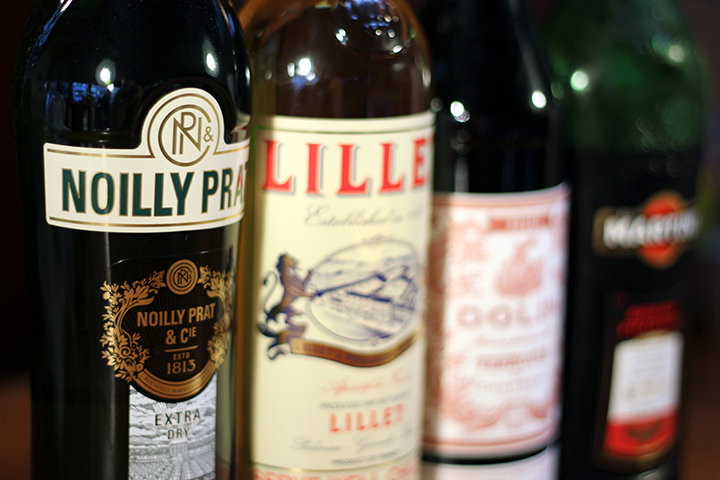
    Aromatized and fortified wines infused with botanicals, vermouths can be dry (perfect for a Martini) or sweet (ideal for a Negroni). French vermouths, such as Noilly Prat, tend to be drier and lighter, while Italian vermouths, like Carpano Antica, are richer and sweeter.

    Bitter Liqueurs (Amari, Quinquinas, and Gentian-Based Aperitifs)

    From Campari’s bold citrus-bitter profile to Suze’s floral gentian root notes, bitter liqueurs balance bitterness with herbal complexity. Dubonnet, famously favored by Queen Elizabeth II, adds a touch of quinine for depth.

    Anise-Based Aperitifs (France & Italy)

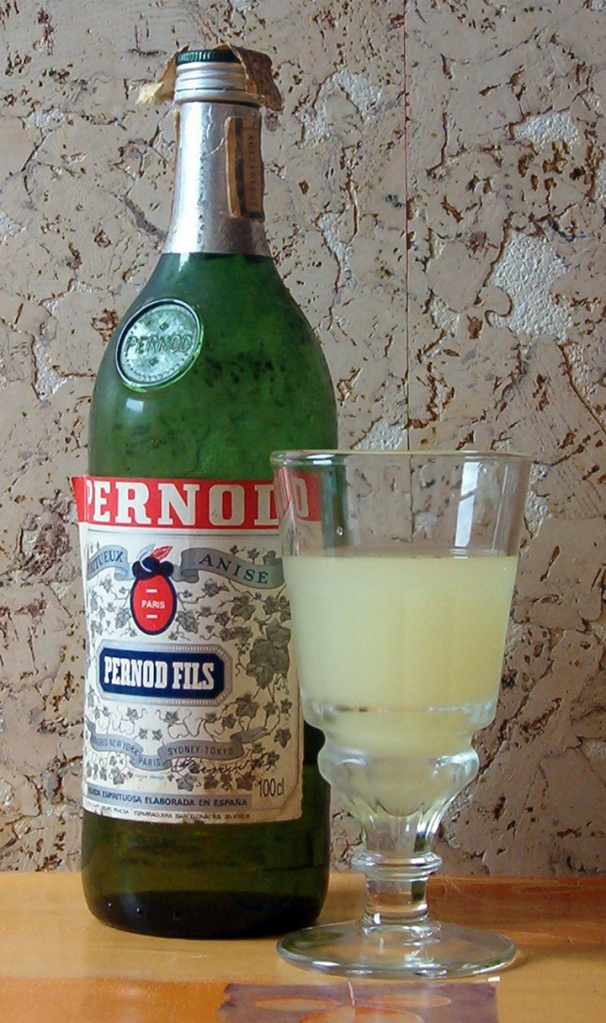
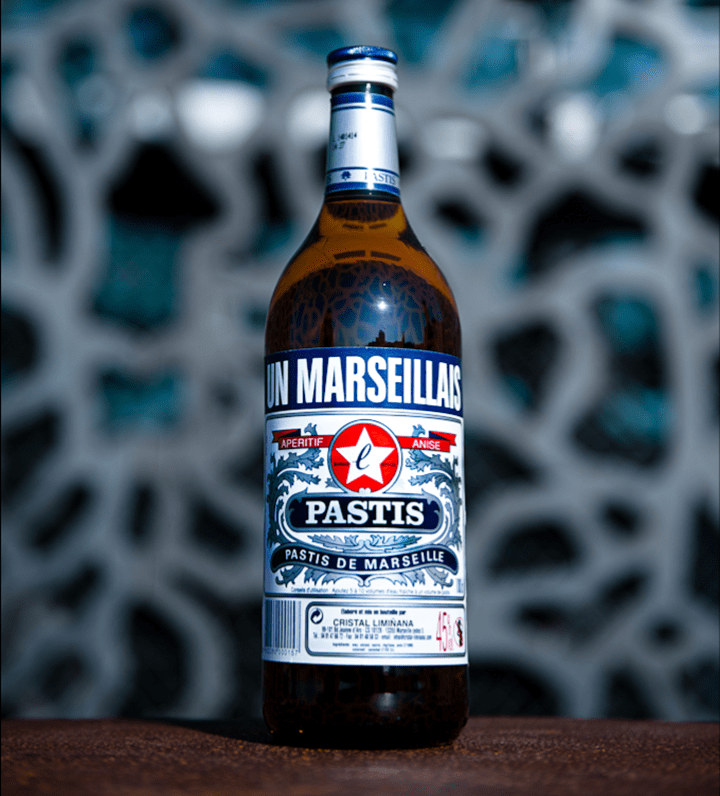
    Pastis, Pernod, and Ricard are hallmarks of the French Provençal tradition, while Italy offers Sambuca. These anise-flavored spirits cloud when mixed with water, a transformation called the “louche.”

    Wine-Based Aperitifs (Lillet, Byrrh, and Pineau des Charentes)

    These softer aperitifs blend fortified wine with botanicals or fruit essence, creating a gentler yet equally intriguing drinking experience. Lillet Blanc, a Bordeaux-based classic, was a favorite of James Bond in Casino Royale.

    Phoney, CC BY-SA 3.0, via Wikimedia Commons

    Serving Aperitifs: Classic & Creative Presentations

    The simplest way to enjoy an aperitif is to serve it chilled or over ice with a citrus twist. However, for those looking to expand their experience, here are some unique ways to enjoy aperitifs:

    • Vermouth Spritz – A lighter, lower-alcohol alternative to an Aperol Spritz, mixing dry vermouth, tonic, and an orange slice.
    • Pastis Provençal – Served with ice-cold water in a 5:1 ratio to highlight its herbal complexity.
    • Lillet Rouge & Ginger – A bold yet refreshing mix of Lillet Rouge and ginger beer, garnished with a sprig of rosemary.
    Cristalanis, CC BY-SA 4.0, via Wikimedia Commons

    Cocktails Using Aperitifs for Colder Months

    Aperitifs are not just for summer evenings on a Mediterranean terrace; they can be the perfect foundation for winter-friendly cocktails, offering warmth, spice, and herbal depth. Here are three creative cocktails for the colder months:

    The Alpine Glow

    A warming, citrus-spiced take on a classic Manhattan.

    • 1 oz sweet vermouth (Carpano Antica recommended)
    • 1 oz Amaro Montenegro
    • 1.5 oz rye whiskey
    • 2 dashes orange bitters
    • Garnish: Orange twist and star anise

    Stir ingredients with ice and strain into a coupe glass. Garnish with an orange twist and a floating star anise.

    Suze & Cider Hot Toddy

    A gentian-forward twist on a winter classic.

    • 1 oz Suze
    • 2 oz hot apple cider
    • 0.5 oz honey
    • 0.5 oz lemon juice
    • Garnish: Cinnamon stick

    Mix Suze, hot cider, honey, and lemon in a mug. Stir well and garnish with a cinnamon stick.

    Dubonnet Royale

    A luxurious, bubbly cocktail inspired by the late Queen’s favorite aperitif.

    Build in a flute glass by adding Dubonnet and Cointreau, then top with Champagne. Garnish with an orange twist.

    The Enduring Magic of Aperitifs

    Whether you sip a bitter Negroni, a delicate Lillet spritz, or a warming vermouth-based cocktail, the aperitif remains a timeless invitation to pause, savor, and anticipate the pleasures of the table. So, in the spirit of the legendary aperitif lovers—from Hemingway to Queen Elizabeth—raise a glass and toast to the rich tradition of pre-dinner drinking. Santé! Cin cin! 🍷

    Cover photo credit: Photo by Polina Kovaleva on Pexels.com

  • Demystifying Sulfites in Wine

    Demystifying Sulfites in Wine

    Separating Fact from Fiction.

    The phrase “contains sulfites” on a wine label often stirs confusion and concern among consumers. Misconceptions abound, from the belief that sulfites are only present in low-quality wines to the idea that they are solely responsible for wine-induced headaches. These myths obscure the truth about sulfites and their essential role in winemaking. Let’s unpack the science, necessity, and reality of sulfur dioxide (SO2) in wine, shedding light on its role and addressing concerns for sulfite-sensitive individuals.

    What Are Sulfites?

    Sulfites, chemically known as sulfur dioxide (SO2), are compounds that occur naturally during fermentation. Yeast, the powerhouse behind turning grape juice into wine, produces a small amount of sulfites as a byproduct. These naturally occurring sulfites are present in all wines, even those labeled as “organic” or “natural.” However, many winemakers also add sulfites deliberately to stabilize and preserve their wines.

    Photo by ELEVATE on Pexels.com

    The Role of Sulfites in Winemaking

    Sulfites play several critical roles in winemaking, making them a trusted tool in a winemaker’s arsenal:

    1. Preservation: Sulfites act as an antioxidant, protecting wine from spoilage caused by oxygen exposure. This helps wines age gracefully and ensures they remain fresh from bottling to consumption.
    2. Microbial Stability: By suppressing unwanted bacteria and wild yeasts, sulfites ensure that the intended flavors of the wine shine through without interference.
    3. Color Retention: In white wines, sulfites help maintain clarity and vibrancy, preventing browning caused by oxidation.

    While sulfites are a valuable ally in winemaking, some producers, particularly in the natural wine movement, aim to minimize their use or omit them entirely. However, these wines may have shorter shelf lives and higher risks of spoilage.

    Photo by David Garrison on Pexels.com

    Debunking the Sulfite-Headache Myth

    One of the most persistent misconceptions is that sulfites in wine cause headaches. While it’s true that some people have sulfite sensitivities, these reactions are rare and often manifest as respiratory issues, such as asthma, rather than headaches. According to the FDA, only about 1% of the population is sensitive to sulfites.

    The real culprit behind wine-induced headaches is more likely histamines. Found naturally in grape skins, histamines are higher in red wines than whites. These compounds can trigger headaches in individuals sensitive to them, particularly if their bodies lack sufficient diamine oxidase, the enzyme responsible for breaking down histamines.

    Understanding ‘Contains Sulfites’

    The U.S. government requires any wine containing more than 10 parts per million (ppm) of sulfites to include “contains sulfites” on the label. This applies to almost all wines, given that naturally occurring sulfites alone often exceed this threshold. For comparison, dried fruits can contain up to 1,000 ppm of sulfites, making the levels in wine seem minimal by comparison.

    Choosing Wines for Sulfite Sensitivity

    For those genuinely sensitive to sulfites, understanding wine choices is key. While avoiding sulfites entirely is nearly impossible, low-sulfite options are available:

    • Organic Wines: Certified organic wines in the U.S. are made without added sulfites, though naturally occurring sulfites remain present.
    • Natural Wines: Often produced with minimal intervention, natural wines may contain lower levels of added sulfites.
    • Wines from Cooler Regions: Cooler climates often produce wines that require fewer sulfites due to their naturally higher acidity, which helps preserve freshness. Look for wines from Alsace, Germany, or the Loire Valley.
    • Certain Varietals: Try white wines like Riesling or Pinot Gris, which typically have lower sulfite levels than rich reds. For reds, consider Beaujolais (Gamay varietal), which is lighter in body and often made with minimal sulfites.
    Photo by Helena Lopes on Pexels.com

    The Takeaway: There’s a Wine for Everyone

    Sulfites are an integral part of winemaking, ensuring wines remain stable, flavorful, and safe for consumption. While myths about sulfites persist, the reality is they are unlikely to be the cause of your wine-related woes. For individuals with specific sensitivities, understanding what’s in the bottle and selecting wines thoughtfully can make all the difference.

    Ultimately, wine is a celebration of diversity—in grapes, styles, and preferences. There truly is a wine for everyone. By demystifying sulfites and making informed choices, you can enjoy your wine journey with confidence and curiosity. Cheers 🍷

  • A Sherry-Lover’s Guide to the Feast of Seven Fishes

    A Sherry-Lover’s Guide to the Feast of Seven Fishes

    Seven Perfect Pairings for Seven Seafood Courses.

    The Feast of Seven Fishes is a rich Italian-American tradition celebrated on Christmas Eve, featuring an abundant spread of seafood dishes. This tradition pairs beautifully with the versatility and depth of Sherry, a fortified wine from Jerez, Spain, that spans an array of styles from light and dry to dark and sweet. Here’s a course-by-course pairing, each showcasing a unique Sherry style that enhances the flavors of our favorite Feast of Seven Fishes dishes.

    This version of the Feast of Seven Fishes is a sensory journey through seven different seafood dishes, each paired with a distinct Sherry style, culminating with a dessert course. The natural progression from dry to sweet Sherries makes this a balanced and complex tasting experience that respects each course’s flavors.

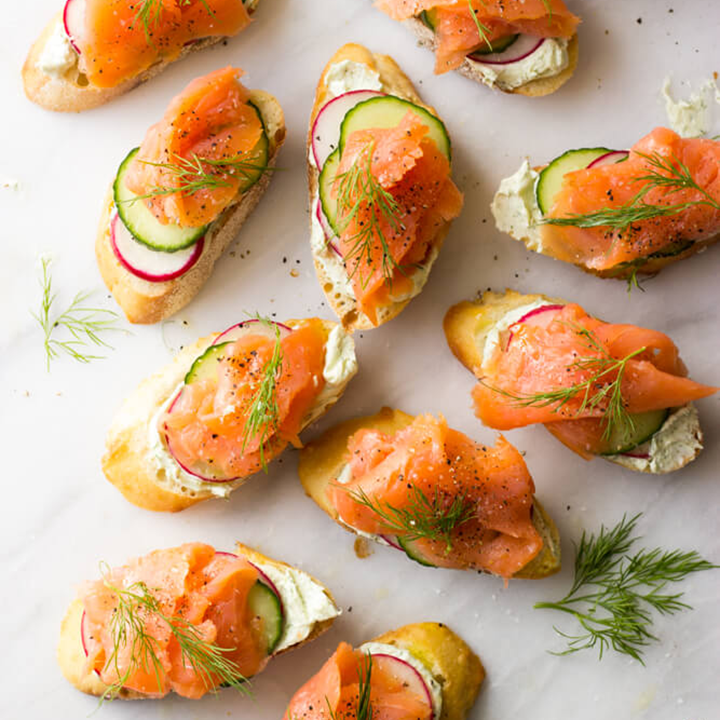
    Image from Little Broken – Smoked Salmon Crostini with Herb Cheese recipe

    Amuse-Bouche: Smoked Salmon Crostini

    • Sherry Pairing: Manzanilla
    • Tasting Notes: Manzanilla is a bright, briny, and delicate Sherry with subtle green apple and sea breeze notes.
    • Why It Works: This pairing highlights Manzanilla’s salty, coastal character, which mirrors the salmons’ smokiness. The Sherry’s light body complements the dish’s herb cheese and cucumber, creating a refreshing, palate-awakening amuse-bouche.

    Recipe (Little Broken): Smoked Salmon Crostini

    SOMM&SOMM Recommends: Lustau Papirusa Manzanilla Sherry

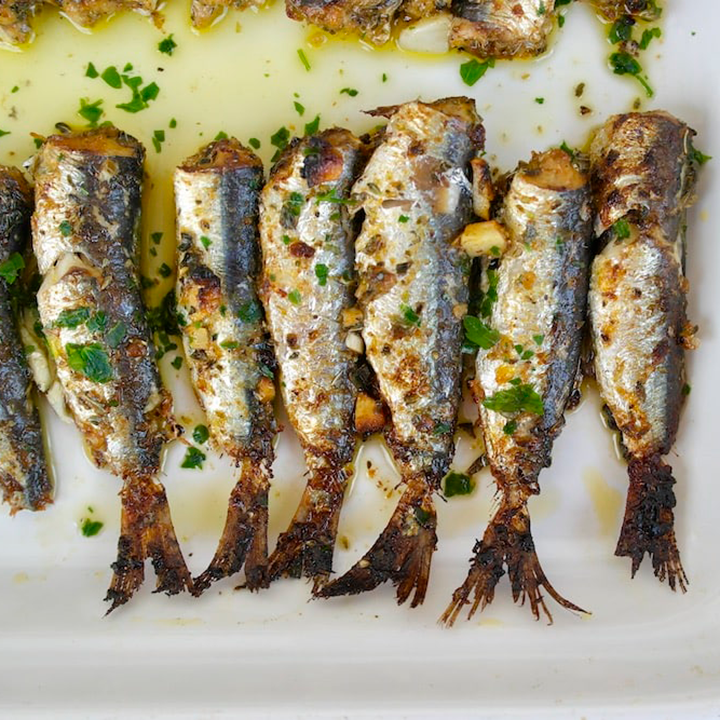
    Image from Olive Tomato – Roasted Sardines with Garlic and Herb Crust recipe

    First Course: Roasted Sardines with Garlic and Herb Crust

    • Sherry Pairing: Fino
    • Tasting Notes: Fino, dry and crisp with almond and fresh dough notes, has a subtle umami quality that matches well with sardines.
    • Why It Works: Fino’s delicate nutty and saline notes enhance the sardines’ richness without overwhelming the flavor. Its acidity and dry profile cut through the fish’s oil, balancing out the texture while emphasizing the freshness of the herbs.

    Recipe (Olive Tomato): Roasted Sardines with Garlic and Herb Crust

    SOMM&SOMM Recommends: Lustau Jarana Fino Sherry

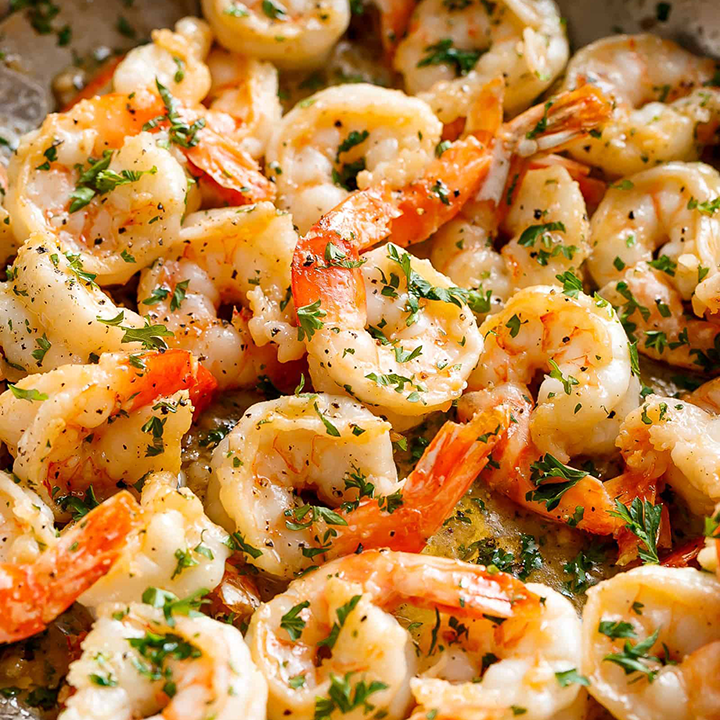
    Image from Cafe Delites – Garlic Butter Shrimp Scampi recipe

    Second Course: Shrimp Scampi with Garlic Butter Sauce

    • Sherry Pairing: Amontillado
    • Tasting Notes: Amontillado Sherry is characterized by toasted hazelnut, caramel, and a touch of dried apricot, offering a balanced, nutty depth with medium acidity.
    • Why It Works: Amontillado’s complexity complements the buttery garlic sauce, enhancing the shrimp’s delicate sweetness. The Sherry’s depth pairs seamlessly with the richness of the dish, providing a touch of nutty savoriness and elevating the umami flavors.

    Recipe (Cafe Delites): Garlic Butter Shrimp Scampi

    SOMM&SOMM Recommends: Alvaro Domecq “1730” Amontillado

    Image from Little Ferraro Kitchen – Steamed Clams with White Wine and Garlic recipe

    Third Course: Clams with White Wine, Garlic, and Herbs

    • Sherry Pairing: Palo Cortado
    • Tasting Notes: Known for its rare combination of freshness and richness, Palo Cortado has roasted hazelnut, orange peel, and subtle toffee flavors.
    • Why It Works: Palo Cortado’s layered complexity matches well with the briny, herbal clams. Its depth amplifies the dish’s savory notes, while its slightly fuller body and acidity balance the richness of the sauce, creating a refined harmony.

    Recipe (Little Ferraro Kitchen): Steamed Clams with White Wine and Garlic

    SOMM&SOMM Recommends: Fernando de Castilla Antique Palo Cortado

    Image from My Gorgeous Recipes – Saffron Risotto with Lobster recipe

    Fourth Course: Lobster Risotto with Saffron and Parmesan

    • Sherry Pairing: Oloroso
    • Tasting Notes: Oloroso Sherry is a rich, full-bodied style with flavors of caramel, walnut, and dried orange zest. Its warming alcohol and slight sweetness add depth.
    • Why It Works: The luxurious texture of Oloroso complements the creamy risotto, and its nutty, caramelized character enhances the lobster’s natural sweetness and the richness of saffron and Parmesan.

    Recipe (My Gorgeous Recipes): Saffron Risotto with Lobster

    SOMM&SOMM Recommends: Bodegas Yuste Aurora Oloroso Sherry

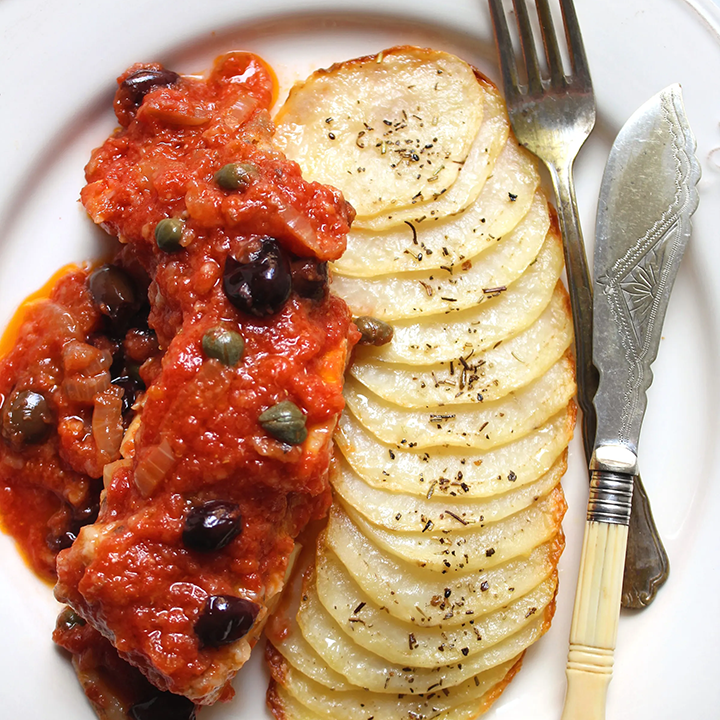
    Image from Toni Brancatisano’s – Bacalla – Salted Cod with Tomatoes, Olives and Capers recipe

    Fifth Course: Baccala (Salted Cod) with Tomato, Olives, and Capers

    • Sherry Pairing: Medium Sherry (Blend of Amontillado and PX)
    • Tasting Notes: A Medium Sherry offers a mild sweetness with hints of dried fig, dates, and a touch of caramel, striking a balance between richness and sweetness.
    • Why It Works: This pairing softens the saltiness of the cod and melds with the acidity of tomatoes. The sweetness of Medium Sherry brings out the savory elements of the capers and olives, achieving a delightful sweet-salty balance.

    Recipe (Toni Brancatisano’s version is our favorite): Baccala with Tomatoes, Olives and Capers

    SOMM&SOMM Recommends: Valdespino Amontillado Medium Contrabandista Sherry

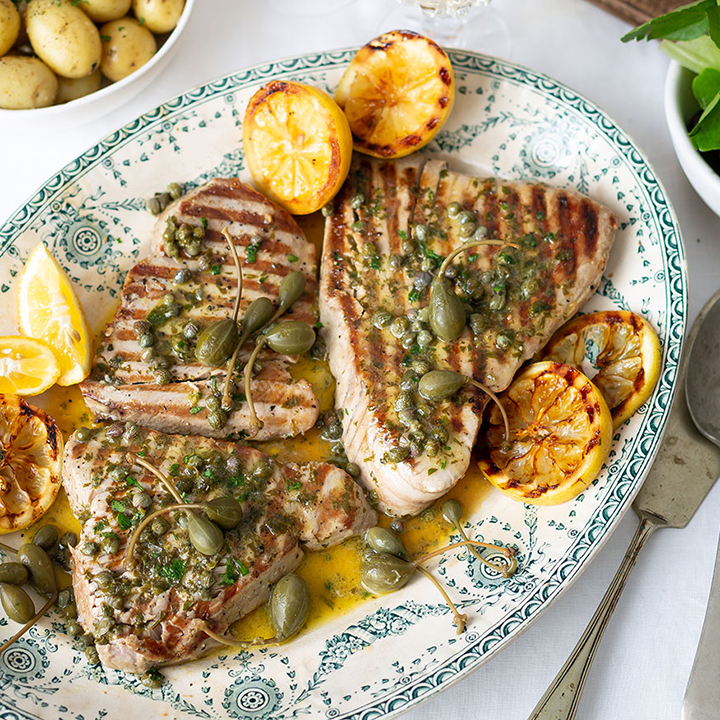
    Image from Drizzle&Dip – Seared Tuna Steaks with Lemon, Capers and Parsley Butter

    Sixth Course: Seared Tuna with Capers and Lemon

    • Sherry Pairing: Cream Sherry
    • Tasting Notes: Cream Sherry, a blend of Oloroso with a touch of PX, has lush flavors of figs, dates, and toffee with a rounded sweetness.
    • Why It Works: The Cream Sherry’s sweetness complements the seared tuna’s umami flavors and contrasts with the salty capers, while its fuller body holds up to the tuna’s meatiness. The citrus provides a refreshing finish that cuts through the richness.

    Recipe (Drizzle&Dip): Seared Tuna Steaks with Lemon, Capers and Parsley Butter

    SOMM&SOMM Recommends: Emilio Hidalgo Morenita Cream Sherry

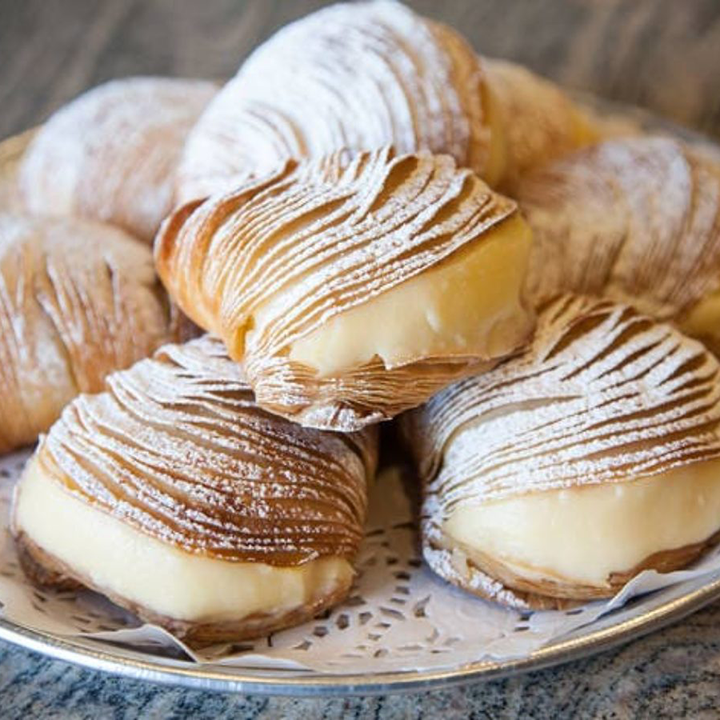
    Image from Nonna Box – Authentic Italian Sfogliatelle recipe

    Dessert Course: Sfogliatelle with Citrus Ricotta Filling

    • Sherry Pairing: Pedro Ximénez (PX)
    • Tasting Notes: Pedro Ximénez is syrupy and luscious, with intense flavors of raisins, molasses, and caramelized figs.
    • Why It Works: PX’s decadent sweetness mirrors the richness of the ricotta, and its dried fruit notes pair beautifully with the pastry’s citrus flavors, offering a satisfying and indulgent finale.

    Recipe (Nonna Box): Authentic Italian Sfogliatelle by Guido Pedrelli

    SOMM&SOMM Recommends: Alvear Pedro Ximenez Solera 1927

    The Final Toast

    After the final dessert course, consider offering a tiny sip of Amontillado or Oloroso to cleanse the palate, allowing guests to end the feast with lingering flavors of dried nuts and spices. This brings balance to the overall tasting journey, and with the broad spectrum of Sherry styles, each course in the Feast of Seven Fishes becomes an intricate and memorable experience. Cheers 🍷

    Cover image credit: Nicole Michalou on Pexels.com

  • Varietal Spotlight: Palomino

    Varietal Spotlight: Palomino

    A Deep Dive into Spain’s Iconic White Varietal.

    The Palomino grape holds a unique place in the world of wine, particularly as the star of Spain’s Jerez (Sherry) region. Known for producing some of the world’s most complex fortified wines, Palomino (known as Listán Blanco in other parts of Spain) boasts a fascinating history, unique viticultural challenges, and the ability to create versatile, highly nuanced wine styles. Despite its relative neutrality as a table wine grape, its true potential is unlocked through the influence of terroir and distinctive vinification techniques.

    Origins and History of Palomino

    The Palomino grape is indigenous to Andalusia, Spain, and its cultivation dates back centuries. Named after 13th-century Spanish knight Fernán Yáñez Palomino, who was honored for his role in reclaiming Andalusia from the Moors, the grape has a storied past that mirrors the history of Spanish winemaking itself. By the 17th and 18th centuries, Palomino had become the primary varietal used in Jerez winemaking, as its neutral profile allowed it to adapt beautifully to the solera and flor processes unique to Sherry production.

    Palomino’s renown grew as Sherry became a coveted export across Europe. English merchants played a critical role in its rise, as they imported large quantities to the UK and beyond, transforming Sherry into a staple of British society. Today, Palomino’s importance endures as the foundation for Fino, Manzanilla, Amontillado, Oloroso, and Palo Cortado Sherries, as well as a few still wines and emerging experimental styles.

    Characteristics of the Palomino Vine and Grape

    Palomino vines are characterized by their resilience and adaptability to dry, chalky soils, particularly in Jerez’s famed albariza soils. These calcium-rich, white chalk soils have excellent water retention, crucial in Andalusia’s arid climate. The vines produce large, tightly packed clusters of pale, yellow-green grapes that mature to high sugar levels, providing a relatively neutral flavor profile with low acidity.

    The neutrality of Palomino, often seen as a drawback for producing single-varietal wines, is transformed in the vinification process. In the right hands, it becomes an expressive vehicle for terroir. Its low acidity and lack of intense aromatics make it a blank canvas—one that, under the influence of flor yeast or oxidative aging, reveals an astonishing range of complex characteristics.

    Challenges of Viticulture and Vinification

    The viticultural challenges of Palomino lie in its sensitivity to soil type, susceptibility to rot in wetter climates, and the need for careful harvest timing. Albariza soils are essential, as they not only prevent drought stress but also regulate temperature. The dry climate of Jerez, with cool Atlantic breezes, supports the delicate balance required for healthy Palomino grapes.

    Vinification presents another set of challenges. The majority of Palomino’s value is realized in the Sherry production process, where it undergoes a unique journey. For Fino and Manzanilla styles, the flor (a special yeast layer) thrives in high temperatures and high humidity, feeding on glycerol, alcohol, and oxygen to produce a range of nutty, bready, and saline notes. Oxidative aging techniques yield darker, richer styles like Amontillado and Oloroso. Both techniques require the solera system, where younger wines are progressively blended with older ones, creating consistency and depth over years or even decades.

    Expressions of Palomino: Terroir and Styles

    • Fino and Manzanilla (Jerez and Sanlúcar de Barrameda): Bright, saline, and dry, with a pronounced aroma of almonds, dough, and green apples. Manzanilla, grown in Sanlúcar’s coastal climate, carries a distinct marine saltiness.
    • Amontillado: Begins as a Fino or Manzanilla but undergoes oxidative aging, creating a copper-hued wine with a complex profile of hazelnuts, dried fruits, and leather.
    • Oloroso: Fully oxidative from the start, resulting in a robust, amber wine with deep notes of toffee, figs, and spice.
    • Palo Cortado: Rare and enigmatic, bridging the finesse of Amontillado with the richness of Oloroso. Its production depends on whether flor spontaneously dies off, leading to oxidative aging.
    • Still wines: Occasionally produced in Jerez but with minimal influence outside of Spain. They are typically light, with subtle minerality and saline hints but lack the depth found in fortified expressions.

    Food Pairing Recommendations

    Palomino-based Sherries are ideal for both traditional pairings and creative culinary experimentation.

    1. Fino and Manzanilla: Perfect with tapas, almonds, Iberico ham, and oysters. Unconventional pairings include sushi, ceviche, or goat cheese salads, where their briny freshness accentuates the dishes’ flavors.
    2. Amontillado: Enhances flavors of roasted chicken, mushrooms, and nutty dishes like risotto with Parmesan. For an offbeat pairing, try it with umami-rich Asian dishes, like miso soup or stir-fried shiitakes.
    3. Oloroso: With its richness, it pairs beautifully with braised meats, barbecue, and dishes with complex spices, like Moroccan lamb tagine. For a surprising twist, serve it with beef pho, where its spiced undertones complement the broth’s depth.
    4. Palo Cortado: Its versatility makes it excellent with charcuterie, hard cheeses, and patés, but it can also handle richer seafood dishes. For an unexpected match, try it with roasted duck in a honey and spice glaze or Thai red curry.
    5. Still Palomino Wines: These are delicate but can pair well with light salads, grilled white fish, and soft cheeses. Their saline and mineral qualities also work with raw shellfish like clams or scallops.

    SOMM&SOMM Related Article: Demystifying Wine: Sherry

    Final Thoughts

    Palomino may seem unremarkable as a varietal, yet it is capable of producing some of the most complex and rewarding wines in the world. Its magic lies not in its raw fruit but in its transformation under the unique methods developed in Jerez. Whether savored with traditional Spanish fare or explored in bold, modern pairings, Palomino-based wines offer a remarkable range for the curious sommelier and the adventurous diner alike.

    Cover Image Credit: Michal Osmenda from Brussels, Belgium, CC BY 2.0, via Wikimedia Commons

  • Effervescent Charm or Fizzing Fad?

    Effervescent Charm or Fizzing Fad?

    I am speaking, of course, about Pet Nat—the bubbly darling of the natural wine movement. If you’ve been to a trendy wine bar or scrolled through the feeds of wine influencers, you’ve likely encountered these playful, unfiltered bottles of fizz. But what exactly is Pet Nat, and why has it captured the imagination of wine enthusiasts? Let’s dive in to uncover its origins, purpose, myths, tasting notes, and most importantly, how to savor it with the perfect dish.

    What Is Pet Nat?

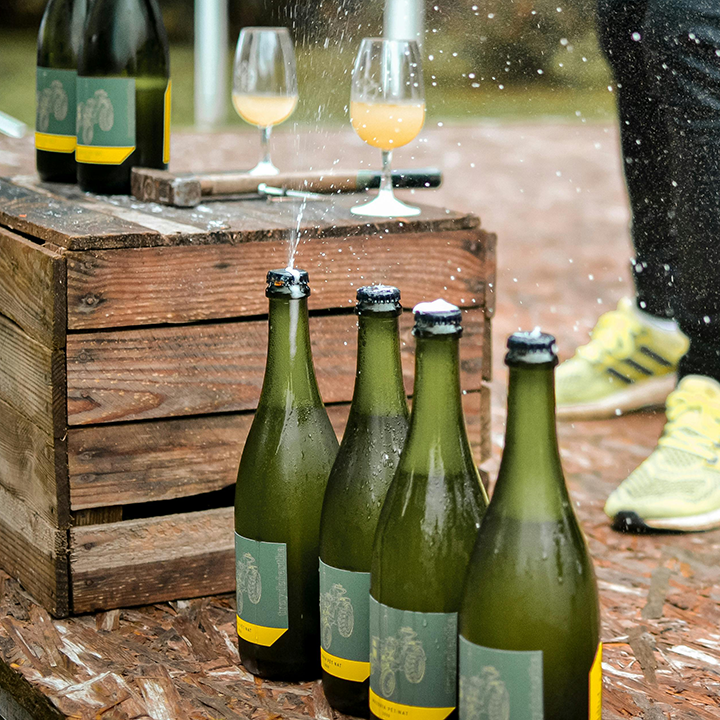
    Short for Pétillant Naturel (French for “naturally sparkling”), Pet Nat is the oldest known method of making sparkling wine, predating the Champagne method by centuries. It’s crafted using the méthode ancestrale, where the wine is bottled before fermentation is complete. This creates a gentle fizz as carbon dioxide is trapped during fermentation. Unlike Champagne, Pet Nat is often unfiltered, capped with a crown cap (like a beer bottle), and may carry a sediment that reflects its raw, unpolished nature.

    Photo by Susanne Jutzeler, suju-foto on Pexels.com

    A Brief Origin Story

    Pet Nat’s roots trace back to rural France, where farmers embraced this simpler, low-tech approach to sparkling wine. The Loire Valley is often credited as its modern spiritual home, though it’s now produced worldwide. For centuries, this “happy accident” fizz was a rustic treat enjoyed by winemakers themselves. Today, Pet Nat has evolved into a global trend, celebrated for its authenticity and artisanal charm.

    Purpose and Personality

    At its heart, Pet Nat is about capturing the essence of nature and spontaneity. Winemakers embrace minimal intervention, letting terroir and vintage variation shine. This results in wines that are alive, vibrant, and sometimes a bit unpredictable—an allure for adventurous drinkers.

    Myths and Lore

    1. Myth: Pet Nat is just poorly made sparkling wine.
      Truth: While it’s less polished than Champagne, good Pet Nat is thoughtfully crafted and represents the winemaker’s intent to embrace imperfections.
    2. Myth: It’s always funky and cloudy.
      Truth: Not all Pet Nats are wild or cloudy. Styles range from clean and crisp to earthy and funky.
    3. Lore: Opening a bottle is like opening a treasure chest—no two are exactly the same. There’s a delightful unpredictability to every pour.

    Tasting Notes and Styles

    Pet Nat can be made from any grape, so the flavor spectrum is vast. Common characteristics include:

    • Color: Clear to hazy, white to deep rosé, and even orange.
    • Bubbles: Gentle fizz rather than aggressive effervescence.
    • Aroma and Flavor: Expect bright fruit notes—green apple, pear, stone fruit, or berries—with herbal undertones, minerality, or a slight yeasty funk. Each bottle tells its own story.

    Here’s to the unexpected—
    To the wine that keeps us guessing,
    To the gentle fizz that feels like laughter in a glass,
    To the imperfections that make life beautifully real.

    May each sip of this lively, untamed wine remind us to embrace the unpredictable, savor the spontaneous, and celebrate the journey over the destination.

    To Pet Nat and the adventures it inspires—
    Cheers!

    Gregory Dean, SOMM&SOMM

    Food Pairings

    Pet Nat’s versatility and vibrancy make it a sommelier’s dream for food pairing. Here are some standout matches:

    • Light & Citrusy Pet Nats: Pair with oysters, sushi, or ceviche.
    • Rosé Pet Nats: Perfect with charcuterie, roasted veggies, or creamy cheeses.
    • Funky & Earthy Styles: Excellent with fried chicken, barbecue, or mushroom risotto.
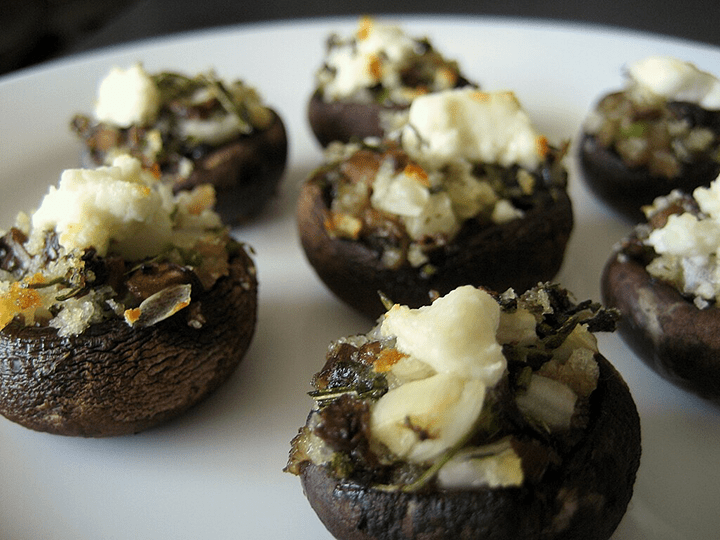
    Image by Stacy, CC BY 2.0, via Wikimedia Commons

    Recommended pairing: Goat Cheese and Herb-Stuffed Mushrooms. The creamy, tangy goat cheese enhances the bright acidity of a citrusy Pet Nat, while the earthy mushrooms echo the wine’s natural, unfiltered character.

    Pet Nat isn’t just a fad—it’s a revival of a historic style with a modern twist. Whether it’s here to stay or fades into obscurity remains to be seen, but for now, its charm, authenticity, and sheer fun make it worth exploring. Grab a bottle, pair it with a dish, and let the fizz work its magic! Cheers 🥂

  • Wines for Late Autumn and Early Winter

    Wines for Late Autumn and Early Winter

    Sipping Through the Seasons–The Holidays and Beyond.

    As the vibrant hues of autumn leaves fade into the frost-kissed landscapes of early winter, it’s time to embrace wines that embody the coziness of the season. From family gatherings to fireside chats, this time of year calls for rich, warming wines that bring people together. Here’s a lighthearted guide to selecting wines perfectly suited to late autumn and early winter vibes.

    Photo by Taryn Elliott on Pexels.com

    The Cozy Corner: Reds That Warm the Soul

    The cooler months are synonymous with robust red wines that feel like a warm hug. These wines pair effortlessly with hearty dishes, wool blankets, and crackling fires.

    Cabernet Sauvignon

    • Perfect for: Slow-cooked roasts, braised short ribs, or a rich lasagna.
    • With its bold tannins and dark fruit notes, Cabernet Sauvignon feels right at home during chilly nights. Try one from Napa Valley for a classic experience or experiment with South American options for an earthy twist.

    Syrah/Shiraz

    • Perfect for: Grilled lamb, smoked brisket, or venison stew.
    • Bursting with black pepper, plum, and smoky undertones, Syrah matches the rugged charm of late autumn.

    Zinfandel

    • Perfect for: BBQ meats, spicy chili, or glazed ham.
    • Its jammy fruit flavors and spicy kick make Zinfandel a crowd-pleaser for festive gatherings.
    No machine-readable author provided. Hoffkar assumed (based on copyright claims)., CC BY-SA 3.0, via Wikimedia Commons

    Florida’s Early Winter: Tropical Hints with Holiday Cheer

    For those basking in the mild 70°F “winters” of Florida (or similar climates), lighter wines with tropical vibes but seasonal depth strike the right balance.

    Viognier

    • Perfect for: Shrimp scampi, citrus-glazed chicken, or mango salsa.
    • This aromatic white wine bridges the gap between summery zest and cozy richness, perfect for coastal holiday parties.

    Chenin Blanc

    • Perfect for: A poolside turkey sandwich or a festive charcuterie board.
    • Opt for a South African Chenin Blanc for a slightly off-dry profile that suits Florida’s seasonal flair.

    Light Pinot Noir

    • Perfect for: Cedar-plank salmon or grilled turkey legs.
    • Bright red fruit with a touch of spice makes Pinot Noir versatile enough for Florida’s unique winter vibe.

    Fireside Chats & Relaxed Evenings: The Best Sippers

    Nothing beats a glass of something special when unwinding by the fire. Here are top picks for contemplative sipping:

    Port – Rich, sweet, and warming, a ruby or tawny Port is the ultimate fireside companion. Pair it with blue cheese or toasted nuts for a cozy treat.

    Madeira – With its caramelized nuttiness, Madeira feels luxurious. Opt for a medium-sweet Bual style, paired with roasted chestnuts or gingerbread cookies.

    Amarone della Valpolicella – This velvety Italian red has dried fruit flavors and a hint of cocoa, making it an indulgent pairing for dark chocolate or aged Parmesan.

    Family Gatherings: Classic Pairings for Festive Feasts

    Holiday tables brimming with traditional dishes demand wines that enhance the flavors without overpowering them.

    Turkey and Trimmings

    • Go for a Chardonnay (try a buttery Sonoma option) or Riesling (a semi-dry German Riesling for balance).
    • For reds, a Beaujolais Cru or Pinot Noir adds enough complexity without stealing the spotlight.

    Ham or Pork Roast

    • A fruity Grenache or a full-bodied Malbec pairs beautifully with the sweet and savory nature of ham.
    • For whites, try a bold Gewürztraminer, especially if there’s a honey glaze involved.

    Vegetarian Delights

    • Mushroom dishes and roasted root vegetables pair exquisitely with Barbera or Tempranillo.
    • For whites, a nutty Roussanne or White Burgundy elevates earthy flavors.
    Photo by Photo By: Kaboompics.com on Pexels.com

    Seasonal Activities & Their Perfect Pairings

    Every seasonal pastime has a wine that fits like a glove. Here’s a list to inspire your next bottle:

    • Tree Trimming: Prosecco or Cava. Light, fizzy, and celebratory, these sparkling wines keep spirits bright.
    • Pumpkin Pie Baking: Moscato d’Asti. Its sweetness and citrusy zing make pie-prepping festive.
    • Holiday Movie Marathons: Mulled wine or a spiced Glühwein. Curl up with a steaming mug of wine infused with cinnamon, cloves, and orange zest.

    Choose What Feels Right

    Whether you’re embracing early winter in Florida with a chilled Chenin Blanc or braving the Northeast cold with a bold Cabernet Sauvignon, the season is about warmth, comfort, and connection. Raise a glass to the season’s charm, and remember: the best wine is the one you enjoy most with the people you love. Cheers! 🥂

    Cover Photo Credit: Reinhold Möller, CC BY-SA 4.0, via Wikimedia Commons

  • Thanksgiving Through the Glass

    Thanksgiving Through the Glass

    Wine Pairings from Morning Mimosas to Midnight Leftovers.

    Thanksgiving isn’t just about gathering around a table for a big dinner—it’s a day full of moments, from the morning preparations to the late-night desserts and those highly anticipated leftovers. As traditions evolve, the trend of pairing wines that enhance both classic and modern dishes continues to grow. Here’s an updated look at the best wine pairings from morning through midnight—and well into the days of leftovers.

    Tammy Dean and Bonnie Cooper, Thanksgiving preparations 2018

    Morning Preparations

    Classic Mimosas in glasses handcrafted by Mike Weber

    Thanksgiving morning buzzes with the aromas of roasting and simmering, and there’s nothing like a glass of sparkling wine to add a celebratory touch. This year, mimosas get a refresh by pairing them with non-traditional juices like blood orange or pear. A quality Prosecco or Cava keeps these cocktails crisp and lively, balancing the richness of pre-dinner snacks and light breakfast pastries.

    For a more classic sparkling option, consider a Brut Rosé. Its subtle berry flavors add depth to lighter foods like smoked salmon and goat cheese on toast. For an elevated twist, the Iron Horse Wedding Cuvée (a Napa favorite) offers a vibrant start with rich strawberry notes that will carry you through the morning as the main dishes prepare.

    Here’s to Thanksgiving: where the glasses are as full as our hearts, the wines as varied as our favorite dishes, and the memories as rich as a perfect vintage. May each sip bring gratitude, laughter, and the joy of being together. Cheers to family, friends, and a feast worth savoring—sláinte!

    Gregory Dean, SOMM&SOMM

    The Main Event

    The Thanksgiving meal is a balancing act of savory, sweet, and sometimes bold flavors. This year, an emphasis on versatile wines is trending, along with the rise of lesser-known varieties that surprise and delight.

    Appetizers and Starters

    For appetizers, go with an off-dry Riesling or a Sauvignon Blanc to complement lighter bites and acidic dressings. Eroica Riesling or Grgich Hills Estate Sauvignon Blanc offers fresh acidity and mineral notes that won’t overwhelm the palate before the main meal. Riesling’s slight sweetness matches well with salty starters like mixed nuts, cheese plates, or charcuterie, while Sauvignon Blanc’s zest cuts through heavier, creamier dips.

    Photo by Monstera Production on Pexels.com

    Turkey and Sides

    Turkey is a natural canvas for wine, but the variety of sides can complicate things. For a red, the Pinot Noir is the reigning star, especially if it’s from Oregon or Burgundy. These wines bring a perfect combination of red fruit and earthiness that complements both dark and white meat. The acidity of Pinot Noir also brightens up rich sides like stuffing, mushroom gravy, and roasted Brussels sprouts.

    Related Article: Tasting Experiences: A Taste of Adelsheim

    If you’re in the mood for white, Chardonnay offers flexibility, but consider choosing a less oaked variety, like those from Chablis, or a Napa classic like Chateau Montelena Chardonnay, known for its minerality. These wines bring out the buttery notes in mashed potatoes while providing a lively contrast to tart cranberry sauce.

    The New Favorites: Red Blends

    Many guests have a favorite red blend they reach for during holidays, and the Trinchero Napa Red Blend is a standout. It’s fruit-forward with just enough tannic structure to handle heavier dishes. The rise in popularity of red blends showcases a preference for wines that blend approachable flavors with enough complexity to match a wide variety of dishes.

    Photo by Element5 Digital on Pexels.com

    Sweet Endings Paired Perfectly

    For dessert, late-harvest wines bring out the best in pumpkin and pecan pies. The Far Niente Dolce Late Harvest from Napa, with its lush notes of apricot and honey, pairs beautifully with spiced pumpkin pie, while the nutty undertones of pecan pie harmonize with a tawny port or Pedro Ximénez sherry.

    An increasingly popular dessert option is a cheese course with dark chocolate, paired with a rich Port or Demi-Sec sparkling wine. The Demi-Sec is particularly versatile, adding a touch of sweetness without overpowering the dessert course.

    Leftovers and The Day After

    Thanksgiving leftovers have earned a special place in the holiday, and wine pairings here can turn even the most casual meal into a refined experience. Turkey sandwiches with cranberry sauce are delightful with a chilled Beaujolais-Villages or a lighter Gamay. If you’re making turkey soup or a casserole, opt for an unoaked Chardonnay or a crisp Sancerre—the acidity will cut through creamy textures without overwhelming subtle flavors.

    For those who love to continue the celebration, sparkling wine is the perfect reset, bringing freshness to rich dishes and reminding everyone that Thanksgiving is more than just one meal.

    This day, this moment, is a gift—let’s make the most of it, together. Happy Thanksgiving!

    Greg and Tammy Dean, SOMM&SOMM

    A special message to our friends and family

    As the last sips of wine are savored and the final remnants of Thanksgiving leftovers are enjoyed, remember that this day is about far more than the food on our plates or the wines in our glasses. It’s about the moments that fill our hearts—those imperfect, fleeting, sometimes challenging moments that we share with the people we call family. Life, in all its unpredictability, doesn’t come with guarantees. Grievances and misunderstandings pale in comparison to the warmth of laughter around the table, the shared stories, and the joy of simply being together. So, this Thanksgiving, let’s set aside the weight of past disagreements and come together with open hearts. Cherish the people around you, for the memories you create today are the ones you’ll hold dear long after the wine glasses are emptied and the dishes are put away. This day, this moment, is a gift—let’s make the most of it, together. Happy Thanksgiving 🍷

    Cover photo by cottonbro studio on Pexels.com

  • The Good, the Bag, and the Corkless

    The Good, the Bag, and the Corkless

    Box Wine – An Honest Sommelier’s Guide.

    When it comes to wine, the shape of the container often stirs as much conversation as what’s inside. There’s the stately glass bottle, a symbol of elegance and heritage, the trendy can for quick convenience, and then… there’s the box. For many wine enthusiasts, bag-in-a-box wines are the embodiment of heresy—a shortcut, a compromise, or even a betrayal to the sacred tradition of corks and glass. Yet, the reality is that box wines are becoming a fixture in the market, with roughly 5% of global wine sales being attributed to this format. So, let’s take a deep, aerated breath, set aside the corkscrew for a moment, and uncork the facts, fables, and myths about box wine… beginning with a quick toast!

    To our beloved friend and neighbor, the queen of the cardboard vintage, whose love of box wine reminds us all that true wine appreciation isn’t about the bottle, but the joy it brings! Here’s to the convenience, the never-ending pour, and the courage to sip without snobbery. May your glass always be full, your box never run dry, and your taste buds remain blissfully unbothered by tradition. Cheers to drinking what you love and never judging a wine by its packaging!

    Greg and Tammy Dean, SOMM&SOMM

    The Positives: A Fresh Take on Wine

    1. Cost-Effective for the Casual Sipper
      One undeniable strength of box wine is its affordability. Without the cost of glass bottles, corks, and fancy labels, wineries can save money, and so can you. This makes it easier to buy wine in larger quantities, perfect for casual gatherings, barbecues, or that book club meeting where finishing a three-liter box might not be a challenge but a rite of passage.
    2. Eco-Friendliness & Lower Carbon Footprint
      Box wines often come in recyclable materials, and because they’re lighter and more compact than traditional bottles, they’re more eco-friendly. Fewer emissions are involved in transporting them, and the packaging has a smaller carbon footprint overall. Plus, the wine inside is housed in an airtight bag, which collapses as it’s emptied, reducing oxidation and keeping the wine fresher for longer once opened.
    3. Extended Shelf Life Once Opened
      Speaking of freshness, box wines hold another hidden gem: they stay fresh for weeks, sometimes up to a month, after opening! This is a win for casual drinkers who don’t want to commit to finishing an entire bottle in a single sitting. Unlike glass bottles, the vacuum-sealed bag inside the box helps to minimize air exposure—one of wine’s worst enemies—extending the life of your favorite everyday sipper.
    Photo by Valeria Boltneva on Pexels.com

    The Negatives: Box Wine’s Not-So-Secret Flaws

    1. Taste & Material Concerns
      The wine in a box is housed in a bag made from polyolefinic films. These materials are generally food-safe, but they can influence the taste, especially if the wine sits for too long. Some palates notice subtle chemical notes or alterations—like a “plastic tinge”—as the polyolefinic materials slowly interact with the liquid inside. This isn’t a problem for those who finish the box quickly, but it’s something for the discerning drinker to be aware of.
    2. Higher Sugar Content & Sulfites
      Box wines, particularly the inexpensive and mass-produced varieties, tend to have a higher sugar content compared to many bottled wines. This not only makes them more appealing to a broader audience (hey, a little sweetness never hurt anyone), but it also necessitates a higher level of sulfites for preservation. Sulfites help prevent unwanted fermentation and spoilage, but some wine lovers find that they can contribute to headaches or allergic reactions. If you’re sensitive to sulfites, consider checking the label carefully or choosing box wines that emphasize lower sulfite levels.
    3. Limited Selection & Quality Concerns
      Box wines usually offer less variety when it comes to premium and rare options. While the quality of box wine has improved over the years, with some brands now offering respectable reds, whites, and rosés, don’t expect to find complex Bordeaux, vintage Barolo, or an aged Napa Cabernet in a box. The typical box wine experience is geared towards light, fruity, and easy-drinking wines without the nuance of their bottled counterparts.

    Box vs. Bottle vs. Can: A Comparative Sip

    • Bottle: The gold standard for collectors and connoisseurs. Glass is inert, meaning it doesn’t interfere with the wine’s taste, and bottles are often the go-to choice for wines meant to age. There’s also something ritualistic about uncorking a bottle, whether you’re popping a Champagne or pulling the cork on a classic Rioja.
    • Can: The ultimate in convenience, cans are perfect for picnics, festivals, and when you just need a glass (or two) of wine without opening an entire bottle. The aluminum can slightly affects the wine’s flavor, but most canned wines are designed to be consumed fresh and young, making this negligible.
    • Box: The champion of quantity, affordability, and longevity once opened. While lacking in prestige and complexity, it makes up for it in practicality. Box wines are the unsung heroes of low-key barbecues, camping trips, and no-fuss weeknight dinners. The packaging isn’t great for aging or preserving delicate flavors, but it’s a brilliant solution for the “I-just-want-a-glass” wine drinker.

    Common Myths About Box Wine: Busting the Baggage

    1. Myth: All Box Wines Are Low Quality.
      Fact: Not true! While the bulk of box wines focus on easy-drinking and affordable styles, some producers are starting to embrace the format with higher-quality offerings. Seek out brands that prioritize winemaking and varietal expression. There’s even been a rise in organic and biodynamic box wines.
    2. Myth: Box Wine Has to Be Finished Immediately.
      Fact: Nope! Unlike bottled wine, which can go bad within a few days of opening, box wine’s sealed bag keeps it drinkable for up to four weeks. It’s one of the best formats for those who sip slowly.
    3. Myth: Only Sweet Wines Come in Boxes.
      Fact: Though sweet and semi-sweet wines dominate the box wine market, there are plenty of dry options available. Explore beyond the well-known brands, and you may find a decent dry Chardonnay or a snappy Cabernet Sauvignon that rivals some bottled versions.

    The Verdict: Unboxing the Truth

    So, should you dive into the world of box wine? It depends on what you’re looking for. If you’re a wine lover who enjoys a glass every now and then, or if you’re hosting a larger crowd, box wine is a fantastic, budget-friendly option. For more discerning tastes or special occasions, traditional bottles still reign supreme.

    Ultimately, wine is about enjoyment, not about being judged for the vessel it comes in.

    Gregory Dean, SOMM&SOMM

    Whether it’s a three-liter bag-in-a-box, a slim aluminum can, or a dusty bottle of aged Bordeaux, what matters most is that you’re sipping something you love, surrounded by people who make the experience worthwhile.

    So the next time you catch yourself eyeing a box on the shelf, don’t grimace—embrace the corkless adventure. Who knows? You might just find your next go-to sipper sealed away in cardboard, nestled in a bag, and ready to be tapped at your convenience. Cheers to trying something new and keeping your palate open—just don’t forget to keep your corkscrew handy for the next bottle! Cheers 🍷

    References

    Thompson-Witrick, K. A., Pitts, E. R., Nemenyi, J. L., & Budner, D. (2021). The Impact Packaging Type Has on the Flavor of Wine. Beverages, 7(2), 36. https://doi.org/10.3390/beverages7020036