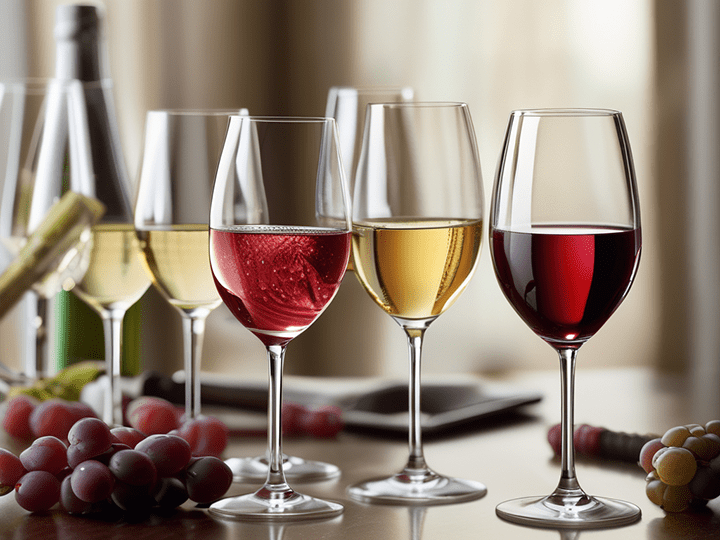
Category: Sommelier Studies

  • Wine Service: Proper Serving Temperatures

    Wine Service: Proper Serving Temperatures

    Ah, wine – that magical elixir that transforms ordinary moments into extraordinary experiences. The world of wine is a tapestry woven with flavors, aromas, and textures, and like any masterpiece, it requires the right conditions to truly shine. As we embark on this whimsical journey through the realms of temperature, let us explore the proper storage and serving temperatures for various wine styles, each with its unique personality waiting to be unleashed.
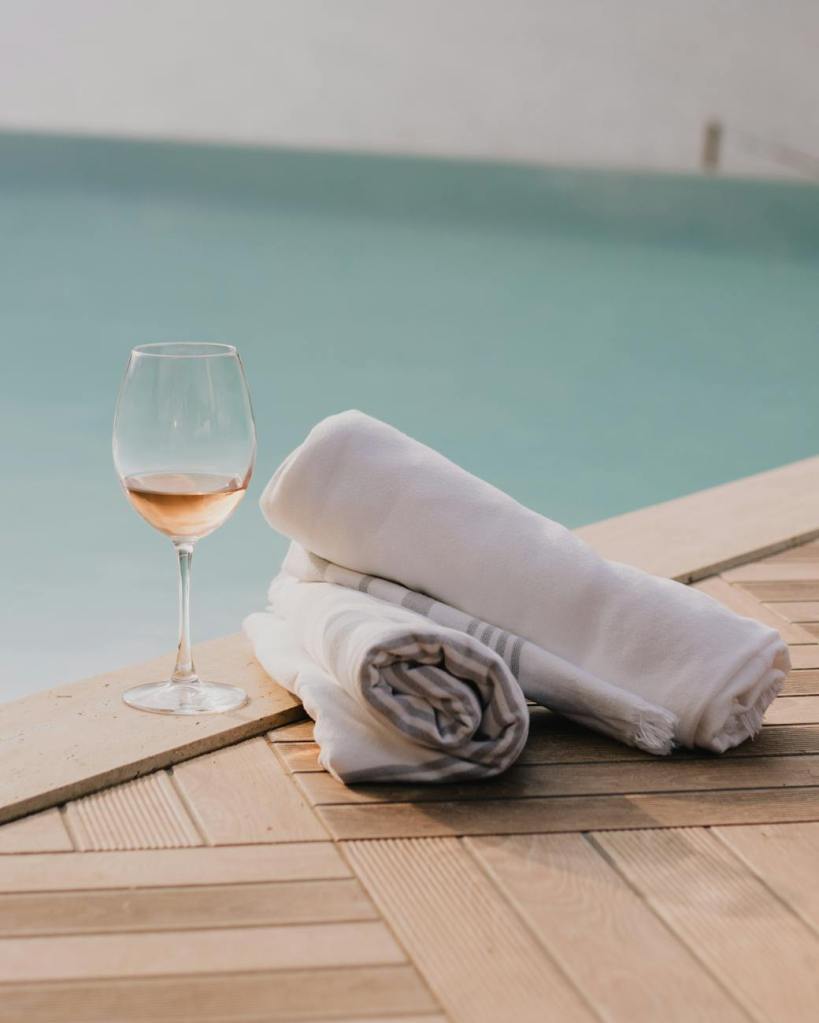
    The Sprightly Spirits – Photo by Ata Ebem on Pexels.com

    Light White Wines

    Picture a crisp Sauvignon Blanc or a zesty Pinot Grigio, dancing on your taste buds like a lively sprite. These light white wines are delicate creatures, and they thrive at temperatures around 45-50°F (7-10°C) when stored. Serve them a bit too warm, and they might lose their sprightly demeanor, becoming flabby and dull. Too cold, and their vivacious character may be masked, leaving you with a muted sip.
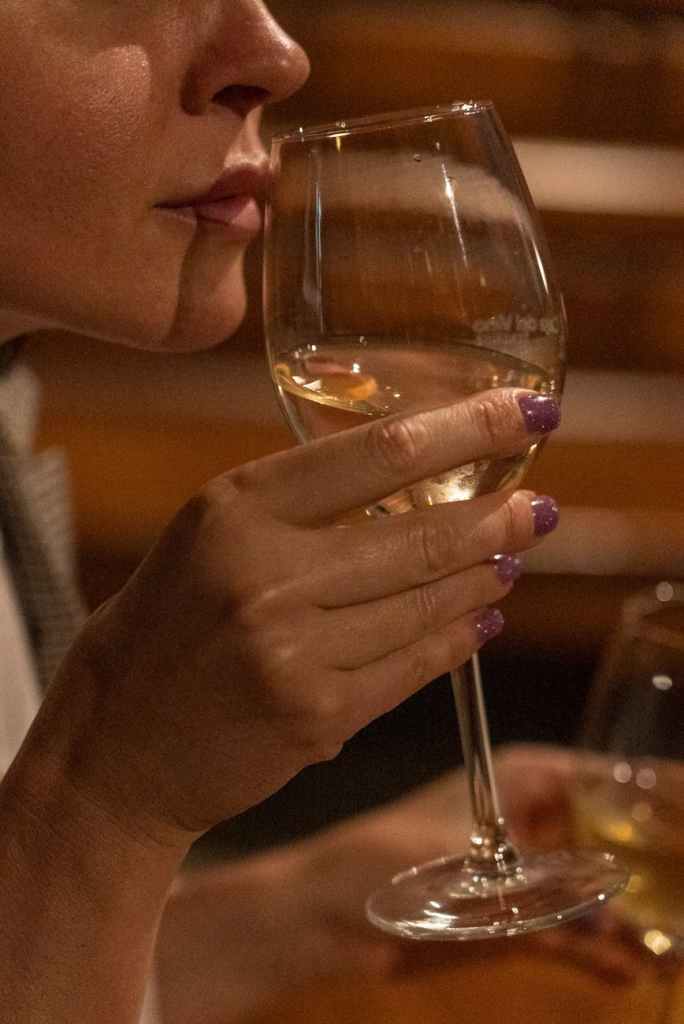
    The Oaked Chardonnay Extravaganza – Photo by Oleksandr P on Pexels.com

    Bolder White Wines

    Now, let’s enter the realm of bolder white wines, where the majestic oaked Chardonnay reigns supreme. These wines, with their buttery richness, demand a slightly warmer storage temperature of 50-55°F (10-13°C). Serve them too warm, and they might become a butter bomb, overwhelming your senses. Too cold, and the oak and creamy textures might be hibernating, leaving you with a less-than-luxurious experience.

    The Effervescent Ballet – Photo by cottonbro studio on Pexels.com

    Sparkling Wines

    Ah, the effervescence of sparkling wines, those tiny bubbles that tickle your nose with delight. These celebratory libations prefer cooler storage temperatures around 43-50°F (6-10°C). Serve them too warm, and the bubbles may fizzle out prematurely, like a deflated balloon. Too cold, and their vibrant dance might be subdued, robbing you of that effervescent magic.
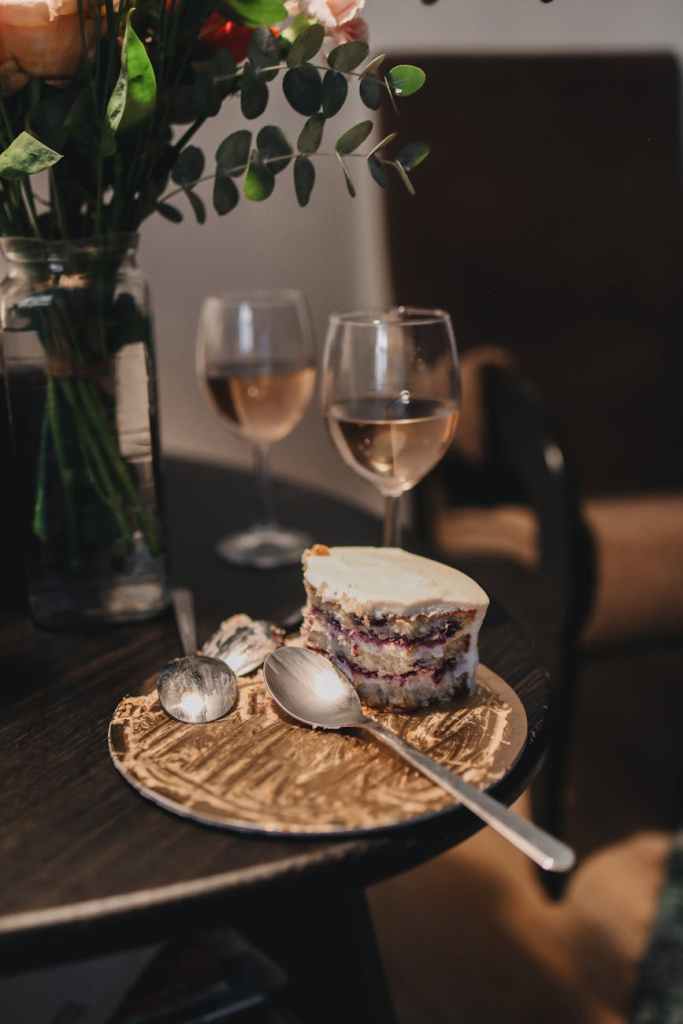
    The Sweet Symphony – Photo by Polina Tankilevitch on Pexels.com

    Dessert Wines

    Enter the world of dessert wines, a symphony of sweetness and complexity. Whether it’s a late harvest Riesling, a luscious Port, or a nutty Sherry, these wines thrive in slightly warmer storage conditions, around 55-60°F (13-16°C). Sweet wines–such as Sauternes and Eiswein–should be served well chilled at 43-46°F (6-8°C). Serve them too warm, and the sweetness might become cloying, like a sugar rush overwhelming your palate. Too cold, and their intricate flavors may be muddled, leaving you with a less-than-decadent experience.
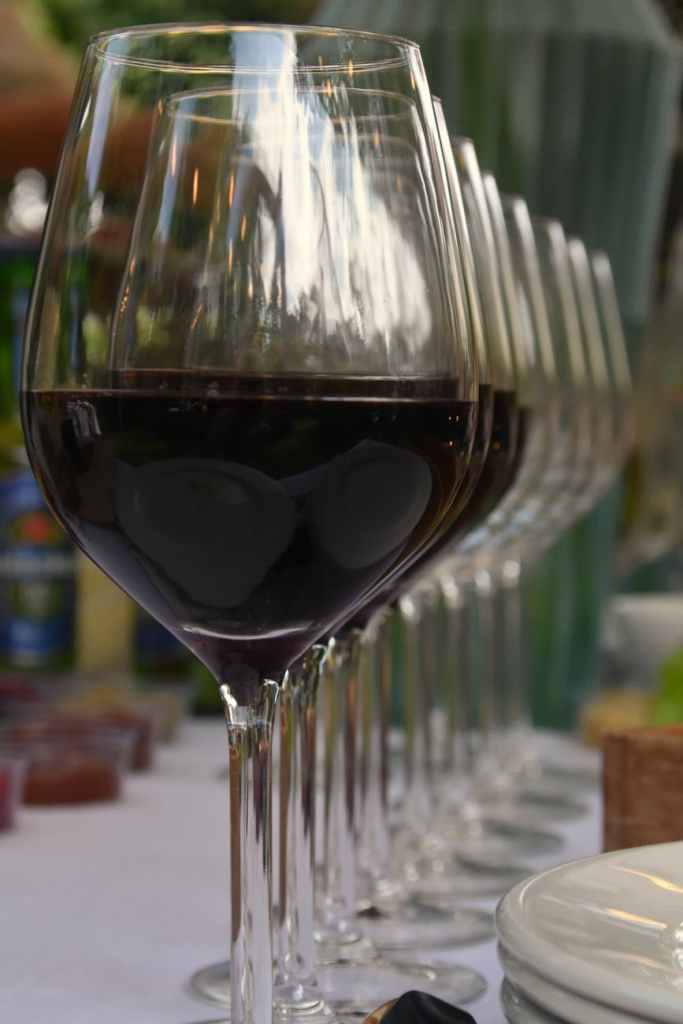
    The Elegant Waltz – Photo by liis piirmets on Pexels.com

    Medium Red Wines

    Transitioning to the red side of the spectrum, imagine a medium-bodied red wine gracefully waltzing across your taste buds. Pinot Noir and Valpolicella often fall into this category, and they prefer storage temperatures around 55-60°F (13-16°C). Serve them too warm, and their elegance might turn into a clumsy stumble, with the alcohol overpowering the subtleties. Too cold, and their delicate flavors may become shy and reserved.
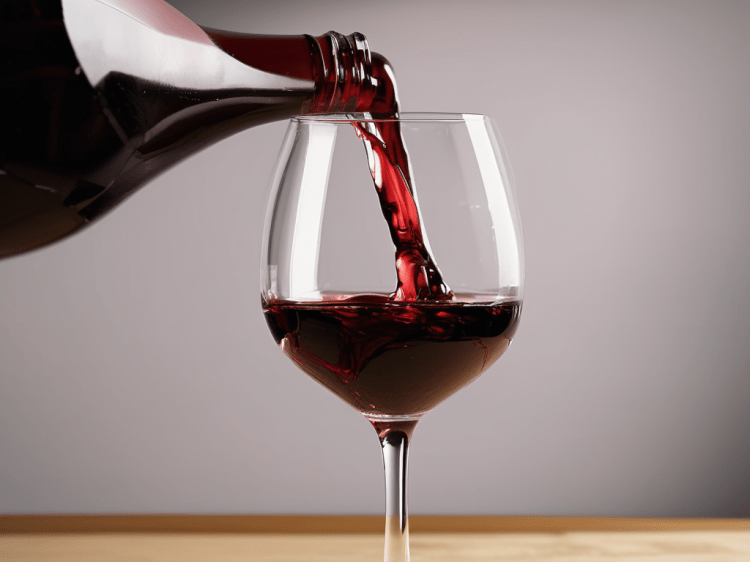
    The Bold Ballad

    Full-Bodied Red Wines

    Finally, we arrive at the full-bodied red wines, the powerhouses like Cabernet Sauvignon or Syrah. These robust wines come to life at storage temperatures of 59-64°F (15-18°C). Serve them too warm, and the tannins may dominate, leaving your mouth feeling like a dry desert. Too cold, and their complexity might be cloaked, robbing you of the full symphony of flavors.

    In the world of wine, temperature is the conductor, guiding each style to its crescendo of flavors. So, next time you uncork a bottle, take a moment to consider the temperature – the key to unlocking the true essence of your chosen elixir. Cheers to the whimsical journey through the vineyards of temperature, where every sip tells a tale of temperature and taste!

    Cheers 🍷

  • Old World Regions: Bordeaux

    Old World Regions: Bordeaux

    Bordeaux is a timeless elixir of history, terroir, and tradition. It’s a name that resonates with wine enthusiasts worldwide and is synonymous with excellence in winemaking. Nestled along the serene banks of the Garonne River in southwestern France, the Bordeaux wine region is a hallowed ground for cork dorks ;), boasting a rich history, distinct terroirs, and a complex classification system that sets it apart as one of the world’s foremost wine-producing regions.

    A Glimpse into Bordeaux’s Enigmatic Past

    Bordeaux’s history as a wine-producing region dates back to Roman times when the first vineyards were planted. However, it was during the 12th century, under the rule of Eleanor of Aquitaine and her marriage to Henry II of England, that Bordeaux wines gained international recognition. The English became avid consumers of Bordeaux wines, creating a demand that laid the foundation for Bordeaux’s global reputation.

    “…you are not to conclude I am a drinker. My measure is a perfectly sober 3 or 4 glasses at dinner, and not a drop at any other time. But as to those 3 or 4 glasses I am very fond.”

    Thomas Jefferson

    During the 17th century, Dutch engineers drained the marshlands and introduced a more systematic approach to winemaking, paving the way for Bordeaux’s vineyards to thrive. In the 18th century, Thomas Jefferson, the third President of the United States, became an ardent admirer of Bordeaux wines, further elevating their prestige. I had the opportunity several years ago to ogle over (look but don’t touch) two bottles from Jefferson’s collection. The bottles were locked inside a wire cage, covered in dust, each donning a small white price tag–$20,000. 

    Left Bank vs. Right Bank: A Tale of Two Terroirs

    One of the key distinctions in Bordeaux lies in its geographical diversity, which results in two distinct terroirs: the Left Bank and the Right Bank. Here is the breakdown…

    Left Bank

    – Located to the west of the Gironde Estuary and the Garonne River.

    – Predominantly features Cabernet Sauvignon as the dominant grape variety.

    – Famous appellations include the Médoc, Pauillac, Margaux, and Saint-Julien.

    – Produces wines known for their structured, tannic character and aging potential.

    Right Bank

    – Situated to the east of the Gironde Estuary and the Dordogne River.

    – Merlot is the primary grape variety, complemented by Cabernet Franc and sometimes Malbec.

    – Renowned appellations include Saint-Émilion and Pomerol.

    – Produces wines characterized by their elegance, supple texture, and approachability in their youth.

    Bordeaux Region in Southwest France

    Bordeaux’s Classifications: A Pyramid of Prestige

    Bordeaux boasts a complex classification system, which adds an extra layer of intrigue to its wines. The most famous classifications include:

    1. Bordeaux AOC:

       – The base level of classification, offering wines that showcase Bordeaux’s classic characteristics.

       – These wines can come from anywhere within the Bordeaux region and are typically approachable and affordable.

    2. Bordeaux Supérieur AOC:

       – A step above the Bordeaux AOC, with stricter quality control standards.

       – Often produced from older vines, resulting in more concentrated flavors.

    3. Médoc and Graves Classifications:

       – Within the Médoc and Graves regions, several châteaux are classified as Cru Bourgeois or Cru Artisan, signifying wines of consistently high quality.

    4. Saint-Émilion Classification:

       – Saint-Émilion has a unique classification system that is revised periodically.

       – It includes three main categories: Grand Cru Classé, Premier Grand Cru Classé “B,” and Premier Grand Cru Classé “A.”

       – These classifications indicate the quality and prestige of the wineries.

    5. 1855 Classification of the Médoc:

       – Arguably the most famous classification in Bordeaux, it was established for the Exposition Universelle de Paris.

       – Divided into five growths or “crus,” with the Premier Cru being the highest tier.

       – Châteaux such as Château Margaux and Château Latour hold this esteemed title.

    The complete list of all five first growths include:

    1. Château Latour
    2. Château Lafite Rothschild
    3. Château Margaux
    4. Château Haut Brion
    5. Château Mouton Rothschild

    Bordeaux’s intricate classification system reflects the region’s unwavering commitment to maintaining the quality and reputation of its wines.

    Bordeaux’s allure lies in its rich history, diverse terroirs, and complex classification system. Whether you’re sipping a bold Cabernet Sauvignon from the Left Bank or enjoying the velvety embrace of a Merlot-based wine from the Right Bank, Bordeaux offers a wine experience like no other. Its journey from ancient Roman vineyards to its present-day global prestige is a testament to the enduring artistry and craftsmanship of Bordeaux winemakers. With each bottle, Bordeaux encapsulates centuries of tradition, making it an enduring and timeless elixir for wine lovers around the world.

    Cheers 😉

  • Wine Education: WSET Level 2

    Wine Education: WSET Level 2

    While many (or most) individuals choose a wine education and certification path specific to their goals–such as hospitality/service, consultant, distributor, etc.–I thirst for a broad yet detailed knowledge of all things wine. So, it just makes sense to add the award-winning WSET courses and curriculum to my perpetual wine-knowledge-seeking journey 😉

    The Wine & Spirit Education Trust (WSET) offers four wine-focused courses and qualifications–including WSET Level 1 Award in Wines, WSET Level 2 Award in Wines, WSET Level 3 Award in Wines, and the prestigious WSET Level 4 Diploma in Wines. As expected, each subsequent course is more demanding than its predecessor. From the very first level, individuals are introduced to a systematic approach to tasting and evaluating wine. Throughout all the courses, this approach evolves into a very important methodology required for successful blind-tasting during the exams and beyond.

    Having first-hand knowledge of the tasting science taught by The Society of Wine Educators and the deductive tasting methodology of The Court of Master Sommeliers, I can appreciate the sometimes-not-so-subtle differences between these two and WSET’s Systematic Approach to Tasting (SAT). WSET’s approach to tasting is easier to grasp than the others, but they all use the same three core steps–individually describe and evaluate the wine by sight, smell and taste.

    I chose the Napa Valley Wine Academy for my WSET courses. While there are several options, I liked the reputation of this organization. The WSET Level 2 Award in Wines course was online (also available in person), and fit my busy schedule. The online course consists of a five-week structured program including four live video conferences with an instructor. Traditionally, at the conclusion of the five-week program, you sit for a proctored timed exam. The student has one hour to answer 50 questions. The exam questions reinforce the information learned during the previous five weeks. For me, however, the timing between course completion and exam was greatly compressed.

    While selecting all of the options during enrollment, and thinking the course was “self-paced,” I scheduled the exam with ProctorU roughly two-and-a-half weeks from my start date. So… as soon as the course materials arrived I began. Just after the second week, I sat for the exam 🙂

    Now… onto Level 3 (10-week course). Only this time it is a requirement to take the exam in-person. Cheers!

  • Wine Education: Much to Learn

    Wine Education: Much to Learn

    Wasting no time, I decided to jump right into the deep end of the wine-education pool. The study materials from our recent completion of The Court of Master SommeliersIntroductory Course and Examination had just had time to cool down before a new set of study materials arrived. At first glance, I knew there was much to learn in preparation for the Certified Specialist of Wine (CSW) exam 😉

    The Society of Wine Educators offer a variety of courses and exams leading to certifications for wine and spirits. The first step in my pursuit of a Society of Wine Educators Certified Wine Educator status is the highly respected Certified Specialist of Wine (CSW). The course collateral includes a textbook and workbook filled with information required to pass the 100-question timed exam.

    With the holidays just around the corner, the study-time window is closing. The level of detail in the course materials goes well beyond the Court of Master Sommeliers Introduction Course and Exam—as expected. This will be no walk-in-the-park. Regardless, there is much to learn and it is all very fascinating.

    I absolutely love the deep dive into the chemistry of wine, the nuances of viticulture and the most obscure wine regions of the world. This curriculum provides the level of detail you would expect someone who is preparing for a career in wine education to know. As with the previous courses, there are also requirements for tasting, evaluating and identifying wines. Here we go 😉

  • Enthusiast to Sommelier: Just the Beginning

    Enthusiast to Sommelier: Just the Beginning

    The best things happen outside your comfort zone. The first few months of this journey left Tammy and me mentally exhausted, but at the same time energized. Keeping this journey of oenology and viticulture a secret was an enormous challenge. Every interaction with our friends and family was an opportunity to reveal our plans, but somehow we kept it under wraps–at least for a minute or two 😉 One reason to keep it hush hush was to save ourselves from embarrassment in the event something went terribly wrong.

    We have attended (and hosted) many wine-centric events over the past fifteen months–during which time we shared some incredible wines paired with amazing cuisine–all contributing to our journey from enthusiasts to sommeliers. Our friends’ and family’s shared passion for wine was the inspiration needed to forge ahead with the first-step to becoming a certified sommelier. We are, in fact, eternally grateful to everyone who knowingly and unknowingly contributed to our success.

    Special thanks to Scott and Alison White

    Our friends Scott and Alison White have made us feel like there was nothing we couldn’t accomplish with a little hard work, and a lot of liquid courage (wine). Scott blazed the trail by being the first to jump into the deep-end of the wine knowledge pool. We embrace every opportunity to participate in his relentless pursuit of the perfect wine pairing dinner. We are in awe of his extensive collection of wine, and have cherished every moment of traveling, dining, and attending events with Scott and Alison.

    Special thanks to Dima and Oksana Semenski

    Dima and Oksana are responsible for our involvement in several local wine enthusiast clubs. They are good friends, gracious hosts (see Wine Experiences: A Taste of Adelsheim), and natural oenologist with a passion for robust old world reds and obscure whites. From the first time we met–at a local wine bar–to the many wine-related events and special occasions, Dima and Oksana have shared our love of wine and appreciation of wine knowledge.

    Special thanks to Mike and Patti Weber

    Mike and Patti are without a doubt two of the most fun-loving, life-embracing people we’ve ever met. We feel fortunate to be on their exhaustive list of friends. There have been countless events in their home–including Wine Experiences: The Debate–and each one somehow rivals past events. This is also true with casual get-togethers and spontaneous outings, where there are usually a bottle or three of Bordeaux making its way to our glasses 😉

    While it is important to note that I am now on a first name basis with the FedEx guy–because of all the hard-to-find wines we’ve acquired and tasted along the way–the two local venues (95 and Vine and The Chalice Off Canal) played an important part in our journey. These wine bars both provided sanctuary and much needed escape from the textbooks. Not to mention an amazing selection of wines and wine-friendly food. Yes, please.

    As mentioned in the title, this is just the beginning. There is so much to learn (and appreciate) as it relates to oenology and viticulture, it can truly be never-ending (in a good way). The Court of Master Sommeliers online courses were organized very well, and the instructors were engaging and professional. While not the same experience as the in-person Introductory Sommelier Course & Examination, we definitely gained tremendous knowledge. I’ve already started researching enrollment in the next level CMS course, as well as Wine & Spirits Education Trust (WSET) courses.

    The journey continues 😉

  • Enthusiast to Sommelier: Final Countdown

    Enthusiast to Sommelier: Final Countdown

    What started out as a very clear path to sommelier-hood was quickly disrupted by the pandemic. This week, however, begins our final countdown to completing the Introductory Sommelier Course & Examination. If you’ve followed the journey, beginning with Enthusiast to Sommelier: Getting Started, you quickly realize how self-study followed by a two-day course and examination turned into a fifteen-month marathon. Sometimes it seemed more like a fifteen-month rollercoaster 😉 Fortunately, there was wine. Lots of wine!

    The past few months have been non-productive. Summer is the time to enjoy the easy breezy lifestyle of casual get togethers and family gatherings. And while many (ok… all) of these events involved wine, it didn’t involve wine education. With the exception of several wine-themed events–such as tastings and food/wine pairings–very little progress was made towards preparing for the exam. All of that changed this week as we begin the final countdown.

    We began the week with a bing-watching day of online classes hosted by various Master Sommeliers of The Court of Master Sommeliers. Then we each took six practice exams to get an idea of where we need to concentrate our studies. As expected, recalling most of the information about major wine regions was second nature. This was definitely not the case with the more diverse regions (e.g. Loire Valley). For the next four evenings, we will be diving deep into these challenging regions. If all goes well, we will have completed the course and examination by this time next week.

    The clock is ticking 😉

    First article in this series: Enthusiast to Sommelier: Getting Started

  • Enthusiast to Sommelier: World Class Classes

    Enthusiast to Sommelier: World Class Classes

    Absolutely love, love, love the new online classes offered by The Court of Master Sommeliers. The online Introductory Sommelier Course & Examination is broken down by sections, and closely aligns with the Introductory Sommelier Course 2019 Workbook. Every video lecture is presented by a master sommelier. All of the information given during the lectures reenforce the learning materials, but also dives much deeper into the details. Each master sommelier provides brilliant insight into their own experiences while inspiring you to continue the path through Certified Sommelier, Advanced Sommelier and finally—Master Sommelier 😉

    It was hard to imagine how CMS would be able to maintain the same level of high standards and differentiation in the on-line environment as in the in-person classes. They absolutely nailed it! These classes are world class. The tasting portion of the classes fall strategically throughout the course, and features 18 different wines for honing your skills in using the CMS Deductive Tasting Method. Even though the classes are self-paced… it is very difficult to not ‘binge watch’ all 30 sections. We have, after all, grown accustomed to binging.

    I wanted to make sure we were well into the online courses and curriculum before providing feedback. As of this blog post, Tammy and I have read and re-read everything prescribed by The Court of Master Sommeliers in anticipation of the two-day in-person course in October 2020. Due to the challenges associated with the pandemic, our course was moved several times… and eventually postponed indefinitely. It has been nearly one year since we started this journey, and it finally feels like there is an end in sight 😉

    We have until November 2021 (six months) to traverse the lectures, learn the CMS Deductive Tasting Method, and take the exam. Given the fact that we’ve been in pursuit of this milestone for nearly a year, we decided to schedule the exam as early as we’d feel comfortable–August 2021. The lectures are designed to build upon what we’ve learned in the course reading materials. The master sommeliers move at a quick pace, but explain things in a way to help provide clarity to some of the vague and confusing areas in the curriculum. And while we certainly miss the interaction of an in-person classroom setting, the on-demand on-line experience has some good advantages.

    As mentioned earlier, you have six months to complete the on-line course. Unlike the 2-day in-person Introductory Sommelier Course & Examination, you have unlimited access to the videos. If something was confusing, watch it again. Personally, I enjoy having a conversation about wine during a tasting. The online (self-paced) experience doesn’t offer the opportunity to stand up and present your impression and analysis of the wines. This is an important skill, and a big part of the #sommlife

    I would encourage anyone seeking to expand their basic knowledge wine and related topics–such as viticulture and vinification practices, wine laws, major wine regions, grape varietals, and more–to enroll in this course. Knowledge is a good thing.

    First article in this series: Enthusiast to Sommelier: Getting Started

  • Enthusiast to Sommelier: We’re Back! Again.

    Enthusiast to Sommelier: We’re Back! Again.

    After several months of hiatus (not really), we are back on-track to participate in the Introductory Sommelier Course & Examination. It has been nearly one year since this journey began. Over the past six months, we have experienced three reschedules and several shifts in direction by The Court of Master Sommeliers brought on by the challenges of the pandemic. They have done an amazing job in proactively communicating with the CMS community, and adjusting the programs to accommodate safely and social-distancing guidelines.

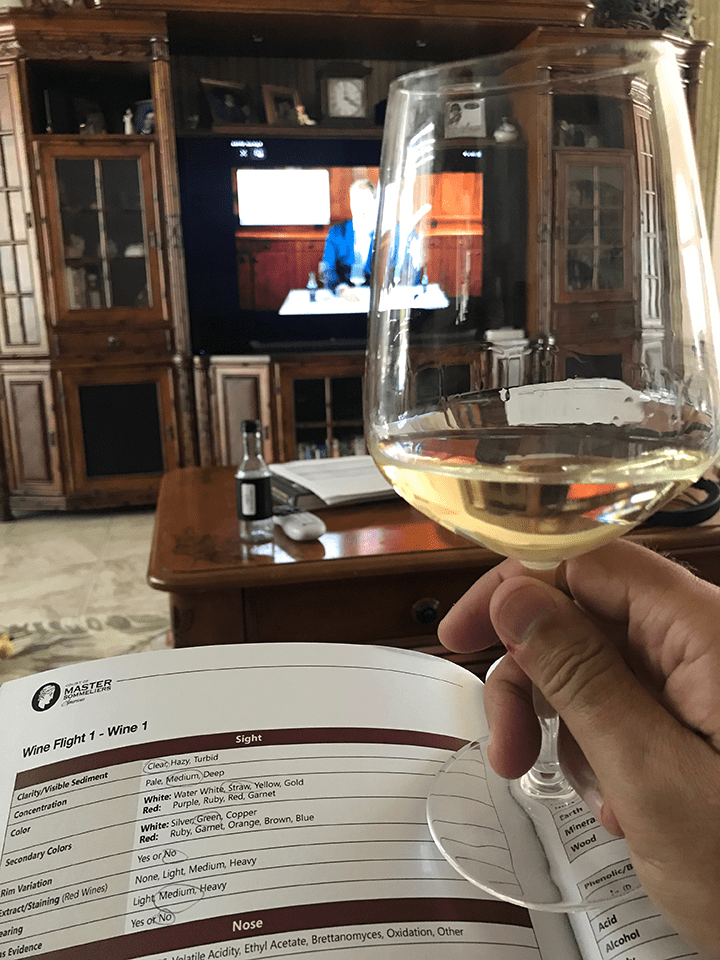
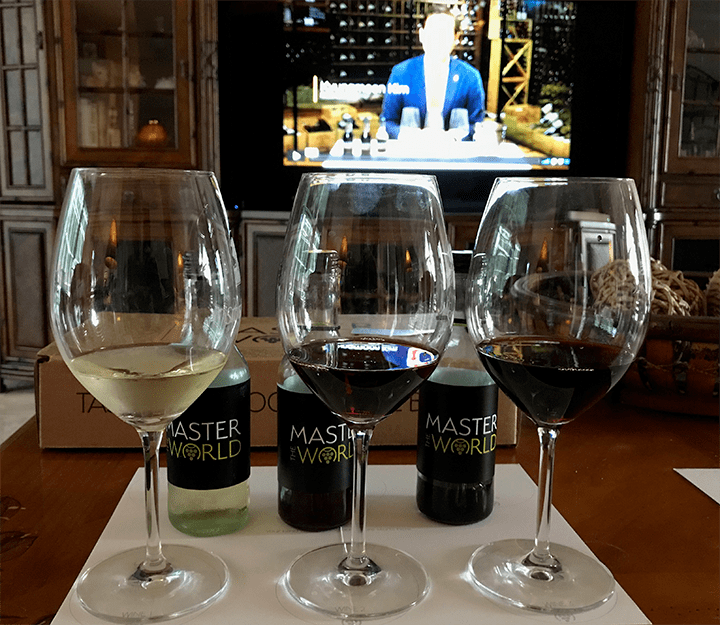
    As promised, The Court of Master Sommeliers developed an on-line solution for the Introductory Sommelier Course & Examination. Individuals who previously enrolled in one of the canceled live courses have the opportunity to transfer their registration to the online learning courses. The CMS team has even worked out details surrounding the Deductive Tasting Methodology exercises in the course. For each registration, Master the World wines will provide a wine kit specific to the program.

    We are looking forward to being part of the initial launch, and continuing our goals through the new online learning environment. We’ll miss the face-to-face experience and live interaction in the classroom, but I believe this approach will still lead us to the desired outcome–completion of the first step of our journey. This means, of course, passing the exam 😉

    The Court of Master Sommeliers has partnered with ProctorU for administering the exams. There is an extensive list of technology, connectivity and workspace environment that must be followed during the proctored exam. And rightly so. Our online courses will begin on May 3, and the exams are scheduled in August. Looks like another few months of heads down in the books, and we will finally celebrate!

    Feeling re-energized!

    Next article in this series: Enthusiast to Sommelier: World Class Classes

    First article in this series: Enthusiast to Sommelier: Getting Started

  • Enthusiast to Sommelier: Holding Pattern

    Enthusiast to Sommelier: Holding Pattern

    Who knew that our sprint to sommelier-hood would eventually become a marathon filled with rescheduled classes, delayed exams and overall uncertainty. We are now just over ten months deep into the curriculum for the Introductory Sommelier Course & Examination without an end in sight. Due to unforeseen challenges caused by the COVID-19 pandemic, our scheduled course and examination has been postponed–indefinitely.

    The Court of Master Sommeliers has been completely transparent in communicating changes to their programs and plans to adopt safety protocols once the in-person courses resume. As of now (mid-March 2021), all brick-and-mortar courses have been postponed through the end of June 2021. This gauntlet of challenges has inspired CMS to develop and launch a suite of online courses. The first is slated for release in April 2021.

    Given the complexity of the Certified Sommelier Examination and Advanced Sommelier Course & Examination, I would imagine that only the Introductory Sommelier Course & Examination will be available online. Some of the self-paced training videos have been posted on the The Court of Master Sommeliers website.

    I am a fan of online learning, and I’m anxious to see how CMS curriculum developers handle teaching the Deductive Tasting Method in an online environment. Regardless, we are ready to resume our quest. Meanwhile… keep studying 😉

    Might need a new corkscrew before it’s over!

    First article in this series: Enthusiast to Sommelier: Getting Started

    Next article in this series: Enthusiast to Sommelier: We’re Back! Again.

  • Enthusiast to Sommelier: Parallel Studies

    Enthusiast to Sommelier: Parallel Studies

    Our quest to join the ranks of sommelier-hood has certainly been riddled with challenges. We became serious with our studies in the early summer of 2020. As you probably know–because you were also affected by the pandemic–most public events were either scaled back, made virtual, or cancelled. The Introductory Sommelier Course & Examination was no exception. At first, it was rescheduled to a later date. Then cancelled. We are in a holding pattern while we wait for the in-person courses to resume (or go virtual).

    Meanwhile… to keep the momentum, we’ve toyed with the idea of parallel studies. And, why not? After multiple passes through the study materials prescribed by The Court of Master Sommeliers, information is beginning to stick. So, why not study curriculum from another reputable wine education and professional advancement organization–such as the Wine & Spirit Education Trust (WSET)? Is too much knowledge really a concern? I don’t think so 😉

    At first glance it looks as if the knowledge and skills required to pass each level of The Court of Master Sommeliers tests and certifications are not aligned with WSET levels. The biggest difference is with the service-centric aspects of the highly regarded Court of Master Sommeliers program. Specifically, it is imperative to understand (and be able to perform) the proper techniques for serving wine. This includes the ritualistic approach to decanting, as well as the formal serving of Champagne (to name a few). The WSET programs do not focus on service, but instead allows students the opportunity to specialize in a specific area.

    It’s about to get intense 😉

    Next article in this series: Enthusiast to Sommelier: Holding Pattern

    First article in this series: Enthusiast to Sommelier: Getting Started