Category: Sommelier Studies

  • Game Day Grub and Grapes

    Game Day Grub and Grapes

    Winning Wine and Cocktail Pairings for Your October Tailgate.

    October is here, and so are the cravings for heartier dishes that match the brisk air, camaraderie, and weekend football gatherings. As tailgaters fire up their grills and slow-cookers, classic fare like chili, wings, ribs, and stews become the go-to choices for feeding a crowd. But let’s take these crowd-pleasers to the next level with the perfect wine pairings and a couple of cocktails sure to score big at your next tailgate.

    Wine and Food Pairings for Hearty Tailgate Dishes

    Spicy Chili + Zinfandel or Off-Dry Riesling
    Few things warm the soul like a steaming bowl of chili on a crisp October afternoon. Whether you’re loading up on beef, beans, or going for a veggie version, chili’s complex layers of flavor (and spice) call for a wine that can keep pace.

    • Zinfandel: The go-to for those who love bold, fruity reds. Zinfandel’s ripe blackberries, raspberries, and touch of sweet spice tame the heat and complement chili’s smoky notes from cumin, paprika, and charred peppers. Avoid the overly jammy versions; seek out ones with balanced acidity to cut through the richness.
    • Off-Dry Riesling: For those craving a white, Riesling’s delicate sweetness and vibrant acidity act as a cooling agent for chili’s heat. The natural sugars help counterbalance the spice, while the lime zest and apricot flavors offer a refreshing contrast.

    SOMM&SOMM Recommends: 2021 Seghesio Cortina Zinfandel

    SOMM&SOMM Recommends: 2021 Dr. Loosen Erdener Treppchen Riesling Spatlese

    Pulled Pork – Thogru, CC BY-SA 3.0 via Wikimedia Commons

    BBQ Pulled Pork + Syrah
    Pulled pork, whether slathered in a tangy BBQ sauce or slow-cooked with a hint of smokiness, begs for a wine with enough depth to match the savory goodness.

    • Syrah: This bold red offers the structure and body to complement the layers of flavors in pulled pork. Syrah’s black pepper, smoky bacon, and dark fruit notes accentuate the savory spices and richness of the meat. If you’re using a sweeter sauce, pick a Syrah with less oak and more fruit-forward notes to balance the flavors.

    SOMM&SOMM Recommends: 2021 Chateau de Saint Cosme Crozes-Hermitage

    Beef Stew – jeffreyw, CC BY 2.0 via Wikimedia Commons

    Hearty Beef Stew + Malbec
    A tailgate classic, beef stew’s hearty, comforting qualities demand a wine that can stand up to the richness of slow-cooked beef, root vegetables, and herbs.

    • Malbec: With its deep plum, black cherry, and cocoa flavors, Malbec’s tannins help cut through the richness, while the wine’s inherent juiciness complements the stew’s savory profile. Argentine Malbec, in particular, works wonders here with its earthy undertones and subtle hints of spice.

    SOMM&SOMM Recommends: 2020 Catena Alta Malbec

    Photo by Sergio Arreola on Pexels.com

    Spicy Buffalo Wings + Sparkling Wine
    Buffalo wings are a game-day favorite, but pairing these spicy bites with alcohol can be tricky. Higher-alcohol wines or cocktails can intensify the heat, leaving your mouth on fire instead of enjoying the flavors. So, what’s the solution?

    • Sparkling Wine: The crisp bubbles in a dry sparkling wine or Prosecco serve as a delightful counterpoint to the fiery sauce. The acidity and effervescence cleanse the palate, while a hint of fruit sweetness from the wine helps balance the heat. Plus, let’s face it: bubbles make everything more festive.

    SOMM&SOMM Recommends: LaLuca Valdobbiadene Prosecco Superiore

    The Challenge of Pairing Wine with Spicy Foods

    Spicy game day favorites like Buffalo wings, hot sausages, and jalapeño-laden nachos can make pairing a challenge because alcohol intensifies the sensation of heat. Wines with high tannins or elevated alcohol content (think Cabernet Sauvignon or Shiraz) can exacerbate the burn, turning what should be a delightful pairing into a flavor clash. That’s why it’s essential to look for wines with lower alcohol, higher acidity, and a touch of sweetness to help balance the heat. When in doubt, sparkling wines or slightly off-dry whites are safe bets.

    Tailgate-Ready Cocktails

    Spicy Margarita
    No tailgate is complete without a margarita twist. This Spicy Margarita brings the heat but balances it with zesty citrus and a touch of sweetness.

    Ingredients:

    • 2 oz silver tequila (or mezcal for a smoky twist)
    • 1 oz lime juice
    • 1 oz orange liqueur (Cointreau or triple sec)
    • ½ oz agave syrup (adjust to taste)
    • 2 slices jalapeño
    • Tajín seasoning for the rim (optional)

    Instructions:

    • Rub a lime wedge around the rim of your glass and dip in Tajín seasoning.
    • Muddle the jalapeño slices in a shaker.
    • Add tequila, lime juice, orange liqueur, and agave syrup. Shake with ice until well-chilled.
    • Strain into a glass with ice and garnish with a slice of jalapeño.

    The spicy kick pairs beautifully with anything from wings to grilled sausages, while the citrusy tang provides a refreshing balance to richer dishes.

    Autumn Bourbon Cider
    For a cozy cocktail that’s sure to please, this bourbon-based concoction pairs beautifully with tailgate classics like BBQ or burgers.

    Ingredients:

    • 2 oz bourbon
    • 4 oz apple cider (preferably fresh)
    • ½ oz lemon juice
    • Dash of cinnamon or nutmeg
    • Apple slice for garnish

    Instructions:

    • In a shaker, combine bourbon, apple cider, lemon juice, and cinnamon with ice.
    • Shake well and strain into a glass with ice.
    • Garnish with an apple slice and a cinnamon stick.

    The warm flavors of bourbon and spiced apple are perfect for cooler weather and pair effortlessly with fall favorites like pulled pork sandwiches or chili.

    Final Play: What Not to Do

    Avoid pairing your spicy wings, chili, or sausage with high-alcohol wines or spirits unless you enjoy setting your mouth on fire! Alcohol intensifies capsaicin—the active ingredient in chili peppers—which can make already spicy dishes unbearable. So, when serving dishes with a lot of heat, think low alcohol, high flavor—your palate will thank you.

    Whether it’s bold, fruity Zinfandels for chili or refreshing bubbles for wings, pairing the right wine or cocktail can take your tailgate game to the next level. Here’s to cooler weather, warmer food, and winning combinations🍷
  • Winemaking in Autumn: Harvest, Vine Preparation, and the Hidden Tasks of the Season

    Winemaking in Autumn: Harvest, Vine Preparation, and the Hidden Tasks of the Season

    Third article in the series–The Seasons of Winemaking.

    As the leaves begin to turn, the excitement in the vineyard is palpable. Autumn is the season most commonly associated with winemaking, often evoking images of grapes being hand-harvested and clusters piled high in baskets. While harvest may indeed be the centerpiece of the season, there are numerous other tasks that play equally critical roles in ensuring the quality of the wine and the sustainability of the vineyard. This article delves into not only the harvest but also the less glamorous yet essential activities that take place in the vineyard and winery during the fall.

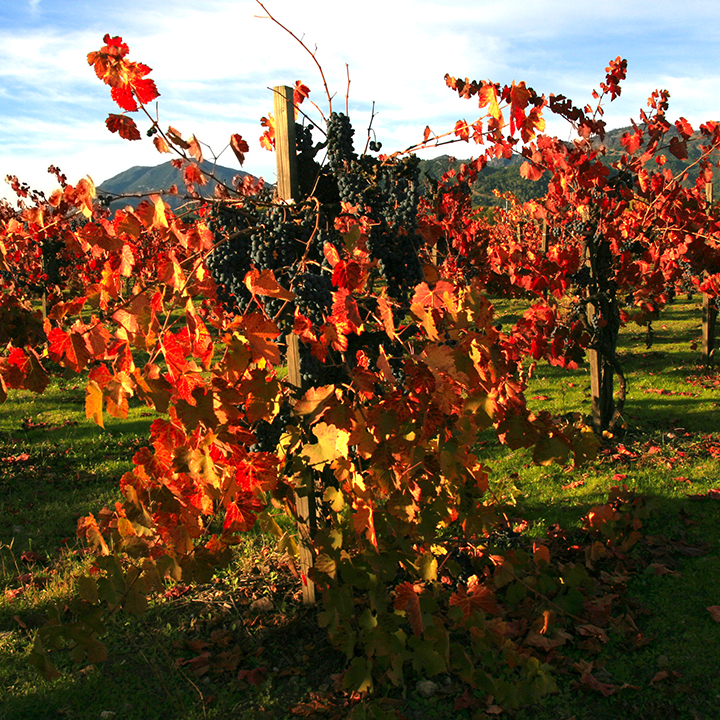
    Vineyard in October, Lower Austria – © Karl Gruber / Wikimedia Commons
    A Delicate Balance of Science and Instinct

    Harvesting grapes is the most anticipated event of the winemaking calendar. It’s a race against time, as winemakers must decide the exact moment to pick the grapes based on their sugar, acid, and tannin levels. This decision is a combination of careful science—using refractometers to measure sugar (Brix) and pH meters to gauge acidity—and deep experience, where tasting the grapes is just as important as the metrics.

    For most winemakers, harvest is staggered. White wine grapes like Chardonnay and Sauvignon Blanc often ripen earlier than red varieties such as Cabernet Sauvignon or Syrah. Each grape variety, and indeed each vineyard block, requires unique attention, as factors like slope, soil composition, and sun exposure lead to different ripening times. As a result, harvest can stretch over several weeks, with winemakers and vineyard managers working around the clock to ensure that each grape is picked at its peak.

    However, beyond simply picking grapes, winemakers must also deal with logistical hurdles, such as organizing teams of workers, securing harvest machinery, and ensuring that the winery is ready to receive the influx of fruit.

    Sorting Merlot Grapes at Chateau Kirwan – Ryan O’Connell, CC BY-SA 2.0 via Wikimedia Commons
    Precision Matters

    Once grapes are harvested, they head straight to the sorting table. Sorting is a less romantic but absolutely critical process. Here, vineyard workers meticulously sift through the clusters to remove underripe, overripe, or damaged fruit, along with leaves, stems, or any other debris. This ensures that only the healthiest grapes make it to the fermentation tanks. A little-known fact is that, for some premium wines, winemakers may even opt for a second sorting, this time focusing on individual berries to further refine the quality of the final product.

    A Controlled Chaos

    Depending on the type of wine being made, pressing happens at different stages. For white wines, the grapes are usually pressed immediately after sorting, separating the juice from the skins and seeds before fermentation. In contrast, red wines undergo fermentation with their skins to extract color, tannin, and flavor, after which they are pressed.

    Punching Down the Wine Cap – Ryan O’Connell, CC BY-SA 2.0 via Wikimedia Commons

    Fermentation, though a naturally occurring process, is far from hands-off. Winemakers must closely monitor temperature, sugar levels, and fermentation activity. In many cases, they may also punch down the cap (the layer of grape skins that rises to the top during red wine fermentation) or pump over the juice to ensure maximum extraction of color and flavor. All the while, cleanliness is paramount, as any contamination can lead to unwanted bacterial or yeast activity, jeopardizing the entire batch.

    Post-Harvest Tasks

    While the grapes may have been picked, the vineyard itself still requires attention. After harvest, winemakers and vineyard managers focus on preparing the vines for winter dormancy.

    1. Cover Crops: Many vineyards plant cover crops—such as legumes or grasses—between the rows of vines. These crops serve multiple purposes: they help prevent soil erosion during the rainy season, add nutrients to the soil, and encourage beneficial insects that control pests.
    2. Post-Harvest Irrigation: Although the vines are entering dormancy, they still need a final round of irrigation after the harvest. This helps the plants store the necessary carbohydrates for the following growing season.
    3. Disease Control: As the temperatures drop, there’s an increased risk of fungal diseases like botrytis. Spraying for these diseases before the onset of heavy rains helps to maintain the health of the vineyard.
    4. Soil Analysis and Amendments: Autumn is also the time for soil sampling. Winemakers test for pH levels, nutrient content, and overall health, and then amend the soil as needed, incorporating compost or other organic materials to restore balance before winter.
    Preparing for Aging

    Once fermentation is complete, the wine is transferred to barrels or tanks for aging. This is where a winemaker’s vision really begins to take shape. The choice of oak, stainless steel, or even concrete vessels is deliberate, as each medium imparts different characteristics to the wine. Some winemakers also add fining agents to clarify the wine at this stage or conduct blending trials to experiment with how different lots can be combined to create the final product.

    Oak Barrels at Robert Mondavi – Sanjay Acharya, CC BY-SA 3.0 via Wikimedia Commons

    For many wineries, autumn also marks the beginning of bottling for wines that are not meant for extended aging. White wines or rosés from the previous harvest, which may have been aging in tanks over the summer, are typically bottled during this time.

    Preparing for Winter

    After the frenzy of harvest, the winery itself needs attention. Deep cleaning is essential to prevent any residual grape matter from spoiling the next vintage. All equipment—fermentation tanks, presses, sorting tables, pumps, hoses—undergo thorough sanitization. Additionally, barrels that are not in use must be properly cleaned and stored to prevent mold or other issues during the colder months.

    Pruning and Training

    Autumn is also a time for reflection and planning. While pruning primarily happens in the winter, autumn gives vineyard managers an opportunity to assess the overall structure and health of the vines. Observing how the vines performed during the growing season allows them to make informed decisions about which canes to prune and how to shape the vine’s growth for the following year.

    Additionally, autumn is a good time to inspect and repair the vineyard’s trellising systems. Any broken posts or wires need to be fixed before the winter storms set in, as these structural components are crucial for supporting the vines through the next growing season.

    Related Article: Winemaking in Spring: From Bud Break to Flowering

    Related Article: Winemaking in Summer: How to Manage the Vines and Grapes

    Ready for Harvest – © Karl Gruber / Wikimedia Commons
    More Than Just the Harvest

    Autumn is a season of transition in the vineyard and winery. While the harvest is undoubtedly the focal point, winemakers and vineyard managers must juggle a myriad of tasks to ensure that the vines are properly prepared for dormancy and that the wine begins its journey from fermentation to bottle. From the invisible maintenance of soil and vine health to the meticulous work inside the winery, autumn lays the groundwork for the success of the next vintage, proving that there’s far more to this season than simply picking grapes. Cheers 🍷

    Cover photo credit: Brocken Inaglory, CC BY-SA 3.0 via Wikimedia Commons

  • The Organoleptic Process

    The Organoleptic Process

    A Deep Dive into this Important Process for Wine Classification.

    Organoleptic screening, a sensory evaluation involving sight, smell, taste, and sometimes texture, is one of the most crucial and fascinating steps in the classification of top-tier wines. This process plays a vital role in determining a wine’s eligibility for prestigious labels such as Italy’s Denominazione di Origine Controllata e Garantita (DOCG) and Spain’s Denominación de Origen Calificada (DOCa). Through rigorous sensory testing, these wines are evaluated not just for adherence to technical standards but for their ability to embody the qualities expected from their appellation and vintage.

    Merlot Evaluation – Bradley Cooper, CC BY 2.0 via Wikimedia Commons

    The Origins of Organoleptic Screening

    The term “organoleptic” stems from the Greek words “organon” (organ) and “leptikos” (sensitive). In essence, it refers to the human sensory faculties used to perceive and evaluate products like wine. This process has roots in early agricultural societies, where farmers and winemakers relied on their senses to judge the quality of their products.

    However, it wasn’t until the 20th century that formal regulatory frameworks began incorporating organoleptic screening into legal systems governing wine classifications. Today, this subjective sensory evaluation complements objective chemical analysis, offering a holistic assessment of wine quality.

    Countries and Regions Using Organoleptic Testing

    Several prominent wine-producing countries use organoleptic screening as part of their classification systems. These include:

    Italy – DOCG

    Italy’s Denominazione di Origine Controllata e Garantita (DOCG) is the highest classification for Italian wines. Before receiving the DOCG label, wines must pass rigorous organoleptic testing to ensure they meet the sensory standards expected of their region and vintage. Key regions include Barolo and Brunello di Montalcino, where producers must submit samples for sensory evaluation by a panel of experts before release.

    Spain – DOCa (Rioja and Priorat)

    In Spain, the Denominación de Origen Calificada (DOCa) is a step above the regular DO classification. Currently, only Rioja and Priorat hold the DOCa designation. Wines from these regions are subject to organoleptic screening to confirm they meet the stringent quality standards for flavor profile, aroma, balance, and typicity.

    France – AOC (Appellation d’Origine Contrôlée)

    Though not officially named “organoleptic” testing, France’s Appellation d’Origine Contrôlée (AOC) system employs similar sensory evaluation protocols. Regions like Burgundy and Bordeaux have regulatory bodies that conduct tastings to ensure the wines reflect the terroir and meet the stylistic expectations associated with their appellation.

    Portugal – Tawny Port

    One of the most interesting applications of organoleptic screening occurs with tawny ports in Portugal. Here, the process is used to determine the perceived age of the port (e.g., 10 years, 20 years, 30 years, 40 years). This assessment is highly subjective, relying on the expert palates of a tasting panel to judge the port’s maturity, complexity, and aging characteristics. While chemical analysis can help, it is the organoleptic judgment that ultimately determines if a tawny port can be labeled as a specific age.

    Evaluating Wine – Christina Snyder, CC BY 2.0 via Wikimedia Commons

    The Organoleptic Process: How It Works

    The organoleptic screening typically consists of several key steps:

    Sensory Evaluation:

    Wine samples are subjected to a sensory analysis that evaluates four key characteristics:

    • Sight: Appearance and clarity of the wine, including color, viscosity, and any potential faults.
    • Smell: Aromatic profile, including intensity and complexity of fruit, floral, earthy, and other scents.
    • Taste: Balance of flavors, acidity, sweetness, tannins, alcohol, and the overall harmony of the wine.
    • Mouthfeel/Texture: How the wine feels in the mouth, including body, weight, and structure.

    Panel Composition:

    Organoleptic evaluations are typically conducted by panels of trained wine tasters. These committees often consist of winemakers, sommeliers, wine educators, and occasionally oenologists. They bring a blend of expertise and practical experience to the process. The panel size can vary but often includes 5 to 10 individuals, ensuring a range of perspectives while maintaining consistency.

    Standardized Protocols:

    To minimize subjectivity, these panels follow standardized tasting protocols. Wines are usually tasted blind, with no information on the producer or vintage, ensuring an unbiased evaluation. The panel uses score sheets to rate the wine on various sensory dimensions, with threshold scores required for the wine to pass.

    The Importance of Organoleptic Screening

    Organoleptic testing serves several critical functions in the wine classification process:

    Upholding Regional Identity

    The primary purpose of organoleptic screening is to ensure that a wine accurately reflects the qualities expected from its appellation. This is particularly important for prestigious regions like Barolo or Rioja, where consumers expect a certain flavor profile and stylistic consistency across vintages.

    Ensuring Quality Control

    Organoleptic testing adds a human element to quality control that complements chemical analysis. While laboratory testing can confirm technical aspects like alcohol content or sulfite levels, it cannot assess the overall sensory experience of the wine. Human tasters can identify subtle faults or imbalances that a machine might miss.

    Protecting the Consumer

    Consumers rely on labels like DOCG or DOCa as markers of quality. Organoleptic screening ensures that wines carrying these labels meet the high standards associated with them, protecting consumers from subpar products that may damage the reputation of an entire region.

    Tawny Port – Jon Sullivan, Public domain, via Wikimedia Commons

    Tawny Port: Organoleptic Evaluation for Perceived Age

    Tawny port, a style of aged fortified wine from Portugal, provides a fascinating case study in the use of organoleptic testing. Unlike vintage ports, which are made from a single year’s harvest and aged in the bottle, tawny ports are aged in wooden barrels. As they age, tawny ports develop complex flavors and aromas, including notes of caramel, dried fruit, nuts, and spice.

    One of the defining features of tawny port is its labeled age designation—commonly 10 years, 20 years, 30 years, or 40 years. These age designations do not refer to the exact age of the wine, but rather the perceived average age based on the sensory experience of the taster.

    During organoleptic screening, tasters evaluate the tawny port for its:

    • Color: Aged tawny ports tend to shift from ruby hues to amber or brown.
    • Aroma: As tawny ports age, they lose primary fruit aromas and develop more oxidative, nutty, and caramelized notes.
    • Flavor Profile: The complexity of the wine increases with age, with older tawny ports displaying greater depth, balance, and a lingering finish.

    The panel’s subjective assessment of the wine’s age is based on how these sensory factors evolve over time. For example, a tawny port labeled as “30 Years” must present the characteristics expected of a port with three decades of aging.

    SOMM&SOMM Related Article: The History, Tradition, and Elegance of Port WIne

    Qualifications of Regulatory Committees

    The qualifications of the individuals on these panels are critical to the success of the organoleptic process. Members typically possess deep experience in the wine industry, often holding roles as winemakers, oenologists, sommeliers, or wine educators. Many have undergone formal sensory training to hone their tasting skills. In some cases, panelists must pass certification exams or undergo additional training specific to the appellation or classification system they are evaluating.

    Panelists are expected to be:

    • Objective: Able to set aside personal preferences and judge the wine according to its typicity and quality.
    • Experienced: Years of tasting experience are essential to develop the ability to detect subtle nuances in the wine.
    • Calibrated: Panel members often taste wines together before formal evaluations to calibrate their senses and ensure consistent judgments.

    The organoleptic process is a cornerstone of the world’s top wine classification systems. It ensures that wines carrying labels such as DOCG, DOCa, and AOC reflect the qualities expected from their appellation and meet rigorous quality standards. In the case of tawny port, organoleptic screening is used to determine the perceived age of the wine, adding a layer of complexity to the evaluation process. Ultimately, this subjective testing plays a critical role in preserving the integrity of prestigious wine regions and providing consumers with confidence in the wines they choose. Cheers 🍷

    Cover Photo Credit: William Lawrence, CC BY-SA 2.0 via Wikimedia Commons

  • The Synonyms of Wine

    The Synonyms of Wine

    A Journey Through Grape Varietals and Their Many Names.

    One of the most confounding yet fascinating aspects of wine study is the dizzying number of synonyms for grape varietals. Understanding how a single grape can go by multiple names depending on where it’s grown is a challenge even for seasoned sommeliers. The intricacies of geography, tradition, and history create a web of alternate names, turning what seems simple into a complex puzzle. In this article, we’ll explore some of the world’s most popular grape varietals, their synonyms, the countries that recognize these varietals, and the historical context behind these alternate names.

    Cinsault planted in 1886, Bechthold Vineyard, Lodi – Randy Caparoso, CC BY-SA 4.0 via Wikimedia Commons

    Why Do Varietals Have Synonyms?

    There are several reasons why grape varietals have different names:

    • Historical Reasons: Wine has been produced for millennia, and over time, different regions developed their own local names for the same grape. These names stuck, even as the world became more connected.
    • Geographical Influence: Certain names are tied to the local culture or language. Grapes grown in a particular region often take on names that resonate with the area’s history or language, even though they might be genetically identical to a grape in another part of the world.
    • Trade and Law: In some cases, regulations require specific names to be used for varietals, often to protect local wine industries. The European Union, for instance, enforces strict rules regarding Protected Designations of Origin (PDO), which can dictate what a grape can be called depending on where it is grown.

    Popular Varietals and Their Synonyms

    Let’s dive into some of the most well-known varietals and their confusing array of aliases.

    Old Vine Shiraz – Verita, CC BY 3.0 via Wikimedia Commons

    Syrah / Shiraz

    • Synonyms: Shiraz (Australia, South Africa), Hermitage (older term in France)
    • Main Regions: France (Rhône Valley), Australia, South Africa, United States (California)

    The Syrah grape is one of the most storied varietals in the world, producing wines with deep color, bold flavors, and age-worthy structure. The alternate name “Shiraz” is most commonly associated with Australia, where the grape thrives in warm climates like Barossa Valley and McLaren Vale. But why two names? The French name, Syrah, reflects the grape’s origin in the Rhône Valley, whereas Shiraz is a name that was adapted by Australian winemakers in the 19th century. There’s a popular myth that Shiraz comes from the ancient city of Shiraz in Persia, but no evidence supports that the grape originated there. However, the name stuck in the New World.

    SOMM&SOMM Recommends: Guigal Crozes Hermitage 2020

    Grenache Noir – Magnetto, CC BY-SA 3.0 via Wikimedia Commons

    Grenache / Garnacha

    • Synonyms: Garnacha (Spain), Cannonau (Italy – Sardinia), Alicante (Spain and France)
    • Main Regions: Spain, France (Rhône, Provence), Italy (Sardinia), Australia

    The name Grenache is widely recognized in France, where the grape forms the backbone of many Rhône blends, like Châteauneuf-du-Pape. In Spain, it goes by its native name, Garnacha, and is a key grape in the production of Rioja and Priorat wines. In Sardinia, it’s known as Cannonau, a name that speaks to the island’s Italian and Spanish influence throughout history. The grape’s versatility and ability to produce high-alcohol wines make it a favorite in many regions, but the variety of names reflects its extensive travel across Europe over the centuries.

    SOMM&SOMM Recommends: Sella & Mosca Cannonau di Sardegna Riserva 2020

    Tempranillo Vines at Clos la Plana Vineyard – Mick Stephenson, CC BY-SA 3.0 via Wikimedia Commons

    Tempranillo / Tinta Roriz / Aragonez

    • Synonyms: Tinta Roriz (Portugal), Aragonez (Portugal), Cencibel (Spain)
    • Main Regions: Spain (Rioja, Ribera del Duero), Portugal (Douro Valley), United States

    Tempranillo is Spain’s signature red grape, responsible for the world-famous wines of Rioja and Ribera del Duero. But in Portugal, it goes by the name Tinta Roriz in the Douro Valley, where it is a key component in Port wine. In southern Portugal, the same grape is called Aragonez, likely a reference to its origins near the Spanish region of Aragón. Tempranillo, derived from the Spanish word “temprano” (meaning early), refers to the grape’s tendency to ripen earlier than other red varietals. The multiple names illustrate the Iberian Peninsula’s diverse winemaking history and regional pride.

    SOMM&SOMM Recommends: Cune Gran Reserva 2017

    Pinot Noir in Santenay Region of Burgundy – PRA, CC BY-SA 3.0 via Wikimedia Commons

    Pinot Noir / Spätburgunder

    • Synonyms: Spätburgunder (Germany), Blauburgunder (Austria, Italy), Pinot Nero (Italy)
    • Main Regions: France (Burgundy), Germany, Austria, United States (Oregon, California)

    The beloved Pinot Noir is known for producing elegant, complex wines in cool-climate regions like Burgundy, France, and Oregon, USA. In Germany, however, the grape is known as Spätburgunder, which translates to “late Burgundy,” a nod to the grape’s origin. In Austria and Northern Italy, it’s often referred to as Blauburgunder. The variations in name across Europe reflect the grape’s long migration from its French homeland, with each region adopting its own terminology based on language and local tradition.

    SOMM&SOMM Recommends: Weingut Ziereisen Schulen Spatburgunder 2019

    Zinfandel – Missvain, CC BY 4.0 via Wikimedia Commons

    Zinfandel / Primitivo

    • Synonyms: Primitivo (Italy), Tribidrag (Croatia)
    • Main Regions: United States (California), Italy (Puglia), Croatia

    Zinfandel has become synonymous with California wine, known for its jammy, fruit-forward style. However, genetic testing revealed that Zinfandel and Italy’s Primitivo are one and the same. The grape likely originated in Croatia, where it is known as Tribidrag, one of its oldest recorded names. How did it end up with so many aliases? The grape was brought to the United States in the 19th century, where it was mistakenly identified as a distinct varietal and named Zinfandel. Meanwhile, Italian growers had already embraced the grape as Primitivo, a name reflecting its early ripening qualities.

    SOMM&SOMM Recommends: Varvaglione Primitivo di Manduria Papale Linea Oro 2019

    Sauvignon Blanc – User:Vl, CC BY-SA 3.0 via Wikimedia Commons

    Sauvignon Blanc / Fumé Blanc

    • Synonyms: Fumé Blanc (United States – Loire Valley influence)
    • Main Regions: France (Loire Valley, Bordeaux), New Zealand, United States (California)

    Sauvignon Blanc is one of the most widely planted white grape varietals, prized for its high acidity and distinctive green, herbaceous flavors. In the U.S., particularly in California, Sauvignon Blanc is sometimes labeled as Fumé Blanc, a term coined by winemaker Robert Mondavi in the 1960s. He wanted to create a marketing distinction for his oak-aged version of the grape, taking inspiration from the French Pouilly-Fumé, a famous Sauvignon Blanc-based wine from the Loire Valley. Though both names refer to the same grape, the term Fumé Blanc evokes a sense of Old World elegance and smoky complexity.

    SOMM&SOMM Recommends: Pascal Jolivet Blanc Fume Sauvignon Blanc 2022

    The Complexity of Learning Wine’s Many Names

    As a sommelier, mastering the countless synonyms for grape varietals can feel like learning a new language—actually, several languages! For example, understanding that Monastrell in Spain is the same grape as Mourvèdre in France and Mataro in Australia requires not only memorization but an appreciation for the history and geography that shaped these names. These alternate names are often steeped in local culture, which adds to their charm but also to the complexity of wine education.

    Tips for Remembering Synonyms:

    • Contextual Learning: Studying the geography and history of a region can help make the names stick. Knowing that Primitivo came from Croatia as Tribidrag makes it easier to remember.
    • Tasting with Focus: When tasting wines from different regions, focus on varietals with synonyms. Taste a French Syrah alongside an Australian Shiraz and note the differences and similarities.
    • Storytelling: Linking a varietal to its story helps with retention. Knowing the tale of Robert Mondavi’s invention of Fumé Blanc gives the name more meaning.

    Here’s to the thrilling challenges of learning wine, and to the rich cultures that make every bottle a story worth savoring. Cheers!

    Gregory Dean, SOMM&SOMM

    The world of wine is full of fascinating nuances, and grape varietal synonyms are just one of the many complexities that make it endlessly interesting. Whether it’s a French Syrah transforming into an Australian Shiraz or a Spanish Garnacha becoming an Italian Cannonau, these alternate names tell the stories of migration, tradition, and regional pride. Embracing this challenge is part of the joy of studying wine, and while it may take time to memorize them all, each name offers a window into the culture and history of the regions that make wine such a rich and diverse world to explore. Cheers 🍷

  • Why Cabernet Sauvignon Pairs Perfectly with Steak

    Why Cabernet Sauvignon Pairs Perfectly with Steak

    The Science and Art of a Classic Pairing.

    Cabernet Sauvignon is known for its robust structure, high tannins, and full-bodied nature, which makes it a perfect pairing for steak. The science behind this lies in how the components of both the wine and the meat interact:

    • Tannins and Fat: Tannins, naturally occurring polyphenols in wine, bind to proteins. In a bold Cabernet Sauvignon, the high tannin content interacts with the rich fat of a steak, essentially softening the perception of tannins. Fat coats the mouth and mitigates the drying or astringent sensation of tannins, making the wine taste smoother.
    • Acidity and Protein: The acidity of Cabernet Sauvignon also plays a key role. A well-balanced Cabernet often has enough acidity to cut through the richness of the meat, particularly with fattier cuts like ribeye. This creates a harmonious balance where the wine refreshes the palate between bites, amplifying the savory flavors of the meat.
    • Intensity of Flavors: Cabernet Sauvignon, especially those from warmer climates, exhibits strong black fruit flavors (blackberry, cassis) along with earthy, herbaceous, and sometimes even smoky notes. Steak, especially when grilled or charred, mirrors this intensity with caramelized and umami-rich flavors, resulting in an elevation of both the food and wine.
    Photo by Jep Gambardella on Pexels.com

    Leveraging the Experience of Others

    Keeping an open mind when exploring wine pairings is essential, as it fosters a deeper appreciation for the diversity of flavors and combinations available. Discussions and debates about pairings often arise because everyone’s palate and experiences are unique. What works for one person might not resonate with another, and that’s the beauty of food and wine.

    Including perspectives like Scott White’s in this article highlights the value of differing viewpoints. His expertise with California Cabernets, for example, brings a unique lens to the table, reminding us that experimentation can uncover unexpected and delightful pairings. Scott and Alison White’s wine pairing dinners are epic. The Five Decade Chateau Montelena Wine Pairing Dinner was over the top.

    This diversity of thought enriches the overall understanding of the science and art of pairing.

    Gregory Dean, SOMM&SOMM

    Specific Cuts of Steak and Cabernet Pairings

    Photo by Nano Erdozain on Pexels.com
    Ribeye
    • Characteristics: A ribeye is richly marbled with fat, making it one of the most flavorful and tender cuts. The high fat content is perfectly suited to the strong tannins of Cabernet Sauvignon, particularly a bold Napa Cab.
    • Why It Works: The fat cuts the astringency of the wine, while the wine’s acidity and bold flavors counterbalance the richness of the steak. The char from grilling also complements the smoky, spicy, and earthy undertones of the wine.
    • Recommendation: Choose a Cabernet with some age on it to soften the tannins further and allow the wine’s tertiary characteristics (like leather and cedar) to pair with the steak’s charred exterior.

    SOMM&SOMM Recommends: 2019 Nickel & Nickel Quicksilver Vineyard Cabernet Sauvignon, Rutherford

    Scott White Recommends: 2021 Central Park West Cabernet Sauvignon

    Scott's Notes: "For me wine pairing is often all about the sauce. 

    But in the case of big flavored beef like ribeye or even NY strip the sauce is secondary. The beef usually is still the dominant flavor profile.

    For me its more about the fat content.

    So ribeye or NY strip needs a big, high tannin + acid cab... Like Trinchero Central Park West or St Francis Lagomarsino"
    New York Strip
    • Characteristics: A New York Strip has less fat than a ribeye but is still marbled enough to provide a good balance between tenderness and flavor.
    • Why It Works: With its slightly leaner profile, this cut benefits from a Cabernet Sauvignon with firm tannins and a more pronounced fruit-forward profile. A younger, fruit-driven Cab can bring out the savory qualities of the meat while still taming the wine’s tannins.
    • Recommendation: A fruit-forward Cab from a region like Paso Robles with more pronounced black cherry and plum notes will enhance the meat’s natural sweetness while balancing the firmness of the cut.

    SOMM&SOMM Recommends: 2021 DAOU Soul of a Lion Cabernet Sauvignon

    Scott White Recommends: 2018 St Francis Lagomarsino Russian River Valley

    Filet Mignon
    • Characteristics: Known for its tenderness rather than its flavor, filet mignon has very little fat and a more subtle beefy profile.
    • Why It Works (or Doesn’t): The lean nature of filet mignon requires a different approach. A high-tannin wine can overpower the delicacy of this cut. Instead, a softer Cabernet Sauvignon, perhaps one with some Merlot blended in or one that has been aged to mellow out the tannins, can provide enough structure without overwhelming the meat.
    • Recommendation: Consider a Bordeaux-style Cabernet blend where the softer fruit and mellow tannins complement the lean nature of the filet without overpowering it.

    SOMM&SOMM Recommends: 2021 Chateau Lecuyer Pomerol

    Scott White Recommends: 2019 Mondavi PNX Pinot Noir Carneros

    Scott's Notes: "Filet and to lesser extent sirloin has to be more subtle. Maybe some herbaceous notes like your old friend Silver Oak Alexander Valley. Especially with a chimichurri type sauce.  

    I would lean more to pinot for filet. I know thats a safer bet. I'm ok with traditional pairings."
    Sommelier and host, Scott White, serving sparkling wine from a Methuselah (6-liter bottle)

    When to Consider Other Wines

    While Cabernet Sauvignon works beautifully with most steaks, certain situations call for different wines:

    • Lean Cuts: For leaner cuts like a flank steak or sirloin, consider a wine with lower tannins and more acidity, such as a Zinfandel or Syrah. These wines bring more fruit and spice to the pairing, complementing leaner, tougher cuts that benefit from a little more juiciness in the glass.
    • Delicate Preparations: If your steak is served with a light sauce or prepared sous vide, the boldness of Cabernet may overpower the dish. Opt for a more restrained wine like a Pinot Noir or even a Tempranillo, which offers depth but with a lighter touch on the palate.

    Hypothetical Pairings for the Adventurous Foodie

    Seared Duck Breast – Navin75, CC BY-SA 2.0 via Wikimedia Commons

    Seared Duck Breast with Cabernet Sauvignon

    • Why It Works: Duck breast is rich and flavorful, similar to steak but with a gamier profile. A high-tannin Cabernet will cut through the duck’s fattiness, and the wine’s dark fruit (blackberry, plum) will highlight the duck’s inherent sweetness. The charred crust from searing complements the wine’s earthy, smoky undertones.
    • Twist: Add a cherry reduction sauce to echo the wine’s fruit character, creating an enhanced balance between the dish and the glass.

    Braised Short Ribs with Cabernet Franc

    • Why It Works: Short ribs are deeply flavorful and benefit from slow braising. Cabernet Franc, while less tannic than Cabernet Sauvignon, still provides enough structure to stand up to the richness of the meat. Its herbal and green pepper notes will contrast beautifully with the umami richness of the short ribs.
    • Twist: Consider serving the short ribs with a dark chocolate mole sauce to play off the wine’s earthy and cocoa-like finish.

    Lamb Shoulder with Cabernet Sauvignon

    • Why It Works: Lamb, especially a well-marbled shoulder, is rich, earthy, and slightly gamey, which pairs excellently with the tannins of a Cabernet Sauvignon. The wine’s herbal notes (like sage or thyme) echo the common herb seasonings of lamb.
    • Twist: Serve the lamb with a mint pesto or herbaceous chimichurri to highlight the green, herbal elements in the wine, creating a refreshing balance with the richness of the meat.

    SOMM&SOMM Recommends: 2020 Silver Oak Alexander Valley

    Scott White Recommends: 2019 Chateau Montelena Estate Cabernet Sauvignon

    Spicy Korean BBQ Beef Short Ribs with Syrah

    • Why It Works: The bold, spicy, and umami-rich flavors of Korean BBQ (gochujang, soy sauce, sesame oil) can overpower a typical Cabernet. Instead, Syrah’s spiciness, smoky undertones, and black fruit character make it a perfect match for the dish’s intense flavors.
    • Twist: The slight pepperiness of Syrah complements the heat of the BBQ, while its softer tannins keep the pairing from becoming overwhelming.
    Five Decade Chateau Montelena Wine Pairing Dinner

    Special thanks to fellow wine enthusiast, Scott White, for his unique perspective and insight into the art of the perfect pairing. These adventurous pairings demonstrate the interplay between fat, tannins, acidity, and flavor intensity. Understanding the science behind food and wine interactions allows sommeliers to push boundaries and craft unique, delicious experiences for the curious palate. Cheers🍷

    Cover photo credit: Photo by Farhad Ibrahimzade on Pexels.com

  • The Stories Behind Iconic Wines

    The Stories Behind Iconic Wines

    The Legends of Champagne, Bordeaux, and Barolo.

    Wine is not just a drink; it’s a tapestry of history, geography, and culture, woven through the lives of the people who have cultivated the vines, crafted the blends, and shaped the traditions that define them. Among the countless wines across the globe, some stand out not only for their quality but for the stories they carry within each bottle. Let’s journey through the histories and legends of three of the world’s most iconic wines: Champagne, Bordeaux, and Barolo.

    The Wine of Celebration

    Few wines are as synonymous with celebration and luxury as Champagne. Nestled in the cool, chalky soils of the Champagne region in northern France, this sparkling wine has a history filled with intrigue, innovation, and a touch of myth.

    Statue of Dom Pérignon at Moët & Chandon – Palauenc05, CC BY-SA 4.0 via Wikimedia Commons
    Born of Monks and Mistakes

    The story of Champagne begins with the ancient Romans, who first planted vineyards in this region. But it wasn’t until the Middle Ages that Champagne began to develop its unique identity. In the 17th century, Dom Pérignon, a Benedictine monk, is often (and somewhat inaccurately) credited with inventing sparkling wine. While he didn’t create it, his efforts to refine the production methods were instrumental in developing the modern Champagne we know today.

    The cold climate of the Champagne region caused fermentation to pause during winter, only to restart in the spring as temperatures rose. This unintended second fermentation produced bubbles in the bottles, which were often considered a fault. Dom Pérignon worked tirelessly to eliminate the bubbles, believing still wine was superior. However, with the advent of stronger glass and corks from England, the sparkle could finally be controlled, and by the 18th century, bubbly Champagne became a sensation across European courts.

    The Myth and the Magic: Dom Pérignon’s Revelation

    One of the most enduring legends of Champagne involves Dom Pérignon’s supposed exclamation upon tasting the newly sparkling wine: “Come quickly, I am tasting the stars!” While there is no historical evidence to support this claim, the romantic story has captured imaginations for centuries. In reality, it was the marketing genius of the Champagne houses in the 19th century—such as Veuve Clicquot, Moët & Chandon, and Pommery—that established Champagne’s reputation as the drink of royalty, celebration, and sophistication.

    Evolution: From Aristocratic Courts to Everyday Celebrations
    Photo by cottonbro studio on Pexels.com

    By the 19th century, Champagne had established itself in the aristocratic courts of Europe, and its association with luxury began to grow. Madame Clicquot, known as the “Grande Dame of Champagne,” invented the riddling rack, a method that allowed for clearer, more consistent Champagne by efficiently removing the yeast sediment that forms during secondary fermentation. This innovation, along with others, enabled Champagne to be produced on a larger scale while maintaining its quality.

    Champagne’s evolution continued into the 20th century, solidifying its place as a global symbol of celebration and refinement. From the roaring parties of the 1920s to the Formula 1 podium, Champagne has become an icon of joy, luxury, and accomplishment.

    The Blend That Built Empires

    Bordeaux is not just a wine; it is a legacy. Situated along the banks of the Garonne, Dordogne, and Gironde rivers in southwestern France, Bordeaux has been a thriving hub of viticulture for over two millennia. Its story is one of conquests, political alliances, and the rise of a global wine empire.

    1986 Château Haut-Brion – schuey, CC BY 2.0 via Wikimedia Commons
    Origins: The Rise of the Claret

    The Bordeaux wine region began to gain prominence in the Middle Ages. In 1152, the marriage of Eleanor of Aquitaine to Henry Plantagenet, the future King Henry II of England, brought Bordeaux under English rule. This political alliance provided Bordeaux with access to the English market, where the wines became immensely popular under the name “claret”—a term still used in England to describe red Bordeaux wines.

    Bordeaux’s success owes much to its unique terroir, which varies greatly across the region’s appellations. From the gravelly soils of the Médoc, perfect for Cabernet Sauvignon, to the clay and limestone terroirs of the Right Bank, ideal for Merlot, Bordeaux produces a diverse range of wines that are complex, age-worthy, and immensely varied.

    The 1855 Classification: Codifying Greatness

    One of the most pivotal moments in Bordeaux’s history came in 1855 when Napoleon III requested a classification of Bordeaux wines for the Paris Exposition Universelle. The result was the famous 1855 Classification, which ranked the top producers (known as “Châteaux”) in the Médoc into five crus, or growths. This classification, which remains largely unchanged today, established Bordeaux’s hierarchy and affirmed its place in the pantheon of great wines.

    The 1855 Classification became a defining moment, setting Bordeaux apart from other wine regions with its institutionalized system of prestige and quality. While only the Left Bank châteaux were classified, Bordeaux as a whole reaped the benefits of the newfound status and global acclaim.

    1977 Château Margaux
    Myths and Legends: Château Margaux’s Revolutionary Roots

    Bordeaux is not without its share of myths and legends. One of the most intriguing stories involves Château Margaux, which was saved from destruction during the French Revolution by its steward, Laure de Fumel, who placed a large “National Property” sign at the château’s entrance to protect it from revolutionary mobs. Today, Château Margaux (my personal favorite) remains one of the most revered estates in Bordeaux, known for its opulent, velvety wines.

    The King of Wines and the Wine of Kings

    Barolo, the iconic red wine from Italy’s Piedmont region, has earned its reputation as “The King of Wines and the Wine of Kings.” Made exclusively from the Nebbiolo grape, Barolo is a wine that speaks of patience, perseverance, and place. Its story is deeply intertwined with the history and culture of Piedmont, a region nestled at the foot of the Alps.

    Wines of Barolo – Alessandro Vecchi, CC BY-SA 3.0 via Wikimedia Commons
    Origins: From Sweetness to Strength

    In the early 19th century, Barolo was quite different from the wine we know today. It was a sweet, lightly sparkling wine. The transformation of Barolo into a dry, powerful red wine is often attributed to the Marquise Juliette Colbert de Maulévrier, a French noblewoman who married into the Falletti family, one of the great landowning families of Piedmont. With the help of a French enologist, she redefined Barolo, turning it into the robust, dry wine that became the favorite of the House of Savoy, the ruling family of the Kingdom of Piedmont-Sardinia.

    Evolution: The Rise of the Modernist and Traditionalist Movements

    Barolo’s evolution took another turn in the late 20th century when a group of innovative producers, led by Elio Altare, Paolo Scavino, and others, sought to modernize Barolo’s production methods. They introduced shorter maceration times and the use of new French oak barrels, resulting in wines that were softer, more accessible, and could be enjoyed younger.

    Glass of Barolo – Marieke Kuijjer, CC BY-SA 2.0 via Wikimedia Commons

    This sparked a division between the “Modernists” and “Traditionalists.” The traditionalists, like Bartolo Mascarello and Giuseppe Rinaldi, believed in long maceration periods and aging in large Slovenian oak casks (botti) to produce tannic, structured wines that required years to mature. This “Barolo Wars” debate continues to shape Barolo today, creating a diverse spectrum of styles within the region.

    Myths and Legends: The Mysterious Fog of Nebbiolo

    The name “Nebbiolo” itself is derived from the Italian word “nebbia,” meaning fog. Legend has it that this fog, which blankets the vineyards during the harvest season, gives Nebbiolo its haunting complexity and ethereal character. Some believe this mist contributes to the grape’s slow ripening and distinctive aromas, which range from rose petals to tar.

    Early morning fog in Nebbiolo vineyard – Blue moon in her eyes, CC BY 2.0 via Wikimedia Commons

    Barolo’s reputation as the “King of Wines” is tied to its ability to age. With its formidable tannic structure and high acidity, a well-made Barolo can age gracefully for decades, developing complex tertiary flavors of dried fruits, leather, tobacco, and truffles—an aromatic journey that only a few wines in the world can match.

    A Sip of History in Every Glass

    Champagne, Bordeaux, and Barolo are more than just wines; they are liquid histories, each with its own unique narrative of passion, innovation, and resilience. They tell stories of monks and mistresses, kings and rebels, and the generations of winemakers who have shaped their evolution. The next time you raise a glass of one of these iconic wines, remember you’re not just tasting fermented grapes—you’re tasting the essence of a region, the legacy of centuries, and the spirit of its people.

    Whether you’re drawn to the effervescence of Champagne, the aristocratic pedigree of Bordeaux, or the regal intensity of Barolo, each offers a portal to a different time, place, and story. Cheers to that 🍷

    Cover photo credit: © European Union, 2024, CC BY 4.0 via Wikimedia Commons

  • The Science of Wine Aging

    The Science of Wine Aging

    Wine aging is a complex and fascinating process that transforms the flavors, aromas, and textures of a wine over time. This transformation is influenced by a myriad of factors, including grape variety, tannins, acidity, and storage conditions. Let’s delve into the science behind wine aging, explore the factors that affect this process, and provide some tips on how to properly age wine at home. We’ll also discuss ideal pairings for aged wines and the best way to enjoy wines with pronounced tertiary characteristics.

    Photo by Julia Volk on Pexels.com

    Aging wine is both an art and a science, requiring an understanding of the factors that influence a wine’s evolution over time.

    Gregory Dean, SOMM&SOMM

    Factors Affecting Wine Aging

    1. Grape Variety
      The grape variety is fundamental in determining a wine’s aging potential. Varieties like Cabernet Sauvignon, Nebbiolo, and Syrah, which are high in tannins and acidity, are known for their ability to age gracefully. On the other hand, lighter varieties such as Pinot Noir or Gamay typically have a shorter aging window due to their lower tannin and acidity levels.
    2. Tannins
      Tannins are naturally occurring polyphenols found in grape skins, seeds, and stems. They provide structure to a wine and act as a preservative, protecting it from oxidation. Over time, tannins polymerize, becoming longer and softer, which results in a smoother mouthfeel. Wines with high tannin content, such as Bordeaux blends or Barolo, tend to age longer and more gracefully than those with low tannins.
    3. Acidity
      Acidity acts as a backbone in wine, providing freshness and vibrancy. It helps balance out other elements like sugar and tannins. Higher acidity levels can extend a wine’s lifespan by slowing down oxidation. White wines like Riesling or Chenin Blanc, known for their high acidity, can age remarkably well, developing complex tertiary characteristics over decades.
    4. Alcohol Content
      The level of alcohol in wine plays a subtle but important role in aging. Generally, wines with moderate alcohol levels (12-14%) age better than those with very high or very low levels. Alcohol acts as a preservative, but too much can overpower the wine’s other flavors and aromas, while too little might not protect the wine adequately over time.
    5. Residual Sugar
      Sweet wines, such as Sauternes, Port, or Tokaji Aszú, can age for decades due to their high sugar content. Sugar acts as a natural preservative, allowing these wines to develop extraordinary complexity over time.
    6. Storage Conditions
      Proper storage is crucial for aging wine effectively. Temperature, humidity, light, and bottle position all play a role:
    • Temperature: Wine should be stored at a consistent temperature, ideally between 50-59°F (10-15°C). Fluctuations can cause the wine to expand and contract, potentially damaging the cork and allowing oxygen to enter.
    • Humidity: Humidity levels around 70% are ideal for keeping the cork moist and preventing it from drying out and shrinking, which would also allow oxygen ingress.
    • Light: Ultraviolet light can degrade and prematurely age wine, so wines should be stored in a dark environment.
    • Bottle Position: Storing bottles on their sides keeps the wine in contact with the cork, preventing it from drying out and shrinking.

    Tips for Aging Wine at Home

    1. Choose the Right Wines
      Not all wines are meant to age. Opt for wines known for their aging potential, such as Bordeaux, Barolo, Burgundy, Rioja, and certain Chardonnays. Look for high-quality wines with good balance, concentration, and structure.
    2. Invest in Proper Storage
      A wine fridge or cellar is essential if you’re serious about aging wine. These provide a controlled environment where temperature and humidity levels remain constant. Avoid storing wine in kitchen cabinets or near windows, where temperature fluctuations and light exposure can be damaging.
    3. Monitor Closures
      Corks are the traditional choice for aging wines, but they can deteriorate over time. Ensure corks are intact and avoid bottles with synthetic corks or screw caps for long-term aging, as these closures do not allow the same micro-oxygenation process that natural corks do.
    4. Check Regularly
      It’s a good idea to inspect your wine periodically to ensure that the corks are not compromised, the storage conditions are consistent, and the wines are developing as expected.
    5. Know When to Open
      Aging wine is a balance between patience and timing. Some wines peak at 5-10 years, while others may need decades. Research the wine’s aging potential and keep notes on your tasting experiences to decide the best time to open.

    Related Article: Exploring Wine Enclosures: Cork, Screw Cap, and Beyond

    Perfect Pairings for Aged Wines

    Pairing aged wines requires careful consideration to complement their evolved flavor profiles:

    1. Red Bordeaux (Left Bank)
    • Aging Potential: 10-30+ years
    • Tertiary Characteristics: Cedar, leather, tobacco, dried fruit
    • Pairings: Aged cheeses like Comté or Gruyère, roasted lamb with rosemary, wild mushroom risotto, or beef Wellington.
    1. Barolo
    • Aging Potential: 15-40+ years
    • Tertiary Characteristics: Truffle, rose petals, tar, dried cherry
    • Pairings: Braised meats (e.g., osso buco), truffle pasta, game dishes, or aged Parmesan.
    1. Vintage Port
    • Aging Potential: 20-50+ years
    • Tertiary Characteristics: Figs, nuts, chocolate, caramel
    • Pairings: Stilton cheese, dark chocolate desserts, or roasted nuts.

    Related Article: The History, Tradition, and Elegance of Port Wine

    1. White Burgundy (Chardonnay)
    • Aging Potential: 10-20+ years
    • Tertiary Characteristics: Hazelnut, honey, brioche, dried apricot
    • Pairings: Lobster with beurre blanc, roast chicken with herbs, or mushroom dishes.
    1. German Riesling (Trocken or Kabinett)
    • Aging Potential: 15-30+ years
    • Tertiary Characteristics: Petrol, honey, dried citrus peel, lanolin
    • Pairings: Spicy Asian cuisine (like Thai or Szechuan), duck with orange sauce, or rich, creamy cheeses.

    Enjoying Wines with High Tertiary Characteristics

    Wines that have been aged to develop tertiary characteristics—those aromas and flavors that emerge over time, such as earth, mushroom, nuts, and dried fruits—should be approached with care to maximize enjoyment:

    1. Decanting:
      Older wines can have sediment, so decanting is recommended to separate the clear wine from the sediment. However, don’t over-decant; 30 minutes to an hour is often sufficient to let the wine breathe without losing its delicate aromas.
    2. Serve at the Right Temperature:
    • Reds: Serve slightly below room temperature, around 60-65°F (15-18°C).
    • Whites: Serve around 50-55°F (10-13°C).
    • Over-chilling will mute the complex flavors, while too warm can make the wine seem flabby or overly alcoholic.

    Related Article: Wine Service: Proper Serving Temperatures

    1. Use Proper Glassware:
      Use a glass with a wide bowl to allow the wine to open up and direct the wine to the appropriate parts of the palate. Bordeaux glasses are great for reds with high tannins, while Burgundy glasses are better for delicate, aromatic reds.
    2. Savor Slowly:
      Aged wines often have complex layers that unfold over time. Take small sips and allow the wine to linger on your palate, noticing how the flavors evolve from the initial taste to the finish.
    3. Consider the Atmosphere:
      Aged wines are best enjoyed in a calm, contemplative setting where you can fully appreciate their nuances. Avoid overpowering food aromas, loud environments, or distractions that can detract from the tasting experience.

    Related Article: Crafting the Perfect Wine Tasting Experience

    Photo by Maria Orlova on Pexels.com

    Aging wine is both an art and a science, requiring an understanding of the factors that influence a wine’s evolution over time. By carefully selecting wines with aging potential, storing them under optimal conditions, and knowing when and how to enjoy them, you can experience the rich tapestry of flavors and aromas that only time can bring. Remember, the joy of aged wine lies not just in its taste but in the journey it has taken to reach your glass. Cheers to the adventure 🍷

  • Exploring Latitude Parallels

    Exploring Latitude Parallels

    A Journey Through Parallel Wine Regions.

    The magical journey of wine begins in the vineyard, where the marriage of grape varietals and terroir sets the stage for a unique expression of flavor, aroma, and texture. As a professional sommelier and wine educator, I find endless fascination in comparing and contrasting grape varietals from regions around the world that share the same latitude. The 30 to 50 degrees latitude range, often referred to as the “wine belt,” is where the vast majority of the world’s wine-producing grapes are grown. Within this band, diverse climates and terroirs give rise to an extraordinary array of wine styles, even when the same varietal is planted. Let’s explore several mainstream grape varietals, their parallel regions across the globe, and the nuanced differences in the wines they produce.

    The Wine Belt – SOMM&SOMM Illustration

    Pinot Noir: Burgundy vs. Oregon vs. New Zealand

    Latitude Parallel: ~45°N (Burgundy, France; Willamette Valley, Oregon, USA) | ~45°S (Central Otago, New Zealand)

    Burgundy, France:
    The legendary home of Pinot Noir, Burgundy is often considered the benchmark against which all other Pinot Noirs are measured. The cool continental climate, coupled with the region’s limestone-rich soils, gives rise to wines of unparalleled elegance and complexity. Burgundian Pinot Noirs are known for their subtlety—think delicate red fruit aromas of cherry and raspberry, intertwined with earthy undertones of forest floor, mushroom, and a hint of minerality. The palate often reveals a silken texture with fine-grained tannins and a lingering, refined finish. The expression here is one of finesse, with a balance that allows the terroir to shine through.

    SOMM&SOMM Recommends: Domaine Antonin Guyon Aloxe-Corton Les Fournieres Premier Cru 2020

    Willamette Valley, Oregon:
    At a similar latitude but across the Atlantic and a continent, Oregon’s Willamette Valley produces Pinot Noir that is both distinctive and reminiscent of its Burgundian counterparts. The maritime climate, with its cool, wet winters and dry, warm summers, creates ideal conditions for this temperamental grape. Oregon Pinot Noirs tend to showcase more vibrant fruit character—ripe red berries, plum, and even hints of blueberry. There’s often a spicy, herbal quality to the wines, with notes of clove, cinnamon, and sometimes a touch of cola. The texture is plush, with a slightly fuller body than Burgundy, yet still retaining that signature Pinot Noir elegance.

    SOMM&SOMM Spotlight Winery: Adelsheim Vineyard

    Central Otago, New Zealand:
    On the other side of the globe, Central Otago offers a completely different expression of Pinot Noir, despite sharing a similar latitude. The region’s unique combination of intense sunlight, high altitude, and cool climate results in wines that are bolder and more fruit-forward. Central Otago Pinot Noirs burst with dark cherry, blackberry, and plum flavors, often accompanied by a distinctive minerality and a touch of wild herbaceousness. The wines tend to have a more robust structure, with firmer tannins and higher alcohol levels, giving them a richer, more powerful presence on the palate.

    SOMM&SOMM Recommends: Felton Road Cornish Point Pinot Noir 2021

    Chardonnay: Chablis vs. Margaret River vs. Mendoza

    Latitude Parallel: ~47°N (Chablis, France) | ~34°S (Margaret River, Australia) | ~32°S (Mendoza, Argentina)

    Chablis, France:
    In the northernmost part of Burgundy, Chablis is renowned for its steely, mineral-driven Chardonnay. The cool climate and Kimmeridgian limestone soils imbue these wines with a racy acidity and a distinct flinty character. Chablis is the epitome of an unoaked Chardonnay, where the fruit takes a backseat to the sharp, precise expression of terroir. Expect flavors of green apple, lemon zest, and a subtle saline quality that speaks to the marine origins of the soil. The finish is clean, crisp, and refreshingly austere—a true reflection of the Chablisien terroir.

    SOMM&SOMM Recommends: Simonnet-Febvre Chablis Fourchaume Premier Cru 2022

    Margaret River, Australia:
    Traveling southward, the Margaret River region of Western Australia offers a warmer, maritime-influenced take on Chardonnay. Here, the wines are richer and more opulent, often with a judicious use of oak to add complexity. Margaret River Chardonnays are known for their creamy texture, with ripe stone fruit flavors of peach, nectarine, and apricot, layered with notes of cashew, buttered toast, and a hint of vanilla. Despite the warmer climate, the wines maintain a lively acidity that balances the lush fruit, making them both generous and refreshing.

    SOMM&SOMM Recommends: Vasse Felix Chardonnay 2022

    Mendoza, Argentina:
    Further up in the Andes, Mendoza’s high-altitude vineyards produce Chardonnays that are both powerful and nuanced. The intense sunlight at these elevations allows for full ripeness, while the cool nights preserve acidity, creating a dynamic interplay in the wines. Mendoza Chardonnays often exhibit ripe tropical fruit flavors—pineapple, mango, and banana—alongside more traditional citrus and green apple notes. Oak is used to varying degrees, adding layers of spice, smoke, and a creamy texture. The wines have a broad, mouth-filling quality, with a finish that often reveals a touch of minerality from the mountain soils.

    SOMM&SOMM Recommends: El Enemigo Chardonnay 2021

    Syrah/Shiraz: Rhône Valley vs. Barossa Valley vs. Washington State

    Latitude Parallel: ~45°N (Rhône Valley, France) | ~34°S (Barossa Valley, Australia) | ~46°N (Walla Walla, Washington, USA)

    Rhône Valley, France:
    Syrah finds its most classical expression in the northern Rhône, particularly in appellations like Hermitage and Côte-Rôtie. The continental climate, with its hot summers and cold winters, combined with steep, granite-laden slopes, produces wines of immense complexity and longevity. Rhône Syrahs are marked by dark fruit—blackberry, blackcurrant, and plum—complemented by savory notes of black olive, smoked meat, and pepper. The tannins are firm yet well-integrated, providing a sturdy backbone for the wine’s concentrated flavors. As they age, these wines develop additional layers of earth, leather, and truffle, becoming even more profound and intricate.

    SOMM&SOMM Recommends: Guigal Cote Rotie Brune et Blonde 2020

    Barossa Valley, Australia:
    In contrast, Australia’s Barossa Valley offers a warmer, sun-drenched take on Syrah, known locally as Shiraz. The Barossa’s hot climate and ancient, iron-rich soils result in wines that are rich, ripe, and full-bodied. Barossa Shiraz is often characterized by its bold fruit flavors—ripe blackberry, blueberry, and dark cherry—coupled with sweet spice notes of cinnamon, clove, and chocolate. The tannins are plush and velvety, creating a wine that is immediately approachable, yet capable of aging. There’s an inherent warmth and generosity to Barossa Shiraz, making it a favorite for those who enjoy robust, fruit-driven wines.

    SOMM&SOMM Recommends: Yalumba Steeple Vineyard Shiraz 2018

    Walla Walla, Washington, USA:
    Moving back to the northern hemisphere, Washington State’s Walla Walla Valley offers yet another expression of Syrah. The region’s diverse soils and unique climate—marked by hot, dry summers and cool nights—produce wines that are somewhere between the Rhône and Barossa in style. Walla Walla Syrahs often exhibit a mix of dark fruit and savory characteristics, with blackberry, plum, and blueberry flavors sitting alongside notes of black pepper, olive tapenade, and tobacco. The wines tend to have a firm structure, with a balance of acidity and tannin that lends itself to aging. There’s often a touch of minerality and earthiness that adds complexity, reflecting the varied terroir of the region.

    SOMM&SOMM Recommends: K Vintners Powerline Syrah 2019

    Exploring wines from regions that share the same latitude is a journey through the intricacies of terroir, climate, and winemaking philosophy. While latitude plays a significant role in shaping the character of a wine, it is the combination of factors—soil composition, altitude, sunlight, and the winemaker’s touch—that ultimately defines the final product. Each of these regions, despite their shared latitude, offers a unique expression of the same grape varietal, showcasing the endless diversity and richness of the world of wine. Whether it’s the elegance of a Burgundian Pinot Noir, the richness of a Barossa Shiraz, or the crispness of a Chablis, there is always something new to discover in the glass.

  • The Genealogy of Grape Varietals

    The Genealogy of Grape Varietals

    Unveiling the Mysteries of Wine’s Most Celebrated Grapes

    In the world of wine, the grape is the star of the show, the foundation upon which all great wines are built. But have you ever wondered about the lineage of these illustrious berries? Let’s embark on a journey through the genealogy of the top 10 grape varietals, exploring their origins, the fascinating science behind them, and a sprinkle of myth and lore that makes each one even more intriguing.

    Photo by David on Pexels.com

    Understanding Hybrid, Cross, and Clone Varietals

    Before diving into the individual stories, it’s essential to understand some key terms:

    – Hybrid: A hybrid grape is a cross between two different species (e.g. Vitis vinifera – Vitis lambrusca). These often arise to combine the best traits of each parent species, like disease resistance or cold hardiness.

    – Cross: A cross, or crossbreed, is a grape created from two different varieties within the same species (Vitis vinifera – Vitis vinifera). This is common in Vitis vinifera, the primary species used in wine production.

    – Clone: A clone is a genetically identical copy of a single grapevine. Clones arise through vegetative propagation, where cuttings from a vine are rooted to create new vines with the exact genetic makeup of the original.

    The Top 10 Grape Varietals and Their Genealogy

    Cabernet Sauvignon

    1. Cabernet Sauvignon

       – Species: Vitis vinifera

       – Genealogy: This noble grape is a natural cross between Cabernet Franc and Sauvignon Blanc, discovered in the 17th century in Bordeaux, France.

       – Myth and Lore: Legend has it that the grape first grew wild on the graves of fallen warriors, gaining strength from their spirits.

    Chardonnay

    2. Chardonnay

       – Species: Vitis vinifera

       – Genealogy: Originating from a cross between Pinot Noir and Gouais Blanc, Chardonnay has roots dating back to the Middle Ages in Burgundy, France.

       – Myth and Lore: Monks in Burgundy believed Chardonnay vines were a gift from the heavens, planted by angels to produce divine wines.

    Photo by Abynaya on Pexels.com

    3. Pinot Noir

       – Species: Vitis vinifera

       – Genealogy: Pinot Noir is an ancient variety, with genetic studies suggesting it dates back over 2,000 years, originating in the Burgundy region of France.

       – Myth and Lore: Some say that Pinot Noir vines were nurtured by druids, who believed the grape possessed mystical properties.

    Merlot

    4. Merlot

       – Species: Vitis vinifera

       – Genealogy: A descendant of Cabernet Franc and Magdeleine Noire des Charentes, Merlot emerged in the Bordeaux region in the 18th century.

       – Myth and Lore: Merlot was once thought to be the favorite grape of mermaids, who would sip its juice and sing songs of love and loss.

    Syrah/Shiraz

    5. Syrah/Shiraz

       – Species: Vitis vinifera

       – Genealogy: Syrah’s origins trace back to a cross between Dureza and Mondeuse Blanche, discovered in the Rhône Valley, France.

       – Myth and Lore: Ancient Persian legends tell of Syrah as a grape born from the tears of the god Syra, weeping for his lost love.

    Sauvignon Blanc

    6. Sauvignon Blanc

       – Species: Vitis vinifera

       – Genealogy: This grape is one of the parents of Cabernet Sauvignon, with its origins in the Loire Valley of France.

       – Myth and Lore: It is said that Sauvignon Blanc vines were found growing near the lair of a wise old fox who guarded them fiercely, believing the grapes held the secret to eternal youth.

    Zinfandel

    7. Zinfandel

       – Species: Vitis vinifera

       – Genealogy: Genetically identical to the Croatian grape Crljenak Kaštelanski and the Italian Primitivo, Zinfandel made its way to California in the mid-19th century.

       – Myth and Lore: Early settlers in California believed Zinfandel vines were protected by earth spirits who ensured bountiful harvests.

    Riesling

    8. Riesling

       – Species: Vitis vinifera

       – Genealogy: Riesling’s origins can be traced to the Rhine region of Germany, first documented in the 15th century.

       – Myth and Lore: German folklore suggests that Riesling vines were tended by elves, who imbued the grapes with a delicate sweetness.

    Tempranillo

    9. Tempranillo

       – Species: Vitis vinifera

       – Genealogy: Native to Spain, Tempranillo’s exact origins are unclear, but it has been cultivated on the Iberian Peninsula for over 2,000 years.

       – Myth and Lore: Spanish knights believed that drinking Tempranillo before battle would grant them courage and strength.

    Malbec

    10. Malbec

        – Species: Vitis vinifera

        – Genealogy: Originating in France, Malbec is a natural cross between Magdeleine Noire des Charentes and Prunelard. It gained fame in Argentina, where it thrived in the high altitudes.

        – Myth and Lore: In Argentine folklore, Malbec was blessed by the spirits of the Andes mountains, who ensured its rich, robust flavor.

    The Science and Magic of Varietal Creation

    Hybrid Varietals – Hybrids often arise from the need to improve specific traits. For example, Vidal Blanc is a hybrid of Ugni Blanc (Vitis vinifera) and a hybrid grape variety, created to withstand harsh Canadian winters.

    Cross Varietals – Crossbreeding within the same species can lead to remarkable discoveries, as seen with Pinotage, a cross between Pinot Noir and Cinsault, developed in South Africa in 1925 to create a robust grape suited to the local climate.

    Clones – Clones like the Dijon clones of Pinot Noir, selected for their specific traits such as small berries or disease resistance, demonstrate how subtle genetic variations can lead to significant differences in the wine’s profile.

    The genealogy of grape varietals is a blend of science and storytelling, where each grape’s journey from ancient roots to modern vineyards is as captivating as the wines they produce. Whether shaped by nature or nurtured by mythical beings, these varietals continue to enchant wine lovers around the globe, one sip at a time. So, the next time you raise a glass, remember the rich history and fascinating lineage that brought that wine to your table. Cheers 🍷

  • The Elegance of Wine Glasses

    The Elegance of Wine Glasses

    A Deep Dive into Rolled Edge vs. Cut Edge

    When it comes to the world of wine, the vessel you choose to enjoy your vintage in can profoundly influence the experience. Whether you’re a seasoned oenophile or a curious beginner, understanding the intricacies of wine glasses can elevate your appreciation of the wine itself. Among the many features of a wine glass, the edge – specifically whether it is rolled or cut – plays a surprisingly pivotal role.

    Every detail, down to the very edge, contributes to the symphony of senses that is wine tasting.

    Gregory Dean, SOMM&SOMM

    Rolled Edge vs. Cut Edge: The Basics

    Rolled Edge Wine Glasses

    A rolled edge wine glass features a lip that has been thickened by rolling the glass at the rim. This process creates a rounded, smooth edge. Rolled edges are often found in more durable, everyday glassware. They provide a comfortable drinking experience, as the thicker rim can be easier on the lips. However, the thicker edge may somewhat impede the direct flow of wine onto the palate, potentially dulling the sensory experience.

    Cut Edge Wine Glasses

    In contrast, a cut edge wine glass boasts a thin, sharp rim achieved by cutting the glass rather than rolling it. This style is prevalent in higher-end, sommelier-approved glassware. The fine edge allows the wine to flow smoothly and directly onto the tongue, enhancing the tasting experience by delivering more precise flavors and aromas.

    Typical Rolled-edge Restaurant Wine Glasses

    When to Use Each Type

    Rolled Edge Uses

    – Casual Settings: Perfect for informal gatherings and outdoor events where durability and ease of use are prioritized over the nuanced tasting experience.

    – Everyday Use: Ideal for those who enjoy a glass of wine with dinner and prefer a sturdy, easy-to-clean option.

    Cut Edge Uses

    – Formal Occasions: Essential for wine tastings, dinners, and events where showcasing the wine’s full profile is the goal.

    – Wine Enthusiasts: Perfect for those who are passionate about wine and want to experience every subtle note and aroma.

    Riedel Vinum Series Crystal Wine Glasses

    Glass Making Approaches and Formulas

    The material and craftsmanship behind wine glasses significantly influence their performance and the overall tasting experience. Let’s explore the primary materials used in fine glassware:

    Quartz Glass

    Quartz glass, or fused silica, is known for its exceptional clarity and resistance to thermal shock. It is less common in wine glasses due to its high cost and difficulty in molding. However, its superior clarity makes it a favorite in scientific applications and ultra-premium glassware.

    Soda-Lime Glass

    This is the most common type of glass, made from a combination of soda (sodium carbonate), lime (calcium oxide), and silica (silicon dioxide). Soda-lime glass is economical and durable, making it suitable for everyday use. However, it is generally less clear and brilliant than other types of glass.

    Lead Crystal

    Lead crystal, traditionally containing up to 30% lead oxide, is renowned for its brilliance and clarity. The lead content increases the refractive index, giving the glass a beautiful sparkle. Lead crystal is also more malleable when molten, allowing for intricate designs and thin rims. However, concerns about lead leaching have led to a decline in its use for drinkware.

    Lead-Free Crystal

    Modern advancements have produced lead-free crystal, which substitutes lead oxide with other metal oxides like barium or zinc. This material retains the desirable properties of traditional lead crystal – clarity, brilliance, and durability – without the health concerns. Lead-free crystal is now the standard for high-quality wine glasses.

    SOMM&SOMM Recommends: Riedel Vinum Crystal Glasses

    The Effect on the Wine-Tasting Experience

    The choice of glass material and design profoundly affects the wine-tasting experience:

    Clarity: Higher clarity materials, like lead or lead-free crystal, allow for better visual appreciation of the wine’s color and consistency. The ability to see the wine clearly can enhance the overall sensory experience.

    Thickness: Thinner rims, typical of cut edge glasses made from crystal, allow for a more delicate delivery of wine to the palate, enhancing the perception of flavors and aromas. Thicker, rolled rims, more common in soda-lime glass, can dull this precision but provide durability and comfort.

    Weight: Crystal glasses are typically lighter and more balanced than their soda-lime counterparts, which can enhance the tactile experience of swirling and sipping the wine.

    SOMM&SOMM Recommends: Zalto Denk’Art Universal Hand-Blown Crystal Glasses

    Science and Subjectivity

    Science tells us that the thinner, more precise rim of a cut edge glass improves the direct flow of wine, enhancing the sensory experience by delivering flavors and aromas more effectively. However, the subjective pleasure derived from using a particular glass often depends on personal preference and context.

    For some, the ritual of selecting a delicate, beautifully crafted cut edge crystal glass adds to the romance of wine drinking. For others, the comfort and reliability of a sturdy rolled edge glass hold equal charm.

    Photo by Diana u2728 on Pexels.com

    Whether you lean towards the durable practicality of rolled edge glasses or the refined elegance of cut edge crystal, the choice of wine glass can profoundly influence your wine-tasting journey. Understanding the nuances between these types of glassware, as well as the materials and craftsmanship involved, allows you to tailor your wine experience to your preferences and occasions.

    So next time you uncork a bottle, consider not just the wine but the glass in which you’ll savor it. After all, every detail, down to the very edge, contributes to the symphony of senses that is wine tasting. Cheers 🍷