Category: Sommelier Studies

  • The Hidden Hand of MegaPurple

    The Hidden Hand of MegaPurple

    Lately, I have found myself in conversations about a controversial yet widely used tool known as MegaPurple, along with similar grape concentrates. These additives have sparked debates within the industry, raising questions about their impact on wine quality, authenticity, and consumer trust. As a sommelier dedicated to unraveling the intricacies of wine, it is imperative to delve into this contentious topic, shedding light on its origins, purpose, and implications.

    What is MegaPurple and Grape Concentrate?

    MegaPurple is a proprietary blend of concentrated grape juice derived from red grape varieties, primarily used in winemaking to enhance color, body, and sweetness. Currently produced by Vie-Del Company, this product gained popularity in the early 2000s (originally owned by Constellation Brands) as a cost-effective solution for wineries facing challenges in achieving desired characteristics in their wines.

    Similar grape concentrates, although not as widely recognized as MegaPurple, are utilized by winemakers globally. These concentrates are typically obtained through the process of reducing grape juice, thereby intensifying flavors, sugars, and color compounds.

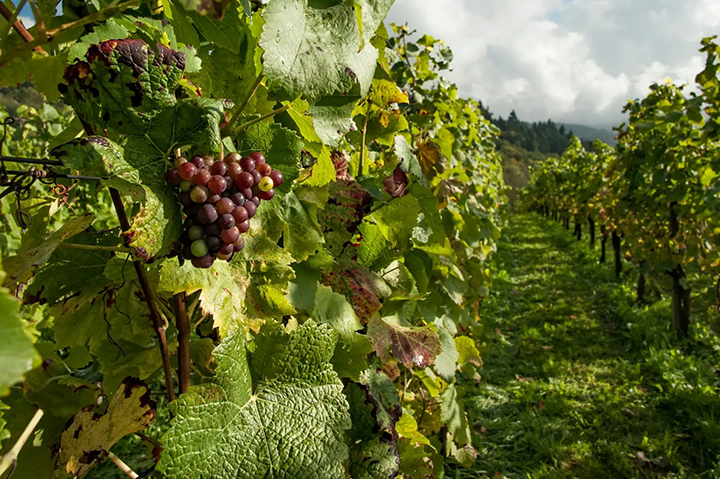
    Photo by Andrew Patrick Photo on Pexels.com

    Purpose and Usage

    The primary purpose of MegaPurple and grape concentrates lies in their ability to rectify deficiencies in wine, particularly those arising from unfavorable growing conditions, suboptimal grape ripening, or stylistic preferences of winemakers. These additives serve multiple functions:

    Color Enhancement

    MegaPurple and grape concentrates are revered for their capability to intensify the hue of red wines, imparting a deep, rich color that appeals to consumers’ visual senses. This is particularly valuable in regions where grape ripening conditions may not yield optimal pigment development.

    Body and Mouthfeel

    By boosting sugar levels, these additives contribute to a fuller body and enhanced mouthfeel in wines, thereby masking potential thinness or lack of structure.

    Sweetness Adjustment

    Winemakers utilize MegaPurple and grape concentrates to achieve desired levels of sweetness in their wines, catering to varying consumer preferences, from bone dry to lusciously sweet.

    Cost Efficiency

    From an economic standpoint, these additives offer a cost-effective solution for wineries, allowing them to rectify wine deficiencies without resorting to expensive vineyard management practices or additional barrel aging.

    Controversy and Criticism

    Despite their widespread usage, MegaPurple and grape concentrates have garnered significant criticism from various quarters within the wine community:

    Like an overbearing conductor drowning out the subtleties of a symphony, artificial flavors and concentrates in wine obscure the terroir-driven nuances, leaving behind a hollow echo of authenticity

    Gregory Dean – SOMM&SOMM

    Authenticity Concerns – Opponents argue that the use of these additives compromises the authenticity and integrity of wines, blurring the distinction between naturally crafted wines and those manipulated through artificial means.

    Impact on Terroir – Advocates for terroir-driven winemaking express apprehensions about the influence of MegaPurple and grape concentrates on the expression of terroir, fearing that these additives may overshadow the unique characteristics imparted by vineyard site and microclimate.

    Health and Transparency – Consumer advocacy groups have raised concerns regarding the transparency of labeling practices, advocating for clear disclosure of the use of additives such as MegaPurple and grape concentrates to enable informed consumer choices. Moreover, questions about potential health implications associated with these additives have also been raised, prompting further scrutiny.

    Market Perception – The use of MegaPurple and grape concentrates has contributed to debates surrounding market perception and consumer education, highlighting the need for transparency and dialogue within the wine industry.

    Lesser-Known Ingredients and Processes

    In addition to MegaPurple and grape concentrates, several lesser-known ingredients and processes are employed in winemaking, each with its own implications:

    Photo by cottonbro studio on Pexels.com

    Mega-Reduction – This technique involves the reduction of grape juice through heating, concentrating sugars, flavors, and color compounds. While similar to the production of MegaPurple, mega-reduction offers winemakers a customized approach to adjusting wine characteristics.

    Maceration Techniques – Winemakers employ various maceration techniques, such as extended skin contact or cold soaking, to extract color, tannins, and flavor compounds from grape skins. These methods play a crucial role in shaping the sensory profile of wines, contributing to complexity and structure.

    Microbial Additions – Yeast and bacterial cultures are utilized in winemaking to initiate fermentation, impart specific flavor profiles, or promote microbial stability. While commonly accepted, the selection of microbial additives can influence the sensory attributes and aging potential of wines.

    Oak Alternatives – In lieu of traditional oak barrels, winemakers may employ oak alternatives such as chips, staves, or powders to impart oak-derived flavors and aromas to wines. This practice offers flexibility in flavor profile manipulation while mitigating costs and production time.

    Photo by ufuk iseloglu on Pexels.com

    The use of MegaPurple and grape concentrates in winemaking remains a contentious subject, reflecting broader debates surrounding authenticity, transparency, and market perception within the wine industry. As a sommelier committed to advancing wine education and fostering appreciation for the artistry of winemaking, it is imperative to navigate these complexities with discernment and critical inquiry. By fostering dialogue, transparency, and a deeper understanding of winemaking practices, we can empower consumers to make informed choices while preserving the rich diversity and heritage of wines worldwide.

    Cheers🍷

    Cover Photo by Lau Arraigada on Pexels.com
  • Winemaking in Spring: From Bud Break to Flowering

    Winemaking in Spring: From Bud Break to Flowering

    First article in the series–The Seasons of Winemaking.

    Spring is a crucial season for winemaking, as it marks the beginning of the annual growth cycle of the grapevines. During this time, the vines awaken from their winter dormancy and start to produce new shoots, leaves, and flowers. The viticulturists and winemakers have to monitor and manage the vineyard carefully to ensure the health and quality of the grapes that will be harvested in the fall.

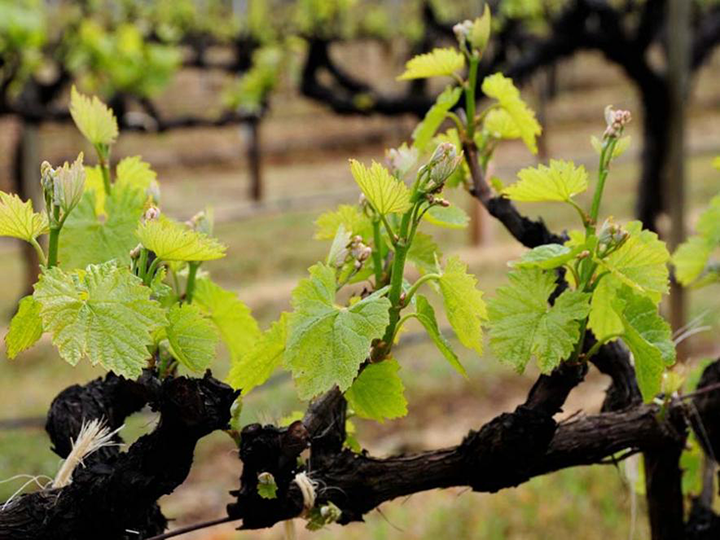
    Bud break at Jordan Winery, Alexander Valley

    Bud Break

    Bud break is the first visible sign of growth in the vineyard, usually occurring in March or April in the Northern Hemisphere, and September or October in the Southern Hemisphere. It happens when the buds on the dormant canes swell and burst, revealing tiny green shoots that will eventually become branches. Bud break is influenced by several factors, such as the grape variety, the climate, the soil, and the pruning method. Some varieties, such as Chardonnay and Pinot Noir, tend to bud earlier than others, such as Cabernet Sauvignon and Syrah. This means that they are more susceptible to frost damage, which can kill the young shoots and reduce the yield.

    To prevent frost damage, viticulturists may use various techniques, such as heaters, wind machines, sprinklers, or helicopters, to circulate warm air or water around the vines. They may also delay pruning until late winter or early spring, to avoid stimulating early bud break. Pruning is an essential task that involves cutting off excess or unwanted wood from the previous year, to shape the vine and control its vigor. Pruning also determines the number and position of the buds that will produce the grapes, and thus affects the quantity and quality of the harvest.

    Bud break is celebrated in different ways around the world, often with religious or spiritual ceremonies. For example, in Burgundy, France, the monks of the Clos de Vougeot monastery used to bless the vines and pray for a good harvest on the day of bud break. In Chile, the Fiesta de la Vendimia (Harvest Festival) begins with a mass and a blessing of the first must (grape juice) by the local priest. In Napa Valley, California, some wineries host bud break parties and tastings for their club members and guests.

    Shoot Growth

    After bud break, the shoots grow rapidly, reaching up to a meter in length by the end of spring. They develop leaves, tendrils, and lateral branches, forming the canopy of the vine. The leaves are the main source of energy for the vine, as they capture sunlight and perform photosynthesis, converting carbon dioxide and water into sugars and oxygen. The sugars are stored in the roots, trunk, and canes, and are used for growth and ripening. The tendrils are curly structures that help the vine cling to the trellis or support system, and maintain its vertical position. The lateral branches are secondary shoots that emerge from the leaf axils, and may produce additional clusters of grapes.

    The viticulturists and winemakers have to manage the canopy carefully, to balance the amount of sunlight, air, and moisture that reaches the grapes. Too much shade can reduce the sugar and flavor development, and increase the risk of fungal diseases. Too much sun can cause sunburn or dehydration, and affect the color and aroma of the grapes. To achieve the optimal canopy, they may use various techniques, such as:

    – Tying or tucking the shoots to the trellis wires, to keep them upright and organized.

    – Thinning or removing excess shoots, leaves, or lateral branches, to reduce overcrowding and improve ventilation.

    – Topping or trimming the tips of the shoots, to limit their growth and redirect the energy to the grapes.

    – Spraying or dusting the vines with organic or synthetic substances, to protect them from pests and diseases.

    Flowering stage of the grapevine

    Flowering

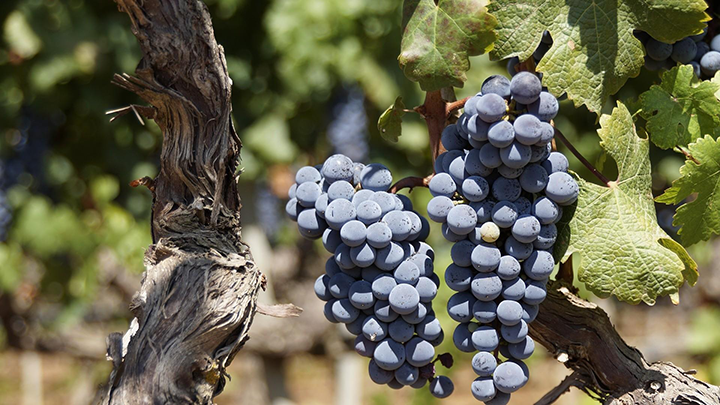
    Flowering is the next major stage in the vineyard, usually occurring in May or June in the Northern Hemisphere, and November or December in the Southern Hemisphere. It happens when the tiny green clusters of flowers on the shoots open and release pollen. The flowers are hermaphroditic, meaning that they have both male and female parts, and can self-pollinate. However, they may also rely on wind or insects to transfer pollen from one flower to another. The pollination process leads to fertilization, which results in the formation of seeds and berries. The berries are initially hard and green, and contain high levels of acidity and tannins.

    Flowering is celebrated in various ways around the world, often with music and dancing. For example, in Germany, the Blütenfest (Flower Festival) is held in several wine regions, featuring parades, concerts, and wine tastings. In Italy, the Festa dei Fiori (Flower Festival) is celebrated in many towns and villages, with floral decorations, folk performances, and local delicacies. In Argentina, the Fiesta Nacional de la Flor (National Flower Festival) is held in Escobar, a town known for its flower production and nurseries. The festival includes a flower parade, a queen contest, and a display of regional wines.

    Flowering is a critical and delicate phase, as it determines the potential crop size and quality. The number of flowers that successfully pollinate and set fruit is called the fruit set, and it can vary from 30% to 70% depending on the grape variety and the weather conditions. Warm, dry, and calm weather is ideal for flowering, as it facilitates pollination and prevents shattering or falling off of the flowers. Cold, wet, or windy weather can hinder flowering, and cause poor fruit set, uneven ripening, or coulure (the failure of the berries to develop after fertilization).

    Important fruit set stage in the growth cycle

    To ensure a good fruit set, viticulturists and winemakers may use various techniques, such as:

    – Choosing grape varieties that are suited to the climate and soil of the region, and that have consistent and reliable flowering behavior.

    – Adjusting the pruning and canopy management practices, to influence the timing and duration of flowering, and to expose the flowers to optimal sunlight and air circulation.

    – Applying plant hormones or biostimulants, to enhance the flowering and fruit set process, and to correct any deficiencies or imbalances in the vine.

    In summary, spring is a vital season for winemaking, as it marks the start of the grapevine’s growth cycle. From bud break to flowering, the viticulturists and winemakers have to monitor and manage the vineyard carefully, to ensure the health and quality of the grapes. They have to deal with various challenges, such as frost, pests, diseases, and weather fluctuations, and use various techniques, such as pruning, canopy management, and plant hormones, to influence the flowering and fruit set process.

    This article is the first in a series of four articles that dives into the seasons and stages of winemaking, from blossom to bottle and everything in between. In the next article, we will explore the summer season, when the grapes undergo veraison and ripening, and the viticulturists and winemakers prepare for the harvest. Stay tuned for more insights into the fascinating world of winemaking. 🍇🍷

  • What is a Sommelier Anyway?

    What is a Sommelier Anyway?

    When you hear the term “sommelier,” you might picture a poised individual in a fine dining restaurant, expertly swirling a glass of wine while offering sophisticated descriptions of its aroma and taste. But what exactly is a sommelier, and what role do they play in the world of wine? Let’s embark on a delightful journey through the history, meaning, certifications, skills, and traditions associated with this esteemed profession.

    Origin and History

    The term “sommelier” originates from the Old French word “sommier,” which referred to a pack animal driver. However, in the context of wine, the meaning evolved to denote the person in charge of transporting and managing the precious wine supplies of medieval kings and nobility. Over time, the role expanded to include wine tasting and selection, leading to the modern-day definition of a wine steward or expert. Here are a few famous sommeliers from history and the reasons their legacy lives on:

    André Tchelistcheff (December 7, 1901 – April 5, 1994)

    André Tchelistcheff

    Known as the “Dean of American Winemakers,” André Tchelistcheff was a pioneering figure in the American wine industry. Born in Russia in 1901, he moved to the United States and revolutionized winemaking techniques, particularly in California.

    Tchelistcheff’s expertise in viticulture and enology helped establish California wines on the global stage, earning him widespread recognition and admiration.

    Tchelistcheff’s legacy lives on through his groundbreaking work in improving winemaking practices, particularly in the Napa Valley region. His emphasis on quality, innovation, and attention to detail set the standard for generations of winemakers to come, shaping the trajectory of American wine culture.

    Jancis Robinson (April 22, 1950 – )

    Jancis Robinson

    Jancis Robinson is a renowned British wine critic, journalist, and Master of Wine. Her influential career spans decades and has had a profound impact on the world of wine appreciation and education.

    Robinson is celebrated for her comprehensive wine knowledge, eloquent writing style, and commitment to promoting wine appreciation among enthusiasts of all levels.

    Robinson’s continues to build a legacy through her extensive body of work, including books, articles, and television programs, which have demystified the world of wine and made it more accessible to a wider audience. Her contributions to wine education and criticism continue to inspire aspiring sommeliers and wine enthusiasts worldwide.

    Georges-Auguste Escoffier (October 28, 1846 – February 12, 1935)

    Georges-Auguste Escoffier

    Georges-Auguste Escoffier, often referred to as the “Emperor of Chefs” and the “King of Chefs,” was a legendary French chef and restaurateur. While not solely a sommelier, Escoffier’s influence on modern gastronomy and dining culture is undeniable.

    He revolutionized French cuisine and restaurant service, introducing innovative culinary techniques and standards of excellence that continue to shape the hospitality industry.

    Escoffier’s legacy lives on through his timeless culinary principles, including his emphasis on precision, quality ingredients, and meticulous attention to detail. While he may not have been a sommelier in the traditional sense, his influence on fine dining and the art of hospitality has had a lasting impact on the role of wine service in restaurants around the world.

    These sommeliers and culinary luminaries have left indelible marks on the world of wine and dining, shaping its evolution and inspiring future generations of enthusiasts and professionals alike. Their legacies endure through their contributions to wine education, innovation, and the elevation of the dining experience.

    Certifications and Levels of Knowledge

    Becoming a certified sommelier involves rigorous training and examination. Various organizations, such as the Court of Master Sommeliers, the Wine & Spirit Education Trust (WSET), and the International Sommelier Guild, offer structured programs and exams to assess candidates’ knowledge and tasting abilities.

    The Court of Master Sommeliers, for instance, offers four levels of certification: Introductory, Certified, Advanced, and Master Sommelier. Each level requires a deeper understanding of wine regions, grape varieties, wine production techniques, and impeccable tasting skills.

    Skills Displayed During Wine Service

    A sommelier’s role during wine service extends beyond merely pouring wine into a glass. They are tasked with enhancing the dining experience through their knowledge, recommendations, and impeccable service. Specific skills displayed during wine service include:

    • Wine Pairing: Matching wines with food to complement flavors and enhance the overall dining experience.

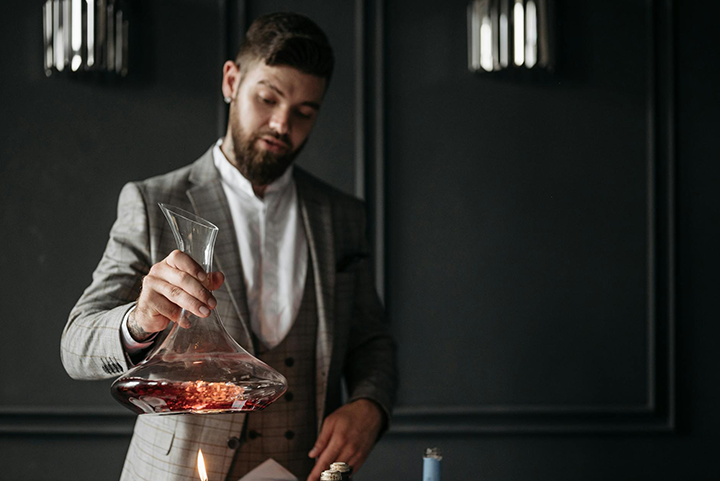
    • Decanting: Aerating wine to soften tannins and release aromas, particularly for older red wines.

    • Temperature Control: Ensuring wines are served at the appropriate temperature to preserve their flavors.

    • Glassware Selection: Choosing the right type of glassware to showcase the wine’s characteristics.

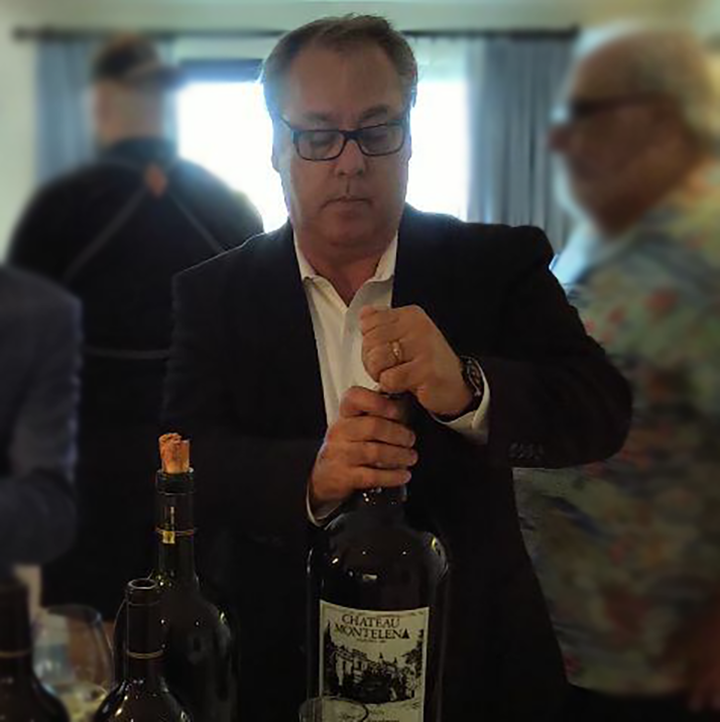
    • Cork Handling: Opening and presenting wine bottles with finesse, especially for aged or rare wines.

    Hosting a Wine-pairing Dinner at The Blue Flame

    Enhancing the Dining Experience

    A skilled sommelier can elevate a dining experience from enjoyable to extraordinary. By guiding guests through the wine selection process, sharing stories about vineyards and winemakers, and offering personalized recommendations based on individual preferences, sommeliers create memorable moments that linger long after the last sip.

    Tasting and Evaluation Skills

    Becoming a sommelier requires honing exceptional tasting and evaluation skills. Sommeliers must be able to assess wine qualities such as appearance, aroma, taste, body, acidity, and finish accurately. They undergo rigorous training to develop their palates, often participating in blind tastings to sharpen their ability to identify grape varieties, regions, and quality levels.

    Serving Champagne Properly is an Art

    Most Difficult Wine to Serve Properly

    While every wine presents its unique challenges, one of the most difficult wines to serve properly is Champagne or sparkling wine. Its effervescence requires precise handling to prevent excessive foaming and preserve the bubbles. Additionally, serving Champagne at the correct temperature is crucial to maintaining its freshness and liveliness.

    A sommelier is much more than a wine expert in a fancy restaurant. They are guardians of wine culture, storytellers of vineyard landscapes, and orchestrators of unforgettable dining experiences. Through their extensive knowledge, impeccable service, and passion for wine, sommeliers enhance our enjoyment and appreciation of one of life’s greatest pleasures. So, the next time you raise a glass of wine, remember to toast to the dedicated sommeliers who make each sip a moment to savor.

    Greg and Tammy Dean – SOMM&SOMM

    Cheers! 🥂

  • Exploring Wine Enclosures: Cork, Screw Cap, and Beyond

    Exploring Wine Enclosures: Cork, Screw Cap, and Beyond

    In the world of wine, the choice of enclosure is often a topic of debate among enthusiasts, professionals, and consumers alike. Traditionally, cork has been the enclosure of choice for wine bottles, but in recent years, the rise of screw caps has challenged this longstanding tradition. This article aims to delve into the characteristics, benefits, and drawbacks of both cork and screw cap enclosures, debunking myths and misconceptions along the way. Additionally, we will explore the history of cork usage, the current state of cork shortages, and highlight specific wines or styles that may benefit from one enclosure over the other.

    Cover photo credit: Photo by SevenStorm JUHASZIMRUS on Pexels.com

    Cork Enclosures: A Tradition Steeped in History

    Cork, derived from the bark of the cork oak tree (Quercus suber), has been used as a wine enclosure for centuries. Its unique cellular structure, comprised of millions of tiny air pockets, allows it to compress and create a tight seal when inserted into a bottle. This natural elasticity makes cork an ideal choice for aging wines, as it allows for a small amount of oxygen to interact with the wine, aiding in its development over time.

    Benefits of Cork Enclosures

    • Tradition and Prestige: Cork has a long-standing tradition in the wine industry and is often associated with higher-end wines, lending an air of prestige and tradition to the bottle.

    • Breathability: Cork’s natural properties allow for micro-oxygenation, which can enhance the aging process of certain wines, particularly those intended for long-term cellaring.

    • Sensory Experience: Many wine enthusiasts appreciate the ritual of uncorking a bottle, as it adds to the overall sensory experience of enjoying wine.

    Pitfalls of Cork Enclosures

    • Cork Taint: One of the most significant drawbacks associated with cork enclosures is the potential for cork taint, caused by the presence of trichloroanisole (TCA). This compound can impart undesirable aromas and flavors, often described as musty or moldy, ruining the wine.

    • Variability: Natural cork can exhibit variability in quality, leading to inconsistencies in sealing and potential oxidation of the wine.

    • Environmental Concerns: Harvesting cork oak trees for their bark can have environmental implications, although sustainably managed cork forests mitigate this impact to some extent.

    Stelvin Capsules (Screw Caps)

    Screw Cap Enclosures: Modern Convenience Meets Functionality

    Screw caps, also known as Stelvin closures, offer a convenient alternative to traditional cork enclosures. Initially introduced in the 1960s, screw caps have gained popularity, particularly for wines intended for early consumption or those that do not require extended aging. Wine purists would be surprised to learn that the Stelvin closure was invented in Burgundy, France 🙂

    Benefits of Screw Cap Enclosures

    • Consistency: Screw caps provide a consistent and reliable seal, virtually eliminating the risk of cork taint and oxidation.

    • Convenience: Screw caps are easy to open and reseal, making them ideal for wines meant to be consumed shortly after bottling.

    • Preservation of Freshness: Screw caps minimize oxygen exposure, preserving the wine’s freshness and fruit-forward characteristics, especially in aromatic white wines and light-bodied reds.

    Pitfalls of Screw Cap Enclosures

    • Perceived Quality: Despite their practical advantages, screw caps are sometimes associated with lower-quality wines or perceived as lacking the prestige of cork closures, particularly in certain traditional wine regions.

    • Limited Aging Potential: While suitable for early consumption wines, screw caps may not be ideal for wines intended for long-term aging, as they limit oxygen ingress, which can impede the wine’s development.

    • Environmental Impact: While screw caps themselves are recyclable, the production and disposal of plastic liners within the caps can have environmental implications.

    Debunking Myths and Addressing Misconceptions

    Myth: Screw caps are only suitable for inexpensive wines.

    Fact: While screw caps are commonly used for more affordable wines, many premium producers around the world are opting for screw caps to preserve the integrity and freshness of their wines.

    Myth: Cork closures are superior for aging wine.

    Fact: While cork closures have traditionally been associated with aging potential, screw caps have demonstrated effectiveness in preserving wine quality over time, particularly for wines meant for early consumption.

    Myth: All cork closures lead to cork taint.

    Fact: While cork taint is a legitimate concern with natural cork closures, advancements in cork production, such as agglomerated corks and technical corks, have reduced the incidence of cork taint significantly.

    The Current State of Cork Shortages

    In recent years, the wine industry has faced challenges related to cork shortages due to factors such as climate change, disease affecting cork oak trees, and increased competition for cork resources from other industries. As a result, alternative closures like screw caps have become more attractive to wineries seeking consistent and reliable enclosures for their wines.

    While cork and screw caps are the most widely recognized wine enclosures, there are several other alternatives that have gained traction in the industry. These alternatives offer unique benefits and cater to specific needs within the wine market. Let’s explore a few of them:

    1. Synthetic Corks:

    Synthetic corks are made from materials such as plastic or composite materials designed to mimic the properties of natural cork. They offer consistency in performance and eliminate the risk of cork taint. Synthetic corks are often used for wines that are intended for early consumption but may lack the prestige associated with natural cork.

    2. Glass Stoppers:

    Glass stoppers provide an elegant and aesthetically pleasing alternative to traditional closures. They create a secure seal and offer excellent oxygen barrier properties, preserving the wine’s freshness. Glass stoppers are favored for premium wines and limited editions, enhancing the overall packaging experience for consumers.

    3. Zork Closure:

    The Zork closure is a hybrid closure combining the convenience of a screw cap with the aesthetic appeal of cork. It features a plastic cap with a resealable cork-like insert, offering the benefits of both closures. Zork closures are popular for sparkling wines and still wines intended for immediate consumption.

    4. Crown Caps:

    Crown caps, similar to those used on beer bottles, are occasionally used for wine bottles, particularly for sparkling wines and wines meant for early consumption. While not as traditional as cork or as convenient as screw caps, crown caps provide a secure seal and are easy to open.

    5. Diam Corks:

    Diam corks are a type of technical cork made from natural cork particles that are treated to remove impurities and eliminate the risk of cork taint. They offer the sensory experience of natural cork with the consistency and reliability of synthetic closures. Diam corks are gaining popularity among wineries seeking alternatives to traditional cork closures.

    6. Vinolok:

    Vinolok closures are glass closures with a metal or plastic cap that provides an airtight seal. They offer a visually striking alternative to traditional closures and are often used for premium wines and limited editions. Vinolok closures are reusable and can be customized to enhance branding and aesthetics.

    These alternative closures offer wineries and consumers a diverse range of options beyond cork and screw caps, catering to different preferences, packaging requirements, and market segments within the wine industry. Whether it’s the convenience of screw caps, the tradition of cork, or the innovation of alternative closures, each enclosure plays a crucial role in preserving and presenting wines to consumers around the world.

    Choosing the Right Enclosure for Different Wine Styles

    While both cork and screw cap enclosures offer distinct advantages, certain wine styles may benefit from one enclosure over the other:

    – Wines for Aging: Complex red wines intended for long-term cellaring may benefit from the slight oxygen exchange facilitated by cork closures, allowing for gradual development and integration of flavors.

    – Fresh and Aromatic Wines: White wines, particularly those prized for their aromatic profiles and vibrant fruit character, often thrive under screw cap closures, preserving their freshness and intensity.

    – Everyday Drinking Wines: For wines meant to be enjoyed in their youth, regardless of style, screw cap closures provide convenience and assurance of freshness without the need for additional aging.

    In the ongoing debate between cork and screw cap enclosures, it’s essential to recognize that both options have their place in the wine industry. While cork closures carry a sense of tradition and romance, screw caps offer practicality and reliability, particularly for wines intended for early consumption. As technology and sustainability practices evolve, both closures continue to play vital roles in preserving and enhancing the enjoyment of wine, debunking myths and misconceptions along the way. Ultimately, the choice of enclosure depends on factors such as wine style, intended aging potential, and individual preferences, ensuring a diverse and dynamic landscape in the world of wine packaging. Cheers 🍷

  • Unveiling the Art of Vine Training: Crafting Fine Wines through Precision

    Unveiling the Art of Vine Training: Crafting Fine Wines through Precision

    The world of winemaking is an intricate dance between nature and human intervention. Among the many factors that vintners meticulously consider, vine training stands out as a critical element in shaping the destiny of grapevines and, consequently, the wines they produce. In this exploration, we delve into some common vine training approaches, unraveling the reasons behind winemakers’ choices, and uncovering the correlations between vine training methods and wine regions or traditions.

    Guyot System of Vine Training

    Guyot System: A Classic Elegance

    The Guyot system, with its single or double horizontal arms and vertical shoot positioning, exudes classic elegance. Often favored for its simplicity, it allows for efficient sunlight exposure and air circulation, promoting grape ripening and reducing the risk of diseases. Found in regions like Bordeaux, the Guyot system is associated with the structured and age-worthy red wines that have become synonymous with the area.

    Description: The Guyot system involves training the grapevines with one or two fruiting canes and a spur.

    Reasons for Adoption: Efficient in balancing vine vigor and controlling yields. It is adaptable to various climates and provides good fruit exposure.

    Popularity: Widely used in regions like Tuscany and parts of Australia.

    Impact of Weather and Location: Guyot is versatile and suitable for both cool and warm climates. It allows for adaptation based on vineyard conditions.

    Varietals: Cabernet Franc and Sangiovese thrive under Guyot, benefiting from the controlled vine growth.

    Machine Harvesting: Guyot is compatible with machine harvesting, contributing to its popularity.

    Cordon-trained Spur Pruned Vineyard

    Spur Pruning: Precision in Pinot Noir

    Particularly popular in Burgundy, the home of Pinot Noir, spur pruning involves short, lateral branches that produce the grape clusters. This method allows for precise control over the grape yield, ensuring concentration of flavors. The resulting wines are known for their delicacy, complexity, and a distinct expression of terroir.

    Trellis Systems: Adapting to Modern Demands

    Trellis systems, including Vertical Shoot Positioning (VSP) and Smart-Dyson, are common in regions with high humidity and vigorous vine growth. VSP, for instance, is widely used in New Zealand. These systems facilitate air circulation, reducing the risk of mold and mildew. The wines from these regions often exhibit vibrant fruit flavors and crisp acidity.

    Vertical Shoot Positioned Trellis System

    1. Vertical Shoot Positioning (VSP):

       – Description: VSP involves training the grapevines vertically, with shoots growing upward. It is a widely adopted method, especially in cooler climates. Canes are typically tied to wires, allowing for better sunlight exposure and air circulation.

       – Reasons for Adoption: VSP is favored for its efficiency in managing canopy growth, which aids in sunlight penetration, essential for even ripening. This method also facilitates mechanized vineyard operations and harvesting.

       – Popularity: VSP is highly popular, particularly in regions with cool climates, such as Burgundy and Oregon.

       – Impact of Weather and Location: VSP is well-suited for areas with moderate climates, as it helps maximize sun exposure. In cooler regions, it helps mitigate the risk of frost damage by elevating buds above potential frost pockets.

       – Varietals: Pinot Noir and Chardonnay thrive under VSP due to the controlled canopy and improved ripening conditions.

       – Machine Harvesting: VSP is compatible with machine harvesting, making it a preferred choice for large-scale vineyards.

    2. Smart-Dyson:

       – Description: This method involves training the vines in a circular fashion, resembling an open umbrella. It was developed to address challenges in canopy management.

       – Reasons for Adoption: Smart-Dyson aims to optimize sunlight exposure and air circulation while minimizing disease pressure. It allows for better control over yields and grape quality.

       – Popularity: Commonly used in regions like Bordeaux and parts of California, where Bordeaux varietals are predominant.

       – Impact of Weather and Location: Smart-Dyson can be adapted to different climates, but it is particularly useful in regions with warm temperatures, as it helps prevent sunburn on grapes.

       – Varietals: Cabernet Sauvignon and Merlot are often trained using the Smart-Dyson method, benefiting from the balanced canopy.

       – Machine Harvesting: While possible, machine harvesting might be more challenging due to the unique canopy structure.

    Pergola Training in the Vineyard

    Pergola System: Embracing Tradition in Italy

    Italy, known for its rich winemaking history, often embraces the traditional pergola system. With vines trained overhead in a canopy-like fashion, this method protects grapes from excessive sunlight and enhances air circulation. Wines from regions like Valpolicella reflect the tradition, offering a unique combination of richness and freshness.

    Espalier: Artistry in Elegance

    Espalier, a technique that involves training vines along a flat, vertical surface, is a testament to the artistry in winemaking. Commonly found in Champagne, this method allows for precise control over grape exposure to sunlight. Champagnes crafted with espalier-trained vines showcase finesse, delicate bubbles, and nuanced flavors.

    Correlation between Vine Training and Wine Characteristics

    The correlation between vine training and wine characteristics is profound. The architecture of the vine directly influences factors such as sunlight exposure, air circulation, and grape ripening, which, in turn, shape the flavor profile, structure, and aging potential of the wines. Regions with specific climate conditions often adopt vine training approaches that mitigate challenges unique to their environment, leading to distinct wine styles.

    In the intricate tapestry of winemaking, vine training emerges as a pivotal brushstroke, allowing winemakers to paint a canvas of flavors, aromas, and textures. The careful selection of vine training approaches reflects a deep understanding of the interplay between nature and craftsmanship. As wine enthusiasts, exploring the connection between vine training and the wines we cherish enhances our appreciation for the artistry behind each bottle.

  • Unveiling Franciacorta: Italy’s Best-Kept Sparkling Wine Secret

    Unveiling Franciacorta: Italy’s Best-Kept Sparkling Wine Secret

    When it comes to sparkling wines, most people think of Champagne from France or Prosecco from Italy. However, there’s a hidden gem in the world of bubbly that deserves your attention—Franciacorta. Hailing from the Lombardy region in northern Italy, Franciacorta is a sparkling wine that combines tradition, elegance, and a touch of Italian charm. As a professional sommelier and wine educator, I’m excited to introduce you to this under-appreciated delight just in time for the holidays and New Year’s celebrations.

    Lombardy Region in Northern Italy

    The Origin of Franciacorta

    Franciacorta is produced in the picturesque hills of the Franciacorta zone, situated between the southern shore of Lake Iseo and the city of Brescia. Unlike many other sparkling wines, Franciacorta is made using the traditional method, similar to Champagne. The region’s unique terroir, characterized by its clay-limestone soil and a mild climate, imparts distinctive characteristics to the grapes used in its production.

    Chardonnay in Franciacorta

    Grapes and Styles

    The principal grape varieties used in Franciacorta are Chardonnay, Pinot Noir, and Pinot Blanc. The region offers a range of styles, including Franciacorta Brut, Franciacorta Extra Brut, Franciacorta Satèn, and Franciacorta Rosé. Each style presents a different facet of the region’s winemaking expertise, from the crisp and refreshing Brut to the velvety smoothness of a Satèn.

    Controlled and guaranteed designation “Franciacorta” Satèn wine shall be obtained from grapes grown in each estate from the following varietals: Chardonnay min. 50%. Pinot bianco grapes can be used to produce the aforesaid wine up to a maximum proportion of 50%.

    Article 2.1 – Production Rulebook of the Controlled and Guaranteed
    “Franciacorta” Designation Wines

    Exceptional Quality

    One of the hallmarks of Franciacorta is its commitment to quality. The wine undergoes a secondary fermentation in the bottle, contributing to its fine and persistent perlage (bubbles) and complex flavor profile. With a minimum aging period of 18 months for non-vintage and 30 months for vintage Franciacorta, these wines boast a level of maturity and depth that rivals some of the best sparkling wines in the world.

    Perfect for Celebrations

    As the holiday season approaches, Franciacorta is an ideal choice for toasts and celebrations. Its versatility makes it suitable for pairing with a variety of dishes, from appetizers to main courses. The crisp acidity and effervescence of Franciacorta cleanse the palate, making it a wonderful accompaniment to rich and savory holiday fare.

    New Year’s Elegance

    When the clock strikes midnight on New Year’s Eve, raise your glass with a sparkling wine that embodies the spirit of celebration. Franciacorta’s fine bubbles and refined taste make it the perfect choice for toasting to new beginnings. Whether you’re hosting a small gathering or attending a grand party, Franciacorta adds a touch of Italian sophistication to the festivities.

    Ladies and Gentlemen, esteemed connoisseurs of life,

    As we stand on the cusp of a brand new year, let us raise our glasses high, filled with the effervescent joy of Franciacorta, a sparkling elixir as bright as the possibilities that await us in the coming days.

    Let us savor this moment, relish the company of those around us, and toast to the beautiful journey that lies ahead. Happy New Year! May it be as splendid and sparkling as this glass of Franciacorta in our hands. Cheers! 🥂✨

    Gregory Dean, SOMM&SOMM

    Discover the Hidden Gem

    2018 Bellavista Franciacorta Teatro La Scala Brut

    While Champagne and Prosecco often take the spotlight, Franciacorta quietly awaits discovery by those seeking something truly exceptional. As a wine educator, I encourage you to explore the world of Franciacorta and experience the magic of this Italian sparkling wine. Whether you’re a seasoned wine enthusiast or a curious newcomer, Franciacorta offers a delightful journey for your taste buds.

    Here are a few of our favorite Franciacorta wines:

    2018 Bellavista Franciacorta Teatro La Scala Brut

    Bellavista Franciacorta Alma Cuvee Brut

    In conclusion, this holiday season and New Year’s, consider elevating your celebrations with Franciacorta. It’s time to unveil the well-kept secret of Italian sparkling wine and savor the craftsmanship, tradition, and elegance that make Franciacorta a hidden gem in the world of bubbly. Cheers to new discoveries and unforgettable moments!

    Reference: Production Rulebook of the Controlled and Guaranteed
    “Franciacorta” Designation Wines

  • The Art and Science of Decanting Wine

    The Art and Science of Decanting Wine

    Decanting wine is a centuries-old practice that fuses artistry and science to elevate the drinking experience. As a sommelier and wine educator, I am often asked about the mysteries surrounding this ritual. In this comprehensive exploration, we will unravel the essence of decanting, debunk myths surrounding the process, and delve into specific examples of wines that truly blossom when given the chance to breathe.

    The Purpose of Decanting

    At its core, decanting serves two primary purposes: aeration and sediment separation. Aeration involves exposing the wine to oxygen, which allows it to open up and release its full bouquet of aromas and flavors. This is particularly beneficial for young, tannic red wines that may initially be tight and closed. Sediment separation is relevant for aged wines, as it helps remove any accumulated sediment that can form in the bottle over time.

    When to Decant

    One common myth is that only red wines benefit from decanting. While red wines generally stand to gain more from the process due to their tannin structure, certain white wines, such as older vintage Chardonnays and oxidative styles like aged Rieslings, can also benefit from aeration.

    Another misconception is that only old wines need decanting. While it’s true that older wines often contain sediment, young and robust red wines can also benefit from decanting. For example, a bold Cabernet Sauvignon or a structured Barolo can soften and reveal additional layers of complexity when exposed to air.

    How to Decant

    Decanting is a simple yet deliberate process. Start by standing the bottle upright for several hours to allow any sediment to settle at the bottom. When ready to decant, gently pour the wine into a decanter in one smooth motion, leaving the sediment in the bottle.

    For older wines, it is important to not disturb the wine. The traditional process is to pull the wine from the cellar rack and place it in a wine cradle or basket at the same orientation it was stored. Don’t rotate the bottle because the sediment will have already settled to the side facing down while in the cellar (thanks gravity). Remove the foil and open the bottle while in the basket and proceed to decant while watching for sediment to reach the shoulder. When the sediment reaches the neck, stop decanting.

    Examples of Wines that Benefit from Decanting

    1. Young Tannic Reds: Barolo (e.g., Barolo, Serralunga d’Alba, Vintage 2015)

    The high tannin content in young Barolo wines can be softened through aeration, revealing the intricate layers of flavors and aromas that may be initially subdued.

    2. Mature Reds with Sediment: Bordeaux (e.g., Château Margaux, Pauillac, Vintage 1990)

    Older Bordeaux wines often develop sediment over time. Decanting not only separates the sediment but also allows the wine to breathe, showcasing the delicate nuances that come with age.

    3. Full-Bodied Whites: Aged Chardonnay (e.g., Kistler Vineyards, Sonoma Coast, Vintage 2010)

    Aged Chardonnays can benefit from decanting to enhance their texture and reveal the secondary and tertiary aromas that have developed over time.

    4. Bold and Robust Young Whites: Condrieu (e.g., E. Guigal, La Doriane, Vintage 2018)

    While less common, certain bold and full-bodied white wines, such as Condrieu, can benefit from decanting to allow the aromas and flavors to unfold.

    Riedel Mamba Decanter

    Decanter Shapes and Styles

    Decanters come in a variety of shapes and styles, each designed to accentuate specific characteristics of different wines. Choosing the right decanter can enhance the overall decanting experience, but it’s essential to understand the advantages and potential disadvantages associated with various designs.

    1. Classic Wine Decanter

    Advantages:

       – Aeration: The wide base and long neck allow for ample surface area exposure, promoting effective aeration.

       – Sediment Separation: The wide bowl facilitates a smooth pour, aiding in the separation of sediment.

    Disadvantages:

       – Limited Oxygen Exchange: Some classic decanters may not provide as much aeration as more modern designs, potentially limiting the wine’s exposure to oxygen.

    2. U-Shaped Decanter

    Advantages:

       – Improved Aeration: The wide bowl at the bottom enhances aeration, while the narrow neck minimizes excessive oxygen exposure, suitable for delicate wines.

    Disadvantages:

       – Sediment Management: While effective for aeration, the narrow neck may make sediment separation more challenging compared to wider-necked decanters.

    3. Duck or Swan-Shaped Decanter

    Advantages:

       – Aeration and Presentation: The curved design allows for aeration, and the elegant shape serves both functional and aesthetic purposes.

    Disadvantages:

       – Sediment Concerns: Similar to U-shaped decanters, sediment separation may be a bit more challenging due to the narrow neck.

    4. Modern or Artistic Decanter

    Advantages:

       – Aesthetic Appeal: These decanters often serve as both functional vessels and pieces of art, adding a visual dimension to the wine experience.

       – Aeration: Depending on the design, some modern decanters can offer effective aeration.

    Disadvantages:

       – Practicality: Some artistic designs may prioritize aesthetics over functionality, potentially impacting the aeration process or ease of pouring.

    5. Dual-Chamber or Two-Stage Decanter

    Advantages:

       – Separate Aeration and Serving Chambers: Enables aeration in one chamber while keeping sediment in another, providing the best of both worlds.

       – Precision Pouring: The design often includes a spout, allowing for controlled pouring and minimizing the risk of dripping.

    Disadvantages:

       – Complex Cleaning: The dual-chamber design can make cleaning more intricate than with simpler decanters.

    Decanting wine is both an art and a science, requiring a delicate balance between patience and precision. By understanding the unique characteristics of different wines and debunking common myths, wine enthusiasts can unlock the full potential of their favorite bottles. Whether indulging in a young, robust red or savoring the nuances of a gracefully aged white, the act of decanting is a timeless ritual that enhances the enjoyment of this elixir of the gods. Cheers to the journey of discovering the symphony of aromas and flavors that await within every decanted bottle!

  • Wine Service: Proper Serving Temperatures

    Wine Service: Proper Serving Temperatures

    Ah, wine – that magical elixir that transforms ordinary moments into extraordinary experiences. The world of wine is a tapestry woven with flavors, aromas, and textures, and like any masterpiece, it requires the right conditions to truly shine. As we embark on this whimsical journey through the realms of temperature, let us explore the proper storage and serving temperatures for various wine styles, each with its unique personality waiting to be unleashed.

    The Sprightly Spirits – Photo by Ata Ebem on Pexels.com

    Light White Wines

    Picture a crisp Sauvignon Blanc or a zesty Pinot Grigio, dancing on your taste buds like a lively sprite. These light white wines are delicate creatures, and they thrive at temperatures around 45-50°F (7-10°C) when stored. Serve them a bit too warm, and they might lose their sprightly demeanor, becoming flabby and dull. Too cold, and their vivacious character may be masked, leaving you with a muted sip.

    The Oaked Chardonnay Extravaganza – Photo by Oleksandr P on Pexels.com

    Bolder White Wines

    Now, let’s enter the realm of bolder white wines, where the majestic oaked Chardonnay reigns supreme. These wines, with their buttery richness, demand a slightly warmer storage temperature of 50-55°F (10-13°C). Serve them too warm, and they might become a butter bomb, overwhelming your senses. Too cold, and the oak and creamy textures might be hibernating, leaving you with a less-than-luxurious experience.

    The Effervescent Ballet – Photo by cottonbro studio on Pexels.com

    Sparkling Wines

    Ah, the effervescence of sparkling wines, those tiny bubbles that tickle your nose with delight. These celebratory libations prefer cooler storage temperatures around 43-50°F (6-10°C). Serve them too warm, and the bubbles may fizzle out prematurely, like a deflated balloon. Too cold, and their vibrant dance might be subdued, robbing you of that effervescent magic.

    The Sweet Symphony – Photo by Polina Tankilevitch on Pexels.com

    Dessert Wines

    Enter the world of dessert wines, a symphony of sweetness and complexity. Whether it’s a late harvest Riesling, a luscious Port, or a nutty Sherry, these wines thrive in slightly warmer storage conditions, around 55-60°F (13-16°C). Sweet wines–such as Sauternes and Eiswein–should be served well chilled at 43-46°F (6-8°C). Serve them too warm, and the sweetness might become cloying, like a sugar rush overwhelming your palate. Too cold, and their intricate flavors may be muddled, leaving you with a less-than-decadent experience.

    The Elegant Waltz – Photo by liis piirmets on Pexels.com

    Medium Red Wines

    Transitioning to the red side of the spectrum, imagine a medium-bodied red wine gracefully waltzing across your taste buds. Pinot Noir and Valpolicella often fall into this category, and they prefer storage temperatures around 55-60°F (13-16°C). Serve them too warm, and their elegance might turn into a clumsy stumble, with the alcohol overpowering the subtleties. Too cold, and their delicate flavors may become shy and reserved.

    The Bold Ballad

    Full-Bodied Red Wines

    Finally, we arrive at the full-bodied red wines, the powerhouses like Cabernet Sauvignon or Syrah. These robust wines come to life at storage temperatures of 59-64°F (15-18°C). Serve them too warm, and the tannins may dominate, leaving your mouth feeling like a dry desert. Too cold, and their complexity might be cloaked, robbing you of the full symphony of flavors.

    In the world of wine, temperature is the conductor, guiding each style to its crescendo of flavors. So, next time you uncork a bottle, take a moment to consider the temperature – the key to unlocking the true essence of your chosen elixir. Cheers to the whimsical journey through the vineyards of temperature, where every sip tells a tale of temperature and taste!

    Cheers 🍷

  • Old World Regions: Bordeaux

    Old World Regions: Bordeaux

    Bordeaux is a timeless elixir of history, terroir, and tradition. It’s a name that resonates with wine enthusiasts worldwide and is synonymous with excellence in winemaking. Nestled along the serene banks of the Garonne River in southwestern France, the Bordeaux wine region is a hallowed ground for cork dorks ;), boasting a rich history, distinct terroirs, and a complex classification system that sets it apart as one of the world’s foremost wine-producing regions.

    A Glimpse into Bordeaux’s Enigmatic Past

    Bordeaux’s history as a wine-producing region dates back to Roman times when the first vineyards were planted. However, it was during the 12th century, under the rule of Eleanor of Aquitaine and her marriage to Henry II of England, that Bordeaux wines gained international recognition. The English became avid consumers of Bordeaux wines, creating a demand that laid the foundation for Bordeaux’s global reputation.

    “…you are not to conclude I am a drinker. My measure is a perfectly sober 3 or 4 glasses at dinner, and not a drop at any other time. But as to those 3 or 4 glasses I am very fond.”

    Thomas Jefferson

    During the 17th century, Dutch engineers drained the marshlands and introduced a more systematic approach to winemaking, paving the way for Bordeaux’s vineyards to thrive. In the 18th century, Thomas Jefferson, the third President of the United States, became an ardent admirer of Bordeaux wines, further elevating their prestige. I had the opportunity several years ago to ogle over (look but don’t touch) two bottles from Jefferson’s collection. The bottles were locked inside a wire cage, covered in dust, each donning a small white price tag–$20,000. 

    Left Bank vs. Right Bank: A Tale of Two Terroirs

    One of the key distinctions in Bordeaux lies in its geographical diversity, which results in two distinct terroirs: the Left Bank and the Right Bank. Here is the breakdown…

    Left Bank

    – Located to the west of the Gironde Estuary and the Garonne River.

    – Predominantly features Cabernet Sauvignon as the dominant grape variety.

    – Famous appellations include the Médoc, Pauillac, Margaux, and Saint-Julien.

    – Produces wines known for their structured, tannic character and aging potential.

    Right Bank

    – Situated to the east of the Gironde Estuary and the Dordogne River.

    – Merlot is the primary grape variety, complemented by Cabernet Franc and sometimes Malbec.

    – Renowned appellations include Saint-Émilion and Pomerol.

    – Produces wines characterized by their elegance, supple texture, and approachability in their youth.

    Bordeaux Region in Southwest France

    Bordeaux’s Classifications: A Pyramid of Prestige

    Bordeaux boasts a complex classification system, which adds an extra layer of intrigue to its wines. The most famous classifications include:

    1. Bordeaux AOC:

       – The base level of classification, offering wines that showcase Bordeaux’s classic characteristics.

       – These wines can come from anywhere within the Bordeaux region and are typically approachable and affordable.

    2. Bordeaux Supérieur AOC:

       – A step above the Bordeaux AOC, with stricter quality control standards.

       – Often produced from older vines, resulting in more concentrated flavors.

    3. Médoc and Graves Classifications:

       – Within the Médoc and Graves regions, several châteaux are classified as Cru Bourgeois or Cru Artisan, signifying wines of consistently high quality.

    4. Saint-Émilion Classification:

       – Saint-Émilion has a unique classification system that is revised periodically.

       – It includes three main categories: Grand Cru Classé, Premier Grand Cru Classé “B,” and Premier Grand Cru Classé “A.”

       – These classifications indicate the quality and prestige of the wineries.

    5. 1855 Classification of the Médoc:

       – Arguably the most famous classification in Bordeaux, it was established for the Exposition Universelle de Paris.

       – Divided into five growths or “crus,” with the Premier Cru being the highest tier.

       – Châteaux such as Château Margaux and Château Latour hold this esteemed title.

    The complete list of all five first growths include:

    1. Château Latour
    2. Château Lafite Rothschild
    3. Château Margaux
    4. Château Haut Brion
    5. Château Mouton Rothschild

    Bordeaux’s intricate classification system reflects the region’s unwavering commitment to maintaining the quality and reputation of its wines.

    Bordeaux’s allure lies in its rich history, diverse terroirs, and complex classification system. Whether you’re sipping a bold Cabernet Sauvignon from the Left Bank or enjoying the velvety embrace of a Merlot-based wine from the Right Bank, Bordeaux offers a wine experience like no other. Its journey from ancient Roman vineyards to its present-day global prestige is a testament to the enduring artistry and craftsmanship of Bordeaux winemakers. With each bottle, Bordeaux encapsulates centuries of tradition, making it an enduring and timeless elixir for wine lovers around the world.

    Cheers 😉

  • Wine Education: WSET Level 2

    Wine Education: WSET Level 2

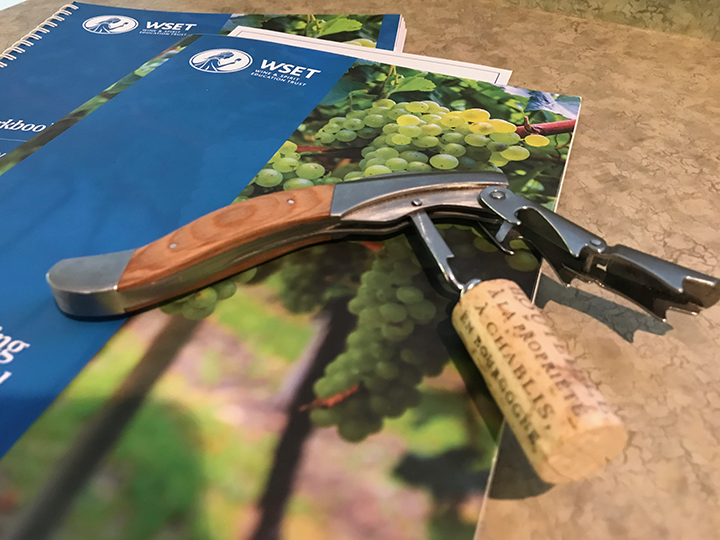
    While many (or most) individuals choose a wine education and certification path specific to their goals–such as hospitality/service, consultant, distributor, etc.–I thirst for a broad yet detailed knowledge of all things wine. So, it just makes sense to add the award-winning WSET courses and curriculum to my perpetual wine-knowledge-seeking journey 😉

    The Wine & Spirit Education Trust (WSET) offers four wine-focused courses and qualifications–including WSET Level 1 Award in Wines, WSET Level 2 Award in Wines, WSET Level 3 Award in Wines, and the prestigious WSET Level 4 Diploma in Wines. As expected, each subsequent course is more demanding than its predecessor. From the very first level, individuals are introduced to a systematic approach to tasting and evaluating wine. Throughout all the courses, this approach evolves into a very important methodology required for successful blind-tasting during the exams and beyond.

    Having first-hand knowledge of the tasting science taught by The Society of Wine Educators and the deductive tasting methodology of The Court of Master Sommeliers, I can appreciate the sometimes-not-so-subtle differences between these two and WSET’s Systematic Approach to Tasting (SAT). WSET’s approach to tasting is easier to grasp than the others, but they all use the same three core steps–individually describe and evaluate the wine by sight, smell and taste.

    I chose the Napa Valley Wine Academy for my WSET courses. While there are several options, I liked the reputation of this organization. The WSET Level 2 Award in Wines course was online (also available in person), and fit my busy schedule. The online course consists of a five-week structured program including four live video conferences with an instructor. Traditionally, at the conclusion of the five-week program, you sit for a proctored timed exam. The student has one hour to answer 50 questions. The exam questions reinforce the information learned during the previous five weeks. For me, however, the timing between course completion and exam was greatly compressed.

    While selecting all of the options during enrollment, and thinking the course was “self-paced,” I scheduled the exam with ProctorU roughly two-and-a-half weeks from my start date. So… as soon as the course materials arrived I began. Just after the second week, I sat for the exam 🙂

    Now… onto Level 3 (10-week course). Only this time it is a requirement to take the exam in-person. Cheers!