Category: Sommelier Studies

  • Spirits & Stuff: Tequila

    Spirits & Stuff: Tequila

    Mexico’s Liquid Gold and the Spirit of Rebellion.

    Few spirits carry the mystique, complexity, and cultural significance of tequila. Born from volcanic soil and centuries of tradition, tequila is more than just a drink—it’s a symbol of Mexico’s resilience, artistry, and heritage. From its storied origins to modern innovations like cristalino, tequila continues to evolve while remaining deeply rooted in its past. Whether sipped neat, mixed into a cocktail, or celebrated in folklore, this agave spirit commands a place of honor in the world of fine beverages.

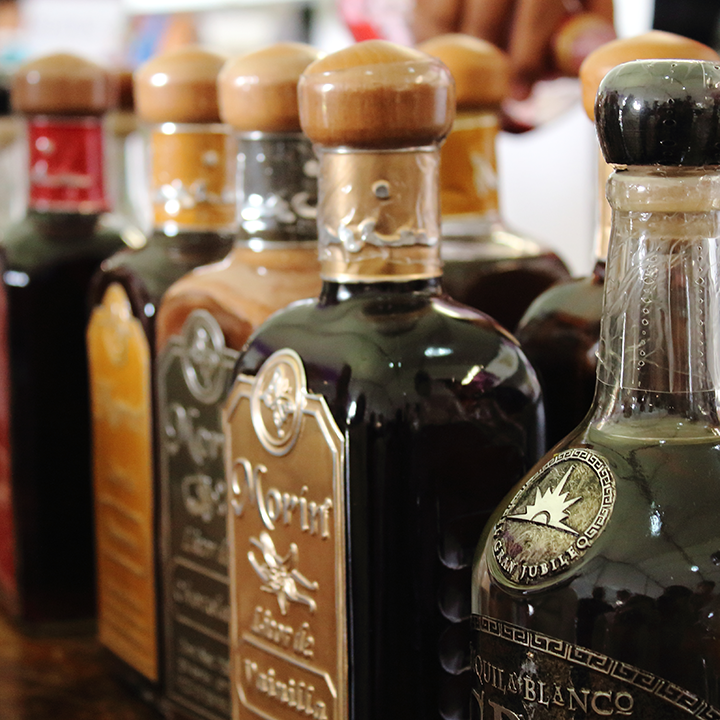
    Photo by Isabella Mendes on Pexels.com

    From Spanish Prohibition to Mexican Pride

    Wine and tequila share an unexpected historical link, forged through the laws of colonial Spain. When the Spanish arrived in Mexico in the early 16th century, they brought with them a love for wine and the European grapevine. However, King Philip II, fearing competition with Spanish wines, banned winemaking in the New World—except for sacramental use by the church. Deprived of their ability to craft wine, locals turned to indigenous fermentation traditions, refining the distillation of fermented agave juice into what we now know as tequila.

    This ban inadvertently fueled the rise of tequila, as Mexicans, undeterred by Spanish restrictions, perfected their agave spirits. By the 18th century, tequila had cemented itself as Mexico’s national spirit, and its production became an art form passed down through generations. Today, tequila stands as a testament to Mexico’s ingenuity and defiance, much like wine does in Old World traditions.

    Jimador using a coa to cut a piña – Ernesto Catedral, CC BY-SA 4.0, via Wikimedia Commons

    The Making of Tequila: From Agave to Spirit

    True tequila begins its journey in the sun-drenched fields of Jalisco, where blue Weber agave plants grow for six to ten years before harvest. Jimadores, the skilled harvesters, use a coa (a specialized blade) to trim the plant down to its heart, or piña. These piñas are then slow-roasted in brick ovens or steamed in autoclaves to convert starches into fermentable sugars.

    Tequila is made from agave, agave is a plant, and that makes this drink a salad. So here’s to staying healthy—one shot at a time!

    Gregory Dean, SOMM&SOMM

    After roasting, the cooked agave is crushed—traditionally by a stone wheel called a tahona or by modern roller mills. The extracted juice, or aguamiel, is then fermented in open or closed vats, sometimes with wild yeasts to add complexity. The fermented liquid is distilled twice (or even three times in rare cases) in copper pot or stainless steel stills to reach the required alcohol content.

    Juan Carlos Fonseca Mata, CC BY-SA 4.0, via Wikimedia Commons

    The Styles of Tequila: Understanding the Variants

    Tequila comes in five primary styles, each with distinct characteristics based on aging and production methods:

    1. Blanco (Silver/Plata) – Unaged or aged for less than two months in stainless steel or neutral oak, blanco tequila captures the pure essence of agave. Expect bright, peppery, citrusy notes with a crisp, clean finish.
    2. Reposado (Rested) – Aged between two months and one year in oak barrels, reposado tequila gains depth, subtle caramel, vanilla, and spice notes while retaining agave’s fresh character.
    3. Añejo (Aged) – Aged between one and three years in small oak barrels, añejo tequila develops a richer, smoother profile, with pronounced notes of oak, chocolate, dried fruit, and baking spices.
    4. Extra Añejo (Ultra-Aged) – Aged for over three years, extra añejo tequila rivals fine cognacs and aged whiskies, offering deep, complex layers of wood, tobacco, leather, and dark chocolate.
    5. Cristalino (Clear Aged Tequila) – A relatively new category, cristalino tequila is aged like an añejo or extra añejo but then filtered through activated charcoal to remove color. This results in a spirit with the smoothness and complexity of an aged tequila but the clarity and lightness of a blanco.

    Cristalino: Trend or Fad?

    Cristalino has gained immense popularity in recent years, appealing to drinkers who love the refinement of aged tequila but prefer the aesthetic and mixability of a clear spirit. While some purists argue that stripping the color also removes some of the nuanced character, others appreciate the velvety texture and refined oak influence.

    Ultimately, cristalino’s staying power will depend on consumer tastes, but given its growing presence in premium bars and high-end tequila houses, it seems more than just a passing trend.

    Tequila Cocktails: Elevating the Spirit

    While tequila is often enjoyed neat, its versatility shines in cocktails. Here are three exceptional drinks that highlight its unique qualities:

    El Rey Old Fashioned

    A refined twist on a classic whiskey cocktail, perfect for showcasing añejo tequila.

    • 2 oz añejo tequila
    • 1/4 oz agave syrup
    • 2 dashes Angostura bitters
    • Orange peel for garnish
      Stir ingredients with ice and strain into a rocks glass over a large ice cube. Express orange peel oils over the glass and drop in as garnish.

    Smoky Paloma

    A mezcal-infused take on Mexico’s beloved Paloma, balancing citrus, smoke, and sweetness.

    • 1.5 oz tequila blanco
    • 0.5 oz mezcal
    • 2 oz fresh grapefruit juice
    • 0.5 oz lime juice
    • 0.5 oz agave syrup
    • Club soda to top
    • Grapefruit wheel for garnish
      Shake all ingredients except soda with ice, strain into a highball glass filled with fresh ice, and top with soda. Garnish with a grapefruit wheel.

    Verde Margarita

    A herbal, refreshing take on the classic Margarita with vibrant green flavors.

    • 2 oz tequila reposado
    • 1 oz fresh lime juice
    • 0.75 oz cilantro-jalapeño syrup (blend equal parts sugar and water with cilantro and jalapeño, then strain)
    • 0.5 oz Cointreau
      Shake with ice, strain into a salt-rimmed glass over fresh ice, and garnish with a lime wheel and cilantro sprig.

    Here’s to tonight—when tequila makes us fearless, our jokes funnier, and our dance moves legendary. And here’s to tomorrow—when coffee and regret remind us why we don’t do this every night!

    Gregory Dean, SOMM&SOMM
    Missvain, CC BY 4.0, via Wikimedia Commons

    A Spirit Worth Celebrating

    Tequila is not just a drink—it’s a story of innovation, resilience, and national pride. From its colonial-era roots as a wine replacement to its modern role as a sophisticated spirit, tequila continues to captivate and evolve. Whether you enjoy it neat, aged, in a cutting-edge cocktail, or as a conversation piece, there’s no denying tequila’s rightful place among the world’s finest spirits. Salud! 🥃

    Cover photo credit: Adrián Cerón, CC BY-SA 4.0, via Wikimedia Commons
  • Discovering the Elegance of Cortese di Gavi: A Northern Italian Treasure

    Discovering the Elegance of Cortese di Gavi: A Northern Italian Treasure

    Ah, the Province of Alessandria in Piedmont—home to one of Northern Italy’s crown jewels, the remarkable Cortese di Gavi. Gavi—a name synonymous with elegance and purity, yet it remains underappreciated in the shadow of more famous Italian white varietals. For a wine enthusiast, this is both a tragedy and an opportunity. Allow me to take you on a journey through the rolling hills of Gavi, where one of Italy’s finest white wines has been quietly defining finesse and charm for centuries.

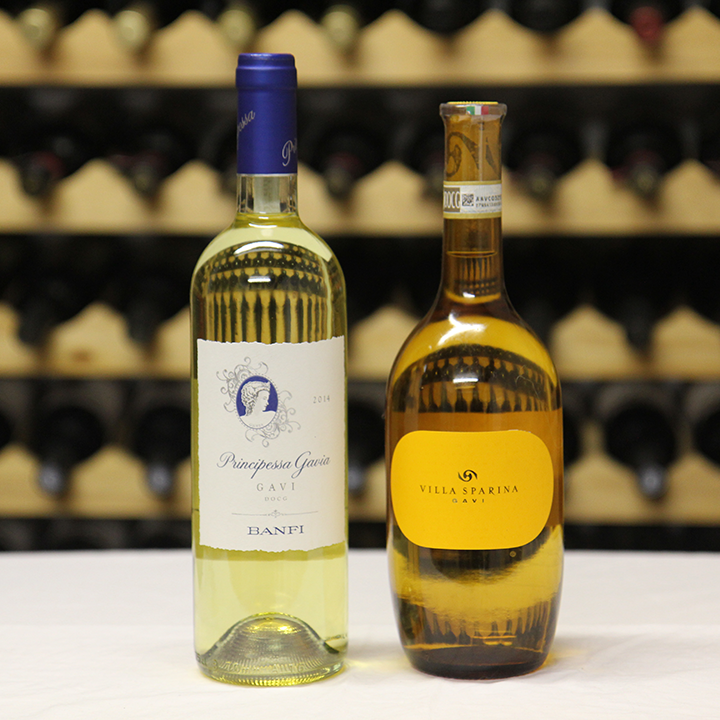
    F Ceragioli, CC BY-SA 3.0, via Wikimedia Commons

    The Grape Behind the Magic

    Let’s begin with the grape itself: Cortese. This varietal is the very embodiment of Italian precision, producing wines that are crisp, aromatic, and vibrant. If wines could sing, Cortese di Gavi would be a soprano—its voice high, clear, and impossibly beautiful. Cultivated in Northern Italy since at least the 17th century, Cortese thrives in the marl and clay soils of Piedmont’s Gavi region, where the vineyards are blessed with an enviable mix of sun-drenched days and cooling maritime breezes. It’s a terroir-driven delight that effortlessly captures the spirit of its homeland.

    Gavi’s DOCG Status: A Badge of Honor

    Now, let’s talk DOCG—Denominazione di Origine Controllata e Garantita. Gavi earned this prestigious status in 1998, a well-deserved recognition of the region’s consistent quality and historical significance. DOCG isn’t just a shiny label; it’s a promise. A promise that every bottle meets the strictest standards and encapsulates the essence of its place of origin. For Gavi, this elevation marked a turning point, helping it stand shoulder-to-shoulder with Italy’s more celebrated white wines, like Soave and Verdicchio.

    Image Credit: Promesse de Fleurs – Cortese Grapes

    What Makes Cortese di Gavi Special?

    First, its style. Imagine a wine that greets your palate with a burst of lemon zest, green apple, and white peach, followed by whispers of almond and wildflowers. There’s an underlying minerality—a flinty backbone that provides structure and balance—making it the quintessential expression of elegance. Gavi isn’t just a refreshing summer sipper; it’s a wine with depth and sophistication, capable of enhancing any meal with its vibrant acidity and nuanced profile.

    A Sip of History

    Historically, Gavi has its fair share of lore. Did you know that Gavi’s wines were once a favorite at the royal courts of the House of Savoy? Even further back, the grape’s resilience was lauded by Piedmontese farmers who dubbed it “Cortese”—“courteous”—for its ability to consistently produce high-quality wines. This enduring reputation has carried through the centuries, culminating in its modern acclaim.

    Visit Sip & Feast and get James Delmage’s recipe for Spaghetti alle Vongole

    Perfect Pairings: Classic and Creative

    When it comes to food pairings, Cortese di Gavi is a sommelier’s playground. For the classics, you can’t go wrong with Ligurian cuisine. Think fresh seafood—grilled branzino, spaghetti alle vongole, or a delicate insalata di mare. The wine’s zippy acidity cuts through the richness of olive oil and enhances the natural sweetness of shellfish.

    But let’s get adventurous. Pair Gavi with Thai green curry, where its citrus notes complement the lime and lemongrass, or with sushi, particularly sashimi or a clean nigiri platter. Feeling bold? Try it with creamy chicken alfredo—the acidity acts as a palate cleanser, preventing the dish from becoming overly heavy.

    Versatility and Appeal

    What truly sets Gavi apart is its versatility. It’s a wine that can gracefully transition from aperitif to main course, adapting to a variety of flavors and textures without losing its charm. It’s no wonder that those in the know (sommeliers and wine enthusiasts alike) revere it as one of Italy’s most delightful surprises.

    A White Wine Powerhouse

    Northern Italy has long been a powerhouse of white wines, from the alpine clarity of Alto Adige’s Pinot Grigio to the creamy sophistication of Friuli’s Ribolla Gialla. Yet, Gavi holds its own with an understated confidence, proving that elegance doesn’t need to shout. Its story is one of quiet resilience and refinement—a reminder that sometimes the most extraordinary treasures are found off the beaten path.

    Fall Under Gavi’s Spell

    So, the next time you find yourself perusing the shelves, take a moment to consider the wines of Gavi. Pick up a bottle, pour yourself a glass, and savor the history, the terroir, and the craftsmanship. And when you taste that first sip of Cortese di Gavi, let yourself fall under its spell. Because trust me—this is one white wine that’s worth getting to know, sip by glorious sip. Saluti!

    Cover Image Credit: Jonathan Harker, CC BY-SA 4.0, via Wikimedia Commons

  • The Enchanting Wines of Entré-Deux-Mers

    The Enchanting Wines of Entré-Deux-Mers

    A Hidden Gem of French Viticulture

    In the illustrious tapestry of Bordeaux’s wine regions, few areas remain as underappreciated and misunderstood as Entré-Deux-Mers. Nestled between the Dordogne and Garonne rivers, this expanse of rolling hills, historic abbeys, and charming châteaux quietly produces some of the most intriguing wines in the world. Yet, it exists in the shadow of its prestigious neighbors: the Left Bank’s powerful Médoc reds and the Right Bank’s velvety Saint-Émilion and Pomerol blends (Tammy’s favorite). Entré-Deux-Mers, however, is a region of diversity, offering crisp whites, unique reds, and sweet treasures that deserve a place on your table and in your glass.

    SOMM&SOMM Related Article: Old World Regions: Bordeaux

    Where Monks and Merchants Shaped the Vines

    The name Entré-Deux-Mers, meaning “between two seas,” might seem misleading at first glance. Rather than seas, it references the two mighty rivers that define its geography. These waterways have long been trade routes, dating back to Roman times, when wine was already a cornerstone of local commerce. During the medieval period, monks played a pivotal role in cultivating the vineyards, leaving behind a legacy of meticulous viticulture that persists to this day.

    Local lore tells of wine-smuggling monks ferrying barrels of “fish wine” (a term used to describe crisp, acidic whites perfect for pairing with seafood) under the cover of night to avoid taxes imposed by Bordeaux merchants. Whether or not these tales are true, they capture the independent spirit of the region’s winemakers.

    The Styles of Entré-Deux-Mers

    Entré-Deux-Mers offers a spectrum of wines, from vibrant whites to robust reds and luscious sweet wines. Let’s explore these styles in greater detail.

    Photo by Oleksandr P on Pexels.com

    Entré-Deux-Mers Blanc

    This is the hallmark wine of the region, an aromatic, crisp white blend dominated by Sauvignon Blanc, Sémillon, and Muscadelle. These wines are often vinified in stainless steel to preserve their fresh, zesty character.

    • Tasting Notes: Expect notes of grapefruit, green apple, and white flowers with a minerally backbone.
    • Pairings: Perfect with oysters, grilled fish, goat cheese, or a fresh herbed salad.
    • Recommendation: Look for Château Bonnet’s Entré-Deux-Mers Blanc, an approachable, quintessential example of the style.

    Bordeaux Rouge and Bordeaux Supérieur

    While not labeled as Entré-Deux-Mers, red wines from the region fall under broader Bordeaux appellations. These blends often feature Merlot, Cabernet Sauvignon, and Cabernet Franc, offering approachable and food-friendly profiles.

    • Tasting Notes: Black cherry, plum, and earthy spice dominate, with soft tannins in younger wines.
    • Pairings: A natural fit for roasted meats, charcuterie, or hearty stews.
    • Recommendation: Seek out Château Thieuley Bordeaux Rouge for an elegant and well-structured red.
    Harvesting Botrytis affected grapes at Château Dauphiné Rondillon

    Sweet Wines (Loupiac, Sainte-Croix-du-Mont)

    On the southern edges of Entré-Deux-Mers, the misty banks of the Garonne create the perfect conditions for noble rot, producing stunning sweet wines reminiscent of Sauternes but at a fraction of the price.

    • Tasting Notes: Honeyed apricot, candied orange peel, and luscious marmalade.
    • Pairings: Pair with foie gras, blue cheese, or fruit tarts.
    • Recommendation: The Cuvée d’Or du Château Dauphiné Rondillon is a delightful and affordable indulgence.

    Varietals and Wine Laws

    Entré-Deux-Mers Blanc is governed by strict AOC rules that mandate blends of Sauvignon Blanc, Sémillon, and Muscadelle, though minor contributions from Ugni Blanc and Colombard are permitted. The region’s reds fall under the broader Bordeaux and Bordeaux Supérieur classifications, which offer greater flexibility in blending.

    An intriguing facet of Entré-Deux-Mers is its experimentation with lesser-known varietals like Malbec (locally called Côt) and Petit Verdot. These grapes add depth and complexity to blends, hinting at the region’s potential to craft truly distinctive wines.

    Why Entré-Deux-Mers Matters

    Entré-Deux-Mers represents the essence of Bordeaux: a commitment to quality, history, and innovation. Unlike the grand châteaux of the Left and Right Banks, this region’s producers often work on a smaller scale, focusing on craftsmanship rather than global acclaim. The result? Wines that overdeliver on value and character.

    Fun Anecdotes and Lore

    Did you know that during the Hundred Years’ War, Entré-Deux-Mers became a battleground for more than just soldiers? Vineyards were often caught in the crossfire, yet resilient locals replanted time and again, showing the enduring spirit of the region.

    Bringing Entré-Deux-Mers to Your Table

    If you’ve yet to explore the wines of Entré-Deux-Mers, now is the time. Whether it’s a crisp white for your next seafood feast or a luscious sweet wine to accompany dessert, this region offers something for everyone. And don’t forget the reds—they might just surprise you with their depth and versatility.

    So, next time you’re perusing the Bordeaux aisle, take a chance on Entré-Deux-Mers. You might just discover a new favorite—and a story to tell with every sip. Santé 🍷

    Cover Image Credit: Henry SALOMÉ, CC BY-SA 4.0, via Wikimedia Commons

  • Demystifying Sulfites in Wine

    Demystifying Sulfites in Wine

    Separating Fact from Fiction.

    The phrase “contains sulfites” on a wine label often stirs confusion and concern among consumers. Misconceptions abound, from the belief that sulfites are only present in low-quality wines to the idea that they are solely responsible for wine-induced headaches. These myths obscure the truth about sulfites and their essential role in winemaking. Let’s unpack the science, necessity, and reality of sulfur dioxide (SO2) in wine, shedding light on its role and addressing concerns for sulfite-sensitive individuals.

    What Are Sulfites?

    Sulfites, chemically known as sulfur dioxide (SO2), are compounds that occur naturally during fermentation. Yeast, the powerhouse behind turning grape juice into wine, produces a small amount of sulfites as a byproduct. These naturally occurring sulfites are present in all wines, even those labeled as “organic” or “natural.” However, many winemakers also add sulfites deliberately to stabilize and preserve their wines.

    Photo by ELEVATE on Pexels.com

    The Role of Sulfites in Winemaking

    Sulfites play several critical roles in winemaking, making them a trusted tool in a winemaker’s arsenal:

    1. Preservation: Sulfites act as an antioxidant, protecting wine from spoilage caused by oxygen exposure. This helps wines age gracefully and ensures they remain fresh from bottling to consumption.
    2. Microbial Stability: By suppressing unwanted bacteria and wild yeasts, sulfites ensure that the intended flavors of the wine shine through without interference.
    3. Color Retention: In white wines, sulfites help maintain clarity and vibrancy, preventing browning caused by oxidation.

    While sulfites are a valuable ally in winemaking, some producers, particularly in the natural wine movement, aim to minimize their use or omit them entirely. However, these wines may have shorter shelf lives and higher risks of spoilage.

    Photo by David Garrison on Pexels.com

    Debunking the Sulfite-Headache Myth

    One of the most persistent misconceptions is that sulfites in wine cause headaches. While it’s true that some people have sulfite sensitivities, these reactions are rare and often manifest as respiratory issues, such as asthma, rather than headaches. According to the FDA, only about 1% of the population is sensitive to sulfites.

    The real culprit behind wine-induced headaches is more likely histamines. Found naturally in grape skins, histamines are higher in red wines than whites. These compounds can trigger headaches in individuals sensitive to them, particularly if their bodies lack sufficient diamine oxidase, the enzyme responsible for breaking down histamines.

    Understanding ‘Contains Sulfites’

    The U.S. government requires any wine containing more than 10 parts per million (ppm) of sulfites to include “contains sulfites” on the label. This applies to almost all wines, given that naturally occurring sulfites alone often exceed this threshold. For comparison, dried fruits can contain up to 1,000 ppm of sulfites, making the levels in wine seem minimal by comparison.

    Choosing Wines for Sulfite Sensitivity

    For those genuinely sensitive to sulfites, understanding wine choices is key. While avoiding sulfites entirely is nearly impossible, low-sulfite options are available:

    • Organic Wines: Certified organic wines in the U.S. are made without added sulfites, though naturally occurring sulfites remain present.
    • Natural Wines: Often produced with minimal intervention, natural wines may contain lower levels of added sulfites.
    • Wines from Cooler Regions: Cooler climates often produce wines that require fewer sulfites due to their naturally higher acidity, which helps preserve freshness. Look for wines from Alsace, Germany, or the Loire Valley.
    • Certain Varietals: Try white wines like Riesling or Pinot Gris, which typically have lower sulfite levels than rich reds. For reds, consider Beaujolais (Gamay varietal), which is lighter in body and often made with minimal sulfites.
    Photo by Helena Lopes on Pexels.com

    The Takeaway: There’s a Wine for Everyone

    Sulfites are an integral part of winemaking, ensuring wines remain stable, flavorful, and safe for consumption. While myths about sulfites persist, the reality is they are unlikely to be the cause of your wine-related woes. For individuals with specific sensitivities, understanding what’s in the bottle and selecting wines thoughtfully can make all the difference.

    Ultimately, wine is a celebration of diversity—in grapes, styles, and preferences. There truly is a wine for everyone. By demystifying sulfites and making informed choices, you can enjoy your wine journey with confidence and curiosity. Cheers 🍷

  • Pop, Fizz, Clink! The Art (and Science) of Opening Sparkling Wine Without a Flying Cork

    Pop, Fizz, Clink! The Art (and Science) of Opening Sparkling Wine Without a Flying Cork

    Ah, Champagne! The ultimate symbol of celebration, glamour, and joy—until it becomes a projectile aimed at your chandelier, your friend’s forehead, or your unsuspecting dog. Opening a bottle of bubbly can be thrilling, but it’s not a party trick unless you’re wielding a saber (more on that later). Let’s break down the proper, safe, and stylish way to pop that cork like a pro.

    Step 1: Chill Out (Literally!)

    Temperature is everything. Too warm, and your sparkling wine will gush like a fountain; too cold, and the nuanced flavors and bubbles won’t shine. Aim for 43-50°F (6-10°C). This means a couple of hours in the fridge or 30 minutes in an ice bucket filled with half water and half ice. Remember: calm bubbles are happy bubbles.

    Cork Dork Tip: If your sparkling wine is too warm and you’re in a pinch, wrap the bottle in a damp towel and pop it in the freezer for 15 minutes. But set a timer—we’re chilling wine, not making Champagne slushies.

    Photo by Moran Avni on Pexels.com

    Step 2: The Tools of the Trade

    Let’s talk glassware. While a flute may look classic, it’s not ideal for appreciating the wine’s aromas. A tulip-shaped glass or a standard white wine glass works wonders. If all you’ve got is a coffee mug…well, let’s pretend I didn’t hear that.

    Cork Dork Tip: Invest in proper glassware. It’s like giving your wine a stage to perform on instead of relegating it to karaoke night at the dive bar.

    Step 3: Unleash the Cage (Gently!)

    Now for the fun part. Remove the foil and locate the wire cage (officially called the muselet). Keep your thumb firmly on the cork while you untwist the cage—six half-turns, in case you’re counting. Leave the cage on the cork for better control. It’s your first line of defense against unintentional popping.

    Cork Dork Tip: If you’re feeling fancy, use this moment to drop a fun fact: the pressure inside a bottle of sparkling wine is equivalent to the tire pressure of a double-decker bus. That’s why the cork deserves your respect!

    Step 4: The Twist-Off (No Drama, Please)

    Here’s where many a cork dork shines. Tilt the bottle to a 45-degree angle, gripping the cork with one hand (and a towel, if you’re feeling fancy) and the base of the bottle with the other. Slowly twist the bottle—not the cork—while applying gentle counter-pressure. Listen for the “pffft” sound of escaping gas, not the party-popping “boom” of disaster.

    Cork Dork Tip: If the cork refuses to budge, don’t panic. A quick wrap of the cork in a warm towel can help loosen things up. Consider it wine’s version of a spa day.

    Photo by Rene Terp on Pexels.com

    Step 5: Pouring Perfection

    Pour in two stages to prevent overflow. A small amount first to let the foam settle, then top up to about two-thirds full. Bonus points if you can pour with a slight flair without spilling on Aunt Henrietta’s carpet.

    Cork Dork Tip: Tilt the glass at an angle while pouring to preserve those precious bubbles. Straight-on pouring is for amateurs (or soda).

    For the Extra (and Extra Formal) Moments

    For formal occasions, present the bottle label-forward before opening. This gives your guests a chance to admire your impeccable taste. Oh, and never—I repeat, never—point the cork at anyone. A Champagne cork can travel up to 50 miles per hour; this is a bottle of wine, not a weapon.

    Cork Dork Tip: Bonus style points for draping a napkin or towel over your pouring arm. It’s the sommelier’s version of a superhero cape.

    The Saber Method (For Show-offs and Special Occasions)

    Want to impress your guests? Saber that bottle like a true connoisseur with a flair for the dramatic. Using a dull blade or the blunt side of a chef’s knife, slide the blade along the seam of the bottle toward the lip with a firm, confident stroke. The cork and glass lip should break off cleanly. This method is best practiced outdoors—and away from your mother-in-law’s priceless crystal collection.

    Cork Dork Tip: Make sure your audience knows this isn’t just about bravado. Sabering has historical roots in Napoleonic France. When you’re done, casually drop the phrase, “Vive l’Empereur!” for dramatic effect.

    A Few More Cork Dork Pro Tips

    • Storage: Keep your sparkling wine stored horizontally and away from heat or light.
    • Pairing: Sparkling wine pairs beautifully with almost anything, from oysters and caviar to fried chicken and popcorn. Yes, really.
    • Serving: Keep an extra bottle or two chilled. One bottle for every two guests is a good rule of thumb.

    Cork Dork Tip: If you’re running out of Champagne, have a stash of Crémant (French), Cava (Spanish) or Prosecco (Italian) as a backup. They’re budget-friendly lifesavers.

    Bottom Line: Celebrate Safely and Stylishly

    Whether you’re popping a Prosecco on the couch, sabering a Cava in the backyard, or serving vintage Champagne at a black-tie event, the key is respect for the wine and your guests. A well-opened bottle sets the tone for the celebration, and nothing—nothing—beats the sound of a perfectly controlled “pffft” as you usher in a new year or toast to life’s moments big and small.

    So go forth, my fellow cork dorks, and conquer the art of bubbly with confidence, style, and perhaps just a little mischief. Cheers 🥂

    Disclaimer: Proceed With Caution – Sabering and opening sparkling wine may look glamorous, but they require attention and care. Always ensure bottles are properly chilled to reduce pressure, point them away from people or valuables, and handle with steady hands. Sabering, in particular, should only be attempted outdoors with the right tools and protective eyewear. This isn’t a TikTok challenge—safety comes first. If in doubt, leave the sabering to professionals and stick to the classic “pffft” opening method. Celebrate responsibly, and may your bubbles always be joyful!

  • Effervescent Charm or Fizzing Fad?

    Effervescent Charm or Fizzing Fad?

    I am speaking, of course, about Pet Nat—the bubbly darling of the natural wine movement. If you’ve been to a trendy wine bar or scrolled through the feeds of wine influencers, you’ve likely encountered these playful, unfiltered bottles of fizz. But what exactly is Pet Nat, and why has it captured the imagination of wine enthusiasts? Let’s dive in to uncover its origins, purpose, myths, tasting notes, and most importantly, how to savor it with the perfect dish.

    What Is Pet Nat?

    Short for Pétillant Naturel (French for “naturally sparkling”), Pet Nat is the oldest known method of making sparkling wine, predating the Champagne method by centuries. It’s crafted using the méthode ancestrale, where the wine is bottled before fermentation is complete. This creates a gentle fizz as carbon dioxide is trapped during fermentation. Unlike Champagne, Pet Nat is often unfiltered, capped with a crown cap (like a beer bottle), and may carry a sediment that reflects its raw, unpolished nature.

    Photo by Susanne Jutzeler, suju-foto on Pexels.com

    A Brief Origin Story

    Pet Nat’s roots trace back to rural France, where farmers embraced this simpler, low-tech approach to sparkling wine. The Loire Valley is often credited as its modern spiritual home, though it’s now produced worldwide. For centuries, this “happy accident” fizz was a rustic treat enjoyed by winemakers themselves. Today, Pet Nat has evolved into a global trend, celebrated for its authenticity and artisanal charm.

    Purpose and Personality

    At its heart, Pet Nat is about capturing the essence of nature and spontaneity. Winemakers embrace minimal intervention, letting terroir and vintage variation shine. This results in wines that are alive, vibrant, and sometimes a bit unpredictable—an allure for adventurous drinkers.

    Myths and Lore

    1. Myth: Pet Nat is just poorly made sparkling wine.
      Truth: While it’s less polished than Champagne, good Pet Nat is thoughtfully crafted and represents the winemaker’s intent to embrace imperfections.
    2. Myth: It’s always funky and cloudy.
      Truth: Not all Pet Nats are wild or cloudy. Styles range from clean and crisp to earthy and funky.
    3. Lore: Opening a bottle is like opening a treasure chest—no two are exactly the same. There’s a delightful unpredictability to every pour.

    Tasting Notes and Styles

    Pet Nat can be made from any grape, so the flavor spectrum is vast. Common characteristics include:

    • Color: Clear to hazy, white to deep rosé, and even orange.
    • Bubbles: Gentle fizz rather than aggressive effervescence.
    • Aroma and Flavor: Expect bright fruit notes—green apple, pear, stone fruit, or berries—with herbal undertones, minerality, or a slight yeasty funk. Each bottle tells its own story.

    Here’s to the unexpected—
    To the wine that keeps us guessing,
    To the gentle fizz that feels like laughter in a glass,
    To the imperfections that make life beautifully real.

    May each sip of this lively, untamed wine remind us to embrace the unpredictable, savor the spontaneous, and celebrate the journey over the destination.

    To Pet Nat and the adventures it inspires—
    Cheers!

    Gregory Dean, SOMM&SOMM

    Food Pairings

    Pet Nat’s versatility and vibrancy make it a sommelier’s dream for food pairing. Here are some standout matches:

    • Light & Citrusy Pet Nats: Pair with oysters, sushi, or ceviche.
    • Rosé Pet Nats: Perfect with charcuterie, roasted veggies, or creamy cheeses.
    • Funky & Earthy Styles: Excellent with fried chicken, barbecue, or mushroom risotto.
    Image by Stacy, CC BY 2.0, via Wikimedia Commons

    Recommended pairing: Goat Cheese and Herb-Stuffed Mushrooms. The creamy, tangy goat cheese enhances the bright acidity of a citrusy Pet Nat, while the earthy mushrooms echo the wine’s natural, unfiltered character.

    Pet Nat isn’t just a fad—it’s a revival of a historic style with a modern twist. Whether it’s here to stay or fades into obscurity remains to be seen, but for now, its charm, authenticity, and sheer fun make it worth exploring. Grab a bottle, pair it with a dish, and let the fizz work its magic! Cheers 🥂

  • Wines for Late Autumn and Early Winter

    Wines for Late Autumn and Early Winter

    Sipping Through the Seasons–The Holidays and Beyond.

    As the vibrant hues of autumn leaves fade into the frost-kissed landscapes of early winter, it’s time to embrace wines that embody the coziness of the season. From family gatherings to fireside chats, this time of year calls for rich, warming wines that bring people together. Here’s a lighthearted guide to selecting wines perfectly suited to late autumn and early winter vibes.

    Photo by Taryn Elliott on Pexels.com

    The Cozy Corner: Reds That Warm the Soul

    The cooler months are synonymous with robust red wines that feel like a warm hug. These wines pair effortlessly with hearty dishes, wool blankets, and crackling fires.

    Cabernet Sauvignon

    • Perfect for: Slow-cooked roasts, braised short ribs, or a rich lasagna.
    • With its bold tannins and dark fruit notes, Cabernet Sauvignon feels right at home during chilly nights. Try one from Napa Valley for a classic experience or experiment with South American options for an earthy twist.

    Syrah/Shiraz

    • Perfect for: Grilled lamb, smoked brisket, or venison stew.
    • Bursting with black pepper, plum, and smoky undertones, Syrah matches the rugged charm of late autumn.

    Zinfandel

    • Perfect for: BBQ meats, spicy chili, or glazed ham.
    • Its jammy fruit flavors and spicy kick make Zinfandel a crowd-pleaser for festive gatherings.
    No machine-readable author provided. Hoffkar assumed (based on copyright claims)., CC BY-SA 3.0, via Wikimedia Commons

    Florida’s Early Winter: Tropical Hints with Holiday Cheer

    For those basking in the mild 70°F “winters” of Florida (or similar climates), lighter wines with tropical vibes but seasonal depth strike the right balance.

    Viognier

    • Perfect for: Shrimp scampi, citrus-glazed chicken, or mango salsa.
    • This aromatic white wine bridges the gap between summery zest and cozy richness, perfect for coastal holiday parties.

    Chenin Blanc

    • Perfect for: A poolside turkey sandwich or a festive charcuterie board.
    • Opt for a South African Chenin Blanc for a slightly off-dry profile that suits Florida’s seasonal flair.

    Light Pinot Noir

    • Perfect for: Cedar-plank salmon or grilled turkey legs.
    • Bright red fruit with a touch of spice makes Pinot Noir versatile enough for Florida’s unique winter vibe.

    Fireside Chats & Relaxed Evenings: The Best Sippers

    Nothing beats a glass of something special when unwinding by the fire. Here are top picks for contemplative sipping:

    Port – Rich, sweet, and warming, a ruby or tawny Port is the ultimate fireside companion. Pair it with blue cheese or toasted nuts for a cozy treat.

    Madeira – With its caramelized nuttiness, Madeira feels luxurious. Opt for a medium-sweet Bual style, paired with roasted chestnuts or gingerbread cookies.

    Amarone della Valpolicella – This velvety Italian red has dried fruit flavors and a hint of cocoa, making it an indulgent pairing for dark chocolate or aged Parmesan.

    Family Gatherings: Classic Pairings for Festive Feasts

    Holiday tables brimming with traditional dishes demand wines that enhance the flavors without overpowering them.

    Turkey and Trimmings

    • Go for a Chardonnay (try a buttery Sonoma option) or Riesling (a semi-dry German Riesling for balance).
    • For reds, a Beaujolais Cru or Pinot Noir adds enough complexity without stealing the spotlight.

    Ham or Pork Roast

    • A fruity Grenache or a full-bodied Malbec pairs beautifully with the sweet and savory nature of ham.
    • For whites, try a bold Gewürztraminer, especially if there’s a honey glaze involved.

    Vegetarian Delights

    • Mushroom dishes and roasted root vegetables pair exquisitely with Barbera or Tempranillo.
    • For whites, a nutty Roussanne or White Burgundy elevates earthy flavors.
    Photo by Photo By: Kaboompics.com on Pexels.com

    Seasonal Activities & Their Perfect Pairings

    Every seasonal pastime has a wine that fits like a glove. Here’s a list to inspire your next bottle:

    • Tree Trimming: Prosecco or Cava. Light, fizzy, and celebratory, these sparkling wines keep spirits bright.
    • Pumpkin Pie Baking: Moscato d’Asti. Its sweetness and citrusy zing make pie-prepping festive.
    • Holiday Movie Marathons: Mulled wine or a spiced Glühwein. Curl up with a steaming mug of wine infused with cinnamon, cloves, and orange zest.

    Choose What Feels Right

    Whether you’re embracing early winter in Florida with a chilled Chenin Blanc or braving the Northeast cold with a bold Cabernet Sauvignon, the season is about warmth, comfort, and connection. Raise a glass to the season’s charm, and remember: the best wine is the one you enjoy most with the people you love. Cheers! 🥂

    Cover Photo Credit: Reinhold Möller, CC BY-SA 4.0, via Wikimedia Commons

  • Exploring the World of Fortified and Oxidative Wines

    Exploring the World of Fortified and Oxidative Wines

    A Deeper Look at Six Pillars of the Style.

    Fortified wines, often overlooked or misinterpreted, carry centuries of craftsmanship, trade, and innovation. This article examines the six mainstream fortified and oxidative wines—Sherry, Port, Madeira, Marsala, Vermouth, and Rancio—exploring their histories, production methods, and cultural significance.

    Classic fortified wines with dessert – Photo by Benny Stu00e6hr on Pexels.com

    Sherry

    Spain’s Gift to the World

    Sherry, from Spain’s Andalusian region of Jerez, evolved from a local wine into a global phenomenon. The production process, under the watchful eye of a complex solera system, integrates new and old wines, lending Sherry its distinct, oxidative character. Sherry is traditionally classified into seven main styles: Fino, Manzanilla, Amontillado, Oloroso, Palo Cortado, Cream, and Pedro Ximénez, each unique in flavor and aging methods.

    The Phoenicians first brought vines to Jerez around 1100 BC, and the wine became famous under the Moors, who fermented the grapes and distilled the resulting wines. Sherry’s popularity peaked in the 16th century when British sailors returned from the Battle of Cádiz with barrels, introducing it to English nobility. The lore of Sherry includes the belief that some soleras contain remnants from centuries past, connecting each bottle to a vibrant history of winemaking.

    SOMM&SOMM Related Article: Demystifying Wine: Sherry

    Port

    Portugal’s Legacy of Power and Complexity
    liz west from Boxborough, MA, CC BY 2.0, via Wikimedia Commons

    Port, originating in Portugal’s Douro Valley, became popular in England during the 1700s when English merchants, avoiding French wine, fortified their imports from Portugal. The production process involves adding aguardente (grape spirit) to halt fermentation and preserve natural sugars, creating a rich, full-bodied wine. Port comes in several styles, including Ruby, Tawny, Vintage, Late Bottled Vintage (LBV), and White Port, each with unique aging techniques.

    Port’s narrative includes the discovery of a legendary “blackstrap” port by English traders, who, having mistakenly over-fortified a shipment, found it sweeter and more robust. This unplanned discovery set the stage for Port’s sweet, fortified profile, which pairs seamlessly with blue cheeses and rich desserts.

    SOMM&SOMM Related Article: The History, Tradition, and Elegance of Port Wine

    Madeira

    An Island’s Fortuitous Wine

    Madeira’s story is one of survival and adaptability. Hailing from the island of Madeira, this wine was initially transported to tropical climates aboard ships, where the high temperatures “cooked” the wine. Instead of spoiling, it developed rich, complex flavors that fascinated European merchants. Modern Madeira winemaking replicates this process with the estufagem method, heating the wine to impart a caramelized complexity.

    Madeira wines – Frank Papenbroock, CC BY-SA 3.0, via Wikimedia Commons

    Madeira styles range from Sercial (dry) to Malvasia (sweet), with Bual and Verdelho falling in between. The island’s volcanic soils and distinctive grape varieties create wines with flavors of dried fruits, caramel, and smoky nuts. Madeira’s resilience is legendary; it remains one of the few wines capable of enduring centuries of aging, with bottles from the 18th century still drinkable today.

    Marsala

    Sicily’s Sweet and Dry Treasure

    Marsala, named after the coastal town of Marsala in Sicily, gained international fame in the late 1700s when English merchant John Woodhouse fortified the local wine, preserving it for long voyages. Marsala production typically involves adding grape spirit to a wine blend and aging it in wooden casks. Marsala is classified into dry, semi-sweet, and sweet styles and further divided by aging categories such as Fine, Superiore, Vergine, and Riserva.

    Marsala lineup – Dedda71, CC BY-SA 3.0, via Wikimedia Commons

    Marsala’s fame rose in the 19th century when it became a culinary staple, particularly in dishes like Chicken Marsala. Though overshadowed by its kitchen counterpart, fine Marsala wines offer complex notes of dried apricot, vanilla, and baking spices and can be enjoyed on their own as dessert wines.

    Vermouth

    Europe’s Aromatic Aperitif

    Vermouth, first created in 1786 by Antonio Benedetto Carpano in Turin, Italy, is an aromatized, fortified wine infused with botanicals like herbs, roots, and spices. Originally medicinal, vermouth evolved into a fashionable aperitif. The wine base is fortified with grape spirit and flavored with a unique blend of botanicals, which differ by brand and region. Sweet (red) and dry (white) are the primary styles, with modern variations including extra dry, amber, and rose.

    Vermouth and Quinquina bottles – Will Shenton, CC BY-SA 3.0, via Wikimedia Commons

    Vermouth has become integral to cocktails such as the Martini and Manhattan, but it’s also enjoyed neat, served with a citrus twist. Its versatility is its charm, as it complements flavors across a range of dishes, from appetizers to rich desserts.

    SOMM&SOMM Related Article: Trendy Cocktails: The Manhattan

    Rancio Sec

    Catalonia’s Hidden Gem

    Rancio Sec, hailing from Catalonia and France’s Roussillon region, is an ancient, oxidative-style non-fortified wine aged in barrels exposed to sunlight, creating intense, nutty flavors. Rancio wines gain their distinct profile from long aging and exposure to air, often with traditional winemaking methods, including aging in open vats or glass demijohns.

    Domaine de Rombeau Rancio Sec aging outside in glass bonbonnes

    Aged between 5 and 100 years, Rancio Sec is not for the faint-hearted; it boasts concentrated flavors of roasted nuts, dark chocolate, and leather. The wine’s robust, rustic character pairs well with charcuterie and strong cheeses, and its rarity makes it a prized addition to any wine cellar.

    Here’s to the fortified and oxidative—those brave, enduring wines that weather time and hold their ground. In their layers of complexity and whispers of faraway lands, they remind us that beauty often lies in patience, character, and the willingness to age with grace. Raise a glass to the unsung alchemists of the wine world, whose depth and warmth bring history to the table with every sip!

    Gregory Dean, SOMM&SOMM

    Each of these fortified and oxidative wines carries the essence of its place, heritage, and historical journey. Rediscovering fortified wines reveals a world where winemaking and alchemy meet, offering layers of flavor that speak to their unique origins and cultural stories. Whether you’re savoring a glass of Sherry with tapas or exploring the bold, oxidative notes of Rancio Sec, fortified wines are a journey through history, tradition, and flavor awaiting deeper exploration. Cheers 🍷

    Cover photo by Christina Snyder, CC BY 2.0, via Wikimedia Commons

  • Uncorking the Wine Lovers of the World

    Uncorking the Wine Lovers of the World

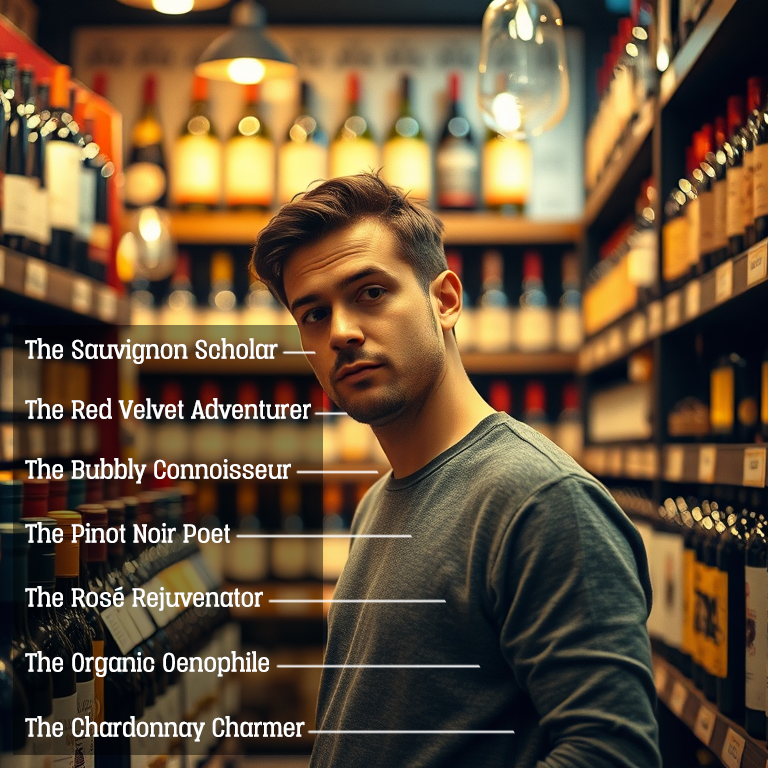
    A Few Fun Personas.

    Ever wondered what your wine of choice says about you? Based on years of observing the nuances and quirks of wine drinkers and merging that with the persona-building precision of marketing (my day job for years 🙂), here’s a toast to the charming (and possibly recognizable) personas behind the glass. This is a lighthearted look at who you might be, based on the wines that make you swoon. Grab a glass, relax, and find yourself in these delightful characters!

    The Sauvignon Scholar

    Favorite Wines: Crisp Sauvignon Blancs, especially from New Zealand and California.

    These are the intrepid thinkers with an enthusiasm for data, facts, and just the right bit of zest. Much like their wine of choice, they’re sharp, refreshing, and (perhaps unknowingly) a little bit enlightening. The Sauvignon Scholar often relishes lively debates—think Socrates meets Martha Stewart, only with a cheese platter in hand.

    A Day in the Life:
    Mornings are organized to perfection. By 8 a.m., their coffee is measured to the gram, and a neatly lined spreadsheet tracks their to-dos. By lunchtime, they’re tackling the New York Times crossword (in ink, naturally). Evening? Time to uncork a bottle of Sauvignon Blanc and dive into a crime thriller—preferably one set in the vineyards of Marlborough. They dream of starting a true-crime podcast… if only their schedule allowed it.

    The Red Velvet Adventurer

    Favorite Wines: Rich, bold Cabernet Sauvignons and smooth Malbecs.

    The Red Velvet Adventurer is a lover of bold flavors and even bolder experiences. They might seem a bit mysterious at first (especially with that cabernet-colored scarf), but peel back a layer, and they’re the life of any gathering. Known to indulge in fascinating tales about “that one time in Argentina,” they’re passionate and deeply invested in everything they do.

    A Day in the Life:
    They’re up early, powering through a workout—HIIT or bust—before setting off on the day’s adventure. By 3 p.m., they’re browsing an art gallery or maybe booking a weekend escape to Napa. When evening arrives, they savor a Cabernet Sauvignon, pondering their next venture: skydiving? A pottery class? Either way, they’ll have a glass in hand and a story to tell.

    The Bubbly Connoisseur

    Favorite Wines: Champagne, Prosecco, and all things sparkling.

    The Bubbly Connoisseur brings lightness and enthusiasm wherever they go. Life is a celebration, and every day deserves a little sparkle—whether it’s a Tuesday evening or New Year’s Eve. Often the connector in a group, they’re everyone’s favorite person to sit next to at dinner because their laughter is as effervescent as their drink.

    A Day in the Life:
    9 a.m., they’re cheerfully greeting everyone at their Pilates class, followed by a jaunt to the farmers’ market for fresh blooms. By noon, they’re planning their next soiree—charcuterie boards, vintage glassware, the works. Come 5 p.m., they’re sipping Prosecco and FaceTiming their friends, insisting on “just one more glass!” because life, after all, should be filled with bubbles.

    The Pinot Noir Poet

    Favorite Wines: Delicate, nuanced Pinot Noirs, particularly those from Oregon or Burgundy.

    This gentle soul finds beauty in the subtle things and knows the magic of a perfectly aged vintage. They’re reflective, artistic, and a bit romantic, savoring life at a slower pace and appreciating the complexity of a Pinot as if it were a piece of art. Often seen journaling or strumming an acoustic guitar, they know how to bring calm to any storm.

    A Day in the Life:
    They start the day in contemplation, meditating with their rescue dog and journaling intentions for the day. Afternoons involve browsing a used bookstore or walking along a misty coast, enveloped in thoughts about the interconnectedness of life. By evening, they’re savoring a glass of Pinot Noir while working on their poetry collection. They’re convinced the wine tastes a bit better with jazz playing softly in the background.

    The Rosé Rejuvenator

    Favorite Wines: Refreshing rosés from Provence, but also curious about other light, vibrant varieties.

    With a well-developed knack for enjoying life’s simpler moments, the Rosé Rejuvenator is always on the hunt for “rosé all day” vibes. Effortlessly cool, they’re known for balancing work and play, and they’re often spotted brunching with friends or wandering in nature. They’re optimists with a talent for finding silver linings.

    A Day in the Life:
    Their morning begins with a matcha latte (iced, even in winter), a session of yoga, and a scroll through travel inspirations. Come afternoon, they’re making plans for a sunset picnic by the water, complete with a cooler stocked with their favorite rosé. They’re the friend who insists on taking a selfie with everyone, holding up a glass of rosé to capture the “golden hour” glow.

    The Organic Oenophile

    Favorite Wines: Biodynamic and natural wines, favoring unfiltered or small-batch varieties.

    A purist at heart, the Organic Oenophile values authenticity and transparency, whether it’s in their wine or their friendships. They’re well-versed in phrases like “zero-zero” and know the exact coordinates of their favorite vineyard. Earthy yet refined, they’re often mistaken for a philosopher or an off-duty vintner.

    A Day in the Life:
    The day begins with green juice and a stroll to the local co-op. Their afternoons involve perusing rare plant shops or making sourdough starter from scratch. As evening falls, they’re sipping on a cloudy orange wine, waxing poetic about sustainability. You’ll often find them hosting low-waste dinner parties where the only thing more interesting than the conversation is the wine.

    The Chardonnay Charmer

    Favorite Wines: Big, bold, buttery Chardonnays from Napa, but they’re not opposed to an unoaked Chablis either.

    The Chardonnay Charmer is warm, welcoming, and confident in their tastes. They’re often at the center of any group, offering wisdom, wit, and a knack for turning strangers into friends. At home, they have a cozy reading nook and an impressive assortment of stemware.

    A Day in the Life:
    They start their day by lighting a candle and enjoying a leisurely breakfast, even on weekdays. By 2 p.m., they’re organizing the book club or planning a brunch, complete with buttery Chardonnay pairings. When evening comes, they’re curled up with their favorite memoir and a glass of oaked Chardonnay, fully embracing each sip like a warm hug.

    Here’s to celebrating the wide world of wine lovers! Whether you’re a Sauvignon Scholar or a Rosé Rejuvenator, may your glass always be full, and may you continue to savor the little things that make each sip uniquely you. Cheers 🍷

    Gregory Dean, SOMM&SOMM
  • Demystifying Wine: Sherry

    Demystifying Wine: Sherry

    The Forgotten Gem: Understanding the Seven Types of Sherry Wine.

    Sherry wine, one of the world’s oldest and most storied styles, hails from the Jerez region in southern Spain. Known for its diversity and complex flavor profiles, Sherry has a bit of a reputation problem—often relegated to dusty shelves or seen as “grandma’s wine.” But for those in the know, Sherry offers a wide spectrum of styles, from bone-dry and briny to lusciously sweet, making it a remarkably versatile option for food pairings.

    Six types of Sherry (missing Cream Sherry): Fino, Manzanilla, Amontillado, Palo Cortado, Oloroso, Pedro Ximénez (PX)

    The Seven Styles of Sherry

    The beauty of Sherry lies in its remarkable range, produced under strict legal classifications that determine how the wine is aged, blended, and finished. Each type showcases distinct characteristics that can surprise even seasoned wine enthusiasts.

    Fino

    • Key Notes: Pale straw color, bone dry, light, and fresh.
    • Aging: Biological aging under flor.
    • Varietals: Palomino.
    • Characteristics: Fino is the lightest of the Sherries, with an alcohol content around 15-16%. It develops a unique layer of yeast called flor, which shields the wine from oxygen and gives it a tangy, almond-like flavor with a saline finish.
    • Food Pairing: Tapas, olives, almonds, and seafood like shrimp or oysters.

    Manzanilla

    • Key Notes: Similar to Fino but with a coastal brininess.
    • Aging: Biological aging under flor in the coastal town of Sanlúcar de Barrameda.
    • Varietals: Palomino.
    • Characteristics: While technically a subset of Fino, Manzanilla has a distinct salty tang from the maritime influence, making it a touch lighter and zestier.
    • Food Pairing: Anchovies, salted fish, fried seafood, or sushi.

    Amontillado

    • Key Notes: Nutty, oxidative, and complex.
    • Aging: Starts under flor, then moves to oxidative aging.
    • Varietals: Palomino.
    • Characteristics: Amontillado begins its life as a Fino, aged under flor for a few years, but the yeast eventually dies off, allowing oxygen to interact with the wine. This adds layers of nuttiness, caramel, and dried fruit flavors.
    • Food Pairing: Grilled meats, mushrooms, or hard cheeses like aged Manchego.

    Palo Cortado

    • Key Notes: Mysterious blend of Fino and Amontillado characteristics.
    • Aging: Starts under flor, but undergoes early oxidative aging.
    • Varietals: Palomino.
    • Characteristics: Palo Cortado is the enigma of Sherry, often starting as a Fino or Amontillado but then evolving into something unique. It combines the finesse of Fino with the depth of Amontillado, offering flavors of hazelnuts, orange peel, and toffee.
    • Food Pairing: Duck, game birds, or rich stews.

    Oloroso

    • Key Notes: Bold, rich, and intensely oxidative.
    • Aging: Oxidative from the start.
    • Varietals: Palomino.
    • Characteristics: Oloroso Sherry is aged entirely without flor, allowing for complete exposure to oxygen. It is deeper in color with flavors of roasted nuts, toffee, leather, and dried fruits. With a higher alcohol content (17-20%), it’s one of the bolder Sherry styles.
    • Food Pairing: Lamb, aged cheeses, or roasted vegetables.

    Pedro Ximénez (PX)

    • Key Notes: Lusciously sweet, syrupy, with intense dried fruit flavors.
    • Aging: Oxidative aging.
    • Varietals: Pedro Ximénez.
    • Characteristics: PX Sherry is made from sun-dried Pedro Ximénez grapes, which concentrate the sugars and produce a deeply sweet, raisin-like wine. The wine is rich, with notes of figs, dates, molasses, and chocolate.
    • Food Pairing: Blue cheese, rich desserts, or even poured over vanilla ice cream.

    Cream Sherry

    • Key Notes: Sweet, smooth, often a blend of Oloroso with sweetened PX.
    • Aging: Oxidative aging, with blending.
    • Varietals: Palomino and Pedro Ximénez.
    • Characteristics: Cream Sherry is an approachable, sweetened version of Oloroso, designed to balance sweetness and nuttiness. It’s rich and smooth, often seen as a dessert wine.
    • Food Pairing: Chocolate cake, custards, or with fruit tarts.

    SOMM&SOMM Recommends: Sherry Tasting Trio with Tasting Video

    Solera at Bodegas Tío Pepe – El Pantera, CC BY-SA 3.0, via Wikimedia Commons

    The Solera System: The Art of Aging

    What sets Sherry apart from other wines is the Solera system, a fractional blending method that ensures consistency and complexity across vintages. In the Solera system, older wines are systematically blended with younger wines, creating a continuous aging process. Each year, a portion of the oldest wine is drawn off for bottling, while younger wines replenish the barrels, allowing the character of the wine to evolve gradually.

    This process creates a remarkable depth in Sherry, where wines are often aged for decades, taking on complex, layered flavors that reflect both the region’s history and the patience of its winemakers.

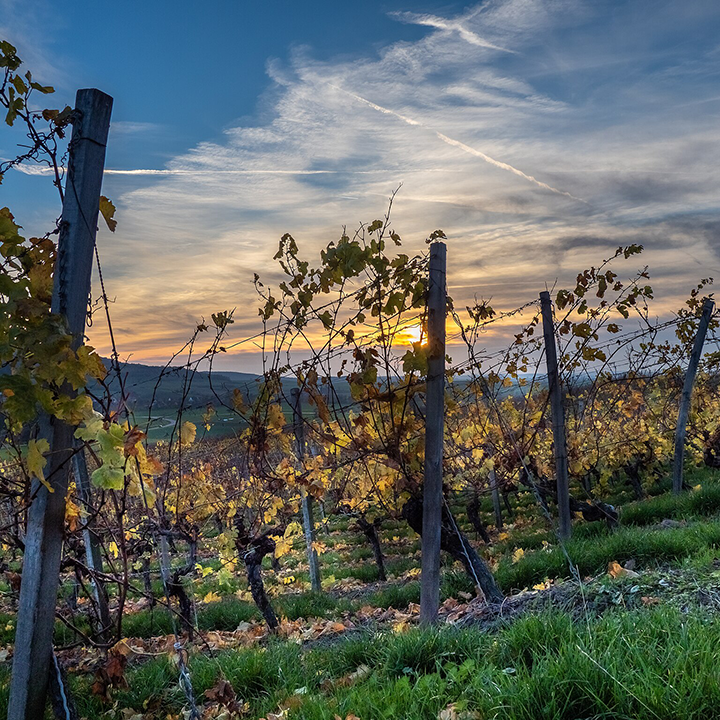
    Flor Aging – El Pantera, CC BY-SA 3.0, via Wikimedia Commons
    Flor: A Yeast Like No Other

    The role of flor in Sherry production is critical, especially in lighter styles like Fino and Manzanilla. This yeast floats on the surface of the wine, protecting it from oxidation while contributing to the wine’s distinctive flavor profile. The salty, yeasty notes often associated with these styles are direct results of this biological aging. This technique is somewhat similar to the sur lie aging in Champagne, where wine is aged on the dead yeast cells, although sur lie focuses more on enhancing texture and brioche-like flavors.

    Sherry’s Image Problem

    So why is Sherry often overlooked? Part of the issue lies in its old-fashioned reputation. For years, Sherry has been pigeonholed as an “old person’s drink,” especially with the perception of sweet, cloying Cream Sherries that once dominated the market. But the dry styles, especially Fino, Manzanilla, and Amontillado, have so much more to offer. The complexity, versatility, and food-friendliness of these wines are woefully underappreciated.

    There’s also the fact that Sherry doesn’t fit neatly into most wine drinkers’ expectations. It’s not a light, easy-drinking white, nor is it a robust red. It occupies a unique space, which requires a more adventurous palate to fully appreciate.

    Sherry in Pairings: Rediscovering a Lost Art

    If you want to experiment with Sherry in your next wine pairing, consider going beyond the obvious. Here are some fresh ideas:

    • Fino or Manzanilla: These bone-dry, saline wines are fantastic with charcuterie, shellfish, and even sushi. The briny character complements the umami richness of seafood.
    • Amontillado: Try it with earthy mushroom dishes or rich pork belly. The nuttiness and depth of flavor create a fascinating interplay with these savory ingredients.
    • PX: Dessert wines often steal the show, but PX takes it to another level. Serve it with blue cheese or use it to top off a vanilla ice cream sundae for a memorable finish.

    The next time you’re hosting a pairing dinner, don’t shy away from including a Sherry. It’s a conversation starter, and with its range of flavors and styles, you can find a bottle that complements just about any dish. Maybe, just maybe, Sherry will finally earn the spotlight it deserves. Cheers 🍷