Every fall, as the leaves start to turn and the evenings grow cooler, the world’s attention turns to Munich, Germany. Beer steins are hoisted high, brass bands play traditional Bavarian tunes, and hearty dishes like pretzels, sausages, and roasted chicken take center stage. But Oktoberfest is far more than a giant beer party—it’s a cultural celebration steeped in history, tradition, and a touch of lore. Let’s raise a virtual stein together and explore what makes Oktoberfest the most famous beer festival on the planet.

A Royal Wedding That Started It All
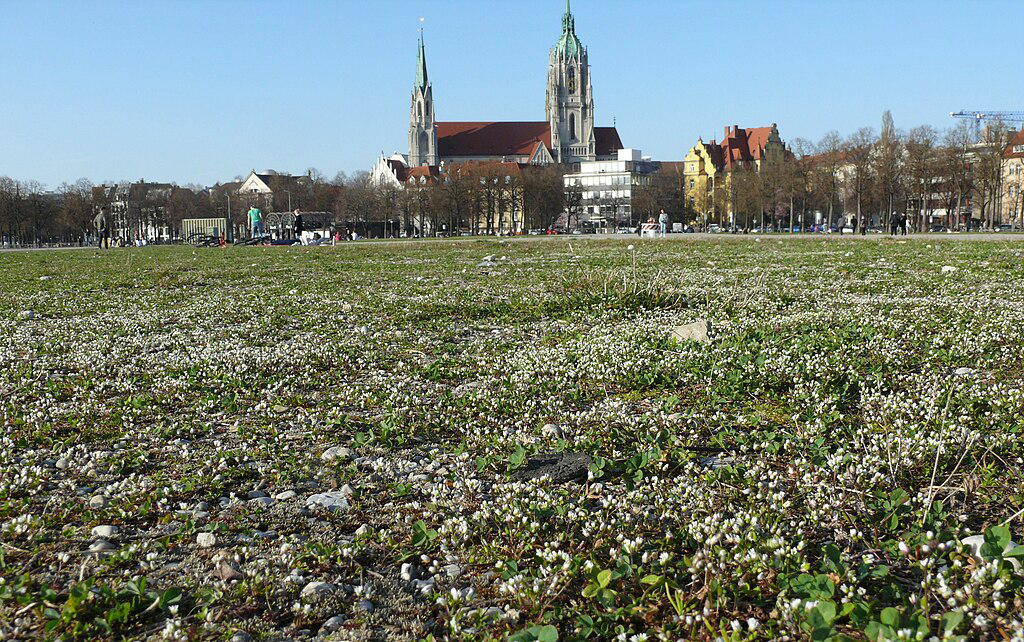
Oktoberfest traces its roots back to October 12, 1810, when Crown Prince Ludwig of Bavaria (later King Ludwig I) married Princess Therese of Saxony-Hildburghausen. The citizens of Munich were invited to join in the festivities, which took place on the fields in front of the city gates. To honor the bride, the fields were named Theresienwiese (“Theresa’s Meadow”), a name still used today.
The five-day celebration concluded with horse races, food, music, and, naturally, beer. The event was such a success that Munich decided to repeat it the following year, and so the tradition was born. Over time, agricultural fairs, parades, carnival rides, and of course, the brewing of special beers, transformed Oktoberfest into the global phenomenon we know today.
Why Does Oktoberfest Start in September?
Here’s a quirky twist: Oktoberfest doesn’t actually take place in October anymore—at least, not mostly. The festival now traditionally begins in late September and runs through the first Sunday in October. This change was made in the late 19th century to take advantage of warmer weather and longer days.
For 2025, Oktoberfest in Munich runs from September 20 to October 5. That’s over two weeks of music, merriment, and malty magic.
The Beers of Oktoberfest
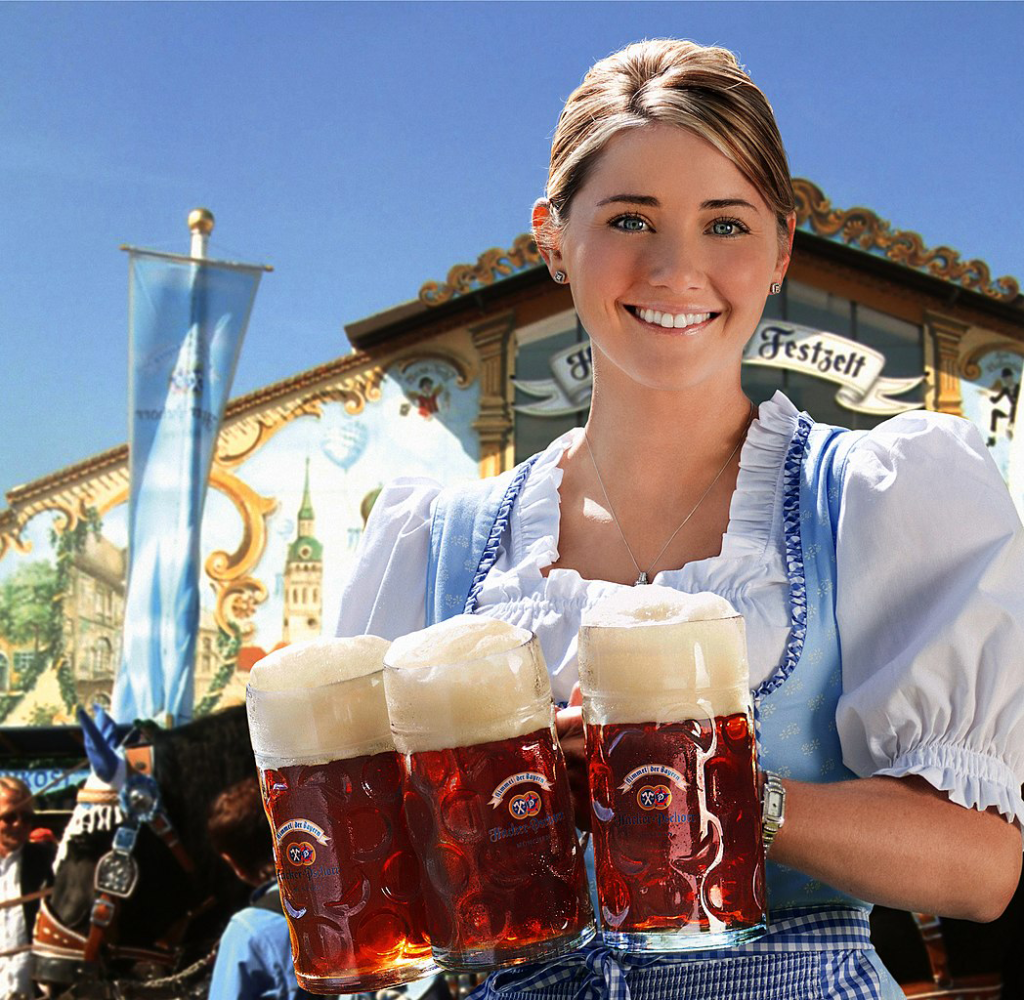
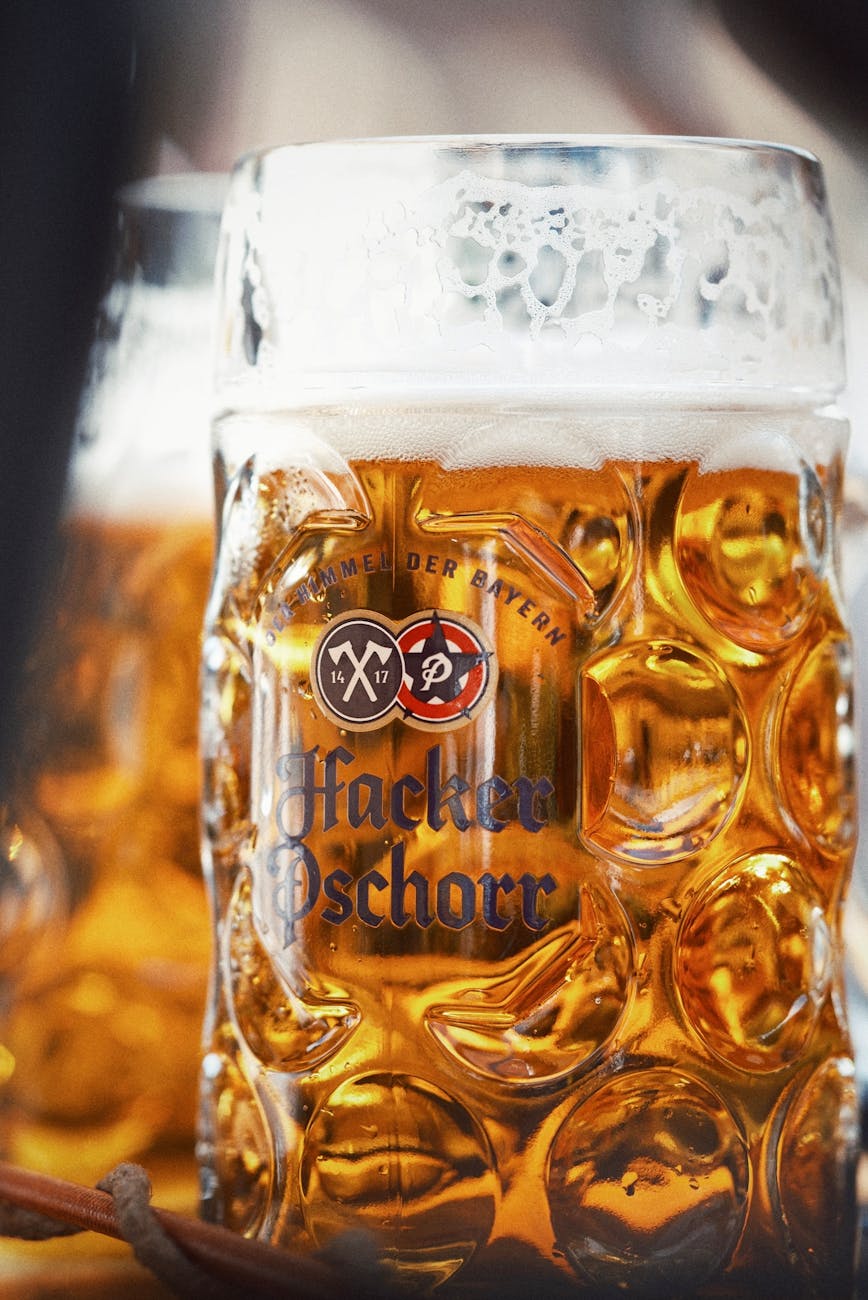
Not just any beer earns the right to be poured in Munich’s festival tents. By decree, only beer brewed within Munich’s city limits by the “Big Six” breweries is allowed:
These breweries craft a special style known as Märzen, the traditional Oktoberfest beer.
Märzen: The Original Oktoberfestbier
The term Märzen comes from the month of March (März in German). Historically, this was the last month brewers could make beer before the summer heat spoiled fermentation. Märzens were brewed stronger, maltier, and slightly higher in alcohol, allowing them to age well through the summer. By September, these well-aged beers were ready to be enjoyed at harvest festivals—perfect timing for Oktoberfest.
Flavor-wise, Märzens showcase:
- Amber to deep copper color
- Rich, toasty malt character with notes of bread crust and caramel
- Moderate bitterness, allowing the malt to shine
- Clean lager finish, making them dangerously drinkable
Festbier: Today’s Lighter Style
Interestingly, while Märzen is the traditional Oktoberfestbier, the Munich tents now mostly serve a lighter, golden style called Festbier. This style was introduced in the 1970s to better suit modern tastes. Festbiers are slightly less malty, more drinkable, and usually clock in at 5.8–6.3% ABV. Think of them as a middle ground between a Märzen and a Helles lager.

The Traditions and Lore
Oktoberfest is as much about pageantry and culture as it is about beer. Some highlights include:
- The Tapping of the First Keg: The festival officially begins when the Mayor of Munich taps the first keg in the Schottenhamel tent, declaring “O’zapft is!” (“It’s tapped!”).
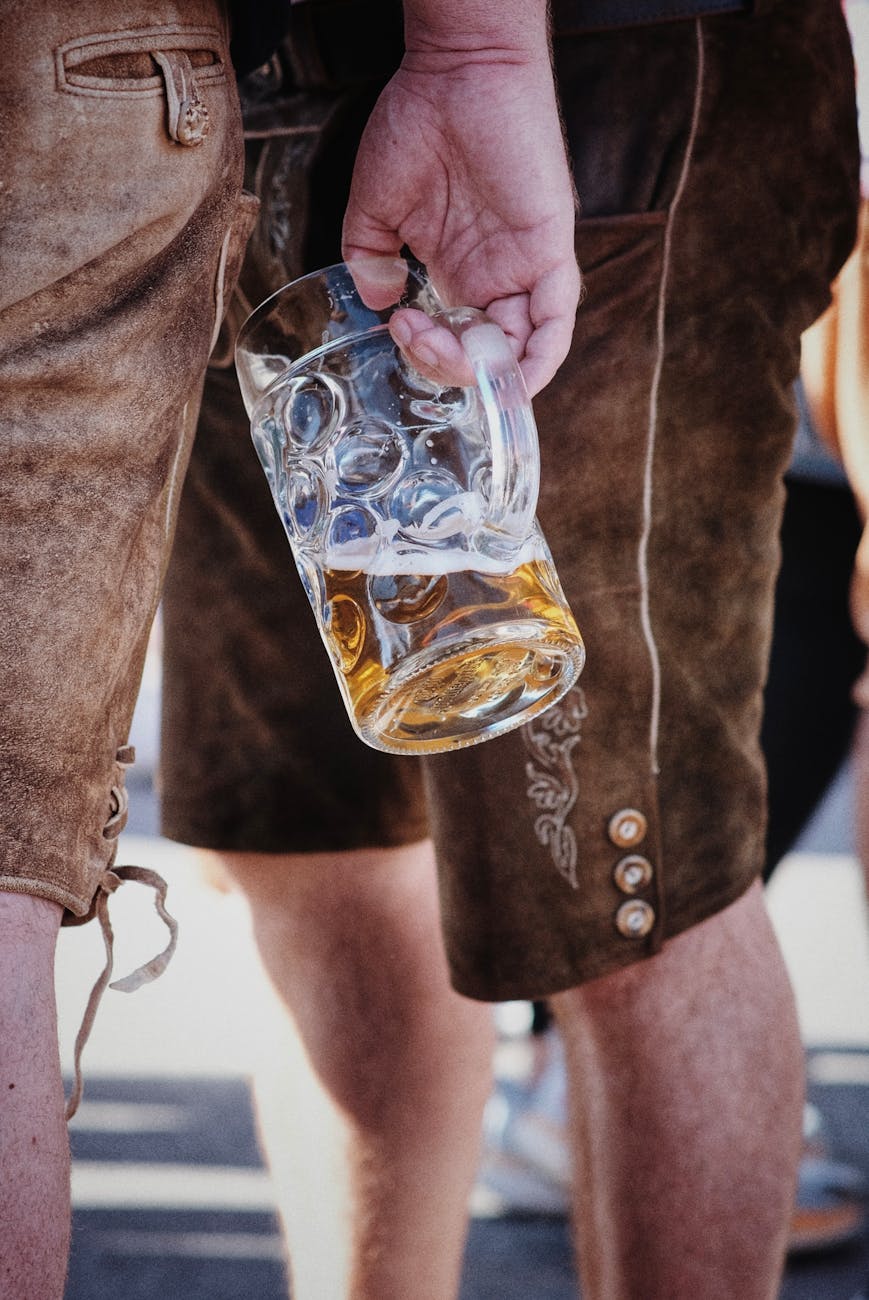
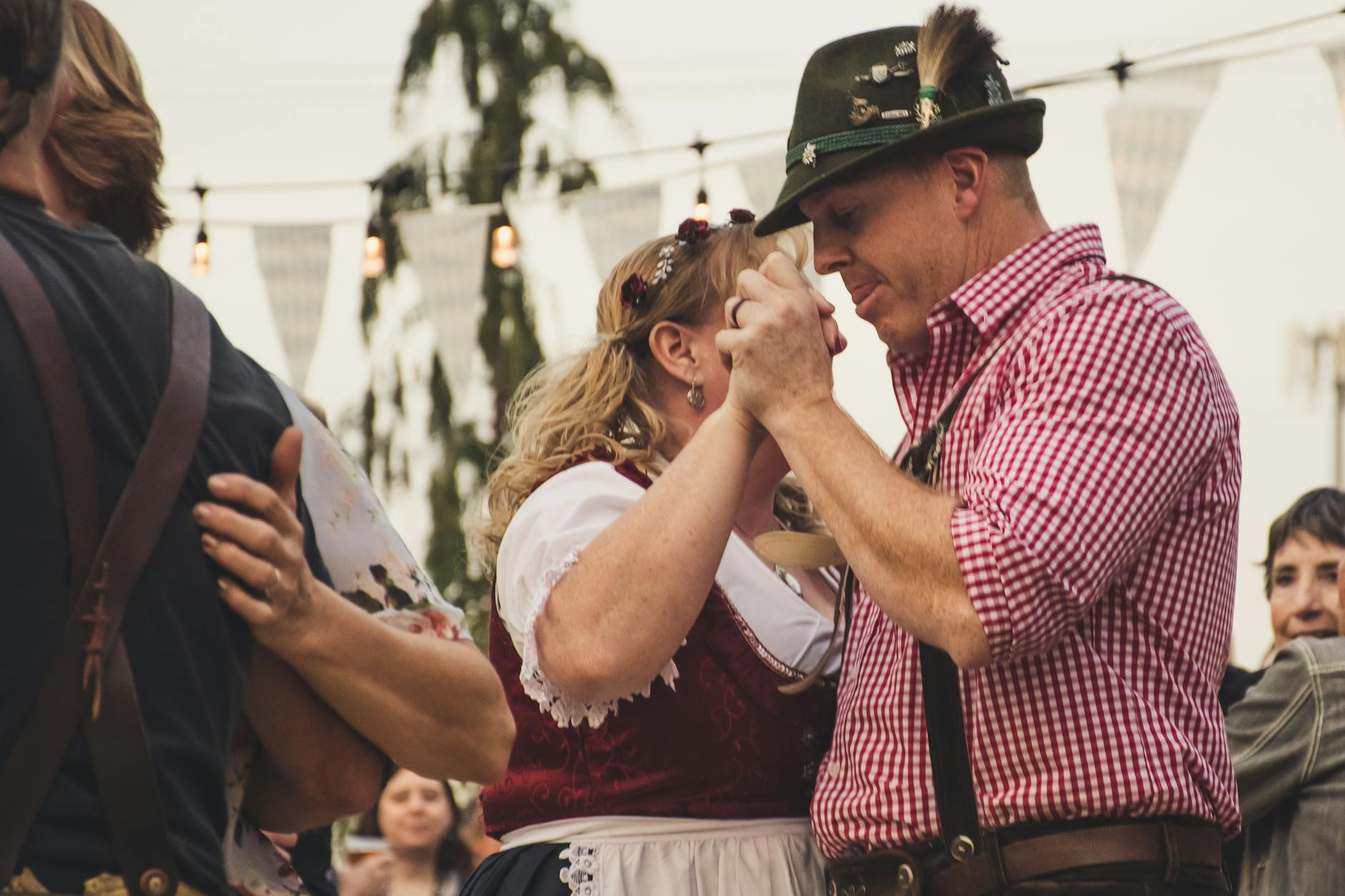
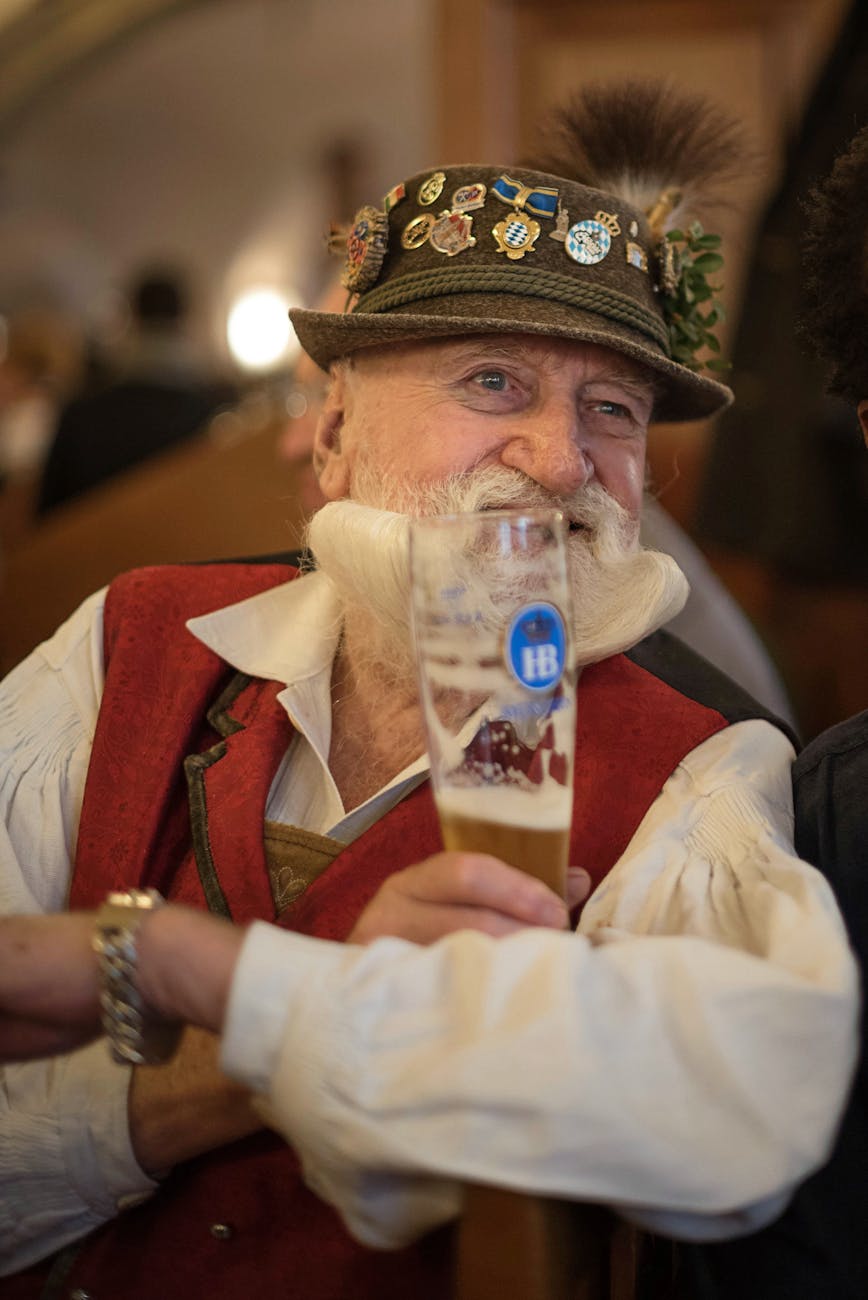
- Traditional Attire: Bavarians don their finest Lederhosen (for men) and Dirndls (for women). These aren’t costumes, but cultural attire with deep roots in Bavarian heritage.
- Music and Dancing: Oompah bands, folk music, and even pop songs keep the tents lively. Everyone knows the cheer “Ein Prosit der Gemütlichkeit”—a toast to cheer and good times.
- Food Pairings: Roasted chicken (Hendl), giant pretzels (Brezn), sausages (Würstl), and pork knuckles (Schweinshaxe) fuel the fun, perfectly complementing the malty richness of the beers.

Oktoberfest Around the World
While Munich’s festival remains the heart of it all, Oktoberfest celebrations have spread globally. From Cincinnati, Ohio (home to one of the largest Oktoberfests outside Germany) to Brazil, Japan, and Australia, millions gather annually to celebrate Bavarian culture with beer, music, and food.
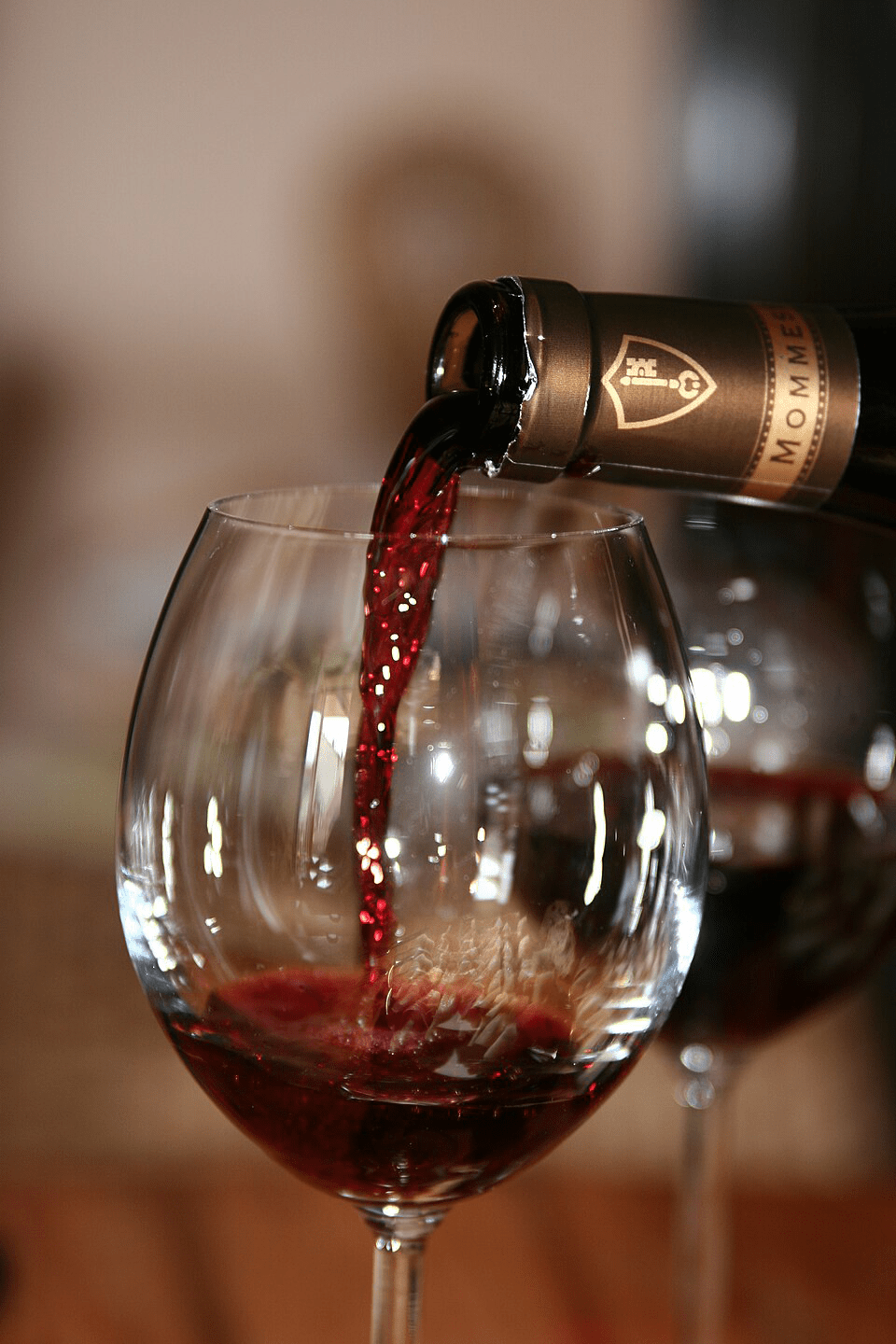
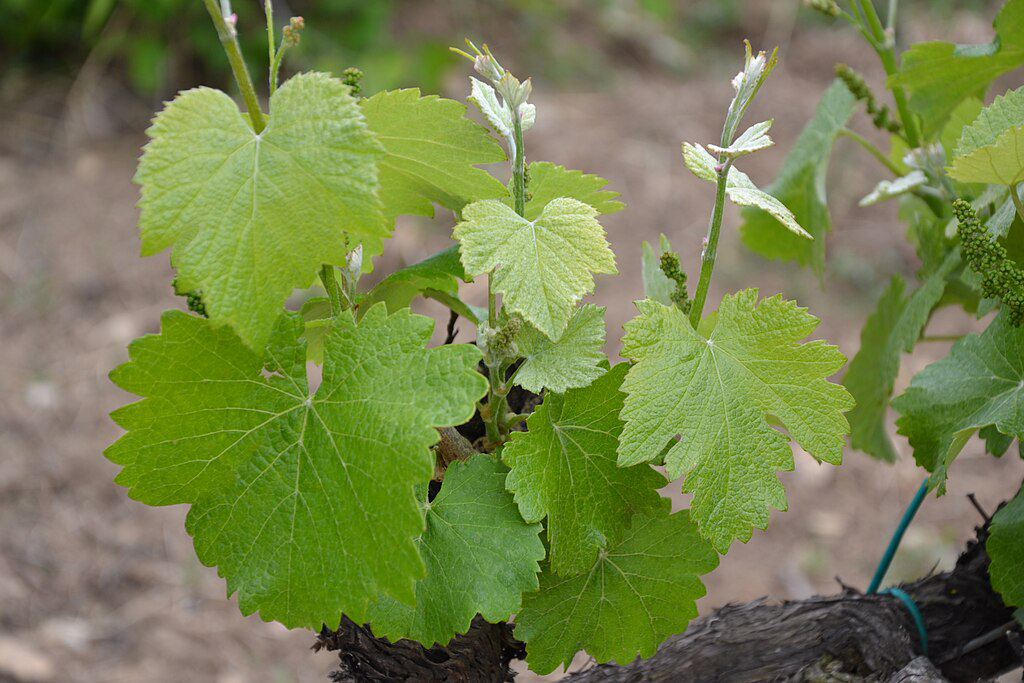
For wine lovers, don’t worry—there’s even a tent in Munich called the Weinzelt (Wine Tent), where Franconian wines and sparkling wines are served alongside beer. Proof that even at the world’s most famous beer festival, there’s a little space for grapes.

Beer & Food Pairings for Oktoberfest
At its heart, Oktoberfest is as much about what’s on the plate as what’s in the stein. Just like wine, different beer styles bring out unique flavors in food. Here are some classic (and a few creative) pairings to elevate your celebration:
Märzen (Traditional Oktoberfestbier)
- Flavor Profile: Malty, toasty, with caramel notes and a smooth finish.
- Pairs Best With:
- Roast Chicken (Hendl) – The crisp skin and juicy meat echo the beer’s caramelized malts.
- Würstl (Sausages) – Pork sausages with mustard highlight Märzen’s subtle sweetness.
- Cheese: Mild Alpine cheeses like Emmental or Butterkäse.
Festbier (Modern Oktoberfest Style)
- Flavor Profile: Lighter golden lager, crisp, slightly hoppy, highly drinkable.
- Pairs Best With:
- Pretzels with Obatzda (cheese spread) – The salt and creaminess balance the beer’s light body.
- Grilled Bratwurst – The clean finish refreshes the palate between bites.
- Seafood Options – Try with grilled shrimp or smoked trout for a lighter twist.
Weissbier (Wheat Beer)
- Flavor Profile: Fruity, yeasty, with banana and clove notes.
- Pairs Best With:
- Weißwurst (White Sausage with Parsley & Veal) – A Munich breakfast tradition with sweet mustard.
- Roast Pork with Apples – Compliments the fruity notes in the beer.
- Apple Strudel – A dessert pairing that sings with the wheat beer’s spice.
Dunkel (Dark Lager)
- Flavor Profile: Rich, nutty, with chocolate and bread crust tones.
- Pairs Best With:
- Schweinshaxe (Pork Knuckle) – The roasted, fatty meat finds harmony in Dunkel’s malt depth.
- Mushroom Dishes – Earthy flavors pair beautifully with darker lagers.
- Dark Chocolate – A sweet ending with roasted malt resonance.
Rauchbier (Smoked Beer, from Bamberg)
- Flavor Profile: Distinct smoky aroma, reminiscent of campfire and smoked meats.
- Pairs Best With:
- Smoked Sausages & Ham – Bold, rustic flavors play perfectly together.
- Grilled Vegetables – The smoke enhances charred flavors.
- Blue Cheese – The sharp tang softens the beer’s intensity.
Prost to Tradition!
Oktoberfest is more than a beer festival—it’s a story of community, heritage, and celebration. From its royal origins to today’s global gatherings, it bridges centuries of Bavarian tradition with modern festivity. Whether you’re sipping an amber Märzen, a golden Festbier, or raising a stein at your local Oktoberfest celebration, you’re joining a tradition over 200 years in the making.
As sommeliers, we spend our days chasing vintages, swirling glasses, and savoring terroir. But during Oktoberfest, we willingly trade corks for kegs and crystal for steins. Because whether it’s grape or grain, the truth is the same: it’s not what’s in the glass, but who’s at the table. So here’s to friends, flavor, and the joy of raising a glass together—Prost!” 🍻
Gregory and Tammy Dean, SOMM&SOMM
So this fall, dust off the Lederhosen, lace up the Dirndl, grab a pretzel, and raise a hearty “Prost!” 🍻
Cover photo by Michael Obstoj on Pexels.com
























 SOMM&SOMM
You must be logged in to post a comment.