Category: Pairings

  • The Science of Wine Aging

    The Science of Wine Aging

    Wine aging is a complex and fascinating process that transforms the flavors, aromas, and textures of a wine over time. This transformation is influenced by a myriad of factors, including grape variety, tannins, acidity, and storage conditions. Let’s delve into the science behind wine aging, explore the factors that affect this process, and provide some tips on how to properly age wine at home. We’ll also discuss ideal pairings for aged wines and the best way to enjoy wines with pronounced tertiary characteristics.

    Photo by Julia Volk on Pexels.com

    Aging wine is both an art and a science, requiring an understanding of the factors that influence a wine’s evolution over time.

    Gregory Dean, SOMM&SOMM

    Factors Affecting Wine Aging

    1. Grape Variety
      The grape variety is fundamental in determining a wine’s aging potential. Varieties like Cabernet Sauvignon, Nebbiolo, and Syrah, which are high in tannins and acidity, are known for their ability to age gracefully. On the other hand, lighter varieties such as Pinot Noir or Gamay typically have a shorter aging window due to their lower tannin and acidity levels.
    2. Tannins
      Tannins are naturally occurring polyphenols found in grape skins, seeds, and stems. They provide structure to a wine and act as a preservative, protecting it from oxidation. Over time, tannins polymerize, becoming longer and softer, which results in a smoother mouthfeel. Wines with high tannin content, such as Bordeaux blends or Barolo, tend to age longer and more gracefully than those with low tannins.
    3. Acidity
      Acidity acts as a backbone in wine, providing freshness and vibrancy. It helps balance out other elements like sugar and tannins. Higher acidity levels can extend a wine’s lifespan by slowing down oxidation. White wines like Riesling or Chenin Blanc, known for their high acidity, can age remarkably well, developing complex tertiary characteristics over decades.
    4. Alcohol Content
      The level of alcohol in wine plays a subtle but important role in aging. Generally, wines with moderate alcohol levels (12-14%) age better than those with very high or very low levels. Alcohol acts as a preservative, but too much can overpower the wine’s other flavors and aromas, while too little might not protect the wine adequately over time.
    5. Residual Sugar
      Sweet wines, such as Sauternes, Port, or Tokaji Aszú, can age for decades due to their high sugar content. Sugar acts as a natural preservative, allowing these wines to develop extraordinary complexity over time.
    6. Storage Conditions
      Proper storage is crucial for aging wine effectively. Temperature, humidity, light, and bottle position all play a role:
    • Temperature: Wine should be stored at a consistent temperature, ideally between 50-59°F (10-15°C). Fluctuations can cause the wine to expand and contract, potentially damaging the cork and allowing oxygen to enter.
    • Humidity: Humidity levels around 70% are ideal for keeping the cork moist and preventing it from drying out and shrinking, which would also allow oxygen ingress.
    • Light: Ultraviolet light can degrade and prematurely age wine, so wines should be stored in a dark environment.
    • Bottle Position: Storing bottles on their sides keeps the wine in contact with the cork, preventing it from drying out and shrinking.

    Tips for Aging Wine at Home

    1. Choose the Right Wines
      Not all wines are meant to age. Opt for wines known for their aging potential, such as Bordeaux, Barolo, Burgundy, Rioja, and certain Chardonnays. Look for high-quality wines with good balance, concentration, and structure.
    2. Invest in Proper Storage
      A wine fridge or cellar is essential if you’re serious about aging wine. These provide a controlled environment where temperature and humidity levels remain constant. Avoid storing wine in kitchen cabinets or near windows, where temperature fluctuations and light exposure can be damaging.
    3. Monitor Closures
      Corks are the traditional choice for aging wines, but they can deteriorate over time. Ensure corks are intact and avoid bottles with synthetic corks or screw caps for long-term aging, as these closures do not allow the same micro-oxygenation process that natural corks do.
    4. Check Regularly
      It’s a good idea to inspect your wine periodically to ensure that the corks are not compromised, the storage conditions are consistent, and the wines are developing as expected.
    5. Know When to Open
      Aging wine is a balance between patience and timing. Some wines peak at 5-10 years, while others may need decades. Research the wine’s aging potential and keep notes on your tasting experiences to decide the best time to open.

    Related Article: Exploring Wine Enclosures: Cork, Screw Cap, and Beyond

    Perfect Pairings for Aged Wines

    Pairing aged wines requires careful consideration to complement their evolved flavor profiles:

    1. Red Bordeaux (Left Bank)
    • Aging Potential: 10-30+ years
    • Tertiary Characteristics: Cedar, leather, tobacco, dried fruit
    • Pairings: Aged cheeses like Comté or Gruyère, roasted lamb with rosemary, wild mushroom risotto, or beef Wellington.
    1. Barolo
    • Aging Potential: 15-40+ years
    • Tertiary Characteristics: Truffle, rose petals, tar, dried cherry
    • Pairings: Braised meats (e.g., osso buco), truffle pasta, game dishes, or aged Parmesan.
    1. Vintage Port
    • Aging Potential: 20-50+ years
    • Tertiary Characteristics: Figs, nuts, chocolate, caramel
    • Pairings: Stilton cheese, dark chocolate desserts, or roasted nuts.

    Related Article: The History, Tradition, and Elegance of Port Wine

    1. White Burgundy (Chardonnay)
    • Aging Potential: 10-20+ years
    • Tertiary Characteristics: Hazelnut, honey, brioche, dried apricot
    • Pairings: Lobster with beurre blanc, roast chicken with herbs, or mushroom dishes.
    1. German Riesling (Trocken or Kabinett)
    • Aging Potential: 15-30+ years
    • Tertiary Characteristics: Petrol, honey, dried citrus peel, lanolin
    • Pairings: Spicy Asian cuisine (like Thai or Szechuan), duck with orange sauce, or rich, creamy cheeses.

    Enjoying Wines with High Tertiary Characteristics

    Wines that have been aged to develop tertiary characteristics—those aromas and flavors that emerge over time, such as earth, mushroom, nuts, and dried fruits—should be approached with care to maximize enjoyment:

    1. Decanting:
      Older wines can have sediment, so decanting is recommended to separate the clear wine from the sediment. However, don’t over-decant; 30 minutes to an hour is often sufficient to let the wine breathe without losing its delicate aromas.
    2. Serve at the Right Temperature:
    • Reds: Serve slightly below room temperature, around 60-65°F (15-18°C).
    • Whites: Serve around 50-55°F (10-13°C).
    • Over-chilling will mute the complex flavors, while too warm can make the wine seem flabby or overly alcoholic.

    Related Article: Wine Service: Proper Serving Temperatures

    1. Use Proper Glassware:
      Use a glass with a wide bowl to allow the wine to open up and direct the wine to the appropriate parts of the palate. Bordeaux glasses are great for reds with high tannins, while Burgundy glasses are better for delicate, aromatic reds.
    2. Savor Slowly:
      Aged wines often have complex layers that unfold over time. Take small sips and allow the wine to linger on your palate, noticing how the flavors evolve from the initial taste to the finish.
    3. Consider the Atmosphere:
      Aged wines are best enjoyed in a calm, contemplative setting where you can fully appreciate their nuances. Avoid overpowering food aromas, loud environments, or distractions that can detract from the tasting experience.

    Related Article: Crafting the Perfect Wine Tasting Experience
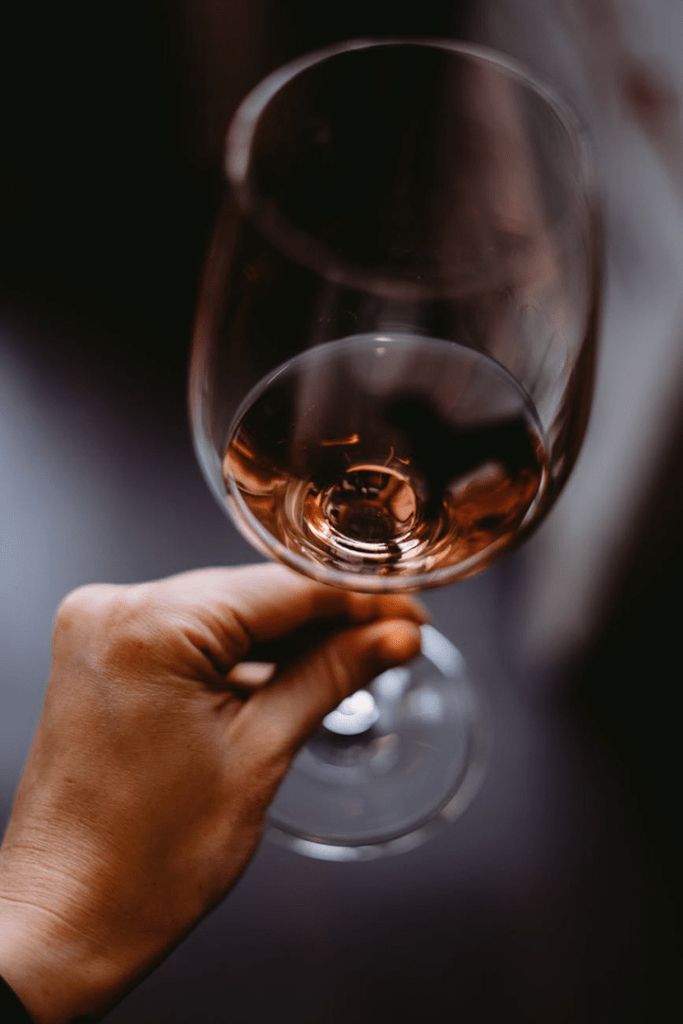
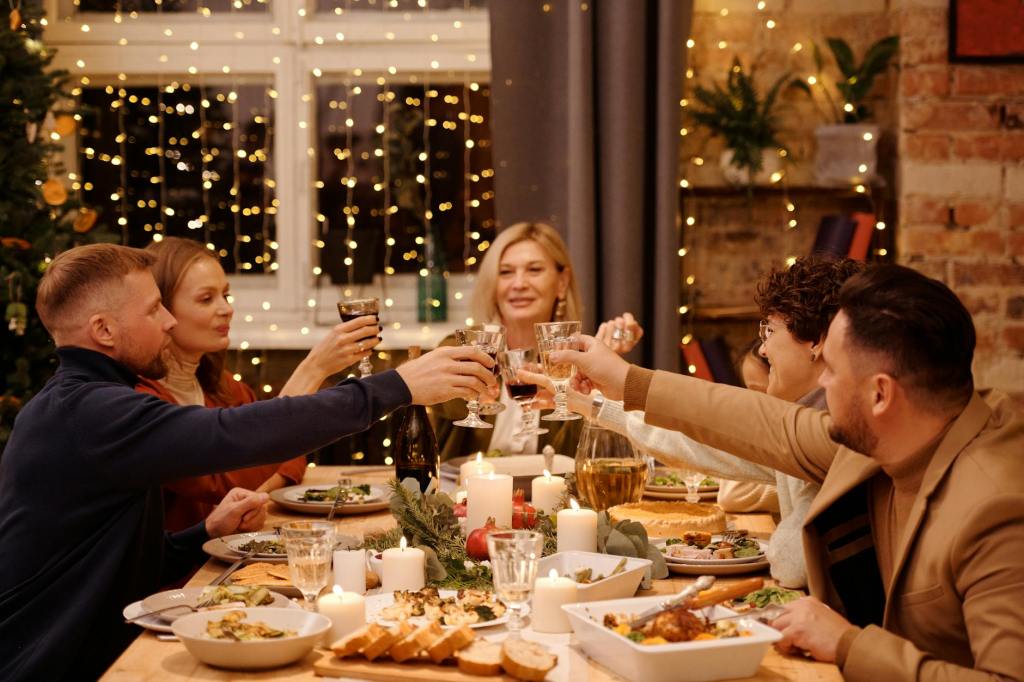
    Photo by Maria Orlova on Pexels.com

    Aging wine is both an art and a science, requiring an understanding of the factors that influence a wine’s evolution over time. By carefully selecting wines with aging potential, storing them under optimal conditions, and knowing when and how to enjoy them, you can experience the rich tapestry of flavors and aromas that only time can bring. Remember, the joy of aged wine lies not just in its taste but in the journey it has taken to reach your glass. Cheers to the adventure 🍷

  • Celebrating Labor Day

    Celebrating Labor Day

    A Toast to Tradition and Togetherness.

    Labor Day is more than just a long weekend marking the unofficial end of summer. It’s a time to celebrate the contributions of American workers and enjoy one last hurrah before the autumn leaves begin to fall. Whether you’re planning a barbecue, a beach outing, or a backyard get-together, Labor Day offers the perfect opportunity to gather with friends and family for food, fun, and festivity. And while many of us associate the holiday with beers, burgers, and barbecue, there’s a rich history behind this beloved day, as well as a host of traditions—some typical, some downright bizarre—that make it uniquely American.

    A Brief History of Labor Day

    President Grover Cleveland

    Labor Day dates back to the late 19th century, a time when the American labor movement was gaining momentum. Workers were fighting for fair wages, reasonable hours, and safer working conditions—a struggle that led to strikes, protests, and, unfortunately, some violence. The first Labor Day was celebrated on September 5, 1882, in New York City, organized by the Central Labor Union. It was a day for workers to take a break, march in parades, and enjoy a picnic with their families. The idea caught on quickly, and by 1894, President Grover Cleveland signed a law making Labor Day a national holiday, celebrated on the first Monday in September.

    Traditions Across the Country

    Labor Day traditions vary widely across the country, with some being more typical than others. In many places, it’s all about the barbecue. In the Midwest, you’ll find families grilling up bratwurst and corn on the cob, while in the South, pulled pork and coleslaw reign supreme. On the East Coast, you might encounter a clambake, complete with lobster, mussels, and corn steamed over seaweed. And in the West, it’s not uncommon to see folks firing up the grill for a late-season cookout featuring fresh, local produce and Pacific seafood.

    Burning Man Festival – dvsross, CC BY 2.0 via Wikimedia Commons

    But some traditions are a bit more unusual. In Nevada, the annual “Burning Man” festival, which started as a small gathering on Baker Beach in San Francisco in 1986, has become a massive, week-long event in the Black Rock Desert, drawing tens of thousands of people for an eclectic mix of art, music, and community. Meanwhile, in the small town of Hoisington, Kansas, the Labor Day weekend is marked by a unique tradition: turtle races. Yes, you read that right—locals and visitors alike bring their fastest turtles to compete in a lighthearted competition that has been a town staple for decades.

    Food and Drink: Pairing Suggestions for Labor Day

    No Labor Day celebration is complete without a spread of delicious food and drinks. Here are a few ideas to ensure everyone at your gathering, whether they prefer alcoholic or non-alcoholic options, feels welcome and engaged.

    Appetizers:

    • Guacamole and Chips: Always a crowd-pleaser, and pairs well with a classic margarita or a refreshing limeade.
    • Deviled Eggs: These are versatile and can be spiced up with different flavors. Serve with a crisp Sauvignon Blanc or a sparkling water infused with cucumber and mint.

    SOMM&SOMM Recommends: Grgich Hills Estate Sauvignon Blanc 2021

    Main Course:

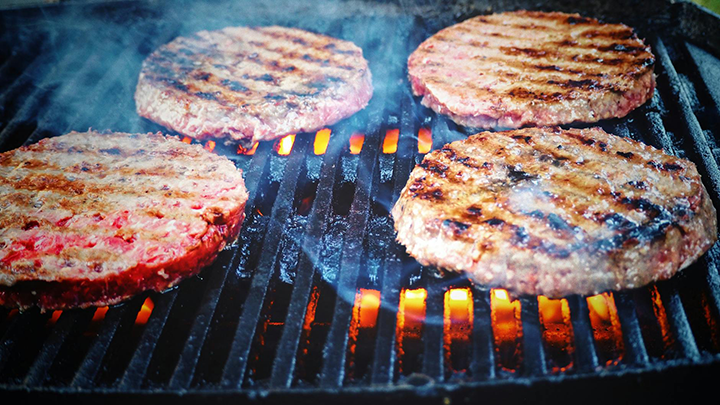
    • Grilled Burgers and Hot Dogs: You can’t go wrong with the classics. Pair them with a hoppy IPA or a frothy root beer for those who prefer non-alcoholic options.
    • Pulled Pork Sandwiches: These are perfect for a more Southern-inspired feast. A full-bodied Zinfandel complements the smoky, sweet flavors, while a cold, non-alcoholic apple cider is a great alternative.
    • Grilled Veggie Skewers: For your vegetarian guests, these skewers can be loaded with seasonal vegetables. A light Pinot Grigio pairs beautifully, or try a kombucha for a non-alcoholic pairing that’s equally delightful.

    SOMM&SOMM Recommends: Chateau Montelena Estate Zinfandel 2021

    Side Dishes:

    • Coleslaw: A must-have at any barbecue, the tangy crunch of coleslaw pairs nicely with a crisp Riesling or a ginger beer.
    • Baked Beans: Rich and hearty, these beans are a great match for a robust Syrah or a classic lemonade.

    SOMM&SOMM Recommends: Red Newt Cellars The Knoll Riesling 2018

    Desserts:

    • Peach Cobbler: This end-of-summer dessert is a sweet way to finish the meal. Pair with a dessert wine like Moscato d’Asti or an iced tea infused with fresh peaches.
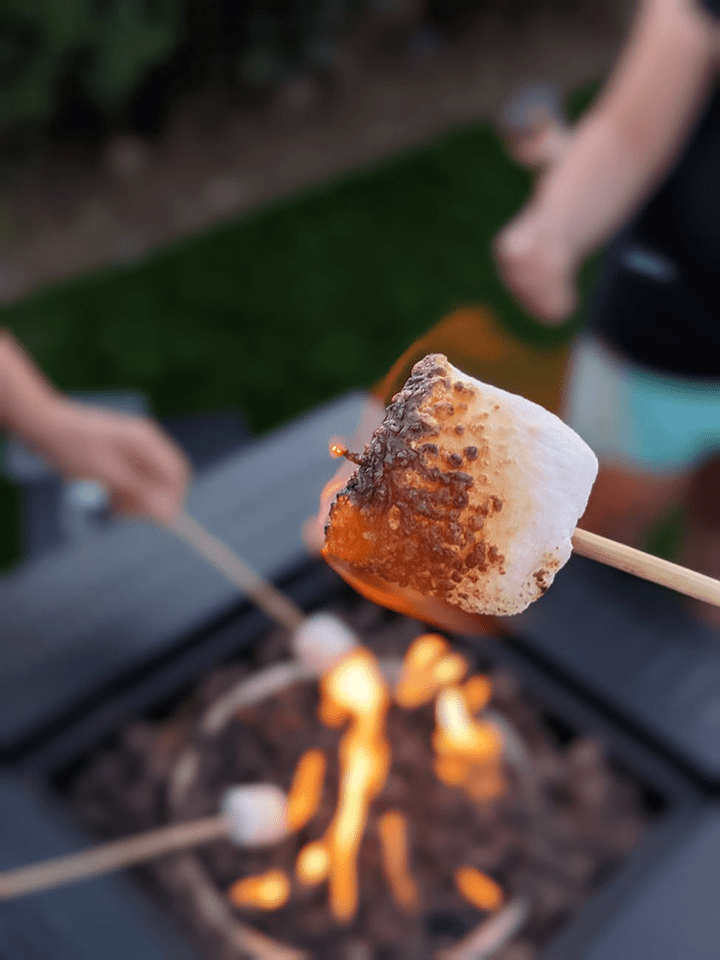
    • S’mores: Gather around the fire pit and enjoy this nostalgic treat. A glass of port is a perfect match for the rich chocolate and marshmallow, while a hot cocoa is a cozy, non-alcoholic choice.

    Toast to the Holiday

    Here’s to the hands that built this land, the hearts that keep it strong, and the minds that push us forward. On this Labor Day, we celebrate the sweat of our brow, the joy of our gathering, and the bonds that unite us. May our hard work lead to well-earned rest, our challenges to shared success, and our toasts to lasting memories. Cheers to the labor that makes life sweet, and to the moments that make it even sweeter. Happy Labor Day!

    Gregory Dean, SOMM&SOMM

    Whether you’re hosting a backyard barbecue, attending a community parade, or simply enjoying a day off, Labor Day is a time to relax, reflect, and rejoice. It’s a celebration of the hard work that keeps our country running and a chance to gather with loved ones to enjoy the fruits of that labor.

    So, this Labor Day, raise a glass—whether it’s filled with wine, beer, or a sparkling water toast—to the workers who have shaped our nation. And remember, the best pairings aren’t just about food and drink; they’re about the people you share them with. Cheers to a happy, healthy, and harmonious holiday! 🍷
  • Trendy Cocktails: The Manhattan

    Trendy Cocktails: The Manhattan

    A Timeless Classic with a Modern Twist.

    Few cocktails evoke the sense of sophistication, history, and timeless appeal quite like the Manhattan. This venerable drink has stood the test of time, charming both seasoned cocktail enthusiasts and newcomers alike. As a seasoned mixologist and craft cocktail enthusiast, I’ve often found myself drawn to the Manhattan—not just for its rich flavors, but also for the myriad of variations that allow for endless creativity. Let’s delve into the history, lore, and evolution of this iconic cocktail, along with some delectable recipes and food pairings.

    A Sip of History: The Origins of the Manhattan

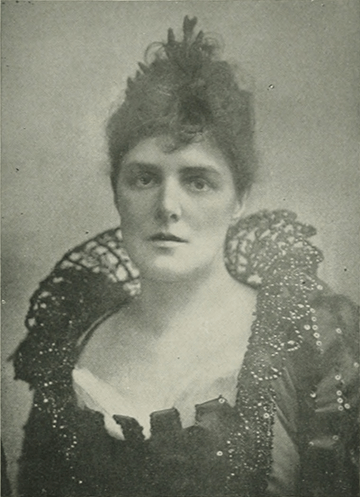
    Lady Randolph Churchill

    The Manhattan cocktail’s origin story is as intriguing as the drink itself. The most popular legend dates back to the early 1870s at the Manhattan Club in New York City. The tale goes that Lady Randolph Churchill (Winston Churchill’s mother) requested a special cocktail for a banquet in honor of Samuel J. Tilden, a presidential candidate. The bartender mixed a drink using rye whiskey, sweet vermouth, and bitters, which became an instant hit among the guests. The cocktail was named after the club, and the Manhattan was born.

    However, some cocktail historians argue that this story is more fiction than fact, as Lady Churchill was in England at the time. Regardless of the true origins, the Manhattan quickly became a staple in bars across America, cementing its place in cocktail history.

    The Classic Recipe

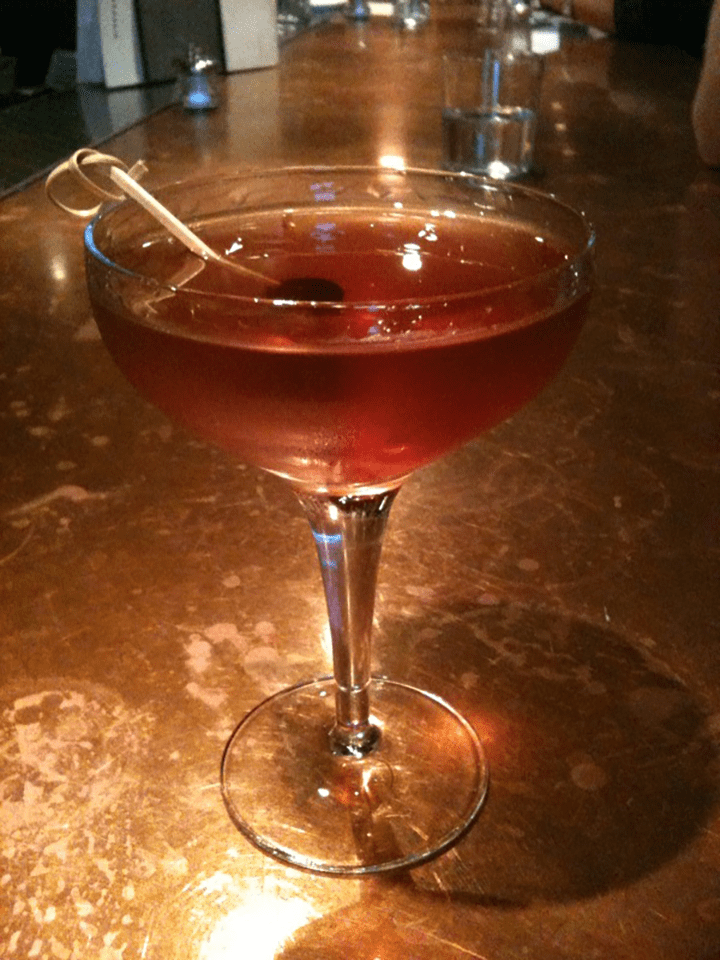
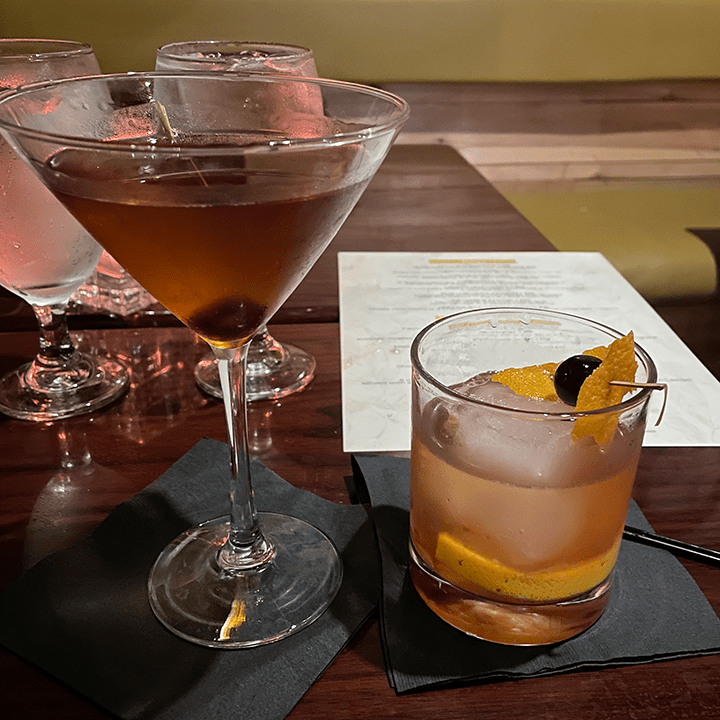
    Classic Manhattan – Babbage, CC BY-SA 4.0 via Wikimedia Commons

    The traditional Manhattan is a simple yet elegant concoction. Here’s the classic recipe that has delighted palates for over a century:

    Ingredients:

    • 2 oz rye whiskey (or bourbon, if you prefer a sweeter profile)
    • 1 oz sweet vermouth
    • 2 dashes Angostura bitters
    • Maraschino cherry or a twist of orange peel for garnish

    Instructions:

    1. Fill a mixing glass with ice.
    2. Pour in the rye whiskey, sweet vermouth, and bitters.
    3. Stir gently for about 30 seconds to chill and properly dilute the drink.
    4. Strain the mixture into a chilled coupe or martini glass.
    5. Garnish with a maraschino cherry or a twist of orange peel.

    Variations on a Theme: Riffs on the Manhattan

    As with any classic cocktail, the Manhattan has inspired countless variations, each adding its unique twist while honoring the original’s spirit.

    1. The Perfect Manhattan

    • This variation uses equal parts sweet and dry vermouth, giving the drink a balanced flavor profile. The recipe is otherwise the same, but the equal mix of vermouths adds a delightful complexity.

    2. The Rob Roy

    • A Scottish cousin of the Manhattan, the Rob Roy swaps out rye whiskey for Scotch. This variation is smoky and robust, perfect for those who enjoy a more intense flavor.

    3. The Black Manhattan

    • The Black Manhattan replaces sweet vermouth with Averna, an Italian amaro. This gives the cocktail a darker, more bitter edge, making it a favorite among those who appreciate a more complex, herbaceous drink.

    4. The Manhattan Sour

    • For a refreshing twist, add a splash of fresh lemon juice and a float of red wine to your Manhattan. The citrus adds brightness, while the wine brings an additional layer of depth and a beautiful visual presentation.

    5. The Tuxedo Manhattan

    • This variation adds a dash of absinthe and orange bitters to the classic recipe, creating a cocktail with an extra kick and a hint of anise flavor.

    Food Pairings: Elevating the Manhattan Experience

    The Manhattan’s bold flavors make it an ideal companion for a variety of dishes. Here are some pairing suggestions that will enhance your next Manhattan experience:

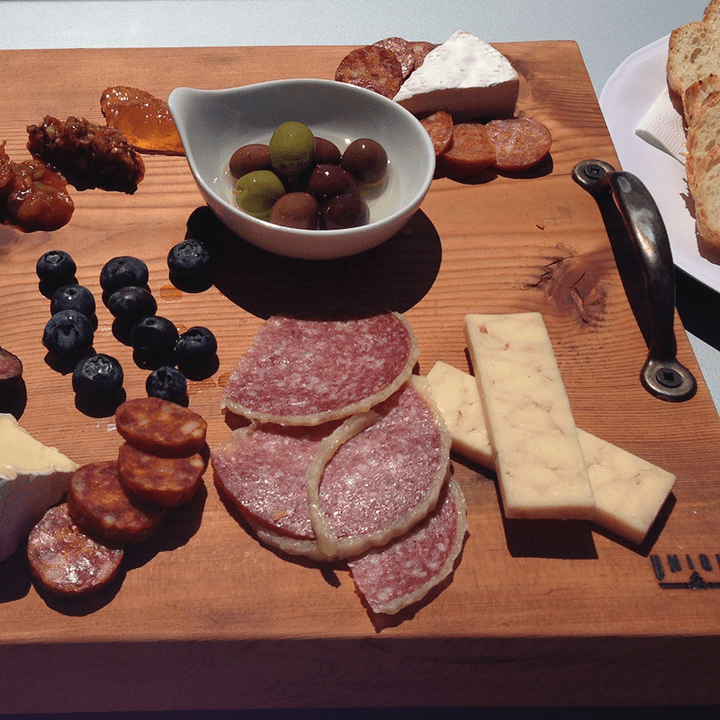
    Charcuterie – CK Golf from Vancouver, Canada, CC BY-SA 2.0 via Wikimedia Commons

    1. Charcuterie and Cheese Platters

    • The salty, savory flavors of cured meats and aged cheeses pair beautifully with the rich, spicy notes of a Manhattan. Opt for sharp cheddar, blue cheese, or Gouda alongside prosciutto or salami.

    2. Steak and Roasted Meats

    • A perfectly cooked steak, whether ribeye or filet mignon, is an excellent match for the robust flavors of a Manhattan. The cocktail’s rye or bourbon base complements the umami of the meat, while the vermouth and bitters balance the richness.

    3. Dark Chocolate Desserts

    • For a decadent treat, pair your Manhattan with a dark chocolate torte or flourless chocolate cake. The bittersweet chocolate and the cocktail’s complex sweetness create a harmonious blend of flavors.

    4. Smoked Salmon

    • The smoky, briny taste of smoked salmon is an unexpected but delightful partner to a Manhattan. The cocktail’s herbal notes from the vermouth and bitters cut through the richness of the fish.

    5. Grilled Portobello Mushrooms

    • For a vegetarian option, grilled portobello mushrooms offer a meaty texture and earthy flavor that pairs well with the Manhattan’s deep, complex profile.

    The Manhattan’s Place in Modern Mixology

    In recent years, the Manhattan has seen a resurgence in popularity as more people embrace classic cocktails. This renaissance has brought the Manhattan back into the limelight, with bartenders and home mixologists alike experimenting with new ingredients and techniques. From barrel-aging the cocktail to infusing the whiskey with exotic spices, the possibilities for reinvention are endless.

    The Manhattan’s enduring appeal lies in its versatility. Whether you prefer it with the traditional rye whiskey or enjoy exploring its many variations, the Manhattan remains a cocktail that invites creativity while honoring its rich heritage.

    So the next time you’re in the mood for a cocktail that exudes elegance and history, reach for the ingredients to craft a Manhattan. Whether you stick with the classic recipe or decide to experiment with a modern twist, you’re sure to enjoy a drink that has captivated cocktail lovers for generations. Cheers 🍸

    Cover photo credits: Graeme Maclean from Glasgow, UK, CC BY 2.0 via Wikimedia Commons

  • Pour & Explore – Southern France

    Pour & Explore – Southern France

    An Enchanting Evening at 95 and Vine

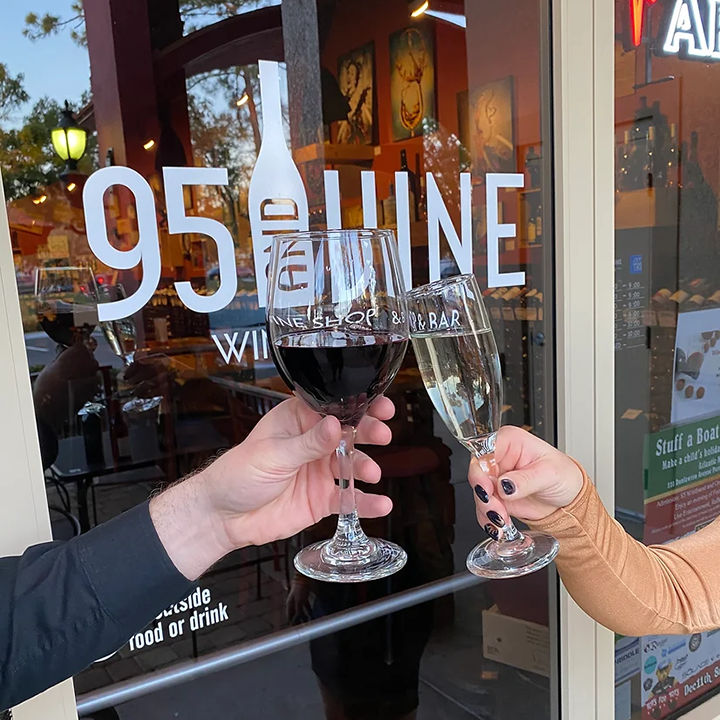
    As a professional sommelier and wine educator, I had the pleasure of hosting the ‘Pour & Explore – Southern France’ event at the charming 95 and Vine in Port Orange, FL. The evening was a resounding success, with a full house of enthusiastic wine lovers eager to explore the diverse and rich wines of Southern France. The atmosphere was electric, filled with curiosity and excitement.

    95 and Vine: The Perfect Venue

    From the moment I stepped into 95 and Vine, I knew it was the perfect venue for our event. The ambiance was both elegant and inviting, creating an ideal setting for an evening of wine exploration. The knowledgeable and professional team at 95 and Vine, led by the dedicated owner Martin Clark, ensured that every detail was meticulously attended to. From the beautifully set tables to the seamless pouring of each wine, the evening flowed effortlessly.

    Six Wines Carefully Selected to Represent the Diversity of Southern France

    The Wines

    2023 La Chapelle du Bastion – Picpoul de Pinet

    Region: Picpoul de Pinet, Languedoc

    We began our journey with the 2023 La Chapelle du Bastion Picpoul de Pinet. This crisp and refreshing white wine from the Languedoc region was a delightful introduction. I shared insights about the region’s maritime influence and limestone soils, which contribute to the wine’s bright acidity and mineral notes. Guests appreciated the zesty citrus flavors and crisp finish, especially when paired with the creative wine-inspired light fare on 95 and Vine’s menu.

    2022 Bila-Haut – Cotes du Roussillon – Blanc

    Region: Côtes du Roussillon, Roussillon

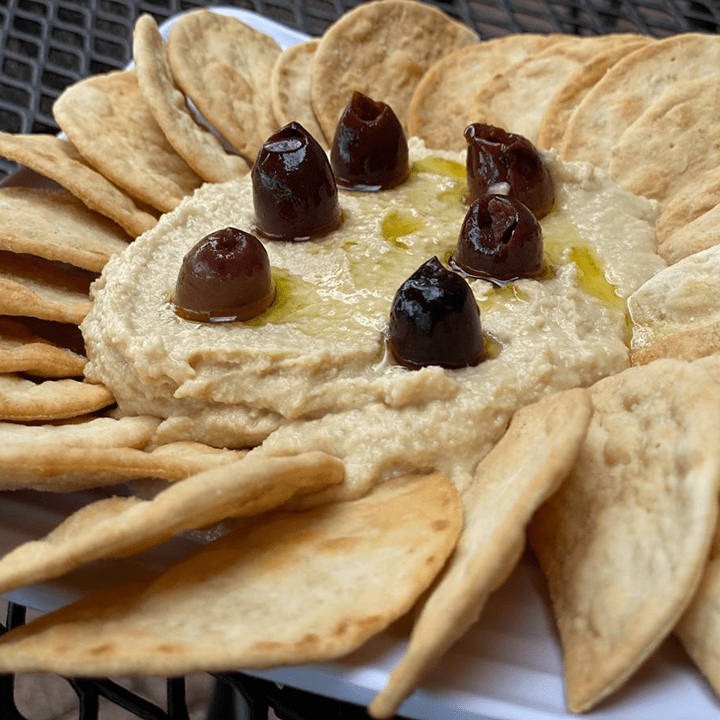
    Next, we traveled to the sun-drenched vineyards of Roussillon with the 2022 Bila-Haut Cotes du Roussillon Blanc. This white blend captivated everyone with its rich aromas of stone fruit and floral notes. I highlighted the region’s diverse terroir, shaped by the Mediterranean climate and rugged terrain. The wine’s balanced acidity and layered flavors were a perfect match for 95 and Vine’s hummus plate.

    2021 La Coste Rosé D’une Nuit

    Region: Provence

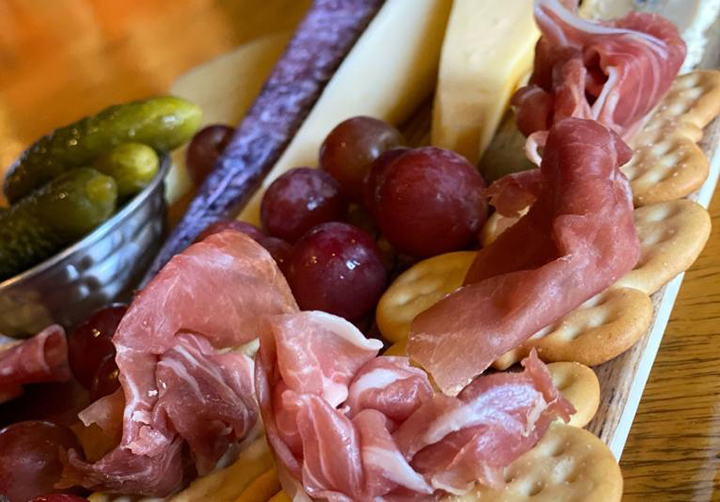
    The third wine, 2021 La Coste Rosé D’une Nuit from Provence, brought a touch of elegance and romance to our tasting. This pale pink rosé, with its delicate notes of red berries and citrus, quickly became a crowd favorite. I described Provence’s long history of rosé production and its dedication to quality winemaking. The wine’s light, refreshing character complemented the savory elements of the charcuterie board beautifully.

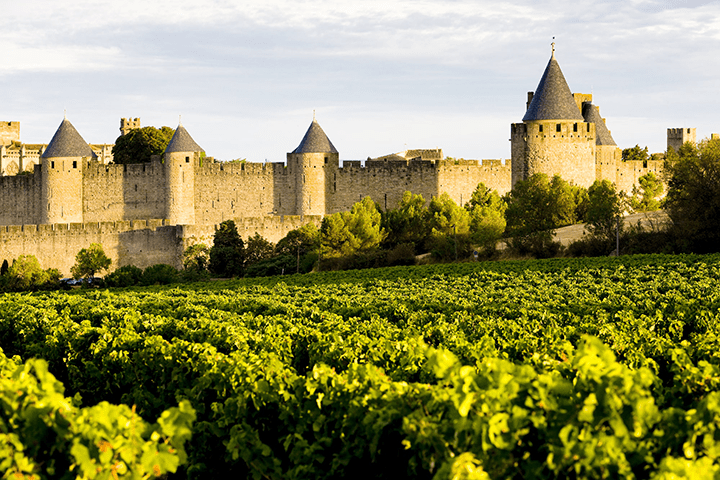
    Languedoc-Roussillon

    2021 Château Puech-Haut – Argali Rouge

    Region: Languedoc

    Transitioning to red wines, the 2021 Château Puech-Haut Argali Rouge from Languedoc showcased the region’s ability to produce bold, expressive wines. This blend of Syrah and Grenache offered rich aromas of dark fruit and spices, with a smooth, velvety texture. I emphasized the Languedoc’s dynamic winemaking traditions and its emphasis on innovation. The Argali Rouge’s robust flavors paired perfectly with the charcuterie board’s cured meats, providing a satisfying and memorable tasting experience.

    2022 Famille Lancon La Solitude – Côtes du Rhône

    Region: Côtes du Rhône

    The 2022 Famille Lancon La Solitude from Côtes du Rhône brought a touch of classic Rhône Valley elegance to the evening. This red blend, with its harmonious mix of Grenache, Syrah, and Mourvèdre, impressed guests with its complexity and balance. I delved into the rich history of the Côtes du Rhône region and its reputation for producing high-quality wines. The wine’s depth of flavor and smooth tannins paired excellently with the diverse selection of flatbreads.

    2020 Brotte – Les Hauts de Barville Châteauneuf-du-Pape

    Region: Châteauneuf-du-Pape, Rhône

    We concluded our tasting with the prestigious 2020 Brotte Les Hauts de Barville Châteauneuf-du-Pape. This powerful and elegant red wine, with its complex aromas of black fruit, herbs, and spices, was the highlight of the evening. I shared the storied history of Châteauneuf-du-Pape and its significance in the world of wine. The wine’s rich, full-bodied character offered a perfect ending to an unforgettable evening.

    A Memorable Experience

    Throughout the event, the guests were engaged and inquisitive, asking thoughtful questions and sharing their impressions of each wine. The charcuterie board, available upon request, was a delightful accompaniment, with carefully selected cheeses, meats, and other delicacies that perfectly complemented the wines. The positive feedback from attendees underscored the success of the evening, highlighting the enjoyable and educational experience we shared.

    Special thanks go to Martin Clark, the owner of 95 and Vine, for inviting me to lead this event and for his unwavering support in making it a memorable occasion. The success of ‘Pour & Explore – Southern France’ sets the stage for future events, with hopes of continuing to explore other wine regions and sharing the joy of wine with more enthusiasts.

    As the evening came to a close, guests left with a greater appreciation for the wines of Southern France and a sense of anticipation for the next ‘Pour & Explore’ event at 95 and Vine. I look forward to our next journey together through the world of wine. 🍷

  • Sipping Sunshine

    Sipping Sunshine

    A Guide to Pairing Summer-Friendly Wines with Summer Fruits

    Summer is a time for sun-kissed days, breezy nights, and the vibrant flavors of fresh fruits and crisp wines. Whether you’re lounging by the pool, hosting a backyard barbecue, or enjoying a lazy afternoon on the patio, the right wine can elevate the season’s delicious bounty to new heights. Join me on a delightful journey as we explore the best wine and fruit pairings that celebrate the essence of summer. Plus, for the adventurous among us, I’ll share a refreshing sangria recipe that will be the star of your summer soirées.

    SOMM&SOMM Recommends Berries and Bubbles

    Photo by Jill Burrow on Pexels.com

    Strawberries and Rosé

    There’s something undeniably romantic about strawberries and rosé. The juicy sweetness of ripe strawberries complements the delicate floral notes and crisp acidity of a dry rosé. Look for a Provence-style rosé with hints of strawberry, peach, and citrus for a match made in heaven.

    Raspberries and Sparkling Wine

    Raspberries, with their tart and tangy profile, are perfect companions to the effervescence of sparkling wine. A brut Champagne or a refreshing Prosecco will enhance the bright acidity of the raspberries, creating a harmonious balance. For an extra touch of elegance, drop a few raspberries into your glass and let them dance in the bubbles.

    SOMM&SOMM Recommends Stone Fruits and White Wines

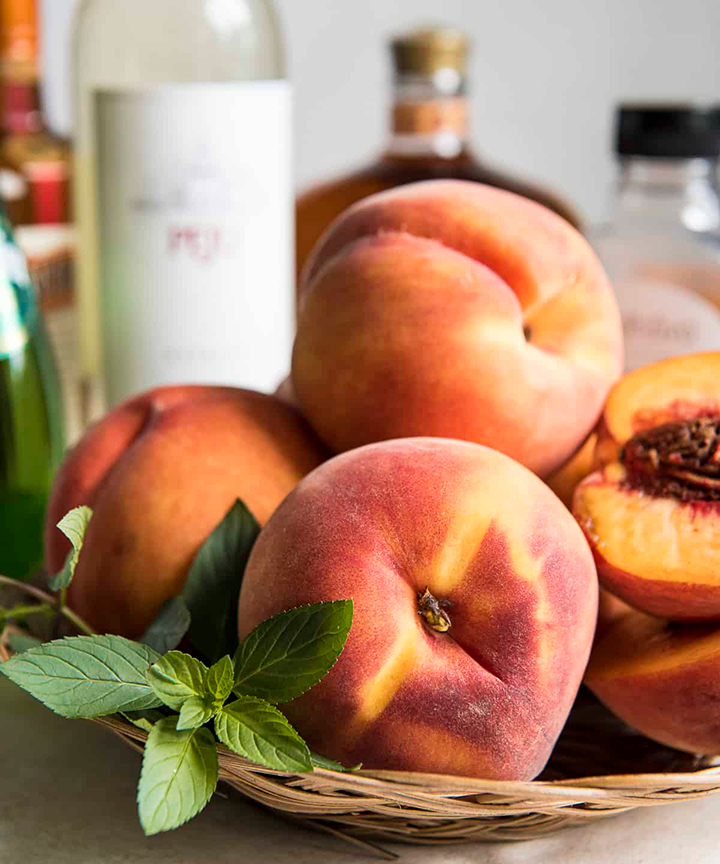
    Peaches!

    Peaches and Riesling

    The luscious, juicy sweetness of a perfectly ripe peach is beautifully mirrored by the vibrant fruitiness of a Riesling. A well-balanced Riesling, with its notes of apricot, honey, and citrus, can highlight the natural sweetness of peaches while offering a refreshing finish.

    Apricots and Viognier

    Apricots, with their slightly tart and aromatic nature, pair wonderfully with the rich and fragrant qualities of Viognier. This full-bodied white wine, often with flavors of peach, apricot, and floral undertones, enhances the fruit’s natural character, creating a symphony of summer flavors.

    SOMM&SOMM Recommends Melons and Crisp Whites

    Beautifully ripe watermelon

    Watermelon and Sauvignon Blanc

    Watermelon is the quintessential summer fruit—juicy, refreshing, and slightly sweet. Its subtle flavor is beautifully uplifted by the zesty, citrusy notes of Sauvignon Blanc. Opt for a New Zealand Sauvignon Blanc with its signature grassy and tropical fruit profile for a delightful pairing.

    Cantaloupe and Pinot Grigio

    Cantaloupe’s mellow sweetness and slightly musky aroma are complemented by the light, crisp, and refreshing nature of Pinot Grigio. The wine’s hints of green apple, pear, and citrus create a delicate balance that enhances the fruit’s flavor without overpowering it.

    SOMM&SOMM Recommends Adventurous Pairings for the Bold

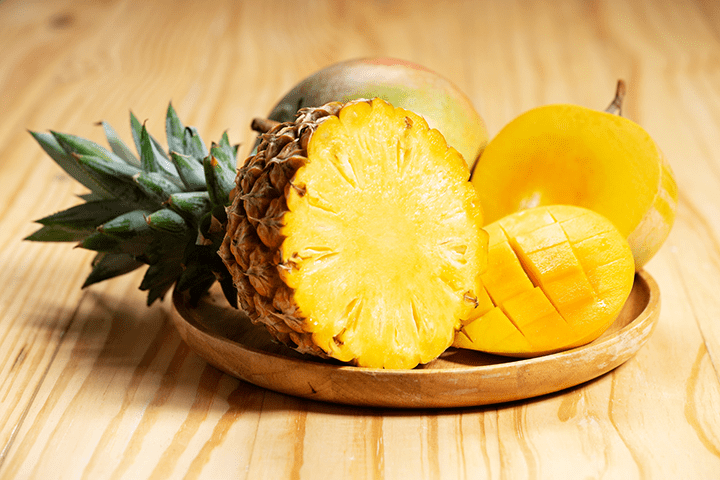
    Pineapple and mango

    Pineapple and Gewürztraminer

    For those who love bold and exotic flavors, pairing pineapple with Gewürztraminer is a must-try. This aromatic white wine, with its lychee, rose, and spice notes, beautifully balances the sweet-tart profile of pineapple, creating an explosion of tropical flavors.

    Mango and Albariño

    Mangoes are rich, sweet, and bursting with tropical goodness. Pairing them with Albariño, a Spanish white wine known for its high acidity and bright citrus flavors, creates a vibrant and refreshing combination that highlights the best of both.

    Sun-kissed Summer Sangria

    Sun-Kissed Summer Sangria

    Ingredients:

    – 1 bottle of dry white wine (such as Sauvignon Blanc or Pinot Grigio)

    – 1/4 cup brandy

    – 1/4 cup orange liqueur (such as Cointreau or Triple Sec)

    – 1/4 cup simple syrup (adjust to taste)

    – 1 orange, thinly sliced

    – 1 lemon, thinly sliced

    – 1 lime, thinly sliced

    – 1 cup fresh strawberries, hulled and sliced

    – 1 cup fresh pineapple chunks

    – 1 cup fresh blueberries

    – 1 peach, pitted and sliced

    – 1 to 2 cups sparkling water or club soda

    – Fresh mint leaves for garnish

    Instructions:

    1. In a large pitcher, combine the white wine, brandy, orange liqueur, and simple syrup. Stir well to mix.

    2. Add the orange, lemon, and lime slices to the pitcher, followed by the strawberries, pineapple, blueberries, and peach slices.

    3. Stir gently to combine the fruit with the liquid. Cover the pitcher and refrigerate for at least 2 hours, allowing the flavors to meld.

    4. Just before serving, add the sparkling water or club soda to the pitcher for a refreshing fizz. Stir gently to combine.

    5. Pour the sangria into glasses filled with ice, making sure to include some of the fruit in each glass.

    6. Garnish with fresh mint leaves and enjoy the refreshing taste of summer!

    Pairing summer wines with summer fruits is an art that brings out the best in both. The vibrant flavors of fresh fruits combined with the nuanced profiles of carefully selected wines can create unforgettable taste experiences. Whether you’re indulging in a classic combination or exploring adventurous pairings, the joy of summer is captured in every sip and bite. So, gather your friends, pick your favorite fruits and wines, and celebrate the season with these delightful pairings. Cheers to a summer filled with sunshine and sips of perfection! 🥂

  • Exploring Tuscan Elegance: A Journey through Cantine Guidi’s Wine Portfolio

    Exploring Tuscan Elegance: A Journey through Cantine Guidi’s Wine Portfolio

    In the heart of Tuscany, amidst the rolling hills and historic vineyards, lies a hidden gem known as Cantine Guidi. Under the guidance of their father, Avio Guidi, and led by fourth-generation winemakers Giacomo and Nicola Guidi, this esteemed winery has been crafting exceptional wines that encapsulate the essence of the region for decades. Recently, I had the privilege of attending a special wine tasting event hosted by WineNot? orchestrated by the gracious owners and sommeliers, Mike and Lorale Mullins. This intimate gathering, limited to just 20 individuals, offered an unparalleled opportunity to delve into the world of Cantine Guidi and immerse ourselves in the artistry of winemaking.

    We want to make our wines drink all over the world and that every person drinking them can discover the soul of our family and of Tuscany

    Nicola Guida
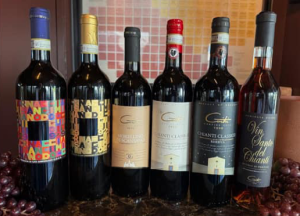
    Cantine Guidi Tasting Lineup

    Nicola Guidi began our tasting journey with the Cantine Guidi Vernaccia di San Gimignano D.O.C.G., a crisp and refreshing white wine that immediately captivated the senses. With its delicate floral aromas and vibrant citrus notes, this wine embodies the essence of Tuscan terroir. The limestone-rich soils of San Gimignano impart a distinctive minerality, while the cool climate ensures optimal acidity. Paired with fresh seafood or light pasta dishes, this Vernaccia di San Gimignano is a true delight.

    Next on the lineup was the Cantine Guidi Vernaccia di San Gimignano Riserva D.O.C.G., a step above its predecessor in terms of complexity and depth. Aged to perfection, this wine boasts layers of ripe stone fruit, honeyed undertones, and a subtle hint of almonds. The extended oak aging adds a touch of richness and texture, making it an ideal companion to creamy risottos or poultry dishes.

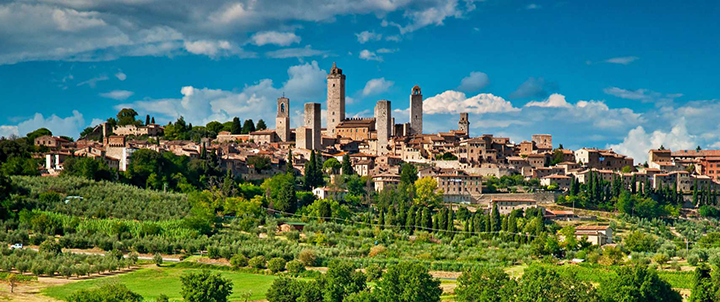
    San Gimignano is often referred to as Tuscany’s “Medieval Manhattan”

    Transitioning to reds, we savored the Morellino di Scansano D.O.C.G., a wine that showcases the versatility of Sangiovese grapes in the Maremma region. With its medium body and velvety tannins, this Morellino di Scansano offers an array of red berry flavors, accented by hints of herbs and spices. Its vibrant acidity makes it a versatile pairing for a variety of dishes, from grilled meats to hearty stews.

    Moving on to the Cantine Guidi Chianti Classico D.O.C.G., we were treated to a quintessential expression of Tuscan red wine. Crafted from Sangiovese grapes grown in the historic Chianti Classico region, this wine exudes elegance and finesse. Bursting with ripe cherry and plum flavors, complemented by notes of violet and earth, it is a true testament to the terroir of Tuscany. Pair it with classic Italian dishes such as pasta with tomato-based sauces (Greg’s Marinara Sauce) or aged cheeses for an unforgettable dining experience.

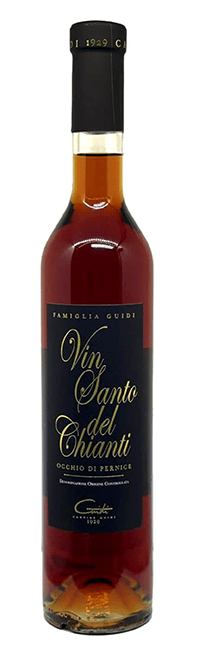
    Vin Santo

    The tasting culminated with the Cantine Guidi Chianti Riserva D.O.C.G., a wine of exceptional depth and complexity. Made from carefully selected grapes and aged in oak barrels, this Chianti Riserva offers an enticing bouquet of dark fruit, tobacco, and leather. Its velvety texture and lingering finish make it a perfect match for hearty meat dishes or aged cheeses.

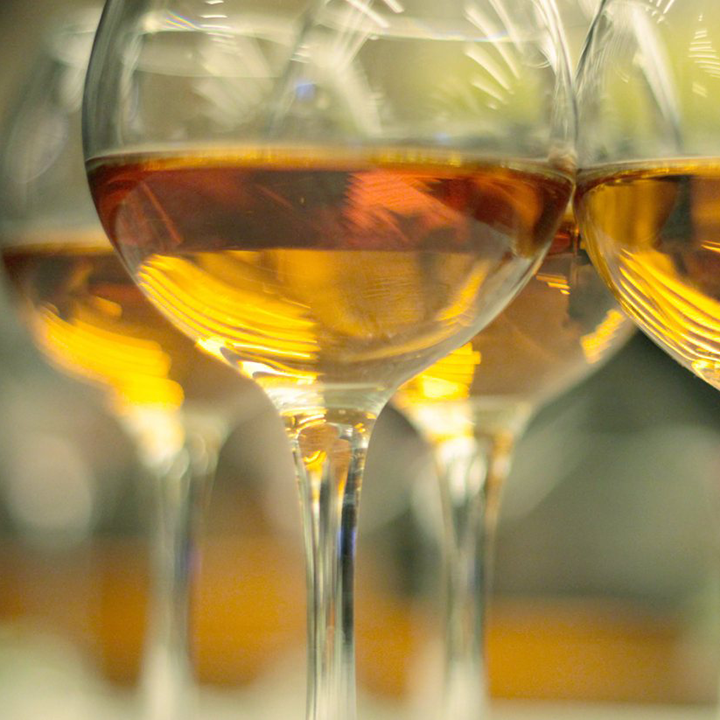
    Last but certainly not least, we indulged in the Vin Santo del Chianti D.O.C., a true Tuscan treasure. This sweet dessert wine, made from sun-dried grapes, captivated our palates with its luscious notes of caramelized nuts, dried fruits, and honey. Sipped slowly, it served as a fitting finale to our tasting journey, leaving a lasting impression of Tuscan hospitality and craftsmanship.

    We strongly believe that we start from the origins and along the way we grow and change based on the needs of our land; in fact, it is sustainability and ethics that motivate the choices we make every day.

    Cantine Guidi 1929

    Throughout the tasting, Nicola Guidi’s passion for winemaking shone through, as he shared insights into his family’s legacy and the unique terroir of each wine. From the sun-drenched vineyards of San Gimignano to the rugged hills of Chianti, every bottle tells a story of tradition, innovation, and dedication to quality.

    WineNot? West – 1108 W Granada Blvd, Ormond Beach, FL 32174

    As we bid farewell to WineNot? and its gracious hosts, Mike and Lorale Mullins, I couldn’t help but reflect on the unforgettable experience we had shared. Through the artistry of Cantine Guidi’s wines, we had embarked on a sensory journey through the timeless landscapes of Tuscany, savoring each moment and leaving with a newfound appreciation for the beauty of Italian winemaking. Saluti 🍷

  • Crafting a Romantic Food and Wine Experience for Valentine’s Day

    Crafting a Romantic Food and Wine Experience for Valentine’s Day

    As Valentine’s Day approaches, love is in the air, and what better way to celebrate romance than with a carefully curated food and wine experience? As a sommelier deeply passionate about creating memorable moments through the art of pairing, I invite you on a journey to tantalize your taste buds and ignite your senses with a selection of wines that complement intimate dishes and decadent desserts.

    Sparkling Wine Says Romance on Valentine’s Day

    While sparkling wines often take the spotlight during romantic occasions, there’s a plethora of red and white wines waiting to enhance the culinary symphony of your evening. Let’s delve into the heart of romance with classic pairings and venture into uncharted territory with some unconventional options to keep the sparks flying.

    Disclosure: This post includes some affiliate links. Should you click an affiliate link and make a purchase, we may receive a small commission at no extra cost to you.

    Classic Pairings

    Red Wine and Chocolate – A timeless duo, red wine and chocolate evoke feelings of indulgence and passion. Opt for a velvety smooth Merlot or a bold Cabernet Sauvignon to accompany rich dark chocolate desserts. The interplay of fruity notes and tannins creates a symphony of flavors that dance on the palate, leaving a lingering sensation of warmth and satisfaction.

    Cafe Delites Shrimp Scampi

    White Wine and Seafood – For a lighter yet equally enchanting pairing, consider a crisp Chardonnay or a vibrant Sauvignon Blanc with seafood dishes. Whether it’s succulent lobster tails drizzled with butter or delicate shrimp scampi, the refreshing acidity of these white wines balances the brininess of the sea, elevating each bite into a celestial experience.

    SOMM&SOMM Recommends: Cafe Delites Shrimp Scampi Recipe

    Rosé and Cheese – Rosé wines, with their delicate blush hues and refreshing acidity, harmonize beautifully with an array of cheeses. From creamy brie to tangy goat cheese, the versatility of rosé allows for a playful exploration of flavors. Let the soft, fruity notes of a Provencal rosé entwine with the creamy texture of cheese, creating a delightful contrast that tantalizes the senses.

    Orange WIne

    Out-of-the-Box Options

    Orange Wine and Spicy Cuisine – Step outside the conventional and embrace the bold flavors of spicy cuisine with an unexpected partner – orange wine. Crafted from white grapes with extended skin contact, orange wine boasts complex aromas and a rich, textured palate. Pair it with fiery dishes like Thai curry or Mexican mole for a fiery fusion of flavors that ignites passion and adventure.

    Lambrusco and Charcuterie – Break away from tradition and embrace the effervescent charm of Lambrusco paired with a rustic charcuterie board. This Italian sparkling red wine, with its vibrant red fruit flavors and lively bubbles, complements the salty richness of cured meats and the earthy notes of aged cheeses. Let the symphony of flavors unfold as you explore the diverse textures and aromas, creating a tapestry of indulgence.

    Westgarth Wines

    Spotlight: Westgarth Wines is a great source for hard-to-find varietals and vintages. Whether building your wine portfolio or planning a special evening, check out Westgarth Wines Extensive Fine Wine Collection.

    Romantically-Inspired Wines and Foods

    In the realm of romantically-inspired wines, few evoke the passion of love stories like Amarone della Valpolicella. Crafted in the Veneto region of Italy, this full-bodied red wine is made from dried grapes, resulting in a luxurious elixir bursting with flavors of dried fruit, spice, and dark chocolate. Pair it with a decadent chocolate fondue for an unforgettable finale to your Valentine’s Day feast, indulging in the timeless allure of love and indulgence.

    Perfect Valentine’s Day Atmosphere

    As the evening unfolds and glasses clink in celebration of love, remember that the true magic lies in the connection shared over a table adorned with exquisite food and wine. Whether you choose to embrace classic pairings or embark on a culinary adventure with unconventional choices, let each sip and bite be a testament to the romance that blossoms when flavors intertwine, creating moments that linger in the heart long after the last drop is savored. And… speaking of blossoms, don’t forget the flowers!

    SOMM&SOMM Recommends: 1-800-FLORALS – ‘Say I Love You‘ bouquet

    In the world of food and wine, every pairing is a love story waiting to be told, and on Valentine’s Day, let your palate be the narrator of a tale woven with passion, indulgence, and the timeless allure of romance.

    Cheers to love, laughter, and unforgettable moments shared over a table set for two. 🥂

  • Wine Styles: Late Harvest Wines

    Wine Styles: Late Harvest Wines

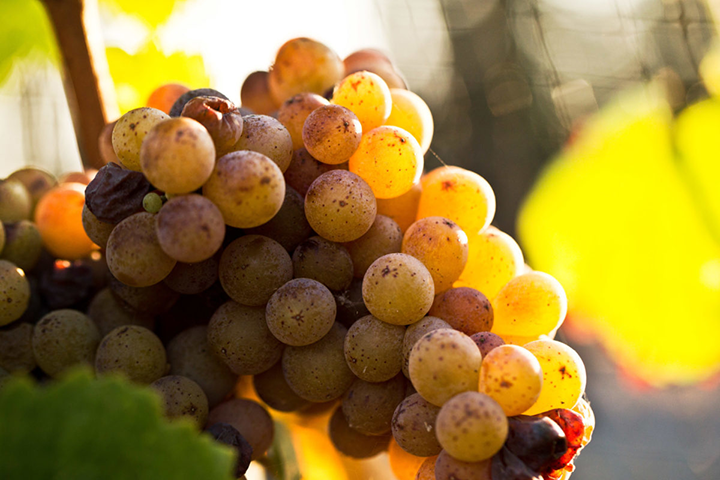
    Late harvest wines represent a pinnacle of winemaking craftsmanship, showcasing the artful balance between sweetness and acidity. These wines are crafted from grapes left on the vine longer than usual, allowing them to ripen further and intensify their flavors. Late harvest wines come in various styles, each offering a unique tasting experience. Among them, the influence of noble rot (botrytis) on certain grapes adds an extra layer of complexity and richness.

    Styles of Late Harvest Wines

    Lur Saluces Chateau de Fargues – Photo Credit: Fred Swan, JJBuckley.com

    Sauternes (France)

    Sauternes is an iconic late harvest wine from the Bordeaux region of France. It is primarily made from Semillon, Sauvignon Blanc, and Muscadelle grapes. The grapes are affected by botrytis cinerea, a fungus that concentrates the sugars and flavors, resulting in a luscious, honeyed wine with vibrant acidity. Château d’Yquem is the most renowned producer of Sauternes.

    SOMM&SOMM recommends: Chateau Suduiraut Sauternes

    Trockenbeerenauslese (Germany)

    In Germany, Trockenbeerenauslese (TBA) wines are produced from individually selected, overripe grapes affected by noble rot. These wines are intensely sweet, with high levels of sugar and acidity. Riesling is the predominant grape variety, and TBAs are often considered some of the finest expressions of German winemaking.

    SOMM&SOMM recommends: 2019 Alois Kracher Trockenbeerenauslese No. 4 Zweigelt

    Eiswein (Canada and Germany)

    Ice wine (Canada) is made from grapes that have naturally frozen on the vine. The grapes are harvested and pressed while still frozen, extracting only the concentrated sugars. Canadian Ice Wine, particularly from the Niagara Peninsula, is renowned for its balanced sweetness and acidity. Germany also produces Eiswein using a similar method.

    SOMM&SOMM recommends: Dr. Loosen Riesling Eiswein

    Vin Santo (Italy)

    In Italy, Vin Santo is a traditional Tuscan late harvest wine made from white grapes like Trebbiano and Malvasia. The grapes are dried on straw mats before pressing, leading to a rich and nutty wine. Vin Santo is often enjoyed as a dessert wine, accompanied by biscotti. On a related note, Vin Santo is the traditional wine used in a classic Tuscany-style Tiramisù.

    Botrytis Cinerea and Its Impact

    Botrytis cinerea, commonly known as noble rot, plays a crucial role in the production of some of the world’s finest sweet wines. This beneficial fungus pierces the grape skin, allowing water to evaporate and concentrating sugars and flavors. In addition to enhancing sweetness, noble rot imparts distinctive honey, apricot, and botrytized character to the wine.

    Dessert Pairings for Late Harvest Wines

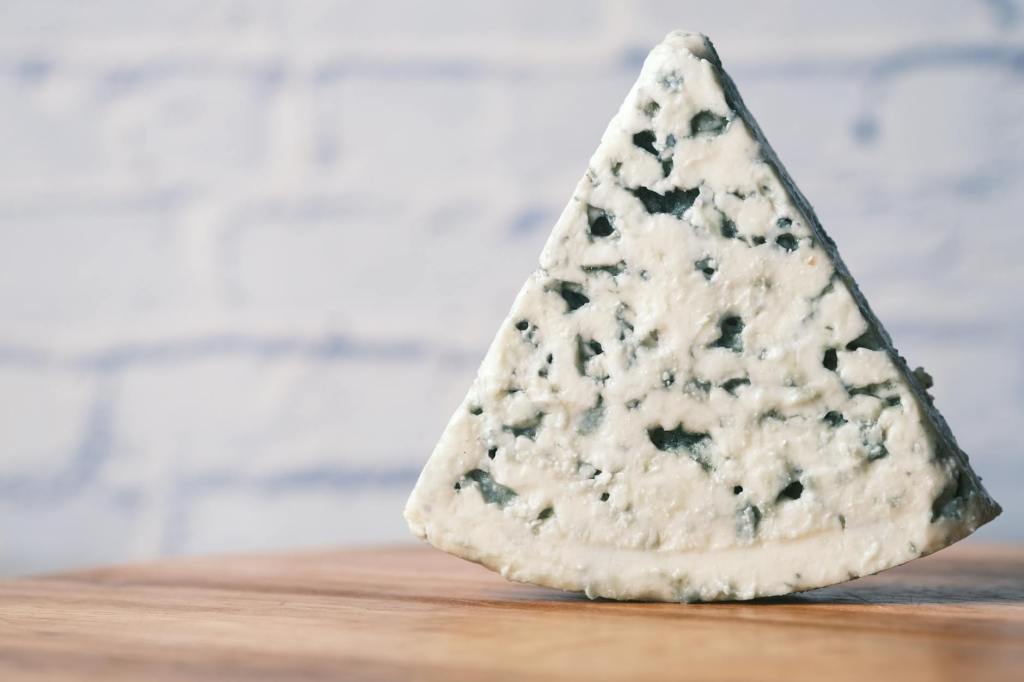
    Roquefort Cheese – Photo by Towfiqu barbhuiya on Pexels.com

    Sauternes: Foie Gras and Roquefort Cheese

    Sauternes pairs wonderfully with rich and savory flavors. Foie gras, with its buttery texture and complex taste, complements the sweetness of Sauternes. Roquefort, a blue cheese with a bold flavor profile, creates a delightful contrast that highlights the wine’s acidity.

       Recipe: Foie Gras with Sauternes Reduction

       – Sear foie gras slices in a hot pan until golden.

       – Deglaze the pan with Sauternes, reducing it to a syrupy consistency.

       – Drizzle the reduction over the foie gras and serve with toasted brioche.

    Trockenbeerenauslese: Peach Melba

    The vibrant acidity of Trockenbeerenauslese cuts through the richness of a classic Peach Melba. The combination of poached peaches, vanilla ice cream, and raspberry sauce creates a harmonious blend of flavors.

       Recipe: Trockenbeerenauslese Poached Peaches

       – Poach peaches in Trockenbeerenauslese, sugar, and vanilla.

       – Serve the peaches over vanilla ice cream and drizzle with a raspberry sauce.

    Ice Wine: Apple Tarte Tatin

    The natural sweetness of Ice Wine complements the caramelized apples in a classic Tarte Tatin. The acidity in the wine balances the dish, creating a delightful contrast.

       Recipe: Ice Wine Caramel Sauce

       – Reduce Ice Wine in a pan until syrupy.

       – Combine with melted butter and brown sugar for a decadent caramel sauce.

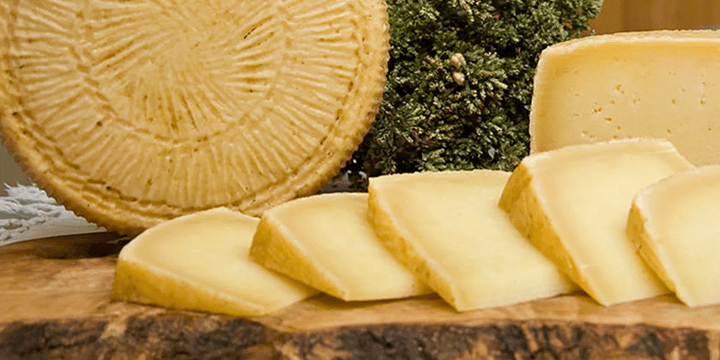
    Pecorino Cheese – Rlucia, CC BY 3.0, via Wikimedia Commons

    Vin Santo: Cantuccini and Pecorino Cheese

    Vin Santo’s nutty and caramelized notes find a perfect match in the crunchy sweetness of Cantuccini (Italian almond biscuits). Pair it with Pecorino cheese for a delightful Tuscan experience.

       Recipe: Homemade Cantuccini

       – Mix almonds, flour, sugar, and eggs to form a dough.

       – Shape into logs, bake, and slice into biscotti. Serve with Vin Santo.

    Late harvest wines, with their diverse styles and intricate flavors, offer a captivating journey for wine enthusiasts. Whether it’s the noble rot-infused complexity of Sauternes or the intense sweetness of Trockenbeerenauslese, these wines are a testament to the artistry of winemakers. Paired with classic desserts, the experience becomes a symphony of taste, revealing the cultural and culinary richness that surrounds these exceptional wines. Cheers to the indulgence of late harvest wines and the delightful moments they create! 🍷

  • Perfect Pairings: Exploring Holiday Traditions and Wine

    Perfect Pairings: Exploring Holiday Traditions and Wine

    As winter descends upon us, the world comes alive with a myriad of cultural celebrations, each boasting its own unique dishes that reflect the rich tapestry of traditions. From Christmas and Hanukkah to Kwanzaa, Las Posadas, Soyal, and Winter Solstice, these holidays showcase the diversity of global festivities. For many, it is a gastronomic journey of the traditional dishes of these celebrations. With our corkscrews at the ready, we’re excited to reveal wine pairings that will add an extra layer of joy to your holiday table.

    Christmas Celebrated December 25 – Photo by Nicole Michalou on Pexels.com

    Christmas

    Christmas is celebrated with a festive spread that varies from country to country. In many Western cultures, roast turkey or ham takes center stage. For a classic pairing, a well-balanced red wine like Merlot or Cabernet Sauvignon complements the richness of the meat. In regions where fish is the star, such as Scandinavia, a crisp and acidic Sauvignon Blanc or Pinot Grigio enhances the delicate flavors.

    For desserts like Christmas pudding or fruitcake, consider a sweet and fortified wine like Port or a late-harvest Zinfandel. SOMM&SOMM recommends opting for a tawny Port with its nutty undertones to harmonize with the spiced complexity of these traditional treats.

    Recommended wines:

    Duckhorn Vineyards Carneros Napa Valley Merlot (Classic)

    Graham’s 20 Year Tawny Port (SOMM&SOMM)

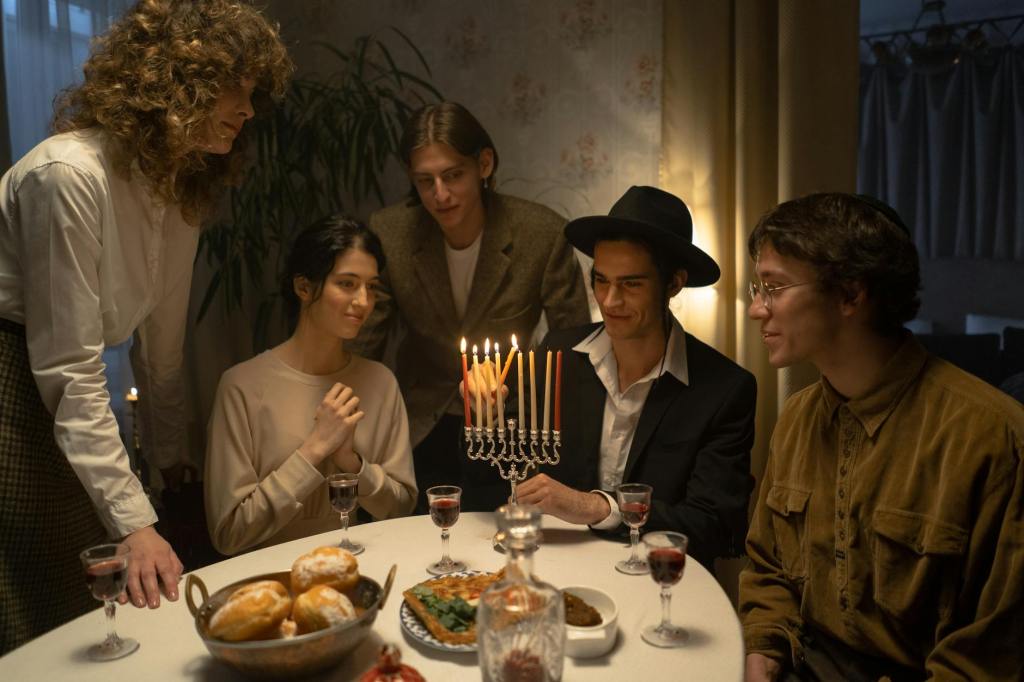
    Hanukkah Celebrated December 10-18 – Photo by cottonbro studio on Pexels.com

    Hanukkah

    Hanukkah, the Festival of Lights, is celebrated with dishes that pay homage to the miracle of oil. Latkes, crispy potato pancakes, and sufganiyot, jelly-filled doughnuts, are holiday staples. A sparkling wine, such as Champagne or Prosecco, provides a lively contrast to the fried delights. The effervescence cuts through the oil, cleansing the palate for the next delicious bite.

    For the main course, whether it’s brisket or roasted chicken, a medium to full-bodied red wine like a Cabernet Sauvignon or a Merlot complements the savory richness of the meat. SOMM&SOMM suggests choosing a wine with soft tannins and a hint of spice to elevate the experience.

    Recommended wines:

    Hagafen Merlot (OU Kosher) (Classic)

    Baron Herzog Alexander Valley Special Reserve Cabernet Sauvignon (OU Kosher)(SOMM&SOMM)

    Kwanzaa Celebrated December 26 – January 1 – Photo by Askar Abayev on Pexels.com

    Kwanzaa

    Kwanzaa, a celebration of African heritage, features a feast known as Karamu. Traditional dishes include jerk chicken, collard greens, and jollof rice. For the bold flavors of jerk chicken, a Zinfandel or a Syrah provides a perfect balance of fruitiness and spice.

    Collard greens pair well with a white wine like a Viognier or a Chardonnay. SOMM&SOMM recommends selecting a wine with good acidity to cut through the richness of the greens. For jollof rice, a versatile red blend or a Sangiovese complements the tomato-based dish, enhancing its depth of flavor.

    Recommended wines:

    Seghesio Sonoma Zinfandel (Classic)

    Chateau Montelena Napa Valley Chardonnay (SOMM&SOMM)

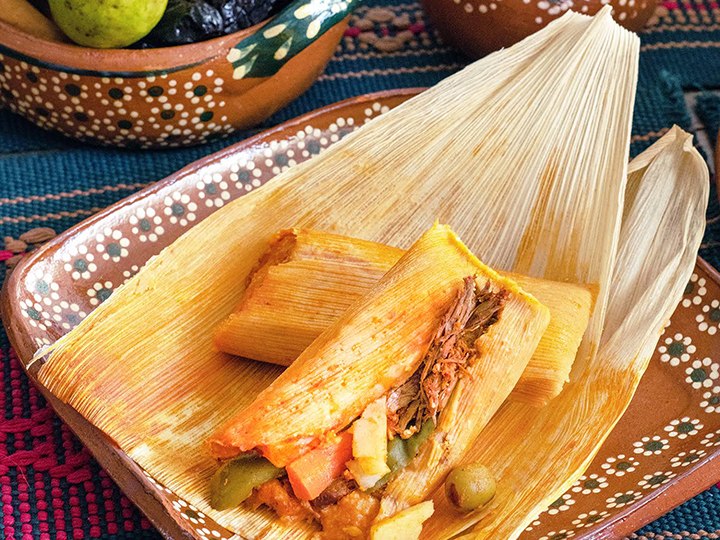
    Las Posadas Celebrated December 16-24 – yummly.com/recipe/Beef-and-Red-Chile-Tamales

    Las Posadas

    In Mexico, the nine-night celebration of Las Posadas features tamales, bacalao (salted cod), and ponche, a warm fruit punch. For tamales, a light and fruity red wine like a Beaujolais or a Tempranillo complements the masa and various fillings. Bacalao calls for a crisp and refreshing white wine such as Albariño or Sauvignon Blanc to cut through the saltiness.

    Ponche Navideño, with its blend of fruits and spices, pairs well with a sweet and aromatic wine like a Gewürztraminer or a Moscato. SOMM&SOMM suggests selecting a wine with a touch of spice to harmonize with the festive flavors of this Mexican holiday punch.

    Recommended wines:

    Valserrano Rioja Gran Reserva (Classic)

    Michele Chiarlo Nivole Moscato d’Asti (SOMM&SOMM)

    Soyal Celebrated December 22

    Soyal

    Soyal, celebrated by the Hopi and other Native American tribes, involves rituals and feasting to welcome the winter solstice. Traditional dishes include blue corn mush, succotash, and roasted meats. Blue corn mush pairs well with a light and earthy white wine like a Chenin Blanc or a Grüner Veltliner.

    Succotash, a medley of beans and corn, harmonizes with a crisp and herbal Sauvignon Blanc or a Vermentino. For roasted meats like venison or bison, a robust red wine such as Malbec or Syrah complements the gamey flavors. SOMM&SOMM recommends choosing a wine with bold tannins and dark fruit notes.

    Recommended wines:

    Hiedler Thal Gruner Veltliner (Classic)

    Catena Alta Malbec (SOMM&SOMM)

    Winter Solstice

    The Winter Solstice, celebrated around the world on December 21, marks the shortest day and longest night of the year. Traditional dishes include hearty stews, root vegetables, and spiced desserts. For stews, a rustic red wine like a Grenache or a Côtes du Rhône enhances the savory and aromatic qualities of the dish.

    Root vegetables pair well with a medium to full-bodied white wine such as a Viognier or a Roussanne. SOMM&SOMM suggests selecting a wine with a touch of oak to complement the earthy flavors. Spiced desserts, like gingerbread or mulled wine poached fruits, call for a sweet and spicy dessert wine such as a late-harvest Gewürztraminer or a Vin Santo.

    Recommended wines:

    Chateau De Nages Heritage Rouge Vieilles Vignes (Classic)

    Truchard Estate Roussanne (SOMM&SOMM)

    Photo by Nicole Michalou on Pexels.com

    This holiday season, let your table be a reflection of the rich and diverse tapestry of global traditions. Whether you’re savoring the flavors of Christmas, Hanukkah, Kwanzaa, Las Posadas, Soyal, or the Winter Solstice, expert wine pairings can elevate your festive feast. With the guidance of a sommelier, each sip will be a celebration of the unique cultural heritage that makes the holiday season a truly global and joyous affair. Cheers to a world of flavors and a season filled with warmth and merriment! 🍷

  • Unlocking the Magic of Beaujolais Nouveau

    Unlocking the Magic of Beaujolais Nouveau

    As autumn settles in and leaves begin to paint the landscape with warm hues, wine enthusiasts around the world eagerly await the arrival of a special seasonal favorite—Beaujolais Nouveau. This vibrant and fruity red wine, released just weeks after the grape harvest, has become a symbol of celebration and conviviality. As a wine educator, I am excited to delve into the nuances of Beaujolais Nouveau, exploring its origins, characteristics, and the cultural significance that surrounds its annual release.

    René Hourdry, CC BY-SA 4.0, via Wikimedia Commons

    A Brief History

    Beaujolais Nouveau finds its roots in the Beaujolais region of France, nestled between Burgundy and the Rhône Valley. The story begins with a tradition known as “Beaujolais Day,” a celebration that dates back to the early 20th century. The local winemakers, eager to share their newly harvested wines, would race to bring the first bottles of Beaujolais to the market. Over time, this lively tradition evolved into a global phenomenon.

    The practice of producing Beaujolais Nouveau officially started in the 1950s, thanks to the marketing genius of Georges Duboeuf, a visionary winemaker. Recognizing the potential of the young, fruity wine, Duboeuf seized the opportunity to promote it as a festive and convivial beverage. The release date was set to the third Thursday of November, creating an annual wine event that captures the imagination of wine enthusiasts worldwide.

    The Beauty of Carbonic Maceration

    What sets Beaujolais Nouveau apart from other red wines is its unique winemaking process, known as carbonic maceration. This technique involves fermenting whole grapes in a carbon dioxide-rich environment before crushing them. This process emphasizes the fruity and aromatic qualities of the Gamay grape, the star of Beaujolais wines.

    The result is a wine that is light, fresh, and brimming with red fruit flavors such as cherry, raspberry, and strawberry. The absence of harsh tannins makes Beaujolais Nouveau exceptionally approachable, even for those who may not typically gravitate towards red wines.

    A Symphony of Fruitiness

    When exploring Beaujolais Nouveau, one is immediately struck by its vivacious and youthful character. The wine typically exhibits a brilliant, ruby-red hue that hints at the explosion of fruit flavors within. On the nose, one can detect a medley of red berries, accompanied by floral notes that add a layer of complexity.

    On the palate, Beaujolais Nouveau dances with bright acidity, making it a refreshing and versatile wine. The fruity profile is complemented by a subtle spiciness, creating a harmonious balance that lingers in the finish. It’s a wine meant to be enjoyed in its exuberant youthfulness, best consumed within the first few months of release.

    Pairing Beaujolais Nouveau

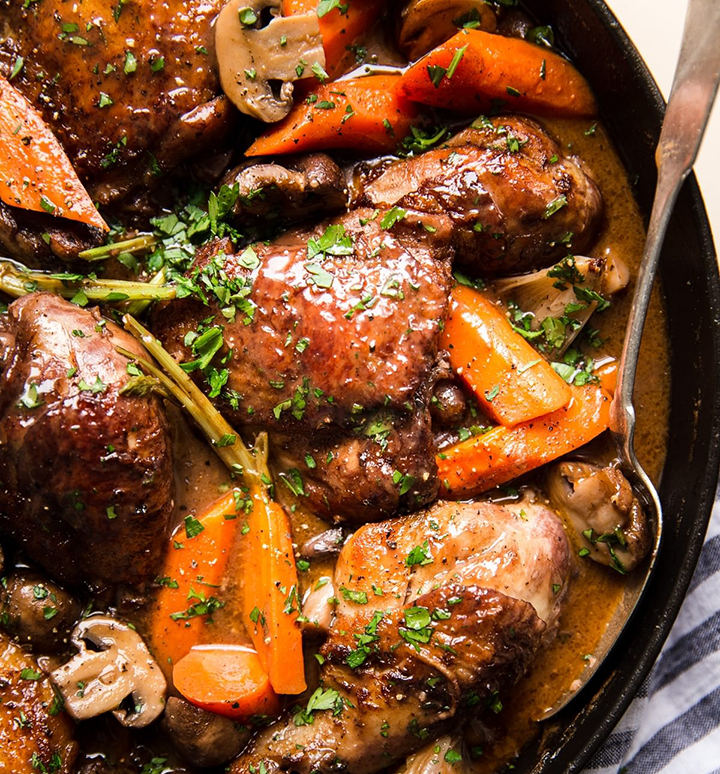
    One of the joys of Beaujolais Nouveau is its versatility when it comes to food pairings. Its light body and vibrant acidity make it an excellent companion for a variety of dishes. Consider pairing it with classic French fare such as coq au vin or a plate of charcuterie. The wine’s fruity profile also makes it an ideal match for Thanksgiving dinner, complementing the array of flavors on the holiday table.

    For those with a sweet tooth, Beaujolais Nouveau can be a surprising ally. Its fruit-forward nature makes it a delightful pairing with fruity desserts, such as a berry tart or poached pears.

    Coq au Vin – themodernproper.com/coq-au-vin

    Cultural Significance

    The release of Beaujolais Nouveau has transcended its French origins and become a global celebration of wine and camaraderie. Wine lovers around the world eagerly anticipate the third Thursday of November, marking the official release date. Festivals, parties, and special events unfold as enthusiasts raise their glasses to toast the arrival of this unique and ephemeral wine.

    Beaujolais Nouveau has become more than just a beverage; it’s a symbol of conviviality, tradition, and the joy of sharing. Winemakers, distributors, and consumers alike partake in the annual ritual, creating a sense of connection that transcends borders and cultures.

    Embracing the Beaujolais Nouveau Tradition

    I encourage enthusiasts to embrace the magic of Beaujolais Nouveau. Its lively and approachable nature, coupled with the rich history and cultural significance, makes it a wine worth savoring. Whether enjoyed at a festive gathering, a cozy dinner, or simply as a delightful accompaniment to the changing seasons, Beaujolais Nouveau captures the essence of celebration in a bottle. So, as the third Thursday of November passes by, let us raise our glasses to this special season favorite and the traditions that make the world of wine so enchanting.

    Santé 🍷