Category: Pairings

  • Wine Styles: Late Harvest Wines

    Wine Styles: Late Harvest Wines

    Late harvest wines represent a pinnacle of winemaking craftsmanship, showcasing the artful balance between sweetness and acidity. These wines are crafted from grapes left on the vine longer than usual, allowing them to ripen further and intensify their flavors. Late harvest wines come in various styles, each offering a unique tasting experience. Among them, the influence of noble rot (botrytis) on certain grapes adds an extra layer of complexity and richness.

    Styles of Late Harvest Wines

    Lur Saluces Chateau de Fargues – Photo Credit: Fred Swan, JJBuckley.com

    Sauternes (France)

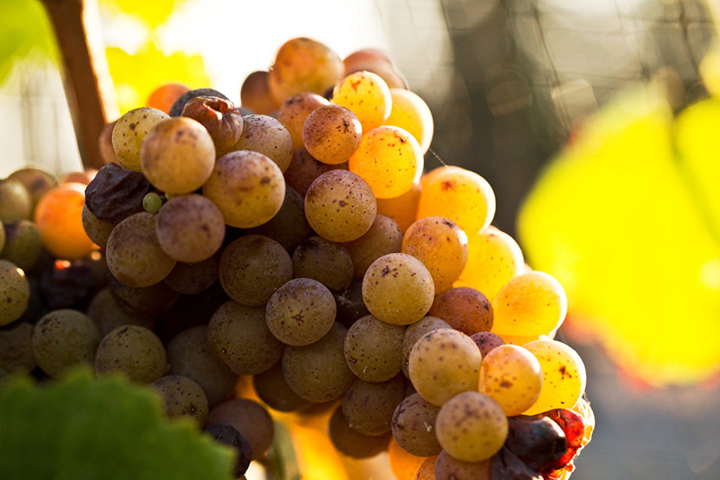
    Sauternes is an iconic late harvest wine from the Bordeaux region of France. It is primarily made from Semillon, Sauvignon Blanc, and Muscadelle grapes. The grapes are affected by botrytis cinerea, a fungus that concentrates the sugars and flavors, resulting in a luscious, honeyed wine with vibrant acidity. Château d’Yquem is the most renowned producer of Sauternes.

    SOMM&SOMM recommends: Chateau Suduiraut Sauternes

    Trockenbeerenauslese (Germany)

    In Germany, Trockenbeerenauslese (TBA) wines are produced from individually selected, overripe grapes affected by noble rot. These wines are intensely sweet, with high levels of sugar and acidity. Riesling is the predominant grape variety, and TBAs are often considered some of the finest expressions of German winemaking.

    SOMM&SOMM recommends: 2019 Alois Kracher Trockenbeerenauslese No. 4 Zweigelt

    Eiswein (Canada and Germany)

    Ice wine (Canada) is made from grapes that have naturally frozen on the vine. The grapes are harvested and pressed while still frozen, extracting only the concentrated sugars. Canadian Ice Wine, particularly from the Niagara Peninsula, is renowned for its balanced sweetness and acidity. Germany also produces Eiswein using a similar method.

    SOMM&SOMM recommends: Dr. Loosen Riesling Eiswein

    Vin Santo (Italy)

    In Italy, Vin Santo is a traditional Tuscan late harvest wine made from white grapes like Trebbiano and Malvasia. The grapes are dried on straw mats before pressing, leading to a rich and nutty wine. Vin Santo is often enjoyed as a dessert wine, accompanied by biscotti. On a related note, Vin Santo is the traditional wine used in a classic Tuscany-style Tiramisù.

    Botrytis Cinerea and Its Impact

    Botrytis cinerea, commonly known as noble rot, plays a crucial role in the production of some of the world’s finest sweet wines. This beneficial fungus pierces the grape skin, allowing water to evaporate and concentrating sugars and flavors. In addition to enhancing sweetness, noble rot imparts distinctive honey, apricot, and botrytized character to the wine.

    Dessert Pairings for Late Harvest Wines

    Roquefort Cheese – Photo by Towfiqu barbhuiya on Pexels.com

    Sauternes: Foie Gras and Roquefort Cheese

    Sauternes pairs wonderfully with rich and savory flavors. Foie gras, with its buttery texture and complex taste, complements the sweetness of Sauternes. Roquefort, a blue cheese with a bold flavor profile, creates a delightful contrast that highlights the wine’s acidity.

       Recipe: Foie Gras with Sauternes Reduction

       – Sear foie gras slices in a hot pan until golden.

       – Deglaze the pan with Sauternes, reducing it to a syrupy consistency.

       – Drizzle the reduction over the foie gras and serve with toasted brioche.

    Trockenbeerenauslese: Peach Melba

    The vibrant acidity of Trockenbeerenauslese cuts through the richness of a classic Peach Melba. The combination of poached peaches, vanilla ice cream, and raspberry sauce creates a harmonious blend of flavors.

       Recipe: Trockenbeerenauslese Poached Peaches

       – Poach peaches in Trockenbeerenauslese, sugar, and vanilla.

       – Serve the peaches over vanilla ice cream and drizzle with a raspberry sauce.

    Ice Wine: Apple Tarte Tatin

    The natural sweetness of Ice Wine complements the caramelized apples in a classic Tarte Tatin. The acidity in the wine balances the dish, creating a delightful contrast.

       Recipe: Ice Wine Caramel Sauce

       – Reduce Ice Wine in a pan until syrupy.

       – Combine with melted butter and brown sugar for a decadent caramel sauce.

    Pecorino Cheese – Rlucia, CC BY 3.0, via Wikimedia Commons

    Vin Santo: Cantuccini and Pecorino Cheese

    Vin Santo’s nutty and caramelized notes find a perfect match in the crunchy sweetness of Cantuccini (Italian almond biscuits). Pair it with Pecorino cheese for a delightful Tuscan experience.

       Recipe: Homemade Cantuccini

       – Mix almonds, flour, sugar, and eggs to form a dough.

       – Shape into logs, bake, and slice into biscotti. Serve with Vin Santo.

    Late harvest wines, with their diverse styles and intricate flavors, offer a captivating journey for wine enthusiasts. Whether it’s the noble rot-infused complexity of Sauternes or the intense sweetness of Trockenbeerenauslese, these wines are a testament to the artistry of winemakers. Paired with classic desserts, the experience becomes a symphony of taste, revealing the cultural and culinary richness that surrounds these exceptional wines. Cheers to the indulgence of late harvest wines and the delightful moments they create! 🍷
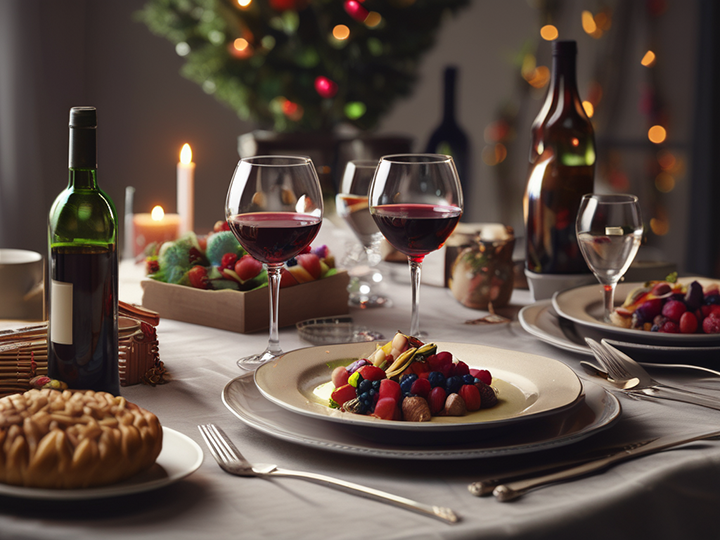
  • Perfect Pairings: Exploring Holiday Traditions and Wine

    Perfect Pairings: Exploring Holiday Traditions and Wine

    As winter descends upon us, the world comes alive with a myriad of cultural celebrations, each boasting its own unique dishes that reflect the rich tapestry of traditions. From Christmas and Hanukkah to Kwanzaa, Las Posadas, Soyal, and Winter Solstice, these holidays showcase the diversity of global festivities. For many, it is a gastronomic journey of the traditional dishes of these celebrations. With our corkscrews at the ready, we’re excited to reveal wine pairings that will add an extra layer of joy to your holiday table.

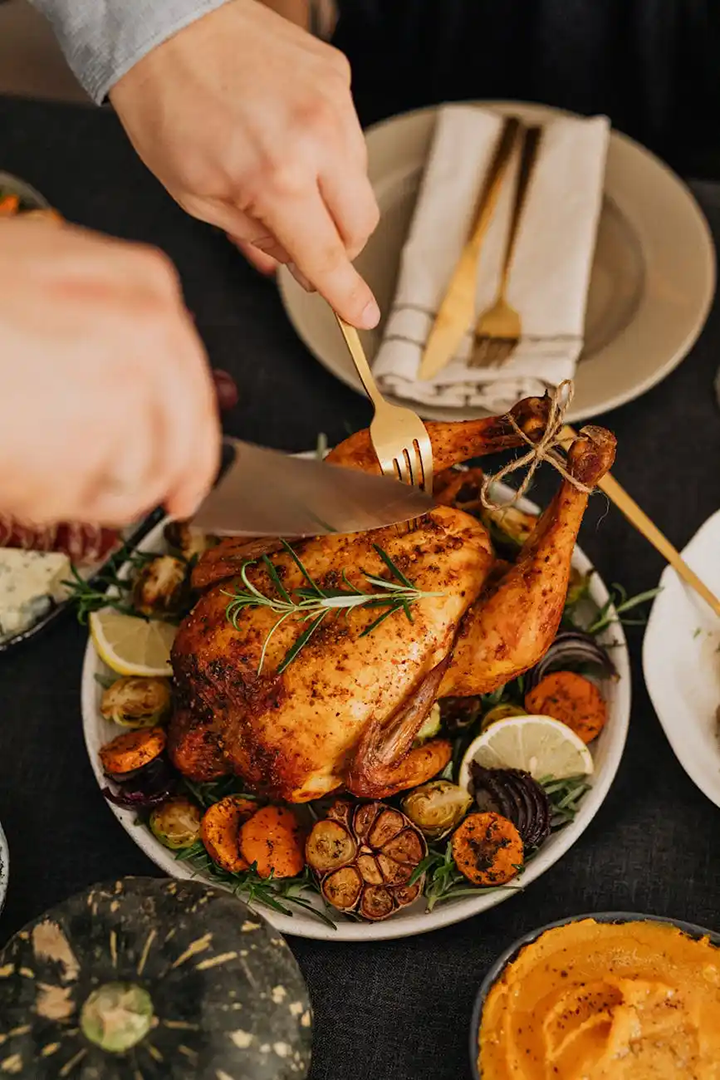
    Christmas Celebrated December 25 – Photo by Nicole Michalou on Pexels.com

    Christmas

    Christmas is celebrated with a festive spread that varies from country to country. In many Western cultures, roast turkey or ham takes center stage. For a classic pairing, a well-balanced red wine like Merlot or Cabernet Sauvignon complements the richness of the meat. In regions where fish is the star, such as Scandinavia, a crisp and acidic Sauvignon Blanc or Pinot Grigio enhances the delicate flavors.

    For desserts like Christmas pudding or fruitcake, consider a sweet and fortified wine like Port or a late-harvest Zinfandel. SOMM&SOMM recommends opting for a tawny Port with its nutty undertones to harmonize with the spiced complexity of these traditional treats.

    Recommended wines:

    Duckhorn Vineyards Carneros Napa Valley Merlot (Classic)

    Graham’s 20 Year Tawny Port (SOMM&SOMM)

    Hanukkah Celebrated December 10-18 – Photo by cottonbro studio on Pexels.com

    Hanukkah

    Hanukkah, the Festival of Lights, is celebrated with dishes that pay homage to the miracle of oil. Latkes, crispy potato pancakes, and sufganiyot, jelly-filled doughnuts, are holiday staples. A sparkling wine, such as Champagne or Prosecco, provides a lively contrast to the fried delights. The effervescence cuts through the oil, cleansing the palate for the next delicious bite.

    For the main course, whether it’s brisket or roasted chicken, a medium to full-bodied red wine like a Cabernet Sauvignon or a Merlot complements the savory richness of the meat. SOMM&SOMM suggests choosing a wine with soft tannins and a hint of spice to elevate the experience.

    Recommended wines:

    Hagafen Merlot (OU Kosher) (Classic)

    Baron Herzog Alexander Valley Special Reserve Cabernet Sauvignon (OU Kosher)(SOMM&SOMM)

    Kwanzaa Celebrated December 26 – January 1 – Photo by Askar Abayev on Pexels.com

    Kwanzaa

    Kwanzaa, a celebration of African heritage, features a feast known as Karamu. Traditional dishes include jerk chicken, collard greens, and jollof rice. For the bold flavors of jerk chicken, a Zinfandel or a Syrah provides a perfect balance of fruitiness and spice.

    Collard greens pair well with a white wine like a Viognier or a Chardonnay. SOMM&SOMM recommends selecting a wine with good acidity to cut through the richness of the greens. For jollof rice, a versatile red blend or a Sangiovese complements the tomato-based dish, enhancing its depth of flavor.

    Recommended wines:

    Seghesio Sonoma Zinfandel (Classic)

    Chateau Montelena Napa Valley Chardonnay (SOMM&SOMM)

    Las Posadas Celebrated December 16-24 – yummly.com/recipe/Beef-and-Red-Chile-Tamales

    Las Posadas

    In Mexico, the nine-night celebration of Las Posadas features tamales, bacalao (salted cod), and ponche, a warm fruit punch. For tamales, a light and fruity red wine like a Beaujolais or a Tempranillo complements the masa and various fillings. Bacalao calls for a crisp and refreshing white wine such as Albariño or Sauvignon Blanc to cut through the saltiness.

    Ponche Navideño, with its blend of fruits and spices, pairs well with a sweet and aromatic wine like a Gewürztraminer or a Moscato. SOMM&SOMM suggests selecting a wine with a touch of spice to harmonize with the festive flavors of this Mexican holiday punch.

    Recommended wines:

    Valserrano Rioja Gran Reserva (Classic)

    Michele Chiarlo Nivole Moscato d’Asti (SOMM&SOMM)

    Soyal Celebrated December 22

    Soyal

    Soyal, celebrated by the Hopi and other Native American tribes, involves rituals and feasting to welcome the winter solstice. Traditional dishes include blue corn mush, succotash, and roasted meats. Blue corn mush pairs well with a light and earthy white wine like a Chenin Blanc or a Grüner Veltliner.

    Succotash, a medley of beans and corn, harmonizes with a crisp and herbal Sauvignon Blanc or a Vermentino. For roasted meats like venison or bison, a robust red wine such as Malbec or Syrah complements the gamey flavors. SOMM&SOMM recommends choosing a wine with bold tannins and dark fruit notes.

    Recommended wines:

    Hiedler Thal Gruner Veltliner (Classic)

    Catena Alta Malbec (SOMM&SOMM)

    Winter Solstice

    The Winter Solstice, celebrated around the world on December 21, marks the shortest day and longest night of the year. Traditional dishes include hearty stews, root vegetables, and spiced desserts. For stews, a rustic red wine like a Grenache or a Côtes du Rhône enhances the savory and aromatic qualities of the dish.

    Root vegetables pair well with a medium to full-bodied white wine such as a Viognier or a Roussanne. SOMM&SOMM suggests selecting a wine with a touch of oak to complement the earthy flavors. Spiced desserts, like gingerbread or mulled wine poached fruits, call for a sweet and spicy dessert wine such as a late-harvest Gewürztraminer or a Vin Santo.

    Recommended wines:

    Chateau De Nages Heritage Rouge Vieilles Vignes (Classic)

    Truchard Estate Roussanne (SOMM&SOMM)

    Photo by Nicole Michalou on Pexels.com

    This holiday season, let your table be a reflection of the rich and diverse tapestry of global traditions. Whether you’re savoring the flavors of Christmas, Hanukkah, Kwanzaa, Las Posadas, Soyal, or the Winter Solstice, expert wine pairings can elevate your festive feast. With the guidance of a sommelier, each sip will be a celebration of the unique cultural heritage that makes the holiday season a truly global and joyous affair. Cheers to a world of flavors and a season filled with warmth and merriment! 🍷

  • Unlocking the Magic of Beaujolais Nouveau

    Unlocking the Magic of Beaujolais Nouveau

    As autumn settles in and leaves begin to paint the landscape with warm hues, wine enthusiasts around the world eagerly await the arrival of a special seasonal favorite—Beaujolais Nouveau. This vibrant and fruity red wine, released just weeks after the grape harvest, has become a symbol of celebration and conviviality. As a wine educator, I am excited to delve into the nuances of Beaujolais Nouveau, exploring its origins, characteristics, and the cultural significance that surrounds its annual release.

    René Hourdry, CC BY-SA 4.0, via Wikimedia Commons

    A Brief History

    Beaujolais Nouveau finds its roots in the Beaujolais region of France, nestled between Burgundy and the Rhône Valley. The story begins with a tradition known as “Beaujolais Day,” a celebration that dates back to the early 20th century. The local winemakers, eager to share their newly harvested wines, would race to bring the first bottles of Beaujolais to the market. Over time, this lively tradition evolved into a global phenomenon.

    The practice of producing Beaujolais Nouveau officially started in the 1950s, thanks to the marketing genius of Georges Duboeuf, a visionary winemaker. Recognizing the potential of the young, fruity wine, Duboeuf seized the opportunity to promote it as a festive and convivial beverage. The release date was set to the third Thursday of November, creating an annual wine event that captures the imagination of wine enthusiasts worldwide.

    The Beauty of Carbonic Maceration

    What sets Beaujolais Nouveau apart from other red wines is its unique winemaking process, known as carbonic maceration. This technique involves fermenting whole grapes in a carbon dioxide-rich environment before crushing them. This process emphasizes the fruity and aromatic qualities of the Gamay grape, the star of Beaujolais wines.

    The result is a wine that is light, fresh, and brimming with red fruit flavors such as cherry, raspberry, and strawberry. The absence of harsh tannins makes Beaujolais Nouveau exceptionally approachable, even for those who may not typically gravitate towards red wines.

    A Symphony of Fruitiness

    When exploring Beaujolais Nouveau, one is immediately struck by its vivacious and youthful character. The wine typically exhibits a brilliant, ruby-red hue that hints at the explosion of fruit flavors within. On the nose, one can detect a medley of red berries, accompanied by floral notes that add a layer of complexity.

    On the palate, Beaujolais Nouveau dances with bright acidity, making it a refreshing and versatile wine. The fruity profile is complemented by a subtle spiciness, creating a harmonious balance that lingers in the finish. It’s a wine meant to be enjoyed in its exuberant youthfulness, best consumed within the first few months of release.

    Pairing Beaujolais Nouveau

    One of the joys of Beaujolais Nouveau is its versatility when it comes to food pairings. Its light body and vibrant acidity make it an excellent companion for a variety of dishes. Consider pairing it with classic French fare such as coq au vin or a plate of charcuterie. The wine’s fruity profile also makes it an ideal match for Thanksgiving dinner, complementing the array of flavors on the holiday table.

    For those with a sweet tooth, Beaujolais Nouveau can be a surprising ally. Its fruit-forward nature makes it a delightful pairing with fruity desserts, such as a berry tart or poached pears.

    Coq au Vin – themodernproper.com/coq-au-vin

    Cultural Significance

    The release of Beaujolais Nouveau has transcended its French origins and become a global celebration of wine and camaraderie. Wine lovers around the world eagerly anticipate the third Thursday of November, marking the official release date. Festivals, parties, and special events unfold as enthusiasts raise their glasses to toast the arrival of this unique and ephemeral wine.

    Beaujolais Nouveau has become more than just a beverage; it’s a symbol of conviviality, tradition, and the joy of sharing. Winemakers, distributors, and consumers alike partake in the annual ritual, creating a sense of connection that transcends borders and cultures.

    Embracing the Beaujolais Nouveau Tradition

    I encourage enthusiasts to embrace the magic of Beaujolais Nouveau. Its lively and approachable nature, coupled with the rich history and cultural significance, makes it a wine worth savoring. Whether enjoyed at a festive gathering, a cozy dinner, or simply as a delightful accompaniment to the changing seasons, Beaujolais Nouveau captures the essence of celebration in a bottle. So, as the third Thursday of November passes by, let us raise our glasses to this special season favorite and the traditions that make the world of wine so enchanting.

    Santé 🍷

  • Perfect Pairings: Thanksgiving Traditions and Wine

    Perfect Pairings: Thanksgiving Traditions and Wine

    As the holiday season approaches, it’s time to gather around the table for the quintessential Thanksgiving feast. From roast turkey to sweet potato casserole, each dish brings its own unique flavors to the celebration. Elevate your Thanksgiving experience this year by exploring both traditional and unconventional wine pairings that will delight your palate and impress your guests. Read on as we journey through classic Thanksgiving dishes, guided by our passion as sommeliers (SOMM&SOMM), as we explore the perfect symphony of tastes.

    Classic Turkey and Stuffing

    The star of the Thanksgiving show is undoubtedly the roast turkey. Its savory, succulent meat pairs beautifully with a variety of wines. For a traditional choice, consider a medium to full-bodied white wine like a classic Chardonnay or a Viognier. These wines complement the turkey’s texture and enhance the subtle flavors of the bird.

    For a twist, try a Pinot Noir or a Grenache. These red wines bring out the earthy notes in the stuffing and create a harmonious balance with the turkey’s richness. SOMM&SOMM recommends choosing a Pinot Noir with a hint of spice to add complexity to the pairing.

    Recommended wines:

    Chateau Montelena Napa Valley Chardonnay (Classic)

    Machard Gramont Pommard 1er Cru ‘Clos Blanc’ (SOMM&SOMM)

    Ruths Chris Sweet Potato Casserole

    Sweet Potato Casserole

    Sweet potato casserole, adorned with a layer of gooey marshmallows or crunchy pecans (Ruth’s Chris Sweet Potato Casserole Recipe), dances on the palate with a combination of sweet and savory notes. To complement this dish, opt for a white wine with a touch of sweetness, such as a Riesling or a Gewürztraminer. These wines balance the sweetness of the dish without overpowering it.

    For a more unconventional choice, consider a rosé or a light-bodied red wine like Gamay. SOMM&SOMM suggests selecting a wine with bright acidity to cut through the sweetness of the casserole, creating a delightful contrast that will leave your taste buds wanting more.

    Recommended wines:

    Pierre Sparr Mambourg Grand Cru Gewurztraminer (Classic)

    Debeaune Morgon Belles Grives (SOMM&SOMM)

    Mashed Potatoes and Gravy

    Creamy mashed potatoes and rich gravy are the comforting soul of any Thanksgiving meal. A classic Chardonnay with buttery notes is a safe and satisfying choice. Its smooth texture complements the creamy potatoes and enhances the richness of the gravy.

    For a bolder pairing, go for a sparkling wine or a Champagne. The effervescence cuts through the heaviness of the potatoes and cleanses the palate, preparing it for the next delicious bite. SOMM&SOMM recommends selecting a brut or extra brut style for a clean and refreshing experience.

    Recommended wines:

    Rombauer Carneros Chardonnay (Classic)

    De Saint-Gall Blanc De Blancs Grand Cru Vintage Champagne (SOMM&SOMM)

    Pumpkin Pie

    No Thanksgiving feast is complete without a slice of pumpkin pie. The warm spices and creamy pumpkin filling call for a wine that can stand up to its bold flavors. A late-harvest Riesling or a Moscato d’Asti perfectly complements the sweetness of the pie.

    For an unexpected pairing, try a tawny port or a sweet sherry. These fortified wines add depth and complexity, creating a memorable finale to your Thanksgiving meal. SOMM&SOMM suggests opting for a tawny port with notes of caramel and nuts to enhance the nutty crust of the pie.

    Recommended wines:

    Michele Chiarlo Nivole Moscato d’Asti (Classic)

    Graham’s 20 Yr Tawny (SOMM&SOMM)

    This Thanksgiving, let your taste buds embark on a culinary adventure by exploring diverse wine pairings that elevate the classic flavors of the holiday. Whether you stick to tradition or venture into the realm of unconventional pairings, the expert guidance of a sommelier ensures a symphony of tastes that will make your Thanksgiving feast truly extraordinary.

    Photo by fauxels on Pexels.com

    Cheers to a holiday filled with good food, great company, and the perfect glass of wine! 🍷

  • Wine Experiences: A Five Decade Chateau Montelena Wine Pairing Dinner

    Wine Experiences: A Five Decade Chateau Montelena Wine Pairing Dinner

    On October 28, 2023, an enchanting event unfolded in a private suite at Disney’s Riviera Resort, a night that will be fondly remembered by those lucky enough to attend. It marked the 35th Wedding Anniversary of Scott and Alison White, a couple known for their love of fine wine and fine company. Although their actual anniversary date was October 30th, they thoughtfully planned this special celebration a few days in advance to accommodate their dear friends and family with busy schedules. It turned out to be a decision that would create an unforgettable evening filled with elegance, exceptional wine, and camaraderie.

    Place setting for the Chateau Montelena Penta-deca-vertical

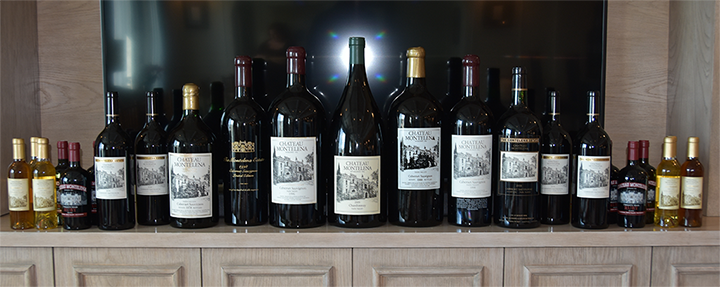
    The centerpiece of the evening was a Chateau Montelena themed 5-course wine dinner featuring five decades of the legendary Cabernet Sauvignon wines of Chateau Montelena: 1978, 1988, 1998, 2008, and 2018. As each guest arrived, they were greeted with a glass of the 2020 Chateau Montelena Chardonnay, a delightful prelude to the remarkable evening that awaited them. The bright and beautifully floral wine flowed as guests mingled, setting the stage for a night of memorable moments.

    Gregory Dean (SOMM&SOMM) and Chris Grossman, CSW (Chateau Montelena)

    The uniqueness of this event became apparent when all five different Cabernet Sauvignons were poured at the beginning of the meal. This format allowed every vintage to be compared with all five courses. To enhance the experience and create a lasting memory, special tasting mats were thoughtfully provided for the 32 guests, inviting them to take notes and record their journey through these remarkable wines.

    Our ties may not be by blood, but they’re definitely by bottle… and I dare say, that’s even stronger!

    Gregory Dean

    Adding an extra layer of enchantment to the evening, Chris Grossman, a Certified Specialist of Wine (CSW) from Chateau Montelena, was in attendance as the special guest. His presence was akin to having the gatekeeper of a vinous treasure trove share the secrets and stories behind each bottle. Chris regaled the guests with detailed information about each wine, unveiling the history and the little-known tales of the fabled Chateau Montelena. His insights and storytelling elevated the entire experience, making it all the more special.

    Chris Grossman, CSW – Chateau Montelena

    As for the culinary side of the evening, the menu was meticulously curated, offering a perfect marriage of flavors with the exceptional wines:

    Beets Three Ways: The evening commenced with a dish that celebrated the versatility of beets, prepared three ways and complemented by fine herbs and red wine vinaigrette.

    Roasted Butternut Squash Soup: The second course brought to the table a velvety roasted butternut squash soup, adorned with pepitas and pomegranate seeds.

    Char-Crusted Swordfish: The third course introduced char-crusted swordfish, accompanied by creamed leeks and a cabernet reduction.

    Cabernet-Braised Short Rib: The fourth course featured tender cabernet-braised short ribs, served with red wine-braised onions and polenta.

    Reverse-Seared Ribeye: The grand finale was a succulent reverse-seared ribeye, presented with smoked gouda mac & cheese, charred Brussels sprouts, and a tantalizing blackberry sauce.

    Chateau Montelena Cabernet Sauvignon Lineup (1978, 1988, 1998, 2008, 2018)

    As the evening progressed, there was no shortage of opinions and expressions of how each wine paired with every dish. In fact, there were eight (8) sommeliers among the thirty-two (32) total guests. This created an atmosphere of wine knowledge euphoria 😉 With the penta-deca-vertical (a Scott White coined phrase) poured, each course was meticulously prepared and served. Here is my summary of how these wines paired with the dishes:

    Beets Three Ways – The older, softer wines (1978 and 1988) were my favorite wines for this dish. The 1998 with the golden beets in this dish were definitely a favorite.

    The 1978 Chateau Montelena Cabernet Sauvignon, a wine matured with time, gracefully complemented the “Beets Three Ways.” Its aged elegance showcased a symphony of flavors with subtle hints of blackberries, dried herbs, and a delicate touch of leather. This wine lent a refined depth to the dish. The earthy beets in their various preparations resonated with the wine’s complex character, creating a harmonious balance between sweet and savory, which was a testament to the beauty of well-aged Cabernet Sauvignon.

    The 1988 Chateau Montelena Cabernet Sauvignon, known for its rich dark fruit flavors and velvety texture, engaged in a delightful dance with the “Beets Three Ways.” The wine’s fruity undertones accentuated the natural sweetness of the beets while its tobacco notes offered a contrasting depth. This pairing brought out the best in both wine and dish, creating a symphony of flavors where the earthy and peppery aspects of the beets were beautifully elevated by the wine’s round finish.

    Roasted Butternut Squash Soup – This dish was earthy and rustic, so the older vintages seemed to be a natural fit. My favorite, however, was the 1998 with this particular dish.

    The 1998 Chateau Montelena Cabernet Sauvignon, characterized by dark plum, tobacco, and cedar, offered a captivating interplay with the Roasted Butternut Squash Soup. The wine’s firm tannins and depth created a delightful contrast to the soup’s creaminess. The wine’s dark fruit elements harmonized with the soup’s sweetness, while its structural integrity accentuated the dish’s complexity. This pairing celebrated the diverse characteristics of both the wine and the cuisine, creating an engaging and rich experience.

    Char-Crusted Swordfish – This dish was diverse enough to work well alongside any of the vintages. At one point I witnessed a guest enjoying this dish with the 2020 Chateau Montelena Chardonnay 😉 It’s this very reason that I leaned into a contrasting pairing as opposed to the classic complementing approach.

    The 2008 Chateau Montelena Cabernet Sauvignon, recognized for its balanced blackberry, cassis, and hints of eucalyptus, offered a refreshing twist to the Char Crust Swordfish. The wine’s depth and the hints of eucalyptus provided a unique contrast to the dish. The wine’s dark fruit flavors harmonized with the swordfish’s flavors, while its structural integrity accentuated the overall complexity of the dish. This pairing showcased the wine’s ability to provide a dynamic and revitalizing counterpoint to seafood.

    Cabernet-Braised Short Rib – This savory dish required a wine with pronounced fruit, body, and bolder tannins. The 2018 was a perfect fit!

    The 2018 Chateau Montelena Cabernet Sauvignon, the most recent vintage, unveiled bold blackberry, currant, and dark chocolate notes, creating an opulent and luxurious pairing with the Cabernet-braised Short Rib. The wine’s dark fruit and chocolate undertones beautifully complemented the richness of the short rib, enhancing the overall experience. The red wine-braised onions and polenta found a luxurious partner in this vintage, creating a grand and flavorful conclusion to the dish. This pairing set a decadent tone for the rest of the wine dinner, emphasizing the wine’s versatility and its ability to elevate classic comfort food to new heights.

    Reverse-Seared Ribeye – The final dish in the 5-course pairing would have easily stood up to any of the vintages in our penta-deca-vertical. My preference, however, was the 1978 vintage.

    The 1978 Chateau Montelena Cabernet Sauvignon, with its well-aged complexity, presented a captivating contrast to the Reverse-seared Ribeye. This vintage’s notes of blackberries, dried herbs, and subtle leather added depth and sophistication to the rich, succulent ribeye. The wine’s smooth tannins and long finish created an elegant harmony with the dish, bringing out the ribeye’s bold flavors and creating a luxurious and timeless pairing.

    Just when the evening couldn’t possibly get better… dessert was served! It was a melody of sweet classics–including creme brûlée (a personal favorite). These dessert dishes were served to enjoy alongside a luscious Chateau Montelena Late Harvest and Chateau Montelena Ruby-style Port (very exclusive).

    Chef Jose preparing Creme Brûlée

    We could not have scripted a better evening with a better group of friends. Thanks Scott and Alison for the friendship and shared love of food and wine.

    …So raise your glasses, give a hearty cheer, To Scott and Alison, who’ve persevered; Through all the years, come what may, Here’s to more laughter, on this special day!

    From the 35th Anniversary Toast – Gregory Dean

    A few memories captured by Erin Toung. Thanks, Erin, for the wonderful photos 😉

  • Perfect Pairings: Semillón w/Pan-fried Cod and Lemon Dill Sauce

    Perfect Pairings: Semillón w/Pan-fried Cod and Lemon Dill Sauce

    Fish is versatile, but can quickly become boring and mundane. We eat fish often, and are always looking for ways to create dishes that connect interesting wines with fish-friendly herbs and spices. This particular dish–simple as it seems–was perfectly paired with an amazing old-vine Semillón from Patagonia, Argentina. Together, this fish dish and wine pairing was anything but ordinary.

    A side note…

    About a year ago, Tammy and I reluctantly subscribed to one of the mainstream meals-delivered-to-your-door services. At the time, it was the trend for busy individuals with little to no time for grocery shopping. While the idea of fresh fruit, vegetables and proteins delivered to your door sounded great, we quickly realized that the company we chose took very little care in how they packaged and shipped the products. We cancelled after the first delivery.

    Imagine our trepidation when presented with the opportunity to subscribe to a service that promised fresh caught salmon delivered monthly. Regardless, we decided to give it a try. The Wild Alaskan Company delivered on their promise of freshness, consistency and care. We highly recommend subscribing to this service. The fish in this recipe was from our subscription.

    Description

    There are many ways to prepare cod. The most popular being battered and fried into the pub-centric dish–fish and chips. Nothing like it 😉 When you’re looking to perfect date night dish, however, reach for the herbs, spices and of course… the wine! This dish could pair with other white wines–such as Chablis or Viognier–but the under-appreciated Semillón (Sémillon) grape makes for a perfect pairing.

    Sémillon shines alongside Sauvignon Blanc in the Bordeaux region of France. Lower percentages are used in the typical 80-20 white Bordeaux blends, but Sémillon is the star of the noble-rot nectar of Sauternes. The Sémillon grape in Argentina (referred to as Semillón) has characteristics unique to grapes grown in cooler climates and higher altitudes. With a higher acidity, natural lemon notes and noticeably longer finish, this wine is the perfect compliment to lighter fish dishes. The dill and lemon sauce bring it all together.

    Recipe

    2 Fillets of Cod (5-6 oz. each – Wild Alaskan Company)

    Salt and Pepper

    1 tbsp. Unsalted Butter

    Olive Oil

    Lemon Zest

    Juice from Half a Lemon

    1 tsp. Dried Dill

    1/4 Cup Chicken Broth

    1/2 Clove of Minced Garlic

    1/4 Cup Cream (I used Half and Half)

    Make sure to dry the fish fillets with a paper towel. This will ensure the fillets brown-up nicely in the pan. Sprinkle the fillets with salt and pepper.

    With the stove on medium heat, heat the butter and olive oil. Once the olive oil and butter are hot, place the fillets in the pan and cook for 4 minutes or so. We are trying to get a nice even golden sear. Carefully flip the fillets and cook the other side for an additional 4 minutes. Remove the fillets and set aside.

    Add the minced garlic to the pan and sauté for a minute. Turn the heat down slightly and add the cream, chicken broth and a dash of salt and pepper. Continue to simmer until the sauce thickens (usually 5 minutes). Add the lemon zest, lemon juice and dill.

    Plate it. Pour the wine and enjoy! We recommend a 2018 Matias Riccitelli Wines Old Vines Semillón

  • Perfect Pairings: Gewürztraminer w/Sweet and Sour Chicken

    Perfect Pairings: Gewürztraminer w/Sweet and Sour Chicken

    With so many variations of Asian cuisine, there isn’t a one-glass-fits-all wine. In fact, there are several perfect pairings within this gastro-genre. Alsace Gewürztraminer and the westernized Cantonese Sweet and Sour Chicken dish breaks the “if it grows together, it goes together” basic rule of food and wine pairing. It is important to note that not all Gewürztraminer wines will work in this scenario.

    Gewürztraminer from Alsace, France

    The Gewürztraminer wines of Alsace tend to be off-dry. Gewürztraminer from other regions can be sweeter with Riesling-like characteristics.

    No, I am not really comparing Riesling to Gewürztraminer 😉 There are, however, certain characteristics unique to Alsace Gewürztraminer making it the right choice for this dish.

    So… why does this pairing work so well? Dry, fruity and spicy version of this varietal stand up perfectly to the bold intense flavors of this dish.

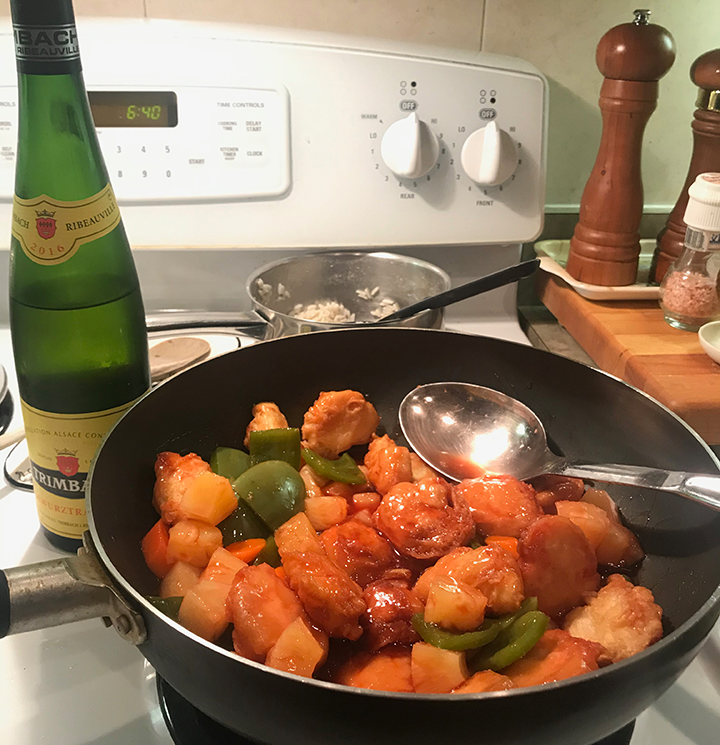
    Trimbach Gewürztraminer 2016 – Alsace, France

    Heat up the wok, chill the wine, and lets get started…

    Tammy’s Sweet and Sour Chicken

    2 Green Peppers

    2 Tomatoes

    2 Carrots

    Chicken Breasts (1 per person)

    3-4 Green Onions

    1 Small Can of Pineapple Chunks

    Prepare the batter (ingredients and instructions below). Cut the chicken breasts into small bite-size pieces. Cut vegetables and tomatoes (technically not a vegetable) into bite-size chunks. Blanch the carrots and green peppers and set aside for later. Batter the chicken pieces and deep fry in hot oil until golden brown. Prepare the sauce (ingredients and instructions below).

    Add blanched vegetables, tomatoes, and golden-fried chicken to the thickened sauce (make sure to add the chicken last). Heat thoroughly and serve.

    Open the wine and enjoy! 

    Batter

    1 Egg

    1 Cup Flour

    1/2 Cup Cornstarch

    6 tbsp Cooking Oil

    1 Cup + 2 tbsp Very Cold Water

    1 tsp Baking Powder

    1/2 tsp Salt

    Dash of Pepper

    Mix all of the dry ingredients, and add the liquids. Optional: Add a few drops of yellow food coloring.

    Sauce

    3/4 Cup Water

    1/4 Cup Pineapple Juice

    5 tbsp Sugar

    3 tbsp Vinegar

    1 tbsp Soy Sauce

    1 tbsp Ketchup

    3 tsp Cornstarch + 2 tbsp Water (Mixed into a Paste)

    In a saucepan, whisk all of the ingredients together except the cornstarch paste. Bring to a boil. Add cornstarch paste to thicken.

  • Perfect Pairings: Melon de Bourgogne w/Fettuccini With Clams and Dill

    Perfect Pairings: Melon de Bourgogne w/Fettuccini With Clams and Dill

    Every now and then you run across a food and wine pairing that is so perfect, you can’t imagine anything better. This is one of those rare instances when the wine ‘contrasts’ and at the same time ‘compliments’ the dish. Coastal region wines naturally pair with seafood. This is no exception. Melon de Bourgogne is the most widely planted grape in the Loire Valley, and the best comes from the AOP Muscadet Sèvre et Maine. After first tasting this wine, I thought how amazing it would be with a plate of fresh oysters. But that would be cliché 😉

    Domaine Claude Branger Muscadet Sevré et Maine
    Sur Lie Terroir Les Gras Moutons 2018

    Why is this a perfect pairing?

    The natural saltiness of the clams provide great contrast to the acidity of this wine. There are crisp spice and citrus zest notes in the wine that compliments the fresh creamy sauce in the dish.

    This wine spends a minimum of 24 months on the lees (sur lie), bringing a welcome yeasty aroma and flavor to the wine.

    Domaine Claude Branger Muscadet Sevre-et-Maine Sur Lie Terroir Les Gras Moutons 2018 – Melon de Bourgogne from Pays Nantais, Loire, France

    We first purchased the wine as part of our ongoing commitment to immerse ourselves in the various countries and regions during our sommelier studies. I was fortunate to discover this recipe in a 2014 online article by J. Gwendolynne Berry in the Palm Beach Post, while searching for others’ experiences and recommendation of food to pair with this specific wine.

    Fettuccini With Clams and Dill

    Original Recipe: FOOD & WINE Annual Cookbook 2012

    2 1/2 Pounds Clams

    1/2 Cup Dry White Wine

    2 Dill Sprigs (plus 1 tablespoon chopped dill (garnish))

    1/4 Cup Dry Vermouth

    3/4 Cup Sour Cream

    1 Small Clove Garlic

    1/4 Cup Chopped Onion

    1 Teaspoon Finely Grated Lemon Zest

    1 Teaspoon Finely Grated Grapefruit Zest

    1 Pound Fresh Fettuccine

    Freshly ground pepper

    The first step is to cook the clams. Make sure to rinse them well to remove any sand and dirt from the shells. Place the wine, clams, dill, and a few splashes of dry vermouth (approx. 2 tablespoons) in a large sauce pot. Bring to a boil. Cover and steam the clams until they open. Remove the clams, and place them into a bowl. Be sure to toss out any unopened clams. Strain the liquid and rinse out the pot. Return the liquid to the sauce pot.

    Simmer to reduce the liquid to about 1 cup. This should take between 8-10 minutes. Remove from heat add onions, garlic, citrus zest (lemon and grapefruit), and sour cream.

    Cook the pasta in a large pot of boiling and salted water. Be careful not to overcook the pasta. Just before the pasta reaches al dente, strain the water and add the pasta to the sauce pot. Add the remaining vermouth. Cook until the sauce is creamy. This should take about 6-8 minutes.

    Serve the pasta topped with clams.

    Enjoy!

    References

    Berry, J. (2014, June 11). Amid summer whites, a surprisingly creamy Vinho Verde. Retrieved October 06, 2020, from https://www.palmbeachpost.com/article/20140610/ENTERTAINMENT/812033625