
A Sustainable Sip for St. Patty’s Day.
St. Patrick’s Day is synonymous with shamrocks, lively celebrations, and, of course, the infamous green beer. But what if we could embrace the spirit of the holiday in a more refined and eco-conscious way? Enter green wines—not in color, but in practice! These wines are crafted with sustainability, biodiversity, and environmental responsibility at their core. This St. Patrick’s Day, let’s raise a glass to wines that are as kind to the planet as they are to our palates.

What Makes a Wine “Green”?
Green winemaking isn’t about adding food coloring to your Chardonnay. Instead, it refers to a commitment to environmentally friendly vineyard management and production methods. Winemakers who embrace this philosophy often follow organic, biodynamic, and sustainable practices, ensuring that their vineyards thrive for generations to come.
Organic Winemaking
Organic wines are produced without synthetic pesticides, herbicides, or fertilizers. Instead, winemakers use natural compost, cover crops, and beneficial insects to maintain vineyard health. Certification varies by country, but all organic wines must meet strict regulations to ensure purity in both the vineyard and the winery.
Biodynamic Winemaking
Biodynamic winemaking takes organic practices a step further, incorporating holistic, almost mystical elements into viticulture. Inspired by the teachings of Rudolf Steiner, biodynamic farming follows a lunar calendar, uses natural composts like cow horn manure, and embraces a self-sustaining ecosystem. The result? Vibrant wines that express the true essence of their terroir.
Sustainable Winemaking
Sustainable winemaking is about reducing environmental impact while maintaining economic viability and social responsibility. These wineries focus on water conservation, renewable energy, reduced carbon footprints, and habitat preservation. While not always certified organic or biodynamic, sustainable wineries take measurable steps to protect the environment.
Wineries Leading the Charge in Responsible Viticulture
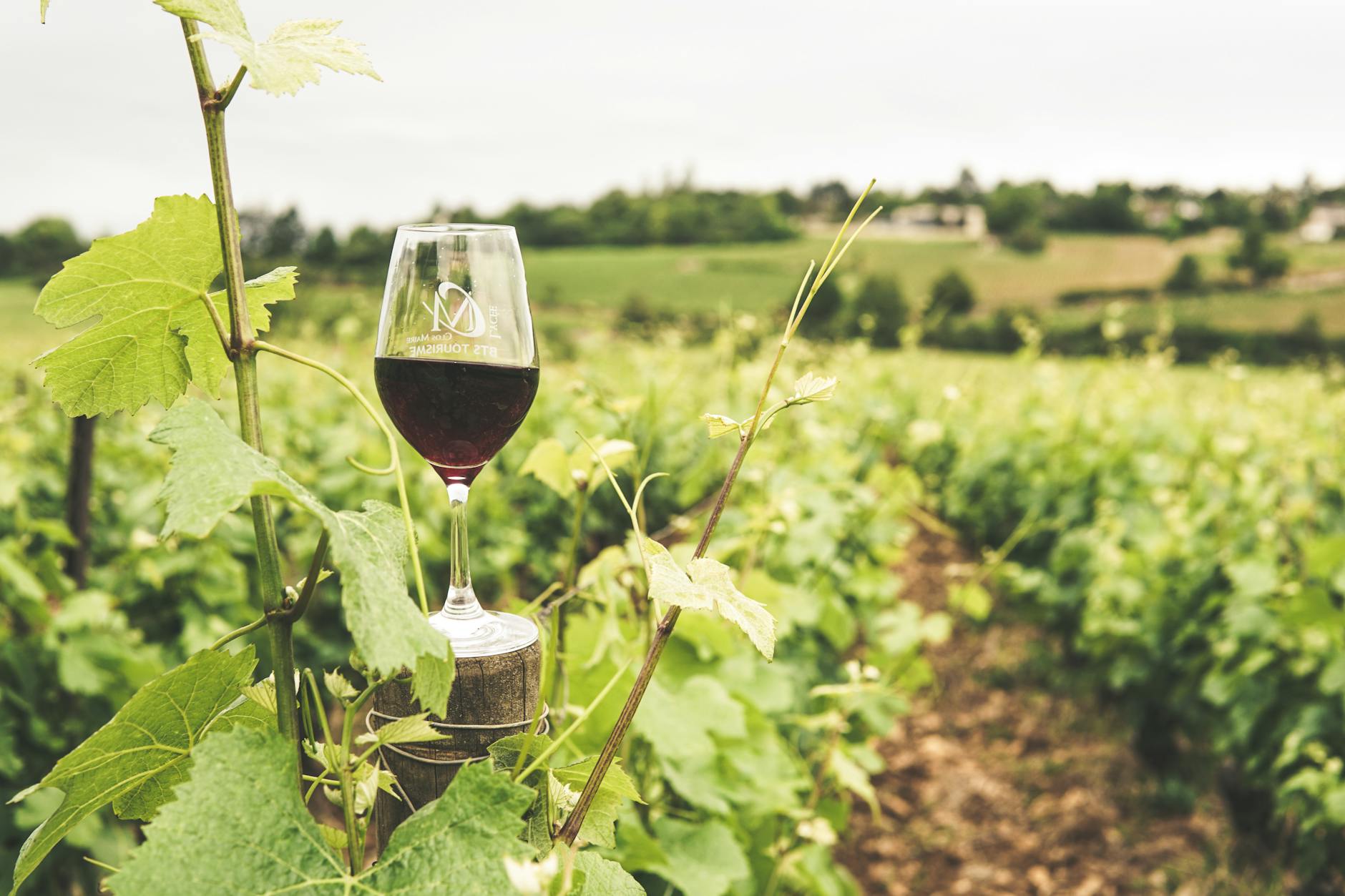
Frog’s Leap (Napa Valley, California)
Frog’s Leap is a shining example of sustainable and organic winemaking. Their dry-farming techniques reduce water waste, and their solar-powered winery runs on 100% renewable energy.
Domaine Leflaive (Burgundy, France)
A pioneer in biodynamic winemaking, Domaine Leflaive has been practicing organic and biodynamic methods for decades, producing some of the finest white Burgundies in the world.
Related Article: Old World Regions: Burgundy
Tablas Creek Vineyard (Paso Robles, California)
This Rhône-style producer is an industry leader in sustainability, with certified organic and biodynamic vineyards, as well as regenerative agriculture practices that improve soil health and biodiversity.
Yealands Estate (Marlborough, New Zealand)
Yealands Estate is renowned for its commitment to carbon-neutral winemaking, employing wind and solar power, and even using babydoll sheep to naturally mow the vineyard grass. Although the Sauvignon Blanc Rosé has me a little perplexed, the wines of Yealands Estate are vegan-friendly and gluten free.
St. Patrick’s Day Green Wine Pairings
Now that you’re ready to swap green beer for green wine, let’s talk pairings! Whether you’re indulging in classic Irish fare or experimenting with plant-based options, these eco-friendly wines will complement your feast perfectly.
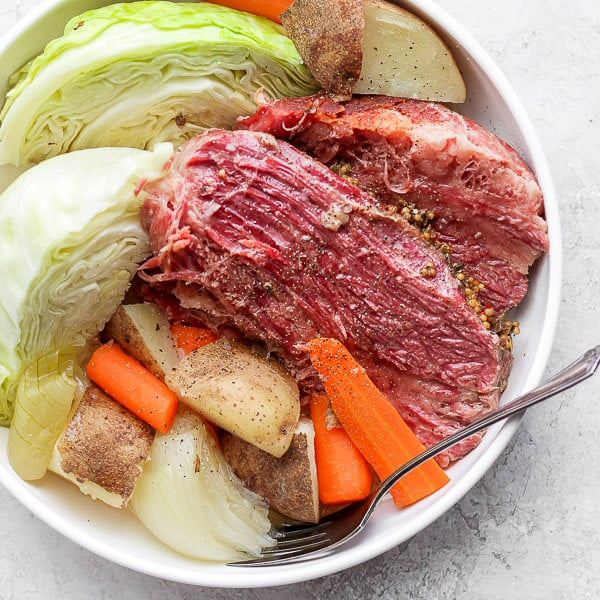
Corned Beef & Cabbage – Zinfandel or Organic Malbec
A juicy, fruit-forward Zinfandel or an organic Malbec provides the perfect balance to the saltiness of corned beef, while complementing the earthiness of cabbage.
Recipe: Corned Beef and Cabbage (The Wooden Skillet)
Irish Lamb Stew – Biodynamic Syrah or Cabernet Franc
A rich, hearty lamb stew calls for a robust yet balanced red, like a biodynamic Syrah or an herbaceous Cabernet Franc.
Colcannon (Mashed Potatoes with Cabbage & Leeks) – Sustainable Chardonnay or Grüner Veltliner
A creamy, buttery Chardonnay or a zippy, mineral-driven Grüner Veltliner adds contrast to the richness of this traditional Irish side dish.
Recipe: Traditional Irish Colcannon (The Spruce Eats)
Smoked Salmon on Brown Bread – Organic Sauvignon Blanc or Albariño
The crisp acidity of an organic Sauvignon Blanc or the saline notes of an Albariño perfectly cut through the smoky, oily texture of Irish smoked salmon.
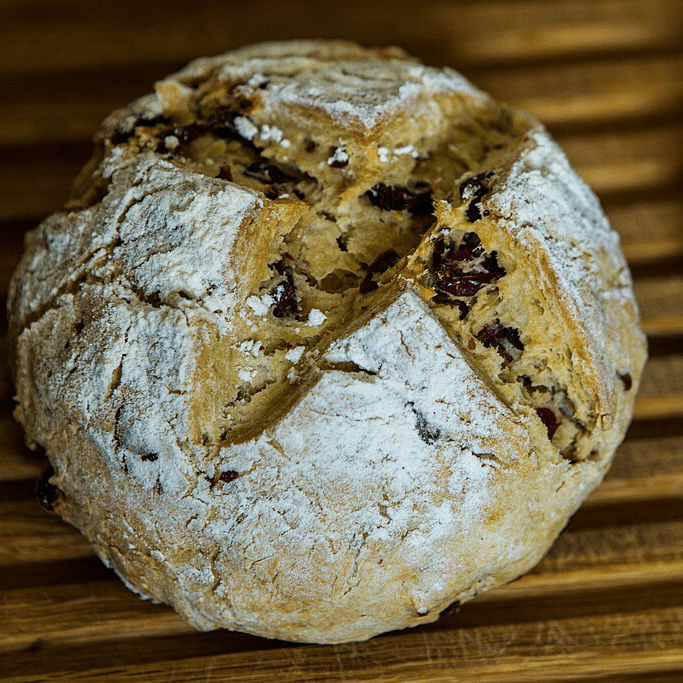
Irish Soda Bread with Irish Cheddar – Natural Sparkling Wine or Pet-Nat
A natural sparkling wine, like a pétillant naturel (Pet-Nat), brings lively bubbles and a yeasty character that enhances the rustic flavors of soda bread and sharp cheddar.

Raise a Glass to a Greener Future
This St. Patrick’s Day, let’s move beyond the gimmicks and embrace wines that truly honor the green spirit. By choosing organic, biodynamic, and sustainable wines, we celebrate not only our love for great wine but also our commitment to a healthier planet. So go ahead, pour yourself a ‘green’ glass, toast to sustainability, and may the luck of the Irish (and the vintner) be with you!
Sláinte!



We welcome feedback…