

Mexico’s Liquid Gold and the Spirit of Rebellion.
Few spirits carry the mystique, complexity, and cultural significance of tequila. Born from volcanic soil and centuries of tradition, tequila is more than just a drink—it’s a symbol of Mexico’s resilience, artistry, and heritage. From its storied origins to modern innovations like cristalino, tequila continues to evolve while remaining deeply rooted in its past. Whether sipped neat, mixed into a cocktail, or celebrated in folklore, this agave spirit commands a place of honor in the world of fine beverages.

From Spanish Prohibition to Mexican Pride
Wine and tequila share an unexpected historical link, forged through the laws of colonial Spain. When the Spanish arrived in Mexico in the early 16th century, they brought with them a love for wine and the European grapevine. However, King Philip II, fearing competition with Spanish wines, banned winemaking in the New World—except for sacramental use by the church. Deprived of their ability to craft wine, locals turned to indigenous fermentation traditions, refining the distillation of fermented agave juice into what we now know as tequila.
This ban inadvertently fueled the rise of tequila, as Mexicans, undeterred by Spanish restrictions, perfected their agave spirits. By the 18th century, tequila had cemented itself as Mexico’s national spirit, and its production became an art form passed down through generations. Today, tequila stands as a testament to Mexico’s ingenuity and defiance, much like wine does in Old World traditions.

The Making of Tequila: From Agave to Spirit
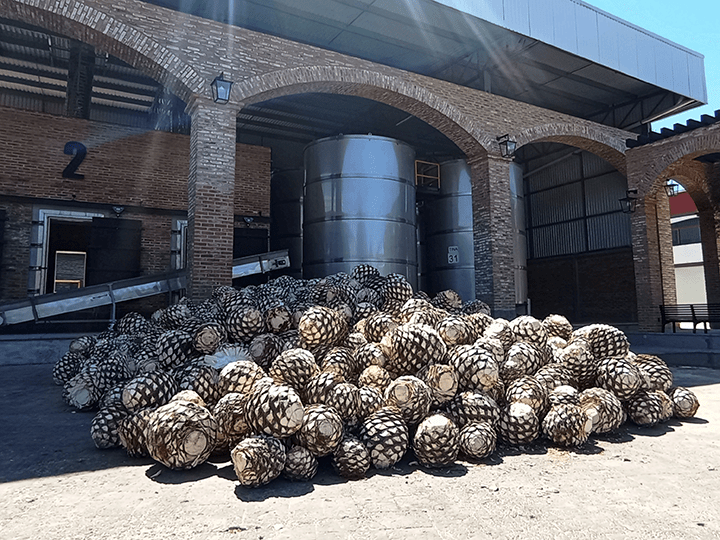
True tequila begins its journey in the sun-drenched fields of Jalisco, where blue Weber agave plants grow for six to ten years before harvest. Jimadores, the skilled harvesters, use a coa (a specialized blade) to trim the plant down to its heart, or piña. These piñas are then slow-roasted in brick ovens or steamed in autoclaves to convert starches into fermentable sugars.
Tequila is made from agave, agave is a plant, and that makes this drink a salad. So here’s to staying healthy—one shot at a time!
Gregory Dean, SOMM&SOMM
After roasting, the cooked agave is crushed—traditionally by a stone wheel called a tahona or by modern roller mills. The extracted juice, or aguamiel, is then fermented in open or closed vats, sometimes with wild yeasts to add complexity. The fermented liquid is distilled twice (or even three times in rare cases) in copper pot or stainless steel stills to reach the required alcohol content.
The Styles of Tequila: Understanding the Variants
Tequila comes in five primary styles, each with distinct characteristics based on aging and production methods:
- Blanco (Silver/Plata) – Unaged or aged for less than two months in stainless steel or neutral oak, blanco tequila captures the pure essence of agave. Expect bright, peppery, citrusy notes with a crisp, clean finish.
- Reposado (Rested) – Aged between two months and one year in oak barrels, reposado tequila gains depth, subtle caramel, vanilla, and spice notes while retaining agave’s fresh character.
- Añejo (Aged) – Aged between one and three years in small oak barrels, añejo tequila develops a richer, smoother profile, with pronounced notes of oak, chocolate, dried fruit, and baking spices.
- Extra Añejo (Ultra-Aged) – Aged for over three years, extra añejo tequila rivals fine cognacs and aged whiskies, offering deep, complex layers of wood, tobacco, leather, and dark chocolate.
- Cristalino (Clear Aged Tequila) – A relatively new category, cristalino tequila is aged like an añejo or extra añejo but then filtered through activated charcoal to remove color. This results in a spirit with the smoothness and complexity of an aged tequila but the clarity and lightness of a blanco.
Cristalino: Trend or Fad?
Cristalino has gained immense popularity in recent years, appealing to drinkers who love the refinement of aged tequila but prefer the aesthetic and mixability of a clear spirit. While some purists argue that stripping the color also removes some of the nuanced character, others appreciate the velvety texture and refined oak influence.
Ultimately, cristalino’s staying power will depend on consumer tastes, but given its growing presence in premium bars and high-end tequila houses, it seems more than just a passing trend.
Tequila Cocktails: Elevating the Spirit
While tequila is often enjoyed neat, its versatility shines in cocktails. Here are three exceptional drinks that highlight its unique qualities:
El Rey Old Fashioned
A refined twist on a classic whiskey cocktail, perfect for showcasing añejo tequila.
- 2 oz añejo tequila
- 1/4 oz agave syrup
- 2 dashes Angostura bitters
- Orange peel for garnish
Stir ingredients with ice and strain into a rocks glass over a large ice cube. Express orange peel oils over the glass and drop in as garnish.
Smoky Paloma
A mezcal-infused take on Mexico’s beloved Paloma, balancing citrus, smoke, and sweetness.
- 1.5 oz tequila blanco
- 0.5 oz mezcal
- 2 oz fresh grapefruit juice
- 0.5 oz lime juice
- 0.5 oz agave syrup
- Club soda to top
- Grapefruit wheel for garnish
Shake all ingredients except soda with ice, strain into a highball glass filled with fresh ice, and top with soda. Garnish with a grapefruit wheel.
Verde Margarita
A herbal, refreshing take on the classic Margarita with vibrant green flavors.
- 2 oz tequila reposado
- 1 oz fresh lime juice
- 0.75 oz cilantro-jalapeño syrup (blend equal parts sugar and water with cilantro and jalapeño, then strain)
- 0.5 oz Cointreau
Shake with ice, strain into a salt-rimmed glass over fresh ice, and garnish with a lime wheel and cilantro sprig.
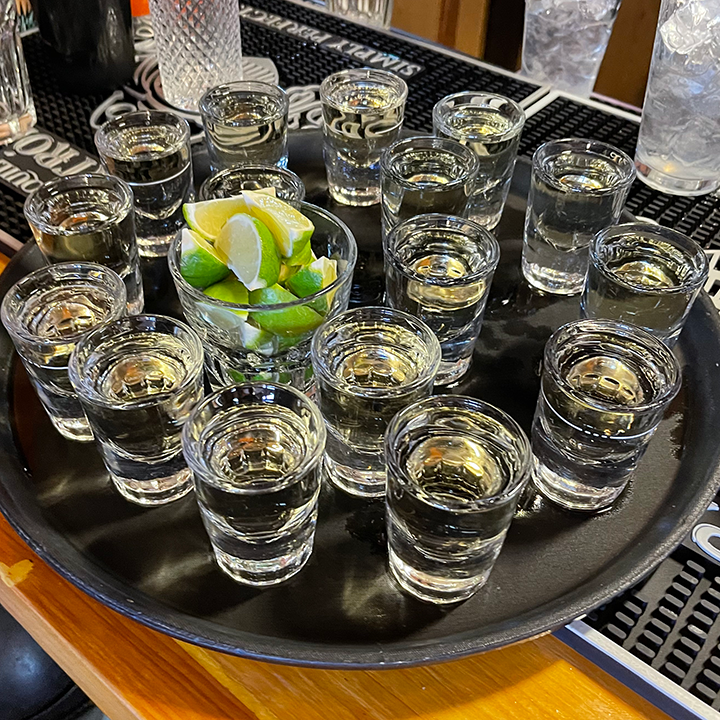
Here’s to tonight—when tequila makes us fearless, our jokes funnier, and our dance moves legendary. And here’s to tomorrow—when coffee and regret remind us why we don’t do this every night!
Gregory Dean, SOMM&SOMM
A Spirit Worth Celebrating
Tequila is not just a drink—it’s a story of innovation, resilience, and national pride. From its colonial-era roots as a wine replacement to its modern role as a sophisticated spirit, tequila continues to captivate and evolve. Whether you enjoy it neat, aged, in a cutting-edge cocktail, or as a conversation piece, there’s no denying tequila’s rightful place among the world’s finest spirits. Salud! 🥃
Cover photo credit: Adrián Cerón, CC BY-SA 4.0, via Wikimedia Commons
 SOMM&SOMM
We welcome feedback…