We’ve all spent many hours reading scores and reviews from some of the most well-respected wine aficionados in the world. In most cases, we align our tastes with the palette of one of these professional wine critics. I tend to lean more towards the tastes of Robert Parker than James Suckling, but both provide a peek into the characteristics and profile of even the most obscure wines.
There is no escaping the fact that a high score from one of the well-known critics will almost always boost demand. Personally, I have been known to seek out wines that have achieved a perfect score from either Robert Parker or James Suckling. Even before opening these wines, my expectations have been set. The wine should be incredible–almost life-changing. I don’t always agree with the ratings, but these scores have definitely had an impact on which wines I buy and which wines I avoid.
Tammy and I have decided to share our wine-centric wit and wisdom by introducing a new series–The Deans’ List. Before you English majors begin the barrage of comments, let me defend the plural possessive proper noun 😉 Our last name is Dean. Together, we are the Deans (plural). Our list of wines and evaluations–resulting from the SOMM&SOMM profile and analysis–is accurately named The Deans’ List (plural possessive). It also doesn’t hurt to have a natural play on a phrase associated with academic achievement.
Unlike the academic list… wines added to the SOMM&SOMM Deans’ List will include a Grape Point Average (GPA) based on the SOMM&SOMM approach to evaluating wines. Our methodology includes metrics important to consumers–such as pair-ability and share-ability. We are always interested in classic food and wine pairings, and will continue to expand on these ideas in our Perfect Pairings series. Other measurements–such as Old World or New World Characteristics, Effects of Climate, Effects of Geography and more–will provide a different (and hopefully useful) perspective into these wines.
Great wine isn’t cheap, and cheap wine can be good but rarely great 😉
-Gregory Dean 2021
Recognizing the fact that any given varietal can produce countless variations and seemingly endless styles, we think it’s important to rate wines on (1) how well they represent (e.g. stay true to) their terroir, (2) the balance and complexity, (3) the approachability and versatility, and (4) the overall value. You know… the stuff important to consumers. Great wine isn’t cheap, and cheap wine can be good but rarely great 😉 We hope to uncover some of these hidden gems.
Sample SOMM&SOMM Summary Card (not an actual evaluation)
Most of us naturally evaluate wine every time it hits our glass. It can be difficult, however, to evaluate wine objectively. Just because it’s not my favorite doesn’t mean it’s not a good representation of wines of the same style from the same region. The summary card for each wine provides a quick glance at all the usual characteristics plus an overlay of the average (typical) characteristics.
As part of our evaluation process, we will include details with recommendations for pairing and sharing. Our wine evaluation and overall analysis will ultimately lead to a Grape Point Average (GPA). A 4.0 Grape Point Average is the highest possible score, and reserved for wines that best represent wines of the same varietal, region, and style.
Be sure to subscribe to this blog and be the first to receive notifications when new wines are added to the SOMM&SOMM Deans’ List 😉
Amarone (pronounced aa-muh-row-nay) is one of the most intriguing and mystic wines you’ll ever experience. It hails from the Valpolicella, Veneto region in north-east Italy, and is deeply steeped in tradition. No… Amarone is not a grape variety. It is a specific style of wine unique to this region. The three main grape varieties used to produce Amarone include Corvina, Rondinella and Molinara (up to 15%). Most Amarone produced today use between 60% and 80% Corvina as the primary grape in the blend–contributing to its signature flavor. Other varietals are used alongside Covina, Rondinella and Molinara for basic Valpolicella wines. These include: Pelara, Negrara, Forsellina and Oseleta.
There are actually four (4) styles of distinct wines that come from the Valpolicella region. Recioto, Valpolicella, Ripasso and Amarone. Each uses a different blend of the local grape varietals mentioned earlier. The basic Valpolicella is light bodied and typically served slightly chilled. Some compare this wine to a traditional Beaujolais. I am yet to make this connection 😉 The remaining three styles, Amarone, Ripasso and Recioto all have something in common… dried grapes. That’s right, dried grapes! While according to legend, Amarone is a fairly recent discovery (1936), it has been around and vastly under appreciated for centuries.
To appreciate Amarone, we need to understand its connection to Recioto. Fashionable early Romans preferred their wines sweet. Very sweet. Recioto wines (or at least variations of) date back to 234 BC. Immediately following harvest, grapes are placed in racks to dry. This method, called Appassimento (grape drying), allows time for the water to mostly evaporate and sugars become concentrated. The resulting must (grape juice) is fermented into this hyper-sweet nectar of the Gods we call Recioto. The winemaker determined the level of sweetness by stopping fermentation before the yeast converts all the sugar to alcohol.
In the early days of Recioto production, the yeast sometimes remained active and continued to feed off the sugars. As a result, the wines were no longer sweet and much higher in alcohol. This style of wine did not resonate with the Romans, and was sold for cheap and used for cooking. Tastes changed over the years, and bitter recioto became Amarone–one of the most famous (albeit misunderstood) expensive wines in the world. Today Amarone wine is made through a deliberate process, not a result of unintentional extended fermentation.
Amarone della Valpolicella is now a recognized DOCG (Denominazione di Origine Controllata e Garantita). This is the certification bestowed on regions of Italy indicating wines produced with the highest level of quality. Amarone wine begins as a garnet color with a ruby red rim (slight variation). Over time, the color of the wine gets lighter with reddish-brown brick tones. Every young red wine expresses fruit. The signature black cherry nose and palate of young Amarone takes on spicy notes as well as leather, old wood and even violet potpourri as it ages. Regardless, it is an amazing wine to serve with braised meats and mature cheeses. The biggest challenge with pairing this wine is understanding the impact a 15% alcohol wine can have on a particular dish.
If this sounds intimidating, perhaps you would rather start with a “Baby Amarone.” Ripasso, as it turns out, is made from the same grapes as its big brother–Amarone. And while the initial wine isn’t made from dried grapes (yes, I mentioned Ripasso and dried grapes above), it goes through a second fermentation with used Amarone dried grapes. This process produces an amazing wine with all of the pure characteristics of the ripe Covina, Rondinella and Molinara grapes with the added intensity of the previously used Amarone grapes. This is certainly a wine worth seeking out!
When people gather for wine-centric events, opinions flow as freely as the wine. It wouldn’t be educational if it weren’t for the lively debates. Imagine, however, an event specifically designed to spark a plethora of opinions over a specific varietal. In this case, it was the inaugural release of The Debate–Cabernet Franc. This 2016 collection of wines from Napa represent the best this region has to offer. And as intended… fueled plenty of debate 😉
Our good friends, Mike and Patti, hosted the evening. We were joined by other wine enthusiasts and good friends, Dima and Oksana, to round out our panel of opinionists (yes… I know that’s not a word).
Mike and Patti’s beautiful setup for our evening of The Debate – Cabernet Franc 2016
We began the evening with a Champagne toast while Mike explained the philosophy behind The Debate. As he went into detail surrounding the vision of Jean Hoefliger and Rob McKay, I began to appreciate the true uniqueness of this experience. These wines are very exclusive. In fact, only 80 cases of the 2016 Cabernet Franc in this horizontal tasting were produced. A single varietal, a single vintage, three reputable Napa Valley vineyards. A true indisputable horizontal tasting.
The dialog continued as anticipation was building for this epic tasting. The appetizers, we later find out are ‘pre-appetizers,’ were awesome 😉 Patti created an array of dishes–including chorizo meatballs, French onion tart, crostini made with pate and cherry preserves, and spinach-stuffed mushrooms (to name a few). The cheese and charcuterie board was over the top.
After several more minutes of lively discussion about what was to come, we moved to the special table. It was completely set up for this tasting. In addition to the informative placemats describing the vineyards, and scoresheets to document every aspect of these wines, there were four (4) mini carafes of wine at each setting. As it turns out… the fourth carafe contains a special surprise. More on this later.
You could say that we are all equally eristic!
-Gregory Dean
Each bottle was wrapped in paper printed with politics, sports and pop-culture headlines from 2016. The idea, of course, is to offer topics for debate.
While there is no shortage of opinions on any of these topics, this group loves to debate (compare and contrast) wine. You could say that we are all equally eristic! I mean this with the utmost respect for our opinionated wine-loving circle of friends 😉
Although from three different vineyards, all three wines in the 2016 The Debate – Cabernet Franc collection followed identical vinification processes. Each wine is 100% barrel fermented for 27 days on skins. The wines were aged for 23 months in 100% French oak (70% new). Terroir is the only difference in these wines, giving way to a true and uninhibited comparison of soil, climate, aspect (orientation of the vineyard), and farming practices affect on wine.
The Vineyards
Bettinelli’s Sleeping Lady Vineyard is where the grapes in our first wine were grown. This vineyard in west Yountville is named for the distinct foothills behind the property, which looks like a woman laying on her side. Known mostly for elegant, feminine Cabernet Sauvignon, Bettinelli’s Sleeping Lady Vineyard provides the perfect terroir to produce a The Debate-worthy Cabernet Franc.
Yountville is one of five distinctive towns in Napa Valley (not to be confused by regions). These towns include the city of Napa, Yountville, American Canyon, St. Helena, and Calistoga. Yountville is located in the heart of Napa Valley, and boasts some of the best restaurants around–such as The French Laundry. Yes, please 😉 The 46-acre Sleeping Lady Vineyard is located at the southwest boundary of the Yountville AVA.
The summer months in Yountville (an important time for grape growing) may reach peak temperatures of 90°F (31°C). In contrast, the night-time lows average in the mid-50°F (13°C). Rainfall averages 32 inches annually. And the elevation ranges between 20 and 200 feet above sea level. I often say that 80% of the wines we drink are from 20 varietals. This region produces 14 of them. The Sleeping Lady Cabernet Franc comes from vines grown at southern tip of the Yountville foothills in the alluvial Mayacamas Bench.
Beckstoffer To Kalon Vineyard was the second wine in our lineup. This Oakville appellation vineyard is known for growing grapes used in producing ultra-high-end Cabernet Sauvignon wines–such as the 100 point 2018 Alpha Omega. The 83 acre vineyard of Beckstoffer To Kalon is planted with two varietals–Cabernet Sauvignon and Cabernet Franc. Only 10% of the grapes grown are Cabernet Franc, so this wine is extra special.
Oakville is just south of Rutherford and is my personal favorite Napa Valley appellation. It is, after all, the home of Far Niente, Nickel & Nickel, Silver Oak, Robert Mondavi, and Opus One to name a few. We all know that geography affects agriculture. From the valley floor to the mountainsides, this region boasts a wide range of terroir.
The majority of To Kalon is owned by Mondavi (450 acres). Opus One owns 100 acres. The University of California at Davis owns 20 acres. Beckstoffer Vineyards owns 90 acres. So, as you can see… these grapes are in good company. Some would consider To Kalon one of the ‘Grand Cru’ sites of Napa Valley. I would agree 😉
Constellation (which bought Mondavi in 2004) owns the very controversial trademark ‘To Kalon’ awarded to Mondavi in 1988. Over the years, several lawsuits have ensued for the rights of others to use the name of the very land they own on labels. Roughly a decade ago, Andy Beckstoffer was awarded the right for their clients to use the Beckstoffer To Kalon name. Paul Hobbs Beckstoffer To Kalon, at a humbling $549 per bottle, uses grapes from the Beckstoffer To Kalon Vineyard.
Nested at the edge of the Mayacamas Mountains, To Kalon receives the perfect amount of morning fog and full day sun to produce some of the undisputedly best grapes in the world.
Stagecoach Vineyard was third in the lineup. The rocky, volcanic terroir of this vineyard provides a very distinct contrast to the other vineyards in this tasting. Specifically, Stagecoach Vineyard has the cooling breezes of San Pablo Bay, a higher elevation (1,200 to 1,750 feet above sea level), and deep water sources beneath the vineyard to create the perfect terroir for some of the best fruit in Napa Valley.
Some of the most reputable wineries in Napa Valley source fruit from Stagecoach Vineyard. Well known wineries like Chateau Montelena and Quintessa, for example, have used grapes from Stagecoach Vineyard for decades. In 2017, E & J Gallo Winery purchased the 1,300 acre property for a reported $180 million dollars. The The climate across the vast 600+ acres of vineyards ranges from cool maritime of the Prichard Hill area to the less maritime climate of the Atlas Peak section.
Our Debate
The first wine was no sooner in the glass than we were treated with a special appetizer. Patti created a coconut-infused rice dish topped with scallops. Perfect! Mike continued to explain the intricacies of The Debate. Soon all three glasses contained the appropriate wines, and the sniff, swirl and sip process had begun.
All three wines were vibrantly colored with similar dark purple hues. The rim variations were predictably identical (same vintage). The rim colors, however, were the first sign of distinction between these wines. The terroir certainly influenced each wines unique rim colors. The Stagecoach Cabernet Franc had a bright pink outer rim reminiscent of a young Malbec wine. The Sleeping Lady Cabernet Franc rim color was a more subdued mauve, and the Beckstoffer To Kalon Cabernet Franc was a bright violet color.
At first, the nose on the Sleeping Lady seemed subtle. Perhaps I was overtaken by all of the amazing aromas in the room. But once my olfactory senses recalibrated, I was able to pick up all of the aromatics of these wines. The Sleeping Lady had an earthy quality. I was picking up some forest floor notes alongside intense red fruit. Specifically, raspberry. As a general rule, I prefer to perform the single step on all three before moving to the next step. (i.e. swirl, swirl, swirl… sniff, sniff, sniff… taste, taste, taste) 😉
The Beckstoffer To Kalon jumped out of the glass. There was nothing held back. I was getting black fruit on the nose (blackberry), in concert with slate and wet trees. There were a few middle eastern spices trying to breakthrough. I thought the Stagecoach had several characteristics of the other two with the addition of herbs and figs. All three wines had very little alcohol burn on the nose. It was time for my favorite part of a wine tasting… tasting the wine!
During the first two steps in this process, several debates sparked. And while the tech notes for each wine was the silent referee, none of us were in 100% agreement with the winemakers analysis. This isn’t unusual. Especially for this group 😉
Just before we started tasting these amazing wines, Mike and Patti plated and served a feast of the senses. Prime rib, smashed potatoes, and grilled vegetables were served as the main course to pair with The Debate. This was awesome, and the timing was perfect. We were now able to compare and contrast these wines with and without food… fueling even more debate.
The first pass through the wine flight was intended to compare (and debate) each wine as a stand-alone experience. The Sleeping Lady was very well balanced with the right amount of acid, fruit, and tannin. It did have an interesting floral finish. There was a peculiar yet familiar characteristic Dima described as wet soil (I think), but not barnyard. Regardless, it was a very good wine with a lot of intense flavors. I thought this wine had a bitter finish that eventually faded. There was no bitterness when paired with the prime rib. Yum!
The Beckstoffer To Kalon seemed to be the most charismatic of the three. This, of course, was up for debate. The flavors and overall complexity of this wine were not immediately apparent. It burst with expression after a second or two on the palate. But when it did, the Beckstoffer To Kalon was a tapestry of dark fruit and spice. I absolutely loved this wine 😉 By this time we were testing the true diversity of these wines by revisiting Patti’s cheese and charcuterie plate. Roquefort blue cheese and the Beckstoffer To Kalon was a hit.
The Stagecoach wine was similar to the Sleeping Lady (in my opinion). It was very well balanced, but quite a bit more intense. It may have been the one closest to a Cabernet Franc from the Loire Valley. I believe the delicate nature of these wines, especially Stagecoach, create an opportunity for the fruits, herbs and earthiness to coexist. Black fruit dominated at first, then an rustic iron ore flavor started to come through. The Cabernet Franc is a thin-skinned grape resulting in wines with mellow tannins. This wine had more presence on the palette than expected from a higher-altitude wine (1500 ft).
I didn’t detect any pyrazinic characteristics (bell pepper, herbaceous, tomato vines) in the nose present in many in a Cabernet Franc wines. I also missed the typical red fruit aromas (cherry, strawberry). Mike and Patti’s choice of food to serve alongside this epic tasting was spot-on. The wines took on new personalities with each pairing. Certainly giving way for more discussion and debate.
Coup de Grace
The Debate to end all debates happened to be sitting in the fourth carafe the entire evening. Mike revealed The Ultimate Debate Cabernet Sauvignon 2016 as the final wine in our structured and extremely well organized tasting. This wine is without question in a completely different class. While it is, in fact, a blend of The Debate Cabernet Sauvignon and The Debate Cabernet Franc wines (all 6 vineyards), it enforces the philosophical theory of ‘strong emergence’… The whole is greater than the sum of its parts 😉
The Ultimate Debate, only available in a magnum, was according to Dima, “one of the top 3 wines I’ve ever tasted!” I thought this wine checked all of the boxes indicating what a wine should be. It had the finesse of a high-end Cabernet Sauvignon, but at the same time the complexity of an old vine Barossa Valley (Australia) Mourvèdre. This is a wine that will resonate with a wide range of persnickety palates.
While I could break out all of the proper sommelier-approved verbiage to describe The Ultimate Debate, I think it is best described as pure silk draped over rocks 😉 It was bold and opulent with vibrant fruit. The finish was round and polished. Ok… so I did pull out a few wine enthusiast descriptions. In short… it was awesome!
The evening was perfect! Mike and Patti are wonderful hosts, and we’re very fortunate to have been included in such an exclusive wine tasting evening. The Debate wines exceeded expectations… and the resulting conversations were lively, fun, and challenging. Oh, and did I mention the food?!?
Every two months or so we join four other couples in a themed event centered around wine, food and fun. The pandemic has impacted the frequency of these events, making the anticipation between gatherings nearly unbearable. It is usually (by design) an informal soirée filled with amazing wines and cuisine. This particular event–hosted by Dima and Oksana–exposed us to the amazing and under appreciated world of Pinot Noir wines of Oregon.
From past personal experiences, I was convinced that all pinots from Oregon were mediocre at best. Every now and again we would run across a wine that would make us sit up and take notice. This evening, however, we were introduced to a suite of wines deserving of our full undivided attention. Our impression of Pinot Noir wines from Oregon changed from ordinary to extraordinary in a few short hours. Here is how it happened.
The rules are simple for this group of ten–aptly named Club 10. Typically each couple brings two bottles of wine to discuss, debate, and most importantly–share. For this event, Dima and Oksana decided to limit each couple to one bottle, while providing lots of wine themselves as part of their themed event. Our hosts, Dima and Oksana, had the opportunity to visit several wineries in and around the Willamette Valley during a recent trip. One particular (and very memorable) experience centers around a very special winery in the Chehalem Mountains. Adelsheim is Chehalem Mountains’ first winery, and the center of this evening’s theme.
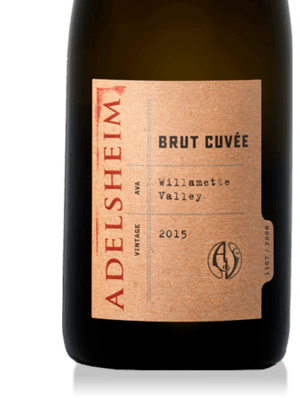
We arrived at the home of Dima and Oksana at 4:30pm, and were immediately introduced to one of the wines of the evening. An Adelsheim 2015 Sparkling Brut Cuvee was served and we all began sharing stories (and opinions) of wines from Oregon. I remember how our collective skepticism receded with each sip of this wine. We had not yet officially started the tasting, and everyone was intrigued and very excited about what was to come–a personalized guided tasting.
Virtual Tasting with Elizabeth Clark, CSW – Director of Education and Experience at Adelsheim Vineyard (Photographer: Erin Toung)
Dima and Oksana arranged for our Club 10 to experience a virtual online tasting with Adelsheim’s own Elizabeth Clark, Director of Education and Experience. At promptly 5:00pm, with a few clicks of the mouse, we were connected via Zoom and ready to learn more about the first winery of the Chehalem Mountains. By this time, the hosts had filled the table with an unbelievable assortment of specialty meats, cheeses, roasted vegetables, grilled calamari, fresh-baked bread and more. The stage is set… let’s go 😉
The Adelsheim 2015 Sparkling Brut Cuvee served earlier was reintroduced as the first pour for this six-wine journey through the wines of Adelsheim. This sparkler was a pleasant surprise. Being huge fans of Champagne, it was refreshing (no pun intended) to experience a sparkling wine produced with the same meticulous painstaking traditional method as Champagne.
The 2015 vintage is a blend of 55% Pinot Noir and 45% Chardonnay. It had a crisp, clean nose with bright citrus notes. As expected, the bread and yeast notes–a characteristic of sur lie aging–added the right amount of complexity to this sparkling wine. Amazing!
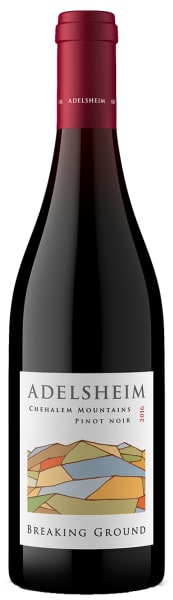
Our second pour was the first of four wines chosen to showcase the diversity of terroir in the Willamette Valley. The 2016 Breaking Ground Pinot Noir represents the best of the Chehalem Mountains AVA. The loam soil brings a rich quality to this wine.
Black cherry, black raspberry and a plethora of exotic spices dance playfully on the pallet. This wine reminds me of the pinots from Côte Chalonnaise. Both have distinct fruit alongside a very rustic earthy edginess. This wine was noticeably lighter in color than the reds of Côte Chalonnaise.
Next up was the very juicy 2017 Ribbon Springs Pinot Noir. At this point in our virtual tasting, we had completely disregarded the 2500 miles between our location and Adelsheim Vineyard. Elizabeth’s detailed explanation of the soils, climates and unique characteristics of each vineyard transformed us to the Willamette Valley.
This wine had a very distinct cherry nose. It was less earthy than the previous wine, but still had spice notes and noticeable tannins. As it turns out, this wine was aged for 10 months in French oak barrels (32% new).
The fourth wine brought us to an entirely new level. I remember looking at my personal carafe of 2017 Quarter Mile Pinot Noir and comparing the color to a Côte de Nuits pinot. It was noticeably lighter in color, but had a similar hue. The nose, unlike the previous wines, had distinct floral notes. The color and nose led me to believe this would be a sweeter wine–something along the line of a Beaujolais Nouveau (yes, I know the difference between Gamay and Pinot Noir 😉
I am convinced that hand-planting, hand-picking, sorting and processing of grapes create a noticeable difference in the final wine. This wine supported my theory, and really showcased the winemaking prowess of Adelsheim’s Gina Hennen. She describes this wine as a “study in grace and structure.” I could not agree more. From the first taste, I was hooked. The 2017 Quarter Mile Pinot Noir from Adelsheim is a masterpiece. The color is deceiving. There was nothing light, weak and pale about this wine. In fact, it was bold and at the same time elegant.
On to the 2017 Grand Oak Pinot Noir. Similar to our second wine, the 2016 Breaking Ground Pinot Noir, this wine was produced from vines planted in loam soil. This would be, however, the only common characteristic between these two wines. It’s the remaining contributors of the terroir–such as microclimate and orientation of the vineyard–that give this wine its unique characteristics.
This wine starts timid and shy, but soon after the wine hits your palette it begins to reveal a much deeper complexity and structure. From the delicate floral and faint fruit nose, to the evolving flavors of exotic berries and spices, this wine had a lot to offer. Loved it!
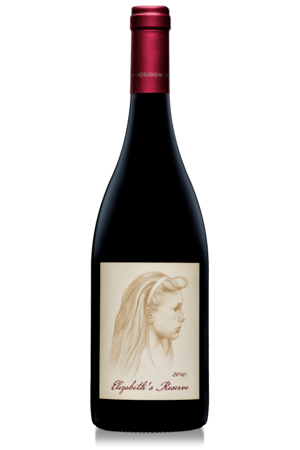
We rounded out our virtual tour and tasting of Adelsheim with the 2010 Elizabeth’s Reserve Pinot Noir. One of the best parts of discovering new wine is learning the history and/or inspiration behind the label.
As the story goes… Elizabeth’s Reserve Pinot Noir is named after the daughter of founders David and Ginny Adelsheim–Lizzie. Lizzie represents a new generation, and in turn Elizabeth’s Reserve exemplifies the spirit and vision of Adelsheim Vineyard. Read the entire story here.
The moment this wine hit my glass I knew it was special. It was older than the previous wines, and had a very noticeable aging ruby color. We expect red wines to become lighter in color and less dense (more transparent) as they age. Sometimes we can gauge the vintage by the color of a wine. After swirling and admiring this wine… it was time to involve the other senses–smell and taste.
The moment this wine hit my glass, I knew it was special…
-Gregory Dean
For me, this wine is more closely aligned with the wines of Côte de Beaune. It reminds me of more recent Pommard vintages. The nose is very aromatic and concentrated, with florals, fruit and earthy notes. Leather and chocolate seemed to be more pronounced after each swirl of the glass, but would dissipate quickly. I took my first sip thinking how fun it would be to participate in a one-decade vertical of Elizabeth’s Reserve 😉
At first, it was full-bodied with fresh, bright cherries (I’m looking at you Pommard). Then the true personality of this wine emerges on my palette. It only took a few seconds for my tastebuds to experience intense red and dark fruit, rustic tannins, and velvety smoothness. My tongue was on a Tilt-a-Whirl 😉 Amazing!
The evening was a lot of fun. It had the perfect amount of discovery and education. We enjoyed every moment alongside great friends, incredible wines, boundless dishes, and the perfect hosts. Thanks Dima and Oksana!
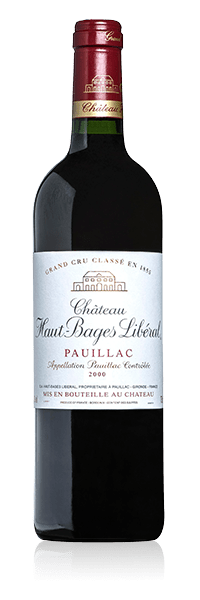
There could not have been a better way to experience the Left Bank of Bordeaux than with a vertical tasting of Pauillac’s Château Haut-Bages Libéral. The highly revered Pauillac region is located between Saint-Estèphe and Saint-Julien on the Médoc peninsula, and boasts three (3) of the five (5) Premiers Crus (first growths) of the 1855 Classification.
Château Haut-Brion, Pessac, AOC Pessac-Léognan
Château Lafite-Rothschild, Pauillac, AOC Pauillac
Château Latour, Pauillac, AOC Pauillac
Château Margaux, Margaux, AOC Margaux
Château Mouton Rothschild, Pauillac, AOC Pauillac(added in 1973)
The estate of Haut-Bages Libéral spans 74 acres growing 70% of cabernet-sauvignon and 30% of merlot varietals. All of the vintages in our two-decade vertical tasting were of similar cabernet-to-merlot blends. The ratios ranged from 65% cabernet-35% merlot of the 2000 vintage, to the 75% cabernet-25% merlot of the 2006 vintage. While this doesn’t seem like much of a variation, the differences in each vintage were not subtle.
Our very ambitious hosts–Dima and Oksana–planned to share their 2000, 2006, 2011, 2014, 2015, 2016 and 2018 vintages in this epic vertical tasting. Even though we were 6 wine enthusiasts strong (Dima, Oksana, Mike, Patti, Greg, Tammy), our lofty intentions fell short of achieving this 7 vintage tasting. This was due in part to our 2 bottle comparison of dry white Bordeaux wines from the Sauternes region (sticking with the Left Bank theme) at the beginning, but mostly because we had no intention of spitting these amazing Pauillac wines into a spittoon. We did, however, compare and contrast 6 of the 7 vintages 😉
2000 Château Haut-Bages Libéral
First up was the 2000 Château Haut-Bages Libéral. This wine was very special. At 21 years young, it was in perfect condition. The taste was soft and elegant. I was very impressed by the vivid color and density of this wine. It would be difficult (for me at least) to identify this as an older wine based only on the color. The aromas included leather, tobacco and pepper as expected. Certainly a wine worthy of its name and reputation.
Comprised of a blend of 65% cabernet sauvignon and 35% merlot, this wine stood up to the grilled and barbecued meats, flavorful salads and herb infused side dished graciously provided by our hosts.
We jumped ahead 6 vintage years and tasted a 2006 Château Haut-Bages Libéral. The blend was 75% cabernet sauvignon and 25% merlot. This vintage was more aromatic than the previous wine. It offered less of the characteristic leather, earth and tobacco, and more fruit and spice on the nose. The taste was bold and intense, but very well balanced. It deserved a second glass!
Third in our journey was a 2011 Château Haut-Bages Libéral. This was the first vintage of the evening that revealed a slight hint of smoke on the nose (and no, the barbecue wasn’t skewing my senses). Perhaps a characteristic more predominate in vintages challenged by poor growing conditions. The 2011 season was unusually dry and hot. Regardless, the wine was amazing, well balanced, and perfect with or without food. The blend was 72% cabernet sauvignon and 28% merlot.
We continued the process of see, swirl, sniff, sip and savor with the fourth wine in the line-up. The 2014 Château Haut-Bages Libéral is made from a blend of 71% cabernet sauvignon and 29% merlot. It was the first of 3 sequential vintages (2014, 2015, 2016). Convinced by the condition and complexity of the 2000 vintage, I can imagine that these younger wines can only get better (if that’s possible). This wine was very smooth, but exposed more tannin than the older vintages. Nevertheless, it was well rounded yet complex.
According to the winemaker’s notes, the 2015 Château Haut-Bages Libéral vintage was challenging. The weather conditions resulted in lower yields. The blend was 65% cabernet sauvignon and 35% merlot (same as the 2000 vintage). The tasting notes, however, are uniquely 2015. While this vintage shared some of the same characteristics of the previous wines, there are several more-than-subtle differences. The tobacco aromas were present, but different. Instead of an earthy, rustic tobacco… this vintage expressed a floral-esc tobacco scent. Think: pipe tobacco versus a cigar. The 2015 vintage also seemed slightly more acidic than the others.
Number six was the 2016 Château Haut-Bages Libéral. This wine is made from a blend of 70% cabernet sauvignon and 30% merlot–aligning perfectly with the vineyard’s planting ratio. The black and red fruit aromas were more pronounced in this vintage. This wine is very special! The flavors are bold and intense, but at the same time soft and balanced (yes, I was surprised too). This is the perfect wine to share with someone who loves California big reds, but not a fan of Bordeaux wines.
From there we rounded out the evening with an amazing 2012 Château Voigny dessert wine from Sauternes and homemade desserts. The evening was truly epic! Our friends, Dima and Oksana, made this night entertaining, educational and legendary. Who knew learning could be so much fun? The information they provided in support of these wines was very detailed and enlightening. This was the first time we’d had an opportunity to participate in a vertical that spanned over 2 decades. Couldn’t imagine anything better. Thanks Dima and Oksana!
I have always been all about California wine. But hey, that is what is most readily available and at least I have a little knowledge about the Napa and Sonoma areas. Faced with a challenge of choosing a wine off a menu in a restaurant, I could at least spot something I was familiar with or at least recognize the name of the vineyard. Now that I am reading and studying wine from around the world, I am getting excited by the effort of producing those wines, the climate, the different grapes and classifications.
While studying Burgundy, I told Greg I wanted to try a Grand Cru, a Premier Cru, and a Village wine from the same area side by side. He set out to find the perfect combination. I have to say, previously I was not much of a Burgundy fan so I was excited to see if it was that I had just not had the right Burgundy wine. Sure enough, that was the case. I really enjoyed our little experiment. With the help of some wine loving friends, we polished off all three… and what a treat.
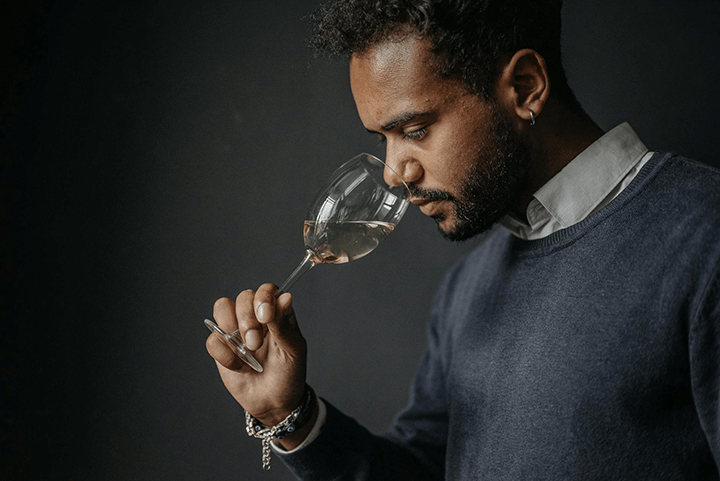
Swirl and sniff swirl and sniff. What do you smell? The buzz words I hear are, fruit, floral, tobacco. Flint. What do you think of when someone says, I smell floral notes? I think, what do you mean, are you smelling roses, jasmine, carnations? Fruit…..black fruit or red fruit? Are we talking red apples here, strawberries, or raspberries? They all smell different, so what exactly are you trying to say? Currants, how many times have you heard, I smell currants. Quite frankly, I have never smelled a currant so how do I know what a currant smells like. Tobacco…what does that mean? A dirty ashtray, a pipe, tobacco growing in a field? Flint, what in the world does flint smell like?
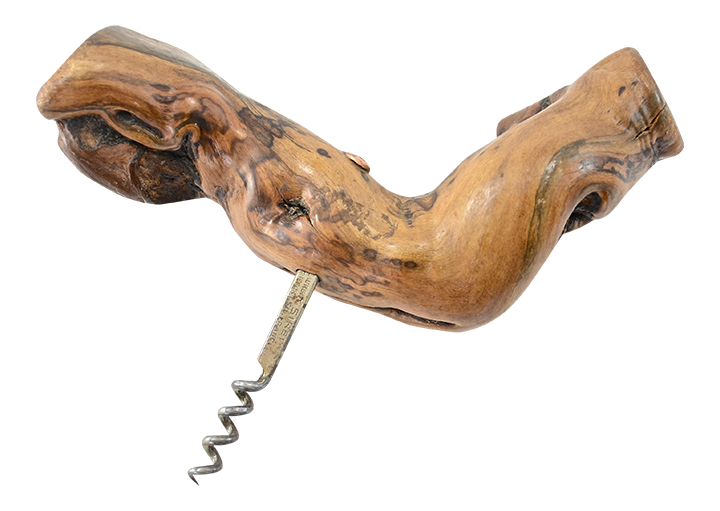
Just over three decades ago, we were invited to a friend’s house for a wine-tasting party. The host wasn’t really into wine, but was very interested in the hostess gift offered by the wine distributor…
I don’t believe that corkscrew made from a grapevine has ever been used to open a bottle of wine. It is, however, a reminder of our first wine tasting and education gathering.
Several couples (all close friends) gathered in the hosts’ living room for what promised to be a introduction to wine. The wine distributor was carrying a large metal box containing six (6) entry-level wines. At the time, we were not opposed to drinking Liebfraumilch and Blue Nun. These wines were cheap and sweet–two important characteristics to a young couple new to the world of wine.
“He described our pallet as typical, and one defined by Coke and Kool-Aid.”
The wine distributor was gracious and accommodating. He described our pallet as typical, and one defined by Coke and Kool-Aid. “Germany makes wines that are sweet and fruity,” he said with excitement. “I brought several reds and whites for you to try.” He began to pour.
That evening, we were introduced to Spatlese and Auslese wines of Germany from PRP International. These white wines were similar to the grocery store varietals we’ve enjoyed in the past. One of the biggest differences, however, is that we were taken on a journey beyond the label. The wine distributor explained every aspect of winemaking in Rheinhessen–from viticulture to vinification. We were hooked!
Decades later… here we are. Still fascinated by all things wine, and eager to share our experiences.










 SOMM&SOMM
You must be logged in to post a comment.