Tag: Wine Tasting

  • Thanksgiving Through the Glass

    Thanksgiving Through the Glass

    Wine Pairings from Morning Mimosas to Midnight Leftovers.

    Thanksgiving isn’t just about gathering around a table for a big dinner—it’s a day full of moments, from the morning preparations to the late-night desserts and those highly anticipated leftovers. As traditions evolve, the trend of pairing wines that enhance both classic and modern dishes continues to grow. Here’s an updated look at the best wine pairings from morning through midnight—and well into the days of leftovers.

    Tammy Dean and Bonnie Cooper, Thanksgiving preparations 2018

    Morning Preparations

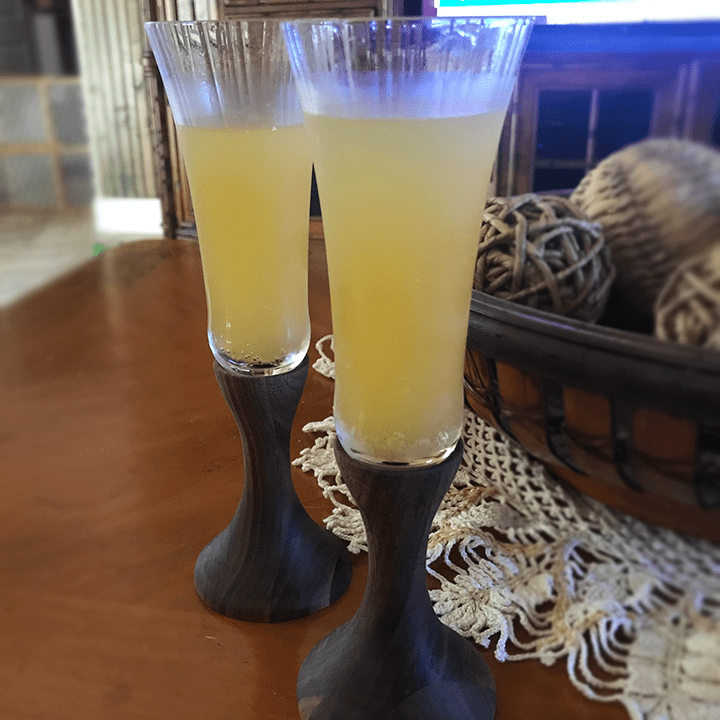
    Classic Mimosas in glasses handcrafted by Mike Weber

    Thanksgiving morning buzzes with the aromas of roasting and simmering, and there’s nothing like a glass of sparkling wine to add a celebratory touch. This year, mimosas get a refresh by pairing them with non-traditional juices like blood orange or pear. A quality Prosecco or Cava keeps these cocktails crisp and lively, balancing the richness of pre-dinner snacks and light breakfast pastries.

    For a more classic sparkling option, consider a Brut Rosé. Its subtle berry flavors add depth to lighter foods like smoked salmon and goat cheese on toast. For an elevated twist, the Iron Horse Wedding Cuvée (a Napa favorite) offers a vibrant start with rich strawberry notes that will carry you through the morning as the main dishes prepare.

    Here’s to Thanksgiving: where the glasses are as full as our hearts, the wines as varied as our favorite dishes, and the memories as rich as a perfect vintage. May each sip bring gratitude, laughter, and the joy of being together. Cheers to family, friends, and a feast worth savoring—sláinte!

    Gregory Dean, SOMM&SOMM

    The Main Event

    The Thanksgiving meal is a balancing act of savory, sweet, and sometimes bold flavors. This year, an emphasis on versatile wines is trending, along with the rise of lesser-known varieties that surprise and delight.

    Appetizers and Starters

    For appetizers, go with an off-dry Riesling or a Sauvignon Blanc to complement lighter bites and acidic dressings. Eroica Riesling or Grgich Hills Estate Sauvignon Blanc offers fresh acidity and mineral notes that won’t overwhelm the palate before the main meal. Riesling’s slight sweetness matches well with salty starters like mixed nuts, cheese plates, or charcuterie, while Sauvignon Blanc’s zest cuts through heavier, creamier dips.

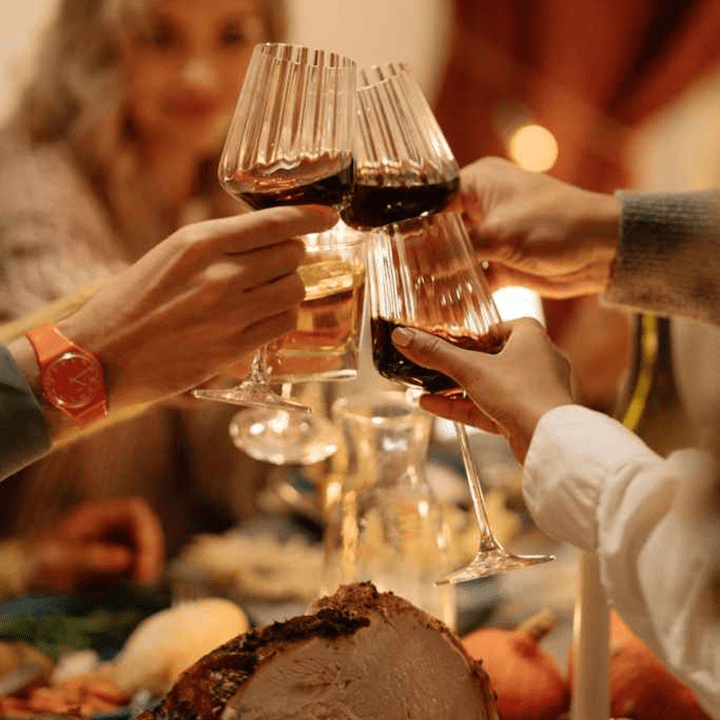
    Photo by Monstera Production on Pexels.com

    Turkey and Sides

    Turkey is a natural canvas for wine, but the variety of sides can complicate things. For a red, the Pinot Noir is the reigning star, especially if it’s from Oregon or Burgundy. These wines bring a perfect combination of red fruit and earthiness that complements both dark and white meat. The acidity of Pinot Noir also brightens up rich sides like stuffing, mushroom gravy, and roasted Brussels sprouts.

    Related Article: Tasting Experiences: A Taste of Adelsheim

    If you’re in the mood for white, Chardonnay offers flexibility, but consider choosing a less oaked variety, like those from Chablis, or a Napa classic like Chateau Montelena Chardonnay, known for its minerality. These wines bring out the buttery notes in mashed potatoes while providing a lively contrast to tart cranberry sauce.

    The New Favorites: Red Blends

    Many guests have a favorite red blend they reach for during holidays, and the Trinchero Napa Red Blend is a standout. It’s fruit-forward with just enough tannic structure to handle heavier dishes. The rise in popularity of red blends showcases a preference for wines that blend approachable flavors with enough complexity to match a wide variety of dishes.

    Photo by Element5 Digital on Pexels.com

    Sweet Endings Paired Perfectly

    For dessert, late-harvest wines bring out the best in pumpkin and pecan pies. The Far Niente Dolce Late Harvest from Napa, with its lush notes of apricot and honey, pairs beautifully with spiced pumpkin pie, while the nutty undertones of pecan pie harmonize with a tawny port or Pedro Ximénez sherry.

    An increasingly popular dessert option is a cheese course with dark chocolate, paired with a rich Port or Demi-Sec sparkling wine. The Demi-Sec is particularly versatile, adding a touch of sweetness without overpowering the dessert course.

    Leftovers and The Day After

    Thanksgiving leftovers have earned a special place in the holiday, and wine pairings here can turn even the most casual meal into a refined experience. Turkey sandwiches with cranberry sauce are delightful with a chilled Beaujolais-Villages or a lighter Gamay. If you’re making turkey soup or a casserole, opt for an unoaked Chardonnay or a crisp Sancerre—the acidity will cut through creamy textures without overwhelming subtle flavors.

    For those who love to continue the celebration, sparkling wine is the perfect reset, bringing freshness to rich dishes and reminding everyone that Thanksgiving is more than just one meal.

    This day, this moment, is a gift—let’s make the most of it, together. Happy Thanksgiving!

    Greg and Tammy Dean, SOMM&SOMM

    A special message to our friends and family

    As the last sips of wine are savored and the final remnants of Thanksgiving leftovers are enjoyed, remember that this day is about far more than the food on our plates or the wines in our glasses. It’s about the moments that fill our hearts—those imperfect, fleeting, sometimes challenging moments that we share with the people we call family. Life, in all its unpredictability, doesn’t come with guarantees. Grievances and misunderstandings pale in comparison to the warmth of laughter around the table, the shared stories, and the joy of simply being together. So, this Thanksgiving, let’s set aside the weight of past disagreements and come together with open hearts. Cherish the people around you, for the memories you create today are the ones you’ll hold dear long after the wine glasses are emptied and the dishes are put away. This day, this moment, is a gift—let’s make the most of it, together. Happy Thanksgiving 🍷

    Cover photo by cottonbro studio on Pexels.com

  • The Good, the Bag, and the Corkless

    The Good, the Bag, and the Corkless

    Box Wine – An Honest Sommelier’s Guide.

    When it comes to wine, the shape of the container often stirs as much conversation as what’s inside. There’s the stately glass bottle, a symbol of elegance and heritage, the trendy can for quick convenience, and then… there’s the box. For many wine enthusiasts, bag-in-a-box wines are the embodiment of heresy—a shortcut, a compromise, or even a betrayal to the sacred tradition of corks and glass. Yet, the reality is that box wines are becoming a fixture in the market, with roughly 5% of global wine sales being attributed to this format. So, let’s take a deep, aerated breath, set aside the corkscrew for a moment, and uncork the facts, fables, and myths about box wine… beginning with a quick toast!

    To our beloved friend and neighbor, the queen of the cardboard vintage, whose love of box wine reminds us all that true wine appreciation isn’t about the bottle, but the joy it brings! Here’s to the convenience, the never-ending pour, and the courage to sip without snobbery. May your glass always be full, your box never run dry, and your taste buds remain blissfully unbothered by tradition. Cheers to drinking what you love and never judging a wine by its packaging!

    Greg and Tammy Dean, SOMM&SOMM

    The Positives: A Fresh Take on Wine

    1. Cost-Effective for the Casual Sipper
      One undeniable strength of box wine is its affordability. Without the cost of glass bottles, corks, and fancy labels, wineries can save money, and so can you. This makes it easier to buy wine in larger quantities, perfect for casual gatherings, barbecues, or that book club meeting where finishing a three-liter box might not be a challenge but a rite of passage.
    2. Eco-Friendliness & Lower Carbon Footprint
      Box wines often come in recyclable materials, and because they’re lighter and more compact than traditional bottles, they’re more eco-friendly. Fewer emissions are involved in transporting them, and the packaging has a smaller carbon footprint overall. Plus, the wine inside is housed in an airtight bag, which collapses as it’s emptied, reducing oxidation and keeping the wine fresher for longer once opened.
    3. Extended Shelf Life Once Opened
      Speaking of freshness, box wines hold another hidden gem: they stay fresh for weeks, sometimes up to a month, after opening! This is a win for casual drinkers who don’t want to commit to finishing an entire bottle in a single sitting. Unlike glass bottles, the vacuum-sealed bag inside the box helps to minimize air exposure—one of wine’s worst enemies—extending the life of your favorite everyday sipper.
    Photo by Valeria Boltneva on Pexels.com

    The Negatives: Box Wine’s Not-So-Secret Flaws

    1. Taste & Material Concerns
      The wine in a box is housed in a bag made from polyolefinic films. These materials are generally food-safe, but they can influence the taste, especially if the wine sits for too long. Some palates notice subtle chemical notes or alterations—like a “plastic tinge”—as the polyolefinic materials slowly interact with the liquid inside. This isn’t a problem for those who finish the box quickly, but it’s something for the discerning drinker to be aware of.
    2. Higher Sugar Content & Sulfites
      Box wines, particularly the inexpensive and mass-produced varieties, tend to have a higher sugar content compared to many bottled wines. This not only makes them more appealing to a broader audience (hey, a little sweetness never hurt anyone), but it also necessitates a higher level of sulfites for preservation. Sulfites help prevent unwanted fermentation and spoilage, but some wine lovers find that they can contribute to headaches or allergic reactions. If you’re sensitive to sulfites, consider checking the label carefully or choosing box wines that emphasize lower sulfite levels.
    3. Limited Selection & Quality Concerns
      Box wines usually offer less variety when it comes to premium and rare options. While the quality of box wine has improved over the years, with some brands now offering respectable reds, whites, and rosés, don’t expect to find complex Bordeaux, vintage Barolo, or an aged Napa Cabernet in a box. The typical box wine experience is geared towards light, fruity, and easy-drinking wines without the nuance of their bottled counterparts.

    Box vs. Bottle vs. Can: A Comparative Sip

    • Bottle: The gold standard for collectors and connoisseurs. Glass is inert, meaning it doesn’t interfere with the wine’s taste, and bottles are often the go-to choice for wines meant to age. There’s also something ritualistic about uncorking a bottle, whether you’re popping a Champagne or pulling the cork on a classic Rioja.
    • Can: The ultimate in convenience, cans are perfect for picnics, festivals, and when you just need a glass (or two) of wine without opening an entire bottle. The aluminum can slightly affects the wine’s flavor, but most canned wines are designed to be consumed fresh and young, making this negligible.
    • Box: The champion of quantity, affordability, and longevity once opened. While lacking in prestige and complexity, it makes up for it in practicality. Box wines are the unsung heroes of low-key barbecues, camping trips, and no-fuss weeknight dinners. The packaging isn’t great for aging or preserving delicate flavors, but it’s a brilliant solution for the “I-just-want-a-glass” wine drinker.

    Common Myths About Box Wine: Busting the Baggage

    1. Myth: All Box Wines Are Low Quality.
      Fact: Not true! While the bulk of box wines focus on easy-drinking and affordable styles, some producers are starting to embrace the format with higher-quality offerings. Seek out brands that prioritize winemaking and varietal expression. There’s even been a rise in organic and biodynamic box wines.
    2. Myth: Box Wine Has to Be Finished Immediately.
      Fact: Nope! Unlike bottled wine, which can go bad within a few days of opening, box wine’s sealed bag keeps it drinkable for up to four weeks. It’s one of the best formats for those who sip slowly.
    3. Myth: Only Sweet Wines Come in Boxes.
      Fact: Though sweet and semi-sweet wines dominate the box wine market, there are plenty of dry options available. Explore beyond the well-known brands, and you may find a decent dry Chardonnay or a snappy Cabernet Sauvignon that rivals some bottled versions.

    The Verdict: Unboxing the Truth

    So, should you dive into the world of box wine? It depends on what you’re looking for. If you’re a wine lover who enjoys a glass every now and then, or if you’re hosting a larger crowd, box wine is a fantastic, budget-friendly option. For more discerning tastes or special occasions, traditional bottles still reign supreme.

    Ultimately, wine is about enjoyment, not about being judged for the vessel it comes in.

    Gregory Dean, SOMM&SOMM

    Whether it’s a three-liter bag-in-a-box, a slim aluminum can, or a dusty bottle of aged Bordeaux, what matters most is that you’re sipping something you love, surrounded by people who make the experience worthwhile.

    So the next time you catch yourself eyeing a box on the shelf, don’t grimace—embrace the corkless adventure. Who knows? You might just find your next go-to sipper sealed away in cardboard, nestled in a bag, and ready to be tapped at your convenience. Cheers to trying something new and keeping your palate open—just don’t forget to keep your corkscrew handy for the next bottle! Cheers 🍷

    References

    Thompson-Witrick, K. A., Pitts, E. R., Nemenyi, J. L., & Budner, D. (2021). The Impact Packaging Type Has on the Flavor of Wine. Beverages, 7(2), 36. https://doi.org/10.3390/beverages7020036

  • Exploring the World of Fortified and Oxidative Wines

    Exploring the World of Fortified and Oxidative Wines

    A Deeper Look at Six Pillars of the Style.

    Fortified wines, often overlooked or misinterpreted, carry centuries of craftsmanship, trade, and innovation. This article examines the six mainstream fortified and oxidative wines—Sherry, Port, Madeira, Marsala, Vermouth, and Rancio—exploring their histories, production methods, and cultural significance.

    Classic fortified wines with dessert – Photo by Benny Stu00e6hr on Pexels.com

    Sherry

    Spain’s Gift to the World

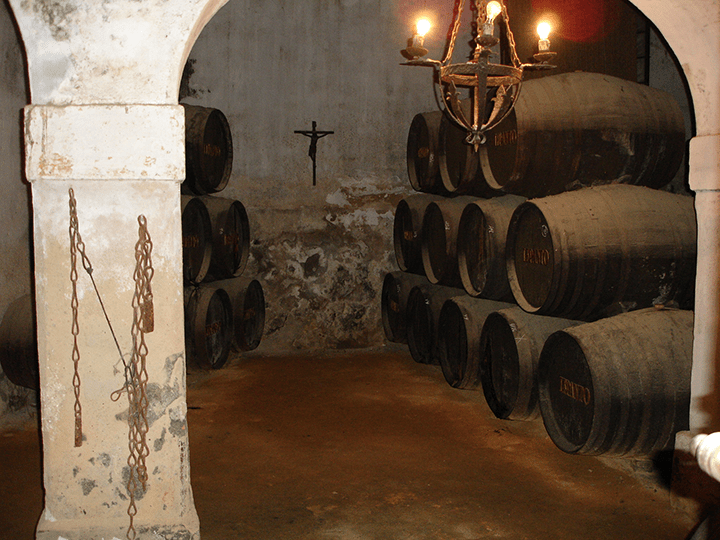
    Sherry, from Spain’s Andalusian region of Jerez, evolved from a local wine into a global phenomenon. The production process, under the watchful eye of a complex solera system, integrates new and old wines, lending Sherry its distinct, oxidative character. Sherry is traditionally classified into seven main styles: Fino, Manzanilla, Amontillado, Oloroso, Palo Cortado, Cream, and Pedro Ximénez, each unique in flavor and aging methods.

    The Phoenicians first brought vines to Jerez around 1100 BC, and the wine became famous under the Moors, who fermented the grapes and distilled the resulting wines. Sherry’s popularity peaked in the 16th century when British sailors returned from the Battle of Cádiz with barrels, introducing it to English nobility. The lore of Sherry includes the belief that some soleras contain remnants from centuries past, connecting each bottle to a vibrant history of winemaking.

    SOMM&SOMM Related Article: Demystifying Wine: Sherry

    Port

    Portugal’s Legacy of Power and Complexity
    liz west from Boxborough, MA, CC BY 2.0, via Wikimedia Commons

    Port, originating in Portugal’s Douro Valley, became popular in England during the 1700s when English merchants, avoiding French wine, fortified their imports from Portugal. The production process involves adding aguardente (grape spirit) to halt fermentation and preserve natural sugars, creating a rich, full-bodied wine. Port comes in several styles, including Ruby, Tawny, Vintage, Late Bottled Vintage (LBV), and White Port, each with unique aging techniques.

    Port’s narrative includes the discovery of a legendary “blackstrap” port by English traders, who, having mistakenly over-fortified a shipment, found it sweeter and more robust. This unplanned discovery set the stage for Port’s sweet, fortified profile, which pairs seamlessly with blue cheeses and rich desserts.

    SOMM&SOMM Related Article: The History, Tradition, and Elegance of Port Wine

    Madeira

    An Island’s Fortuitous Wine

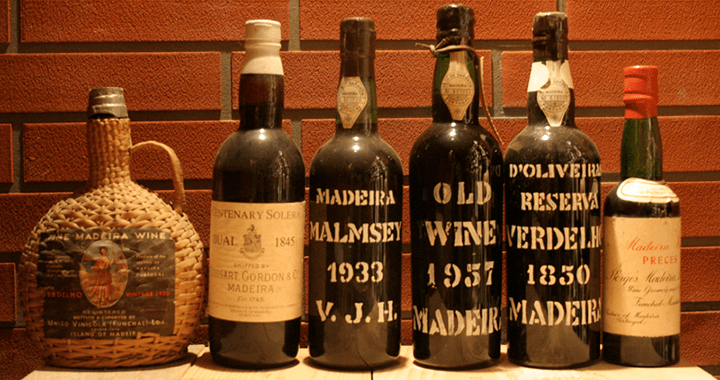
    Madeira’s story is one of survival and adaptability. Hailing from the island of Madeira, this wine was initially transported to tropical climates aboard ships, where the high temperatures “cooked” the wine. Instead of spoiling, it developed rich, complex flavors that fascinated European merchants. Modern Madeira winemaking replicates this process with the estufagem method, heating the wine to impart a caramelized complexity.

    Madeira wines – Frank Papenbroock, CC BY-SA 3.0, via Wikimedia Commons

    Madeira styles range from Sercial (dry) to Malvasia (sweet), with Bual and Verdelho falling in between. The island’s volcanic soils and distinctive grape varieties create wines with flavors of dried fruits, caramel, and smoky nuts. Madeira’s resilience is legendary; it remains one of the few wines capable of enduring centuries of aging, with bottles from the 18th century still drinkable today.

    Marsala

    Sicily’s Sweet and Dry Treasure

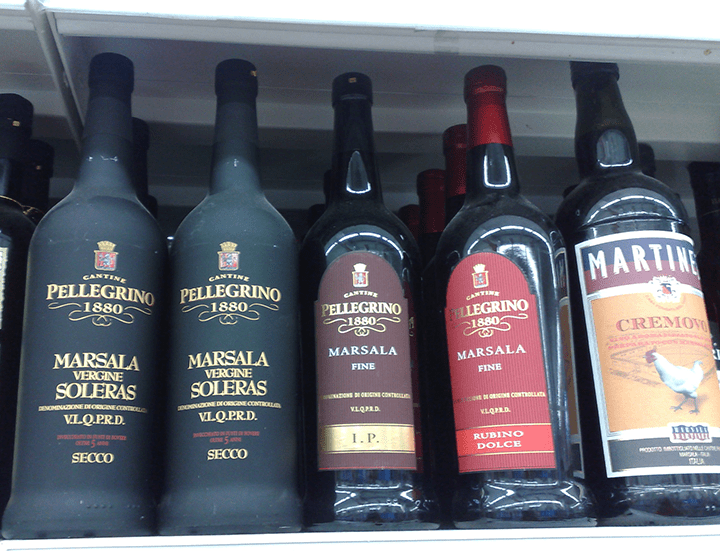
    Marsala, named after the coastal town of Marsala in Sicily, gained international fame in the late 1700s when English merchant John Woodhouse fortified the local wine, preserving it for long voyages. Marsala production typically involves adding grape spirit to a wine blend and aging it in wooden casks. Marsala is classified into dry, semi-sweet, and sweet styles and further divided by aging categories such as Fine, Superiore, Vergine, and Riserva.

    Marsala lineup – Dedda71, CC BY-SA 3.0, via Wikimedia Commons

    Marsala’s fame rose in the 19th century when it became a culinary staple, particularly in dishes like Chicken Marsala. Though overshadowed by its kitchen counterpart, fine Marsala wines offer complex notes of dried apricot, vanilla, and baking spices and can be enjoyed on their own as dessert wines.

    Vermouth

    Europe’s Aromatic Aperitif

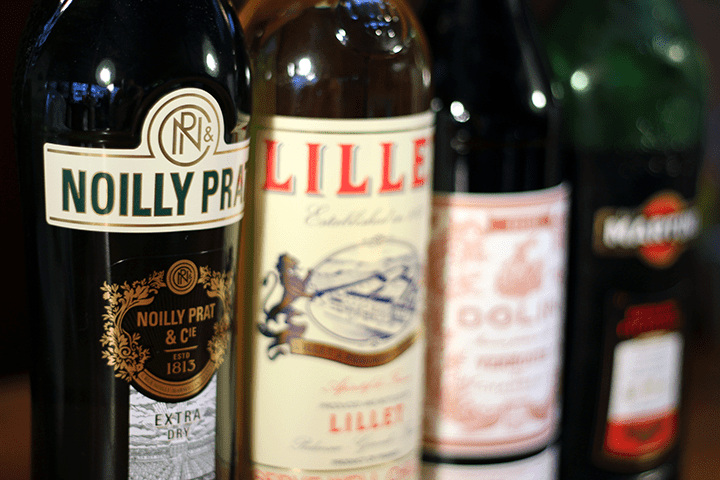
    Vermouth, first created in 1786 by Antonio Benedetto Carpano in Turin, Italy, is an aromatized, fortified wine infused with botanicals like herbs, roots, and spices. Originally medicinal, vermouth evolved into a fashionable aperitif. The wine base is fortified with grape spirit and flavored with a unique blend of botanicals, which differ by brand and region. Sweet (red) and dry (white) are the primary styles, with modern variations including extra dry, amber, and rose.

    Vermouth and Quinquina bottles – Will Shenton, CC BY-SA 3.0, via Wikimedia Commons

    Vermouth has become integral to cocktails such as the Martini and Manhattan, but it’s also enjoyed neat, served with a citrus twist. Its versatility is its charm, as it complements flavors across a range of dishes, from appetizers to rich desserts.

    SOMM&SOMM Related Article: Trendy Cocktails: The Manhattan

    Rancio Sec

    Catalonia’s Hidden Gem

    Rancio Sec, hailing from Catalonia and France’s Roussillon region, is an ancient, oxidative-style non-fortified wine aged in barrels exposed to sunlight, creating intense, nutty flavors. Rancio wines gain their distinct profile from long aging and exposure to air, often with traditional winemaking methods, including aging in open vats or glass demijohns.

    Domaine de Rombeau Rancio Sec aging outside in glass bonbonnes

    Aged between 5 and 100 years, Rancio Sec is not for the faint-hearted; it boasts concentrated flavors of roasted nuts, dark chocolate, and leather. The wine’s robust, rustic character pairs well with charcuterie and strong cheeses, and its rarity makes it a prized addition to any wine cellar.

    Here’s to the fortified and oxidative—those brave, enduring wines that weather time and hold their ground. In their layers of complexity and whispers of faraway lands, they remind us that beauty often lies in patience, character, and the willingness to age with grace. Raise a glass to the unsung alchemists of the wine world, whose depth and warmth bring history to the table with every sip!

    Gregory Dean, SOMM&SOMM

    Each of these fortified and oxidative wines carries the essence of its place, heritage, and historical journey. Rediscovering fortified wines reveals a world where winemaking and alchemy meet, offering layers of flavor that speak to their unique origins and cultural stories. Whether you’re savoring a glass of Sherry with tapas or exploring the bold, oxidative notes of Rancio Sec, fortified wines are a journey through history, tradition, and flavor awaiting deeper exploration. Cheers 🍷

    Cover photo by Christina Snyder, CC BY 2.0, via Wikimedia Commons

  • Uncorking the Wine Lovers of the World

    Uncorking the Wine Lovers of the World

    A Few Fun Personas.

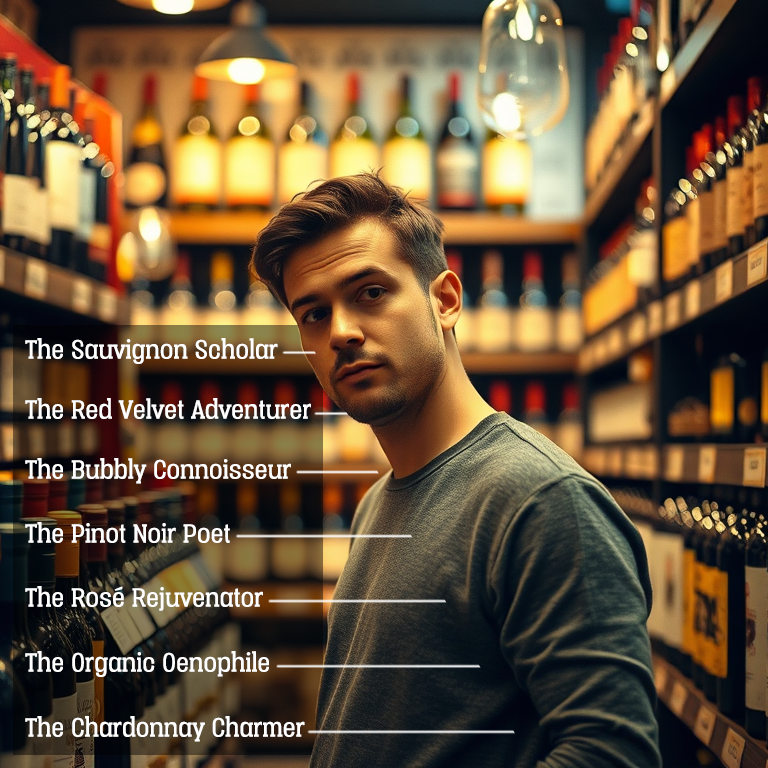
    Ever wondered what your wine of choice says about you? Based on years of observing the nuances and quirks of wine drinkers and merging that with the persona-building precision of marketing (my day job for years 🙂), here’s a toast to the charming (and possibly recognizable) personas behind the glass. This is a lighthearted look at who you might be, based on the wines that make you swoon. Grab a glass, relax, and find yourself in these delightful characters!

    The Sauvignon Scholar

    Favorite Wines: Crisp Sauvignon Blancs, especially from New Zealand and California.

    These are the intrepid thinkers with an enthusiasm for data, facts, and just the right bit of zest. Much like their wine of choice, they’re sharp, refreshing, and (perhaps unknowingly) a little bit enlightening. The Sauvignon Scholar often relishes lively debates—think Socrates meets Martha Stewart, only with a cheese platter in hand.

    A Day in the Life:
    Mornings are organized to perfection. By 8 a.m., their coffee is measured to the gram, and a neatly lined spreadsheet tracks their to-dos. By lunchtime, they’re tackling the New York Times crossword (in ink, naturally). Evening? Time to uncork a bottle of Sauvignon Blanc and dive into a crime thriller—preferably one set in the vineyards of Marlborough. They dream of starting a true-crime podcast… if only their schedule allowed it.

    The Red Velvet Adventurer

    Favorite Wines: Rich, bold Cabernet Sauvignons and smooth Malbecs.

    The Red Velvet Adventurer is a lover of bold flavors and even bolder experiences. They might seem a bit mysterious at first (especially with that cabernet-colored scarf), but peel back a layer, and they’re the life of any gathering. Known to indulge in fascinating tales about “that one time in Argentina,” they’re passionate and deeply invested in everything they do.

    A Day in the Life:
    They’re up early, powering through a workout—HIIT or bust—before setting off on the day’s adventure. By 3 p.m., they’re browsing an art gallery or maybe booking a weekend escape to Napa. When evening arrives, they savor a Cabernet Sauvignon, pondering their next venture: skydiving? A pottery class? Either way, they’ll have a glass in hand and a story to tell.

    The Bubbly Connoisseur

    Favorite Wines: Champagne, Prosecco, and all things sparkling.

    The Bubbly Connoisseur brings lightness and enthusiasm wherever they go. Life is a celebration, and every day deserves a little sparkle—whether it’s a Tuesday evening or New Year’s Eve. Often the connector in a group, they’re everyone’s favorite person to sit next to at dinner because their laughter is as effervescent as their drink.

    A Day in the Life:
    9 a.m., they’re cheerfully greeting everyone at their Pilates class, followed by a jaunt to the farmers’ market for fresh blooms. By noon, they’re planning their next soiree—charcuterie boards, vintage glassware, the works. Come 5 p.m., they’re sipping Prosecco and FaceTiming their friends, insisting on “just one more glass!” because life, after all, should be filled with bubbles.

    The Pinot Noir Poet

    Favorite Wines: Delicate, nuanced Pinot Noirs, particularly those from Oregon or Burgundy.

    This gentle soul finds beauty in the subtle things and knows the magic of a perfectly aged vintage. They’re reflective, artistic, and a bit romantic, savoring life at a slower pace and appreciating the complexity of a Pinot as if it were a piece of art. Often seen journaling or strumming an acoustic guitar, they know how to bring calm to any storm.

    A Day in the Life:
    They start the day in contemplation, meditating with their rescue dog and journaling intentions for the day. Afternoons involve browsing a used bookstore or walking along a misty coast, enveloped in thoughts about the interconnectedness of life. By evening, they’re savoring a glass of Pinot Noir while working on their poetry collection. They’re convinced the wine tastes a bit better with jazz playing softly in the background.

    The Rosé Rejuvenator

    Favorite Wines: Refreshing rosés from Provence, but also curious about other light, vibrant varieties.

    With a well-developed knack for enjoying life’s simpler moments, the Rosé Rejuvenator is always on the hunt for “rosé all day” vibes. Effortlessly cool, they’re known for balancing work and play, and they’re often spotted brunching with friends or wandering in nature. They’re optimists with a talent for finding silver linings.

    A Day in the Life:
    Their morning begins with a matcha latte (iced, even in winter), a session of yoga, and a scroll through travel inspirations. Come afternoon, they’re making plans for a sunset picnic by the water, complete with a cooler stocked with their favorite rosé. They’re the friend who insists on taking a selfie with everyone, holding up a glass of rosé to capture the “golden hour” glow.

    The Organic Oenophile

    Favorite Wines: Biodynamic and natural wines, favoring unfiltered or small-batch varieties.

    A purist at heart, the Organic Oenophile values authenticity and transparency, whether it’s in their wine or their friendships. They’re well-versed in phrases like “zero-zero” and know the exact coordinates of their favorite vineyard. Earthy yet refined, they’re often mistaken for a philosopher or an off-duty vintner.

    A Day in the Life:
    The day begins with green juice and a stroll to the local co-op. Their afternoons involve perusing rare plant shops or making sourdough starter from scratch. As evening falls, they’re sipping on a cloudy orange wine, waxing poetic about sustainability. You’ll often find them hosting low-waste dinner parties where the only thing more interesting than the conversation is the wine.

    The Chardonnay Charmer

    Favorite Wines: Big, bold, buttery Chardonnays from Napa, but they’re not opposed to an unoaked Chablis either.

    The Chardonnay Charmer is warm, welcoming, and confident in their tastes. They’re often at the center of any group, offering wisdom, wit, and a knack for turning strangers into friends. At home, they have a cozy reading nook and an impressive assortment of stemware.

    A Day in the Life:
    They start their day by lighting a candle and enjoying a leisurely breakfast, even on weekdays. By 2 p.m., they’re organizing the book club or planning a brunch, complete with buttery Chardonnay pairings. When evening comes, they’re curled up with their favorite memoir and a glass of oaked Chardonnay, fully embracing each sip like a warm hug.

    Here’s to celebrating the wide world of wine lovers! Whether you’re a Sauvignon Scholar or a Rosé Rejuvenator, may your glass always be full, and may you continue to savor the little things that make each sip uniquely you. Cheers 🍷

    Gregory Dean, SOMM&SOMM
  • Demystifying Wine: Sherry

    Demystifying Wine: Sherry

    The Forgotten Gem: Understanding the Seven Types of Sherry Wine.

    Sherry wine, one of the world’s oldest and most storied styles, hails from the Jerez region in southern Spain. Known for its diversity and complex flavor profiles, Sherry has a bit of a reputation problem—often relegated to dusty shelves or seen as “grandma’s wine.” But for those in the know, Sherry offers a wide spectrum of styles, from bone-dry and briny to lusciously sweet, making it a remarkably versatile option for food pairings.

    Six types of Sherry (missing Cream Sherry): Fino, Manzanilla, Amontillado, Palo Cortado, Oloroso, Pedro Ximénez (PX)

    The Seven Styles of Sherry

    The beauty of Sherry lies in its remarkable range, produced under strict legal classifications that determine how the wine is aged, blended, and finished. Each type showcases distinct characteristics that can surprise even seasoned wine enthusiasts.

    Fino

    • Key Notes: Pale straw color, bone dry, light, and fresh.
    • Aging: Biological aging under flor.
    • Varietals: Palomino.
    • Characteristics: Fino is the lightest of the Sherries, with an alcohol content around 15-16%. It develops a unique layer of yeast called flor, which shields the wine from oxygen and gives it a tangy, almond-like flavor with a saline finish.
    • Food Pairing: Tapas, olives, almonds, and seafood like shrimp or oysters.

    Manzanilla

    • Key Notes: Similar to Fino but with a coastal brininess.
    • Aging: Biological aging under flor in the coastal town of Sanlúcar de Barrameda.
    • Varietals: Palomino.
    • Characteristics: While technically a subset of Fino, Manzanilla has a distinct salty tang from the maritime influence, making it a touch lighter and zestier.
    • Food Pairing: Anchovies, salted fish, fried seafood, or sushi.

    Amontillado

    • Key Notes: Nutty, oxidative, and complex.
    • Aging: Starts under flor, then moves to oxidative aging.
    • Varietals: Palomino.
    • Characteristics: Amontillado begins its life as a Fino, aged under flor for a few years, but the yeast eventually dies off, allowing oxygen to interact with the wine. This adds layers of nuttiness, caramel, and dried fruit flavors.
    • Food Pairing: Grilled meats, mushrooms, or hard cheeses like aged Manchego.

    Palo Cortado

    • Key Notes: Mysterious blend of Fino and Amontillado characteristics.
    • Aging: Starts under flor, but undergoes early oxidative aging.
    • Varietals: Palomino.
    • Characteristics: Palo Cortado is the enigma of Sherry, often starting as a Fino or Amontillado but then evolving into something unique. It combines the finesse of Fino with the depth of Amontillado, offering flavors of hazelnuts, orange peel, and toffee.
    • Food Pairing: Duck, game birds, or rich stews.

    Oloroso

    • Key Notes: Bold, rich, and intensely oxidative.
    • Aging: Oxidative from the start.
    • Varietals: Palomino.
    • Characteristics: Oloroso Sherry is aged entirely without flor, allowing for complete exposure to oxygen. It is deeper in color with flavors of roasted nuts, toffee, leather, and dried fruits. With a higher alcohol content (17-20%), it’s one of the bolder Sherry styles.
    • Food Pairing: Lamb, aged cheeses, or roasted vegetables.

    Pedro Ximénez (PX)

    • Key Notes: Lusciously sweet, syrupy, with intense dried fruit flavors.
    • Aging: Oxidative aging.
    • Varietals: Pedro Ximénez.
    • Characteristics: PX Sherry is made from sun-dried Pedro Ximénez grapes, which concentrate the sugars and produce a deeply sweet, raisin-like wine. The wine is rich, with notes of figs, dates, molasses, and chocolate.
    • Food Pairing: Blue cheese, rich desserts, or even poured over vanilla ice cream.

    Cream Sherry

    • Key Notes: Sweet, smooth, often a blend of Oloroso with sweetened PX.
    • Aging: Oxidative aging, with blending.
    • Varietals: Palomino and Pedro Ximénez.
    • Characteristics: Cream Sherry is an approachable, sweetened version of Oloroso, designed to balance sweetness and nuttiness. It’s rich and smooth, often seen as a dessert wine.
    • Food Pairing: Chocolate cake, custards, or with fruit tarts.

    SOMM&SOMM Recommends: Sherry Tasting Trio with Tasting Video

    Solera at Bodegas Tío Pepe – El Pantera, CC BY-SA 3.0, via Wikimedia Commons

    The Solera System: The Art of Aging

    What sets Sherry apart from other wines is the Solera system, a fractional blending method that ensures consistency and complexity across vintages. In the Solera system, older wines are systematically blended with younger wines, creating a continuous aging process. Each year, a portion of the oldest wine is drawn off for bottling, while younger wines replenish the barrels, allowing the character of the wine to evolve gradually.

    This process creates a remarkable depth in Sherry, where wines are often aged for decades, taking on complex, layered flavors that reflect both the region’s history and the patience of its winemakers.

    Flor Aging – El Pantera, CC BY-SA 3.0, via Wikimedia Commons

    Flor: A Yeast Like No Other

    The role of flor in Sherry production is critical, especially in lighter styles like Fino and Manzanilla. This yeast floats on the surface of the wine, protecting it from oxidation while contributing to the wine’s distinctive flavor profile. The salty, yeasty notes often associated with these styles are direct results of this biological aging. This technique is somewhat similar to the sur lie aging in Champagne, where wine is aged on the dead yeast cells, although sur lie focuses more on enhancing texture and brioche-like flavors.

    Sherry’s Image Problem

    So why is Sherry often overlooked? Part of the issue lies in its old-fashioned reputation. For years, Sherry has been pigeonholed as an “old person’s drink,” especially with the perception of sweet, cloying Cream Sherries that once dominated the market. But the dry styles, especially Fino, Manzanilla, and Amontillado, have so much more to offer. The complexity, versatility, and food-friendliness of these wines are woefully underappreciated.

    There’s also the fact that Sherry doesn’t fit neatly into most wine drinkers’ expectations. It’s not a light, easy-drinking white, nor is it a robust red. It occupies a unique space, which requires a more adventurous palate to fully appreciate.

    Sherry in Pairings: Rediscovering a Lost Art

    If you want to experiment with Sherry in your next wine pairing, consider going beyond the obvious. Here are some fresh ideas:

    • Fino or Manzanilla: These bone-dry, saline wines are fantastic with charcuterie, shellfish, and even sushi. The briny character complements the umami richness of seafood.
    • Amontillado: Try it with earthy mushroom dishes or rich pork belly. The nuttiness and depth of flavor create a fascinating interplay with these savory ingredients.
    • PX: Dessert wines often steal the show, but PX takes it to another level. Serve it with blue cheese or use it to top off a vanilla ice cream sundae for a memorable finish.

    The next time you’re hosting a pairing dinner, don’t shy away from including a Sherry. It’s a conversation starter, and with its range of flavors and styles, you can find a bottle that complements just about any dish. Maybe, just maybe, Sherry will finally earn the spotlight it deserves. Cheers 🍷

  • Raise a Glass and Lower the Volume

    Raise a Glass and Lower the Volume

    A Sommelier’s Take on Finding Common Ground.

    Election Day. For many, it’s a spirited occasion where, beyond casting a ballot, we’re practically swimming in strong opinions. But today, I propose we table those heated discussions about who’s right, who’s wrong, and who should be running the show. Instead, let’s toast to something undeniably delightful: wine—and the way it has this uncanny power to bring us together.

    In the wine world, I’ve found the best conversations happen over a shared bottle, with glasses clinking, eyes bright, and laughs rolling out easily. Sure, we don’t always agree. In fact, a roomful of sommeliers and wine enthusiasts debating wine pairings can sound a lot like Congress during a filibuster. But, thankfully, our discussions have a much friendlier vibe, and they end with a pleasant buzz rather than a buzzkill.

    So let’s treat our political conversations like we do wine pairings—let’s savor, listen, and respect each other’s “palates.”

    Photo by Julia Kuzenkov on Pexels.com

    Find Your “Common Ground” Grape

    No matter your personal politics, there’s probably a wine we can all rally around. Are you a staunch Pinot Noir person? A die-hard Chardonnay defender? Or maybe you’re a Sauvignon Blanc champion? Great! Wine is a versatile beverage that invites a multitude of opinions without any door-slamming. Whether we’re swirling a glass of Napa Cab or toasting with a sparkling Prosecco, there’s one beautiful truth: no two people experience a wine the same way, and that’s precisely the beauty of it.

    Finding a wine you both enjoy is like discovering common ground. If we can agree that a well-chilled rosé makes for a great afternoon, can we not also accept that there’s beauty in our differences?

    Active Listening, Wine Tasting Style

    A good wine tasting, much like a good conversation, starts with listening. When someone picks up hints of “stone fruit,” we don’t interrupt to say, “Actually, that’s citrus.” We listen, nod, and take another sip ourselves. Perhaps the same could be said about how we engage in dialogue on Election Day—give people room to share their perspective without trying to “correct” their taste.

    Wine, after all, is subjective. So are opinions. But both deserve to be heard and respected. If someone says they’re getting a lot of oakiness and spice, don’t laugh at their palate. Respect their experience! The same goes for our broader opinions. Just as a good Cabernet can be layered with spice, fruit, and earthiness, our conversations should be layered with curiosity, open-mindedness, and empathy.

    When in Doubt, Debate Wine

    Let’s face it: few things lift the spirits like a lively discussion about wine and food pairings. So instead of clashing over policies, let’s settle down and debate something that’s sure to end on a happy note: what’s the best pairing for Thanksgiving turkey? Or, if we’re feeling bold, what’s the ultimate cheese for a Friday night wine board? Let’s debate the merits of Napa over Sonoma, or whether a Chardonnay needs oak. I guarantee no one will be walking away mad; at worst, you’ll just be craving a cheeseboard.

    And if you do find yourself disagreeing, pour a little more. It’s hard to stay tense over a glass of Sancerre.

    Here’s to Election Day! May our patience last as long as the line at the polls, may our conversations stay as smooth as a good Merlot, and may our disagreements be as fleeting as that last sip in the bottle. Cheers to democracy and to finally voting on something other than what’s for dinner!

    Gregory Dean, SOMM&SOMM

    Respect Palates and Preferences

    Just as we all bring unique palates to the table, we bring unique perspectives. When I introduce someone to wine, I don’t judge if they like Moscato over Merlot, or insist they “have to try” a funky orange wine. Wine, like conversation, should be shared with an open mind.

    As we go about our day, casting votes and making choices, let’s treat each other with that same respect. Pour a glass, lean in, and let’s make today less about division and more about connection. And remember, at the end of the day, it’s not who’s right or wrong but who brought the best bottle! Cheers to that 🍷

    Cover photo by Sora Shimazaki on Pexels.com

  • A Sommelier’s Guide to Date Night Wine Pairings

    A Sommelier’s Guide to Date Night Wine Pairings

    From First Dates to Friday Night Takeout.

    Date night is sacred—a chance to connect, escape the routine, and indulge a little. Whether it’s a first date or a long-standing weekly tradition, a thoughtful wine choice can elevate the experience, even if the “cuisine” comes with a drive-thru option. Here’s a guide for various types of dates, with a wine pairing to match the mood, cuisine, and charm of each occasion.

    Photo by Jep Gambardella on Pexels.com

    The First Date: Breaking the Ice with a Hint of Romance

    The Vibe: Nerves, excitement, and the hope for a little spark.

    Cuisine: Tapas or small plates are perfect; they’re easy to share and provide plenty of variety. For a more relaxed vibe, consider street food-style Mexican fare or a cozy Italian trattoria.

    Wine Pairing:

    • For Spanish Tapas: Go with an Albariño from Rías Baixas. This wine is bright, refreshing, and versatile, with citrus and mineral notes that complement classic tapas like patatas bravas, gambas al ajillo (garlic shrimp), and jamón serrano.
    • For Tacos and Street Food Mexican: Try a chilled, fruity Grenache. It pairs beautifully with the spice and bold flavors of Mexican dishes without overwhelming them.
    • For Italian: If pasta is in the mix, a glass of Chianti Classico offers enough acidity to cut through rich tomato sauces, making it a great companion for lasagna, meatballs, or bruschetta.
    Photo by Snappr on Pexels.com

    The Weekly Date: Taco Tuesday (or Pizza Friday) – It’s Tradition

    The Vibe: A laid-back ritual where you both know what’s on the menu.

    Cuisine: Takeout or homemade staples—Taco Tuesday or pizza night are classics.

    Wine Pairing:

    • For Tacos: A zesty, crisp Sauvignon Blanc is an unexpected but perfect match for most tacos, especially fish or veggie. For heartier carne asada or al pastor, try a Tempranillo—its earthy flavors balance the smoky, savory profile of the meats.
    • For Pizza: A classic pairing would be an Italian Barbera or Chianti with tomato-based pizzas. However, if you’re enjoying something adventurous like a BBQ chicken pizza, go with a fruit-forward Zinfandel, which can handle the smoky, sweet flavors.

    Pro Tip: Even if it’s takeout night, pour that wine into proper glasses to elevate the vibe!

    The Anniversary Date: A Special Occasion with a Touch of Elegance

    The Vibe: Celebrating milestones and memories together, perhaps with a hint of nostalgia.

    Cuisine: Go all out with a French-inspired bistro dinner or a multi-course menu from a favorite fine-dining spot.

    Anniversary Date – Greg and Tammy, SOMM&SOMM

    Wine Pairing:

    • French Cuisine: For dishes like duck confit or beef bourguignon, reach for a classic Burgundy Pinot Noir or Bordeaux blend. If seafood is on the menu, a Chablis or Champagne makes an unforgettable pairing.
    • Multi-Course Pairing Adventure: For a true experience, start with a sparkling wine (Champagne or a quality American sparkling), transition to a rich white like an aged Chardonnay for the main course, and finish with a sweet, decadent wine for dessert, like a Sauternes or Late Harvest Riesling.

    Casual Takeout Date: Elevating Fast Food

    The Vibe: Unpretentious, low-key, but with an unexpected twist of sophistication.

    Cuisine: Burgers, fried chicken, or sushi takeout.

    Wine Pairing:

    • For Burgers: A juicy, full-bodied Merlot or a rich Cabernet Sauvignon pairs perfectly with a classic cheeseburger. If you’re opting for something spicier, like a pepper jack burger, a Zinfandel works wonders.
    • For Fried Chicken: A chilled, crisp Champagne or Prosecco cuts through the richness of fried chicken and adds a touch of elegance.
    • For Sushi: For classic nigiri or sashimi, a dry Riesling or sake is traditional, but a Sauvignon Blanc or even a dry rosé adds a fun twist.
    Photo by Dziana Hasanbekava on Pexels.com

    Outdoor Adventure Date: Picnic Perfect

    The Vibe: Fresh air, beautiful scenery, and a sense of exploration.

    Cuisine: Simple picnic fare like sandwiches, cheeses, fruit, and charcuterie.

    Wine Pairing:

    • For a Picnic Spread: Rosé is a picnic classic because it pairs well with a range of foods. Look for a Provence Rosé if you want something light and floral. If your picnic has heartier items like aged cheeses or cured meats, a Pinot Noir or a light-bodied Gamay would complement the flavors well.
    • For Sandwiches and Cheese: A Chardonnay pairs beautifully with most sandwiches, especially chicken or turkey. For cheese-focused picnics, try a Grenache-based wine for a balance of fruit and earthiness.

    Date night is about setting the mood, and wine can be your secret weapon. It’s not about being fancy or expensive—it’s about being thoughtful. A carefully chosen wine, even with the simplest dishes, can make any night special. So next time you grab that burger, sushi roll, or Tuesday taco, pour yourself a glass, toast to each other, and savor the little moments. Cheers 🥂
  • Guest Etiquette at Private Wine and Dining Events

    Guest Etiquette at Private Wine and Dining Events

    Navigating the Unexpected with Grace and Respect.

    Prologue – In recent months, I’ve had the pleasure of attending several beautifully orchestrated private events that left lasting memories—yet each one also included moments where a few guests struggled with appropriate etiquette during minor delays or unexpected changes. These situations highlighted how crucial guest conduct is, not only to the enjoyment of the hosts but to the overall atmosphere and experience for everyone present. Inspired by these recent events, this article outlines key etiquette practices for private invitation-only gatherings, helping guests understand how best to respond to unforeseen situations respectfully. By observing these simple guidelines, guests can elevate both their own experience and that of everyone around them, ensuring a gracious and memorable event.

    When you’re invited to an exclusive, meticulously planned private event—be it a themed wine tasting, anniversary celebration, or multi-course dinner—a lot of time, effort, and thought has gone into creating an unforgettable experience. However, even in the best-planned scenarios, things can occasionally go awry. Perhaps a wine has corked, a dish is delayed, or the host needs to adjust due to a kitchen mishap. How should you, as an invited guest, respond during these unexpected pauses? Let’s delve into the nuances of proper etiquette that ensure you remain both respectful and gracious while honoring the intention and spirit of the event.

    Understand the Unique Setting of a Private Invitation-Only Event

    Private events are, by nature, more intimate and personal than public ticketed events. The hosts often have carefully crafted every aspect, from the wine pairings and menu to the décor, making them an extension of the hosts’ personality and passions. As such, the expectations for guest behavior are elevated. Your presence signifies a personal connection and your respect for the effort and sentiment behind the event. The rule of thumb here is simple: If in doubt, act with the utmost respect and courtesy, putting the enjoyment of the group and the intent of the celebration above individual preferences.

    Maintain Focus and Stay Engaged with the Event

    During private wine or dining events, pausing to check messages or watching the game on a smartphone is disrespectful to both the host and fellow guests. Imagine, for instance, a guest attending a seated anniversary dinner who, upon an unexpected delay, disengages to check their phone or catch up on sports. Or worse, turn on the large screen flat screen TV in the room. This behavior disrupts the intimate ambiance, diminishes the significance of the gathering, and can make others feel less engaged as well.

    Instead, use pauses as an opportunity to immerse yourself in the experience:

    • Engage in Conversation: Often, pauses provide a chance to deepen connections with other guests. Inquiring about each other’s experiences with wines, travel stories, or family traditions related to food and wine can spark memorable conversations.
    • Reflect on Previous Courses: If there has already been a course or two, discuss your thoughts on the pairings, flavors, or the chef’s approach to each dish. This keeps the focus on the event and showcases your appreciation for the host’s choices.
    • Discuss the Host’s Choices: Highlighting aspects you appreciate—whether it’s a wine selection, a beautifully set table, or a unique food and wine pairing—shows respect for the thought and effort that went into the planning.

    These small gestures can enhance the experience for both you and those around you while keeping the momentum of the event alive.

    Appreciate the Host’s Efforts and Be Ready for Flexible Alternatives

    For events involving food and wine, unforeseen issues are sometimes inevitable. When you notice the hosts making adjustments, remain calm and understanding; they may be discreetly working with the kitchen or making substitutions to maintain the flow of the event. As a guest, it’s essential to appreciate their adaptability and refrain from drawing attention to the delay or issue.

    • Handle Wine Substitutions with Grace: If the host switches a wine due to corking or other issues, express enthusiasm for the alternate selection. Hosts appreciate guests who are flexible and open to exploring something new.
    • Adapt with the Hosts: Sometimes, food courses may be served out of the intended order, or a dish may differ slightly from what was planned. Embrace these moments as part of the evening’s unique experience and enjoy the improvisational nature of the service.
    • Keep the Mood Light: If the hosts make light of the situation, follow their lead. However, if they seem stressed, maintain a calm and positive demeanor, showing them that you’re there to support them.

    Avoid Overstepping with Unsolicited Opinions or Critiques

    In the case of a private event, hosts tend to put immense care into every detail, and casual remarks or critiques—especially during a disruption—can be discouraging or even offensive. While public events may allow for some flexibility in feedback or commentary, private events warrant more sensitivity.

    • Refrain from Criticizing Substitutions: If an alternate wine or dish doesn’t quite match your personal preference, keep that opinion private. Remember that the hosts likely made the substitution under challenging circumstances, and voicing disappointment can undermine their efforts.
    • Stay Positive About the Experience: If a dish doesn’t come out exactly as planned, find something enjoyable about it, whether it’s a surprising flavor, texture, or plating. Your positive outlook will help the host feel at ease, even when things don’t go according to plan.

    Express Genuine Appreciation for the Event’s Intention

    At invitation-only private events, gestures of gratitude and appreciation are crucial. A thoughtful host has created a one-of-a-kind experience, not only to celebrate the occasion but to share a part of themselves with the guests.

    • Acknowledge the Occasion: If it’s an anniversary or birthday, express your well wishes and reflect on your appreciation for being included. Mentioning the host’s efforts in creating the evening’s ambiance, selecting wines, and curating the menu helps highlight your enjoyment of the experience.
    • Offer a Toast or Thank You at the End of the Evening: A heartfelt toast or kind words directed at the host can go a long way, especially if they had to navigate unexpected challenges throughout the evening. For example, you might say, “Thank you for an incredible evening. The wine pairings were delightful, and every detail made the night so special. I’m grateful to have shared this memorable evening with you.”

    When in Doubt, Follow the Host’s Lead

    At private events, let the host set the tone. If they engage in casual conversation during a delay, follow their lead. If they attempt to smooth over a mishap with humor or grace, respond with light-heartedness. Respecting the host’s cues shows sensitivity to their efforts and respect for the moment. Similarly, if the host politely addresses the guests about the delay, offer understanding and encouragement.

    By aligning yourself with the host’s approach, you contribute to a cohesive and supportive atmosphere.

    While unexpected pauses or disruptions may be unavoidable, they’re often minor when handled with grace, patience, and respect. Private invitation-only events are crafted with love and care, and your behavior should reflect that. By staying engaged, adapting with flexibility, expressing appreciation, and taking cues from the host, you ensure that these occasions remain a celebration of connection, honor, and shared enjoyment. As a guest, remember that your role is as much about enjoying the experience as it is about celebrating and supporting the hosts who have invited you into their world. Cheers 🍷

    Epilogue Acting entitled or pretentious toward your hosts is not only rude but fundamentally misses the spirit of a private invitation. When you’re invited to share in an experience, it’s on equal footing with everyone else attending, regardless of who’s pouring the wine or setting the table. Treating hosts as “inferior” for taking on any role during the event—whether they’re refilling glasses, plating dishes, or ensuring everyone’s comfort—is especially disrespectful, as it disregards the personal investment they’ve made to create a memorable evening. Entitlement shows ingratitude, turning what should be a celebration of shared enjoyment into a display of poor manners. Embrace the experience as a collaborative and appreciative guest, honoring the hosts’ efforts rather than elevating yourself above them.

  • Celebrating 36 Years of Love & Legacy: A Mondavi Affair

    Celebrating 36 Years of Love & Legacy: A Mondavi Affair

    In the world of wine, few stories intertwine celebration and life as deeply as that of Robert Mondavi. Reflecting this spirit, Scott and Alison White meticulously prepared every dish for their 36th anniversary celebration, a night that was as much about love and legacy as it was about Mondavi’s finest wines. It wasn’t just an evening of food and wine; it was a testament to the care, thought, and dedication that goes into creating something truly memorable—both in the kitchen and in life.

    We were honored to attend this grand affair, not only as guests but as fellow sommeliers, with a shared admiration for Robert Mondavi’s vision. The Whites’ attention to detail was evident in every course and pairing, their thoughtful preparation embodying Mondavi’s belief that “wine is part of the meal, part of life.” The elegant setting, draped in calming blue hues, was the perfect backdrop for an evening dedicated to celebrating love, friendship, and fine wine.

    Here’s to Scott and Alison, to 36 years of love, laughter, and legacy. Tonight, we raise our glasses not only to their enduring bond but to the friendships and memories that have grown alongside it. Just as a fine wine ages gracefully, deepening in complexity and richness, so too has their love—something we all cherish and celebrate. To many more years of shared joy, unforgettable moments, and, of course, incredible wine. Cheers!

    Gregory and Tammy Dean, SOMM&SOMM
    The lineup of Mondavi wines for the evening

    Welcome Appetizers: Hackleback Caviar, and Seared Ahi Tuna

    The evening began with an artfully curated selection of appetizers, each thoughtfully prepared by Scott and Alison. The briny Hackleback Caviar and the savory depth of Seared Ahi Tuna set the tone for the night. Zarmeena Khan, Wine Club and DTC Manager at Robert Mondavi Winery, introduced the 2021 The Estates Sparkling Wine from Napa Valley. Crisp, lively bubbles lifted the delicate brininess of the caviar, while its citrus and mineral backbone refreshed the palate after each bite of bruschetta and tuna. The Sparkling Wine, with its purity and precision, paid homage to Mondavi’s commitment to wines that speak to their terroir.

    First Course: Goat Cheese Salad

    Next came the Goat Cheese Salad—a delightful juxtaposition of creamy goat cheese, candied walnuts, and dried cranberries atop fresh field greens. Paired with the 2021 The Estates Fumé Blanc, the wine’s bright citrus and grassy aromatics danced beautifully with the tangy richness of the cheese. The salad brought out the best in the wine, which showcased Mondavi’s masterful touch in crafting Sauvignon Blanc. The acidity was a perfect foil to the creaminess, while its herbal notes mirrored the freshness of the greens. Scott and Alison’s careful attention to the balance of flavors and textures was on full display here, showcasing their passion for bringing out the best in every bite.

    Second Course: Tortellini Alfredo

    The richness of the Tortellini Alfredo, adorned with crumbled carrots, mushrooms, and broccoli, was a creamy indulgence. What elevated this dish to new heights was the pairing with the 1998 Mondavi Reserve Chardonnay from Carneros. Aged gracefully, this Chardonnay was an experience in itself—its nutty, buttery layers complementing the Alfredo’s creamy sauce, while a subtle acidity cut through the richness, leaving a balanced and refined finish. This wine is a testament to the longevity and evolution of Mondavi’s Chardonnays, as it still held onto a vibrancy that belied its years. Here’s Scott’s recipe (real-time commentary included 🙂

    Scott’s Creamy Dreamy Alfredo

    Pro Tip: If you’re adding veggies or protein (chicken, shrimp, etc.), cook those up first and set them aside. You’ll thank me later!

    • Olive oil (a drizzle—enough to make things sizzle)
    • ½ cup pancetta (finely minced—because pancetta makes everything better)
    • 8 large garlic cloves (minced super fine—seriously, garlic is life)
    • ½ cup butter (because we’re not counting calories today)
    • 1½ cups heavy cream (go big or go home)
    • 2 cups freshly grated Parmesan cheese (the good stuff—no shaky cans)
    • ½ teaspoon white pepper (for a subtle kick)
    • ½ teaspoon dried parsley (for that herby goodness)
    • ½ teaspoon Italian seasoning (because Italy, duh)
    • ¼ teaspoon nutmeg (adds a surprising twist)
    • ½ teaspoon garlic powder (yes, more garlic)

    Drizzle some olive oil in your favorite pan and toss in the pancetta. Cook it until it’s brown and crispy, like pancetta confetti. The smell? Heavenly.

    Add your minced garlic to the pan and let it brown a bit. Not too much—we want it golden, not burnt! This is where the magic happens. Toss in all those dried seasonings and give it a good stir. Set this mixture aside—it’s the soul of your Alfredo.

    In the same pan (don’t you dare wash it yet, all those flavors are gold!), melt that glorious butter. Once it’s melted and dreamy, slowly pour in the cream. Warm it up, but don’t let it boil—just a gentle simmer will do.

    Now, blend in that pancetta and garlic mixture you set aside. Stir it into the cream and butter until everything’s mingling beautifully.

    Slowly add in the Parmesan, stirring until it melts into the sauce like a cheesy hug. Keep stirring until the whole thing is smooth, creamy, and oh-so-inviting.

    Pro Serving Tip: Toss this with your favorite pasta (fettuccine is classic, but you do you!). Or pour it over sautéed veggies, grilled chicken, or shrimp. Finish with a little extra Parm on top, and maybe a sprinkle of parsley for that fancy touch.

    And voilà—Scott’s Alfredo, the perfect mix of creamy, garlicky goodness. You’re going to want seconds. Maybe thirds.

    Third Course: Lobster Bisque or Butternut Squash Soup

    As the third course was served, guests were given the option between an indulgent Lobster Bisque (prepared by Scott) or the comforting sweetness of Butternut Squash Soup (prepared by Russ Ahrens (Instagram: @drunkenchef82)). Both dishes were paired with the 2020 The Estates Chardonnay, a wine that stood confidently between the richness of the lobster and the subtle sweetness of the squash. Its balance of tropical fruit, creaminess, and acidity made it a versatile companion, harmonizing with both soups without overpowering the delicate flavors.

    Robert Mondavi’s legacy of elevating Chardonnay to an art form was ever-present in this pairing.

    Gregory Dean, SOMM&SOMM

    Fourth Course: Tuscan Chicken with Spaghetti

    Rustic yet elegant, the Tuscan Chicken with sausage, sun-dried tomatoes, spinach, and mushrooms was bold, hearty, and packed with flavor. The wine selected for this course was the 2021 The Estates Merlot from Oak Knoll. Known for producing beautifully structured Merlots, Oak Knoll gave this wine a ripe red fruit profile, complemented by soft tannins and earthy depth. Together, the dish and the wine became a duet—each bite of the savory chicken brought out the wine’s complexity, while the wine’s fruit-forward character rounded out the richness of the dish.

    Fifth Course: Charred Ribeye with Garlic Parmesan Mashed Potatoes

    For many, the charred ribeye was the highlight of the evening—a testament to Scott’s prowess and Russ’ skill in the kitchen. Served with garlic parmesan mashed potatoes, caramelized onions, and creamed spinach, this dish was a true labor of love. To honor such a decadent dish, we were treated to a vertical tasting of two Mondavi Cabernets—an exquisite 1988 Napa Valley Cabernet Sauvignon and a 1998 Oakville Cabernet Sauvignon. The 1988 vintage showcased dark fruit, leather, and earth, while the 1998 brought a more developed cedar and tobacco profile. Both wines, despite their differences, elevated the ribeye, with their structure and layered complexity enhancing the meat’s char and the rich bordelaise sauce. This pairing was a reminder of Robert Mondavi’s belief that “wine should bring out the best in food, just as food should bring out the best in wine.”

    Dessert Medley: Cannoli Cake & Caramel Apple Pecan Cake

    The dessert medley was a celebration in its own right. The Cannoli Cake, creamy and sweet, was paired with the 2020 Moscato d’Oro—a wine that shimmered with floral and vibrant citrus notes. The wine’s sweetness balanced the richness of the cake, offering a light, refreshing finish to each bite. Meanwhile, the Caramel Apple Pecan Cake, spiced with warm caramel flavors, found its match in the 2018 Sauvito Sauvignon Blanc from Oakville. This wine, with its ripe fruit and honeyed tones, mirrored the caramel and pecan notes in the cake, making for a harmonious, indulgent end to the meal.

    Here’s to 36 more years of love, legacy, and Mondavi magic!

    Gregory and Tammy Dean, SOMM&SOMM

    As the night drew to a close, it was impossible not to reflect on the thoughtful preparation that had gone into every dish and wine pairing. Scott and Alison’s 36th anniversary was a celebration not only of their enduring love but also of the art and care they bring to every meal. It’s evenings like these that remind us why we gather around the table—to share stories, laughter, and, most importantly… to celebrate life’s greatest moments. 🍷

    Alison, Scott, and Alyssa White

    Be sure to check out the 35th Anniversary extravaganza featuring Chateau Montelena wines!

  • A Lobster Boil Extravaganza

    A Lobster Boil Extravaganza

    Night Two of Scott and Alison White’s 36th Anniversary Celebration.

    Following the sparkling excitement of the previous evening, Scott and Alison White hosted a classic lobster boil, a feast fit for both food lovers and wine enthusiasts alike. Paired with the refined and storied Chardonnays of Chateau Montelena, this second night celebrated the richness of California’s wine legacy alongside the timeless joy of a seafood feast.

    Tammy alongside the 9-liter bottle of 2015 Chateau Montelena Chardonnay

    The Grand Opening: Chateau Montelena Chardonnay

    The evening began with a spectacular sight: a 9-liter bottle of 2015 Chateau Montelena Chardonnay displayed in a custom mechanical wine cradle, lovingly known as “the rocket launcher.” This impressive vessel was racked and poured, allowing the room to be filled with the elegance and character of the 2015 vintage. Guests were seated at tables stretching the length of the suite’s common area, creating a warm communal ambiance as glasses were filled.

    A Culinary Labor of Love

    Scott and Alison, along with the renowned Russ Ahrens (Instagram: @drunkenchef82), spent the entire day in the kitchen to prepare the lobster boil’s main attractions. The result was an extraordinary spread, with over 120 lobster tails, cheese-filled bratwursts, tender potatoes, succulent shrimp, corn on the cob, fresh clams, mussels, and cheddar bay biscuits—each element adding to the bounty and flavor of the evening.

    As guests indulged in the feast, the 2015 Chateau Montelena Chardonnay’s balanced acidity and rich, citrusy notes complemented the buttery lobster tails and briny seafood with finesse. The flavors melded beautifully, with the Chardonnay’s hints of stone fruit and subtle oak rounding out each bite.

    A Vintage Comparison: The 2015 and 2010 Chateau Montelena Chardonnay

    After the 2015 was savored and the 9-liter bottle emptied, Scott introduced a five-liter bottle of the 2010 Chateau Montelena Chardonnay. This vintage, with slightly more age, offered a glimpse into how Chateau Montelena wines evolve over time, displaying richer textures and deeper complexity. Spirited discussions ensued, as guests compared the vintages’ qualities—the 2010 bringing forth mellow oak notes, balanced with a lively acidity that contrasted with the younger 2015.

    Though both vintages had their fans, the 2015 emerged as the overall favorite. Scott, always prepared, uncorked a 750 ml bottle of the 2015 to confirm the consensus, and the wine’s balance and versatility secured its place as the perfect pairing for the lobster boil.

    Sweet Celebrations: October Birthdays and Dessert Wines

    Adding a personal touch, the evening’s desserts honored October birthdays for Alyssa, Scott and Alison’s daughter, and Jay, Scott’s brother. Two classic white birthday cakes graced the table, one with a smooth buttercream frosting and the other with a rich chocolate buttercream. The wine pairings were equally thoughtful, featuring the caramelized depth of Bodegas Alvear Pedro Ximénez Solera 1927, the berry-rich notes of a 2016 St. Francis Port, and the Domaine Carneros Demi-Sec sparkling wine from the previous night.

    Russ Ahrens (Instagram: @drunkenchef82) enjoying a New York Sour

    A Perfect Finish: Armagnac and Classic Cocktails

    As the night wound down, guests enjoyed a few final toasts with Armagnac and carefully crafted cocktails, each a fitting finale to a night of laughter, good food, and extraordinary wines. Scott enjoyed an Old Fashioned, while Russ savored a New York Sour, closing the evening with the warmth of shared stories and an appreciation for another unforgettable night.

    Left to Right: 375 ml, 750 ml, 750 ml, 5 liter, 6 liter, and 9 liter bottles

    To the bounty before us, the friends beside us, and the wines that elevate every bite. May our glasses stay full, our laughter ring loud, and our memories grow richer with each passing year. Cheers to good food, great wine, and even better company!

    Gregory Dean, SOMM&SOMM

    This lobster boil celebration, a beautiful blend of food, wine, and friendship, set a high standard for the week’s festivities and served as a reminder of the beauty in celebrating life’s moments with those we hold dear. Cheers 🍷

    Cover photo by: inuyaki.com, CC BY-SA 2.0, via Wikimedia Commons