Tag: Wine Tasting

  • How Modern Winemaking Sacrifices Soul for Consistency

    How Modern Winemaking Sacrifices Soul for Consistency

    In a world that celebrates convenience and uniformity, wine—once the purest expression of nature, time, and place—has increasingly become just another consumer good. Something repeatable. Predictable. Safe. It’s no longer shocking to find wines on supermarket shelves that taste exactly the same from one year to the next, regardless of vintage variation, weather catastrophes, or harvest conditions. But the question isn’t just how they do it. The question is why we let it happen.

    The answer lies in a complex web of regulatory loopholes, mass production incentives, and a calculated disregard for terroir in favor of branding.

    Let’s pull the cork on this bottle of truth.

    Photo by David on Pexels.com

    The Myth of Yearly Uniformity

    Vintage matters. Or at least, it should.

    Each year offers a different symphony of weather patterns, soil moisture, sunlight hours, and grape health. In the hands of a winemaker dedicated to authenticity, these variables are not burdens—they are stories. They are a vintage’s voice.

    But when a brand demands a Pinot Noir that tastes identical whether it’s 2019 or 2023, something must give. And that something is integrity.

    Mainstream wines that offer this seamless “sameness” do so by manipulating the very fabric of the wine itself—pushing, pulling, blending, and fining until any trace of vintage expression is bleached out, polished, and made palatable for the masses.

    Photo by Arthur Brognoli on Pexels.com

    What They Don’t Teach in Tasting Rooms

    Let’s talk technique. Below are just a few of the most common manipulations used to turn wine into a product, rather than a place.

    Cross-Regional and Cross-Vintage Blending

    Many large-scale producers legally blend grapes and wines from multiple regions and years—even if the bottle proudly proclaims a specific AVA or vintage.

    • In the U.S., for a wine to list a vintage on the label, only 85% of the wine needs to be from that year (if an AVA is listed, 95% of the wine must be from that year).
    • To list a varietal like Cabernet Sauvignon, just 75% of the wine must be that grape.
    • For AVA labeling (like Napa Valley), 85% of the grapes must come from that AVA, leaving 15% open to grapes from cheaper, less expressive areas.

    Reference: Wine Labeling: Appellation of Origin (TTB)

    That’s 15–25% wiggle room per bottle. Multiply that across millions of cases, and what you have is a flavor profile engineered through spreadsheets rather than soil.

    Fining and Filtering to Death

    Fining—originally intended to clarify wine and reduce unwanted elements—has become a blunt instrument of manipulation.

    Modern mass-market wines are heavily fined with substances like:

    • PVPP (polyvinylpolypyrrolidone) – a synthetic polymer that strips bitterness and browning pigments.
    • Gelatin, egg whites, isinglass – protein-based agents that strip tannins, texture, and character.
    • Bentonite clay – used to strip proteins but also body and nuance.

    The result? A wine stripped of its edges, its energy, its very fingerprint.

    Photo by MART PRODUCTION on Pexels.com

    Additive Alchemy

    Winemaking additives are the dirty little secret of the industry. In many countries (including the U.S.), wineries are not required to list additives on labels. This means consumers have no idea that their wine might contain:

    • Mega Purple – a concentrated grape juice colorant and sweetener that “corrects” wines lacking color or fruit.
    • Gum arabic – used to add “mouthfeel” to thin, insipid wines.
    • Tartaric acid or potassium bicarbonate – used to balance acid levels when nature doesn’t cooperate.
    • Oak chips, staves, powders, essences – injected to mimic barrel aging without the cost or time.

    What do these additives share? They mute the differences. They help standardize wines so that every bottle fits the brand’s flavor promise, regardless of vineyard or year.

    Related Article: Understanding Additives in Wine: A Comprehensive Guide

    Reverse Osmosis & Spinning Cone Technology

    These advanced (and expensive) tools are used to:

    • Remove alcohol (if it’s too high).
    • Concentrate flavors (if it’s too weak).
    • Adjust volatile acidity.
    • Strip out flaws—but along the way, also strip out nuance.

    What you’re left with is a Frankenstein wine… crafted not by the vineyard, but by a lab technician’s gentle dial-turn.

    Quantity Over Quality: Who Benefits?

    This isn’t an artisanal choice. It’s a business model.

    Major conglomerates (you know the ones) move wine by the millions of cases. To them, consistency is the product. Terroir is the enemy. A bad weather year in Sonoma? No problem—blend in juice from Lodi or even Australia. Acid too low? Add some. Tannin too coarse? Strip it out. Consumer doesn’t like the 2020 vintage? Make it taste like the 2019.

    This model rewards branding, not balance. Marketing, not mastery.

    And consumers, trained to expect sameness, continue to buy the bottles they recognize.

    But There Is Another Way…

    The antidote is not elitism or snobbery—it’s education. We owe it to the next generation of wine lovers to show them the beauty of vintage variation, the quirks of terroir, the soulful surprise of a wine that tells the truth.

    To the winemakers who listen to the land—who embrace the sun and the storms, the struggle and the soil. You bottle more than wine… you bottle truth.

    Gregory Dean, SOMM&SOMM

    We should be teaching people that it’s okay for a wine to be different each year. That’s what makes wine alive.

    Seek out producers who:

    • Farm sustainably or biodynamically.
    • Embrace vintage differences rather than hide them.
    • Make transparent wine, with minimal additives.
    • Are proud to tell you exactly what’s in the bottle.

    Sommelier’s Tip: How to Spot a Manipulated Wine

    Want to avoid mass-produced, overly manipulated wines? Here are a few sommelier-tested clues:

    • Too Consistent: If a wine tastes exactly the same every vintage, it’s probably blended or adjusted to meet a flavor profile—not to reflect nature.
    • Generic Origin: Look for vague labels like “California Red” or “American White.” These allow broad blending across states and years.
    • Missing Vintage or Varietal Details: No vintage? No specific vineyard or AVA? That’s usually a sign of high-volume blending.
    • Overly Glossy Tasting Notes: Descriptions like “smooth,” “jammy,” “silky,” and “velvety” are often marketing red flags, masking overuse of additives.
    • Ultra-Cheap Price with Oak Claims: If it says “barrel-aged” but costs under $10, you’re likely drinking oak flavoring—not true barrel character.

    When in doubt, trust your palate—and your curiosity. If a wine tastes oddly perfect, it may just be perfectly fake.

    Final Pour

    Mainstream wine has become a symphony of sameness, manipulated into palatable mediocrity for profit. But wine is not meant to be the same every year. It is meant to reflect a moment in time—of weather, of soil, of sweat and struggle and sunlight. When we sterilize that, we lose the poetry of it all.

    The next time you taste a wine that dares to be different, that speaks of rain in the vineyard or a scorching summer, raise your glass in gratitude.

    To those who honor terroir, vintage, and the story of every vine—your work reminds us that beauty lies in honesty. Here’s to the soul of real wine. Santé! 🍷

    Gregory Dean, SOMM&SOMM

    Because that’s not just wine.

    That’s truth in a bottle 🍷

    Cover Image: Photo by cottonbro studio on Pexels.com
  • Varietal Spotlight: Pinot Grigio

    Varietal Spotlight: Pinot Grigio

    A Chameleon of the Vine.

    Few grapes have worn as many masks or traveled so extensively across terroirs and tables as Pinot Grigio. Often stereotyped as a light and simple white wine, Pinot Grigio is, in truth, a varietal of complexity and contradiction. Its genetics, nomenclature, and expressive range offer a story as nuanced as its finest bottlings. Whether known as Pinot Gris in France, Grauburgunder in Germany, or Szürkebarát in Hungary, this grey-skinned grape holds a passport stamped with centuries of intrigue.

    A Grey Mutation with Noble Roots

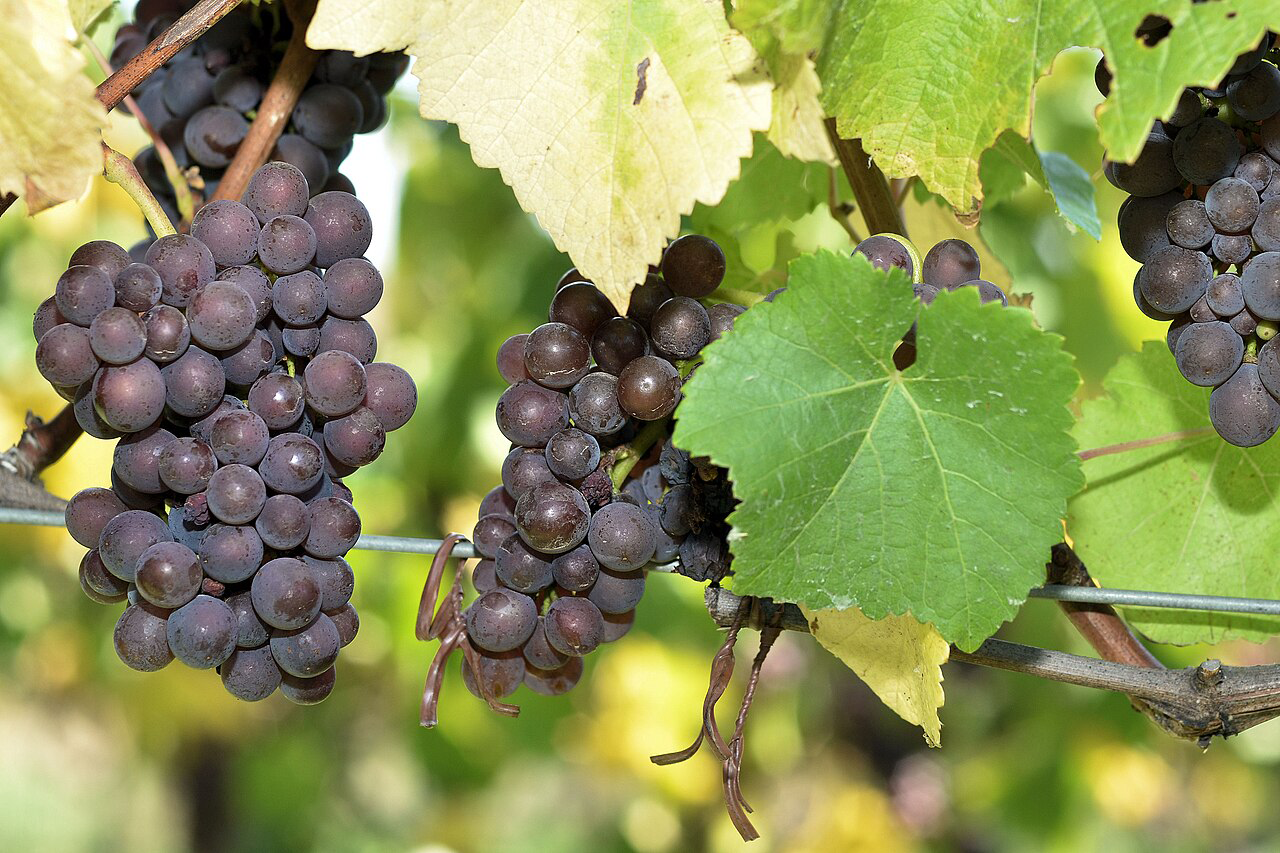
    Pinot Grigio is a white wine grape, though its skins range from bluish-grey to pinkish-brown, hence the name grigio, meaning “grey” in Italian. It is a mutation of Pinot Noir, its noble Burgundian cousin. The Pinot family is notoriously prone to clonal variation, which has given us Pinot Blanc, Pinot Meunier, and Pinot Gris, among others.

    The earliest documented mentions of Pinot Gris (its original name) date back to the Middle Ages in Burgundy, France. By the 14th century, it had migrated to Hungary—beloved by monks—and then further east and north into Germany, Switzerland, and eventually Italy.

    In Italy, the grape found its most iconic modern identity as Pinot Grigio, particularly in the cooler regions of the northeast, such as Alto Adige, Friuli-Venezia Giulia, and Veneto.

    Photo by karelle mtgr on Pexels.com

    Cultural Names & Expressions of Pinot Grigio

    Pinot Grigio’s global footprint has led to a rich array of local names and stylistic interpretations:

    • France: Pinot Gris
      In Alsace, it produces rich, spicy, full-bodied wines with notable viscosity and aging potential. Often off-dry to sweet in style, Alsatian Pinot Gris may include noble rot (botrytis) influence.
    • Italy: Pinot Grigio
      Known for a light-bodied, crisp, and zesty expression, often with notes of lemon, green apple, and almond. However, producers in Friuli and Alto Adige have pushed for more serious expressions, showcasing texture and complexity.
    • Germany: Grauburgunder or Ruländer
      These wines range from dry and mineral-driven to rich and sweet, depending on region and winemaking intention. The Pfalz and Baden regions produce particularly compelling versions.
    • Hungary: Szürkebarát (literally “Grey Monk”)
      Tends to be rounder and more aromatic, a nod to its Hungarian monastic roots and volcanic soils.
    • United States: Both Pinot Grigio and Pinot Gris are used
      Oregon is famous for emulating the Alsace style, producing lush, peachy wines, while California often leans toward the Italian-style—lighter and more citrus-forward.
    • Austria & Switzerland: Known occasionally as Grauer Burgunder
      Styles tend to follow the German model, though with more restrained fruit and alpine freshness.

    Flavor Profiles & Winemaking Styles

    The grape’s thin skin and low phenolic content lend itself to a range of expressions based on:

    • Climate: Cool climates tend to yield high acidity and light body; warmer climates enhance stone fruit and honeyed richness.
    • Vinification: Skin-contact (“Ramato” style), oak aging, or lees stirring can impart significant texture and complexity.
    • Terroir: Volcanic soils (like in Hungary or parts of Alsace) add mineral tension, while marl and limestone (seen in parts of Germany and France) can enhance structure and ageability.

    The Forgotten Copper-Hued Expression

    A special shoutout is deserved for Ramato (Italian for “coppery”)—a traditional Venetian style of Pinot Grigio made with extended skin contact, resulting in a rosé-like or orange wine hue. It offers flavors of dried apricot, tea leaf, orange peel, and spice, and is a fabulous bridge between white and red wine experiences.

    Famous and Notable Producers

    🇮🇹 Italy

    • Livio Felluga – Friuli-Venezia Giulia: elegant and structured Pinot Grigio.
    • Alois Lageder – Alto Adige: biodynamic and expressive wines.
    • Santa Margherita – Veneto: the name that put Pinot Grigio on the map in the U.S., popularizing the crisp, clean style.

    🇫🇷 France (Alsace)

    🇺🇸 United States

    • King Estate (Oregon) – Organic, food-friendly Pinot Gris.
    • J Vineyards (California) – Crisp and fruity Pinot Grigio expressions.
    Glass of Pinot Grigio – cogdogblog, CC BY 2.0, via Wikimedia Commons

    Pairing Pinot Grigio

    Pinot Grigio is one of the most versatile food wines. Here’s how to play with its many faces:

    Complementary Pairings (Match body and texture)

    • Light Italian Pinot Grigio:
      Mozzarella, white fish ceviche, lemony chicken piccata, arugula salads with citrus vinaigrette.
    • Ramato-style Pinot Grigio:
      Mushroom risotto, shrimp and grits, caramelized onion tart, garlic-roasted vegetables.
    • Alsace Pinot Gris:
      Duck with cherry reduction, Munster cheese, pork with peach chutney, spicy Thai curry.
    • Grauburgunder from Germany:
      Smoked pork, aged gouda, cabbage rolls, herb-roasted chicken.

    Contrasting Pairings (Balance or elevate through opposition)

    • Pair dry Pinot Grigio with rich creamy sauces (like Scott’s Creamy Dreamy Alfredo) to cut through fat.
    • Pair aromatic Pinot Gris with spicy dishes to mellow heat.
    • Pair acidic Pinot Grigio with fried foods to cleanse the palate.
    • Pair Ramato styles with umami-heavy dishes like soy-glazed salmon or miso ramen.

    A Grape Worth Rediscovery

    Though often dismissed as a mass-market crowd-pleaser, Pinot Grigio is a shapeshifter that reflects its origin with remarkable fidelity. Whether you’re sipping a breezy Veneto bottling by the pool, enjoying an umami-rich Ramato with aged cheeses, or savoring a noble Alsace Pinot Gris in a candlelit bistro, this varietal offers something for every palate—and every plate.

    To overlook it is to miss a grape with the depth of a philosopher and the charisma of a traveler. It’s time to reintroduce yourself to Pinot Grigio—not as a wine list default, but as a cultural adventure in a glass ♥️

    Cover image: Mark Smith, CC BY 2.0, via Wikimedia Commons

  • What Wine Pairs with Cheerios? (And Why We Even Bother Pairing at All)

    What Wine Pairs with Cheerios? (And Why We Even Bother Pairing at All)

    We’ve heard the jokes.

    “What wine pairs best with Honey Nut Cheerios?”

    “Is it wrong to serve rosé with pizza rolls?”

    “Do sommeliers judge you if you mix boxed wine and SpaghettiOs?”

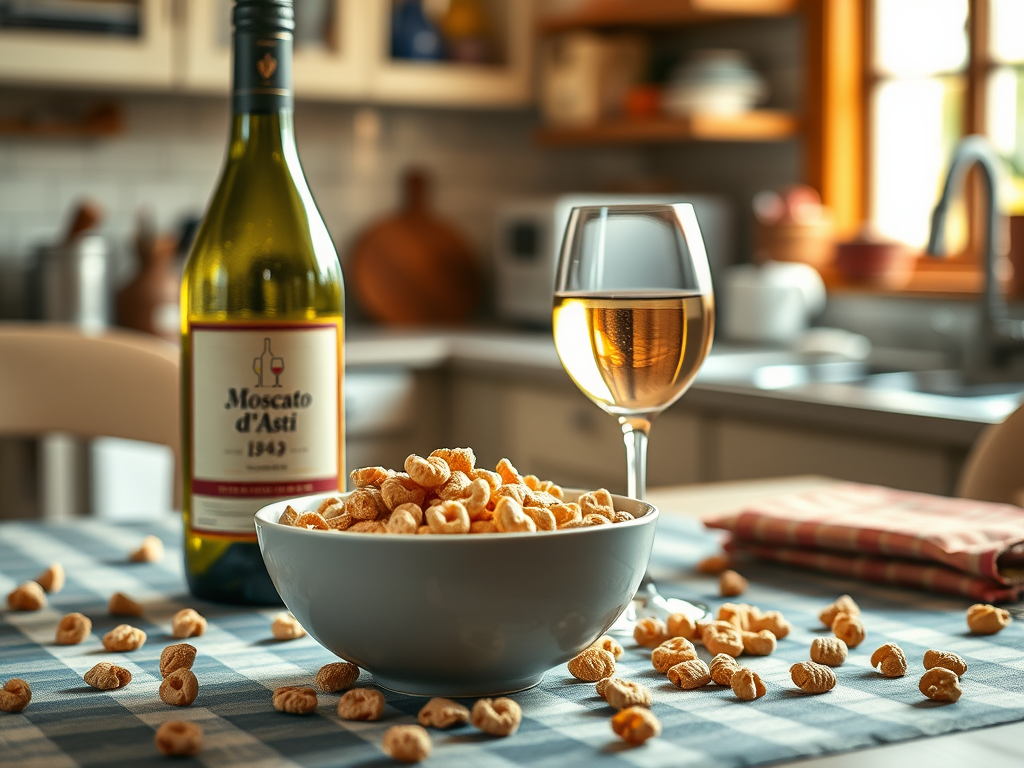
    First of all—no, we don’t judge you. Second, the right answer is Moscato d’Asti, but we’ll get to that.

    When we first started SOMM&SOMM, our goal wasn’t to turn your Tuesday night dinner into a Michelin-starred tasting menu. It was to help people get more out of their wine—whether they were swirling a $300 Bordeaux or cracking open a $7 screw cap while making mac and cheese in their pajamas.

    But somewhere along the way, “pairing” became a dirty word. People started thinking of wine pairing as elitist, overly complicated, or, worse—unnecessary. So today, let’s break it down. What IS the point of wine pairing? Why do we care so much about it? And yes, what wine actually does pair with Cheerios?

    The Method to Our Madness: Why We Talk About Pairings So Much

    Pairings Enhance the Wine (And the Food)

    At the core, pairing wine with food is about synergy. When done right, a great pairing makes both the wine and the dish taste better. It’s not about snobbery—it’s chemistry.

    Fat softens tannin. Acid cuts through richness. Sweet balances spice. Salt makes a wine pop like confetti in your mouth. That’s not fancy—that’s science. It’s also the reason you might find a crisp Sauvignon Blanc tastes brighter with goat cheese, or how a smoky Syrah can make barbecue ribs sing.

    Think of it like a duet. Alone, each performer is fine. But together? Magic.

    Wine is an Agricultural Product—So is Food

    Wine is made from grapes. Grapes come from the ground. Food comes from the ground. Boom. You already have something in common.

    For thousands of years, regional wines evolved with the local cuisine. Chianti with tomato-sauced pasta. Riesling with spicy sausage in Alsace. Sherry with Spanish tapas. It wasn’t curated—it just worked.

    By understanding pairings, you’re tapping into centuries of intuitive flavor-building. That’s not pretentious. That’s tradition.

    It’s About Experience, Not Perfection

    We’re not here to tell you there’s only one right answer. We’re here to help you discover what you like, why it works, and how to recreate that experience again and again. Pairing isn’t about rules—it’s about results.

    If you find out that a buttery Chardonnay makes your favorite fried chicken taste like crispy heaven on earth, then congratulations—you just paired. No white tablecloth required.

    Okay, But Seriously—What Wine Goes with Cheerios?

    Let’s do this. Why not?

    • Original Cheerios – Dry Champagne or Brut Nature Cava. The cereal is toasty and grainy, which mirrors the brioche notes in a good bottle of bubbles. Plus, the saltiness of the cereal (yes, there is salt in it) wakes up the acidity.
    • Honey Nut Cheerios – Moscato d’Asti or a semi-dry German Riesling. Light fizz, gentle sweetness, and orchard fruit flavors meet the honey glaze like a breakfast dance party.
    • Fruity Cheerios – Lambrusco (semi-sweet) or Brachetto d’Acqui. You need fruit on fruit here, and the bright, berry-splashed bubbles of Lambrusco hit the nostalgia just right.
    • Multigrain Cheerios – Chenin Blanc. Why? It’s got enough backbone and apple/pear notes to highlight the mild sweetness and whole-grain depth without overpowering anything.
    • Chocolate Cheerios – Ruby Port. No, really. It’s dessert in a bowl. Treat it like one. Pour a splash of Port, raise your eyebrows, and pretend you planned this.

    Now, we’re not suggesting you open a 1982 Château Lafite and pour it next to your breakfast. But when someone says, “What’s the point of pairing?”—this is the point: Everything tastes better when you pay attention.

    What Happens When You Don’t Pair Thoughtfully?

    We’re glad you asked. You can absolutely drink red wine with oysters, but it’s going to taste like licking a battery. Ever tried a high-alcohol Cabernet with spicy curry? That burning sensation is real, folks.

    Bad pairings don’t just ruin the wine—they mute the dish, too. That silky, creamy brie turns rubbery with a tannic red. That delicate sushi roll gets bulldozed by Zinfandel. The idea isn’t that one is better than the other—it’s that they’re better together when you choose wisely.

    We’re Not Fancy—We’re Passionate

    At SOMM&SOMM, we’re not out here judging your Tuesday dinner or trying to shame your frozen lasagna. We’re out here saying, “Hey, that frozen lasagna? It could be awesome with a Barbera.”

    We want people to feel what we feel when a pairing sings. When a sip of Albariño makes your shrimp taco taste ten times zestier. When a tawny Port turns a spoonful of Stilton into a flavor epiphany. When your cheap Merlot suddenly tastes like velvet because you served it with roast duck instead of garlic hummus and regret.

    Pairing isn’t about status—it’s about satisfaction.

    To wine with purpose, food with flair,
    and cereal that finally found its soulmate.
    Here’s to pairing without pretension—
    and sipping with a smile. Cheers! 🥂

    Gregory Dean, SOMM&SOMM

    Why We Care (Even About Cereal)

    The next time someone asks us what wine goes with Cheerios, we’ll smile. Because we get it—it’s a cheeky question. But deep down, it’s also the question we love answering.

    Because if you’re asking, it means you’re curious. And curiosity? That’s the beginning of every great food and wine journey.

    So go ahead—pair that wine. Ask the question. Try the weird combo. Discover your preferences. Laugh when it’s wrong. Celebrate when it’s right.

    Wine is meant to bring joy, not judgment. And if we’ve helped even one person find a pairing that makes them go “WOW,” then all the Cheerios jokes and snarky remarks in the world are worth it.

    Stay curious. Stay playful. And if you really want to know what wine pairs with Cap’n Crunch? We’ve got thoughts. 🍷

  • The Sound of Rain and the Pour of Wine

    The Sound of Rain and the Pour of Wine

    April is here, draped in a mist of expectation. Rain is no longer a threat to plans but a gift to the world, saturating the soil, feeding life, and inspiring poets to ink their thoughts with delight. As the gentle drum of droplets taps against the windowpane, it’s an invitation to reflect, relax, and recharge.

    Rain plays its part in the vineyards, a necessary yet delicate dance. In the early stages of the growing season, moderate rainfall nourishes the soil, promoting healthy vine growth and preparing the plants for fruitful harvests to come. But too much rain, particularly close to harvest, can dilute grape flavors and cause rot. Balance, as with all things wine-related, is key.

    Photo by Magda Ehlers on Pexels.com

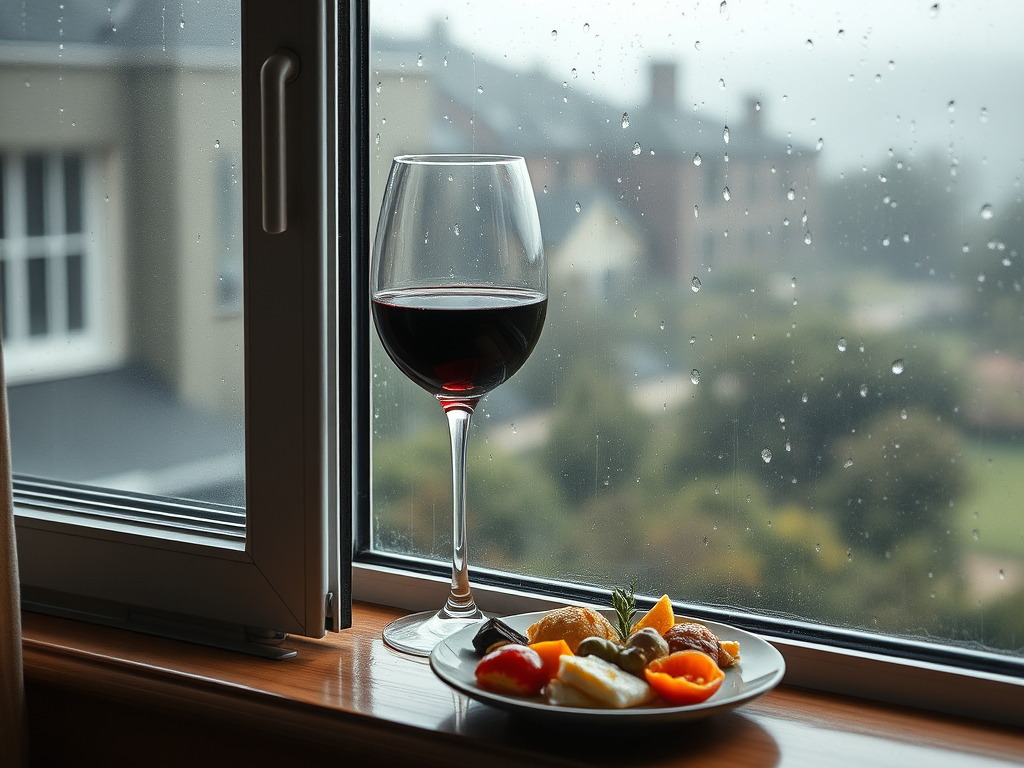
    To the vintner, rain can be a blessing or a curse. To the wine lover, however, rain is often pure serenity—a tranquil backdrop that heightens the sensory experience of a good glass of wine. There’s something inherently soothing about cradling a glass of Pinot Noir while gazing at the misty horizon, the air cool and crisp, the world slowed down.

    The Art of Pairing Wine with Rain

    The mood of rain varies, from the soft drizzle that barely kisses the earth to the torrential downpour that leaves the world drenched. Each type of rain, much like each style of wine, has its own character.

    • Light Drizzle: The kind of rain that leaves droplets clinging to flower petals and grass blades. This gentle rain calls for a crisp, aromatic white wine—something bright and floral, like a Riesling from Mosel or a Sauvignon Blanc from Sancerre. The vibrant acidity and fresh citrus notes mirror the revitalization occurring outside. Pair these wines with goat cheese crostini, lemon-dressed arugula salad, or smoked salmon canapés.
    • Steady Rain: When rain patters consistently against rooftops and pools along sidewalks, it’s time for a wine that complements the comforting rhythm. A Chardonnay from Burgundy—especially a lightly oaked expression—offers just enough roundness to provide comfort without overwhelming the senses. Alternatively, a Loire Valley Chenin Blanc with its luscious texture and honeyed undertones can be a cozy companion. Pair these wines with buttery garlic shrimp, roasted chicken with thyme, or creamy mushroom risotto.
    • Thunderstorm: When the sky darkens and the storm rolls in, there’s a raw intensity that calls for a wine with equal presence. A bold Syrah from Northern Rhône or a Cabernet Sauvignon from Napa Valley offers depth, spice, and structure—something to huddle around as lightning illuminates the sky. Pair these wines with slow-braised short ribs, rich charcuterie boards, or dark chocolate truffles.
    • Soft Mist: Rare and ethereal, a misty day is best paired with something delicate and nuanced. A Pinot Noir from Oregon’s Willamette Valley delivers red fruit notes with a graceful finish, perfect for slow sipping while the fog lingers. Pair this wine with herb-roasted vegetables, duck breast with cherry glaze, or earthy beet and goat cheese salad.
    Photo by Pixabay on Pexels.com

    The Soundtrack of Rain

    Rainfall has an unmatched ability to soften the edges of the world. Its sound is hypnotic, a natural metronome that invites reflection. Whether the rain is a whisper or a roar, it enhances the experience of enjoying wine—each sip becomes deeper, more contemplative, more cherished.

    The sensory experience of rain and wine paired together creates a meditative moment, free from the constant hum of societal noise. It’s a reminder to pause and reflect, to savor simplicity over complexity.

    Stay Hydrated and Enjoy the Quiet Moments

    April showers remind us that rejuvenation often comes in cycles. Just as the rain nourishes the vineyards, moments of calm feed the soul. The art of pairing wine with rain is less about rules and more about mindfulness, embracing the atmosphere and your emotions.

    Photo by Lisa from Pexels on Pexels.com

    So, the next time the skies darken and the rain begins to fall, pour yourself a glass that matches the mood and let yourself be swept away by the gentle cadence of the world outside. After all, the rain is simply nature’s way of reminding us to slow down and savor.

    Stay hydrated, and we’ll all get through. 😉

  • Floral & Herbaceous Wines for the Season

    Floral & Herbaceous Wines for the Season

    As the days grow longer and the first hints of warmth dance through the air, our palates begin to crave fresh, vibrant flavors that celebrate the awakening of spring. The crisp snap of asparagus, the delicate sweetness of peas, and the bright zing of lemon zest all signal the arrival of a new season—one that calls for wines that are just as lively and refreshing.

    This is the time to explore wines with floral and herbaceous notes that mirror the beauty of blooming gardens and fresh greenery. From aromatic whites like Muscat, Torrontés, Gewürztraminer, and Grüner Veltliner to elegant reds like Gamay and Pinot Noir, these selections capture the essence of spring in every sip.

    Photo by Mathilde Langevin on Pexels.com

    Floral & Herbaceous Whites for Spring

    Muscat: The Essence of Spring Blossoms

    Muscat is one of the most perfumed grape varieties, bursting with floral aromas of orange blossom, honeysuckle, and jasmine. It often carries a touch of sweetness, making it an excellent match for lightly spiced dishes and fresh spring salads.

    Pair with: A spring pea and mint risotto, or a citrusy shrimp ceviche with orange and grapefruit segments.

    Torrontés: Argentina’s Aromatic Gem

    This highly aromatic white wine from Argentina is known for its striking floral notes of rose petal and geranium, balanced by zesty citrus and herbal undertones. With its refreshing acidity, Torrontés is perfect for pairing with light, aromatic dishes.

    Pair with: Grilled asparagus drizzled with lemon-infused olive oil or a Thai-inspired coconut and lemongrass soup.

    Tom Kha Gai Soup image from 40 Aprons published recipe

    Gewürztraminer: A Perfumed and Spicy Delight

    Gewürztraminer is an exotic and intensely perfumed white wine, often exuding aromas of lychee, rose, and ginger. Its slight oiliness on the palate makes it a great match for flavorful, slightly spicy dishes.

    Pair with: A fresh goat cheese and honey tart with edible flowers or a fragrant Moroccan tagine with apricots and almonds.

    Grüner Veltliner: A Herbal & Peppery Classic

    Austria’s beloved white wine, Grüner Veltliner, is an herbaceous powerhouse with notes of white pepper, green apple, and fresh herbs. Its crisp acidity makes it an ideal match for the green flavors of spring.

    Pair with: A classic spring asparagus salad with lemon zest and shaved Parmesan or a light, herb-crusted fish dish with dill and tarragon.

    Light and Lush Reds for Spring

    Gamay: The Ultimate Spring Red

    Gamay, best known from Beaujolais, is a bright, fruit-forward red with floral notes of violets and wildflowers, underscored by soft red berry flavors. With its light body and juicy acidity, Gamay is a versatile food-pairing wine.

    Pair with: A fresh herb and mushroom tart or a spring vegetable stir-fry with soy and sesame.

    Pinot Noir: A Delicate and Earthy Companion

    Pinot Noir is a classic springtime red, offering elegant floral aromas of rose and peony, combined with earthy undertones of forest floor and fresh strawberries. It has a silky texture and lively acidity, making it a fantastic choice for lighter spring fare.

    Pair with: Lemon-herb roasted chicken with spring peas or a fennel and citrus salad with toasted almonds.

    Photo by Filipp Romanovski on Pexels.com

    Bringing Spring to Your Glass and Plate

    Spring is a time of renewal, and your wine selection should reflect the freshness and energy of the season. Whether you’re sipping on a floral Torrontés alongside a citrusy seafood dish or enjoying the bright fruit of Gamay with a spring vegetable tart, these wines elevate the flavors of the season and invite you to fully embrace the beauty of spring.

    So, gather your fresh herbs, crisp greens, and floral aromatics, and let these wines awaken your senses as you toast to the season of renewal! Cheers to spring 🍷

    Cover image credit: Photo by Manuel Mouzo on Pexels.com

  • Green Wines & Winemaking

    Green Wines & Winemaking

    A Sustainable Sip for St. Patty’s Day.

    St. Patrick’s Day is synonymous with shamrocks, lively celebrations, and, of course, the infamous green beer. But what if we could embrace the spirit of the holiday in a more refined and eco-conscious way? Enter green wines—not in color, but in practice! These wines are crafted with sustainability, biodiversity, and environmental responsibility at their core. This St. Patrick’s Day, let’s raise a glass to wines that are as kind to the planet as they are to our palates.

    Photo by Pressmaster on Pexels.com

    What Makes a Wine “Green”?

    Green winemaking isn’t about adding food coloring to your Chardonnay. Instead, it refers to a commitment to environmentally friendly vineyard management and production methods. Winemakers who embrace this philosophy often follow organic, biodynamic, and sustainable practices, ensuring that their vineyards thrive for generations to come.

    Organic Winemaking

    Organic wines are produced without synthetic pesticides, herbicides, or fertilizers. Instead, winemakers use natural compost, cover crops, and beneficial insects to maintain vineyard health. Certification varies by country, but all organic wines must meet strict regulations to ensure purity in both the vineyard and the winery.

    Biodynamic Winemaking

    Biodynamic winemaking takes organic practices a step further, incorporating holistic, almost mystical elements into viticulture. Inspired by the teachings of Rudolf Steiner, biodynamic farming follows a lunar calendar, uses natural composts like cow horn manure, and embraces a self-sustaining ecosystem. The result? Vibrant wines that express the true essence of their terroir.

    Sustainable Winemaking

    Sustainable winemaking is about reducing environmental impact while maintaining economic viability and social responsibility. These wineries focus on water conservation, renewable energy, reduced carbon footprints, and habitat preservation. While not always certified organic or biodynamic, sustainable wineries take measurable steps to protect the environment.

    Wineries Leading the Charge in Responsible Viticulture

    Photo by Elle Hughes on Pexels.com

    Frog’s Leap (Napa Valley, California)

    Frog’s Leap is a shining example of sustainable and organic winemaking. Their dry-farming techniques reduce water waste, and their solar-powered winery runs on 100% renewable energy.

    Domaine Leflaive (Burgundy, France)

    A pioneer in biodynamic winemaking, Domaine Leflaive has been practicing organic and biodynamic methods for decades, producing some of the finest white Burgundies in the world.

    Related Article: Old World Regions: Burgundy

    Tablas Creek Vineyard (Paso Robles, California)

    This Rhône-style producer is an industry leader in sustainability, with certified organic and biodynamic vineyards, as well as regenerative agriculture practices that improve soil health and biodiversity.

    Yealands Estate (Marlborough, New Zealand)

    Yealands Estate is renowned for its commitment to carbon-neutral winemaking, employing wind and solar power, and even using babydoll sheep to naturally mow the vineyard grass. Although the Sauvignon Blanc Rosé has me a little perplexed, the wines of Yealands Estate are vegan-friendly and gluten free.

    St. Patrick’s Day Green Wine Pairings

    Now that you’re ready to swap green beer for green wine, let’s talk pairings! Whether you’re indulging in classic Irish fare or experimenting with plant-based options, these eco-friendly wines will complement your feast perfectly.

    Image of Corned Beef and Cabbage from The Wooden Skillet website (thewoodenskillet.com)

    Corned Beef & Cabbage – Zinfandel or Organic Malbec

    A juicy, fruit-forward Zinfandel or an organic Malbec provides the perfect balance to the saltiness of corned beef, while complementing the earthiness of cabbage.

    Recipe: Corned Beef and Cabbage (The Wooden Skillet)

    Irish Lamb Stew – Biodynamic Syrah or Cabernet Franc

    A rich, hearty lamb stew calls for a robust yet balanced red, like a biodynamic Syrah or an herbaceous Cabernet Franc.

    Colcannon (Mashed Potatoes with Cabbage & Leeks) – Sustainable Chardonnay or Grüner Veltliner

    A creamy, buttery Chardonnay or a zippy, mineral-driven Grüner Veltliner adds contrast to the richness of this traditional Irish side dish.

    Recipe: Traditional Irish Colcannon (The Spruce Eats)

    Smoked Salmon on Brown Bread – Organic Sauvignon Blanc or Albariño

    The crisp acidity of an organic Sauvignon Blanc or the saline notes of an Albariño perfectly cut through the smoky, oily texture of Irish smoked salmon.

    Irish Soda Bread – Jim Lukach, CC BY 2.0,via Wikimedia Commons

    Irish Soda Bread with Irish Cheddar – Natural Sparkling Wine or Pet-Nat

    A natural sparkling wine, like a pétillant naturel (Pet-Nat), brings lively bubbles and a yeasty character that enhances the rustic flavors of soda bread and sharp cheddar.

    Photo by KoolShooters on Pexels.com

    Raise a Glass to a Greener Future

    This St. Patrick’s Day, let’s move beyond the gimmicks and embrace wines that truly honor the green spirit. By choosing organic, biodynamic, and sustainable wines, we celebrate not only our love for great wine but also our commitment to a healthier planet. So go ahead, pour yourself a ‘green’ glass, toast to sustainability, and may the luck of the Irish (and the vintner) be with you!

    Sláinte!

    Photo by Darlene Alderson on Pexels.com
  • In Like a Lion, Out Like a Lamb: The Wines of March

    In Like a Lion, Out Like a Lamb: The Wines of March

    March is a month of contrasts—ferocious in its arrival, gentle in its departure. It’s the bridge between winter’s final roar and spring’s first whisper. The old proverb, “In like a lion, out like a lamb,” perfectly captures this transitional moment in the calendar, and what better way to explore these shifting moods than through the lens of wine?

    The Lion’s Roar: Bold Wines for the Start of March

    The beginning of March is often unpredictable—blustery winds, lingering frosts, and the occasional storm. This is a time for wines with power and presence, bottles that command attention much like the lion that heralds the month’s entrance.

    Barolo – The King of Wines
    Hailing from Italy’s Piedmont region, Barolo is a wine with a fierce reputation. Made from Nebbiolo grapes, it boasts high tannins, robust acidity, and flavors of dark cherry, leather, and rose petals. Barolo’s intensity matches the raw energy of early March, a time when winter refuses to surrender without a fight.

    Northern Rhône Syrah – Storm in a Glass
    The wild winds of early March echo the untamed spirit of Syrah from France’s Northern Rhône Valley. Wines from appellations like Côte-Rôtie and Hermitage showcase bold blackberry, black pepper, and smoky meat notes—an ideal counterpart to the tempestuous start of the month.

    Amarone della Valpolicella – Winter’s Last Stand
    This opulent Italian wine, crafted from dried Corvina grapes, delivers deep, dried fruit flavors with a rich, velvety texture. It’s a decadent farewell to winter’s hearty cuisine, pairing beautifully with slow-braised meats and aged cheeses.

    The Ides of March: A Historical Pause

    March is also famous for its literary and historical drama, none more ominous than the Ides of March. This date, March 15th, was immortalized in Shakespeare’s Julius Caesar when a soothsayer warned, “Beware the Ides of March.” It marked the assassination of Caesar and a turning point in Roman history.

    For a toast to history, uncork a bottle of Falerno del Massico, a wine with ancient Roman roots. This Campanian gem, praised by Pliny the Elder, was once considered the nectar of emperors. With its structured tannins and layered flavors of dark berries and spice, it’s a wine worthy of an imperial banquet—or a clandestine plot.

    Read more about the interesting history of Falernian wine.

    The Lamb’s Whisper: Soft Wines for the End of March

    As March softens and spring’s first blooms appear, our palates crave something lighter, fresher, and more delicate. The transition to milder weather calls for wines that reflect the gentle nature of March’s departure.

    Loire Valley Chenin Blanc – The Spring Awakening
    With bright acidity and notes of quince, honeysuckle, and fresh pear, Chenin Blanc from Vouvray or Savennières is like the first warm breeze of the season. It pairs effortlessly with lighter fare like fresh salads, goat cheese, and seafood.

    Beaujolais – The Joyful Bloom
    Made from Gamay, Beaujolais offers vibrant red fruit flavors and a silky texture, making it a perfect choice for the transition into spring. Enjoy it slightly chilled with charcuterie, roasted chicken, or a picnic under the first sunny skies of the season.

    Provence Rosé – The Sunset Wine
    March’s final days bring us closer to the rosé-drenched afternoons of spring and summer. A crisp, pale pink Provence Rosé, with notes of wild strawberries and herbs, mirrors the gentle fading of the lion’s roar into the lamb’s peaceful retreat.

    The Vineyards in March: A Time of Renewal

    In the vineyards, March is a time of awakening. The quiet dormancy of winter gives way to the first signs of bud break, where tiny green shoots emerge from the vines. In the Southern Hemisphere, harvest is in full swing, with winemakers carefully selecting grapes at their peak ripeness. It’s a time of both preparation and celebration—a moment to reflect on the past while embracing the promise of what’s to come.

    Related article: Winemaking in the Spring: From Bud Break to Flowering

    Pieter Brueghel the Elder, Public domain, via Wikimedia Commons

    March in Art, Music, and Literature

    March has long inspired artists and musicians. From Tchaikovsky’s The Seasons: March—a lively, galloping piano piece—to paintings like Pieter Bruegel’s The Gloomy Day, which captures the raw transition from winter to spring, this month has been immortalized through many creative lenses. In literature, the Brontë sisters often used March’s wild and unpredictable nature as a metaphor for emotional turmoil and transformation.

    A Month to Savor

    March is a journey—a transformation from bold to delicate, from stormy to serene. It’s a month that calls for wines to match its shifting moods, from the commanding presence of Barolo to the gentle embrace of Provence Rosé. So, whether you’re braving the last chill of winter or toasting to the first warm rays of spring, there’s a perfect glass waiting to accompany you through this marvelous, mercurial month. Cheers 🍷

  • How to Enjoy a Wine-Driven Evening Without Regretting It the Next Day

    How to Enjoy a Wine-Driven Evening Without Regretting It the Next Day

    We’ve all been there. One moment, you’re swirling a beautifully aged Bordeaux, eloquently waxing poetic about its terroir. The next, you wake up feeling like your head was used as a drum in a street parade. Ah, the perils of a well-lived evening. But fear not, fellow oenophiles! You don’t have to choose between indulgence and misery. With a little strategy and a touch of discipline (yes, you have it in you), you can enjoy every sip without paying the price. Let’s dive into the art of pacing yourself, staying hydrated, and recovering like a pro.

    Photo by Pavel Danilyuk on Pexels.com

    The Art of Moderation

    The slow sip wins the race. Wine is meant to be savored, not guzzled. If it were meant to be chugged, it’d come in a pint glass. Here are some ways to keep your evening elegant and your morning pain-free:

    1. Follow the One-to-One Rule: For every glass of wine, drink a glass of water. This will slow your pace, keep you hydrated, and trick your brain into thinking you’re indulging more than you actually are. (Bonus: It makes you look responsible without ruining the fun.)
    2. Eat Like You Mean It: Drinking on an empty stomach is like trying to row a boat with a tennis racket—it’s not going to end well. Load up on protein, healthy fats, and carbs before and during the evening. Think cheese boards, charcuterie, and anything that soaks up alcohol but still feels sophisticated.
    3. Choose Your Pours Wisely: If you’re at a wine tasting event, don’t feel obligated to finish every pour. The spit bucket isn’t a sign of weakness; it’s a sign of wisdom (and longevity).
    4. Mind the ABV: A light, crisp Vinho Verde is going to treat you much differently than a bold 15% ABV Napa Cab. If you’re settling in for a long evening, balance your choices with lower-alcohol options.

    Hydration is Your Best Friend

    Wine may be mostly water, but that doesn’t mean it hydrates. In fact, it does the opposite. To keep yourself feeling fresh:

    • Electrolytes Are Magic: Coconut water, sports drinks, or electrolyte tablets can work wonders. Alternating a glass of wine with a glass of something electrolyte-rich is an excellent way to sneak hydration into your night.
    • Herbal Tea Before Bed: Chamomile or ginger tea can help settle your stomach and prep your body for restful sleep. (You’re still getting a ‘drink’ in, just without consequences.)
    • Drink Water Before You Sleep: Even if it means a midnight bathroom trip, your future self will thank you. Bonus points if you add a pinch of sea salt for extra hydration benefits.
    Photo by cottonbro studio on Pexels.com

    The Day After: The Art of the Comeback

    If, despite your best efforts, you wake up feeling like you lost a wrestling match with a bottle of Syrah, here’s how to bounce back:

    1. Water. Then More Water. The moment you wake up, drink a full glass. Follow it with another. Yes, you may feel like a bloated water balloon, but it’s better than feeling like a desiccated raisin.
    2. Coffee (But Not Too Much). A small cup can help, but too much caffeine can further dehydrate you. Pair it with a banana or toast to keep your blood sugar stable.
    3. Eggs, Avocado, and Toast: Eggs contain cysteine, which helps break down acetaldehyde (the nasty chemical behind your hangover). Avocado replenishes lost potassium. Toast is just comforting.
    4. Get Moving (Even If It Hurts). A short walk and fresh air can help jumpstart your recovery. You don’t have to run a marathon—just convince your body you haven’t given up on it entirely.
    Photo by Askar Abayev on Pexels.com

    Final Thoughts: It’s All About Enjoyment

    Wine should be a pleasure, not a punishment. The key to a successful wine evening is balance—between indulgence and restraint, hydration and celebration, sipping and savoring. Whether you’re at a grand tasting event, a cozy dinner party, or a backyard soirée, remember: the best memories are made when you’re fully present (and fully functional the next day).

    A Toast to Moderation (and Survival!)

    Here’s to good wine, great friends, and a morning where we still feel like ourselves. May our glasses be full, our conversations rich, and our headaches non-existent. Cheers to sipping smart!

    Gregory Dean, SOMM&SOMM

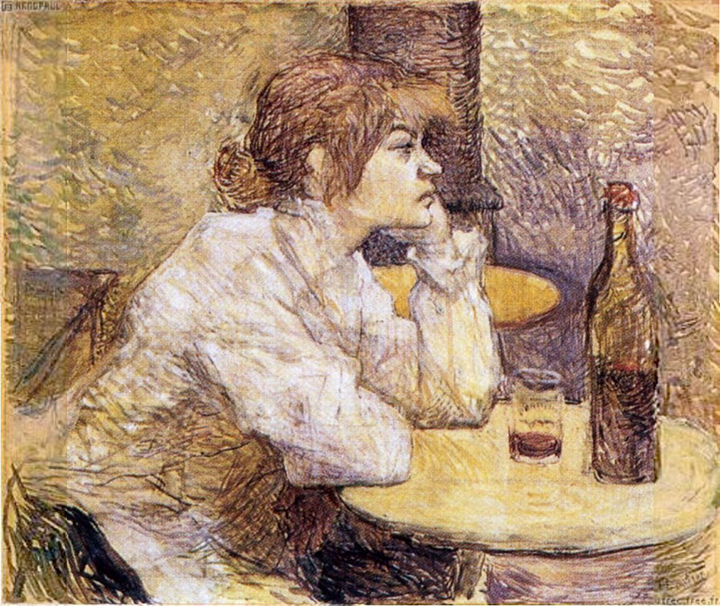
    Quick note about the cover image: Henri de Toulouse-Lautrec’s Gueule de bois (“Hangover”) perfectly captures that all-too-familiar morning-after regret—pale, slumped, and questioning every life choice that led to this moment. Inspired by his bohemian adventures in Montmartre, Lautrec paints a picture (literally) of indulgence meeting its inevitable fate. Just like this article on surviving the day after, this particular piece reminds me that while the night may be full of champagne and questionable decisions, the morning always demands payment—with interest 😉

    Cover Image Credit: Henri de Toulouse-Lautrec, Public domain, via Wikimedia Commons

  • Discovering the Elegance of Cortese di Gavi: A Northern Italian Treasure

    Discovering the Elegance of Cortese di Gavi: A Northern Italian Treasure

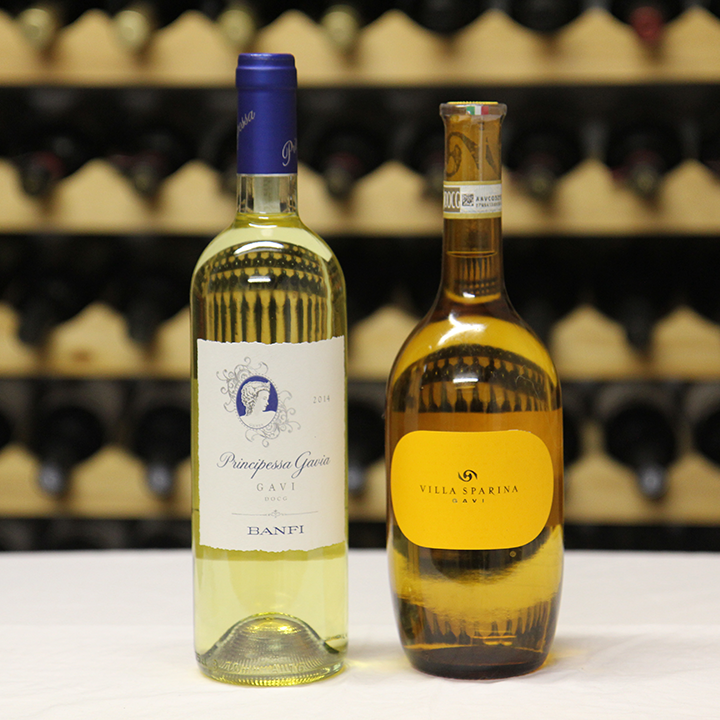
    Ah, the Province of Alessandria in Piedmont—home to one of Northern Italy’s crown jewels, the remarkable Cortese di Gavi. Gavi—a name synonymous with elegance and purity, yet it remains underappreciated in the shadow of more famous Italian white varietals. For a wine enthusiast, this is both a tragedy and an opportunity. Allow me to take you on a journey through the rolling hills of Gavi, where one of Italy’s finest white wines has been quietly defining finesse and charm for centuries.

    F Ceragioli, CC BY-SA 3.0, via Wikimedia Commons

    The Grape Behind the Magic

    Let’s begin with the grape itself: Cortese. This varietal is the very embodiment of Italian precision, producing wines that are crisp, aromatic, and vibrant. If wines could sing, Cortese di Gavi would be a soprano—its voice high, clear, and impossibly beautiful. Cultivated in Northern Italy since at least the 17th century, Cortese thrives in the marl and clay soils of Piedmont’s Gavi region, where the vineyards are blessed with an enviable mix of sun-drenched days and cooling maritime breezes. It’s a terroir-driven delight that effortlessly captures the spirit of its homeland.

    Gavi’s DOCG Status: A Badge of Honor

    Now, let’s talk DOCG—Denominazione di Origine Controllata e Garantita. Gavi earned this prestigious status in 1998, a well-deserved recognition of the region’s consistent quality and historical significance. DOCG isn’t just a shiny label; it’s a promise. A promise that every bottle meets the strictest standards and encapsulates the essence of its place of origin. For Gavi, this elevation marked a turning point, helping it stand shoulder-to-shoulder with Italy’s more celebrated white wines, like Soave and Verdicchio.

    Image Credit: Promesse de Fleurs – Cortese Grapes

    What Makes Cortese di Gavi Special?

    First, its style. Imagine a wine that greets your palate with a burst of lemon zest, green apple, and white peach, followed by whispers of almond and wildflowers. There’s an underlying minerality—a flinty backbone that provides structure and balance—making it the quintessential expression of elegance. Gavi isn’t just a refreshing summer sipper; it’s a wine with depth and sophistication, capable of enhancing any meal with its vibrant acidity and nuanced profile.

    A Sip of History

    Historically, Gavi has its fair share of lore. Did you know that Gavi’s wines were once a favorite at the royal courts of the House of Savoy? Even further back, the grape’s resilience was lauded by Piedmontese farmers who dubbed it “Cortese”—“courteous”—for its ability to consistently produce high-quality wines. This enduring reputation has carried through the centuries, culminating in its modern acclaim.

    Visit Sip & Feast and get James Delmage’s recipe for Spaghetti alle Vongole

    Perfect Pairings: Classic and Creative

    When it comes to food pairings, Cortese di Gavi is a sommelier’s playground. For the classics, you can’t go wrong with Ligurian cuisine. Think fresh seafood—grilled branzino, spaghetti alle vongole, or a delicate insalata di mare. The wine’s zippy acidity cuts through the richness of olive oil and enhances the natural sweetness of shellfish.

    But let’s get adventurous. Pair Gavi with Thai green curry, where its citrus notes complement the lime and lemongrass, or with sushi, particularly sashimi or a clean nigiri platter. Feeling bold? Try it with creamy chicken alfredo—the acidity acts as a palate cleanser, preventing the dish from becoming overly heavy.

    Versatility and Appeal

    What truly sets Gavi apart is its versatility. It’s a wine that can gracefully transition from aperitif to main course, adapting to a variety of flavors and textures without losing its charm. It’s no wonder that those in the know (sommeliers and wine enthusiasts alike) revere it as one of Italy’s most delightful surprises.

    A White Wine Powerhouse

    Northern Italy has long been a powerhouse of white wines, from the alpine clarity of Alto Adige’s Pinot Grigio to the creamy sophistication of Friuli’s Ribolla Gialla. Yet, Gavi holds its own with an understated confidence, proving that elegance doesn’t need to shout. Its story is one of quiet resilience and refinement—a reminder that sometimes the most extraordinary treasures are found off the beaten path.

    Fall Under Gavi’s Spell

    So, the next time you find yourself perusing the shelves, take a moment to consider the wines of Gavi. Pick up a bottle, pour yourself a glass, and savor the history, the terroir, and the craftsmanship. And when you taste that first sip of Cortese di Gavi, let yourself fall under its spell. Because trust me—this is one white wine that’s worth getting to know, sip by glorious sip. Saluti!

    Cover Image Credit: Jonathan Harker, CC BY-SA 4.0, via Wikimedia Commons

  • The Enchanting Wines of Entré-Deux-Mers

    The Enchanting Wines of Entré-Deux-Mers

    A Hidden Gem of French Viticulture

    In the illustrious tapestry of Bordeaux’s wine regions, few areas remain as underappreciated and misunderstood as Entré-Deux-Mers. Nestled between the Dordogne and Garonne rivers, this expanse of rolling hills, historic abbeys, and charming châteaux quietly produces some of the most intriguing wines in the world. Yet, it exists in the shadow of its prestigious neighbors: the Left Bank’s powerful Médoc reds and the Right Bank’s velvety Saint-Émilion and Pomerol blends (Tammy’s favorite). Entré-Deux-Mers, however, is a region of diversity, offering crisp whites, unique reds, and sweet treasures that deserve a place on your table and in your glass.

    SOMM&SOMM Related Article: Old World Regions: Bordeaux

    Where Monks and Merchants Shaped the Vines

    The name Entré-Deux-Mers, meaning “between two seas,” might seem misleading at first glance. Rather than seas, it references the two mighty rivers that define its geography. These waterways have long been trade routes, dating back to Roman times, when wine was already a cornerstone of local commerce. During the medieval period, monks played a pivotal role in cultivating the vineyards, leaving behind a legacy of meticulous viticulture that persists to this day.

    Local lore tells of wine-smuggling monks ferrying barrels of “fish wine” (a term used to describe crisp, acidic whites perfect for pairing with seafood) under the cover of night to avoid taxes imposed by Bordeaux merchants. Whether or not these tales are true, they capture the independent spirit of the region’s winemakers.

    The Styles of Entré-Deux-Mers

    Entré-Deux-Mers offers a spectrum of wines, from vibrant whites to robust reds and luscious sweet wines. Let’s explore these styles in greater detail.

    Photo by Oleksandr P on Pexels.com
    Entré-Deux-Mers Blanc

    This is the hallmark wine of the region, an aromatic, crisp white blend dominated by Sauvignon Blanc, Sémillon, and Muscadelle. These wines are often vinified in stainless steel to preserve their fresh, zesty character.

    • Tasting Notes: Expect notes of grapefruit, green apple, and white flowers with a minerally backbone.
    • Pairings: Perfect with oysters, grilled fish, goat cheese, or a fresh herbed salad.
    • Recommendation: Look for Château Bonnet’s Entré-Deux-Mers Blanc, an approachable, quintessential example of the style.

    Bordeaux Rouge and Bordeaux Supérieur

    While not labeled as Entré-Deux-Mers, red wines from the region fall under broader Bordeaux appellations. These blends often feature Merlot, Cabernet Sauvignon, and Cabernet Franc, offering approachable and food-friendly profiles.

    • Tasting Notes: Black cherry, plum, and earthy spice dominate, with soft tannins in younger wines.
    • Pairings: A natural fit for roasted meats, charcuterie, or hearty stews.
    • Recommendation: Seek out Château Thieuley Bordeaux Rouge for an elegant and well-structured red.
    Harvesting Botrytis affected grapes at Château Dauphiné Rondillon

    Sweet Wines (Loupiac, Sainte-Croix-du-Mont)

    On the southern edges of Entré-Deux-Mers, the misty banks of the Garonne create the perfect conditions for noble rot, producing stunning sweet wines reminiscent of Sauternes but at a fraction of the price.

    • Tasting Notes: Honeyed apricot, candied orange peel, and luscious marmalade.
    • Pairings: Pair with foie gras, blue cheese, or fruit tarts.
    • Recommendation: The Cuvée d’Or du Château Dauphiné Rondillon is a delightful and affordable indulgence.

    Varietals and Wine Laws

    Entré-Deux-Mers Blanc is governed by strict AOC rules that mandate blends of Sauvignon Blanc, Sémillon, and Muscadelle, though minor contributions from Ugni Blanc and Colombard are permitted. The region’s reds fall under the broader Bordeaux and Bordeaux Supérieur classifications, which offer greater flexibility in blending.

    An intriguing facet of Entré-Deux-Mers is its experimentation with lesser-known varietals like Malbec (locally called Côt) and Petit Verdot. These grapes add depth and complexity to blends, hinting at the region’s potential to craft truly distinctive wines.

    Why Entré-Deux-Mers Matters

    Entré-Deux-Mers represents the essence of Bordeaux: a commitment to quality, history, and innovation. Unlike the grand châteaux of the Left and Right Banks, this region’s producers often work on a smaller scale, focusing on craftsmanship rather than global acclaim. The result? Wines that overdeliver on value and character.

    Fun Anecdotes and Lore

    Did you know that during the Hundred Years’ War, Entré-Deux-Mers became a battleground for more than just soldiers? Vineyards were often caught in the crossfire, yet resilient locals replanted time and again, showing the enduring spirit of the region.

    Bringing Entré-Deux-Mers to Your Table

    If you’ve yet to explore the wines of Entré-Deux-Mers, now is the time. Whether it’s a crisp white for your next seafood feast or a luscious sweet wine to accompany dessert, this region offers something for everyone. And don’t forget the reds—they might just surprise you with their depth and versatility.

    So, next time you’re perusing the Bordeaux aisle, take a chance on Entré-Deux-Mers. You might just discover a new favorite—and a story to tell with every sip. Santé 🍷

    Cover Image Credit: Henry SALOMÉ, CC BY-SA 4.0, via Wikimedia Commons