Tag: travel

  • Demystifying Wine + Food for Real-Life Moments

    Demystifying Wine + Food for Real-Life Moments

    The Art & Science of Perfect Pairings.

    Wine and food pairing is one of the most celebrated and misunderstood arts in the culinary world. It’s where science meets instinct, and where a great meal becomes unforgettable. If you’ve ever panicked while choosing a wine for a dinner party with mismatched dishes, you’re not alone. I’ve been there—grilled lamb on one plate, Thai curry on another, someone asking for Chardonnay, and someone else who’s allergic to sulfites.

    In my journey through the Court of Master Sommeliers (CMS), Wine & Spirit Education Trust (WSET), and the Society of Wine Educators (SWE), I found each program offers gems of pairing wisdom, yet no single one gives you the full toolbox. That’s why I’ve stitched together the best parts of all three—and then some—to help you master the magic of pairing food and wine like a seasoned pro (without needing a diploma or a decanter shaped like a swan).

    First, the Science

    At its core, food and wine pairing is all about balance, contrast, and harmony. Think of it like composing a song—each flavor, texture, and temperature is an instrument, and your goal is a well-orchestrated experience.

    Let’s break down the key components that matter when pairing wine with food:

    Acidity

    Wines with high acidity (like Sauvignon Blanc, Riesling, Champagne, or Chianti) can cut through richness, refresh the palate, and balance fat.
    ✔ Perfect with: Goat cheese, fried chicken, oysters, butter sauces, vinaigrettes.

    SOMM&SOMM Tip (WSET): Acid balances acid. A tomato-based dish needs a wine with matching acidity—or the wine will taste flat.

    Sweetness

    Sweetness in wine can tame heat and offset spice, but it can also clash with salty or bitter foods.
    ✔ Perfect with: Spicy Thai, Indian curries, blue cheese, or desserts that are less sweet than the wine.

    SOMM&SOMM Insight (CMS): Always ensure the wine is sweeter than the dish when pairing with dessert. Otherwise, the wine will taste bitter or sour.

    Tannin

    Tannin is the astringent compound from grape skins and oak that creates a drying sensation. It loves fat and protein.
    ✔ Perfect with: Steak, duck, hard cheeses, anything umami-rich.

    SOMM&SOMM Wisdom (SWE): Tannin clashes with spicy or acidic foods. Avoid pairing big reds with vinegary dressings or chili heat.

    Alcohol

    Higher alcohol amplifies heat. Use with caution when spicy food is involved.
    ✔ Perfect with: Hearty fare (e.g., barbecue, roasted meats), not ideal for hot peppers or wasabi.

    SOMM&SOMM Caution (CMS): Beware the “burn”—pairing a 15% ABV Shiraz with Sichuan noodles can be a one-way ticket to regret.

    Body

    The weight or texture of the wine should match the weight of the food.
    ✔ Light with light, bold with bold.

    SOMM&SOMM Rule of Thumb (WSET): Pinot Noir with salmon = yes, please. Cabernet Sauvignon with sole meunière = culinary crime.

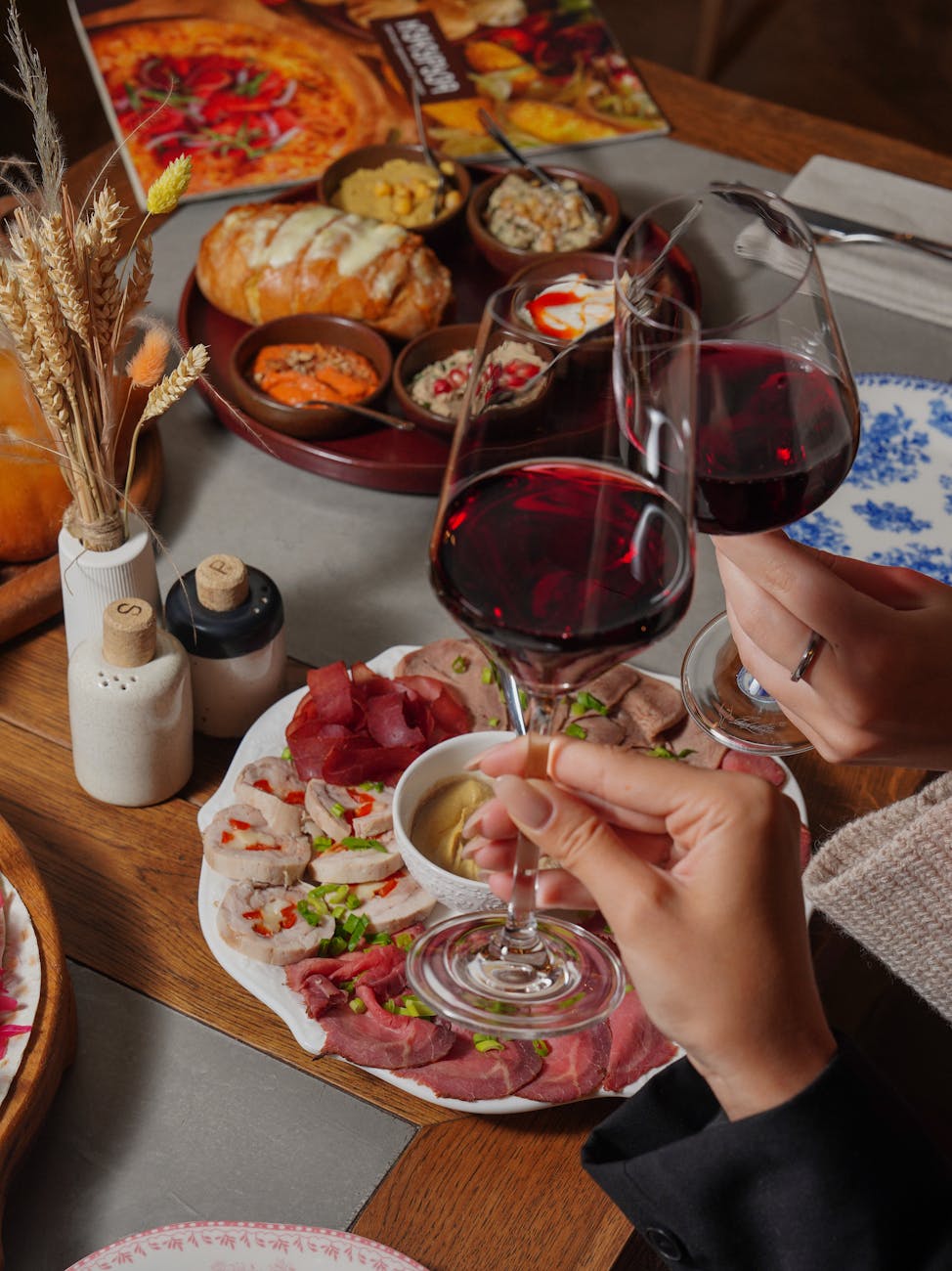
    Photo by Elina Sazonova on Pexels.com

    The Challenge: One Table, Many Dishes, Many People

    The biggest headache isn’t foie gras vs. Muscat or sushi vs. Sancerre—it’s what do I serve when everyone’s eating something different?

    The Solution: Go for Versatile Wines.
    These crowd-pleasers have enough acidity, fruit, and balance to play well with a wide range of foods.

    • Sparkling Wine (Champagne, Cava, Crémant): High acid, low tannin, bubbles = perfect with everything from fried chicken to sushi to triple cream cheese.
    • Riesling (Off-dry): Sweetness + acid = curry whisperer, pork tenderloin’s best friend, amazing with tacos al pastor.
    • Pinot Noir: Low tannin, high acid, earthy red fruit = mushrooms, roast poultry, salmon, lentils.
    • Rosé (dry): Works with charcuterie, grilled veggies, seafood, and awkward potluck moments.

    What Is Umami—and Why Does It Matter?

    Umami is the “fifth taste”—a savory, meaty richness found in aged cheese, mushrooms, soy sauce, tomatoes, cured meats, seaweed, etc. It enhances bitterness and astringency in wine while dulling fruit and sweetness.

    Pairing Tip: Wines with high tannin or oak clash with umami-rich foods.
    ✔ Good Matches: Pinot Noir, Beaujolais, Grüner Veltliner, dry Riesling, aged Champagne.
    ✘ Avoid: Young, heavily oaked Cabernet or Syrah.

    Example: That truffle risotto screams for a mature Barolo or Burgundy—not a new world Shiraz.

    What About Spicy Food?

    Heat changes everything. Chili compounds (capsaicin) magnify tannin, oak, and alcohol. That’s a recipe for a fiery disaster.

    Top Tips for Pairing with Heat:

    • Low alcohol, off-dry white wines = best friends
      ✔ Riesling (Kabinett), Gewürztraminer, Chenin Blanc, Lambrusco.
    • Chillable, fruity reds: Gamay, Zweigelt, chilled Grenache.
    • Sparkling wines: Carbonation + touch of sugar = magic with spicy fried chicken.

    Avoid: High alcohol, high tannin, heavily oaked wines.

    Photo by Valeria Boltneva on Pexels.com

    And Fried Food?

    Fried food is fatty, crispy, salty, and usually hot. You need a wine that can cut through the oil and refresh the palate.

    ✔ Best Pairings:

    • Champagne / Sparkling wines (yes, again) – the bubbles cleanse the palate.
    • Dry Riesling – zingy, bright, and citrusy.
    • Albariño or Vermentino – light-bodied, slightly saline, perfect with fish ‘n chips.
    • Lambrusco (dry or off-dry) – excellent with fried chicken or tempura.

    Real-World Pairing Shortcuts

    Here are a few real-world hacks and examples I use all the time with guests, family, and friends:

    Pizza Night

    • Red Sauce + Cheese Pizza: Chianti, Barbera, or Dolcetto.
    • White Pizza with Garlic + Mushrooms: Pinot Grigio or aged Chardonnay.
    • Meat Lovers: Zinfandel or Syrah.

    Sushi or Sashimi

    • Dry Riesling, Grüner Veltliner, or Ginjo Sake.
    • Toro or richer rolls? Try Champagne or even a soft Chablis.

    Burgers

    • Beef + Cheddar: Merlot, Zinfandel, or Malbec.
    • Mushroom Swiss: Pinot Noir or Syrah.
    • Spicy Jalapeño Burger: Off-dry Riesling or chilled Lambrusco.

    Final Thoughts from a Sommelier’s Mindset

    If you remember nothing else, remember this:

    When in doubt, match the intensity and aim for balance. Then serve what you love.

    Gregory Dean, SOMM&SOMM

    Every formal wine education program agrees on the why of pairing. They just disagree on how to describe it. Whether it’s CMS’s “structure-based pairing,” WSET’s “systematic approach,” or SWE’s “practical consumer translation,” the goal is the same: Elevate the experience.

    My Golden Rules

    1. Match acid with acid.
    2. Sweet food needs sweeter wine.
    3. Tannin loves fat and protein.
    4. Spice needs sweetness, not strength.
    5. Sparkling wine goes with almost everything (and makes people happy).
    Photo by Julia Kuzenkov on Pexels.com

    🥂 A Toast to You, Brave Pairing Adventurer

    “May your reds never clash, your whites always refresh,
    Your pairings delight, and your guests say ‘Oh YES!’
    To the spicy, the fried, the funky, the bold—
    May your wine pairings always be gold.”

    Cheers! 🍷

    Choosing Your Wine Education Path: Which Program Fits You Best?

    Court of Master Sommeliers (CMS):
    Best for: Hospitality pros, service-minded sommeliers, and those working the floor.
    Why it shines: Strong focus on deductive blind tasting, food & wine pairing in real-time, and tableside service. Great for restaurant wine directors and those who thrive in high-pressure, fast-paced environments.

    Wine & Spirit Education Trust (WSET):
    Best for: Academics, structured learners, and wine marketers or importers.
    Why it shines: Methodical, globally recognized framework focused on theory, tasting technique, and global wine business. Ideal if you love organized study, exams, and a deep dive into theory over service.

    Society of Wine Educators (SWE):
    Best for: Educators, writers, and wine communicators.
    Why it shines: Emphasis on teaching, knowledge sharing, and approachable education. Great for those leading classes, writing content, or creating wine programs with a consumer-first mindset.

    💡Quick Tip: If you’re torn—start with WSET for the theory, add CMS if you’re service-focused, and consider SWE if you want to teach or create content.

    Still unsure? Think about where you want to use your knowledge—and let your glass (and goals) guide you! 🥂
  • Gen Z and the Aperitif Revival

    Gen Z and the Aperitif Revival

    The clinking of ice, the soft fizz of tonic, the amber swirl of vermouth in a vintage glass—these are not just relics of an old-world European café culture. They’re back, and Gen Z is leading the charge. From TikTok-worthy Spritz recipes to obscure amari and local vermouths popping up in home bars, the aperitif is experiencing a full-fledged renaissance.

    Photo by Lazarus Ziridis on Pexels.com

    You may also like SOMM&SOMM article: The Rum Renaissance

    But is this resurgence just another fleeting trend or a lifestyle shift? And how can we—seasoned sippers and new enthusiasts alike—elevate this delicious ritual? Let’s dive into the heart of the modern aperitivo.

    What Is an Aperitif Anyway?

    Aperitifs are drinks traditionally served before a meal to stimulate the appetite. The term comes from the Latin aperire, meaning “to open.” These beverages are typically lower in alcohol (usually between 11-25%), often dry or bitter, and designed to awaken the senses rather than overwhelm them. They are cousins—but not twins—to digestifs, which are consumed after meals to aid digestion and are typically richer, stronger, and sweeter (think Cognac, Amaro, Port).

    Photo by Regina Tommasi on Pexels.com

    Common Types of Aperitifs:

    • Vermouth (dry or blanc) – fortified, aromatized wine; try Dolin Blanc or Carpano Dry
    • Aperitivo bitters – Campari, Aperol, Select, and obscure gems like Contratto or Cappelletti
    • Lillet Blanc, Rosé, and Rouge – French wine-based aperitifs infused with citrus and quinine
    • Sherry (Fino or Manzanilla) – bone-dry Spanish fortified wines, excellent with tapas
    • Dry sparkling wines – Prosecco, Cava, Crémant, or brut Champagne
    • Amaro (light styles) – While traditionally digestifs, some low-ABV amari like Amaro Nonino or Montenegro walk the aperitif line

    Gen Z and the Aperitivo Renaissance

    Why now? Why this category?

    But first—who is Gen Z?

    Gen Z, short for Generation Z, refers to people born roughly between 1997 and 2012. They are digital natives who grew up with smartphones, social media, and on-demand everything. Known for their creativity, inclusivity, and emphasis on mental health and authenticity, Gen Z values experiences over possessions and often challenges traditional norms—from career paths to how (and what) they drink. They’re shaping trends across fashion, tech, and even the food and beverage world—like reviving the aperitif hour with a modern, mindful twist.

    Low-ABV Lifestyle

    Health-conscious and moderation-minded, Gen Z tends to lean toward “sessionable” drinks that allow for social sipping without the aftershock. Aperitifs hit that sweet spot.

    Aesthetic and Ritual

    The modern aperitivo hour is as much about the look and feel as the liquid. Vintage glassware, tinned fish boards, playlists, and sun-drenched settings turn it into a lifestyle. It’s #SpritzOClock on every platform.

    Discovery Culture

    From rare vermouths to hyper-regional aperitivi like Rinomato or Mattei Cap Corse, Gen Z is less loyal to brands and more interested in storytelling. Aperitifs are steeped in history, botanicals, and place—perfect for exploration.

    Photo by Gonzalo Acuu00f1a on Pexels.com

    Spritz 2.0

    The Aperol Spritz may have been the gateway, but the new wave of spritzes is bold, bitter, herbaceous, and often customized. Think “Spritz 2.0.”

    Try These Modern Takes:

    • White Negroni Spritz – Suze, dry vermouth, tonic, grapefruit peel
    • Lavender Lillet Spritz – Lillet Blanc, lemon, lavender bitters, soda water
    • Cappelletti & Prosecco – A deeper, more complex take than Aperol
    • Sherry Spritz – Manzanilla sherry, lemon tonic, cucumber ribbon
    • Amaro Spritz – Montenegro with soda and a dash of orange bitters

    Want something totally different? Try a Sakura Spritz with Japanese umeshu, sparkling yuzu soda, and mint.

    The Aperitif as Ritual

    An aperitivo is not just a drink—it’s a moment. Here’s how to elevate the experience:

    The Setting

    Golden hour lighting, low music, and relaxed attire. Indoors or outdoors, the vibe matters.

    Glassware

    Use proper (or playfully mismatched) stemware. Coupe glasses, Nick & Noras, or vintage tumblers add gravitas.

    Ice Matters

    Use clear, large-format ice where possible. It melts slower, looks better, and keeps the drink crisp.

    Garnishes

    Citrus peels, herbs, edible flowers—small touches that engage the senses.

    Photo by David Melgar on Pexels.com

    Aperitif Pairings & Accompaniments

    Food is key. In Italy, you’d get olives, potato chips, and maybe a few nuts with your drink. But we can do better—and still keep it simple.

    Try Pairing With:

    • Marcona almonds and anchovy-stuffed olives – great with dry vermouth
    • Jamón Ibérico and Manchego – classic with fino sherry
    • Radishes with butter and sea salt – elegant with a Lillet Blanc spritz
    • White bean dip with lemon and rosemary – pairs well with a bitter amaro spritz
    • Crostini with ricotta, honey, and herbs – lovely with a rosé vermouth

    For something playful and Gen Z-approved? Tinned fish boards with smoked mussels, mackerel pâté, and crusty bread are all the rage. Pair with a crisp French Quinquina like Dubonnet Blanc or a coastal white vermouth from Galicia.

    Obscure Aperitifs Worth Discovering

    You’ve heard of Campari. But here are a few you should know:

    • Suze (France) – bitter gentian root liqueur; electric yellow and deeply earthy
    • Chinato (Italy) – Barolo aromatized with quinine and spices
    • Rinomato (Italy) – a balanced, bitter aperitivo with citrus and alpine herbs
    • Byrrh (France) – red wine-based quinquina with plum and spice notes
    • Mattei Cap Corse (Corsica) – white quinquina with citrus and wormwood
    • Uncouth Vermouth (USA) – seasonal Brooklyn-made vermouths with foraged ingredients
    Photo by Marcelo Verfe on Pexels.com

    Classic Aperitif Cocktails You Need to Know

    • Negroni – Gin, Campari, sweet vermouth
    • Boulevardier – Bourbon, Campari, sweet vermouth
    • Americano – Campari, sweet vermouth, soda
    • Vesper Martini – Gin, vodka, Lillet Blanc
    • Adonis – Fino sherry, sweet vermouth, orange bitters
    • Bamboo – Dry sherry, dry vermouth, dash of bitters

    Unique Aperitif Recipes to Try

    The Garden Path

    • 1 oz Lillet Blanc
    • 1 oz Dolin Blanc Vermouth
    • 2 dashes celery bitters
    • 3 oz cucumber soda
    • Garnish: cucumber ribbon + mint

    Flavor: Cool, herbal, floral—a picnic in a glass.

    Sunset in Amalfi

    • 1 oz Cappelletti
    • 0.5 oz blood orange juice
    • 3 oz Prosecco
    • Splash soda
    • Garnish: thyme sprig and orange twist

    Flavor: Bitter, bright, citrus-forward.

    Basque Country Spritz

    • 1 oz Basque vermouth (e.g., Txurrut)
    • 1 oz manzanilla sherry
    • 3 oz tonic
    • Garnish: lemon wedge + cracked pepper

    Flavor: Saline, herbal, slightly funky.

    Fad or Here to Stay?

    The modern aperitivo hour is more than a fad. It’s a cultural correction—away from overproof, overdone cocktails and toward intentional, social, and stylish sipping. With sustainability, localism, and health all shaping Gen Z’s buying decisions, the aperitif’s lower ABV, European pedigree, and wide range of flavors make it uniquely relevant.

    It may have roots in the 19th century, but its soul fits perfectly into a 21st-century glass.

    The new aperitivo hour isn’t just a drink. It’s a declaration: slow down, sip something beautiful, snack thoughtfully, and toast to the joy of the in-between. Cheers 🥃

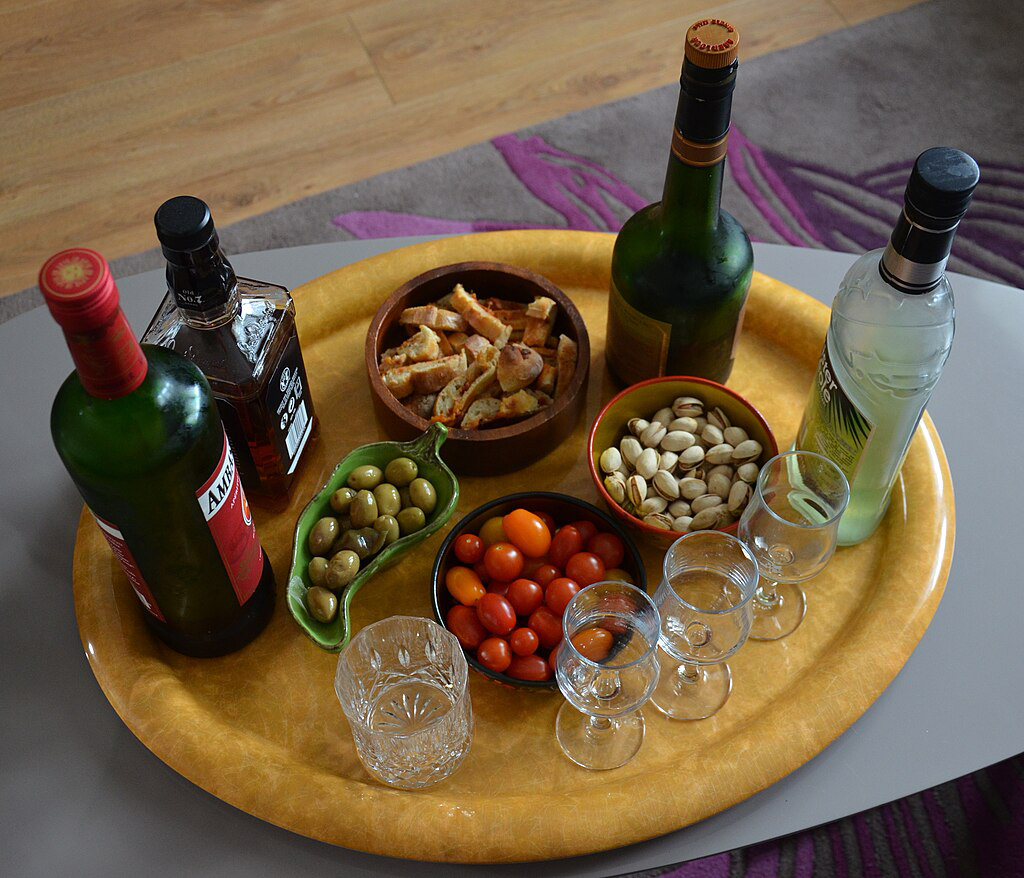
    Cover Photo by DC, CC BY-SA 3.0, via Wikimedia Commons

  • Pair This, Not That: Summer Edition

    Pair This, Not That: Summer Edition

    BBQ Wine & Spirits Swaps for Maximum Sunshine Sips & Crowd-Pleasers.

    Summer. The time of smoky grills, sticky fingers, and sun-kissed gatherings. But let’s be honest — most backyard BBQs are stuck in a rut when it comes to the drink menu. You’re likely to find the same predictable coolers stuffed with light beer, boxed rosé, and maybe a poorly mixed Margarita sloshing around in a red Solo cup.

    It’s time to level up.

    Welcome to Pair This, Not That: Summer Edition, where we take your go-to summer drinks and swap them for something better — more vibrant, more crowd-pleasing, and just a touch unexpected. We’re bringing new energy to your backyard bash, beach day, or rooftop hang by helping you rethink your pairings with intention and a splash of sophistication.

    Pair This: Lambrusco with Dry-Rubbed Baby Backs

    Zinfandel is a classic, sure — but it can feel sticky and sluggish on a sweltering day. Enter Lambrusco, the sparkling red from Italy’s Emilia-Romagna region. It’s fizzy, fruity, and just tannic enough to match the sweet-spicy bark on your ribs. Slightly chilled, it’s a revelation.

    Why it works: The bubbles cut the fat, the fruit complements the rub, and the acidity refreshes the palate between bites.

    Try This Pairing:
    Dish: Dry-rubbed pork ribs with a brown sugar, smoked paprika, and chipotle blend
    Wine: Cleto Chiarli Lambrusco Grasparossa di Castelvetro — vibrant, dark berries, and dry

    Photo by The Castlebar on Pexels.com

    Pair This: Mezcal Paloma with Smash Burgers

    IPAs are popular grill-side, but the bitterness can clash with the caramelization on your patty. The solution? A smoky Mezcal Paloma — just enough fire to echo the grill, with citrusy sparkle to lift every bite.

    Why it works: Mezcal’s smoky backbone loves char. The grapefruit and lime bring brightness, and bubbles make it refreshing — a perfect match for seared, juicy beef.

    Mezcal Paloma Recipe

    • 2 oz joven mezcal (we love Del Maguey Vida)
    • 1 oz fresh grapefruit juice
    • 0.5 oz fresh lime juice
    • 0.5 oz agave syrup
    • Pinch of sea salt
    • Top with grapefruit soda (Fever Tree or Jarritos preferred)
    • Serve over ice with a salted rim and a grilled grapefruit wedge
    Photo by Nano Erdozain on Pexels.com

    Pair This: Chilled Cru Beaujolais with Sticky Drumsticks

    We all love a crisp rosé — but sticky, charred BBQ chicken needs a bit more muscle and complexity. Cru Beaujolais, like Morgon or Fleurie, is juicy, earthy, and vibrant, with enough savory backbone to stand up to sweet BBQ sauce.

    Why it works: Gamay offers bright red fruit with silky tannins and a touch of minerality, which harmonizes with sticky sauces and caramelized skin.

    Try This Pairing:
    Dish: Grilled BBQ chicken drumsticks with peach-bourbon glaze
    Wine: Jean Foillard Morgon Côte du Py — a natural, elegant, chilled red that will blow minds

    Photo by Macourt Media on Pexels.com

    Pair This: Dry Riesling with Elote

    Sauv Blanc is the obvious choice for grilled corn, but take it next level: grilled elote-style corn slathered with mayo, lime, cotija, and chili powder needs dry Riesling with nerve, not just zip.

    Why it works: Dry Riesling can handle spice, citrus, and creamy elements. Its petrol-mineral quality adds depth, and the acidity balances every bite.

    Try This Pairing:
    Dish: Mexican-style grilled corn with lime crema and tajín
    Wine: Dönnhoff Riesling Trocken — Germany’s clean, dry stunner with citrus and stone

    Photo by Airam Dato-on on Pexels.com

    Pair This: Txakolina with Spicy Shrimp Skewers

    Pinot Grigio often fades into the background. You need something with zing and a little sparkle. Enter Txakolina — the zingy, slightly spritzy Basque wine you’ve been missing.

    Why it works: High acidity, a touch of salinity, and effervescence = shrimp’s new best friend.

    Try This Pairing:
    Dish: Chili-lime grilled shrimp skewers
    Wine: Ameztoi Txakolina — crisp, citrusy, electric on the tongue

    Pair This: Watermelon & Basil Gin Fizz

    Instead of toothache-sweet slush, opt for something that feels like a frozen treat but keeps its structure. This Watermelon Basil Gin Fizz is light, herbaceous, and juicy — a cocktail that says picnic sophistication.

    Watermelon Basil Gin Fizz Recipe

    • 2 oz gin (we love Hendrick’s for its floral notes)
    • 1 oz fresh lime juice
    • 1 oz basil simple syrup (see below)
    • 2 oz fresh watermelon juice
    • Top with soda water
    • Shake, strain into a Collins glass with ice, and garnish with basil sprig

    Basil Simple Syrup:
    Simmer 1 cup sugar + 1 cup water + 1 cup fresh basil for 5 mins. Cool, strain, and bottle.

    Photo by Henrik Pfitzenmaier on Pexels.com

    Pair This: Peach Bourbon Smash with Grilled Stone Fruit

    Nothing says summer like stone fruit and bourbon, but ditch the neat pour for a Peach Smash that’s smoky, sweet, and made for golden hour sipping.

    Peach Bourbon Smash Recipe

    • 2 oz bourbon
    • 3 slices grilled peach
    • 0.75 oz lemon juice
    • 0.5 oz honey syrup (1:1)
    • Mint leaves
    • Muddle peach and mint, shake with ice, double strain over crushed ice
    • Garnish: grilled peach wedge + mint sprig

    Why it works: The grill’s caramelization meets bourbon’s vanilla warmth; mint and lemon bring brightness.

    Instead of: Marshmallow s’mores with sticky port
    Pair This: Toasted Coconut Ice Cream + Cream Sherry

    Summer deserves a cool, creamy ending. Toasted coconut gelato or ice cream with a pour of Amontillado or Cream Sherry hits nutty, buttery notes that mirror each other with elegance.

    Why it works: The oxidative aging of sherry delivers a toasted nut character that resonates with coconut, while the sweetness stays in balance.

    A Summer of Swaps

    The point of summer is fun, freedom, and freshness — so why stick with the same old wine and spirits? By making just a few creative swaps, you can surprise and delight your guests with unexpected pairings that enhance every grilled bite and sun-drenched laugh.

    Photo by Antoni Shkraba Studio on Pexels.com

    So go ahead — Pair This, Not That — and bring the same creativity to your backyard as you do to your glass. Cheers 🍷🍸☀️

    Cover Photo by Lazarus Ziridis on Pexels.com

  • Flamenco, Folklore, and Fine Print

    Flamenco, Folklore, and Fine Print

    Decoding Spanish Wine Laws.

    Ah, Spain. Land of siestas, fiestas, jamón ibérico, and—of course—vino that spans everything from rustic reds aged in dusty cellars to crisp Albariños served seaside with octopus. If you’ve already explored the strict hierarchies of French AOCs and Italy’s quality-focused DOCGs, prepare to dance to a slightly different beat—because Spain’s wine law is a flamenco of structure, tradition, and a little rebel heart.

    Let’s swirl and sip our way through Spain’s classification system and how it compares to its Gallic and Italic cousins—with some myth-busting and lore-taming along the way.

    A Pyramid with Flamenco Shoes

    Spain’s wine classification system, like France’s and Italy’s, is built on a quality pyramid—but Spain’s version is both more relaxed in practice and more nuanced in regional autonomy.

    Here’s the main structure from base to peak:

    Vino de Mesa (Table Wine)

    The base of the pyramid, now rarely used or exported, these are basic wines with no geographical indication. Often simple blends.

    Fun Fact: Due to stricter laws for higher categories, some excellent wines (especially early on) chose to remain labeled as table wine—just like Italy’s famous Super Tuscans did in their rebellious youth.

    Vino de la Tierra (VdLT)

    Think of this like France’s Vin de Pays or Italy’s IGT. These wines have a geographical indication, but not the stringent rules of higher classifications.

    Debunking Time:
    “Vino de la Tierra is cheap and low-quality.”
    ❌ Nope!
    While it’s often priced affordably, many boutique producers use VdLT to work outside the box with international varietals or blends. It’s a creative sandbox—like a Tempranillo-Syrah blend from Castilla y León that sings louder than any DO neighbor.

    Denominación de Origen (DO)

    This is the workhorse of Spanish wine classification—similar to France’s AOC or Italy’s DOC. DO wines must follow specific regulations regarding grape types, yields, aging, and geographic sourcing.

    There are currently 70+ DOs, covering famed regions like:

    • Rueda – crisp, citrusy Verdejo
    • Rías Baixas – home of Albariño
    • Priorat – intense reds from old vines
    • La Mancha – one of the largest in Europe
    • Navarra – a rosado rebel with a growing reputation

    Denominación de Origen Calificada (DOCa or DOQ in Catalonia)

    Spain’s top-tier designation, reserved for wines from exceptionally consistent regions. So far, only two regions wear this crown:

    • Rioja DOCa
    • Priorat DOQ (in Catalonia)

    How it compares:

    • Like Italy’s DOCG and France’s Grand Cru AOC, DOCa wines must pass stricter quality and aging criteria, and the wineries must bottle their wines within the region itself.

    Lore-Tamer:
    “All the best Spanish wine is from Rioja.”
    🚫 Not anymore!
    While Rioja deserves its fame, Priorat, Bierzo, Ribera del Duero, and even Canary Island wines are winning hearts, medals, and Michelin-starred wine lists across the globe.

    Vino de Pago (VP) – The Spanish Wild Card

    Unique to Spain (introduced in 2003), this elite category doesn’t fit neatly into a pyramid. Instead, it elevates individual estates or vineyards that demonstrate top-tier quality and distinctiveness.

    To qualify, a pago must:

    • Have its own microclimate and terroir
    • Use estate-grown grapes only
    • Meet DO-level production standards or higher

    Examples include:

    Think: Spain’s answer to France’s Grand Cru single-vineyards—but regulated at the national level.

    Photo by Grape Things on Pexels.com

    Aging Gracefully

    Spain adds another twist: aging classifications that often appear on labels regardless of the region.

    Here’s the cheat sheet for red wines (rules vary slightly by region):

    LabelMinimum AgingBarrelBottle
    Crianza2 years6 months18 months
    Reserva3 years12 months24 months
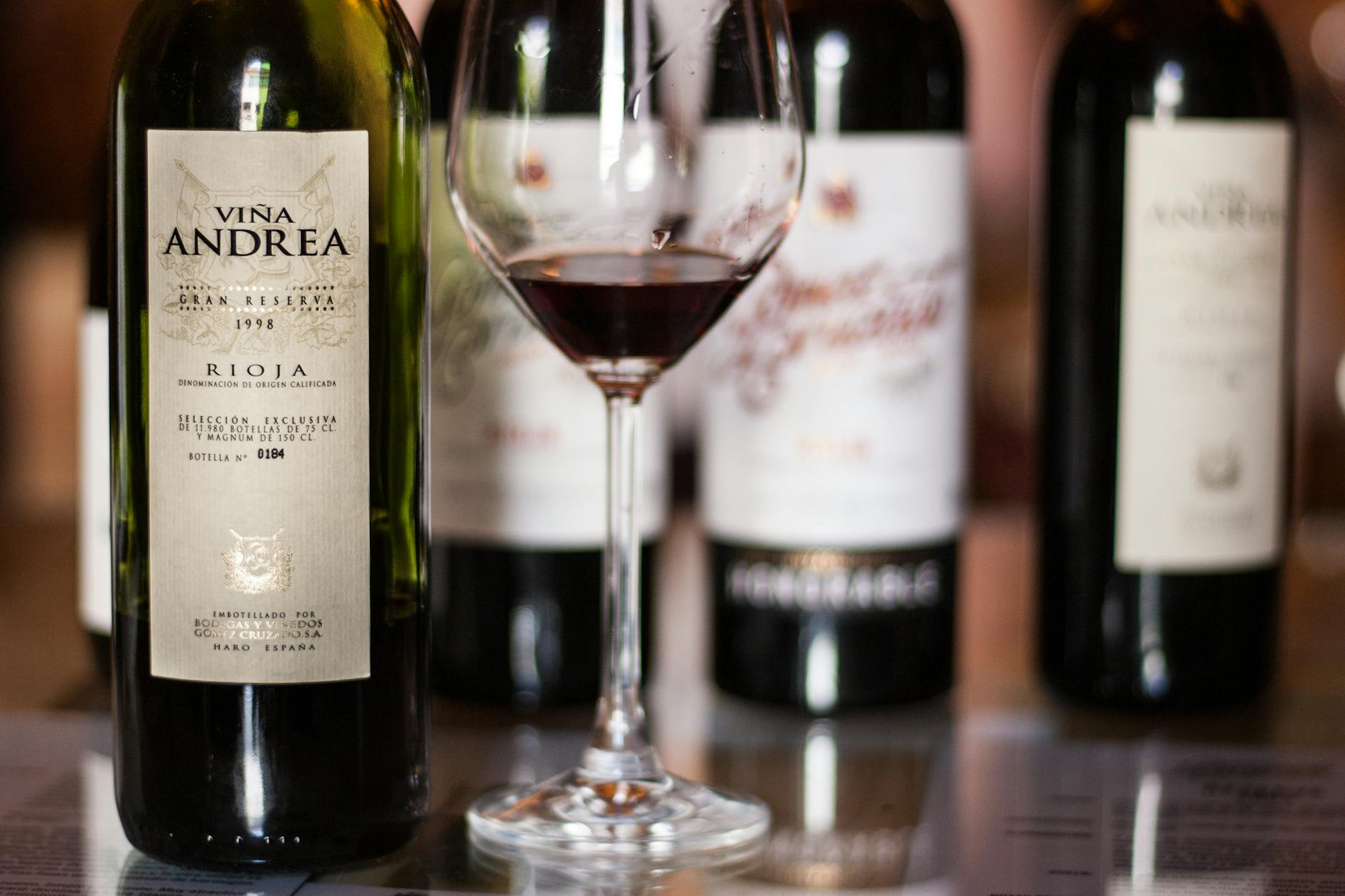
    Gran Reserva5 years18 months42 months

    Note: White and rosado wines require less time overall.

    Fun Misconception:
    “Gran Reserva = Best wine.”
    🤔 Not always. Aging tells you how long it matured, not how good it is. Some wines age beautifully; others lose their soul if forced to sit too long. Context is key—and sometimes a fresh, fruit-forward Crianza pairs better with tapas than a leathery Gran Reserva.

    Autonomy and Identity

    One major difference between Spain and its neighbors? The autonomous power of regions. Spain’s 17 Autonomous Communities (like Galicia, Catalonia, Andalusia) have significant say in how their DOs are governed. Some even overlap political tensions—Catalonia’s DOs often distinguish themselves from national Spanish identity.

    This regional independence is part of what gives Spain such breathtaking diversity—in grapes, styles, and labeling practices.

    Native Grapes, No Apologies

    Spain is home to over 400 native grape varieties, though fewer than 20 dominate production. Among them:

    • Tempranillo – Spain’s signature red grape, known by many names (Tinta del País, Cencibel, Ull de Llebre).
    • Garnacha – The Spanish Grenache, spicy and ripe.
    • Albariño – Citrus-kissed white from Galicia.
    • Verdejo – Zesty, often underestimated.
    • Godello, Mencía, Bobal, Trepat – hidden gems waiting to be discovered.

    Lore-Tamer:
    “Spain = just Rioja reds.”
    ⛔ Nope. Spain offers volcanic whites from the Canaries, slate-soaked reds from Priorat, coastal charm in Albariño, and fizzy fun in Cava.

    Comparative Snapshot: Spain vs France vs Italy

    FeatureSpainFranceItaly
    Entry-LevelVino de MesaVin de FranceVino da Tavola
    PGI/IGT TierVino de la TierraIGP (Vin de Pays)IGT
    Main ClassificationDOAOC/AOPDOC
    Highest TierDOCa/DOQ, Vino de PagoGrand Cru, Premier Cru (AOC)DOCG
    Estate ClassificationVino de PagoChâteau system, Grand CruLess formalized
    Aging TermsCrianza, Reserva, Gran ReservaRegion-dependentRiserva, Superiore
    Regional AuthorityHigh autonomy in regionsCentralized via INAOMixed (Central and Regional)

    What Makes Spain Special?

    Photo by Mark Stebnicki on Pexels.com

    Spain’s wine laws balance tradition with experimentation, allowing producers the freedom to create expressive, terroir-driven wines—while offering enough structure to protect authenticity and regional identity.

    So whether you’re sipping a flinty Godello from Valdeorras, a powerful Garnacha from Aragón, or a seductive Tempranillo from Ribera del Duero, you’re drinking more than just fermented grape juice.

    You’re tasting a nation that knows its roots but isn’t afraid to dance to its own rhythm. 🍷

    Cover Photo by Grape Things on Pexels.com

  • Understanding French Wine Laws

    Understanding French Wine Laws

    A Journey Through Terroir, Tradition, and Quality.

    When wine lovers think of France, they often conjure images of majestic châteaux in Bordeaux, fog-shrouded slopes in Burgundy, and sun-soaked fields in Provence. But beneath the romance lies a rigorous—and sometimes perplexing—system of wine laws and classifications that govern everything from grape varieties to bottle shape. These rules are not just bureaucratic red tape; they’re the framework that has helped France maintain a global reputation for excellence.

    Photo by Liv Kao on Pexels.com

    Whether you’re swirling a silky red from the Rhône or sipping a crisp Muscadet from the Loire, there’s a system behind that wine—one that tells you where it came from, how it was made, and what to expect. Let’s uncork the bottle and pour through the fascinating world of French wine laws, region by region.

    From Chaos to Codification

    To understand French wine law, we must rewind to the early 20th century. Rampant fraud during and after World War I saw low-quality wines being passed off as prestigious regional bottlings. To combat this, France developed a system to protect both producers and consumers.

    In 1935, the government formed the Institut National des Appellations d’Origine (INAO)—now called the INAO (Institut National de l’Origine et de la Qualité). Their job? Define, regulate, and enforce wine quality and authenticity through a new legal structure.

    This led to the creation of the Appellation d’Origine Contrôlée (AOC) system—the granddaddy of all French wine classifications.

    French Wine Quality Pyramid

    Modern French wines are now classified into three primary quality tiers:

    1. AOC (Appellation d’Origine Contrôlée) – The highest and most tightly regulated tier. Think of this as “terroir-bound” wine.
    2. IGP (Indication Géographique Protégée) – Looser restrictions, allowing more experimentation while still tied to a broader region.
    3. Vin de France – Table wine with minimal regulation. The Wild West of French wine.

    Each tier has a purpose, and great wine can be found in all three—but AOC wines carry the most prestige, especially from classic regions like Bordeaux, Burgundy, and Champagne.

    Photo by Vladimir Srajber on Pexels.com

    Bordeaux: Classification by Château, Not Terroir

    Bordeaux, France’s largest and most commercially dominant wine region, takes a top-down approach to classification. Unlike Burgundy (more on that shortly), Bordeaux wines are historically classified by estate, not by vineyard.

    The 1855 Classification (Left Bank)

    Created for the Paris Exposition under Napoleon III, this famous classification ranks 61 châteaux in Médoc and one from Graves (Haut-Brion), plus sweet wines from Sauternes and Barsac. These wines were grouped into five “growths” or crus, based on reputation and price at the time.

    • Premier Cru (First Growth): Château Lafite Rothschild, Château Latour, Château Margaux, Château Haut-Brion, and later Château Mouton Rothschild (elevated in 1973).
    • Second to Fifth Growths: A descending list of estates still highly regarded.

    This classification remains mostly unchanged and ignores terroir variation, focusing instead on estate prestige.

    Graves and Pomerol

    • Graves introduced its own classification in 1959.
    • Saint-Émilion has a dynamic classification system, updated roughly every 10 years, most recently in 2022.
    • Pomerol, home to the legendary Pétrus, has no official classification—its wines speak for themselves.

    Summary:

    • Focus: Prestige of the estate (Château).
    • Result: Classification may remain unchanged even if the wine quality fluctuates.

    A Quick Note on Graves Classification

    While Bordeaux’s 1855 Classification famously skipped over much of Graves, this historic region got its own moment in the spotlight in 1959. The Graves Classification includes both red and white wines—a rarity in Bordeaux—and focuses solely on producers in the northern Graves, now largely within the Pessac-Léognan AOC (created in 1987).

    Notably, all classified estates in Graves are unranked—there are no first, second, or fifth growths here. The list includes powerhouses like Château Haut-Brion (the only estate in both the 1855 and Graves classifications), Château Pape Clément, and Domaine de Chevalier.

    This classification may fly under the radar, but it represents some of Bordeaux’s most age-worthy whites and nuanced reds—making Graves a treasure for savvy wine lovers.

    Photo by Gu Bra on Pexels.com

    Burgundy: The Gospel of Terroir

    In contrast, Burgundy classifies by vineyard. It’s a bottom-up system, celebrating the land rather than the producer. You’ll often hear that “Burgundy is for lovers of nuance.”

    The Four Tiers of Burgundy:

    1. Grand Cru (1% of production) – The top-tier vineyards, like Romanée-Conti, Montrachet, and Clos de Vougeot.
    2. Premier Cru (10%) – Excellent vineyards within a village, such as Volnay 1er Cru “Champans”.
    3. Village Wines (36%) – Wines from a single village, such as Pommard or Meursault.
    4. Regional Wines (53%) – Broadest classification, e.g., Bourgogne Pinot Noir.

    Why This Matters:

    A vineyard like Clos Saint-Jacques in Gevrey-Chambertin may produce Premier Cru wines from multiple producers, each with a different style. It’s the plot of land that earns prestige, not the winemaker.

    Summary:

    • Focus: Terroir and microclimate.
    • Result: The vineyard’s position on a slope or soil type can dramatically affect quality and price.
    Photo by cottonbro studio on Pexels.com

    Other Regional Examples: Law and Lore

    Champagne: Blends and Brands

    Champagne has strict AOC rules: only certain grapes (mainly Chardonnay, Pinot Noir, and Pinot Meunier), méthode traditionnelle fermentation, and long aging on lees. Interestingly, most Champagne is blended across villages and vintages—a stylistic choice that makes it distinct.

    • Grand Cru Villages include Aÿ, Ambonnay, and Avize.
    • Non-Vintage (NV) Champagne must age a minimum of 15 months; vintage Champagne requires 3 years.

    Rhône Valley: A Tale of Two Halves

    • Northern Rhône (e.g., Hermitage, Côte-Rôtie): single varietal wines (mostly Syrah), steep slopes, small production.
    • Southern Rhône (e.g., Châteauneuf-du-Pape): blends (up to 13 grapes!), more liberal.

    Châteauneuf-du-Pape was the first French AOC (1936). The lore? The papacy moved to Avignon in the 14th century, and the popes developed a taste for local wines—hence the name “New Castle of the Pope.”

    Loire Valley: Label Labyrinth

    Known for its diversity, the Loire boasts appellations like:

    • Sancerre (Sauvignon Blanc)
    • Vouvray (Chenin Blanc, often sparkling or off-dry)
    • Muscadet Sèvre-et-Maine (Melon de Bourgogne) – famous for sur lie aging

    Related article: Perfect Pairings: Melon de Bourgogne w/Fettuccini With Clams and Dill

    Loire rules often reflect specific winemaking methods (e.g., sur lie) more than rigid hierarchies.

    Alsace: AOC Meets Germanic Order

    Despite its location in France, Alsace follows a style reminiscent of neighboring Germany:

    • Mostly varietal-labeled wines (Riesling, Gewürztraminer, Pinot Gris)
    • Only 51 Grand Cru vineyards, defined by soil and slope.
    • Vendanges Tardives and Sélection de Grains Nobles refer to late-harvest and botrytized wines.

    Alsace is also the only major French region where labels prominently display the grape variety.

    AOC vs. IGP: A Matter of Freedom

    IGP (formerly Vin de Pays)

    These wines fall between strict AOC control and generic Vin de France. Regions like Pays d’Oc allow experimentation:

    • Unusual grape combinations (Cabernet + Syrah? Sure.)
    • Non-traditional styles

    You’ll find creative winemakers here, often producing excellent wines outside traditional rules.

    Vin de France: The Rebel Artist

    These wines can come from anywhere in France and allow complete freedom in blending and labeling. They can’t show an appellation but may show grape variety and vintage, making them more accessible for casual drinkers. Some top producers use this category intentionally, to avoid AOC constraints.

    A Balancing Act of Tradition and Innovation

    French wine laws are not a maze meant to confuse, but rather a mosaic of history, geography, and philosophy. While Bordeaux emphasizes brand and estate, Burgundy honors soil and slope. Champagne values consistency, while Rhône and Loire embrace diversity.

    In France, a wine’s origin is its identity!

    Gregory Dean, SOMM&SOMM

    Understanding these laws allows wine lovers to decode the label and appreciate the craft behind every bottle. In France, a wine’s origin is its identity, and these legal systems—however complex—ensure that identity is preserved.

    So next time you’re in your local wine shop or exploring a wine list, let the appellation guide you. Behind that AOC or IGP acronym lies a rich story—one that began centuries ago and continues to evolve with every vintage. Santé!

    Cover photo: michael clarke stuff, CC BY-SA 2.0, via Wikimedia Commons

  • Italy in the Glass

    Italy in the Glass

    Unlocking the 77 DOCGs, 330 DOCs, and the Curious Case of IGT.

    When it comes to wine, Italy is both a gift and a glorious puzzle. With 20 distinct regions, more than 2,000 native grape varieties, and a labyrinth of wine laws, it’s no wonder sommeliers get giddy at the mere sight of a hand-drawn Italian wine map. At the center of this puzzle are Italy’s quality classifications: DOCG, DOC, and IGT—three little acronyms that carry centuries of tradition, rebellion, pride, and plenty of good vino.

    In this article, we’ll demystify the 77 (or is it 78?) Denominazioni di Origine Controllata e Garantita (DOCG) and 330 Denominazioni di Origine Controllata (DOC) appellations spread across Italy’s 20 wine regions. We’ll explore how the Indicazione Geografica Tipica (IGT) came to be, why it still matters today, and whether these labels are wine laws or wine lore. Spoiler: it’s a bit of both.

    Photo by Vincenzo Iorio on Pexels.com

    The Pyramid of Quality: DOCG vs. DOC vs. IGT

    Italy’s wine classification system forms a three-tiered pyramid introduced formally with the 1963 wine law, which was heavily inspired by France’s AOC system but with that uniquely Italian flair (and bureaucracy). Here’s the breakdown:

    DOCG – Denominazione di Origine Controllata e Garantita

    • Top-tier designation, introduced in 1980
    • Wines must meet the strictest regulations: grape type, yield, alcohol, aging, and geography
    • Subject to government tasting panels before release
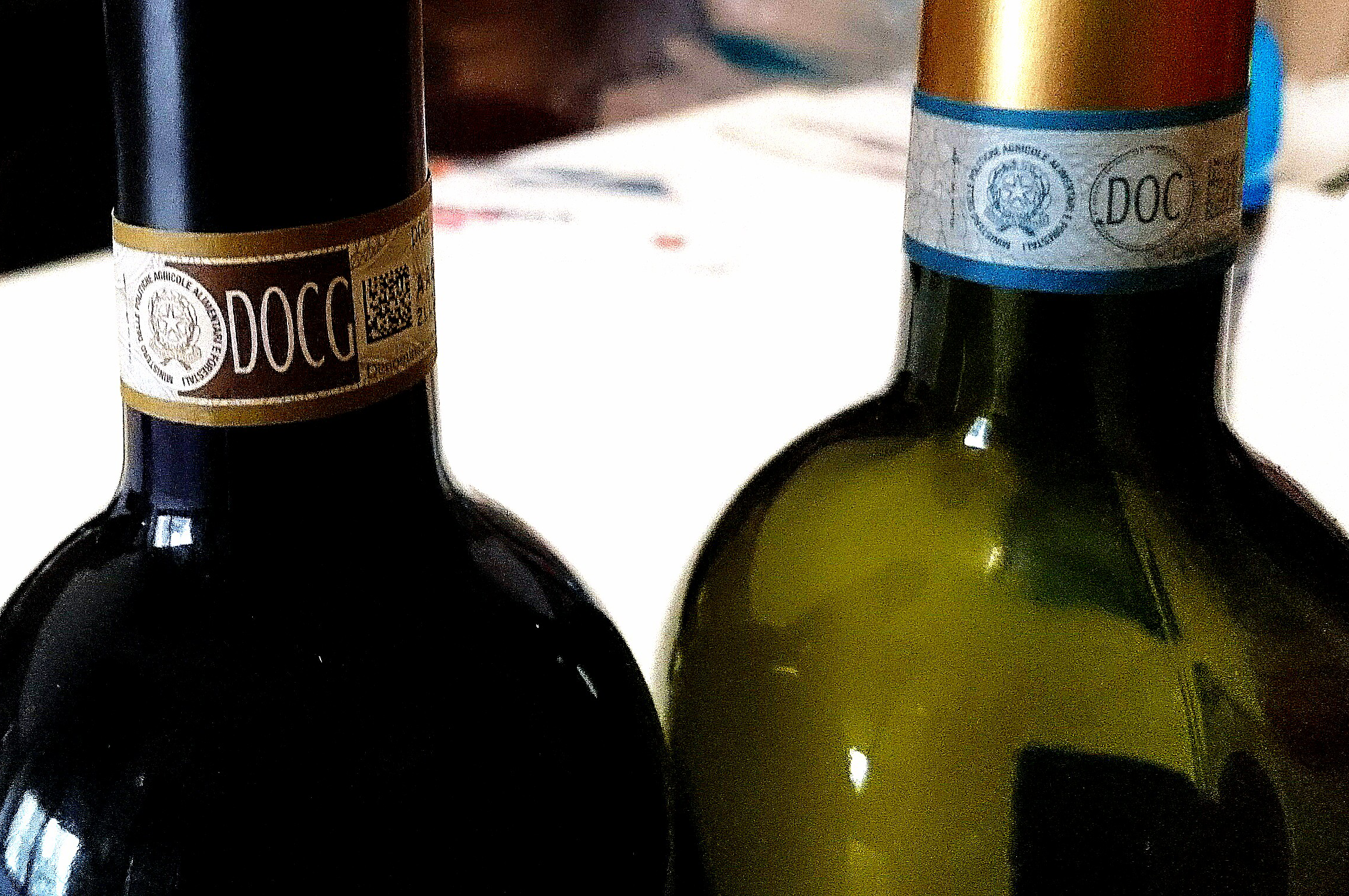
    • Guarantee seal on the neck of each bottle
    • There are currently 77 DOCGs, though some lists include 78 depending on how you count shared or overlapping appellations (we’re looking at you, Cannellino di Frascati and Frascati Superiore)

    Examples:

    • Barolo DOCG (Piedmont) – 100% Nebbiolo, aged minimum 38 months
    • Brunello di Montalcino DOCG (Tuscany) – 100% Sangiovese Grosso, 5 years of aging
    • Amarone della Valpolicella DOCG (Veneto) – dried grape process (appassimento), powerful and rich

    DOC – Denominazione di Origine Controllata

    • Middle-tier, first established in 1966
    • Still regulated but slightly more flexible than DOCG
    • Also enforces rules on production zones, grapes, yields, and winemaking techniques
    • Includes many long-established regions or subregions not yet elevated to DOCG

    There are around 330 DOCs, which evolve frequently as regions apply for DOCG status or boundaries are adjusted.

    Examples:

    • Chianti DOC (Tuscany) – distinct from Chianti Classico DOCG
    • Etna DOC (Sicily) – volcanic reds and whites from Nerello Mascalese and Carricante
    • Lugana DOC (Lombardy/Veneto) – crisp whites from the Turbiana grape near Lake Garda

    IGT – Indicazione Geografica Tipica

    • Introduced in 1992 to acknowledge high-quality wines outside the rigid DOC/DOCG systems
    • Flexible in grape usage, blending, and winemaking—ideal for experimentation
    • Geographic indication is the main requirement
    • Originally a reaction to Super Tuscan wines that didn’t fit DOC rules despite exceptional quality

    Examples:

    • Toscana IGT – the birthplace of Super Tuscans like Sassicaia, Tignanello, and Ornellaia
    • Veneto IGT – widely used for innovative blends or single varietals like Merlot and Chardonnay
    • Sicilia IGT – often used for international grapes or modern styles of Nero d’Avola

    How Did We Get Here? A Sip of History

    Italy’s wine laws evolved from a country of regional customs into a unified classification system. In the early 20th century, counterfeit wines and inconsistent quality were widespread, leading to the 1963 law that created DOC and laid the groundwork for DOCG. But even that wasn’t enough.

    In the 1970s, innovative winemakers in Tuscany grew frustrated by the limitations of DOC laws. They began producing bold, Bordeaux-style blends with Cabernet and Merlot, aging them in French oak, and labeling them simply as “vino da tavola” (table wine). These “Super Tuscans”—once rebels—outshone many DOC wines and gained international fame.

    Italy responded in 1992 by creating the IGT category, legitimizing these high-quality outliers and restoring some order to the chaos.

    Photo by Riccardo Mazza on Pexels.com

    The 20 Wine Regions – A Brief Look

    Italy’s wine regions align with its administrative regions. Here are the 20 wine regions of Italy (North to South)

    RegionFamous For
    Valle d’AostaTiny production, alpine Nebbiolo (called Picotendro), Prié Blanc
    Piedmont (Piemonte)Barolo, Barbaresco, Dolcetto, Barbera, Moscato d’Asti
    LiguriaVermentino, Pigato, wines from terraced coastal vineyards
    Lombardy (Lombardia)Franciacorta (traditional method sparkling), Nebbiolo in Valtellina
    Trentino-Alto AdigeElegant whites (Gewürztraminer, Pinot Grigio), Germanic influence
    VenetoAmarone, Valpolicella, Soave, Prosecco
    Friuli-Venezia GiuliaOrange wines, Ribolla Gialla, Sauvignon Blanc, skin-contact whites
    Emilia-RomagnaLambrusco, Sangiovese, sparkling reds, food-friendly wines
    Tuscany (Toscana)Chianti, Brunello, Vino Nobile, Super Tuscans
    UmbriaSagrantino di Montefalco, Grechetto, Orvieto
    MarcheVerdicchio, Rosso Conero, Montepulciano blends
    LazioFrascati, Cesanese, ancient Roman white wine zones
    AbruzzoMontepulciano d’Abruzzo, Trebbiano
    MoliseSmall production, Biferno DOC, Tintilia grape revival
    CampaniaTaurasi, Fiano di Avellino, Greco di Tufo, Falanghina
    BasilicataAglianico del Vulture, high-altitude volcanic reds
    Puglia (Apulia)Primitivo, Negroamaro, full-bodied value reds
    CalabriaGaglioppo-based Cirò, Greco Bianco
    Sicily (Sicilia)Nero d’Avola, Etna wines, Grillo, Cerasuolo di Vittoria DOCG
    Sardinia (Sardegna)Vermentino di Gallura DOCG, Cannonau (Grenache)
    Photo by Brett Jordan on Pexels.com

    Is the Stamp of Quality a Marketing Ploy?

    Let’s be honest: a neck label with “DOCG” in shiny gold doesn’t guarantee your world will change with one sip. But it does serve a purpose.

    Benefits to Consumers:

    • Trust & transparency – You know where the wine is from and what’s inside
    • Production standards – DOCG wines are lab-tested and taste-tested
    • Cultural value – These labels preserve traditional winemaking and protect local identity

    But Don’t Be Fooled…

    • Some DOCs and IGTs outperform DOCGs in quality
    • DOCG upgrades are sometimes politically driven
    • Great wine can come from outside the system

    So yes, there’s a marketing angle—but it’s rooted in protecting regional identity, improving quality, and guiding consumers. Like any guide, it’s useful but not absolute.

    SOMM&SOMM TIP: How to Use the Pyramid When Buying Wine

    1. For traditionalists: Start with DOCG, especially Barolo, Brunello, Amarone.
    2. For adventurers: Explore DOCs in less-known regions like Umbria, Marche, or Molise.
    3. For rebels & innovators: Dive into IGTs—you’ll find unusual blends, single vineyard gems, and creative winemaking at great value.
    4. For budget-conscious buyers: DOC wines often strike the best balance between structure, tradition, and price.

    Embrace the Chaos with a Glass in Hand

    Italy’s wine classifications can seem maddening, but they’re part of the country’s charm. Each DOCG and DOC tells a story—of place, people, and pride. IGT reminds us that some rules are made to be broken. The pyramid isn’t perfect, but it’s a powerful lens through which to explore one of the world’s most diverse wine-producing nations.

    So the next time you pick up a bottle of Barolo or a renegade IGT Syrah from Sicily, remember: you’re not just drinking wine—you’re tasting history, rebellion, and a little bit of bureaucracy in a bottle.

    Cin cin, amici 🍷

    Cover photo by Pava, CC BY-SA 3.0 IT, via Wikimedia Commons

  • Varietal Spotlight: Gewürztraminer

    Varietal Spotlight: Gewürztraminer

    The Spicy Grape You’ll Love to Say–and Sip.

    Let’s be honest: just saying “Gewürztraminer” feels like a party trick. (It’s guh-VOORTS-trah-mee-ner, by the way.) But behind this tongue-twisting name lies one of the most expressive, aromatic, and misunderstood white grapes in the world of wine. As spring blooms and summer beckons, it’s time to clear a spot in your fridge—and your heart—for Gewürztraminer.

    This isn’t your average white wine. No, this is the electric silk scarf of the wine world—bright, bold, perfumed, and a little dramatic in all the best ways. It’s the grape equivalent of a jazz saxophone solo at a garden party: unexpected, sultry, and unforgettable.

    Marianne Casamance, CC BY-SA 4.0, via Wikimedia Commons

    Aromatic Origins and Spicy Roots

    Gewürztraminer literally means “spiced Traminer” in German, and its origins trace back to the ancient Traminer grape of the Alpine foothills, particularly the village of Tramin (Termeno) in northern Italy’s South Tyrol. While Gewürztraminer found its stylistic footing in the cool regions of Alsace, France, its true home is arguably the terroir itself—wherever it can show off its sultry perfume, spicy attitude, and plush texture.

    Today, Gewürztraminer is grown across the world—from the misty vineyards of Oregon and the Sonoma coast to the steep slopes of Germany’s Pfalz, the volcanic soils of New Zealand’s South Island, and even in Canada’s Okanagan Valley. Each region draws out a different side of its personality, like a well-traveled artist who learns a new dance in every country visited.

    Lychee, Roses, and a Hint of Sass

    Pop open a bottle and your nose will be greeted by a fragrant bouquet of rose petals, lychee fruit, ginger, and baking spices—often with tropical notes like passionfruit or mango dancing around the edges. On the palate, Gewürztraminer can range from dry to lusciously sweet, but it’s always full-bodied and plush with an unmissable sense of richness.

    Unlike your lean and zippy Sauvignon Blanc, Gewürztraminer is a white wine with curves. She lingers on the palate, smolders in the glass, and unapologetically commands your attention. Don’t expect high acidity—that’s not her thing. This is a low-acid grape with a velvet robe and a perfume bottle in hand.

    Same Grape, Different Groove

    • Alsace, France: The spiritual home of Gewürztraminer. Wines from Alsace (our personal favorite) are often off-dry to sweet, with intense aromatics, spice, and a rich mouthfeel. They pair beautifully with pungent cheeses, foie gras, and spiced dishes. Look for Grand Cru bottlings for age-worthy, structured versions.
    • Germany (Pfalz and Baden): Slightly cooler climate equals slightly more acidity. Expect floral elegance, stone fruits, and a drier style that pairs beautifully with grilled pork, sausages, or spaetzle.
    • Italy (Alto Adige/South Tyrol): Fresh, floral, and focused. The mountainous altitude and alpine air give a vibrant backbone to the wines. Think of this as a leaner, more mineral-driven interpretation with a spicy citrus twist.
    • United States (Sonoma, Mendocino, Finger Lakes): Ripe, full-bodied, and often a little drier than expected. These American Gewürztraminers can stand up to barbecue, Cajun shrimp, and even tacos al pastor.
    • New Zealand: Tropical fruit bomb with zingy ginger and a weighty texture. Great with Thai curry, poke bowls, or grilled pineapple and pork skewers.
    • Canada (Okanagan Valley): Crisp and aromatic with a delicate sweetness—perfect for pairing with Asian-fusion cuisine or rich pâté.

    Gewürztraminer Gets Weird (and Wins)

    This is a food lover’s wine—especially if you enjoy bold, fragrant, spicy, or umami-rich dishes. Gewürztraminer walks into a room where other wines fear to tread.

    • Spicy Thai and Indian cuisine – A classic. That lychee sweetness calms the fire while the aromatic intensity matches the herbs and spices.
    • Miso-glazed cod or tofu – Umami meets floral in this unexpected high-five of flavor.
    • Pungent cheeses – Think Munster, Taleggio, or a rind-washed affair. Gewürztraminer meets the challenge head-on.
    • Roast duck with apricot glaze – Rich meets richer, fruit meets spice, and your palate throws a party.
    • Charcuterie boards – Gewürztraminer stands tall beside prosciutto, pâté, and all your favorite pickled things.
    • Brunch – Yep. Poached eggs with smoked salmon and hollandaise, curried deviled eggs, or even a cinnamon roll and fresh fruit salad. It’s a brunch superstar.

    The Aromatic Rebel

    While Gewürztraminer lacks the vast PR machine of Chardonnay or the cult status of Pinot Noir, it holds a special place in the hearts of sommeliers and rebels alike. It’s a wine that refuses to be boxed in—stylistically flamboyant, regionally expressive, and endlessly fascinating.

    Legend has it that monks in Tramin cultivated early versions of the grape to match the aromatic intensity of their incense. Whether or not that’s true, there’s something undeniably sacred about its perfume. Each glass is a sensory blessing.

    So, Why Now?

    Because spring is here, and summer’s heat is just around the corner. Gewürztraminer, served chilled, offers refreshment and complexity in a single pour. It’s the wine for dinner on the patio, for spontaneous picnics, and for moments when life feels too short for boring wine.

    So here’s your mission: seek out a Gewürztraminer you’ve never tried before. Ask your local wine shop what’s new. Taste Alsace side-by-side with New Zealand. Host a Gewürz & Curry night. Or just pour a glass, breathe in those rose petals, and say the name out loud until you grin.

    Gewürztraminer. Spicy, aromatic, unforgettable.

    Just like you.

    Cover photo by Rolf Kranz, CC BY-SA 4.0, via Wikimedia Commons

  • Varietal Spotlight: Pinot Grigio

    Varietal Spotlight: Pinot Grigio

    A Chameleon of the Vine.

    Few grapes have worn as many masks or traveled so extensively across terroirs and tables as Pinot Grigio. Often stereotyped as a light and simple white wine, Pinot Grigio is, in truth, a varietal of complexity and contradiction. Its genetics, nomenclature, and expressive range offer a story as nuanced as its finest bottlings. Whether known as Pinot Gris in France, Grauburgunder in Germany, or Szürkebarát in Hungary, this grey-skinned grape holds a passport stamped with centuries of intrigue.

    A Grey Mutation with Noble Roots

    Pinot Grigio is a white wine grape, though its skins range from bluish-grey to pinkish-brown, hence the name grigio, meaning “grey” in Italian. It is a mutation of Pinot Noir, its noble Burgundian cousin. The Pinot family is notoriously prone to clonal variation, which has given us Pinot Blanc, Pinot Meunier, and Pinot Gris, among others.

    The earliest documented mentions of Pinot Gris (its original name) date back to the Middle Ages in Burgundy, France. By the 14th century, it had migrated to Hungary—beloved by monks—and then further east and north into Germany, Switzerland, and eventually Italy.

    In Italy, the grape found its most iconic modern identity as Pinot Grigio, particularly in the cooler regions of the northeast, such as Alto Adige, Friuli-Venezia Giulia, and Veneto.

    Photo by karelle mtgr on Pexels.com

    Cultural Names & Expressions of Pinot Grigio

    Pinot Grigio’s global footprint has led to a rich array of local names and stylistic interpretations:

    • France: Pinot Gris
      In Alsace, it produces rich, spicy, full-bodied wines with notable viscosity and aging potential. Often off-dry to sweet in style, Alsatian Pinot Gris may include noble rot (botrytis) influence.
    • Italy: Pinot Grigio
      Known for a light-bodied, crisp, and zesty expression, often with notes of lemon, green apple, and almond. However, producers in Friuli and Alto Adige have pushed for more serious expressions, showcasing texture and complexity.
    • Germany: Grauburgunder or Ruländer
      These wines range from dry and mineral-driven to rich and sweet, depending on region and winemaking intention. The Pfalz and Baden regions produce particularly compelling versions.
    • Hungary: Szürkebarát (literally “Grey Monk”)
      Tends to be rounder and more aromatic, a nod to its Hungarian monastic roots and volcanic soils.
    • United States: Both Pinot Grigio and Pinot Gris are used
      Oregon is famous for emulating the Alsace style, producing lush, peachy wines, while California often leans toward the Italian-style—lighter and more citrus-forward.
    • Austria & Switzerland: Known occasionally as Grauer Burgunder
      Styles tend to follow the German model, though with more restrained fruit and alpine freshness.

    Flavor Profiles & Winemaking Styles

    The grape’s thin skin and low phenolic content lend itself to a range of expressions based on:

    • Climate: Cool climates tend to yield high acidity and light body; warmer climates enhance stone fruit and honeyed richness.
    • Vinification: Skin-contact (“Ramato” style), oak aging, or lees stirring can impart significant texture and complexity.
    • Terroir: Volcanic soils (like in Hungary or parts of Alsace) add mineral tension, while marl and limestone (seen in parts of Germany and France) can enhance structure and ageability.

    The Forgotten Copper-Hued Expression

    A special shoutout is deserved for Ramato (Italian for “coppery”)—a traditional Venetian style of Pinot Grigio made with extended skin contact, resulting in a rosé-like or orange wine hue. It offers flavors of dried apricot, tea leaf, orange peel, and spice, and is a fabulous bridge between white and red wine experiences.

    Famous and Notable Producers

    🇮🇹 Italy

    • Livio Felluga – Friuli-Venezia Giulia: elegant and structured Pinot Grigio.
    • Alois Lageder – Alto Adige: biodynamic and expressive wines.
    • Santa Margherita – Veneto: the name that put Pinot Grigio on the map in the U.S., popularizing the crisp, clean style.

    🇫🇷 France (Alsace)

    🇺🇸 United States

    • King Estate (Oregon) – Organic, food-friendly Pinot Gris.
    • J Vineyards (California) – Crisp and fruity Pinot Grigio expressions.
    Glass of Pinot Grigio – cogdogblog, CC BY 2.0, via Wikimedia Commons

    Pairing Pinot Grigio

    Pinot Grigio is one of the most versatile food wines. Here’s how to play with its many faces:

    Complementary Pairings (Match body and texture)

    • Light Italian Pinot Grigio:
      Mozzarella, white fish ceviche, lemony chicken piccata, arugula salads with citrus vinaigrette.
    • Ramato-style Pinot Grigio:
      Mushroom risotto, shrimp and grits, caramelized onion tart, garlic-roasted vegetables.
    • Alsace Pinot Gris:
      Duck with cherry reduction, Munster cheese, pork with peach chutney, spicy Thai curry.
    • Grauburgunder from Germany:
      Smoked pork, aged gouda, cabbage rolls, herb-roasted chicken.

    Contrasting Pairings (Balance or elevate through opposition)

    • Pair dry Pinot Grigio with rich creamy sauces (like Scott’s Creamy Dreamy Alfredo) to cut through fat.
    • Pair aromatic Pinot Gris with spicy dishes to mellow heat.
    • Pair acidic Pinot Grigio with fried foods to cleanse the palate.
    • Pair Ramato styles with umami-heavy dishes like soy-glazed salmon or miso ramen.

    A Grape Worth Rediscovery

    Though often dismissed as a mass-market crowd-pleaser, Pinot Grigio is a shapeshifter that reflects its origin with remarkable fidelity. Whether you’re sipping a breezy Veneto bottling by the pool, enjoying an umami-rich Ramato with aged cheeses, or savoring a noble Alsace Pinot Gris in a candlelit bistro, this varietal offers something for every palate—and every plate.

    To overlook it is to miss a grape with the depth of a philosopher and the charisma of a traveler. It’s time to reintroduce yourself to Pinot Grigio—not as a wine list default, but as a cultural adventure in a glass ♥️

    Cover image: Mark Smith, CC BY 2.0, via Wikimedia Commons

  • The Sound of Rain and the Pour of Wine

    The Sound of Rain and the Pour of Wine

    April is here, draped in a mist of expectation. Rain is no longer a threat to plans but a gift to the world, saturating the soil, feeding life, and inspiring poets to ink their thoughts with delight. As the gentle drum of droplets taps against the windowpane, it’s an invitation to reflect, relax, and recharge.

    Rain plays its part in the vineyards, a necessary yet delicate dance. In the early stages of the growing season, moderate rainfall nourishes the soil, promoting healthy vine growth and preparing the plants for fruitful harvests to come. But too much rain, particularly close to harvest, can dilute grape flavors and cause rot. Balance, as with all things wine-related, is key.

    Photo by Magda Ehlers on Pexels.com

    To the vintner, rain can be a blessing or a curse. To the wine lover, however, rain is often pure serenity—a tranquil backdrop that heightens the sensory experience of a good glass of wine. There’s something inherently soothing about cradling a glass of Pinot Noir while gazing at the misty horizon, the air cool and crisp, the world slowed down.

    The Art of Pairing Wine with Rain

    The mood of rain varies, from the soft drizzle that barely kisses the earth to the torrential downpour that leaves the world drenched. Each type of rain, much like each style of wine, has its own character.

    • Light Drizzle: The kind of rain that leaves droplets clinging to flower petals and grass blades. This gentle rain calls for a crisp, aromatic white wine—something bright and floral, like a Riesling from Mosel or a Sauvignon Blanc from Sancerre. The vibrant acidity and fresh citrus notes mirror the revitalization occurring outside. Pair these wines with goat cheese crostini, lemon-dressed arugula salad, or smoked salmon canapés.
    • Steady Rain: When rain patters consistently against rooftops and pools along sidewalks, it’s time for a wine that complements the comforting rhythm. A Chardonnay from Burgundy—especially a lightly oaked expression—offers just enough roundness to provide comfort without overwhelming the senses. Alternatively, a Loire Valley Chenin Blanc with its luscious texture and honeyed undertones can be a cozy companion. Pair these wines with buttery garlic shrimp, roasted chicken with thyme, or creamy mushroom risotto.
    • Thunderstorm: When the sky darkens and the storm rolls in, there’s a raw intensity that calls for a wine with equal presence. A bold Syrah from Northern Rhône or a Cabernet Sauvignon from Napa Valley offers depth, spice, and structure—something to huddle around as lightning illuminates the sky. Pair these wines with slow-braised short ribs, rich charcuterie boards, or dark chocolate truffles.
    • Soft Mist: Rare and ethereal, a misty day is best paired with something delicate and nuanced. A Pinot Noir from Oregon’s Willamette Valley delivers red fruit notes with a graceful finish, perfect for slow sipping while the fog lingers. Pair this wine with herb-roasted vegetables, duck breast with cherry glaze, or earthy beet and goat cheese salad.
    Photo by Pixabay on Pexels.com

    The Soundtrack of Rain

    Rainfall has an unmatched ability to soften the edges of the world. Its sound is hypnotic, a natural metronome that invites reflection. Whether the rain is a whisper or a roar, it enhances the experience of enjoying wine—each sip becomes deeper, more contemplative, more cherished.

    The sensory experience of rain and wine paired together creates a meditative moment, free from the constant hum of societal noise. It’s a reminder to pause and reflect, to savor simplicity over complexity.

    Stay Hydrated and Enjoy the Quiet Moments

    April showers remind us that rejuvenation often comes in cycles. Just as the rain nourishes the vineyards, moments of calm feed the soul. The art of pairing wine with rain is less about rules and more about mindfulness, embracing the atmosphere and your emotions.

    Photo by Lisa from Pexels on Pexels.com

    So, the next time the skies darken and the rain begins to fall, pour yourself a glass that matches the mood and let yourself be swept away by the gentle cadence of the world outside. After all, the rain is simply nature’s way of reminding us to slow down and savor.

    Stay hydrated, and we’ll all get through. 😉

  • April Fools’ Wine Myths

    April Fools’ Wine Myths

    Debunking Common Misconceptions.

    Every year on April 1st, pranksters take joy in fooling their friends with tall tales and clever tricks. But in the world of wine, myths and misconceptions persist far beyond April Fools’ Day. Some of these myths have been passed down for generations, shaping how people buy, store, and enjoy wine. It’s time to set the record straight! Here are some of the most common wine myths—debunked.

    Myth #1 – Red Wine Should Always Be Served at Room Temperature

    Reality: Cooler is often better.

    The phrase “room temperature” originated centuries ago when indoor spaces were much cooler than they are today. Today’s heated homes often hover around 70–75°F, which is too warm for most reds. Lighter reds, like Pinot Noir and Gamay, shine at around 55–60°F, while fuller-bodied reds, like Cabernet Sauvignon and Syrah, perform best between 60–65°F. Storing and serving reds too warm can make the alcohol seem overpowering and the fruit flavors muddled.

    SOMM&SOMM Tip: If your red wine feels too warm, pop it in the fridge for 15–20 minutes before serving.

    Related Article: Wine Service: Proper Serving Temperatures

    Myth #2 – White Wine Should Always Be Served Ice Cold

    Reality: Over-chilling mutes flavors.

    While a crisp, cold glass of white wine can be refreshing, serving it straight from the fridge (which is typically around 35–40°F) can dull its flavors and aromas. The ideal temperature for white wines varies—light whites, like Sauvignon Blanc and Pinot Grigio, should be served at 45–50°F, while richer whites, like Chardonnay and Viognier, are best around 50–55°F.

    SOMM&SOMM Tip: Take your white wine out of the fridge about 10–15 minutes before serving for the best balance of flavors.

    1977 Château Margaux

    Myth #3 – Older Wine Is Always Better

    Reality: Most wines are meant to be enjoyed young.

    While aged Bordeaux or vintage Champagne can be exquisite, the vast majority of wines—roughly 90%—are meant to be consumed within a few years of release. Aging wine requires specific conditions, and not every bottle benefits from time in the cellar. Fresh, fruit-forward wines like Beaujolais, Sauvignon Blanc, and most rosés are best enjoyed young.

    SOMM&SOMM Tip: If you’re curious about aging potential, check the producer’s recommendations or consult a trusted wine expert.

    Myth #4 – Screw Cap Wines Are Low Quality

    Reality: Screw caps can preserve wine better than cork.

    Many high-quality wines now use screw caps instead of corks, particularly in New Zealand, Australia, and the U.S. Screw caps can provide an excellent seal, reducing the risk of cork taint (TCA contamination) and ensuring freshness. They’re particularly beneficial for white wines and aromatic varietals that rely on vibrancy and purity.

    SOMM&SOMM Tip: Don’t judge a wine by its closure—judge it by what’s in the glass!

    Related Article: Exploring Wine Enclosures: Cork, Screw Cap, and Beyond

    Lur Saluces Chateau de Fargues – Photo Credit: Fred Swan, JJBuckley.com

    Myth #5 – Sweet Wines Are Low Quality or “Just for Beginners”

    Reality: Some of the world’s finest wines are sweet.

    From Germany’s noble Rieslings to France’s Sauternes and Hungary’s Tokaji, some of the most revered and age-worthy wines are sweet. A well-made dessert wine balances sweetness with acidity, creating a complex and sophisticated drinking experience.

    SOMM&SOMM Tip: Try pairing a high-quality sweet wine with blue cheese, foie gras, or spicy foods for a mind-blowing contrast.

    Myth #6 – Rosé Is Just a Summer Drink

    Reality: Rosé is great year-round.

    Rosé’s crisp and refreshing nature makes it perfect for warm weather, but its versatility extends far beyond summer. A fuller-bodied rosé, like a Tavel or Bandol, pairs beautifully with hearty dishes, including roasted meats, pasta, and even winter stews.

    SOMM&SOMM Tip: Treat rosé like a light red wine—it can complement a variety of foods throughout the year.

    Myth #7 – You Must Let Red Wine Breathe for Hours

    Reality: Decanting depends on the wine.

    While some wines benefit from hours of aeration, most modern wines are ready to drink with just a little air exposure. Younger, tannic reds (like a bold Cabernet Sauvignon) can soften with decanting, but delicate wines (like older Pinot Noir or aged Barolo) can actually lose their aromas if over-aerated.

    SOMM&SOMM Tip: If in doubt, pour a small glass and taste it immediately. If it seems tight or closed-off, give it some air and check again after 15–30 minutes.

    Related Article: The Art and Science of Decanting Wine

    Myth #8 – Expensive Wine Is Always Better

    Reality: Price does not always equal quality.

    While some expensive wines are exceptional, there are plenty of hidden gems at affordable price points. Price is influenced by factors like production scale, marketing, and branding—not just quality. Many boutique wineries and lesser-known regions produce fantastic wines that don’t break the bank.

    SOMM&SOMM Tip: Explore regions known for value wines, like Portugal’s Douro Valley, Spain’s Rioja, or Argentina’s Mendoza.

    Photo by Andrea Piacquadio on Pexels.com

    Enjoy Wine Without the Myths

    This April Fools’ Day, don’t be fooled by outdated wine myths! Whether it’s misconceptions about serving temperatures, closures, or aging potential, understanding the facts can help you enjoy wine to its fullest. The best way to learn? Keep tasting, exploring, and trusting your own palate.

    Cheers to debunking myths and discovering new wine experiences 🍷