Category: Wine Style

  • Wine Service: Proper Serving Temperatures

    Wine Service: Proper Serving Temperatures

    Ah, wine – that magical elixir that transforms ordinary moments into extraordinary experiences. The world of wine is a tapestry woven with flavors, aromas, and textures, and like any masterpiece, it requires the right conditions to truly shine. As we embark on this whimsical journey through the realms of temperature, let us explore the proper storage and serving temperatures for various wine styles, each with its unique personality waiting to be unleashed.

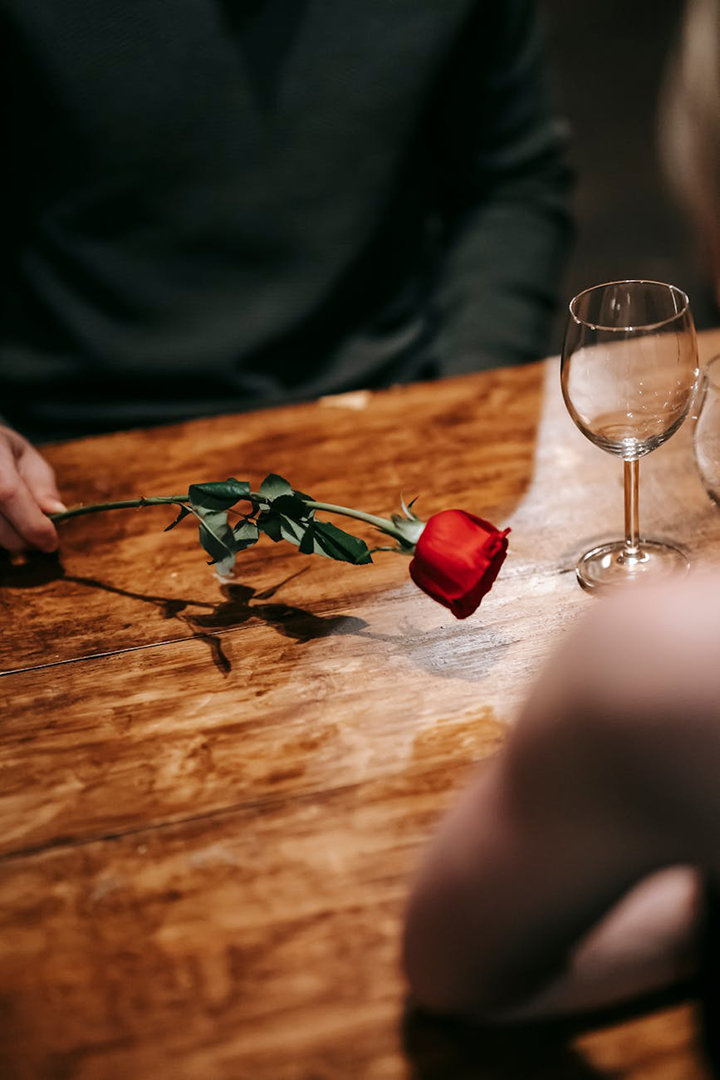
    The Sprightly Spirits – Photo by Ata Ebem on Pexels.com

    Light White Wines

    Picture a crisp Sauvignon Blanc or a zesty Pinot Grigio, dancing on your taste buds like a lively sprite. These light white wines are delicate creatures, and they thrive at temperatures around 45-50°F (7-10°C) when stored. Serve them a bit too warm, and they might lose their sprightly demeanor, becoming flabby and dull. Too cold, and their vivacious character may be masked, leaving you with a muted sip.

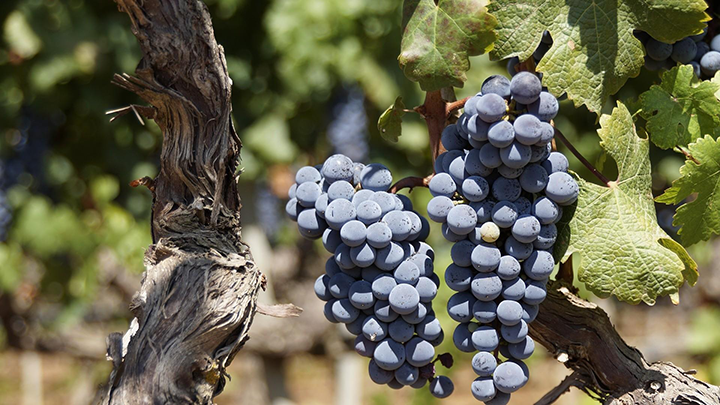
    The Oaked Chardonnay Extravaganza – Photo by Oleksandr P on Pexels.com

    Bolder White Wines

    Now, let’s enter the realm of bolder white wines, where the majestic oaked Chardonnay reigns supreme. These wines, with their buttery richness, demand a slightly warmer storage temperature of 50-55°F (10-13°C). Serve them too warm, and they might become a butter bomb, overwhelming your senses. Too cold, and the oak and creamy textures might be hibernating, leaving you with a less-than-luxurious experience.

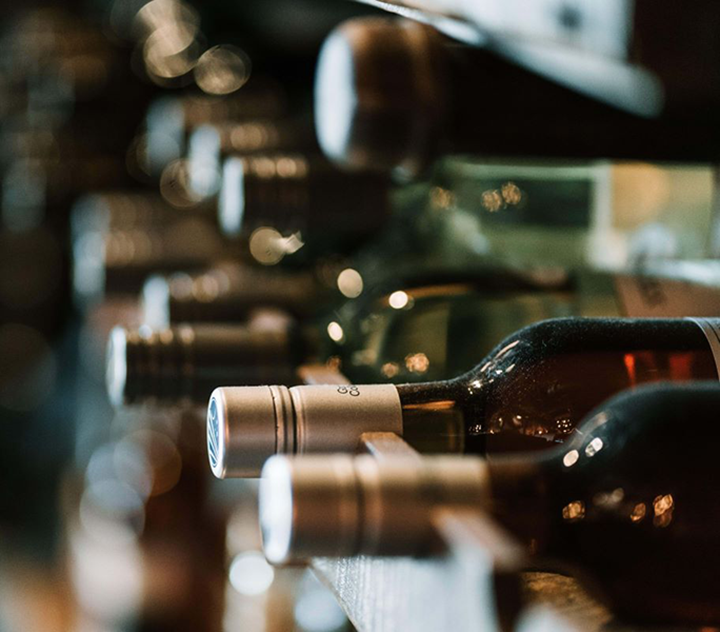
    The Effervescent Ballet – Photo by cottonbro studio on Pexels.com

    Sparkling Wines

    Ah, the effervescence of sparkling wines, those tiny bubbles that tickle your nose with delight. These celebratory libations prefer cooler storage temperatures around 43-50°F (6-10°C). Serve them too warm, and the bubbles may fizzle out prematurely, like a deflated balloon. Too cold, and their vibrant dance might be subdued, robbing you of that effervescent magic.

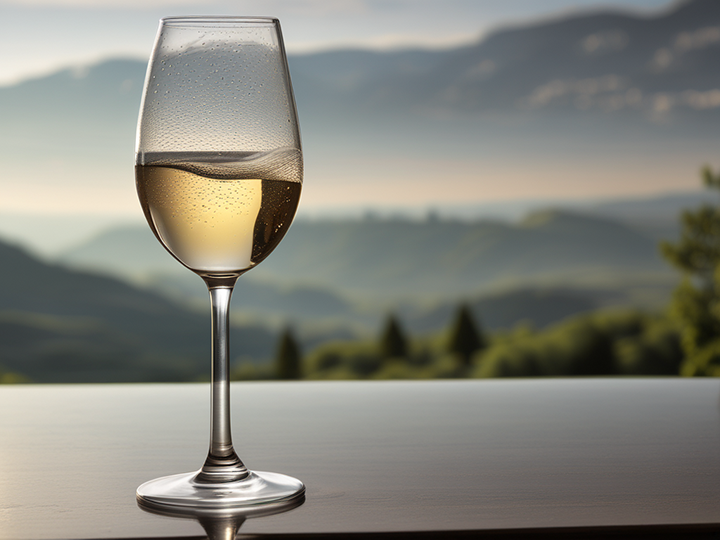
    The Sweet Symphony – Photo by Polina Tankilevitch on Pexels.com

    Dessert Wines

    Enter the world of dessert wines, a symphony of sweetness and complexity. Whether it’s a late harvest Riesling, a luscious Port, or a nutty Sherry, these wines thrive in slightly warmer storage conditions, around 55-60°F (13-16°C). Sweet wines–such as Sauternes and Eiswein–should be served well chilled at 43-46°F (6-8°C). Serve them too warm, and the sweetness might become cloying, like a sugar rush overwhelming your palate. Too cold, and their intricate flavors may be muddled, leaving you with a less-than-decadent experience.

    The Elegant Waltz – Photo by liis piirmets on Pexels.com

    Medium Red Wines

    Transitioning to the red side of the spectrum, imagine a medium-bodied red wine gracefully waltzing across your taste buds. Pinot Noir and Valpolicella often fall into this category, and they prefer storage temperatures around 55-60°F (13-16°C). Serve them too warm, and their elegance might turn into a clumsy stumble, with the alcohol overpowering the subtleties. Too cold, and their delicate flavors may become shy and reserved.

    The Bold Ballad

    Full-Bodied Red Wines

    Finally, we arrive at the full-bodied red wines, the powerhouses like Cabernet Sauvignon or Syrah. These robust wines come to life at storage temperatures of 59-64°F (15-18°C). Serve them too warm, and the tannins may dominate, leaving your mouth feeling like a dry desert. Too cold, and their complexity might be cloaked, robbing you of the full symphony of flavors.

    In the world of wine, temperature is the conductor, guiding each style to its crescendo of flavors. So, next time you uncork a bottle, take a moment to consider the temperature – the key to unlocking the true essence of your chosen elixir. Cheers to the whimsical journey through the vineyards of temperature, where every sip tells a tale of temperature and taste!

    Cheers 🍷

  • Unlocking the Magic of Beaujolais Nouveau

    Unlocking the Magic of Beaujolais Nouveau

    As autumn settles in and leaves begin to paint the landscape with warm hues, wine enthusiasts around the world eagerly await the arrival of a special seasonal favorite—Beaujolais Nouveau. This vibrant and fruity red wine, released just weeks after the grape harvest, has become a symbol of celebration and conviviality. As a wine educator, I am excited to delve into the nuances of Beaujolais Nouveau, exploring its origins, characteristics, and the cultural significance that surrounds its annual release.

    René Hourdry, CC BY-SA 4.0, via Wikimedia Commons

    A Brief History

    Beaujolais Nouveau finds its roots in the Beaujolais region of France, nestled between Burgundy and the Rhône Valley. The story begins with a tradition known as “Beaujolais Day,” a celebration that dates back to the early 20th century. The local winemakers, eager to share their newly harvested wines, would race to bring the first bottles of Beaujolais to the market. Over time, this lively tradition evolved into a global phenomenon.

    The practice of producing Beaujolais Nouveau officially started in the 1950s, thanks to the marketing genius of Georges Duboeuf, a visionary winemaker. Recognizing the potential of the young, fruity wine, Duboeuf seized the opportunity to promote it as a festive and convivial beverage. The release date was set to the third Thursday of November, creating an annual wine event that captures the imagination of wine enthusiasts worldwide.

    The Beauty of Carbonic Maceration

    What sets Beaujolais Nouveau apart from other red wines is its unique winemaking process, known as carbonic maceration. This technique involves fermenting whole grapes in a carbon dioxide-rich environment before crushing them. This process emphasizes the fruity and aromatic qualities of the Gamay grape, the star of Beaujolais wines.

    The result is a wine that is light, fresh, and brimming with red fruit flavors such as cherry, raspberry, and strawberry. The absence of harsh tannins makes Beaujolais Nouveau exceptionally approachable, even for those who may not typically gravitate towards red wines.

    A Symphony of Fruitiness

    When exploring Beaujolais Nouveau, one is immediately struck by its vivacious and youthful character. The wine typically exhibits a brilliant, ruby-red hue that hints at the explosion of fruit flavors within. On the nose, one can detect a medley of red berries, accompanied by floral notes that add a layer of complexity.

    On the palate, Beaujolais Nouveau dances with bright acidity, making it a refreshing and versatile wine. The fruity profile is complemented by a subtle spiciness, creating a harmonious balance that lingers in the finish. It’s a wine meant to be enjoyed in its exuberant youthfulness, best consumed within the first few months of release.

    Pairing Beaujolais Nouveau

    One of the joys of Beaujolais Nouveau is its versatility when it comes to food pairings. Its light body and vibrant acidity make it an excellent companion for a variety of dishes. Consider pairing it with classic French fare such as coq au vin or a plate of charcuterie. The wine’s fruity profile also makes it an ideal match for Thanksgiving dinner, complementing the array of flavors on the holiday table.

    For those with a sweet tooth, Beaujolais Nouveau can be a surprising ally. Its fruit-forward nature makes it a delightful pairing with fruity desserts, such as a berry tart or poached pears.

    Coq au Vin – themodernproper.com/coq-au-vin

    Cultural Significance

    The release of Beaujolais Nouveau has transcended its French origins and become a global celebration of wine and camaraderie. Wine lovers around the world eagerly anticipate the third Thursday of November, marking the official release date. Festivals, parties, and special events unfold as enthusiasts raise their glasses to toast the arrival of this unique and ephemeral wine.

    Beaujolais Nouveau has become more than just a beverage; it’s a symbol of conviviality, tradition, and the joy of sharing. Winemakers, distributors, and consumers alike partake in the annual ritual, creating a sense of connection that transcends borders and cultures.

    Embracing the Beaujolais Nouveau Tradition

    I encourage enthusiasts to embrace the magic of Beaujolais Nouveau. Its lively and approachable nature, coupled with the rich history and cultural significance, makes it a wine worth savoring. Whether enjoyed at a festive gathering, a cozy dinner, or simply as a delightful accompaniment to the changing seasons, Beaujolais Nouveau captures the essence of celebration in a bottle. So, as the third Thursday of November passes by, let us raise our glasses to this special season favorite and the traditions that make the world of wine so enchanting.

    Santé 🍷

  • Varietal Spotlight: Chardonnay

    Varietal Spotlight: Chardonnay

    The Canvas of the Winemaker.

    Few grape varieties offer as much versatility and expressive potential as Chardonnay. Within the Vitis vinifera family, it stands as one of the most adaptable varietals—capable of producing everything from zesty, mineral-driven wines to rich, barrel-aged expressions. Winemakers often call it the “blank canvas” grape, not because it lacks character, but because it reflects the sum of choices made in the cellar: oak or stainless steel, malolactic conversion or crisp acidity, extended lees aging or youthful freshness. Chardonnay mirrors technique—and that is precisely why professionals revere it.

    Photo by Nadin Sh on Pexels.com

    A Brief History of a Global Classic

    The name Chardonnay originates from a small village in the Mâconnais subregion of Burgundy, France. While legends once traced its ancestry to medieval crusades or poetic tales from Cyprus, modern science has provided a far clearer understanding.

    Thanks to genetic research—most notably by Dr. Carole Meredith of the University of California—we now know that Chardonnay is a natural cross between Pinot Noir and Gouais Blanc. That lineage is meaningful: Pinot Noir has long been considered the noble grape of Burgundy, while Gouais Blanc was historically grown for everyday table wine. Their close proximity in vineyards centuries ago allowed for cross-pollination that ultimately produced the varietal we recognize today.

    Interestingly, Gouais Blanc has been known by more than 140 different names—proof of its widespread cultivation—and yet it has all but disappeared today. Chardonnay, on the other hand, has become one of the most celebrated and widely planted grapes in the world.

    Chardonnay and Terroir: A Natural Translator

    Chardonnay is uniquely sensitive to terroir—the combination of soil, climate, altitude, water access, and topography that shape a wine’s character. For this reason, many Old World labels emphasize geographic origin more than grape variety.

    Photo by Kate Filatova on Pexels.com

    Take Chablis, for example. It is not a synonym for Chardonnay, yet every wine labeled Chablis must be made from Chardonnay. The region’s cool climate and Kimmeridgian limestone soils produce wines that are lean, flinty, and mineral-driven—quite different from the fuller styles of, say, Sonoma or Margaret River. Thus:

    All Chablis are Chardonnay, but not all Chardonnays are Chablis.

    Gregory Dean, SOMM&SOMM

    In Burgundy’s Côte de Beaune, names like Montrachet (pronounced “Mon-ra-shay”) represent some of the most prestigious—and expensive—Chardonnays on earth. Further south, Pouilly-Fuissé in the Mâconnais region is known for producing ripe, elegant Chardonnays that balance fruit with structure. Nearly every Old World country—France, Italy, Spain, Germany, Austria, Portugal, Greece, Hungary, Croatia, and others—produces unique expressions shaped by specific terroir.

    Old World generally refers to European, Middle Eastern, and North African wine-producing countries.

    New World Chardonnay: Sunshine in the Glass

    In contrast, New World regions such as California, Australia, South Africa, Chile, and Argentina typically experience warmer growing conditions. More sunlight means longer hang time, which increases sugar levels in the grapes. Higher sugar translates into higher alcohol during fermentation—one reason New World Chardonnays tend to be richer, fuller-bodied, and more fruit-forward.

    Photo by Manuel Muu00f1oz on Pexels.com

    Serving temperature matters:

    • Unoaked, youthful styles: 48–50°F (9–10°C)
    • Oaked or older vintages: 52–54°F (11–12°C)

    These subtle temperature differences allow either the fruit or the influence of oak and lees to take the spotlight.

    What About ‘Buttery’ Chardonnay?

    The often-discussed buttery texture comes from malolactic conversion—a natural process where sharper malic acid (like that in green apples) is transformed into softer lactic acid (found in milk and cream). This adds texture and roundness while reducing acidity. Not all winemakers choose this technique; some prefer the crisp purity of a non-malo Chardonnay. Again—the grape simply mirrors the choice.

    Photo by Heather Smith on Pexels.com

    Chardonnay in Champagne

    Chardonnay is also one of only three permitted grapes in Champagne—the sole white varietal allowed. In fact, when you see Blanc de Blancs on a Champagne label, it indicates the wine is made from 100% Chardonnay. Its elegance and aging potential make it highly prized in sparkling wine production around the world.

    Stylistic Tools of the Winemaker

    Chardonnay can express a wide range of styles depending on the methods used:

    • Stainless steel fermentation – preserves freshness and acidity
    • Oak aging – adds spice, texture, and complexity
    • Concrete eggs – enhance mouthfeel without imparting flavor
    • Malolactic conversion – softens acidity and adds creaminess
    • Lees stirring (bâtonnage) – contributes body and aromatic depth

    Chardonnay, perhaps more than any other grape, tells the story of the cellar.

    SOMM&SOMM Recommendations

    A few standout examples worth exploring:

    Too many to list—but each one showcases a different voice of the same grape.

    A Final Thought

    The best way to understand Chardonnay is to taste it across regions, styles, and techniques. In a gallery, we use our eyes to interpret a painting. With wine, we have the luxury of using three senses instead of one—sight, smell, and taste. Each glass reveals the winemaker’s intention and the land’s identity.

    Next time you pour a Chardonnay, ask yourself:
    What story is the winemaker telling… and what is the vineyard whispering in the background? Cheers ❤️

    Edited: Original post was written and published 2/18/2023. Refreshed and updated 11/29/2025

  • Demystifying Wine: Amarone della Valpolicella

    Demystifying Wine: Amarone della Valpolicella

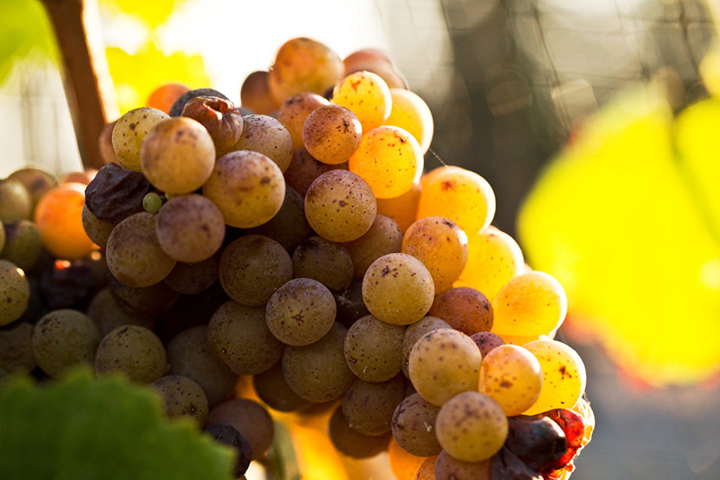
    Amarone (pronounced aa-muh-row-nay) is one of the most intriguing and mystic wines you’ll ever experience. It hails from the Valpolicella, Veneto region in north-east Italy, and is deeply steeped in tradition. No… Amarone is not a grape variety. It is a specific style of wine unique to this region. The three main grape varieties used to produce Amarone include Corvina, Rondinella and Molinara (up to 15%). Most Amarone produced today use between 60% and 80% Corvina as the primary grape in the blend–contributing to its signature flavor. Other varietals are used alongside Covina, Rondinella and Molinara for basic Valpolicella wines. These include: Pelara, Negrara, Forsellina and Oseleta.

    There are actually four (4) styles of distinct wines that come from the Valpolicella region. Recioto, Valpolicella, Ripasso and Amarone. Each uses a different blend of the local grape varietals mentioned earlier. The basic Valpolicella is light bodied and typically served slightly chilled. Some compare this wine to a traditional Beaujolais. I am yet to make this connection 😉 The remaining three styles, Amarone, Ripasso and Recioto all have something in common… dried grapes. That’s right, dried grapes! While according to legend, Amarone is a fairly recent discovery (1936), it has been around and vastly under appreciated for centuries.

    To appreciate Amarone, we need to understand its connection to Recioto. Fashionable early Romans preferred their wines sweet. Very sweet. Recioto wines (or at least variations of) date back to 234 BC. Immediately following harvest, grapes are placed in racks to dry. This method, called Appassimento (grape drying), allows time for the water to mostly evaporate and sugars become concentrated. The resulting must (grape juice) is fermented into this hyper-sweet nectar of the Gods we call Recioto. The winemaker determined the level of sweetness by stopping fermentation before the yeast converts all the sugar to alcohol.

    In the early days of Recioto production, the yeast sometimes remained active and continued to feed off the sugars. As a result, the wines were no longer sweet and much higher in alcohol. This style of wine did not resonate with the Romans, and was sold for cheap and used for cooking. Tastes changed over the years, and bitter recioto became Amarone–one of the most famous (albeit misunderstood) expensive wines in the world. Today Amarone wine is made through a deliberate process, not a result of unintentional extended fermentation.

    Amarone della Valpolicella is now a recognized DOCG (Denominazione di Origine Controllata e Garantita). This is the certification bestowed on regions of Italy indicating wines produced with the highest level of quality. Amarone wine begins as a garnet color with a ruby red rim (slight variation). Over time, the color of the wine gets lighter with reddish-brown brick tones. Every young red wine expresses fruit. The signature black cherry nose and palate of young Amarone takes on spicy notes as well as leather, old wood and even violet potpourri as it ages. Regardless, it is an amazing wine to serve with braised meats and mature cheeses. The biggest challenge with pairing this wine is understanding the impact a 15% alcohol wine can have on a particular dish.

    If this sounds intimidating, perhaps you would rather start with a “Baby Amarone.” Ripasso, as it turns out, is made from the same grapes as its big brother–Amarone. And while the initial wine isn’t made from dried grapes (yes, I mentioned Ripasso and dried grapes above), it goes through a second fermentation with used Amarone dried grapes. This process produces an amazing wine with all of the pure characteristics of the ripe Covina, Rondinella and Molinara grapes with the added intensity of the previously used Amarone grapes. This is certainly a wine worth seeking out!

    Cheers!

    Next article in the series: Enthusiast to Sommelier: Final Countdown

    First article in this series: Enthusiast to Sommelier: Getting Started

  • Wine Style: SOMM&SOMM Gear

    Wine Style: SOMM&SOMM Gear

    Head on over to the SOMM&SOMM online store to get the latest wine-inspired accessories and apparel to pair perfectly with any occasion 😉 We are constantly adding new trend-setting designs. Check out the latest.

    Available in 5 trendy colors. Order online here.