Category: Wine Service

  • Celebrating 36 Years of Love & Legacy: A Mondavi Affair

    Celebrating 36 Years of Love & Legacy: A Mondavi Affair

    In the world of wine, few stories intertwine celebration and life as deeply as that of Robert Mondavi. Reflecting this spirit, Scott and Alison White meticulously prepared every dish for their 36th anniversary celebration, a night that was as much about love and legacy as it was about Mondavi’s finest wines. It wasn’t just an evening of food and wine; it was a testament to the care, thought, and dedication that goes into creating something truly memorable—both in the kitchen and in life.

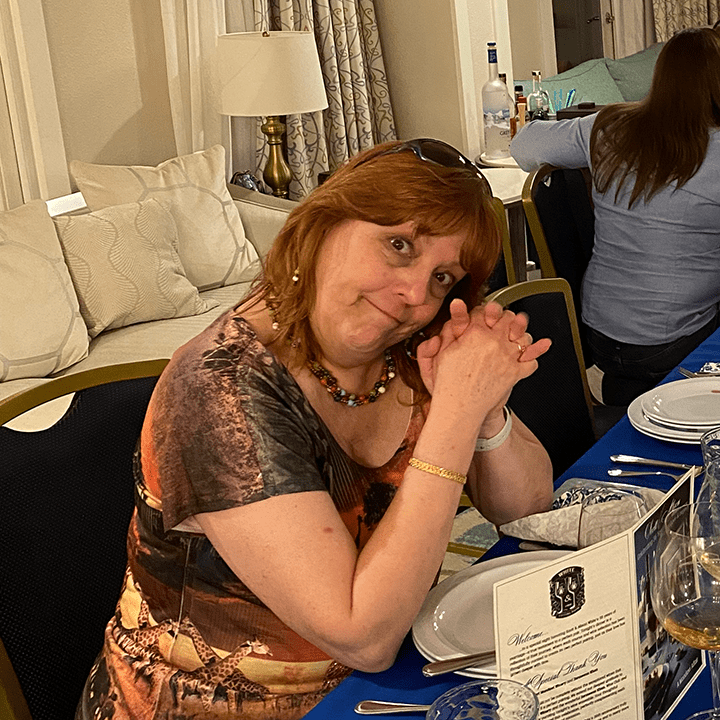
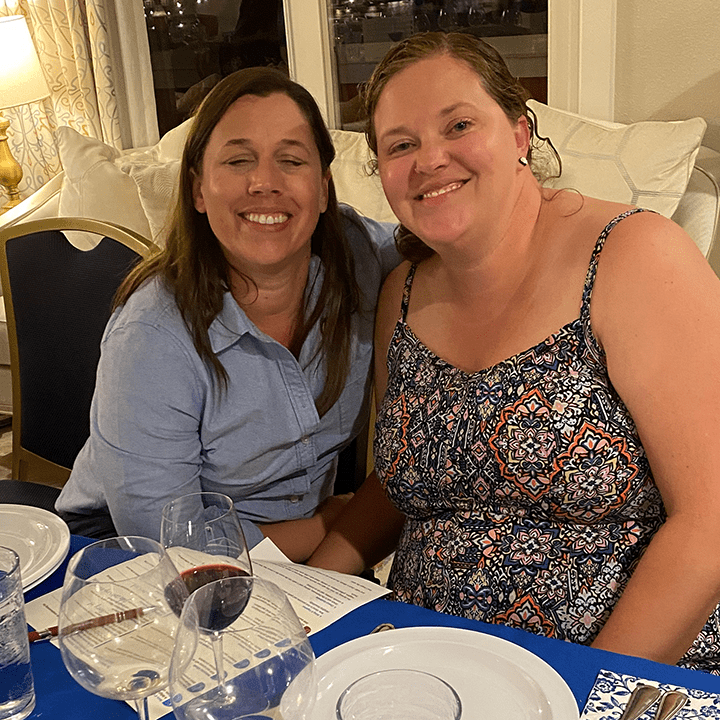
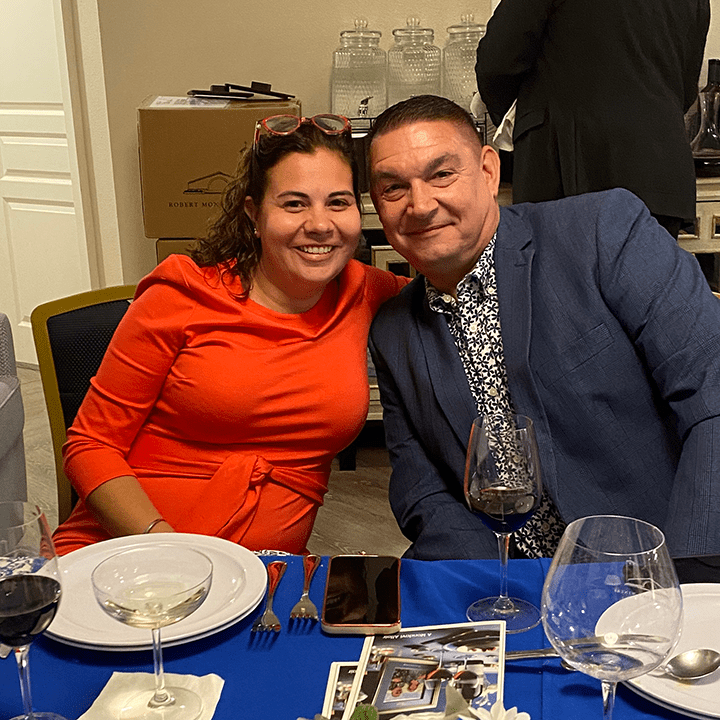
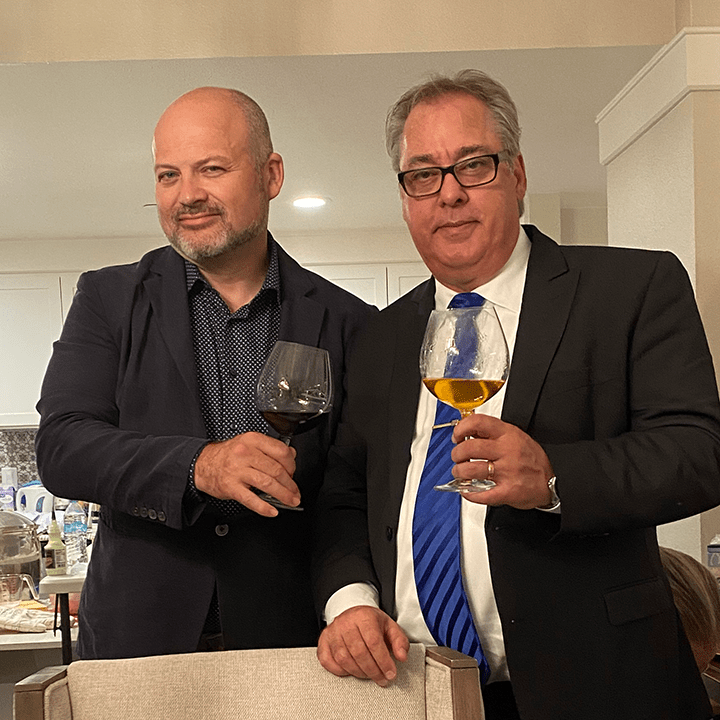
    We were honored to attend this grand affair, not only as guests but as fellow sommeliers, with a shared admiration for Robert Mondavi’s vision. The Whites’ attention to detail was evident in every course and pairing, their thoughtful preparation embodying Mondavi’s belief that “wine is part of the meal, part of life.” The elegant setting, draped in calming blue hues, was the perfect backdrop for an evening dedicated to celebrating love, friendship, and fine wine.
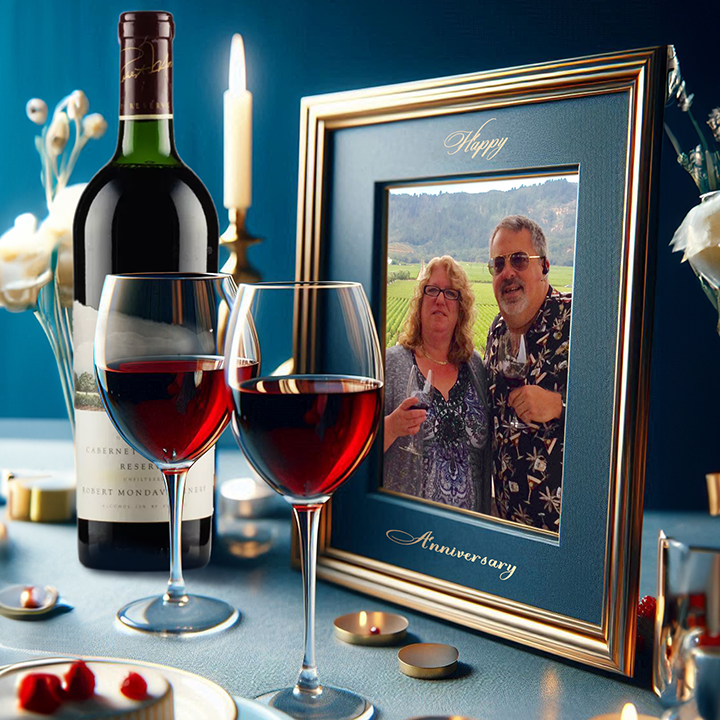
    Here’s to Scott and Alison, to 36 years of love, laughter, and legacy. Tonight, we raise our glasses not only to their enduring bond but to the friendships and memories that have grown alongside it. Just as a fine wine ages gracefully, deepening in complexity and richness, so too has their love—something we all cherish and celebrate. To many more years of shared joy, unforgettable moments, and, of course, incredible wine. Cheers!

    Gregory and Tammy Dean, SOMM&SOMM
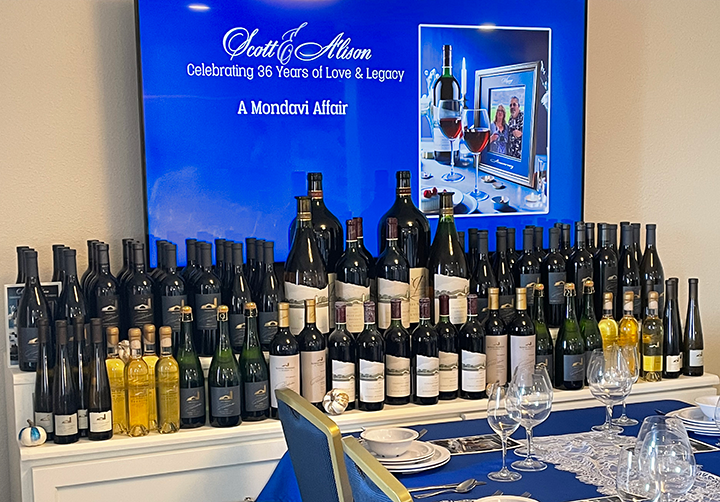
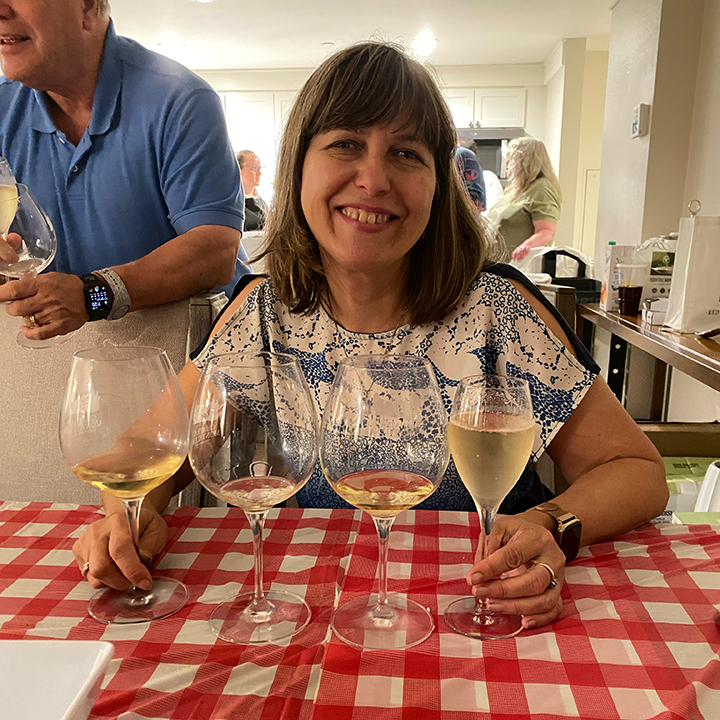
    The lineup of Mondavi wines for the evening

    Welcome Appetizers: Hackleback Caviar, and Seared Ahi Tuna

    The evening began with an artfully curated selection of appetizers, each thoughtfully prepared by Scott and Alison. The briny Hackleback Caviar and the savory depth of Seared Ahi Tuna set the tone for the night. Zarmeena Khan, Wine Club and DTC Manager at Robert Mondavi Winery, introduced the 2021 The Estates Sparkling Wine from Napa Valley. Crisp, lively bubbles lifted the delicate brininess of the caviar, while its citrus and mineral backbone refreshed the palate after each bite of bruschetta and tuna. The Sparkling Wine, with its purity and precision, paid homage to Mondavi’s commitment to wines that speak to their terroir.

    First Course: Goat Cheese Salad

    Next came the Goat Cheese Salad—a delightful juxtaposition of creamy goat cheese, candied walnuts, and dried cranberries atop fresh field greens. Paired with the 2021 The Estates Fumé Blanc, the wine’s bright citrus and grassy aromatics danced beautifully with the tangy richness of the cheese. The salad brought out the best in the wine, which showcased Mondavi’s masterful touch in crafting Sauvignon Blanc. The acidity was a perfect foil to the creaminess, while its herbal notes mirrored the freshness of the greens. Scott and Alison’s careful attention to the balance of flavors and textures was on full display here, showcasing their passion for bringing out the best in every bite.

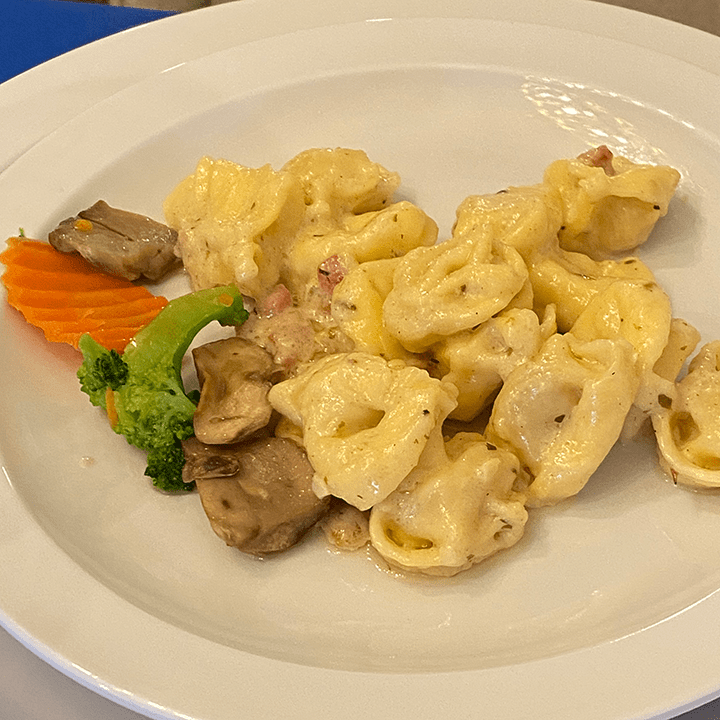
    Second Course: Tortellini Alfredo

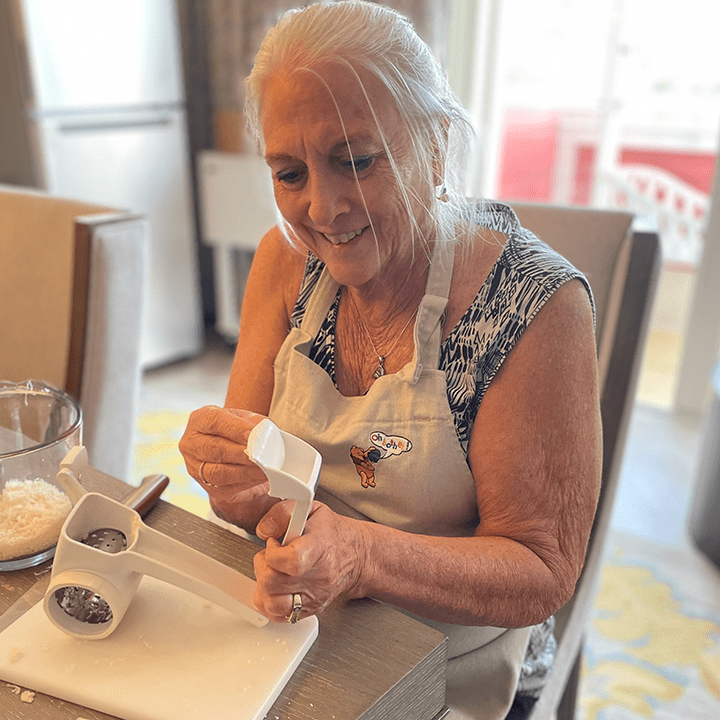
    The richness of the Tortellini Alfredo, adorned with crumbled carrots, mushrooms, and broccoli, was a creamy indulgence. What elevated this dish to new heights was the pairing with the 1998 Mondavi Reserve Chardonnay from Carneros. Aged gracefully, this Chardonnay was an experience in itself—its nutty, buttery layers complementing the Alfredo’s creamy sauce, while a subtle acidity cut through the richness, leaving a balanced and refined finish. This wine is a testament to the longevity and evolution of Mondavi’s Chardonnays, as it still held onto a vibrancy that belied its years. Here’s Scott’s recipe (real-time commentary included 🙂

    Scott’s Creamy Dreamy Alfredo

    Pro Tip: If you’re adding veggies or protein (chicken, shrimp, etc.), cook those up first and set them aside. You’ll thank me later!

    • Olive oil (a drizzle—enough to make things sizzle)
    • ½ cup pancetta (finely minced—because pancetta makes everything better)
    • 8 large garlic cloves (minced super fine—seriously, garlic is life)
    • ½ cup butter (because we’re not counting calories today)
    • 1½ cups heavy cream (go big or go home)
    • 2 cups freshly grated Parmesan cheese (the good stuff—no shaky cans)
    • ½ teaspoon white pepper (for a subtle kick)
    • ½ teaspoon dried parsley (for that herby goodness)
    • ½ teaspoon Italian seasoning (because Italy, duh)
    • ¼ teaspoon nutmeg (adds a surprising twist)
    • ½ teaspoon garlic powder (yes, more garlic)

    Drizzle some olive oil in your favorite pan and toss in the pancetta. Cook it until it’s brown and crispy, like pancetta confetti. The smell? Heavenly.

    Add your minced garlic to the pan and let it brown a bit. Not too much—we want it golden, not burnt! This is where the magic happens. Toss in all those dried seasonings and give it a good stir. Set this mixture aside—it’s the soul of your Alfredo.

    In the same pan (don’t you dare wash it yet, all those flavors are gold!), melt that glorious butter. Once it’s melted and dreamy, slowly pour in the cream. Warm it up, but don’t let it boil—just a gentle simmer will do.

    Now, blend in that pancetta and garlic mixture you set aside. Stir it into the cream and butter until everything’s mingling beautifully.

    Slowly add in the Parmesan, stirring until it melts into the sauce like a cheesy hug. Keep stirring until the whole thing is smooth, creamy, and oh-so-inviting.

    Pro Serving Tip: Toss this with your favorite pasta (fettuccine is classic, but you do you!). Or pour it over sautéed veggies, grilled chicken, or shrimp. Finish with a little extra Parm on top, and maybe a sprinkle of parsley for that fancy touch.

    And voilà—Scott’s Alfredo, the perfect mix of creamy, garlicky goodness. You’re going to want seconds. Maybe thirds.

    Third Course: Lobster Bisque or Butternut Squash Soup

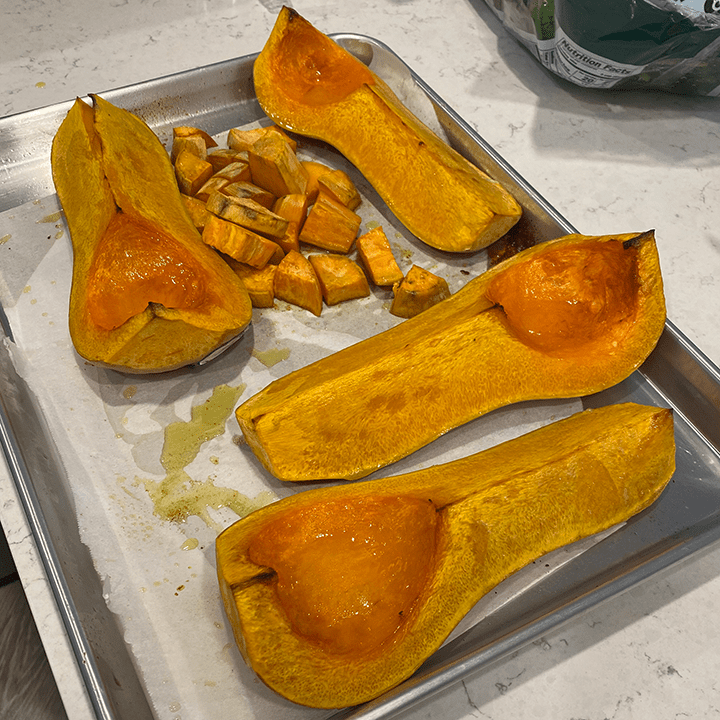
    As the third course was served, guests were given the option between an indulgent Lobster Bisque (prepared by Scott) or the comforting sweetness of Butternut Squash Soup (prepared by Russ Ahrens (Instagram: @drunkenchef82)). Both dishes were paired with the 2020 The Estates Chardonnay, a wine that stood confidently between the richness of the lobster and the subtle sweetness of the squash. Its balance of tropical fruit, creaminess, and acidity made it a versatile companion, harmonizing with both soups without overpowering the delicate flavors.

    Robert Mondavi’s legacy of elevating Chardonnay to an art form was ever-present in this pairing.

    Gregory Dean, SOMM&SOMM

    Fourth Course: Tuscan Chicken with Spaghetti

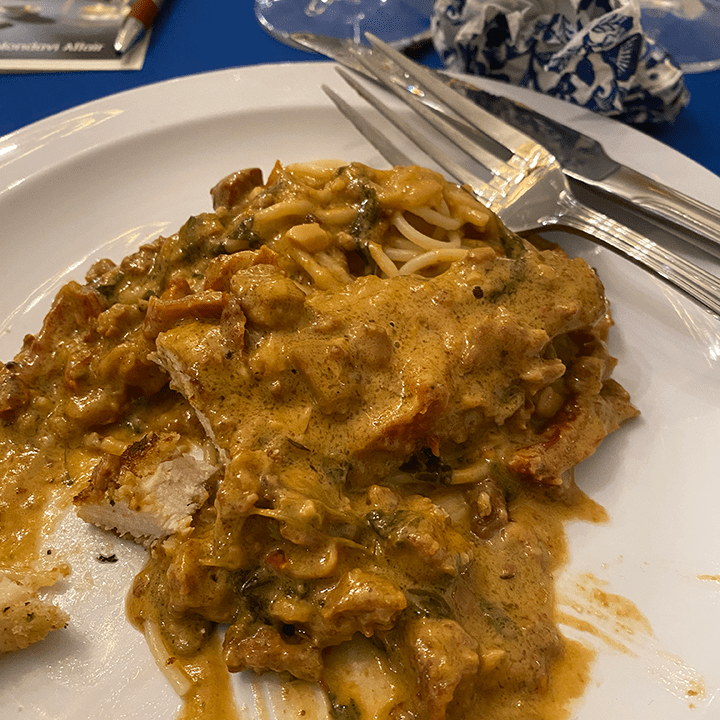
    Rustic yet elegant, the Tuscan Chicken with sausage, sun-dried tomatoes, spinach, and mushrooms was bold, hearty, and packed with flavor. The wine selected for this course was the 2021 The Estates Merlot from Oak Knoll. Known for producing beautifully structured Merlots, Oak Knoll gave this wine a ripe red fruit profile, complemented by soft tannins and earthy depth. Together, the dish and the wine became a duet—each bite of the savory chicken brought out the wine’s complexity, while the wine’s fruit-forward character rounded out the richness of the dish.

    Fifth Course: Charred Ribeye with Garlic Parmesan Mashed Potatoes

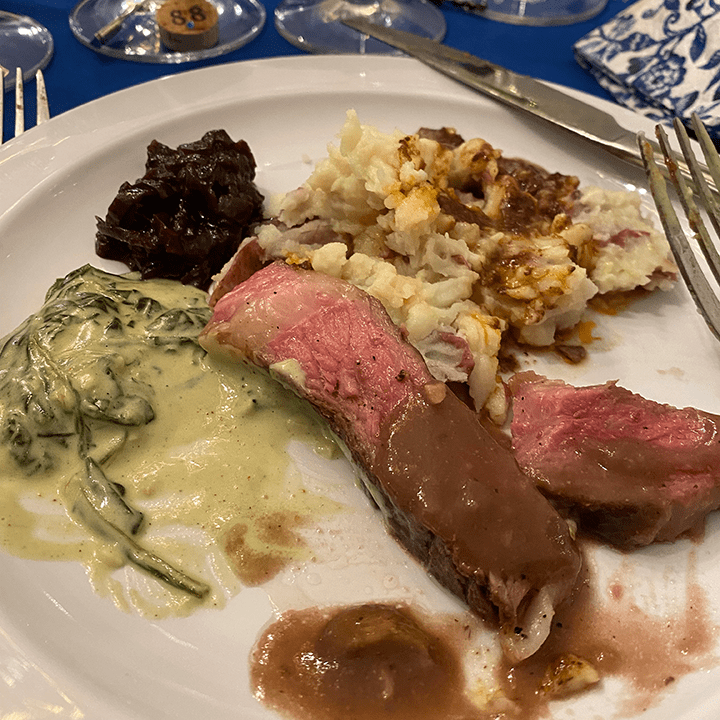
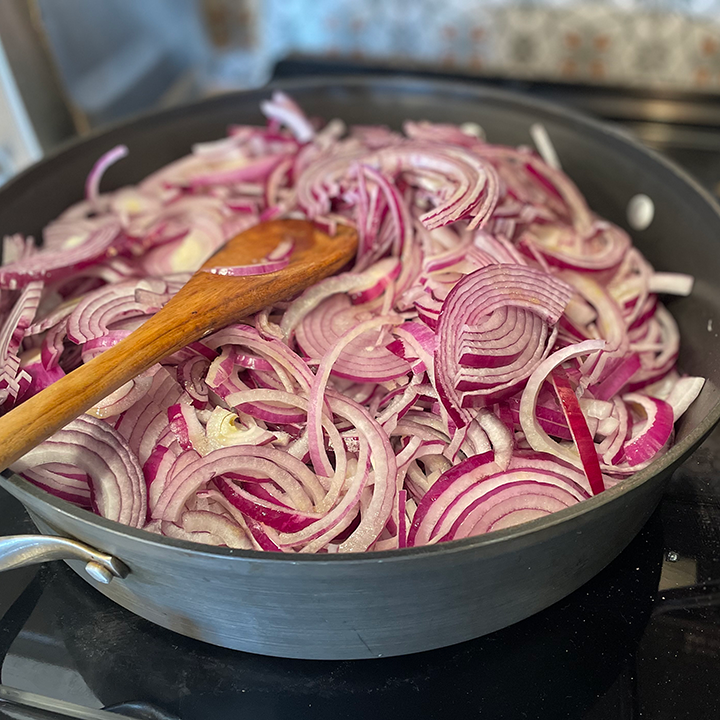
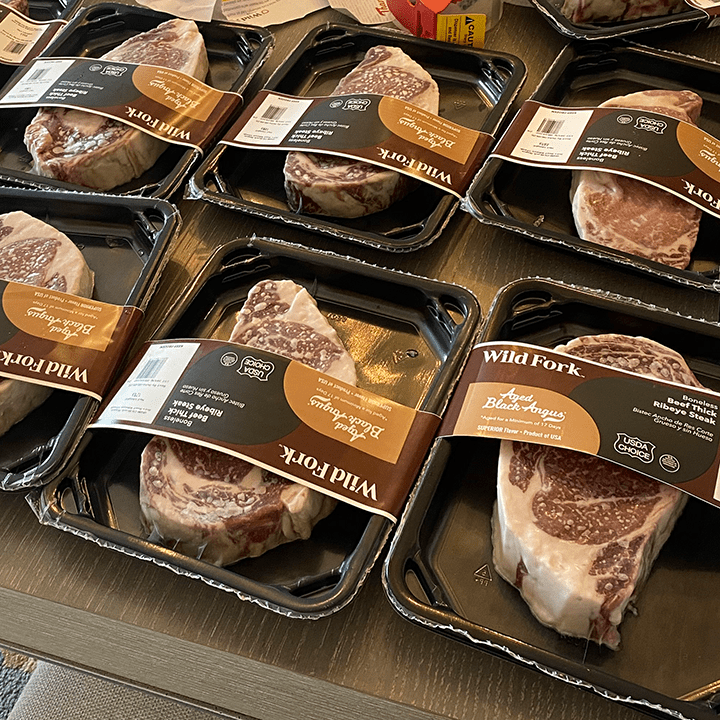
    For many, the charred ribeye was the highlight of the evening—a testament to Scott’s prowess and Russ’ skill in the kitchen. Served with garlic parmesan mashed potatoes, caramelized onions, and creamed spinach, this dish was a true labor of love. To honor such a decadent dish, we were treated to a vertical tasting of two Mondavi Cabernets—an exquisite 1988 Napa Valley Cabernet Sauvignon and a 1998 Oakville Cabernet Sauvignon. The 1988 vintage showcased dark fruit, leather, and earth, while the 1998 brought a more developed cedar and tobacco profile. Both wines, despite their differences, elevated the ribeye, with their structure and layered complexity enhancing the meat’s char and the rich bordelaise sauce. This pairing was a reminder of Robert Mondavi’s belief that “wine should bring out the best in food, just as food should bring out the best in wine.”

    Dessert Medley: Cannoli Cake & Caramel Apple Pecan Cake

    The dessert medley was a celebration in its own right. The Cannoli Cake, creamy and sweet, was paired with the 2020 Moscato d’Oro—a wine that shimmered with floral and vibrant citrus notes. The wine’s sweetness balanced the richness of the cake, offering a light, refreshing finish to each bite. Meanwhile, the Caramel Apple Pecan Cake, spiced with warm caramel flavors, found its match in the 2018 Sauvito Sauvignon Blanc from Oakville. This wine, with its ripe fruit and honeyed tones, mirrored the caramel and pecan notes in the cake, making for a harmonious, indulgent end to the meal.

    Here’s to 36 more years of love, legacy, and Mondavi magic!

    Gregory and Tammy Dean, SOMM&SOMM

    As the night drew to a close, it was impossible not to reflect on the thoughtful preparation that had gone into every dish and wine pairing. Scott and Alison’s 36th anniversary was a celebration not only of their enduring love but also of the art and care they bring to every meal. It’s evenings like these that remind us why we gather around the table—to share stories, laughter, and, most importantly… to celebrate life’s greatest moments. 🍷

    Alison, Scott, and Alyssa White

    Be sure to check out the 35th Anniversary extravaganza featuring Chateau Montelena wines!
  • A Lobster Boil Extravaganza

    A Lobster Boil Extravaganza

    Night Two of Scott and Alison White’s 36th Anniversary Celebration.

    Following the sparkling excitement of the previous evening, Scott and Alison White hosted a classic lobster boil, a feast fit for both food lovers and wine enthusiasts alike. Paired with the refined and storied Chardonnays of Chateau Montelena, this second night celebrated the richness of California’s wine legacy alongside the timeless joy of a seafood feast.

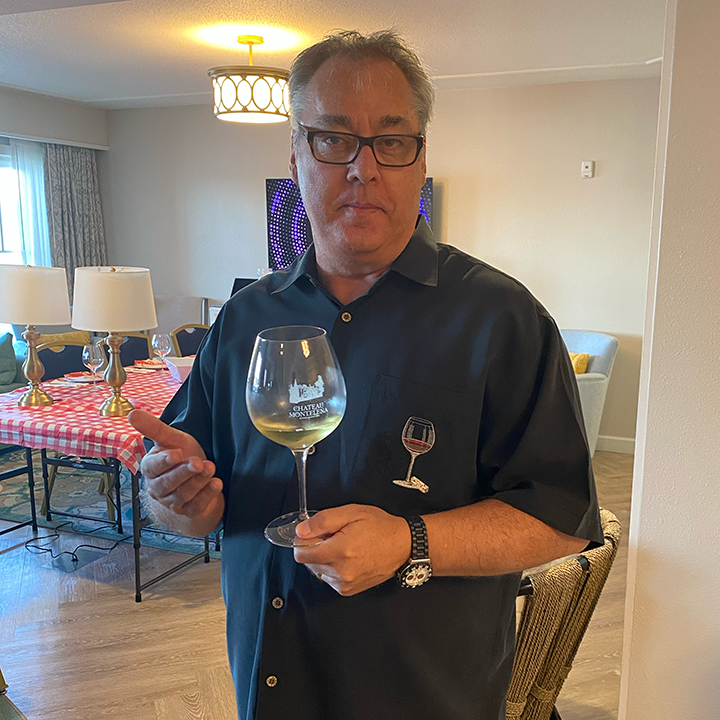
    Tammy alongside the 9-liter bottle of 2015 Chateau Montelena Chardonnay

    The Grand Opening: Chateau Montelena Chardonnay

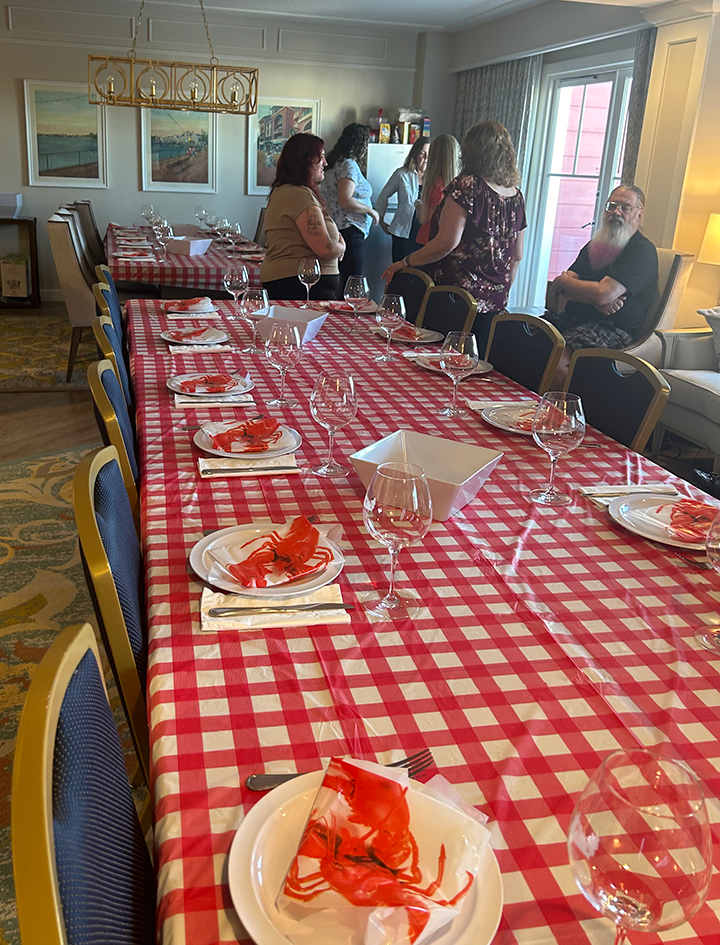
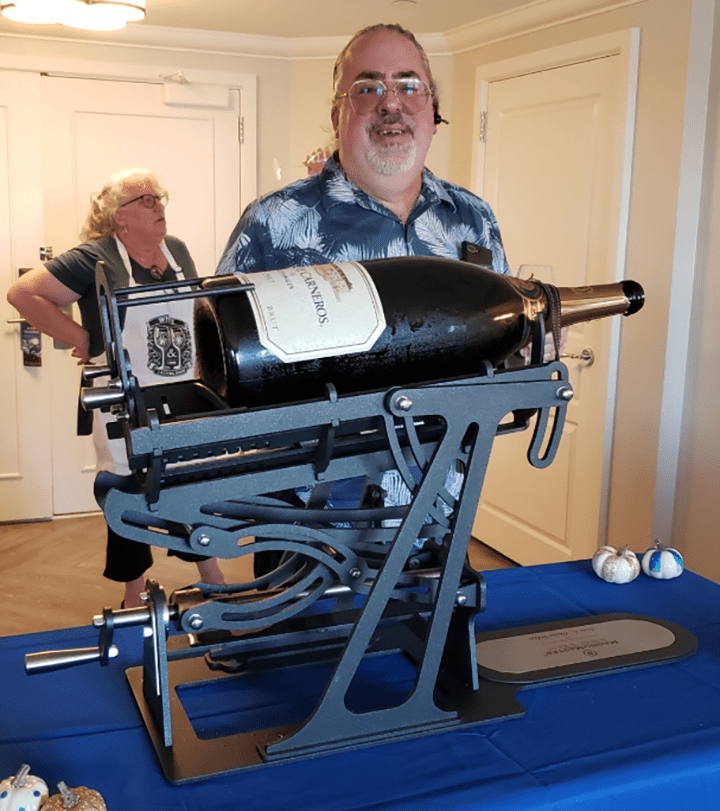
    The evening began with a spectacular sight: a 9-liter bottle of 2015 Chateau Montelena Chardonnay displayed in a custom mechanical wine cradle, lovingly known as “the rocket launcher.” This impressive vessel was racked and poured, allowing the room to be filled with the elegance and character of the 2015 vintage. Guests were seated at tables stretching the length of the suite’s common area, creating a warm communal ambiance as glasses were filled.

    A Culinary Labor of Love

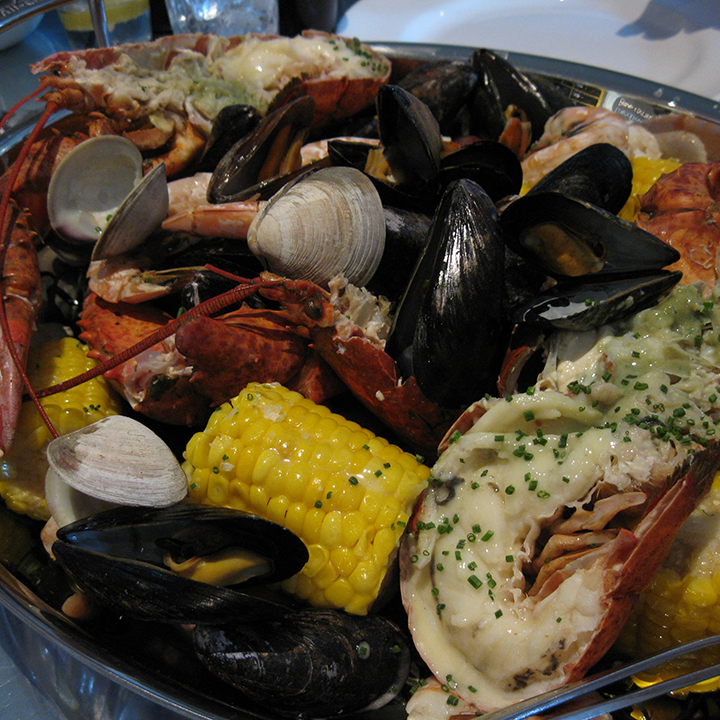
    Scott and Alison, along with the renowned Russ Ahrens (Instagram: @drunkenchef82), spent the entire day in the kitchen to prepare the lobster boil’s main attractions. The result was an extraordinary spread, with over 120 lobster tails, cheese-filled bratwursts, tender potatoes, succulent shrimp, corn on the cob, fresh clams, mussels, and cheddar bay biscuits—each element adding to the bounty and flavor of the evening.

    As guests indulged in the feast, the 2015 Chateau Montelena Chardonnay’s balanced acidity and rich, citrusy notes complemented the buttery lobster tails and briny seafood with finesse. The flavors melded beautifully, with the Chardonnay’s hints of stone fruit and subtle oak rounding out each bite.

    A Vintage Comparison: The 2015 and 2010 Chateau Montelena Chardonnay

    After the 2015 was savored and the 9-liter bottle emptied, Scott introduced a five-liter bottle of the 2010 Chateau Montelena Chardonnay. This vintage, with slightly more age, offered a glimpse into how Chateau Montelena wines evolve over time, displaying richer textures and deeper complexity. Spirited discussions ensued, as guests compared the vintages’ qualities—the 2010 bringing forth mellow oak notes, balanced with a lively acidity that contrasted with the younger 2015.

    Though both vintages had their fans, the 2015 emerged as the overall favorite. Scott, always prepared, uncorked a 750 ml bottle of the 2015 to confirm the consensus, and the wine’s balance and versatility secured its place as the perfect pairing for the lobster boil.

    Sweet Celebrations: October Birthdays and Dessert Wines

    Adding a personal touch, the evening’s desserts honored October birthdays for Alyssa, Scott and Alison’s daughter, and Jay, Scott’s brother. Two classic white birthday cakes graced the table, one with a smooth buttercream frosting and the other with a rich chocolate buttercream. The wine pairings were equally thoughtful, featuring the caramelized depth of Bodegas Alvear Pedro Ximénez Solera 1927, the berry-rich notes of a 2016 St. Francis Port, and the Domaine Carneros Demi-Sec sparkling wine from the previous night.

    Russ Ahrens (Instagram: @drunkenchef82) enjoying a New York Sour

    A Perfect Finish: Armagnac and Classic Cocktails

    As the night wound down, guests enjoyed a few final toasts with Armagnac and carefully crafted cocktails, each a fitting finale to a night of laughter, good food, and extraordinary wines. Scott enjoyed an Old Fashioned, while Russ savored a New York Sour, closing the evening with the warmth of shared stories and an appreciation for another unforgettable night.

    Left to Right: 375 ml, 750 ml, 750 ml, 5 liter, 6 liter, and 9 liter bottles

    To the bounty before us, the friends beside us, and the wines that elevate every bite. May our glasses stay full, our laughter ring loud, and our memories grow richer with each passing year. Cheers to good food, great wine, and even better company!

    Gregory Dean, SOMM&SOMM

    This lobster boil celebration, a beautiful blend of food, wine, and friendship, set a high standard for the week’s festivities and served as a reminder of the beauty in celebrating life’s moments with those we hold dear. Cheers 🍷

    Cover photo by: inuyaki.com, CC BY-SA 2.0, via Wikimedia Commons

  • Domaine Carneros Sparkling Party

    Domaine Carneros Sparkling Party

    A Toast to Tradition and Togetherness.

    As a grand kickoff to Scott and Alison White’s week-long 36th-anniversary festivities, this year’s Sparkling Party brought together family and friends at Disney’s Boardwalk Resort for an evening overflowing with camaraderie, exquisite food, and the celebrated Domaine Carneros sparkling wines. This year’s feature: three impressive six-liter bottles of the 2017 Taittinger Domaine Carneros Brut, each bottle holding the lively energy and character that made it the evening’s “magic elixir.”

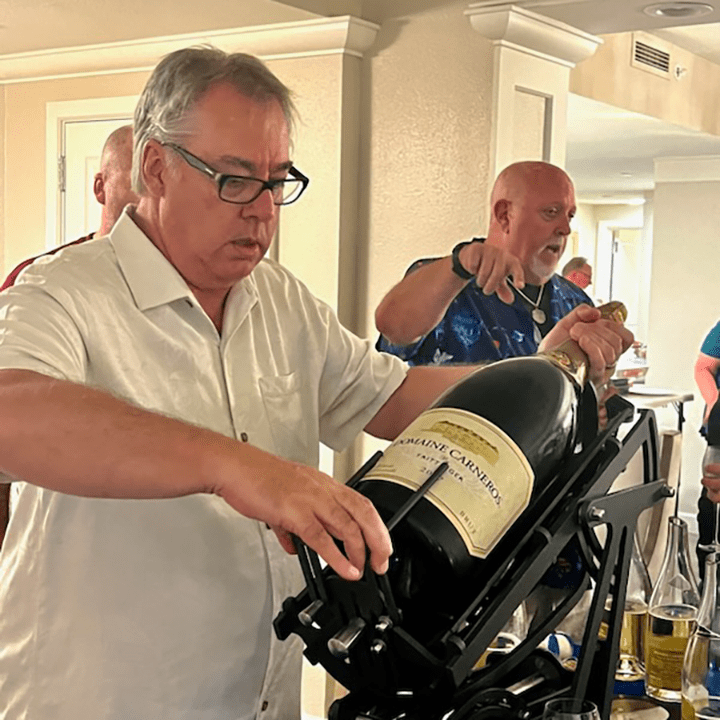
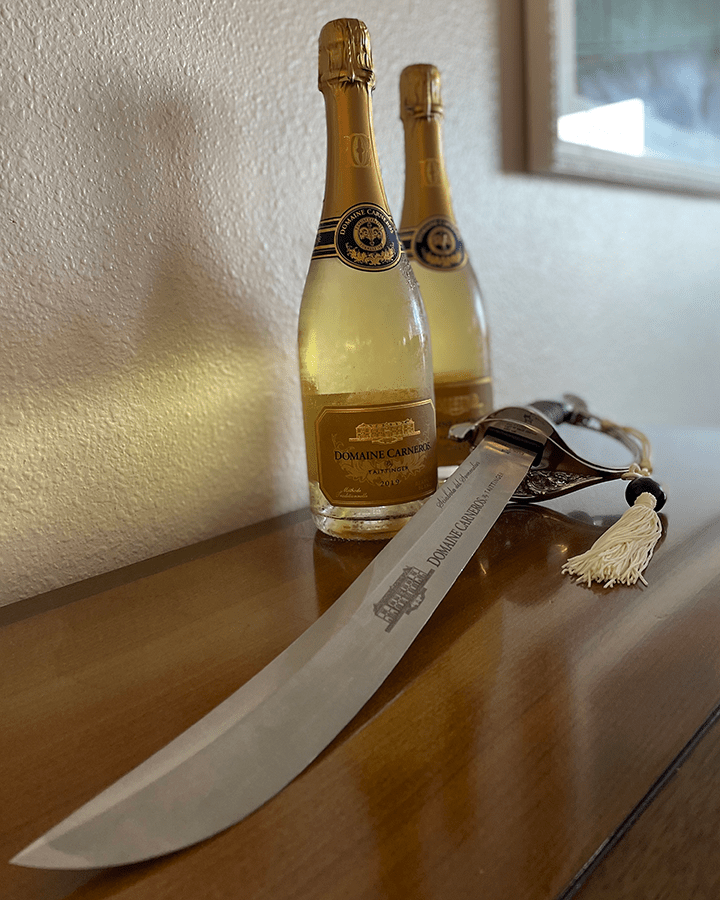
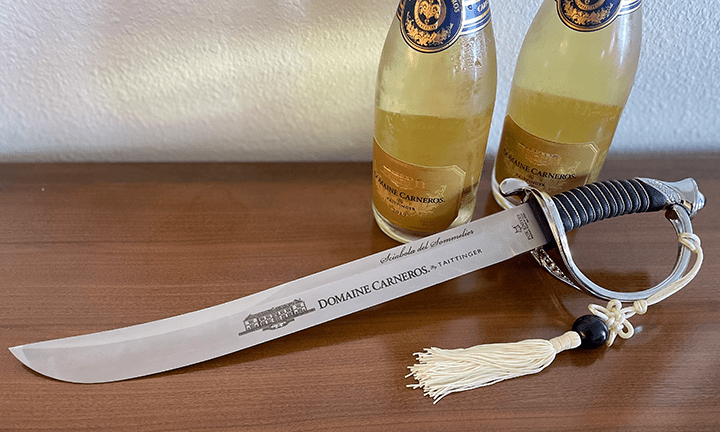
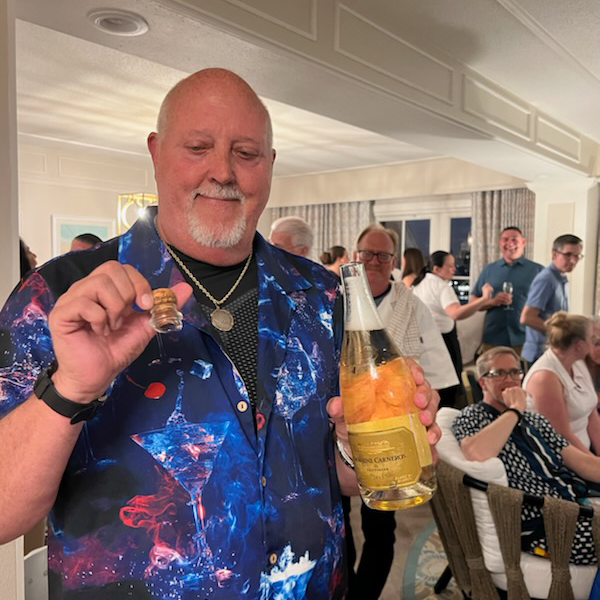
    Scott White sabers a bottle of Domaine Carneros

    Sabering the Sparkling: A Celebration in Every Strike

    Scott White, an aficionado of Napa’s finest wines, proudly opened the evening with a daring sabering of the first large-format bottle, a feat he performed for the first time, thrilling his guests. With Scott’s deft, confident strike, a burst of effervescence flowed as the cork and neck were swept away, marking a spirited beginning to the evening. Following in Scott’s footsteps were Brian Toung and Dima Semenski, who each took up the saber with both excitement and skill, making clean cuts that set the night’s festive tone. Their efforts epitomized the camaraderie and celebration that this party—and the art of sabering itself—so beautifully embody.

    Read about these three sabertiers: The Art and Ritual of Sabering Sparkling Wine: A Master Class

    A Sparkling Legacy

    The Domaine Carneros Brut, from the esteemed 2017 vintage, poured with an elegance that complemented the gathering’s lively spirit. Its fine mousse and balanced acidity elevated every bite, pairing especially well with the variety of appetizers thoughtfully prepared for the event. The Brut’s light brioche, citrus, and apple notes mingled with the menu, enhancing every pairing as each course was unveiled.

    A Feast for the Ages

    This year’s menu was a true banquet, carefully curated to pair harmoniously with the sparkling wines. The cold plates—shrimp cocktail, lump crab, and salmon crackers—offered a fresh, clean introduction, perfectly suited to the Brut’s zesty minerality. A charcuterie and cheese plate was rich in flavor, providing a range of textures and tastes that beautifully highlighted the wine’s toasty notes.

    The fruit platter, with ripe strawberries, juicy pears, and the indulgent blue cheese and candied walnut pairings, was a refreshing contrast to the sparkling wine’s crisp acidity. Caprese skewers and veggie plates kept the palate lively, while deviled eggs added a creamy, savory delight.

    The hot dishes were a masterpiece in their own right, showcasing beloved classics and a few surprises. Bacon-wrapped scallops, a crowd favorite, brought out the subtle smokiness in the Domaine Carneros Brut, while mini quiches with bacon and Swiss and savory onion and goat cheese phylo cups matched the wine’s complexity sip for sip. Brie and fig phylo cups, with their luxurious combination of creamy brie and sweet fig, proved to be another highlight alongside the sparkling wine’s effervescence.

    The Pompon sandwiches, featuring Argentinian sausage, and Pizza Piena, an Italian-style pie, added rich heartiness to the mix, a delightful pairing with the structured yet delicate bubbles of the Brut. Abundantly flavored dishes, such as stuffed mushrooms, pot stickers, and Spanish albondigas (meatballs), held their own next to the sparkling wine, creating a symphony of flavors that each sip of Domaine Carneros only heightened.

    Dessert and the Perfect Pairing

    To bring the evening to a sweet close, a stunning array of desserts was served alongside the Domaine Carneros Demi-Sec. The Demi-Sec, with its slight sweetness and softer acidity, was the ideal match for the variety of treats on offer. Each bite, from rich pastries to light fruit-based desserts, found its perfect complement in the Demi-Sec’s balanced sweetness, with flavors that lingered delicately on the palate.

    A Toast to the Sparkling Party

    As the night wound down, a few guests enjoyed glasses of Armagnac, raising a final toast to friendship, to Scott and Alison’s enduring love, and to the memories shared and created anew. With Domaine Carneros sparkling wine in hand and laughter filling the air, the evening was a testament to tradition, good company, and the pure joy of savoring exceptional wine and food in celebration of life’s finest moments. Cheers 🥂

  • The Art and Ritual of Sabering Sparkling Wine: A Master Class

    The Art and Ritual of Sabering Sparkling Wine: A Master Class

    The act of sabering—a tradition often accompanied by awe and anticipation—stems from a blend of history, skill, and sheer drama. When Scott White sabered his first bottle of Domaine Carneros Blanc de Blancs at the celebratory evening of his anniversary week, he carried on a tradition that dates back centuries. As Scott expertly removed the cork with a flourish, he set the stage for Dima Semenski and Brian Toung, both of whom followed his lead and celebrated their own first successful sabering of sparkling wine.

    Champagne! In victory, one deserves it; in defeat, one needs it

    Napoleon Bonaparte

    A Brief History of Sabering

    Sabering finds its roots in Napoleonic France. After the French Revolution, Napoleon Bonaparte and his cavalry celebrated victories by sabering bottles of champagne—a natural choice, as champagne’s association with celebration and triumph was already well-established. The use of a saber was both a convenient and symbolic choice for the soldiers, who found it easy to remove the cork while on horseback. Napoleon himself famously declared, “Champagne! In victory, one deserves it; in defeat, one needs it,” forever tying champagne with the joy and valor of his forces.

    The Technique of Sabering

    While sabering may seem like a dramatic display, it relies on the interplay between physics and precise technique rather than brute strength. Here’s a step-by-step guide to the process:

    1. Select the Right Bottle: Sabering works best with sparkling wines under high pressure, like champagne or quality California sparkling wines such as Domaine Carneros. The pressure inside (typically around 90 psi) helps to launch the cork cleanly when struck correctly.
    2. Chill the Bottle: A cold bottle is critical, as it helps to create a clean break. Ideally, the bottle should be chilled to around 45°F (7°C). I actually prefer the bottle to be chilled between 38°F and 45°F before immersing it inverted into an ice bath for about 30 minutes prior to sabering. The cold temperature prevents shattering by making the glass more brittle.
    3. Find the Seam: Every bottle has seams running vertically along opposite sides. The seam is a structural weakness, making it the ideal place to strike. Aligning the saber with the seam improves the likelihood of a smooth, even break.
    4. Prepare Your Saber: A proper saber has a blunt edge, though any heavy, blunt object (such as a chef’s knife) can work in a pinch. The key lies in a confident, smooth motion rather than a sharp edge.
    5. Angle the Bottle and Saber: Hold the bottle at a slight upward angle (around 45°) to keep the cork from ejecting downward. Position the saber just above the base of the bottle and prepare to slide it smoothly along the seam towards the neck.
    6. The Saber Strike: In a single fluid motion, slide the saber up the seam and hit the bottle’s lip where the neck meets the cork. The strike should be decisive but controlled. If done correctly, the cork and a small ring of glass should break away cleanly.
    7. Celebrate Responsibly: After the bottle has been sabered, the pour typically begins immediately. The rush of bubbles ensures that any loose glass is forced away from the neck.

    An Evening of Celebration: Scott’s First Sabering Experience

    At the Domaine Carneros sparkling wine kick-off party in the suite at Disney’s Boardwalk Inn, Scott’s first attempt at sabering marked a special moment. With his affinity for California wines, particularly those from the Napa region, Domaine Carneros was the perfect choice to ring in his anniversary celebration. Domaine Carneros Blanc de Blancs, known for its elegance and nuanced expression, sabered beautifully under Scott’s confident guidance.

    Scott’s demonstration inspired others, and soon Dima Semenski and Brian Toung followed suit, each achieving a clean break on their very first attempts. The trio’s successes underscored the power of skill, confidence, and a well-chilled bottle. Together, their sabering added an unforgettable touch to the evening, each sabered bottle a testament to the shared joy and expertise that sparkled as brightly as the wine itself.

    Brian Toung’s first (and certainly not his last) sabering a sparkling wine

    To those bold enough to take up the saber, to the friends and family who cheer them on, and to the sparkle that flows from every victorious strike—may we always have the courage to embrace tradition with flair, to celebrate with gusto, and to cherish the thrill of every new endeavor. Here’s to bravery, bubbles, and the memories we make with each daring attempt. Santé!

    Gregory Dean, SOMM&SOMM

    Sabering Today: A Timeless Tradition

    The tradition of sabering continues to enchant as a thrilling way to celebrate any occasion. Whether at a professional gathering or an intimate celebration, sabering has retained its power to elevate a moment into something truly memorable. As Scott, Dima, and Brian discovered, there is a camaraderie in sharing this time-honored ritual, bringing people together to toast the past and future with a perfectly sabered bottle of sparkling wine. Santé! 🥂

  • The Wine Lover’s Foggy Memory

    The Wine Lover’s Foggy Memory

    St-Émilion and the Grande Classe ‘A’ Quandary.

    Ah, the joys of being a sommelier. You walk into a tasting event, confident in your knowledge, fully armed with years of wine education. You’ve mastered the intricacies of the Médoc’s growths, can identify a Bordeaux blend just by its nose, and could recite, in order, the prestigious First Growths of the Left Bank even after a few glasses. But then, the moment strikes—a fellow wine lover looks you square in the eye and asks: “What are the remaining Grande Classe ‘A’ wineries of Saint-Émilion?”

    Cue blank stare. The mental Rolodex is spinning, searching for answers, but all that comes up is a faint memory of Château Pavie and Château Angélus. Then… nothing. Not a flicker. Suddenly, the mind is playing tricks, and you’re left wondering if your years of dedication to wine knowledge have been vanquished by a mere swirl and sniff.

    It happens to the best of us—especially when wine is involved 😉

    Even if your memory temporarily betrays you, there’s always the glass in hand to bring you back to the essence of it all—experiencing the beauty of wine.

    Gregory Dean, SOMM&SOMM

    When the Mind Goes Blank

    Being a sommelier means juggling a lot of information—appellations, classifications, grape varieties, winemaking methods, soil types, vintages, and wine laws from every nook and cranny of the world’s great wine regions. We pride ourselves on our expertise, yet sometimes, in the haze of swirling glasses and gentle tannins, the simplest facts can elude us.

    Now, this wouldn’t be so embarrassing if it was something arcane, like obscure subregions in Uruguay, but Saint-Émilion? Grande Classe ‘A’? One of the most celebrated and debated regions of Bordeaux? This is common knowledge!

    The truth is, even the most seasoned professionals can falter. Whether it’s the excitement of the moment, the friendly banter, or perhaps a few sips too many, our brains are prone to the occasional misfire. In this particular case, Saint-Émilion’s classification system does have a habit of making things slightly more complicated than other Bordeaux regions.

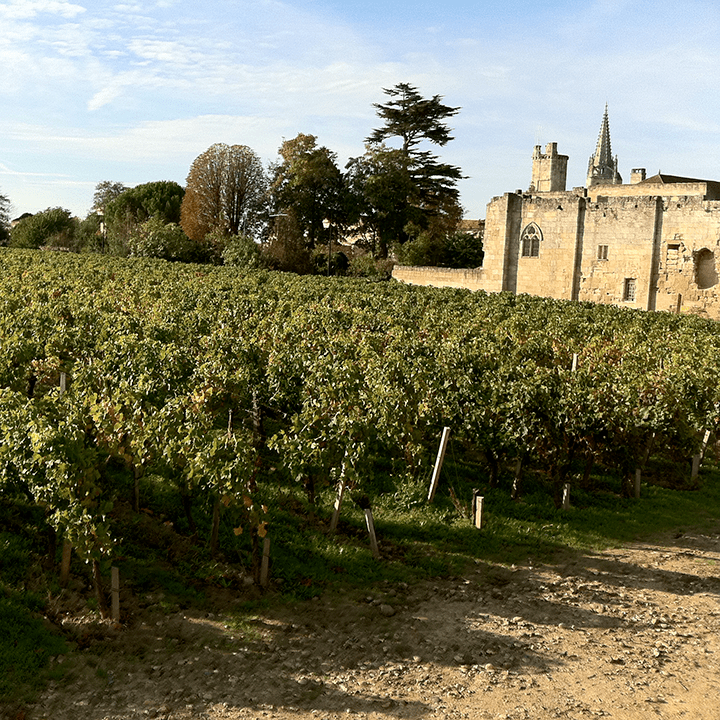
    Saint-Émilion winery – davitydave, CC BY 2.0 via Wikimedia Commons

    Saint-Émilion’s Ever-Changing Landscape

    Unlike the Left Bank’s rigid 1855 classification, Saint-Émilion’s system is… a bit of a moving target. Every 10 years or so, the classification is revised. This sounds great on paper—wineries are rewarded for their efforts to improve their wines. However, in practice, this has led to quite a bit of controversy.

    Wineries move up, others move down, and lawsuits abound. To top it off, some châteaux have even started rejecting their rankings altogether! For example, in the most recent shuffle, both Château Angélus and Château Ausone bowed out of the classification system after years of disputes, leaving only Château Pavie and Château Figeac as the remaining Grande Classe ‘A’ wineries.

    It’s no wonder I had a momentary lapse! Keeping track of the shifting players in this drama can be like trying to navigate a maze.

    The Current State of Saint-Émilion’s Classifications

    Let’s take a moment to redeem ourselves. Saint-Émilion’s classification was first introduced in 1955, with the goal of providing more dynamism and rewarding quality improvements over time. It’s revised approximately every decade, a factor that keeps things both interesting and, well, confusing.

    The classification has three main tiers:

    • Premier Grand Cru Classé A (the top tier)
    • Premier Grand Cru Classé B
    • Grand Cru Classé

    The 2022 classification, which stirred up a bit of controversy, left us with only two Premier Grand Cru Classé A wines: Château Pavie and Château Figeac—a reduction from four, following the voluntary withdrawal of Château Angélus and Château Ausone from the ranking system.

    At the next level, Premier Grand Cru Classé B, you’ll find well-respected names such as:

    • Château Troplong Mondot
    • Château Canon
    • Château La Gaffelière
    • Château Beau-Séjour Bécot

    These producers consistently create wines of incredible depth, structure, and aging potential.

    Then, there’s the broader Grand Cru Classé category, with over 60 producers representing a wide spectrum of styles. These wines are celebrated for their quality, but they don’t quite reach the lofty heights of the Premier Grand Cru Classé estates.

    When In Doubt, Enjoy the Moment

    Saint-Émilion is not just about the status or classifications, it’s about a love of the vine and the passion that goes into each bottle. The wines from this region, especially the Merlot-dominant blends, express a deep sense of place.

    So next time someone asks about Saint-Émilion’s Grande Classe ‘A’ estates and your mind draws a blank, take comfort in knowing that even a sommelier’s brain can be clouded by the grape. Just don’t forget to refill your glass and enjoy the journey back through the vineyards of Bordeaux. Cheers🍷

  • Wine and Food Pairing Adventures

    Wine and Food Pairing Adventures

    Unconventional Pairings and Expert Tips.

    When it comes to pairing wine with food, many people stick to traditional rules: red wine with red meat, white wine with fish, and so on. But the world of wine and food pairing is vast and exciting, with endless possibilities for adventurous pairings that can elevate both the wine and the food. In this article, we’ll explore unconventional pairings, delve into the art of contrasting vs. complementing flavors, and provide practical recommendations for different budgets and scenarios where individuals at a single table are enjoying different dishes (always a challenge).

    Photo by fauxels on Pexels.com

    Understanding the Basics

    When pairing wine with food, there are two primary approaches:

    1. Complementing Pairings: This method involves matching the flavors and textures of the wine and the dish to create harmony. For instance, a buttery Chardonnay complements a creamy lobster bisque because the wine’s texture mirrors the richness of the soup.
    2. Contrasting Pairings: This approach brings together opposing flavors to create a delightful balance. A classic example is pairing a crisp, acidic Sauvignon Blanc with a rich goat cheese salad. The acidity of the wine cuts through the creaminess of the cheese, creating a refreshing contrast.

    Both methods have their merits, and the choice between them often depends on the desired dining experience. Complementing pairings offer a sense of unity, while contrasting pairings provide dynamic tension and complexity.

    Unconventional Pairings with Ethnic Cuisines and Comfort Foods

    Let’s explore some unexpected pairings that bring out the best in both the wine and the dish.

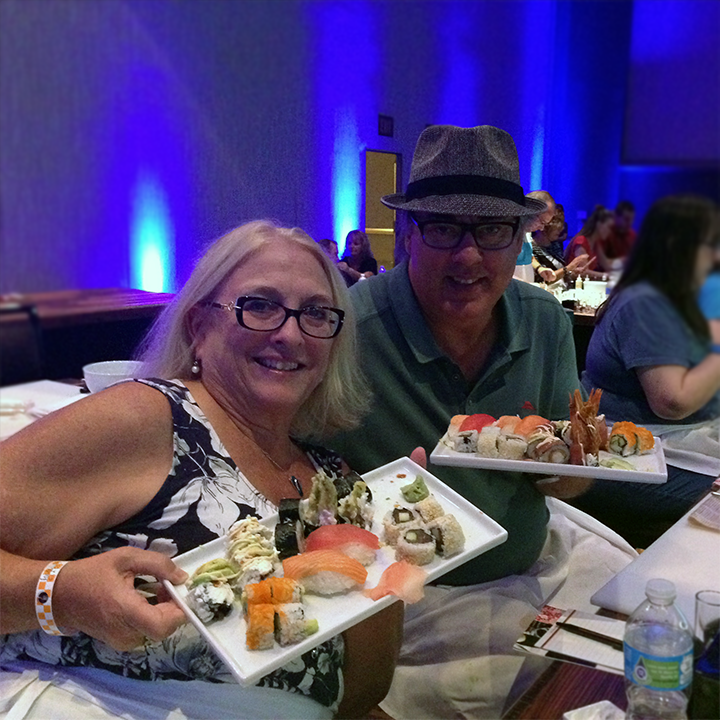
    Sushi Class at the 2016 Swan and Dolphin Food & Wine Classic

    Sushi and Sake’s Surprising Substitute: Riesling

    While sake is often the go-to beverage for sushi, a semi-dry Riesling can offer a delightful twist. The wine’s acidity and hint of sweetness balance the umami flavors of fresh fish, soy sauce, and wasabi. A German Riesling with bright citrus notes and a touch of minerality can enhance the delicate flavors of sashimi, while the slight sweetness can tame the heat of wasabi and ginger.

    Budget Tip: Look for a Kabinett or Feinherb Riesling from the Mosel region, which offers excellent quality at a reasonable price.

    SOMM&SOMM Recommends (under $20): Selbach Riesling Tradition Kabinett Feinherb 2019

    Thai Food and Off-Dry Gewürztraminer

    Thai cuisine is known for its complex balance of sweet, sour, salty, and spicy flavors. An off-dry Gewürztraminer with its aromatic profile of lychee, rose petal, and spice can complement the sweetness of coconut milk and counterbalance the spiciness of Thai curries. The slight sweetness in the wine also pairs well with dishes featuring fresh herbs like cilantro and mint.

    Budget Tip: Gewürztraminer from Alsace or even from regions like California or New Zealand can offer good value while maintaining the wine’s signature aromatic profile.

    SOMM&SOMM Recommends (under $20): Willm Reserve Gewürztraminer 2021

    Indian Curries and Sparkling Rosé

    Sparkling wine, particularly a Rosé, is an unexpected yet fantastic match for Indian curries. The bubbles help cleanse the palate, while the wine’s acidity cuts through the richness of the curry sauce. A dry or semi-dry sparkling Rosé can complement both mild dishes, like butter chicken, and spicier ones, like vindaloo. The red fruit notes in the Rosé add a layer of flavor that enhances the spices without overpowering them.

    Budget Tip: Cava from Spain or a Prosecco Rosé from Italy offers a cost-effective alternative to Champagne, bringing bubbles and acidity that work wonders with curry dishes.

    SOMM&SOMM Recommends (under $20): La Marca Prosecco Rose 2023

    Photo by Pablo Macedo on Pexels.com

    Pizza and Lambrusco: A Match Made in Italy

    Pairing wine with pizza is an adventure in itself, given the endless variety of toppings. A slightly sparkling red wine like Lambrusco is a fantastic partner, especially for pizzas with tomato-based sauces. This brings back great memories of date nights from our younger (ok, much younger) days 🙂 The bubbles and acidity cut through the richness of the cheese while complementing the tomato’s acidity. Lambrusco’s slight sweetness and tannins balance salty cured meats like pepperoni or prosciutto, while its fruitiness complements vegetable toppings like mushrooms and olives.

    Budget Tip: Lambrusco from the Emilia-Romagna region is often very affordable and versatile enough for a range of pizzas.

    SOMM&SOMM Recommends (under $20): Venturini Baldini Marchese Manodori Lambrusco

    Burgers and Zinfandel: Elevating Comfort Food

    For those who love a good burger, consider pairing it with a bold Zinfandel. The wine’s juicy, ripe fruit flavors, peppery spice, and medium tannins pair wonderfully with a burger’s charred exterior and savory toppings. The slight sweetness of Zinfandel can complement barbecue sauce, caramelized onions, or even a slice of cheddar cheese.

    Budget Tip: Look for Zinfandel from California’s Lodi region, known for offering great wines at reasonable prices.

    SOMM&SOMM Recommends (under $20): Zinfandelic Lodi Zinfandel 2021

    Pairing Strategies for Diverse Dishes at the Same Table

    When diners at a single table are ordering different dishes, finding a wine that complements all of them can be a challenge. Here are a few strategies:

    Opt for Versatile Wines

    Choose a wine known for its versatility, such as a sparkling wine, rosé, or a medium-bodied white like Chenin Blanc. Sparkling wines’ acidity and bubbles cleanse the palate, making them a good choice for a range of flavors. Rosés, especially those from Provence, offer freshness and a balance of fruit and acidity, which pairs well with various dishes, from seafood to grilled meats. Chenin Blanc, particularly from the Loire Valley, can have a combination of bright acidity, fruit, and minerality that pairs with both lighter fare and richer dishes.

    Focus on Flavor Intensity

    When selecting a wine to suit different dishes, consider the intensity of flavors. If most dishes are light, like salads or seafood, a light-bodied white wine such as Pinot Grigio or Albariño could work. For heartier dishes, a medium-bodied red like Pinot Noir or Grenache could provide enough structure to pair well without overpowering lighter dishes.

    Pinot Grigio (Pinot Gris, Grauburgunder) – Mark Smith, CC BY 2.0, via Wikimedia Commons

    Choose a High-Acidity Wine

    High-acidity wines are food-friendly because they cleanse the palate and refresh the senses between bites. A Sauvignon Blanc from New Zealand, with its herbaceous notes, pairs well with salads, seafood, and even dishes with tomato sauce. For red wine lovers, a Barbera from Italy, with its bright acidity and moderate tannins, pairs well with a range of dishes from pizza to poultry.

    Navigating Varying Budgets

    Not everyone wants or is able to spend a lot on a bottle of wine. Here are a few tips for finding great pairings on a budget:

    • Explore Lesser-Known Regions: Wines from lesser-known regions, such as Portuguese Vinho Verde or Chilean Carménère, offer excellent quality at a fraction of the price of more famous regions.
    • Look for Young Wines: Younger wines are often more affordable than aged wines and offer bright, fresh flavors that can be great for pairing with various dishes.
    • Go for Wine Styles Rather than Specific Labels: Focus on the style of wine rather than the specific label. For example, an unoaked Chardonnay from any region will likely have the crisp acidity needed to pair with lighter dishes.
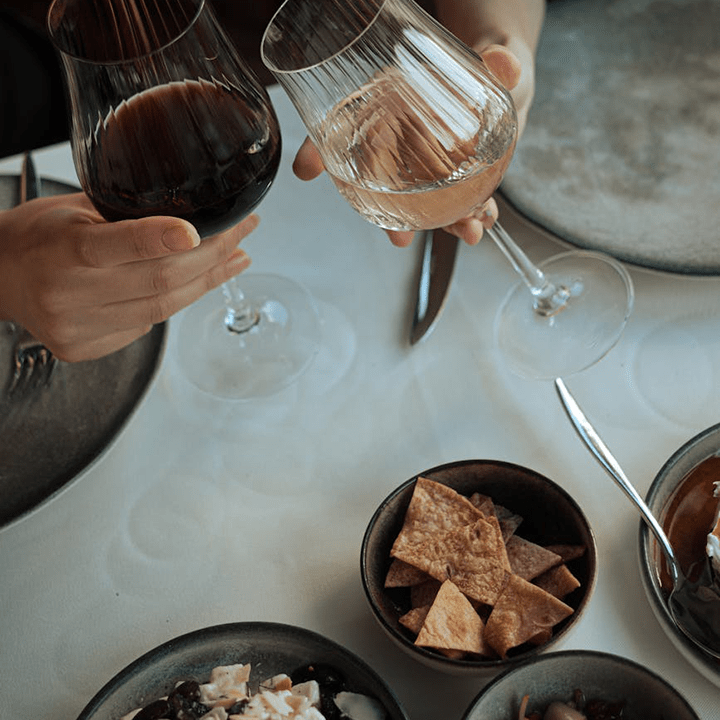
    Cheers! – Jakob Montrasio from Saarbrücken, Germany, CC BY 2.0 via Wikimedia Commons
    Finding Common Ground in Wine Pairing

    Pairing wine with food should be fun and exploratory, not rigid or intimidating. Whether you choose to complement or contrast flavors, the key is to understand the underlying principles of balance, intensity, and flavor harmony. For mixed tables, versatile and high-acidity wines are your best bet. Always consider the personal preferences of your diners and be willing to experiment. With a little knowledge and creativity, you can turn every meal into a memorable wine and food pairing adventure. Cheers 🍷

    Cover photo credit: Photo by Ziu015fan u00d6zdemir on Pexels.com

  • The Elegance of Wine Glasses

    The Elegance of Wine Glasses

    A Deep Dive into Rolled Edge vs. Cut Edge

    When it comes to the world of wine, the vessel you choose to enjoy your vintage in can profoundly influence the experience. Whether you’re a seasoned oenophile or a curious beginner, understanding the intricacies of wine glasses can elevate your appreciation of the wine itself. Among the many features of a wine glass, the edge – specifically whether it is rolled or cut – plays a surprisingly pivotal role.

    Every detail, down to the very edge, contributes to the symphony of senses that is wine tasting.

    Gregory Dean, SOMM&SOMM

    Rolled Edge vs. Cut Edge: The Basics

    Rolled Edge Wine Glasses

    A rolled edge wine glass features a lip that has been thickened by rolling the glass at the rim. This process creates a rounded, smooth edge. Rolled edges are often found in more durable, everyday glassware. They provide a comfortable drinking experience, as the thicker rim can be easier on the lips. However, the thicker edge may somewhat impede the direct flow of wine onto the palate, potentially dulling the sensory experience.

    Cut Edge Wine Glasses

    In contrast, a cut edge wine glass boasts a thin, sharp rim achieved by cutting the glass rather than rolling it. This style is prevalent in higher-end, sommelier-approved glassware. The fine edge allows the wine to flow smoothly and directly onto the tongue, enhancing the tasting experience by delivering more precise flavors and aromas.

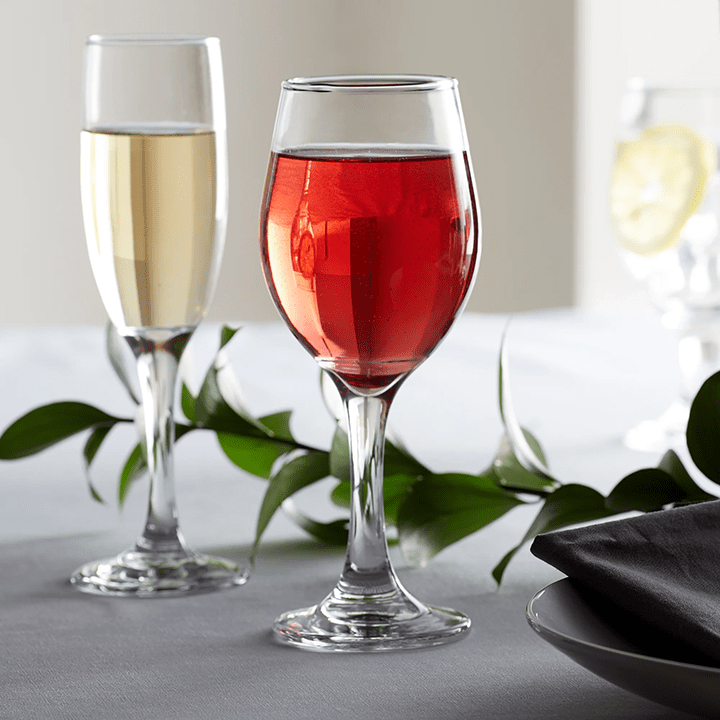
    Typical Rolled-edge Restaurant Wine Glasses

    When to Use Each Type

    Rolled Edge Uses

    – Casual Settings: Perfect for informal gatherings and outdoor events where durability and ease of use are prioritized over the nuanced tasting experience.

    – Everyday Use: Ideal for those who enjoy a glass of wine with dinner and prefer a sturdy, easy-to-clean option.

    Cut Edge Uses

    – Formal Occasions: Essential for wine tastings, dinners, and events where showcasing the wine’s full profile is the goal.

    – Wine Enthusiasts: Perfect for those who are passionate about wine and want to experience every subtle note and aroma.

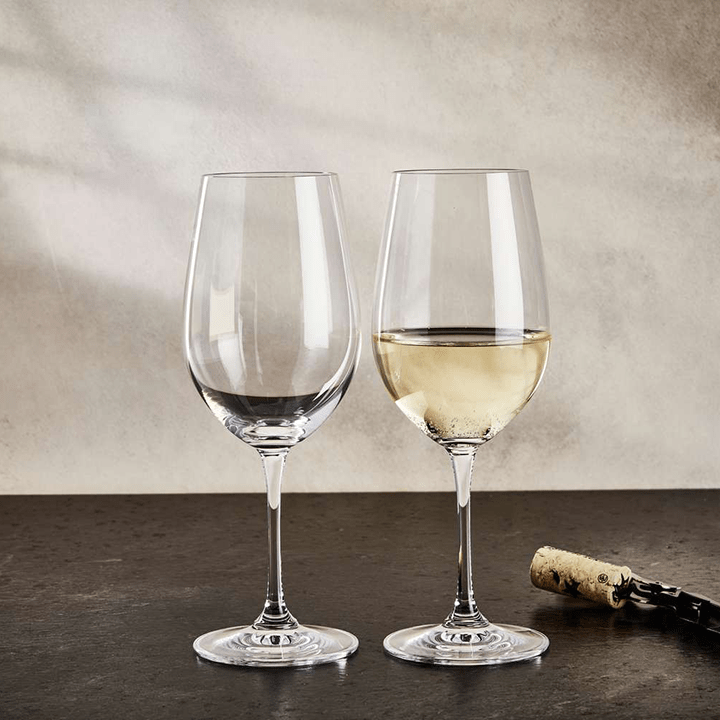
    Riedel Vinum Series Crystal Wine Glasses

    Glass Making Approaches and Formulas

    The material and craftsmanship behind wine glasses significantly influence their performance and the overall tasting experience. Let’s explore the primary materials used in fine glassware:

    Quartz Glass

    Quartz glass, or fused silica, is known for its exceptional clarity and resistance to thermal shock. It is less common in wine glasses due to its high cost and difficulty in molding. However, its superior clarity makes it a favorite in scientific applications and ultra-premium glassware.

    Soda-Lime Glass

    This is the most common type of glass, made from a combination of soda (sodium carbonate), lime (calcium oxide), and silica (silicon dioxide). Soda-lime glass is economical and durable, making it suitable for everyday use. However, it is generally less clear and brilliant than other types of glass.

    Lead Crystal

    Lead crystal, traditionally containing up to 30% lead oxide, is renowned for its brilliance and clarity. The lead content increases the refractive index, giving the glass a beautiful sparkle. Lead crystal is also more malleable when molten, allowing for intricate designs and thin rims. However, concerns about lead leaching have led to a decline in its use for drinkware.

    Lead-Free Crystal

    Modern advancements have produced lead-free crystal, which substitutes lead oxide with other metal oxides like barium or zinc. This material retains the desirable properties of traditional lead crystal – clarity, brilliance, and durability – without the health concerns. Lead-free crystal is now the standard for high-quality wine glasses.

    SOMM&SOMM Recommends: Riedel Vinum Crystal Glasses

    The Effect on the Wine-Tasting Experience

    The choice of glass material and design profoundly affects the wine-tasting experience:

    Clarity: Higher clarity materials, like lead or lead-free crystal, allow for better visual appreciation of the wine’s color and consistency. The ability to see the wine clearly can enhance the overall sensory experience.

    Thickness: Thinner rims, typical of cut edge glasses made from crystal, allow for a more delicate delivery of wine to the palate, enhancing the perception of flavors and aromas. Thicker, rolled rims, more common in soda-lime glass, can dull this precision but provide durability and comfort.

    Weight: Crystal glasses are typically lighter and more balanced than their soda-lime counterparts, which can enhance the tactile experience of swirling and sipping the wine.

    SOMM&SOMM Recommends: Zalto Denk’Art Universal Hand-Blown Crystal Glasses

    Science and Subjectivity

    Science tells us that the thinner, more precise rim of a cut edge glass improves the direct flow of wine, enhancing the sensory experience by delivering flavors and aromas more effectively. However, the subjective pleasure derived from using a particular glass often depends on personal preference and context.

    For some, the ritual of selecting a delicate, beautifully crafted cut edge crystal glass adds to the romance of wine drinking. For others, the comfort and reliability of a sturdy rolled edge glass hold equal charm.

    Photo by Diana u2728 on Pexels.com

    Whether you lean towards the durable practicality of rolled edge glasses or the refined elegance of cut edge crystal, the choice of wine glass can profoundly influence your wine-tasting journey. Understanding the nuances between these types of glassware, as well as the materials and craftsmanship involved, allows you to tailor your wine experience to your preferences and occasions.

    So next time you uncork a bottle, consider not just the wine but the glass in which you’ll savor it. After all, every detail, down to the very edge, contributes to the symphony of senses that is wine tasting. Cheers 🍷

  • The History, Tradition, and Elegance of Port Wine

    The History, Tradition, and Elegance of Port Wine

    Port wine, a fortified wine hailing from the Douro Valley in Portugal, stands as a testament to centuries of winemaking expertise and tradition. Its rich flavors, deep history, and diverse styles make it a cherished beverage among enthusiasts and connoisseurs worldwide.

    Photo by Yesim G. Ozdemir on Pexels.com

    History and Heritage

    The story of Port wine dates back to the late 17th century when British wine merchants sought alternatives to French wines due to political conflicts. They turned to Portugal and discovered the robust wines of the Douro Valley. The addition of brandy to stabilize the wine during transportation led to the creation of what we now know as Port.

    The unique microclimate and terroir of the Douro Valley, with its steep terraced vineyards and schist soil, contribute to the distinctive character of Port wine. Over the centuries, Port production methods have evolved, but many traditional practices endure, preserving the essence of this revered beverage.

    Port wine comes in a variety of styles, each offering its own distinctive characteristics:

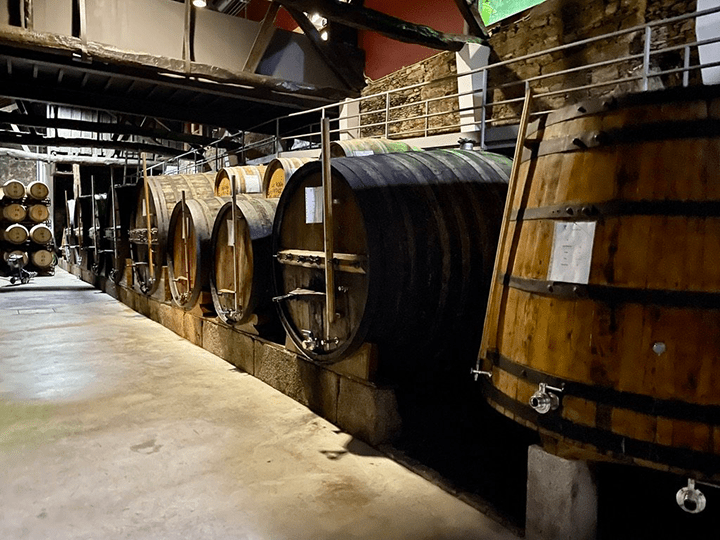
    Ruby Port – Young and vibrant, with fruity flavors of cherries and berries, Ruby Port is aged for a relatively short time in oak barrels to retain its freshness.

    Tawny Port – Aged in oak barrels for extended periods, Tawny Port develops a mellow complexity, with notes of caramel, nuts, and dried fruits. The aging process also imparts a tawny color to the wine.

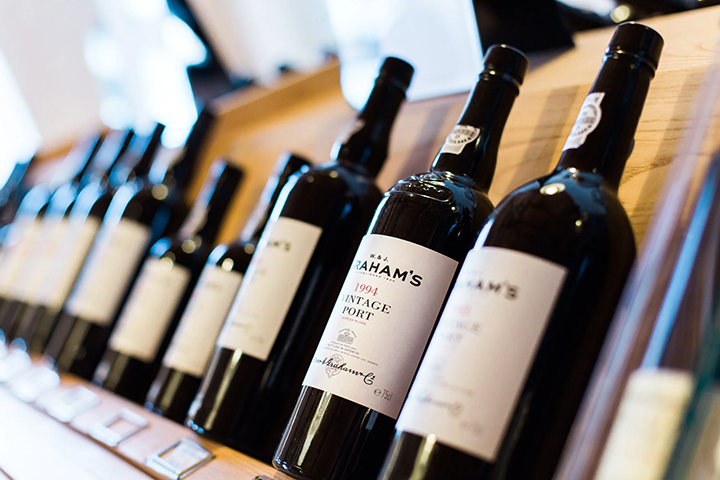
    Vintage Port

    Vintage Port – Considered the pinnacle of Port quality, Vintage Port is made from the best grapes of a single exceptional harvest. It requires aging in the bottle for many years to reach its full potential, resulting in a wine of great depth, concentration, and complexity.

    Late Bottled Vintage (LBV) Port – Similar to Vintage Port but aged longer in barrels before bottling, LBV Port offers a more approachable and affordable alternative with many of the same qualities as Vintage Port.

    White Port – Made from white grape varieties, White Port ranges from dry to sweet and exhibits flavors of citrus, honey, and nuts. It is often enjoyed as an aperitif or in cocktails.

    Fortification Timing and the Effects on the Profile

    Pre-fermentation and post-fermentation fortification are two distinct methods used in winemaking to fortify wines, particularly in the production of fortified wines like Port. While both methods involve the addition of a neutral grape spirit (typically brandy) to increase the alcohol content of the wine, they differ in timing and their effects on the wine’s flavor profile.

    Pre-fermentation Fortification:

    Pre-fermentation fortification involves adding grape spirit to the grape must (crushed grapes and juice) before fermentation begins. This halts the fermentation process by raising the alcohol level to a point where the yeast responsible for fermentation cannot survive. As a result, the wine retains a higher level of residual sugar, as the fermentation process is halted before all the sugars are converted to alcohol.

    Effects:

    1. Retention of Sweetness: Because fermentation is stopped before all the sugars are converted to alcohol, pre-fermentation fortified wines tend to have higher levels of residual sugar, resulting in a sweeter profile.
    2. Fruitier Aromas and Flavors: The presence of residual sugar can enhance the perception of fruity aromas and flavors in the wine.
    3. Lower Alcohol Content: Compared to post-fermentation fortification, pre-fermentation fortified wines typically have a lower alcohol content since the fermentation process is stopped earlier.

    Post-fermentation Fortification:

    Post-fermentation fortification, as the name suggests, involves adding grape spirit to the wine after fermentation is complete. This allows the wine to ferment fully, converting all available sugars into alcohol before fortification.

    Effects:

    1. Dryer Profile: Since fermentation proceeds to completion before fortification, post-fermentation fortified wines tend to have lower levels of residual sugar, resulting in a drier profile compared to pre-fermentation fortified wines.
    2. Higher Alcohol Content: Post-fermentation fortified wines generally have a higher alcohol content compared to their pre-fermentation counterparts because fermentation proceeds to completion before fortification.
    3. More Complex Flavor Profile: With the fermentation process allowed to complete, post-fermentation fortified wines may exhibit a more complex flavor profile, with a balance of fruitiness, acidity, and alcohol.

    Choosing between Pre-fermentation and Post-fermentation Fortification:

    The choice between pre-fermentation and post-fermentation fortification depends on the desired style of the wine. Winemakers may opt for pre-fermentation fortification to create sweeter, fruitier styles with lower alcohol content, while post-fermentation fortification may be chosen for drier, more complex wines with higher alcohol levels.

    While both pre-fermentation and post-fermentation fortification involve the addition of grape spirit to increase alcohol content, they differ in timing and resulting flavor profiles. Pre-fermentation fortification halts fermentation before completion, resulting in sweeter, fruitier wines with lower alcohol content, while post-fermentation fortification allows fermentation to complete before fortification, resulting in drier, more complex wines with higher alcohol content.

    Proper Serving and Pairing

    To fully appreciate the nuances of Port wine, proper serving techniques are essential. Port should be served slightly chilled, around 16-18°C (60-64°F), to accentuate its flavors and aromas without masking them.

    When it comes to pairing, Port’s versatility shines. Ruby Ports pair well with chocolate desserts, while Tawny Ports complement caramelized nuts and aged cheeses. Vintage Ports are best enjoyed on their own or with strong cheeses like Stilton. White Ports make refreshing aperitifs and pair beautifully with seafood or spicy dishes.

    Port Tongs and a Bottle of Vintage Port

    The Art of Port Tongs

    One of the most intriguing traditions associated with Port wine is the use of Port tongs. Dating back to the 18th century, Port tongs are long, slender metal implements used to open bottles of Vintage Port without a corkscrew. This method, known as “porting,” requires skill and precision.

    To use Port tongs, the neck of the bottle is heated evenly with the tong’s fiery end until it is glowing red-hot. After a few moments, the red-hot tong is applied to the bottle’s neck, causing it to crack cleanly just below the cork. The cork and a portion of the neck are removed, leaving the wine intact and ready to be enjoyed.

    While the use of Port tongs is primarily ceremonial today, it serves as a reminder of Port wine’s rich heritage and the craftsmanship involved in its production. It also adds a touch of drama and spectacle to the ritual of opening a bottle of Vintage Port, making it an unforgettable experience for enthusiasts and collectors alike.

    Port wine continues to captivate wine lovers around the world with its timeless appeal, diverse styles, and rich cultural heritage. Whether enjoyed on its own or paired with food, Port offers a taste of tradition and sophistication that transcends generations. And for those seeking to add an extra dash of drama to their Port experience, the art of Port tongs awaits, ready to elevate any special occasion. Saúde 🍷

  • The Evolution of Wine Drinking Vessels

    The Evolution of Wine Drinking Vessels

    The act of enjoying wine is deeply intertwined with the vessels from which it is consumed. Throughout history, wine drinking vessels have evolved alongside human civilization, reflecting cultural practices, technological advancements, and aesthetic sensibilities. As a sommelier, understanding the history and nuances of wine glasses is paramount to enhancing the wine-tasting experience. Let’s embarks on a historical journey through time, exploring the evolution of wine drinking vessels and elucidating the significance of different styles of wine glasses.

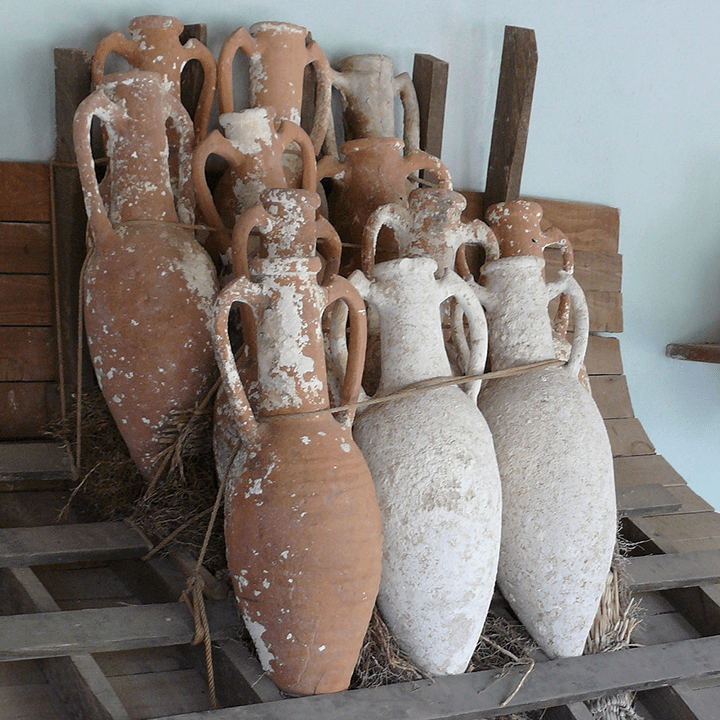
    Clay amphorae

    The origins of wine drinking vessels can be traced back to ancient civilizations such as Mesopotamia, Egypt, and Greece. In these early cultures, wine was revered as a symbol of divine nectar, and vessels used for its consumption were often crafted with intricate designs and symbolic motifs. Clay amphorae, rudimentary cups, and goblets made from materials like pottery, bronze, and precious metals were among the earliest vessels employed for drinking wine. These vessels served not only as functional tools but also as status symbols and expressions of cultural identity.

    Medieval Era to Renaissance

    During the medieval era, wine drinking vessels continued to evolve, influenced by the spread of Christianity and the refinement of glassmaking techniques. The chalice emerged as a prominent vessel for wine consumption, especially within religious ceremonies. With the advent of the Renaissance, a newfound appreciation for aesthetics and scientific inquiry spurred innovations in glassware production. Venetian glassmakers pioneered the art of crafting delicate, translucent glasses, paving the way for the emergence of the modern wine glass.

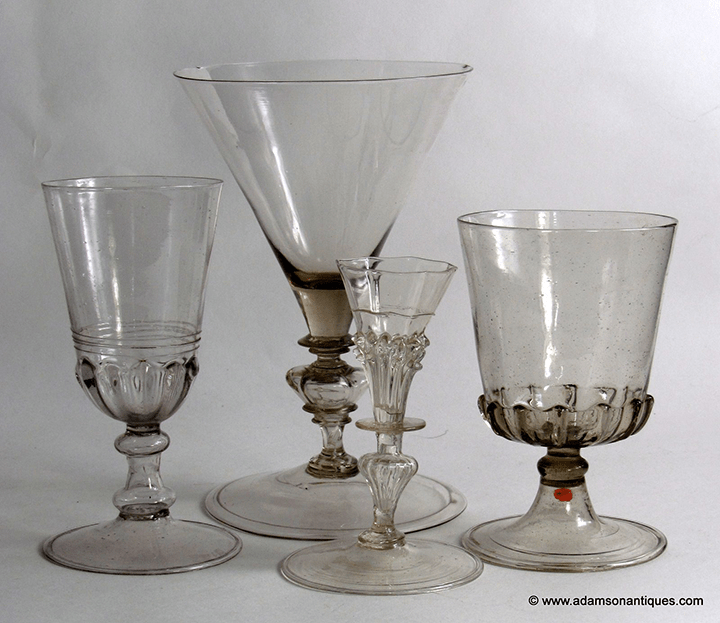
    16th and 17th century Facon de Venise wine glasses

    18th Century Enlightenment

    The Enlightenment period marked a significant shift in wine culture, as scientific principles began to inform the design of drinking vessels. The development of crystal glassware by English and German artisans allowed for greater clarity and refinement in wine glasses. The shape and size of wine glasses became increasingly standardized, with specific designs tailored to enhance the aromas and flavors of different wine varietals.

    Modern Era

    In the modern era, the diversity of wine glasses has expanded to accommodate the nuances of various wine styles. Stemware, characterized by a long stem and a bowl-shaped cup, has become the preferred choice for wine enthusiasts and professionals alike. Different styles of wine glasses, such as Bordeaux, Burgundy, and Champagne flutes, are designed to optimize the tasting experience by directing the flow of wine to specific areas of the palate. Additionally, innovations such as the ISO (International Standards Organization) wine tasting glass have sought to establish a universal standard for wine tasting competitions and evaluations.

    Like a finely crafted instrument, the right wine glass harmonizes with the nuances of each varietal, elevating every sip into a symphony of flavor and aroma.

    Gregory Dean, SOMM&SOMM

    Proper Use of Wine Glasses

    Understanding the proper use of wine glasses is essential for maximizing the sensory experience of wine. Each style of wine glass is meticulously designed to accentuate the unique characteristics of specific wine varietals. For example, a Bordeaux glass with a tall, narrow bowl is ideal for red wines with complex aromas and tannic structure, allowing the wine to aerate and concentrate the aromas towards the nose. In contrast, a Champagne flute with a narrow, elongated shape preserves the effervescence and enhances the aroma of sparkling wines.

    The history of wine drinking vessels is a testament to humanity’s enduring fascination with wine and its cultural significance. From humble clay cups to exquisite crystal stemware, the evolution of wine glasses mirrors the evolution of human civilization itself. As a wine enthusiast, appreciating the diversity of wine glasses and understanding their proper usage is essential for elevating the wine-tasting experience. By embracing the rich history and craftsmanship behind wine drinking vessels, one can embark on a sensory journey that transcends time and taste. Cheers 🍷

  • What is a Sommelier Anyway?

    What is a Sommelier Anyway?

    When you hear the term “sommelier,” you might picture a poised individual in a fine dining restaurant, expertly swirling a glass of wine while offering sophisticated descriptions of its aroma and taste. But what exactly is a sommelier, and what role do they play in the world of wine? Let’s embark on a delightful journey through the history, meaning, certifications, skills, and traditions associated with this esteemed profession.

    Origin and History

    The term “sommelier” originates from the Old French word “sommier,” which referred to a pack animal driver. However, in the context of wine, the meaning evolved to denote the person in charge of transporting and managing the precious wine supplies of medieval kings and nobility. Over time, the role expanded to include wine tasting and selection, leading to the modern-day definition of a wine steward or expert. Here are a few famous sommeliers from history and the reasons their legacy lives on:

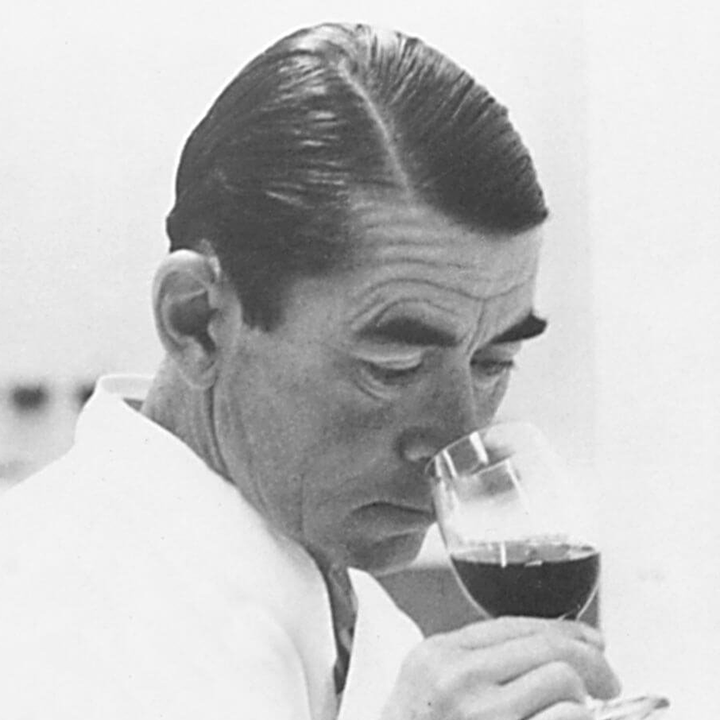
    André Tchelistcheff (December 7, 1901 – April 5, 1994)

    André Tchelistcheff

    Known as the “Dean of American Winemakers,” André Tchelistcheff was a pioneering figure in the American wine industry. Born in Russia in 1901, he moved to the United States and revolutionized winemaking techniques, particularly in California.

    Tchelistcheff’s expertise in viticulture and enology helped establish California wines on the global stage, earning him widespread recognition and admiration.

    Tchelistcheff’s legacy lives on through his groundbreaking work in improving winemaking practices, particularly in the Napa Valley region. His emphasis on quality, innovation, and attention to detail set the standard for generations of winemakers to come, shaping the trajectory of American wine culture.

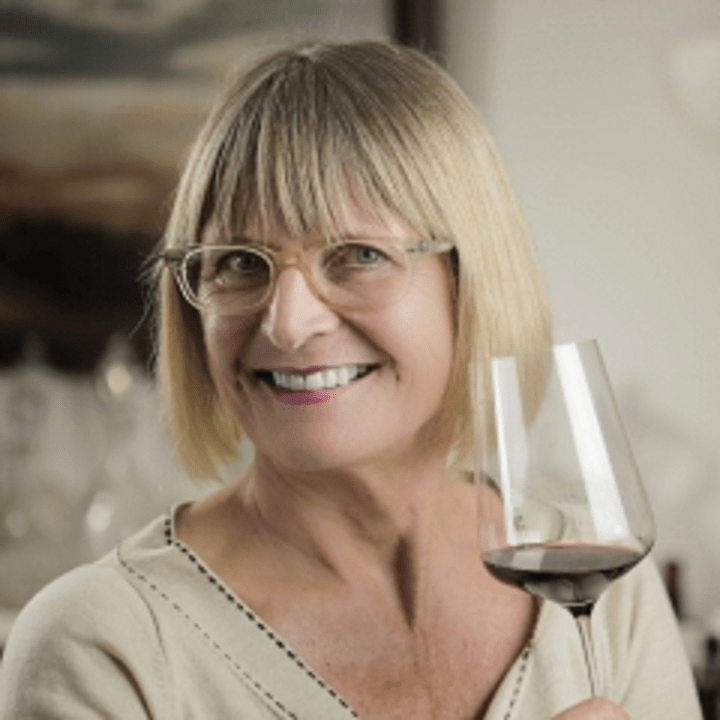
    Jancis Robinson (April 22, 1950 – )

    Jancis Robinson

    Jancis Robinson is a renowned British wine critic, journalist, and Master of Wine. Her influential career spans decades and has had a profound impact on the world of wine appreciation and education.

    Robinson is celebrated for her comprehensive wine knowledge, eloquent writing style, and commitment to promoting wine appreciation among enthusiasts of all levels.

    Robinson’s continues to build a legacy through her extensive body of work, including books, articles, and television programs, which have demystified the world of wine and made it more accessible to a wider audience. Her contributions to wine education and criticism continue to inspire aspiring sommeliers and wine enthusiasts worldwide.

    Georges-Auguste Escoffier (October 28, 1846 – February 12, 1935)

    Georges-Auguste Escoffier

    Georges-Auguste Escoffier, often referred to as the “Emperor of Chefs” and the “King of Chefs,” was a legendary French chef and restaurateur. While not solely a sommelier, Escoffier’s influence on modern gastronomy and dining culture is undeniable.

    He revolutionized French cuisine and restaurant service, introducing innovative culinary techniques and standards of excellence that continue to shape the hospitality industry.

    Escoffier’s legacy lives on through his timeless culinary principles, including his emphasis on precision, quality ingredients, and meticulous attention to detail. While he may not have been a sommelier in the traditional sense, his influence on fine dining and the art of hospitality has had a lasting impact on the role of wine service in restaurants around the world.

    These sommeliers and culinary luminaries have left indelible marks on the world of wine and dining, shaping its evolution and inspiring future generations of enthusiasts and professionals alike. Their legacies endure through their contributions to wine education, innovation, and the elevation of the dining experience.

    Certifications and Levels of Knowledge

    Becoming a certified sommelier involves rigorous training and examination. Various organizations, such as the Court of Master Sommeliers, the Wine & Spirit Education Trust (WSET), and the International Sommelier Guild, offer structured programs and exams to assess candidates’ knowledge and tasting abilities.

    The Court of Master Sommeliers, for instance, offers four levels of certification: Introductory, Certified, Advanced, and Master Sommelier. Each level requires a deeper understanding of wine regions, grape varieties, wine production techniques, and impeccable tasting skills.

    Skills Displayed During Wine Service

    A sommelier’s role during wine service extends beyond merely pouring wine into a glass. They are tasked with enhancing the dining experience through their knowledge, recommendations, and impeccable service. Specific skills displayed during wine service include:

    • Wine Pairing: Matching wines with food to complement flavors and enhance the overall dining experience.

    Decanting: Aerating wine to soften tannins and release aromas, particularly for older red wines.

    • Temperature Control: Ensuring wines are served at the appropriate temperature to preserve their flavors.

    • Glassware Selection: Choosing the right type of glassware to showcase the wine’s characteristics.

    • Cork Handling: Opening and presenting wine bottles with finesse, especially for aged or rare wines.

    Hosting a Wine-pairing Dinner at The Blue Flame

    Enhancing the Dining Experience

    A skilled sommelier can elevate a dining experience from enjoyable to extraordinary. By guiding guests through the wine selection process, sharing stories about vineyards and winemakers, and offering personalized recommendations based on individual preferences, sommeliers create memorable moments that linger long after the last sip.

    Tasting and Evaluation Skills

    Becoming a sommelier requires honing exceptional tasting and evaluation skills. Sommeliers must be able to assess wine qualities such as appearance, aroma, taste, body, acidity, and finish accurately. They undergo rigorous training to develop their palates, often participating in blind tastings to sharpen their ability to identify grape varieties, regions, and quality levels.

    Serving Champagne Properly is an Art

    Most Difficult Wine to Serve Properly

    While every wine presents its unique challenges, one of the most difficult wines to serve properly is Champagne or sparkling wine. Its effervescence requires precise handling to prevent excessive foaming and preserve the bubbles. Additionally, serving Champagne at the correct temperature is crucial to maintaining its freshness and liveliness.

    A sommelier is much more than a wine expert in a fancy restaurant. They are guardians of wine culture, storytellers of vineyard landscapes, and orchestrators of unforgettable dining experiences. Through their extensive knowledge, impeccable service, and passion for wine, sommeliers enhance our enjoyment and appreciation of one of life’s greatest pleasures. So, the next time you raise a glass of wine, remember to toast to the dedicated sommeliers who make each sip a moment to savor.

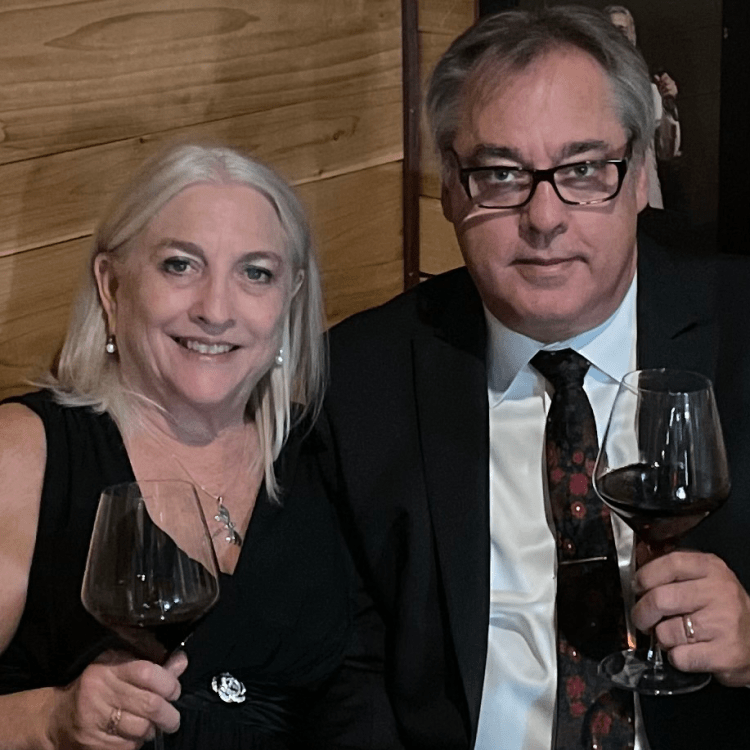
    Greg and Tammy Dean – SOMM&SOMM

    Cheers! 🥂