Category: Wine Service

  • The History, Tradition, and Elegance of Port Wine

    The History, Tradition, and Elegance of Port Wine

    Port wine, a fortified wine hailing from the Douro Valley in Portugal, stands as a testament to centuries of winemaking expertise and tradition. Its rich flavors, deep history, and diverse styles make it a cherished beverage among enthusiasts and connoisseurs worldwide.

    Photo by Yesim G. Ozdemir on Pexels.com

    History and Heritage

    The story of Port wine dates back to the late 17th century when British wine merchants sought alternatives to French wines due to political conflicts. They turned to Portugal and discovered the robust wines of the Douro Valley. The addition of brandy to stabilize the wine during transportation led to the creation of what we now know as Port.

    The unique microclimate and terroir of the Douro Valley, with its steep terraced vineyards and schist soil, contribute to the distinctive character of Port wine. Over the centuries, Port production methods have evolved, but many traditional practices endure, preserving the essence of this revered beverage.

    Port wine comes in a variety of styles, each offering its own distinctive characteristics:

    Ruby Port – Young and vibrant, with fruity flavors of cherries and berries, Ruby Port is aged for a relatively short time in oak barrels to retain its freshness.

    Tawny Port – Aged in oak barrels for extended periods, Tawny Port develops a mellow complexity, with notes of caramel, nuts, and dried fruits. The aging process also imparts a tawny color to the wine.

    Vintage Port

    Vintage Port – Considered the pinnacle of Port quality, Vintage Port is made from the best grapes of a single exceptional harvest. It requires aging in the bottle for many years to reach its full potential, resulting in a wine of great depth, concentration, and complexity.

    Late Bottled Vintage (LBV) Port – Similar to Vintage Port but aged longer in barrels before bottling, LBV Port offers a more approachable and affordable alternative with many of the same qualities as Vintage Port.

    White Port – Made from white grape varieties, White Port ranges from dry to sweet and exhibits flavors of citrus, honey, and nuts. It is often enjoyed as an aperitif or in cocktails.

    Fortification Timing and the Effects on the Profile

    Pre-fermentation and post-fermentation fortification are two distinct methods used in winemaking to fortify wines, particularly in the production of fortified wines like Port. While both methods involve the addition of a neutral grape spirit (typically brandy) to increase the alcohol content of the wine, they differ in timing and their effects on the wine’s flavor profile.

    Pre-fermentation Fortification:

    Pre-fermentation fortification involves adding grape spirit to the grape must (crushed grapes and juice) before fermentation begins. This halts the fermentation process by raising the alcohol level to a point where the yeast responsible for fermentation cannot survive. As a result, the wine retains a higher level of residual sugar, as the fermentation process is halted before all the sugars are converted to alcohol.

    Effects:

    1. Retention of Sweetness: Because fermentation is stopped before all the sugars are converted to alcohol, pre-fermentation fortified wines tend to have higher levels of residual sugar, resulting in a sweeter profile.
    2. Fruitier Aromas and Flavors: The presence of residual sugar can enhance the perception of fruity aromas and flavors in the wine.
    3. Lower Alcohol Content: Compared to post-fermentation fortification, pre-fermentation fortified wines typically have a lower alcohol content since the fermentation process is stopped earlier.

    Post-fermentation Fortification:

    Post-fermentation fortification, as the name suggests, involves adding grape spirit to the wine after fermentation is complete. This allows the wine to ferment fully, converting all available sugars into alcohol before fortification.

    Effects:

    1. Dryer Profile: Since fermentation proceeds to completion before fortification, post-fermentation fortified wines tend to have lower levels of residual sugar, resulting in a drier profile compared to pre-fermentation fortified wines.
    2. Higher Alcohol Content: Post-fermentation fortified wines generally have a higher alcohol content compared to their pre-fermentation counterparts because fermentation proceeds to completion before fortification.
    3. More Complex Flavor Profile: With the fermentation process allowed to complete, post-fermentation fortified wines may exhibit a more complex flavor profile, with a balance of fruitiness, acidity, and alcohol.

    Choosing between Pre-fermentation and Post-fermentation Fortification:

    The choice between pre-fermentation and post-fermentation fortification depends on the desired style of the wine. Winemakers may opt for pre-fermentation fortification to create sweeter, fruitier styles with lower alcohol content, while post-fermentation fortification may be chosen for drier, more complex wines with higher alcohol levels.

    While both pre-fermentation and post-fermentation fortification involve the addition of grape spirit to increase alcohol content, they differ in timing and resulting flavor profiles. Pre-fermentation fortification halts fermentation before completion, resulting in sweeter, fruitier wines with lower alcohol content, while post-fermentation fortification allows fermentation to complete before fortification, resulting in drier, more complex wines with higher alcohol content.

    Proper Serving and Pairing

    To fully appreciate the nuances of Port wine, proper serving techniques are essential. Port should be served slightly chilled, around 16-18°C (60-64°F), to accentuate its flavors and aromas without masking them.

    When it comes to pairing, Port’s versatility shines. Ruby Ports pair well with chocolate desserts, while Tawny Ports complement caramelized nuts and aged cheeses. Vintage Ports are best enjoyed on their own or with strong cheeses like Stilton. White Ports make refreshing aperitifs and pair beautifully with seafood or spicy dishes.

    Port Tongs and a Bottle of Vintage Port

    The Art of Port Tongs

    One of the most intriguing traditions associated with Port wine is the use of Port tongs. Dating back to the 18th century, Port tongs are long, slender metal implements used to open bottles of Vintage Port without a corkscrew. This method, known as “porting,” requires skill and precision.

    To use Port tongs, the neck of the bottle is heated evenly with the tong’s fiery end until it is glowing red-hot. After a few moments, the red-hot tong is applied to the bottle’s neck, causing it to crack cleanly just below the cork. The cork and a portion of the neck are removed, leaving the wine intact and ready to be enjoyed.

    While the use of Port tongs is primarily ceremonial today, it serves as a reminder of Port wine’s rich heritage and the craftsmanship involved in its production. It also adds a touch of drama and spectacle to the ritual of opening a bottle of Vintage Port, making it an unforgettable experience for enthusiasts and collectors alike.

    Port wine continues to captivate wine lovers around the world with its timeless appeal, diverse styles, and rich cultural heritage. Whether enjoyed on its own or paired with food, Port offers a taste of tradition and sophistication that transcends generations. And for those seeking to add an extra dash of drama to their Port experience, the art of Port tongs awaits, ready to elevate any special occasion. Saúde 🍷

  • The Evolution of Wine Drinking Vessels

    The Evolution of Wine Drinking Vessels

    The act of enjoying wine is deeply intertwined with the vessels from which it is consumed. Throughout history, wine drinking vessels have evolved alongside human civilization, reflecting cultural practices, technological advancements, and aesthetic sensibilities. As a sommelier, understanding the history and nuances of wine glasses is paramount to enhancing the wine-tasting experience. Let’s embarks on a historical journey through time, exploring the evolution of wine drinking vessels and elucidating the significance of different styles of wine glasses.

    Clay amphorae

    The origins of wine drinking vessels can be traced back to ancient civilizations such as Mesopotamia, Egypt, and Greece. In these early cultures, wine was revered as a symbol of divine nectar, and vessels used for its consumption were often crafted with intricate designs and symbolic motifs. Clay amphorae, rudimentary cups, and goblets made from materials like pottery, bronze, and precious metals were among the earliest vessels employed for drinking wine. These vessels served not only as functional tools but also as status symbols and expressions of cultural identity.

    Medieval Era to Renaissance

    During the medieval era, wine drinking vessels continued to evolve, influenced by the spread of Christianity and the refinement of glassmaking techniques. The chalice emerged as a prominent vessel for wine consumption, especially within religious ceremonies. With the advent of the Renaissance, a newfound appreciation for aesthetics and scientific inquiry spurred innovations in glassware production. Venetian glassmakers pioneered the art of crafting delicate, translucent glasses, paving the way for the emergence of the modern wine glass.

    16th and 17th century Facon de Venise wine glasses

    18th Century Enlightenment

    The Enlightenment period marked a significant shift in wine culture, as scientific principles began to inform the design of drinking vessels. The development of crystal glassware by English and German artisans allowed for greater clarity and refinement in wine glasses. The shape and size of wine glasses became increasingly standardized, with specific designs tailored to enhance the aromas and flavors of different wine varietals.

    Modern Era

    In the modern era, the diversity of wine glasses has expanded to accommodate the nuances of various wine styles. Stemware, characterized by a long stem and a bowl-shaped cup, has become the preferred choice for wine enthusiasts and professionals alike. Different styles of wine glasses, such as Bordeaux, Burgundy, and Champagne flutes, are designed to optimize the tasting experience by directing the flow of wine to specific areas of the palate. Additionally, innovations such as the ISO (International Standards Organization) wine tasting glass have sought to establish a universal standard for wine tasting competitions and evaluations.

    Like a finely crafted instrument, the right wine glass harmonizes with the nuances of each varietal, elevating every sip into a symphony of flavor and aroma.

    Gregory Dean, SOMM&SOMM

    Proper Use of Wine Glasses

    Understanding the proper use of wine glasses is essential for maximizing the sensory experience of wine. Each style of wine glass is meticulously designed to accentuate the unique characteristics of specific wine varietals. For example, a Bordeaux glass with a tall, narrow bowl is ideal for red wines with complex aromas and tannic structure, allowing the wine to aerate and concentrate the aromas towards the nose. In contrast, a Champagne flute with a narrow, elongated shape preserves the effervescence and enhances the aroma of sparkling wines.

    The history of wine drinking vessels is a testament to humanity’s enduring fascination with wine and its cultural significance. From humble clay cups to exquisite crystal stemware, the evolution of wine glasses mirrors the evolution of human civilization itself. As a wine enthusiast, appreciating the diversity of wine glasses and understanding their proper usage is essential for elevating the wine-tasting experience. By embracing the rich history and craftsmanship behind wine drinking vessels, one can embark on a sensory journey that transcends time and taste. Cheers 🍷

  • What is a Sommelier Anyway?

    What is a Sommelier Anyway?

    When you hear the term “sommelier,” you might picture a poised individual in a fine dining restaurant, expertly swirling a glass of wine while offering sophisticated descriptions of its aroma and taste. But what exactly is a sommelier, and what role do they play in the world of wine? Let’s embark on a delightful journey through the history, meaning, certifications, skills, and traditions associated with this esteemed profession.

    Origin and History

    The term “sommelier” originates from the Old French word “sommier,” which referred to a pack animal driver. However, in the context of wine, the meaning evolved to denote the person in charge of transporting and managing the precious wine supplies of medieval kings and nobility. Over time, the role expanded to include wine tasting and selection, leading to the modern-day definition of a wine steward or expert. Here are a few famous sommeliers from history and the reasons their legacy lives on:

    André Tchelistcheff (December 7, 1901 – April 5, 1994)

    André Tchelistcheff

    Known as the “Dean of American Winemakers,” André Tchelistcheff was a pioneering figure in the American wine industry. Born in Russia in 1901, he moved to the United States and revolutionized winemaking techniques, particularly in California.

    Tchelistcheff’s expertise in viticulture and enology helped establish California wines on the global stage, earning him widespread recognition and admiration.

    Tchelistcheff’s legacy lives on through his groundbreaking work in improving winemaking practices, particularly in the Napa Valley region. His emphasis on quality, innovation, and attention to detail set the standard for generations of winemakers to come, shaping the trajectory of American wine culture.

    Jancis Robinson (April 22, 1950 – )

    Jancis Robinson

    Jancis Robinson is a renowned British wine critic, journalist, and Master of Wine. Her influential career spans decades and has had a profound impact on the world of wine appreciation and education.

    Robinson is celebrated for her comprehensive wine knowledge, eloquent writing style, and commitment to promoting wine appreciation among enthusiasts of all levels.

    Robinson’s continues to build a legacy through her extensive body of work, including books, articles, and television programs, which have demystified the world of wine and made it more accessible to a wider audience. Her contributions to wine education and criticism continue to inspire aspiring sommeliers and wine enthusiasts worldwide.

    Georges-Auguste Escoffier (October 28, 1846 – February 12, 1935)

    Georges-Auguste Escoffier

    Georges-Auguste Escoffier, often referred to as the “Emperor of Chefs” and the “King of Chefs,” was a legendary French chef and restaurateur. While not solely a sommelier, Escoffier’s influence on modern gastronomy and dining culture is undeniable.

    He revolutionized French cuisine and restaurant service, introducing innovative culinary techniques and standards of excellence that continue to shape the hospitality industry.

    Escoffier’s legacy lives on through his timeless culinary principles, including his emphasis on precision, quality ingredients, and meticulous attention to detail. While he may not have been a sommelier in the traditional sense, his influence on fine dining and the art of hospitality has had a lasting impact on the role of wine service in restaurants around the world.

    These sommeliers and culinary luminaries have left indelible marks on the world of wine and dining, shaping its evolution and inspiring future generations of enthusiasts and professionals alike. Their legacies endure through their contributions to wine education, innovation, and the elevation of the dining experience.

    Certifications and Levels of Knowledge

    Becoming a certified sommelier involves rigorous training and examination. Various organizations, such as the Court of Master Sommeliers, the Wine & Spirit Education Trust (WSET), and the International Sommelier Guild, offer structured programs and exams to assess candidates’ knowledge and tasting abilities.

    The Court of Master Sommeliers, for instance, offers four levels of certification: Introductory, Certified, Advanced, and Master Sommelier. Each level requires a deeper understanding of wine regions, grape varieties, wine production techniques, and impeccable tasting skills.

    Skills Displayed During Wine Service

    A sommelier’s role during wine service extends beyond merely pouring wine into a glass. They are tasked with enhancing the dining experience through their knowledge, recommendations, and impeccable service. Specific skills displayed during wine service include:

    • Wine Pairing: Matching wines with food to complement flavors and enhance the overall dining experience.

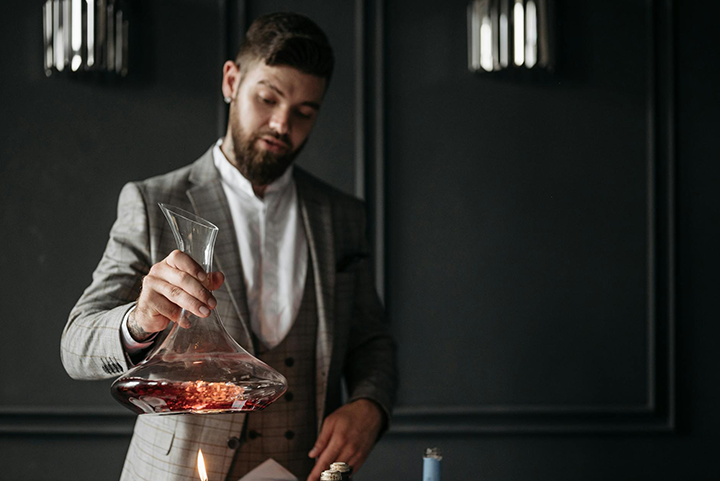
    • Decanting: Aerating wine to soften tannins and release aromas, particularly for older red wines.

    • Temperature Control: Ensuring wines are served at the appropriate temperature to preserve their flavors.

    • Glassware Selection: Choosing the right type of glassware to showcase the wine’s characteristics.

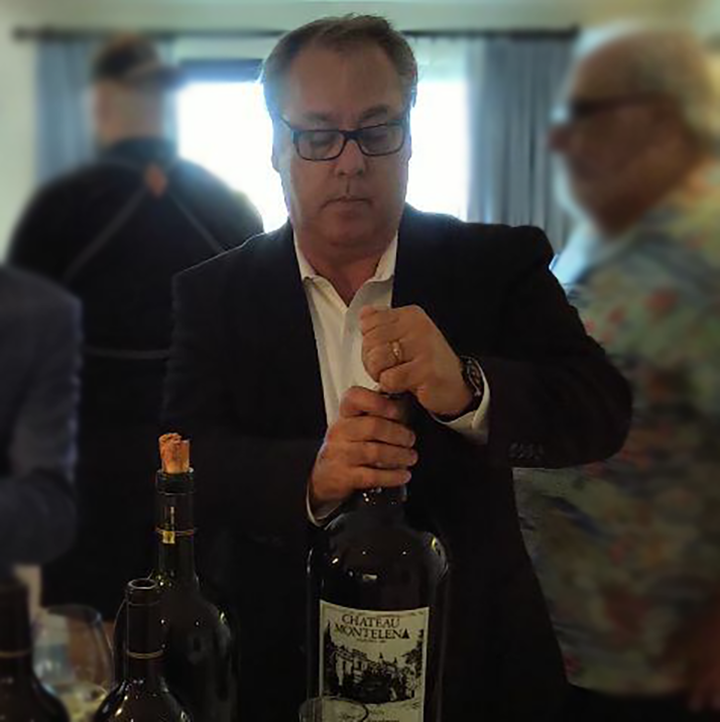
    • Cork Handling: Opening and presenting wine bottles with finesse, especially for aged or rare wines.

    Hosting a Wine-pairing Dinner at The Blue Flame

    Enhancing the Dining Experience

    A skilled sommelier can elevate a dining experience from enjoyable to extraordinary. By guiding guests through the wine selection process, sharing stories about vineyards and winemakers, and offering personalized recommendations based on individual preferences, sommeliers create memorable moments that linger long after the last sip.

    Tasting and Evaluation Skills

    Becoming a sommelier requires honing exceptional tasting and evaluation skills. Sommeliers must be able to assess wine qualities such as appearance, aroma, taste, body, acidity, and finish accurately. They undergo rigorous training to develop their palates, often participating in blind tastings to sharpen their ability to identify grape varieties, regions, and quality levels.

    Serving Champagne Properly is an Art

    Most Difficult Wine to Serve Properly

    While every wine presents its unique challenges, one of the most difficult wines to serve properly is Champagne or sparkling wine. Its effervescence requires precise handling to prevent excessive foaming and preserve the bubbles. Additionally, serving Champagne at the correct temperature is crucial to maintaining its freshness and liveliness.

    A sommelier is much more than a wine expert in a fancy restaurant. They are guardians of wine culture, storytellers of vineyard landscapes, and orchestrators of unforgettable dining experiences. Through their extensive knowledge, impeccable service, and passion for wine, sommeliers enhance our enjoyment and appreciation of one of life’s greatest pleasures. So, the next time you raise a glass of wine, remember to toast to the dedicated sommeliers who make each sip a moment to savor.

    Greg and Tammy Dean – SOMM&SOMM

    Cheers! 🥂

  • Exploring Wine Enclosures: Cork, Screw Cap, and Beyond

    Exploring Wine Enclosures: Cork, Screw Cap, and Beyond

    In the world of wine, the choice of enclosure is often a topic of debate among enthusiasts, professionals, and consumers alike. Traditionally, cork has been the enclosure of choice for wine bottles, but in recent years, the rise of screw caps has challenged this longstanding tradition. This article aims to delve into the characteristics, benefits, and drawbacks of both cork and screw cap enclosures, debunking myths and misconceptions along the way. Additionally, we will explore the history of cork usage, the current state of cork shortages, and highlight specific wines or styles that may benefit from one enclosure over the other.

    Cover photo credit: Photo by SevenStorm JUHASZIMRUS on Pexels.com

    Cork Enclosures: A Tradition Steeped in History

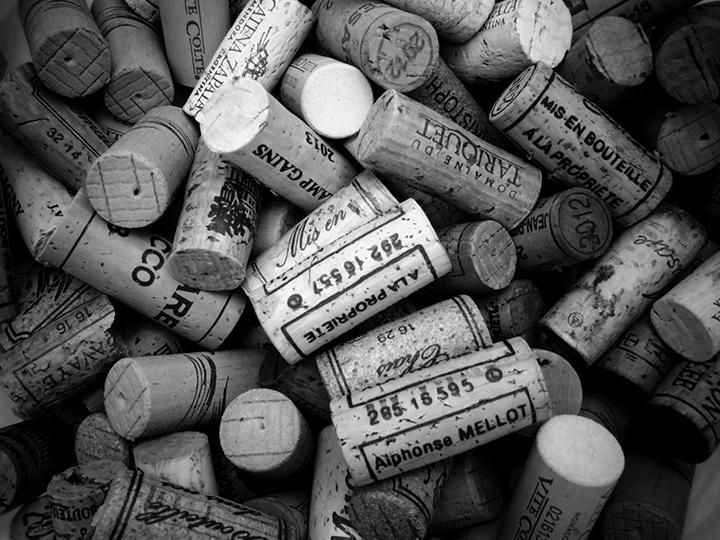
    Cork, derived from the bark of the cork oak tree (Quercus suber), has been used as a wine enclosure for centuries. Its unique cellular structure, comprised of millions of tiny air pockets, allows it to compress and create a tight seal when inserted into a bottle. This natural elasticity makes cork an ideal choice for aging wines, as it allows for a small amount of oxygen to interact with the wine, aiding in its development over time.

    Benefits of Cork Enclosures

    • Tradition and Prestige: Cork has a long-standing tradition in the wine industry and is often associated with higher-end wines, lending an air of prestige and tradition to the bottle.

    • Breathability: Cork’s natural properties allow for micro-oxygenation, which can enhance the aging process of certain wines, particularly those intended for long-term cellaring.

    • Sensory Experience: Many wine enthusiasts appreciate the ritual of uncorking a bottle, as it adds to the overall sensory experience of enjoying wine.

    Pitfalls of Cork Enclosures

    • Cork Taint: One of the most significant drawbacks associated with cork enclosures is the potential for cork taint, caused by the presence of trichloroanisole (TCA). This compound can impart undesirable aromas and flavors, often described as musty or moldy, ruining the wine.

    • Variability: Natural cork can exhibit variability in quality, leading to inconsistencies in sealing and potential oxidation of the wine.

    • Environmental Concerns: Harvesting cork oak trees for their bark can have environmental implications, although sustainably managed cork forests mitigate this impact to some extent.

    Stelvin Capsules (Screw Caps)

    Screw Cap Enclosures: Modern Convenience Meets Functionality

    Screw caps, also known as Stelvin closures, offer a convenient alternative to traditional cork enclosures. Initially introduced in the 1960s, screw caps have gained popularity, particularly for wines intended for early consumption or those that do not require extended aging. Wine purists would be surprised to learn that the Stelvin closure was invented in Burgundy, France 🙂

    Benefits of Screw Cap Enclosures

    • Consistency: Screw caps provide a consistent and reliable seal, virtually eliminating the risk of cork taint and oxidation.

    • Convenience: Screw caps are easy to open and reseal, making them ideal for wines meant to be consumed shortly after bottling.

    • Preservation of Freshness: Screw caps minimize oxygen exposure, preserving the wine’s freshness and fruit-forward characteristics, especially in aromatic white wines and light-bodied reds.

    Pitfalls of Screw Cap Enclosures

    • Perceived Quality: Despite their practical advantages, screw caps are sometimes associated with lower-quality wines or perceived as lacking the prestige of cork closures, particularly in certain traditional wine regions.

    • Limited Aging Potential: While suitable for early consumption wines, screw caps may not be ideal for wines intended for long-term aging, as they limit oxygen ingress, which can impede the wine’s development.

    • Environmental Impact: While screw caps themselves are recyclable, the production and disposal of plastic liners within the caps can have environmental implications.

    Debunking Myths and Addressing Misconceptions

    Myth: Screw caps are only suitable for inexpensive wines.

    Fact: While screw caps are commonly used for more affordable wines, many premium producers around the world are opting for screw caps to preserve the integrity and freshness of their wines.

    Myth: Cork closures are superior for aging wine.

    Fact: While cork closures have traditionally been associated with aging potential, screw caps have demonstrated effectiveness in preserving wine quality over time, particularly for wines meant for early consumption.

    Myth: All cork closures lead to cork taint.

    Fact: While cork taint is a legitimate concern with natural cork closures, advancements in cork production, such as agglomerated corks and technical corks, have reduced the incidence of cork taint significantly.

    The Current State of Cork Shortages

    In recent years, the wine industry has faced challenges related to cork shortages due to factors such as climate change, disease affecting cork oak trees, and increased competition for cork resources from other industries. As a result, alternative closures like screw caps have become more attractive to wineries seeking consistent and reliable enclosures for their wines.

    While cork and screw caps are the most widely recognized wine enclosures, there are several other alternatives that have gained traction in the industry. These alternatives offer unique benefits and cater to specific needs within the wine market. Let’s explore a few of them:

    1. Synthetic Corks:

    Synthetic corks are made from materials such as plastic or composite materials designed to mimic the properties of natural cork. They offer consistency in performance and eliminate the risk of cork taint. Synthetic corks are often used for wines that are intended for early consumption but may lack the prestige associated with natural cork.

    2. Glass Stoppers:

    Glass stoppers provide an elegant and aesthetically pleasing alternative to traditional closures. They create a secure seal and offer excellent oxygen barrier properties, preserving the wine’s freshness. Glass stoppers are favored for premium wines and limited editions, enhancing the overall packaging experience for consumers.

    3. Zork Closure:

    The Zork closure is a hybrid closure combining the convenience of a screw cap with the aesthetic appeal of cork. It features a plastic cap with a resealable cork-like insert, offering the benefits of both closures. Zork closures are popular for sparkling wines and still wines intended for immediate consumption.

    4. Crown Caps:

    Crown caps, similar to those used on beer bottles, are occasionally used for wine bottles, particularly for sparkling wines and wines meant for early consumption. While not as traditional as cork or as convenient as screw caps, crown caps provide a secure seal and are easy to open.

    5. Diam Corks:

    Diam corks are a type of technical cork made from natural cork particles that are treated to remove impurities and eliminate the risk of cork taint. They offer the sensory experience of natural cork with the consistency and reliability of synthetic closures. Diam corks are gaining popularity among wineries seeking alternatives to traditional cork closures.

    6. Vinolok:

    Vinolok closures are glass closures with a metal or plastic cap that provides an airtight seal. They offer a visually striking alternative to traditional closures and are often used for premium wines and limited editions. Vinolok closures are reusable and can be customized to enhance branding and aesthetics.

    These alternative closures offer wineries and consumers a diverse range of options beyond cork and screw caps, catering to different preferences, packaging requirements, and market segments within the wine industry. Whether it’s the convenience of screw caps, the tradition of cork, or the innovation of alternative closures, each enclosure plays a crucial role in preserving and presenting wines to consumers around the world.

    Choosing the Right Enclosure for Different Wine Styles

    While both cork and screw cap enclosures offer distinct advantages, certain wine styles may benefit from one enclosure over the other:

    – Wines for Aging: Complex red wines intended for long-term cellaring may benefit from the slight oxygen exchange facilitated by cork closures, allowing for gradual development and integration of flavors.

    – Fresh and Aromatic Wines: White wines, particularly those prized for their aromatic profiles and vibrant fruit character, often thrive under screw cap closures, preserving their freshness and intensity.

    – Everyday Drinking Wines: For wines meant to be enjoyed in their youth, regardless of style, screw cap closures provide convenience and assurance of freshness without the need for additional aging.

    In the ongoing debate between cork and screw cap enclosures, it’s essential to recognize that both options have their place in the wine industry. While cork closures carry a sense of tradition and romance, screw caps offer practicality and reliability, particularly for wines intended for early consumption. As technology and sustainability practices evolve, both closures continue to play vital roles in preserving and enhancing the enjoyment of wine, debunking myths and misconceptions along the way. Ultimately, the choice of enclosure depends on factors such as wine style, intended aging potential, and individual preferences, ensuring a diverse and dynamic landscape in the world of wine packaging. Cheers 🍷

  • Crafting the Perfect Wine Tasting Experience

    Crafting the Perfect Wine Tasting Experience

    A well-curated wine tasting event is an exquisite journey that engages the senses and allows participants to appreciate the complexities of different varietals. Having hosted (and participated in) a few tasting events, SOMM&SOMM is here to guide you through the science behind choosing the order in which wines should be served to enhance the overall tasting experience.

    Disclosure: This post includes some affiliate links. Should you click an affiliate link and make a purchase, we may receive a small commission at no extra cost to you.

    Photo by liis piirmets on Pexels.com

    The basic principles (3 rules)

    Sommelier Rule #1: Start with Whites before Reds – The general rule of thumb is to begin with white wines before moving on to reds. White wines are typically lighter and crisper, allowing the palate to acclimate to the subtleties of flavors without overwhelming it with bold tannins and robust characteristics. This progression ensures a smooth transition from lighter to fuller-bodied wines.

    Sommelier Rule #2: Consider Alcohol Content – When selecting the order of wines, it is essential to take alcohol content into account. Starting with lower alcohol wines helps prevent palate fatigue, allowing participants to fully appreciate the nuances of each wine. Gradually progressing towards higher alcohol wines ensures a balanced tasting experience.

    Sommelier Rule #3: Sweet vs. Dry – Another factor to consider is the sweetness level of the wines. Begin with dry wines and progress towards sweeter ones. Sweet wines can leave a lingering impression on the palate, making it challenging to appreciate the subtleties of drier varietals if served later in the lineup.

    Best Practices for Creating a Proper Lineup

    • Light to Full-Bodied – Arrange the wines from light to full-bodied. This helps participants ease into the tasting, preventing palate fatigue and ensuring that the more delicate characteristics of lighter wines are not overshadowed by bolder counterparts.

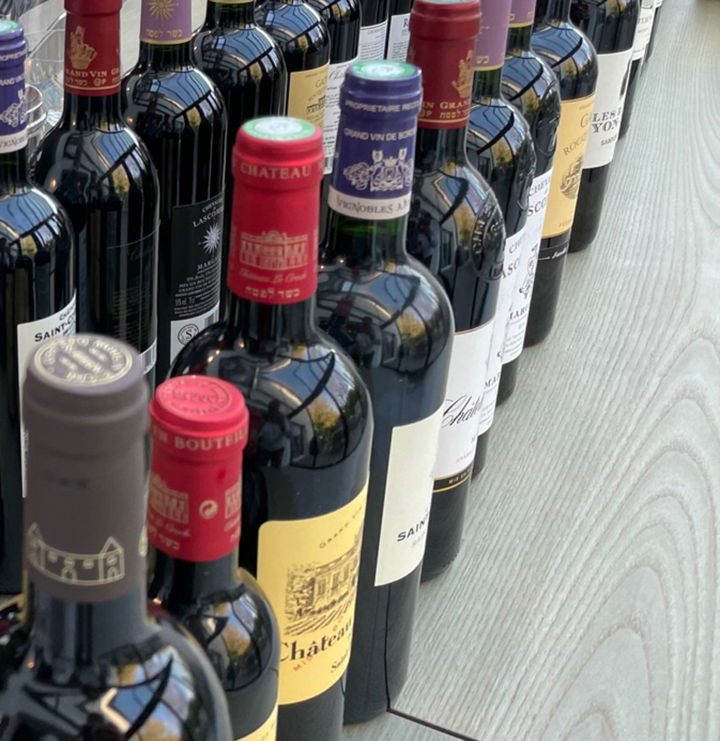
    • Consider Regional Variations – If you have a selection of wines from different regions, consider the traditional order of service for that region. For example, if showcasing French wines, follow the classic progression of Champagne, white Burgundy, red Burgundy, Bordeaux, and so on.

    • Mind the Oak Influence – If your selection includes oaked and unoaked wines, start with unoaked varieties. Oak can leave a lasting impression on the palate, and beginning with unoaked wines allows for a more nuanced tasting experience.

    Westgarth Wines

    Spotlight: Westgarth Wines is a great source for hard-to-find varietals and vintages. Whether building your wine portfolio or planning a themed wine tasting, check out Westgarth Wines Extensive Fine Wine Collection.

    Adjusting for Food and Wine Dinners

    When planning a food and wine dinner, the dynamics change slightly. Consider the following:

    1. Pairing Dynamics: Align the wine lineup with the progression of the courses. Lighter wines work well with appetizers and delicate dishes, while fuller-bodied wines complement heartier mains.
    2. Consider the Dominant Flavors: If a specific dish has dominant flavors, choose a wine that compliments or balances those flavors. For example, a buttery Chardonnay pairs well with creamy pasta dishes (Coquillettes Ham Tartufata).
    Photo by Pavel Danilyuk on Pexels.com

    Proper Etiquette for a Tasting

    Sip, don’t swallow. Encourage participants to take small sips and savor the flavors without swallowing immediately. This allows for a more comprehensive tasting experience. Use the right glassware. Provide appropriate glassware for each wine. The shape and size of the glass can significantly impact the perception of aromas and flavors. Provide water and neutral snacks. Have water available to cleanse the palate between tastings. Neutral snacks like crackers or bread can also help reset the palate.

    In conclusion, crafting the perfect wine tasting experience involves a thoughtful consideration of the order in which wines are served. By understanding the science behind this process and incorporating best practices, you can elevate any tasting event to a memorable and enjoyable occasion.

    Cheers 🥂

  • Unlocking the Secrets of Wine Storage

    Unlocking the Secrets of Wine Storage

    Wine, a timeless elixir that has captivated civilizations for centuries, is a complex beverage that evolves over time. As a wine enthusiast or professional wine educator, understanding the intricacies of wine storage is crucial for preserving the nuances and flavors of different styles of wine. In this article, we will delve into the various styles of wine, the factors influencing a wine’s ability to age, and how winemaking techniques can play a pivotal role in determining a wine’s longevity.

    Different Styles of Wine

    Red Wines known for their rich and robust flavors, typically have a higher tannin content. Tannins act as natural preservatives, contributing to the aging potential of red wines. Varieties such as Cabernet Sauvignon, Merlot, and Shiraz are renowned for their ability to evolve gracefully over time.

    White Wines with their crisp and refreshing profiles, are generally consumed in their youth. However, certain white wines, such as oaked Chardonnay or high-quality Rieslings, can benefit from aging. The key is to strike a balance between acidity, sweetness, and structure.

    Sparkling Wines like Champagne, are celebrated for their effervescence and vibrancy. These wines are best consumed within a few years of release, as their freshness and bubbles diminish with time. Proper storage is crucial to prevent premature aging and ensure the sparkling quality is maintained.

    Sparkling Wine Storage

    Factors Influencing Wine Aging

    Temperature and Humidity – Maintaining a consistent temperature is paramount for proper wine storage. Ideally, wines should be stored between 55-65°F (13-18°C). Fluctuations in temperature can lead to premature aging or spoilage. Additionally, a humidity level of 60-70% prevents corks from drying out, ensuring a proper seal.

    Light and Vibration – Exposure to light, especially ultraviolet (UV) rays, can cause chemical reactions in wine, resulting in off-putting aromas and flavors. Vibrations, such as those from appliances or foot traffic, can disturb sediment in aging wines. A serene and dimly lit storage environment is optimal.

    Corks and Seals – The type of closure used in a bottle can significantly impact aging. Natural cork allows for a small amount of oxygen exchange, aiding in the development of complex flavors. Synthetic corks and screw caps provide a more airtight seal, slowing down the aging process. However, each closure has its advantages and drawbacks.

    Winemaking Techniques and Preservation

    Tannin Management – Winemakers can influence the aging potential of red wines by managing tannins during the production process. Gentle pressing, careful selection of oak barrels, and proper maceration techniques contribute to a wine’s structure and longevity.

    Acidity and pH Levels – White wines with higher acidity and lower pH levels generally have a better chance of aging gracefully. Winemakers can adjust acidity levels during production to enhance a wine’s longevity.

    Photo by Tugay Kocatu00fcrk on Pexels.com

    Oak Aging – The choice of oak barrels and the duration of oak aging impact a wine’s flavor, structure, and aging potential. Well-integrated oak can contribute to a wine’s complexity, while excessive oak influence may overpower the natural characteristics.

    Filtration and Stabilization – Winemakers employ filtration and stabilization techniques to remove unwanted particles and microbes. While these processes ensure wine stability, they may also strip the wine of some elements that contribute to aging potential.

    Wine storage is a delicate art that requires a deep understanding of the diverse styles of wine, the science behind aging, and the impact of winemaking techniques. By paying attention to temperature, light, and other storage conditions, enthusiasts and professionals alike can unlock the full potential of their prized bottles. Let us raise a glass to the magic that unfolds within each carefully preserved bottle. Cheers!

  • Unveiling the Art of Post-Opening Wine Storage: Prolonging the Pleasure

    Unveiling the Art of Post-Opening Wine Storage: Prolonging the Pleasure

    While properly storing unopened bottles is crucial, the care and attention given to opened bottles can be equally significant. In this article, we will explore the intricacies of post-opening wine storage, addressing questions about refrigeration, air evacuation, and the factors that influence the longevity of opened bottles.

    Refrigeration

    The general consensus among wine enthusiasts is that refrigeration is essential for preserving the freshness of opened wine. Once a bottle is opened, exposure to oxygen accelerates the aging process, and refrigeration helps to slow this down. White wines, rosés, and sparkling wines, which are often enjoyed at cooler temperatures, benefit particularly from being stored in the refrigerator.

    However, it’s important to note that red wines can also benefit from refrigeration if they are not going to be consumed within a day or two. Serving temperatures can always be adjusted by allowing the wine to come to room temperature before serving.

    Air Evacuation

    Minimizing oxygen exposure is a key factor in preserving the quality of an opened bottle. Several tools, such as vacuum pumps and inert gas systems, are available to remove excess air from the bottle.

    Vacuum pumps work by extracting the air from the bottle, creating a partial vacuum. While this method can help slow down oxidation, it may not eliminate all the oxygen, and the effectiveness can vary depending on the wine and closure type.

    Inert gas systems, using argon or nitrogen, create a protective layer above the wine, preventing oxygen from coming into contact with the liquid. These systems are generally more effective than vacuum pumps and are recommended for preserving the flavors and aromas of delicate wines.

    SOMM&SOMM Recommends: Coravin Pivot Plus Wine Preservation System

    Factors Influencing Longevity

    Wine Variety and Style: Different wine styles have varying levels of susceptibility to oxidation. Lighter wines, such as Pinot Noir or young reds, are more sensitive, while robust reds and dessert wines tend to hold up better.

    Residual Sugar and Acidity: Wines with higher residual sugar and acidity are generally more resistant to oxidation. Sweet and acidic elements act as natural preservatives, slowing down the chemical reactions that lead to deterioration.

    Cork vs. Screw Cap: The closure type used in the original bottle can influence how well a wine withstands oxidation. Screw caps provide a more airtight seal compared to natural corks, offering better protection against oxygen.

    Root Cause of Oxidation

    Oxidation is the primary culprit behind the degradation of wine once it’s opened. When wine comes into contact with air, especially if there’s a large volume of empty space in the bottle, oxygen reacts with various components in the wine, causing it to lose its vibrant flavors and aromas.

    The process is accelerated by higher temperatures, which is why refrigeration is crucial. Oxidation manifests as a loss of fruitiness, the emergence of nutty or sherry-like aromas, and a change in color – often turning whites darker and reds browner.

    What about decanted wine?

    Not finishing an opened wine that has been decanted presents several challenges, primarily centered around preserving the wine’s optimal flavor and aroma. Decanting is often done to enhance a wine’s exposure to air, allowing it to breathe and develop its full potential. When a decanted wine is not consumed promptly, exposure to air can lead to oxidation, resulting in the wine losing its freshness and vibrancy.

    The delicate balance of flavors and aromas that the decanting process aims to achieve can be disrupted, leading to a less enjoyable drinking experience. Additionally, the extended contact with oxygen can accelerate the aging process, especially for more delicate wines, potentially diminishing the overall quality. To mitigate these challenges, we recommend transferring the wine back into the bottle. The Recanter Wine Breather Decanter from Wine Enthusiast helps manage this challenging task.

    Recanter Wine Breather Decanter from Wine Enthusiast

    Properly managing opened wine is a nuanced dance between refrigeration, air evacuation, and understanding the intrinsic characteristics of the wine itself. By employing these techniques and recognizing the unique qualities of each bottle, enthusiasts can savor the pleasure of an opened bottle over an extended period, ensuring that every drop is as delightful as the first.

    Cheers to the art of preservation and the joy of prolonged indulgence! 🍷

  • The Art and Science of Decanting Wine

    The Art and Science of Decanting Wine

    Decanting wine is a centuries-old practice that fuses artistry and science to elevate the drinking experience. As a sommelier and wine educator, I am often asked about the mysteries surrounding this ritual. In this comprehensive exploration, we will unravel the essence of decanting, debunk myths surrounding the process, and delve into specific examples of wines that truly blossom when given the chance to breathe.

    The Purpose of Decanting

    At its core, decanting serves two primary purposes: aeration and sediment separation. Aeration involves exposing the wine to oxygen, which allows it to open up and release its full bouquet of aromas and flavors. This is particularly beneficial for young, tannic red wines that may initially be tight and closed. Sediment separation is relevant for aged wines, as it helps remove any accumulated sediment that can form in the bottle over time.

    When to Decant

    One common myth is that only red wines benefit from decanting. While red wines generally stand to gain more from the process due to their tannin structure, certain white wines, such as older vintage Chardonnays and oxidative styles like aged Rieslings, can also benefit from aeration.

    Another misconception is that only old wines need decanting. While it’s true that older wines often contain sediment, young and robust red wines can also benefit from decanting. For example, a bold Cabernet Sauvignon or a structured Barolo can soften and reveal additional layers of complexity when exposed to air.

    How to Decant

    Decanting is a simple yet deliberate process. Start by standing the bottle upright for several hours to allow any sediment to settle at the bottom. When ready to decant, gently pour the wine into a decanter in one smooth motion, leaving the sediment in the bottle.

    For older wines, it is important to not disturb the wine. The traditional process is to pull the wine from the cellar rack and place it in a wine cradle or basket at the same orientation it was stored. Don’t rotate the bottle because the sediment will have already settled to the side facing down while in the cellar (thanks gravity). Remove the foil and open the bottle while in the basket and proceed to decant while watching for sediment to reach the shoulder. When the sediment reaches the neck, stop decanting.

    Examples of Wines that Benefit from Decanting

    1. Young Tannic Reds: Barolo (e.g., Barolo, Serralunga d’Alba, Vintage 2015)

    The high tannin content in young Barolo wines can be softened through aeration, revealing the intricate layers of flavors and aromas that may be initially subdued.

    2. Mature Reds with Sediment: Bordeaux (e.g., Château Margaux, Pauillac, Vintage 1990)

    Older Bordeaux wines often develop sediment over time. Decanting not only separates the sediment but also allows the wine to breathe, showcasing the delicate nuances that come with age.

    3. Full-Bodied Whites: Aged Chardonnay (e.g., Kistler Vineyards, Sonoma Coast, Vintage 2010)

    Aged Chardonnays can benefit from decanting to enhance their texture and reveal the secondary and tertiary aromas that have developed over time.

    4. Bold and Robust Young Whites: Condrieu (e.g., E. Guigal, La Doriane, Vintage 2018)

    While less common, certain bold and full-bodied white wines, such as Condrieu, can benefit from decanting to allow the aromas and flavors to unfold.

    Riedel Mamba Decanter

    Decanter Shapes and Styles

    Decanters come in a variety of shapes and styles, each designed to accentuate specific characteristics of different wines. Choosing the right decanter can enhance the overall decanting experience, but it’s essential to understand the advantages and potential disadvantages associated with various designs.

    1. Classic Wine Decanter

    Advantages:

       – Aeration: The wide base and long neck allow for ample surface area exposure, promoting effective aeration.

       – Sediment Separation: The wide bowl facilitates a smooth pour, aiding in the separation of sediment.

    Disadvantages:

       – Limited Oxygen Exchange: Some classic decanters may not provide as much aeration as more modern designs, potentially limiting the wine’s exposure to oxygen.

    2. U-Shaped Decanter

    Advantages:

       – Improved Aeration: The wide bowl at the bottom enhances aeration, while the narrow neck minimizes excessive oxygen exposure, suitable for delicate wines.

    Disadvantages:

       – Sediment Management: While effective for aeration, the narrow neck may make sediment separation more challenging compared to wider-necked decanters.

    3. Duck or Swan-Shaped Decanter

    Advantages:

       – Aeration and Presentation: The curved design allows for aeration, and the elegant shape serves both functional and aesthetic purposes.

    Disadvantages:

       – Sediment Concerns: Similar to U-shaped decanters, sediment separation may be a bit more challenging due to the narrow neck.

    4. Modern or Artistic Decanter

    Advantages:

       – Aesthetic Appeal: These decanters often serve as both functional vessels and pieces of art, adding a visual dimension to the wine experience.

       – Aeration: Depending on the design, some modern decanters can offer effective aeration.

    Disadvantages:

       – Practicality: Some artistic designs may prioritize aesthetics over functionality, potentially impacting the aeration process or ease of pouring.

    5. Dual-Chamber or Two-Stage Decanter

    Advantages:

       – Separate Aeration and Serving Chambers: Enables aeration in one chamber while keeping sediment in another, providing the best of both worlds.

       – Precision Pouring: The design often includes a spout, allowing for controlled pouring and minimizing the risk of dripping.

    Disadvantages:

       – Complex Cleaning: The dual-chamber design can make cleaning more intricate than with simpler decanters.

    Decanting wine is both an art and a science, requiring a delicate balance between patience and precision. By understanding the unique characteristics of different wines and debunking common myths, wine enthusiasts can unlock the full potential of their favorite bottles. Whether indulging in a young, robust red or savoring the nuances of a gracefully aged white, the act of decanting is a timeless ritual that enhances the enjoyment of this elixir of the gods. Cheers to the journey of discovering the symphony of aromas and flavors that await within every decanted bottle!

  • Champagne Unveiled: A Journey through Bubbles, Elegance, and Celebration

    Champagne Unveiled: A Journey through Bubbles, Elegance, and Celebration

    Champagne, often synonymous with celebrations and luxury, stands as the epitome of sparkling wine craftsmanship. Originating from the picturesque Champagne region in France, this effervescent elixir has woven itself into the fabric of joyous occasions worldwide. As a professional sommelier and wine educator, I invite you on a journey to discover the nuances of Champagne, explore its historical roots, distinguish it from other sparkling wines, and indulge in the art of serving and toasting.

    Champagne Vineyards

    Historical Roots of Champagne

    The captivating tale of Champagne’s origin dates back to the 17th century. Legend has it that the Benedictine monk Dom Pérignon discovered the method to capture the bubbles in wine, turning a potential winemaking disaster into a delightful revelation. While this story adds a touch of romance to the narrative, historical records attribute the development of the traditional method of sparkling wine production to multiple contributors in the Champagne region.

    In the early 19th century, Champagne houses such as Veuve Clicquot and Moët et Chandon played pivotal roles in refining the méthode champenoise, which involves a secondary fermentation in the bottle. This technique became the hallmark of Champagne production, distinguishing it from other sparkling wines.

    Distinguishing Champagne from Other Sparkling Wines

    While Champagne is the undisputed star, various other sparkling wines offer distinctive profiles and styles. Prosecco (created using the Charmat Method), hailing from Italy, is known for its fresh and fruity character. One of our favorite sparkling wines from Italy, also made using the traditional method (metodo classico), is the Lombardy region’s own Franciacorta. Spain’s Cava, crafted using the traditional method, exhibits citrusy and toasty notes. The German Sekt often showcases a delicate sweetness, while English sparkling wines gain recognition for their quality, influenced by the cool climate and chalky soils.

    What sets Champagne apart is the rigorous production standards outlined by the AOC (Appellation d’Origine Contrôlée) regulations. Grapes, primarily Chardonnay, Pinot Noir, and Pinot Meunier, must come from the Champagne region, and production follows strict guidelines to ensure consistency and excellence.

    Photo by JESHOOTS.com on Pexels.com

    Tips on Serving Sparkling Wine for the Holidays

    As the holiday season approaches, serving sparkling wine with finesse can elevate the festivities. Here are some tips to enhance your sparkling wine experience:

    1. Temperature Matters: Serve Champagne chilled, ideally between 45°F to 48°F (7°C to 9°C). An ice bucket filled with water and ice is an excellent way to keep it at the perfect temperature.

    2. Choosing the Right Glassware: Opt for a flute or tulip-shaped glass to preserve the effervescence and concentrate the aromas. The narrow design helps maintain the bubbles and showcases the wine’s complexity.

    3. Gentle Pouring: To preserve the bubbles, pour sparkling wine down the side of the glass. Hold the glass at an angle and let the liquid glide gently into the flute.

    Popular Champagne Cocktails and Recipes

    Champagne isn’t confined to celebratory toasts; it’s a versatile libation that can be crafted into delightful cocktails. Here are a few popular recipes to elevate your Champagne experience:

    1. Classic Champagne Cocktail:

    Ingredients:

    •    1 sugar cube
    •    Angostura bitters
    •    Champagne
    •    Lemon twist (for garnish)

    Instructions: Soak the sugar cube in a few dashes of Angostura bitters. Drop the cube into a Champagne flute. Pour chilled Champagne over the sugar cube. Garnish with a lemon twist.

    2. French 75:

    Ingredients:

    • 1 oz gin
    • 0.5 oz simple syrup
    • 0.5 oz lemon juice
    • Champagne
    • Lemon twist (for garnish)

    Instructions: Shake gin, simple syrup, and lemon juice with ice. Strain into a Champagne flute. Top with Champagne. Garnish with a lemon twist.

    3. Mimosa:

    Ingredients:

    • 2 oz orange juice
    • Champagne

     Instructions: Pour orange juice into a Champagne flute. Top with chilled Champagne.

    Photo by cottonbro studio on Pexels.com

    Proper Approach to a Classic Champagne Toast

    A Champagne toast is a timeless tradition that brings people together in celebration. To ensure a memorable and elegant toast, consider the following:

    1. Selecting the Right Champagne: Choose a quality Champagne that suits the occasion. A brut or extra brut is a safe choice for toasting, offering a balance of sweetness and acidity.

    2. Chilled to Perfection: Ensure the Champagne is appropriately chilled. A cold glass of bubbly is not only refreshing but enhances the effervescence.

    3. Hold the Glass Correctly: Grasp the Champagne flute by the stem to prevent the transfer of heat from your hand to the wine. This helps maintain the ideal serving temperature.

    4. Raise, Clink, and Sip: Raise your glass, make eye contact, and gently clink glasses with others. Take a moment to express your sentiments before taking a sip.

    Let us raise our glasses high in celebration of this joyous moment. Here’s to love that knows no bounds, to friendships that stand the test of time, and to the adventures that await us in the coming years. May our hearts be filled with gratitude, our days with laughter, and our glasses with the effervescent elixir of life. Cheers to the past, the present, and the future – may it be as sparkling and delightful as the bubbles dancing in this champagne. Cheers!

    Gregory Dean, SOMM&SOMM

    In conclusion, Champagne is a beverage of celebration, history, and craftsmanship. From its humble beginnings in the Champagne region to its global acclaim, this effervescent wine continues to captivate enthusiasts. Whether sipped on its own, blended into cocktails, or used for toasts, Champagne remains a symbol of elegance and festivity, enriching moments both grand and intimate. 🥂

  • Wine Service: Proper Serving Temperatures

    Wine Service: Proper Serving Temperatures

    Ah, wine – that magical elixir that transforms ordinary moments into extraordinary experiences. The world of wine is a tapestry woven with flavors, aromas, and textures, and like any masterpiece, it requires the right conditions to truly shine. As we embark on this whimsical journey through the realms of temperature, let us explore the proper storage and serving temperatures for various wine styles, each with its unique personality waiting to be unleashed.

    The Sprightly Spirits – Photo by Ata Ebem on Pexels.com

    Light White Wines

    Picture a crisp Sauvignon Blanc or a zesty Pinot Grigio, dancing on your taste buds like a lively sprite. These light white wines are delicate creatures, and they thrive at temperatures around 45-50°F (7-10°C) when stored. Serve them a bit too warm, and they might lose their sprightly demeanor, becoming flabby and dull. Too cold, and their vivacious character may be masked, leaving you with a muted sip.

    The Oaked Chardonnay Extravaganza – Photo by Oleksandr P on Pexels.com

    Bolder White Wines

    Now, let’s enter the realm of bolder white wines, where the majestic oaked Chardonnay reigns supreme. These wines, with their buttery richness, demand a slightly warmer storage temperature of 50-55°F (10-13°C). Serve them too warm, and they might become a butter bomb, overwhelming your senses. Too cold, and the oak and creamy textures might be hibernating, leaving you with a less-than-luxurious experience.

    The Effervescent Ballet – Photo by cottonbro studio on Pexels.com

    Sparkling Wines

    Ah, the effervescence of sparkling wines, those tiny bubbles that tickle your nose with delight. These celebratory libations prefer cooler storage temperatures around 43-50°F (6-10°C). Serve them too warm, and the bubbles may fizzle out prematurely, like a deflated balloon. Too cold, and their vibrant dance might be subdued, robbing you of that effervescent magic.

    The Sweet Symphony – Photo by Polina Tankilevitch on Pexels.com

    Dessert Wines

    Enter the world of dessert wines, a symphony of sweetness and complexity. Whether it’s a late harvest Riesling, a luscious Port, or a nutty Sherry, these wines thrive in slightly warmer storage conditions, around 55-60°F (13-16°C). Sweet wines–such as Sauternes and Eiswein–should be served well chilled at 43-46°F (6-8°C). Serve them too warm, and the sweetness might become cloying, like a sugar rush overwhelming your palate. Too cold, and their intricate flavors may be muddled, leaving you with a less-than-decadent experience.

    The Elegant Waltz – Photo by liis piirmets on Pexels.com

    Medium Red Wines

    Transitioning to the red side of the spectrum, imagine a medium-bodied red wine gracefully waltzing across your taste buds. Pinot Noir and Valpolicella often fall into this category, and they prefer storage temperatures around 55-60°F (13-16°C). Serve them too warm, and their elegance might turn into a clumsy stumble, with the alcohol overpowering the subtleties. Too cold, and their delicate flavors may become shy and reserved.

    The Bold Ballad

    Full-Bodied Red Wines

    Finally, we arrive at the full-bodied red wines, the powerhouses like Cabernet Sauvignon or Syrah. These robust wines come to life at storage temperatures of 59-64°F (15-18°C). Serve them too warm, and the tannins may dominate, leaving your mouth feeling like a dry desert. Too cold, and their complexity might be cloaked, robbing you of the full symphony of flavors.

    In the world of wine, temperature is the conductor, guiding each style to its crescendo of flavors. So, next time you uncork a bottle, take a moment to consider the temperature – the key to unlocking the true essence of your chosen elixir. Cheers to the whimsical journey through the vineyards of temperature, where every sip tells a tale of temperature and taste!

    Cheers 🍷