Category: Wine Regions

  • Green Wines & Winemaking

    Green Wines & Winemaking

    A Sustainable Sip for St. Patty’s Day.

    St. Patrick’s Day is synonymous with shamrocks, lively celebrations, and, of course, the infamous green beer. But what if we could embrace the spirit of the holiday in a more refined and eco-conscious way? Enter green wines—not in color, but in practice! These wines are crafted with sustainability, biodiversity, and environmental responsibility at their core. This St. Patrick’s Day, let’s raise a glass to wines that are as kind to the planet as they are to our palates.

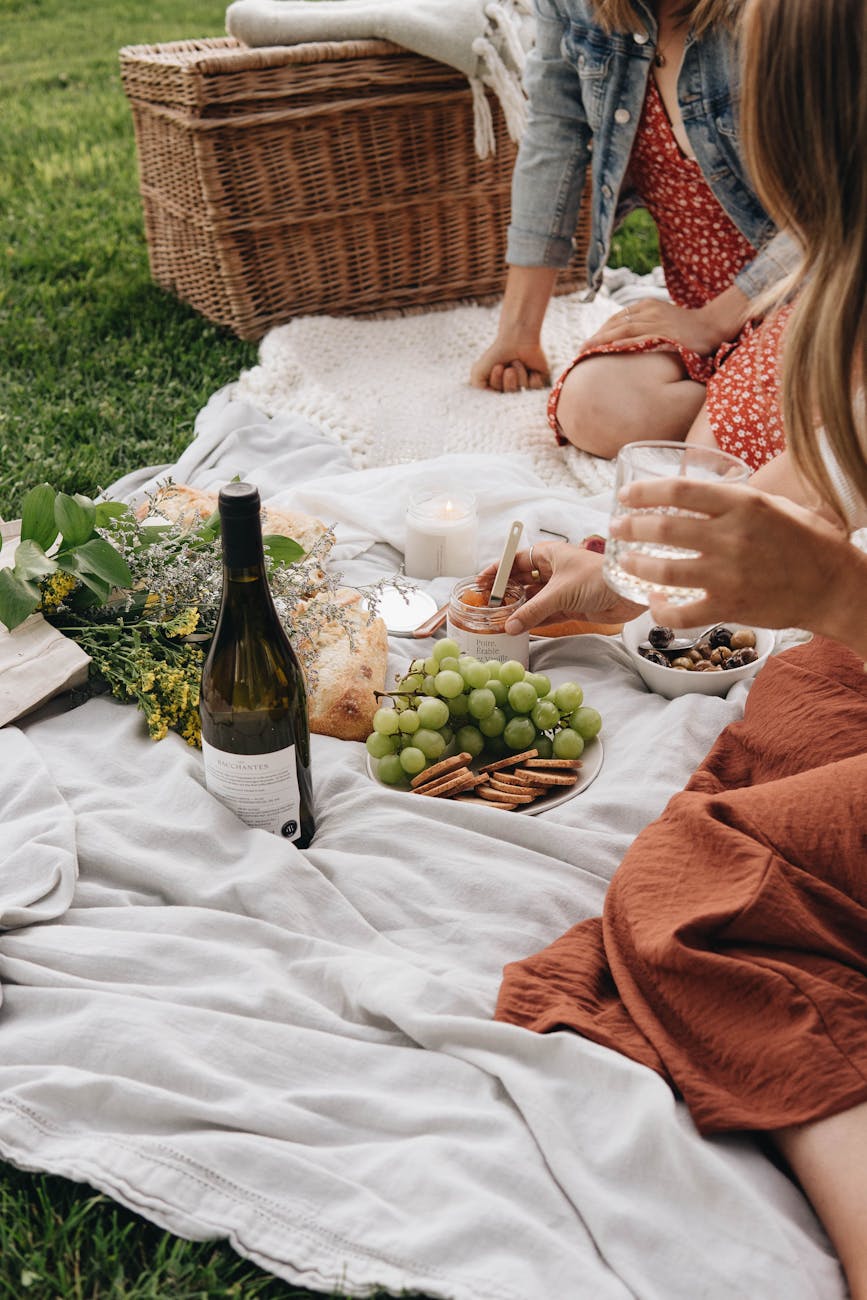
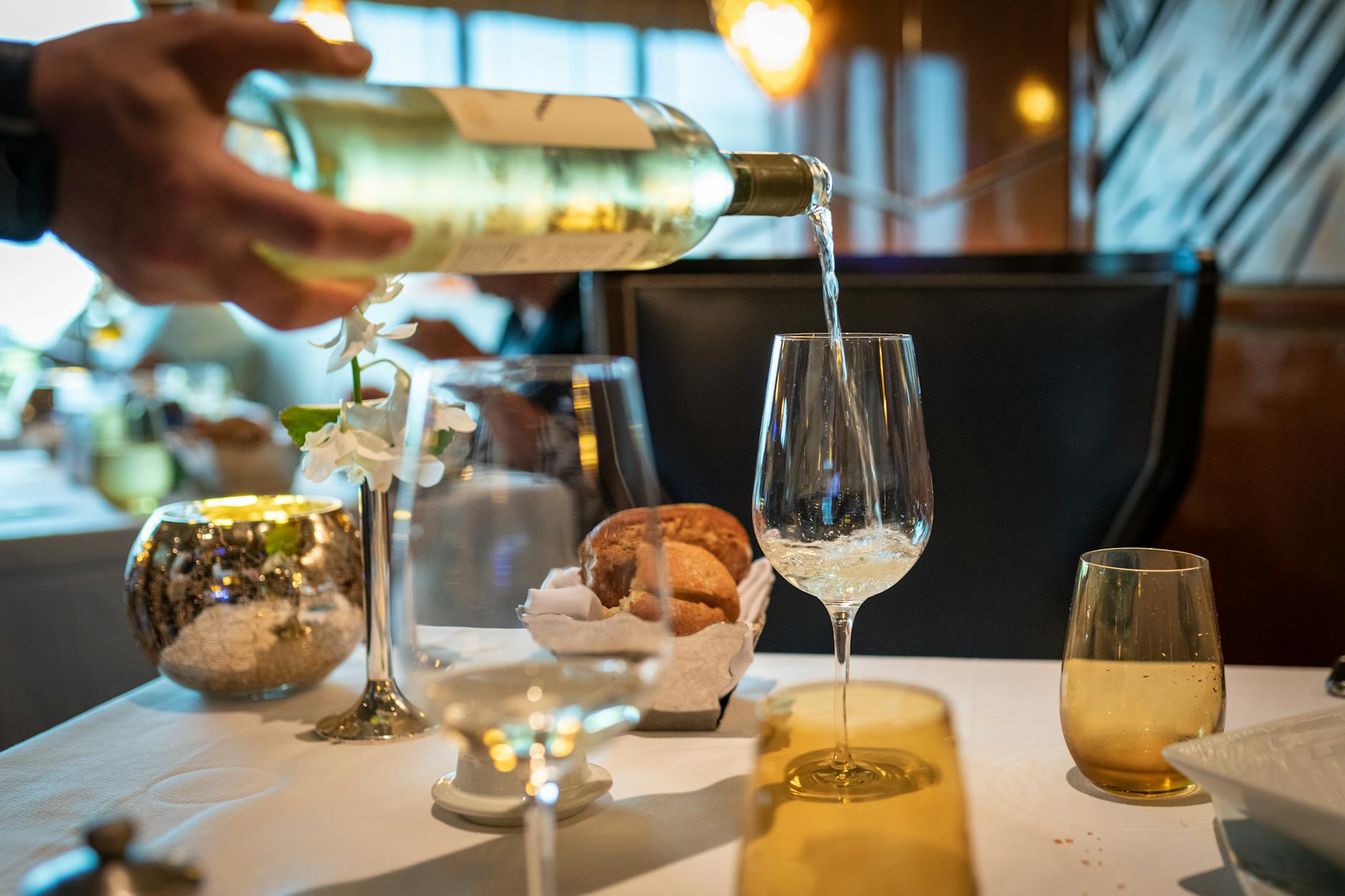
    Photo by Pressmaster on Pexels.com

    What Makes a Wine “Green”?

    Green winemaking isn’t about adding food coloring to your Chardonnay. Instead, it refers to a commitment to environmentally friendly vineyard management and production methods. Winemakers who embrace this philosophy often follow organic, biodynamic, and sustainable practices, ensuring that their vineyards thrive for generations to come.

    Organic Winemaking

    Organic wines are produced without synthetic pesticides, herbicides, or fertilizers. Instead, winemakers use natural compost, cover crops, and beneficial insects to maintain vineyard health. Certification varies by country, but all organic wines must meet strict regulations to ensure purity in both the vineyard and the winery.

    Biodynamic Winemaking

    Biodynamic winemaking takes organic practices a step further, incorporating holistic, almost mystical elements into viticulture. Inspired by the teachings of Rudolf Steiner, biodynamic farming follows a lunar calendar, uses natural composts like cow horn manure, and embraces a self-sustaining ecosystem. The result? Vibrant wines that express the true essence of their terroir.

    Sustainable Winemaking

    Sustainable winemaking is about reducing environmental impact while maintaining economic viability and social responsibility. These wineries focus on water conservation, renewable energy, reduced carbon footprints, and habitat preservation. While not always certified organic or biodynamic, sustainable wineries take measurable steps to protect the environment.

    Wineries Leading the Charge in Responsible Viticulture

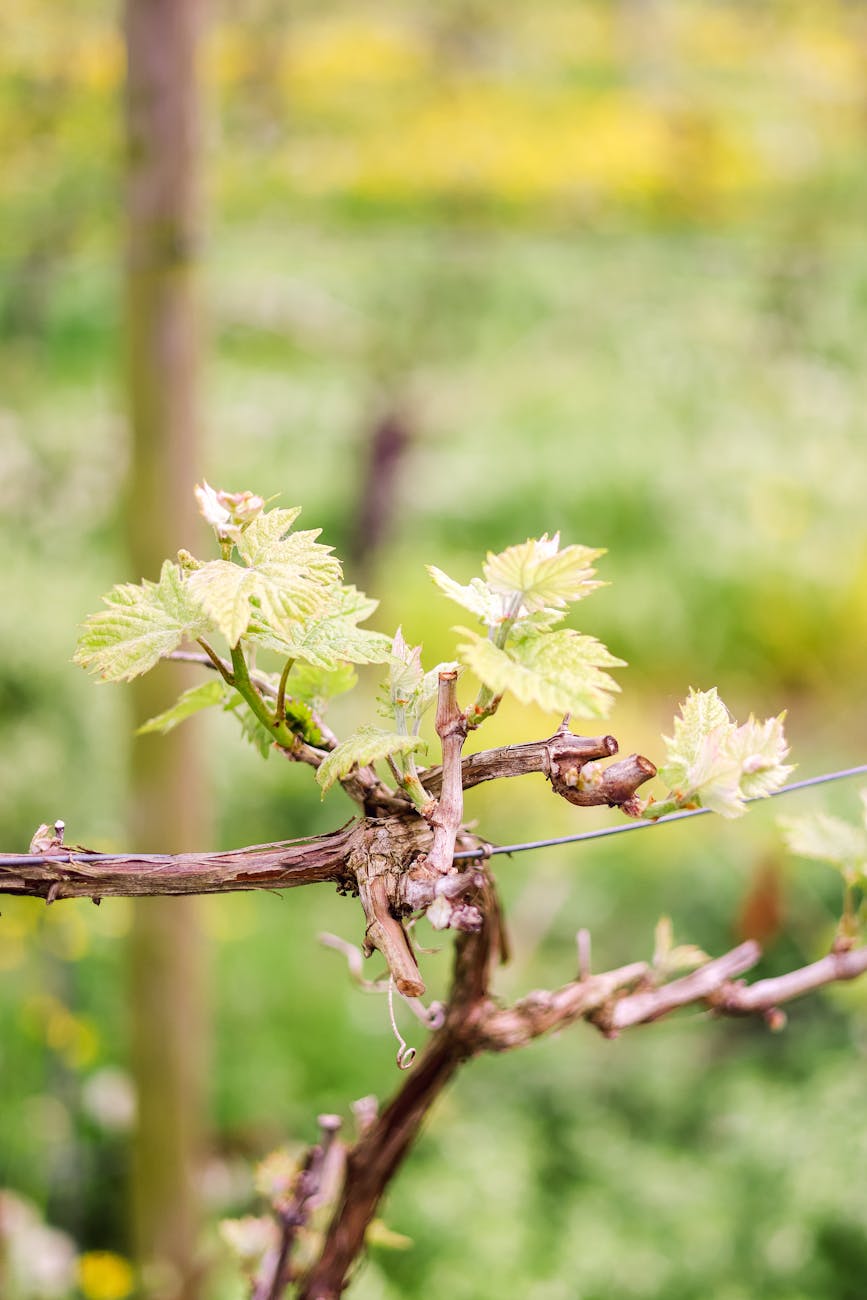
    Photo by Elle Hughes on Pexels.com

    Frog’s Leap (Napa Valley, California)

    Frog’s Leap is a shining example of sustainable and organic winemaking. Their dry-farming techniques reduce water waste, and their solar-powered winery runs on 100% renewable energy.

    Domaine Leflaive (Burgundy, France)

    A pioneer in biodynamic winemaking, Domaine Leflaive has been practicing organic and biodynamic methods for decades, producing some of the finest white Burgundies in the world.

    Related Article: Old World Regions: Burgundy

    Tablas Creek Vineyard (Paso Robles, California)

    This Rhône-style producer is an industry leader in sustainability, with certified organic and biodynamic vineyards, as well as regenerative agriculture practices that improve soil health and biodiversity.

    Yealands Estate (Marlborough, New Zealand)

    Yealands Estate is renowned for its commitment to carbon-neutral winemaking, employing wind and solar power, and even using babydoll sheep to naturally mow the vineyard grass. Although the Sauvignon Blanc Rosé has me a little perplexed, the wines of Yealands Estate are vegan-friendly and gluten free.

    St. Patrick’s Day Green Wine Pairings

    Now that you’re ready to swap green beer for green wine, let’s talk pairings! Whether you’re indulging in classic Irish fare or experimenting with plant-based options, these eco-friendly wines will complement your feast perfectly.

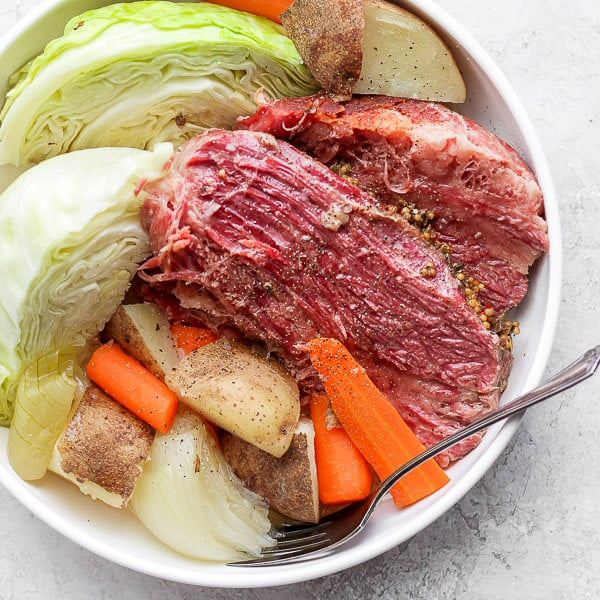
    Image of Corned Beef and Cabbage from The Wooden Skillet website (thewoodenskillet.com)

    Corned Beef & CabbageZinfandel or Organic Malbec

    A juicy, fruit-forward Zinfandel or an organic Malbec provides the perfect balance to the saltiness of corned beef, while complementing the earthiness of cabbage.

    Recipe: Corned Beef and Cabbage (The Wooden Skillet)

    Irish Lamb StewBiodynamic Syrah or Cabernet Franc

    A rich, hearty lamb stew calls for a robust yet balanced red, like a biodynamic Syrah or an herbaceous Cabernet Franc.

    Colcannon (Mashed Potatoes with Cabbage & Leeks)Sustainable Chardonnay or Grüner Veltliner

    A creamy, buttery Chardonnay or a zippy, mineral-driven Grüner Veltliner adds contrast to the richness of this traditional Irish side dish.

    Recipe: Traditional Irish Colcannon (The Spruce Eats)

    Smoked Salmon on Brown BreadOrganic Sauvignon Blanc or Albariño

    The crisp acidity of an organic Sauvignon Blanc or the saline notes of an Albariño perfectly cut through the smoky, oily texture of Irish smoked salmon.

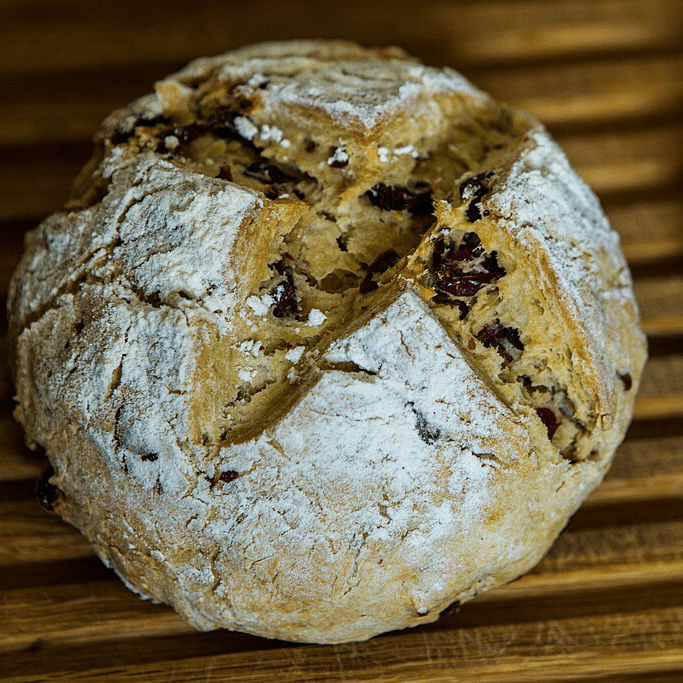
    Irish Soda Bread – Jim Lukach, CC BY 2.0,via Wikimedia Commons

    Irish Soda Bread with Irish CheddarNatural Sparkling Wine or Pet-Nat

    A natural sparkling wine, like a pétillant naturel (Pet-Nat), brings lively bubbles and a yeasty character that enhances the rustic flavors of soda bread and sharp cheddar.

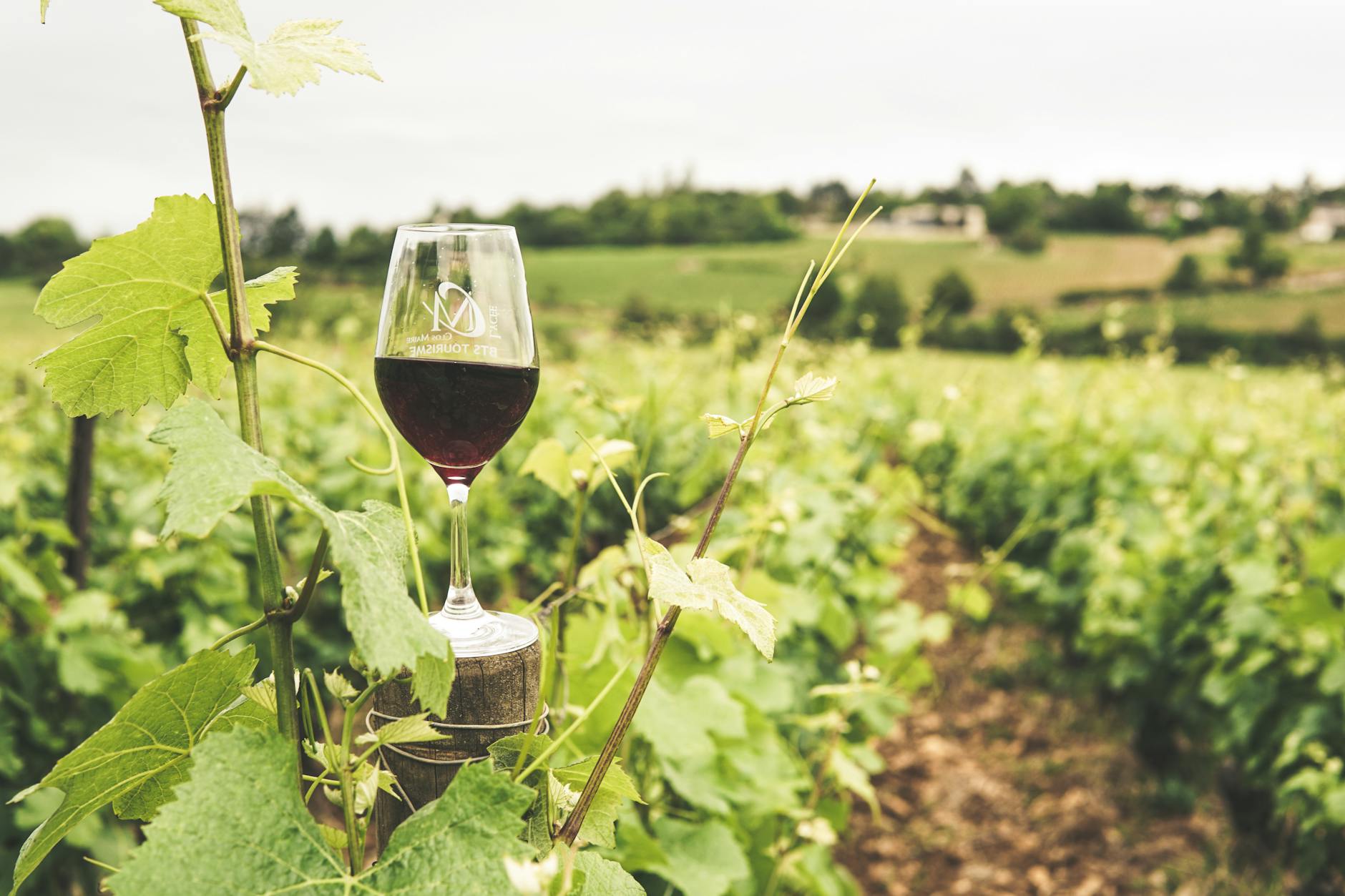
    Photo by KoolShooters on Pexels.com

    Raise a Glass to a Greener Future

    This St. Patrick’s Day, let’s move beyond the gimmicks and embrace wines that truly honor the green spirit. By choosing organic, biodynamic, and sustainable wines, we celebrate not only our love for great wine but also our commitment to a healthier planet. So go ahead, pour yourself a ‘green’ glass, toast to sustainability, and may the luck of the Irish (and the vintner) be with you!

    Sláinte!

    Photo by Darlene Alderson on Pexels.com
  • In Like a Lion, Out Like a Lamb: The Wines of March

    In Like a Lion, Out Like a Lamb: The Wines of March

    March is a month of contrasts—ferocious in its arrival, gentle in its departure. It’s the bridge between winter’s final roar and spring’s first whisper. The old proverb, “In like a lion, out like a lamb,” perfectly captures this transitional moment in the calendar, and what better way to explore these shifting moods than through the lens of wine?

    The Lion’s Roar: Bold Wines for the Start of March

    The beginning of March is often unpredictable—blustery winds, lingering frosts, and the occasional storm. This is a time for wines with power and presence, bottles that command attention much like the lion that heralds the month’s entrance.

    Barolo – The King of Wines
    Hailing from Italy’s Piedmont region, Barolo is a wine with a fierce reputation. Made from Nebbiolo grapes, it boasts high tannins, robust acidity, and flavors of dark cherry, leather, and rose petals. Barolo’s intensity matches the raw energy of early March, a time when winter refuses to surrender without a fight.

    Northern Rhône Syrah – Storm in a Glass
    The wild winds of early March echo the untamed spirit of Syrah from France’s Northern Rhône Valley. Wines from appellations like Côte-Rôtie and Hermitage showcase bold blackberry, black pepper, and smoky meat notes—an ideal counterpart to the tempestuous start of the month.

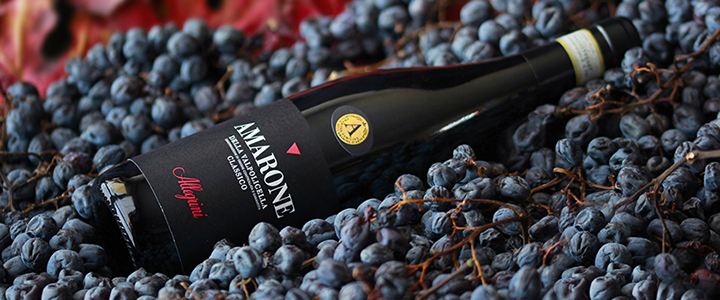
    Amarone della Valpolicella – Winter’s Last Stand
    This opulent Italian wine, crafted from dried Corvina grapes, delivers deep, dried fruit flavors with a rich, velvety texture. It’s a decadent farewell to winter’s hearty cuisine, pairing beautifully with slow-braised meats and aged cheeses.

    The Ides of March: A Historical Pause

    March is also famous for its literary and historical drama, none more ominous than the Ides of March. This date, March 15th, was immortalized in Shakespeare’s Julius Caesar when a soothsayer warned, “Beware the Ides of March.” It marked the assassination of Caesar and a turning point in Roman history.

    For a toast to history, uncork a bottle of Falerno del Massico, a wine with ancient Roman roots. This Campanian gem, praised by Pliny the Elder, was once considered the nectar of emperors. With its structured tannins and layered flavors of dark berries and spice, it’s a wine worthy of an imperial banquet—or a clandestine plot.

    Read more about the interesting history of Falernian wine.

    The Lamb’s Whisper: Soft Wines for the End of March

    As March softens and spring’s first blooms appear, our palates crave something lighter, fresher, and more delicate. The transition to milder weather calls for wines that reflect the gentle nature of March’s departure.

    Loire Valley Chenin Blanc – The Spring Awakening
    With bright acidity and notes of quince, honeysuckle, and fresh pear, Chenin Blanc from Vouvray or Savennières is like the first warm breeze of the season. It pairs effortlessly with lighter fare like fresh salads, goat cheese, and seafood.

    Beaujolais – The Joyful Bloom
    Made from Gamay, Beaujolais offers vibrant red fruit flavors and a silky texture, making it a perfect choice for the transition into spring. Enjoy it slightly chilled with charcuterie, roasted chicken, or a picnic under the first sunny skies of the season.

    Provence Rosé – The Sunset Wine
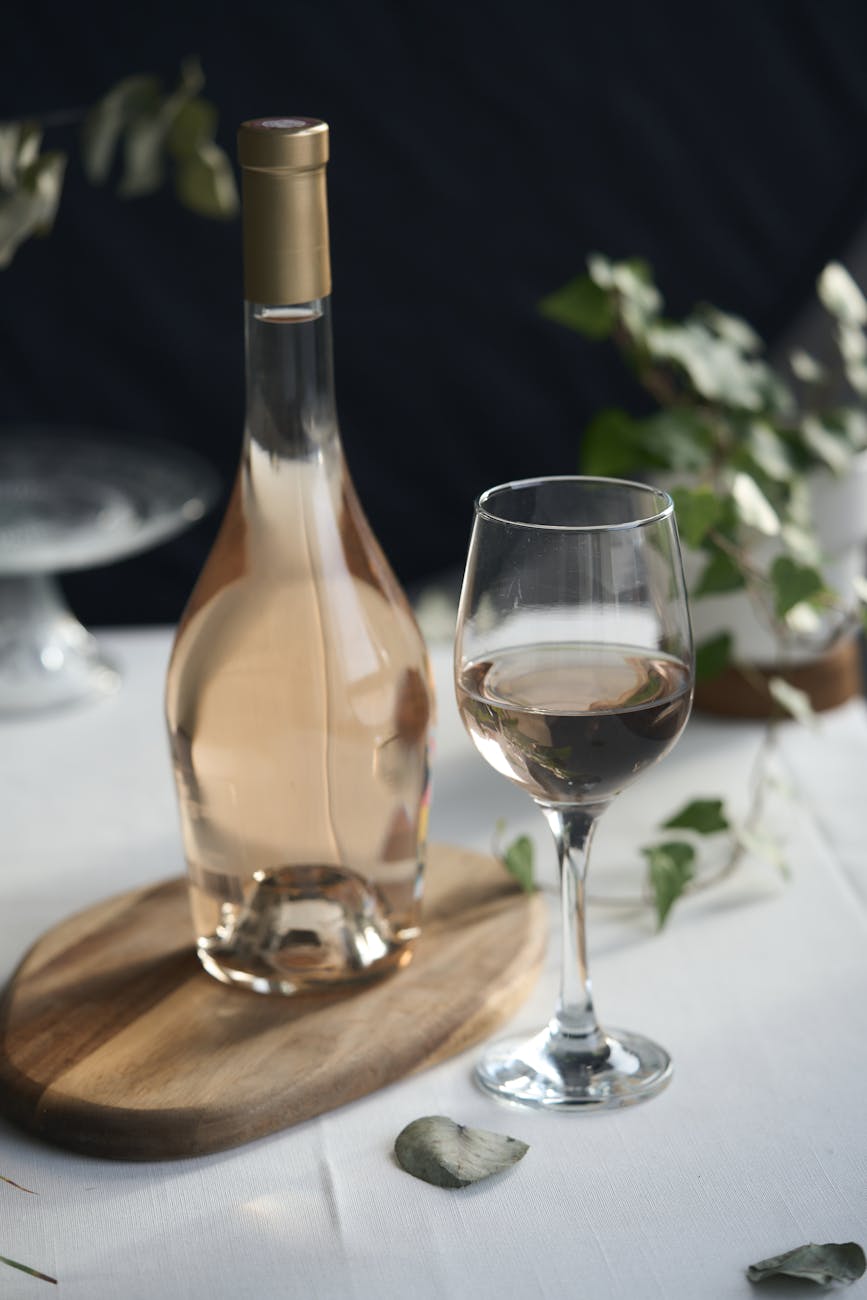
    March’s final days bring us closer to the rosé-drenched afternoons of spring and summer. A crisp, pale pink Provence Rosé, with notes of wild strawberries and herbs, mirrors the gentle fading of the lion’s roar into the lamb’s peaceful retreat.

    The Vineyards in March: A Time of Renewal

    In the vineyards, March is a time of awakening. The quiet dormancy of winter gives way to the first signs of bud break, where tiny green shoots emerge from the vines. In the Southern Hemisphere, harvest is in full swing, with winemakers carefully selecting grapes at their peak ripeness. It’s a time of both preparation and celebration—a moment to reflect on the past while embracing the promise of what’s to come.

    Related article: Winemaking in the Spring: From Bud Break to Flowering

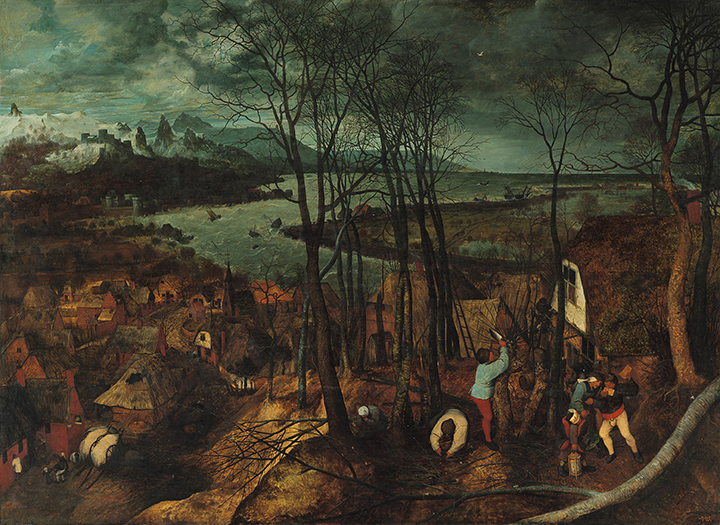
    Pieter Brueghel the Elder, Public domain, via Wikimedia Commons

    March in Art, Music, and Literature

    March has long inspired artists and musicians. From Tchaikovsky’s The Seasons: March—a lively, galloping piano piece—to paintings like Pieter Bruegel’s The Gloomy Day, which captures the raw transition from winter to spring, this month has been immortalized through many creative lenses. In literature, the Brontë sisters often used March’s wild and unpredictable nature as a metaphor for emotional turmoil and transformation.

    A Month to Savor

    March is a journey—a transformation from bold to delicate, from stormy to serene. It’s a month that calls for wines to match its shifting moods, from the commanding presence of Barolo to the gentle embrace of Provence Rosé. So, whether you’re braving the last chill of winter or toasting to the first warm rays of spring, there’s a perfect glass waiting to accompany you through this marvelous, mercurial month. Cheers 🍷

  • A Toast to the Cold Season

    A Toast to the Cold Season

    The assumption that winter is exclusively for red wines and summer for whites and rosés is a notion best left to those who haven’t yet discovered the joys of year-round wine exploration. While it’s true that a robust red feels like a warm hug on a cold evening, there’s a world of winter-worthy whites and even a few rosés that can stand up to hearty fare and frosty nights.

    Photo by Elina Sazonova on Pexels.com
    Red Wines – Warming the Soul

    Winter fare calls for reds with structure, depth, and a bit of spice to match rich and slow-cooked meals. Here are some of the best reds to savor during the colder months:

    Barolo & Barbaresco (Piedmont, Italy) – These Nebbiolo-based wines bring a balance of tannin, acidity, and earthy depth, perfect for braised short ribs or wild mushroom risotto.

    Cabernet Sauvignon (Napa Valley, California) – The classic choice for grilled steak or prime rib, its bold fruit and firm tannins stand up to even the richest dishes.

    Syrah/Shiraz (Rhône Valley, France & Barossa Valley, Australia) – Rhône Syrah’s peppery, smoky notes enhance dishes like coq au vin, while Barossa Shiraz pairs wonderfully with smoky BBQ ribs.

    Zinfandel (California) – Spicy and fruit-forward, it’s a match made in heaven for hearty stews, lamb shanks, or even a winter chili.

    Malbec (Mendoza, Argentina) – With its velvety dark fruit flavors, it pairs exceptionally well with grilled sausages or a hearty beef bourguignon.

    A winter without red wine is like a fireplace without wood—technically possible, but why would you?

    Gregory Dean, SOMM&SOMM
    Photo by Kenneth on Pexels.com
    White Wines – Brightening Winter’s Depths

    The best winter whites have enough body and acidity to complement richer dishes and hold their own against the chill.

    Chardonnay (Burgundy, France & California) – Buttery, oak-aged versions are perfect with roasted chicken, creamy pastas, or lobster bisque.

    Riesling (Germany & Alsace, France) – Aged Rieslings with their honeyed, petrol notes pair beautifully with duck, pork belly, or spicy Thai curries.

    Viognier (Rhône Valley, France & California) – Rich and floral, it complements roasted root vegetables and creamy cheeses.

    Gewürztraminer (Alsace, France) – Spicy and aromatic, it’s a delightful pairing with hearty winter fare like sausage and sauerkraut or Moroccan tagines.

    Savagnin (Jura, France) – For the adventurous, this oxidized white is spectacular with fondue or roast chicken.

    What good is the warmth of summer, without the cold of winter to give it sweetness? (and we’d argue, what good is summer wine without a winter contrast?)

    John Steinbeck
    Photo by Anastasia Shuraeva on Pexels.com

    Rosé – Not Just for Sunshine

    While rosé is often pigeonholed as a summer sipper, certain styles shine in the winter months.

    Tavel (Rhône Valley, France) – This deep, robust rosé stands up to roasted meats, winter greens, and even cassoulet.

    Bandol Rosé (Provence, France) – Mourvèdre-based, it pairs wonderfully with roasted duck or bouillabaisse.

    Sparkling Rosé (Champagne, France & Crémant d’Alsace) – Bubbles bring brightness to rich winter dishes, from truffle risotto to baked brie.

    Snow falls, wine pours, and suddenly, winter isn’t so bad

    Gregory Dean, SOMM&SOMM

    Winter Wine Rituals

    • Temperature Matters – Reds should be served slightly cooler than room temperature (60-65°F), and whites should not be ice-cold (50-55°F). A slight chill brings out complexity.
    • Glassware Counts – Use larger glasses for bold reds to allow them to breathe, and smaller glasses for high-acid whites to focus aromas.
    • Decanting is Key – Many winter reds benefit from decanting to soften tannins and enhance aromas.
    • Pair with Cozy Moments – Enjoy a glass by the fire, with a book, or paired with hearty, slow-cooked meals.
    Photo by Pavel Danilyuk on Pexels.com

    Surviving the Cold in Style

    To those who embrace the chill with a full glass, warm food, and good company, we raise our glasses to you. Winter may be long, but with the right wine, it’s a season of rich flavors, cozy nights, and joyful toasts.

    Greg and Tammy Dean, SOMM&SOMM

    Cheers to winter wines and the warmth they bring! 🍷

    Cover Photo Credit: Photo by Mirek Kielar on Pexels.com
  • Varietal Spotlight: Pinot Noir

    Varietal Spotlight: Pinot Noir

    The Ancient and Temperamental King of Red Grapes.

    Few grapes captivate the hearts of wine lovers and vintners quite like Pinot Noir. Revered for its ethereal elegance, complex flavors, and remarkable ability to reflect terroir, Pinot Noir is one of the oldest known grape varietals still cultivated today. This thin-skinned, temperamental grape has inspired obsession, frustration, and devotion in equal measure, from medieval monks in Burgundy to modern-day winemakers pushing the boundaries of its expression worldwide.

    Origins and Ancient History

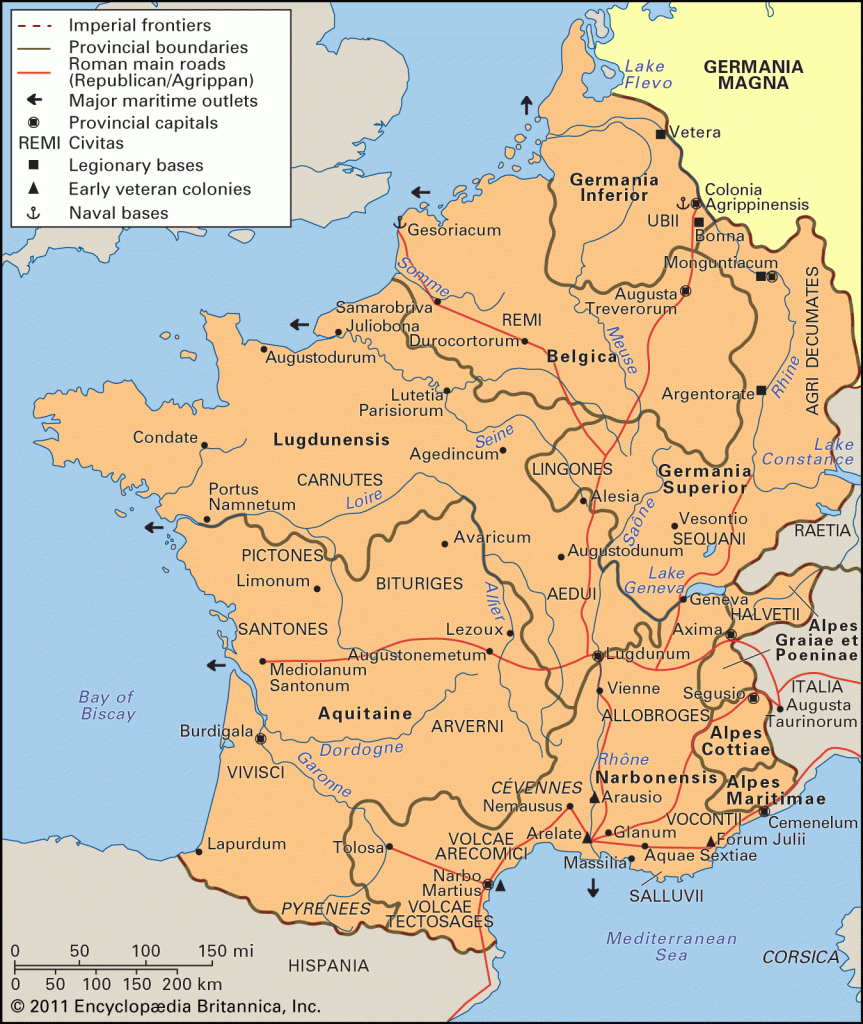
    Pinot Noir’s history can be traced back over 2,000 years to the Roman occupation of Gaul (modern-day France).

    Map of Gaul (Britannica, T. Editors of Encyclopaedia (2010, August 25). Gaul summary. Encyclopedia Britannica)

    The grape likely descends from Vitis vinifera vines cultivated by the Romans and was first mentioned in historical records around the 1st century AD. However, its true prominence emerged in the Middle Ages when Cistercian and Benedictine monks meticulously cultivated vineyards in Burgundy, recognizing the grape’s unique ability to convey a sense of place. These monastic orders developed the first concept of terroir, dividing Burgundy’s vineyards into climats, which still define the region today.

    The name “Pinot Noir” is derived from the French words pin (pine) and noir (black), a reference to the grape’s tightly clustered, pinecone-shaped bunches and dark skin. Despite its noble heritage, Pinot Noir’s genetic instability has led to over a thousand known clones and mutations, making it one of the most diverse grape families in viticulture.

    The Many Faces of Pinot Noir

    Because Pinot Noir mutates so easily, countless clones have been developed, each exhibiting distinct characteristics. Some of the most famous clones include:

    • Pommard (Clone 4 & 5): Originally from Burgundy’s Pommard region, these clones produce structured, powerful wines with darker fruit flavors and firmer tannins.
    • Dijon Clones (113, 115, 667, 777): Developed in Burgundy, these clones offer more refined fruit profiles, with silky textures and notes of red cherry, raspberry, and floral aromatics.
    • Wädenswil (Clone 2A): Popular in Oregon, this Swiss clone thrives in cool climates and is known for its vibrant acidity and floral perfume.
    • Martini Clone: A historic clone from California, this variety is known for its bright fruit flavors and early ripening qualities, particularly in Carneros and Russian River Valley.

    Pinot Noir also has close relatives in the Pinot family, including Pinot Blanc, Pinot Gris, and Pinot Meunier. These varietals share the same genetic lineage but have evolved with distinct characteristics. Pinot Blanc tends to be full-bodied with crisp acidity and flavors of apple and pear, while Pinot Gris exhibits richer textures and stone fruit notes. Pinot Meunier, frequently used in Champagne blends, offers fresh fruitiness and a more rustic profile.

    Alternate Names and Related Regions

    Pinot Noir is known by several names in different parts of the world. Some of its alternate names include:

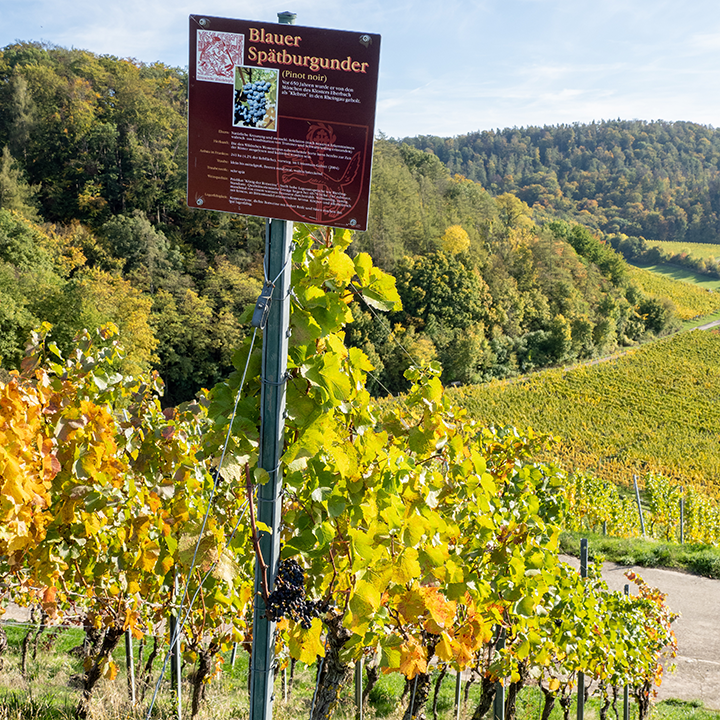
    • Spätburgunder (Germany)
    • Blauburgunder (Austria, Switzerland)
    • Pinot Nero (Italy)
    • Clevner (historical Alsace term)
    • Pinoz (Romania)

    Key regions where Pinot Noir thrives include:

    • France: Burgundy, Champagne, Alsace
    • United States: Oregon (Willamette Valley), California (Russian River Valley, Santa Lucia Highlands, Santa Barbara, Carneros)
    • Germany: Ahr, Baden, Pfalz
    • New Zealand: Central Otago, Martinborough
    • Italy: Alto Adige, Oltrepò Pavese
    • Switzerland: Valais, Graubünden
    • Australia: Yarra Valley, Tasmania
    Spätburgunder – Reinhold Möller, CC BY-SA 4.0, via Wikimedia Commons

    Pinot Noir’s Global Expressions

    Pinot Noir is often described as the most expressive varietal of terroir, meaning that it uniquely reflects the climate, soil, and winemaking techniques of its growing region. Let’s explore some of the most renowned Pinot Noir regions and their distinctive styles:

    Burgundy, France: The Benchmark

    Burgundy is the spiritual home of Pinot Noir, producing the world’s most revered expressions from Côte de Nuits and Côte de Beaune. Wines from these regions exhibit remarkable complexity, finesse, and age-worthiness. Grand Cru vineyards such as Romanée-Conti, La Tâche, and Chambertin produce wines of unparalleled depth and elegance, with layers of red and black fruit, earthy undertones, and a signature minerality that evolves beautifully over time.

    Oregon: The New-World Contender

    Oregon’s Willamette Valley has emerged as a premier Pinot Noir-producing region, often drawing comparisons to Burgundy. The cool, maritime climate fosters wines with vibrant acidity, red fruit dominance, and floral aromatics. Winemakers here prioritize sustainable and biodynamic farming, leading to some of the most expressive and terroir-driven New World Pinot Noirs.

    Related Article: Wine Experiences: A Taste of Adelsheim

    California: Bold and Fruit-Driven

    California’s diverse microclimates allow for multiple styles of Pinot Noir, ranging from the bright, elegant expressions of Sonoma’s Russian River Valley and Santa Lucia Highlands to the richer, more opulent styles of Santa Barbara and Carneros. Russian River Valley Pinot Noirs are known for their lush cherry and cola notes, while Santa Barbara wines often showcase baking spices and deep red fruit.

    New Zealand: The Rising Star

    New Zealand’s Pinot Noir, particularly from Central Otago and Martinborough, has gained international acclaim for its purity of fruit, bright acidity, and vibrant aromatics. Central Otago Pinot Noirs often exhibit dark cherry, plum, and spice notes, while Martinborough expressions lean towards a more earthy, structured profile.

    Germany: The Stealthy Powerhouse

    Known as Spätburgunder, German Pinot Noir has experienced a renaissance in recent years. Producers in the Ahr, Baden, and Pfalz regions are crafting elegant, cool-climate Pinot Noirs with floral aromatics, mineral-driven complexity, and refined tannins, rivaling some of the best from Burgundy.

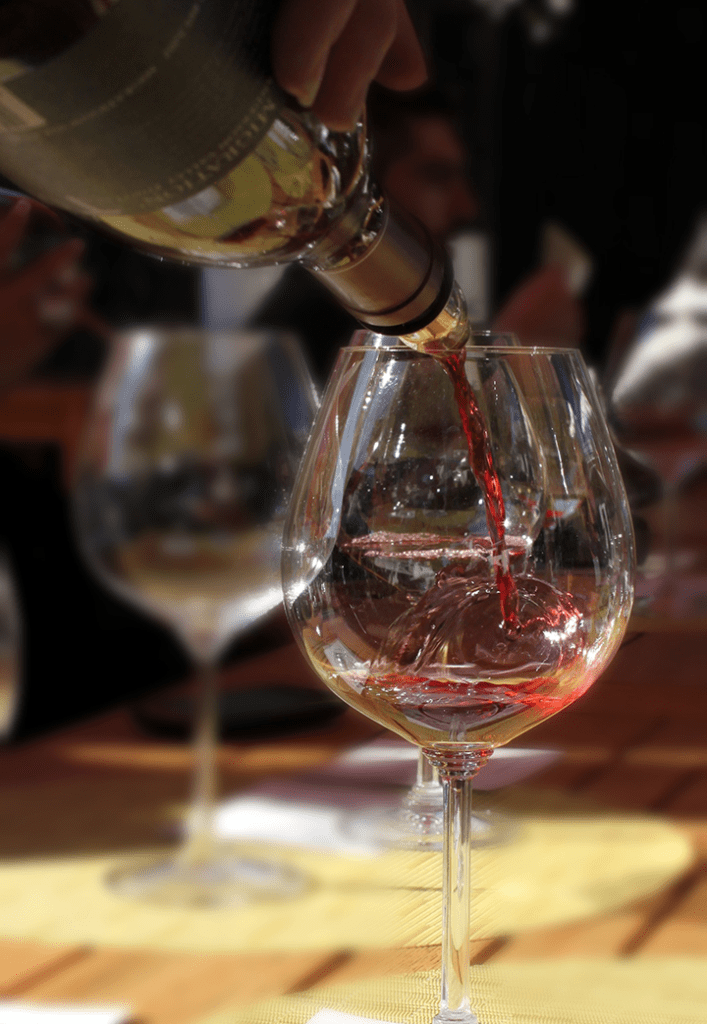
    Pouring Pinot Noir – Prayitno, USA, CC BY 2.0, via Wikimedia Commons

    The Perfect Complement

    Pinot Noir’s versatility makes it an excellent companion to a wide range of dishes. Its bright acidity, moderate tannins, and complex flavor profile allow it to pair beautifully with:

    • Poultry: Roast duck, turkey, or chicken with herbs
    • Game Meats: Venison, quail, and pheasant
    • Pork: Pork tenderloin, glazed ham, or charcuterie
    • Mushroom Dishes: Truffle risotto, mushroom ravioli, or wild mushroom ragout
    • Salmon and Tuna: Grilled, poached, or seared preparations
    • Soft Cheeses: Brie, Camembert, and Gruyère

    Fun Lore and Stories of Pinot Noir

    Pinot Noir has inspired countless stories, myths, and even Hollywood films. One of the most famous legends is that of the 18th-century Burgundian monk Dom Giguier, who claimed to have divine visions instructing him to cultivate Pinot Noir in specific vineyard plots (Giguier, 1763). Whether divine intervention or astute observation, these climats remain some of the most prized in the world.

    In more modern times, the 2004 film Sideways sparked an explosion of Pinot Noir’s popularity in the U.S., while simultaneously tanking Merlot sales. The protagonist’s passionate monologue about the elegance and fragility of Pinot Noir led to a significant surge in demand, particularly in California and Oregon.

    The Enduring Allure of Pinot Noir

    Pinot Noir remains one of the most beloved and challenging varietals in the world of wine. Its delicate nature, susceptibility to disease, and finicky growing conditions make it a difficult grape to cultivate, yet its rewards are unparalleled. Whether from the legendary vineyards of Burgundy, the misty valleys of Oregon, or the sun-kissed hills of California, Pinot Noir continues to captivate winemakers and enthusiasts alike. Its ability to tell the story of its origin with elegance and nuance ensures that its legacy will endure for generations to come. Cheers 🍷

    Cover Photo Credit: Jim Fischer from Portland, Oregon, USA, CC BY 2.0, via Wikimedia Commons

    References

    Giguier, D. (1763). Vineyard Cultivation and Divine Insight. Dijon, France: Burgundian Press.

  • Discovering the Elegance of Cortese di Gavi: A Northern Italian Treasure

    Discovering the Elegance of Cortese di Gavi: A Northern Italian Treasure

    Ah, the Province of Alessandria in Piedmont—home to one of Northern Italy’s crown jewels, the remarkable Cortese di Gavi. Gavi—a name synonymous with elegance and purity, yet it remains underappreciated in the shadow of more famous Italian white varietals. For a wine enthusiast, this is both a tragedy and an opportunity. Allow me to take you on a journey through the rolling hills of Gavi, where one of Italy’s finest white wines has been quietly defining finesse and charm for centuries.

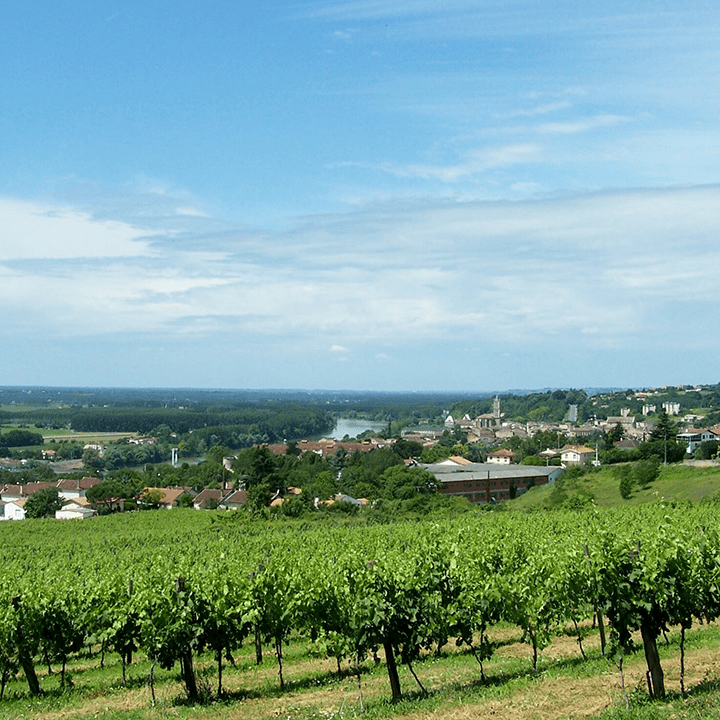
    F Ceragioli, CC BY-SA 3.0, via Wikimedia Commons

    The Grape Behind the Magic

    Let’s begin with the grape itself: Cortese. This varietal is the very embodiment of Italian precision, producing wines that are crisp, aromatic, and vibrant. If wines could sing, Cortese di Gavi would be a soprano—its voice high, clear, and impossibly beautiful. Cultivated in Northern Italy since at least the 17th century, Cortese thrives in the marl and clay soils of Piedmont’s Gavi region, where the vineyards are blessed with an enviable mix of sun-drenched days and cooling maritime breezes. It’s a terroir-driven delight that effortlessly captures the spirit of its homeland.

    Gavi’s DOCG Status: A Badge of Honor

    Now, let’s talk DOCG—Denominazione di Origine Controllata e Garantita. Gavi earned this prestigious status in 1998, a well-deserved recognition of the region’s consistent quality and historical significance. DOCG isn’t just a shiny label; it’s a promise. A promise that every bottle meets the strictest standards and encapsulates the essence of its place of origin. For Gavi, this elevation marked a turning point, helping it stand shoulder-to-shoulder with Italy’s more celebrated white wines, like Soave and Verdicchio.

    Image Credit: Promesse de Fleurs – Cortese Grapes

    What Makes Cortese di Gavi Special?

    First, its style. Imagine a wine that greets your palate with a burst of lemon zest, green apple, and white peach, followed by whispers of almond and wildflowers. There’s an underlying minerality—a flinty backbone that provides structure and balance—making it the quintessential expression of elegance. Gavi isn’t just a refreshing summer sipper; it’s a wine with depth and sophistication, capable of enhancing any meal with its vibrant acidity and nuanced profile.

    A Sip of History

    Historically, Gavi has its fair share of lore. Did you know that Gavi’s wines were once a favorite at the royal courts of the House of Savoy? Even further back, the grape’s resilience was lauded by Piedmontese farmers who dubbed it “Cortese”—“courteous”—for its ability to consistently produce high-quality wines. This enduring reputation has carried through the centuries, culminating in its modern acclaim.

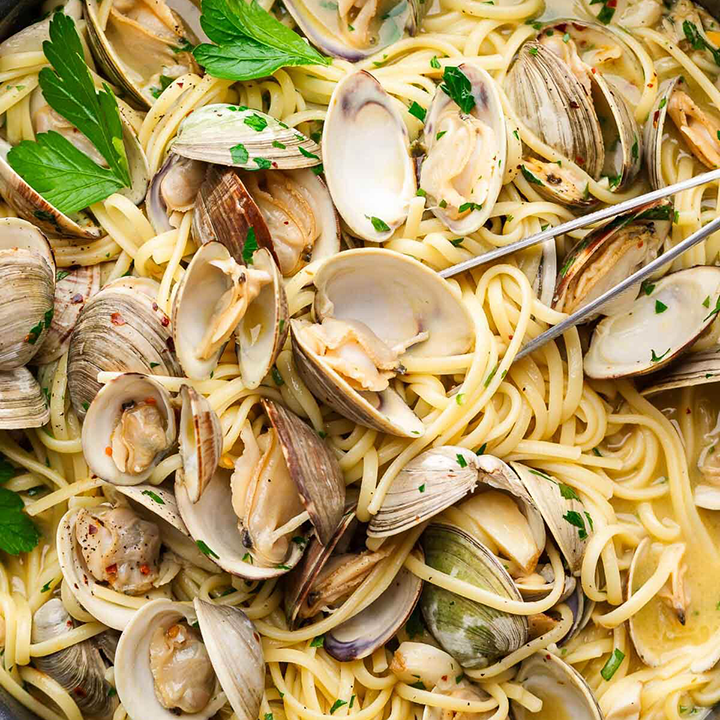
    Visit Sip & Feast and get James Delmage’s recipe for Spaghetti alle Vongole

    Perfect Pairings: Classic and Creative

    When it comes to food pairings, Cortese di Gavi is a sommelier’s playground. For the classics, you can’t go wrong with Ligurian cuisine. Think fresh seafood—grilled branzino, spaghetti alle vongole, or a delicate insalata di mare. The wine’s zippy acidity cuts through the richness of olive oil and enhances the natural sweetness of shellfish.

    But let’s get adventurous. Pair Gavi with Thai green curry, where its citrus notes complement the lime and lemongrass, or with sushi, particularly sashimi or a clean nigiri platter. Feeling bold? Try it with creamy chicken alfredo—the acidity acts as a palate cleanser, preventing the dish from becoming overly heavy.

    Versatility and Appeal

    What truly sets Gavi apart is its versatility. It’s a wine that can gracefully transition from aperitif to main course, adapting to a variety of flavors and textures without losing its charm. It’s no wonder that those in the know (sommeliers and wine enthusiasts alike) revere it as one of Italy’s most delightful surprises.

    A White Wine Powerhouse

    Northern Italy has long been a powerhouse of white wines, from the alpine clarity of Alto Adige’s Pinot Grigio to the creamy sophistication of Friuli’s Ribolla Gialla. Yet, Gavi holds its own with an understated confidence, proving that elegance doesn’t need to shout. Its story is one of quiet resilience and refinement—a reminder that sometimes the most extraordinary treasures are found off the beaten path.

    Fall Under Gavi’s Spell

    So, the next time you find yourself perusing the shelves, take a moment to consider the wines of Gavi. Pick up a bottle, pour yourself a glass, and savor the history, the terroir, and the craftsmanship. And when you taste that first sip of Cortese di Gavi, let yourself fall under its spell. Because trust me—this is one white wine that’s worth getting to know, sip by glorious sip. Saluti!

    Cover Image Credit: Jonathan Harker, CC BY-SA 4.0, via Wikimedia Commons

  • The Enchanting Wines of Entré-Deux-Mers

    The Enchanting Wines of Entré-Deux-Mers

    A Hidden Gem of French Viticulture

    In the illustrious tapestry of Bordeaux’s wine regions, few areas remain as underappreciated and misunderstood as Entré-Deux-Mers. Nestled between the Dordogne and Garonne rivers, this expanse of rolling hills, historic abbeys, and charming châteaux quietly produces some of the most intriguing wines in the world. Yet, it exists in the shadow of its prestigious neighbors: the Left Bank’s powerful Médoc reds and the Right Bank’s velvety Saint-Émilion and Pomerol blends (Tammy’s favorite). Entré-Deux-Mers, however, is a region of diversity, offering crisp whites, unique reds, and sweet treasures that deserve a place on your table and in your glass.

    SOMM&SOMM Related Article: Old World Regions: Bordeaux

    Where Monks and Merchants Shaped the Vines

    The name Entré-Deux-Mers, meaning “between two seas,” might seem misleading at first glance. Rather than seas, it references the two mighty rivers that define its geography. These waterways have long been trade routes, dating back to Roman times, when wine was already a cornerstone of local commerce. During the medieval period, monks played a pivotal role in cultivating the vineyards, leaving behind a legacy of meticulous viticulture that persists to this day.

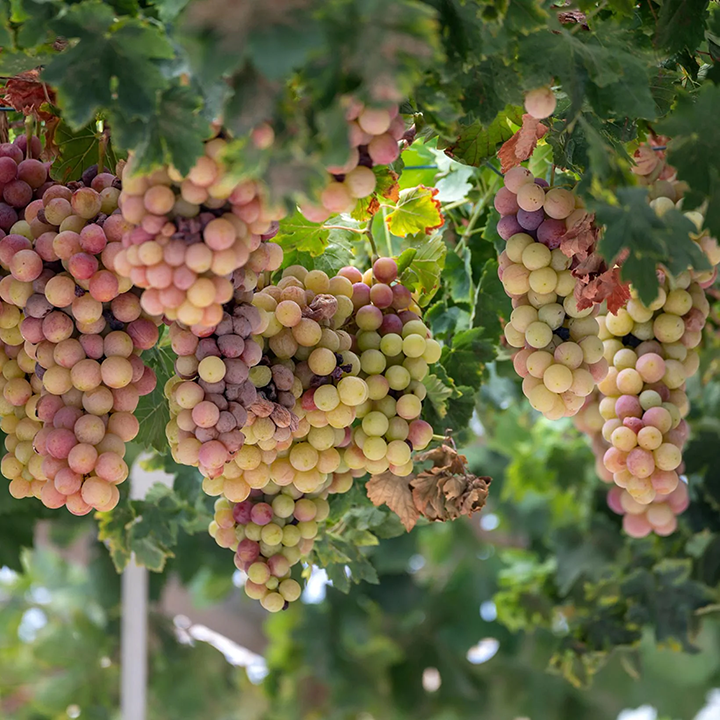
    Local lore tells of wine-smuggling monks ferrying barrels of “fish wine” (a term used to describe crisp, acidic whites perfect for pairing with seafood) under the cover of night to avoid taxes imposed by Bordeaux merchants. Whether or not these tales are true, they capture the independent spirit of the region’s winemakers.

    The Styles of Entré-Deux-Mers

    Entré-Deux-Mers offers a spectrum of wines, from vibrant whites to robust reds and luscious sweet wines. Let’s explore these styles in greater detail.

    Photo by Oleksandr P on Pexels.com
    Entré-Deux-Mers Blanc

    This is the hallmark wine of the region, an aromatic, crisp white blend dominated by Sauvignon Blanc, Sémillon, and Muscadelle. These wines are often vinified in stainless steel to preserve their fresh, zesty character.

    • Tasting Notes: Expect notes of grapefruit, green apple, and white flowers with a minerally backbone.
    • Pairings: Perfect with oysters, grilled fish, goat cheese, or a fresh herbed salad.
    • Recommendation: Look for Château Bonnet’s Entré-Deux-Mers Blanc, an approachable, quintessential example of the style.

    Bordeaux Rouge and Bordeaux Supérieur

    While not labeled as Entré-Deux-Mers, red wines from the region fall under broader Bordeaux appellations. These blends often feature Merlot, Cabernet Sauvignon, and Cabernet Franc, offering approachable and food-friendly profiles.

    • Tasting Notes: Black cherry, plum, and earthy spice dominate, with soft tannins in younger wines.
    • Pairings: A natural fit for roasted meats, charcuterie, or hearty stews.
    • Recommendation: Seek out Château Thieuley Bordeaux Rouge for an elegant and well-structured red.
    Harvesting Botrytis affected grapes at Château Dauphiné Rondillon

    Sweet Wines (Loupiac, Sainte-Croix-du-Mont)

    On the southern edges of Entré-Deux-Mers, the misty banks of the Garonne create the perfect conditions for noble rot, producing stunning sweet wines reminiscent of Sauternes but at a fraction of the price.

    • Tasting Notes: Honeyed apricot, candied orange peel, and luscious marmalade.
    • Pairings: Pair with foie gras, blue cheese, or fruit tarts.
    • Recommendation: The Cuvée d’Or du Château Dauphiné Rondillon is a delightful and affordable indulgence.

    Varietals and Wine Laws

    Entré-Deux-Mers Blanc is governed by strict AOC rules that mandate blends of Sauvignon Blanc, Sémillon, and Muscadelle, though minor contributions from Ugni Blanc and Colombard are permitted. The region’s reds fall under the broader Bordeaux and Bordeaux Supérieur classifications, which offer greater flexibility in blending.

    An intriguing facet of Entré-Deux-Mers is its experimentation with lesser-known varietals like Malbec (locally called Côt) and Petit Verdot. These grapes add depth and complexity to blends, hinting at the region’s potential to craft truly distinctive wines.

    Why Entré-Deux-Mers Matters

    Entré-Deux-Mers represents the essence of Bordeaux: a commitment to quality, history, and innovation. Unlike the grand châteaux of the Left and Right Banks, this region’s producers often work on a smaller scale, focusing on craftsmanship rather than global acclaim. The result? Wines that overdeliver on value and character.

    Fun Anecdotes and Lore

    Did you know that during the Hundred Years’ War, Entré-Deux-Mers became a battleground for more than just soldiers? Vineyards were often caught in the crossfire, yet resilient locals replanted time and again, showing the enduring spirit of the region.

    Bringing Entré-Deux-Mers to Your Table

    If you’ve yet to explore the wines of Entré-Deux-Mers, now is the time. Whether it’s a crisp white for your next seafood feast or a luscious sweet wine to accompany dessert, this region offers something for everyone. And don’t forget the reds—they might just surprise you with their depth and versatility.

    So, next time you’re perusing the Bordeaux aisle, take a chance on Entré-Deux-Mers. You might just discover a new favorite—and a story to tell with every sip. Santé 🍷

    Cover Image Credit: Henry SALOMÉ, CC BY-SA 4.0, via Wikimedia Commons

  • A Sherry-Lover’s Guide to the Feast of Seven Fishes

    A Sherry-Lover’s Guide to the Feast of Seven Fishes

    Seven Perfect Pairings for Seven Seafood Courses.

    The Feast of Seven Fishes is a rich Italian-American tradition celebrated on Christmas Eve, featuring an abundant spread of seafood dishes. This tradition pairs beautifully with the versatility and depth of Sherry, a fortified wine from Jerez, Spain, that spans an array of styles from light and dry to dark and sweet. Here’s a course-by-course pairing, each showcasing a unique Sherry style that enhances the flavors of our favorite Feast of Seven Fishes dishes.

    This version of the Feast of Seven Fishes is a sensory journey through seven different seafood dishes, each paired with a distinct Sherry style, culminating with a dessert course. The natural progression from dry to sweet Sherries makes this a balanced and complex tasting experience that respects each course’s flavors.

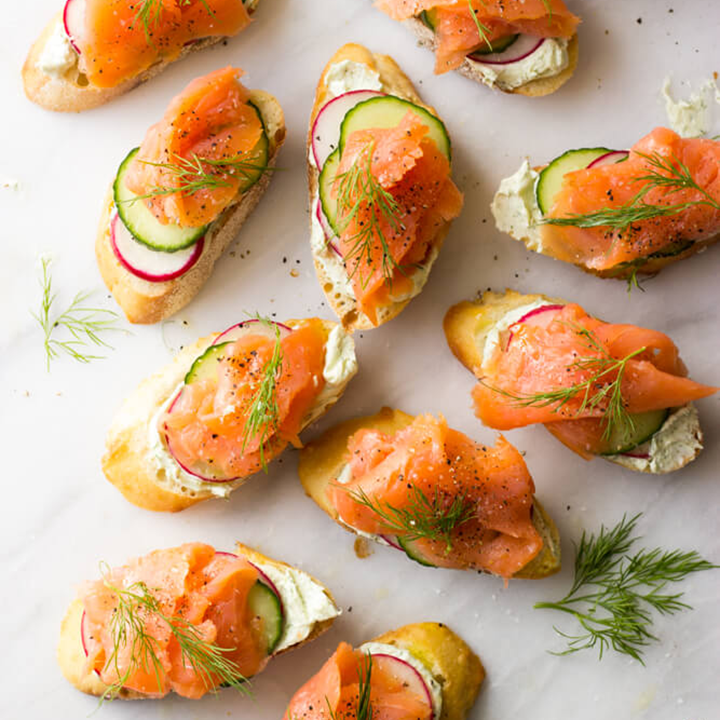
    Image from Little Broken – Smoked Salmon Crostini with Herb Cheese recipe

    Amuse-Bouche: Smoked Salmon Crostini

    • Sherry Pairing: Manzanilla
    • Tasting Notes: Manzanilla is a bright, briny, and delicate Sherry with subtle green apple and sea breeze notes.
    • Why It Works: This pairing highlights Manzanilla’s salty, coastal character, which mirrors the salmons’ smokiness. The Sherry’s light body complements the dish’s herb cheese and cucumber, creating a refreshing, palate-awakening amuse-bouche.

    Recipe (Little Broken): Smoked Salmon Crostini

    SOMM&SOMM Recommends: Lustau Papirusa Manzanilla Sherry

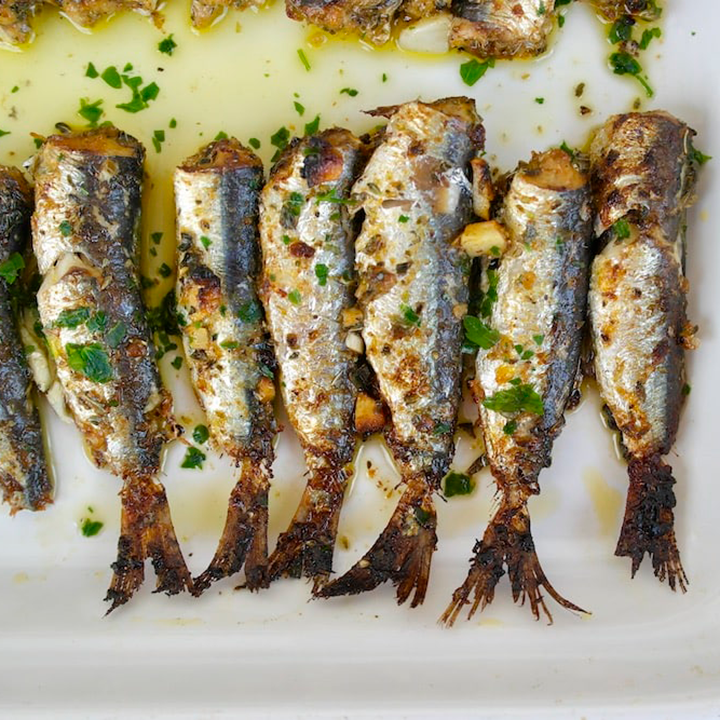
    Image from Olive Tomato – Roasted Sardines with Garlic and Herb Crust recipe

    First Course: Roasted Sardines with Garlic and Herb Crust

    • Sherry Pairing: Fino
    • Tasting Notes: Fino, dry and crisp with almond and fresh dough notes, has a subtle umami quality that matches well with sardines.
    • Why It Works: Fino’s delicate nutty and saline notes enhance the sardines’ richness without overwhelming the flavor. Its acidity and dry profile cut through the fish’s oil, balancing out the texture while emphasizing the freshness of the herbs.

    Recipe (Olive Tomato): Roasted Sardines with Garlic and Herb Crust

    SOMM&SOMM Recommends: Lustau Jarana Fino Sherry

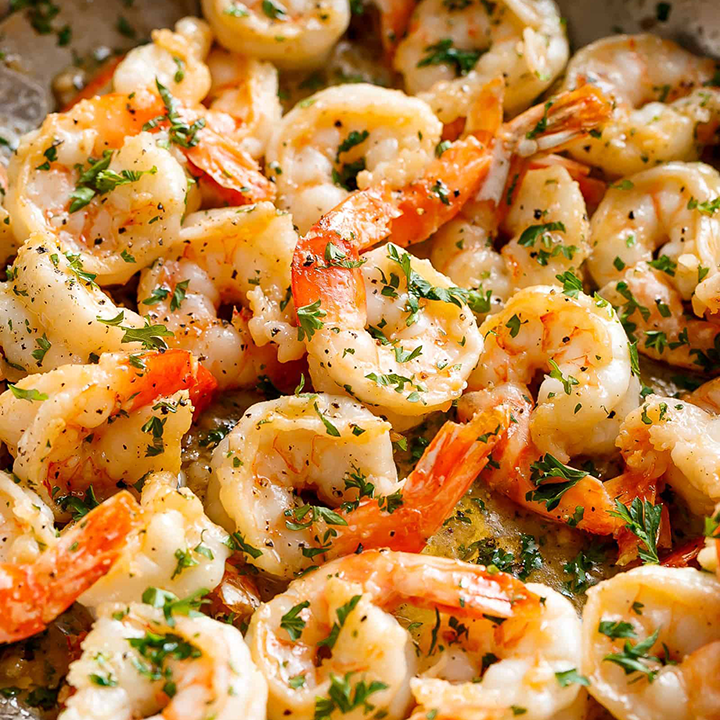
    Image from Cafe Delites – Garlic Butter Shrimp Scampi recipe

    Second Course: Shrimp Scampi with Garlic Butter Sauce

    • Sherry Pairing: Amontillado
    • Tasting Notes: Amontillado Sherry is characterized by toasted hazelnut, caramel, and a touch of dried apricot, offering a balanced, nutty depth with medium acidity.
    • Why It Works: Amontillado’s complexity complements the buttery garlic sauce, enhancing the shrimp’s delicate sweetness. The Sherry’s depth pairs seamlessly with the richness of the dish, providing a touch of nutty savoriness and elevating the umami flavors.

    Recipe (Cafe Delites): Garlic Butter Shrimp Scampi

    SOMM&SOMM Recommends: Alvaro Domecq “1730” Amontillado

    Image from Little Ferraro Kitchen – Steamed Clams with White Wine and Garlic recipe

    Third Course: Clams with White Wine, Garlic, and Herbs

    • Sherry Pairing: Palo Cortado
    • Tasting Notes: Known for its rare combination of freshness and richness, Palo Cortado has roasted hazelnut, orange peel, and subtle toffee flavors.
    • Why It Works: Palo Cortado’s layered complexity matches well with the briny, herbal clams. Its depth amplifies the dish’s savory notes, while its slightly fuller body and acidity balance the richness of the sauce, creating a refined harmony.

    Recipe (Little Ferraro Kitchen): Steamed Clams with White Wine and Garlic

    SOMM&SOMM Recommends: Fernando de Castilla Antique Palo Cortado

    Image from My Gorgeous Recipes – Saffron Risotto with Lobster recipe

    Fourth Course: Lobster Risotto with Saffron and Parmesan

    • Sherry Pairing: Oloroso
    • Tasting Notes: Oloroso Sherry is a rich, full-bodied style with flavors of caramel, walnut, and dried orange zest. Its warming alcohol and slight sweetness add depth.
    • Why It Works: The luxurious texture of Oloroso complements the creamy risotto, and its nutty, caramelized character enhances the lobster’s natural sweetness and the richness of saffron and Parmesan.

    Recipe (My Gorgeous Recipes): Saffron Risotto with Lobster

    SOMM&SOMM Recommends: Bodegas Yuste Aurora Oloroso Sherry

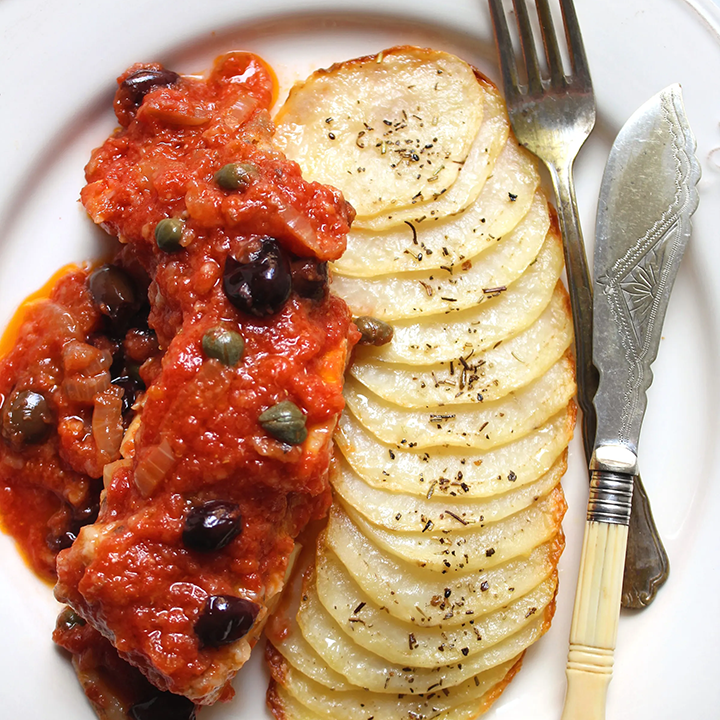
    Image from Toni Brancatisano’s – Bacalla – Salted Cod with Tomatoes, Olives and Capers recipe

    Fifth Course: Baccala (Salted Cod) with Tomato, Olives, and Capers

    • Sherry Pairing: Medium Sherry (Blend of Amontillado and PX)
    • Tasting Notes: A Medium Sherry offers a mild sweetness with hints of dried fig, dates, and a touch of caramel, striking a balance between richness and sweetness.
    • Why It Works: This pairing softens the saltiness of the cod and melds with the acidity of tomatoes. The sweetness of Medium Sherry brings out the savory elements of the capers and olives, achieving a delightful sweet-salty balance.

    Recipe (Toni Brancatisano’s version is our favorite): Baccala with Tomatoes, Olives and Capers

    SOMM&SOMM Recommends: Valdespino Amontillado Medium Contrabandista Sherry

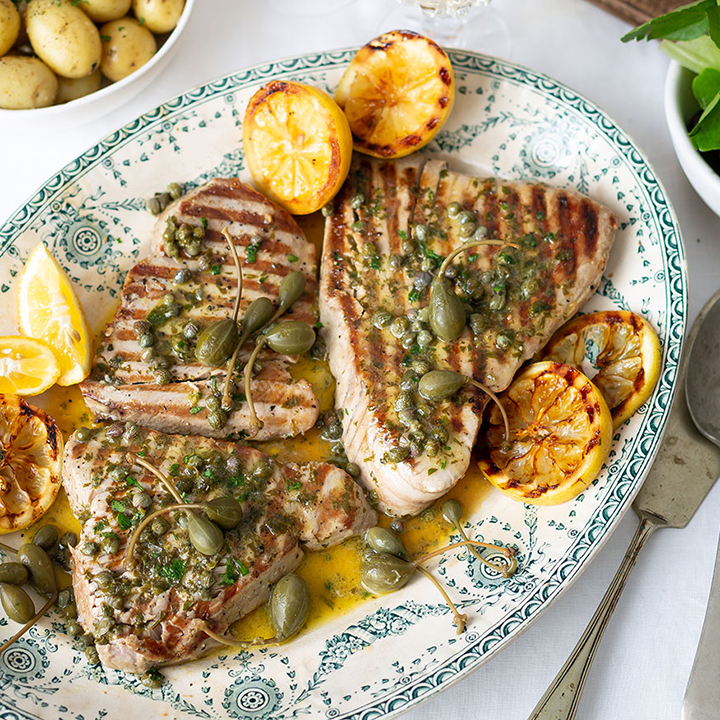
    Image from Drizzle&Dip – Seared Tuna Steaks with Lemon, Capers and Parsley Butter

    Sixth Course: Seared Tuna with Capers and Lemon

    • Sherry Pairing: Cream Sherry
    • Tasting Notes: Cream Sherry, a blend of Oloroso with a touch of PX, has lush flavors of figs, dates, and toffee with a rounded sweetness.
    • Why It Works: The Cream Sherry’s sweetness complements the seared tuna’s umami flavors and contrasts with the salty capers, while its fuller body holds up to the tuna’s meatiness. The citrus provides a refreshing finish that cuts through the richness.

    Recipe (Drizzle&Dip): Seared Tuna Steaks with Lemon, Capers and Parsley Butter

    SOMM&SOMM Recommends: Emilio Hidalgo Morenita Cream Sherry

    Image from Nonna Box – Authentic Italian Sfogliatelle recipe

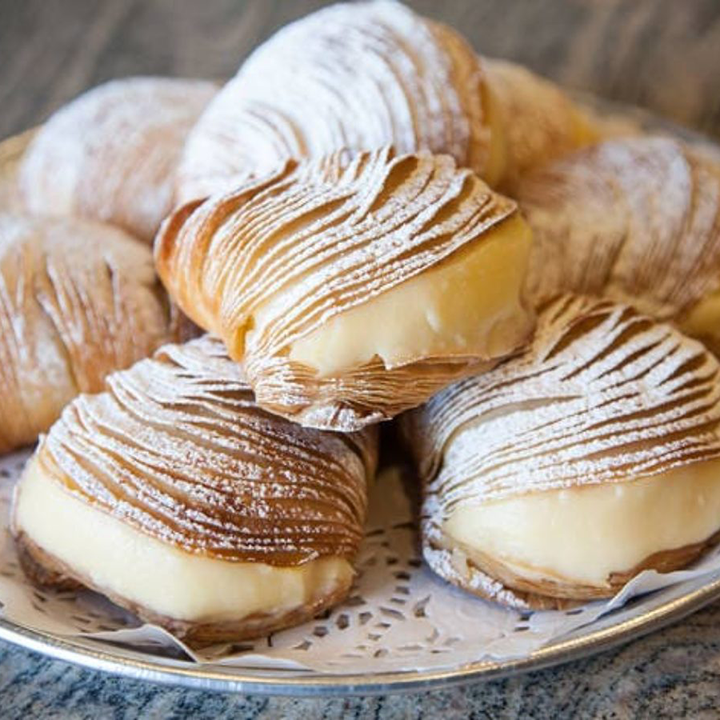
    Dessert Course: Sfogliatelle with Citrus Ricotta Filling

    • Sherry Pairing: Pedro Ximénez (PX)
    • Tasting Notes: Pedro Ximénez is syrupy and luscious, with intense flavors of raisins, molasses, and caramelized figs.
    • Why It Works: PX’s decadent sweetness mirrors the richness of the ricotta, and its dried fruit notes pair beautifully with the pastry’s citrus flavors, offering a satisfying and indulgent finale.

    Recipe (Nonna Box): Authentic Italian Sfogliatelle by Guido Pedrelli

    SOMM&SOMM Recommends: Alvear Pedro Ximenez Solera 1927

    The Final Toast

    After the final dessert course, consider offering a tiny sip of Amontillado or Oloroso to cleanse the palate, allowing guests to end the feast with lingering flavors of dried nuts and spices. This brings balance to the overall tasting journey, and with the broad spectrum of Sherry styles, each course in the Feast of Seven Fishes becomes an intricate and memorable experience. Cheers 🍷

    Cover image credit: Nicole Michalou on Pexels.com
  • Wines for Late Autumn and Early Winter

    Wines for Late Autumn and Early Winter

    Sipping Through the Seasons–The Holidays and Beyond.

    As the vibrant hues of autumn leaves fade into the frost-kissed landscapes of early winter, it’s time to embrace wines that embody the coziness of the season. From family gatherings to fireside chats, this time of year calls for rich, warming wines that bring people together. Here’s a lighthearted guide to selecting wines perfectly suited to late autumn and early winter vibes.

    Photo by Taryn Elliott on Pexels.com

    The Cozy Corner: Reds That Warm the Soul

    The cooler months are synonymous with robust red wines that feel like a warm hug. These wines pair effortlessly with hearty dishes, wool blankets, and crackling fires.

    Cabernet Sauvignon

    • Perfect for: Slow-cooked roasts, braised short ribs, or a rich lasagna.
    • With its bold tannins and dark fruit notes, Cabernet Sauvignon feels right at home during chilly nights. Try one from Napa Valley for a classic experience or experiment with South American options for an earthy twist.

    Syrah/Shiraz

    • Perfect for: Grilled lamb, smoked brisket, or venison stew.
    • Bursting with black pepper, plum, and smoky undertones, Syrah matches the rugged charm of late autumn.

    Zinfandel

    • Perfect for: BBQ meats, spicy chili, or glazed ham.
    • Its jammy fruit flavors and spicy kick make Zinfandel a crowd-pleaser for festive gatherings.
    No machine-readable author provided. Hoffkar assumed (based on copyright claims)., CC BY-SA 3.0, via Wikimedia Commons

    Florida’s Early Winter: Tropical Hints with Holiday Cheer

    For those basking in the mild 70°F “winters” of Florida (or similar climates), lighter wines with tropical vibes but seasonal depth strike the right balance.

    Viognier

    • Perfect for: Shrimp scampi, citrus-glazed chicken, or mango salsa.
    • This aromatic white wine bridges the gap between summery zest and cozy richness, perfect for coastal holiday parties.

    Chenin Blanc

    • Perfect for: A poolside turkey sandwich or a festive charcuterie board.
    • Opt for a South African Chenin Blanc for a slightly off-dry profile that suits Florida’s seasonal flair.

    Light Pinot Noir

    • Perfect for: Cedar-plank salmon or grilled turkey legs.
    • Bright red fruit with a touch of spice makes Pinot Noir versatile enough for Florida’s unique winter vibe.

    Fireside Chats & Relaxed Evenings: The Best Sippers

    Nothing beats a glass of something special when unwinding by the fire. Here are top picks for contemplative sipping:

    Port – Rich, sweet, and warming, a ruby or tawny Port is the ultimate fireside companion. Pair it with blue cheese or toasted nuts for a cozy treat.

    Madeira – With its caramelized nuttiness, Madeira feels luxurious. Opt for a medium-sweet Bual style, paired with roasted chestnuts or gingerbread cookies.

    Amarone della Valpolicella – This velvety Italian red has dried fruit flavors and a hint of cocoa, making it an indulgent pairing for dark chocolate or aged Parmesan.

    Family Gatherings: Classic Pairings for Festive Feasts

    Holiday tables brimming with traditional dishes demand wines that enhance the flavors without overpowering them.

    Turkey and Trimmings

    • Go for a Chardonnay (try a buttery Sonoma option) or Riesling (a semi-dry German Riesling for balance).
    • For reds, a Beaujolais Cru or Pinot Noir adds enough complexity without stealing the spotlight.

    Ham or Pork Roast

    • A fruity Grenache or a full-bodied Malbec pairs beautifully with the sweet and savory nature of ham.
    • For whites, try a bold Gewürztraminer, especially if there’s a honey glaze involved.

    Vegetarian Delights

    • Mushroom dishes and roasted root vegetables pair exquisitely with Barbera or Tempranillo.
    • For whites, a nutty Roussanne or White Burgundy elevates earthy flavors.
    Photo by Photo By: Kaboompics.com on Pexels.com

    Seasonal Activities & Their Perfect Pairings

    Every seasonal pastime has a wine that fits like a glove. Here’s a list to inspire your next bottle:

    • Tree Trimming: Prosecco or Cava. Light, fizzy, and celebratory, these sparkling wines keep spirits bright.
    • Pumpkin Pie Baking: Moscato d’Asti. Its sweetness and citrusy zing make pie-prepping festive.
    • Holiday Movie Marathons: Mulled wine or a spiced Glühwein. Curl up with a steaming mug of wine infused with cinnamon, cloves, and orange zest.

    Choose What Feels Right

    Whether you’re embracing early winter in Florida with a chilled Chenin Blanc or braving the Northeast cold with a bold Cabernet Sauvignon, the season is about warmth, comfort, and connection. Raise a glass to the season’s charm, and remember: the best wine is the one you enjoy most with the people you love. Cheers! 🥂

    Cover Photo Credit: Reinhold Möller, CC BY-SA 4.0, via Wikimedia Commons

  • Exploring the World of Fortified and Oxidative Wines

    Exploring the World of Fortified and Oxidative Wines

    A Deeper Look at Six Pillars of the Style.

    Fortified wines, often overlooked or misinterpreted, carry centuries of craftsmanship, trade, and innovation. This article examines the six mainstream fortified and oxidative wines—Sherry, Port, Madeira, Marsala, Vermouth, and Rancio—exploring their histories, production methods, and cultural significance.

    Classic fortified wines with dessert – Photo by Benny Stu00e6hr on Pexels.com

    Sherry

    Spain’s Gift to the World

    Sherry, from Spain’s Andalusian region of Jerez, evolved from a local wine into a global phenomenon. The production process, under the watchful eye of a complex solera system, integrates new and old wines, lending Sherry its distinct, oxidative character. Sherry is traditionally classified into seven main styles: Fino, Manzanilla, Amontillado, Oloroso, Palo Cortado, Cream, and Pedro Ximénez, each unique in flavor and aging methods.

    The Phoenicians first brought vines to Jerez around 1100 BC, and the wine became famous under the Moors, who fermented the grapes and distilled the resulting wines. Sherry’s popularity peaked in the 16th century when British sailors returned from the Battle of Cádiz with barrels, introducing it to English nobility. The lore of Sherry includes the belief that some soleras contain remnants from centuries past, connecting each bottle to a vibrant history of winemaking.

    SOMM&SOMM Related Article: Demystifying Wine: Sherry

    Port

    Portugal’s Legacy of Power and Complexity
    liz west from Boxborough, MA, CC BY 2.0, via Wikimedia Commons

    Port, originating in Portugal’s Douro Valley, became popular in England during the 1700s when English merchants, avoiding French wine, fortified their imports from Portugal. The production process involves adding aguardente (grape spirit) to halt fermentation and preserve natural sugars, creating a rich, full-bodied wine. Port comes in several styles, including Ruby, Tawny, Vintage, Late Bottled Vintage (LBV), and White Port, each with unique aging techniques.

    Port’s narrative includes the discovery of a legendary “blackstrap” port by English traders, who, having mistakenly over-fortified a shipment, found it sweeter and more robust. This unplanned discovery set the stage for Port’s sweet, fortified profile, which pairs seamlessly with blue cheeses and rich desserts.

    SOMM&SOMM Related Article: The History, Tradition, and Elegance of Port Wine

    Madeira

    An Island’s Fortuitous Wine

    Madeira’s story is one of survival and adaptability. Hailing from the island of Madeira, this wine was initially transported to tropical climates aboard ships, where the high temperatures “cooked” the wine. Instead of spoiling, it developed rich, complex flavors that fascinated European merchants. Modern Madeira winemaking replicates this process with the estufagem method, heating the wine to impart a caramelized complexity.

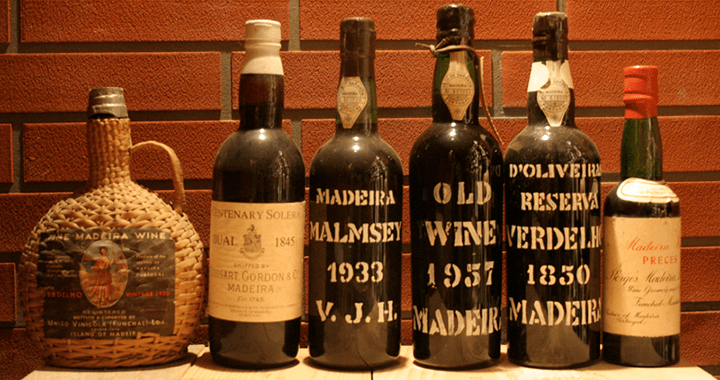
    Madeira wines – Frank Papenbroock, CC BY-SA 3.0, via Wikimedia Commons

    Madeira styles range from Sercial (dry) to Malvasia (sweet), with Bual and Verdelho falling in between. The island’s volcanic soils and distinctive grape varieties create wines with flavors of dried fruits, caramel, and smoky nuts. Madeira’s resilience is legendary; it remains one of the few wines capable of enduring centuries of aging, with bottles from the 18th century still drinkable today.

    Marsala

    Sicily’s Sweet and Dry Treasure

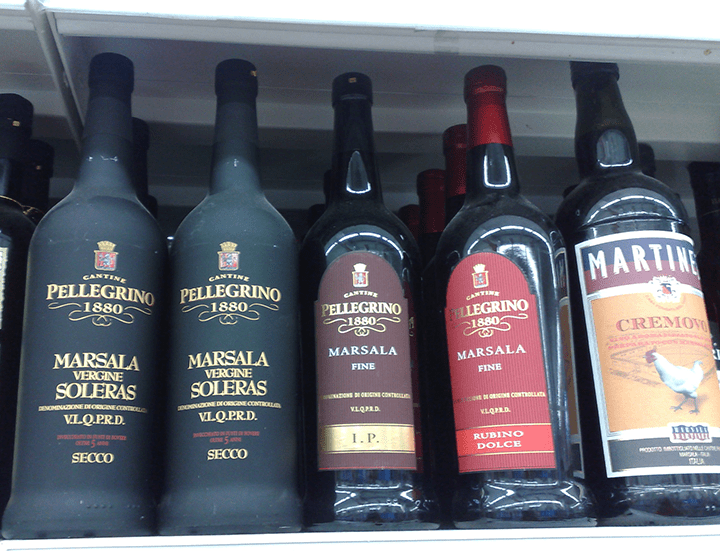
    Marsala, named after the coastal town of Marsala in Sicily, gained international fame in the late 1700s when English merchant John Woodhouse fortified the local wine, preserving it for long voyages. Marsala production typically involves adding grape spirit to a wine blend and aging it in wooden casks. Marsala is classified into dry, semi-sweet, and sweet styles and further divided by aging categories such as Fine, Superiore, Vergine, and Riserva.

    Marsala lineup – Dedda71, CC BY-SA 3.0, via Wikimedia Commons

    Marsala’s fame rose in the 19th century when it became a culinary staple, particularly in dishes like Chicken Marsala. Though overshadowed by its kitchen counterpart, fine Marsala wines offer complex notes of dried apricot, vanilla, and baking spices and can be enjoyed on their own as dessert wines.

    Vermouth

    Europe’s Aromatic Aperitif

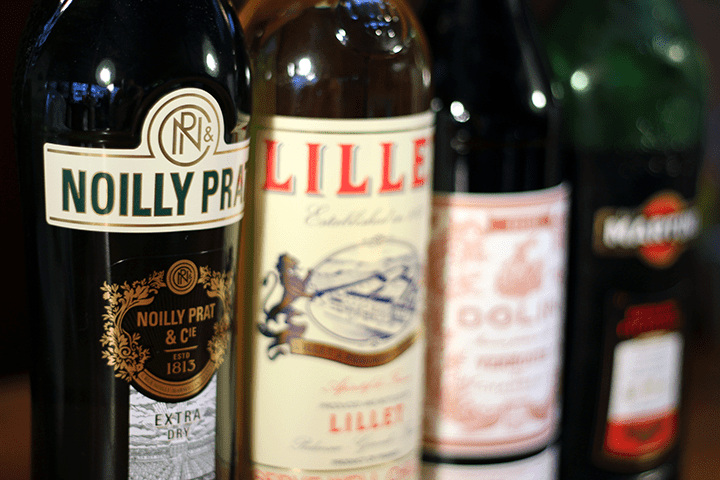
    Vermouth, first created in 1786 by Antonio Benedetto Carpano in Turin, Italy, is an aromatized, fortified wine infused with botanicals like herbs, roots, and spices. Originally medicinal, vermouth evolved into a fashionable aperitif. The wine base is fortified with grape spirit and flavored with a unique blend of botanicals, which differ by brand and region. Sweet (red) and dry (white) are the primary styles, with modern variations including extra dry, amber, and rose.

    Vermouth and Quinquina bottles – Will Shenton, CC BY-SA 3.0, via Wikimedia Commons

    Vermouth has become integral to cocktails such as the Martini and Manhattan, but it’s also enjoyed neat, served with a citrus twist. Its versatility is its charm, as it complements flavors across a range of dishes, from appetizers to rich desserts.

    SOMM&SOMM Related Article: Trendy Cocktails: The Manhattan

    Rancio Sec

    Catalonia’s Hidden Gem

    Rancio Sec, hailing from Catalonia and France’s Roussillon region, is an ancient, oxidative-style non-fortified wine aged in barrels exposed to sunlight, creating intense, nutty flavors. Rancio wines gain their distinct profile from long aging and exposure to air, often with traditional winemaking methods, including aging in open vats or glass demijohns.

    Domaine de Rombeau Rancio Sec aging outside in glass bonbonnes

    Aged between 5 and 100 years, Rancio Sec is not for the faint-hearted; it boasts concentrated flavors of roasted nuts, dark chocolate, and leather. The wine’s robust, rustic character pairs well with charcuterie and strong cheeses, and its rarity makes it a prized addition to any wine cellar.

    Here’s to the fortified and oxidative—those brave, enduring wines that weather time and hold their ground. In their layers of complexity and whispers of faraway lands, they remind us that beauty often lies in patience, character, and the willingness to age with grace. Raise a glass to the unsung alchemists of the wine world, whose depth and warmth bring history to the table with every sip!

    Gregory Dean, SOMM&SOMM

    Each of these fortified and oxidative wines carries the essence of its place, heritage, and historical journey. Rediscovering fortified wines reveals a world where winemaking and alchemy meet, offering layers of flavor that speak to their unique origins and cultural stories. Whether you’re savoring a glass of Sherry with tapas or exploring the bold, oxidative notes of Rancio Sec, fortified wines are a journey through history, tradition, and flavor awaiting deeper exploration. Cheers 🍷

    Cover photo by Christina Snyder, CC BY 2.0, via Wikimedia Commons

  • Demystifying Wine: Sherry

    Demystifying Wine: Sherry

    The Forgotten Gem: Understanding the Seven Types of Sherry Wine.

    Sherry wine, one of the world’s oldest and most storied styles, hails from the Jerez region in southern Spain. Known for its diversity and complex flavor profiles, Sherry has a bit of a reputation problem—often relegated to dusty shelves or seen as “grandma’s wine.” But for those in the know, Sherry offers a wide spectrum of styles, from bone-dry and briny to lusciously sweet, making it a remarkably versatile option for food pairings.

    Six types of Sherry (missing Cream Sherry): Fino, Manzanilla, Amontillado, Palo Cortado, Oloroso, Pedro Ximénez (PX)

    The Seven Styles of Sherry

    The beauty of Sherry lies in its remarkable range, produced under strict legal classifications that determine how the wine is aged, blended, and finished. Each type showcases distinct characteristics that can surprise even seasoned wine enthusiasts.

    Fino

    • Key Notes: Pale straw color, bone dry, light, and fresh.
    • Aging: Biological aging under flor.
    • Varietals: Palomino.
    • Characteristics: Fino is the lightest of the Sherries, with an alcohol content around 15-16%. It develops a unique layer of yeast called flor, which shields the wine from oxygen and gives it a tangy, almond-like flavor with a saline finish.
    • Food Pairing: Tapas, olives, almonds, and seafood like shrimp or oysters.

    Manzanilla

    • Key Notes: Similar to Fino but with a coastal brininess.
    • Aging: Biological aging under flor in the coastal town of Sanlúcar de Barrameda.
    • Varietals: Palomino.
    • Characteristics: While technically a subset of Fino, Manzanilla has a distinct salty tang from the maritime influence, making it a touch lighter and zestier.
    • Food Pairing: Anchovies, salted fish, fried seafood, or sushi.

    Amontillado

    • Key Notes: Nutty, oxidative, and complex.
    • Aging: Starts under flor, then moves to oxidative aging.
    • Varietals: Palomino.
    • Characteristics: Amontillado begins its life as a Fino, aged under flor for a few years, but the yeast eventually dies off, allowing oxygen to interact with the wine. This adds layers of nuttiness, caramel, and dried fruit flavors.
    • Food Pairing: Grilled meats, mushrooms, or hard cheeses like aged Manchego.

    Palo Cortado

    • Key Notes: Mysterious blend of Fino and Amontillado characteristics.
    • Aging: Starts under flor, but undergoes early oxidative aging.
    • Varietals: Palomino.
    • Characteristics: Palo Cortado is the enigma of Sherry, often starting as a Fino or Amontillado but then evolving into something unique. It combines the finesse of Fino with the depth of Amontillado, offering flavors of hazelnuts, orange peel, and toffee.
    • Food Pairing: Duck, game birds, or rich stews.

    Oloroso

    • Key Notes: Bold, rich, and intensely oxidative.
    • Aging: Oxidative from the start.
    • Varietals: Palomino.
    • Characteristics: Oloroso Sherry is aged entirely without flor, allowing for complete exposure to oxygen. It is deeper in color with flavors of roasted nuts, toffee, leather, and dried fruits. With a higher alcohol content (17-20%), it’s one of the bolder Sherry styles.
    • Food Pairing: Lamb, aged cheeses, or roasted vegetables.

    Pedro Ximénez (PX)

    • Key Notes: Lusciously sweet, syrupy, with intense dried fruit flavors.
    • Aging: Oxidative aging.
    • Varietals: Pedro Ximénez.
    • Characteristics: PX Sherry is made from sun-dried Pedro Ximénez grapes, which concentrate the sugars and produce a deeply sweet, raisin-like wine. The wine is rich, with notes of figs, dates, molasses, and chocolate.
    • Food Pairing: Blue cheese, rich desserts, or even poured over vanilla ice cream.

    Cream Sherry

    • Key Notes: Sweet, smooth, often a blend of Oloroso with sweetened PX.
    • Aging: Oxidative aging, with blending.
    • Varietals: Palomino and Pedro Ximénez.
    • Characteristics: Cream Sherry is an approachable, sweetened version of Oloroso, designed to balance sweetness and nuttiness. It’s rich and smooth, often seen as a dessert wine.
    • Food Pairing: Chocolate cake, custards, or with fruit tarts.

    SOMM&SOMM Recommends: Sherry Tasting Trio with Tasting Video

    Solera at Bodegas Tío Pepe – El Pantera, CC BY-SA 3.0, via Wikimedia Commons

    The Solera System: The Art of Aging

    What sets Sherry apart from other wines is the Solera system, a fractional blending method that ensures consistency and complexity across vintages. In the Solera system, older wines are systematically blended with younger wines, creating a continuous aging process. Each year, a portion of the oldest wine is drawn off for bottling, while younger wines replenish the barrels, allowing the character of the wine to evolve gradually.

    This process creates a remarkable depth in Sherry, where wines are often aged for decades, taking on complex, layered flavors that reflect both the region’s history and the patience of its winemakers.

    Flor Aging – El Pantera, CC BY-SA 3.0, via Wikimedia Commons

    Flor: A Yeast Like No Other

    The role of flor in Sherry production is critical, especially in lighter styles like Fino and Manzanilla. This yeast floats on the surface of the wine, protecting it from oxidation while contributing to the wine’s distinctive flavor profile. The salty, yeasty notes often associated with these styles are direct results of this biological aging. This technique is somewhat similar to the sur lie aging in Champagne, where wine is aged on the dead yeast cells, although sur lie focuses more on enhancing texture and brioche-like flavors.

    Sherry’s Image Problem

    So why is Sherry often overlooked? Part of the issue lies in its old-fashioned reputation. For years, Sherry has been pigeonholed as an “old person’s drink,” especially with the perception of sweet, cloying Cream Sherries that once dominated the market. But the dry styles, especially Fino, Manzanilla, and Amontillado, have so much more to offer. The complexity, versatility, and food-friendliness of these wines are woefully underappreciated.

    There’s also the fact that Sherry doesn’t fit neatly into most wine drinkers’ expectations. It’s not a light, easy-drinking white, nor is it a robust red. It occupies a unique space, which requires a more adventurous palate to fully appreciate.

    Sherry in Pairings: Rediscovering a Lost Art

    If you want to experiment with Sherry in your next wine pairing, consider going beyond the obvious. Here are some fresh ideas:

    • Fino or Manzanilla: These bone-dry, saline wines are fantastic with charcuterie, shellfish, and even sushi. The briny character complements the umami richness of seafood.
    • Amontillado: Try it with earthy mushroom dishes or rich pork belly. The nuttiness and depth of flavor create a fascinating interplay with these savory ingredients.
    • PX: Dessert wines often steal the show, but PX takes it to another level. Serve it with blue cheese or use it to top off a vanilla ice cream sundae for a memorable finish.

    The next time you’re hosting a pairing dinner, don’t shy away from including a Sherry. It’s a conversation starter, and with its range of flavors and styles, you can find a bottle that complements just about any dish. Maybe, just maybe, Sherry will finally earn the spotlight it deserves. Cheers 🍷