Category: Wine Regions

  • Flamenco, Folklore, and Fine Print

    Flamenco, Folklore, and Fine Print

    Decoding Spanish Wine Laws.

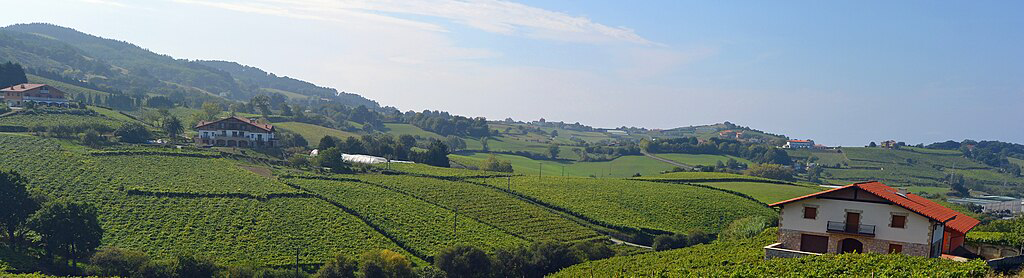
    Ah, Spain. Land of siestas, fiestas, jamón ibérico, and—of course—vino that spans everything from rustic reds aged in dusty cellars to crisp Albariños served seaside with octopus. If you’ve already explored the strict hierarchies of French AOCs and Italy’s quality-focused DOCGs, prepare to dance to a slightly different beat—because Spain’s wine law is a flamenco of structuretradition, and a little rebel heart.

    Let’s swirl and sip our way through Spain’s classification system and how it compares to its Gallic and Italic cousins—with some myth-busting and lore-taming along the way.

    A Pyramid with Flamenco Shoes

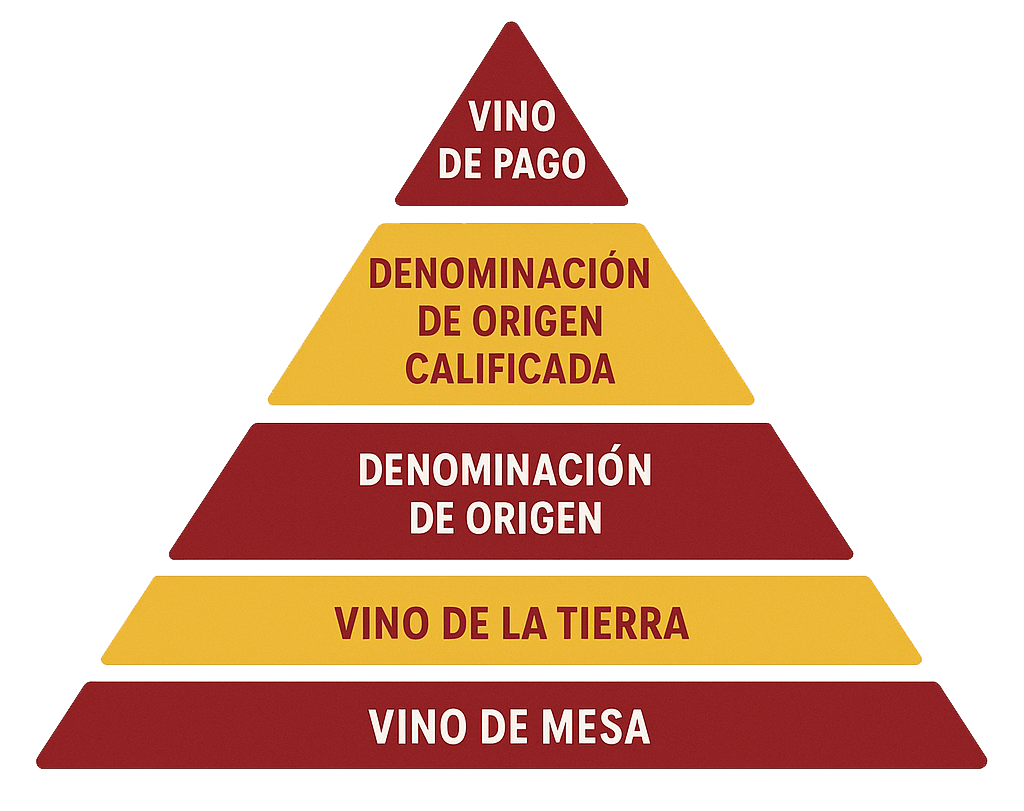
    Spain’s wine classification system, like France’s and Italy’s, is built on a quality pyramid—but Spain’s version is both more relaxed in practice and more nuanced in regional autonomy.

    Here’s the main structure from base to peak:

    Vino de Mesa (Table Wine)

    The base of the pyramid, now rarely used or exported, these are basic wines with no geographical indication. Often simple blends.

    Fun Fact: Due to stricter laws for higher categories, some excellent wines (especially early on) chose to remain labeled as table wine—just like Italy’s famous Super Tuscans did in their rebellious youth.

    Vino de la Tierra (VdLT)

    Think of this like France’s Vin de Pays or Italy’s IGT. These wines have a geographical indication, but not the stringent rules of higher classifications.

    Debunking Time:
    “Vino de la Tierra is cheap and low-quality.”
    ❌ Nope!
    While it’s often priced affordably, many boutique producers use VdLT to work outside the box with international varietals or blends. It’s a creative sandbox—like a Tempranillo-Syrah blend from Castilla y León that sings louder than any DO neighbor.

    Denominación de Origen (DO)

    This is the workhorse of Spanish wine classification—similar to France’s AOC or Italy’s DOC. DO wines must follow specific regulations regarding grape types, yields, aging, and geographic sourcing.

    There are currently 70+ DOs, covering famed regions like:

    • Rueda – crisp, citrusy Verdejo
    • Rías Baixas – home of Albariño
    • Priorat – intense reds from old vines
    • La Mancha – one of the largest in Europe
    • Navarra – a rosado rebel with a growing reputation

    Denominación de Origen Calificada (DOCa or DOQ in Catalonia)

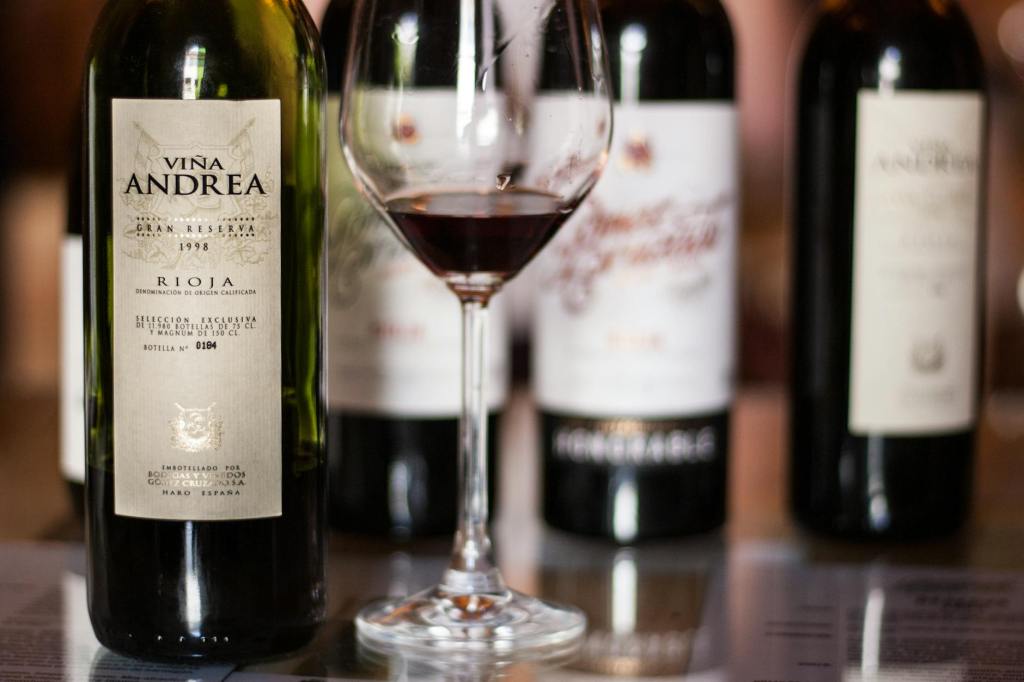
    Spain’s top-tier designation, reserved for wines from exceptionally consistent regions. So far, only two regions wear this crown:

    • Rioja DOCa
    • Priorat DOQ (in Catalonia)

    How it compares:

    • Like Italy’s DOCG and France’s Grand Cru AOC, DOCa wines must pass stricter quality and aging criteria, and the wineries must bottle their wines within the region itself.

    Lore-Tamer:
    “All the best Spanish wine is from Rioja.”
    🚫 Not anymore!
    While Rioja deserves its fame, Priorat, Bierzo, Ribera del Duero, and even Canary Island wines are winning hearts, medals, and Michelin-starred wine lists across the globe.

    Vino de Pago (VP) – The Spanish Wild Card

    Unique to Spain (introduced in 2003), this elite category doesn’t fit neatly into a pyramid. Instead, it elevates individual estates or vineyards that demonstrate top-tier quality and distinctiveness.

    To qualify, a pago must:

    • Have its own microclimate and terroir
    • Use estate-grown grapes only
    • Meet DO-level production standards or higher

    Examples include:

    Think: Spain’s answer to France’s Grand Cru single-vineyards—but regulated at the national level.

    Photo by Grape Things on Pexels.com

    Aging Gracefully

    Spain adds another twist: aging classifications that often appear on labels regardless of the region.

    Here’s the cheat sheet for red wines (rules vary slightly by region):

    LabelMinimum AgingBarrelBottle
    Crianza2 years6 months18 months
    Reserva3 years12 months24 months
    Gran Reserva5 years18 months42 months

    Note: White and rosado wines require less time overall.

    Fun Misconception:
    “Gran Reserva = Best wine.”
    🤔 Not always. Aging tells you how long it matured, not how good it is. Some wines age beautifully; others lose their soul if forced to sit too long. Context is key—and sometimes a fresh, fruit-forward Crianza pairs better with tapas than a leathery Gran Reserva.

    Autonomy and Identity

    One major difference between Spain and its neighbors? The autonomous power of regions. Spain’s 17 Autonomous Communities (like Galicia, Catalonia, Andalusia) have significant say in how their DOs are governed. Some even overlap political tensions—Catalonia’s DOs often distinguish themselves from national Spanish identity.

    This regional independence is part of what gives Spain such breathtaking diversity—in grapes, styles, and labeling practices.

    Native Grapes, No Apologies

    Spain is home to over 400 native grape varieties, though fewer than 20 dominate production. Among them:

    • Tempranillo – Spain’s signature red grape, known by many names (Tinta del País, Cencibel, Ull de Llebre).
    • Garnacha – The Spanish Grenache, spicy and ripe.
    • Albariño – Citrus-kissed white from Galicia.
    • Verdejo – Zesty, often underestimated.
    • Godello, Mencía, Bobal, Trepat – hidden gems waiting to be discovered.

    Lore-Tamer:
    “Spain = just Rioja reds.”
    ⛔ Nope. Spain offers volcanic whites from the Canaries, slate-soaked reds from Priorat, coastal charm in Albariño, and fizzy fun in Cava.

    Comparative Snapshot: Spain vs France vs Italy

    FeatureSpainFranceItaly
    Entry-LevelVino de MesaVin de FranceVino da Tavola
    PGI/IGT TierVino de la TierraIGP (Vin de Pays)IGT
    Main ClassificationDOAOC/AOPDOC
    Highest TierDOCa/DOQ, Vino de PagoGrand Cru, Premier Cru (AOC)DOCG
    Estate ClassificationVino de PagoChâteau system, Grand CruLess formalized
    Aging TermsCrianza, Reserva, Gran ReservaRegion-dependentRiserva, Superiore
    Regional AuthorityHigh autonomy in regionsCentralized via INAOMixed (Central and Regional)

    What Makes Spain Special?

    Photo by Mark Stebnicki on Pexels.com

    Spain’s wine laws balance tradition with experimentation, allowing producers the freedom to create expressive, terroir-driven wines—while offering enough structure to protect authenticity and regional identity.

    So whether you’re sipping a flinty Godello from Valdeorras, a powerful Garnacha from Aragón, or a seductive Tempranillo from Ribera del Duero, you’re drinking more than just fermented grape juice.

    You’re tasting a nation that knows its roots but isn’t afraid to dance to its own rhythm. 🍷

    Cover Photo by Grape Things on Pexels.com

  • Understanding French Wine Laws

    Understanding French Wine Laws

    A Journey Through Terroir, Tradition, and Quality.

    When wine lovers think of France, they often conjure images of majestic châteaux in Bordeaux, fog-shrouded slopes in Burgundy, and sun-soaked fields in Provence. But beneath the romance lies a rigorous—and sometimes perplexing—system of wine laws and classifications that govern everything from grape varieties to bottle shape. These rules are not just bureaucratic red tape; they’re the framework that has helped France maintain a global reputation for excellence.

    Photo by Liv Kao on Pexels.com

    Whether you’re swirling a silky red from the Rhône or sipping a crisp Muscadet from the Loire, there’s a system behind that wine—one that tells you where it came fromhow it was made, and what to expect. Let’s uncork the bottle and pour through the fascinating world of French wine laws, region by region.

    From Chaos to Codification

    To understand French wine law, we must rewind to the early 20th century. Rampant fraud during and after World War I saw low-quality wines being passed off as prestigious regional bottlings. To combat this, France developed a system to protect both producers and consumers.

    In 1935, the government formed the Institut National des Appellations d’Origine (INAO)—now called the INAO (Institut National de l’Origine et de la Qualité). Their job? Define, regulate, and enforce wine quality and authenticity through a new legal structure.

    This led to the creation of the Appellation d’Origine Contrôlée (AOC) system—the granddaddy of all French wine classifications.

    French Wine Quality Pyramid

    Modern French wines are now classified into three primary quality tiers:

    1. AOC (Appellation d’Origine Contrôlée) – The highest and most tightly regulated tier. Think of this as “terroir-bound” wine.
    2. IGP (Indication Géographique Protégée) – Looser restrictions, allowing more experimentation while still tied to a broader region.
    3. Vin de France – Table wine with minimal regulation. The Wild West of French wine.

    Each tier has a purpose, and great wine can be found in all three—but AOC wines carry the most prestige, especially from classic regions like Bordeaux, Burgundy, and Champagne.

    Photo by Vladimir Srajber on Pexels.com

    Bordeaux: Classification by Château, Not Terroir

    Bordeaux, France’s largest and most commercially dominant wine region, takes a top-down approach to classification. Unlike Burgundy (more on that shortly), Bordeaux wines are historically classified by estate, not by vineyard.

    The 1855 Classification (Left Bank)

    Created for the Paris Exposition under Napoleon III, this famous classification ranks 61 châteaux in Médoc and one from Graves (Haut-Brion), plus sweet wines from Sauternes and Barsac. These wines were grouped into five “growths” or crus, based on reputation and price at the time.

    • Premier Cru (First Growth): Château Lafite Rothschild, Château Latour, Château Margaux, Château Haut-Brion, and later Château Mouton Rothschild (elevated in 1973).
    • Second to Fifth Growths: A descending list of estates still highly regarded.

    This classification remains mostly unchanged and ignores terroir variation, focusing instead on estate prestige.

    Graves and Pomerol

    • Graves introduced its own classification in 1959.
    • Saint-Émilion has a dynamic classification system, updated roughly every 10 years, most recently in 2022.
    • Pomerol, home to the legendary Pétrus, has no official classification—its wines speak for themselves.

    Summary:

    • Focus: Prestige of the estate (Château).
    • Result: Classification may remain unchanged even if the wine quality fluctuates.

    A Quick Note on Graves Classification

    While Bordeaux’s 1855 Classification famously skipped over much of Graves, this historic region got its own moment in the spotlight in 1959. The Graves Classification includes both red and white wines—a rarity in Bordeaux—and focuses solely on producers in the northern Graves, now largely within the Pessac-Léognan AOC (created in 1987).

    Notably, all classified estates in Graves are unranked—there are no first, second, or fifth growths here. The list includes powerhouses like Château Haut-Brion (the only estate in both the 1855 and Graves classifications), Château Pape Clément, and Domaine de Chevalier.

    This classification may fly under the radar, but it represents some of Bordeaux’s most age-worthy whites and nuanced reds—making Graves a treasure for savvy wine lovers.

    Photo by Gu Bra on Pexels.com

    Burgundy: The Gospel of Terroir

    In contrast, Burgundy classifies by vineyard. It’s a bottom-up system, celebrating the land rather than the producer. You’ll often hear that “Burgundy is for lovers of nuance.”

    The Four Tiers of Burgundy:

    1. Grand Cru (1% of production) – The top-tier vineyards, like Romanée-Conti, Montrachet, and Clos de Vougeot.
    2. Premier Cru (10%) – Excellent vineyards within a village, such as Volnay 1er Cru “Champans”.
    3. Village Wines (36%) – Wines from a single village, such as Pommard or Meursault.
    4. Regional Wines (53%) – Broadest classification, e.g., Bourgogne Pinot Noir.

    Why This Matters:

    A vineyard like Clos Saint-Jacques in Gevrey-Chambertin may produce Premier Cru wines from multiple producers, each with a different style. It’s the plot of land that earns prestige, not the winemaker.

    Summary:

    • Focus: Terroir and microclimate.
    • Result: The vineyard’s position on a slope or soil type can dramatically affect quality and price.
    Photo by cottonbro studio on Pexels.com

    Other Regional Examples: Law and Lore

    Champagne: Blends and Brands

    Champagne has strict AOC rules: only certain grapes (mainly Chardonnay, Pinot Noir, and Pinot Meunier), méthode traditionnelle fermentation, and long aging on lees. Interestingly, most Champagne is blended across villages and vintages—a stylistic choice that makes it distinct.

    • Grand Cru Villages include Aÿ, Ambonnay, and Avize.
    • Non-Vintage (NV) Champagne must age a minimum of 15 months; vintage Champagne requires 3 years.

    Rhône Valley: A Tale of Two Halves

    • Northern Rhône (e.g., Hermitage, Côte-Rôtie): single varietal wines (mostly Syrah), steep slopes, small production.
    • Southern Rhône (e.g., Châteauneuf-du-Pape): blends (up to 13 grapes!), more liberal.

    Châteauneuf-du-Pape was the first French AOC (1936). The lore? The papacy moved to Avignon in the 14th century, and the popes developed a taste for local wines—hence the name “New Castle of the Pope.”

    Loire Valley: Label Labyrinth

    Known for its diversity, the Loire boasts appellations like:

    • Sancerre (Sauvignon Blanc)
    • Vouvray (Chenin Blanc, often sparkling or off-dry)
    • Muscadet Sèvre-et-Maine (Melon de Bourgogne) – famous for sur lie aging

    Related article: Perfect Pairings: Melon de Bourgogne w/Fettuccini With Clams and Dill

    Loire rules often reflect specific winemaking methods (e.g., sur lie) more than rigid hierarchies.

    Alsace: AOC Meets Germanic Order

    Despite its location in France, Alsace follows a style reminiscent of neighboring Germany:

    • Mostly varietal-labeled wines (Riesling, Gewürztraminer, Pinot Gris)
    • Only 51 Grand Cru vineyards, defined by soil and slope.
    • Vendanges Tardives and Sélection de Grains Nobles refer to late-harvest and botrytized wines.

    Alsace is also the only major French region where labels prominently display the grape variety.

    AOC vs. IGP: A Matter of Freedom

    IGP (formerly Vin de Pays)

    These wines fall between strict AOC control and generic Vin de France. Regions like Pays d’Oc allow experimentation:

    • Unusual grape combinations (Cabernet + Syrah? Sure.)
    • Non-traditional styles

    You’ll find creative winemakers here, often producing excellent wines outside traditional rules.

    Vin de France: The Rebel Artist

    These wines can come from anywhere in France and allow complete freedom in blending and labeling. They can’t show an appellation but may show grape variety and vintage, making them more accessible for casual drinkers. Some top producers use this category intentionally, to avoid AOC constraints.

    A Balancing Act of Tradition and Innovation

    French wine laws are not a maze meant to confuse, but rather a mosaic of history, geography, and philosophy. While Bordeaux emphasizes brand and estate, Burgundy honors soil and slope. Champagne values consistency, while Rhône and Loire embrace diversity.

    In France, a wine’s origin is its identity!

    Gregory Dean, SOMM&SOMM

    Understanding these laws allows wine lovers to decode the label and appreciate the craft behind every bottle. In France, a wine’s origin is its identity, and these legal systems—however complex—ensure that identity is preserved.

    So next time you’re in your local wine shop or exploring a wine list, let the appellation guide you. Behind that AOC or IGP acronym lies a rich story—one that began centuries ago and continues to evolve with every vintage. Santé!

    Cover photo: michael clarke stuff, CC BY-SA 2.0, via Wikimedia Commons
  • Italy in the Glass

    Italy in the Glass

    Unlocking the 77 DOCGs, 330 DOCs, and the Curious Case of IGT.

    When it comes to wine, Italy is both a gift and a glorious puzzle. With 20 distinct regions, more than 2,000 native grape varieties, and a labyrinth of wine laws, it’s no wonder sommeliers get giddy at the mere sight of a hand-drawn Italian wine map. At the center of this puzzle are Italy’s quality classifications: DOCGDOC, and IGT—three little acronyms that carry centuries of tradition, rebellion, pride, and plenty of good vino.

    In this article, we’ll demystify the 77 (or is it 78?) Denominazioni di Origine Controllata e Garantita (DOCG) and 330 Denominazioni di Origine Controllata (DOC) appellations spread across Italy’s 20 wine regions. We’ll explore how the Indicazione Geografica Tipica (IGT) came to be, why it still matters today, and whether these labels are wine laws or wine lore. Spoiler: it’s a bit of both.

    Photo by Vincenzo Iorio on Pexels.com

    The Pyramid of Quality: DOCG vs. DOC vs. IGT

    Italy’s wine classification system forms a three-tiered pyramid introduced formally with the 1963 wine law, which was heavily inspired by France’s AOC system but with that uniquely Italian flair (and bureaucracy). Here’s the breakdown:

    DOCG – Denominazione di Origine Controllata e Garantita

    • Top-tier designation, introduced in 1980
    • Wines must meet the strictest regulations: grape type, yield, alcohol, aging, and geography
    • Subject to government tasting panels before release
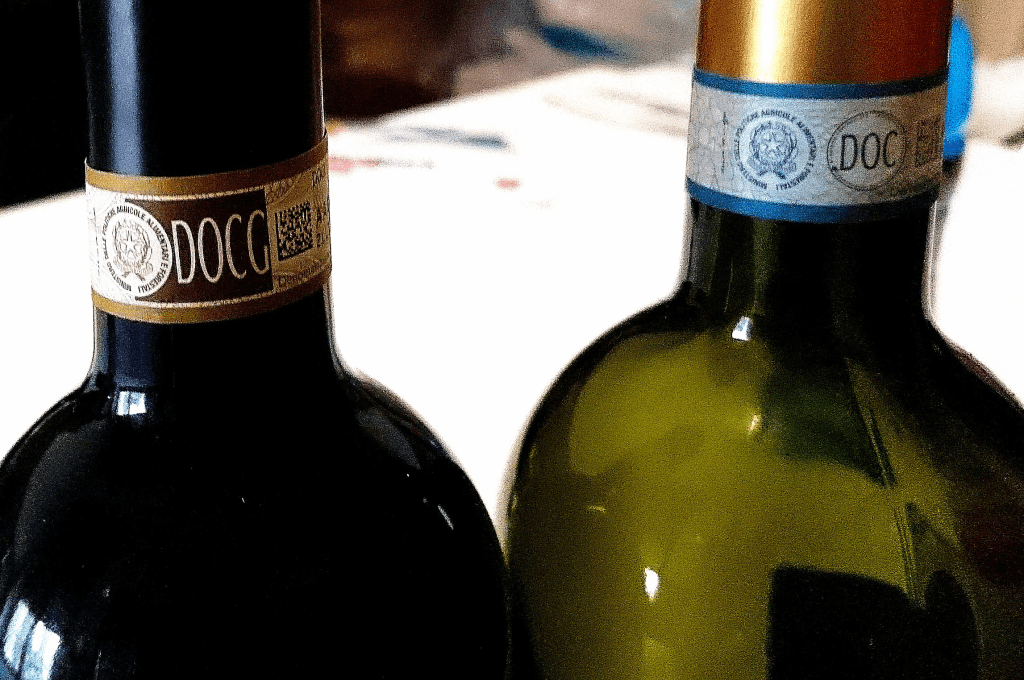
    • Guarantee seal on the neck of each bottle
    • There are currently 77 DOCGs, though some lists include 78 depending on how you count shared or overlapping appellations (we’re looking at you, Cannellino di Frascati and Frascati Superiore)

    Examples:

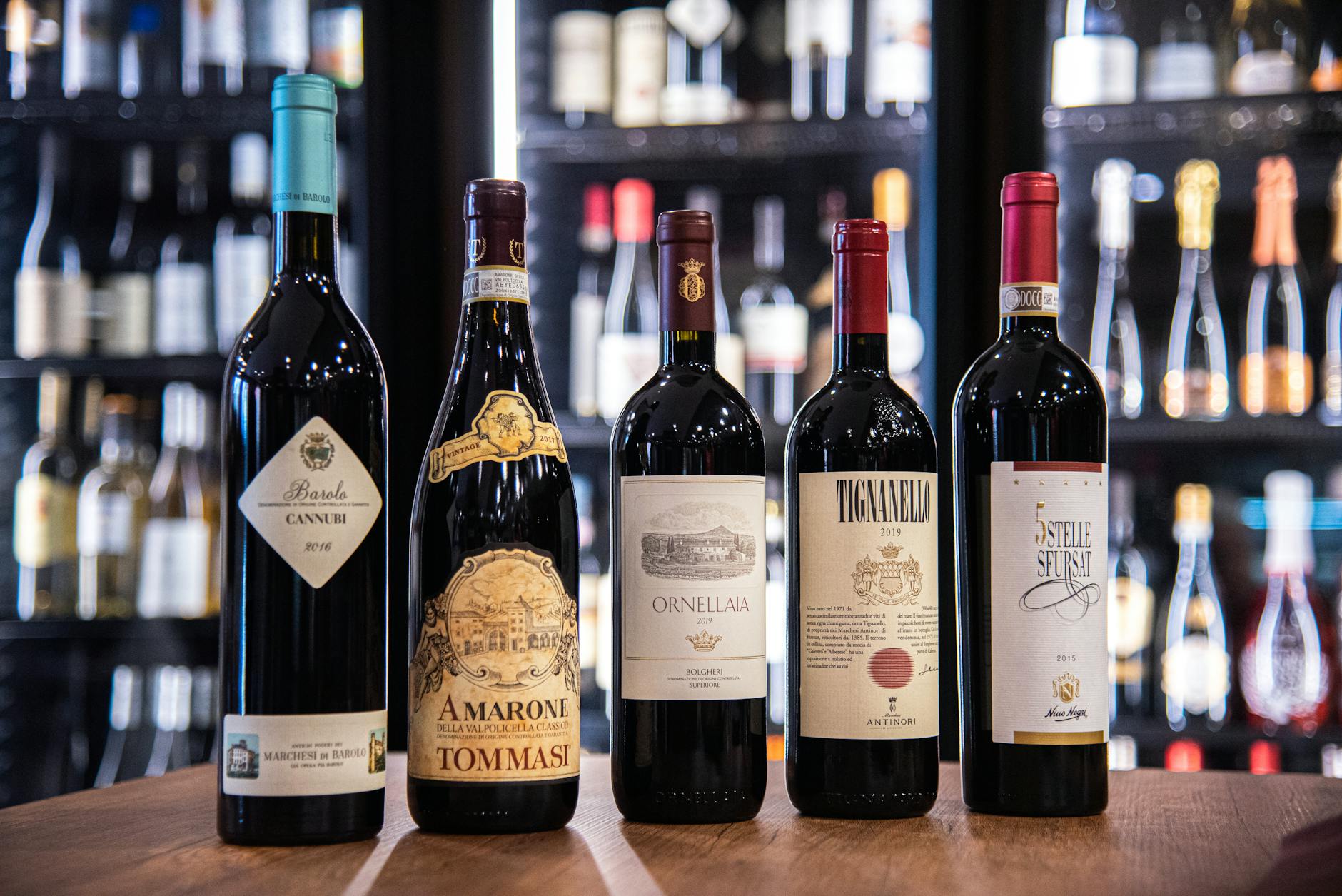
    • Barolo DOCG (Piedmont) – 100% Nebbiolo, aged minimum 38 months
    • Brunello di Montalcino DOCG (Tuscany) – 100% Sangiovese Grosso, 5 years of aging
    • Amarone della Valpolicella DOCG (Veneto) – dried grape process (appassimento), powerful and rich

    DOC – Denominazione di Origine Controllata

    • Middle-tier, first established in 1966
    • Still regulated but slightly more flexible than DOCG
    • Also enforces rules on production zones, grapes, yields, and winemaking techniques
    • Includes many long-established regions or subregions not yet elevated to DOCG

    There are around 330 DOCs, which evolve frequently as regions apply for DOCG status or boundaries are adjusted.

    Examples:

    • Chianti DOC (Tuscany) – distinct from Chianti Classico DOCG
    • Etna DOC (Sicily) – volcanic reds and whites from Nerello Mascalese and Carricante
    • Lugana DOC (Lombardy/Veneto) – crisp whites from the Turbiana grape near Lake Garda

    IGT – Indicazione Geografica Tipica

    • Introduced in 1992 to acknowledge high-quality wines outside the rigid DOC/DOCG systems
    • Flexible in grape usage, blending, and winemaking—ideal for experimentation
    • Geographic indication is the main requirement
    • Originally a reaction to Super Tuscan wines that didn’t fit DOC rules despite exceptional quality

    Examples:

    • Toscana IGT – the birthplace of Super Tuscans like Sassicaia, Tignanello, and Ornellaia
    • Veneto IGT – widely used for innovative blends or single varietals like Merlot and Chardonnay
    • Sicilia IGT – often used for international grapes or modern styles of Nero d’Avola

    How Did We Get Here? A Sip of History

    Italy’s wine laws evolved from a country of regional customs into a unified classification system. In the early 20th century, counterfeit wines and inconsistent quality were widespread, leading to the 1963 law that created DOC and laid the groundwork for DOCG. But even that wasn’t enough.

    In the 1970s, innovative winemakers in Tuscany grew frustrated by the limitations of DOC laws. They began producing bold, Bordeaux-style blends with Cabernet and Merlot, aging them in French oak, and labeling them simply as “vino da tavola” (table wine). These “Super Tuscans”—once rebels—outshone many DOC wines and gained international fame.

    Italy responded in 1992 by creating the IGT category, legitimizing these high-quality outliers and restoring some order to the chaos.

    Photo by Riccardo Mazza on Pexels.com

    The 20 Wine Regions – A Brief Look

    Italy’s wine regions align with its administrative regions. Here are the 20 wine regions of Italy (North to South)

    RegionFamous For
    Valle d’AostaTiny production, alpine Nebbiolo (called Picotendro), Prié Blanc
    Piedmont (Piemonte)Barolo, Barbaresco, Dolcetto, Barbera, Moscato d’Asti
    LiguriaVermentino, Pigato, wines from terraced coastal vineyards
    Lombardy (Lombardia)Franciacorta (traditional method sparkling), Nebbiolo in Valtellina
    Trentino-Alto AdigeElegant whites (Gewürztraminer, Pinot Grigio), Germanic influence
    VenetoAmarone, Valpolicella, Soave, Prosecco
    Friuli-Venezia GiuliaOrange wines, Ribolla Gialla, Sauvignon Blanc, skin-contact whites
    Emilia-RomagnaLambrusco, Sangiovese, sparkling reds, food-friendly wines
    Tuscany (Toscana)Chianti, Brunello, Vino Nobile, Super Tuscans
    UmbriaSagrantino di Montefalco, Grechetto, Orvieto
    MarcheVerdicchio, Rosso Conero, Montepulciano blends
    LazioFrascati, Cesanese, ancient Roman white wine zones
    AbruzzoMontepulciano d’Abruzzo, Trebbiano
    MoliseSmall production, Biferno DOC, Tintilia grape revival
    CampaniaTaurasi, Fiano di Avellino, Greco di Tufo, Falanghina
    BasilicataAglianico del Vulture, high-altitude volcanic reds
    Puglia (Apulia)Primitivo, Negroamaro, full-bodied value reds
    CalabriaGaglioppo-based Cirò, Greco Bianco
    Sicily (Sicilia)Nero d’Avola, Etna wines, Grillo, Cerasuolo di Vittoria DOCG
    Sardinia (Sardegna)Vermentino di Gallura DOCG, Cannonau (Grenache)
    Photo by Brett Jordan on Pexels.com

    Is the Stamp of Quality a Marketing Ploy?

    Let’s be honest: a neck label with “DOCG” in shiny gold doesn’t guarantee your world will change with one sip. But it does serve a purpose.

    Benefits to Consumers:

    • Trust & transparency – You know where the wine is from and what’s inside
    • Production standards – DOCG wines are lab-tested and taste-tested
    • Cultural value – These labels preserve traditional winemaking and protect local identity

    But Don’t Be Fooled…

    • Some DOCs and IGTs outperform DOCGs in quality
    • DOCG upgrades are sometimes politically driven
    • Great wine can come from outside the system

    So yes, there’s a marketing angle—but it’s rooted in protecting regional identity, improving quality, and guiding consumers. Like any guide, it’s useful but not absolute.

    SOMM&SOMM TIP: How to Use the Pyramid When Buying Wine

    1. For traditionalists: Start with DOCG, especially Barolo, Brunello, Amarone.
    2. For adventurers: Explore DOCs in less-known regions like Umbria, Marche, or Molise.
    3. For rebels & innovators: Dive into IGTs—you’ll find unusual blends, single vineyard gems, and creative winemaking at great value.
    4. For budget-conscious buyers: DOC wines often strike the best balance between structure, tradition, and price.

    Embrace the Chaos with a Glass in Hand

    Italy’s wine classifications can seem maddening, but they’re part of the country’s charm. Each DOCG and DOC tells a story—of place, people, and pride. IGT reminds us that some rules are made to be broken. The pyramid isn’t perfect, but it’s a powerful lens through which to explore one of the world’s most diverse wine-producing nations.

    So the next time you pick up a bottle of Barolo or a renegade IGT Syrah from Sicily, remember: you’re not just drinking wine—you’re tasting history, rebellion, and a little bit of bureaucracy in a bottle.

    Cin cin, amici 🍷

    Cover photo by Pava, CC BY-SA 3.0 IT, via Wikimedia Commons

  • Varietal Spotlight: Gewürztraminer

    Varietal Spotlight: Gewürztraminer

    The Spicy Grape You’ll Love to Say–and Sip.

    Let’s be honest: just saying “Gewürztraminer” feels like a party trick. (It’s guh-VOORTS-trah-mee-ner, by the way.) But behind this tongue-twisting name lies one of the most expressive, aromatic, and misunderstood white grapes in the world of wine. As spring blooms and summer beckons, it’s time to clear a spot in your fridge—and your heart—for Gewürztraminer.

    This isn’t your average white wine. No, this is the electric silk scarf of the wine world—bright, bold, perfumed, and a little dramatic in all the best ways. It’s the grape equivalent of a jazz saxophone solo at a garden party: unexpected, sultry, and unforgettable.

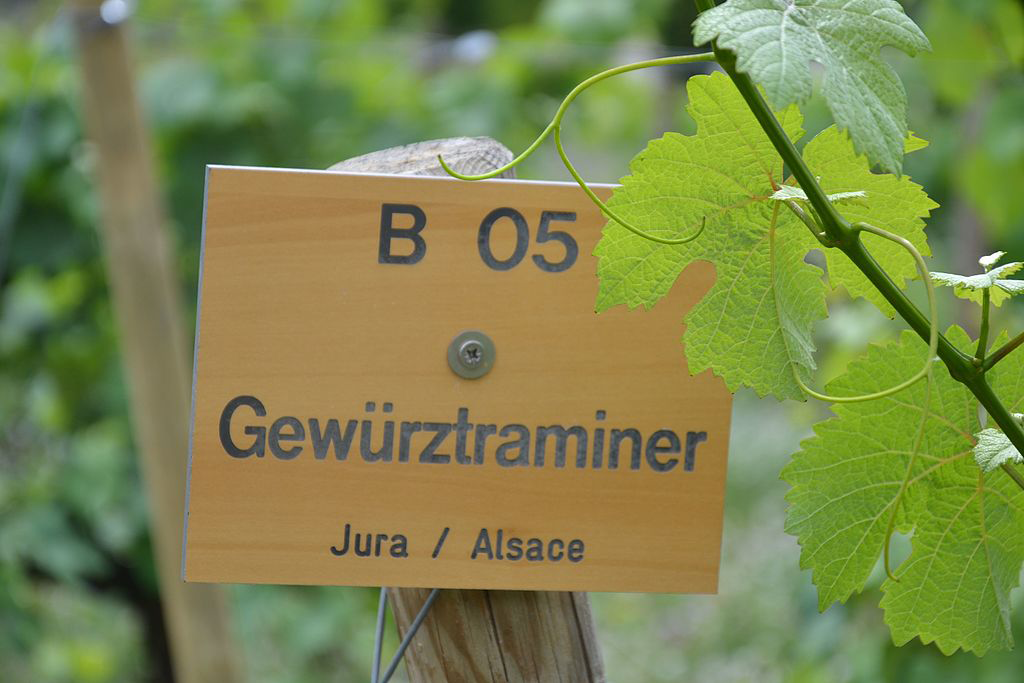
    Marianne Casamance, CC BY-SA 4.0, via Wikimedia Commons

    Aromatic Origins and Spicy Roots

    Gewürztraminer literally means “spiced Traminer” in German, and its origins trace back to the ancient Traminer grape of the Alpine foothills, particularly the village of Tramin (Termeno) in northern Italy’s South Tyrol. While Gewürztraminer found its stylistic footing in the cool regions of Alsace, France, its true home is arguably the terroir itself—wherever it can show off its sultry perfume, spicy attitude, and plush texture.

    Today, Gewürztraminer is grown across the world—from the misty vineyards of Oregon and the Sonoma coast to the steep slopes of Germany’s Pfalz, the volcanic soils of New Zealand’s South Island, and even in Canada’s Okanagan Valley. Each region draws out a different side of its personality, like a well-traveled artist who learns a new dance in every country visited.

    Lychee, Roses, and a Hint of Sass

    Pop open a bottle and your nose will be greeted by a fragrant bouquet of rose petals, lychee fruit, ginger, and baking spices—often with tropical notes like passionfruit or mango dancing around the edges. On the palate, Gewürztraminer can range from dry to lusciously sweet, but it’s always full-bodied and plush with an unmissable sense of richness.

    Unlike your lean and zippy Sauvignon Blanc, Gewürztraminer is a white wine with curves. She lingers on the palate, smolders in the glass, and unapologetically commands your attention. Don’t expect high acidity—that’s not her thing. This is a low-acid grape with a velvet robe and a perfume bottle in hand.

    Same Grape, Different Groove

    • Alsace, France: The spiritual home of Gewürztraminer. Wines from Alsace (our personal favorite) are often off-dry to sweet, with intense aromatics, spice, and a rich mouthfeel. They pair beautifully with pungent cheeses, foie gras, and spiced dishes. Look for Grand Cru bottlings for age-worthy, structured versions.
    • Germany (Pfalz and Baden): Slightly cooler climate equals slightly more acidity. Expect floral elegance, stone fruits, and a drier style that pairs beautifully with grilled pork, sausages, or spaetzle.
    • Italy (Alto Adige/South Tyrol): Fresh, floral, and focused. The mountainous altitude and alpine air give a vibrant backbone to the wines. Think of this as a leaner, more mineral-driven interpretation with a spicy citrus twist.
    • United States (Sonoma, Mendocino, Finger Lakes): Ripe, full-bodied, and often a little drier than expected. These American Gewürztraminers can stand up to barbecue, Cajun shrimp, and even tacos al pastor.
    • New Zealand: Tropical fruit bomb with zingy ginger and a weighty texture. Great with Thai curry, poke bowls, or grilled pineapple and pork skewers.
    • Canada (Okanagan Valley): Crisp and aromatic with a delicate sweetness—perfect for pairing with Asian-fusion cuisine or rich pâté.

    Gewürztraminer Gets Weird (and Wins)

    This is a food lover’s wine—especially if you enjoy bold, fragrant, spicy, or umami-rich dishes. Gewürztraminer walks into a room where other wines fear to tread.

    • Spicy Thai and Indian cuisine – A classic. That lychee sweetness calms the fire while the aromatic intensity matches the herbs and spices.
    • Miso-glazed cod or tofu – Umami meets floral in this unexpected high-five of flavor.
    • Pungent cheeses – Think Munster, Taleggio, or a rind-washed affair. Gewürztraminer meets the challenge head-on.
    • Roast duck with apricot glaze – Rich meets richer, fruit meets spice, and your palate throws a party.
    • Charcuterie boards – Gewürztraminer stands tall beside prosciutto, pâté, and all your favorite pickled things.
    • Brunch – Yep. Poached eggs with smoked salmon and hollandaise, curried deviled eggs, or even a cinnamon roll and fresh fruit salad. It’s a brunch superstar.

    The Aromatic Rebel

    While Gewürztraminer lacks the vast PR machine of Chardonnay or the cult status of Pinot Noir, it holds a special place in the hearts of sommeliers and rebels alike. It’s a wine that refuses to be boxed in—stylistically flamboyant, regionally expressive, and endlessly fascinating.

    Legend has it that monks in Tramin cultivated early versions of the grape to match the aromatic intensity of their incense. Whether or not that’s true, there’s something undeniably sacred about its perfume. Each glass is a sensory blessing.

    So, Why Now?

    Because spring is here, and summer’s heat is just around the corner. Gewürztraminer, served chilled, offers refreshment and complexity in a single pour. It’s the wine for dinner on the patio, for spontaneous picnics, and for moments when life feels too short for boring wine.

    So here’s your mission: seek out a Gewürztraminer you’ve never tried before. Ask your local wine shop what’s new. Taste Alsace side-by-side with New Zealand. Host a Gewürz & Curry night. Or just pour a glass, breathe in those rose petals, and say the name out loud until you grin.

    Gewürztraminer. Spicy, aromatic, unforgettable.

    Just like you.

    Cover photo by Rolf Kranz, CC BY-SA 4.0, via Wikimedia Commons

  • Rosé All the Way

    Rosé All the Way

    The Art, Lore & Allure of the World’s Most Expressive Pink Wines.

    Rosé is more than a seasonal sipper—it’s a movement. From the windswept cliffs of Provence to the volcanic slopes of Sicily, rosé wine embodies culture, craftsmanship, and character. Whether you’re a pink wine purist or a curious explorer, this deep dive will take you through the history, styles, techniques, and pairings that make rosé one of the world’s most expressive wine styles.

    Regions Where Rosé is King

    Provence – The Icon

    Provence is where rosé earned its crown. Known for pale, dry, and crisp expressions, Provençal rosé is a staple on patios and pairings worldwide.

    Tavel – The Rhône Valley’s Pink Powerhouse

    Tavel is the only AOC in the Rhône dedicated solely to rosé—and it shows. These wines are deeper in color and richer in structure, with serious aging potential.

    Italy – Rosato Renaissance

    Italy delivers robust, food-loving rosati from Abruzzo and Sicily, full of local character and Mediterranean flair.

    Spain – Navarra & Rioja Rosado

    In northern Spain, old-vine Garnacha thrives in the rosado style—bright, structured, and ready for tapas.

    California – Innovation Meets Blush

    Rosé in California ranges from crisp Pinot Noir in Santa Barbara to bold, spicy Zinfandel rosé in Paso Robles.

    • Sommelier Pick: Bedrock Wine Co. “Ode to Lulu” (Mourvèdre-based)
    • Pair With: BBQ chicken, fried chicken, watermelon salad

    Around the World

    • Argentina: Malbec rosé—lush, dark-fruited, and food-friendly
    • Germany: Spätburgunder (Pinot Noir) rosé—delicate and mineral-driven
    • South Africa: Pinotage rosé—smoky, vibrant, unforgettable
    • Australia: Shiraz rosé—juicy and perfect for spicy fare
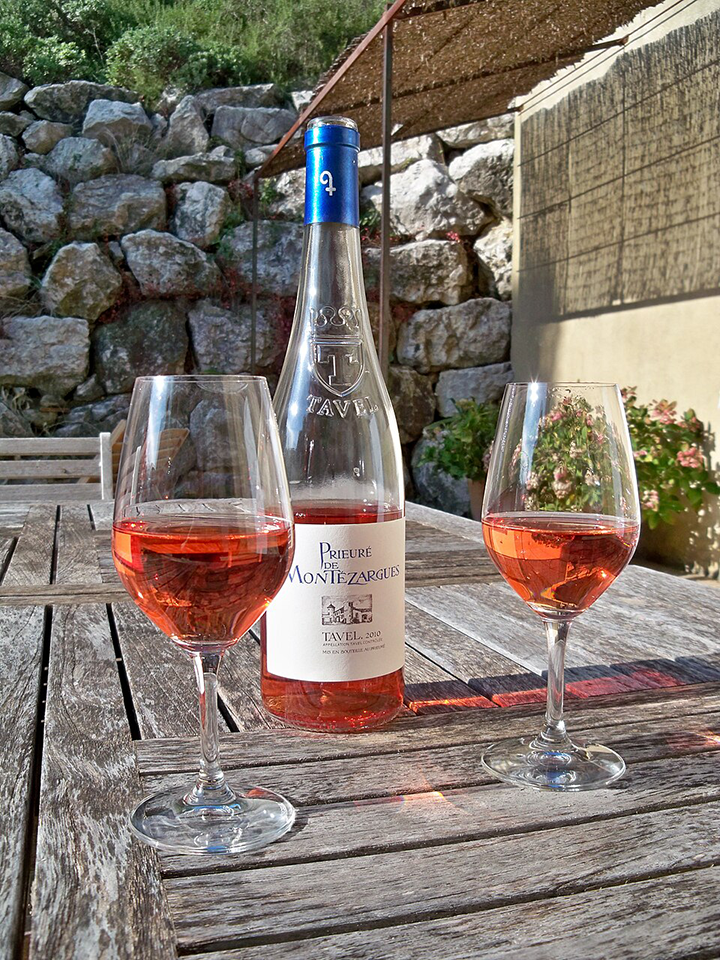
    Tavel – Prieuré de Montézargues Rosé – Véronique PAGNIER, CC BY-SA 3.0, via Wikimedia Commons

    How Rosé is Made

    Contrary to popular belief, rosé is not red and white wine blended together (except in Champagne). There are four primary techniques used to craft rosé:

    1. Direct Press (Vin Gris)

    • Minimal skin contact, delicate extraction
    • Lightest in color and body
    • Best For: Pinot Noir, Grenache

    2. Maceration

    • Skins soak with juice for 6–24 hours
    • Controlled color, flavor, and texture
    • Used In: Provence, Tavel, Spain

    3. Saignée (“Bleeding”)

    • Juice is bled from red wine fermentations
    • Rosé byproduct, often bold and structured
    • Common In: Napa, Sonoma

    4. Blending (Champagne Only)

    • Still red wine added to white base wine
    • Only legal in Champagne
    • Sommelier Pick: Billecart-Salmon Brut Rosé
    • Pair With: Sushi, duck confit, strawberry shortcake

    🍇 Grape Varietals That Make Rosé Shine

    VarietalNotesRegions
    GrenacheJuicy, spicy, versatileFrance, Spain, California
    Pinot NoirDelicate, floral, etherealFrance, Oregon, Germany
    MourvèdreSavory, structured, earthyBandol, Spain, California
    SangioveseCherry-forward, crisp acidityTuscany, Central Coast
    ZinfandelFruit-driven, peppery, energeticCalifornia
    SyrahDark-fruited, bold, spicedRhône, Australia
    TempranilloTomato leaf, strawberry, tobaccoSpain, Texas
    Cabernet FrancHerbal, leafy, medium-bodiedLoire, Finger Lakes
    Image by Sarah Stierch (CC BY 4.0), Creative Commons

    Perfect Rosé Pairings by Style

    Light & Crisp Rosé (Provence-style)

    • Niçoise salad
    • Goat cheese tart
    • Lemony grilled chicken
    • White anchovy crostini

    Bold & Structured Rosé (Tavel, Mourvèdre-based)

    • Duck confit
    • Lamb chops with rosemary
    • Mushroom risotto
    • Charred octopus

    Sparkling Rosé (Champagne & Beyond)

    • Fried chicken
    • Smoked salmon blinis
    • Fresh berries & cream
    • Sushi rolls

    New World Rosé (Zinfandel, Syrah, Sangiovese)

    • Pizza with prosciutto
    • Tacos al pastor
    • BBQ pork sliders
    • Spicy Thai noodles

    Must-Have Rosés to Try

    1. Château d’Esclans Whispering Angel – Provençal charm and elegance
    2. Domaine de la Mordorée Tavel Rosé – Serious structure and depth
    3. Domaine Tempier Bandol Rosé – Earthy, savory, age-worthy
    4. Billecart-Salmon Brut Rosé Champagne – Sparkling royalty
    5. Las Jaras Rosé (California) – Natural wine, balanced and vibrant
    6. Torre dei Beati Cerasuolo d’Abruzzo – Italian soul in a pink bottle

    Final Sip

    Rosé isn’t a novelty—it’s a winemaking philosophy that expresses a grape’s essence with delicacy and flair. Whether you’re serving tapas, sushi, or spicy wings, there’s a rosé out there to elevate the moment. Cheers 🩷

    Cover image: Missvain, CC BY 4.0, via Wikimedia Commons

  • Varietal Spotlight: Pinot Grigio

    Varietal Spotlight: Pinot Grigio

    A Chameleon of the Vine.

    Few grapes have worn as many masks or traveled so extensively across terroirs and tables as Pinot Grigio. Often stereotyped as a light and simple white wine, Pinot Grigio is, in truth, a varietal of complexity and contradiction. Its genetics, nomenclature, and expressive range offer a story as nuanced as its finest bottlings. Whether known as Pinot Gris in France, Grauburgunder in Germany, or Szürkebarát in Hungary, this grey-skinned grape holds a passport stamped with centuries of intrigue.

    A Grey Mutation with Noble Roots

    Pinot Grigio is a white wine grape, though its skins range from bluish-grey to pinkish-brown, hence the name grigio, meaning “grey” in Italian. It is a mutation of Pinot Noir, its noble Burgundian cousin. The Pinot family is notoriously prone to clonal variation, which has given us Pinot Blanc, Pinot Meunier, and Pinot Gris, among others.

    The earliest documented mentions of Pinot Gris (its original name) date back to the Middle Ages in Burgundy, France. By the 14th century, it had migrated to Hungary—beloved by monks—and then further east and north into Germany, Switzerland, and eventually Italy.

    In Italy, the grape found its most iconic modern identity as Pinot Grigio, particularly in the cooler regions of the northeast, such as Alto Adige, Friuli-Venezia Giulia, and Veneto.

    Photo by karelle mtgr on Pexels.com

    Cultural Names & Expressions of Pinot Grigio

    Pinot Grigio’s global footprint has led to a rich array of local names and stylistic interpretations:

    • France: Pinot Gris
      In Alsace, it produces rich, spicy, full-bodied wines with notable viscosity and aging potential. Often off-dry to sweet in style, Alsatian Pinot Gris may include noble rot (botrytis) influence.
    • Italy: Pinot Grigio
      Known for a light-bodied, crisp, and zesty expression, often with notes of lemon, green apple, and almond. However, producers in Friuli and Alto Adige have pushed for more serious expressions, showcasing texture and complexity.
    • Germany: Grauburgunder or Ruländer
      These wines range from dry and mineral-driven to rich and sweet, depending on region and winemaking intention. The Pfalz and Baden regions produce particularly compelling versions.
    • Hungary: Szürkebarát (literally “Grey Monk”)
      Tends to be rounder and more aromatic, a nod to its Hungarian monastic roots and volcanic soils.
    • United States: Both Pinot Grigio and Pinot Gris are used
      Oregon is famous for emulating the Alsace style, producing lush, peachy wines, while California often leans toward the Italian-style—lighter and more citrus-forward.
    • Austria & Switzerland: Known occasionally as Grauer Burgunder
      Styles tend to follow the German model, though with more restrained fruit and alpine freshness.

    Flavor Profiles & Winemaking Styles

    The grape’s thin skin and low phenolic content lend itself to a range of expressions based on:

    • Climate: Cool climates tend to yield high acidity and light body; warmer climates enhance stone fruit and honeyed richness.
    • Vinification: Skin-contact (“Ramato” style), oak aging, or lees stirring can impart significant texture and complexity.
    • Terroir: Volcanic soils (like in Hungary or parts of Alsace) add mineral tension, while marl and limestone (seen in parts of Germany and France) can enhance structure and ageability.

    The Forgotten Copper-Hued Expression

    A special shoutout is deserved for Ramato (Italian for “coppery”)—a traditional Venetian style of Pinot Grigio made with extended skin contact, resulting in a rosé-like or orange wine hue. It offers flavors of dried apricot, tea leaf, orange peel, and spice, and is a fabulous bridge between white and red wine experiences.

    Famous and Notable Producers

    🇮🇹 Italy

    • Livio Felluga – Friuli-Venezia Giulia: elegant and structured Pinot Grigio.
    • Alois Lageder – Alto Adige: biodynamic and expressive wines.
    • Santa Margherita – Veneto: the name that put Pinot Grigio on the map in the U.S., popularizing the crisp, clean style.

    🇫🇷 France (Alsace)

    🇺🇸 United States

    • King Estate (Oregon) – Organic, food-friendly Pinot Gris.
    • J Vineyards (California) – Crisp and fruity Pinot Grigio expressions.
    Glass of Pinot Grigio – cogdogblog, CC BY 2.0, via Wikimedia Commons

    Pairing Pinot Grigio

    Pinot Grigio is one of the most versatile food wines. Here’s how to play with its many faces:

    Complementary Pairings (Match body and texture)

    • Light Italian Pinot Grigio:
      Mozzarella, white fish ceviche, lemony chicken piccata, arugula salads with citrus vinaigrette.
    • Ramato-style Pinot Grigio:
      Mushroom risotto, shrimp and grits, caramelized onion tart, garlic-roasted vegetables.
    • Alsace Pinot Gris:
      Duck with cherry reduction, Munster cheese, pork with peach chutney, spicy Thai curry.
    • Grauburgunder from Germany:
      Smoked pork, aged gouda, cabbage rolls, herb-roasted chicken.

    Contrasting Pairings (Balance or elevate through opposition)

    • Pair dry Pinot Grigio with rich creamy sauces (like Scott’s Creamy Dreamy Alfredo) to cut through fat.
    • Pair aromatic Pinot Gris with spicy dishes to mellow heat.
    • Pair acidic Pinot Grigio with fried foods to cleanse the palate.
    • Pair Ramato styles with umami-heavy dishes like soy-glazed salmon or miso ramen.

    A Grape Worth Rediscovery

    Though often dismissed as a mass-market crowd-pleaser, Pinot Grigio is a shapeshifter that reflects its origin with remarkable fidelity. Whether you’re sipping a breezy Veneto bottling by the pool, enjoying an umami-rich Ramato with aged cheeses, or savoring a noble Alsace Pinot Gris in a candlelit bistro, this varietal offers something for every palate—and every plate.

    To overlook it is to miss a grape with the depth of a philosopher and the charisma of a traveler. It’s time to reintroduce yourself to Pinot Grigio—not as a wine list default, but as a cultural adventure in a glass ♥️

    Cover image: Mark Smith, CC BY 2.0, via Wikimedia Commons
  • Floral & Herbaceous Wines for the Season

    Floral & Herbaceous Wines for the Season

    As the days grow longer and the first hints of warmth dance through the air, our palates begin to crave fresh, vibrant flavors that celebrate the awakening of spring. The crisp snap of asparagus, the delicate sweetness of peas, and the bright zing of lemon zest all signal the arrival of a new season—one that calls for wines that are just as lively and refreshing.

    This is the time to explore wines with floral and herbaceous notes that mirror the beauty of blooming gardens and fresh greenery. From aromatic whites like Muscat, Torrontés, Gewürztraminer, and Grüner Veltliner to elegant reds like Gamay and Pinot Noir, these selections capture the essence of spring in every sip.

    Photo by Mathilde Langevin on Pexels.com

    Floral & Herbaceous Whites for Spring

    Muscat: The Essence of Spring Blossoms

    Muscat is one of the most perfumed grape varieties, bursting with floral aromas of orange blossom, honeysuckle, and jasmine. It often carries a touch of sweetness, making it an excellent match for lightly spiced dishes and fresh spring salads.

    Pair with: A spring pea and mint risotto, or a citrusy shrimp ceviche with orange and grapefruit segments.

    Torrontés: Argentina’s Aromatic Gem

    This highly aromatic white wine from Argentina is known for its striking floral notes of rose petal and geranium, balanced by zesty citrus and herbal undertones. With its refreshing acidity, Torrontés is perfect for pairing with light, aromatic dishes.

    Pair with: Grilled asparagus drizzled with lemon-infused olive oil or a Thai-inspired coconut and lemongrass soup.

    Tom Kha Gai Soup image from 40 Aprons published recipe

    Gewürztraminer: A Perfumed and Spicy Delight

    Gewürztraminer is an exotic and intensely perfumed white wine, often exuding aromas of lychee, rose, and ginger. Its slight oiliness on the palate makes it a great match for flavorful, slightly spicy dishes.

    Pair with: A fresh goat cheese and honey tart with edible flowers or a fragrant Moroccan tagine with apricots and almonds.

    Grüner Veltliner: A Herbal & Peppery Classic

    Austria’s beloved white wine, Grüner Veltliner, is an herbaceous powerhouse with notes of white pepper, green apple, and fresh herbs. Its crisp acidity makes it an ideal match for the green flavors of spring.

    Pair with: A classic spring asparagus salad with lemon zest and shaved Parmesan or a light, herb-crusted fish dish with dill and tarragon.

    Light and Lush Reds for Spring

    Gamay: The Ultimate Spring Red

    Gamay, best known from Beaujolais, is a bright, fruit-forward red with floral notes of violets and wildflowers, underscored by soft red berry flavors. With its light body and juicy acidity, Gamay is a versatile food-pairing wine.

    Pair with: A fresh herb and mushroom tart or a spring vegetable stir-fry with soy and sesame.

    Pinot Noir: A Delicate and Earthy Companion

    Pinot Noir is a classic springtime red, offering elegant floral aromas of rose and peony, combined with earthy undertones of forest floor and fresh strawberries. It has a silky texture and lively acidity, making it a fantastic choice for lighter spring fare.

    Pair with: Lemon-herb roasted chicken with spring peas or a fennel and citrus salad with toasted almonds.

    Photo by Filipp Romanovski on Pexels.com

    Bringing Spring to Your Glass and Plate

    Spring is a time of renewal, and your wine selection should reflect the freshness and energy of the season. Whether you’re sipping on a floral Torrontés alongside a citrusy seafood dish or enjoying the bright fruit of Gamay with a spring vegetable tart, these wines elevate the flavors of the season and invite you to fully embrace the beauty of spring.

    So, gather your fresh herbs, crisp greens, and floral aromatics, and let these wines awaken your senses as you toast to the season of renewal! Cheers to spring 🍷

    Cover image credit: Photo by Manuel Mouzo on Pexels.com

  • Green Wines & Winemaking

    Green Wines & Winemaking

    A Sustainable Sip for St. Patty’s Day.

    St. Patrick’s Day is synonymous with shamrocks, lively celebrations, and, of course, the infamous green beer. But what if we could embrace the spirit of the holiday in a more refined and eco-conscious way? Enter green wines—not in color, but in practice! These wines are crafted with sustainability, biodiversity, and environmental responsibility at their core. This St. Patrick’s Day, let’s raise a glass to wines that are as kind to the planet as they are to our palates.

    Photo by Pressmaster on Pexels.com

    What Makes a Wine “Green”?

    Green winemaking isn’t about adding food coloring to your Chardonnay. Instead, it refers to a commitment to environmentally friendly vineyard management and production methods. Winemakers who embrace this philosophy often follow organic, biodynamic, and sustainable practices, ensuring that their vineyards thrive for generations to come.

    Organic Winemaking

    Organic wines are produced without synthetic pesticides, herbicides, or fertilizers. Instead, winemakers use natural compost, cover crops, and beneficial insects to maintain vineyard health. Certification varies by country, but all organic wines must meet strict regulations to ensure purity in both the vineyard and the winery.

    Biodynamic Winemaking

    Biodynamic winemaking takes organic practices a step further, incorporating holistic, almost mystical elements into viticulture. Inspired by the teachings of Rudolf Steiner, biodynamic farming follows a lunar calendar, uses natural composts like cow horn manure, and embraces a self-sustaining ecosystem. The result? Vibrant wines that express the true essence of their terroir.

    Sustainable Winemaking

    Sustainable winemaking is about reducing environmental impact while maintaining economic viability and social responsibility. These wineries focus on water conservation, renewable energy, reduced carbon footprints, and habitat preservation. While not always certified organic or biodynamic, sustainable wineries take measurable steps to protect the environment.

    Wineries Leading the Charge in Responsible Viticulture

    Photo by Elle Hughes on Pexels.com

    Frog’s Leap (Napa Valley, California)

    Frog’s Leap is a shining example of sustainable and organic winemaking. Their dry-farming techniques reduce water waste, and their solar-powered winery runs on 100% renewable energy.

    Domaine Leflaive (Burgundy, France)

    A pioneer in biodynamic winemaking, Domaine Leflaive has been practicing organic and biodynamic methods for decades, producing some of the finest white Burgundies in the world.

    Related Article: Old World Regions: Burgundy

    Tablas Creek Vineyard (Paso Robles, California)

    This Rhône-style producer is an industry leader in sustainability, with certified organic and biodynamic vineyards, as well as regenerative agriculture practices that improve soil health and biodiversity.

    Yealands Estate (Marlborough, New Zealand)

    Yealands Estate is renowned for its commitment to carbon-neutral winemaking, employing wind and solar power, and even using babydoll sheep to naturally mow the vineyard grass. Although the Sauvignon Blanc Rosé has me a little perplexed, the wines of Yealands Estate are vegan-friendly and gluten free.

    St. Patrick’s Day Green Wine Pairings

    Now that you’re ready to swap green beer for green wine, let’s talk pairings! Whether you’re indulging in classic Irish fare or experimenting with plant-based options, these eco-friendly wines will complement your feast perfectly.

    Image of Corned Beef and Cabbage from The Wooden Skillet website (thewoodenskillet.com)

    Corned Beef & CabbageZinfandel or Organic Malbec

    A juicy, fruit-forward Zinfandel or an organic Malbec provides the perfect balance to the saltiness of corned beef, while complementing the earthiness of cabbage.

    Recipe: Corned Beef and Cabbage (The Wooden Skillet)

    Irish Lamb StewBiodynamic Syrah or Cabernet Franc

    A rich, hearty lamb stew calls for a robust yet balanced red, like a biodynamic Syrah or an herbaceous Cabernet Franc.

    Colcannon (Mashed Potatoes with Cabbage & Leeks)Sustainable Chardonnay or Grüner Veltliner

    A creamy, buttery Chardonnay or a zippy, mineral-driven Grüner Veltliner adds contrast to the richness of this traditional Irish side dish.

    Recipe: Traditional Irish Colcannon (The Spruce Eats)

    Smoked Salmon on Brown BreadOrganic Sauvignon Blanc or Albariño

    The crisp acidity of an organic Sauvignon Blanc or the saline notes of an Albariño perfectly cut through the smoky, oily texture of Irish smoked salmon.

    Irish Soda Bread – Jim Lukach, CC BY 2.0,via Wikimedia Commons

    Irish Soda Bread with Irish CheddarNatural Sparkling Wine or Pet-Nat

    A natural sparkling wine, like a pétillant naturel (Pet-Nat), brings lively bubbles and a yeasty character that enhances the rustic flavors of soda bread and sharp cheddar.

    Photo by KoolShooters on Pexels.com

    Raise a Glass to a Greener Future

    This St. Patrick’s Day, let’s move beyond the gimmicks and embrace wines that truly honor the green spirit. By choosing organic, biodynamic, and sustainable wines, we celebrate not only our love for great wine but also our commitment to a healthier planet. So go ahead, pour yourself a ‘green’ glass, toast to sustainability, and may the luck of the Irish (and the vintner) be with you!

    Sláinte!

    Photo by Darlene Alderson on Pexels.com
  • In Like a Lion, Out Like a Lamb: The Wines of March

    In Like a Lion, Out Like a Lamb: The Wines of March

    March is a month of contrasts—ferocious in its arrival, gentle in its departure. It’s the bridge between winter’s final roar and spring’s first whisper. The old proverb, “In like a lion, out like a lamb,” perfectly captures this transitional moment in the calendar, and what better way to explore these shifting moods than through the lens of wine?

    The Lion’s Roar: Bold Wines for the Start of March

    The beginning of March is often unpredictable—blustery winds, lingering frosts, and the occasional storm. This is a time for wines with power and presence, bottles that command attention much like the lion that heralds the month’s entrance.

    Barolo – The King of Wines
    Hailing from Italy’s Piedmont region, Barolo is a wine with a fierce reputation. Made from Nebbiolo grapes, it boasts high tannins, robust acidity, and flavors of dark cherry, leather, and rose petals. Barolo’s intensity matches the raw energy of early March, a time when winter refuses to surrender without a fight.

    Northern Rhône Syrah – Storm in a Glass
    The wild winds of early March echo the untamed spirit of Syrah from France’s Northern Rhône Valley. Wines from appellations like Côte-Rôtie and Hermitage showcase bold blackberry, black pepper, and smoky meat notes—an ideal counterpart to the tempestuous start of the month.

    Amarone della Valpolicella – Winter’s Last Stand
    This opulent Italian wine, crafted from dried Corvina grapes, delivers deep, dried fruit flavors with a rich, velvety texture. It’s a decadent farewell to winter’s hearty cuisine, pairing beautifully with slow-braised meats and aged cheeses.

    The Ides of March: A Historical Pause

    March is also famous for its literary and historical drama, none more ominous than the Ides of March. This date, March 15th, was immortalized in Shakespeare’s Julius Caesar when a soothsayer warned, “Beware the Ides of March.” It marked the assassination of Caesar and a turning point in Roman history.

    For a toast to history, uncork a bottle of Falerno del Massico, a wine with ancient Roman roots. This Campanian gem, praised by Pliny the Elder, was once considered the nectar of emperors. With its structured tannins and layered flavors of dark berries and spice, it’s a wine worthy of an imperial banquet—or a clandestine plot.

    Read more about the interesting history of Falernian wine.

    The Lamb’s Whisper: Soft Wines for the End of March

    As March softens and spring’s first blooms appear, our palates crave something lighter, fresher, and more delicate. The transition to milder weather calls for wines that reflect the gentle nature of March’s departure.

    Loire Valley Chenin Blanc – The Spring Awakening
    With bright acidity and notes of quince, honeysuckle, and fresh pear, Chenin Blanc from Vouvray or Savennières is like the first warm breeze of the season. It pairs effortlessly with lighter fare like fresh salads, goat cheese, and seafood.

    Beaujolais – The Joyful Bloom
    Made from Gamay, Beaujolais offers vibrant red fruit flavors and a silky texture, making it a perfect choice for the transition into spring. Enjoy it slightly chilled with charcuterie, roasted chicken, or a picnic under the first sunny skies of the season.

    Provence Rosé – The Sunset Wine
    March’s final days bring us closer to the rosé-drenched afternoons of spring and summer. A crisp, pale pink Provence Rosé, with notes of wild strawberries and herbs, mirrors the gentle fading of the lion’s roar into the lamb’s peaceful retreat.

    The Vineyards in March: A Time of Renewal

    In the vineyards, March is a time of awakening. The quiet dormancy of winter gives way to the first signs of bud break, where tiny green shoots emerge from the vines. In the Southern Hemisphere, harvest is in full swing, with winemakers carefully selecting grapes at their peak ripeness. It’s a time of both preparation and celebration—a moment to reflect on the past while embracing the promise of what’s to come.

    Related article: Winemaking in the Spring: From Bud Break to Flowering

    Pieter Brueghel the Elder, Public domain, via Wikimedia Commons
    March in Art, Music, and Literature

    March has long inspired artists and musicians. From Tchaikovsky’s The Seasons: March—a lively, galloping piano piece—to paintings like Pieter Bruegel’s The Gloomy Day, which captures the raw transition from winter to spring, this month has been immortalized through many creative lenses. In literature, the Brontë sisters often used March’s wild and unpredictable nature as a metaphor for emotional turmoil and transformation.

    A Month to Savor

    March is a journey—a transformation from bold to delicate, from stormy to serene. It’s a month that calls for wines to match its shifting moods, from the commanding presence of Barolo to the gentle embrace of Provence Rosé. So, whether you’re braving the last chill of winter or toasting to the first warm rays of spring, there’s a perfect glass waiting to accompany you through this marvelous, mercurial month. Cheers 🍷

  • A Toast to the Cold Season

    A Toast to the Cold Season

    The assumption that winter is exclusively for red wines and summer for whites and rosés is a notion best left to those who haven’t yet discovered the joys of year-round wine exploration. While it’s true that a robust red feels like a warm hug on a cold evening, there’s a world of winter-worthy whites and even a few rosés that can stand up to hearty fare and frosty nights.

    Photo by Elina Sazonova on Pexels.com

    Red Wines – Warming the Soul

    Winter fare calls for reds with structure, depth, and a bit of spice to match rich and slow-cooked meals. Here are some of the best reds to savor during the colder months:

    Barolo & Barbaresco (Piedmont, Italy) – These Nebbiolo-based wines bring a balance of tannin, acidity, and earthy depth, perfect for braised short ribs or wild mushroom risotto.

    Cabernet Sauvignon (Napa Valley, California) – The classic choice for grilled steak or prime rib, its bold fruit and firm tannins stand up to even the richest dishes.

    Syrah/Shiraz (Rhône Valley, France & Barossa Valley, Australia) – Rhône Syrah’s peppery, smoky notes enhance dishes like coq au vin, while Barossa Shiraz pairs wonderfully with smoky BBQ ribs.

    Zinfandel (California) – Spicy and fruit-forward, it’s a match made in heaven for hearty stews, lamb shanks, or even a winter chili.

    Malbec (Mendoza, Argentina) – With its velvety dark fruit flavors, it pairs exceptionally well with grilled sausages or a hearty beef bourguignon.

    A winter without red wine is like a fireplace without wood—technically possible, but why would you?

    Gregory Dean, SOMM&SOMM
    Photo by Kenneth on Pexels.com

    White Wines – Brightening Winter’s Depths

    The best winter whites have enough body and acidity to complement richer dishes and hold their own against the chill.

    Chardonnay (Burgundy, France & California) – Buttery, oak-aged versions are perfect with roasted chicken, creamy pastas, or lobster bisque.

    Riesling (Germany & Alsace, France) – Aged Rieslings with their honeyed, petrol notes pair beautifully with duck, pork belly, or spicy Thai curries.

    Viognier (Rhône Valley, France & California) – Rich and floral, it complements roasted root vegetables and creamy cheeses.

    Gewürztraminer (Alsace, France) – Spicy and aromatic, it’s a delightful pairing with hearty winter fare like sausage and sauerkraut or Moroccan tagines.

    Savagnin (Jura, France) – For the adventurous, this oxidized white is spectacular with fondue or roast chicken.

    What good is the warmth of summer, without the cold of winter to give it sweetness? (and we’d argue, what good is summer wine without a winter contrast?)

    John Steinbeck
    Photo by Anastasia Shuraeva on Pexels.com

    Rosé – Not Just for Sunshine

    While rosé is often pigeonholed as a summer sipper, certain styles shine in the winter months.

    Tavel (Rhône Valley, France) – This deep, robust rosé stands up to roasted meats, winter greens, and even cassoulet.

    Bandol Rosé (Provence, France) – Mourvèdre-based, it pairs wonderfully with roasted duck or bouillabaisse.

    Sparkling Rosé (Champagne, France & Crémant d’Alsace) – Bubbles bring brightness to rich winter dishes, from truffle risotto to baked brie.

    Snow falls, wine pours, and suddenly, winter isn’t so bad

    Gregory Dean, SOMM&SOMM

    Winter Wine Rituals

    • Temperature Matters – Reds should be served slightly cooler than room temperature (60-65°F), and whites should not be ice-cold (50-55°F). A slight chill brings out complexity.
    • Glassware Counts – Use larger glasses for bold reds to allow them to breathe, and smaller glasses for high-acid whites to focus aromas.
    • Decanting is Key – Many winter reds benefit from decanting to soften tannins and enhance aromas.
    • Pair with Cozy Moments – Enjoy a glass by the fire, with a book, or paired with hearty, slow-cooked meals.
    Photo by Pavel Danilyuk on Pexels.com

    Surviving the Cold in Style

    To those who embrace the chill with a full glass, warm food, and good company, we raise our glasses to you. Winter may be long, but with the right wine, it’s a season of rich flavors, cozy nights, and joyful toasts.

    Greg and Tammy Dean, SOMM&SOMM

    Cheers to winter wines and the warmth they bring! 🍷

    Cover Photo Credit: Photo by Mirek Kielar on Pexels.com