Category: Tasting Insights

  • Exploring Tuscan Elegance: A Journey through Cantine Guidi’s Wine Portfolio

    Exploring Tuscan Elegance: A Journey through Cantine Guidi’s Wine Portfolio

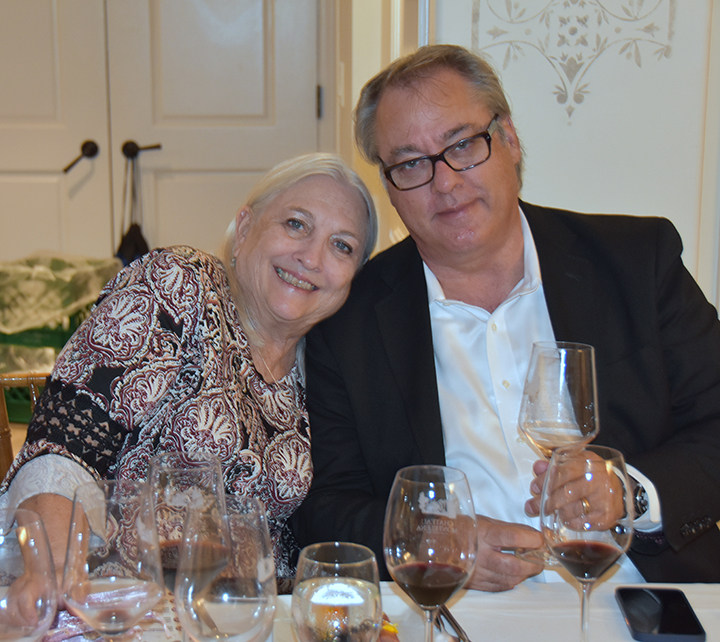
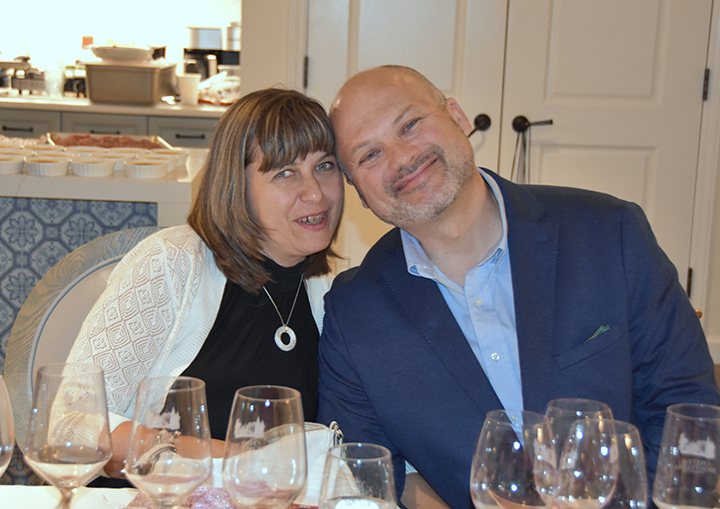
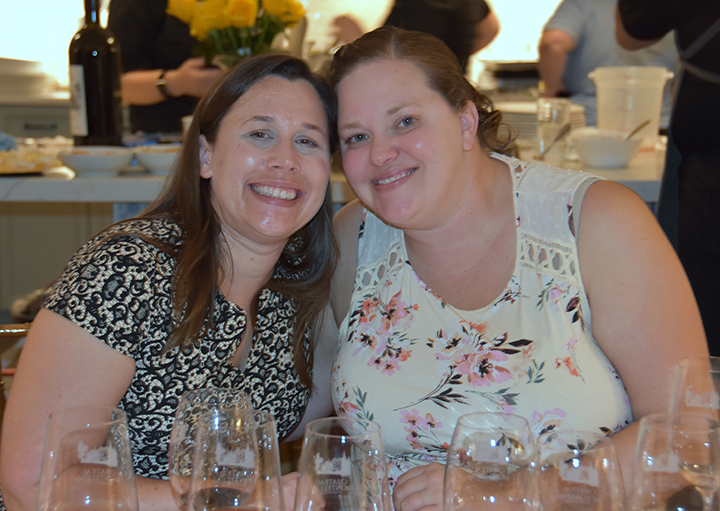
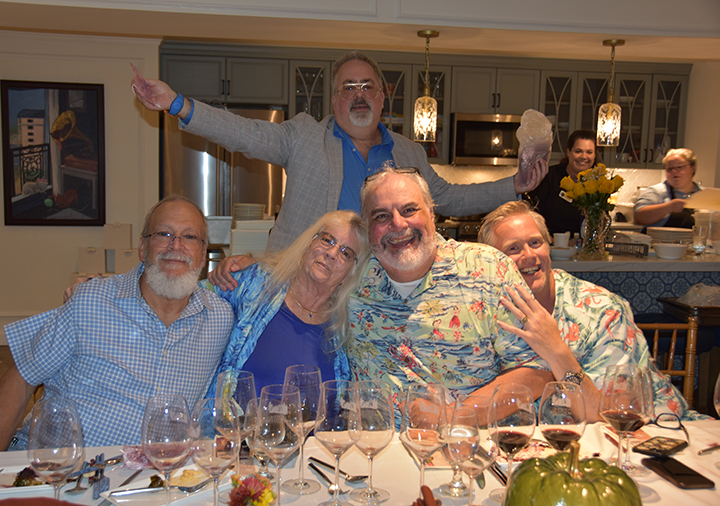
    In the heart of Tuscany, amidst the rolling hills and historic vineyards, lies a hidden gem known as Cantine Guidi. Under the guidance of their father, Avio Guidi, and led by fourth-generation winemakers Giacomo and Nicola Guidi, this esteemed winery has been crafting exceptional wines that encapsulate the essence of the region for decades. Recently, I had the privilege of attending a special wine tasting event hosted by WineNot? orchestrated by the gracious owners and sommeliers, Mike and Lorale Mullins. This intimate gathering, limited to just 20 individuals, offered an unparalleled opportunity to delve into the world of Cantine Guidi and immerse ourselves in the artistry of winemaking.

    We want to make our wines drink all over the world and that every person drinking them can discover the soul of our family and of Tuscany

    Nicola Guida
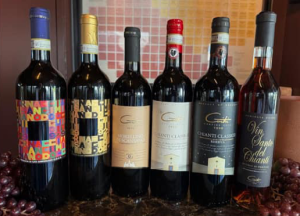
    Cantine Guidi Tasting Lineup

    Nicola Guidi began our tasting journey with the Cantine Guidi Vernaccia di San Gimignano D.O.C.G., a crisp and refreshing white wine that immediately captivated the senses. With its delicate floral aromas and vibrant citrus notes, this wine embodies the essence of Tuscan terroir. The limestone-rich soils of San Gimignano impart a distinctive minerality, while the cool climate ensures optimal acidity. Paired with fresh seafood or light pasta dishes, this Vernaccia di San Gimignano is a true delight.

    Next on the lineup was the Cantine Guidi Vernaccia di San Gimignano Riserva D.O.C.G., a step above its predecessor in terms of complexity and depth. Aged to perfection, this wine boasts layers of ripe stone fruit, honeyed undertones, and a subtle hint of almonds. The extended oak aging adds a touch of richness and texture, making it an ideal companion to creamy risottos or poultry dishes.

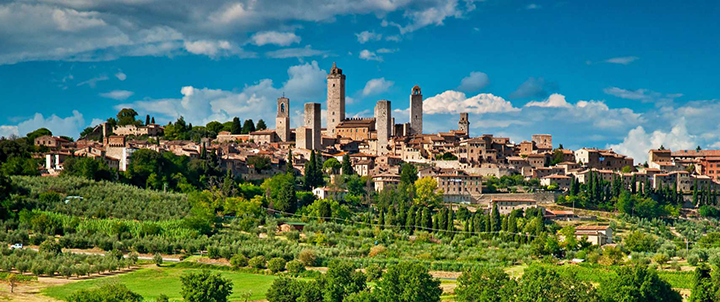
    San Gimignano is often referred to as Tuscany’s “Medieval Manhattan”

    Transitioning to reds, we savored the Morellino di Scansano D.O.C.G., a wine that showcases the versatility of Sangiovese grapes in the Maremma region. With its medium body and velvety tannins, this Morellino di Scansano offers an array of red berry flavors, accented by hints of herbs and spices. Its vibrant acidity makes it a versatile pairing for a variety of dishes, from grilled meats to hearty stews.

    Moving on to the Cantine Guidi Chianti Classico D.O.C.G., we were treated to a quintessential expression of Tuscan red wine. Crafted from Sangiovese grapes grown in the historic Chianti Classico region, this wine exudes elegance and finesse. Bursting with ripe cherry and plum flavors, complemented by notes of violet and earth, it is a true testament to the terroir of Tuscany. Pair it with classic Italian dishes such as pasta with tomato-based sauces (Greg’s Marinara Sauce) or aged cheeses for an unforgettable dining experience.

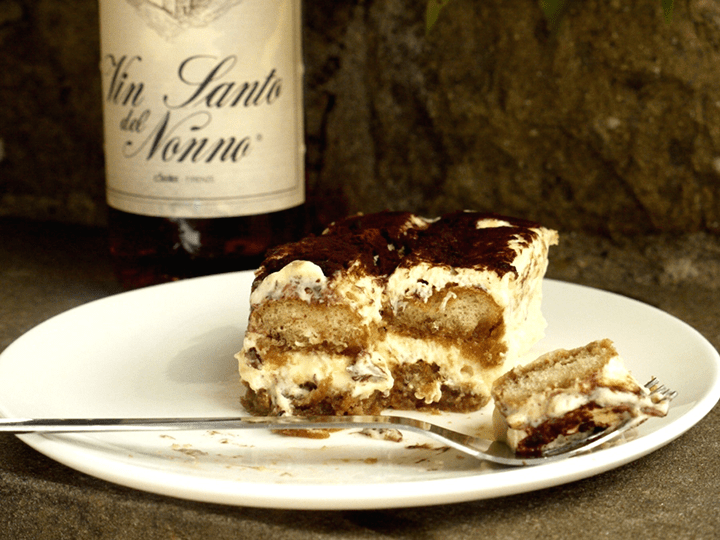
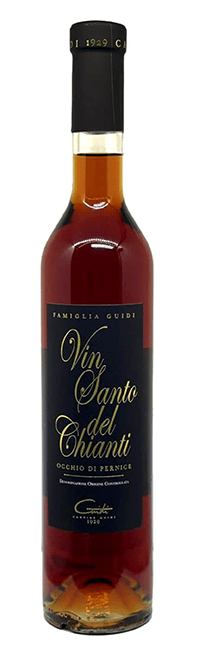
    Vin Santo

    The tasting culminated with the Cantine Guidi Chianti Riserva D.O.C.G., a wine of exceptional depth and complexity. Made from carefully selected grapes and aged in oak barrels, this Chianti Riserva offers an enticing bouquet of dark fruit, tobacco, and leather. Its velvety texture and lingering finish make it a perfect match for hearty meat dishes or aged cheeses.

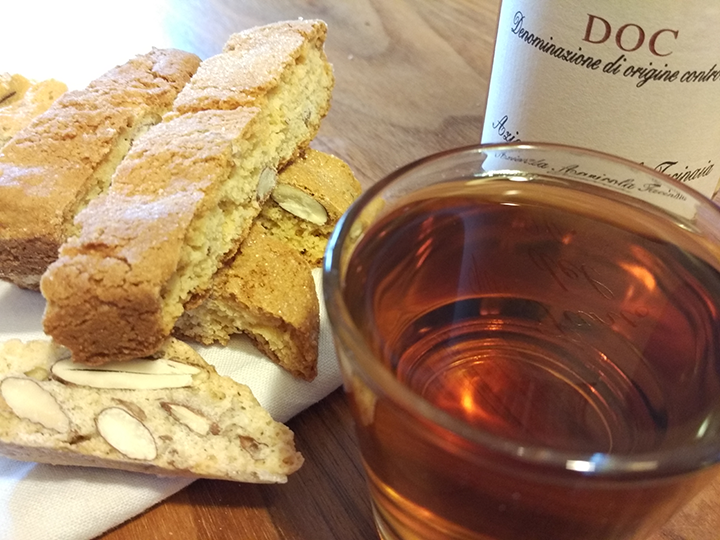
    Last but certainly not least, we indulged in the Vin Santo del Chianti D.O.C., a true Tuscan treasure. This sweet dessert wine, made from sun-dried grapes, captivated our palates with its luscious notes of caramelized nuts, dried fruits, and honey. Sipped slowly, it served as a fitting finale to our tasting journey, leaving a lasting impression of Tuscan hospitality and craftsmanship.

    We strongly believe that we start from the origins and along the way we grow and change based on the needs of our land; in fact, it is sustainability and ethics that motivate the choices we make every day.

    Cantine Guidi 1929

    Throughout the tasting, Nicola Guidi’s passion for winemaking shone through, as he shared insights into his family’s legacy and the unique terroir of each wine. From the sun-drenched vineyards of San Gimignano to the rugged hills of Chianti, every bottle tells a story of tradition, innovation, and dedication to quality.

    WineNot? West – 1108 W Granada Blvd, Ormond Beach, FL 32174

    As we bid farewell to WineNot? and its gracious hosts, Mike and Lorale Mullins, I couldn’t help but reflect on the unforgettable experience we had shared. Through the artistry of Cantine Guidi’s wines, we had embarked on a sensory journey through the timeless landscapes of Tuscany, savoring each moment and leaving with a newfound appreciation for the beauty of Italian winemaking. Saluti 🍷

  • Unveiling Franciacorta: Italy’s Best-Kept Sparkling Wine Secret

    Unveiling Franciacorta: Italy’s Best-Kept Sparkling Wine Secret

    When it comes to sparkling wines, most people think of Champagne from France or Prosecco from Italy. However, there’s a hidden gem in the world of bubbly that deserves your attention—Franciacorta. Hailing from the Lombardy region in northern Italy, Franciacorta is a sparkling wine that combines tradition, elegance, and a touch of Italian charm. As a professional sommelier and wine educator, I’m excited to introduce you to this under-appreciated delight just in time for the holidays and New Year’s celebrations.

    Lombardy Region in Northern Italy

    The Origin of Franciacorta

    Franciacorta is produced in the picturesque hills of the Franciacorta zone, situated between the southern shore of Lake Iseo and the city of Brescia. Unlike many other sparkling wines, Franciacorta is made using the traditional method, similar to Champagne. The region’s unique terroir, characterized by its clay-limestone soil and a mild climate, imparts distinctive characteristics to the grapes used in its production.

    Chardonnay in Franciacorta

    Grapes and Styles

    The principal grape varieties used in Franciacorta are Chardonnay, Pinot Noir, and Pinot Blanc. The region offers a range of styles, including Franciacorta Brut, Franciacorta Extra Brut, Franciacorta Satèn, and Franciacorta Rosé. Each style presents a different facet of the region’s winemaking expertise, from the crisp and refreshing Brut to the velvety smoothness of a Satèn.

    Controlled and guaranteed designation “Franciacorta” Satèn wine shall be obtained from grapes grown in each estate from the following varietals: Chardonnay min. 50%. Pinot bianco grapes can be used to produce the aforesaid wine up to a maximum proportion of 50%.

    Article 2.1 – Production Rulebook of the Controlled and Guaranteed
    “Franciacorta” Designation Wines

    Exceptional Quality

    One of the hallmarks of Franciacorta is its commitment to quality. The wine undergoes a secondary fermentation in the bottle, contributing to its fine and persistent perlage (bubbles) and complex flavor profile. With a minimum aging period of 18 months for non-vintage and 30 months for vintage Franciacorta, these wines boast a level of maturity and depth that rivals some of the best sparkling wines in the world.

    Perfect for Celebrations

    As the holiday season approaches, Franciacorta is an ideal choice for toasts and celebrations. Its versatility makes it suitable for pairing with a variety of dishes, from appetizers to main courses. The crisp acidity and effervescence of Franciacorta cleanse the palate, making it a wonderful accompaniment to rich and savory holiday fare.

    New Year’s Elegance

    When the clock strikes midnight on New Year’s Eve, raise your glass with a sparkling wine that embodies the spirit of celebration. Franciacorta’s fine bubbles and refined taste make it the perfect choice for toasting to new beginnings. Whether you’re hosting a small gathering or attending a grand party, Franciacorta adds a touch of Italian sophistication to the festivities.

    Ladies and Gentlemen, esteemed connoisseurs of life,

    As we stand on the cusp of a brand new year, let us raise our glasses high, filled with the effervescent joy of Franciacorta, a sparkling elixir as bright as the possibilities that await us in the coming days.

    Let us savor this moment, relish the company of those around us, and toast to the beautiful journey that lies ahead. Happy New Year! May it be as splendid and sparkling as this glass of Franciacorta in our hands. Cheers! 🥂✨

    Gregory Dean, SOMM&SOMM

    Discover the Hidden Gem

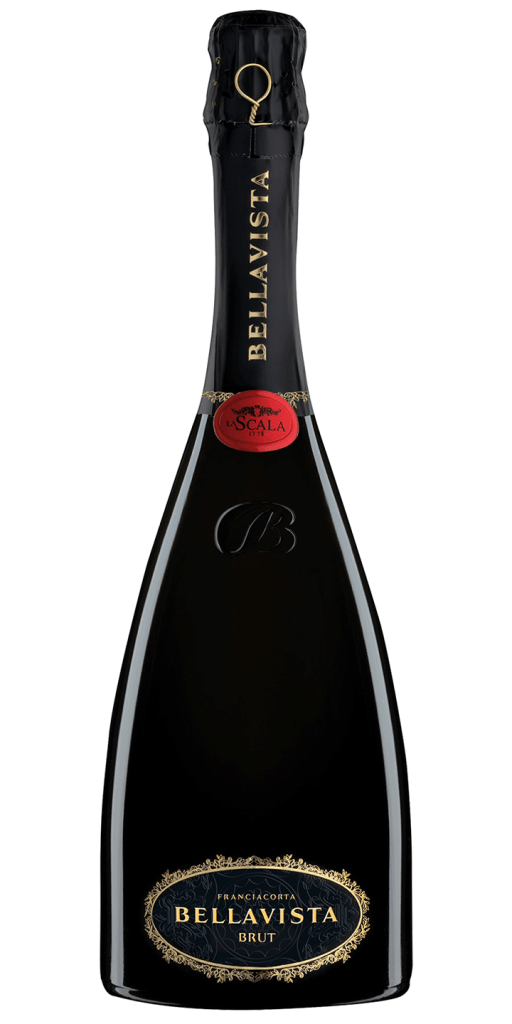
    2018 Bellavista Franciacorta Teatro La Scala Brut

    While Champagne and Prosecco often take the spotlight, Franciacorta quietly awaits discovery by those seeking something truly exceptional. As a wine educator, I encourage you to explore the world of Franciacorta and experience the magic of this Italian sparkling wine. Whether you’re a seasoned wine enthusiast or a curious newcomer, Franciacorta offers a delightful journey for your taste buds.

    Here are a few of our favorite Franciacorta wines:

    2018 Bellavista Franciacorta Teatro La Scala Brut

    Bellavista Franciacorta Alma Cuvee Brut

    In conclusion, this holiday season and New Year’s, consider elevating your celebrations with Franciacorta. It’s time to unveil the well-kept secret of Italian sparkling wine and savor the craftsmanship, tradition, and elegance that make Franciacorta a hidden gem in the world of bubbly. Cheers to new discoveries and unforgettable moments!

    Reference: Production Rulebook of the Controlled and Guaranteed
    “Franciacorta” Designation Wines

  • Cheers to the Holidays! Festive Wine-inspired Libations

    Cheers to the Holidays! Festive Wine-inspired Libations

    The holiday season is upon us, and what better way to celebrate than with a glass of wine in hand? Whether you’re hosting a festive gathering or cozying up by the fireplace, red, white, and sparkling wines offer a versatile canvas for crafting delightful holiday libations. Let’s explore the characteristics of each type of wine and discover some whimsical holiday toasts to elevate your celebration.

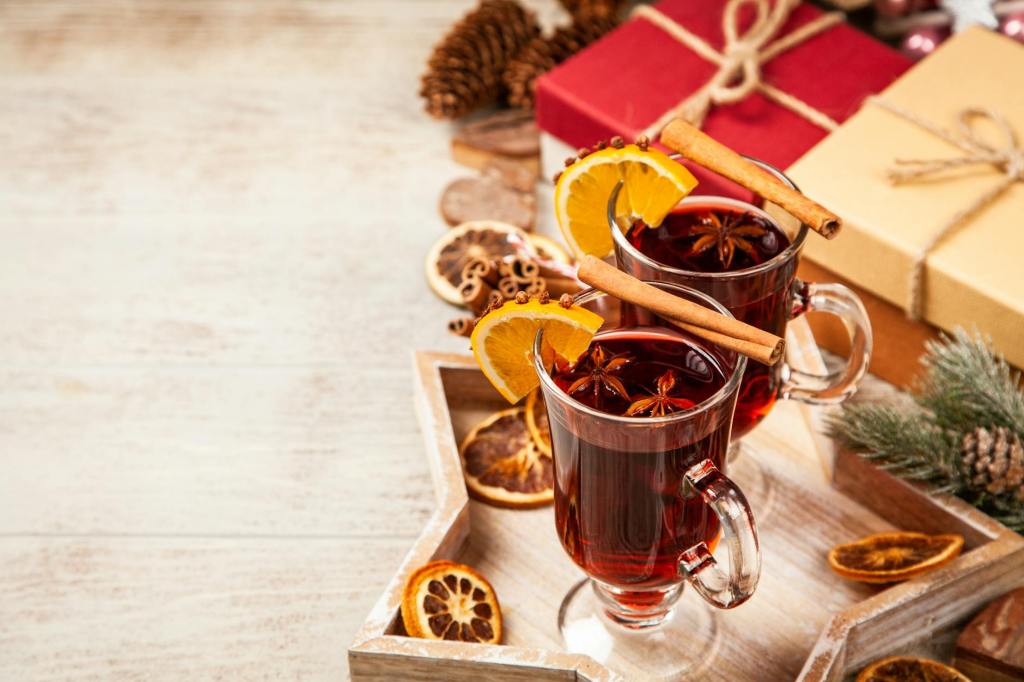
    Red Wine Revelry: Mulled Wine Magic – Photo by George Dolgikh on Pexels.com

    Red Wine

    Red wine, with its robust flavors and warming qualities, is a natural choice for creating cozy holiday drinks. One classic concoction is Mulled Wine, a spiced and heated red wine that fills the air with delightful aromas. To make this festive brew, combine red wine with spices like cinnamon, cloves, and orange peel. Serve it warm in mugs, and garnish with a cinnamon stick for an extra touch of holiday spirit. It’s worth taking a look at this classic Vin Chaud recipe!

    To mulled wine and fireside tales, may warmth fill our hearts as the holiday spirit prevails!

    SOMM&SOMM
    White Wine Wonder: Winter Sangria Surprise – fraicheliving.com/winter-sangria/

    White Wine

    White wine, known for its crisp and refreshing profile, can be transformed into a Winter Sangria that will dazzle your taste buds. Combine white wine with seasonal fruits like pomegranate seeds, cranberries, and sliced apples. Add a splash of brandy and a hint of sparkling water for effervescence. The result is a visually stunning and palate-pleasing libation perfect for holiday gatherings. Julie’s White Christmas Sangria is worth exploring.

    To Winter Sangria, a symphony of flavors that dance on our tongues, may our holiday season be as vibrant and joyful!

    SOMM&SOMM
    Sparkling Splendor: Champagne Cocktails for Celebrations

    Sparkling Wine

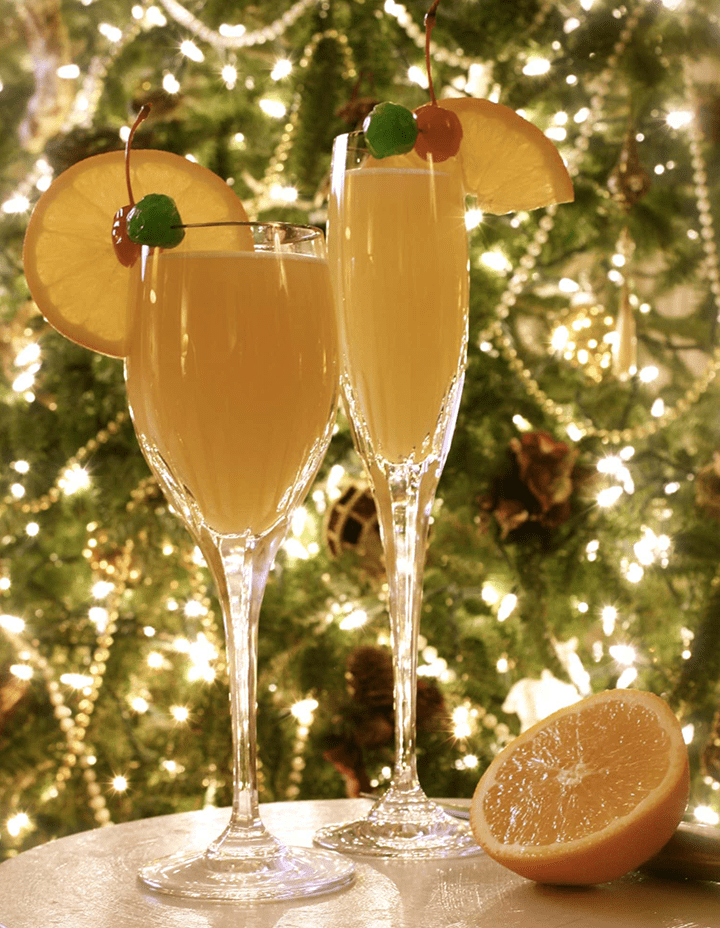
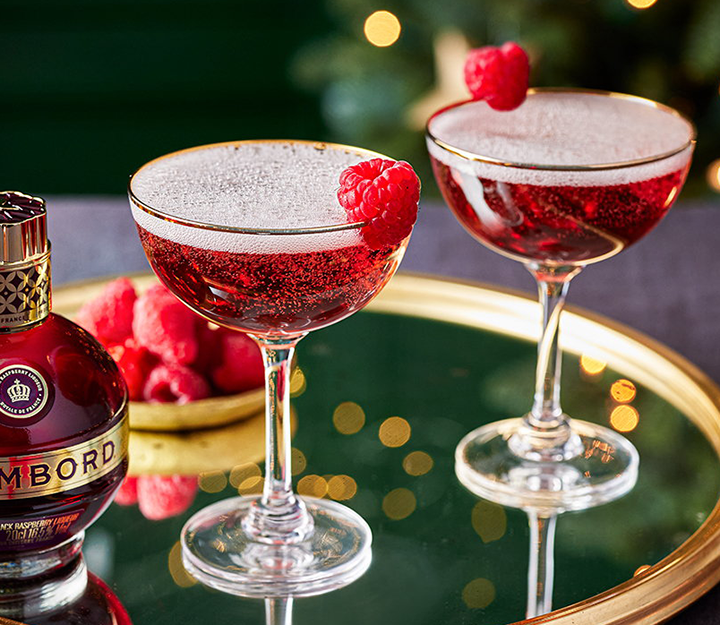
    Sparkling wine, synonymous with celebrations, takes center stage in elegant Champagne cocktails. Create a festive Mimosa by combining sparkling wine with fresh orange juice or opt for a classic Kir Royale by adding a touch of crème de cassis. For a more daring twist, try a Pomegranate Prosecco Punch, featuring sparkling Italian wine mixed with pomegranate juice and a splash of elderflower liqueur.

    To effervescence and efflorescence, may our spirits sparkle as bright as the bubbles in our glasses this holiday season!

    SOMM&SOMM

    Red, white, and sparkling wines provide a delightful canvas for crafting holiday libations that suit every palate. Whether you’re curled up by the fire with a mug of Mulled Wine, clinking glasses filled with Winter Sangria, or toasting with a sparkling Champagne cocktail, these festive drinks add an extra layer of joy to the holiday season. So, raise your glass, savor the flavors, and cheers to the magic of the holidays!

  • Perfect Pairings: Exploring Holiday Traditions and Wine

    Perfect Pairings: Exploring Holiday Traditions and Wine

    As winter descends upon us, the world comes alive with a myriad of cultural celebrations, each boasting its own unique dishes that reflect the rich tapestry of traditions. From Christmas and Hanukkah to Kwanzaa, Las Posadas, Soyal, and Winter Solstice, these holidays showcase the diversity of global festivities. For many, it is a gastronomic journey of the traditional dishes of these celebrations. With our corkscrews at the ready, we’re excited to reveal wine pairings that will add an extra layer of joy to your holiday table.

    Christmas Celebrated December 25 – Photo by Nicole Michalou on Pexels.com

    Christmas

    Christmas is celebrated with a festive spread that varies from country to country. In many Western cultures, roast turkey or ham takes center stage. For a classic pairing, a well-balanced red wine like Merlot or Cabernet Sauvignon complements the richness of the meat. In regions where fish is the star, such as Scandinavia, a crisp and acidic Sauvignon Blanc or Pinot Grigio enhances the delicate flavors.

    For desserts like Christmas pudding or fruitcake, consider a sweet and fortified wine like Port or a late-harvest Zinfandel. SOMM&SOMM recommends opting for a tawny Port with its nutty undertones to harmonize with the spiced complexity of these traditional treats.

    Recommended wines:

    Duckhorn Vineyards Carneros Napa Valley Merlot (Classic)

    Graham’s 20 Year Tawny Port (SOMM&SOMM)

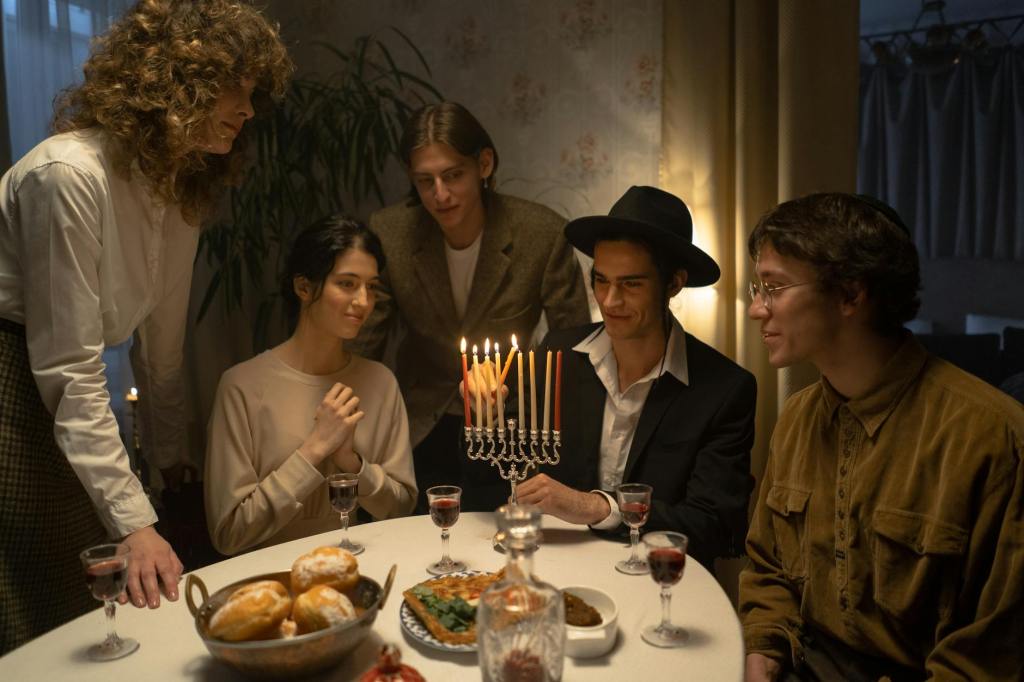
    Hanukkah Celebrated December 10-18 – Photo by cottonbro studio on Pexels.com

    Hanukkah

    Hanukkah, the Festival of Lights, is celebrated with dishes that pay homage to the miracle of oil. Latkes, crispy potato pancakes, and sufganiyot, jelly-filled doughnuts, are holiday staples. A sparkling wine, such as Champagne or Prosecco, provides a lively contrast to the fried delights. The effervescence cuts through the oil, cleansing the palate for the next delicious bite.

    For the main course, whether it’s brisket or roasted chicken, a medium to full-bodied red wine like a Cabernet Sauvignon or a Merlot complements the savory richness of the meat. SOMM&SOMM suggests choosing a wine with soft tannins and a hint of spice to elevate the experience.

    Recommended wines:

    Hagafen Merlot (OU Kosher) (Classic)

    Baron Herzog Alexander Valley Special Reserve Cabernet Sauvignon (OU Kosher)(SOMM&SOMM)

    Kwanzaa Celebrated December 26 – January 1 – Photo by Askar Abayev on Pexels.com

    Kwanzaa

    Kwanzaa, a celebration of African heritage, features a feast known as Karamu. Traditional dishes include jerk chicken, collard greens, and jollof rice. For the bold flavors of jerk chicken, a Zinfandel or a Syrah provides a perfect balance of fruitiness and spice.

    Collard greens pair well with a white wine like a Viognier or a Chardonnay. SOMM&SOMM recommends selecting a wine with good acidity to cut through the richness of the greens. For jollof rice, a versatile red blend or a Sangiovese complements the tomato-based dish, enhancing its depth of flavor.

    Recommended wines:

    Seghesio Sonoma Zinfandel (Classic)

    Chateau Montelena Napa Valley Chardonnay (SOMM&SOMM)

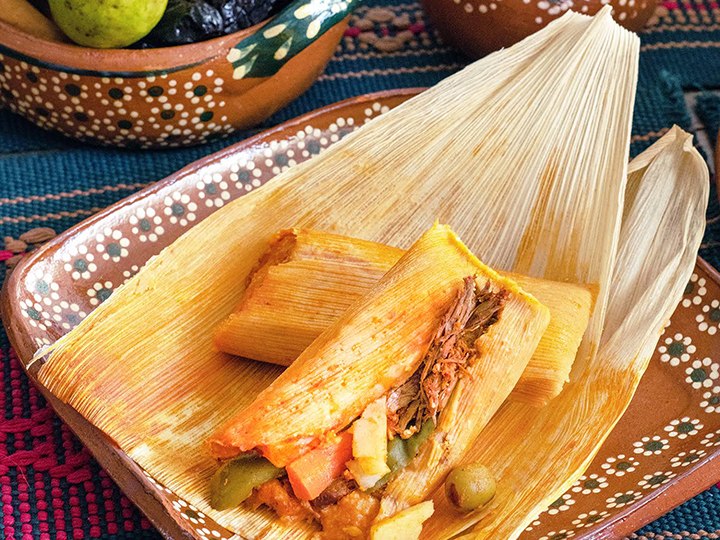
    Las Posadas Celebrated December 16-24 – yummly.com/recipe/Beef-and-Red-Chile-Tamales

    Las Posadas

    In Mexico, the nine-night celebration of Las Posadas features tamales, bacalao (salted cod), and ponche, a warm fruit punch. For tamales, a light and fruity red wine like a Beaujolais or a Tempranillo complements the masa and various fillings. Bacalao calls for a crisp and refreshing white wine such as Albariño or Sauvignon Blanc to cut through the saltiness.

    Ponche Navideño, with its blend of fruits and spices, pairs well with a sweet and aromatic wine like a Gewürztraminer or a Moscato. SOMM&SOMM suggests selecting a wine with a touch of spice to harmonize with the festive flavors of this Mexican holiday punch.

    Recommended wines:

    Valserrano Rioja Gran Reserva (Classic)

    Michele Chiarlo Nivole Moscato d’Asti (SOMM&SOMM)

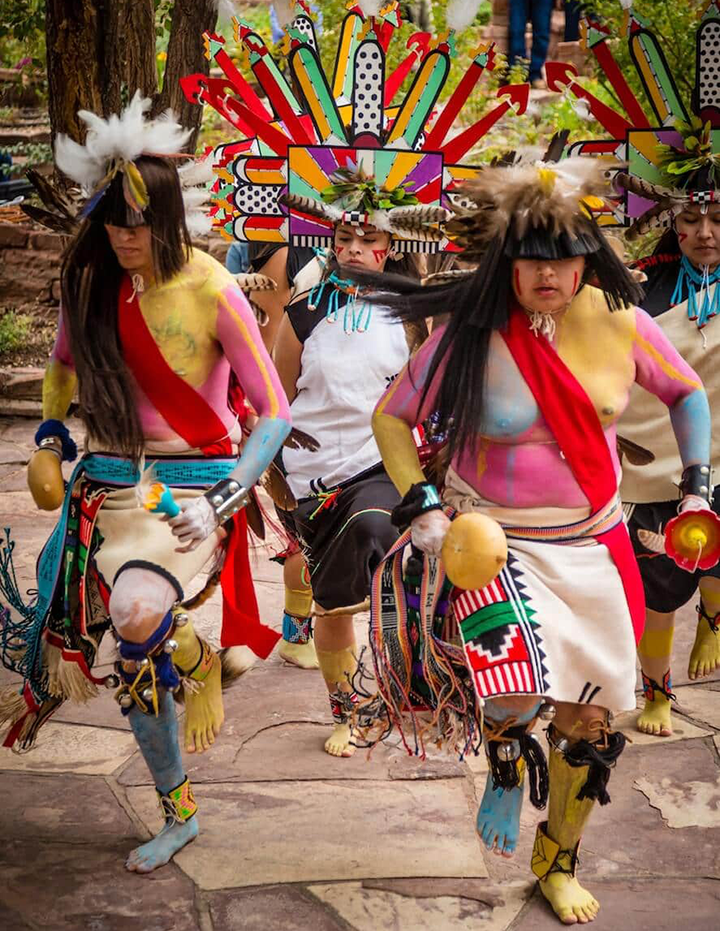
    Soyal Celebrated December 22

    Soyal

    Soyal, celebrated by the Hopi and other Native American tribes, involves rituals and feasting to welcome the winter solstice. Traditional dishes include blue corn mush, succotash, and roasted meats. Blue corn mush pairs well with a light and earthy white wine like a Chenin Blanc or a Grüner Veltliner.

    Succotash, a medley of beans and corn, harmonizes with a crisp and herbal Sauvignon Blanc or a Vermentino. For roasted meats like venison or bison, a robust red wine such as Malbec or Syrah complements the gamey flavors. SOMM&SOMM recommends choosing a wine with bold tannins and dark fruit notes.

    Recommended wines:

    Hiedler Thal Gruner Veltliner (Classic)

    Catena Alta Malbec (SOMM&SOMM)

    Winter Solstice

    The Winter Solstice, celebrated around the world on December 21, marks the shortest day and longest night of the year. Traditional dishes include hearty stews, root vegetables, and spiced desserts. For stews, a rustic red wine like a Grenache or a Côtes du Rhône enhances the savory and aromatic qualities of the dish.

    Root vegetables pair well with a medium to full-bodied white wine such as a Viognier or a Roussanne. SOMM&SOMM suggests selecting a wine with a touch of oak to complement the earthy flavors. Spiced desserts, like gingerbread or mulled wine poached fruits, call for a sweet and spicy dessert wine such as a late-harvest Gewürztraminer or a Vin Santo.

    Recommended wines:

    Chateau De Nages Heritage Rouge Vieilles Vignes (Classic)

    Truchard Estate Roussanne (SOMM&SOMM)

    Photo by Nicole Michalou on Pexels.com

    This holiday season, let your table be a reflection of the rich and diverse tapestry of global traditions. Whether you’re savoring the flavors of Christmas, Hanukkah, Kwanzaa, Las Posadas, Soyal, or the Winter Solstice, expert wine pairings can elevate your festive feast. With the guidance of a sommelier, each sip will be a celebration of the unique cultural heritage that makes the holiday season a truly global and joyous affair. Cheers to a world of flavors and a season filled with warmth and merriment! 🍷

  • Wine Service: Proper Serving Temperatures

    Wine Service: Proper Serving Temperatures

    Ah, wine – that magical elixir that transforms ordinary moments into extraordinary experiences. The world of wine is a tapestry woven with flavors, aromas, and textures, and like any masterpiece, it requires the right conditions to truly shine. As we embark on this whimsical journey through the realms of temperature, let us explore the proper storage and serving temperatures for various wine styles, each with its unique personality waiting to be unleashed.

    The Sprightly Spirits – Photo by Ata Ebem on Pexels.com

    Light White Wines

    Picture a crisp Sauvignon Blanc or a zesty Pinot Grigio, dancing on your taste buds like a lively sprite. These light white wines are delicate creatures, and they thrive at temperatures around 45-50°F (7-10°C) when stored. Serve them a bit too warm, and they might lose their sprightly demeanor, becoming flabby and dull. Too cold, and their vivacious character may be masked, leaving you with a muted sip.

    The Oaked Chardonnay Extravaganza – Photo by Oleksandr P on Pexels.com

    Bolder White Wines

    Now, let’s enter the realm of bolder white wines, where the majestic oaked Chardonnay reigns supreme. These wines, with their buttery richness, demand a slightly warmer storage temperature of 50-55°F (10-13°C). Serve them too warm, and they might become a butter bomb, overwhelming your senses. Too cold, and the oak and creamy textures might be hibernating, leaving you with a less-than-luxurious experience.

    The Effervescent Ballet – Photo by cottonbro studio on Pexels.com

    Sparkling Wines

    Ah, the effervescence of sparkling wines, those tiny bubbles that tickle your nose with delight. These celebratory libations prefer cooler storage temperatures around 43-50°F (6-10°C). Serve them too warm, and the bubbles may fizzle out prematurely, like a deflated balloon. Too cold, and their vibrant dance might be subdued, robbing you of that effervescent magic.

    The Sweet Symphony – Photo by Polina Tankilevitch on Pexels.com

    Dessert Wines

    Enter the world of dessert wines, a symphony of sweetness and complexity. Whether it’s a late harvest Riesling, a luscious Port, or a nutty Sherry, these wines thrive in slightly warmer storage conditions, around 55-60°F (13-16°C). Sweet wines–such as Sauternes and Eiswein–should be served well chilled at 43-46°F (6-8°C). Serve them too warm, and the sweetness might become cloying, like a sugar rush overwhelming your palate. Too cold, and their intricate flavors may be muddled, leaving you with a less-than-decadent experience.

    The Elegant Waltz – Photo by liis piirmets on Pexels.com

    Medium Red Wines

    Transitioning to the red side of the spectrum, imagine a medium-bodied red wine gracefully waltzing across your taste buds. Pinot Noir and Valpolicella often fall into this category, and they prefer storage temperatures around 55-60°F (13-16°C). Serve them too warm, and their elegance might turn into a clumsy stumble, with the alcohol overpowering the subtleties. Too cold, and their delicate flavors may become shy and reserved.

    The Bold Ballad

    Full-Bodied Red Wines

    Finally, we arrive at the full-bodied red wines, the powerhouses like Cabernet Sauvignon or Syrah. These robust wines come to life at storage temperatures of 59-64°F (15-18°C). Serve them too warm, and the tannins may dominate, leaving your mouth feeling like a dry desert. Too cold, and their complexity might be cloaked, robbing you of the full symphony of flavors.

    In the world of wine, temperature is the conductor, guiding each style to its crescendo of flavors. So, next time you uncork a bottle, take a moment to consider the temperature – the key to unlocking the true essence of your chosen elixir. Cheers to the whimsical journey through the vineyards of temperature, where every sip tells a tale of temperature and taste!

    Cheers 🍷

  • Unlocking the Magic of Beaujolais Nouveau

    Unlocking the Magic of Beaujolais Nouveau

    As autumn settles in and leaves begin to paint the landscape with warm hues, wine enthusiasts around the world eagerly await the arrival of a special seasonal favorite—Beaujolais Nouveau. This vibrant and fruity red wine, released just weeks after the grape harvest, has become a symbol of celebration and conviviality. As a wine educator, I am excited to delve into the nuances of Beaujolais Nouveau, exploring its origins, characteristics, and the cultural significance that surrounds its annual release.

    René Hourdry, CC BY-SA 4.0, via Wikimedia Commons

    A Brief History

    Beaujolais Nouveau finds its roots in the Beaujolais region of France, nestled between Burgundy and the Rhône Valley. The story begins with a tradition known as “Beaujolais Day,” a celebration that dates back to the early 20th century. The local winemakers, eager to share their newly harvested wines, would race to bring the first bottles of Beaujolais to the market. Over time, this lively tradition evolved into a global phenomenon.

    The practice of producing Beaujolais Nouveau officially started in the 1950s, thanks to the marketing genius of Georges Duboeuf, a visionary winemaker. Recognizing the potential of the young, fruity wine, Duboeuf seized the opportunity to promote it as a festive and convivial beverage. The release date was set to the third Thursday of November, creating an annual wine event that captures the imagination of wine enthusiasts worldwide.

    The Beauty of Carbonic Maceration

    What sets Beaujolais Nouveau apart from other red wines is its unique winemaking process, known as carbonic maceration. This technique involves fermenting whole grapes in a carbon dioxide-rich environment before crushing them. This process emphasizes the fruity and aromatic qualities of the Gamay grape, the star of Beaujolais wines.

    The result is a wine that is light, fresh, and brimming with red fruit flavors such as cherry, raspberry, and strawberry. The absence of harsh tannins makes Beaujolais Nouveau exceptionally approachable, even for those who may not typically gravitate towards red wines.

    A Symphony of Fruitiness

    When exploring Beaujolais Nouveau, one is immediately struck by its vivacious and youthful character. The wine typically exhibits a brilliant, ruby-red hue that hints at the explosion of fruit flavors within. On the nose, one can detect a medley of red berries, accompanied by floral notes that add a layer of complexity.

    On the palate, Beaujolais Nouveau dances with bright acidity, making it a refreshing and versatile wine. The fruity profile is complemented by a subtle spiciness, creating a harmonious balance that lingers in the finish. It’s a wine meant to be enjoyed in its exuberant youthfulness, best consumed within the first few months of release.

    Pairing Beaujolais Nouveau

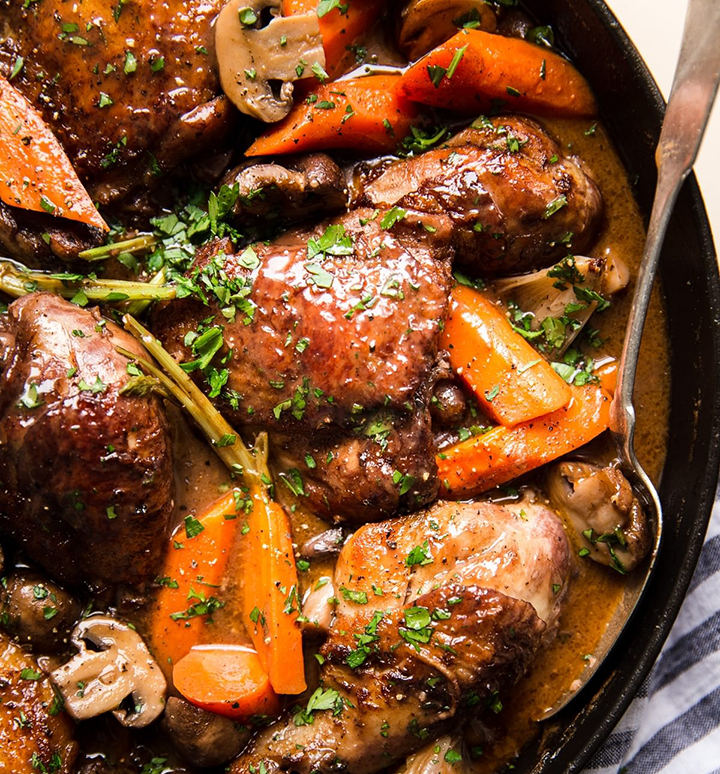
    One of the joys of Beaujolais Nouveau is its versatility when it comes to food pairings. Its light body and vibrant acidity make it an excellent companion for a variety of dishes. Consider pairing it with classic French fare such as coq au vin or a plate of charcuterie. The wine’s fruity profile also makes it an ideal match for Thanksgiving dinner, complementing the array of flavors on the holiday table.

    For those with a sweet tooth, Beaujolais Nouveau can be a surprising ally. Its fruit-forward nature makes it a delightful pairing with fruity desserts, such as a berry tart or poached pears.

    Coq au Vin – themodernproper.com/coq-au-vin

    Cultural Significance

    The release of Beaujolais Nouveau has transcended its French origins and become a global celebration of wine and camaraderie. Wine lovers around the world eagerly anticipate the third Thursday of November, marking the official release date. Festivals, parties, and special events unfold as enthusiasts raise their glasses to toast the arrival of this unique and ephemeral wine.

    Beaujolais Nouveau has become more than just a beverage; it’s a symbol of conviviality, tradition, and the joy of sharing. Winemakers, distributors, and consumers alike partake in the annual ritual, creating a sense of connection that transcends borders and cultures.

    Embracing the Beaujolais Nouveau Tradition

    I encourage enthusiasts to embrace the magic of Beaujolais Nouveau. Its lively and approachable nature, coupled with the rich history and cultural significance, makes it a wine worth savoring. Whether enjoyed at a festive gathering, a cozy dinner, or simply as a delightful accompaniment to the changing seasons, Beaujolais Nouveau captures the essence of celebration in a bottle. So, as the third Thursday of November passes by, let us raise our glasses to this special season favorite and the traditions that make the world of wine so enchanting.

    Santé 🍷

  • Wine Experiences: A Five Decade Chateau Montelena Wine Pairing Dinner

    Wine Experiences: A Five Decade Chateau Montelena Wine Pairing Dinner

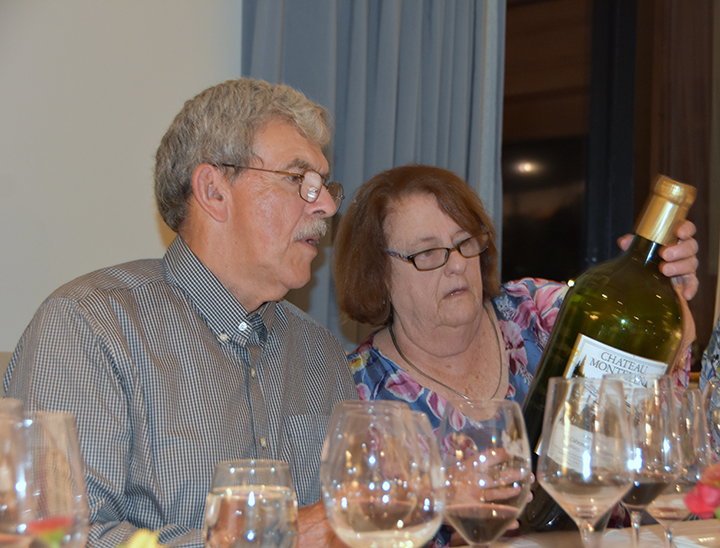
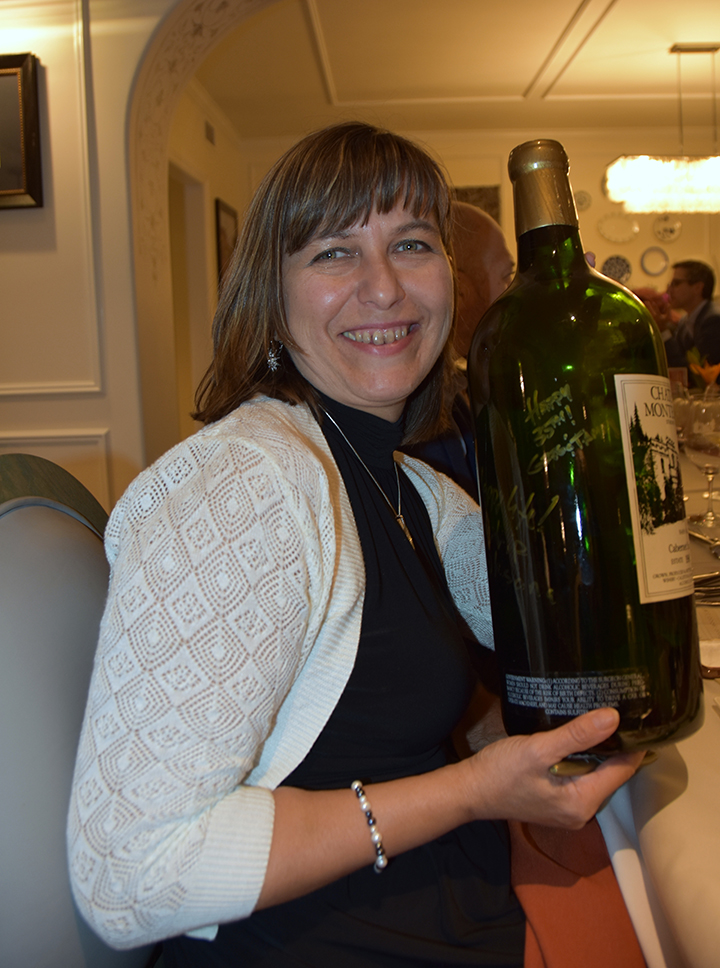
    On October 28, 2023, an enchanting event unfolded in a private suite at Disney’s Riviera Resort, a night that will be fondly remembered by those lucky enough to attend. It marked the 35th Wedding Anniversary of Scott and Alison White, a couple known for their love of fine wine and fine company. Although their actual anniversary date was October 30th, they thoughtfully planned this special celebration a few days in advance to accommodate their dear friends and family with busy schedules. It turned out to be a decision that would create an unforgettable evening filled with elegance, exceptional wine, and camaraderie.

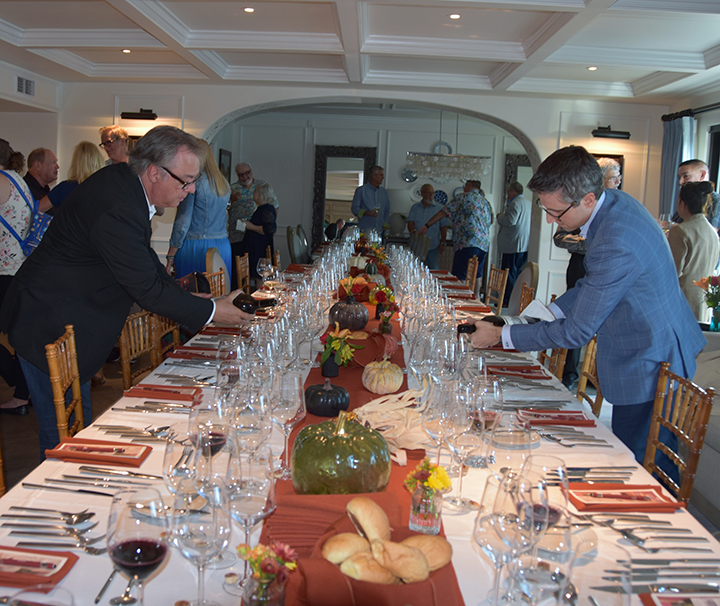
    Place setting for the Chateau Montelena Penta-deca-vertical

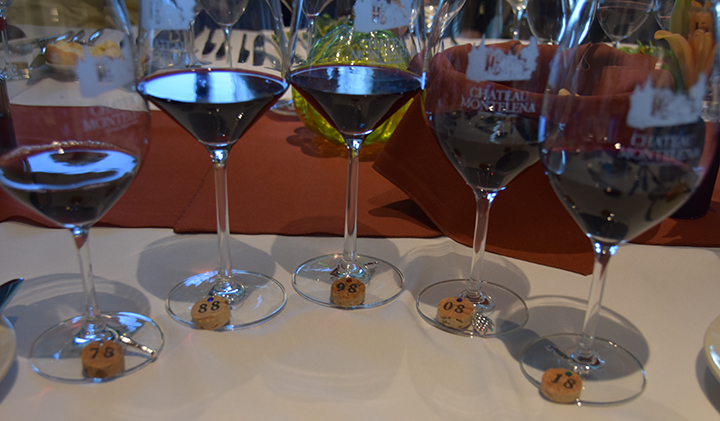
    The centerpiece of the evening was a Chateau Montelena themed 5-course wine dinner featuring five decades of the legendary Cabernet Sauvignon wines of Chateau Montelena: 1978, 1988, 1998, 2008, and 2018. As each guest arrived, they were greeted with a glass of the 2020 Chateau Montelena Chardonnay, a delightful prelude to the remarkable evening that awaited them. The bright and beautifully floral wine flowed as guests mingled, setting the stage for a night of memorable moments.

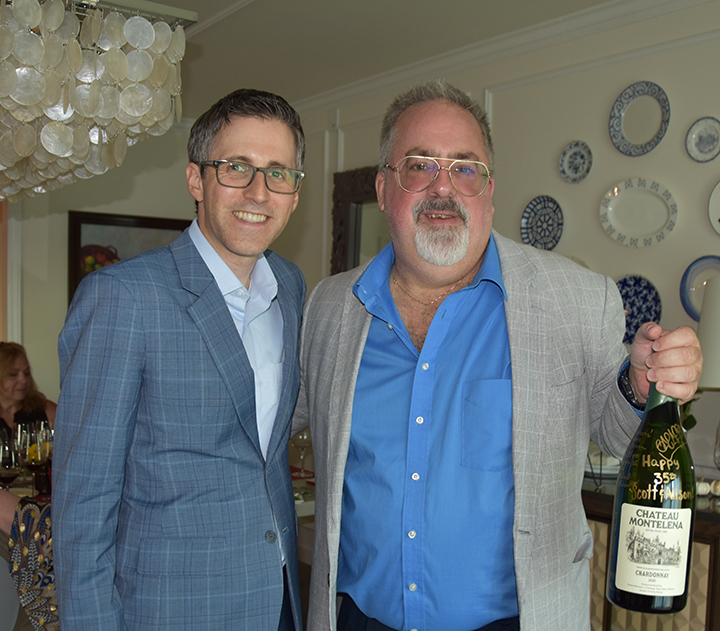
    Gregory Dean (SOMM&SOMM) and Chris Grossman, CSW (Chateau Montelena)

    The uniqueness of this event became apparent when all five different Cabernet Sauvignons were poured at the beginning of the meal. This format allowed every vintage to be compared with all five courses. To enhance the experience and create a lasting memory, special tasting mats were thoughtfully provided for the 32 guests, inviting them to take notes and record their journey through these remarkable wines.

    Our ties may not be by blood, but they’re definitely by bottle… and I dare say, that’s even stronger!

    Gregory Dean

    Adding an extra layer of enchantment to the evening, Chris Grossman, a Certified Specialist of Wine (CSW) from Chateau Montelena, was in attendance as the special guest. His presence was akin to having the gatekeeper of a vinous treasure trove share the secrets and stories behind each bottle. Chris regaled the guests with detailed information about each wine, unveiling the history and the little-known tales of the fabled Chateau Montelena. His insights and storytelling elevated the entire experience, making it all the more special.

    Chris Grossman, CSW – Chateau Montelena

    As for the culinary side of the evening, the menu was meticulously curated, offering a perfect marriage of flavors with the exceptional wines:

    Beets Three Ways: The evening commenced with a dish that celebrated the versatility of beets, prepared three ways and complemented by fine herbs and red wine vinaigrette.

    Roasted Butternut Squash Soup: The second course brought to the table a velvety roasted butternut squash soup, adorned with pepitas and pomegranate seeds.

    Char-Crusted Swordfish: The third course introduced char-crusted swordfish, accompanied by creamed leeks and a cabernet reduction.

    Cabernet-Braised Short Rib: The fourth course featured tender cabernet-braised short ribs, served with red wine-braised onions and polenta.

    Reverse-Seared Ribeye: The grand finale was a succulent reverse-seared ribeye, presented with smoked gouda mac & cheese, charred Brussels sprouts, and a tantalizing blackberry sauce.

    Chateau Montelena Cabernet Sauvignon Lineup (1978, 1988, 1998, 2008, 2018)

    As the evening progressed, there was no shortage of opinions and expressions of how each wine paired with every dish. In fact, there were eight (8) sommeliers among the thirty-two (32) total guests. This created an atmosphere of wine knowledge euphoria 😉 With the penta-deca-vertical (a Scott White coined phrase) poured, each course was meticulously prepared and served. Here is my summary of how these wines paired with the dishes:

    Beets Three Ways – The older, softer wines (1978 and 1988) were my favorite wines for this dish. The 1998 with the golden beets in this dish were definitely a favorite.

    The 1978 Chateau Montelena Cabernet Sauvignon, a wine matured with time, gracefully complemented the “Beets Three Ways.” Its aged elegance showcased a symphony of flavors with subtle hints of blackberries, dried herbs, and a delicate touch of leather. This wine lent a refined depth to the dish. The earthy beets in their various preparations resonated with the wine’s complex character, creating a harmonious balance between sweet and savory, which was a testament to the beauty of well-aged Cabernet Sauvignon.

    The 1988 Chateau Montelena Cabernet Sauvignon, known for its rich dark fruit flavors and velvety texture, engaged in a delightful dance with the “Beets Three Ways.” The wine’s fruity undertones accentuated the natural sweetness of the beets while its tobacco notes offered a contrasting depth. This pairing brought out the best in both wine and dish, creating a symphony of flavors where the earthy and peppery aspects of the beets were beautifully elevated by the wine’s round finish.

    Roasted Butternut Squash Soup – This dish was earthy and rustic, so the older vintages seemed to be a natural fit. My favorite, however, was the 1998 with this particular dish.

    The 1998 Chateau Montelena Cabernet Sauvignon, characterized by dark plum, tobacco, and cedar, offered a captivating interplay with the Roasted Butternut Squash Soup. The wine’s firm tannins and depth created a delightful contrast to the soup’s creaminess. The wine’s dark fruit elements harmonized with the soup’s sweetness, while its structural integrity accentuated the dish’s complexity. This pairing celebrated the diverse characteristics of both the wine and the cuisine, creating an engaging and rich experience.

    Char-Crusted Swordfish – This dish was diverse enough to work well alongside any of the vintages. At one point I witnessed a guest enjoying this dish with the 2020 Chateau Montelena Chardonnay 😉 It’s this very reason that I leaned into a contrasting pairing as opposed to the classic complementing approach.

    The 2008 Chateau Montelena Cabernet Sauvignon, recognized for its balanced blackberry, cassis, and hints of eucalyptus, offered a refreshing twist to the Char Crust Swordfish. The wine’s depth and the hints of eucalyptus provided a unique contrast to the dish. The wine’s dark fruit flavors harmonized with the swordfish’s flavors, while its structural integrity accentuated the overall complexity of the dish. This pairing showcased the wine’s ability to provide a dynamic and revitalizing counterpoint to seafood.

    Cabernet-Braised Short Rib – This savory dish required a wine with pronounced fruit, body, and bolder tannins. The 2018 was a perfect fit!

    The 2018 Chateau Montelena Cabernet Sauvignon, the most recent vintage, unveiled bold blackberry, currant, and dark chocolate notes, creating an opulent and luxurious pairing with the Cabernet-braised Short Rib. The wine’s dark fruit and chocolate undertones beautifully complemented the richness of the short rib, enhancing the overall experience. The red wine-braised onions and polenta found a luxurious partner in this vintage, creating a grand and flavorful conclusion to the dish. This pairing set a decadent tone for the rest of the wine dinner, emphasizing the wine’s versatility and its ability to elevate classic comfort food to new heights.

    Reverse-Seared Ribeye – The final dish in the 5-course pairing would have easily stood up to any of the vintages in our penta-deca-vertical. My preference, however, was the 1978 vintage.

    The 1978 Chateau Montelena Cabernet Sauvignon, with its well-aged complexity, presented a captivating contrast to the Reverse-seared Ribeye. This vintage’s notes of blackberries, dried herbs, and subtle leather added depth and sophistication to the rich, succulent ribeye. The wine’s smooth tannins and long finish created an elegant harmony with the dish, bringing out the ribeye’s bold flavors and creating a luxurious and timeless pairing.

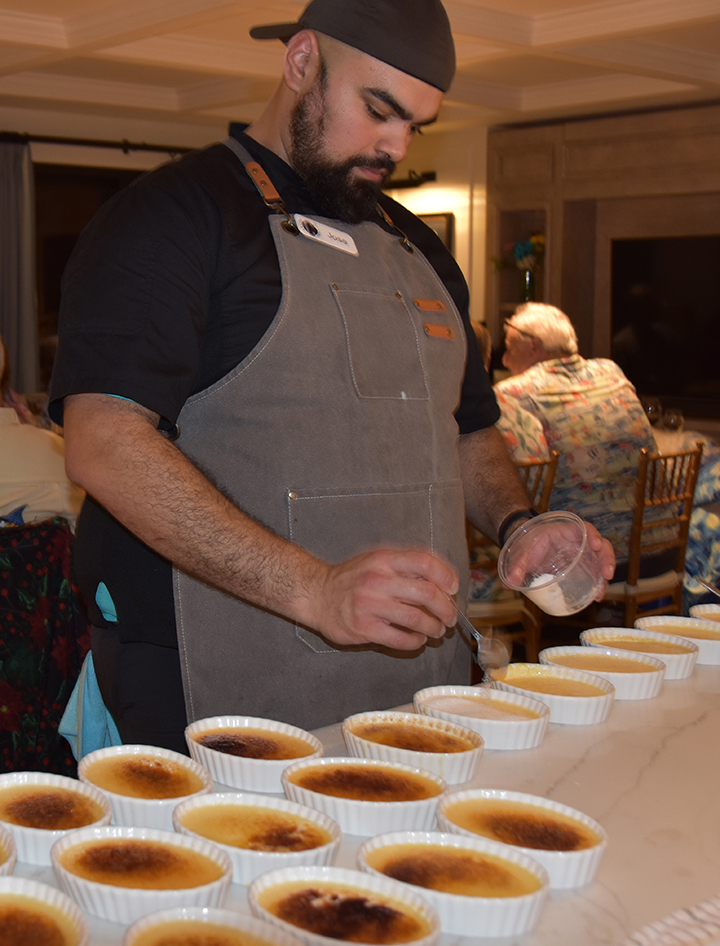
    Just when the evening couldn’t possibly get better… dessert was served! It was a melody of sweet classics–including creme brûlée (a personal favorite). These dessert dishes were served to enjoy alongside a luscious Chateau Montelena Late Harvest and Chateau Montelena Ruby-style Port (very exclusive).

    Chef Jose preparing Creme Brûlée

    We could not have scripted a better evening with a better group of friends. Thanks Scott and Alison for the friendship and shared love of food and wine.

    …So raise your glasses, give a hearty cheer, To Scott and Alison, who’ve persevered; Through all the years, come what may, Here’s to more laughter, on this special day!

    From the 35th Anniversary Toast – Gregory Dean

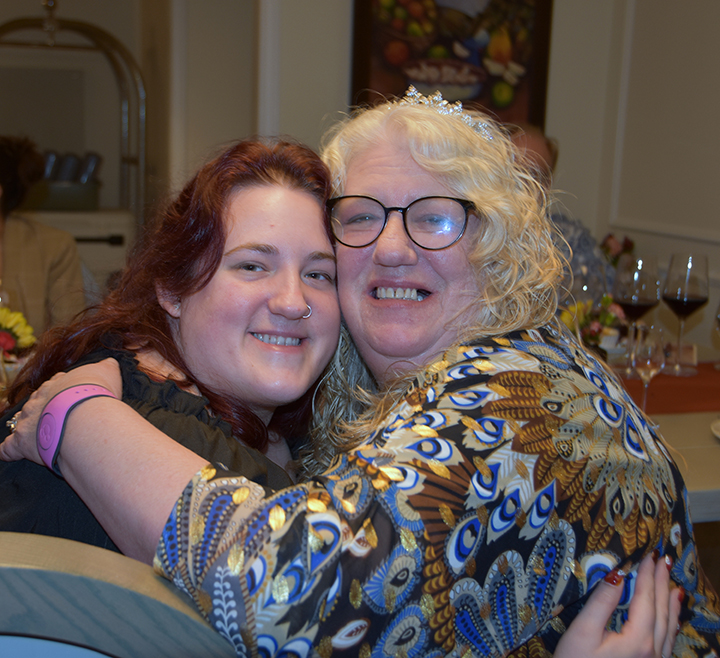
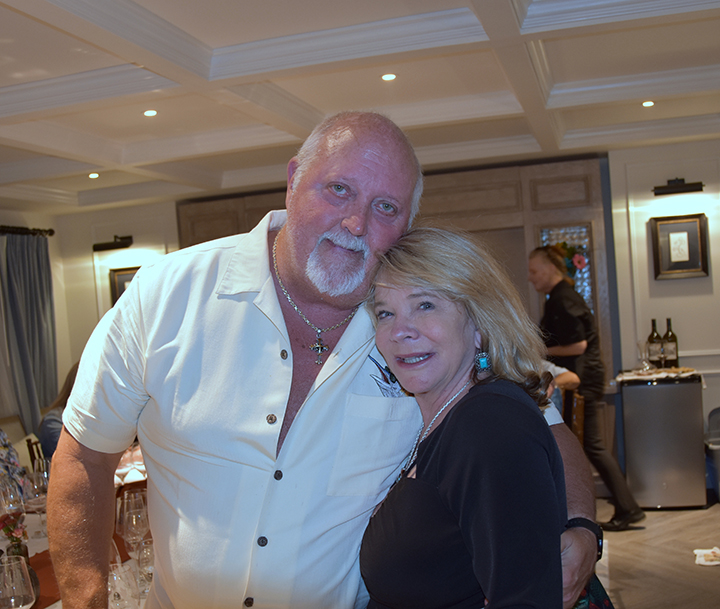
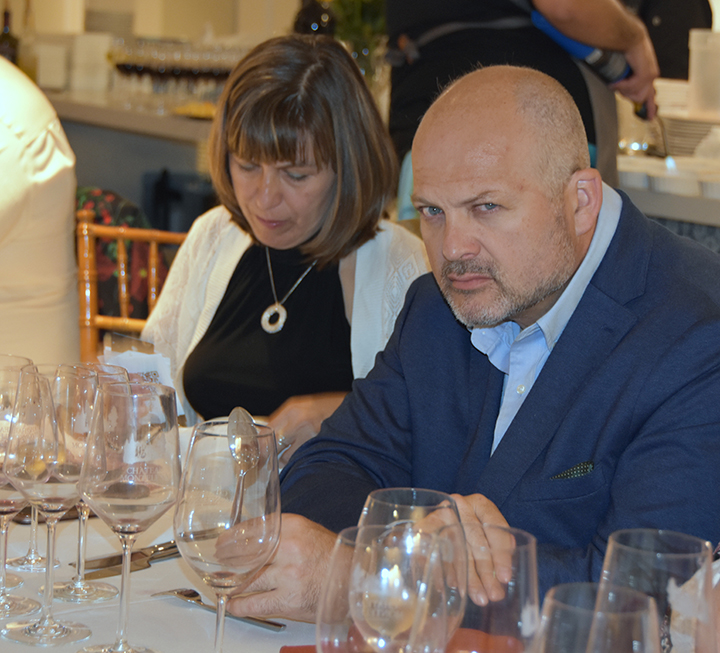
    A few memories captured by Erin Toung. Thanks, Erin, for the wonderful photos 😉

  • Wine Experiences: Chateau Margaux

    Wine Experiences: Chateau Margaux

    In the illustrious world of fine wines, few names evoke as much reverence and admiration as Chateau Margaux (my favorite first growth). Nestled in the heart of Bordeaux’s famed Margaux appellation, this historic estate has consistently produced wines of unparalleled grace and distinction. Among the numerous exceptional vintages that have emerged from its cellars, the 1977 Chateau Margaux stands as a shining example of Bordeaux’s timeless elegance and the estate’s unwavering commitment to excellence.

    During a routine gathering of five wine-loving couples–appropriately named Club 10–one particular label stood out. While it isn’t unusual for wine-enthusiasts Brian and Erin Toung to share rare and unusual wines from their extensive collection, we knew right away that this night was going to be special. All of the wines were spectacular, and the 1977 Chateau Margaux provided by the Brian and Erin Toung lived up its reputation.

    Club 10 – August 18, 2023 at the home of Mike and Patti Weber

    History of Chateau Margaux

    Chateau Margaux’s legacy dates back to the 12th century when the property was first cultivated as a vineyard. However, it wasn’t until the 17th century that it began to gain prominence under the ownership of the Marquise de la Colonilla. Under her careful stewardship, Chateau Margaux rose to prominence, earning the moniker “The Pearl of Bordeaux.”

    Throughout its storied history, the estate has changed hands several times but always maintained its reputation for producing some of the world’s finest wines. The modern era ushered in a new era of precision winemaking under the guidance of André Mentzelopoulos, and later, his daughter Corinne Mentzelopoulos, who continues to oversee the estate today.

    The 1977 Vintage: A Snapshot in Time

    The 1977 Chateau Margaux vintage occupies a unique place in the estate’s annals. While not as legendary as some of the earlier vintages, such as the 1961 or the 1982, it remains a fascinating chapter in Chateau Margaux’s history. This vintage was marked by a temperate growing season with a mild summer, resulting in wines that exhibit a graceful finesse rather than raw power.

    Tasting Notes from a Sommelier’s Perspective

    The cork quickly disintegrated during several attempts to release it from its stable home of 46 years. After a slow ritual-like decanting, it was time to indulge 😉

    Aroma: Upon pouring a glass of the 1977 Chateau Margaux, I was immediately greeted by a symphony of aromas. Delicate notes of dried flowers, violet, and rose petals danced alongside more profound scents of blackcurrant, plum, and cherry. The bouquet was enchanting and seductive, showcasing the wine’s maturity with grace.

    Palate: On the palate, the wine continued to captivate with its finesse. The tannins had softened over the years, providing a silky texture that caressed the tongue. While the fruit had mellowed, it remained vibrant, revealing flavors of blackberry, cedar, tobacco, and subtle hints of leather. There was a lovely balance between the fruit and tertiary notes, making it a delight to savor.

    Structure: The 1977 Chateau Margaux maintained an impeccable structure. It had a medium body with a long, elegant finish that leaves a trail of subtle spices and a touch of minerality. The wine’s acidity was still remarkably fresh, providing a sense of vitality that belies its age.

    Pairing: This vintage calls for equally refined and nuanced cuisine. It paired perfectly with the French-inspired dishes meticulously prepared by our Club 10 hosts, Mike and Patti Weber. The wine’s elegance and complexity complemented these dishes beautifully.

    An Experience Like No Other

    The 1977 Chateau Margaux is a testament to the timeless allure of Bordeaux’s Margaux appellation and the unwavering commitment to quality at Chateau Margaux. While it may not be the most famous vintage from this legendary estate, it offed a unique opportunity to experience the grace and finesse that have made Chateau Margaux a household name among wine connoisseurs. With its mature aromas, silky palate, and impeccable structure, the 1977 Chateau Margaux continues to captivate the senses and remind us of the enduring excellence that defines this historic winery. Thanks Brian and Erin!

  • Varietal Spotlight: Chardonnay

    Varietal Spotlight: Chardonnay

    The Canvas of the Winemaker.

    Few grape varieties offer as much versatility and expressive potential as Chardonnay. Within the Vitis vinifera family, it stands as one of the most adaptable varietals—capable of producing everything from zesty, mineral-driven wines to rich, barrel-aged expressions. Winemakers often call it the “blank canvas” grape, not because it lacks character, but because it reflects the sum of choices made in the cellar: oak or stainless steel, malolactic conversion or crisp acidity, extended lees aging or youthful freshness. Chardonnay mirrors technique—and that is precisely why professionals revere it.

    Photo by Nadin Sh on Pexels.com

    A Brief History of a Global Classic

    The name Chardonnay originates from a small village in the Mâconnais subregion of Burgundy, France. While legends once traced its ancestry to medieval crusades or poetic tales from Cyprus, modern science has provided a far clearer understanding.

    Thanks to genetic research—most notably by Dr. Carole Meredith of the University of California—we now know that Chardonnay is a natural cross between Pinot Noir and Gouais Blanc. That lineage is meaningful: Pinot Noir has long been considered the noble grape of Burgundy, while Gouais Blanc was historically grown for everyday table wine. Their close proximity in vineyards centuries ago allowed for cross-pollination that ultimately produced the varietal we recognize today.

    Interestingly, Gouais Blanc has been known by more than 140 different names—proof of its widespread cultivation—and yet it has all but disappeared today. Chardonnay, on the other hand, has become one of the most celebrated and widely planted grapes in the world.

    Chardonnay and Terroir: A Natural Translator

    Chardonnay is uniquely sensitive to terroir—the combination of soil, climate, altitude, water access, and topography that shape a wine’s character. For this reason, many Old World labels emphasize geographic origin more than grape variety.

    Photo by Kate Filatova on Pexels.com

    Take Chablis, for example. It is not a synonym for Chardonnay, yet every wine labeled Chablis must be made from Chardonnay. The region’s cool climate and Kimmeridgian limestone soils produce wines that are lean, flinty, and mineral-driven—quite different from the fuller styles of, say, Sonoma or Margaret River. Thus:

    All Chablis are Chardonnay, but not all Chardonnays are Chablis.

    Gregory Dean, SOMM&SOMM

    In Burgundy’s Côte de Beaune, names like Montrachet (pronounced “Mon-ra-shay”) represent some of the most prestigious—and expensive—Chardonnays on earth. Further south, Pouilly-Fuissé in the Mâconnais region is known for producing ripe, elegant Chardonnays that balance fruit with structure. Nearly every Old World country—France, Italy, Spain, Germany, Austria, Portugal, Greece, Hungary, Croatia, and others—produces unique expressions shaped by specific terroir.

    Old World generally refers to European, Middle Eastern, and North African wine-producing countries.

    New World Chardonnay: Sunshine in the Glass

    In contrast, New World regions such as California, Australia, South Africa, Chile, and Argentina typically experience warmer growing conditions. More sunlight means longer hang time, which increases sugar levels in the grapes. Higher sugar translates into higher alcohol during fermentation—one reason New World Chardonnays tend to be richer, fuller-bodied, and more fruit-forward.

    Photo by Manuel Muu00f1oz on Pexels.com

    Serving temperature matters:

    • Unoaked, youthful styles: 48–50°F (9–10°C)
    • Oaked or older vintages: 52–54°F (11–12°C)

    These subtle temperature differences allow either the fruit or the influence of oak and lees to take the spotlight.

    What About ‘Buttery’ Chardonnay?

    The often-discussed buttery texture comes from malolactic conversion—a natural process where sharper malic acid (like that in green apples) is transformed into softer lactic acid (found in milk and cream). This adds texture and roundness while reducing acidity. Not all winemakers choose this technique; some prefer the crisp purity of a non-malo Chardonnay. Again—the grape simply mirrors the choice.

    Photo by Heather Smith on Pexels.com

    Chardonnay in Champagne

    Chardonnay is also one of only three permitted grapes in Champagne—the sole white varietal allowed. In fact, when you see Blanc de Blancs on a Champagne label, it indicates the wine is made from 100% Chardonnay. Its elegance and aging potential make it highly prized in sparkling wine production around the world.

    Stylistic Tools of the Winemaker

    Chardonnay can express a wide range of styles depending on the methods used:

    • Stainless steel fermentation – preserves freshness and acidity
    • Oak aging – adds spice, texture, and complexity
    • Concrete eggs – enhance mouthfeel without imparting flavor
    • Malolactic conversion – softens acidity and adds creaminess
    • Lees stirring (bâtonnage) – contributes body and aromatic depth

    Chardonnay, perhaps more than any other grape, tells the story of the cellar.

    SOMM&SOMM Recommendations

    A few standout examples worth exploring:

    Too many to list—but each one showcases a different voice of the same grape.

    A Final Thought

    The best way to understand Chardonnay is to taste it across regions, styles, and techniques. In a gallery, we use our eyes to interpret a painting. With wine, we have the luxury of using three senses instead of one—sight, smell, and taste. Each glass reveals the winemaker’s intention and the land’s identity.

    Next time you pour a Chardonnay, ask yourself:
    What story is the winemaker telling… and what is the vineyard whispering in the background? Cheers ❤️

    Edited: Original post was written and published 2/18/2023. Refreshed and updated 11/29/2025

  • Wine Experiences: A Taste of Georgia

    Wine Experiences: A Taste of Georgia

    There is no better way to learn about (and appreciate) wine than to get fully immersed in its rich history, culture, and traditions. Sometimes we get so involved in studying a wine’s properties–such as nose, taste, structure, and color–that we miss out on the characteristics that make the wine unique to a particular country, region or village. This is especially true for the less traveled old-world vineyards and wineries of Eastern and Central Europe. We recently participated in a traditional Georgian supra (სუფრა) and experienced a full day of traditional dishes, wine, toasts (many toasts) and Georgian culture complete with our own tamada (თამადა).

    Our tamada, Dima, pours our first Georgian wine of the afternoon

    Upon arrival, we knew right away that Dima and Oksana (our hosts) had meticulously planned an afternoon of wine, food and education to challenge our minds and stimulate our senses. Other than the high-level information about viticulture and vinification from our somm-studies, we knew very little about the history and culture of Georgian wines. That was about to change 😉

    Our tamada, Dima, poured the first wine (2018 Marani Tsinandali) as we watched several very informative videos. Tsinandali is a dry white wine from the region of Kakheti. Although a blend of Rkatsiteli (80%) and Mtsvane (20%), it had a familiar nose. On the palette, the creaminess from being aged a short time in oak barrels reminded me of a Chardonnay. The tropical fruit notes, however, were reminiscent of a Pinot Grigio.

    The closest match (at least to my palette) would be the Marsanne-Roussanne blends of Rhone, France–such as the Domaine Jean-Louis Chave Hermitage Blanc. While sharing a few characteristics of other dry white wines, this Tsinandali was truly unique and the perfect way to start our journey of Georgian wines.

    Our wine-fueled discussions continued with a deep dive into the Country of Georgia and its long history of producing wine. Winemaking in Georgia can be traced back to the people of South Caucasus in 6,000BC. That’s right… archaeologists have uncovered clay wine vessels (called qvevris) that date back 80 centuries. With a basic understanding, and whole new appreciation for Georgia, we’re ready for our tamada-led supra–Gaumarjos!

    From left to right: Dima (our tamada), Tammy, Greg, Oksana, Patti and Mike

    A Georgian keipi (ქეიფი) would not be authentic without a tamada to lead and lecture. Dima wasted no time in leading us through the first of many though-prevolking and purposeful toasts. Several were off-the-cuff as expected, but most followed the deep-seated tradition of the Georgian supra.

    The table was covered with amazing regional-inspired dishes which paired perfectly with the Georgian wines. The second wine in the lineup was a crisp aromatic dry white Chinuri (Iago Chinuri) from the Mukhran Valley. This no-skin-contact wine had a bright acidity and subtle minerality. Awesome!

    The dry white wines of Georgia are really special. As with the Iago Chinuri, the next two (2) single-varietal wines are macerated in qvevris (also spelled kvevris). This ancient method of producing Georgian wine involves burying it underground for an extended period of time. In fact, it was the early Georgians that discovered grape juice buried in the ground for the winter would turn into wine. So, is Georgia the birthplace of wine? Hard to argue otherwise.

    The third wine in the lineup was a single varietal traditional qvevri dry white Rkatsiteli from the Kakheti region (2017 Marani Rkatsiteli). It was nice to taste and enjoy this varietal stand-alone, and compare it to the previous blend (2018 Marani Tsinandali). The qvevri method gives this wine a very different profile. There was a hint of orange in the color (more like amber), but certainly not glowing neon like the California white wines that spend additional time on the skins.

    The nose is intense and herbaceous. On the palette, this wine is very expressive. Some minerality exists, but the herb notes really come forward. This was a very nice wine, and really opened our eyes (and minds) to the lesser-known varietals. There are an astounding 500+ varieties of indigenous grapes in Georgia. Only 40 varietals are used in commercial production.

    At this point, we were are all fully committed to the supra, and our tamada has led us through many toasts. Our wine glasses were never empty, as the discussions are focused on those special clay pots and their role in subterranean winemaking 😉

    The fourth wine could not have been timed better. Smoked meats, specialty cheeses, deep-fried okra (my favorite), fresh bread, and a beet salad beyond words were perfect with this 2017 Marani Mtsvane. The qvevri orange wine was beautifully elegant with a long finish. The tannins, uncharacteristic in a white wine, were soft and smooth. Gaumarjos!

    The 2017 Marani Mtsvane wine has forward notes of pitted fruits, and at the same time ripe melon lurks in the distance. I detected fruit tree blossoms on the nose. Generally speaking, amber/orange wines sacrifice fruitiness for tannins by spending up to six months on the skins. This particular wine, however, had the brightness of a white and the soft tannins of a red. Perfect springboard to the Georgian red wine lineup.

    The time had come for a lesson in the art (and science) of making khinkali (ხინკალი). This giant dumpling–sometimes spelled ‘hinkali’–is thought to have originated in Georgia. Regardless, it is still a mainstay. Oksana taught Tammy, Patti and Mike the proper technique for filling and forming these delicious dumplings. Dima feverishly stirred a huge pot of seasoned boiling water and cooked the khinkali to perfection.

    As we moved into the entrées, it was time to abandon the wonderfully intriguing white wines of Georgia and explore the world of expressive reds. The next two (2) wines were a great introduction into one of the most common varietals in Georgia–Saperavi.

    First up (fifth in the lineup for those keeping score) was the 2016 Damani Saperavi. Initial impression was that this wine was faulty. It was somewhat bitter and unapproachable. After a few minutes, it began to resemble wine. Eventually the characteristics of a Saperavi varietal started to come through. Slightly smoky and light floral notes. Still a little bitter and acidic for this varietal.

    This is only my third teinturier grape variety I’ve had the opportunity to taste. The other two were Gamay de Bouze and Chambourcin. Teinturier grapes have dark skins and dark flesh/pulp. Most red varietals have dark skins and clear flesh.

    The sixth wine–also a Saperavi–was a 2019 Tanini Saperavi from the Kakheti region. This wine had an intense inky color typical of teinturier varietals. This unoaked red wine was surprisingly well-structured and balanced. The dark, ripe fruits and just the right amount of earthiness was perfect for what was next–lamb skewers.

    The contrast between the 2016 Damani Saperavi and 2019 Tanini Saperavi wines was unexpected. Especially since both wines were produced in the same area (region). This cold-tolerant varietal is gaining momentum in the northeastern United States–notably in the Finger Lakes.

    A few glasses into the red wines was the perfect time for the pièce de résistance. With a few bold Georgian reds next up on our journey, we were excited to try each paired with Dima’s char-grilled lamb skewers and the plethora of Oksana’s accompanying dishes. Gaumarjos!

    Mukuzani is an area in Kakheti where they are only allowed to make dry wines from 100% Saperavi grapes. The seventh wine in our lineup, a 2018 Marani Mukuzani, was very charismatic. The nose was chocolate-covered cherries and vanilla spice (yes… in the same glass). This wine is dry and very well balanced. Perfect with the Georgian cuisine!

    Unlike the two previous Saperavi wines, this Mukuzani was characteristic of old-world reds. The oak aging combined with the use of qvevris gently coax flavors of ripe, juicy fruit and prunes from the Saperavi grapes. Qvevris are buried in dirt cellars called ‘Marani,’ so it makes sense to name a company the same 😉

    Mukuzani is 1 of 24 Protected Designations of Origin (PDO) wine appellations in the Country of Georgia. Each appellation concentrates on one main wine style (dry red, semi-sweet red, dry amber, sweet amber/fortified white, dry white, semi-dry white, semi-sweet white, sparkling white).

    The eighth wine (whew) of our journey was a 2019 Marani Kindzmarauli. Kindzmarauli is an appellation that produces semi-sweet red wines. The Marani Kindzmarauli was very silky, and unlike the Mukuzani had more distinct blackberry and ripe cherry notes. The wine was expressive and bright. This is undoubtedly due to the wine being finished in stainless steel tanks as opposed to oak barrels.

    Kindzmarauli is considered semi-sweet and certainly would have seemed sweeter if served slightly chilled. It was perfect with the grilled meats and rich dishes of our supra. Having the opportunity to experience all of the facets of this varietal was special… and very enlightening.

    The ninth wine in the lineup was another semi-sweet red from the Kindzmarauli PDO. Our tamada opened a very special 2019 Teliani Valley Kindzmarauli late harvest wine. We typically associate late harvest with dessert wines. We’ve recently discovered, however, that semi-sweet Georgian wines would be considered not-so-sweet or semi-dry in other countries.

    Tannic and flavorful. Dark fruit, spices and mocha on the nose. This wine stood up to the many flavors of our feast. The most interesting thing about the semi-sweet wines of Georgia is how perfectly balanced (and very unusual) to have tannins present. It works… and it works well. Gaumarjos!

    The supra was rounded out by two amazing semi-sweet Georgian wines. Wine number ten in our lineup was a 2017 Damani Kindzmarauli. This wine stood on its own, although it was right at home with the Georgian fare. It was a little different than the other Saperavi wines of the tasting. For me, at least, it reminded me of a well-balanced red blend.

    The eleventh and final wine of the supra was a perfect closer. The Old Telavi Khvanchkara red dessert wine was absolutely amazing! Made from a blend of Aleksandrouli and Mujuretuli grapes, it was lush and balanced. Filled with blackcurrant and raspberry aroma, the wine is juicy and slightly tannic. Yes, please!

    This was one of the most fun and educational gatherings we’ve ever attended. We all have a new appreciation for the Georgian traditions of drinking, toasting and feasting. Dima and Oksana were incredible hosts. Their passion for wine, culture and cuisine was on full display. Dima and Oksana’s masterful creations perfectly complimented the wines of Georgia and our tamada’s artfully prepared toasts.

    Gaumarjos to the tamada!

    Gaumarjos!